FAIRVIEW HEALTH SERVICES - JOINT COMMISSION/CMS Physician and Allied Health Education
←
→
Page content transcription
If your browser does not render page correctly, please read the page content below
FAIRVIEW HEALTH SERVICES
                                                     JOINT COMMISSION/CMS
                                                     Physician and Allied Health Education

   2021

A collaboration among the University of Minnesota,
University of Minnesota Physicians and Fairview Health Services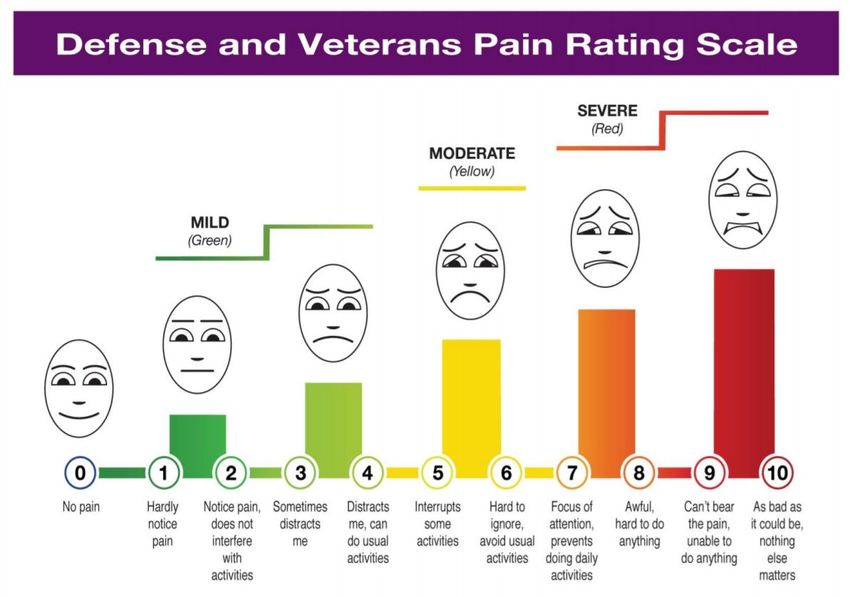
Joint Commission/CMS
                                  Educational Requirements
                                  • The following information is provided to all credentialed
                                    providers.
                                  • Located throughout The Joint Commission chapters are
                                    standards that specify the need to educate physicians
                                    and allied health staff about various topics.
                                  • The following presentation covers required education
                                    materials for 2021. As a member of the medical staff, it
                                    is imperative that you review this educational
                                    information. If you have questions please contact the
                                    Medical Staff Office (contact information listed on the
                                    last page).
A collaboration among the University of Minnesota,
University of Minnesota Physicians and Fairview Health Services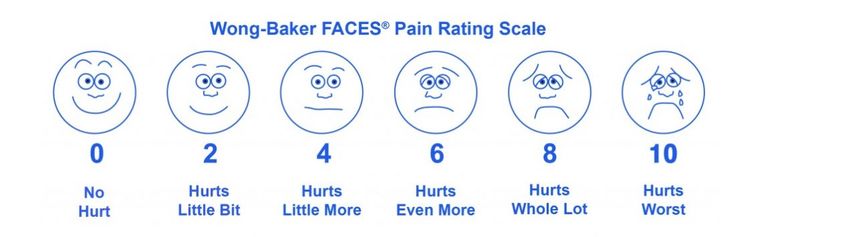
Table of Contents
                   •     MHealth Fairview Mission & Vision .…………………....4            •   Anticoagulation…………………………………………… 44-53
                   •     Fairview Code of Professional Behavior………………...5-10        •   EPIC Downtime Procedures………………………………54-55
                   •     Reporting Concerns……………………………………….11                       •   Health Care Directives……………………………………..56
                   •     Prevention of Healthcare Associated Infections………..12-27   •   Surrogate Decision Maker……………………………........57-58
                   •     Influenza…………………………………………………….28-29                        •   Time Out……………………………………………………..59
                   •     Fire Safety…………………………………………………..30                         •   Site Markings………………………………………………..60
                   •     Pain Management………………………………………….31-38                      •   Sedation Continuum……………………………….............61-64
                   •     Rapid Response Team Activation……………………… 39                 •   Emergency Management………………………….............65
                   •     Alarm Management………………………………………...40                       •   Language Services………………………………….………66
                   •     Restraints……………………………………………………41-43                        •   Medical Staff Governing Documents………………………67
                                                                                    •   Medical Staff Office contact information…………………..68

A collaboration among the University of Minnesota,
University of Minnesota Physicians and Fairview Health Services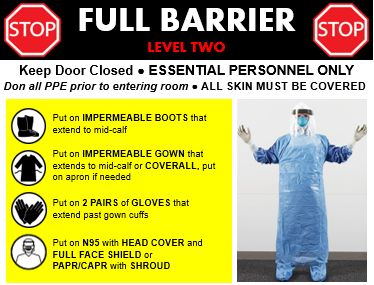
MHealth Fairview Mission

        MHealth Fairview is driven to heal,
    discover and educate for longer, healthier
                      lives.

A collaboration among the University of Minnesota,
University of Minnesota Physicians and Fairview Health Services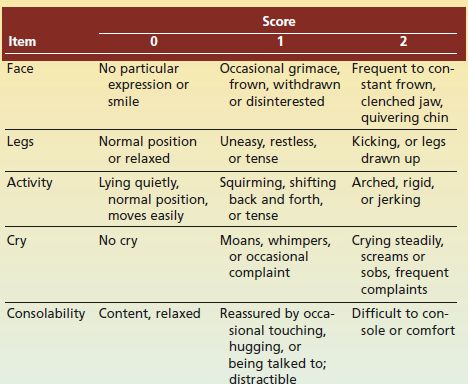
Code of Professional Behavior

           All medical staff and allied health staff of MHealth Fairview
           acknowledge the guiding code for our professions, and as part of
           the credentialing and privileging process commit to:

           • Place the patient at the center of all we do
           • Apply the best science we know
           • Model the highest level of professionalism
           • Actively engage as a collaborative member of the care team
           • Be aware of, and comply with the Bylaws, Rules and Regulations and applicable Policies
             of the entities within which we work

A collaboration among the University of Minnesota,
University of Minnesota Physicians and Fairview Health Services
Place the patient at the center of all we do
• I am readily available and • I respect patient confidentiality
approachable
• I respect patient diversity
• I discuss medical conditions
• I encourage questions and
and medically appropriate
respond to them openly
treatment choices available
with each patient • I respect the important role of
family and friends
• I advocate for the patient
• I will do my best to meet
• I collaborate with other
patient needs within the
members of the care team to
constraints of science, ethics
coordinate care.
and available resources.
A collaboration among the University of Minnesota,
University of Minnesota Physicians and Fairview Health Services 6Apply the best science we know
• I maintain professional • I acknowledge by my actions
knowledge by attending and words that I am an
continuing education, reading educator for patients, family
and learning from colleagues and colleagues and I have a
• I avoid treatment and duty to apply the best
procedures that are not in possible science to that role.
keeping with the latest science
• I disclose real or potential
• I consult with experts in all conflicts of interest that may
professions and I don’t provide create the perception of bias.
care outside my area of
expertise
A collaboration among the University of Minnesota,
University of Minnesota Physicians and Fairview Health Services 7Model the highest level of professionalism
• I share information and • I model appearance and
knowledge proactively with other deportment in a way that
members of the care team
provides confidence and
• I communicate effectively with comfort to the patients.
colleagues and avoid rude or
confrontational behavior • I will refrain from sexual
• I maintain a respectful manner contact or romantic
• I challenge the professional
relationships with all patients.
judgment of others in a polite • I refrain from conduct and
manner and I do not speak activities that may impair
negatively of other health
providers to patients and families professional judgment and
ability to act competently
A collaboration among the University of Minnesota,
University of Minnesota Physicians and Fairview Health Services 8Actively engage as a collaborative
member of the care team
• I actively participate in team • I listen to others
conversations, meetings and
• I communicate effectively with
rounds related to care
referring physicians
• I am willing to actively engage
• I respond to colleagues and
in medical staff committees
staff in a timely manner
• I am willing to share helpful
• I manage hand-offs well
information
A collaboration among the University of Minnesota,
University of Minnesota Physicians and Fairview Health Services 9Be aware of and comply with the rules
• I have an obligation to • I monitor my own behavior
understand and follow and the behavior of others
pertinent MHealth Fairview
• I provide honest feedback
policies
and coaching to others when
• I help create and sustain needed
standards of care delivery
A collaboration among the University of Minnesota,
University of Minnesota Physicians and Fairview Health Services 10Reporting Concerns
• Environmental / Safety - Contact facility
operations director at your location
• Patient/ healthcare concerns
– Contact facility representatives at your
location or enter an event in the Safety Event
Reporting System- Compass. Link found on
the Fairview intranet
– Office of Health Facility Complaints
Suite 300, 85 East 7th Place COMPASS
St. Paul, MN 55101
651-201-4200 or
– The Joint Commission
Office of Quality Monitoring
One Renaissance Boulevard
Oakbrook Terrace, IL 601811
www.jointcommission.org
Any individual who provides care, treatment and services can report concerns about safety or the
quality of care without retaliatory action from the hospital.
A collaboration among the University of Minnesota,
University of Minnesota Physicians and Fairview Health Services 11Prevention of Healthcare Associated Infections
Hand Hygiene
National Patient Safety Goal
• Staff are expected to perform hand hygiene:
– Before entering and after leaving a patient care area (i.e.
patient room), commonly referred to as Foam In/Foam Out or
Gel In/Gel Out
– Before and after donning gloves
– At the five moments indicated in the diagram /)
• Alcohol-based hand rubs are effective and are
the preferred method for routine hand hygiene.
• Washing hands with soap and water (in addition
to or instead of alcohol-based hand rub) is
required:
– When hand are visibly soiled.
– When caring for patients with nausea, vomiting, and/or
diarrhea, including patients in Enteric Precautions.
– After using the restroom.
– Before eating
A collaboration among the University of Minnesota, 12
University of Minnesota Physicians and Fairview Health ServicesPrevention of Healthcare Associated Infections
Central Line Associated Bloodstream Infections
Aseptic Insertion of Vascular Catheters: Follow Central Line Maintenance Bundle Elements:
• LINE NECESSITY
• Hand Hygiene prior to insertion and before any line • Necessity of all venous and arterial lines will be discussed daily and removed
manipulation as early as possible
• HAND HYGIENE and GLOVES
• Standardized protocol through use of
• Hand hygiene will be performed, and gloves will be donned just prior to
kits/carts/checklists
touching tubing, dressings, and/or site, and before accessing lines
• Use of maximal sterile barriers (cap, mask, sterile • VASCULAR ACCESS SITE DISINFECTION
gown, sterile gloves and full body sterile drape) • Active or passive vascular access site disinfection will be performed prior to
EVERY central line access, including sequential accesses
• Chloraprep for skin antisepsis (except infants < 1000 • DRESSING CARE
gm – use Betadine solution) • CATHETER HUB CARE
• TUBING CARE
• Avoid the use of femoral vein unless other sites are • LAB DRAWS
not available • Central line access for blood collection will be minimized as much as possible
• CHG BATHING
Educate the patient/family prior to catheter insertion and
• All patients with central lines will have daily CHG bath and linen change (if not
document in the patient’s medical record.
contraindicated)
• PATIENT/FAMILY EDUCATION
A collaboration among the University of Minnesota,
University of Minnesota Physicians and Fairview Health Services 13Prevention of Healthcare Associated Infections
Catheter Associated Urinary Tract Infections
• Refer to the MHealth Fairview Urinary Catheter Management Guidelines for appropriate indications for insertion and continued use.
• Consider alternatives to indwelling catheters if appropriate.
• Maintain aseptic technique during urinary catheter insertion.
Urine Specimen Ordering Maintenance of Urinary Catheters
• Only order a urine culture when clinically appropriate • Urinary catheter system should be closed. If red seal has
– Avoid pan-culturing; order symptom-specific tests been broken, sterility of system is compromised. Replace
• Order a urinalysis with reflex to urine culture (certain whole system as appropriate.
populations excluded). • Ensure urine flow is not obstructed (no kinks, loops, or
• Assess patient for signs and symptoms of UTI, and stagnant urine) and that the bag is not touching the floor.
document fever, flank pain, suprapubic tenderness, • Bag should be emptied frequently to avoid obstruction and
urinary urgency, frequency, or dysuria. backflow.
• Cloudy urine, foul-smelling urine and urinary • Catheter care should be performed at least once per day.
sediment alone are not appropriate reasons for • Care teams and providers should do daily evaluation
ordering a urine culture. of catheter necessity and remove when no longer
• If ordering a urine specimen for a patient with a indicated. Document evaluation in patient’s medical
catheter in place 7 days or longer, exchange the record.
catheter before collecting urine (special populations
excluded).
A collaboration among the University of Minnesota,
University of Minnesota Physicians and Fairview Health Services 14Prevention of Healthcare Associated Infections
Prevent: Clostridioides difficile Infection (C. diff)
• Enteric Precautions should be utilized when C. diff is suspected.
– Don gown and gloves upon room entry.
– Hand Hygiene with soap and water upon room exit.
– Bleach cleaning of the patient room and equipment after use.
• Due to the sensitivity of the C. diff PCR, the test cannot differentiate between asymptomatic colonization and true infection,
so testing stewardship is necessary.
– Antibiotic treatment is NOT indicated for patients with C. diff colonization and can drive antibiotic resistance.
• A two-part BPA was developed to encourage testing stewardship.
– Part 1: Looks for recent C. diff PCR results.
o If the patient has had a negative C. diff test in the last 7 days or a positive C. diff test in the last 10 days, testing is not recommended
o Testing for cure or repeat testing is not recommended.
– Part 2: Helps to differentiate between current C. diff infection or possible asymptomatic colonization.
o ≥ 3 loose/watery stools in a 24-hour period.
o No administration of laxatives in the last 48 hours.
o Associated C. diff infection symptom (fever, elevated WBC, and/or abdominal pain).
– Providers may override the BPA if they have strong clinical suspicion of C. diff infection.
A collaboration among the University of Minnesota,
University of Minnesota Physicians and Fairview Health Services 15Prevention of Healthcare Associated Infections
Prevent: Surgical Site Infections (SSI)
Educate patient/family on strategies to prevent SSI including:
• Not smoking
• Pre-op showering/bathing with a facility-approved antiseptic/antimicrobial agent (ex. chlorhexidine
gluconate 4%) the evening before and the morning of surgery for patients who meet criteria. Clean
towels, sheets on the bed and clothing after showering.
• Patient education for post op wound care.
Staff to follow best practices for:
• Antibiotic dosing
• Surgical Site Preparation
• Follow/support all perioperative guidelines and policies
• Normothermia
A collaboration among the University of Minnesota,
University of Minnesota Physicians and Fairview Health Services 16Prevention of Healthcare Associated Infections
Antimicrobial Stewardship
Burden of Antimicrobial Resistance in the United States
Center for Disease Control (CDC) estimates that more than two million people are sickened every year with
antibiotic-resistant infections, with at least 23,000 dying as a result.
Four Core Actions to Fight Antimicrobial Resistance
Prevent Infections- Prevent the spread of resistance through immunizations, handwashing and using antibiotics
as directed
Tracking-
Information gathered by the CDC helps experts to develop specific prevention strategies
Improving Antibiotic Prescribing/Stewardship
Change the way antibiotics are used. Up to half of all antibiotic use is unnecessary and inappropriate.
Commit to always use antibiotics appropriately and safely- only when needed to treat disease, and to choose the right
antibiotics to administer them the right way every time.
Develop New Drugs and Diagnostic Tests
Antibiotic resistance occurs as part of a natural process in which bacteria evolve. It can be slowed but not stopped.
Therefore, new antibiotics are always needed to keep up with resistant bacteria
A collaboration among the University of Minnesota,
University of Minnesota Physicians and Fairview Health Services 17Prevention of Healthcare Associated Infections
Antimicrobial Stewardship
What You can do-
• Promote Antibiotic Best Practices
o Ensure all orders have a dose, duration and indication
o Get cultures before starting antibiotics
o Take an “antibiotic timeout” reassessing antibiotics after 48-72 hours
• Help patients understand that “less is better” for antibiotics
• Practice good hand hygiene
• Be collaborative with your Antimicrobial Stewardship Teams
o Fairview System Stewardship Efforts
Formal Antimicrobial Stewardship Programs have been established at all Fairview
Hospitals
Joint efforts between Infectious Disease Providers, Pharmacists and Infection
Prevention
Active intervention with real-time feedback
System Antimicrobial Subcommittee
Order sets developed with antimicrobial best practices in mind
A collaboration among the University of Minnesota,
University of Minnesota Physicians and Fairview Health Services 18Prevention of Healthcare Associated Infections
Multidrug-Resistant Organism Prevention
National Patient Safety Goal
TRANSMISSION-BASED PRECAUTIONS (ISOLATION)
• Contact Precautions for care of the patient with MRSA, VRE, CRE, ESBL, and other MDROs.
• Enteric Precautions for care of patients with diarrhea-associated Clostridioides difficile (C. diff), norovirus,
rotavirus, hepatitis A, or any other diarrheal-type illness.
o Hand hygiene with soap and water is required if hand skin is visibly soiled or when exiting an Enteric
Precautions room.
PATIENT EDUCATION
• Educate patient and families regarding their MDRO status. Patient education materials are located in Krames On-Demand
through the Fairview Intranet and EPIC.
• Document patient education in EPIC. Documentation is how we monitor our compliance for providing patients and their families
with education.
A collaboration among the University of Minnesota,
University of Minnesota Physicians and Fairview Health Services 19Prevention of Healthcare Associated Infections
Transmission-based Precautions
Most commonly used for:
• Organisms spread by
direct or indirect contact.
• Patients with suspected
or confirmed MDROs.
• Patients with
uncontrolled body fluids,
regardless of diagnosis.
New to Legacy HealthEast sites:
Gown and gloves must be worn
past the “swing of the door”
A collaboration among the University of Minnesota, 20
University of Minnesota Physicians and Fairview Health ServicesPrevention of Healthcare Associated Infections
Transmission-based Precautions Practices
Most commonly used for:
• Organisms spread by direct or
indirect contact.
• Patients with C. diff, norovirus,
rotavirus, hepatitis A, or
patients with uncontained
diarrhea.
New to Legacy HealthEast sites:
• Patients should remain in Enteric
Precautions for a minimum of 30
days after positive test.
• Gown and gloves must be worn
past the “swing of the door.”
A collaboration among the University of Minnesota, 21
University of Minnesota Physicians and Fairview Health ServicesPrevention of Healthcare Associated Infections
Transmission-based Precautions Practices
Most commonly used for:
• Organisms spread by large-
particle droplets (>5µm).
• Patients with suspected or
confirmed influenza,
pertussis, bacterial
meningitis, or other
respiratory illness.
New to Legacy HealthEast sites:
Influenza patients with AGPs should
be placed into negative airflow room
or room with a portable HEPA filter
when possible
A collaboration among the University of Minnesota,
University of Minnesota Physicians and Fairview Health Services 22Prevention of Healthcare Associated Infections
Transmission-based Precautions
Most commonly used for:
• Patients with suspected
or confirmed COVID-19.
A collaboration among the University of Minnesota, 23
University of Minnesota Physicians and Fairview Health ServicesPrevention of Healthcare Associated Infections
Transmission-based Precautions
Most commonly used for:
• Organisms spread by
airborne droplets.
• Patients with suspected
or confirmed active
pulmonary tuberculosis
(TB), disseminated
shingles, or measles.
A collaboration among the University of Minnesota, 24
University of Minnesota Physicians and Fairview Health ServicesPrevention of Healthcare Associated Infections
Transmission-based Precautions
New to all sites:
Full Barrier Precautions
Level One and Level Two
Full Barrier has been split into 2 categories to align with MDH recommendations for
high consequence infectious disease (HCID).
Full Barrier Precautions - Level One and Level Two are used for infectious conditions
and diseases that require a high level of protections and newly emerging infectious
diseases where the route of transmission is unknown.
A collaboration among the University of Minnesota, 25
University of Minnesota Physicians and Fairview Health ServicesPrevention of Healthcare Associated Infections
Transmission-based Precautions
Most commonly used for:
• Patients with suspected
or confirmed “dry” viral
hemorrhagic fever
(VHF).
– “Dry” patients are
clinically stable with no
bleeding, vomiting, or
diarrhea.
A collaboration among the University of Minnesota, 26
University of Minnesota Physicians and Fairview Health ServicesPrevention of Healthcare Associated Infections
Transmission-based Precautions
Most commonly used for:
• Patients with suspected or
confirmed “wet” viral
hemorrhagic fever (VHF) or
pox virus.
– “Wet” patients are
clinically unstable with
bleeding, vomiting, or
diarrhea.
• A Level One VHF patient that
is having an aerosol-
generating procedure
performed.
A collaboration among the University of Minnesota, 27
University of Minnesota Physicians and Fairview Health ServicesInfluenza
• Annually, the Center for Disease • All Medical Providers and Allied
Control (CDC) provides the current Health Professionals are required
recommendation for seasonal to receive the influenza
influenza vaccination. vaccination yearly or complete a
• The Fairview Health System declination.
Infection Prevention Committee
• HealthEast Medical Staff- if
provides recommendations specific
to our hospitals and clinics based on declination of immunization is
CDC and Minnesota Department of completed, provider must wear a
Health recommendations. mask.
A collaboration among the University of Minnesota,
University of Minnesota Physicians and Fairview Health Services 28Influenza
• When should health care providers start and stop vaccination efforts?
– Vaccination should begin as soon as flu vaccine is delivered.
Manufacturers distribute vaccine as production is completed.
Distribution of vaccine can begin in August and continue through the
fall. Most seasons, vaccine distribution is completed by January.
– Flu vaccines may be offered to patients when they are seen by health
care providers for routine care or as a result of hospitalization.
A collaboration among the University of Minnesota,
University of Minnesota Physicians and Fairview Health Services 29Fire Safety
• Rescue any person from immediate danger.
• Alarm/Alert
– Pull the emergency fire alarm.
– Call the emergency number for your site.
– Be prepared to tell them:
o Who you are.
o Where you are.
Rescue
o How large is the fire.
o What type of fire it is.
Alert o If people are in danger.
Confine – Stay on the line until the operator ends the call, unless in
Extinguish/Evacuate immediate danger.
• Confine the fire
– Close all doors and windows.
– Clear the hallway.
– Stop movement in/out of area.
• Extinguish the fire if it is safe and you know how to use the fire
extinguisher or Evacuate if you are in danger or are directed by the
fire response personnel.
A collaboration among the University of Minnesota,
University of Minnesota Physicians and Fairview Health Services 30Pain Management
The fundamentals of safe and effective pain management in the hospital
include the following steps:
• Opioids are not always first-line or routine therapy for chronic pain
• Establish and measure goals for pain and function
• Discuss benefits and risks and availability of nonopioid therapies
with patient
Please review the Pain Management System Policy for additional information
A collaboration among the University of Minnesota,
University of Minnesota Physicians and Fairview Health Services 31Pain Management New EPIC Pain Assessment Tool Used in Adults who are able to self report A collaboration among the University of Minnesota, University of Minnesota Physicians and Fairview Health Services 32
Pain Management
    Pain Assessment in non-verbal adults

A collaboration among the University of Minnesota,
University of Minnesota Physicians and Fairview Health Services   33
Pain Management To be used in Pediatric patients who are able to self report A collaboration among the University of Minnesota, University of Minnesota Physicians and Fairview Health Services 34
Pain Management
   To be used in Pediatric patients who are nonverbal

A collaboration among the University of Minnesota,
University of Minnesota Physicians and Fairview Health Services   35
Pain Management
   Effective August 2019- Minnesota Legislature sets Opioid Limits for Acute Pain
    • Limit on quantity of opiates prescribed.
            – (a) When used for the treatment of acute pain, prescriptions for opiates or narcotic
              pain relivers listed in Schedules II and IV in section 152.02 shall not exceed a seven-
              day supply for an adult and shall not exceed a five-day supply for a minor under 18
              years of age.
            – (b) Notwithstanding paragraph (a), when used for the treatment of acute dental pain,
              including acute pain associated with wisdom teeth extraction surgery or acute pain
              associated with refractive surgery, prescriptions for opiate or narcotic pain relievers
              listed in Schedules II through IV of section 152.02 shall not exceed a four-day supply.
            – (c ) For the purposes of this subdivision, “acute pain” means pain resulting from
              disease, accidental or intentional trauma, surgery, or another cause that the
              practitioner reasonably expects to last only a short period of time. Acute pain does not
              include chronic pain or pain being treated as part of cancer care, palliative care or
              hospice or other end-of-life care.
            – Follow the link to the full State Statute
A collaboration among the University of Minnesota,
University of Minnesota Physicians and Fairview Health Services                                          36
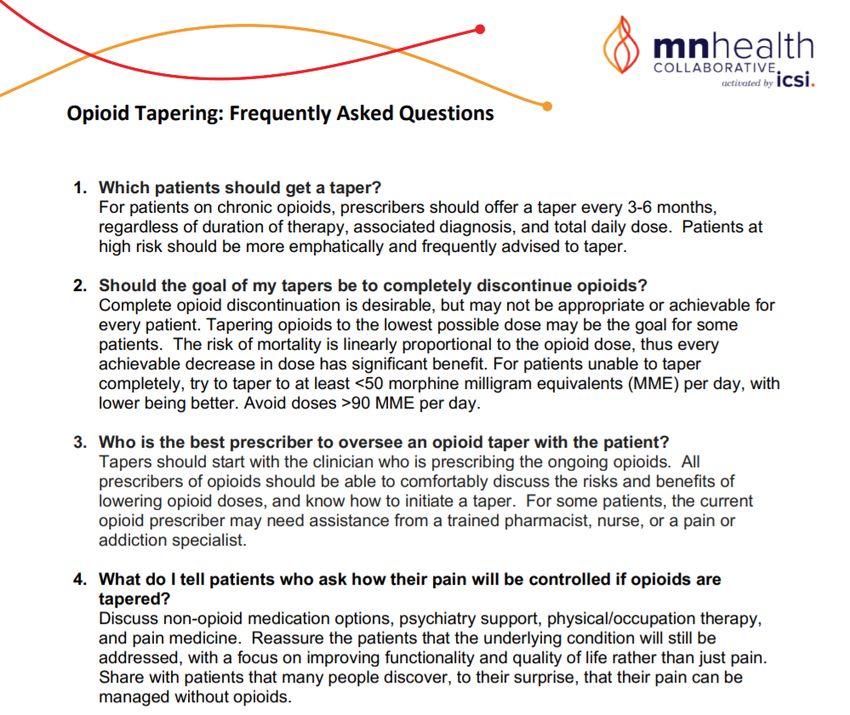
Pain Management Opioid Tapering FAQ A collaboration among the University of Minnesota, University of Minnesota Physicians and Fairview Health Services 37
Pain Management
   Risk Mitigation with Opioid Prescribing

       Please see the MN Health Collaborative
          website for additional information
           https://www.icsi.org/mn-health-
                collaborative-opioids/

A collaboration among the University of Minnesota,
University of Minnesota Physicians and Fairview Health Services   38
Rapid Response
Team Activation
• The Rapid Response Team brings critical care skills to the bedside. They
will respond expeditiously to a decline in a patient’s condition.
• If you have concerns about a patient and feel they need immediate and
urgent help, please contact the nursing staff and they will call a Rapid
Response team.
• Families and patients are also instructed to contact a Rapid Response
Team in the event of a need for emergency or urgent help.
A collaboration among the University of Minnesota,
University of Minnesota Physicians and Fairview Health ServicesAlarm Management:
Clinical Equipment Alarm Systems
Critical Alarms Non-Critical Alarms
Critical Alarm activation is indicating a potentially life-
Non-critical alarms: may be silenced and/or turned off if
threatening situation continually alarming and require troubleshooting.
– Critical alarms include, but are not limited: Once the cause of the continual alarm is discovered and
corrected, the alarm must be reactivated and alarm parameters
o Physiologic monitors: Cardiac, Oximeters, individualized as required.
Capnography, Apnea monitors
– Non-critical alarms activation is indicating a non-life-
o Life-sustaining equipment: ventilators, threatening situation or are located within equipment
that is not necessary to sustain life.
balloon pumps, ventricular assist devices,
defibrillators – Non-critical alarms include, but are not limited to:
o Infusion pumps: IV pumps, feeding pumps, o pneumo boots and bed alarms.
PCA
o Central monitoring systems: telemetry, fetal
monitoring
A collaboration among the University of Minnesota,
University of Minnesota Physicians and Fairview Health Services 40Restraints for Nonviolent Patients
• Orders: Restraints must be ordered by an MD, DO, PA, or NP who has
completed restraint education and is involved in the care of the patient. In an
emergency, RNs may apply restraints, but an order must be obtained as soon as
the situation that required the application of the restraint is addressed and the
patient is determined to be safe and stabilized (at least within 1 hour).
• The attending physician must be notified as soon as possible if she/he did not
order the restraint.
• Standing and PRN orders for restraint are not allowed.
• Restraint orders must be re-written each calendar day. The provider must
examine the patient prior to reordering restraints each day and write a note
specific to the patient’s condition that requires continued restraint.
• Telephone orders may be accepted for initial application of restraints.
A collaboration among the University of Minnesota,
University of Minnesota Physicians and Fairview Health Services 41Restraints/Seclusion for Violent
Or Self-Destructive Patients
• An order must be obtained immediately after the restraint has been applied.
• One Hour Exam: Within 1 hour of placing the patient in restraints or seclusion,
the patient must be examined by the physician, PA or NP
• The ordering practitioner must review the patient’s physical and psychological
status with staff, determine whether restraint or seclusion should be continued,
and help identify ways to assist the patient to regain control.
• Documentation of the evaluation must discuss the patient’s immediate situation,
reaction to the intervention, medical/behavioral condition, and the need to
continue or terminate the restraint/seclusion.
A collaboration among the University of Minnesota,
University of Minnesota Physicians and Fairview Health Services 42Restraints/Seclusion Cont’d
• Orders for Violent or Self-Destructive patients are time-limited and expire in:
– 4 hours for adults (age 18 and older)
– 2 hours for adolescents (ages 9 through 17)
– 1 hour for children under age 9
– If restraint/seclusion needs to continue beyond the expiration of the previous order, a re-
evaluation must occur and the practitioner must give a new order. The re-evaluation may
be done by the practitioner or other trained staff. However, the physician must reevaluate
the patient at the bedside at least every 8 hours for patients aged 18 or older and every 4
hours for patients aged 17 and younger.
For Behavioral Health Patients
• A debriefing about each episode of restraint/seclusion occurs as soon as possible, but no
longer than 24 hours after the episode.
A collaboration among the University of Minnesota,
University of Minnesota Physicians and Fairview Health Services 43Anticoagulants
Overview of several anticoagulants
IV/SubQ
Oral
Direct Oral Anticoagulants (DOACs)
• Argatroban drip
• Apixaban (Eliquis®)
• Bivalirudin drip
• Betrixaban (Bevyxxa®)
• Enoxaparin (Lovenox®) SQ
• Dabigatran (Pradaxa®)
• Fondaparinux (Arixtra®) SQ
• Edoxaban (Savaysa®)
• Heparin drip/SQ
• Rivaroxaban (Xarelto®)
A collaboration among the University of Minnesota,
University of Minnesota Physicians and Fairview Health Services 44Anticoagulants-General Safety
• The risk for anticoagulant-associated bleeding goes up in:
– The elderly and those who are a high fall risk: consider reducing the dose or choosing an anticoagulant that is more easily reversed. Get
PT/OT involved early for high fall risk patients!
– Patients with hepatic and/or renal disease: Make sure the anticoagulant is the appropriate choice and that the dose is adjusted
– Patients taking additional antithrombotics/NSAIDs: Hold NSAIDs during anticoagulant therapy
– Patients with a history of bleeds (especially GI): Consider giving a GI protectant
– Patients with hypertension, heart failure, cerebrovascular disease or diabetes
• Anticoagulant use during pregnancy should only be considered if the potential benefit outweighs the potential risk. All
women of child-bearing age/potential should receive counseling on the risk for pregnancy related hemorrhage and/or
emergent delivery.
A collaboration among the University of Minnesota,
University of Minnesota Physicians and Fairview Health Services 45Anticoagulation and Spinal Hematoma
Patients receiving anticoagulants are at higher risk for developing an epidural or spinal hematoma. This can lead to
long-term or permanent paralysis. Factors that can increase this risk in anticoagulated patients include:
• Use of indwelling epidural catheters
• Those undergoing spinal/epidural puncture
• Those with a history of spinal deformity or spinal surgery
• Use of concomitant NSAIDs, platelet inhibitors, or being on additional anticoagulants
• A history of traumatic or repeated epidural or spinal puncture
Contact anesthesiology for assistance with any of the above scenarios to help develop a plan. (this may
include holding antithrombotic therapy during catheter placement/pulls)
A collaboration among the University of Minnesota,
University of Minnesota Physicians and Fairview Health Services 46Parenteral Anticoagulants: A Comparison
Argatroban Bivalirudin Fondaparinux SQ Enoxaparin SQ Heparin IV/SQ
Drip Drip injection injection
Safe to use in Yes Yes Yes No No
patients with
HIT* and/or
heparin allergy
Onset Immediate Immediate 3-4 hrs after 2-4 hrs after IV drip=
first dose first dose immediate
SQ=20-30 min
Duration* 3-4 hrs 1-2 hrs 24-48 hrs 24-48 hrs 1-2 hrs
Reversal for 4 Factor Prothrombim Complex Concentrate Protamine
severe bleeding (Kcentra® )
“Low-molecular weight heparin is the anticoagulant of choice for pregnancy and for active cancer and the primary choice of physicians for treatment of VTE in the
outpatient or home setting due to ease of use and low incidence of side effects. Low-molecular weight heparin is used in most cases except when a patient has renal
dysfunction or a creatinine clearance less than 30 mL/min.” (Hillegass 2016)
“Unfractionated heparin is indicated for individuals with high bleeding risk or renal disease.” (Hillegass 2016)
A collaboration among the University of Minnesota,
University of Minnesota Physicians and Fairview Health Services 47Anticoagulants
Heparin Drips
• Heparin drips are dosed based on “Heparin-10a” levels and ordered through an
order set in EPIC. In general, there are 3 dosing schemes available:
– HIGH INTENSITY: used for active clots/VTE
– LOW INTENSITY: used for CV indications
– LOW DOSE/FIXED RATE (300-500 units/hour): This is a very low, fixed rate drip that
can be used in post-surgical patients at very high bleeding risk
• Depending on the hospital, heparin protocols are either managed by pharmacists
or nurses.
• In the inpatient setting, platelets will be ordered/monitored to watch for heparin
induced thrombocytopenia (HIT).
A collaboration among the University of Minnesota,
University of Minnesota Physicians and Fairview Health Services 48Anticoagulants
Enoxaparin (Lovenox®) & Fondaparinux (Arixtra®)
• Enoxaparin and fondaparinux are SQ anticoagulants that can be given inpatient or outpatient.
• Fondaparinux is a non-heparinoid anticoagulant that is typically reserved for use in patients with heparin
intolerance and/or HIT.
• Both enoxaparin and fondaparinux are cleared by the kidneys and must be used with caution in patients with
renal dysfunction:
– Enoxaparin should not be used in patients with a CrCl < 15 mL/min
– Fondaparinux should not be used in patients with a CrCl < 30 mL/min
– Neither should be used in patients on dialysis
• Inpatient required lab work:
– Both enoxaparin and fondaparinux patients will have serum creatinines drawn to ensure appropriate clearance.
– Enoxaparin patients will also have platelet counts drawn to assess for heparin-induced thrombocytopenia.
A collaboration among the University of Minnesota,
University of Minnesota Physicians and Fairview Health Services 49Anticoagulants
Argatroban/Bivalirudin Drips
• Argatroban and bivalirudin are non-heparinoid anticoagulants that are used in
patients who are not candidates for heparin or enoxaparin (e.g. heparin
induced thrombocytopenia and/or a heparin allergy).
• Argatroban and bivalirudin should be ordered through order sets in EPIC. These
order sets will provide a starting dose, necessary lab work and instructions for
dose adjustments.
• Depending on the hospital, argatroban dosing/adjustments are either managed
by pharmacy or nursing staff.
• Caution: argatroban and bivalirudin both cause the INR lab test to falsely
elevate. If “bridging” with argatroban/bivalirudin over to warfarin, you will need to
use chromogenic factor 10 in place of INR to monitor warfarin. Contact
pharmacy to assist you!
A collaboration among the University of Minnesota,
University of Minnesota Physicians and Fairview Health Services 50Oral Anticoagulant Comparison
Dabigatran Rivaroxaban Apixaban Edoxaban Betrixaban Warfarin
Onset 1-2 hrs after dose 2-4 hrs after dose 3-4 hrs after dose 1-2 hrs after dose 3-4 hours after dose 4-5 days
Duration 48 hours 24-48 hours 24-48 hours 24 hours 19-27 hours 4-5 days
Do NOT “bridge” with a parenteral anticoagulant. “Bridging” with a
concomitant IV/SQ
The new oral anticoagulants are very fast-acting anticoagulant
Bridging with FULL anticoagulant effect typically occurs 1-4 hours after the first oral dose! necessary for
parenteral existing clots and/or
anticoagulants? those at moderate-
severe risk for
clotting
Idarucizumab 4 Factor Prothrombin Complex Concentrate (Kcentra®) Vitamin K
Fresh Frozen
Reversal for (Praxbind®) Plasma
Severe **Recombinant Factor Xa (Andexanet alfa /Andexxa®) Kcentra®
Bleeding **Not available, currently being considered for Formulary
A collaboration among the University of Minnesota,
University of Minnesota Physicians and Fairview Health Services 51Anticoagulants
Warfarin
Ordering Monitoring Elevated INRs/Reversal
• Pharmacists manage the majority • Before the first dose of
of warfarin regimens in the hospital warfarin can be given in the • At Fairview Hospitals, a
setting hospital, a baseline
• At Fairview hospitals, prescribers “Warfarin Reversal” order set
should order “Pharmacy Warfarin coagulation test is required is available in EPIC
Consult” via EPIC: • While the vast majority of
warfarin patients are • At HealthEast Hospitals, an
– Within this consult, you will be
asked to fill in a diagnosis and monitored with an INR lab “Anticoagulant, Antiplatelet
coagulation lab goal range. test, certain patient and Thrombolytic” reversal
– Once the consult is received, the
populations may need to be order set is available in
pharmacist will evaluate the monitored with a
coagulation lab(s) and will order “chromogenic factor X” level EPIC.
warfarin doses per policy instead
A collaboration among the University of Minnesota,
University of Minnesota Physicians and Fairview Health Services 52Holding Anticoagulants Prior to Surgery
Anticoagulant Minimum Time Suggested To HOLD Anticoagulant Before Surgery
• Low bleeding risk: hold for 24 hrs
Apixaban
• Moderate/High bleeding risk: hold for 48 hrs
Argatroban Hold for 4 hours prior
• CrCl > 30 mL/min: Hold 3 doses prior
Betrixaban
• CrCl< 30 mL/min: Hold 6-8 doses prior
• CrCl > 50 mL/min: Hold 3 hours prior
Bivalirudin
• CrCl< 50 mL/min: Hold 5 hours prior
• CLcr > 50 mL/min: Hold 1-2 days prior
Dabigatran
• CLcr < 50 mL/min: Hold 3-5 days prior
Edoxaban • Hold at least 24 hrs prior
• Q12H Dosing: Hold for 12 hours prior
Enoxaparin
• Q24H dosing: Hold for 24 hours prior
• CLCr > 50 mL/min: Hold 2-3 days prior
Fondaparinux
• CLCr < 50 mL/min: Hold 3-5 days prior
• Drips: hold for 4 hours
Heparin
• SubQ: Hold 12 hrs for Q12H dosing, Hold 8 hrs for Q8H dosing
Rivaroxaban Hold at least 24 hrs prior
Warfarin Hold 5 days prior. Check INR on the AM of the procedure
A collaboration among the University of Minnesota,
University of Minnesota Physicians and Fairview Health Services 53EPIC Downtime
Procedure
DEFINITIONS:
• Scheduled Downtime: A planned period of time during which Epic will be unavailable to end-
users.
• Unscheduled Downtime: An unplanned, unexpected interruption in connectivity, during
which Epic is unavailable to end-users.
Is the Downtime scheduled?
• Yes - Preparatory internal communication procedure is initiated to alert the
staff and providers
• No – Begin using downtime procedures at direction of charge nurse or
supervisor, based on patient care needs. Unit may switch to downtime
procedures immediately if necessary for patient care
A collaboration among the University of Minnesota,
University of Minnesota Physicians and Fairview Health Services 54EPIC Downtime
Recovery
• Do not attempt to use Epic until communication is received that the
system is live and available for use.
• For patient safety reasons, it is essential that Hospital Registration and
Pharmacy complete ADT/Registration functions and medication orders
before other users access the system.
• Continue with Downtime Procedures until notification is received that the
system is available.
A collaboration among the University of Minnesota,
University of Minnesota Physicians and Fairview Health Services 55Health Care Directives
• Allows person to:
o appoint agent as a substitute decision-maker in case of
decisional incapacity
Legally and morally o convey health-related values and preferences relevant
binding document to to decision making
extend patient • Must be completed and signed by person and witnessed or
autonomy. Often notarized
created before • Agent may not be the person's current health care provider
serious illness • Provider should review with person to assure consistency
with law and reasonable medical practice
• Minnesota also has available an Advanced Psychiatric
Directive which applies only to treatment with neuroleptic
medications and ECT (electro-convulsive therapy)
A collaboration among the University of Minnesota,
University of Minnesota Physicians and Fairview Health Services 56Surrogate Decision Makers:
Person(s) authorized to make health care decisions for a person who lacks decisional capacity.
Do not presume/document someone is a decision-maker until validated by Honoring Choices (or Risk Management if urgent and Honoring Choices is not
available). Validated decision makers are identified in Epic Code/ACP tab.
Adults are presumed to have capacity unless evidence or reason to believe otherwise
Minors are presumed to lack capacity unless exception per state law (see informed consent policy for more information)
Possible Surrogates for Adults:
• Legal Guardian: Appointed by a judge who determined person lacks competence to make decisions. Authority granted can vary.
• Health Care Agent: Appointed by person in Health Care Directive. Active ONLY when patient lacks decisional capacity. Legal Guardian takes precedence over
Health Care Agent however wishes in document should still be considered.
• Power of Attorney : For financial/property authority ONLY. Do not use the term POA for a Health Care decision maker.
Possible Surrogates for Minors:
• Parents: A parent without legal custody still has rights to PHI unless rights have been terminated or denied by court order.
• Legal Custodian: Court ordered . Order must be reviewed to determine rights. Custodian may be county or relative/other person.
• Foster Parent: Authority for decisions specified by the county or court.
• Delegated parental authority: Parents with legal custody may elect to SHARE their parental authority. Designation DOES NOT replace parental rights.
If no validated decision makers: Continue to provide appropriate medical care as decision makers are determined.
Contact Risk Management for assistance in considering other possible decision makers in the absence of a legal document.
A collaboration among the University of Minnesota,
University of Minnesota Physicians and Fairview Health ServicesSurrogate Decision Makers
Decisional Capacity-ADULTS
• Decisional capacity is presumed unless there is evidence to the contrary
• Determined & documented by a Physician/APRN when capacity/lack of capacity is unclear
• Assessments, not presumptions (ie: diagnosis), are necessary
• Decisional capacity can wax and wane, be situational/partial/intermittent
• Adults committed under the MN Civil Commitment & Treatment Act retain capacity for any decisions not related to
commitment order.
In general, a person has the capacity to make healthcare decisions if they:
• Demonstrate a general awareness of his/her/their health situation and the recommended medical treatment or procedure, and
• Understand the factual information provided about the recommended medical treatment or procedure, including the risks and benefits,
and
• Can communicate, verbally or nonverbally, a clear decision regarding the recommended medical treatment or procedure based on that
information.
A collaboration among the University of Minnesota,
University of Minnesota Physicians and Fairview Health ServicesSurgical/Procedural Time Out
• An interactive, standardized Time Out that engaging each team member (surgeon or any
other provider performing a procedure, circulating nurse, scrub and anesthesia care provider
or other team members in procedural areas) will be performed just prior to starting the
procedure or incision.
• During the Surgical/Procedural Time Out, all activity will stop and all team members will focus
on the Time Out.
• If, at any point in the verification process a discrepancy is discovered, the procedure will not
continue until the discrepancy is resolved with all members of the procedural team.
• Any team member with concerns or questions regarding procedure verification should
express them.
• Culture of Safety: All employees have a shared responsibility in providing a safe
environment of care for patients, coworkers and themselves.
• A Briefing should occur with the team before the start of a procedure as well as a De-Briefing
after the provider is finished.
A collaboration among the University of Minnesota,
University of Minnesota Physicians and Fairview Health Services 59Site Marking
• Applies to any surgical and non-surgical invasive procedure involving
laterality, level (e.g. spine),or multiples (toes, fingers, bilateral
structures, etc.)
• Site marking must be with initials, not an X
• Site marking is done with the patient awake and participating, as able.
• It occurs before the patient is moved to the location where the procedure
is performed
A collaboration among the University of Minnesota,
University of Minnesota Physicians and Fairview Health Services 60Sedation and Analgesia for Procedures
• Prescribing providers must be privileged for
the intended level of sedation/analgesia
• Anytime deep sedation/analgesia or
anesthesia is anticipated appropriately
System Policies – privileged practitioners must be in
Related to Moderate and
Deep Sedation can be found attendance
in Policy Tech
• Sedation and Analgesia can only be
performed in certain locations where
competent personnel and the required
“rescue” equipment are available.
A collaboration among the University of Minnesota,
University of Minnesota Physicians and Fairview Health Services 61Sedation Continuum
Moderate Deep
Minimal General
(Conscious (Conscious
(Anxiolysis) Anesthesia
Section) Sedation)
• Patients may quickly or inadvertently move along the continuum of
sedation levels
• The patient’s sedation level is not determined by the drug, drug dose but
by the patient's response to the medication(s).
• Procedures utilizing sedation/analgesia require careful assessment of the
patient prior to administration of the medications, during administration
of the medications and during recovery from them
A collaboration among the University of Minnesota,
University of Minnesota Physicians and Fairview Health Services 62Sedation
Practitioner Responsibilities
• Ensure you have followed the proper steps for credentialing and
privileging and understand your role
• Understand role/limitations of ancillary help
• Perform Sedation specific pre-examination and documentation are
required(Use Epic Sedation Navigator where available)
• Understand relevant sedation medications, including dose, route,
timing, side effects, etc.
• Recognize over sedation or airway emergencies, and how to apply
appropriate interventions
A collaboration among the University of Minnesota,
University of Minnesota Physicians and Fairview Health Services 63Sedation
Personnel
• An appropriately privileged provider performs the procedure
• Another dedicated competent provider, with current ACLS training,
administers the medications under the direction of the appropriately
privileged provider and monitors the patient during the procedure and
Phase I Recovery - this person must be separate from the one
performing the procedure.
A collaboration among the University of Minnesota,
University of Minnesota Physicians and Fairview Health Services 64Emergency Management
• In time of emergency or • Follow the site based
disaster do not report to emergency operations
work unless already plan and contact your
scheduled to work or supervisor for further
directed to do so by your direction.
supervisor
A collaboration among the University of Minnesota,
University of Minnesota Physicians and Fairview Health Services 65Language Services
• We provide free communication services and aids to patients and families, responsible parties, and those supporting
patients in their care.
• Language and communication needs are identified at the initial point of contact.
• As the responsible health care provider, you must take reasonable and necessary steps to ensure communication
services and aids are provided when appropriate.
SERVICES & AIDS
• Interpreter services are available 24/7 through in-person, phone and video interpreters.
• Communication aids such as pocketalkers, videophones, and TTYs are available.
• Select documents are available in other languages or translations can be requested.
• Document the offer, request, and use of any communication services and aids for the patient and/or companion in the
patient’s electronic medical record.
• Effective communication is a shared responsibility. For assistance, call:
• Fairview Language Services 612-273-3788
A collaboration among the University of Minnesota,
University of Minnesota Physicians and Fairview Health Services 66Medical Staff Governing Documents
• Policies and Governing Bylaws can be accessed on a Fairview computer and are found on the Fairview Intranet at:
intranet.fairview.org/business/CredentialingMedicalStaff/index.
• HealthEast Bylaws and Polices can be found in Policy Tech: https://healtheast.policytech.com/
• Bylaws
– Each hospital and the combined HealthEast hospitals have their own governing documents including
o Bylaws
o Rules and Regulations
o Credentials and Hearing policy
– It is the responsibility of each medical staff member to be familiar with the rules and expectations outlined in these
documents.
– If a practitioner applying for privileges would like a copy of the governing documents prior to becoming a member
of the medical staff, he/she may contact the Medical Staff Office at the applicable hospital, which is listed on the
last page of this document.
A collaboration among the University of Minnesota,
University of Minnesota Physicians and Fairview Health Services 67Medical Staff Office Contact
• MHealth Fairview Lakes Hospital- 651-982-7429
• MHealth Fairview Northland Hospital- 651-982-7429
• MHealth Fairview Ridges Hospital- 952-892-2103
• MHealth Fairview Southdale Hospital- 952-924-5109
• MHealth Fairview University of Minnesota Medical Center- 612-273-1945
• MHealth Maple Grove Ambulatory Surgery Center- 763-898-1438
• MHealth Fairview St. John’s, MHealth Fairview St. Joseph’s, MHealth Fairview
Woodwinds 651-232-7180
A collaboration among the University of Minnesota,
University of Minnesota Physicians and Fairview Health Services 68You can also read


