Defeating meningitis by 2030: a global road map - DRAFT 8 APRIL 2020 2019 - World ...
←
→
Page content transcription
If your browser does not render page correctly, please read the page content below
2019

Defeating meningitis by 2030:
a global road map
DRAFT 8 APRIL 2020
DRAFT 8 April 2020

Contents

Abbreviations and acronyms………………………………………………………………………………………………................2
Executive summary ................................................................................................................................. 3
Meningitis – a call for action ................................................................................................................... 4
   Scope ................................................................................................................................................... 6
   Vision................................................................................................................................................... 6
   Visionary goals by 2030 ...................................................................................................................... 7
   Pillars, strategic goals, key activities and milestones ......................................................................... 9
   Wider benefits and complementarity............................................................................................... 10
   Implementation ................................................................................................................................ 10
Pillar 1: Prevention and epidemic control ............................................................................................ 11
Pillar 2: Diagnosis and treatment.......................................................................................................... 19
Pillar 3: Disease surveillance ................................................................................................................. 23
Pillar 4: Support and care for people affected by meningitis ............................................................... 26
Pillar 5: Advocacy and engagement ...................................................................................................... 29
Connection to other global initiatives .................................................................................................. 33
Key references ...................................................................................................................................... 35

                                                                                                                                                            1
DRAFT 8 April 2020
Abbreviations and acronyms
Gavi Gavi, the Vaccine Alliance
GBS group B streptococcus
Hi Haemophilus influenzae
Hia Haemophilus influenzae type a
Hib Haemophilus influenzae type b
HIV human immunodeficiency virus
Nm Neisseria meningitidis
PAHO Pan-American Health Organization
SEARO WHO Regional Office for South-East Asia
Spn Streptococcus pneumoniae
UNICEF United Nations Children’s Fund
WHO World Health Organization
WPRO WHO Regional Office for the Western Pacific
2DRAFT 8 April 2020
Executive summary
Meningitis is deadly and debilitating; it strikes quickly, has serious health, economic and social
consequences, and affects people of all ages in all countries of the world. Bacterial meningitis can
cause epidemics, lead to death within 24 hours, and leave one in five patients with lifelong disability
after infection. Many cases of and deaths from meningitis are vaccine preventable, but progress in
defeating meningitis lags behind that for other vaccine-preventable diseases.
In 2017, representatives from governments, global health organizations, public health bodies,
academia, the private sector and civil society called for a global vision to defeat meningitis as a public
health threat. WHO took up the call to action and, with global partners and experts involved in
meningitis prevention and control, developed a road map to defeat meningitis by 2030. Wide public
and expert consultations took place throughout 2019.
This first global road map on meningitis sets out a plan to tackle the main causes of acute bacterial
meningitis (meningococcus, pneumococcus, Haemophilus influenzae and group B streptococcus). The
three visionary goals are to: (i) eliminate epidemics of bacterial meningitis; (ii) reduce cases of and
deaths from vaccine-preventable bacterial meningitis; (iii) reduce disability and improve quality of life
after meningitis of any cause. In order to achieve these visionary goals, the road map identifies
strategic goals, key activities and milestones across five pillars: prevention and epidemic control;
diagnosis and treatment; disease surveillance; support and care for people affected by meningitis, and
advocacy and engagement.
For prevention and epidemic control, the main goals are to achieve higher vaccine coverage among
the population, develop new vaccines, improve prevention strategies and ensure a more effective
response to meningitis epidemics. The diagnosis and treatment goals are focused on rapid
confirmation of acute bacterial meningitis and optimal care. Improved global surveillance, based on
effective national surveillance systems, is needed to guide meningitis prevention and control
measures, document the impact of vaccines and improve estimates of disease burden, including
sequelae of meningitis. In the area of support and care for people affected by meningitis, the focus is
on access to care for early diagnosis and treatment, improved management of after-effects and the
provision of support, including rehabilitation. For advocacy and engagement, the aim is to ensure
that the road map is prioritized and integrated into country plans, that there is high awareness of
meningitis and its impact among the population and a commitment to equal access for meningitis
prevention, treatment and support for all those affected by meningitis.
The meningitis road map has been designated as a flagship global strategy of the WHO’s Thirteenth
General Programme of Work, 2019–2023 and is an essential component in achieving universal health
coverage. The road map will reinforce and combine with wider initiatives, such as those aimed at
strengthening primary health care and health systems, increasing immunization coverage, improving
global health security, fighting antimicrobial resistance and advocating for the rights of persons with
disabilities. It will complement other global control strategies, such as those addressing sepsis,
pneumonia, tuberculosis and HIV.
Implementation will be a challenge for all countries across the world, but especially in resource-poor
settings where the burden of meningitis is greatest. The targets for the visionary and strategic goals
will be adapted to regional and local contexts. Plans for monitoring and evaluation, communication
and risk management will be available to guide and support implementation.
3DRAFT 8 April 2020
Global action to implement this road map and achieve the ambitious goals to defeat meningitis is
needed now. Strong commitments from countries, partners and donors will be essential to success.
Meningitis – a call for action
This road map is a call to action. It is a call to defeat meningitis by 2030.
Meningitis is a life-threatening disease caused by inflammation of the membranes that surround the
brain and spinal cord and is predominantly caused by infection with bacteria and viruses.1 Acute
bacterial meningitis (1) is one of the deadliest and most disabling forms of this illness (2–5); it can
cause epidemics, lead to death within 24 hours and leave one in five people with lifelong disability
after infection.
Many cases of and deaths from meningitis are vaccine preventable, but progress in defeating
meningitis lags behind other vaccine-preventable diseases (6). Despite significant progress in reducing
the incidence of meningitis over the past 20 years, there were still an estimated 5 million new cases
globally and 290 000 deaths from meningitis in 20172 (7). Although meningitis affects all ages, young
children are most at risk with around half of cases and deaths occurring in children under 5 years of
age. Meningitis and meningitis-related sepsis can result in severe after-effects, such as hearing loss,
visual and physical impairment, cognitive disability and limb loss, which have a considerable
emotional, social and financial impact on individuals, families and communities (8–10). In 2017, it was
estimated that over 20 million years of healthy life (years of life lost due to premature mortality added
to years lost due to disability) were lost from meningitis worldwide (5).
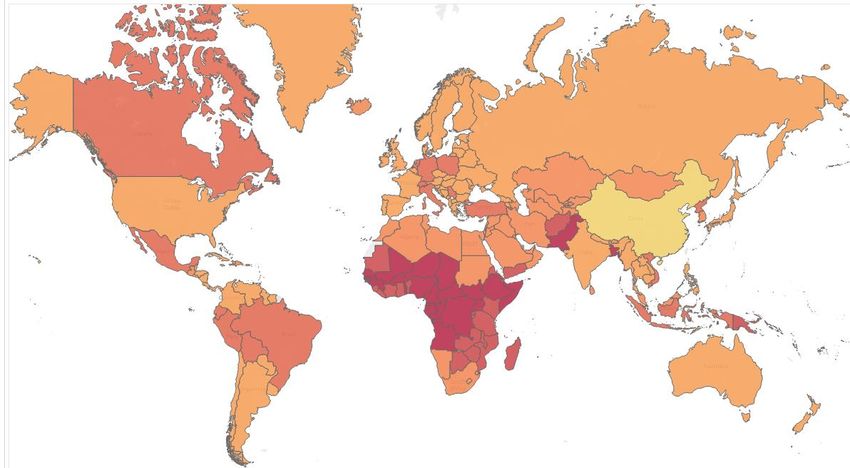
Although the burden of meningitis is greatest in the meningitis belt of sub-Saharan Africa, meningitis
is a threat in all countries of the world (4,6,10) (Fig. 1). Since 2014, epidemics of bacterial meningitis
have occurred in many countries including Kyrgyzstan, Fiji, Nigeria, Niger and Chile (11–13), and the
spread of some virulent strains across the world has emphasized the need for a global approach to
surveillance and prevention. Recommended vaccination programmes against some of the bacteria
that cause meningitis have not yet been introduced in many countries, leaving their citizens at risk
(5,14). Wherever it occurs, meningitis presents a major challenge for health systems, the economy
and society.
1
Meningitis can also be caused by infection with fungi and parasites, with cryptococcal meningitis having an
increasing importance among adults living with HIV. Meningitis can also develop as a result of non-infectious
factors, including certain medications, cancer and autoimmune diseases.
2
Estimated cases and deaths due to tuberculous and cryptococcal meningitis are categorized under
tuberculosis, HIV or other infectious diseases and are not included in these figures. Since deaths from viral
meningitis are uncommon, the number of deaths from all-cause meningitis is likely to reflect the burden of
acute bacterial meningitis and is close to the WHO estimate for global deaths from bacterial meningitis in 2015
(5).
4DRAFT 8 April 2020
Fig. 1. Global map of incidence rates of all-cause meningitis per 100 000 population by country (7)3
In May 2017, over 50 representatives from governments, global health organizations, public health
bodies, academia, the private sector and civil society called for a global vision action to “defeat
meningitis by 2030” (15). In September of that year, 200 representatives from the 26 countries of the
African meningitis belt amplified this call and highlighted the need for equitable and sustainable access
to meningitis vaccines (16).
The WHO is coordinating this call to action. A Technical Task Force of major partners historically
invested in long-term meningitis control, with complementary focus and expertise, was convened to
develop the road map presented here. A baseline situation analysis (5) was undertaken in 2018, and
experts in meningitis, health and disability met early in 2019 to advance the draft road map (17),
followed by wider expert and public consultations throughout 2019.
Patient groups around the world were extensively consulted about the global road map (18). In
responses from over 600 groups in more than 90 countries, prevention was given the highest priority.
The three most popular topics for inclusion in the road map were making vaccines more widely
available, improved awareness and improved diagnosis (immediate, rapid).
The meningitis road map has been designated as one of the four flagship global strategies of the
Thirteenth General Programme of Work, 2019–2023 to prevent high-threat infectious hazards. This
strategy captures the essence of WHO’s mission to drive progress towards the United Nations
Sustainable Development Goals, especially Goal 3 concerning health, which is structured around
ensuring universal health coverage to protect the most vulnerable, and global health security to
promote health and keep the world safe (19,20).
3
The boundaries and names shown and the designations used on this map do not imply the expression of any
opinion whatsoever on the part of WHO concerning the legal status of any country, territory, city or area or of
its authorities, or concerning the delimitation of its frontiers or boundaries.
5DRAFT 8 April 2020
Scope
The road map on defeating meningitis sets out a plan to tackle the main causes of acute bacterial
meningitis: Neisseria meningitidis ((Nm), meningococcus), Streptococcus pneumoniae ((Spn),
pneumococcus), Haemophilus influenzae (Hi) and Streptococcus agalactiae (group B Streptococcus (
GBS)).4 This focus is based on: (i) evidence of the worldwide burden of disease due to these four
organisms, which also cause sepsis and pneumonia and were responsible for over 50% of the 290 000
deaths from all-cause meningitis in 2017 (7); (ii) the impact that this global strategy could have on
diminishing the burden by 2030, since effective vaccines that protect against disease caused by all
four organisms are currently available (or in development). Although the focus of this road map is not
on other important causes of meningitis, such as tuberculosis, Cryptococcus, enteric bacteria and
viruses such as enterovirus, several goals aimed at reducing the burden of disease are applicable to all
causes of meningitis.
Vision
Road map vision
Towards a world free of meningitis
Our collective vision is “Towards a world free of meningitis”. Because meningitis has so many causes,
it cannot be eliminated or eradicated. There will be no “world free” moment for meningitis, but we
are committed to get as close as possible. This plan, therefore, aims to defeat meningitis as a public
health threat, reducing the number of cases substantially and keeping them down.
4
Other bacteria, such as non-typhoidal salmonella, Listeria monocytogenes, Streptococcus suis and, in health
care settings, pathogens such as Staphylococcus aureus or S. epidermidis also cause meningitis, albeit less
frequently.
6DRAFT 8 April 2020
Visionary goals by 2030
All United Nations Member States are committed to achieving universal health coverage by 2030 (20).
The visionary goals of eliminating epidemics, reducing the number of cases and deaths, and giving
priority to caring for those with disability are fully aligned with universal health coverage and have
equity as a guiding principle.
Visionary goals by 2030
✓ Eliminate bacterial meningitis epidemics*
✓ Reduce cases and deaths from vaccine-preventable bacterial meningitis**
✓ Reduce disability and improve quality of life after meningitis due to any cause
* An epidemic5 is defined for this goal as a cumulative attack rate of >100 suspected meningitis
cases/100 000 population within one year in a given population based on a definition used for the
African meningitis belt (21). Each region will set its own definitions for epidemics/outbreaks and
targets for reduction according to local epidemiology.
** Global and regional targets to be agreed and applied to acute bacterial meningitis caused by Nm,
Spn, Hi and GBS.
The overall framework (theory of change) of the road map is summarized in Fig. 2.
5
Although epidemic and outbreak can be used interchangeably, an outbreak is normally smaller and more
localized. The word epidemic has been used throughout this road map.
7Fig. 2. Overall framework for the global road map to defeat meningitis by 2030
Pillars, strategic goals, key activities and milestones
The impact of achieving the three visionary goals will depend on the outputs and outcomes, which are
organized into five pillars.

    •    Prevention and epidemic control
    •    Diagnosis and treatment
    •    Disease surveillance
    •    Support and care for people affected by meningitis
    •    Advocacy and engagement

Each pillar sets out strategic goals, key activities and specific milestones to be achieved in order to
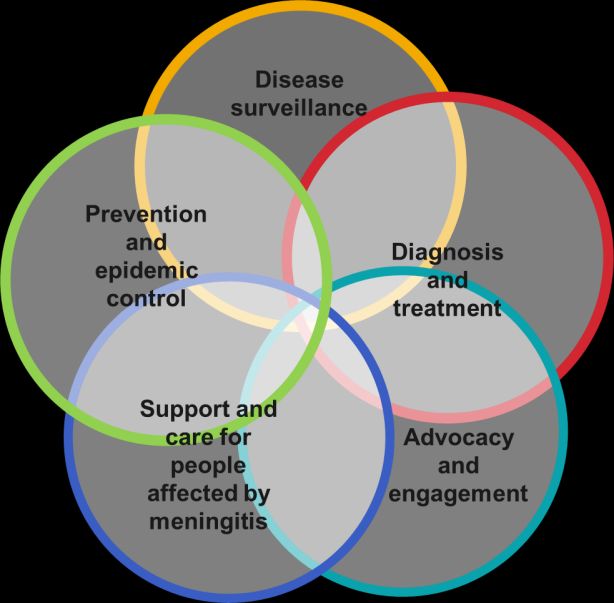
reach these goals. While serving to organize action, it is clear that the five pillars are interconnected:
diagnosis is closely linked to surveillance; surveillance informs prevention and epidemic control;
support and care for patients and families should commence during treatment at the time of
diagnosis; and advocacy and engagement are necessary for the success of every pillar (Fig. 3).

Fig. 3. The overlapping pillars to defeat meningitis

Links between the five pillars and the 19 strategic goals are set out under each pillar. GBS is singled
out for some goals, as: (i) GBS has a particularly high incidence in newborn babies; (ii) GBS vaccines
are in development but not yet available; (iii) knowledge of the disease burden and prevention
strategies are less advanced than with respect to Nm, Spn and Hi, especially for low- and middle-
income countries.

                                                                                                        9
DRAFT 8 April 2020
Wider benefits and complementarity
By complementing global control strategies for diseases such as sepsis and pneumonia that can be
caused by the same organisms that cause meningitis, the road map will bring benefits that extend
beyond meningitis. The roadmap will reinforce and complement wider initiatives relating to universal
health coverage, primary health care, health systems strengthening, immunization, global health
security, antimicrobial resistance, and the rights, support, rehabilitation and inclusion of people with
disabilities (see the section entitled Connection to other global initiatives), and will also help to achieve
existing country priorities. Activities under the road map will form an integral part of primary health
care aligned with national strategies to achieve universal health coverage and other initiatives at all
levels.
Implementation
The successful implementation of the road map will depend, first and foremost, on regional and
country engagement and political willingness to defeat meningitis. These efforts will require aligned
and effective partner support, including from the private sector and civil society, to bring together all
globally available resources (technical, human and financial) as well as the support of the WHO
Secretariat. A business case will be used to mobilize sufficient resources for WHO and its partners to
support Member States in delivering on the strategic objectives, together with a Public Health Value
Proposition for one or more priority milestones. Global research priorities, which are needed to
achieve the goals, will be identified separately in the implementation plan.
A Strategy Support Group of global-level partners and sponsors, committed to the mission of defeating
meningitis, is expected to promote the road map through high-level advocacy, raising public
awareness and supporting implementation activities.
The WHO Secretariat, made up of staff from the Department of Immunization, Vaccines and
Biologicals, the Department of Mental Health and Substance Abuse, the Department for Management
of Noncommunicable Diseases, Disability, Violence and Injury Prevention and the WHO Health
Emergencies Programme, at country, regional and global levels, will provide integrated support,
coordination and oversight, and will be accountable to Member States for the development and
implementation of the road map.
Country planning will take into consideration regional specificities and will be adapted to country
settings under different activity streams, including research, strategy and policy and country
implementation. Targets for visionary and strategic goals will be prioritized and adapted according to
the regional and local context, with priority countries identified within each region, taking into
consideration factors such as the meningitis burden and equity of access to prevention and care. Plans
for monitoring and evaluation, communication and risk management will be available to guide and
support implementation. To ensure that regional needs and specificities are met and that regional
commitment is promoted, regions will develop specific implementation frameworks, including key
regional indicators, to be endorsed by the regional technical and advisory bodies.
10DRAFT 8 April 2020
Pillar 1: Prevention and epidemic control
Achieved through development and enhanced access to affordable vaccines, effective
prophylactic strategies and targeted control interventions
Enhanced efforts are needed to encourage all recommended immunization, especially in low-and
middle-income countries where the burden of meningitis is greatest, and to promote high levels of
vaccine coverage at the national and subnational levels. Conjugate vaccines are dramatically reducing
the global burden of disease caused by Nm, Spn and Haemophilus influenzae type b (Hib) but their
global uptake and impact needs to be enhanced (5). However, not all serogroups/types are currently
covered by these vaccines. Novel protein-based vaccines against Nm serogroup B (MenB) disease are
now being used at the public health level in some high-income countries (5). No vaccine yet exists for
the prevention of GBS disease, but GBS conjugate vaccine candidates are in development. Several Nm
and Spn conjugate vaccine candidates are also in late-stage development, including multivalent
products with broader serogroup/type coverage than existing vaccines. In addition, protein vaccine
candidates against Nm, Spn and GBS are in various stages of development. Furthermore, as the high
usage of antibiotics in the treatment of suspected meningitis can lead to the development of
antimicrobial resistance, enhanced and sustained vaccination programmes being developed under the
Immunization Agenda 2030 will have an increasingly important role in strategies for mitigating the
negative impact of antimicrobial resistance. National plans should include vaccines as a key strategic
priority or as a first line of defense against antimicrobial resistance in organisms that cause meningitis.
Chemoprophylaxis is generally used for close contacts of cases of meningococcal meningitis, but needs
further evaluation, particularly in the context of epidemics in the African meningitis belt. Policies for
preventing the mother-to-child transmission of GBS, using intravenous antibiotics, are currently being
implemented using screening or risk-based strategies in many high-income countries. Evaluation of
factors such as the GBS disease burden, epidemiology and transmission, health service infrastructure,
health care access and antibiotic supplies is needed before implementing prevention strategies in low-
and middle-income countries.
Although improvements in laboratory capacity have been seen through Invasive Bacterial Diseases
Surveillance Networks, the most important challenges in the control of Nm or Spn meningitis
epidemics include weak laboratory capacity to rapidly confirm the epidemic pathogen (see Pillar 2)
and lack of timely access to sufficient quantities of affordable vaccines for epidemic response. For Spn
meningitis epidemics, guidance on response is needed. Ultimately, evidence-based policy adjustment
followed by high uptake of adequate preventive vaccination strategies, using appropriate vaccines,
would ideally prevent infections and epidemics.
The aims of this pillar are to: (i) achieve and maintain high coverage of licensed/WHO prequalified
vaccines against Nm, Spn and Hib with equal access in all countries, and introduce these vaccines in
countries that have not yet introduced them in line with WHO recommendations; (ii) introduce
effective and affordable new WHO prequalified vaccines targeting Nm, Spn, Hi and GBS; (iii) develop
evidence-based policy on Nm, Spn, Hi and GBS vaccination strategies that result in optimal individual
protection and, where possible, herd protection; (iv) develop and implement context-specific
strategies to prevent GBS infection in infants; (v) develop and improve strategies for epidemic
11DRAFT 8 April 2020
prevention and response including vaccination, chemoprophylaxis, infection control and risk
communication, inclusive of mass gatherings and humanitarian emergencies.
12DRAFT 8 April 2020
NOTES (applicable to all pillars):
(i) Dates in the milestones refer to the end of the year indicated
(ii) The road map applies to all countries worldwide. Targeted countries refers to those countries given priority within each region based on factors such as
burden of meningitis (incidence of cases and deaths), vaccine coverage (Spn, Hib, Nm where relevant), health systems (strength, capacity, emphasis on
surveillance, disability management), access to health services (equity), region-specific factors. The aim is to strike a balance between health needs and
expected impact i.e. to determine where resources could be best used.
Pillar 1 Strategic goals Key activities Landmark goals (milestones)
Strategic Goal 1: Achieve and Implement locally appropriate tailored Nm (meningitis belt)
maintain high coverage of immunization strategies to achieve and By 2021, vaccination against Nm serogroup A in routine immunization programmes
licensed WHO prequalified maintain high vaccination coverage against Nm, in >= 18/26 meningitis belt countries; by 2023, in all meningitis belt countries as per
vaccines against Nm, Spn, and Spn, Hib in all countries, reinforcing and national priorities
Hib with equal access in all complementing existing immunization
countries, and introduce these strategies, including those targeting special risk Spn, Hib
vaccines in countries that have groups By 2022, Hib conjugate vaccines and, by 2025, Spn conjugate vaccines, included in
not yet introduced them in line routine infant immunization programmes in all countries
with WHO recommendations Ensure proper linkages and synergies with WHO, By 2030, vaccine coverage of the full immunization schedule maintained or achieved in
UNICEF, Gavi, the Vaccine Alliance and other all countries (target coverage as defined by the Immunization Agenda 2030 and
(link to Strategic Goal 18 Health global or regional initiatives aiming to reduce regional prioritization)
care rights, Strategic Goal 19 price and increase sustainable access to
Vaccine confidence) vaccines for low- and middle-income countries
Strategic Goal 2: Introduce Support development, licensure, WHO Nm
effective and affordable new prequalification and introduction of effective, By 2020, WHO target product profile for multivalent meningococcal conjugate vaccine
affordable and safe new vaccines: additional published, including thermostability considerations
13DRAFT 8 April 2020
WHO prequalified vaccines multivalent meningococcal conjugate vaccines; By 2021, WHO Technical Report Series for multivalent meningococcal conjugate
targeting Nm, Spn, Hi and GBS additional MenB, pneumococcal and Hi vaccine published
vaccines; new GBS vaccines By 2022, at least one affordable multivalent (ACWXY) meningococcal conjugate vaccine
(link to Strategic Goal 3 licensed and WHO prequalified
Vaccination strategy, Strategic By 2023, introduction of vaccination against Nm serogroups ACWY/ACWXY in routine
Goal 10 Regional surveillance) immunization programmes started in >=5 meningitis belt countries and, by 2030,
vaccination against Nm serogroups ACWY/ACWXY implemented in all meningitis belt
countries as per national priorities, with target coverage as defined by the
Immunization Agenda 2030 and regional prioritization
By 2026, at least one affordable Nm serogroup B vaccine and sufficient sources of
affordable multivalent meningococcal conjugate vaccines to ensure security of supply
By 2026, locally relevant meningococcal disease vaccination programmes, including Nm
multivalent conjugate vaccines and/or Nm serogroup B vaccines as relevant,
introduced in alignment with epidemiological evidence and according to regional policy
in >=10 countries
Spn
By 2021, WHO Technical Report Series for pneumococcal conjugate vaccines updated
By 2021, at least one, and by 2025 at least three, additional affordable licensed and
WHO prequalified pneumococcal conjugate vaccines, with coverage consistent with
emerging data on serotypes causing invasive disease in low- and middle-income
countries
By 2026, at least one new Spn vaccine with broader coverage – either higher valency
pneumococcal conjugate vaccine or protein containing vaccine – licensed and WHO
prequalified
GBS
By 2022, regulatory pathways for licensure of GBS vaccines defined, based on
consultations with national regulatory authorities and the WHO Prequalification Team
By 2026, at least one affordable vaccine against GBS licensed and WHO prequalified for
maternal immunization during pregnancy
14DRAFT 8 April 2020
By 2030, GBS vaccine introduced, if licensed/ WHO prequalified, with Gavi support
where needed, in >=10 countries in line with WHO policy
Haemophilus influenzae type a (Hia)
By 2028, at least one vaccine against Hia licensed to address high burden of disease in
some communities, for example, indigenous peoples in North America and Australia
Improve support to vaccine manufacturers in By 2030, sufficient sources of affordable and high quality Spn and Nm multivalent
their efforts to ensure diversification of conjugate vaccines to ensure security of supply
sufficient quality-assured vaccine production
capacity in more countries, including low- and By 2030, sufficient quality-assured vaccine production capacity diversified into >=5 low-
middle-income countries and middle-income countries for Hib, Spn and Nm multivalent conjugate vaccines
Strategic Goal 3: Develop Evaluate vaccination strategies for use of By 2022, modelling of research studies on multivalent meningococcal conjugate
evidence-based policy on Nm, multivalent meningococcal conjugate vaccines vaccination strategy completed and results disseminated with open access to support
Spn, Hi and GBS vaccination to achieve herd protection vaccine introduction strategies
strategies that result in optimal
individual protection and, By 2024, cluster randomized and/or other carriage studies on multivalent
where possible, herd meningococcal conjugate vaccine to inform vaccination strategy completed and
protection published
(link to Strategic Goal 2 New Develop global policy for use of MenB and By 2022, global policy available for use of MenB and multivalent meningococcal
vaccines, Strategic Goal 18 multivalent meningococcal conjugate vaccines, conjugate vaccines
Health care rights) update or develop policies on Spn, Hi and GBS
vaccines, and support national policy-making as By 2030, global policies on Nm, Spn, Hi and GBS vaccines updated or developed as new
relevant vaccines and evidence become available
Enable and promote the sharing of knowledge
between countries (for example, on accurate
cost-effectiveness models) to support national
policy decisions, particularly in low-incidence
settings
15DRAFT 8 April 2020
Assess the overall vaccine impact, duration of By 2025, vaccine effects and duration of protection induced with different
protection, serotype replacement and indirect pneumococcal conjugate vaccine schedules documented, including feasibility of new
effects induced with different pneumococcal dosing schedules, catch-up campaigns, and immunization programmes in older age
conjugate vaccine schedules to inform groups to prevent serotype 1 epidemics
vaccination strategies for use of pneumococcal
conjugate vaccines in order to maintain By 2026, global policy on pneumococcal conjugate vaccine schedules updated and
immunity in populations and to prevent/control implemented based on these findings
vaccine-preventable pneumococcal disease
among at-risk individuals
Establish immune correlates of protection By 2025, studies to establish further immune thresholds or correlates of protection in
(serogroup /type specific) for Nm, Spn, and GBS different transmission settings conducted and published for Nm, Spn and GBS
Quantify the potential benefits of Nm, Spn, Hi By 2024, potential benefits of Nm, Spn, Hi and GBS meningitis vaccines quantified on
and GBS vaccines on decreasing overall decreasing overall antibiotic use and reducing antimicrobial resistance
antibiotic use for invasive infections or
prophylaxis and on reducing antimicrobial
resistance
Strategic Goal 4: Develop and Conduct research to further document By 2023, study completed on transmission of GBS and risk factors for early/late onset
implement context-specific transmission patterns of GBS and risk factors for GBS disease
strategy to prevent GBS early/late onset GBS disease
infection in infants
Develop and implement global policies on By 2021, policy on microbiological screening-based or risk-based strategies against
(link to Strategic Goal 8 GBS preventing GBS transmission to infants, taking early onset GBS disease available for countries/regions according to disease burden
diagnosis, Strategic Goal 11 GBS into account evidence, burden and feasibility, and feasibility of implementation
surveillance, Strategic Goal 18 with consideration for potential impact on AMR,
Health care rights) linking with other sepsis, maternal and child By 2025, global guidelines on GBS prevention reviewed and updated
health initiatives
By 2028, recommended prevention policies implemented in medium/high-burden
countries as set out defined in the GBS guidelines, unless superseded by a vaccination
programme
16DRAFT 8 April 2020
Strategic Goal 5: Develop and Review and establish WHO definitions for By 2021, WHO definitions updated or established for meningococcal and
improve strategies for epidemics of meningococcal and pneumococcal pneumococcal meningitis epidemics (and late onset GBS disease clusters) in all regions
epidemic prevention and meningitis, (and clusters of late onset GBS
response including vaccination, disease) in all regions to guide investigation and By 2023, strategies on surveillance, preparedness and response to meningitis
chemoprophylaxis, infection control measures, including careful epidemics updated, including updating reactive vaccination strategies and infection
control, and risk consideration of relevant spatial units (for prevention and control programmes
communication, inclusive of example, districts, subdistricts)
mass gatherings and By 2025, policies guidelines implemented in >80% of countries (including all targeted
humanitarian emergencies Develop, update and implement strategies on countries)
surveillance, preparedness and response to
(link to Strategic Goal 10 meningitis epidemics with attention to spatial
Regional surveillance, Strategic units, including consideration of mass gathering
Goal 15 Prioritizing meningitis, issues, and enhancement of infection
Strategic Goal 19 Vaccine prevention and control programmes
confidence)
Update strategies on vaccination during and
after humanitarian emergencies for preventing
epidemics among refugees and displaced
persons
Consider multi-antigen campaigns as part of the
above strategies, particularly for areas where
population access to vaccination services is
limited (for example, conflict zones), or for
populations that are less likely to be included in
vaccination campaigns (for example, people with
disabilities)
Develop strategies to ensure sufficient vaccine By 2022, International Coordinating Group (ICG) on Vaccine Provision stockpile of
stockpile at the appropriate level (global, meningococcal vaccines appropriately replenished (quantity, composition, timeliness),
regional, national or subnational), and gradually building on predictive modelling research, to enable an early response to epidemics in
transition from polysaccharide to affordable the meningitis belt, as well as globally
17DRAFT 8 April 2020
multivalent meningococcal conjugate vaccines to
respond to epidemics By 2025, sufficient affordable multivalent meningococcal conjugate vaccines available
globally to respond to epidemics in all regions without ICG intervention
Define strategies to prevent/respond to By 2021, WHO strategy for pneumococcal meningitis epidemic prevention and
pneumococcal meningitis epidemics response published and implemented
Conduct research and review policy for use of By 2021, additional study completed on the potential risks and benefits of this strategy
antibiotic prophylaxis as a control measure of using antibiotic prophylaxis during meningococcal meningitis epidemics in the
during meningococcal meningitis epidemics in African meningitis belt
the African meningitis belt, with consideration
of potential impact on antimicrobial resistance By 2022, revised policy (if necessary) on antibiotic prophylaxis during meningococcal
meningitis epidemics in the African meningitis belt published, with possible time limit
considerations (with due regard to and coordination with the introduction/ availability
of multivalent Nm conjugate vaccines)
Building on the evidence and broader By 2021, social and communication channels mapping completed in all targeted
programming context, develop global messages, countries
resources and tools for advocacy, community
engagement, social change, and crisis By 2021, policies for monitoring secondary communication of messages and
communication to promote and sustain community rumours on meningitis epidemics available and used globally
meningitis vaccine uptake.
By 2021, risk communications with mixed methods of messaging available and used in
meningitis epidemics globally
Collate implementation and digital data for real
time updates and guidance for strategic and
operational recommendations.
18Pillar 2: Diagnosis and treatment
Achieved through improving diagnosis at all levels of health care, health worker training and
prompt and effective case management
Laboratory confirmation is well defined for the main bacterial pathogens, with culture and real-time
polymerase chain reaction (PCR) being the gold standards. However, health workers may not be
trained or have laboratory support to identify cases of meningitis. Cerebrospinal fluid samples are
often not collected and laboratory capacity in low- and middle-income countries is often limited. There
is a need for novel, rapid high-performance diagnostic assays that are affordable, deliver accurate and
quick results to diagnose bacterial meningitis based on use, impact, target population and skill level,
and can ideally measure antibiotic sensitivity. This is important because antibiotics may be given in
the informal sector before patients present for medical care, or by health care staff before samples
are taken, and there is a need for tests that can identify the causative organism after antibiotics have
been given. Although antibiotic treatment regimens are well established, WHO guidelines for the
treatment of adults with bacterial meningitis are not currently available and, in many settings, the
recommended antibiotics are not always available. A review of the role of adjunctive therapies in low-
and middle-income countries is needed.
The aims of this pillar are to: (i) improve diagnosis of meningitis at all levels of care; (ii) develop and
facilitate access to diagnostic assays at all levels of care to increase confirmation of meningitis; (iii) develop
and implement a context-specific strategy to identify mothers who are GBS carriers and for diagnosis,
treatment and care of infant GBS, particularly for low-resource settings; (iv) provide and implement
appropriate, context-specific, quality-assured guidance and tools for treatment and supportive care
to reduce the risk of mortality, sequelae and antimicrobial resistance.
19Pillar 2 Strategic goals Key activities Landmark goals (milestones)
Strategic Goal 6: Improve Develop and disseminate regionally specific policies on By 2022, regionally specific polices developed on testing requirements and
diagnosis of meningitis at all testing requirements and tools for each level of the tools for each level of the health system, according to the diagnostic
levels of care health system, according to the required decision- purpose or required decision-making
making (for example, for immediate clinical
(link to Strategic Goal 16 management, epidemic response, antimicrobial
Population awareness, Strategic resistance)
Goal10, Regional surveillance)
Evaluate role of blood sampling and dried bloodspots By 2022, studies published on performance of blood testing in the
on filter paper in diagnosing meningitis/sepsis in low- diagnosis of meningitis/sepsis in in low- and middle-income countries,
and middle-income countries, especially in the African especially in the African meningitis belt
meningitis belt
Evaluate reasons for the low frequency of lumbar By 2022, report completed on reasons for the low frequency of lumbar
punctures punctures and recommendations for improvement
Increase timely collection and testing of diagnostic By 2024, cerebrospinal fluid (and blood samples where feasible) collected
lumbar punctures, blood and other specimen samples in all targeted countries from >50% of suspected meningitis cases,
by ensuring availability of sterile kits, supporting including infants
national policies that promote cerebrospinal fluid and
blood sampling, including in infants, and by increasing
acceptance of lumbar punctures among communities
and health professionals
Establish appropriate training and supervision of By 2026, a training programme on identification, diagnosis, referral and
health workers at each level of care for timely treatment of meningitis, including potential sequelae, established and
identification, diagnosis, referral and treatment of integrated into existing training in >80% of countries (including all targeted
meningitis in all age groups countries)
20DRAFT 8 April 2020
Strategic Goal 7: Develop and Establish innovative (pooled) funding mechanisms to By 2022, funding mechanisms established to facilitate the development of
facilitate access to diagnostic facilitate the development and uptake of novel rapid rapid diagnostic assays and deployment into the field at scale
assays at all levels of care to diagnostic assays
increase confirmation of
meningitis Develop/ensure a mechanism is in place to enable By 2024 a mechanism is in place to enable validation, production and
validation, production and adoption of diagnostic adoption of diagnostic assays tailored to the intended populations and
assays tailored to the intended populations and need need
Develop diagnostic assays (cerebrospinal fluid, blood By 2026, quality-assured, affordable and accessible rapid diagnostic assay
or urine) to support immediate medical decision- developed to rapidly detect invasive bacterial versus viral infection to
making at the point of care support immediate medical decision-making at the point of care
Develop diagnostic assays that identify the main By 2026, quality-assured, affordable and accessible multiplex diagnostic
pathogens of suspected meningitis cases and enable test available to identify and distinguish the main pathogens responsible
global access to the assays developed for meningitis
Strategic Goal 8: Develop and Develop affordable diagnostic assays, suitable for low By 2026, a quality-assured, affordable and accessible diagnostic assay
implement a context specific resource settings, for (i) maternal carriage of GBS (ii) available to identify (i) maternal GBS carriage (ii) infant GBS infection
policy to identify mothers who infant GBS infection
are GBS carriers, and for
diagnosis of infant GBS Develop and implement a context-specific strategy for By 2026, strategies for diagnosis of maternal carriage of GBS and of infant
infection, particularly for low- diagnosis of maternal carriage and of infant GBS GBS infection available for all countries
resource settings infection, particularly for low-resource settings
By 2030, recommended policy implemented in 80% of countries (including
(link to Strategic Goal 4 GBS all targeted countries)
prevention, Strategic Goal 11
GBS surveillance, Strategic Goal
16 Population awareness)
21DRAFT 8 April 2020
Strategic Goal 9: Provide and Review the evidence on potential benefit of adjunctive By 2022, potential benefit of adjunctive therapies in low-and middle-
implement appropriate, therapies for bacterial meningitis for example, income countries reviewed +
context specific, quality- mannitol, steroids in low-and middle-income countries
assured guidelines and tools
for treatment and supportive Develop and implement comprehensive, regionally By 2024, evidence-based guidelines and recommended tools developed on
care to reduce the risk of adapted guidelines and recommended tools on patient treatment and care of bacterial meningitis (including invasive GBS disease
mortality, sequelae and treatment and care for all age groups and causes of in infants) tailored to all resource settings made available for all regions
antimicrobial resistance bacterial meningitis (including invasive GBS disease in and, by 2026, implemented in 80% of countries (including all targeted
infants) from early diagnosis to early identification, countries)
(link to Strategic Goal 13 treatment and care of sequelae, and addressing
Sequelae management, antimicrobial resistance and integration into existing
Strategic Goal 17 Impact and guidelines
support)
Ensure that recommended and quality-assured By 2028, recommended, quality-assured antimicrobials and supplies for
antimicrobials and medical supplies needed for supportive care are affordable and accessible in >80% of countries
supportive care are affordable and accessible at (including all targeted countries)
country level
22Pillar 3: Disease surveillance
Achieved by surveillance of all major pathogens causing bacterial meningitis, and its sequelae,
to guide meningitis control policies and accurately monitor progress toward the goals
WHO vaccine-preventable disease surveillance standards cover three of the main bacterial pathogens
(Nm, Spn, Hib). However, guidelines for national surveillance of meningitis pathogens are not
uniformly implemented and most countries have no recommended guidelines for GBS surveillance. In
many countries, weak surveillance systems hamper prompt outbreak detection and response and can
only provide limited data to inform decisions about vaccine introduction. Building on the support of
international laboratory networks and external quality assessment, laboratory capacity for diagnostic
testing, including molecular characterization and antimicrobial resistance, needs to be strengthened
for effective surveillance.
Accurate data on the burden of meningitis is not available in many parts of the world. Disease data
reporting at the international level and whole genome sequence repositories are needed to
strengthen global surveillance. There is little data on the long-term impact of meningitis and limited
guidance on, or conduct of, studies and surveys of sequelae, for example, to measure the prevalence
of deafness. Improving surveillance is key to establishing baseline data and measuring progress
towards the road map targets.
The aims of this pillar are to: (i) ensure that effective systems for surveillance of meningitis and
detection of the main meningitis pathogens are in place in each country; (ii) develop and implement
global guidance for surveillance of invasive GBS disease, including for low-income settings; (iii) develop
and conduct surveys and studies to establish the burden of sequelae.
23Pillar 3 Strategic goals Key activities Landmark goals (milestones)
Strategic Goal 10: Ensure that Review or develop surveillance strategy (aligned By 2021, surveillance strategy available in all regions for the main meningitis
effective systems for with WHO vaccine-preventable disease surveillance pathogens
surveillance of meningitis and standards) for the main meningitis pathogens in
each region for all age groups, including guidance in
detection of the main
conflict settings and epidemics, to be revised as
meningitis pathogens are in necessary (Strategic Goal 11 covers GBS
place surveillance)
Adopt, integrate and implement minimum By 2025, minimum standards for surveillance of main bacterial meningitis
(link to Strategic Goal 2 New standards for surveillance of the main meningitis pathogens implemented in targeted countries and integrated into national
vaccines, Strategic Goal 6 pathogens at country level in terms of epidemiology surveillance
Improving diagnosis) (including all age groups), laboratory capacity
(including the use of up to date diagnostic and By 2030, implemented in >80% of countries (including all targeted countries)
antimicrobial tests), and data management
Perform global surveillance of emerging resistance By 2023, monitoring of the antimicrobial pattern of main meningitis
patterns of main pathogens, linking with pathogens (annual reports, alerts) is integrated into existing global
antimicrobial resistance networks and control surveillance
strategies
Establish a global coordinated mechanism in all By 2023, representative proportion (target set by region) of Nm, Spn, Hi and
regions for molecular surveillance of bacterial GBS meningitis strains molecularly characterized and data shared in a
meningitis pathogens allowing for timely strain globally coordinated network
identification and the sharing of information
Establish a global genome partnership for By 2023, global genome partnership functional for each of the four
meningitis pathogens (Nm, Spn, Hi, GBS), encourage pathogens
participation, including the sharing of sequence
information and associated clinical and By 2025, establish governance and policies for the sharing of strains and
epidemiological data, with clear governance and associated data, access and use of strains
policies for access and use of strains
24DRAFT 8 April 2020
Strategic Goal 11: Develop Develop epidemiological and economic analyses on By 2021, publish value proposition for GBS based on worldwide data
and implement global the burden of GBS, including long-term disability,
strategies for surveillance of and on the avertable burden through interventions,
invasive GBS disease, including potential vaccines
including for low-income
settings Conduct a situation analysis on surveillance of GBS By 2021, situation analysis completed on GBS disease surveillance worldwide
invasive disease worldwide
(link to Strategic Goal 4 GBS
prevention, Strategic Goal 8 Develop global and regional strategies and tools for By 2022, global and regional strategies for surveillance of GBS disease
GBS diagnosis) surveillance of GBS disease, including standardized developed
case definitions, ascertainment methodologies and
definitions of high-, medium- and low-burden.
Establish surveillance systems for GBS according to By 2024, surveillance of GBS implemented in high-burden regions and, by
global/regional strategies 2028, in medium-/low-burden regions
Strategic Goal 12: Develop Develop and implement a global strategy and tools By 2022, global strategy and tools for studies and surveys to measure burden
and conduct surveys and for studies and surveys to establish and monitor the of sequelae developed and, by 2026, implemented
studies to establish the burden of sequelae
burden of sequelae
(link to Strategic Goal13
Sequelae management,
Strategic Goal 14 Access to
aftercare)
25Pillar 4: Support and care for people affected by meningitis
Achieved by ensuring that effective health systems and communities are capable of timely
identification and management of sequelae of meningitis, and that people, families and carers
affected by meningitis can access appropriate support and care services that meet their needs
One in five people surviving an episode of bacterial meningitis may have enduring after-effects (8).
Common sequelae include seizures, hearing and vision loss, cognitive impairment, neuromotor
disability and memory and behavioural changes, as well as scarring and limb amputations after
meningococcal sepsis. Many people will also experience a range of less serious after-effects that are
not always immediately apparent, for example, emotional difficulties. Aftercare is expensive and may
not be affordable for families. Policies and services for assessment of sequelae, treatment,
rehabilitation and follow-up, including those in communities, are often absent or insufficient, and
access to them is uneven, especially in low-and middle-income countries. Appropriate training on
timely identification and management of disability and bereavement for health care professionals and
community workers is limited, with inadequate numbers of trained staff at all levels of care from
community to hospital. Given the global distribution of meningitis, it is essential to build and
strengthen health systems to ensure that they can provide the necessary care and programmatic
support for everyone who needs it. The capacity of educational institutions needs to be strengthened
and linkages with health care services need to be established to train health workers as well as
community members in the early recognition of developmental, psychosocial and cognitive after-
effects of meningitis.
This pillar applies to meningitis from any cause. The aims are to: (i) strengthen early recognition and
management of sequelae from meningitis in health care and community settings; (ii) increase the
availability of and access to appropriate care and support for people affected by meningitis, their
families and carers.
26Pillar 4 Strategic goals Key activities Landmark goals (milestones)
Strategic Goal 13: Strengthen early Conduct research on: (i) socioeconomic impact By 2023, studies completed and published on effectiveness of aftercare/
recognition and management of of sequelae on children, adults and their support interventions in reducing impact
sequelae from meningitis in health families/carers; (ii) effectiveness of aftercare/
care and community settings support interventions in reducing impact
(link to Strategic Goal 9 Improving Develop and implement best practice guidelines By 2024, global guidelines for low-and middle-income countries in
treatment, Strategic Goal 12 for low-and middle-income countries on systematic detection, monitoring and management of sequelae after
Sequelae burden, Strategic Goal 14 detection, monitoring and management of meningitis and, by 2026, adapted and implemented in >50% of low-and
Access to aftercare) meningitis sequelae after discharge from middle-income countries (to be integrated with Strategic Goal 9
hospital, at all levels of health care and in guidelines)
community settings, for example, schools
(including disability sensitization and
communication skills)
Promote community-based programmes to: By 2028, system of community-based identification of sequelae and
(i) identify sequelae and disabilities, based on disabilities, and referral for assessment and care established in >50% of
standardized instruments (especially for child countries (including all targeted countries)
development and hearing) and refer for
assessment and appropriate care; By 2028, community services for people with long- term impairments
(ii) provide care, support and aftercare to from meningitis integrated into existing disability inclusion initiatives
individuals, families and communities affected in >50% of countries (including all targeted countries)
by meningitis, for example, psychosocial support
27DRAFT 8 April 2020
Strategic Goal 14: Increase the Map out existing services and support systems By 2023, services and support systems mapped out for: (i) people with
availability of and access to available by country for: (i) children and people disabilities including meningitis sequelae; (ii) families /carers of people
appropriate care and support; (i) with disabilities, including those with meningitis with meningitis who have recovered or died, with a gap analysis in >80%
for people affected by meningitis; sequelae, and (ii) for families/carers of people of countries, (including all targeted countries)
(ii) for their families and carers affected by meningitis; identify barriers to
access, availability, and use, with the By 2024, gap analysis completed and linked to Strategic Goal 13
(link to Strategic Goal 12 Sequelae involvement of organizations for persons with
burden, Strategic Goal 13 Sequelae disabilities and other networks where possible,
management, Strategic Goal 17 and undertake a gap analysis to improve service
Impact and support) provision
Strengthen partnerships between government By 2025, strategies to facilitate access for people affected by meningitis
and civil society organizations, including to community-based rehabilitation and bereavement services developed
organizations for persons with disabilities and and, by 2028, policies in place in >50% of countries (including all targeted
other networks, so that people with sequelae or countries)
disabilities, their families/carers and those
bereaved due to meningitis have access to
quality and effective services that are in line
with international human rights standards and
frameworks
Provide relevant, up-to-date information to By 2027, relevant, up-to-date information provided by media, social
people and carers affected by meningitis about media, schools, community-based mechanisms, etc. to people affected
access to services for managing sequelae as well by meningitis on access to services and support in >50% of countries
about the rights of people with disabilities (including all targeted countries)
guaranteed under national policies and laws and
through global human rights instruments.
28You can also read


