Fias ANNUAL REVIEW THE FACILITY FOR INVESTMENT CLIMATE ADVISORY SERVICES - Facility for Investment Climate Advisory ...
←
→
Page content transcription
If your browser does not render page correctly, please read the page content below
Fias
                                                 2020

                                  ANNUAL REVIEW
  THE FACILITY FOR INVESTMENT CLIMATE ADVISORY SERVICES

             With support from:
©2021 The World Bank Group
1818 H Street NW
Washington, DC 20433
Telephone: 202-473-1000
Internet: www.worldbank.org

All rights reserved.

This volume is a product of the staff of the World Bank Group. The World Bank Group refers to the member institutions of the World
Bank Group: The World Bank (International Bank for Reconstruction and Development); International Finance Corporation (IFC); and
Multilateral Investment Guarantee Agency (MIGA), which are separate and distinct legal entities each organized under its respective
Articles of Agreement. We encourage use for educational and non-commercial purposes.

The findings, interpretations, and conclusions expressed in this volume do not necessarily reflect the views of the Directors or
Executive Directors of the respective institutions of the World Bank Group or the governments they represent. The World Bank Group
does not guarantee the accuracy of the data included in this work.

Rights and Permissions
The material in this publication is copyrighted. Copying and/or transmitting portions or all of this work without permission may be
a violation of applicable law. The World Bank encourages dissemination of its work and will normally grant permission to reproduce
portions of the work promptly.
For permission to photocopy or reprint any part of this work, please send a request with complete information to the Copyright
Clearance Center Inc., 222 Rosewood Drive, Danvers, MA 01923, USA; telephone: 978-750-8400; fax: 978-750-4470;
Internet: www.copyright.com.
All other queries on rights and licenses, including subsidiary rights, should be addressed to the Office of the Publisher, The World
Bank Group, 1818 H Street NW, Washington, DC 20433, USA; fax: 202-522-2422; e-mail: pubrights@worldbank.org.

About the Facility for Investment Climate Advisory Services (FIAS)
Through the FIAS program, the World Bank Group and donor partners facilitate investment climate reforms in developing countries
to foster open, productive, and competitive markets and to unlock sustainable private investments in sectors that contribute to
growth and poverty reduction. The FIAS program is managed by the International Finance Corporation (IFC), a member of the
World Bank Group, and implemented by IFC Advisory Services teams. For more information, visit https://www.thefias.info.

Acknowledgments
This report was written by the staff of the World Bank Group and edited by John Diamond.
Design Partner: Fathom Creative
Printing: District Creative Printing

Cover photo: A woman processes fonio, a millet grain distinctive to West Africa, for a local agribusiness company in Guinea.
Photo:IFC
FIAS 2020 Annual Review                           3

contents
           Message from the Operations Manager                       5

           Introduction:
           FIAS FY20, and Planning the Next Strategy Cycle           6
           01 Main Achievements and Milestones                       8
           02 Special Topic: Upstream, FIAS, and COVID Response     20
           03 Operational Highlights                                32
              Pillar 1: Improve the Business Environment            36
              Pillar 2: Expand Market Opportunities                 52
              Pillar 3: Increase Firm-Level Competitiveness         60

           04 FIAS-Supported Work in Programmatic Themes            70
              Gender                                                70
              Targeting High-Growth Business                        72
              Green Competitiveness                                 73
              Monitoring & Evaluation, Impact                       74
              Planning for the FY22-26 Strategy Cycle               75
              Knowledge Management, Publications
              and Learning Highlights                               76

           05 Financial Results and Resource Use                    80
              Funding                                               80
              Use of Funds                                          81
           06 Annexes                                               84
              Annex 1: FIAS Reform Totals and Descriptions          84
              Annex 2: Portfolio of FIAS-Funded Projects in FY19    89
              Annex 3: Abbreviations                                92

             FIAS—THE FACILITY FOR INVESTMENT CLIMATE ADVISORY SERVICES
4

The FIAS 2020 Annual
Review presents the results
of FIAS-supported client-
facing and global project
activity, financial contributions
and expenditures, and a
Special Topic Chapter on
COVID-related work and
IFC Upstream.

FIAS 2020 Annual Review                                5

Message from     Helping developing countries rebuild and boost their private sectors has never
                 been higher on IFC’s agenda than now, amid a pandemic-induced global
the Operations   economic downturn. Working toward this end with governments and private
                 sectors—especially in fragile and lower-income countries—is the core mission
Manager          of the Facility for Investment Climate Advisory Services (FIAS), one of the World
                 Bank Group’s oldest and largest donor-supported partnerships. For more than 35
                 years, FIAS has supported IFC Advisory Services in some of the most challenging
                 economic environments in the world.
                 In 2020 the challenge intensified with the onset of the global COVID-19 pandemic
                 and resulting worldwide economic contraction. The COVID-related economic
                 crisis has been particularly severe on the world’s poorest countries, and the
                 most vulnerable people within those countries—the very places and people the
                 FIAS program aims to support. As described in the FIAS 2020 Annual Review,
                 IFC Advisory Services teams that implement the FIAS Program have responded
                 rapidly to the crisis, working with client countries to devise strategies for
                 immediate relief, begin the process of recovery, and build resilience against future
                 economic shocks.
                 The pandemic struck amid implementation of the IFC 3.0 Creating Markets
                 Upstream initiative, which seeks to develop opportunities for investment in new
                 markets and address the lack of bankable projects in developing countries. The
                 launch of this Upstream approach has coincided with the planning for the next
                 five-year FIAS strategy cycle, to begin in July 2021, and with the transition of
                 FIAS from the Equitable Growth, Finance, and Institutions practice group (EFI) to
                 IFC Corporate Operations. In this environment, the final years of the current FIAS
                 cycle, FY20 and FY21, are serving as a springboard for the partnership to increase
                 thematic work in gender and climate change as well as to expand the portfolio to
                 include Upstream with a focus on creating the enabling environment to support
                 the development of the much-needed bankable projects that drive access to
                 energy, services, and finance, and create jobs and opportunity. FIAS plans not
                 only to support economic recovery but to advance an ambitious and proactive
                 agenda that includes a strong programmatic focus on gender themes and greatly
                 increased emphasis on helping clients build green, supporting and enabling a
                 resilient recovery in a post-COVID-19 era.
                 The FIAS partnership remains central to IFC’s efforts to create investment
                 opportunities where none existed, boost private sector investment and
                 productivity, encourage green growth, advance economic opportunity for women,
                 and spur inclusive job creation. Amid these dynamic developments, we proudly
                 present the FIAS 2020 Annual Review and convey our heartfelt thanks to our FIAS
                 donors and partners for their strong and continuing support.

                                          Anastasia Gekis
                                          IFC Corporate Operations Manager

                                     FIAS—THE FACILITY FOR INVESTMENT CLIMATE ADVISORY SERVICES
6

         FIAS FY20, and Planning the Next Strategy Cycle
                                                           Countries in the lower-income tiers are          and promotion, indicator-based reform,
                                                           grappling with falling demand, a sharp           quality infrastructure, business linkages
                                                           drop-off in investment, deteriorating            between domestic and multinational firms,
                                                           credit conditions and liquidity, and rising      and manufacturing technology. The FIAS
                                                           uncertainty. Business closures have slowed       Multi-Donor Trust Fund provided more than
                                                           production and disrupted global value            half the funding for the 124 projects in the
                                                           chains. The World Bank Group’s flagship          FY20 portfolio, contributing an average
                                                           Global Economic Prospects (GEP), January         of $175,555 per client-facing project and
                                                           2021 edition, reported that “COVID-19            $205,690 per global project. As the reform
                                                           caused a global recession whose depth            results suggest, about half of the client-
                                                           was surpassed only by the two World              facing portfolio benefited IDA and Sub-
                                                           Wars and the Great Depression over the           Saharan African countries, and about a
                                                           last century and a half.” The pandemic has       quarter benefited FCV.
                                                           reversed a decades-long trend of declining
                                                           global poverty, and is projected to push         In his foreword to GEP, World Bank Group
                                                           more than 100 million people into extreme        President David Malpass said that to counter
                                                           poverty. About one-third of this increase is     the collapse in private sector investment
                                                           expected to occur in Sub-Saharan Africa, a       due to COVID-19, “there needs to be a major
                                                           FIAS priority area, where four in ten people     push to improve business environments,” a
                                                           already live in extreme poverty. The region’s    core mission of the FIAS Program. Reflecting
                                                           GDP contracted by a record 3.7 percent in        the importance of the private sector focus,
                                                           2020; per capita income declined by 6.1          FIAS management transferred from the
                                                           percent.                                         Equitable Growth, Finance and Institutions
                                                                                                            Practice Group (EFI) to IFC at the end of
Introduction

                                                           This was the environment confronting             FY20. The strategy for the FY22–26 cycle
                                                           FIAS-supported teams and their clients           envisions close alignment with the IFC
                                                           through FY20, the fourth year of the five-       3.0 Creating Markets Upstream initiative,
                                                           year FIAS FY17–21 strategy cycle. Against        which focuses on generating investment
                                                           these headwinds, the FIAS partnership            opportunities that IFC can support.
                                                           has responded with agility to urgent and         This will involve extensive continuing
                                                           emerging client country needs. Project           work supporting COVID-related relief,
                                                           teams have adjusted diagnostics, analytics,      restructuring, and resilient recovery, and
                                                           and reform implementation to address             a shift in emphasis toward sector-specific
                                                           specific problems brought on by the              work while economy-wide investment
                                                           pandemic. Shifting to virtual connections        climate advisory continues.
                                                           with clients, FIAS-supported teams still
                                                           were able to produce 20 investment               The FIAS 2020 Annual Review presents the
                                                           climate reforms, nearly two-thirds of them       results of FIAS-supported client-facing and
                                                           in borrowing countries of the International      global projects, financial contributions, and
                                                           Development Association (IDA) and Sub-           expenditures, and a Special Topic Chapter
                                                           Saharan Africa, and nearly one-third in          on COVID-related work and Upstream. IFC
                                                           countries affected by fragility, conflict, and   and the FIAS Program team wish to convey
                                                           violence (FCV).                                  heartfelt thanks to the FIAS Development
                                                                                                            Partners for their continuing support.
                                                           FIAS contributed to 110 client-facing projects
                                                           benefiting 83 developing countries, and
                                                           supported 14 global knowledge projects
                                                           advancing the quality and depth of IFC
                                                           Creating Markets Advisory (CMA) across a
                                                           range of topics including investment policy
FIAS 2020 Annual Review                             7

The developing
countries supported
by the Facility for
Investment Climate
Advisory Services
(FIAS) have been
among the hardest
hit by the economic
fallout from COVID-19.

100 million
people
are projected to be
pushed into extreme
poverty globally due
to COVID-19.

                         FIAS—THE FACILITY FOR INVESTMENT CLIMATE ADVISORY SERVICES
8

  01
                              FIAS-supported projects benefited 83
                              developing countries in FY20 (87 in FY19).
Main Achievements

                              In FY20, FIAS-supported programs contributed to

                              20 reforms in
                              26 client countries
                              in FY20; 60% in IDA; 60% in Sub-Saharan Africa; 30% in fragile states

                              91% client
                              satisfaction rating
             and Milestones

                              in FY20
                              60 of 66 FY20 projects receive positive ratings from clients

                              $8.8 million in
                              private sector
                              compliance cost
                              savings in FY20
                              Strategy cycle total: $52 million
FIAS 2020 Annual Review                                         9

Woman selling produce at a market in Ibadan, Nigeria. Photo: Femi Komolafe/Shutterstock

              FIAS—THE
              FIAS—THE FACILITY
                       FACILITY FOR
                                FOR INVESTMENT
                                     INVESTMENT CLIMATE
                                                CLIMATE ADVISORY
                                                        ADVISORY SERVICES
                                                                 SERVICES
FIAS FY20 Cumulative Results                                                                                                                                          10

Highlights
of FY20 FIAS-Supported Operations
                                                                                                                                                         01
                                              Through four years of the five-year FY17–21 strategy cycle,
                                              FIAS-supported work has generated 153 investment
                                              climate reforms toward the five-year target of 220
                                              reforms.1
                                                                                                                                                          Total

FIAS five-year target is 220 reforms
                                              1
                                                                                                                                                         Reforms

                                                FIAS fund-raising from all sources for the FY17–21 strategy cycle is expected to total $160
                                              million, or 80 percent of planned fund-raising of $200 million. Accordingly, FIAS targets for
                                              reforms achieved, compliance cost savings, and investment generated are being reduced by
                                              a proportional 80 percent factor. The target reform total for the cycle is thus reduced from
                                              275 to 220.
                                                                                                                                               reforms
                                                                                                                                              153
                                                                 In FY20, FIAS-supported programs contributed to 20 investment climate
Fewer FIAS reforms in FY20 due to COVID                          reforms in 26 client countries (31 reforms in 18 client countries in FY19).
                                                                                                                                                          FY20
                                                                                                                                                         Results

                                                        {                                                                                         {
                                                                            IFC Advisory Services teams reported strong results for FIAS-
                                                                            supported projects in the FIAS priority areas—borrowing countries of
                                                                            the International Development Association (IDA), Sub-Saharan Africa, and
                                                                            countries affected by fragility, conflict, and violence (FCV).

FIAS-supported projects in the FIAS priority areas                          • 60 percent of the FY20 reforms were in IDA (in FY19 58 percent;
                                                                              target 70 percent).
                                                                                                                                                           FIAS

                                                                            • 60 percent were Sub-Saharan Africa (in FY19 71 percent; target 50
                                                                                                                                                         Priorities

                                                                              percent).
                                                                            • 30 percent were in FCV (in FY19 35 percent; target 25 percent).
FIAS 2020 Annual Review 11
Total Cycle
Savings Countries that achieved reforms:
$52.4 million
Albania, Democratic Republic of Congo, Equatorial Guinea, Guatemala,
Kosovo, Lao PDR, Macedonia, Mali, Nicaragua, Serbia, South Africa,
Togo, and Vietnam. Two reforms were achieved in the 15 countries of the
Economic Community of West African States (ECOWAS): Benin, Burkina
Faso, Cabo Verde, Côte d'Ivoire, The Gambia, Ghana, Guinea, Guinea-
Bissau, Liberia, Mali, Niger, Nigeria, Senegal, Sierra Leone, and Togo.
{
costs due to streamlined regulations and
million in FY19), reflecting lower business
FIAS support generated $8.8 million in
compliance cost savings in FY20 ($6.9
for the cycle to $52.4 million toward the
permitting processes, bringing the total
target of $200 million.
{ FIAS compliance cost savings
Man standing on construction site at Lumley beach in Freetown, Sierra Leone. Photo: Unsplash
FIAS—THE FACILITY FOR INVESTMENT CLIMATE ADVISORY SERVICESFY20 Portfolio Information 12
Focus
on Priority Client Groups 01
The FIAS portfolio consisted of 124 projects
in FY20 (106 in FY19), with 110 client-facing
FIAS portfolio of projects in FY20
Portfolio
(85 in FY19) and 14 non-client-facing in
product development (21 in FY19).
FY20 Project
{ {
projects
124
60 projects, 55 percent of the client-facing portfolio, benefited IDA countries.
IDA
55%
IDA, Africa, FCV
46 projects, 42 percent of the client-facing portfolio, benefited Sub-Saharan African countries.
Projects Implemented in FY20
Africa
42%
33 projects, or 30 percent of the client-facing portfolio, benefited FCV states.
FCV
30%FIAS 2020 Annual Review 13
FIAS-supported projects
83 countries
FIAS-supported projects benefited 83 developing countries in FY20 (87 in FY19).
• Of the roster of 83 client countries, 45 are IDA, 35 are in Sub-Saharan Africa,
and 20 are FCV. (There is substantial overlap between those three groups: all the
FCV client countries and most of the Sub-Saharan African countries are IDA).
• FIAS expenditures in priority areas were in line with the FIAS FY17–21 strategy
targets:
• Of $19.3 million in client-facing project expenditures in FY20, 57 percent
supported IDA borrowing countries (target: 70 percent).
• 48 percent was spent in Sub-Saharan Africa (target: 50 percent).
• 26 percent was spent in FCV countries (target: 25 percent).
• Of the 37 states and territories on the World Bank Group’s FCV list for FY20, 20, or
54 percent, had FIAS-supported country-specific or regional projects (22 countries,
or 61 percent in FY19). The 20 are: Afghanistan, Burundi, Burkina Faso, Central
African Republic, Cameroon, Chad, the Comoros, the Democratic Republic
of Congo, the Republic of Congo, Guinea-Bissau, Haiti, Kosovo, Mali, Niger,
Nigeria, South Sudan, Sudan, Timor-Leste, Togo, and Zimbabwe.
• FIAS helped achieve reforms in
4 FCV countries (3 in FY19). Of
the 20 reforms achieved with
FIAS support in FY20, 6 or 30
percent, were in FCV (11 of 31
reforms, or 35 percent, in FY19).
FIAS supported 33 projects
benefiting FCV countries
directly or as part of regional Mali
Niger
projects, or 30 percent of the Chad Sudan
110 client-facing projects (in
Guinea-Bissau
FY19, 31 of 85 projects, or 36 Nigeria
percent). Central African South Sudan
Republic
Burkina Faso Togo
Cameroon
Democratice Republic
of Congo Burundi
Republic
of Congo
The Comoros
Zimbabwe
Of the 20 FCV countries with FIAS projects in
FY20, 16 were in Sub-Saharan Africa
FIAS—THE FACILITY FOR INVESTMENT CLIMATE ADVISORY SERVICES14
01
$22.19m
FIAS FY20 direct project expenditures consist of ...
$19.31m $2.88m
for Client-Facing and Global
Client-Facing Non-Client-Facing
• FIAS FY20 direct project expenditures totaled $22.19 million (FY19: $21.9 million),
with $19.31 million, or 87 percent, client-facing (FY19: 84 percent) and $2.88
million, or 13 percent, non-client facing (FY19: 16 percent). This leveraged $38.89
million in total expenditures from all sources on projects that received FIAS
support.
•
Knowledge Projects
FIAS FY20 funding of $19.31 million for the 110 client-facing projects in the
portfolio represented 58 percent of total spending from all sources on those
projects for the year, with an average FIAS contribution of $175,555 per project.
• FIAS FY20 funding of $2.88 million for the 14 global knowledge projects in the
portfolio represented 52 percent of total spending from all sources on those
projects for the year, with an average contribution of $205,690 per project.
Client Satisfaction and Development Effectiveness
• FIAS clients rated 66 projects in FY20, 60 of them positively, or 91 percent (30
of 31 rated positively in FY19, 97 percent). For the FY17–21 strategy cycle, clients
have rated 128 of 138 projects positively, or 93 percent (client satisfaction rating
for FY12–16 cycle: 92 percent).
• For FY20, 7 out of 7 completed projects supported by FIAS were rated
successful or mostly successful for development effectiveness in internal Bank
Funding
FY20 FIAS Funding
Group management reviews. For FY17–20, with one year to go in the strategy
cycle, 15 out of 20 completed projects have received positive development
effectiveness ratings.2
2
Final figures may change as Independent Evaluation Group reviews of DE ratings are not yet complete.FIAS 2020 Annual Review 15
FIAS DEVELOPMENT EFFECTIVENESS, FY17-FY21 FIAS CLIENT SATISFACTION, FY17-FY21
(Percent of completed projects receiving positive DE ratings in internal reviews) Share of positive client responses from FIAS-supported projects
100% 100% 100% 100% 97%
100 100
90% 91%
90 90
80 80
70 70
60%
60 60
50% n Satisfaction % n Satisfaction %
50 - - FY17-FY21 50 - - FY17-FY21
40 average (75%) 40 average (93%)
30 30
20 20
10 10
0 0
FY17 FY8 FY19 FY20 FY21 FY17 FY8 FY19 FY20 FY21
PERCENT OF FY20 FIAS DIRECT PROJECT EXPENDITURES FY20 DONOR CONTRIBUTIONS (GROSS RECEIPTS)
100% = $22,190,277 100% = $25,557,640
n Project Specific (31%)
n World Bank Group (27%)
n Programmatic (23%)
n Client Facing (87%)
n Core (19%)
n Non-Client Facing (13%)
FY20 CLIENT-FACING EXPENDITURES BY REGION FY20 CLIENT-FACING EXPENDITURES BY PRODUCT
100% = $19,311,020 100% = $19,311,020
n Sub-Saharan Africa (48%) n Other (33%)
n Europe and Central Asia (21%) n Agribusiness (17%)
n Middle East and North Africa (10%) n Investment Policy and
n East Asia and Pacific (8%) Promotion (15%)
n Latin America and Caribbean (6%) n Business Environment (14%)
n South Asia (5%) n Indicator-Based Reform (8%)
n World (2%) n Services (8%)
n Manufacturing (3%)
n Competition Policy (2%)
FIAS—THE FACILITY FOR INVESTMENT CLIMATE ADVISORY SERVICES16
01
The charts below show FIAS FY17–20 results in priority areas (IDA, Sub-Saharan
Africa, FCV) as measured against FY17–21 strategy cycle targets.
TOTAL FIAS-SUPPORTED REFORMS SHARE OF REFORMS IN IDA COUNTRIES
FY17—21 yearly reform target = 55 FY17—21 Cycle target = 70%
Average
80 80
n Reforms 73%
70 68 70 65%
62 n Countries 60%
60 58% 58%
60
50 50
40 40
40
33 33 31
30 25 26 30
18 20
20 20
10 10
0 0
FY12—16 FY17 FY18 FY19 FY20 FY12—16 FY17 FY18 FY19 FY20
Average Cycle
FY17–20 FIAS Funding and Expenditures
Strategy Cycle Metrics
SHARE OF REFORMS IN SUB-SAHARAN SHARE OF REFORMS IN STATES AFFECTED
AFRICA BY FRAGILITY, CONFLICT, AND VIOLENCE
FY17—21 Cycle target = 50% FY17—21 Cycle target = 25%
80 40
71% 35%
70 66%
60% 35
60 30% 30%
30
50 25%
25
40 21%
32% 30% 20
30
20 15
10 10
0 0
FY12—16 FY17 FY18 FY19 FY20 FY12—16 FY17 FY18 FY19 FY20
Cycle Cycle
FIAS-SUPPORTED PROJECTS, REFORMS IN FCV CUMULATIVE RESULTS BY PRIORITY
CLIENT GROUP, FY17-20
40 37
34 35 36 36
35 80
70%
30 70 62%
60%
25 60
25 23 22 50% 48%
20 21 20 50 44%
20
40
15 13
11 30 25% 26%26%
10
10 20
FIAS
6
5 10
0 0
FY12—16 FY17 FY18 FY19 FY20 IDA-eligible Sub-Saharan Fragility, Conflict
Cycle countries Africa and Violence
n Total FCS Countries n % client-facing project expenditures: target
n FCS Countries with Active FIAS Projects n % client-facing project expenditures: actual
n Number of Reforms n % total reformsFIAS 2020 Annual Review 17
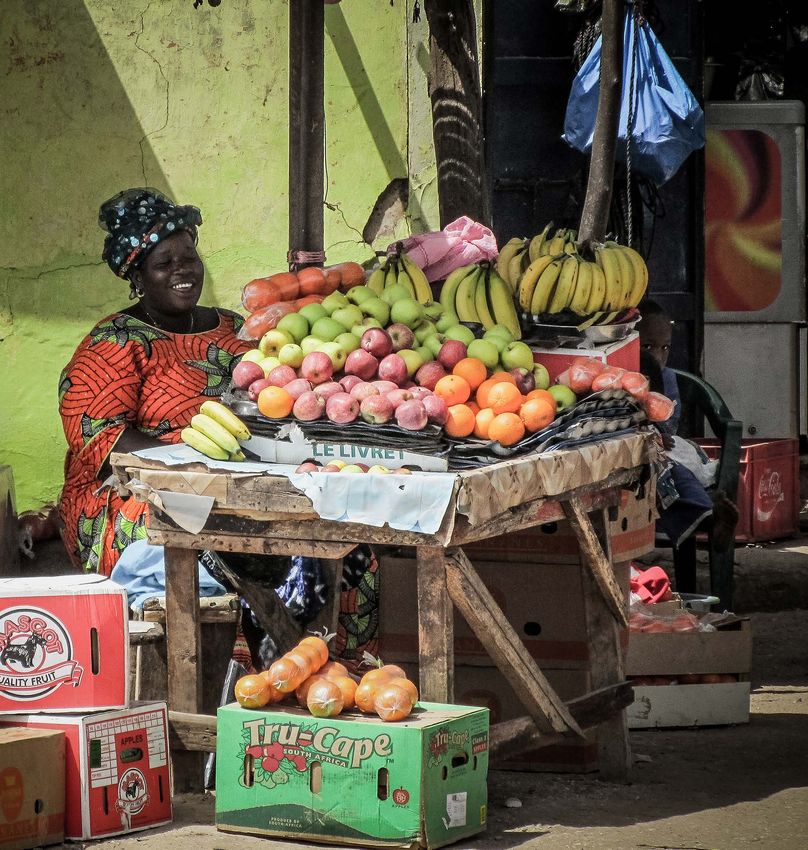
Woman sells fruit in her stall on the streets of the suburbs of Dakar, Senegal. Photo: Agencia Gnews/Bigstock
FIAS—THE FACILITY FOR INVESTMENT CLIMATE ADVISORY SERVICES18
FY12-16 and FY17-FY20 Funding and Expenditures
Fiscal Year
Contributions
(Sources of Funds) a
WORLD BANK GROUP
In US$
Thousands
2012-16
Share
of Total
In US$
Thousands
2017
Share
of Total
In
US$
2018
Share
of Total
In
US$
2019
Share
of Total
In US$
2020
Thousands
Share
of Total
In
US$
2021
Share
of Total
2017-21
In US$
Thousands
Share
of Total
01
51,336,475 28% 9,599,341 26% 8,061,770 25% 7,000,000 25% 7,000,000 27% - 0% 31,661,111 26%
CONTRIBUTIONS
Core Contributions 37,788,000 20% 7,000,000 19% 7,000,000 22% 7,000,000 25% 7,000,000 27% - 0% 28,000,000 23%
IFCa 23,388,000 13% 5,000,000 13% 5,000,000 16% 5,000,000 18% 5,000,000 20% 0% 20,000,000 16%
MIGA 5,600,000 3% - 0% - 0% - 0% 0% 0% - 0%
World Bank 8,800,000 5% 2,000,000 5% 2,000,000 6% 2,000,000 7% 2,000,000 8% 0% 8,000,000 6%
Project Specific/Other
13,548,475 7% 2,599,341 7% 1,061,770 3% - 0% 0% 0% 3,661,111 3%
Contributions (IFC)
Donor Contributions 134,480,300 72% 27,950,198 74% 23,557,629 75% 21,397,458 75% 18,557,640 73% - 0% 91,462,925 74%
Core 47,516,000 25% 4,601,820 12% 5,620,842 18% 5,600,853 20% 4,819,350 19% 0% 20,642,865 17%
Programmatic 55,913,000 30% 16,009,590 43% 8,880,887 28% 10,377,169 37% 5,861,827 23% 0% 41,129,473 33%
Project-Specific 31,051,300 17% 7,338,788 20% 9,055,900 29% 5,419,436 19% 7,876,463 31% 0% 29,690,587 24%
Client Contributions 699,000 0.4% - 0.0% - 0.0% - 0.0% - 0.0% - 0.0% - 0.0%
Total Contributions 186,515,775 100% 37,549,539 100% 31,619,399 100% 28,397,458 100% 25,557,640 100% - 0% 123,124,036 100%
Less Trust Fund
7,151,000 1,099,899 834,799 948,598 726,936 3,610,232
Administration Fees
Total Net
179,364,775 36,449,640 30,784,600 27,448,860 24,830,704 119,513,804
Contributions
Expenditures
(Uses of Funds)b
Staff Costs 80,745,922 50% 15,724,142 48% 14,114,087 52% 12,308,245 50% 10,195,172 45% 0% 52,341,646 49%
Consultants and
41,145,014 26% 10,503,071 32% 8,768,926 32% 7,838,159 32% 8,951,262 39% 0% 36,061,419 34%
Temporaries
Operational Travel Costs 26,315,588 16% 5,053,184 15% 3,006,936 11% 3,004,750 12% 2,526,105 11% 0% 13,590,976 13%
Indirect Costs (including
office and operating 11,886,379 7% 1,604,318 5% 1,506,396 5% 1,348,287 6% 1,102,123 5% 0% 5,561,124 5%
costs)
Total Expenditures 160,092,902 100% 32,884,715 100% 27,396,345 100% 24,499,442 100% 22,774,662 100% - 0% 107,555,164 100%
a
Includes contributions from all sources of funds that support the FIAS FY17-21 strategic agenda. FIAS
FY12-16 funding cycle contributions (previously reported) have been adjusted for comparative purposes.
b
Includes expenditures from all sources of funds that support the FIAS FY17-21 strategic agenda. FIAS
FY12-16 funding cycle expenditures (previously reported) have been adjusted for comparative purposes.FIAS 2020 Annual Review 19
FIAS-Supported Reforms by Region and Country, FY20
Construction Permits
Starting a Business
Investment Policy -
Investment Policy -
Property Transfers
Investment Policy -
Investment Policy -
Getting Credit
Competition
Grand Total
Agriculture
Incentives
Protection
Promotion
Linkages
Region Country
East Asia and the Pacific Laosa 1 1
Vietnama 1 1
EAST ASIA AND THE PACIFIC
1 1 2
TOTAL
Europe and Central Asia Albania 1 1
Kosovoab 1 1
Macedonia 1 1
Serbia 1 1
EUROPE AND CENTRAL ASIA TOTAL 3 1 4
Latin America and the Caribbean Guatemala 1 1
Nicaraguaa 1 1
LATIN AMERICA AND THE CARIBBEAN TOTAL 2 2
Sub-Saharan Africa Congo, Democraticab 1 1
Equatorial Guineaa 1 1
Maliab 1 1
a
Regional- ECOWAS 1 1 2
South Africa 1 2* 1 4
Togoab 1 1 1 3
SUB-SAHARAN AFRICA TOTAL 1 3 1 1 1 1 1 3 12
GRAND TOTAL 2 1 3 1 4 1 2 1 1 4 20
a
International Development Association (IDA).
b
Fragility, conflict, and violence situations (FCV).
* Reforms at subnational level
Total # of Reforms 20
of which in IDA 60%
of which in SSA 60%
of which in FCV 30%
FIAS—THE FACILITY FOR INVESTMENT CLIMATE ADVISORY SERVICES20
02
FIAS supports
IFC Upstream, FIAS, and COVID
project teams with
COVID Response
IFC Upstream
flows from creating
Special Topic:
Markets Advisory
Upstream more
relevant than ever
Response
in COVID contextFIAS 2020 Annual Review 21
IFC's Upstream Strategy
IFC has embarked on an ambitious strategy called Upstream,
a new way of doing business, focusing on developing a
pipeline of IFC-investable projects and on creating and
expanding markets through country-level engagements and
globally applicable platforms.
The aim of Upstream is to leverage IFC and Services (MAS) and Financial
Creating Markets initiatives (including Institutions Group (FIG) units.
those IFC Advisory Services that FIAS The very term
supports) to help create the conditions
for increased private sector investment,
IFC in the past year has completed
the integration of Advisory
“upstream,” in the
including projects that could include Services into industry and services development context,
IFC participation. Upstream builds departments, ending a four-year
process that is regarded as key to
refers to the kinds of
on experience from investment and
advisory initiatives that successfully the success of Upstream. Along activities that need
created new market opportunities, with these developments, FIAS
and its Development Partners
to happen ahead
and applies innovative models around
staffing, funding, indicators, and are working on the FY22–26 of—or upstream
operations to enable new levels of strategy, which will place greater from—investment
emphasis on sector-specific
delivery.
advisory that can help grow commitments.
FIAS support for Upstream-oriented the private sector investment
advisory coincides with several pipeline, including that of IFC.
developments that make the initiative FIAS’s role under IFC management
generating investment opportunities
especially timely. First and foremost, will be distinct from that of the
for IFC and its partners and the
there is the urgent demand from Competitiveness for Jobs and
private sector. The very term
developing countries for World Bank Economic Transformation umbrella
“upstream,” in the development
Group engagement in delivering trust fund (C-JET) managed by EFI.
context, refers to the kinds of
relief and restructuring assistance C-JET will primarily finance World
activities that need to happen ahead
and helping prepare the way for a Bank-executed trust fund grants that
of—or upstream from—investment
resilient recovery from the economic support preparation of IBRD and IDA
commitments. These activities
effects of the pandemic. Although the lending operations by incorporating
may involve tangible steps such as
Upstream initiative was developed prior microeconomic structural reforms
improving roads, port facilities, power
to the COVID outbreak, the concept into country programs. FIAS plays
grids, and other infrastructure. Or
is highly relevant to IFC’s efforts to a complementary role by focusing
they may involve advisory-based
work with clients on advisory and on IFC 3.0 Creating Markets
activities such as streamlining
investment initiatives that produce Upstream initiatives and through
business regulation, strengthening
tangible economic results. The launch of IFC Upstream operations supporting
investor protections, upgrading
Upstream has coincided with the shift in creating conditions for private sector
competition policy, improving the
management of the FIAS program (as of investment in priority areas and
competitiveness of sectors and firms,
July 1, 2020) from the Equitable Growth, sectors identified in the IFC Country
and helping countries maximize the
Finance and Institutions Global Practice Strategies.
potential of their most promising
Group (EFI) to IFC. This move enables
FIAS-supported projects, such as business sectors. FIAS supports all
FIAS Program Management to work
Country Private Sector Diagnostics these areas of work delivered by
closely across IFC teams, including the
and investment policy and teams across IFC and consistent with
IFC Upstream group, IFC regional and
promotion, are part of the broader, the FIAS Strategy.
country teams, and IFC Industry units
such as the Manufacturing, Agribusiness more systemic approach to
FIAS—THE FACILITY FOR INVESTMENT CLIMATE ADVISORY SERVICES22
02
“I believe that the private sector other developing countries and emerging
markets. For example, IFC has loaned $4
can and must play a central role million to CIEL Healthcare Limited, one of
the largest private healthcare providers
in the economic recovery that in Uganda, to continue providing critical
is essential in the months and healthcare services through clinics and
hospitals during the pandemic. In South
years ahead. How to help bring this Africa, IFC is investing up to $200 million in
The Standard Bank of South Africa Limited
about was always a difficult problem, to finance COVID-19 relief for South
even before the pandemic. The situation African businesses and small and medium
enterprises (SMEs).
is even more acute now. Advisory
services of the kind FIAS supports are “Supporting the private sector will be
crucial to helping developing countries
integral to this endeavor.” achieve an inclusive, sustainable, and
— Stephanie von Friedeburg, IFC Senior Vice President resilient recovery and stem the current
rise in extreme poverty,” said World Bank
Group President David Malpass. “We have
IFC Response to COVID-19 made progress in the last 20 years. Whole
populations have come out of extreme
Addressing the FIAS Steering Committee
poverty. The risk as the economic crisis
Meeting, IFC Senior Vice President
takes hold is that people fall back into
Stephanie von Friedeburg said, “I believe
extreme poverty. While there is no food
that the private sector can and must play
shortage problem now, if the situation
a central role in the economic recovery
continues it could become one.”
that is essential in the months and years
ahead. How to help bring this about was
always a difficult problem, even before
the pandemic. The situation is even more
acute now. Advisory services of the
kind FIAS supports are integral to this The economic effects
of the pandemic
$14b
endeavor.”
In March 2020, the IFC and World Bank
are expected to
Boards of Directors approved a $14 billion persist long after
package of fast-track financing to assist COVID-19 infections
companies and countries in their efforts to subside. Virtually all
finance package prevent, detect, and respond to the rapid
spread of coronavirus. IFC’s contribution
the upcoming FIAS
to the financing package is $8 billion to strategy cycle will be
In March 2020, the IFC support private companies and their taken up with the task
and World Bank Boards of employees devastated by the economic of relief, recover, and
Directors approved a $14 downturn. The bulk of the money will help
billion package of fast- client financial institutions continue to offer restructuring from the
track financing to assist trade financing, working-capital support, pandemic's economic
companies and countries and medium-term financing to private impact to build
in their efforts to prevent, companies struggling with disruptions in
supply chains.
resilience and build
detect, and respond
to the rapid spread of back better.
coronavirus. As of November, IFC had committed $4
billion in fast-track financing, with close
to half expected to benefit people in the
poorest countries and fragile states. The
remainder is being distributed acrossFIAS 2020 Annual Review 23
According to the January 2021 edition of of FIAS client countries—activity in 2020 IFC estimates up to 34
EFI’s flagship economic forecast report, shrank by 0.9 percent, the first aggregate million people will be
Global Economic Prospects (GEP), the contraction in a generation. Growth in the pushed into extreme
pandemic, in addition to the heavy toll in FIAS priority region of Sub-Saharan Africa poverty by the pandemic
death and illness, has plunged millions is forecast to rebound to 2.7 percent in across Sub-Saharan
of people into poverty and may depress 2021, a sluggish recovery hampered by Africa.
34m
economic activity and incomes for a persistent COVID-19 outbreaks in several
prolonged period.3 GEP found that the economies. IFC estimates the region is set
collapse in global economic activity in to experience an increase in the proportion
2020 is estimated to have been slightly of people in extreme poverty, with up to
less severe than previously projected, 34 million people pushed into extreme
mainly due to shallower contractions in poverty by the pandemic across Sub-
advanced economies and a more robust Saharan Africa. people pushed into
recovery in China. Disruptions in the poverty due to COVID-19
majority of other emerging market and These economic effects are likely to
developing economies (EMDEs) were more persist long after COVID-19 infections
acute than expected. Per capita income subside. Virtually all the upcoming FIAS
fell in more than 90 percent of EMDEs. The strategy cycle will be taken up with the
pandemic is expected to erase at least task of relief, recovery, and restructuring
a decade’s worth of per capita income from the pandemic’s economic impact.
gains in more than a quarter of these The prescription for recovery involves
countries, and in about two-thirds of them, governments facilitating a re-investment
per capita incomes are projected to be cycle aimed at sustainable growth that is
lower in 2022 than they were in 2019. In centered on the private sector and less
low-income countries (LICs)—the core dependent on government debt—all of
A group of fishermen off the coast of Cameroon. Photo: Edouard-Tamba/UnSplash
3
World Bank Group, Global Economic Prospects, January 2021.
FIAS—THE FACILITY FOR INVESTMENT CLIMATE ADVISORY SERVICES24
02
which well describes the FIAS mission. The Group's pandemic response strategy. FIAS
goal for all IFC Advisory Services is to build has leveraged its history of rapid response
resilience and build back better. and established relationships to mobilize
support for clients. Indicator-Based Reform
How IFC AS Projects Help Client teams have reacted quickly to client
Countries Recover from COVID- demand, and well-established relationships
Related Downturn between FIAS-supported IFC country
teams, client governments, and private
Along with fast-track financing, IFC has sector entities have been utilized. FIAS has
responded rapidly to surging client demand a proven track record in sectors hard-hit by
for advisory services geared toward the pandemic, including agribusiness, an
pandemic recovery and response. FIAS- industry central to the effort in preventing
supported teams are helping clients deal food insecurity, and tourism, one of the
with the collapse in travel and tourism. In areas hardest hit by the crisis. FIAS-
the agribusiness sector, teams are helping supported teams have used their expertise
countries manage the impacts both on on investment climate and sector-specific
business and food security of restricted reforms to support an accelerated recovery
cross-border trade. FIAS is helping project by recreating, repairing, and restoring
teams craft agile responses to enable markets devastated by the pandemic.
client countries to help manufacturers shift
rapidly to production of personal protective COVID-19 interventions are taking place
equipment (PPE) or develop research and in investment policy and promotion (IPP).
production in the pharma sector. In the crisis response phase, teams are
working with governments to retain existing
In some cases, project timelines must be foreign direct investment (FDI) to preserve
extended because of the interruption in businesses and livelihoods, including
activities. In a few cases, changes in client problem solving for foreign investors and
priorities caused by the pandemic are advocating for urgent reforms. In the
requiring corresponding changes in project recovery phase, IFC will help countries
goals. IFC is constantly assessing projects reconsider their FDI strategies, as they
in light of the added volatility caused by the may no longer be able to attract foreign
pandemic. But most projects are expected investment post-pandemic as multinational
to be able to proceed with implementation companies reconfigure their supply
with some disruptions. chains. To encourage future FDI, IFC AS
will support reforms to allow for greater
FIAS-supported activities have been competitiveness and new outreach efforts.
integrally involved in the World Bank
The FIAS-supported Competitiveness
Evaluation Lab (ComPEL) is an example
of a first responder in the Bank Group’s
COVID effort. With its demonstrated
COVID-19 interventions are taking place in history of impact evaluation, ComPEL
assisted with the COVID-19 Business
investment policy and promotion (IPP). In the Pulse Survey (COV-BPS). The COV-BPS
crisis response phase, teams are working with collected data in 11 countries across five
governments to retain existing foreign direct regions to support government response
in assisting businesses during the crisis.
investment (FDI) to preserve businesses and The survey will be scaled up to reach 16
livelihoods, including problem solving for foreign additional countries and tailored to client
governments’ policy priorities.
investors and advocating for urgent reforms.
FIAS also supported the COVID-19
Investment Promotion Agencies (IPAs)FIAS 2020 Annual Review 25
Across emerging and
developing economies,
economic recovery
over the next two to five
years will require a focus
on how to re-energize
firms able to survive the
pandemic downturn and
on strengthening markets
damaged by the pandemic’s
effects.
Survey, leveraging lessons learned
from the Systemic Investor Response
Mechanism (SIRM), a tool designed to
identify and resolve investor grievances.
The survey collected data on COVID-19-
related impacts and IPAs’ responses from
46 national agencies across six regions.
With this data, FIAS-supported project
teams intend to implement policies to
fast-track investor grievance management
mechanisms (IGM) to address complaints
caused by specific government actions. The
teams plan to assist in managing investor-
state contracts in countries that anticipate
contract non-performance to allow for
more flexibility and faster recovery.
CPSDs Provide Vehicle for Addressing
COVID-19 Economic Impacts
The FIAS-supported Country Private Sector
Diagnostics (CPSDs) working to help clients
create markets in challenging economic
circumstances now face the additional
challenge of minimizing destruction of
markets in the short term and restructuring
them for the medium term. Across
emerging and developing economies,
economic recovery over the next two to
five years will require a focus on how to re-
energize firms able to survive the pandemic
FIAS—THE FACILITY FOR INVESTMENT CLIMATE ADVISORY SERVICES26
02
downturn and on strengthening markets where accurate predictions are difficult
damaged by the pandemic’s effects. As to make. Thus, CPSD teams need to test
they were prior to the COVID-19 outbreak, the robustness of their recommendations
CPSD teams are being urged to look for against various scenarios for the future,
CPSD teams are being reform recommendations on how best to and broad stakeholder engagement and
urged to look for reform leverage and incentivize the private sector. expert consultation within and outside the
recommendations on The new context places greater emphasis Bank Group is ever more important.
how best to leverage and on assessing constraints and reform
incentivize the private roadmaps to support the restructuring In FY20, FIAS provided support to 9
sector. and recovery of key sectors and firms. CPSDs—in Albania, Azerbaijan, Bolivia,
FIAS-supported teams have rapidly taken Colombia, Ecuador, Jordan, the
on board new analysis and diagnostic Philippines, Ukraine, and Vietnam. (For
components geared specifically to COVID more on FIAS-supported CPSDs, see
impacts, relief, and recovery. CPSDs are Chapter 3.) In all, the World Bank Group is
In FY20, FIAS provided covering a range of COVID-related topics undertaking 45 CPSDs, with 24 completed,
support to 9 CPSDs—in including: the state of the private sector; 20 ongoing, and 11 in the pipeline for FY21.
Albania, Azerbaijan, Bolivia, strengthening key enabling sectors such as The roster of client countries includes 21
Colombia, Ecuador, Jordan, transport, digital infrastructure, finance, and in Sub-Saharan Africa—a FIAS priority
the Philippines, Ukraine, health; addressing hard-hit sectors such region—11 in the Latin America and
and Vietnam. as tourism, mining, and manufacturing; Caribbean and Europe and Central Asia
and strengthening key domestic sectors regions, and 8 in Asia. Most of these CPSD
such as food production to prevent COVID’s countries have ongoing FIAS-supported
economic impacts from exacerbating food projects.
insecurity.
The World Bank Group is FIAS Supports COVID Response in
undertaking 45 CPSDs, The World Bank Group is building a rapidly Challenging Environments
with 24 completed, 20 growing body of knowledge products
ongoing, and 11 in the related to COVID-19 that teams will be able FIAS teams have supported the South
pipeline for FY21. to access in completing CPSDs. Recently Africa Tourism Industry COVID-19 Survey
covered topics include support to SMEs, conducted under the IFC’s Regional
firms’ resilience, corporate insolvency, Tourism Umbrella Program. This survey
and notes on such topics as tourism, was developed quickly to analyze the
digital solutions, and trade facilitation. This effects of the pandemic, the efficacy of
will continue to be a fluid environment response measures, and possible gaps in
reforms. The results will be used as part of
a job-saver bridging facility to recreate jobs
in the sector.
CPSDs are covering a range of COVID-related In Côte d’Ivoire, the FIAS-supported Invest
West Africa Tourism Project plans to
topics including: the state of the private sector; launch an online COVID-19 ‘support finder’
strengthening key enabling sectors such as that will inform private sector actors of
different mechanisms, measures, and
transport, digital infrastructure, finance, and health; opportunities related to the broader crisis
addressing hard-hit sectors such as tourism, response. The Zimbabwe Destination
Development Program is also part of the
mining, and manufacturing; and strengthening Regional Tourism Umbrella Program and
key domestic sectors such as food production plans to restore confidence in tourism. The
project also envisages running campaigns
to prevent COVID’s economic impacts from to provide reliable, up-to-date information
exacerbating food insecurity. on the management of COVID-19.
The West Africa Agribusiness Project
aims to support exporters of fresh
agricultural products on proper hygieneFIAS 2020 Annual Review 27
practices to protect public health and attraction as the pandemic has forced a
by providing a PPD platform to address rapid shift in government priorities away
industry challenges. The platform will allow from regulatory reform and toward social
for a quick response to coronavirus-related health, macroeconomics, state budget
threats and engage proactively with private support, job losses, and related topics. The team is adding an
operators. The FIAS-funded Guinea-Bissau During the next six months the project assessment of the impact
Cashew Sector Development Project has plans to focus on mobilizing and facilitating of COVID-19 on the cashew
faced implementation delays due to the investor interest with a special focus on sector and planning
crisis and has extended its implementation pharma and medical equipment. It will contingencies, such as
timeline. The team is adding an assessment help the investment promotion agency delivering advisory services
of the impact of COVID-19 on the cashew to connect with potential investors and remotely, if project teams
sector and planning contingencies, such organize dialogue with at least 100 cannot resume in-person
as delivering advisory services remotely, companies from a selected target list. A activities.
if project teams cannot resume in-person revised value proposition should draw the
activities. attention of the 100 biopharma and other
target companies already identified. The
In Georgia, the Agribusiness project also plans to conduct an online
Competitiveness and Investment Policy training on COVID-19 consequences and
Project team is shifting focus to investment mitigating factors.
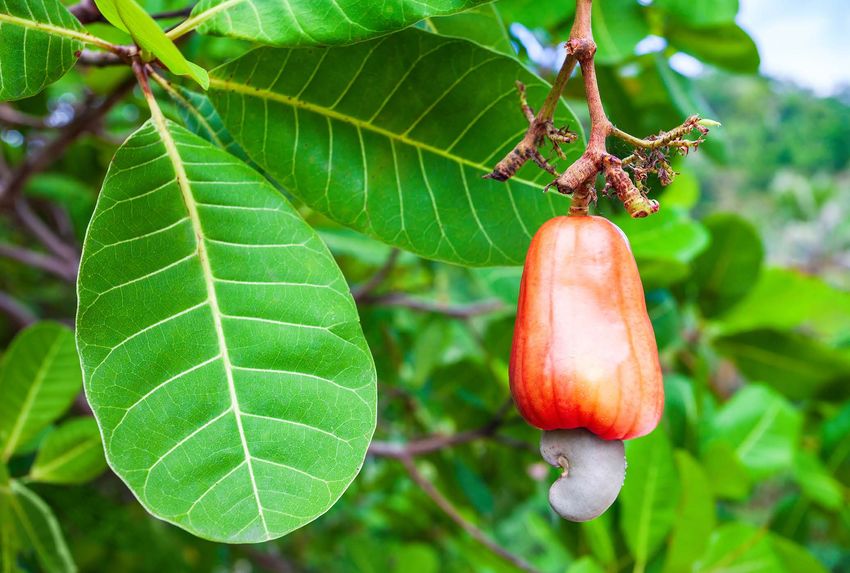
Red ripe cashew apple fruit with cashew nut on a tree, Republic of Guinea-Bissau. Photo: Bigstock
FIAS—THE FACILITY FOR INVESTMENT CLIMATE ADVISORY SERVICES28
02
What is Upstream? longstanding priority areas for FIAS.
IFC Advisory Services, including those
The IFC 3.0 Creating Markets Upstream supported by FIAS, will be increasingly
initiative began before the COVID-19 geared toward supporting the Upstream
outbreak, but IFC sees the strategy as strategy.
Upstream aims to all the more relevant given the severe
make IFC the catalyst economic impact of the pandemic around Upstream projects need to be consistent
the developing world. Historically, IFC with the developmental priorities of IFC’s
for billions of dollars client countries. They must 1) identify the
has examined opportunities to make
of new private large-scale investments in private sector relevant market and investment gaps that
investment that ventures in developing countries. As currently dissuade investment; 2) have a
generates jobs and the World Bank Group agenda focuses clear line of sight to private investments in
increasingly on IDA, Sub-Saharan Africa, the next five years; and 3) when a project
opportunities. and FCV countries, such investments leads to an investment, have a defined,
become harder to find. Enter Upstream, measurable development impact.
an approach that shifts IFC’s investment
approach from search-and-wait mode to Even with the additional challenges of the
an activist posture geared toward creating pandemic, IFC continues to expand the
Upstream focuses investment opportunities where they did Upstream portfolio of activities across
on attracting not previously exist. regions and industries. The investment
pipeline—the projected investment that
investment in This ambitious strategy seeks to stimulate will be enabled by Upstream work over
low-income and investment activity to address complex the next five years—stood at more than $5
fragile countries— development challenges. Upstream is an billion as of the end of FY20. This number
longstanding priority approach, not a single activity type. The has grown significantly since then as teams
aim is to make IFC the catalyst for billions strengthen their capabilities to identify and
areas for FIAS. of dollars of new private investment that develop opportunities, and as IFC absorbs
generates jobs and opportunities. The lessons from investments enabled by the
initiative focuses on attracting investment Upstream approach.
in low-income and fragile countries—
Operations at the Guinea Alumina Corporation (GAC), one of the leading bauxite mining companies in
Guinea. FIAS is supporting a supplier developing program linking local small businesses with major firms
such as GAC. Photo: IFCFIAS 2020 Annual Review 29
Economy-wide investment climate advisory Markets Advisory (CMA)—by targeting
will continue to support such improvements client-facing work toward collaborating with
as streamlining regulatory regimes, making partners in the private sector, government,
it easier to start a business, reducing the civil society, and other development
cost and time involved for businesses to institutions to identify pathways that will
obtain permits, and so on. But increasingly unlock more private investment.
IFC AS will take on a new identity—Creating
Defining the Advisory-Upstream Continuum at IFC
Enabling Environment
Enabling Environment Upstream Upstream
Upstream Investment and Firm-Level
Investment AdvisoryAdvisory
and Firm-Level
> Enabling Environment advisory > Upstream activities help to stimulate > Firm level advisory typically helps
typically involves working with and create conditions that result manage client risks, improve their
Government clients to establish in the movement of private performance, and/or support
regulatory reforms to unlock capital–domestic and foreign – their supply chains. It can be
private sector investment. into productive investment in IFC’s accomplished quickly over a few
countries of operation. months or involve a long-term
> No direct line of sight to specific relationship over several years.
investment opportunities > Upstream work can be accomplished
as quickly as in a few months or can
> Engagements tend to take place take several years. > Sector work through groups of
over a number of years as legal firms or industry associations can
reforms can move slowly. > It can entail both market creating help identify key insights related
measures with a line of sight that to industry challenges, thereby
> Work is carefully coordinated will unlock more private investment helping clients and IFC.
with the World Bank and can be and the development of projects to
co-delivered. offer to potential investors. > Transaction support to national/
sub-national entities in the role
of PPP transaction advisors.
How FIAS-supported Projects Relate to Upstream
FIAS support is already benefiting the Upstream approach through a variety of projects and activities:
• 3.0
The West Africa Investment Policy and Investment Climate (IPIC) project is directly aligned with IFC
Creating Markets objectives and has innovatively created markets by pursuing a more proactive
business model than typical IP and IC projects. This will produce important lessons for subsequent
projects by adapting the Upstream philosophy to a regional investment integration effort and adopting an
entrepreneurial approach.
• investment
The objective for FIAS in Creating Investment Opportunities in Haiti, in the medium term, is to support
generation and job creation in the country. In its recovery and resilience phase the project will
assist in promoting Haiti as a destination for investors. The project is working with IFC industries and teams
to identify opportunities to develop investment leads, for example, in the textile and garment industry.
• Economy
In Georgia, the FIAS project team has developed an Investment Promotion Strategy for the Ministry of
and helped adopt a more proactive and targeted approach to investment promotion.
• improve
The FIAS-supported Supplier and Partnership Marketplace digital platform in Guinea is helping local SMEs
their competitiveness and sell their goods and services to major firms in mining, hospitality, and
other sectors.
FIAS—THE FACILITY FOR INVESTMENT CLIMATE ADVISORY SERVICES30
02
Advisory programs can also unlock the IFC has recruited 205 dedicated Upstream
telecommunications sector to numerous staff, of whom 149 are from outside of IFC.
new players, including foreign tower Despite restrictions imposed by COVID-19,
companies. IFC InfraVentures is in this has been the most ambitious and most
discussions with potential entrants, both successful IFC recruitment campaign ever,
locally and internationally, that are expected not only because of the number of staff,
to enter the telecoms market, a sector that but also because of the deliberate effort
is expected to grow dynamically following to bring in new sets of skills. These include
the demand generated by the pandemic policy and industry, feasibility studies, and
on the digitalization of public and private project development. The resources IFC
transactions, especially telemedicine, channels into Upstream objectives now
distance education, and consumer will impact our work for years to come.
purchases. The speed, efficiency, and innovation
demonstrated by the recruitment effort
Upstream Progress, Targets, has set a precedent for how IFC plans to
and Timeline operate going forward.
Major progress has been made in Country-Driven Resource Allocation
recruitment for Upstream, emphasizing
the importance of effective onboarding IFC is redeploying a significant share of
of new staff, reporting on the pipeline, resources toward Upstream. In FY21,
drawing attention to the launch of $215 million—about 22 percent of the IFC
country-driven budget allocation, and Operations budget—will be designated for
announcing the extension of the Task Upstream activities. IFC is also launching a
Force until December 2020, to maintain targeted country-driven budget allocation
implementation momentum and allow for to hardwire the links between country
a smooth handover of relevant activities strategies, Upstream pipeline, and resource
to Operations and operational support allocation. This is a historic shift for IFC.
departments.
Country Managers will receive Upstream
country budget allocations to cover
program costs, which include variable costs
such as consultants, and travel, of more
$215m
than 300 Upstream projects and initiatives
identified through a comprehensive
bottom-up budgeting exercise. Funds will
be released to individual Upstream projects
via the Upstream program administration,
with the Country Manager as budget
In FY21, IFC is deploying a significant share of resources, holder. Progress will be tracked on a regular
$215 million, toward Upstream. basis, and IFC is building enough flexibility
into the system to swiftly reallocate funding
from projects and initiatives that are not
300
progressing.
Innovation and Upstream
Implementation Task Force
Upstream projects To maintain momentum, especially for the
implementation of corporate-wide tasks
and initiatives identified through a comprehensive and activities that cut across multiple
bottom-up budgeting exercise. functions and vice presidential units (VPUs),
and to ensure a seamless handover to
Operations and its support functions, theFIAS 2020 Annual Review 31
Upstream Implementation Task Force the Upstream strategy we are becoming a
continued its work through the end of maker of projects. First, the right policy and
FY20. regulatory environment must be in place—a
role strongly supported by FIAS. You can
The success of Upstream is of crucial expect to see increasing emphasis on
importance for the future of IFC. Article 1 digital approaches and strengthened virtual
of IFC’s Articles of Agreement states that capacity to foster business development
the organization’s mission is to “further and growth—a necessity in light of the
economic development by encouraging the pandemic. IFC is also heavily involved in
growth of productive private enterprise in renewable energy development: solar and
member countries, particularly in the less wind investments represent 70 percent
developed areas.” This is an unprecedented of our power generation portfolio. Here,
time when the relevance of IFC as the too, FIAS has a role to play, helping client
premier agent of private sector-led countries better administer their power
development has never been greater. grids and make it easier for businesses to
get electricity.”
The Importance of FIAS in the
“
Upstream Initiative
As IFC looks ahead, and as FIAS With IFC 1.0 and 2.0, our role was as a taker of
management shifts from EFI to IFC in FY21,
FIAS will play a key role in supporting
projects. Under the Upstream strategy we are
the Upstream strategy, working with becoming a maker of projects.”
governments and other stakeholders to
create the conditions in which private — Stephanie von Friedeburg, IFC Senior Vice President
sector investment can take hold and create
better and more inclusive jobs.
Supporting implementation of the IFC
3.0 Creating Markets Upstream agenda
requires a strategic shift, involving
refocusing FIAS to place greater emphasis
on sector-specific reform work (a trend that
is already under way in the FIAS program).
Upstream initiatives are being implemented
by teams across IFC, including the
Financial Institutions Group, Manufacturing,
Agribusiness and Services, Regional
Advisory, and other teams. Plans to further
this approach are being integrated into
the next five-year FIAS strategy cycle.
After consultation with FIAS Development
Partners, a FIAS strategy document is
being finalized and teams advised on
preparations for the FY22–26 strategy
cycle, set to begin on July 1, 2021.
IFC Senior Vice President Stephanie
von Friedeburg explains the Upstream
approach this way: “Upstream is designed
to build the private sector and address the
lack of bankable projects in client countries.
Prior to COVID, and with IFC 1.0 and 2.0, our
role was as a taker of projects. Under A woman working the field. countryside of Bissau, Republic of Guinea-Bissau. Photo: Bigstock
FIAS—THE FACILITY FOR INVESTMENT CLIMATE ADVISORY SERVICESYou can also read


