First-episode psychosis and schizophrenia - Oliver Freudenreich, MD, FACLP Co-Director, MGH Schizophrenia Program - Massachusetts ...
←
→
Page content transcription
If your browser does not render page correctly, please read the page content below
First-episode psychosis and
       schizophrenia
  Oliver Freudenreich, MD, FACLP
            Co-Director,
   MGH Schizophrenia Program

                                   www.mghcme.org
Disclosures
I have the following relevant financial relationship with a commercial interest to disclose (recipient SELF;
                                         content SCHIZOPHRENIA):

•   Alkermes – Consultant honoraria (Advisory Board)
•   Avanir – Research grant (to institution)
•   Janssen – Research grant (to institution), consultant honoraria (Advisory Board)
•   Neurocrine – Consultant honoraria (Advisory Board)
•   Novartis – Consultant honoraria
•   Otsuka – Research grant (to institution)
•   Roche – Consultant honoraria
•   Saladax – Research grant (to institution)
•   Elsevier – Honoraria (medical editing)
•   Global Medical Education – Honoraria (CME speaker and content developer)
•   Medscape – Honoraria (CME speaker)
•   Wolters-Kluwer – Royalties (content developer)
•   UpToDate – Royalties, honoraria (content developer and editor)
•   American Psychiatric Association – Consultant honoraria (SMI Adviser)

                                                                                                    www.mghcme.org
The return of social medicine

March 13, 2020   April 21, 2020

                                  www.mghcme.org
Rudolf Virchow

„Die Medizin ist eine soziale
 Wissenschaft, und die Politik ist
 nichts weiter als Medizin im
 Großen.“
               - Rudolf Virchow, 1821-1902

                     Waitzkin H. Social Medicine. 2006;1:5-10.
                                                        www.mghcme.org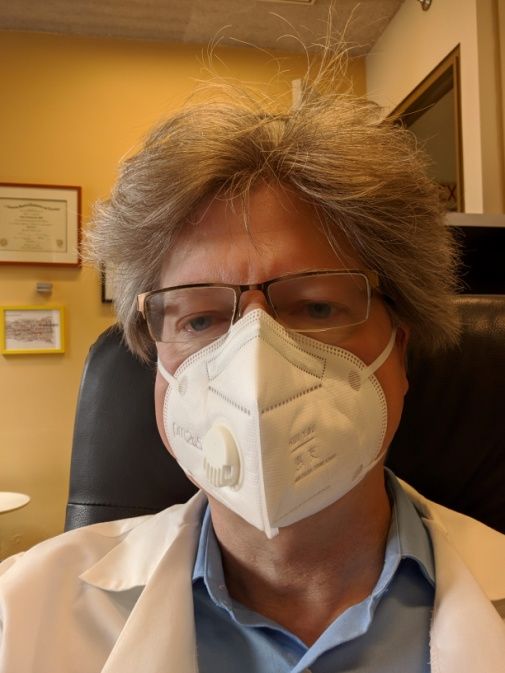
Outline
A. Broad treatment principles
  •   Recovery orientation
  •   Prevention orientation
B. New FDA drug approvals
C. New stage-based insights
  •   Prodromal phase
  •   Acute psychosis
  •   Post-psychotic/chronic phase
D. Psychopharmacology during a pandemic

                                          www.mghcme.org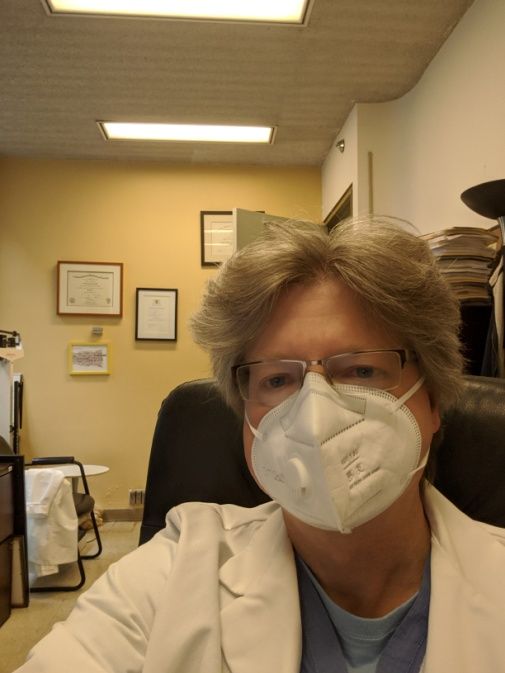
REVOVERY
ORIENTATION

              www.mghcme.org
SOHO* – positive psychiatry
               SOHO = Schizophrenia Outpatients Health Outcomes study

        Combined                                        Asymptomatic*
                                 28.1
        remission                                           18%

  Subjective Well-
       being
                                                 57
                                                                                  QoL**
         Function                         45.4

        Symptoms                                  60.3

                     0        10         20        30        40         50        60     70
*N=392 never-treated patients                       Percent
                 Lambert M et al., Acta Psychiatr Scand. 2008;118:220.
                 MacBeth A et al. Early Interv Psychiatry. 2015;9:53.
                 *Schennach R et al. Schizophr Res. 2019; 209:185-192.
                 **Dong M et al. Psychiatr Q. 2019;90(3):519-532. [WHOQOL-BREF]        www.mghcme.org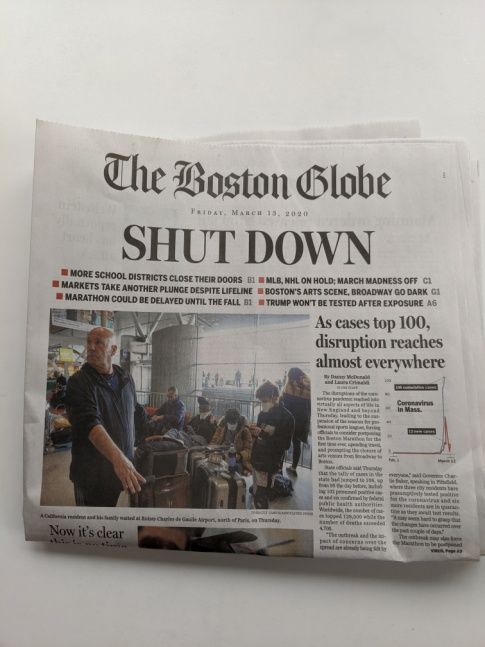
Loneliness
• Increased mortality (HR 1.22)1,2
• Loneliness in SMI3,4 “This has been my life all along.”
       – Natural state of being for patients with schizophrenia
              • Negative symptoms [asociality – lack of social drive] may be protective
              • Impaired social cognition may contribute
              • Social determinants of health and stigma
       – Impairs quality of life
       – Exacerbated by social distancing
• Treatment
       – NB: self-treatment with alcohol5
       – Proactive outreach and accompaniment
       – Quality not quantity of social support
1Rico-Uribe LA et al. PLoS One. 2018 Jan 4;13(1):e0190033. 2Holt-Lunstad J et al. Am Psychol. 2017 Sep;72(6):517-530.
3
 Michalska da Rocha B et al. Schizophr Bull. 2018 Jan 13;44(1):114-125.
4
 Eglit GML et al. PLoS One. 2018 Mar 22;13(3):e0194021. 5Pettersen H et al. Int J Qual Stud Health Well-being. 2013 Dec 20;8:21968.
https://time.com/5833681/loneliness-covid-19/
                                                                                                                     www.mghcme.org
PREVENTION
ORIENTATION

              www.mghcme.org
Prevention in psychiatry
•   Primary prevention                                                             We need to talk
     – Universal prevention
          • Whole population                                                      about prevention
                – Reducing bacterial maternal infections1                     Healy C and Cannon M. Am J Psychiatry.
                – Folate supplementation2                                     2020;177(4):285-287.
     – Selective prevention
          • More susceptible subgroup, still symptom free                       Going upstream for
•   Secondary prevention – “early intervention”                                      psychosis
     – Indicated prevention
          • Already showing signs of illness
                                                                                    prevention
                – Omega-3 fatty acids NOT effective3
                                                                              Anglin DM et al. JAMA Psychiatry.
                – Psychosocial support
                                                                              2020;77(7):665-666.
•   Tertiary prevention – minimize disability
     – Relapse prevention                                                           Mental health
          • Antipsychotics clear effective
                – Omega-3 fatty acids plus alpha-lipoic acid NOT effective4
                                                                                      starts with
•   Medical prevention in schizophrenia                                             physical health
      Brown AS and McGrath JJ. Schizophr Bull 2011;37:257.                Gates J et al. Lancet Psychiatry 2015;2:726.
      1Lee YH et al. Am J Psychiatry. 2019;177(1):66-75. 2Roffman JL. Biol Psychiatry. 2019;84(1):4-6.
      3McGorry PD et al. JAMA Psychiatry. 2017;74(1):19-27. 4Emsley R et al. Schizophr Res 2014;158(1-3):230-5.

                                                                                                            www.mghcme.org
Life expectancy
• Greatly decreased compared to general population
– 10- to 25-year reduced life expectancy
– Two main medical causes
• Cardiovascular disease
• Cancer Natural causes: 85%
– Illicit drug use contributes significantly Unnatural causes: 15%
• Main reasons for excess mortality
– Poor “lifestyle choices” (diet, exercise, smoking)
– Iatrogenic morbidity (antipsychotics)
– Late diagnosis and poor treatment of medical illness
– High risk of suicide and accidents
– No psychiatric treatment
• Improved medical care needed
Laursen TM. Curr Opin Psychiatry. 2019;32(5):388-93. Meta-analysis
Olfson M et al. JAMA Psychiatry 2015;72(12):1172-81.
Vermeulen JM et al. Schizophr Bull. 2019;45(2):315-29.
Taipale H et al. World Psychiatry. 2020;19(1):61-8.
www.mghcme.orgBeyond monitoring: need for action
• Physical health monitoring (screening) 2018
alone does not improve mortality
• Improving physical health through intervention1
– Psychiatric stability
– Dietary and exercise interventions
– Choice and duration of antipsychotic prescribing
– Pharmacological support for smoking cessation
– Screening for health conditions
• Correct (standard) medical treatment saves lives2
1Ilyas
A et al. Br J Psychiatry. 2017;211:194-96.
2Kugathasan P et al. JAMA Psychiatry. 2018;75:1234-40.
Ward MC and Druss BG. JAMA Psychiatry. 2019;76(7):759-60. [JAMA Network Insights] www.mghcme.orgSmoking cessation
• Prevalence remains high
– 62% in a sample of research patients1
– Smoking affects, among other things, quality of life2
• Address smoking in schizophrenia
– Cardiovascular and cancer mortality3
– Cognitive benefits from quitting4
• Improved processing speed (digit symbol coding)
• Smoking cessation principles5
• Varenicline Needed
Opt-out stance
– Efficacy: EAGLES trial6
Maintenance treatment
– Safety: removal of black box warning7
– Initial treatment (American Thoracic Society 2020 Guideline)8
1DickersonF et al. Psychiatr Serv. 2018;69:147-153. 2Vermeulen J et al. Lancet Psychiatry. 2019;6(1)23-34.
3
Olfson M et al. JAMA Psychiatry 2015;72(12):1172-81. 4Vermeulen JM et al. Am J Psychiatry. 2018;. 175(11):1121-8. 5Cather C et al. CNS
Drugs. 2017;31(6):471-81. 6Anthenelli RM et al. Lancet. 2016;387(10037):2507-20. [EAGLES trial]
7www.fda.gov/downloads/Drugs/DrugSafety/UCM532262.pdf 8Leone FT et al. Am J Respir Crit Care Med. 2020 Jul 15;202(2):e5-e31.
www.mghcme.orgTypical course of schizophrenia
Full recovery
Symptoms, function, disability
Partial recovery
Prodrome
Stable disability
First episode
Second episode
Pre-psychotic phase Critical phase Chronic phase
Freudenreich O. Psychotic Disorders. Springer 2020.
www.mghcme.orgStaging model of treatment
• Rational for staging Treatment as prevention
– Avoid progression to disease stages where only amelioration is
possible
– Better response to treatments in early stages
– Earlier treatments are less aggressive
• Principles
– Early intervention to treat patients as early as possible in the
disease course
– Phase-specific care that tailors the interventions to the patient’s
needs
– Stepped care that adjusts treatment intensity based on
response
• Works best for “transdiagnostic psychiatry” in early stages
McGorry PD and Nelson B. World Psychiatry. 2019;18(3):359-360.
Shah JL et al. World Psychiatry. 2020;19(2):233-242. [International Consensus Statement]
www.mghcme.orgClinical staging in psychiatry
STAGE Definition Clinical features
0 Asymptomatic subjects Not help seeking
No symptoms but risk
1a “Help-seeking” subjects with Non-specific anxiety/depression
symptoms Mild-to-moderate severity
1b “Attenuated syndromes” More specific syndromes incl. mixed
At least moderate severity
2 Discrete disorders Discrete depr/manic/psych/mixed sy
Moderate-to-severe symptoms
3 Recurrent or persistent Incomplete remission
disorder Recurrent episodes
4 Severe, persistent and Chronic deteriorating
unremitting illness No remission for 2 years
Hickie IB et al. Early Interv Psychiatry. 2013;7(1):31-43.
See editorial: Shah JL. JAMA Psychiatry. 2019;76(11):1121-3. www.mghcme.orgOmega-3 fatty acids for indicated prevention
NEURAPRO = ? STUDY DESIGN
• Ultra-high risk patients
• Intervention: omega-3 PUFA x 6 months
• All participants received Cognitive
Behavioral Case Management
RESULTS
• N=304 randomized
• ¼ lost to follow-up
• 6-month transition rates (CAARMS):
– Placebo 5.1% (=15)
– PUFA 6.7% (=17)
• 12-month transition rates:
– Placebo 11.2%
– PUFA 11.5%
• No effect of adherence (40%!)
1.4 g omega-3 FA (840 mg EPA/560 mg DHA
Similar trajectories of improvement for all
subgroups
McGorry PD et al. JAMA Psychiatry. 2017;74(1):19-27.
Editorial: Kane JM and Correll CU. JAMA Psychiatry. 2017;74(1):11-2.
Hartmann JA et al. Behavior Res Ther. 2020;124:103527.
www.mghcme.orgStage-specific care
Stage 1 (Clinical high-risk)
• High index of suspicion (functional decline, withdrawal, distress)
• Offer needs-based psychosocial care
• Treat identifiable comorbidities; avoid antipsychotics
Stage 2 (first-episode psychosis)
• Reduce duration of untreated psychosis
• Use low doses of antipsychotics to minimize side effects
• Offer coordinated specialty care
• Offer LAIs and clozapine if no symptomatic remission in 3-6 months
Stage 3 and 4
• Retain optimistic stance
• Focus on quality of life and vocational rehabilitation
• Pay attention to physical health
https://www.psychiatrictimes.com/view/stage-specific-treatment-of-psychotic-disorders
www.mghcme.orgEarly intervention: reducing duration of
untreated psychosis (DUP)
• Prolonged DUP1,2
• Poorer response
• Worse outcome
• DUP can be reduced3
• Clinical advantage at baseline, 2-year3 and 5-year f/u4
• Sustained information campaign is key5
• Focus on outliers6
• Role of lead-time bias7,8
1Perkins et al. 2005, 2Marshall et al. 2005, 3Melle et al. 2004, 2008; 4Larsen et al. 2011 5Joa et al. 2008
6Lloyd-Evans et al., Br J Psychiatry 2011;198:256.
7Jonas KG et al. Am J Psychiatry. 2020;177(4);327-334. 8Goff DC et al. Am J Psychiatry. 2020;177(4):288-290.
www.mghcme.orgPhase-specific care: RAISE trial
RAISE = Recovery After an Initial Schizophrenia Episode
• Goal
– Develop early-intervention system in real world of fragmented US
healthcare system
• NAVIGATE
– Cluster randomization of 34 clinics in 21 states of NAVIGATE versus
community care (CC)
– Core services: family education, resilience training, supported
employment/education, medications1
– N=404
• Results
– Team-based, multi-component NAVIGATE improved primary outcome
variable (QoL) more than CC2
– Effects were better for those with shorter DUP (median 74 weeks)3
– Improved QOL if more perceived autonomy support4
1Mueser KT et al. Psychiatr Serv. 2015;66(7):680-90.
QoL = Quality of Life 2Kane JM et al. Am J Psychiatry. 2016;173(4):362-72.
3Addington J et al. Psychiatr Serv. 2015;66(7):753-6.
4Browne J et al. Psychiatr Serv. 2017;68(9):916-922.
www.mghcme.orgStepped care: early use of clozapine
OPTiMiSE = Optimization of Treatment and Management of Schizophrenia in Europe
Amisulpride • Good overall remission rate
4w
after 10 weeks of treatment
DOUBLE BLIND
– 2/3 of patients
Ami
Olanzapine
sulpride • 56% responded in four weeks
6 wks
to amisulpride
• No added benefit from
switching to olanzapine
• Some benefit from switching
Clozapine
to clozapine (25%) but not as
good as responders
12 wks
Leucht, S et al. Schizophr Bull. 2015;41:549-58.
Kahn RS et al. Lancet Psychiatry. 2018; 5(10):797-807.
www.mghcme.orgNew FDA drug approvals
• 2017: Valbenazine1
– Approved for tardive dyskinesia (TD)
– VMAT-2 inhibitor
• 2017: Deutetrabenazine2
– Approved for Huntington’s disease and TD
– VMAT-2 inhibitor
• 2017: Proteus sensor for aripiprazole
• 2017: Aripiprazole lauroxil long-acting injectable
– 2-month dosage
• 2018: Aripiprazole lauroxil long-acting injectable
– New initiation regimen
• 2018: SC risperidone long-acting injectable
• 2019: Transdermal patch asenapine [brand name Secuado]
• 2019: Lumateperone [brand name Caplyta]
1FreudenreichO and Remington G. Clin Schizophr Relat Psychoses. 2017;11(2):113-119.
2Anderson KE et al. Lancet Psychiatry. 2017;4(8):595-604.
www.mghcme.orgFDA approval October 15, 2019
Asenapine patch
• Transdermal patch1 Dose conversion
• Efficacy 3.8mg/24hr = 5 mg bid SL
– 6-week, placebo-controlled phase-3 trial2 7.6mg/24hr = 10 mg bid SL
• Dosing
– Once-a-day patch 3.8mg/24hr, increase after one week to 5.7 or 7.6mg/24 hrs
• Drug interactions
– CYP1A2 and UGT1A4 substrate; weak CYP2D6 inhibitor
– QTc prolongation
– Orthostatic hypotension
• Side effects
– EPS, weight gain; rash at application site (10%)
• Patient selection
– Dysphagia
– Can be used in mild-to-severe renal impairment
– Can be used in mild-to-moderate hepatic impairment
– Easy visibility of patch in controlled settings
1Citrome L et al. J Clin Psychiatry. 2019;80(4):18nr12554.
2Citrome L et al. CNS Spectr. 2020;25(2):293.
www.mghcme.orgFDA approval December 23, 2019
Lumateperone
Brand name CAPLYTA, from Intra-Cellular Therapies; ITI-007 in clinical trials
• FDA-approved for schizophrenia in adults; not studied in geriatric patients
• MOA
– Includes antagonism for 5-HT2A >>> (post-synaptic) D2 receptors1
– Only 40% D2 occupancy
– Also binds to serotonin transporter; D1; others; low muscarinic and
histaminergic2
• Dosing: 42 mg once daily with food
• Metabolism: very complex; 3A4 and UGT (VPA!) clinically relevant
• Clinical assessment
– Effectiveness established in 2 trials for 42 mg; failed at lower and higher doses
(narrow therapeutic window)
– Somnolence (24% vs 10%); nausea (9% vs 5%), dry mouth (6% vs2%). EPS
rates similar
– Long-term experience needed to judge relative position vis-à-vis metabolic
liability but may be favorable3
– Insignificant QTc increase
1Vanover KE et al. Neuropsychopharmacology. 2019;44(3):598-605.
2Kumar B et al. Drugs Today. 2018;54(12):713-9.
3ASCP 2020: Abstract 3002348. Presented May 30, 2020.
www.mghcme.orgNew stage-based insights
GOALS KEY QUESTION
Prodromal Prevent psychosis Treat with antipsychotic?
Phase Prevent schizophrenia?
Acute Keep DUP short Which antipsychotic?
Psychosis Achieve initial response and Problem: early non-response
early positive symptoms (positive Sx)
remission
Post-psychotic Achieve sustained remission Treat for how long?
Phase Recovery and QOL Problems: early relapse and
Prevent morbidity residual Sx (adherence); risk-
benefit
www.mghcme.orgGerman Schizophrenia Guideline 2019
• There are a multitude of guidelines1
• Revised, national guidelines on schizophrenia2
– Large efforts, with many stakeholders
– Comprehensive
• 7 modules
• Challenging clinical situations
• Notable recommendations
– Diagnosis
• Include MRI in first-episode work-up
– Treatment
• Indeterminate duration of maintenance treatment after first-
episode of psychosis
• Physical health monitoring is part of psychiatric care
DGPPN = Deutsche Gesellschaft für Psychiatrie und Psychotherapie, Psychosomatik und Nervenheilkunde
1Keating D, et al. BMJ Open 2017;7:e013881. 2Available at www.awmf.org, including in English
www.mghcme.orgPRODROMAL PHASE
www.mghcme.orgProdromal schizophrenia
DSM-5 Attenuated Psychosis Syndrome (APS)*
• Prodrome can only be diagnosed in retrospect
– Transition risk for putatively prodromal patients not 100%1
• 18% after 6 months
• 22% after 1 year PLEIOTROPIC
• 29% after 2 years
• 36% after 3 years BROAD SYNDROME
• Transition risk prediction in its infancy OF MENTAL DISTRESS
– No Framingham risk score (yet) for selective or indicated prevention
– Low positive predictive value of positive symptoms (less than 2%)3
– Polygenic risk score enhances prediction (somewhat)4
• Majority will not convert (stage 2) but is help-seeking5
– “Probably at risk but certainly ill”
• Increasing appreciation of social determinants of health risk factors
– Example, deprived environments and cognitive development6
1
Fusar-Poli P. Arch Gen Psychiatry. 2012;69(3):220-9. 2Lin A et al. Am J Psychiatry. 2015;172(3):249-58.
3Livny A et al. Am J Psychiatry. 2018;175(4):351-8. 4Perkins DO et al. Am J Psychiatry. 2020;177(2):155-163.
5
Iorfino F et al. JAMA Psychiatry. 2019;76(11):1167-75. Fusar-Poli P et al. JAMA Psychiatry. 2020.77(7):755-764.
6
Lewis G et al. JAMA Psychiatry. 2020;77(7):729-736. *Salazar de Pablo G et al. JAMA Psychiatry. 2020;77(3):311-320.
www.mghcme.orgEarly intervention CHR guidance
IEPA=International Early Psychosis Association1
EPA = European Psychiatric Association2
• Assess and treat syndromes (anxiety, depression)
• Benign interventions to delay conversion1,2
• CBT should be first-line treatment
• Integrated psychological interventions (EDIPPP)3
• Omega-3 fatty acids ineffective;4 NAC?; minocycline?
• Use of antipsychotics
• Low-dose second-generation antipsychotic
• If severe symptomatology
• Not long-term for primarily preventive purpose
• Note: do not treat for pseudo-ADD with
stimulants5,6,7 4
McGorry PD et al. JAMA Psychiatry. 2017;74(1):19-27.
1 5Freudenreich O et al. Am J Psychiatry 2006;163:2019.
Br J Psychiatry Suppl. 2005 Aug;48:s120.
6
2Schmidt SC et al. Eur Psychiatry 2015;30:388. MacKenzie LA et al. Pediatrics 2016;137:1.
3
McFarlane et al. Schizophr Bull 2015;41:30. 7Moran LV et al. NEJM. 2019;380(12):1128-38.
www.mghcme.orgCannabis guidance
US Surgeon General’s Advisory:
Marijuana use and the developing brain
• Clear down-sides
– Component risk factor for 12% of schizophrenia1
– Commercialization leading to potent THC products2
– Destabilizes early course schizophrenia via reduced
adherence3
– Effects on adolescent brain (cognition)
• CBD oil (brand name Epidiolex) (Schedule V)
– 2018 FDA-approved for Lennox-Gastaut and Dravet
syndrome
– Off-label prescribing
– Minimal research regarding CBD
Pierre JM. Curr Psychiatry. 2019;18(5):13-20. Brunette MF et al. Psychiatr Serv. 2018;69(11):1181-3.
1Di Forti M et al. Lancet Psychiatry. 2019;6(5):427-36. 2Murray RM and Hall W. JAMA Psychiatry. 2020;77(8):777-8.
3
Schoeler T et al. Lancet Psychiatry. 2017;4(8):627-33.
https://www.hhs.gov/surgeongeneral/reports-and-publications/addiction-and-substance-misuse/advisory-on-marijuana-use-and-
developing-brain/index.html www.mghcme.orgACUTE PSYCHOSIS
“Der Ball ist rund und das Spiel dauert 90
Minuten.”
- Sepp Herberger
www.mghcme.orgFirst-episode work-up: neuroimaging
• No consensus
– Disadvantages
• False-positive results
• CT scan means radiation exposure
– Unlikely discovery of secondary psychosis in young adults
without neurological abnormalities
• EPIP sample chart review 1998-2016: 380 CT scans, 92 MRIs; age 20
• CT scan with 4.7% incidental findings (#1 arachnoid cysts)
• MRI scan with 11.1% incidental findings
• Clinical guidance
– Clear indication if intracranial pathology suggested
– CT sufficient for mass or hemorrhage and urgent intervention
– MRI scan is more sensitive and prone to incidental findings but
may (in future) be better course predictor (cortical thinning)
EPIP = Early Psychosis Intervention Program (EPIP) in Calgary, AB
Andrea S et al. J Clin Psychiatry. 2019;80(6):18m12665.
www.mghcme.orgSynaptic autoantibodies
• Most important for psychiatry: NMDAR Very few have AB in CSF
• Triggers in established schizophrenia
– Tumors, viral triggers (HSV) including TRS.1
• Phases FEP = up to 5%
– Prodromal, psychiatric, classic neurological, recovery
• Polypmorphous psychopathology
• Severe sleep disturbance
• Diagnosis Anti-NMDA receptor
– CSF abnormal; MRI normal, EEG abnormal encephalitis is a clinical
– CAVE: Seronegative presentations!2 diagnosis.
– CAVE: Methodology really matters!3
– Clinical screening criteria4
• Treatment
– Prolonged immunotherapy (problem: poor penetration BBB)
– Benzodiazepines; antipsychotic poorly tolerated
Graus F et al. Lancet Neurol. 2016;15(4):391-404. [Diagnostic Guideline]
1Kelleher E et al. Schizophr Res. 2020 (in press). 2Lavasani S et al. Psychosomatics. 2020;61(3):288-295.
3
Hoffmann C et al. JAMA Psychiatry. 2020;77(3):322-325. 4Warren N et al. J Psychiatr Res. 2020;125:28-32.
www.mghcme.orgSubstance-induced psychosis
• Danish population-based registry study1,2
– 20-year follow-up
– N=6,778
– Majority alcohol, cannabis, amphetamines
– 32.2% of patients converted to schizophrenia or bipolar disorder
• Substantial differences in conversion rates between substances
– Almost 50% if cannabis-induced psychosis
• Half converted within 3 years to schizophrenia
• The younger the patient, the higher the conversion risk
• Implications
– 50% of cannabis induced psychosis will become schizophrenia
– Longer-term follow-up and treatment needed to prevent
schizophrenia?
– Will legalization of cannabis increase psychosis incidence?3
• “…drug-precipitated disorder in highly vulnerable individuals”4,5
1StarzerMSK et al. Am J Psychiatry. 2018;175(4):343-50.
2Ghose S. Am J Psychiatry. 2018;175(4):303-4. [Editorial] 3Murray RM and Hall W. JAMA Psychiatry. 2020;77(8):777-8.
4Kendler KS et al. Am J Psychiatry. 2019;176(9):711-9.
5Tandon R and Shariff SM. Am J Psychiatry. 2019;176(9);683-4. [Editorial] www.mghcme.orgAntipsychotic choice
• Efficacy1,2
– Antipsychotics not equivalent
Choose wisely
• Clozapine ES 0.88
• Olanzapine ES 0.59
• Risperidone ES 0.56
– Overall efficacy for rest
• ES 0.33 to 0.50
• Avoid haloperidol in first-episode patients3
• Partial agonist antipsychotics
– No higher risk for psychiatric hospitalization when
switching to aripiprazole4
1Smith RC et al. Psychopharmacology. 2019;236(2):545-59.
2Leucht S et al. Lancet. 2013;382(9896):951-62. Huhn M et al. Lancet. 2019;6736(19):1-13.
3Zhu Y et al. Lancet Psychiatry. 2017;4(9):649-705. [network meta-analysis]
4Montastruc F et al. JAMA Psychiatry. 2019;76(4):409-17.
www.mghcme.orgAntipsychotic dosing
• More is not necessarily better
– Neuroleptic threshold for first-generation antipsychotics
– Lower dose range for first-episode patients
– Very few studies have established possible benefit for
high-dose approach (olanzapine)dzSF
– TDM for outliers
• Dose-response meta-analysis1
– Approved dose ranges based on initial estimates from
animal studies often too high
– 95% effective dose (ED95) based on data
• Table 1 with ED95 (calculated optimal dose), equivalence doses,
minimum effective dose, maximum dose
1Leucht S et al. Am J Psychiatry. 2020;177(4):342-353.
www.mghcme.orgTDM – Potential benefits
• Consensus statement
• Informed decision regarding root causes of treatment
complications
– Poor response to antipsychotics (25% of patients)
• Pseudo-refractoriness (non-adherence) vs. refractoriness*
– Poor tolerability of antipsychotics (15% of patients)
• Slow elimination vs. high drug sensitivity
• Identifies patients at higher relapse risk1 *1 in 5 TRS
• Indications patients
– Non-response at therapeutic doses have non-
– Uncertain drug adherence detectable drug
– Suboptimal tolerability level.
– Pharmacokinetic drug-drug interactions
Schoretsanitis G et al. J Clin Psychiatry. 2020;81(3):19cs13169. Predmore Z et al. Psychiatr Serv. 2018;69:12-4.
1Melkote R et al. Schizophr Res. 2018; 201:324-328. [CATIE sample]
*McCutcheon R et al. Acta Psychiatr Scand. 2018;137(1): 39–46.
www.mghcme.orgPost-Psychotic/
Chronic phase
Nach dem Spiel ist vor dem Spiel.
- Sepp Herberger
www.mghcme.orgTreatable comorbidities
• Substance use
– Common, course-destabilizing
– Alcohol use disorders
• Post-hoc analysis of CATIE1
– Olanzapine better than other antipsychotics
• Negative trial: ALKS 3831 = samidorphan + olanzapine
• Psychiatric comorbidities3
– Agoraphobic avoidance, worry, self-esteem, insomnia
– Dimensions of psychopathology
• Negative symptoms
• Cognitive symptomts
• Medical comorbidities
1PathakS et al. J Clin Psychiatry. 2020;81(2):19m12731.
2BrunetteMF et al. J Clin Psychiatry. 2020;81(2):22-9.
3Freeman D et al. Schizophr Res. 2019;211:44-50.
www.mghcme.orgCost of relapse in schizophrenia
• Relapse has psychosocial toxicity Relapse
– Loss of job prevention is
– Derailed education key goal
– Criminal problems
of schizophrenia
– Suicide
care
– Loss of reputation
• Relapse might be biologically harmful1
– Emergent treatment non-response in 16%
• Sustained remission is basis for accrued
treatment benefits over time
1Emsley R et al. J Clin Psychopharmacol. 2013;33(1):80-3.
www.mghcme.orgNon-adherence NNT = 3
• Antipsychotics are highly effective to prevent relapse1
• The reality of first-episode psychosis2
– One fifth not using services
– Majority not using antipsychotics following first episode
• Non-adherence as system failure
– Team-based prescribing3
• Patient-centered solutions4
– Medication as a tool
– Shared decision making
– Family engagement
• Prescribing hope for recovery5
1Leucht
S et al. Lancet 2012;379: 2063-2071. 2Gilmer TP et al. Schizophr Bull. 2020;46(1):91-97.
3Plowman RS et al. Acad Med. 2019 (in press). 4Brown HE et al. JAMA Psychiatry. 2020;77(7):766-767.
5https://www.psychiatrictimes.com/view/prescribing-hope-for-recovery
www.mghcme.orgLong-acting injectable antipsychotics
Drug Dose strengths Dose (IM) & Frequency Notes
Haloperidol decanoate Vials 50mg/ml 50 - 200 mg monthly Initiation: overlap with oral antipsychotic
[HALDOL DECANOATE] Vials 100mg/ml Other dose intervals are possible Loading dose strategy possible
Maintenance dose equals 20 x oral dose
Fluphenazine decanoate Vials 25mg/ml 6.25 - 25 mg every 2 weeks Initiation: overlap with oral antipsychotic
[PROLIXIN DECANOATE] Other dose intervals are possible
Risperidone microspheres 12.5mg, 25 mg, 37.5 mg, 50 12.5-50 mg every 2 weeks Initiation: 3 week overlap with oral antipsychotic
[RISPERDAL CONSTA] mg Main release of drug occurs 3 weeks after injection
50 mg every two weeks corresponds to 4 mg/d oral (50 mg is highest IM dose]
Risperidone long-acting suspension 90 mg, 120 mg 90 or 120 mg monthly For subcuaneous use
[PERSERIS] subcutaneously 90 mg corresponds to 3 mg/d oral
120 mg corresponds to 4 mg/d oral
Paliperidone palmitate 39 mg, 78 mg, 117 mg, 156 39-234 mg monthly Loading dose of 234 mg [deltoid!] to initiate (no oral overlap needed), 2nd
[INVEGA SUSTENNA] mg, 234 mg dose one week later, the monthly
156 mg monthly corresponds to 9 mg/d oral
[INVEGA TRINZA] 273 mg, 410 mg, 546 mg, 819 273-819 mg every 3 months Every 3 months dose can be used after 4 months of monthly injections
mg 546 mg corresponds to 9 mg/d oral
Olanzapine pamoate 150 mg, 210 mg, 300 mg, 405 150 or 300 mg every 2 weeks No overlap with oral antipsychotic (higher initiation doses)
[ZYPREXA RELVPEVV] mg 405 mg monthly Monitor for 3 hours of observation for post-injection delirium/sedation
syndrome (PDSS)*
300 mg monthly corresponds to 10 mg/d oral
Aripiprazole monohydrate Vials 200 mg/ml 160mg- 400mg monthly Initiation: 2 week overlap with oral antipsychotic
[ABILIFY MAINTENA] 300 mg corresponds to 10 mg/d oral; 400 mg to 15 mg/d
Aripiprazole lauroxil 441 mg, 662 mg, 882 mg, 441,662,882 mg every 4 weeks Initiation: 3 week overlap with oral antipsychotic or with initiation regimen
[ARISTADA] 1064 mg 882 mg every 6 weeks Inject rapidly due to non-Newtonian fluid characteristics
1064 mg every 2 months Only lowest dose of 441 mg dose can be given in deltoid
441 mg monthly corresponds to 10 mg/d oral
662 mg monthly or 1064 mg every two months corresponds to 15 mg/d oral
882 mg monthly corresponds to 20 mg/d oral (highest IM dose)
Oral test dose required for all antipsychotic if patient has never been exposed to IM antipsychotic
*See REMS website for olanzapine pamoate www.mghcme.orgLong-acting injectable antipsychotic
medications
• Relapse risk 20 to 30% lower for LAI compared to oral1
• Can be life-saving2
– 30% lower risk LAI compared to oral antipsychotic
• Shared decision-making should be based on facts
– LAI gives real-time, accurate information about adherence
– Avoids family conflict
• Best if employed as part of comprehensive care program
– Maintaining frequent clinical contact may be a valid psychosocial
relapse prevention treatment3
– Breakthrough symptoms (hospitalization) still high: 30%
incidence4
• You and you team may be the biggest barrier!5
– In finished PRELAPSE trial, early-phase patients accept LAI6
1
Tiihonen J et al. JAMA Psychiatry. 2017 Jul 1;74(7):686-693. 2Taipale H et al. Schizophr Res. 2018; 197:274-280.
3Buckley PF et al. Psychiatr Serv. 2016(12);67:1370-72. 4Rubio JM et al. Psychol Med. 2019; 13:1-12.
5
Robinson DG et al. Psychiatr Serv. 2020;71(4):337-342. 6Kane JM et a. J Clin Psychiatry. 2019;80(3):18m12546.
www.mghcme.orgNot everyone gets better with first-
line antipsychotics
Over 80% of refractory
patients are refractory
• Move to clozapine1 from the start.2
– Refractoriness Clozapine has real-world
effectiveness for relapse
– Aggression and self-injury prevention.3
• Risks of not prescribing clozapine
– Accruing psychosocial toxicity
– “End-stage” brain disease with poor function
– Polypharmacy
– Higher mortality4Warnez S and Alessi-Severini S. BMC Psychiatry. 2014;14:102.
1
2Demjaha A et al. Psychol Med. 2017;47(11):1981-9.
3Tiihonen J et al. JAMA Psychiatry. 2017;74(7):686-93.
4Tiihonen J et al. Lancet. 2009;374(9690):620-7.
www.mghcme.orgGood for survival
Clozapine news FIN 20 study
Vermeulen JM et al. Schizophr Bull. 2019;45(2):315-29.
Taipale H et al. World Psychiatry. 2020;19(1):61-8.
• Effectiveness
– Excellent for relapse prevention1
– Clozapine augmentation strategies are limited2
– Clozapine plus aripiprazole prevents hospitalizations3
– Best clinical efficacy for all patients, not limited to TRS4
• Safety
– Diabetes, hyperlipidemia, intestinal obstruction5
– Underappreciated: aspiration pneumonia6
– Feasible to continue during chemotherapy7
– Utility of clozapine to norclozapine ratio?8
1Tiihonen J et al. JAMA Psychiatry. 2017;74(7):686-93. 2Correll CU et al. JAMA Psychiatry. 2017;74(7):675-84.
3
Tiihonen J et al. JAMA Psychiatry. 2019 [Epub ahead of print]. 4Mizuno Y et al. Neuropsychopharmacology. 2020;45(4):622-631.
5
Stroup TS et al. Am J Psychiatry. 2016;173:166-73. 6De Leon H et al. World Psychiatry. 2020;19(1):120-1.
www.mghcme.org
7Graininger BT et al. Eur J Haematol. 2019 (in press). [Review] 8Costa-Dookan KA et al. Expert Opin Drug Saf. 2020 Jan;19(1):43-57.Psychopharmacology during a pandemic
March 5, 2020 March 21, 2020 April 21, 2020
www.mghcme.orgContributors to poor outcomes
• Unresponsive biology • Time spent psychotic, in
hospitals, or idle at home
• Poor access to treatment and
no care
• Substandard psychiatric care
• Poor engagement in ongoing
care and poor adherence
• Substance use
Health disparities in • Comorbid medical disorders
society are magnified • Multiple social determinants
of health
during COVID-19.
Zipursky RB. J Clin Psychiatry. 2014; 75 Suppl 2:20-4.
Bartels S et al. Psychiatric Serv. 2020 (in press).
www.mghcme.org“Tragic” epidemiologic triad of SMI and COVID-19
Psychiatric illness
-Negative symptoms Highly infective
-Cognitive difficulties
Medical comorbidities
Agent
-Obesity
-Smoking
-Lung disease
-Metabolic syndrome
Vulnerable Host Environment Favorable
Crowded living quarters
Poverty
Freudenreich O et al. Current Psychiatry. 2020 (in press)
www.mghcme.orgPriorities
• Preventing spread Sine qua non
– Stay up-to-date Keep people engaged in care.
– Speak up and be involved
Treatment as prevention!
• Preventing medical mortality
– Smoking cessation
– Continue to address medical comorbidities during COVID-19!
• Preventing disengagement and psychiatric crises
– Assure treatment to prevent relapse
• Essential treatments: antipsychotics for schizophrenia
– Special considerations: clozapine and long-acting injectable antipsychotics
– Provide support to mitigate effects of social isolation
– Preserve care access and continuum of care
http://psychnews.org/update/5b13.html
Zhou J. Am J Psychiatry. 2020;177(7):574-5.
www.mghcme.orgClozapine use during COVID-19
• Consensus statement on the use of clozapine
during the COVID-19 pandemic1
– REC #1: Criteria for up to 90-day clozapine supply
– REC #2: Evaluate for any new infection
– REC #3: Consider reducing clozapine dose during
infection
• Consistent with FDA guidance2
• Endorsed by many states including MA and
countries
• Pay attention to differential diagnosis!3
1Siskind D et al. J Psychiatry Neurosci. 2020 Apr 3;45(4):200061. doi: 10.1503/jpn.200061.
2https://www.fda.gov/media/136317/download
3Dotson S et al. Psychosomatics. 2020 (in press).
www.mghcme.orgLAI use during COVID-19
Ideally, patients should be seen as infrequently
as medically prudent in-person during this
• Outpatient clinic public health emergency, to limit the possibility
of exposure (both patients and staff)
– Have a plan how to continue giving injections
• Make a spread sheet (population-based management)
• Who can do it and where?
• Every patients needs to have an individual plan: stay, switch LAIs, switch to oral
– Develop optimal mixture between in-person contact and
telepsychiatry
– Plan on resuming metabolic monitoring
Harm reduction approach
• Inpatient setting for patients unlikely to be
– Consider initiating LAI during hospitalization adherent after discharge
– Plan to give patient injection on day of discharge Reduce changes of gap in
• Emergency room antipsychotic coverage during
transition of care
– May be an option but only if everything else fails
Schnitzer K et al. Current Psychiatry. 2020 (in press).
https://smiadviser.org/knowledge_post/
what-are-clinical-considerations-for-giving-lais-during-the-covid-19-public-health-emergency
www.mghcme.orgSupportive psychotherapy during COVID-19
• Education
Social distancing =
– Risk and risk perception Physical distancing
– Terms and how to apply them NOT: emotional distancing
• Manage anxieties
– Use pharmacotherapy as support
• Dose adjustment: not the time for low-dose approach
– Helpful to have TDM
• Judicious use of ancillary psychotropics
– Use proactive crisis intervention, before a crisis
• More frequent contacts (MD, social work, psychologists)
• Use telepsychiatry
• Problem-solving and concrete help
– Filling out forms
www.mghcme.orgTelehealth and SMI Telemedicine is currently
STANDARD OF CARE
• Facts unless contact is needed.
– MGH Psychiatry went from less then 5% telehealth to almost 100% telehealth
in a few weeks
– Regulatory barriers (reimbursement, licensure, privacy) were removed
• Benefits
– Often surprisingly easy for both sides, regardless of type of patient
– Patients quite thankful for contact from clinic
– More convenient: you literally meet patients where they are at
– More economic and efficient
• Downsides
– You cannot use all your senses to evaluate patients
– Not all patients have access to telehealth (digital divide)
– Some psychiatric procedure require in-person contact (ECT, LAIs, blood work)
– Privacy and other regulatory concerns like consent
– Long-term effectiveness unclear
https://ps.psychiatryonline.org/editorschoice/
considerations-for-telepsychiatry-service-implementation-in-the-era-of-COVID-19
Torous J et al. JMIR Ment Health. 2020 Mar 26;7(3):e18848. Shalev D and Shapiro PA. Gen Hosp Psychiatry. 2020 Apr 3;64:68-71.
https://smiadviser.org/wp-content/uploads/2020/04/How-to-Prepare-for-a-Video-Appointment.pdf
www.mghcme.orgConcrete steps for working with SMI patients during COVID-19
• Educate and address concerns
– Clarify risk and correct misperceptions
• Prevent unhelpful action (hoarding that would lead to shortages)
• Advise limited media exposure Get smart yourself!
– Provide tailored materials
• Model coping in the face of adversity
• Model correct approach to infection control
– Correct mask wearing
Don’t forget the individual patient for focus on public health
• Monitor alcohol use üEngage the patient, not just the disease
• Push for smoking cessation üExplain, keep it simple, clarify, advise
• Plan for the fall üMaintain clinical contact
– Flu shots
– Resume routine health care
– Get workflows in order for essential medications (LAIs, clozapine)
• Plan for the worst
– Get contact information in order
– Crisis plan (Psychiatric Advance Directive [PAD])
– Discuss end-of-life care
www.mghcme.orgDisillusionment
What will our new normal feel
like?
“It was the first winter that you
realized that this is going to
last, this is your life. And
somehow you live. Just like
people are adapting to the
situation now.”
Velibor Bozovic recalls the
1990s siege of Sarajevo www.mghcme.orgDeliberate resilience building
• Deliberate resilience building – not innate and fixed
• Embrace “toughness”
• Emphasize shared mission and camaraderie
• Counteract helplessness
– Make infection control a ritualized practice
• Avoid the victim narrative
– Embrace post-traumatic growth mindset Per aspera ad astra
• Pay attention to self-care for endurance
– Rest, nutrition, exercise
• Practice self-compassion
– Self-kindness, common humanity, and mindfulness
https://www.resilienceandprevention.com/healthcare-providers
Pfefferbaum B and North CS. NEJM. April 13, 2020.
Rosenberg AR. JAMA Pediatr. April 14, 2020. [Deliberate resilience building]
Chen Q et al. Lancet Psychiatry. 2020;7(4):e15-e6. *Lisa Rosenbaum. NJEM. April 1, 2020. www.mghcme.orgAlbert Camus
‘This whole thing is not about
heroism. It’s about decency. It
may seem a ridiculous idea,
but the only way to fight the
plague is with decency.’
‘In general, I can’t say, but in my
case I know that it consists in
doing my job.’
- Doctor Bernard Rieux 1947
https://www.nytimes.com/2020/03/19/opinion/sunday/coronavirus-camus-plague.html
www.mghcme.orgThank you!
Website
APA SMI Adviser project
https://smiadviser.org/
Articles
Freudenreich O et al. COVID-19 and patients with
serious mental illness. Current Psychiatry. 2020
(in press)
Book
John Umstead Hospital, Butner, NC, ca. 1995
freudenreich.oliver@mgh.harvard.edu
www.mghcme.orgYou can also read


