Immunic Therapeutics Developing Selective Oral Drugs in Immunology - NASDAQ: IMUX | September 2021 - Immunic ...
←
→
Page content transcription
If your browser does not render page correctly, please read the page content below

Immunic Therapeutics
Developing Selective Oral Drugs in Immunology
NASDAQ: IMUX | September 2021

Cautionary Note Regarding Forward-Looking Statements
         This presentation contains “forward-looking statements” that involve substantial risks and uncertainties for purposes of the safe harbor within the meaning of Section 27A of the Securities Act
         of 1933, as amended, and Section 21E of the Securities Exchange Act of 1934, as amended. These include statements regarding management’s intentions, plans, beliefs, expectations or
         forecasts for the future, and, therefore, you are cautioned not to place undue reliance on them. No forward-looking statement can be guaranteed, and actual results may differ materially from
         those projected. Immunic undertakes no obligation to publicly update any forward-looking statement, whether as a result of new information, future events or otherwise, except to the extent
         required by law. We use words such as “anticipates,” “believes,” “plans,” “expects,” “projects,” “future,” “intends,” “may,” “will,” “should,” “could,” “estimates,” “predicts,” “potential,”
         “continue,” “guidance,” and similar expressions to identify these forward-looking statements that are intended to be covered by the safe-harbor provisions of the Private Securities Litigation
         Reform Act of 1995.

         Such forward-looking statements are based on our expectations and involve risks and uncertainties; consequently, actual results may differ materially from those expressed or implied in the
         statements due to a number of factors, including, but not limited to, risks relating to strategy, future operations, future financial position, future revenue, projected expenses, prospects, plans
         and objectives of management. Risks and uncertainties that may cause actual results to differ materially from those expressed or implied in any forward-looking statement include, but are not
         limited to: Immunic’s plans to develop and commercialize its product candidates, including IMU-838, IMU-935 and IMU-856; the timing of initiation of Immunic’s planned clinical trials; the
         potential for IMU-838 and the Company’s other product candidates to safely and effectively target and treat the diseases mentioned herein; the impact of future preclinical and clinical data on
         IMU-838 and the Company’s other product candidates; the availability or efficacy of Immunic’s potential treatment options that may be supported by trial data discussed herein; expectations
         regarding potential market size; the timing of the availability of data from Immunic’s clinical trials; the timing of any planned investigational new drug application or new drug application;
         Immunic’s plans to research, develop and commercialize its current and future product candidates; Immunic’s ability to successfully collaborate with existing collaborators or enter into new
         collaboration agreements, and to fulfill its obligations under any such collaboration agreements; the clinical utility, potential benefits and market acceptance of Immunic’s product candidates;
         Immunic’s commercialization, marketing and manufacturing capabilities and strategy; Immunic’s ability to identify additional products or product candidates with significant commercial
         potential; developments and projections relating to Immunic’s competitors and industry; the impact of government laws and regulations; Immunic’s ability to protect its intellectual property
         position; Immunic’s listing on The Nasdaq Global Select Market; expectations regarding the capitalization, resources and ownership structure of the company; the executive and board structure
         of the company; Immunic’s estimates regarding future revenue, expenses, capital requirements and need for additional financing; the nature, strategy and focus of the company; and the other
         risks set forth in the company’s Annual Report on Form 10-K for the fiscal year ended December 31, 2020, filed with the Securities and Exchange Commission.

         Forward-looking statements included in this presentation are based on information available to Immunic as of the date of this presentation. Immunic does not undertake any obligation to
         update such forward-looking statements except as required by applicable law.

2   | © Immunic, Inc. | Sep/10/2021
Our Mission

We are developing a pipeline of next-
generation selective oral therapies
focused on offering patients with chronic
inflammatory and autoimmune diseases new
and clinically meaningful treatment options.

3   | © Immunic, Inc. | Sep/10/2021
Leadership Team

             Company is Led by an Experienced                 Renowned International
             Management Team                                  Board of Directors
                 Daniel Vitt,         Duane Nash,              Duane          Daniel Vitt,
                 PhD                  MD, JD, MBA              Nash, MD,      PhD
                 CEO & President      Executive Chairman       JD, MBA        CEO &
                                                               Executive      President of
                                                               Chairman       Immunic

                 Andreas Muehler,     Hella Kohlhof,           Tamar          Barclay
                 MD, MBA              PhD                      Howson,        “Buck” A.
                 CMO                  CSO                      CFA            Phillips
                                                               Independent    Independent
                                                               Director       Director

                 Inderpal Singh       Glenn Whaley, CPA        Joerg          Vincent        Jan Van den
                 General Counsel      VP Finance, Principal    Neermann,      Ossipow,       Bossche,
                                      Financial and            PhD            PhD, CFA       CFA
                                      Accounting Officer                                     Fund+
                                                               Independent    Omega
                                                               Director       Funds

4   | © Immunic, Inc. | Sep/10/2021
Development Pipeline

    Program         Target                  Preclinical              Phase 1            Phase 2   Phase 3              Key 2021/22 Milestones
                                        Relapsing-Remitting Multiple Sclerosis (RRMS)                       § Phase 3 RRMS: first-patient-in expected in Q4/2021

                                        Progressive Multiple Sclerosis (PMS)                                § Phase 2 PMS: first-patient-in expected in Q3/2021

    IMU-838         DHODH               Ulcerative Colitis (UC)                                             § Phase 2 UC: Last-patient-in expected in Q4/2021;
                                                                                                              top-line data expected in Q2/2022
                                        Crohn’s Disease (CD)

                                        Primary Sclerosing Cholangitis (PSC)

                                        Psoriasis                                                           § Phase 1 healthy volunteers: unblinded SAD/MAD
                                                                                                              safety data expected in Q4/2021
    IMU-935         RORγt               Castration-Resistant Prostate Cancer (CRPC)                         § Phase 1b psoriasis: dosing of first patient expected in
                                                                                                              Q3/2021; initial psoriasis data expected in Q2/2022
                                        Guillain-Barré Syndrome (GBS)                                       § Phase 1 CRPC: Expected to start in Q4/2021

                    Intestinal
                                                                                                            § Phase 1 healthy volunteers: unblinded SAD/MAD
    IMU-856         Barrier             Gastrointestinal Diseases
                    Function                                                                                  safety data expected in Q1/2022

     Completed or ongoing         In preparation or planned

5     | © Immunic, Inc. | Sep/10/2021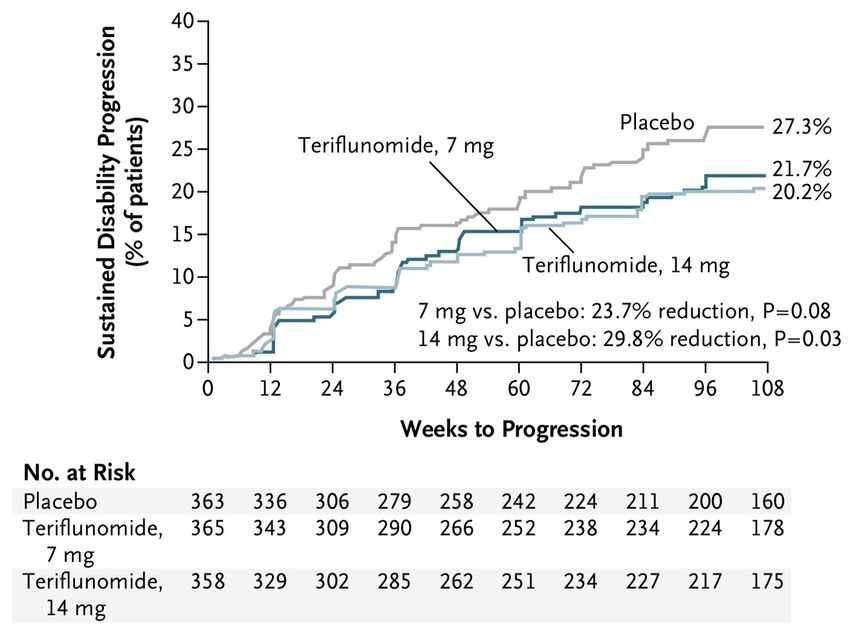
Blocking DHODH Leads to a Selective Effect on Overactivated
              Lymphocytes Without Broader Immunosuppression

Lymphocyte                                                   Activated                                                  “Stressed”                                Pharmacological       Selective targeting of
                                                            Lymphocyte                                                 Lymphocyte                                     Effects           hyperactivated immune
                                                                                                                                                                                        cells without affecting
                                                                      Insufficient                                                                                                      normal immune
                                                                      pyrimidine
                                                                      recycling                                                                                                         function
                                                                                             IMU-838
                                                                                                                                                Stop of
                                                                                                                                                transcriptional
                                                                                                                                                                                        No negative effect

                                                                                                                                                                            x
                                                                                                                                                                                  x

                                                                                                                                                                           x
                                                                                                                                                elongation
                s                                                         s                                                       s                                         s x         observed on:
                              Disease related
                                 activation                                                                                                                                             § White blood
Metabolically silent                                    Activation of pyrimidine                                        IMU-838 triggering:                           Blocking of         cell count
                                                  s                                                                                                                Th17/Th1 cytokines
       DHODH not                                           de novo synthesis                                        Pyrimidine pool depletion                                           § Rates of infection
        important                                         DHODH upregulation                                        Metabolic stress signal up                                            or malignancy
                                                           Rate limiting step in
                                                           pyrimidine synthesis                                                                                                         § Vaccination efficacy[1]

    Illustration adapted from Tan et al., 2016, Mol Cell 62; [1] Bar-Or A, Freedman MS, Kremenchutzky M, et al. Neurology. 2013;81(6):552-558
    DHODH: dihydroorotate dehydrogenase

6      | © Immunic, Inc. | Sep/10/2021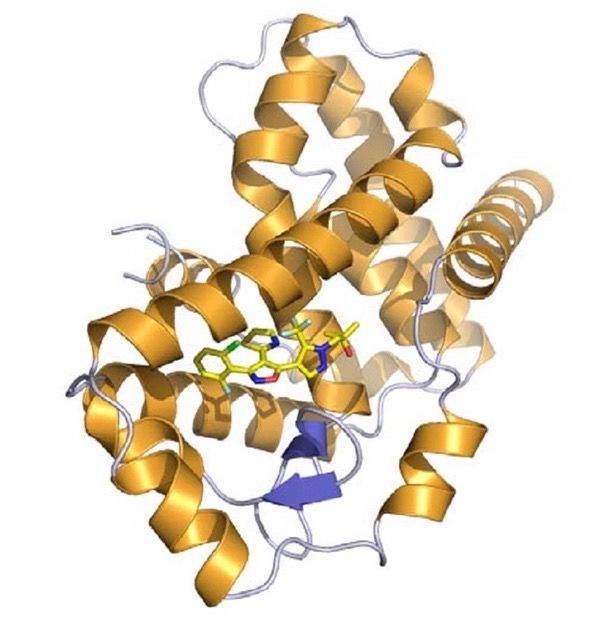
Phase 2 Clinical Trial in RRMS Successfully Completed

”IMU-838 is Designed to be an
Easy-to-Use, Uniquely Safe, Well-Tolerated
and Efficacious MS Treatment”
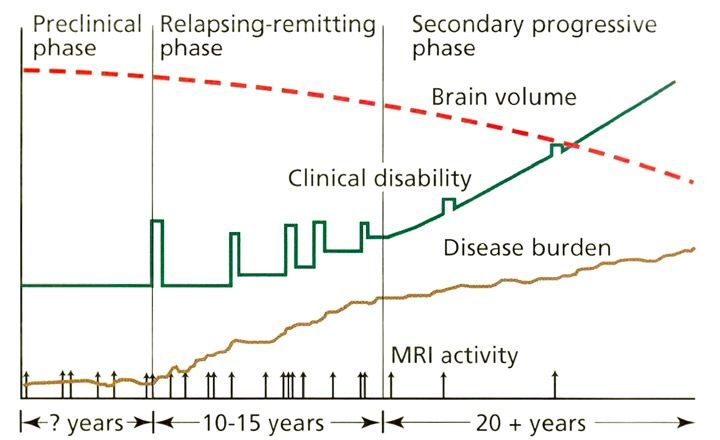
Successful MS Therapy Requires Efficacy, Safety and Tolerability

                                                                                     Therapeutic Goal:
                  Lifelong Disease                                                   Preventing Disability Worsening                      Need to Do so Without

    § Lifelong disease requiring                                    § Historical focus has been on prevention                     § Problematic side effects which worsen
      decades of therapy                                              of relapses                                                   quality-of-life and/or decrease
    § ~2.8 million people                                           § Unmet need is prevention of disability                        compliance
      affected worldwide                                              worsening                                                   § Health risks, which can add up
      (~1 million in the US)[1]                                                                                                     cumulatively over life-time of therapy,
    § Typically diagnosed in                                                                                                        such as:
      younger adults with a 3:1                                                                                                     - Cancer risk
      preference for women                                                                                                          - Infection risk, incl. PML risk
                                                                                                                                    - Cardiovascular risk
                                                                                                                                    - Liver risk
                                                                                                                                  § Need for significant monitoring

PML: progressive multifocal leukoencephalopathy
[1] MS International Federation (2020): Atlas of MS. https://www.atlasofms.org/map/global/epidemiology/number-of-people-with-ms

8    | © Immunic, Inc. | Sep/10/2021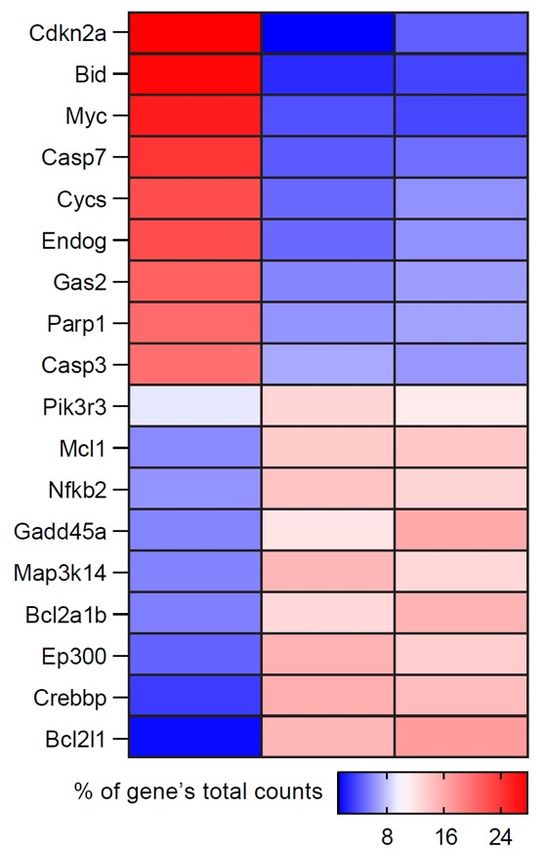
The Global MS Drug Market is Crowded But Enormous
              Total 2020 Sales in G7 Countries*: USD 23.24 Billion

         Oral MS Drugs Have Substantial                                                                           IMU-838 Aims at Significant Share of               MS drug market exceeds
                 Market Share*                                                                                   USD 10+ Billion Oral MS Drug Market*                USD 23 billion, but still
                                                                                                                                                                     needs:
                                                                                                                                                                     § A robust anti-
                                                                                                                                                                       inflammatory, with
                                                                                                                                                     Teriflunomide     additional
                 Infusions
                                                                                                                                                       USD 2.03 bn     neuroprotective
               USD 5.82 bn                                                                                                     S1P Modulators                          properties
                                                                                                                                   USD 3.07 bn
                                                            Orals                                                                                                    § A safe and well-tolerated
                                                      USD 10.55 bn                                                                                                     oral drug, allowing
                                                                                                                                                                       patients to maintain their
                                                                                                                           Cladribine                                  normal quality-of-live
                 Injectables                                                                                              USD 0.44 bn            Dimethyl Fumarate
                 USD 6.79 bn                                                                                                                        USD 5.01 bn      § A solution particularly
                                                                                                                                                                       for early diagnosed
                                                                                                                                                                       patients who need an
                                                                                                                                                                       easy-to-use base
                                                                                                                                                                       medication

    * Sales numbers in G7 countries (US, UK, Canada, Japan, Germany, France, Italy) in USD billion; S1P: sphingosine-1-phosphate
    Source: Multiple Sclerosis Landscape and Forecast by Decision Resources Group Part of Clarivate

9      | © Immunic, Inc. | Sep/10/2021
Existing First-Line and Oral MS Drugs Leave Much to be Desired

                                                                                Glatiramer                                                                            Dimethyl
                                                                                                                   Interferons                 Teriflunomide                           Cladribine   S1P Modulators
                                                                                 Acetate                                                                              Fumarate
                               Oral?

                 Relapse Reduction

  Prevention of Disability Worsening

                         Tolerability

                              Safety

           Absence of Infection Risk

               Vaccination Possible?

      Low Monitoring Requirements

                                                                                       Favorable Profile / Yes                      Clinical Concern / Risk    Substantial Risk / No

This classification is based on Immunic assumptions according to clinical trial results as well as FDA labels of the drugs displayed.
S1P: sphingosine-1-phosphate

10 | © Immunic, Inc. | Sep/10/2021
IMU-838 is Targeted to be the Easy-to-Use Approach for
MS Patients
IMU-838 is intended to be:
§ the once-daily medication for MS patients with a well-balanced combination of a favorable
safety and convenience profile with robust clinical activity
Intended Benefits for Patient Intended Advantages for Neurologist
§ Noticeable efficacy and potential to prevent and/or delay § Broad applicability
disability worsening § Robust clinical activity
§ Outstanding safety profile of an oral drug without § Easy on- and off-dosing
adverse events disturbing quality-of-live
§ Few monitoring requirements
§ No/low PML risk
§ No black box warning for hepatotoxicity
§ Long treatment duration through less risk for
discontinuation, high patient compliance
PML: progressive multifocal leukoencephalopathy
11 | © Immunic, Inc. | Sep/10/2021Phase 2 Data of IMU-838 in RRMS: Primary and Key Secondary
Endpoints Met, Showing Strong Activity on MRI Lesions
Suppression of CUA MRI Lesions IMU-838 Versus Placebo Over 24 Weeks
Double-Blind, Placebo-Controlled, Randomized,
Parallel-Group Phase 2 Trial Percent
p < 0.0001
§ Blinded main treatment period of 24 weeks 120
p = 0.0002
§ Extended treatment period of up to 9.5 years to observe
100
long-term safety
§ 210 patients randomized in 36 centers across four 80
European countries 70% 62%
reduction reduction
60
Key Study Endpoints
Cumulative number of new combined unique active (CUA) 40
magnetic resonance imaging (MRI) lesions up to week 24
20
§ Primary endpoint: Difference between 45 mg/day IMU-
838 and placebo n=71 n=69 n=69
0
§ Key secondary endpoint: Difference between 30 30 mg IMU-838 / day 45 mg IMU-838 / day Placebo
mg/day IMU-838 and placebo
10 mg dose of IMU-838 in sub-cohort 2 of additional 59 patients demonstrated a placebo-adjusted
reduction of 32% in CUA MRI lesions at week 12
CUA MRI Lesions: combined unique active magnetic resonance imaging lesions. Sum of the number of all new Gadolinium-enhancing lesions on T1-weighted MRI and the number of all new or substantially enlarged lesions on T2-weighted MRI (non-enhancing on T1-
weighted MRI), avoiding double counting. Estimates are adjusted for baseline volume of T2 lesions, MRI field strength (1.5 or 3.0 Tesla), and baseline number of Gadolinium-enhancing lesions (0, >=1) using a generalized linear model with a negative binomial distribution
and a logarithmic link function. Log transformation of time from first IMP dose to date of last MRI assessment is used as offset term.
12 | © Immunic, Inc. | Sep/10/2021Phase 2 Data of IMU-838 in RRMS: Demonstrated Robust Activity
The Robust MRI Lesion Suppression of IMU-838 Observed in the Phase 2 Trial Compares
Favorably to Other First-Line and Oral Base Medications Commercially Available in RRMS.*
Glatiramer Dimethyl
IMU-838 Teriflunomide[2] Fingolimod[4] Ozanimod[5]
Acetate[1] Fumarate[3]
Administration Oral Injectable Oral Oral Oral Oral
Daily Dose 30 mg QD 20 mg QD 14 mg QD 240 mg TID 1.25 mg QD 1 mg QD
Cumulative CUA Cumulative Gd Mean CUA Cumulative Gd Cumulative Gd Cumulative Gd
MRI Endpoint
lesions lesions lesions/scan lesions lesions lesions
Treatment Duration 24 weeks 9 months 36 weeks 24 weeks 6 months 24 weeks
Suppression
70% 29% 61% 69% 43% 86%
of MRI Activity
*The table summarizes the data on treatment/study discontinuation rates of the commercial dose in phase 2 trials of RRMS drugs. If the commercial dose was not included in the phase 2 trials, the dose
closest to the commercial dose was shown. This high-level comparison is provided for illustrative purposes only, is based on publicly available data and does not purport to be a comprehensive comparison
or depiction of the other trials. Larger data sets than presented in this presentation are publicly available for certain of the compounds included on this slide. Please note that these results are taken from
separate placebo-controlled trials, and these medications have not been tested in head-to-head assessments.
QD: quaque die = once-daily; TID: ter in die = three times daily; CUA: combined unique active; MRI: magnetic resonance imaging; Gd: Gadolinium
[1] Comi et al. Ann Neurol. 2001;49(3):290-297 [2] O'Connor et al. Neurology. 2006;66(6):894-900 [3] Kappos et al. Lancet. 2008;372(9648):1463-1472 [4] Kappos et al. N Engl J Med. 2006;355(11):1124-1140 [5] Cohen JA, Arnold DL, Comi G, et al. Lancet Neurol. 2016;15(4):373-381
13 | © Immunic, Inc. | Sep/10/2021Phase 2 Data of IMU-838 in RRMS: Positive Signals on Time to
Relapse and Unconfirmed Disability
Proportion of Patients With Relapse up to Week 24 Proportion of Patients With Unconfirmed Disability
Progression up to Week 24
Percent
Percent
50
30
45
23.9%
25 40
19.4% 35
20
30
14.3% 25 23.1%
15
20
10 15 11.8% 12.1%
10
5
5
0 0
30 mg IMU-838 45 mg IMU-838 Placebo 30 mg IMU-838 45 mg IMU-838 Placebo
Left: For patients with relapse up to week 24 the time to first relapse is calculated as date of first relapse - date of first IMP. Patients without relapse up to week 24 were censored at the last visit date during the main treatment period, e.g., censoring time is calculated as last
visit date - date of first IMP + 1. Censored observations are marked with circles. Right: EDSS (Expanded Disability Status Scale) progression is defined as an increase of the EDSS score compared to baseline of at least 1.0 point for patients with a baseline EDSS score of 1 to 4.0 or
of at least 1.5 points for patients with a baseline EDSS score of 0. There is no confirmation of EDSS progression in this trial due to its short duration. Patients with missing assessments at week 24 without a progression at any time are set to missing.
14 | © Immunic, Inc. | Sep/10/2021Phase 2 Data of IMU-838 in RRMS Showed Evidence of Potential
Neuroprotective Activity
Robust Decrease in Serum Neurofilament Light Chain (NfL)[1]
NfL has been
Percent shown
20 consistently to
correlate with
10
disease activity in
neurological
+6.5%
0
disorders and has
-17.0% become one of
-10 -20.5% the most
important serum
-20
biomarkers for
axonal damage
-30
over the past few
30 mg IMU-838 45 mg IMU-838 Placebo
years.
Quantification of neurofilament light polypeptide (NEFL) by an electrochemiluminescent immunoassay (ECLIA) in blood serum samples
15 | © Immunic, Inc. | Sep/10/2021Phase 2 Data of IMU-838 in RRMS: Low Discontinuation Rates
Low Discontinuation Rates for IMU-838 Treated RRMS Patients, Considerably Lower Than Placebo,
Indicate an Overall Encouraging Tolerance Profile While Providing a Sense of Benefit to Patients.*
Glatiramer Dimethyl
IMU-838 Teriflunomide[2] Fingolimod[4] Ozanimod[5]
Acetate[1] Fumarate[3]
Administration Oral Injectable Oral Oral Oral Oral
Daily Dose 30 mg QD 20 mg QD 14 mg QD 240 mg TID 1.25 mg QD 1 mg QD
Treatment Period 24 weeks 9 months 36 weeks 24 weeks 6 months 24 weeks
Active Treatment 2.8% 5.9% 19.3% 15.6% 5.4% 2.2%
Placebo 7.2% 5.8% 6.6% 9.2% 6.5% 3.3%
*The table summarizes the data on treatment/study discontinuation rates of the commercial dose in phase 2 trials of RRMS drugs. If the commercial dose was not included in the phase 2 trials, the dose
closest to the commercial dose was shown. This high-level comparison is provided for illustrative purposes only, is based on publicly available data and does not purport to be a comprehensive
comparison or depiction of the other trials. Larger data sets than presented in this presentation are publicly available for certain of the compounds included on this slide. Please note that these results
are taken from placebo-controlled trials, and these medications have not been tested in head-to-head assessments.
QD: quaque die = once-daily; TID: ter in die = three times daily
[1] Comi et al. Ann Neurol. 2001;49(3):290-297 [2] O'Connor et al. Neurology. 2006;66(6):894-900 [3] Kappos et al. Lancet. 2008;372(9648):1463-1472 [4] Kappos et al. N Engl J Med. 2006;355(11):1124-1140 [5] Cohen JA, Arnold DL, Comi G, et al. Lancet Neurol. 2016;15(4):373-381
16 | © Immunic, Inc. | Sep/10/2021IMU-838: Attractive Pharmacokinetic, Safety and Tolerability
Profile Observed in Multiple Clinical Trials
§ Drug exposure tested in more than 800 human subjects
§ Safety profile similar to placebo: no general safety
and patients to date
signals observed in clinical trials so far
§ Low rates of adverse events and treatment-emergent
§ No increased rates of diarrhea, neutropenia,
adverse events
or alopecia
§ No signal for hepatotoxicity or elevations of liver enzymes
§ No increased rates of infections and infestations or
and no Hy’s law cases have been observed in the IMU-838
hematology values
program, including the phase 2 EMPhASIS trial
Phase 2 EMPhASIS Trial: No Signal for an Phase 2 EMPhASIS Trial:
Increase of Infections and Infestations Absence of Hepatotoxicity Signals
IMU-838
Liver Enzyme Elevations Placebo
TEAE of SOC: Infections 30 mg 45 mg (30 mg and 45 mg pooled)
Placebo
and Infestations IMU-838 IMU-838 Number of Patients 140 69
ALT or AST >5xULN 2.9% (4) 2.9% (2)
Patients with TEAE 18.3% 23.2% 23.2% ALT or AST >10xULN 0.7% (1) 1.4% (1)
ALT or AST >15xULN 0.0% (0) 0.0% (0)
TEAE: treatment-emergent adverse events; SOC: system organ class
17 | © Immunic, Inc. | Sep/10/2021IMU-838’s Safety Profile to Date is Unique
Dimethyl
IMU-838[1] Teriflunomide[2] [3] Cladribine[4] Fingolimod[5] Siponimod[6] Ponesimod[7] Ozanimod[8]
Fumarate
PML Risk
Increased Number of Infections
Vaccination Limitations
Gastrointestinal Toxicities, Incl. Diarrhea
Cardiovascular Risks, Incl. Blood Pressure
Lymphopenia
Neutropenia
Risk of Liver Injury
Rebound Effect ☐
Increased Risk of Cancer
Macular Edema
Favorable Profile Clinical Concern / Risk Substantial Risk Black Box Warning N/A
This classification is based on Immunic assumptions according to clinical trial results regarding likelihood and severity of risk as well as FDA labels of the drugs displayed: [1] https://www.immunic-therapeutics.com/2020/09/11/immunic-inc-publishes-full-unblinded-clinical-
data-from-phase-2-emphasis-trial-of-imu-838-in-patients-with-relapsing-remitting-multiple-sclerosis-and-announces-poster-presentation-at-the-msvirtual20/ [2] O’Connor et al., 2011 NEJM [3] Gold et al., 2012 NEJM, Fox et al., 2012 NEJM [4] Giovannoni et al., 2010 NEJM [5]
Kappos et al., 2010 NEJM, Cohen et al., 2010 NEJM [6] Kappos et al 2018 Lancet [7] Kappos et al., 2021 JAMA [8] Comi et al., 2020 Lancet, Cohen et al., 2020 Lancet
18 | © Immunic, Inc. | Sep/10/2021IMU-838: Phase 3 and Approval Strategy in Multiple Sclerosis
Phase 3 ENSURE Program in RRMS Phase 2 CALLIPER Trial in PMS
§ Two identical pivotal trials in RRMS patients § Phase 2 trial in PMS patients
§ Placebo-controlled § Goal: Demonstrate IMU-838’s potential for
§ Goal: Regulatory approval of IMU-838 neuroprotective activity (slowing brain
atrophy, delaying disability worsening)
§ Dosage: 30 mg IMU-838 QD
§ Dosage: 45 mg IMU-838 QD
ENSURE-1
ENSURE-2
2021 2022 2023 2024 2025
CALLIPER
QD: quaque die = once-daily
19 | © Immunic, Inc. | Sep/10/2021ENSURE: Overview Pivotal Phase 3 Program in RRMS
Two Multicenter, Randomized,
Double-Blind Phase 3 Trials
§ Randomization to either 30 mg IMU-838 or placebo once-daily
Coordinating Investigator § More than 100 sites in the United States, Latin America, Central
and Eastern Europe, and India in each trial
Robert J. Fox, M.D.
Cleveland Clinic § Dosing of the first patient expected in Q4/2021
ENSURE-1: IMU-838 vs. Placebo ENSURE-2: IMU-838 vs. Placebo
Included Patient Population: 72 Weeks 72 Weeks
Relapsing Forms of MS
N=525 IMU-838 N=525 IMU-838
§ Adult patients aged 18 to 55 years
§ Established diagnosis of MS (Revised McDonald criteria 2017) N=525 Placebo N=525 Placebo
§ Confirmed relapsing MS (1996 Lublin criteria) Primary Endpoint: Primary Endpoint:
Time to First Relapse Time to First Relapse
§ Active disease as defined by Lublin 2014
§ EDSS score at screening between 0 to 5.5 Key Secondary Endpoint (Pooled Only): Confirmed Disability Worsening
EDSS: Expanded Disability Status Scale
Lublin FD, et al. Neurology. 2014;83(3):278-286
20 | © Immunic, Inc. | Sep/10/2021CALLIPER: Phase 2 Trial Intended to Run Concurrently With and to
Complement the Phase 3 Program in RRMS
Multicenter, Randomized, Double-Blind,
Placebo-Controlled Phase 2 Trial
§ Approximately 450 patients
Coordinating Investigator § More than 70 sites in North America, Western, Central and
Eastern Europe
Robert J. Fox, M.D.
Cleveland Clinic § Randomization to either 45 mg IMU-838 or placebo once-daily
Included Patient Population:
Progressive Forms of MS Treatment Schedule
§ Adult patients aged 18 to 65 years § Dosing of the first patient expected in Q3/2021
§ PPMS or SPMS diagnosis (Revised McDonald criteria 2017)
§ Blinded 120-week main treatment period
§ EDSS score at screening between 3.0 to 6.5
§ Optional, approximately 8-year, open-label extension period
§ No evidence of relapse in last 24 months before randomization
§ Interim analysis of serum neurofilament light chain planned
§ Evidence of disability progression
after approximately half of the enrolled patients have
PPMS: primary progressive multiple sclerosis; SPMS: secondary progressive multiple sclerosis; EDSS: Expanded Disability Status Scale completed 24-weeks of treatment
21 | © Immunic, Inc. | Sep/10/2021DHODH Provides Proven Mechanism for Neuroprotection
DHODH Inhibitors Have Successfully Shown Neuroprotective Effects
Teriflunomide has demonstrated a clear and statistically Teriflunomide has demonstrated a clear effect slowing
significant advantage regarding brain atrophy in RRMS disability progression in RRMS patients as compared to
patients as compared to dimethyl fumarate[1] placebo[2]
CI: confidence interval; Teri: teriflunomide; DMF: dimethyl fumarate
[1] Zivadinov, et al. J Comp Eff Res. 2019;8(5):305-316
[2] O'Connor PW et al. N Engl J Med. 2011; 365:1293–303; Confavreux C et al. Lancet Neurol. 2014; 13:247–56.. (TEMSO study)
22 | © Immunic, Inc. | Sep/10/2021MS Program is Intended to Provide a Straightforward Path to
Regulatory Approval in RRMS
IMU-838 development goals in MS: achieve market approval and
confirm product differentiation based on safety, tolerability,
efficacy and neuroprotective properties of IMU-838.
Immunic believes that the phase 3 ENSURE program provides a
simple and straightforward path towards potential regulatory
approval of IMU-838 in RRMS.
CALLIPER is designed to corroborate IMU-838’s neuroprotective
potential, as exemplified by slowing of brain atrophy, and delay
in disability worsening, to support differentiated profile.*
* Although a supportive trial, Immunic does not believe that data from the CALLIPER trial are a pre-condition for filing a New Drug Application in RRMS. The CALLIPER trial, by itself, is not intended to support regulatory approval of IMU-838 in PMS.
23 | © Immunic, Inc. | Sep/10/2021Well-Differentiated From Current Treatments “Immunic believes that the ENSURE and CALLIPER programs along with IMU-838’s strong safety and tolerability profile may allow for a meaningful clinical differentiation of IMU-838 from other oral MS medications and an attractive commercial positioning.”
IMU-838: Already Viewed as Most Attractive DMT in Development

                   An Independent, Third-Party Study* Analyzed How
                   MS Patients Are Switching Therapies
  § Independent expert group, Spherix, asked real world                                                                                       § Among those, IMU-838 was considered the most
    treating physicians:                                                                                                                        interesting with 77% of neurologists considering
    - If current DMT is not successful for the patient,                                                                                         IMU-838 for the next switch to DMT (possibly and
      and based on what you know about the following                                                                                            very likely)
      DMTs in development, how likely would you be to                                                                                         § Of the drugs analyzed, IMU-838 was the only drug
      switch the patient to one of these agents                                                                                                 then in phase 2 development
      (assuming they are available)?                                                                                                          § Immunic had not yet started significant medical
  § Study analyzed nine MS drugs, then in development:                                                                                          affairs outreach
    - IMU-838, ponesimod, masitinib, ublituximab,
      ibudilast, evobrutinib, tolebrutinib, fenebrutinib,
      glatiramer acetate depot
DMT: disease-modifying therapy
* “DMT Switching in Multiple Sclerosis 2021” report published end of March 2021. The 2021 audit included in the service captured chart data from 1,117 patients switched to a new DMT within the past three months (provided by 223 neurologists).

25 | © Immunic, Inc. | Sep/10/2021
IMU-838: Potential for Full Prescription Coverage at
Attractive Pricing Range
Immunic Hired Third-Party Pricing Experts to Perform Landscape Analysis for IMU-838 Pricing
Historically, differentiated innovator Payer study[1] found coverage Conclusions:
drugs have not experienced price insensitivity regarding generic § Coverage is not sensitive to
impacts even when generics are pricing levels. IMU-838 pricing despite the
approved for a related or similar § IMU-838 is considered presence of generics.
molecule. differentiated from currently § Full prescription coverage by payers
§ For example, the genericization of approved oral RRMS drugs, is achievable for IMU-838 at an
Copaxone 20 mg did not impact the including Aubagio®: attractive pricing range of
pricing of the 40 mg version of - Better safety USD 50-60 thousand annually,
Copaxone. - Better tolerability independent of future generic
- Less monitoring likely to be pricing.
required
- Potential neuroprotective effects
[1] Payer’s analysis performed by Medical Marketing Economics (MME), LLC
26 | © Immunic, Inc. | Sep/10/2021IMU-838 in Inflammatory Bowel Disease (IBD) IMU-838 is Targeted to be a First-in-Class Treatment Option With an Excellent Safety Profile
IBD: Therapeutic Pyramid

                                                                                                                                                                              Current Solutions Have
                                                                                        Surgery                                                                               Limitations
                          Severe                                                       TNFα mAbs
   Severity of Disease

                                                                                      Vedolizumab                                                                     § Substantial side effects due to long-term
                                                                                  Selective                                                                             use includes increased rate of cancer risk
                                                                                                                                      IMU-838
                                                                              Immunomodulators                                                                          and virus reactivation of currently used
                                                                   Traditional Immunomodulators                                                                         immunosuppressants[1] [2] [3]
                          Moderate
                                                                           Corticosteroids                                                                            § Antibodies lose activity over time[4]
                                                                                                                                                                      § In the absence of potential ‘game changing’
                                                                             Budesonide                                                                                 new therapies, combination approaches may
                          Mild                                        Aminosalicylates, Antibiotics                                                                     become more relevant. Due to its unique
                                                                                                                                                                        properties, IMU-838 might be a perfect
                                                                                                                                                                        combination candidate.

[1] Present, Daniel H., et al. Annals of internal medicine 1989; 111.8: 641-649
[1] Present, Daniel
[2] Dayharsh, Gerald H.,A.,
                          etet
                             al.al.
                                 Annals  of internal medicine
                                    Gastroenterology           1989;72-77
                                                       2002; 122.1:  111.8: 641-649 [2] Dayharsh, Gerald A., et al. Gastroenterology 2002; 122.1: 72-77
[3] Winthrop, Kevin L., et al. Arthritis & rheumatology 2014; 66.10: 2675-2684 [4] Roda, Giulia, et al. Clinical and translational gastroenterology 2017; 7.1: e135
[4] Roda,
TNF:      Giulia,
      tumor       et al.factor;
            necrosis      Clinical  and monoclonal
                                 mAb:   translationalantibody
                                                      gastroenterology 2017; 7.1: e135

28 | © Immunic, Inc. | Sep/10/2021
IMU-838: Key Strengths Designed to Address Limitation of
Existing Therapies in IBD
No clinical evidence of increased rate of viral
reactivations – in vitro data of direct antiviral effect
Mode of action may provide a
Small molecule with low
new treatment option for patients
production costs Oral effective
treatment option failing other therapies in IBD
that can be prescribed
for a large number of
IBD patients
Once-daily oral drug intake – beneficial for Selective effect towards metabolically
patients and could improve compliance hyperactivated inflammatory cells
29 | © Immunic, Inc. | Sep/10/2021ENTRANCE Study: Primary Efficacy Results
Number of Patients
25
n=26 n=3
n=9 Non-
ENTRANCE Study: 20 Partial Responders
Responders (11.5%)
(34.6%)
Study performed with active 15
moiety vidofludimus 88.5%
n=14
Total Response
10
All patients failed two attempts
to taper down steroids 5 Complete
mITT Responders
Open-label, dosing of 35 mg (53.9%)
0
vidofludimus QD
Week 1: 26.5 (± 8.0) mg* Week 12: 1.0 (± 2.8) mg*
Primary efficacy endpoint:
steroid-free/steroid-reduced
remission (week 12)
IMU-838 had response rates of: 85.7% in Crohn’s disease
91.7% in ulcerative colitis
Herrlinger et.al., 2011, Gastroenterology 140:588
*Mean dose of steroid equivalent in mg per day; mITT: modified intent to treat; QD: quaque die = once-daily
30 | © Immunic, Inc. | Sep/10/2021ENTRANCE: Steroid-Sparing
Development of prednisolone intake 50
over 12 weeks (mITT): Median Prednisolone Dose (mg/day)
Median Prednisolone Dose [mg/day]
40 *
mg/day W1 W2 W3 W4 W5 W6
20 20 20 15 10 7.5
A
(20 – 40) (20 – 30) (20 – 20) (15 – 15) (10– 20) (7.5 – 20) 30
26.5 24.6 20 15 10.6 8.5
B
(± 8.0) (± 5.1) (± 0.0) (± 0.0) (± 2.2) (± 2.9) 20
N = 26 N = 26 N = 26
mg/day W7 W8 W9 W10 W11 W12 N = 26
10
5 2.5 0 0 0 0 N = 24
A N = 24
(5 – 15) (2.5 – 15) (0 – 15) (0 – 10) (0 – 10) (0 – 10) N = 24
0 N = 24
5.9 3.4 1.3 0.9 1.1 1.0 N = 23 N = 23 N = 23 N = 23
B
(± 2.8) (± 2.9) (± 3.4) (± 2.5) (± 2.7) (± 2.8)
0 1 2 3 4 5 6 7 8 9 10 11 12 13
Mean consumption of prednisolone significantly (*pCALDOSE-1: Clinical Phase 2 in UC Ongoing
NCT03341962
Coordinating Investigator:
Dr. Geert d’Haens Primary Endpoint:
(AMC Amsterdam) Proportion of patients
with symptomatic remission
Interim Analysis Established
and endoscopic healing at
Active IND in the Potentially Broad Effective Dose
Range: week 10
United States
§ Performed by an unblinded data
review committee in August 2019
Overall Number of Patients: § Analysis based on all available
clinical, endoscopic, biomarker, Timelines:
240
pharmacodynamic, and safety data
Recruitment expected to be
§ No intolerable dose identified
Currently More Than 100 completed in Q4/2021
Active Sites in 14 Countries: § No safety signal observed Currently estimated to deliver
USA, Western, Central and top-line data in Q2/2022
Eastern Europe
IND: investigational new drug
32 | © Immunic, Inc. | Sep/10/2021CALDOSE-1: Phase 2 Trial Design in UC
NCT03341962
Induction Phase Maintenance Phase
Placebo (n=60) Placebo (n=60)
Optional
10 mg IMU-838 QD open-label
(n=60) Patients with
symptomatic extension
remission 10 mg IMU-838 QD period to
at weeks obtain long-
30 mg IMU-838 QD
R (n=60) 10 or 22 R term safety:
up to 9 years
30 mg IMU-838 QD
45 mg IMU-838 QD
(n=60)
10 weeks Until UC relapse or termination
Patient number Final analysis induction phase Final analysis maintenance phase
required: N=240 after 10 weeks after 50 weeks
R: randomization; QD: quaque die = once-daily
33 | © Immunic, Inc. | Sep/10/2021Potentially Applicable to a Wide Range of Diseases IMU-838: Clinical Activity in Further Indications
IMU-838: Opportunities Beyond MS and IBD

                                                  § IMU-838 showed a statistically significant reduction of serum ALP levels in
                                                    PSC patients treated in a small, instigator-sponsored phase 2 trial which was
        Primary Sclerosing                          conducted at Mayo Clinic
         Cholangitis (PSC)                        § Immunic is exploring PK and dose optimization in hepatic impaired patients in
                                                    order to consider potential future clinical activities in PSC

                                                  § Backed by its broad-spectrum antiviral activity demonstrated in vitro, IMU-838
                                                    showed evidence of clinical activity and reduction of virus levels in COVID-19
                                                    patients in a phase 2 clinical trial
                    COVID-19
                                                  § Utilizing its DHODH inhibitor platform, Immunic is exploring combination
                                                    therapy approaches with a focus on pandemic preparedness, thereby also
                                                    considering activity against other viruses such as influenza

ALP: alkaline phosphatase; PK: pharmacokinetics

35 | © Immunic, Inc. | Sep/10/2021
IMU-838: IP Position
IMU-838 is Protected by Several Layers of Patents:
Patent on the specific salt form and pharmaceutical composition of IMU-838,
granted in the United States, Europe and other key markets – expires in 2031
New patent filed in 2017 on the dosing regimen protecting the applied dosing
scheme of the ongoing and planned therapeutic studies – expires in 2038, if granted
New patent filed in 2018 on the specific polymorph of IMU-838 used in current
studies – expires in 2039, if granted
New patent filed in 2020 on IMU-838‘s antiviral activity for use in COVID-19 –
expires in 2041, if granted
Another level of protection can be expected by data exclusivity in the United States
and in Europe based on IMU-838’s classification as a New Chemical Entity (NCE)
36 | © Immunic, Inc. | Sep/10/2021IMU-935: An Oral IL-17 Inhibitor Uniquely Acting and Highly Selective RORγt Inverse Agonist
Autoimmune Diseases and IMU-935

                                                                                                                                                  Unmet Need in Psoriasis Care
                   IL-17 in Autoimmune Diseases

                                                                                                                                                                  High
                                                                                                                                                                                                IL-17             UNMET MEDICAL
                                                                                                                                                                                             antibodies                 NEED
  § Autoimmune diseases affect millions of patients worldwide[1]                                                                                                                                                  Addressable area
                                                                                                                                                                                           IL-12/IL-23
                                                                                                                                                                                                                      for next-
  § Th17/IL-17/RORγt axis plays an important role in auto immunity-related                                                                                                                  inhibitors
                                                                                                                                                                                                                     generation
                                                                                                                                                                                     TNFα
    diseases[2]                                                                                                                                                                    inhibitors                     oral medications

                                                                                                                                                                  Efficacy
  § Antibodies targeting this axis corroborate IL-17’s role in autoimmune
    diseases, but are more complex, costly and less patient friendly than oral                                                                                                                              PDE4
                                                                                                                                                                                                          inhibitor
    drugs[2]                                                                                                                                                                             Immuno-
                                                                                                                                                                                       suppressants

                                                                                                                                                                  Low
                   Goal                                                                                                                                                      Low            Safety/Tolerability                High

  § Develop an orally available and potent IL-17 inhibitor for
    the safe and efficacious treatment of autoimmune diseases
  § Small molecule inhibitor of the pathologic functions of RORγt in
                                                                                                                                                                Strong Medical Need for Oral IL-17
    autoimmune diseases without affecting physiological functions of RORγt                                                                                      Pathway Inhibitors such as IMU-935
[1] Rose, Noel R. American journal of epidemiology 2016; 183.5: 403-406 [2] Fasching, Patrizia, et al. Molecules 2017 22.1: 134
Th: T helper; IL: interleukin; TNF: tumor necrosis factor; PDE4: phosphodiesterase type 4; RORγ: retinoic acid receptor-related orphan nuclear receptor gamma

38 | © Immunic, Inc. | Sep/10/2021
Current Landscape of Oral IL-17 Inhibitors[1]
Product Developer Development Stage Indications
Psoriasis, Castration-Resistant Prostate Cancer,
IMU-935 Immunic Phase 1b
Guillain-Barré Syndrome
AUR-101 Aurigene Phase 2 Psoriasis
bevurogant Boehringer Ingelheim Phase 2 Plaque psoriasis, psoriatic arthritis
cedirogant AbbVie Phase 1b Plaque psoriasis
SAR-441169 Sanofi Genzyme Phase 1 Not disclosed
JTE-761 Japan Tobacco Phase 1 Not disclosed
[1] Gege, C. (2021). Expert Opinion on Drug Discovery
39 | © Immunic, Inc. | Sep/10/2021IMU-935 Has Been Observed to be Potent in Human Cells
Effect of IMU-935 in Stimulated Human PBMC at Nanomolar Concentrations
Inhibition of RORγ (20 nM) and DHODH (240 nM) leads to synergistic inhibition
of cytokines associated with autoimmune diseases with IC50 of 3-5 nM in stimulated human lymphocytes
IC50 (µM)
IL-17A 0.005
IL-17F 0.004
IFNγ 0.003
IL-1a and b no inhibition
IL-4,5,6,8 no inhibition
RORγ (MST) 0.024
RORγ (cellular, reporter assay) 0.020
DHODH 0.240
Th17 differentiation (murine)[1] 0.135
Co-crystal structure (Resolution 2.6 A) of a closely related derivative compound
Read-out: effect on cytokine production after 48 hours in PBMC binds to hydroxycholesterol binding site of RORγ
PBMC: Peripheral Blood Mononuclear Cells; Th: T helper; IL: interleukin; IFN: interferon; MST: microscale thermophoresis
[1] Zuoming Sun, City of Hope, 2019
40 | © Immunic, Inc. | Sep/10/2021IMU-935 Selectively Inhibits Th17 Differentiation and IL-17 Secretion
The differentiation towards Th17
cells is inhibited by IMU-935
The production of IL-17A and
IL-17F is inhibited by IMU-935
The physiological maturation of T cells within
the thymus is not affected by IMU-935
Th: T helper; IL: interleukin; IFN: interferon; DN: double-negative; DP: double-positive; CD: cluster of differentiation
41 | © Immunic, Inc. | Sep/10/2021IMU-935 Does Not Induce Thymocyte Apoptosis
In Contrast to IMU-935, Comparator Compounds Have a Negative Impact on Thymocyte
Viability and Therefore Bear the Risk of Lymphoma.
120
(relative to % viable cells in vehicle)
Vehicle No difference between
100
IM105935 IMU-935 and control
80
% Thymocyte
60
MWT-S-01236
40 MWT-S-01237
MWT-S-01238 Other RORγt inhibitors
(discontinued) in
20 MWT-S-01239
preclinical or clinical
MWT-S-01241 development
0 MWT-S-01242
MWT-S-01243
0 6 12 18 24 30 36
Time (h) RORgt-/-
Sun, Zuoming. City of Hope, 2021, unpublished
42 | © Immunic, Inc. | Sep/10/2021IMU-935 Blocks Th17 Differentiation But Allows Normal
Thymocyte Maturation: Gene Expression Profiles
Thymocytes
Th17 cell RORγt+/+-
RORγt-/- RORγt+/+
IMU-935
RORγt+/+-
RORγt-/- RORγt+/+
IMU-935
IMU-935
Apoptosis
Th17 signature genes
Proliferation
Similar gene expression pattern for Th17 signature Different gene expression pattern for apoptosis and
genes in RORγt knockout and wild type cells treated proliferation signature genes in RORγ knockout and
with IMU-935 IMU-935 treatment, but similar for RORγ+/+
Zuoming Sun, City of Hope, 2021
43 | © Immunic, Inc. | Sep/10/2021Phase 1 Clinical Trial of IMU-935: Design and Status
PART A PART B PART C
Evaluation of Evaluation of Evaluation of
single ascending doses (SAD) multiple ascending doses (MAD) moderate-to-severe psoriasis
patients receiving 28-day
Healthy volunteers Healthy volunteers randomized treatment of either
randomized to receive single to receive 14-day treatment of IMU-935 or placebo
dose of IMU-935 or placebo either IMU-935 or placebo
Ø Dose escalation completed: 100, 200,
300 and 400 mg of IMU-935
Ø Currently ongoing Ø Expected to start in Q3/2021
Ø 79 subjects enrolled (still blinded)
Ø First multiple dose cohort completed Ø Initial human data expected to be
Ø IMU-935 was well-tolerated and
(data evaluation ongoing, still blinded) available in Q2/2022
showed dose-linear PK
Ø Food effect cohort ongoing
PK: pharmacokinetics
44 | © Immunic, Inc. | Sep/10/2021Phase 1 Clinical Trial: Interim SAD Pharmacokinetic Results
New Formulation With Dose-Linear AUC
Average Pharmacokinetic Variables
100 mg
IMU-935 Mean Plasma Concentration [ng/mL]
200 mg Cmax Tmax AUCinf
100 Dose
300 mg ng/mL (hours) (h* ng/mL)
400 mg
100 mg
10
119 2.20 755
(3N)
IC90 IL-17F
200 mg
IC50 IL-17F 195 2.83 1440
(4N)
1
300 mg
182 3.83 1710
(5N)
0
0 2 4 6 8 10 12 14 16 18 20 22 24 400 mg
479 2.83 2940
Time [hours] (6N)
Plasma half-life new formulation: 17-26 h
Tmax: 2.2-3.8 h
Preliminary data
AUC: area under the curve; h: hours; Cmax: maximum (peak) plasma drug concentration; Tmax: time to reach maximum (peak) plasma concentration; AUCinf: area under the concentration-time curve to infinity
45 | © Immunic, Inc. | Sep/10/2021IMU-935 As Treatment Option in Castration-Resistant Prostate
Cancer – Synergistic Effects by Targeting RORγ and RORγt
Inhibition of IL-17 by
Inhibition of RORγ RORγt Regulation Differentiation of MDSCs
§ The androgen-receptor mutant § IL-17 contributes to the formation, § IL-17 mediates the induction,
variant AR-V7 lacks the ligand- growth and metastasis of cancers. recruitment and expansion
binding domain, which is the target - Induces mitogenic signaling of MDSCs.
of enzalutamide and abiraterone, § Next to IL-17 suppression via RORγt
but remains constitutively active as inhibition, IMU-935 also targets
a transcription factor. DHODH. Targeting this enzyme is an
§ IMU-935 represses the mutated additional route to stop these
androgen receptor AR-V7 tumor supportive cells.
expression – and subsequent target § Supportive data regarding cell
genes. differentiation has been observed in
AML cell lines using closely related
molecules.
AR-V7: androgen receptor variant 7/mutated form; MDSC: myeloid-derived suppressor cells; AML: acute myeloid leukemia; Th: T helper; IL: interleukin
Illustration: Zhao, J., Chen, X., Herjan, T., Li, X.; J Exp Med 6 January 2020; 217 (1): e20190297
46 | © Immunic, Inc. | Sep/10/2021IMU-935 Demonstrated RORγ-Dependent Effects in CRPC Cells
IMU-935 Has Been Shown to Repress Expression of Mutated AR IMU-935 Potently Inhibited Proliferation of Different Prostate Cell Lines
72h, 2d culture, read out protein staining/number of cells
Mutant AR-V7
1.6
Relative AR-V7 expression
1.4
1.2
mRNA
1.0 DMSO 22RV1 23 10851 >60000 1-10
0.8
0.6
IC50
0.4 11-100
0.2 DU145 24 14364 17316
GI50 (nM)
0.0
IM105935 SR2211 XY018
101-1000
Relative AR-V7 protein levels
1.0 DMSO
LNCAP 268 1794 272
0.8
1001-10.000
protein
0.6
IC50
0.4
PC3 18 15774 >60000
10.001-100.000
0.2
0.0
IM105935 SR2211 Enzalutamide
35
11
8
e
01
id
22
59
m
XY
SR
10
ta
lu
IM
za
En
AR-FL: androgen receptor full length/wildtype; AR-V7: androgen receptor variant 7/mutated form; mRNA experiment: 1µM, 48h; protein expression: 6µM, 48h; SR2211 and XY018 are RORγ inverse agonists
47 | © Immunic, Inc. | Sep/10/2021Phase 1 Clinical Trial of IMU-935 in CRPC
Expected to Start in Q4/2021
Study Design
§ Open-label dose escalation trial to evaluate safety, tolerability, anti-tumor activity,
and pharmacokinetics of IMU-935 in patients with progressive, metastatic
castration-resistant prostate cancer
§ Dose escalation follows a Bayesian optimal interval (BOIN) design
§ An expansion cohort can be added at a therapeutically active dose level Principal Investigator
§ Main treatment will be single agent IMU-935 for 3 cycles of 28 days each
Johann Sebastian de Bono, M.D., Ph.D.
§ Patients who benefit can receive extended treatment
§ At each dose level: Regius Professor of Cancer Research and
- A safety analysis will be performed to consider start of next dose cohort Professor in Experimental Cancer Medicine
- An interim activity analysis will be performed upon completion of 3 months The Institute of Cancer Research and The Royal
treatment Marsden NHS Foundation Trust
- A main cohort analysis will be performed when the last patient in treatment London, United Kingdom
reaches the 6 months follow-up visit
48 | © Immunic, Inc. | Sep/10/2021IMU-856 Restoring Intestinal Barrier Function
IMU-856: Hypothesis of Therapeutic Approach

             Strengthening the Bowel Barrier Function Leads to Compartmentalization of Microbiome and
             Intestinal Immune System and Prevents Immune Stimulation That Drives Disease Processes
                                     Microbiota                                                      Immune System

                                                                    Gut Wall
Influencing the Microbiome                                                     Focus on Immunosuppression
 § Changes in nutrition are driving the increase in disease rates              § Stimulation of the immune system by the microbiome cannot
 § Diversity of microbiome is good, but data on pathogenicity                    be prevented
   of particular species is often inconsistent                                 § Suppression of the secondary inflammatory process
 § Effects of probiotics on disease have been shown (supportive)               § Usually has unintended consequences in terms of adverse
                                                                                 events (infections, malignancies, inability to vaccinate)

50 | © Immunic, Inc. | Sep/10/2021
IMU-856: Phase 1 Study Performed in Australia
Double-Blind, Randomized, Placebo-Controlled Phase 1 Study Performed in Three Parts
Exclusive global rights to commercialization of IMU-856 in all countries obtained
through option and licensing agreement with Daiichi Sankyo
Phase 1 study includes patient population for confirmation of
pharmacodynamic activity:
§ Safety and pharmacokinetics in healthy volunteers (Part A: SAD, Part B: MAD)
§ In Part C, patients with several diseases involving bowel barrier dysfunction
will be included
Timelines
§ Safety data from the SAD and MAD parts expected to be available in Q1/2022
§ Initiation of Part C in patients expected in H1/2022
51 | © Immunic, Inc. | Sep/10/2021Immunic Therapeutics Summary
Summary and Highlights

               Advanced and well-balanced pipeline:                   Oral IL-17 inhibitor IMU-935:
               Three differentiated products in various phases of     Proof-of-concept data in psoriasis expected in
               clinical development                                   Q2/2022; further development in CRPC and GBS

                                                                      Shares outstanding: 26,249,439 (as of July 30, 2021)
               Excellent phase 2 data in RRMS:
                                                                      Cash and cash equivalents of approx. USD 87.2
               IMU-838 met all statistical endpoints and underlined
                                                                      million (as of June 30, 2021); additional approx. USD 45.0
               favorable safety and tolerability profile
                                                                      million raised in July 2021

               Phase 3 program of IMU-838 in RRMS:                    Raised net cash of approx. USD 186 million in
               Expected to start in Q4/2021, to be supported by       2020 and 2021, substantially extending cash runway
               neuroprotective data from phase 2 trial in PMS         beyond important inflection points

53 | © Immunic, Inc. | Sep/10/2021
Thank You!
Immunic, Inc.
1200 Avenue of the Americas Immunic AG
New York City, NY 10036 Gräfelfing (Munich)
USA Germany
Immunic Research GmbH
Weinberg Campus
Halle (Saale)
Jessica Breu Germany
Head of IR & Communications
Phone: +49-89-2080477-09
Email: ir@imux.com
Immunic Australia Pty. Ltd.
Web: www.imux.com Melbourne
Australia
54 | © Immunic, Inc. | Sep/10/2021You can also read


