Oncology Biopharmaceutical Company Focused on Prostate Cancer and Breast Cancer - Veru Corporate Presentation - January 2021
←
→
Page content transcription
If your browser does not render page correctly, please read the page content below

Veru Inc.
                                                     Nasdaq:VERU

Oncology Biopharmaceutical Company Focused on
Prostate Cancer and Breast Cancer

        Veru Corporate Presentation – January 2021
Forward looking statements
This communication contains forward-looking statements within the meaning of the Private Securities Litigation Reform Act of 1995. Forward-looking statements can be identified by the use of forward-
looking words or phrases such as “anticipate,” “believe,” “could,” “expect,” “intend,” “may,” “opportunity,” “plan,” “predict,” “project,” “potential,” “estimate,” “should,” “will,” “would” or the negative of
these terms or other words of similar meaning. These statements are subject to known and unknown risks, uncertainties and assumptions, and if any such risks or uncertainties materialize or if any of the
assumptions prove incorrect, our actual results could differ materially from those expressed or implied by such statements. Factors that may cause actual results to differ materially from those
contemplated by such forward-looking statements include, but are not limited to: risks related to the development of Veru Inc.’s (the “Company”) product portfolio, including risks regarding the regulatory
pathway to secure FDA or other regulatory approval of the Company's drug candidates, the anticipated timeframe and costs for clinical studies and regulatory submissions, clinical study results, including
potential benefits and absence of adverse events, and the market potential for the Company’s drug candidates; potential delays in the timing of and results from clinical trials and studies, including
potential delays in the recruitment of patients and their ability to effectively participate in such trials and studies due to COVID 19, and the risk that such results will not support marketing approval and
commercialization; potential delays in the timing of any submission to the FDA and regulatory approval of products under development and the risk that disruptions at the FDA caused by the COVID-19
pandemic may delay the review of submissions or approvals for new drugs; clinical results or early data from clinical trials may not be replicated or continue to occur in additional trials or may not
otherwise support further development in the specified drug candidate or at all; our pursuit of a COVID-19 treatment candidate is at an early stage and we may be unable to develop a drug that
successfully treats the virus in a timely manner, if at all; risks related to our commitment of financial resources and personnel to the development of a COVID-19 treatment which may cause delays in or
otherwise negatively impact our other development programs, despite uncertainties about the longevity and extent of COVID-19 as a global health concern; government entities may take actions that
directly or indirectly have the effect of limiting opportunities for VERU-111 as a COVID-19 treatment, including favoring other treatment alternatives or imposing price controls on COVID-19 treatments; the
risk in obtaining any regulatory approval and the products being commercially successful; risks relating to the ability of the Company to obtain sufficient financing on acceptable terms when needed to
fund development and Company operations; product demand and market acceptance; competition in the Company's markets and therapeutic areas and the risk of new or existing competitors with
greater resources and capabilities and new competitive product introductions; the risk in sales being affected by regulatory developments, including a reclassification of the products; price erosion, both
from competing products and increased government pricing pressures; manufacturing and quality control problems; compliance and regulatory matters including costs and delays resulting from the
extensive governmental regulation, and effects of healthcare insurance and regulation, including reductions in reimbursement and coverage or reclassification of products; some of the Company's
products are in development and the Company may fail to successfully commercialize such products; risks related to intellectual property, including the uncertainty of obtaining patents, the effectiveness
of the patents or other intellectual property protections and ability to enforce them against third parties, the uncertainty regarding patent coverages, the possibility of infringing a third party’s patents or
other intellectual property rights, and licensing risks; government contracting risks, including the appropriations process and funding priorities, potential bureaucratic delays in awarding contracts, process
errors, politics or other pressures, and the risk that government tenders and contracts may be subject to cancellation, delay, restructuring or substantial delayed payments; the risk that delays in orders or
shipments under government tenders or the Company’s U.S. prescription business could cause significant quarter-to-quarter variations in the Company’s operating results and adversely affect its net
revenues and gross profit; a governmental tender award indicates acceptance of the bidder's price rather than an order or guarantee of the purchase of any minimum number of units, and as a result
government ministries or other public sector customers may order and purchase fewer units than the full maximum tender amount or award; penalties and/or debarment for failure to satisfy tender
awards; the Company's reliance on its international partners and on the level of spending by country governments, global donors and other public health organizations in the global public sector; risks
related to concentration of accounts receivable with our largest customers and the collection of those receivables; the economic and business environment and the impact of government pressures; risks
involved in doing business on an international level, including currency risks, regulatory requirements, political risks, export restrictions and other trade barriers; the Company's production capacity,
efficiency and supply constraints and interruptions, including potential disruption of production at the Company’s and third party manufacturing facilities and/or of the Company’s ability to timely supply
product due to labor unrest or strikes, labor shortages, raw material shortages, physical damage to the Company’s and third party facilities, COVID-19 (including the impact of COVID-19 on suppliers of
key raw materials), product testing, transportation delays or regulatory actions; risks related to the costs and other effects of litigation, including product liability claims; the Company's ability to identify,
successfully negotiate and complete suitable acquisitions or other strategic initiatives; the Company's ability to successfully integrate acquired businesses, technologies or products; and other risks detailed
in the Company's press releases, shareholder communications and Securities and Exchange Commission filings, including Company’s Annual Report on Form 10-K for the year ended September 30, 2020
and subsequent quarterly reports on Form 10-Q. This documents are available on the "SEC Filings" section of our website at www.verupharma.com/investors. All forward-looking statements are based on
information available to us as of the date hereof, and Company does not assume any obligation and does not intend to update any forward-looking statements, except as required by law.
                                                                                                                                                                                                                       2
Veru
Oncology biopharmaceutical company focused on prostate cancer and breast cancer

                                                                                                                                                              Sold
                                                                                                                                                            12/08/20

                                                                                                    Funding              Commercial                         PREBOOST®
                                           Oncology
                                                                                                                          Products

                                                                                                                    FC2®
                       Prostate                                              Breast                               Female/
                       Cancer                                                Cancer                                                         TADFYNTM
                                                                                                                  Internal
                                                                                                                  Condom

       VERU-111                     VERU-100                 Enobosarm                   VERU-111              Significant and growing revenues from FC2®
                                                                                                                         Female Internal Condom             $20 Million

                    Late-stage clinical pipeline focused on prostate                                                  Sexual Health Business
                                cancer & breast cancer
                                                                                                              FY 2020 Net Revenues: $42.6 mm
      4 registration clinical studies planned to commence in calendar
                                                                                                              FY 2020 Gross Profit: $ 30.8 mm
                                    year 2021
                                                                                                              Q4 2020 Net Revenues: $ 11.7 mm
               Focused on clinical development of near term potential
                                                                                                              Q4 2020 Gross Profit: $ 9.6 mm
                        approvals in large premium markets
                                                                                                              Q4 2020 Operating Loss $ (11.3) mm
                                                                                                              Q4 2020 Adjusted Operating Income $2.8 mm1

1 Excludes   the effect of a $14.1 mm non-cash impairment charge related to intangible assets                                                                             3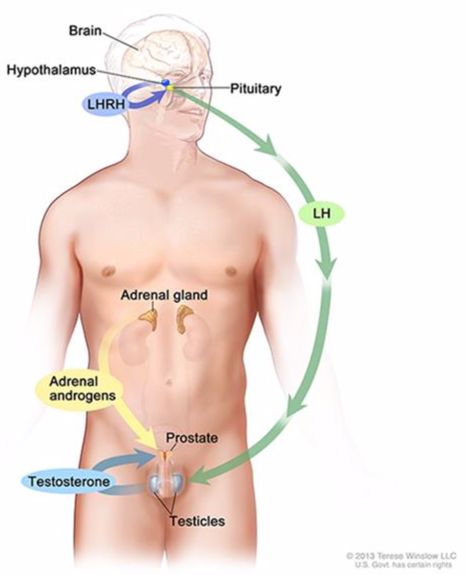
Pipeline & Milestones
Oncology biopharmaceutical company focused on prostate cancer and breast cancer

       PRODUCT                INDICATION            2020                2021               2022                2023                2024

Prostate cancer

                                                       P1b
                         Metastatic castration
       VERU-111          resistant & AR targeting
   Oral cytoskeleton     agent resistant prostate                P2
       disruptor         cancer prior to IV
                         chemotherapy
                                                                      VERACITY Study Planned P3
                                                                                                        NDA             Launch
                                                                            210 Patients

      VERU-100           Advanced prostate cancer
   GnRH antagonist       Androgen deprivation              IND   Planned P2        Planned P3 – 100 Patients               NDA
   3 month sc depot      Therapy

Breast cancer
      Enobosarm          ER+/HER2- advanced
 Selective AR targeted   breast cancer endocrine                               ARTEST Study Planned P3 – 240 Patients              NDA
        agonist          therapy

       VERU-111
                         Taxane resistant triple
   Oral cytoskeleton                                                                 Planned P2b – 200 Patients              NDA
                         negative breast cancer
       disruptor

                                                                                                                                          4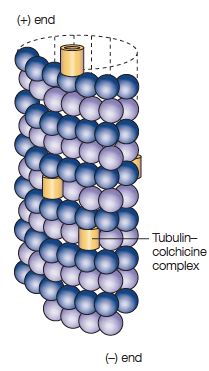
Experienced in clinical practice, drug development and commercialization

Mitchell Steiner, MD           Harry Fisch, MD               Gary Barnette, PhD               Gary Bird, PhD
FOUNDER, CHAIRMAN,             FOUNDER, CHIEF                CHIEF SCIENTIFIC OFFICER         PHARMA MANUFACTURING
PRESIDENT & CEO                CORPORATE OFFICER &           Sr. VP Scientific and Reg        VP Reg Affairs/Quality,
                               VICE CHAIRMAN                 Affairs Camargo Pharm.           Geno Inc; Partner, Pharma
CEO & President Aspen
                                                             Services; VP Clinical & Reg      Consult Global; Dir. Corp
Park Pharm; President          Chairman Aspen Park
                                                             and Founder GTx, Inc.;           Quality, GTx, Inc; Corp
Urology OPKO Health, Inc.;     Pharmaceuticals and
                                                             Director Reg Affairs Solvay      AdBiotechnology, Eli Lilly
CEO & Founder GTx, Inc.;       Millennium Sciences, Inc.;
                                                             Pharma; Clinical Pharm/          and Company; Special
Urology training-Johns         Urologist; Professor of
                                                             Biopharmaceutics Reviewer        Assist. to Deputy Director,
Hopkins; Assistant Professor   Urology New York
                                                             FDA: PhD Basic                   CBER, FDA; ChemRev,OGD,
Urology Vanderbilt; Former     Presbyterian/ Weill Cornell
                                                             Pharmaceutical Sciences          FDA; PhD- Enzymology &
Professor & Chairman of
                                                             West Virginia University         Entomology, Miss.St.U
Urology University of
Tennessee

Domingo Rodriguez, MD           Kevin Gilbert, JD, CPA        Robert Getzenberg, PhD          Phil Kuhn, MBA
EVP CLINICAL OPERATIONS         EVP CORPORATE                 EVP MEDICAL AFFAIRS             EVP STRATEGY AND
                                DEVELOPMENT                                                   COMMERCIALIZATION
VP Global Development                                         Exec Dean of Res, Nova
Operations Mallinckrodt         Corporate Development &       Southeastern Univ SOM;          Global Strategy and
Pharmaceuticals; VP             Legal, Third Stream           Therap Area Lead, GTx;          Commercial expertise in
Clinical Operations GTx;        Bioscience; Attorney at       Prof & Dir of Urol Res, Johns   medical devices, diagnostics,
Area Director Medical           McDermott, Will & Emery,      Hopkins Univ SOM; Prof &        and biologics; leadership roles
Affairs BMS; Sales Marketing    Motorola, closed more than    Dir of Urol Res, U Pitt SOM     at ISTO Biologics, Orthofix,
BMS/Bayer/Lilly; Medical        100 transactions in 25                                        Smith & Nephew, Boston
School CETEC Dominican          countries                                                     Scientific, Johnson & Johnson,
Republic                                                                                      and Abbott                        5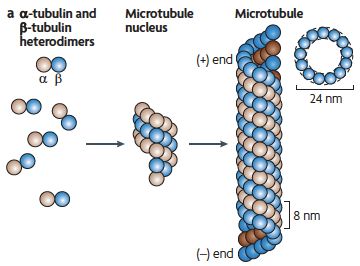
Prostate Cancer -
Novel Medicines

                    6
VERU-111 prostate cancer treatment paradigm:
Focus is on the prechemotherapy space which is a growing unmet need
Current indication is prechemotherapy space MSI-
Pembrolizumab
H/dMMR PARP inhibitor Chemotherapy
Mutations Olaparib
DNA repair
3% alterations
(BRCA1 and
BRCA2)
ARTA
Metastatic castration 10%
resistant prostate Metastatic castration and
cancer ARTA resistant prostate VERU-111
cancer
87%
Taxane
Androgen Receptor Targeting Agent (ARTA) Chemotherapy
- 15-25% of men have no response1
- 75-85% of men progress in 9-15 months1
Need for new safe and effective treatment alternatives with a distinct
mechanism of action (non-AR targeting) and easy mode of
administration remains an unmet need
1 ES Antonarakis. Clin Adv Hem Onc 14:316-319 2016. 7VERU-111
For the treatment of metastatic castration resistant
prostate cancer
8VERU-111 targets the cytoskeleton: “Railroad tracks disruptor”
Binds to α & β tubulin subunits of microtubules to disrupt cytoskeleton
Targets cytoskeleton and disrupts microtubule
Preclinical Product profile1-4, 6
assembly5
• Binds to “colchicine binding site” to crosslink α and β
tubulin subunits to inhibit microtubule polymerization (low
nM concentration)
• Downregulates intermediate filaments of cytoskeleton
• High oral bioavailability
• Not a substrate for multidrug resistance proteins (P-gp,
MRPs, and BCRP)
• Not a substrate for CYP3A4
• Decreases production of βI, βIII and βIV tubulin isoforms
• Cleaves Poly (ADP-ribose) polymerase (PARP) protein
• Favorable toxicity profile no neurotoxicity and no
neutropenia or myelosuppression
VERU-111
• Demonstrated activity against taxane, vinca alkaloid, (Crosslinks α and β subunits to inhibit
doxorubicin, enzalutamide, and abiraterone resistant microtubule polymerization)
prostate cancers
• Has broad activity against other tumor types as well
1 Chen J et al. J Med Chem 55:7285-7289 2012 |2 Li CM et al. Pharm Res 29:3053-3063 2012 |3 Lu Y et al. J Med Chem 57:7355-7366 2014 |4 28 day rat and dog toxicity studies on
file at Veru, Inc.| 5 Dumontet C et al. Nature Reviews Drug Discovery 9:790, 2010 | 6Markowski M et al J Clin Onc 37:167, 2019
9VERU-111 clinical development:
Phase 1b (expansion cohort) ongoing
Phase 1b
Population: Metastatic castration and androgen
3+3 design
receptor targeting agent resistant prostate cancer
Open label
± 1 taxane
N = 39
Dose escalation Phase 1b clinical trial of VERU-111 in men with metastatic castration resistant prostate
cancer following at least one prior AR targeting therapy
• 7 US sites – Johns Hopkins Kimmel Comprehensive Cancer Center (lead center)
• 39 patients total enrolled across all sites
• 1 prior AR targeting therapy mandatory
• Up to one line of taxane-based chemotherapy for mCRPC was allowed
• Two part dosing schedule using standard 3+3 dose escalation strategy
• Phase 1b
• Part 1- 7-day dose schedule – At each dose level, VERU-111 orally administered daily on Day 1-7 every 21 days
(i.e. 7 days on, 14 days off)
• Part 2- Expanded dose schedule – If 7-day dosing tolerated/safe, patients increased frequency to Day 1-14 daily
dosing every 21 days (i.e. 14 days on, 7 days off). If 14-day dosing tolerated/safe, patients would take VERU-111
daily with continuous dosing until disease progression/toxicity.
10VERU-111 Phase 1b Patient Demographics
Characteristics
Subjects 39 Metastatic
Disease
Age 74 yo median Bone only 21 (55%)
(61-92)
Gleason sum 8 (5-10) LN only 6 (16%)
Race Bone and LN 8 (21%)
Caucasian 28 (72%) Visceral 1 (3%)
African 8 (21%) Visceral and 1 (3%)
American bone
Hispanic 3 (8%) Prior therapies
ECOG score Abiraterone 14 (36%)
0 21 (54%) Enzalutamide 8 (20%)
1 16 (41%) Abiraterone and 17 (44%)
enzalutamide
2 2 (8%) Taxane 9 (23%)
11VERU-111 Phase 1b Patient Safety
Safety results for Phase 1b clinical trial
conducted in 7 US centers
• Dose escalated from 4.5mg to 81mg
• MTD was determined to be 72mg; 3 of 11 men had
reversible Grade 3 diarrhea
• Recommended Phase 2 dose is 63mg for continuous
21-day cycle
• No Grade 3 diarrhea reported at doses ≤
63mg
• No reports of neutropenia or neurotoxicity at
doses ≤ 63mg
• Most common adverse events (mostly Grade 1 & 2)
• Nausea
• Vomiting
• Diarrhea
• Fatigue
12VERU-111 clinical development: Phase 1b efficacy (antitumor activity)
• 10 men reached at least four 21-day cycles of continuous Efficacy signals:
dosing Ten men have reached ≥ 4 21-day cycles of continuous dosing
• Disease (4 Bone;3 LN; and 3 LN+Bone)
50
Previous Tx- (5 Abi; 2 Enz; and 3 Abi+Enz)
decrease from peak
•
Optimal PSA %
0
• PSA responses
-50
• 6/10 had decrease in PSA
• 4/10 had ≥ 30% decline in PSA -100
• 2/10 had ≥ 50% decline in PSA 107-007 103-004 103-015 107-005 104-005 104-008 103-012 103-003 104-001 103-010
(63 mg) (9 mg) (63 mg) (63 mg) (36 mg) (72 mg) (72 mg) (63 mg) (27 mg) (72 mg)
Patent ID (dose)
• Best objective tumor responses
• 2 men had partial responses (PR) (two additional Swimmers Plot
objective responses occurred in subjects who did Patients that completed at least 4 21-day cycles
not reach 4 cycles)
Duration of Treatment
• 8 men had stable disease (SD) 103-015 (63 mg)
107-007 (72 mg) PI
• Median duration of treatment without progression 103-004 (9 mg) WC
107-005 (63 mg) PD
• >11 months (range 6.0-22+ months)
Patient ID
104-005 (36 mg)
104-008 (72 mg) PI
• 3/10 men still on study as of 1/21 103-012 (72 mg) WC
103-003 (63 mg) PI
104-001 (27 mg)
103-010 (72 mg) Death/unrelated
0 5 10 15 20 25
Months
13
13VERU-111 Phase 1b clinical study: Case study patient 104-001
March 08, 2019: Screening CT scan June 10, 2020: 15 months follow-up
RP LN 1.7cm X 1.5cm RP LN 1.1cm X 1.0cm
(measurable target lesion) (-33% decrease to nonpathologic
node)
Patient: 104-001
Gleason 9 mCRPC node only
disease
Prior treatment included
- sipuleucel-T
- enzalutamide
- abiraterone
Still on study 21 months, -63% PSA
from 21 day cycle initiation
baseline Sagittal Plane Sagittal Plane
A
B
C
Coronal CT Coronal CT 14VERU-111 1b clinical development:
Conclusions
VERU-111 appears to be well tolerated in the Phase 1b portion of the study
• MTD (72 mg daily) was reached with the dose limiting toxicity being Grade 3 diarrhea
• Daily chronic drug administration is feasible and safe
• The recommended Phase 2 dose (RP2D) is 63mg oral daily dose for 21 days per cycle At the RP2D,
there no reports of neutropenia or neurotoxicity or Grade 3 diarrhea
• Evidence of antitumor activity was observed including PSA reductions, objective tumor responses,
and durable responses
15VERU-111 Phase 2 clinical study ongoing and completed enrollment of ≈ 40
men in September 2020
• Conducted in 14 US clinical centers
• Population: Men who have metastatic
castration resistant prostate cancer and
who have also become resistant to an
androgen receptor targeting agent (ARTA),
but prior to IV chemotherapy
• Completed enrollment in September 2020- ADT +
Androgen novel AR
41 subjects Deprivation targeting agent: Open
Therapy enzalutamide or label
(ADT) abiraterone Phase
• Trial design: Open label – 2
VERU-
• Start with 63mg/day, continuous 111
daily dosing
• If unacceptable toxicity is observed,
reduce dose to 54mg/day Metastatic hormone Metastatic castration Metastatic castration and androgen
continuous daily dosing sensitive resistant receptor targeting agent resistant
prostate cancer prostate cancer prostate cancer with rising PSA and
tumor progression
• Primary endpoint: rPFS
16VERU-111 clinical development plan:
Pivotal Phase 3 clinical trial design following FDA input – initiating 1Q 2021
Phase 3: Efficacy and safety of VERU-111 versus an alternative androgen receptor
VERACITY Phase 3 trial design target agent (abiraterone or enzalutamide) in men with metastatic castration
Open label resistant prostate cancer who have developed cancer progression after receiving
one androgen receptor targeting agent
VERU-111 63mg daily oral continuous dosing for 21-
day cycles versus an alternative androgen receptor
targeting agent
ADT +
Efficacy endpoints Open label
ARPhase 2
targeting VERU-111
agent:
Sequential VERU-111 63mg/day
• Primary endpoints
(n=26) enzalutamide
abiraterone
or
• Radiographic progression free survival (rPFS) Randomized
• Secondary endpoints
2:1
Alternative
• Objective response rate androgen
receptor
• Duration of objective response
targeting agent
• OS (interim analysis)
• Time to IV chemo
• Pain progression
Metastatic castration and
Metastatic castration
Assumptions androgen receptor targeting
resistant
agent resistant
• Median rPFS- 9 months for VERU-111 vs 5 months* prostate cancer
prostate cancer with rising PSA
for Alternative AR targeting agent and tumor progression
• Sample size - 210 men
• 2:1 randomization *Based on Olaparib study1 and CARD study2 an alternative androgen receptor targeting agent is
expected to have a median rPFS of 3.6-3.7 months in this similar population
• 90% power, alpha=0.05, 10 months recruitment
time, 12 month follow up after last patient first
dose
1 de Bono J et al. NEJM April 28,2020 |2 de Wit R et al. NEJM 381:2506-18 2019
17VERU-111 Phase 1b clinical development:
Efficacy Analysis at recommended Phase 2 dose of 63mg
• Patient characteristics:
• Pre-taxane
• Treated with at least one dose of 63 mg per day or higher
• In all patients (n=16):
• Median duration of treatment without progression = 5.8+ months (range 0-21+
months)
• Excluding patients that discontinued due to AE (n=11):
• Median duration of treatment without progression = 9.8+ months (range 2-21+
months)
• Patients that remain on study (n=7):
• Median duration of treatment without progression of 10.5+ months (range =
4.2-21+ months)
18VERU-111 market
Prechemotherapy estimated annual market for oral
agents for prostate cancer
2018
$6 billion global
annual sales; $3.1
billion in the US 1
Androgen receptor 15-25% of men have no response3 $4.9 billion global
targeting agents for $1.5 billion annual sales in
metastatic Japan, the
castration resistant 75-85% of men progress in 9-15 months3 Americas, EMEA,
prostate cancer $3.4 billion Asia and Oceania 2,4
1 MME LLC, Prostate Cancer Market Revenues (2018); 2Johnson & Johnson. 2019 Annual Report; 3ES Antonarakis. Clin Adv Hem Onc 14:316-319 2016.;
4 Astellas Pharma Inc. 2019 Annual Report
19VERU-111 may have efficacy beyond prostate cancer
Antitumor activity of VERU-111 in preclinical models of other tumor types:
• Triple negative breast cancer (taxane resistant)1
• Cervical cancer (taxane resistant)2
• Lung cancer (taxane resistant)3
• Ovarian cancer (taxane resistant)4
• Uterine cancer5
• Pancreatic cancer6
• Melanoma7
• Human promyelocytic leukemia (vincristine resistant)8
1 Deng S et al Mol Cancer Ther 19:348-63, 2020 | 2Kashyap VK et al Cancer Lett 470:64-74, 2020 | 3Foyez M et al Data on file Veru, Inc. 2020 | 4,5 Data on
file Veru, Inc. 2020 |6Kashyap V et al J Experimental and Clinical Can Res 38:29, 2019 | 7 Chen J et al J Med Chem 55:7285-7289, 2012; Hwang DJ et al ACS
Med Chem Lett 6:993-997, 2015| 8 Data on file Veru, Inc. 2014 |
20VERU-111 prostate cancer treatment paradigm:
Focus is on the prechemotherapy space- largest segment of advanced prostate cancer
Current indication MSI-
Pembrolizumab
H/dMMR PARP inhibitor Chemotherapy
Mutations Olaparib
DNA repair
3% alterations
ARTA (BRCA1 and
BRCA2)
Metastatic castration 10%
resistant prostate Metastatic castration and
cancer ARTA resistant prostate VERU-111
cancer
87%
Taxane
Other possible indications Chemotherapy
Hormone sensitive ARTA
metastatic
prostate cancer
Nonmetastatic castration VERU-111
Nonmetastatic ARTA
castration resistant and ARTA resistant
prostate cancer prostate cancer
21VERU-111 has strong global intellectual property protection
Licensed from the Ohio State Innovation Foundation in 2015
Composition of matter (molecule and polymorphs) issued or allowed patents
- 2 US latest expiry 2031 (with possible patent extension for NCE expiry 2036)
- 1 EU latest expiry 2029
- 2 Japanese latest expiry 2031
- 7 in other countries (not counting EU jurisdictions)
- 1 patent pending
Method of use VERU-111 for the treatment of prostate and breast cancer issued or allowed
patents
- 3 US latest expiry 2031
- 1 EU latest expiry 2029
- 2 Japanese latest expiry 2031
- 8 in other countries (not counting EU jurisdictions)
- 14 patents pending
Other methods of use VERU-111
- 2 US latest expiry 2034
- 6 ex-US latest expiry 2034
- 23 patents pending (expected expiries of 2030-2040)
22VERU-100
For the treatment of advanced prostate cancer
23Quest for a better androgen deprivation therapy
Current commercial limitations
LHRH agonist GnRH antagonist
Long-acting products: LUPRON® FIRMAGON® (degarelix) (SC)
Depot (IM) and ELIGARD® (SC) are
leuprolide products
• Concerns over initial surge • Painful injection as degarelix
in T levels- “T surge” requires large loading and
maintenance dose injected
• Escapes from castration T subQ
levels – periodic increases
in T levels1 • Loading 6mL (2X3 mL)
• Maintenance 4 mL
• Up to 17% of men do not every month
achieve castration1
• No long acting depot
• Does not suppress FSH available; must be given
every month
• CV safety concerns
1 Gomella LG et Rev Urol 2009 11:52-60.
24New potential product to addresses limitations of current ADT
Long-acting 3 month depot GnRH antagonist may provide better alternative
VERU-100 target product profile2
• Novel proprietary GnRH antagonist decapeptide formulation1
• 3 month slow release subQ depot (1cc SQ injection) with no loading dose
• Better castration
• Immediate testosterone suppression no initial testosterone surge
• Suppression of testosterone to less than 20ng/dL
• Fewer testosterone escapes (micro-increases in testosterone)
• No black box warning for cardiovascular adverse effects
• Sustained suppression of FSH
1 Developed in collaboration with Drug Delivery Experts, LLC (San Diego, California); 2Veru Inc. VERU-100 Target Prescribing Information
25In prospective randomize Phase 3 study, GnRH antagonist has lower
cardiovascular events compared to LHRH agonist
• Prospective randomize Phase 3 study in 930 men with advanced
prostate cancer comparing oral GnRH antagonist to LHRH agonist
(leuprolide)1
• CV events lower with GnRH antagonist (relugolix) compared to
LHRH agonist at 1 year
• Incidence of adverse cardiovascular events lowered by 54%
• Leuprolide- 6.2% vs relugolix- 2.9%
• In men with history of adverse CV events, new CV events lowered by
80%
• Leuprolide- 17.8% vs relugolix- 3.6%
1 Shore N N Eng J Med 382:2187-2196, 2020
26VERU-100 for the treatment of advanced prostate cancer
Clinical development program as agreed upon by FDA
• Nonclinical studies to support Phase 2 and Phase 3 completed
• Clinical supply GMP manufacturing completing
Single Phase 2 Single registration Phase 3
Scheduled for 1H 2021 Scheduled for 2H 2021
n=35 n=100
Open label multicenter dose finding study Open label multicenter registration study
in men with advanced prostate cancer in men with advanced prostate cancer
27ADT market for advanced prostate cancer is well established
Total global sales of ADT drugs in 2018 was
$2.6 billion (IQVIA 2018)
VERU-100 could have peak sales of $750
million with 28% global market share
Year Total
US Ex-US
2018 $1,150M1 $1,484 M1
Intellectual property
Formulation patents expire in 2038
1 MME LLC, VERU-100 Market as ADT for Advanced Prostate Cancer (2018)
28Breast Cancer -
Novel Medicines
29Enobosarm
for the treatment of AR+ ER+ HER2 - advanced breast cancer
28Endocrine therapies that target estrogen receptor axis effective against ER+ breast cancer
Current Endocrine Therapies
Selective estrogen receptor modulators (tamoxifen and toremifene)
Resistance to endocrine
therapies eventually occurs
ER antagonists and degraders (fulvestrant) which requires alternative
treatment approaches
including chemotherapy1, 2
Aromatase inhibitors (AI)
- AROMASIN® (exemestane) - nonsteroidal AI
- ARIMIDEX® (anastrozole) and FEMARA ®(letrozole) - steroidal AIs
CDK 4/6 inhibitors in combination with nonsteroidal AI or fulvestrant
1 Alluri et al., Breast Cancer Res 16:494, 2014 | 2Basile D et al. Cancer Treatment Reviews 61:15-22, 2017|
31A selective AR agonist targeting the androgen receptor may be the next
important class of endocrine therapy in breast cancer
• Historically, androgens have been used in breast cancer treatment but their virilizing
effects, increase in hematocrit, and liver toxicity have limited their clinical application
• AR is the most abundantly expressed sex hormone receptor in breast cancers
• 70-95% of breast cancers are AR+2-6
• High concordance rate (70%) between AR positivity in primary and metastasis7
• In normal and cancerous breast tissue, androgens inhibit cellular proliferation 1-3
• AR positivity is an independent predictor of beneficial breast cancer outcome2,3,5,6
• The development of novel strategies to target the AR as a treatment for women with
ER-positive breast cancer that have become resistant to drugs that target the ER is
warranted3
1Birrell et al, J Steroid Biochem Mol Biol 52:459-67, 1995 | 2Peters et al, Cancer Res 69: 6131-40, 2009 |3Hickey et al, Nature Medicine (In Press) | 4Moinfar et al, Cancer
98:703–11, 2003 |5Hu et al, Clin Cancer Res 17:1867–74, 2011| 6Ricciardelli et al, Clin Cancer Res 24:2328-41, 2018 |7Bronte et al, Transl Oncol 11: 950–956, 2018
32Enobosarm, first-in-class, novel oral selective AR targeted treatment for
AR+ER+ advanced breast cancer
• Enobosarm is a non-steroidal, selective androgen
receptor agonist1, 2
• Once-a-day oral daily dosing
• Selectivity for androgen receptor with no cross-reactivity or binding to
other steroidal hormone receptors
• Not a substrate for aromatase, thus cannot be aromatized to
estrogen
• Builds and heals bone- potential to treat antiestrogen-induced
osteoporosis and prevent skeletal related events3,4,5
• Anabolic on muscle to improve muscle mass and physical function2,6
• Selective tissue activities translate to a favorable side-effect profile
• Non-virilizing (no unwanted hair growth or acne)
• No liver toxicity
• No changes in hematocrit
• Extensive clinical and safety database
• Enobosarm inhibits AR+ER+ breast cancer in cell and
patient-derived xenograft models of endocrine sensitive Chemical structure of Enobosarm
and resistant disease7
1 Narayanan R et al. Mol Cell Endocrinol 2017|2 Dalton JT et al. Curr Opin Support Palliat Care 7:345-351, 2013|3Kamrakova M et al Calcif Tissue Int 106:147-157,2020
|4 Hoffman DB et al. J Bone Metaab 37:243-255, 2019|5 KearbeyJD et al Pharm Res 26:2471-2477, 2009| 6Dobs AS et al. Lancet Oncol 14:335-45, 2013|7Hickey et al., Nature Medicine, in
press. 33Enobosarm, first-in-class, novel oral selective AR targeted treatment for
AR+ER+ advanced breast cancer has extensive clinical experience
• Enobosarm has extensive nonclinical and clinical experience as it as been evaluated in 25
clinical trials comprising 2,091 subjects (348 subjects dosed at > 9mg)
• 6 Phase 2 studies in breast cancer (5) or breast disease (1)
• G200801 – Proof of concept 9 mg Enobosarm in AR+ ER+ metastatic breast cancer
• G200802 - Efficacy and safety of 9 mg and 18 mg (randomized) Enobosarm in AR+ ER+ metastatic breast cancer
• G200901 – Efficacy of 18 mg Enobosarm in heavily pretreated metastatic AR+ TNBC
• 1City of Hope Investigator Initiated – Efficacy of 18 mg Enobosarm in combination with pembrolizumab in AR+ TNBC
• 2Emerald –A window of opportunity study to assess the biological effects in AR+/ER+ early breast cancer
• 3Australia Investigator Initiated – Enobosarm + anastrozole in premenopausal women with high mammographic
density
• 12 Phase 1 studies for NDA and label completed
• QT – no QT effects
• Drug interactions- no significant drug-drug interactions
• Food effect- no food effect
• Renal impairment- no significant effects
• Hepatic impairment- no significant effects
• Major metabolites analysis and route of elimination- renal elimination and only metabolite is Enobosarm glucuronide
• Cytochrome P450 3A4- Enobosarm is not an inhibitor
1 Lee-Bitar JS et al J Clin Onco 37: supplement abstract 1069 2019 NCT02971761|2EudraCT number 2016-000543-13|3 Clinicaltrials.gov NCT03264651 34Phase 2 clinical trial (G200801): AR+ER+ advanced breast cancer
• Phase 2 Trial design (G200801)
• Single arm Phase 2 proof of concept study with 9mg daily dose
• Efficacy primary endpoint- To assess the clinical benefit rate (CBR) (CR+ PR + SD) in
subjects with AR+ ER+ advanced breast cancer treated with Enobosarm at 24 weeks
• Evaluate safety
• Assess biomarkers- serum PSA, bone turnover markers, and CA 27-29
• Patient population - 22 enrolled
• AR+ ER+ metastatic breast cancer
• Previously responded to adjuvant Tx for ≥3 years, or most recent hormone Tx for metastatic
disease ≥ 6 months
• Heavily pretreated - 68% had previous chemotherapy and average previous lines of
endocrine therapy was 3 (range 1-5)
• 80% (17 of 22) subjects were confirmed AR+
Overmoyer B et al J Clin Onc 32, suppl 568 2014|Overmoyer B et al DOI:10.1158/1538-7445.SABCS14-P1-13-04 2014|
35Phase 2 clinical trial (G200801): AR+ER+ metastatic breast cancer
Efficacy results
• Median time on drug 86 days (2-363 days)
• Clinical benefit rate at 6 months =35.3% (90%
CI:16.6%,58%)
• One patient had decrease in lung lesion from 25mm to 17mm
on day 84, but also had evidence of liver progression
• Progression free probability was 57.7% at Day 84
and 50.5% at Day 168 (5.6 months) PFS in all patients
• 6 month Kaplan-Meier estimate for PFS was 43.8%
• Median rPFS in subjects that had a CBR (duration of
response)= 11 months
PFS in patients with CBR at 6 months 36Phase 2 clinical trial (G200801): AR+/ER+ metastatic breast cancer
Safety
• Enobosarm was well tolerated
• 21 subjects experienced 87 mostly mild to moderate intensity treatment-related AEs
• 2 AEs (fatigue and generalized weakness and bone pain)
• 2 AR+ subjects had SAEs of severe bone pain
• 2 subjects had elevated ALT and AST levels
• Only one ALT elevation exceeded 3x ULN
• No dose was changed
• In both subjects, ALT and AST levels recovered to normal while on drug
Study conclusions
• First study of Enobosarm 9mg oral daily dose as AR targeted therapy in a heavily
pretreated population of women with AR+ ER+ metastatic breast cancer
• Demonstrated clinical benefit
• Safe and well tolerated with no significant virilizing effects, no liver toxicity, and no
polycythemia
37Phase 2 clinical trial (G200802): AR+/ER+ metastatic breast cancer presented at San
Antonio Breast Cancer Symposium December 2020
Efficacy and safety of Enobosarm, a selective androgen receptor agonist, to target AR in women
with advanced AR+/ER+ breast cancer – final results from an international Phase 2 randomized
study (G200802)
Carlo Palmieri1, Hannah Linden2, Stephen Birrell3, Elgene Lim4, Lee S
Schwartzberg5, Hope S Rugo6, Patrick Cobb7, Kirti Jain8, Charles Vogel9, Joyce A
O’Shaughnessy10, Stephen Johnston11 , Robert H Getzenberg12, Mitchell Steiner12, Adam
Brufsky13 and Beth Overmoyer14
1The Clatterbridge Cancer Center NHS Foundation Trust, Liverpool, United Kingdom; 2University of Washington/ Seattle Cancer Care
Alliance, Seattle, WA;3Wellend Health/Burside Hospital, Toorak Gardens, Australia; 4University of New South Wales, Australia and
Garvan Institute of Medical Research, Darlinghurst, Australia; 5The West Clinic, Memphis, TN; 6University of California San Francisco, San
Francisco, CA;7Cancer Centers of Montana, Billings, MT;8Ashland Bellefonte Cancer Center, Ashland, KY; 9University of Miami Sylvester
Comprehensive Cancer Center, Miami, FL;10Baylor University Medical Center, Texas Oncology, US Oncology, Dallas, TX; 11Royal
Marsden NHS Foundation Trust, London, United Kingdom; 12Veru Inc, Miami, FL;13Magee-Womens's Hospital, University of Pittsburgh
Medical Center, Pittsburgh, PA;14Dana Farber Cancer Institute, Boston, MA
38Phase 2 clinical trial (G200802): AR+ER+ metastatic breast cancer who previously
responded to endocrine treatment, heavily pretreated population
Enobosarm 9mg 72 Patients
Screening RANDOMIZATION 1:1
Enobosarm 18mg 64 Patients
• Trial design
• Open label, multicenter, multinational, randomized parallel design Phase 2 study to assess the efficacy and
safety of Enobosarm 9mg or 18mg oral daily dose in postmenopausal subjects with AR+ER+ metastatic
breast cancer
• Efficacy primary endpoint- To assess the clinical benefit rate (CBR) (CR + PR + SD) in subjects with AR+ breast
cancer treated at 6 months (by RECIST 1.1)
• Assess biomarkers- serum PSA, CTCs
• Patient population- 136 postmenopausal women enrolled
• ER+ metastatic or locally recurrent breast cancer not amenable to surgery
• AR status was assessed centrally (>10%) and AR+ patients were included in the evaluable patients
• Patients that were AR negative, not determined or uninformative were not evaluable
• Previously responded to adjuvant endocrine Tx for ≥3 years, or most recent endocrine Tx for metastatic
disease ≥ 6 months
39Phase 2 clinical trial (G200802): baseline demographics
heavily pre-treated population
9 mg cohort 18 mg cohort
Age (median), years (range) 60.5 (35-83) 62.5 (42-81)
Caucasian (%) 98.0 94.2
Initial presentation of Stage IV metastatic breast cancer 12% 26.9%
Median months since initial diagnosis (range) 110.0 (19-435) 86.0(15-323)
Median months since metastatic diagnosis (range) 34.3 (1-167) 27.4 (1-225)
Central AR primary/metastatic (%) 52/44 57.7/40.4
Median % of cells staining AR+ (range) 53.4 (11-96) 51.4 (14-98)
AR status confirmed centrally (%) 94.0 86.5
Bone only non-measurable (%) 38.0 32.7
Prior chemotherapy (%) 90.0 92.3
40Phase 2 clinical trial (G200802): Efficacy summary
Evaluable Population
9mg cohort 18mg cohort
Number of evaluable patients 50 52
CBR at 24 weeks 32% (95% C.I. 19.5%;46.7%) 29% (95% C.I. 17.1%;43.1%)
Median rPFS (range) >5.6 months (0->27.5) 4.2 months (0-16.5)
41Phase 2 clinical trial (G200802): duration of clinical benefit in patients with
clinical benefit at week 24
9 mg 18 mg
Please note that the x-axis is different 42Phase 2 clinical trial (G200802): best overall tumor responses
• Efficacy results- RECIST 1.1 best overall tumor responses by central read at any time during
the study in patients with measurable disease at baseline
• 9 mg cohort (n=34)
• 1 (2.9%) complete response
• 11 (32.4%) partial response
• 35.3% (12/34)
• 18 mg cohort (n=39)
• 3 (7.7%) complete response
• 7 (17.9%) partial response
• 25.6% (10/39)
43Phase 2 clinical trial (G200802): QOL assessment
• EuroQol-visual analogue scale (EQ-VAS) scores were obtained at baseline and during
the study (week 24 and EOT)
• For the entire instrument there was 8.6 (14.69) (p=0.002) and 7.3 (16.67) (p=0.011)
decrease in score (improvement) from baseline to the end of treatment visit (EOT)
QOL Measurement 9 mg cohort 18 mg cohort
% patients reporting improvement @
week 24
Mobility 40% 50%
Anxiety/depression 50% 29%
Pain discomfort 50% 31%
44Phase 2 clinical trial (G200802): safety
Enobosarm was well tolerated; majority of events were Grade 1 and 2
Summary of safety (all patients - ITT)
Enobosarm 9 mg Enobosarm 18 mg
N=75 N=61
Patients with any SAEs 8 (10.7%) 10 (16.4%)
Grade 3 Drug Related Adverse Events 5 9
Grade 4 Drug Related Adverse Events 1 1
Patients with Treatment-Emergent Adverse 0 0
Events Leading to Death
Grade 3 and 4 Drug Related Adverse Events Enobosarm 9 mg Enobosarm 18 mg
N=75 N=61
Increased alanine aminotransferase 1 (1.3%) 2 (3.3%)
Increased aspartate aminotransferase 2 (2.7 %)
Hypercalcemia 2 (2.6%) 2 (3.3%)
Headache 1 (1.3%) 1 (1.6%))
Anemia 1 (1.3%)
Dry mouth 1 (1.6%)
Decreased white blood cell count 1 (1.6%)
Decreased appetite 1 (1.6%)
Fatigue 1 (1.3%) 2 (3.3%)
Tumor flare 2 (3.3%)
Agitation 1 (1.6%)
Lymphadenopathy 1 (1.6%)
Acute kidney injury 1 (1.6%) 45Phase 2 clinical trial (G200802): AR+ER+ metastatic breast cancer
Conclusions- AR targeted therapy shows efficacy in ER resistant breast cancer
• Enobosarm AR targeted treatment demonstrated clinical benefit with objective tumor
responses in women with heavily pretreated estrogen receptor targeted resistant AR+
ER+ metastatic breast cancer
• CBR at 6 months of 32% (9 mg) and 29% (18 mg)
• Best overall tumor response of 35.3% (9 mg)and 25.6% (18 mg)
• Median progression free survival (PFS) of 5.6+ (9 mg) and 4.2 (18 mg) months
• Imbalance in patients that presented with Stage 4 tumor stage breast cancer (12% 9mg and 26.9% 18mg)
• Quality of life measurements demonstrated overall improvement including mobility,
anxiety/depression and pain
• Enobosarm appears safe and well tolerated without virilizing effects, increase in
hematocrit, or liver toxicity
• Most adverse events are grade 1 and 2
• The 9 mg dose cohort had similar tumor responses with a slightly better toxicity profile
than the 18 mg dose cohort
• Enobosarm represents a new class of endocrine therapy targeting the AR in metastatic
breast cancer
46Assumptions for Phase 3 Design
Summary of efficacy for Phase 2 clinical trials (G200801 and G200802)
G200801 and G200802 efficacy summary for 9mg
Phase 2 801 Phase 2 802
(n=22) (n=50)
CBR at 6 months 35.3% (90% 32% (95% C.I. Active Control Assumption
CI:16.6%,58%) 19.5%;46.7%)
rPFS for exemestane was
2.3 months in E2112 Phase
Duration in subjects 11 months 12 months (5.8-27
that reach 6 months months)
3 Study1
rPFS >5.6 months 5.6 months (0-27
months)
• Heavily pretreated population with average of 3 endocrine
therapies and 85-88% received chemotherapy prior to study entry
• 12% of subjects had CDK4/6 inhibitor in Phase 2 802 study
1Yeruva, S.L.H., Zhao, F., Miller, K.D. et al. E2112: randomized phase iii trial of endocrine therapy plus entinostat/placebo in patients with hormone receptor-
positive advanced breast cancer. npj Breast Cancer 4, 1 (2018). https://doi.org/10.1038/s41523-017-0053-3 47Reached agreement with FDA to advance Enobosarm, AR targeting endocrine therapy,
to pivotal Phase 3 open label, randomized clinical trial
Indication- treatment of ER+/HER2- advanced breast cancer in subjects who have
failed a nonsteroidal aromatase inhibitor(NSAI), fulvestrant, and CDK4/6 inhibitor Phase 3 pivotal AR+ER+HER2- advanced breast cancer
endocrine therapy
ARTEST Clinical trial design: Phase 3 open label, multicenter, multinational, Failed NSAI, fulvestrant, and CDK4/6
randomized, active control pivotal study evaluating the efficacy and safety of inhibitor endocrine Therapies
Enobosarm 9mg oral daily dose in metastatic advanced ER+/HER2- breast cancer No prior chemotherapy
120 Patients
Patient population
• Subjects with ER+ metastatic or recurrent locally advanced breast cancer, not amenable to Enobosarm 9mg
curative treatment by surgery or radiotherapy, with objective evidence of disease
progression
• Must have had received a nonsteroidal AI inhibitor, fulvestrant, and CDK 4/6 inhibitor for
metastatic disease
• Previously responded to hormone Tx for metastatic disease ≥ 6 months
Screening RANDOMIZATION 1:1
• No prior chemotherapy (not including immunotherapies or targeted therapies) for the
treatment of metastatic breast cancer 120 Patients
Endpoints Active control:
• Primary endpoint- radiographic progression free survival (rPFS) Exemestane or
• Secondary endpoints- tamoxifen
• Clinical benefit rate at 6 month (CR+PR+SD)
• Overall response rate (CR+PR)
• Change in Short Physical Performance Battery (SPPB)
Primary endpoint- radiographic progression free survival
• Change in European Organisation for Research and Treatment of Cancer Quality of Life
(rPFS) of subjects receiving 9mg Enobosarm versus
Questionnaire (EORTC-QLQ) active-control in subjects ER+ breast cancer
• Duration of response
• Overall survival After the patients in the exemestane or tamoxifen
Assumptions treatment arm fail (show rPFS), they may cross over to
• Total sample size: 240 subjects 90% power alpha=0.05 Enobosarm 9mg
• Active control group (exemestane or tamoxifen): estimated mean rPFS = 3.5 months
• Enobosarm arm: estimated mean rPFS=7 months 48Role of enobosarm and CDK4/6 inhibitors in estrogen receptor targeting agent resistant
metastatic breast cancer- preclinical models (Patient derived xenografts)1,2
• CDK4/6 inhibitor inhibits growth of ER targeting
agent resistant breast cancer1,2
• Enobosarm monotherapy has greater inhibition of
ER targeting agent resistant breast cancer than a
CDK4/6 inhibitor1,2
• Enobosarm + CDK4/6 inhibitor had greater
inhibition of ER targeting agent resistant breast
cancer than either alone1,2
• Enobosarm suppressed breast cancer cells that
are resistant to both CDK 4/6 inhibitor and
estrogen receptor targeting agent2
• Enobosarm and CDK4/6 inhibitor further
suppressed breast cancer cells that are resistant
SARM= enobosarm and Palbo=CDK4/6 inhibitor
to both CDK4/6 inhibitor and estrogen receptor
targeting agent –enobosarm restores CDK 4/6
sensitivity2
1 Lim E et al. 2019 SABCS presentation |2 Hickey TE et al. Nature Medicine 2020 (IN PRESS)
49Enobosarm has strong global intellectual property protection
Licensed from the University of Tennessee Research Foundation in 2020
Composition of matter (molecule and polymorphs) issued or allowed patents
– 5 US latest expiry 2029 (with patent extension for NCE expiry 2034)
– 3 EU latest expiry 2028
– 5 Japanese latest expiry 2028
– 10 in other countries (not counting EU jurisdictions)
– 3 patents pending
Method of use “Enobosarm for the treatment of breast cancer” issued or allowed
patents
– 6 US latest expiry 2034
– 1 EU latest expiry 2033
– 3 Japanese latest expiry 2033
– 5 in other countries
– 10 patents pending
50Market opportunity:
Current annual market for an endocrine treatments for advanced breast cancer drugs
• Injectable –FASLODEX® (fulvestrant) revenues
• Global $1 billion market in 20181
• US $537 million market in 20181
• Oral agent - CDK4/6 inhibitors in combination with endocrine therapies (AI or fulvestrant) 2019 global
revenues total $6 billion2
• IBRANCE ® (palbociclib)- $4.96 billion
• VERZENIO ®(abemaciclib)-$0.579 billion
• KISQALI ® (ricociclib)- $0.480 billion
1 Pharma Intelligence 5/31/19 by Kyle Blankenship| 2 From company reports
51VERU-111
for the treatment of taxane resistant triple negative
breast cancer
52Preclinical studies in TNBC MDA-MB-231 and taxane resistant HCl-10-Luc2 TNBC xenografts:
VERU-111 for taxane resistant triple negative breast cancer1
Taxane sensitive Taxane resistant
1 Deng S et al. Mol Cancer Ther 19:348-63, 2020
53Comparison of IMMU-132 (TRODELVY) and VERU-111 in MDA-MB-231 triple
negative breast cancer animal model
TRODELVY (IMMU-132) has no activity in Oral VERU-111 has antitumor activity in
MDA-MB-231 TNBC Animal Model1 MDA-MB-231 TNBC Animal Model2
1US patent US2018/0271992 A1|2 Deng et al, Mol Can Therapeutics, 29:348-363, 2020
54Phase 2b clinical study:
VERU-111 for taxane resistant triple negative breast cancer
Trial study design
• Confirmed metastatic TNBC who
failed taxane based chemotherapy
Phase 2b pivotal taxane resistant triple negative breast cancer • Randomized open label study
• VERU-111 versus TRODELVY
• 200 subjects
Trodelvy Primary
mTNBC
endpoints • Primary endpoint
Failed taxane Randomization 1:1 • ORR
based VERU-111
ORR and Duration • Duration of response
chemotherapy
VERU-111 of response
• Other endpoints
• rPFS
• Safety
• If clinically meaningful, will seek
accelerated approval
55VERU-111
18mg
For the treatment of COVID-19
56VERU-111 as a potential treatment for SARS-CoV-2: Clinical development plan
Double-Blind, Placebo-Controlled, Phase 2 Study of VERU-111 for the Treatment of Severe
Acute Respiratory Syndrome Coronavirus 2 (SARS-CoV-2) in Patients at High Risk for Acute
Respiratory Distress Syndrome (ARDS)1
• Approximately 40 subjects will be randomized 1:1 (20 18mg VERU-111 and 20 Placebo groups)
• Hospitalized subjects with documented evidence of COVID-19 infection with symptoms for less than
8 days and who are at high risk for ARDS will be enrolled.
• Subjects will receive study drug for up to 21 days.
• The primary efficacy endpoint of the study will be the proportion of patients that are alive and
without respiratory failure at Day 29.
• Secondary endpoints include measured improvements on the WHO Disease Severity Scale (8 point
ordinal scale)2
• Enrollment completed December 2020
1 Veru
Inc, Clinical Trial Protocol, VERU-111 SARS-CoV-2 (May 2020)|2WHO R&D Blueprint novel Coronavirus COVID-19 Therapeutic Trial Synopsis. World Health Organization 2/18/2020
Geneva, Switzerland p 5-6. 57Sexual Health Division
58TADFYNTM capsule (tadalafil 5mg + finasteride 5mg combo) to improve
compliance & safety
Co-administration Pre-NDA meeting on Proprietary
TADFYNTM capsule
• Single dose randomized two period,
TADFYN TM
crossover study in 33 healthy males over
the age 45 years
• Process of getting 12 month stability
Co-administration of CIALIS Each component is approved for: data on commercial batches
(tadalafil 5 mg) and
• CIALIS (tadalafil 5 mg) daily- symptoms • Pre-NDA meeting held May 23, 2019
PROSCAR (finasteride 5 mg)
of BPH and erectile dysfunction
is currently approved for the
initial treatment of • PROSCAR (finasteride 5 mg)- symptoms • NDA may be submitted after 12
symptoms of BPH for up to and signs of prostate enlargement to months of stability data on
26 weeks1 decrease prostate size, reduces risk of manufactured/commercial drug
acute urinary retention and need for batches
• Drug-drug interaction and
surgery and prevents growth. • NDA expected to be submitted in Q1 2021
co-administration studies
are completed for • PROPECIA (finasteride 1mg) daily-
combination indication2 symptoms of male pattern hair loss
Market Potential
The solution: proprietary TADFYNTM tablet formulation: US and global markets expected to be
>$200 million through telemedicine and
Increases convenience and compliance
salesforce channels3
1 Cialis (tadalafil) FDA Package Insert | 2Casabé A et al. J Urol 191:727-733 2014 | 3IQVIA Data (2018) Assumption: $120 per prescription 59FC2® Female/internal Condom business revenues are growing
FC2 Female/Internal Condom is the only FDA approved
female use product to prevent pregnancy and transmission
of sexually transmitted infections
• Sold in U.S. and 149 other countries
• Manufacturing plant with annual capacity of 100 million units
• Public sector customers include UNFPA, USAID, Brazil, and South Africa
• FC2 business profitable from FY 2006-present1
Rapidly growing US prescription business for high
margin revenues
• Prescription business is growing via existing and anticipated
new contracts with additional telemedicine partners
1For fiscal year 2006 through fiscal year 2016, profitability is based on Veru’s net income attributable to common stockholders. Beginning fiscal year 2017, the first fiscal year which includes the
financial results of Aspen Park Pharmaceuticals, Inc., profitability is based on operating income from our commercial segment.
60Financial highlights: Prescription sales (12 pack units) & FC2 trends
FC2 Prescription Quarterly Sales FC2 Prescription Yearly Sales
12-Pack Units 12-Pack Units
108,459
90,456
81,435 342,119
9%
61,769
25
54,955
51,812
R:
G
CA
158,976
28,107
24,102
15,172
4,164 24,083
2,011 2,736 7,396
Q1 FY18 Q2 FY18 Q3 FY18 Q4 FY18 Q1 FY19 Q2 FY19 Q3 FY19 Q4 FY19 Q1 FY20 Q2 FY20 Q3 FY20 Q4 FY20 FY 2017 FY 2018 FY 2019 FY 2020
61Commercial Products
FC2 Global Public Sector & FC2 US Prescription Revenues
(Millions USD)
$10.96
$10.42
FC2 Revenues
Global Public Sector $9.52 $9.65
$9.28 $2.23
US Rx
$8.47 FY 2018: $ 15.9 mm
$4.37 $2.57
FY 2019: $ 30.9 mm
$4.25
FY 2020: $ 40.6 mm
$6.84
$6.32 $4.91
$3.80
$5.50
$5.20
FC2 US Prescription
$3.88
$4.25
$8.73
12-Pack Units Sold
$3.63 $6.95
$2.58 $2.57 $5.13 $6.05 FY 2018: 24,000
$5.39
$4.38
$4.67 FY 2019: 159,000
$2.43 $2.27
$2.44 $2.59
FY 2020: 342,000
$1.56
$0.15 $0.30 $0.37
Q1 FY18 Q2 FY18 Q3 FY18 Q4 FY18 Q1 FY19 Q2 FY19 Q3 FY19 Q4 FY19 Q1 FY20 Q2 FY20 Q3 FY20 Q4 FY20
62Financial highlights
Results of Operations
FY 2020 Net Revenues $ 42.6 mm Record year for revenue growth
from sexual health business
FY 2020 Gross Profit $ 30.8 mm $42.6 million with profitable
FY 2020 Operating Loss $ 14.7 mm operating income in Q4 FY
FY 2020 Adjusted Operating Loss3 $ 0.6 mm 20203
Q4 2020 Net Revenues $ 11.7 mm
Q4 2020 Gross Profit $ 9.6 mm
Q4 2020 Operating Loss $(11.3) mm
Q4 2020 Adjusted Operating Income3 $ 2.8 mm PREBOOST sale for Expecting robust and growing
$20 million2 revenues from FC2 in FY2021
Balance Sheet as of September 30, 2020
Cash $ 13.6 mm
PREBOOST Sale (12/08/20)2 $ 20.0 mm `
Receivables $ 5.2 mm
Company expects to have
US/UK NOL carryforward $ 41.7/$61.3mm sufficient resources to fund
Common Shares Outstanding1 ~ 69.9 mm clinical development of all the
currently planned oncology
1 An aggregate of 11.0 million stock options, stock appreciation rights, and warrants are outstanding and are, or could potentially
drug programs without the need
be, dilutive in excess of the 69.9 million common shares above for a new equity financing
2
PREBOOST sale is $15 million in cash and $2.5 million in receivables at 12 months and $2.5 million in receivables at 18 months
3
Excludes the effect of a $14.1 mm non-cash impairment charge related to intangible assets through end of FY 2022 63Pipeline & Milestones
Oncology biopharmaceutical company focused on prostate cancer and breast cancer
PRODUCT INDICATION 2020 2021 2022 2023 2024
Prostate cancer
P1b
Metastatic castration
VERU-111 resistant & AR targeting
Oral cytoskeleton agent resistant prostate P2
disruptor cancer prior to IV
chemotherapy
VERACITY Study Planned P3
NDA Launch
210 Patients
VERU-100 Advanced prostate cancer
GnRH antagonist Androgen deprivation IND Planned P2 Planned P3 – 100 Patients NDA
3 month sc depot Therapy
Breast cancer
Enobosarm ER+/HER2- advanced
Selective AR targeted breast cancer endocrine ARTEST Study Planned P3 – 240 Patients NDA
agonist therapy
VERU-111
Taxane resistant triple
Oral cytoskeleton Planned P2b – 200 Patients NDA
negative breast cancer
disruptor
64Veru projected milestones
PRODUCT INDICATION 2019 2020 2021 2022 2023
SEXUAL HEALTH DIVISION*
TADFYNTM BPH
BE NDA US launch
(tadalafil/finasteride)
`
THE FEMALE HEALTH COMPANY DIVISION
Dual birth control
FC2 Marketed
& STI prevention
Represent Management’s current expectations and are not a guarantee of future results.
* Tamsulosin DRS granules and XR capsules and Solifenacin granules development programs are currently on hold
65Veru – FY 2021
4 registration clinical studies expected to be initiated in
VERU-111 calendar year 2021
Prostate Cancer
Prostate Cancer - VERU-111: Phase 2 trial: completely enrolled and ongoing metastatic
castration & androgen receptor targeting agent resistant prostate cancer
prior to IV chemo
VERU-100
- VERU-111: Planned Phase 3 trial: Metastatic castration & androgen
receptor targeting agent resistant prostate cancer prior to IV chemo to
Oncology start Q1 calendar year 2021
- VERU-100: Initiate Phase 2 trial in the early 2021 and start Phase 3
Enobosarm registration study 2nd half 2021
F Breast Cancer Breast Cancer
u - Enobosarm: Initiate Phase 3 clinical study enobosarm 3rd line ER+HER2-
n breast cancer Q2 2021
d VERU-111 - VERU-111: Initiate Phase 2b clinical trial taxane resistant triple negative
i
n breast cancer Q3 2021
g
FC2® Female/ Sexual Health Business Growing
Internal Condom
Commercial Sales of commercial legacy product will continue to deliver strong
Company expects to have sufficient
sales revenue to support investment in the development of clinical
Products TADFYN TM cancer drugs
resources to fund clinical
development of all the currently
- PREBOOST: Sold to Roman Health Ventures for $20 mm1 planned oncology drug programs
without the need for a new equity
financing through end of FY 2022
- FC2: Increase sales in global public sector and US prescription
business
PREBOOST®
Sold - TADFYN: Target submission for BPH NDA early 2021 with launch
SOLD – 12/8/20
1 PREBOOST sale is $15 million in cash and expected 2nd half 2021
$2.5 million in receivables at 12 months and
$2.5 million in receivables at 18 months
$20 million 66You can also read


