FIRST-YEAR EXPERIENCE - Mississippi ...
←
→
Page content transcription
If your browser does not render page correctly, please read the page content below
2019
       FIRST-YEAR
       E X P E RI E N C E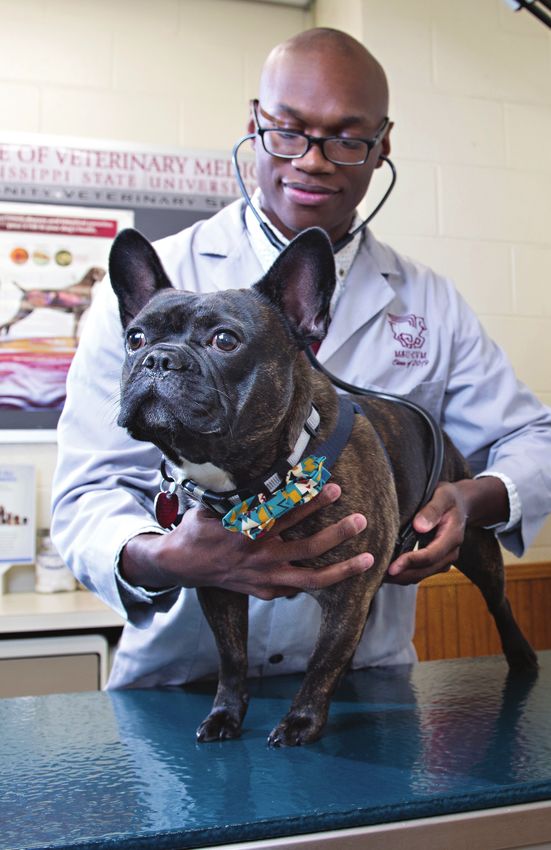
FYE
“I’M GLAD I TOOK THIS
CLASS. IT WAS A CHANCE
TO LEARN SOMETHING I’M
INTERESTED IN WITHOUT THE
STRESS AND WORKLOAD
OF A REGULAR CLASS.”
1 FOR FUN:
We believe every new MSU student should take one course just for the
fun of it: a relatively small class with an excellent professor to teach you
something really interesting in his or her field—from real world CSI
to MSU traditions, visual arts to recreational drumming, human and
veterinary medicine to bike riding, and contemporary Latin American
culture to champion athletes—plus many more great choices.

Our special First-Year Seminars carry one hour of course credit toward
graduation and may be used in almost any major. Each seminar is on
a different, interesting topic—a favorite topic your professor has always
wanted to teach. You may take a seminar that relates to your major, or you
may take one on an interesting topic outside your major and learn about
something you might otherwise never get to explore. Research shows that
students who connect to the university in this way are more likely to
enjoy learning and succeed at college.

Register for these courses in the same way and at the same time you enroll
in your other courses. Choose the “1-For-Fun” that will be great for you!

                                                                               1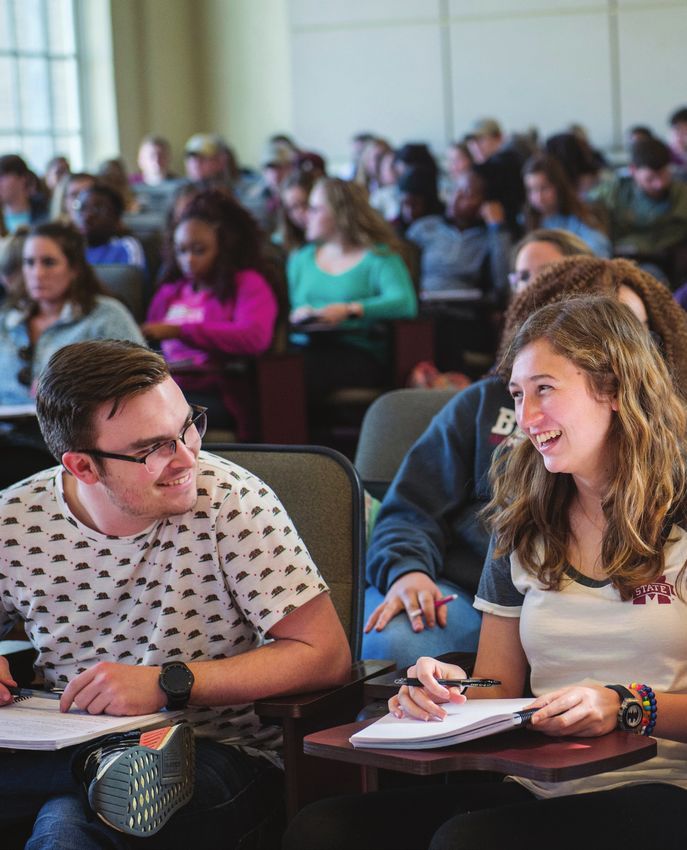
CSI: MSU - FORENSIC SCIENCE ACROSS CAMPUS
    W – 4:00-4:50 p.m. | Instructor: Jennifer Seltzer
    Course Number: EPP 1001
                    Description: Things aren’t always how they appear on TV.
                    Using the experience of a variety of MSU faculty and staff who
                    assist in criminal investigations in Mississippi, the United States,
                    and across the globe, this course will highlight the realities and
                    fallacies between television crime docudramas and laboratory
                    science. Students will examine forensic sciences from multiple
                    perspectives, including computer forensics, biochemistry, DNA
                    analysis, forensic psychology, and forensic anthropology.

    QUIDDITCH FOR MUGGLES
    W – 9:00-9:50 a.m. | Instructor: Rachel Allison
    Course Number: SO 1001
                    Description: This class is perfect for a Harry Potter fan or
                    someone who just wants to learn—and play—an entirely new
                    sport. The actual sport of Quidditch was developed in 2005 and
                    has rapidly grown in popularity. In fact, more than 300 teams are
                    registered with the International Quidditch Association, which
                    hosts a world cup every year. Quidditch offers an alternative to
                    more traditional sports in that it was developed with a gender-
                    integrated structure. No previous experience is required.

    PHILOSOPHY AND DISCIPLINE OF KARATE
    AND SELF-DEFENSE
    W – 1:00-1:50 p.m. | Instructor: Timothy Derby
    Course Number: PHI 1001
                    Description: The three-fold objective of this course involves
                    understanding the fundamental philosophies and principles
                    that distinguish traditional karate from other forms of martial
                    arts, developing the intangible mental attributes associated with
                    situational awareness and avoidance, and learning effective physical
                    techniques associated with protecting oneself from a physical
                    attack. Students will also learn various self-defense strategies for
                    dealing with the physiological “fight or flight” instinct associated
                    with fear.

2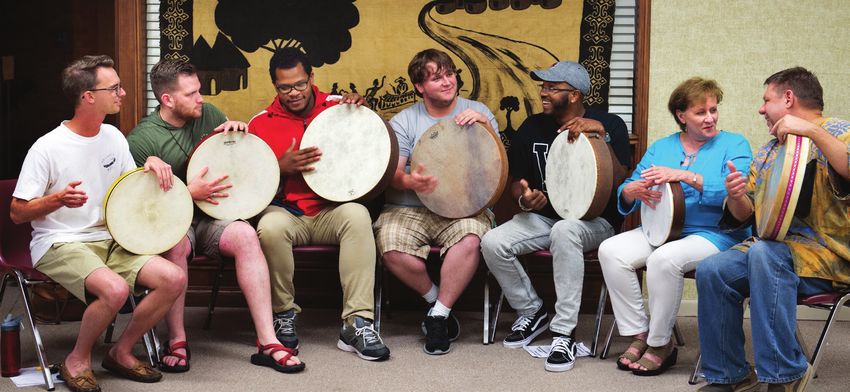
RECREATIONAL DRUM CIRCLES
M – 9:00-9:50 a.m. | Instructor: Robert Damm
Course Number: MU 1001
               Description: Drums and other percussion instruments provide
               an exhilarating and engaging experience in rhythm, ensemble,
               and improvisation. Class members will experience the unique
               enjoyment of in-the-moment music and the many extra-
               musical outcomes emphasized in recreational drum circles. No
               prior drumming experience is required.

EXTREME MEDICINE: UNDERSTANDING THE MEDICAL CASES
ON “HOUSE, M.D.”
M – 1:00-1:50 p.m. | Instructor: Adam Knight
Course Number: KI 1001, Sec. F01

               Description: With its take on strange and bizarre medical
               cases, “House, M.D.” earned a spot in the landscape of popular
               television. It also gave rise to questions about the validity and
               probability of the illnesses and diseases presented on the show. This
               class will examine some of the medical cases presented, discuss the
               probability and validity of each case, and examine how the doctors
               were able to reach the correct diagnosis. This course is designed
               primarily for students intending to pursue careers in health-related
               fields, but all students are welcome.

                                                                                       3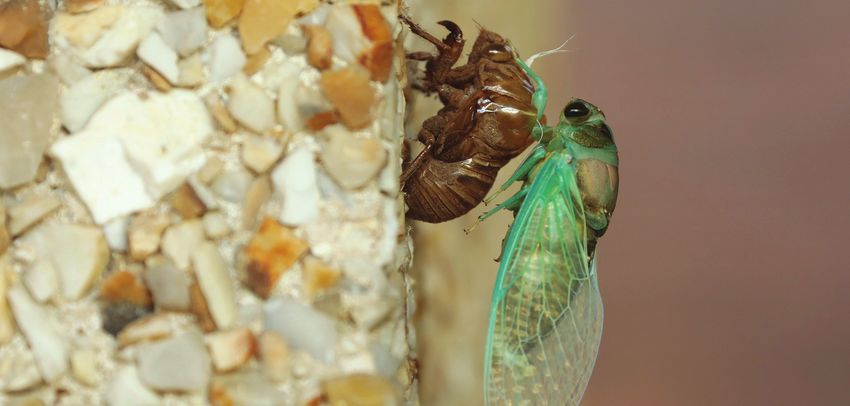
4
VETERINARY MEDICINE: BEYOND SHOTS AND DE-WORMING
T - 1:00-1:50 p.m. | Instructors: Patty Lathan
Course Number: CVM 1001

                Description: This seminar will cover various aspects of and
                approaches to veterinary medicine. A specialist in a specific
                discipline—for example, small animal internal medicine, large
                animal surgery, or reproductive medicine—will deliver each
                class. Seminar topics will be diverse and include discussions
                about specific diseases, the importance of veterinary medicine
                in controlling human disease, and diagnostic and therapeutic
                techniques used in veterinary medicine. As part of the course
                requirements, students will be assigned to shadow a veterinary
                clinician for at least six hours at MSU’s Veterinary Medical
                Teaching Hospital.

THE HUNGRY PLANET: PLANT DISEASE STORIES
T – 2:00-2:50 p.m. | Instructor: Shien Lu
Course Number: EPP 1001, Sec. F01

                Description: This seminar will tell the stories of plant
                diseases and their impact on human civilization. Students
                will be challenged to think beyond plant disease outbreaks,
                to consider the impact these biological events have on society
                and individuals’ lives. Classes will introduce ongoing research
                and service activities related to plant health management and
                professional development.

THE PHOTOGRAM: ART IN THE DARK
F – 8:00-9:50 a.m. | Instructor: Candace Hitt
Course Number: ART 1001, Sec. F01

            Description: Following in the steps of great photographers, such
            as Man Ray and William Henry Fox Talbot, students will learn how
            to compose with light while learning how to print in the darkroom.
            Students will explore the history of the process and be exposed to
            various methods for creating photograms—art in the dark. Note:
            Course meets two hours a week and ends at midterm.

                                                                                  5
6
MEAT CHEMISTRY AND CUISINE
M – 5:00-5:50 p.m. | Instructor: Derris Devost-Burnett and Thu Dinh
Course Number: ADS 1001

             Description: Cooking meat is as much an exercise in chemical
             reactions as it is in culinary flare. This meat chemistry and cuisine course
             will teach the principles of muscle composition and meat chemistry,
             and demonstrate their impact on the quality of the final product. In
             each meeting, the class will introduce specific concepts related to meat
             chemistry, and students will be exposed to a range of culinary methods
             that manipulate the physiochemical composition of the meat product to
             yield a final dish. This dynamic and engaging learning environment will
             increase student understanding of the mechanisms that convert muscle
             to meat and meat to masterpieces.

INSECT PETS AND PESTS: SATISFY YOUR CURIOSITIES
OR CONQUER YOUR FEARS!
M –11:00-11:50 a.m. | Instructor: John Guyton, III
Course Number: EPP 1001, Sec. F02

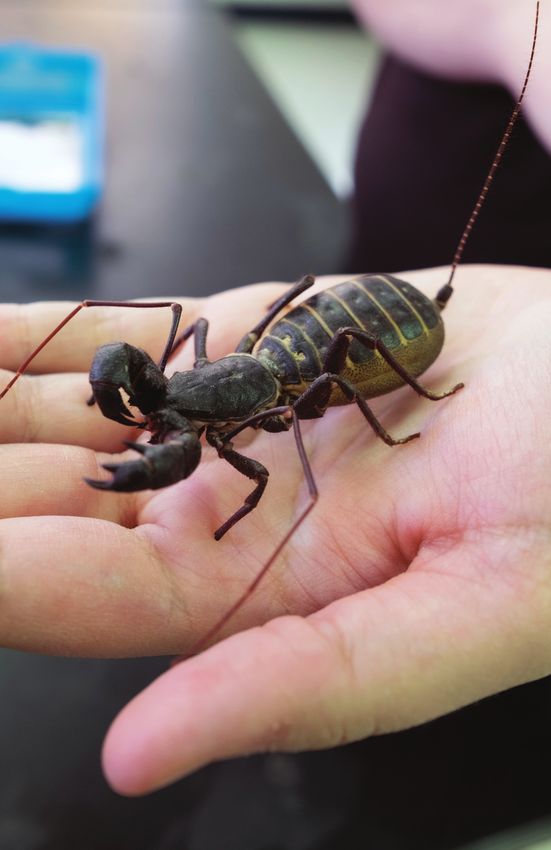
                  Description: Insects can provide an essential service to mankind
                  and sometimes even make good pets. This class will teach students
                  about groups of insects to facilitate correct identification of which
                  ones to worry about and which are safe for play. Insects are the
                  most populous animals on the planet and are the most common
                  wildlife encountered by individuals. This course will serve as an
                  organizational strategy for living in a buggy world.

                                                                                            7
VISUAL ARTS: WHY WE MAKE!
M – 6:00-6:50 p.m. | Instructor: Alex Bostic
Course Number: ART 1001, Sec F30
Description: This course introduces various career paths in the
visual arts, such as graphic design, sculpture, ceramics, illustration,
concept art, studio management, exhibition design, photography,
and mixed media. Learn how successful practicing artists have used
their degrees in fine art and design. The class will focus on artists
of the 21st century and the concepts and techniques employed to
construct their work. Lectures will consist of videos, visiting artist
speakers, slide presentations, field trips, and in-class participatory
activities, all answering the question of “why we make!”
MUSEUMS AND GALLERIES AT MSU
W – 3:00-3:50 p.m. | Instructor: Derek Anderson
Course Number: AN 1001, Sec F03
Description: Did you know that Mississippi State University
is home to 18 museums and galleries? This course will
introduce students to the variety of artistic and research
collections across campus, with tours, lectures, and behind-
the-scenes visits led by the faculty and staff who work with
these important objects. Students will also learn about the
management of collections, archival research, conservation
techniques, and how to design a successful exhibit.
TAKE CHARGE OF YOUR FINANCIAL FUTURE WHILE
BUILDING FINANCIAL INTELLIGENCE
T – 3:30-4:20 p.m. | Instructor: John Daniels
Course Number: FYE 1001, Sec. F02
R – 3:30-4:20 p.m. | Instructor: Kenneth McKinney
Course Number: FYE 1001, Sec. F27
Description: Wise money management while in college increases
the likelihood of graduation and early financial success. Learn about
budgeting money, saving and investing, credit cards, credit scores,
scholarship application writing, debt management, and other related
concepts. Discover how making great money-management decisions
in college can positively affect the rest of your life.
8VIVA LATINO AMERICA: AN UNCENSORED SAMPLING OF
THE WORLD’S MOST VIBRANT CULTURE
T – 2:00-2:50 p.m. | Instructor: Rosa Vozzo
Course Number: FLS 1001
Description: Students will embark on a virtual field trip to several
regions of Hispano-America. Students will be presented with cultural
information, ideas, and events that have influenced the region,
specifically those that provide a basis for comparisons of Hispanic
and U.S. cultures. Students will be encouraged to explore cross-
cultural comparisons and identify patterns that could cause cultural
misunderstandings. This course will be highly useful for students
who will take Spanish as a foreign language and for those who will
serve or work with Latino Americans in their intended careers.
IT’S ALL GREEK TO ME
M – 3:00-3:50 p.m. | Instructor: Mark Clark
Course Number: FL 1001
Description: This course explores classical Greek culture, its
influence on America, and the ways in which antiquity sometimes
parallels modern life. Through examples of art and poetry, this
course considers the Greek ideas and values that underlay the
emergence of democracy and traditional education at Athens.
Then, through a reading of Greek medical texts, oratory, and
comedy, the course traces the development of a scientific and
intellectual revolution that attracted the attention of the youth of
Athens. These sources provide opportunities to see how the new
thinking brought into question traditional values and sometimes
created conflict along generational lines.
FLOWER POWER: FROM FARM TO VASE
Time: M – 4:00-4:50 p.m. | Instructor: Lynette McDougald
Course number: PSS 1001
Description: Flowers are universal in expressing a wide variety
of emotions. Flowers are also universal in their origins, breeding,
and growing before they are designed. This “farm to vase” course
will take students through the chain of floral life and offer
enjoyable design opportunities. Learn all about “flower power”
in horticulture, art, design—and, yes, romance!
910
COWBELL YELL: EXPLORING MSU HISTORY AND TRADITIONS
THROUGH MSU LIBRARIES’ HISTORICAL ARCHIVES
M – 10:00-10:50 a.m. | Instructor: Melody Dale and DeeDee Baldwin
Course Number: FYE 1001, Sec. F01
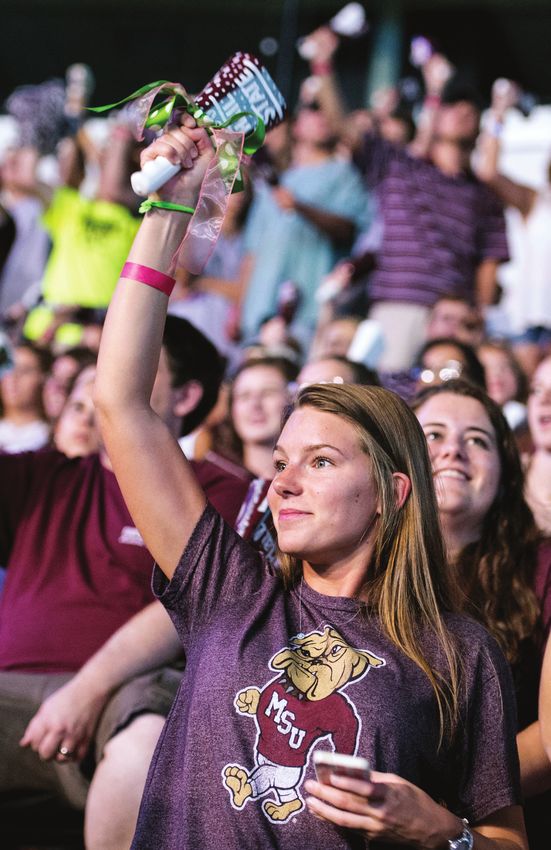
               Description: Cowbells, Bully, and Revelry! Oh, My! Learn about
               the traditions, myths, and history of Mississippi State University.
               Explore the changes in students/fashions from 1880 to today.
               Where did the cowbell come from? Why is Bully our mascot?
               Enhance your sense of community, curiosity, and whimsy through
               an introduction to research skills and hands-on experience with
               MSU Libraries’ vast collection of treasures and artifacts. What a
               great and enjoyable way to learn how to use the MSU Libraries,
               by learning all about our beloved university!

FOR THE LOVE OF ANIMALS: ZOO, AQUARIUM,
AND WILDLIFE
M – 4:00-4:50 p.m. | Instructor: Carrie Vance and Andy Kouba
Course Number: BCH 1011, Sec. F02
               Description: So you love animals! Learn about the many
               science-based career options in the Zoo, Aquarium, and Wildlife
               communities and the educational background needed to pursue
               careers in these exciting fields. These cutting-edge organizations
               are transforming themselves into conservation science centers and
               cooperative research units for public outreach and education. This
               seminar is open to all students who love animals and love learning
               about them, no matter what your major or career plans may be.

CHAMPION ATHLETES: WHAT MAKES THEM
BIOLOGICALLY SPECIAL?
F – 1 :00-1:50 p.m | Instructor: JohnEric Smith
Course number: KI 1001, Sec. F02
               Description: What do champions like Steve Prefontaine and
               Frank Shorter (distance runners), Simone Biles (gymnast), Ben
               Pakulski (body builder), Usain Bolt (world’s fastest man), Brian
               Shaw (world’s strongest man), scuba divers, free divers, high
               altitude mountain climbers, and even Secretariat (elite racehorse)
               have in common? The answer lies in anatomy and physiology.
               Based on rapidly advancing science, this course will teach you how
               small changes in anatomy and physiological function can lead to
               championship athletic performance.
                                                                                     11
LET ME SPEAK: INTRODUCTION TO COMPETITIVE SPEECH
AND DEBATE
M – 10:00-10:50 p.m. | Instructor: Cheryl Chambers
Course number: CO 1001
Description: Hone your public speaking skills early, and dive into
the world of competitive speech and debate. Topics will include an
introduction to forensics; public address; informative, persuasive,
and interpretive speeches; impromptu speaking; and formal debate.
Great preparation for future lawyers, teachers, business people,
politicians, and presenters in any field, this is a friendly class designed
to develop skills no matter what your starting point—no previous
public speaking or debate experience is required!
ANTHROPOLOGY: PEOPLE, PLACES, AND THINGS
M – 4:00-4:50 p.m. | Instructor: Milena Melo
Course number: AN 1001, Sec. F03
Description: Anthropology is more than just the movie Indiana
Jones and the TV series Bones. We focus on social change and
human experience. This course will show how we interpret the past
and how we talk about lived experience around the world. Students
will gain an understanding of how we use material culture (stone
tools, ceramics, architecture, and so on) to interpret lived experience
in the past, understand cross-cultural experiences, and identify
human remains.
LEAD MAROON
F – Noon-12:50 p.m. | Instructor: Jackie Mullen
Course Number: FYE 1001, Sec. F32
Description: It can be hard to adjust to college life and figure out
all of the ways to get involved at Mississippi State University. The
Student Association president would like you to join him/her for
a one-hour class designed to help freshmen adjust to college and to
develop your experience in and outside of the classroom. Students
are introduced to academic survival skills, leadership opportunities,
and everything they need to know about MSU. This course is taught
by the MSU Student Association president.
1213
BIKE TO THE FUTURE: RIDING FOR ENJOYMENT, HEALTH,
     AND THE ENVIRONMENT
     T – 3:30-4:20 p.m. | Instructor: Michael Seymour
     Course Number: LA 1001, Sec. F03
                  Description: If you love riding a bike (or think you might), this
                  course is for you! Together, we will investigate biking as a form of
                  transportation and explore and document the social, environmental,
                  financial, and quality of life benefits of bike riding. We will examine
                  some of the world’s most bikeable cities and propose ways to
                  adopt their approaches to make our community and campus more
                  bikeable in the future. And we may also organize a group ride or two
                  for those who are interested.

     TED TALKS FOR HUMAN MOVEMENT
     W – 1:00-1:50 p.m. | Instructor: Chih Chia Chen
     Course Number: KI 1001, Sec. F03

                  Description: In this course, students will view and discuss TED
                  Talks related to Kinesiology, including social, cognitive, biological,
                  and applied frameworks, and getting the most out of the ideas
                  in this area. Students will have an opportunity to apply what
                  they learn through assignments and experiences, in addition to
                  engagement in discussion with peers.

     AUTHORING PERSONAL SUCCESS IN COLLEGE AND BEYOND
     Time: TBA | Instructor: Heather Craig
     Course Number: EN 1001, Sec. F01
                  Description: Writing can be a superpower for setting goals,
                  overcoming fear, and processing life events, especially change. In
                  this course, you will learn writing skills for authoring your own
                  successful path through college and beyond. You will journal
                  for self-awareness, question to unravel intuitive decision-
                  making processes, write achievable goals, and read to satisfy
                  curiosity and foster understanding. There will also be a special
                  focus on adjusting to college, including understanding and
                  following syllabi, meeting professor expectations, developing
                  professional writing skills, and narrowing self-directed long-
                  term goals, all while reading the Insider’s Guide to MSU and
                  the 2018 Maroon Edition selection.
14
THE ULTIMATE FYE: MAKE, CREATE, EDUCATE
Time: R – 2:00-2:50 p.m. | Instructor(s): Stephanie Agnew,
Thomas La Foe, and John Mitchell
Course Number: FYE 1001, Sec. F33
Description: Learn all the essential technologies needed for a
successful college experience in the MaxxSouth Broadband Digital
Media Center. In this course you will learn how to use exciting and
fun multi-media, which you will use throughout your college career
and into your professional career.
This course will cover the following:
• Learning to design and print 3D objects
• Designing a logo in laser cutter software and heat press that
design on to a t-shirt
• Experiencing a world beyond in our CAVS Mixed Reality Lab
• Learning to edit pictures like a professional in Adobe Photoshop
• Learning to create an impressive movie in Adobe Premiere Pro
• Creating an educational poster in Microsoft Publisher
• Polishing your presentation skills learning the best tips to make
you stand out.
This fun and interactive course will encompass all the essentials you
need to succeed in any area of your life.
15EMERGENCY PREPAREDNESS & RESPONSE
M – 1:00-1:50 p.m. | Instructor: Brent Crocker
Course Number: FYE 1001, Sec. F31
Description: Are you prepared for the unknown? Join us as we learn
ways to be prepared for the unknown. We will focus on emergency
preparedness, response, and recovery. Lessons will include lectures,
discussions, scenarios, and demonstrations. Topics will include
staying safe on campus, fire safety, severe weather, active shooter,
and preparing an emergency kit. Special guests will be brought in to
cover specialty topics and share experiences.
NATURE’S TIMEPIECE: TICK-TOCK OF THE BIOLOGICAL CLOCK
Time: M – 11:00-11:50 a.m. | Instructor: Natraj Krishnan
Course Number: BCH 1011, Sec. F01
Description: Biological clocks are found in almost all organisms
from cyanobacteria to humans. They generate rhythms in most
behavioral and physiological processes in tandem with the day/night
cycles (circadian, approximately 24 hours) e.g , sleep/wake cycles.
The 2017 Nobel Prize in Physiology and Medicine was awarded
for work on the biological clock. This course will be a fun journey
on the exciting discoveries (from bees to fruit flies to humans) that
led to the Nobel Prize. A general understanding of what makes
biological clocks tick may lead to treatments for sleep disorders,
obesity, mental health disorders, jet lag, and other health problems.
HEROES & TRICKSTERS: GERMANIC TALES IN MODERN MEDIA
Time: T -- 11:00-11:50 a.m. | Instructor: Arianne Hainsey
Course Number: FL 1001, Sec. F03
Description: What do Luke Skywalker and Leslie Knope have in
common? What about Deadpool and Beetlejuice? Take this seminar
and join your fellow classmates as we discover the archetypes of
heroes and tricksters. We will read source texts in translation like
the tales from The Brothers Grimm and the myths from Norse
Mythology. Our findings will then be applied to more modern titles
like Gladiator and Parks and Recreation. This seminar will allow
students to gain a new perspective into the films and shows they
already watch by understanding some ways in which we can analyze
characters in modern media.
16CYBER DAWGS
Time: T – 1:00-1:50 p.m. | Instructor: Sarah Lee
Course Number: CSE 1001
Description: Most of our population is on the internet, from pre-
school children to senior citizens. Safe online behavior is important
for everyone. Students will learn basic cybersecurity principles and
simple computer programming using robots in the first part of the
semester. With this knowledge, they will complete a service project
with a local elementary school, teaching digital citizenship and
computational thinking using robots and computer programming.
FIRST-YEAR PEER MENTORING
Time: T -- 12:30-1:20 p.m. | Instructor(s): Ra’Sheda Boddie-Forbes
and Timothy Hopkins
Course Number: FYE 1001, Sec. F37
Description: This course is designed to help first-year students
understand and gain knowledge on how student resiliency,
leadership, engagement, mentoring, and the use of institutional
resources impact student success. Students who enroll in this course
will receive a peer mentor. This relationship will help to establish a
positive first-year experience while fostering a stronger connection
to and engagement with the campus community. You may decide to
become a peer mentor yourself someday!
GAME CHANGING: EXPLORING THE AFRICAN AMERICAN
STUDENT EXPERIENCE
Time: T -- 9:30-10:20 a.m. | Instructor: Jessica Perkins Smith
Course Number: FYE 1001, Sec. F34
Description: Integration at Mississippi State looked very different
from integration at other state schools in the Deep South. Today,
Mississippi State has the highest population of African American
students of all Southeastern Conference schools. Using documents
and primary source material from University Archives along with
guest speakers, this course will explore the African American student
experience at MSU beginning with integration and highlighting
important milestones up to today. Through their research, students
will create a final project (examples: oral history, timeline, web site)
that documents a part of African American history at MSU.
17FOOD-BIOTICS
Time: W – 2:00-2:50 p.m. | Instructor(s): Shecoya White and Derris Burnett
Course Number: FNH 1001
Description: In the age of health-conscious consumers, microbial
food-biotics is an emerging area of public and scientific interest.
Consumers are increasingly interested in additives and adulterants
in their food, which has thrust antibiotic use into the spotlight.
Contrarily, consumers are also looking for natural, functional
benefits from their foods, which have ushered in the age of
prebiotics and probiotics in food to promote gut development
and immune health. This course is designed to introduce students
to the scientific basis for the use and regulation of microbes,
inhibitors, and other “food biotic” compounds in a dynamic and
interactive laboratory setting.
AROUND THE WORLD IN 80 LANGUAGES
Time: T – 1:00-1:50 p.m. | Instructor: Anna Debicka
Course Number: FL 1001, Sec. F02
Description: What languages are spoken on each continent?
“Hakuna matata” is a phrase in which African language? Do French
speakers actually say “sacrebleu”? What languages can you select if
you use an ATM at the Vatican? Which languages are spoken by
the most speakers? Which languages are disappearing? Go beyond
the path of Jules Verne’s novel and take a trip around the world by
surveying 80 modern languages. No prior knowledge of linguistics
or any second language is required.
TRUTH AND PHOTOGRAPHY
Time: F – 11:00-11:50 am | Instructor: Dominic Lippillo
Course Number: ART 1001, Sec. F02
Description: Does the camera lie or does the photographer? This
seminar will explore the topic of truth and photography by addressing
historic and contemporary examples of photographs that were made
to be viewed as authentic and believable images. Seminar topics will
include discussions about early and contemporary photographers
and photographic practices such as: spirit photography, war
photography, documentary photography, art photography, snapshot
photography, social media, and photography and science.
18SOCIAL JUSTICE EXPERIENCE
Time: W – 2:00-2:50 p.m. | Instructor: Ra’Sheda Boddie-Forbes
Course Number: FYE 1001, Sec. F36
Description: This course will explore social justice issues in both
local and national contexts, highlighting the reciprocal relationship
between the individual and society. This course will include a
field trip component to the Civil Rights Museum in Jackson,
Mississippi, where students will reflect on how the content in the
museum connects to their own personal identities.
ITALY’S FOOD (AND) CULTURE
Time: T – 2:00-2:50 p.m. | Instructor: Salvador Bartera
Course Number: FLI 1001, Sec. F01
Description: The seminar will discuss the richness of Italian food
culture and how it has shaped, and continues to shape, everyday
life, as well as how different this culture is in Italy’s 20 regions. We
will discuss traditional Italian dishes and how Italian cuisine has
evolved in the last century, becoming today what is, allegedly, the
most popular cuisine in the world. We will also look at how the
Italian food industry is trying to “protect” its brands from “fake”
producers all over the world, and how Italy is striving to maintain
and assert its power on the global market.
19ALL ABOUT BIRDS & BEES
Time: W – 1:00-1:50 p.m. | Instructor: Jeff Harris
Course Number: FYE 1001, Sec. F38
Description: This seminar focuses on honey bees, beekeeping,
plant pollination, and birds. Primary emphasis is placed on inter-
relationships between insects, plants, and higher animals (like
birds) in common food webs. Plants need to be pollinated for
reproduction, various insects need the correct plants for raising their
caterpillars, and birds need a variety of caterpillars and other insects
to raise their families. Activities include hands-on interactions with
live honey bees, demos on how to start beekeeping, bird watching,
tips on bird identification, and nature walks to find examples of
insect-plant-animal interdependence.
BUILDING RESILIENCE FOR COLLEGE SUCCESS
Time: W – 11:00-11:50 a.m. | Instructor: Jordan Spencer
Course Number: FYE 1001, Sec. F35
Description: College is a new environment that comes with new
responsibilities, new routines, and new freedoms. With so many
new things there will be new successes and new failures. Ultimately,
there is no handbook on how to deal with all of these new things,
especially in a healthy way. But what makes one person rise to
the challenge while others struggle to cope with these changes?
Resilience. This class will focus on developing skills to help you rise
to the challenge and learn how to make lemonade when this new
life throws you lemons.
2021
TRUE MAROON
 Description: Be part of an exciting course specifically about all things
 Maroon. This class will explore MSU’s interesting past, including its
 heritage and traditions. By the end of this course, students will know
 more about Mississippi State than most of its graduates and will have
 a much fuller understanding of the university’s exciting present and
 future. Learn about Mississippi State’s beloved campus and its many
 available resources to help students start their university life. This
 class will ensure students know the best ways to be successful. In fact,
 this course has a dramatic impact on the success of True Maroon
 students. The faculty for this course includes winners of MSU’s
 highest teaching awards who will be the perfect guides to a rich and
 enjoyable introduction to Mississippi State University. Welcome to
 the Bulldog Nation!

 Important note on True Maroon sections:        All first-year students
 may take the True Maroon course, but some sections are only
 for students with undeclared majors. Other sections are open to
 students in any major, and a couple of sections are part of Learning
 Communities described on page 23 of this brochure. For all True
 Maroon students, it is essential to register for the section that is
 intended for your major or learning community. The complete list of
 True Maroon sections appears on the following page.

22
TRUE MAROON SECTIONS
TRUE MAROON SECTIONS OPEN ONLY TO UNDECLARED MAJORS
FYE 1001 True Maroon Section F03 M - 2:00-2:50                         Anastasia Elder
FYE 1001 True Maroon Section F05 T – 2:00-2:50                         Amy Barefield
		                                                                     & Kris King
FYE 1001 True Maroon Section F07 R – 3:30-4:20                         Michael Seymour
		                                                                     & Peter Summerlin
FYE 1001 True Maroon Section F11 W – 3:00-3:50                         Jim Dunne
FYE 1001 True Maroon Section F13 M – 12:00-12:50                       Lesley Strawderman
FYE 1001 True Maroon Section F15 R – 2:00-2:50                         Renee Clary
FYE 1001 True Maroon Section F17 W – 1:00-1:50                         Rebecca Robichaux-Davis
		                                                                     & John Davis
FYE 1001 True Maroon Section F21 T – 3:30-4:20                         Veera Gude
FYE 1001 True Maroon Section F23 M – 3:00-3:50                         Robert Banik
FYE 1001 True Maroon Section F25 W – 11:00-11:50                       Robert Moore
		                                                                     & Melissa Moore
FYE 1001 True Maroon Section F29 W – 2:00-2:50                         Kimberly Walters

TRUE MAROON SECTIONS OPEN TO ALL FIRST-YEAR STUDENTS
FYE 1001 True Maroon Section F04 M – 2:00-2:50                         Anastasia Elder
FYE 1001 True Maroon Section F06 T – 2:00-2:50                         Amy Barefield & Kris King
FYE 1001 True Maroon Section F08 R – 3:30-4:20                         Michael Seymour
		                                                                     & Peter Summerlin
FYE 1001 True Maroon Section F10 W – 12:00-12:50                       Mary Thomas
FYE 1001 True Maroon Section F12 W – 3:00-3:50                         Jim Dunne
FYE 1001 True Maroon Section F14 M - 12:00-12:50                       Lesley Strawderman
FYE 1001 True Maroon Section F16 R – 2:00-2:50                         Renee Clary
FYE 1001 True Maroon Section F18 W – 1:00-1:50                         Rebecca Robichaux-Davis
		                                                                     & John Davis
FYE 1001 True Maroon Section F22 T – 3:30-4:20                         Veera Gude
FYE 1001 True Maroon Section F24 M – 3:00-3:50                         Robert Banik
FYE 1001 True Maroon Section F26 W – 11:00-11:50                       Robert Moore
		                                                                     & Melissa Moore
FYE 1001 True Maroon Section F30 W - 2:00-2:50                         Kimberly Walters

TRUE MAROON SECTIONS THAT ARE PART OF LEARNING COMMUNITIES
FYE 1001 True Maroon Section F09              W – 12:00-12:50               Mary Thomas
Note: This section is open only to members of the Day One Learning Community.

                                                                                            23
24
FIRST–YEAR LEARNING COMMUNITIES
Mississippi State University proudly offers special first-year learning
communities for entering freshmen. In most learning communities, small
groups of students take courses together that apply to the university’s core
curriculum requirements—in other words, regular, required courses with
outstanding teachers specially selected for this program, incorporating
a small group of classmates who quickly become friends and study
partners. Connections between the subject areas of the different learning
community courses are made, and teachers of these courses work together
to bring students an especially enjoyable experience.

Most first-year learning communities are open to any interested freshman.
Some are specially designed for students in particular majors, while others
are for students with specific interests in student leadership and community
engagement. Please check with the academic advisor from your major at
Orientation to be sure that the courses in your desired learning community
may be used in your major. Usually, this is not a problem.

For most learning communities, students enroll simply by registering for
the courses, on a first come, first served basis. Some, however, require
applications and permission to register.

It is possible to participate in both a learning community and take one
or more of the first-year seminars described in this brochure. In fact, it is
encouraged.

Important: When registering for a learning community, it is essential to
register for the exact course sections indicated in the descriptions. If not,
you will not be in the learning community. Be very careful about this.

                                                                            25
The PSY-CO Psychology-Communication Learning
Community # 1
Courses and teachers (must take both):
CO 1013 Section 11, Intro to Communication, MW 2:00-3:15 p.m., Cheryl Chambers
PSY 1013, Section 07, General Psychology, MWF 10:00-10:50 a.m., Tom Carskadon
Open to: All freshmen
How to enroll: Register for the courses – first come, first served.
Description: Introduction to communication is a small, enjoyable course that
teaches highly useful skills. Special topics and assignments will link this course to
your psychology course.
Contact for questions: Tom Carskadon,
tomcarskadon@psychology.msstate.edu, 662-325-7655
The PSY-CO Psychology-Communication Learning
Community # 2
Courses and teachers (must take both):
CO1013Section12,IntrotoCommunication,MW12:30-1:45p.m.,CherylChambers
PSY 1013, Section 08, General Psychology, MWF 10:00-10:50 a.m., Tom Carskadon
Open to: All freshmen
How to enroll: Register for the courses – first come, first served.
Description: Introduction to Communication is a small, enjoyable course that
teaches highly useful skills. Special topics and assignments will link this course to
your psychology course.
Contact for questions: Tom Carskadon,
tomcarskadon@psychology.msstate.edu, 662-325-7655
The Public Speaking Learning Community
Course and teacher:
CO 1003, Section 02, Fundamentals of Public Speaking, TR 3:30-4:45 p.m.,
Danny Gardner
Open to: All freshmen
How to enroll: Register for the course – first come, first served.
Description: This is the very best public speaking course, and this special
section is open to all majors. The instructor is a noted journalist, and the
class is thought-provoking and enjoyable. It satisfies the Public Speaking
requirement in most majors. Check with your advisor.
Contact for questions: Tom Carskadon,
tomcarskadon@psychology.msstate.edu, 662-325-7655
26College of Forest Resources Living-Learning Community
Course and teachers (take one):
FO 1001, Section F02, Real World Conservation, F 9:00-9:50 a.m.
Learning Community Teaching Team: Lanna Miller, Ian Munn
Open to: Natural Resources and Environmental Conservation, Forestry, or Wildlife, Fisheries
and Aquaculture majors
How to enroll: When applying for housing at MSU, go to the section
“Interested in Living-Learning Communities” and check College of Forest
Resources Living-Learning Community.
To learn more: Prospective students not on campus, contact Cory Bailey at
662-325-7873 or c.bailey@msstate.edu, or Allison North at 662-325-0855
or a.north@msstate.edu. Once arrived on campus, contact Lanna Miller in the
Office of Student Services at 662-325-9376, or Ian Munn at 662-325-1379.
Description: This living-learning community is for natural resource majors and
is housed primarily in Cresswell Hall. Students may attend the same classes,
establish study groups, and network and live with like-minded students. The
College of Forest Resources is a small college with career paths that provide
students continuous interaction with classmates from the first day of college
throughout their careers. Students in the living-learning community will find
a valuable opportunity to ease the transition to college life and to build
relationships within the natural resource field.
Residence: Cresswell Hall is strongly recommended, or Griffis Hall for Honors
students, but other residence halls are acceptable.
Bagley College of Engineering Living-Learning Community
Students participating in the Engineering Living-Learning Community will have
access to on-site tutoring and academic advising programs, as well as study areas
included in the residence halls designed to create a sense of community and provide
a social support network for first-year Engineering students.
Open to: First-year Engineering students
How to enroll: When applying for housing at MSU, go to the section
“Interested in Living-Learning Communities” and check College of Engineering
Living-Learning Community.
The Engineering Living-Learning Community (ELLC) is for Engineering majors
and is housed primarily in Zacharrias Village. These residence halls are
located adjacent to Griffis and Nunnelee Halls, allowing Engineering students
in the Shackouls Honors College to easily participate in ELLC activities. The
ELLC provides first-year Engineering students the opportunity to contribute
to a supportive community that encourages academic, professional and
personal growth. Students will develop essential skills for a successful career in
engineering or computer science industries.
Residence: A North Campus residence hall
Contact for questions: Robert Green,
green@bagley.msstate.edu, 662-325-2267
27CAAD: THE COLLEGE OF MAKING COLLEGE OF ARCHITECTURE,
ART, AND DESIGN LIVING-LEARNING COMMUNITY
Courses and teachers (Take one section of this course.)
ARC 1001 or ART 1001 or BCS 1001 or ID 1001 depending on your major; your
advisor will guide you.
ART 123, Drawing I, sections and times will be individually scheduled
Teaching team: CAAD Associate Dean, Department Heads, and others
Open to: Architecture, Art, Interior Design, and Building Construction Science
majors
How to enroll: When applying for housing at MSU, go to the section
“Interested in Living-Learning Communities” and check College of Architecture,
Art, and Design Living-Learning Community. Also, notify Laura Mitchell, 662-
325-2528, lmitchell@caad.msstate and be certain to inform your academic
advisor at Orientation that you wish to be part of the CAAD Living-Learning
Community.
Description: This living-learning community provides first-year students in the
College of Architecture, Art, and Design an opportunity to live and learn
together. With studio-based learning as the predominant teaching methodology
in the College, this learning community provides students a context in which
to network, study, and collaborate as they experience this unique learning
format. All students will take the special course CAAD: The College of Making.
The heads of all four units of the College (Architecture, Art, Interior Design,
and Building Construction Science) will participate in this course. Students will
receive a variety of lectures and will visit multiple galleries and exhibitions.
These will provide an exciting “grand tour” of your new College. All students
will take the special course, CAAD: The College of Making, in the Fall
semester. The ART 1213 Drawing I course is required for most CAAD students
and is strongly recommended for all. Architecture and Art students will take
special sections of this course in the Fall semester; Interior Design students may
take it either semester. Your academic advisor at Orientation will work out your
individual schedule for you.
Residence: Members of this Living-Learning Community will live in either Hull
Hall or Deavenport Hall. Hull Hall is prized for its historic ambience and its
unique central location on campus, close to the Perry Cafeteria, the Union, the
Drill Field, and most classroom buildings. Deavenport Hall is one of the newest
and most modern residence halls on campus, near the Sanderson Wellness
Center and not far from central campus. Both residence halls are convenient to
the Architecture and Art buildings.
Contact for questions: Laura Mitchell,
lmitchell@caad.msstate.edu, 662-325-2528
28The First Class English Composition Learning Community
Course and teacher:
EN 1103, Section 19, English Composition I, MWF 11:00-11:50 a.m., Kayleigh Few
Open to: All first-year students who need to take English Composition in their major
How to enroll: Register for the course—first come, first served.
Description: If you need to take English Composition I, this is your chance to go
First Class. Your very enthusiastic and professional instructor will be Kayleigh Few,
director of the MSU Writing Center. The instructor will get to know each student
individually. As part of this all-freshman class, you will also read and react to the
enjoyable Insider’s Guide to Mississippi State University, covering the history,
culture, and helpful resources of this great school. Everything will be done to help
you succeed here!
Contact for questions: Kayleigh Few, kls465@msstate.edu,662-325-1045.
The PSYCH-E Learning Community
Courses and teachers (must take both):
EN 1103, Section 20, English Composition I, MWF 11:00-11:50 a.m.,
Jessica Thompson
PSY 1013, Section 10, General Psychology, MWF 10:00-10:50 a.m., Tom Carskadon
Open to: All Freshmen
How to enroll: Register for the courses – first come, first served.
Description: A group of 24 students in General Psychology class also will take
English composition together with an instructor who’s interested in the links between
English and psychology, a field requiring excellent writing skills.
Contact for questions: Tom Carskadon,
tomcarskadon@psychology.msstate.edu or 662-325-7655
The Griffis Learning Community
Courses and Teachers (must take both):
CO 1003, Section H03, (Honors) Fundamentals of Public Speaking, TR 11:00
a.m.-12:15 p.m., Amy Fountain
PSY 1013, Section H01, (Honors) General Psychology, MWF 11:00-11:50
a.m., Tom Carskadon
Open to: Freshman honors students who will commit to living in Griffis Hall
Residence: Griffis Hall
How to enroll: Contact Dr. Carskadon very soon because this learning
community fills early and space is strictly limited. Students must have special
permission to enroll.
Description: This is one of the oldest and most popular learning communities.
Approximately 20 participants live in Griffis Hall and take Honors General
Psychology MWF and Honors Public Speaking TR, thus interacting with each other
on a daily basis. The instructors coordinate assignments in the courses to enhance
learning and help introduce students to the diverse resources of the university.
Contact for availability: Tom Carskadon,
tomcarskadon@psychology.msstate.edu, 662-325-7655The Day One Leadership Community
Course and Teacher:
SLCE 1002, Section C01, Day One Leadership Community, LaKinya Beckwith
Open to: All first-year students accepted into the Day One program
How to enroll: Apply to the Day One program at dayone.msstate.edu
Description: At Mississippi State University, leadership begins with Day
One. The Day One Leadership Community is a fall semester learning
community focused on leadership development, service-learning and
student success. Students apply knowledge and skills learned in a two-
credit-hour leadership class to improve their community and create value
for a designated community partner. Significant time is spent both in
class and in community service. Focusing on character and leadership
development, Day One challenges students to go beyond what they
think they can do and accomplish what they truly are capable of doing.
Important note: Students must apply for admission to the Day One
program and be accepted before registering for the Day One course.
Contact for questions: Stephen Williams,
dayone@saffairs.msstate.edu, 662-325-0244
The DO-PSYCH Learning Community
Courses and teachers (must take both):
SLCE 1002, Section C02, Day One Leadership Community, MWF 8:00-8:50 a.m.,
LaKinya Beckwith
PSY 1013, Section 14, General Psychology, MWF 9:00-9:50 a.m., Tom Carskadon
Open to: All first-year students who have been accepted into the Day One
program
How to enroll: Apply to the Day One Program at www.dayone.msstate.
edu; once accepted, register for the courses—first come, first served.
Description: A small group of students in the Day One Leadership
Community will also take General Psychology together. Social psychology
has many useful connections to leadership and community service, and your
place will be assured in one of MSU’s most popular freshman courses.
Contact for questions: Stephen Williams,
dayone@saffairs.msstate.edu, 662-325-0244
Tom Carskadon,
tomcarskadon@psychology.msstate.edu, 662-325-7655
30The DO-TRUE Learning Community
Courses and teachers (must take both):
SLCE 1002 Section C03, Day One Leadership Community, MWF 10:00-
10:50 a.m., LaKinya Beckwith
FYE 1001 Section F09, True Maroon, W 12:00-12:50 p.m., Mary Thomas
Open to: Students with Undeclared majors who have been accepted into
the Day One program
How to enroll: Apply to the Day One program at www.dayone.msstate.
edu; once accepted, register for the courses—first come, first served.
Description: A small group of students with Undeclared majors in the
Day One Leadership Community also will take the True Maroon first-year
seminar in their own special section. The one-credit-hour True Maroon
seminar will round out the two-credit-hour Day One course to give students
the equivalent of a three-credit-hour course. True Maroon starts students on
the path to success at Mississippi State University while Day One starts the
path to lifetime leadership and community service.
Contact for questions: For Day One, Stephen Williams,
dayone@saffairs.msstate.edu, 662-325-0244
For True Maroon, Tom Carskadon,
tomcarskadon@psychology.msstate.edu, 662-325-7655
The THRIVE Scholars Learning Community
Courses and teachers (must take both):
PSY 1013, Section 20, General Psychology, MWF Noon-12:50 p.m.,
Tom Carskadon
LSK 1023, Section 08, College Reading and Study Skills, TR 2:00-3:15 p.m.,
Le’Roy Davenport
Open to: All students with Undeclared majors
How to enroll: Contact Le’Roy Davenport for permission to enroll,
ldavenport@saffairs.msstate.edu, 662-325-3463.
Description: This is a program specifically to support students who come
to us from the foster care system and/or who do not have permanent adult
parents. You will make your own family right here at Mississippi State! You
will live together in Hull Hall. This residence hall is by far the most centrally
located by far and is very popular with new students. Every Monday,
Wednesday, and Friday, you will take a special small section of General
Psychology together, taught by Tom Carskadon, or “Dr. C.” as he is known
here. Every Tuesday and Thursday, you will take a small section of College
Reading and Study Skills together, taught by Le’Roy Davenport, director of
the THRIVE Scholars program. Both instructors will get to know each student
individually, and both courses will emphasize the tools and resources you will
need to succeed and excel at Mississippi State University. In addition, you
will be invited to numerous social activities and programs outside of class.
Contact for questions: Le’Roy Davenport, ldavenport@saffairs.msstate.
edu, 662-325-3463.The Major & Career Search Learning Community
Courses and teachers (must take both):
COE 1323, Section 03, Career Planning, TR 2:00-3:15 p.m., Edie Irvin
PSY 1013, Section 15, General Psychology, MWF Noon-12:50 p.m., Tom Carskadon
Open to: All first-year students
How to enroll: Register for the courses—first come, first served.
Description: Are you undecided about what major you want to declare?
Are you unsure what long-term career plans would bring you satisfaction and
success? If so, then this is the learning community for you. Students will take
a small, personalized section of our Career Planning course with a wonderful,
professional instructor who will provide a wealth of materials and resources to
help you make the right decisions. You will also take a very popular General
Psychology course taught by the author of The Insider’s Guide to Mississippi
State University. You should emerge from these experiences with useful
psychological findings and insights and a much clearer plan for choosing
your major and career.
Contact for questions: Tom Carskadon, tomcarskadon@psychology.
msstate.edu, 662-325-7655.
The MAROON INFUSION Learning Community
Courses and teachers (Take one section of this course.)
PSY 1013, Section 01, General Psychology, MWF 9:00-9:50 a.m., Tom Carskadon; or
PSY 1013, Section 02, General Psychology, MWF 10:00-10:50 a.m., Tom Carskadon
Open to: All students
How to enroll: Register for one of the courses—first come, first served.
Description: If you want first-year experience content in a single, core
curriculum course you will have to take anyway, but you can’t schedule any
of the smaller learning communities described; or if you would just like to be
part of one of the most popular first year courses at MSU, we have a great
option for you. Not only will you get all the regular content of General
Psychology from an actual professor and Grisham Master Teacher, but also,
using the Insider’s Guide to Mississippi State University, Dr. C. will take you
through the history, traditions, helping resources, and secrets to success
here. Supplemental Instruction Leaders will provide optional out-of-class
sessions to help you study, review, and understand the psychology you are
learning. This is the one first-year experience offering that just about anyone
can take, and you are welcome to be part of it!
Contact for questions: Tom Carskadon,
tomcarskadon@psychology.msstate.edu, 662-325-7655
32FYE
“I LIKED THE SMALL GROUP
AND HOW I COULD INTERACT
WITH FELLOW FRESHMEN.
MY TEACHER WAS KIND
AND GAVE US POINTERS TO
TRANSITION TO COLLEGE LIFE.”
33Center for Teaching & Learning P.O. Box 6244 Mississippi State, MS 39762 FIRST-YEAR EXPERIENCE ctl.msstate.edu/programsandservices/fye/
You can also read


