FLIGHTPATH - NATIONAL AVIARY
←
→
Page content transcription
If your browser does not render page correctly, please read the page content below
FlightPath
Volume 2, Issue 2 Fall 2008
Human Population
Notes from the Field and Biodiversity
“Bridging” the Bird Gap Birds as Indicators of
Todd Katzner, Ph.D. Human Impacts on the
With my head held back as far as
it would go, I stared directly up and
regularly in the area. Every year, active
and usually successful breeding
Environment
Steven Latta, Ph.D.
wondered how in the heck we were occurs on the Cathedral of Learning
The transformation of natural habitats
going to get to that Peregrine Falcon in Oakland and on the Gulf Tower
represents one of the great forces in global
nest. Together with officers of the in downtown Pittsburgh. Likewise,
environmental change and one of the great
Pennsylvania Game Commission and in recent years, breeding pairs of
drivers of biodiversity loss. From coastal
several members of PennDOT’s bridge Peregrine Falcons have occupied a
wetlands to montane forests, habitats
team, we were underneath one of number of our local bridges.
and entire ecosystems are eliminated,
Pittsburgh’s biggest bridges, tracking Pittsburgh’s peregrines breeding
degraded and fragmented in myriad ways.
down a report of breeding Peregrine on buildings use small, graveled nest
Human attempts to use and subdue natural
Falcons. I’m not normally afraid of boxes placed on high ledges. Charles
habitats have been a constant theme in the
heights, but this structure was a bit Bier of the Western Pennsylvania
earth’s transformation in many societies
intimidating, even for me. Conservancy originally established our
and many lands.
As most residents of our city local nest boxes. Now, the National
Human activities and population growth
know, Peregrine Falcon populations Aviary, the Pennsylvania Game
impact birds at their breeding sites, during
have been growing recently. These Commission and building owners
migration, and in the winter on their non-
incredible birds are now breeding collectively manage the boxes.
breeding grounds. Just as birds respond to
Bridge-breeding birds are
habitat degradation, they will also respond
another story. In each case, the
to conservation efforts and management
Photo: Todd Katzner
birds nesting on bridges chose
programs designed to improve wildlife
those sites by themselves, with
habitat. In fact, birds are often viewed as
no additional help from people.
excellent indicators of habitat change.
Furthermore, in recent years,
Using birds as indicators of ecosystem
the number of bridge nests
health has been growing. Birds are
has been increasing. At least
particularly good for this monitoring
three pairs of peregrines are
because they are relatively easy to study
breeding on bridges in the area,
and they occupy many different ecological
and possibly a few more that we
niches. Also, scientists can measure bird
don’t know about exist!
reproduction and survival, both of which
The recent rise in the
respond quickly to habitat change. However,
numbers of these birds and
to use birds as indicators requires that their
the implications about human
ecology be well known and easily observed.
Female peregrine defending her nest on a interactions with wildlife
Pittsburgh bridge. continued on page 5
continued on page 7
The Bulletin of the Department of Conservation and Field Research at the National Aviary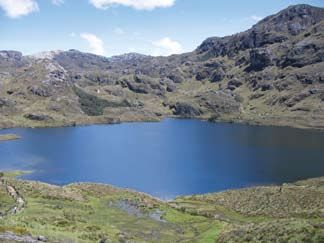
Letter from the Editor
Attracted by Birds
    People are drawn to birds because        non-professionals can often participate       bioindicators for conservation. Hopefully,
of their natural beauty, lively song,        in activities monitoring numbers of birds     using birds in this way will involve more
miraculous flight and because birds          and habitat change.                           people in the successful conservation of
are symbols of diverse ecosystems.               This issue of FlightPath focuses          biodiversity.
Because of their attractiveness to human     on using birds as indicators of human
observers, birds became important            impacts on the environment. The National           —Steven Latta, Ph.D.     Editor
indicators of ecosystems’ health. As a       Aviary is developing new techniques to
“bioindicator,” the abundance or diversity   monitor bird populations and is designing
of birds is an accurate gauge to quickly     local, regional and national plans to help
measure the impact of habitat changes.       locally-based collaborators to monitor
These changes may be negative, such          birds. As the struggles to conserve
as pollution or habitat destruction, or      biodiversity and critical ecosystems
they may be positive, such as habitat        around the world continue, researchers
improvement or restoration activities.       will increasingly view birds as key
    Birds are particularly good taxa         bioindicators of habitat conditions. And,
for this monitoring because they are         avian monitoring will be an important
relatively simple to study, are easy to      component of any management response
see, and announce their presence with        for conservation. The National Aviary
songs and calls. In addition, because of     will be at the forefront of developing
their popularity, birdwatchers and other     new techniques for using birds as

Recent Publications
Latta, S. C., C. J. Ralph, and G. Geupel. 2005. Strategies for the conservation monitoring
of permanent resident landbirds and wintering Neotropical migrants in the Americas.
Ornitología Neotropical 16:163-174.
    Bird conservation and management         that significant declines are apparent        them to simultaneously participate
requires collection of habitat-specific      while the birds representing these            in wider, regional and international
data on populations because most             species are still relatively abundant.        monitoring efforts. By participating in
conservation and management activities            Most conservation organizations          broad-based monitoring programs, local
depend on knowing the population             have agreed to the need to establish          groups help to determine population
size of a species, as well as numbers        long-term bird monitoring and research        trends of migratory and permanent
of males, females and offspring. For         programs. However, developing national        resident birds at a scale far greater than
example, scientists must understand the      or international monitoring programs is       any local monitoring effort can achieve.
population dynamics of game species          difficult because indigenous organizations         This strategy also allows researchers
well enough to allow continued harvest       that could lead monitoring programs           to address basic research questions
activities without generating negative       often have their own goals and locally-       concerning the ecology and natural
impacts on future reproduction and           defined monitoring objectives. These          history of migratory and resident bird
population levels.                           objectives may vary among regions and         species. Through cooperative efforts and
    Likewise, scientists must know           countries and must be integrated into         standardized monitoring, the National
the distribution, population size and        international monitoring schemes.             Aviary can evaluate the efficacy of
population trends of threatened and               This article presents a new monitoring   conservation and management actions
endangered species in order to develop       strategy based on a hierarchical approach     throughout the Americas, while also
effective conservation plans. For other      that allows locally-based organizations       fulfilling locally-defined conservation and
species, monitoring activities must be       to generate results relevant to their local   monitoring objectives.
adequate to detect population trends so      management efforts, while enabling


                    The Bulletin of the Department of Conservation and Field Research at the National Aviary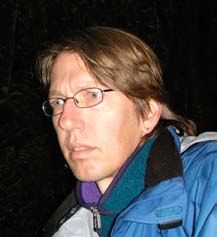
Short Takes
Introducing Our Scientific Advisory Committee
    Behind every great organization is a        credentials as a scientist are impeccable.   the Bronx Zoo, is the leading institution
great team of advisors. Proudly, some           He is an elected Fellow of the American      world-wide for wildlife field research and
of the world’s foremost conservationists        Association for Advancement of               conservation. WCS serves as a model
and academics advise the Department             Science and is the President-Elect of        for the Conservation and Field Research
of Conservation and Field Research.             the American Ornithologists’ Union. He       Department. Dr. Ginsberg is a formidable
The Scientific Advisory Committee is            has received numerous awards for his         conservationist, having conducted years
comprised of four senior biologists – Nigel work on Neotropical migratory birds.             of extensive field work in Africa and led
Collar, John Faaborg,                                                                                         WCS’s Asia and Africa
Joshua Ginsberg and                                                                                           divisions for several years
Susan Kalisz.                                                                                                 before assuming his
    Dr. Nigel Collar is                                                                                       current position.
the Leventis Fellow                                                                                                Dr. Susan Kalisz is a
in Conservation                                                                                               Professor of Biology at the
Biology at BirdLife                                                                                           University of Pittsburgh
International and                                                                                             and a long-serving
Cambridge University                                                                                          National Aviary board
in England. Dr. Collar                                                                                        member. Dr. Kalisz is an
co-founded BirdLife                                                                                           internationally renowned
International, one of                                                                                         specialist in the evolution,
world’s largest NGOs                                                                                          ecology and conservation
dedicated exclusively                                                                                         of flowering plants and
to conservation of bird                                                                                       their communities.
populations worldwide.        Nigel Collar, Ph.D.                      John Faaborg, Ph.D.                    A variety of sources,
Dr. Collar’s knowledge                                                                                        including the US National
of bird conservation                                                                                          Science Foundation, fund
issues is encyclopedic.                                                                                       her research. As a board
He is a first-rate guide                                                                                      member, Dr. Kalisz was
for the National Aviary                                                                                       instrumental in creating
as it chooses new                                                                                             the Conservation and Field
directions and expands                                                                                        Research Department. As
programs.                                                                                                     the scientist in Pittsburgh
    Dr. John Faaborg is                                                                                       most closely associated
a Professor of Biology                                                                                        with the department,
at the University of                                                                                          Dr. Kalisz plays a personal
Missouri. He is one                                                                                           role as mentor, advisor and
of the world’s leading                                                                                        friend to the staff.
avian ecologists                                                                                                  All of these remarkable
and demographers.                                                                                             conservationist scientists
His studies focus                                                                                             help the National Aviary’s
                              Joshua Ginsberg, Ph.D.                   Susan Kalisz, Ph.D.
primarily on how                                                                                              Conservation and Field
bird populations respond to variations          On the Scientific Advisory Committee,        Research program in their own way,
in habitats that occur over time and            Dr. Faaborg is most closely connected to     advising and giving direction related to
space. Dr. Faaborg’s study sites span the       conservation issues of North American        their particular strengths and expertise.
Americas, from North America through            bird populations.                            Their sage advice and dedicated service
the Caribbean and Latin America. He has             Dr. Joshua Ginsberg is Vice President    enable the National Aviary to be on the
maintained the longest avian monitoring         for Conservation Operations at the           forefront of bird conservation worldwide.
program in the hemisphere at Guánica            Wildlife Conservation Society (WCS) in       Thank you, Susan, Joshua, John and Nigel
Forest in Puerto Rico. Dr. Faaborg’s            New York. His organization, also known as    for your vision and inspiration!


                     The Bulletin of the Department of Conservation and Field Research at the National Aviary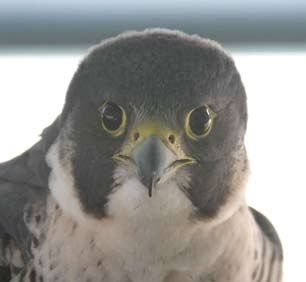
Partnering for Conservation
Creating a Broad Collaboration for Conservation in
Ecuador
Steven Latta, Ph.D.
    South America has more bird species       innovative collaboration was arranged
than any other continent in the world. The    among Latta, the Ministry of the
center of this biodiversity is the Andes      Environment, ETAPA (the city of Cuenca’s
Mountains, which harbor South America’s       municipal company for water supply),
greatest concentration of species not         Dr. Gustavo Chacón and Boris Tinoco of               FlightPath is published for the
                                                                                                  members and benefactors of the
found anywhere else in the world.             the University of Azuay in Cuenca, and
                                                                                                          National Aviary.
Significant numbers of threatened bird        Dr. Catherine Graham of Stony Brook
species call this area home, making it one    University in New York. This collaboration         The National Aviary inspires respect
of the world’s “hotspots of biodiversity.”    calls on all parties to promote bird           for nature through an appreciation of birds.
Like other major biodiversity hotspots        research, education, and capacity building
found near densely populated areas, the       for the conservation of Cajas National Park    Chief Executive Officer: Linda A. Dickerson
tropical Andes region has already suffered    and surrounding ecosystems.                        Director of Conservation and Field
extensive habitat loss.                           The Park’s most prominent ecosystem              Research: Todd Katzner, Ph.D.
                                                                                              Assistant Director of Conservation and
    The National Aviary’s Dr. Steven          is the alpine grass vegetation, which
                                                                                                Field Research: Steven Latta, Ph.D.
Latta is working with diverse partners        is intermixed with scattered patches
in Cajas National Park to provide some        of stunted trees. At lower elevations,                     Editor: Steven Latta
of the scientific background necessary        a mosaic of regenerating pasture,
to manage birds in this vitally important     introduced tree plantations (pine and                     Layout and Design
area. Cajas National Park covers more         eucalyptus), secondary forest fragments        Jan Allen Molly Schachner Todd Katzner

                                                    (bosque altoandino secundario), and
                                                                                                          Contributors
                                                      primary forest (bosque altoandino      Todd Katzner Steven Latta Steven Sarro
                                                Photo: C. Graham

                                                      primario and bosque de quinua) are
                                                      found. With 300 lakes, the Park was        Scientific Advisory Comittee of the
                                                      named an internationally important       Department of Conservation and Field
                                                      RAMSAR wetland site and an                               Research
                                                                                              Nigel Collar, Ph.D. BirdLife International
                                                      Important Bird Area.
                                                                                             John Faaborg, Ph.D. University of Missouri
                                                          Beginning in 2005, the diverse          Joshua Ginsberg, Ph.D. Widlife
                                                      partnership began studies of                      Conservation Society
                                                      bird community composition             Susan Kalisz, Ph.D. University of Pittsburgh
                                                      and bird survival at four sites in
                                                      representative habitats across Cajas            Allegheny Commons West
                                                                                                     Pittsburgh, PA 15212-5248
                                                      National Park. We are studying
                                                                                                            www.aviary.org
                                                      how birds respond to habitat
Cajas National Park, Ecuador                                                                               412-323-7235
                                                      disturbance, checking the health
                                                      of individual birds captured in mist
than 25,000 hectares in the high Andes        nets and monitoring individual birds to
of southern Ecuador. The Park is the first    determine how they survive in similar
Ecuadorian natural reserve administrated      habitats suffering from more or less
by a local government institution through     disturbance by humans.
an innovative decentralization agreement          The partners plan to observe birds
signed with the Ecuadorian federal            to learn how useful human-disturbed                The National Aviary is supported by
                                                                                              individual gifts, grants, the Pennsylvania
government. This decentralized approach       habitats are for birds and other wildlife.
                                                                                              Historical Museum Commission and the
opened the door for broad collaborations      They will also examine how ecosystems               Allegheny Regional Asset District.
among experts interested in helping to        change under scenarios of continued                  E Printed on a recycled paper.
conserve and manage Andean biodiversity.      deforestation and reforestation. In the
    After extensive talks, such an            forest fragments, the researchers are
                                                                       continued on page 6


                      The Bulletin of the Department of Conservation and Field Research at the National Aviary
Human Population and Biodiversity continued from page 1
Under these conditions, birds can serve are effective as an indicator, they should demonstrated how the community of
effectively as an early warning signal for be easier and more economical to birds using re-growing fields and young
changes in habitat conditions. measure than stream insects or other forests changes over time and how the
Evaluating the magnitude of habitat measures of the ecosystem. survival of birds in the older habitats
change and its impact on birds is The Aviary’s Dr. Todd Katzner improves. By comparing results in the
essentially a project to monitor bird has contributed to the use of birds restored sites to results from forests not
numbers. While bird populations may as indicators of habitat change by greatly impacted by humans, the National
change in response to local, regional and developing a novel method of monitoring Aviary’s project will predict how birds
global pressures, monitoring most often bird populations. Fundamentally,
occurs on a local scale. Still, locally-based conservation requires knowing how
Photo: K. Eisermann
monitoring presents its own challenges. many individuals of a threatened
Each project may have different goals species exist. Because many species are
based on different local needs. Variation difficult to capture and count, Katzner
in resources and skills needed for has pioneered non-invasive genetic
monitoring also presents challenges. monitoring protocols for eagles and
For this reason, a variety of monitoring vultures. Katzner and his students collect
programs exists, allowing locally-based feathers that are naturally-shed at roosts
partner organizations to generate results or feeding sites. They extract DNA from Monitoring Birds in Guatemala.
based on their abilities. these feathers to identify individual birds.
The National Aviary uses birds Using these techniques, Katzner and will respond to further gains or losses of
as indicators of ecosystem health in colleagues monitor eagles in Kazakhstan these forests. These results will guide the
many ways. In western Pennsylvania, and vultures in Cambodia as indicators of restoration of forests in national parks
National Aviary researchers use human influences on their environment. and other protected areas.
the Louisiana Waterthrush (Seiurus Finally, on the island of Hispaniola, As increasing human populations
motacilla) to indicate the condition where humans have impacted nearly impact habitats and ecosystems, and
of its stream habitat. Knowing how all natural habitats, the Aviary’s as mankind struggles to conserve
stream pollution and changes in aquatic Dr. Steven Latta uses birds as indicators biodiversity, birds will be increasingly
insect communities affects stream of how useful early-successional scrub valuable as bioindicators of habitat
birds is critical for their conservation and young forests may be as habitat for conditions. Developing new monitoring
and management. In order to be a a variety of songbirds. As agricultural techniques, applying these protocols
useful bioindicator of stream quality, lands are abandoned or protected, most in diverse lands, and designing
differences in water quality must have expect restoration of the former forests management responses for conservation
observable and predictable effects on the to increase the land’s value for wildlife. will continue to be a National Aviary
waterthrush. Furthermore, if waterthrush A recently completed five-year study priority.
Funding Success
Pittsburgh Zoo and PPG Aquarium Supports Telemetry Studies
The Pittsburgh Zoo Conservation American and Caribbean winter habitats from these studies will identify threats
Fund recently made a generous award to of these birds. to this species and other Neotropical
Dr. Steven Latta to support radiotelemetry The Zoo granted funding to purchase migrant and indigenous birds sharing
studies of the Louisiana Waterthrush. radiotelemetry equipment to track the riparian habitats. The data generated
These birds breed in Pennsylvania and individual waterthrush during both the will provide the scientific foundation for
other Eastern states, but their restricted breeding and over-wintering periods. specific conservation actions and will
and often threatened habitat has focused National Aviary researchers will follow supply local residents and land managers
attention on them as a species of individual birds to identify which habitats with critical information needed to
conservation concern. Contamination and they use and what parts of their home conserve these highly threatened
development often threaten the Central ranges are most important. Information habitats.
The Bulletin of the Department of Conservation and Field Research at the National AviaryLinks Across the National Aviary
Penguin Conservation Efforts at the National Aviary
Steven Sarro
At the National Aviary, the Animal To address this alarming situation, experts were sent to Cape Town to help
Programs Department generates the African Penguin SSP is partnering in the penguin recovery efforts. During
conservation initiatives to supplement the with the Southern African Foundation this single oil spill, approximately 44,000
Department of Conservation and Field for the Conservation of Coastal Birds African Penguins were either oiled or had
Research’s work. The National Aviary (SANCCOB), headquartered in Cape to be relocated. The off-shore break-up
supports Aquarium and Zoo Association Town, South Africa. SANCCOB is a of an iron ore freighter that dumped
(AZA) programs called Species Survival wildlife rehabilitation facility dedicated crude oil into the ocean near the penguin
Plans (SSP). SSPs identify animal species to preserving the African Penguin and nesting islands caused this disaster.
of conservation concern and manage the other coastal species through research, Birds affected by this one spill represent
North American captive population. almost one-third of the known population.
Management plans under an SSP Fortunately, SANCCOB and volunteers
include genetic and demographic from around the world were able to
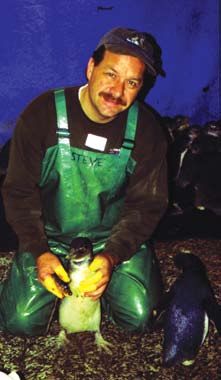
Photo: Steven J. Sarro
considerations necessary to preserve relocate or rehabilitate approximately
the species’ genetic diversity over time. 90% of the affected birds.
The SSP also addresses concerns about The National Aviary has exhibited the
the conservation of wild populations African Penguin for the past five years,
as well as captive management and and has included these birds in education
sustainability issues. The National Aviary programs and as part of its staged avian
supports SSPs for the Andean Condor, presentations. The Aviary also raises
Bali Mynah, Guam Rail, Palm Cockatoo, money to aid penguins as part of its daily
Red-crowned Crane and African Penguin. avian presentations. While one of the
The African Penguin is of particular African Penguins is on-stage, a trained
interest to the National Aviary and to American Crow accepts paper money
Steven J. Sarro, the Aviary’s Director of donated by visitors and stuffs the bills
Animal Programs. Sarro has been the into a donation box.
SSP Coordinator for the African Penguin Proudly, the National Aviary has raised
since 1995. African Penguins inhabit over $11,000 this year and expects
the coastal waters of southern Africa, the total to surpass $15,000 by year’s
nesting on islands and hunting in the end. All of these funds go directly to
fish-rich cold waters. Experts estimated Steven Sarro cleaning oiled SANCCOB to support African Penguin
the penguin population at over 2 million penguins. conservation. The National Aviary is
birds in the last century. Due to human proud to collaborate with SANCCOB and
activities including over-fishing, guano education and rehabilitation. to advance these conservation efforts
harvesting, egg collecting and oil spills, The African Penguin SSP provided in the wild, as well as contributing to the
the population now hovers around only advice and expertise during the 2000 preservation of this amazing species of
150,000 birds. Treasure oil spill, and SSP penguin bird in captive programs.
Partnering for Conservation continued from page 4
evaluating how the size of forest patches Tinoco, the Ecuadorian field supervisor, needed to manage birds in significantly
and their position relative to each other at Point Reyes Bird Observatory (PRBO) in disturbed habitats. National Aviary experts
influences the abundance and movement California. When Boris began his doctoral are also training students, community
patterns of specific species. studies at Stony Brook University, his members and park personnel to monitor
Training new biologists is also an successor also completed training at and manage birds and their habitats. This
important part of this project. We began PRBO with National Aviary support. broad collaboration will translate into
this “capacity building” by training Building on this solid foundation, improved management and conservation
several field assistants in bird monitoring the Aviary’s current conservation goals of Ecuador’s high Andean birds.
protocols and by intensively training Boris focus on generating the scientific tools
The Bulletin of the Department of Conservation and Field Research at the National AviaryMeeting Reports
Wildlife Conservation Society of the Philippines
Attendance at conferences is one this year’s theme – “Human population environmental problems. In each country,
of the key ways that today’s scientists density: Impacts on biodiversity.” different forces drive conservation
disseminate information. Whether these Dr. Todd Katzner, representing the problems and biodiversity loss.
conferences are national or international, Aviary, gave the plenary talk at the Although a potentially thorny topic for
the National Aviary’s credibility and conference on this topic. His seminar an American to address overseas, the
stature depends in part on its attendance compared the human population impacts talk was well received, generating many
at such conferences. on biodiversity by focusing on examples questions and a good discussion among
This spring, the Aviary staff traveled from three countries. These countries participants. On the same trip, Katzner
to the Philippines for the annual meeting included a gradient of population spoke at a smaller meeting hosted by
of the Wildlife Conservation Society densities, ranging from Kazakhstan with one of the world’s largest conservation
of the Philippines (WCSP) and for a a low population density, to the USA organizations, Conservation International.
workshop to establish best practices for with a moderate (and growing) human His talk focused on the Philippine Eagle’s
conservation of Philippine Eagles. The population density, to the Philippines importance as a species in need of
National Aviary was a primary sponsor for with an extremely high human population landscape-scale conservation actions.
the WCSP meeting, and it helped to select density. Each country faces unique
Support Our Work!
The Department of Conservation and Field Research (DCFR) private donors, whose support is crucial to the department’s
of the National Aviary depends on external support to reach our continued success. Because of our endowment, donors can be
conservation goals. Current funding comes from a variety of assured that 100% of their funds will be used for conservation
sources, with our most significant support provided by the Avian and no monies will be spent on salaries or overhead costs.
Conservation Endowment. Donations to DCFR or to specific projects can be made
In addition to these endowment funds, the department online at www.aviary.org, or by contacting our staff. Please also
attracts external funds for its projects. A significant portion remember the National Aviary in your year-end giving.
of this external funding is provided through the generosity of
Notes from the Field continued from page 1
and natural systems are particularly Falcons, Bald Eagles, osprey and other in Milwaukee, Wisconsin!
interesting. As human populations and birds are rising dramatically. So, that is why I was wondering how
the impact of our consumption grow, we The National Aviary, together with we would climb up to that super-high
must find ways to minimize our impacts the Pennsylvania Game Commission, is peregrine nest. I’m happy to say that
on wildlife. Birds, especially birds of prey, working to manage our local falcons to eventually we did make it to the birds.
are excellent indicators of how humans ensure that their populations continue to In the course of the last few years, I’ve
impact the world. grow. Every year, we assist in the banding become something of a bridge-climbing
Declines in bird populations of the birds nesting on Pittsburgh’s addict. Whenever we climb, a PennDOT
probably mean that we are harming our buildings. Now, with the addition of birds crew always accompanies us. Still, bridge
environment, and if we don’t change nesting on bridges, we are climbing under peregrines are not for the faint of heart or
our actions humans also will suffer the these bridges trying to band every chick for the acrophobic.
consequences. The decline of Peregrine that we find. Bands become critically Our bridge hikes are high above the
Falcon populations occurring midway important for tracking populations and water, usually on a narrow catwalk, and
through the last century resulted from understanding the demography of this we often meet defensive adult peregrines.
man’s overuse of the pesticide DDT. recovering population. For example, Nevertheless, these climbs offer the
The pesticide and its residues caused because of her bands, we know that the unique opportunity to see these amazing
dramatic declines in populations of female peregrine that bred this year at birds up close in the wilds of the urban
many birds of prey. Now that DDT is no the Cathedral of Learning hatched in jungle and contribute significantly to their
longer overused, populations of Peregrine 1999 from the nest at the Firstar Center management and conservation.
The Bulletin of the Department of Conservation and Field Research at the National AviarySecure online donations at www.aviary.org.
Field Research at the National Aviary.
of the Department of Conservation and
You can support the goals and projects
Penguin Conservation
Our Scientific Advisors
Birds as Indicators
IN THIS ISSUE
PERMIT NO. 3316 www.aviary.org
PITTSBURGH, PA Pittsburgh, PA 15212-5248
PAID 600 West Ohio Street
U.S. POSTAGE
Allegheny Commons West
NON-PROFIT ORG.
and Field Research
Department of Conservation
Short Takes
Designing the Dominican Birding Trail
Hispaniola supports more than funding to develop and publicize the nature trails and other prime birding
300 bird species, including 31 unique Dominican Birding Trail. locations. Project organizers will produce
endemics (birds found nowhere else This project will promote birdwatching, a book describing the birding trail,
in the world) and 35 over-wintering locally-based economic development and including site descriptions, maps, driving
Neotropical migratory bird species. and walking directions, expected bird
Original art by B.K. Mackay
Some of the birds are found in few species and recommendations for food
other places in the world during winter. and accommodations. A laminated fold-
Considering the rapid habitat destruction out map will serve as an introduction to
in the Dominican Republic and Haiti, it is the sites and their indigenous birds. All of
important to increase local appreciation these materials will also be placed on the
for birds and other wildlife in order to internet for global promotion.
sustain a healthy ecosystem. This project seeks to increase
With Steven Latta’s recent publication birdwatching opportunities and bolster
of the first complete field guide to the economic impact from birdwatching
the birds of the Dominican Republic and ecotourism. With public outreach
and Haiti, an increased interest in promoting birdwatching and conservation,
Golden Swallows
birdwatching on the island emerged. the National Aviary hopes to stimulate
To act on this immediate opportunity, conservation by identifying 60-80 sites local economic development. This will
the US Fish and Wildlife Service across the Dominican Republic, including increase support for site-protection and
awarded Latta and collaborators from Watchable Wildlife Sites, Important Bird engender a conservation ethic in the
the Hispaniolan Ornithological Society Areas, Alliance for Zero Extinction sites, Dominican Republic.
The Bulletin of the Department of Conservation and Field Research at the National AviaryYou can also read


