Foamy Bark Canker A New Insect-Disease Complex on Coast Live Oak in California Caused by Western Oak Bark Beetle and Geosmithia sp.
←
→
Page content transcription
If your browser does not render page correctly, please read the page content below
Foamy Bark Canker
 A New Insect-Disease Complex on Coast Live
Oak in California Caused by Western Oak Bark
          Beetle and Geosmithia sp.

Shannon Lynch1,2, Suzanne Rooney-Latham3, Akif Eskalen2
            1. Center for Conservation Biology, UC Riverside
    2. Department of Plant Pathology and Microbiology, UC Riverside
            3. California Department of Food and Agriculture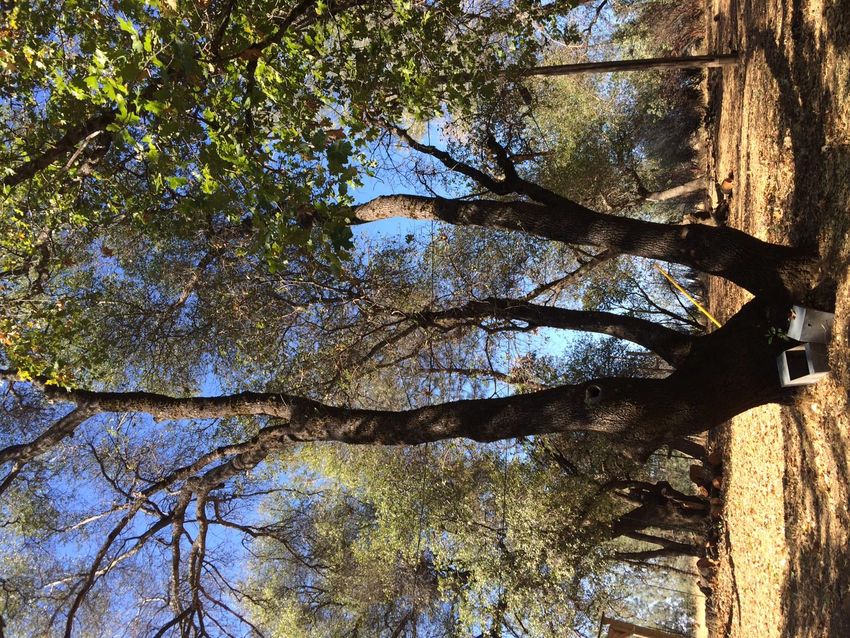
Background
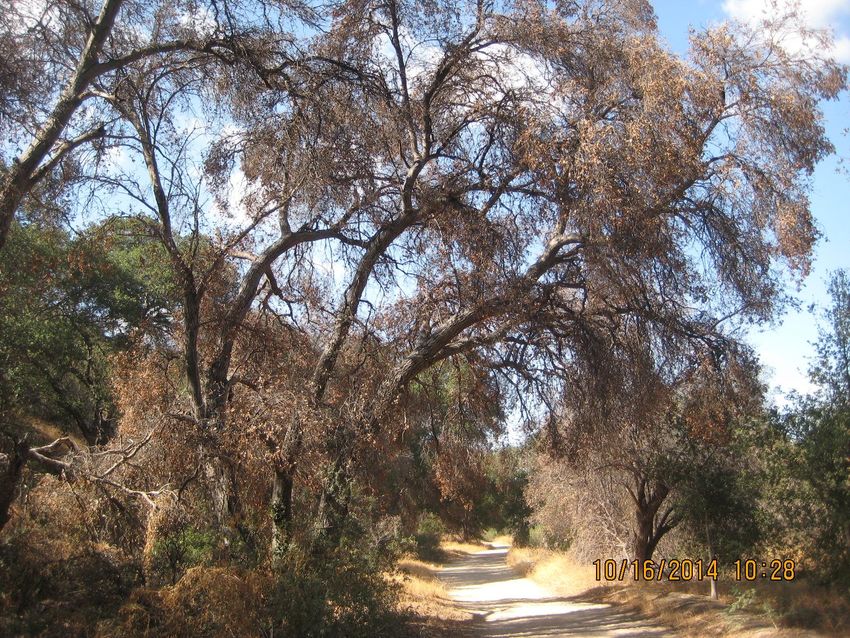
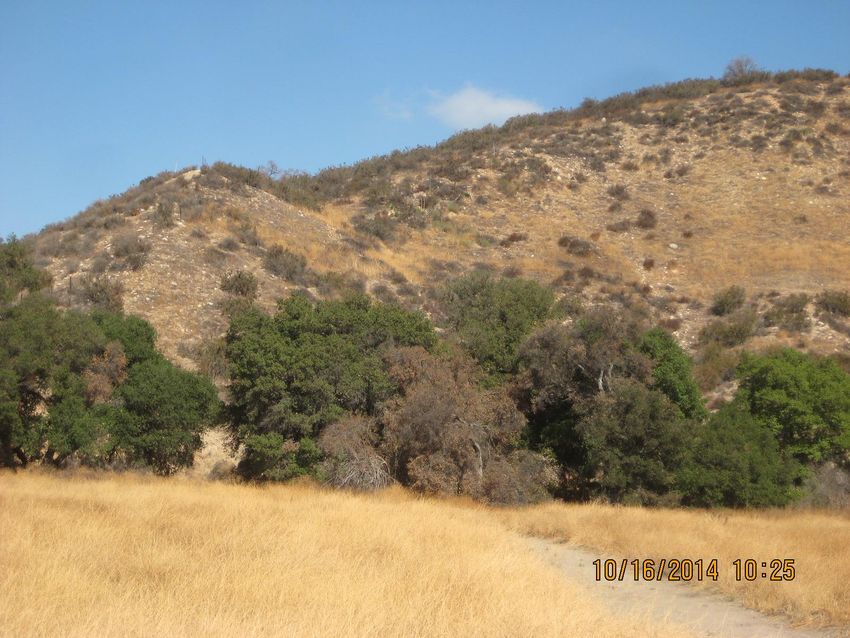
• A decline of coast live oak in California has been observed
  since late 2012 throughout urban landscapes and private
  lands in Los Angeles, Orange, Riverside, Santa Barbara,
  Ventura and Monterey counties
Foamy Bark Canker on Coast Live Oak

        Photo: Robert Sartain, Santa Clarita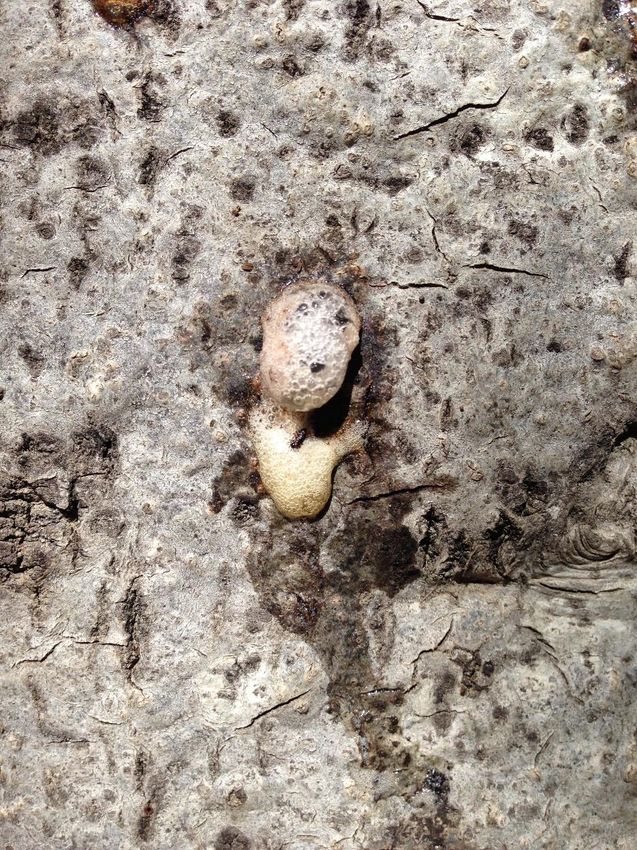
Foamy Bark Canker on Coast Live Oak

           Photo: Robert Sartain, Santa Clarita
     Santa Clarita, Los Angeles County CA
                  Open Space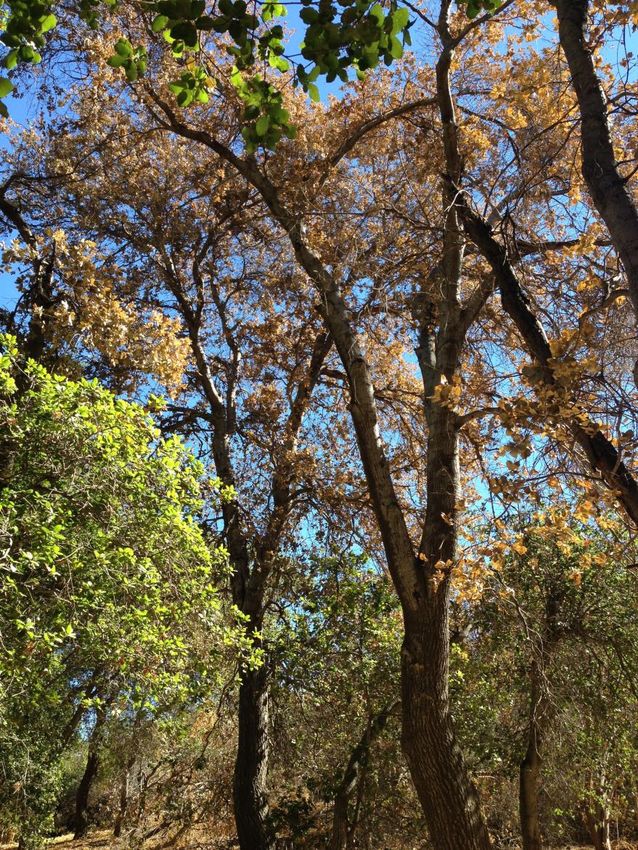
Foamy Bark Canker on Coast Live Oak

     Santa Clarita, Los Angeles County CA
                Private Property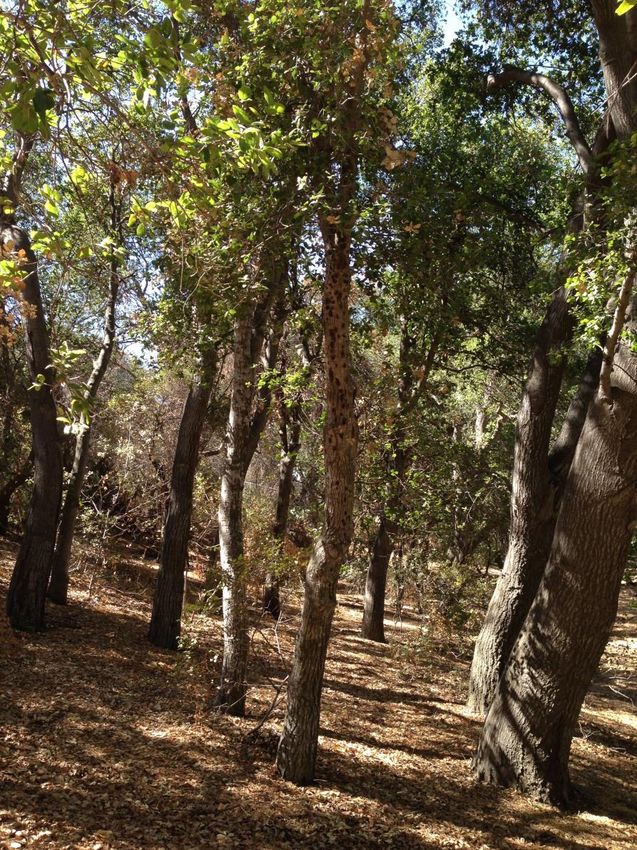
Foamy Bark Canker on Coast Live Oak

     Santa Clarita, Los Angeles County CA
                Private Property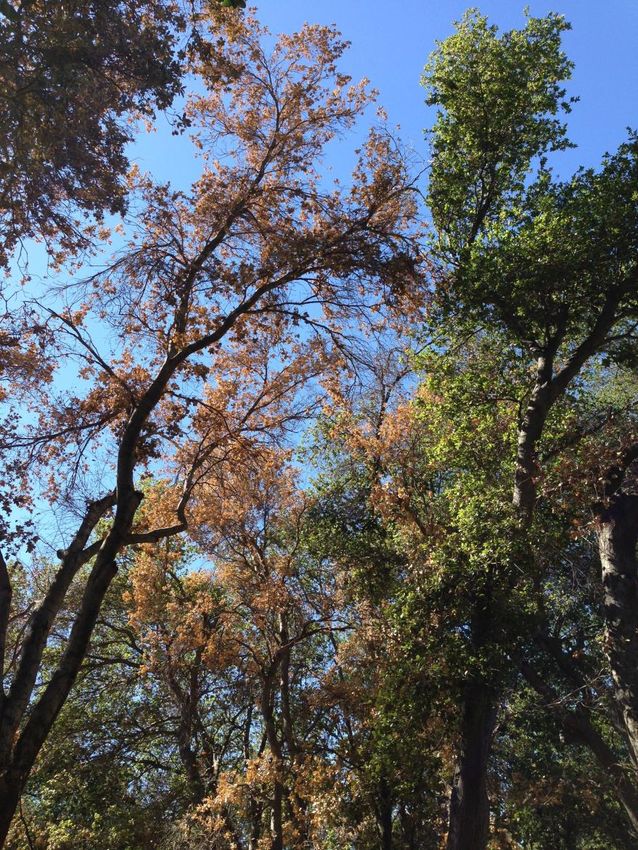
Foamy Bark Canker on Coast Live Oak

                     Thousands Oaks,
                      Ventura County
                     Private Property
Foamy Bark Canker on Coast Live Oak

Photo Credit: Bruce Schaar   San Mateo County
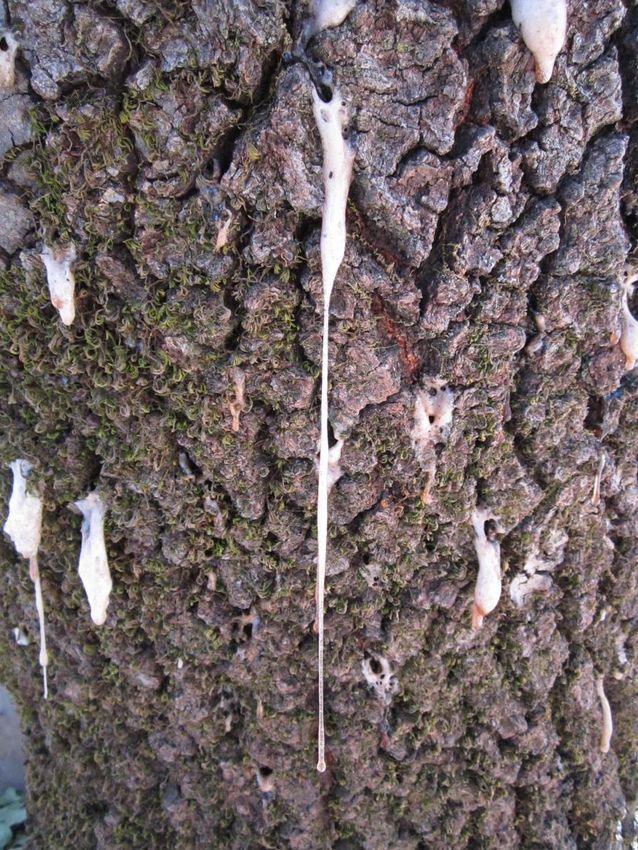
Foamy Bark Canker on Coast Live Oak

       Arroyo Grande, San Louis Obispo County
Photo Credit: Dawn Fluharty Private Property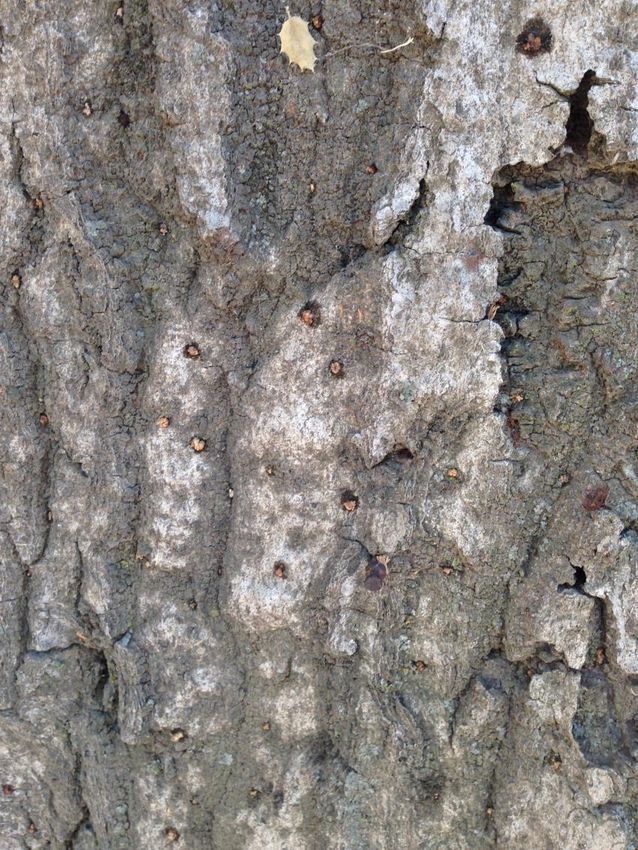
Western Oak Bark Beetle

                   •Morphological ID:
                      •Dr. Robert
                      Rabaglia USDA
                      Forest Service

                   •Molecular ID:
                      •Stouthamer lab
                      UCR
                      •94% Match
                      based on COI
                      gene
Fungus and Beetle Association
Geosmithia sp.
Geosmithia sp. conidiophore Geosmithia sp. conidiaArea of Detection in California
Q. wislizeni
Q. agrifolia +
Q. rubra
Confirmed by UCR
Confirmed by CDFAMaximum likelihood Oak687
Oak1068
Oak1527
phylogeny based on ITS 65
Oak1489
Oak1180
Oak520
sequences 94
Oak1131
Oak1132
Geosmithia fassatiae
Oak1179
Oak1151
HF546338 Geosmithia fassatiae
HF546275 Geosmithia fassatiae
HF546272 Geosmithia fassatiae
56 61
HF546270 Geosmithia fassatiae
Oak1518
Oak1298
KJ513212 Geosmithia flava
89
KJ513211 Geosmithia flava
Geosmithia flava
77 KJ513208 Geosmithia flava
KJ513209 Geosmithia flava
HE604153 Geosmithia sp.
91 HE604152 Geosmithia sp.
Geosmithia sp.
94 HE604143 Geosmithia sp.
HE604134 Geosmithia sp.
KF914640 Geosmithia langdonii
KF808298 Geosmithia langdonii
Geosmithia langdonii
98 KF808297 Geosmithia langdonii
HF546356 Geosmithia langdonii
HF546281 Geosmithia pallida
HF546342 Geosmithia pallida
64
HF546311 Geosmithia pallida
HF546253 Geosmithia pallida
CDFA1654 Redoak
100
TOakwobb2075 CL
CDFA1580859-2 CL
Geosmithia pallida
HF546351 Geosmithia pallida
HF546349 Geosmithia pallida
65
Oakwobb2208 CL
Oakwobb2209 CL
Oakwobb2210 CL
AM4210771 Geosmithia sp.
UCR2897 Geosmithia lavendula
92 Geosmithia lavendula
KF808300.1|Geosmithia lavendula
99
KF808300.1 Geosmithia lavendulaGeosmithia pallida complex
Kolarik et. al in press
• G. pallida is a complex of more species, but in the strict
sense has previously been detected on oak species in
Europe only.
• Identified G. pallida as Geosmithia sp. 41 recovered from
Quercus spp. and other hosts associated with P. pubipennis
and other beetles in CA in 2009
• ITS sequences of our isolates match with Geosmithia sp. 41
• Did not observe FBC symptoms, presuming the trees were
over-run with P. ramorum
• Brief remarks from oaks sampled in non-infested P.
ramorum standsSymptoms of Foamy Bark Canker
Quercus wislizeni

        Photo: Jessica Honeycutt from El Dorado Co. Dept of Ag.
Symptoms of Foamy Bark Canker
Symptoms of Foamy Bark Canker
Symptoms of Foamy Bark Canker
Phloem necrosis and xylem streaking caused by the fungus

     Thousand Oaks, CA               Santa Barbara, CA
WOBB Galleries Branch Trunk
The beetle burrows in the phloem to the level of the cambium where
          she constructs ~2 cm galleries against the grain

                                                                     1-2 cm
                                At one end of these primary galleries, the
                                female lays eggs, then builds a secondary
                                gallery half way up and dies
Larval Galleries Parent Gallery
Fungal grows within the secondary gallery walls.
Photo: Suzanne LathamPathogenicity Test
9 A
8
vascular necrosis (cm)
7
6
5
4
3
2
1 B
0
Geosmithia pallida Control
Average extent of vascular necrosis (cm) produced in Q. agrifolia shoots artificially
inoculated with G. pallida.Conclusions • Geosmithia sp. 41 (Kolarik et al. in press) was consistently recovered from cankered tissues of Q. agrifolia associated with western oak bark beetle from different locations in CA • The fungus was directly isolated from P. pubipennis and its gallery walls • Earliest detection of the fungus is 2009 • Pathogenicity of Geosmithia sp. 41 was confirmed by conducting Koch’s postulates. • Preliminary data suggest that the beetle collected from FBC infested trees is a cryptic species, but a larger sample size (populations and loci) is needed to determine the precise taxonomic status of P. pubipennis. • Drought stressed trees may be prone to attack by WOBB • Fungal growth appears to girdle the plant, causing branch dieback and tree death
Conclusions
• Geosmithia sp. 41 (Kolarik et al. in press) was consistently
  recovered from cankered tissues of Q. agrifolia associated
  with western oak bark beetle from different locations in CA
• The fungus was directly isolated from P. pubipennis and its
  gallery walls
• Earliest detection of the fungus is 2009
• Pathogenicity of Geosmithia sp. 41 was confirmed by
  conducting Koch’s postulates.
• Preliminary data suggest that the beetle collected from FBC
  infested trees is a cryptic species, but a larger sample size
  (populations and loci) is needed to determine the precise
  taxonomic status of P. pubipennis.
• Drought stressed trees may be prone to attack by WOBB
• Fungal growth appears to girdle the plant, causing branch
  dieback and tree death
Conclusions
• Geosmithia sp. 41 (Kolarik et al. in press) was consistently
  recovered from cankered tissues of Q. agrifolia associated
  with western oak bark beetle from different locations in CA
• The fungus was directly isolated from P. pubipennis and its
  gallery walls
• Earliest detection of the fungus is 2009
• Pathogenicity of Geosmithia sp. 41 was confirmed by
  conducting Koch’s postulates.
• Preliminary data suggest that the beetle collected from FBC
  infested trees is a cryptic species, but a larger sample size
  (populations and loci) is needed to determine the precise
  taxonomic status of P. pubipennis.
• Drought stressed trees may be prone to attack by WOBB
• Fungal growth appears to girdle the plant, causing branch
  dieback and tree death
Conclusions
• Geosmithia sp. 41 (Kolarik et al. in press) was consistently
  recovered from cankered tissues of Q. agrifolia associated
  with western oak bark beetle from different locations in CA
• The fungus was directly isolated from P. pubipennis and its
  gallery walls
• Earliest detection of the fungus is 2009
• Pathogenicity of Geosmithia sp. 41 was confirmed by
  conducting Koch’s postulates.
• Preliminary data suggest that the beetle collected from FBC
  infested trees is a cryptic species, but a larger sample size
  (populations and loci) is needed to determine the precise
  taxonomic status of P. pubipennis.
• Drought stressed trees may be prone to attack by WOBB
• Fungal growth appears to girdle the plant, causing branch
  dieback and tree death
Conclusions
• Geosmithia sp. 41 (Kolarik et al. in press) was consistently
  recovered from cankered tissues of Q. agrifolia associated
  with western oak bark beetle from different locations in CA
• The fungus was directly isolated from P. pubipennis and its
  gallery walls
• Earliest detection of the fungus is 2009
• Pathogenicity of Geosmithia sp. 41 was confirmed by
  conducting Koch’s postulates.
• Preliminary data suggest that the beetle collected from FBC
  infested trees is a cryptic species, but a larger sample size
  (populations and loci) is needed to determine the precise
  taxonomic status of P. pubipennis.
• Drought stressed trees may be prone to attack by WOBB
• Fungal growth appears to girdle the plant, causing branch
  dieback and tree death
Conclusions
• Geosmithia sp. 41 (Kolarik et al. in press) was consistently
  recovered from cankered tissues of Q. agrifolia associated
  with western oak bark beetle from different locations in CA
• The fungus was directly isolated from P. pubipennis and its
  gallery walls
• Earliest detection of the fungus is 2009
• Pathogenicity of Geosmithia sp. 41 was confirmed by
  conducting Koch’s postulates.
• Preliminary data suggest that the beetle collected from FBC
  infested trees is a cryptic species, but a larger sample size
  (populations and loci) is needed to determine the precise
  taxonomic status of P. pubipennis.
• Drought stressed trees may be prone to attack by WOBB
• Fungal growth appears to girdle the plant, causing branch
  dieback and tree death
Conclusions
• Geosmithia sp. 41 (Kolarik et al. in press) was consistently
  recovered from cankered tissues of Q. agrifolia associated
  with western oak bark beetle from different locations in CA
• The fungus was directly isolated from P. pubipennis and its
  gallery walls
• Earliest detection of the fungus is 2009
• Pathogenicity of Geosmithia sp. 41 was confirmed by
  conducting Koch’s postulates.
• Preliminary data suggest that the beetle collected from FBC
  infested trees is a cryptic species, but a larger sample size
  (populations and loci) is needed to determine the precise
  taxonomic status of P. pubipennis.
• Drought stressed trees may be prone to attack by WOBB
• Fungal growth appears to girdle the plant, causing branch
  dieback and tree death
Future Work
• Determine taxonomic status of the beetle with more loci
• Further identify the life cycle of the beetle (number of
  generations per year, etc.)
• Diet tests to determine function of the fungus in the life cycle
  of the beetle
• Inoculation trials to characterize disease progress in the
  greenhouse
• Identify olfactory cues that attract the beetle to trees
• Compare water potential between infested and non-infested
  trees
• Monitor distribution and impact of pest/disease
Acknowledgements
Miroslav Kolarik: Academy of Sciences of the Czech Republic
Kim Corella, CalFire
Robert Sartain: Oak Specialist, Santa Clarita
Melody Lardner, USDA, Forest Service
Brian Carrera: Arborist, Santa Barbara and San Louis Obispo
Phil Cannon, USDA, Forest Service
Robert Rabaglia: USDA Forest Service Entomologist
Tom Roberts: Pest Control Advisor, Ventura and Santa Barbara County
Rebecca Latta: Arborist, Los Angeles County
You can also read


