Fool Me Twice - Vital Strategies
←
→
Page content transcription
If your browser does not render page correctly, please read the page content below

NCD ADVOCACY REPORT

Fool Me
Twice
                 With tactics perfected by
                 the tobacco industry over
                 the last 50 years, multinational
                 food, beverage and alcohol
                 companies are working to deter,
                 delay and derail policies that
                 save millions of lives.

                 LET’S NOT BE FOOLED AGAIN.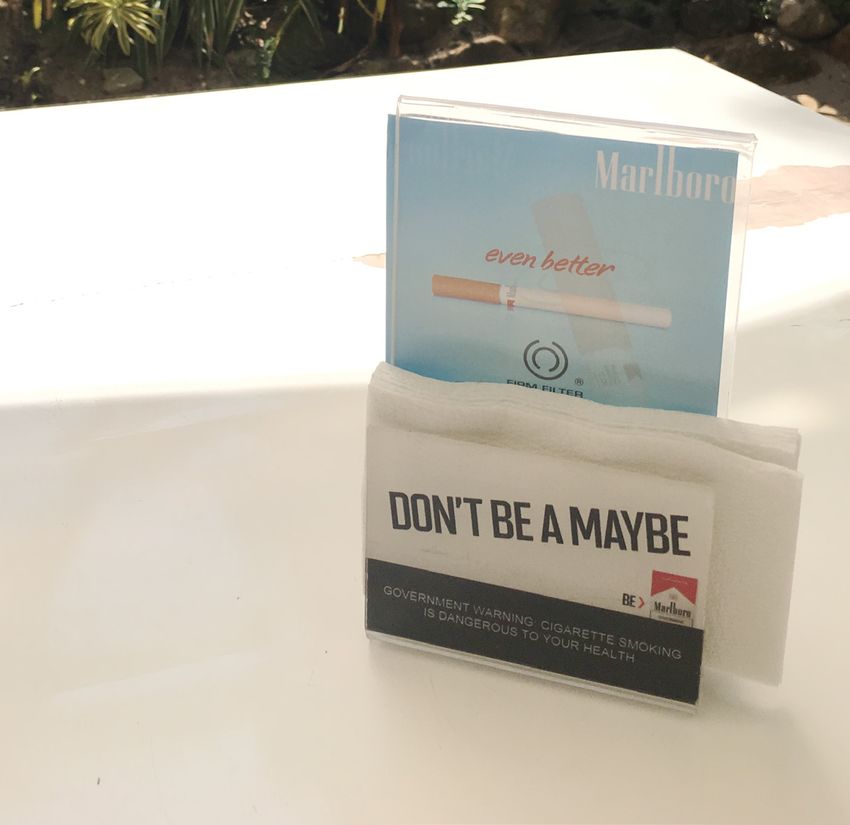
Multinational food, soda and alcohol giants are
employing the same tactics that made tobacco
a pariah in the global public health conversation
nearly two decades ago.

Corporate food, soda and alcohol giants, whose
products undermine health and wellbeing,
shouldn’t be given the chance to derail or
impede progress on fighting noncommunicable
diseases (NCDs).

This report offers evidence that the same
unacceptable practices used by the tobacco
industry are being employed by the food
and alcohol mega-industries and argues that
governments should consider policies to curtail
such influence on public health policy. Decades
of tobacco control show the alternative is
millions of preventable deaths.
“Fool me once,
 shame on you.
 Fool me twice,
 shame on me.”
Just like the tobacco industry,
the food, soda and alcohol
industries are driving the 21st
century’s deadly NCD pandemic.

                    Tobacco   Unhealthy
                                          Alcohol
                      Use       Diet

 Heart Disease
  and Stroke

    Cancer

    Diabetes

    Chronic
  Lung Disease

  Annual Deaths
                     7m[1]      3.4m[2]    3.3m[3]
(latest reported)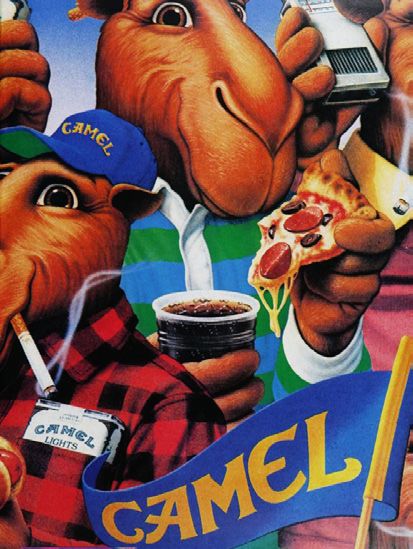
Increased consumption of processed
foods and drinks — those containing high
levels of added sugars, salt and fats —
tracks closely with rising levels of obesity,
diabetes and cardiovascular diseases
across the world.[4]

82%                        2.1
of premature NCDs,
such as diabetes,
occur in low- and
                           billion
                           people are obese or
middle-income              overweight.[6]
countries.[5]

42 million
children under age 5 are obese or
overweight.[5] 3/4 of these children
live in developing countries.[6]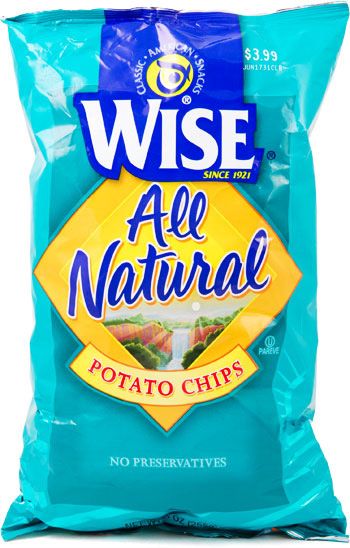
The largest food, beverage and alcohol companies are using
the tobacco industry’s deadly strategies to block progress
on health interventions at each step in the policy process:

                                                   1                                                   2
 POLICY PROCESS

                                        RESEARCH                                                POLICY

                             Effective policy relies on independent              Research drives effective policy,
                               science to identify the causes and              such as strong marketing restrictions.
                                 solutions to health problems.

                                     Promoting Junk Science                              Threatening Job Losses
                                 A systematic review found that industry-        As support for South Africa’s proposed sugar tax
                               funded studies on the relationship between
 INDUSTRY INTERFERENCE

                                                                                 grew, the beverage industry warned of a massive
                                 sugar-sweetened beverages and weight              blow to employment, despite a 2017 National
                                gain or obesity were “five times more likely          Treasury study suggesting otherwise.[8]
                                   to present a conclusion of no positive
                                 association” than independent studies.[7]
                                                                                     Promoting Voluntary Guidelines
                                                                               The alcohol industry’s “Drink Responsibly” campaigns
                                                                                   — used for 30 years — are the centerpiece of
                                                                               voluntary guidelines for alcohol but lack evidence of
                                                                                                 effectiveness.[9]

                                                                                     Emphasizing Personal / Parental
                                                                                       Responsibility Arguments
                                                                                 When asked about the food industry’s role in the
                                                                                emerging obesity problem, the President of the U.S.
                                                                                National Restaurant Association denied culpability,
                                                                                 saying, “Just because we have electricity doesn’t
                                                                                    mean you have to electrocute yourself.” [10]

                         Just under a dozen giant, powerful multinational companies have
                         the clout to block effective policies that reduce consumption of
                         unhealthy products.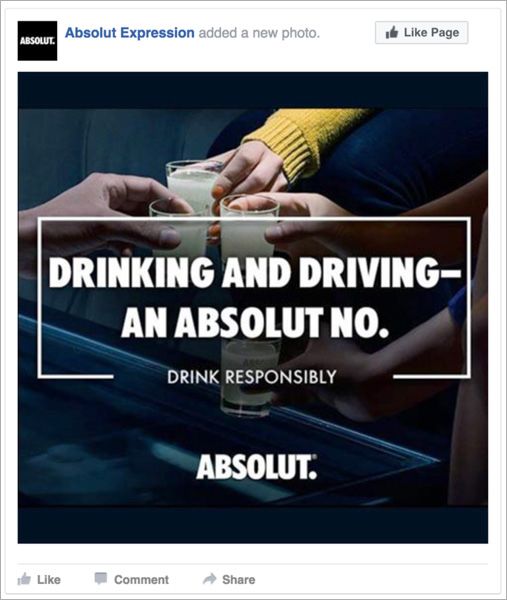
3                                                    4
               AD OPTION                                      IMPLEMENTATION

Proposed policies are taken up by governments          Lives are saved when effective policies are
       through the political process.                        put into practice and enforced.

                                                           Challenging Existing Legislation
        Undercutting Health Legislation                   The food industry used intellectual property
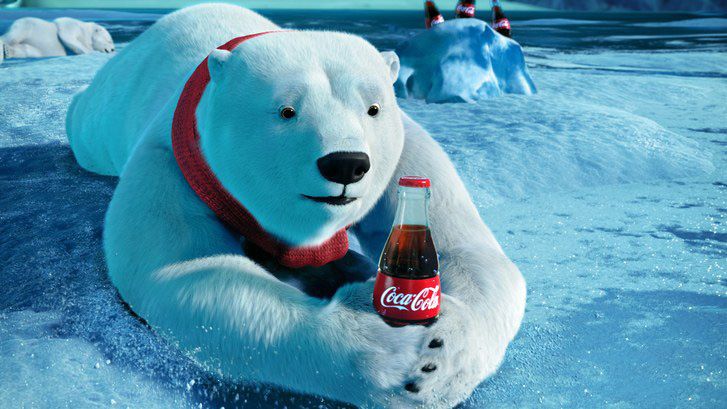
      Coca-Cola waged a coordinated campaign to          and trade arguments to lobby against legislation
      oppose or undermine legislation on soda taxes        passed in Chile that required simple food
                   in 14 countries.[11]                      labels alerting consumers to high levels
                                                                      of fat, sugar and salt.[12]

                                                          Pressuring Low and Middle Income
                                                                      Countries
                                                          When Barbados passed a tax on sugary drinks,
                                                          a United States delegation led by a former U.S.
                                                           governor, flew to Barbados to try to convince
                                                            the Prime Minister and Ministry of Health to
                                                           reverse the tax, offering help in “other ways”
                                                                           with NCDs.[13]

          With their political and economic might, the soda industry has stopped or
           stalled soda tax efforts in Russia, Germany, Israel and New Zealand.[14]

                                                                                                            Fool Me Twice 7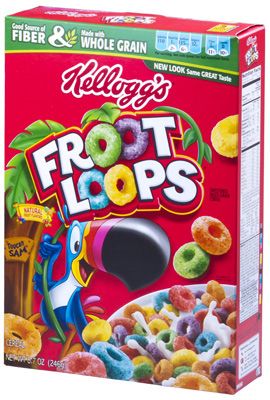
The challenge of the 21st century is upon us — a challenge that cuts to
            the core of public health, as well as social and economic progress.[1]

            Today, nearly three out of four deaths worldwide are attributed to NCDs (chronic
            diseases that include cancer, diabetes, heart disease and chronic lung disease) which
            already kill 39.5 million people a year.[6]

            Among the indisputable causes of this pandemic are multinational food, beverage
            and alcohol companies, who systematically undermine healthy diets by encouraging
            over-consumption of highly processed, unhealthy food and sugary drinks for profit.[15, 16]
            In the past year, academics, health advocates and the World Health Organization
            (WHO) have begun to refer to the challenge these industries present as “commercial
            determinants of health.”

            As with tobacco, patterns of marketing unhealthy products were developed in
            high-income countries and later deployed to low- and middle-income nations.[16]
            It is here that the biggest burden of NCDs exists — in countries whose health
            systems are the least likely to be able to cope with the growing NCD burden or to
            have regulations in place to protect consumers.[17]

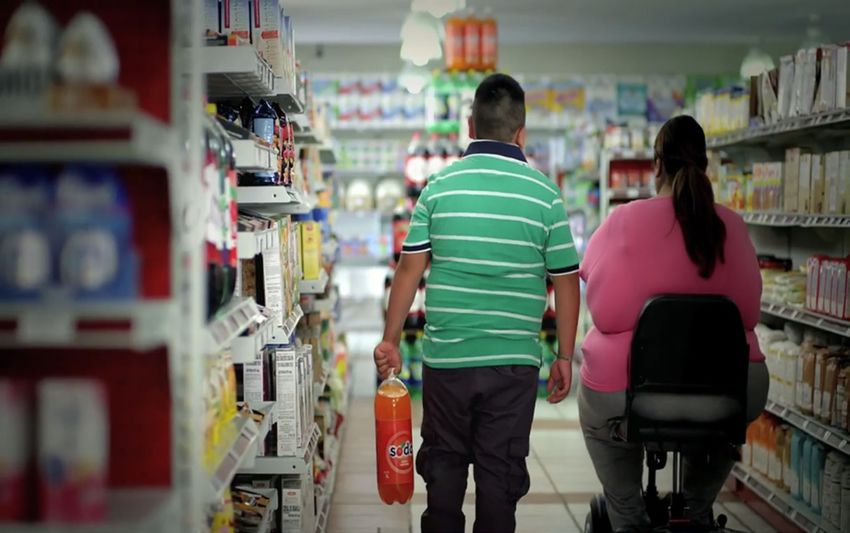
            These industry giants use strategies that include flooding the markets of Mexico and
            South Africa with soda, concentrating advertising for unhealthy foods around schools
            in the Philippines and marketing beer to young women in Taiwan.[18, 20] They also work
            to block WHO policy guidelines that protect children.[19-21]

            Just as tobacco companies market their products to young people and entice them
            to smoke with sophisticated advertising, soda and alcohol marketing locks in “loyal”
            customers from a young age, putting the next generation at ever greater risk for
            obesity, alcohol dependence and preventable deadly diseases.[16, 22-25]

                                                                             Alcohol in fruity flavors and cartoons
                                                                             are likely to attract young women
                                                                             in Taiwan.

8 Fool Me Twice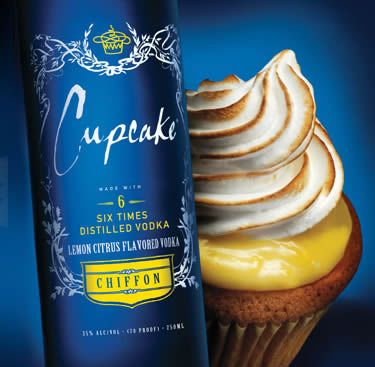
Obesity is considered one of the most serious public health problems of this
century.[24] Two billion people are overweight or obese today, including 42 million
children under the age of five.[16, 27, 28] If nothing is done, this number is expected
to balloon to 70 million overweight young children by 2025.[26] Soda — which is high
in calories and without nutritional value — is cited as the largest contributor to
added sugar in the American diet.[29] It is a leading driver of obesity, diabetes and
heart disease in both adults and children.[16]

Alcohol consumption is also associated with NCDs including cardiovascular
diseases, some cancers, diabetes and liver disease, and is implicated in car
crashes, suicides, homicides, domestic violence and mental and behavioral
disorders.[32] The younger individuals are when they start drinking, the greater
the likelihood that they will suffer from alcohol dependence.[30, 31]

The largest food, beverage and alcohol industries push voluntary guidelines as
a strategy to avoid effective government regulation such as taxes, labeling and
marketing restrictions — all WHO “Best Buys.” Industry tactics include aggressive
lobbying, undermining independent science, litigation and employing front groups
to fight their battles.[15] In addition, industry-promoted voluntary guidelines, codes
of conduct and partnerships with governments and civil society are often used
to avoid or delay legal regulation.[23] There is scant evidence that self-regulatory
approaches are effective.[15]

The strongest players are a small number of multinational companies with the
resources, influence and reach to delay health policy progress on national and
international levels. These companies control much of the world’s food and
beverage supply:

• Fewer than a dozen enormous companies control almost every large food and
  beverage brand in the world.[32]

• PepsiCo, Nestlé, McDonald’s and eight other global giants have combined
  revenue of US $397 billion.[33]

• A third of global beer sales are controlled by Anheuser-Busch InBev SA/NV,
  an amount that is expected to reach $55 billion in annual sales this year.[34]

                                                                                     Fool Me Twice 9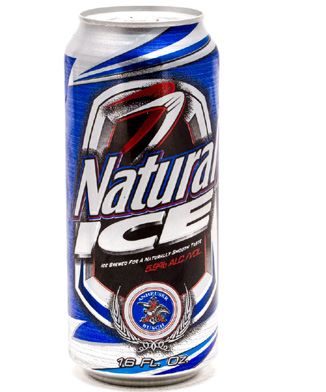
• Carbonated soft drinks are a $350-billion-a-year market.[6]

             • Nestlé is among the top three packaged food companies in Brazil, India, Russia,
               South Africa, Mexico and the United States.[15]

              ith massive budgets at their disposal, food, beverage and alcohol industries
             W
             are able to co-opt, manipulate and block government action, using their clout to
             deter the very policies designed to limit consumption of their products.

             Often, these industries rely on the same strategic playbook that was perfected
             by the tobacco industry. But while a non-engagement policy forbids the tobacco
             industry a role within WHO, multinational alcohol and unhealthy food and
             beverage industries have continued to consult with WHO on international policy,
             especially when it comes to NCDs. Alcohol and food and beverage industry trade
             groups and lobbyists attended the most recent WHO Global Conference on
             NCDs in Montevideo, Uruguay during the fall of 2017.

             Countries including India have taken the position that the same restrictions that
             keep tobacco from a role in the creation of health policy should be extended
             to big food, beverage and alcohol industries. These countries cite a conflict of
             interest between the industry’s need to maximize profits and WHO’s mandate to
             advance public health.[35]

             It’s time for global health advocates to accept that, like tobacco; food, soda and alcohol
             giants’ interest in growing their bottom lines often impedes public health priorities.[36]

             Allowing industry to delay or defer progress on the NCD epidemic
             will result in millions more premature and preventable deaths and
             disabling diseases.

10 Fool Me Twice
CALL TO ACTION
Drawing on the hard-learned lessons of tobacco
control, let’s commit now to curbing the influence of
multinational food, soda and alcohol on health policy.
RECOMMENDATIONS
• Reversing the NCD pandemic will require strong regulation: Countries
must be able to develop and implement sound regulatory policies, as
outlined by WHO, to protect their citizens — without risk of interference
from commercial interests.
• WHO, the UN system and member states should not allow multinational
food, beverage and alcohol companies to engage in NCD policy
development or formulation. Nor should they accept money from
these sectors.
• Transparent and robust conflict-of-interest policy at the international and
national level is needed when it comes to food, beverage and alcohol
industry giants.
• NCD prevention and policy must be driven by uncompromised,
independent research and evidence.
Fool Me Twice 11Partnerships, Self-Regulation and Reformulation
There are times when it is appropriate and important to work in tandem with food
and beverage industries. For instance, once government regulations are enacted,
the implementation of warning labels on packaging requires industry cooperation.
However, research shows that letting industry drive policy solutions usually leads
to ineffective or weakened policy, at best.[38]
These mega-industries remain adept at shifting the conversation away from
WHO-endorsed, effective, evidence-based policies that protect public health.
This, despite the knowledge that, as seen in Chile for instance, measures such
as clear food labels, not only encourage healthier choices by consumers, but
pressure industry to create healthier products.[39]
In the United Kingdom, voluntary initiatives to reduce salt intake in order to
combat hypertension through product reformulation have contributed to
reducing overall levels of salt consumption.[38] But researchers in both the U.S.
and the UK share concerns about voluntary systems as a solution. They cite
the disproportionate level of power that voluntary guidelines cede to industry
and highlight the need for time-bound commitments, as well as monitoring and
enforcement.[40] In other countries, including Canada and Argentina, voluntary
approaches to salt reduction have been considered a failure.[41]
In addition, while reformulation might be a worthwhile strategy in high-income
countries, saturated with unhealthy products, it is not wise in low-income
countries, where local diets are traditionally healthier than those western diets
dependent on heavily processed food.
“Despite common reliance on industry self-regulation [and public-
private partnerships], there is no evidence of their effectiveness
or safety.”
– The NCD Action Group of The Lancet [42]
12 Fool Me TwiceAs the tobacco industry has shown, having multinational
food, soda and alcohol companies at the table will
increase their profits — not improve global health.
“Efforts to prevent non-communicable
diseases go against the business interests
of powerful economic operators. In my
view this is one of the biggest challenges
facing health promotion…it is not just
Big Tobacco anymore. Public health must
also contend with Big Food, Big Soda and
Big Alcohol. All of these industries fear
regulation, and protect themselves by
using the same tactics.”
– Dr. Margaret Chan
Former Director General, WHO
2006 — 2017 [37]
“When the history of the world’s attempt to address obesity
is written, the greatest failure may be collaboration with, and
appeasement of, the food industry”
– Kelly Brownell,
Dean, Stanford School of Public Policy, Duke University [43]
Fool Me Twice 13At the very best, working with mega food,
beverage and alcohol industries is likely to lead
to ineffective or compromised policies.[44]
TACTIC:
TARGETING CHILDREN, DECEIVING CONSUMERS
Like tobacco, giant food, soda The global beverage industry spends
and alcohol companies oppose billions on advertising to entice young
regulations by adopting self- consumers but blames individuals
enforced voluntary guidelines. Each that use their products for not
industry promises not to target practicing self-control or making
children, yet they commonly pursue healthy decisions.
products, marketing channels and
messages that appeal to youth. Multinational food and beverage
companies are adept at deceiving
consumers into believing their
products are healthier than they
are. One way they do this is by using
marketing terms like “natural” that
sound healthful but are meaningless.
14 Fool Me TwiceTACTIC:
COMBATTING POLICIES THAT EFFECTIVELY REDUCE NCDS
In Mexico the beverage industry
filed legal proceedings to block taxes
on unhealthy products, claiming the
policy was unconstitutional.[45–47]
TACTIC:
OFFERING QUESTIONABLE ASSISTANCE TO GOVERNMENTS
Governments often partner with
the alcohol industry on road safety
efforts and industry-branded school-
based programs with little or no
evidence that these partnerships
are effective in reducing the harmful
use of alcohol.[48, 49] Such programs
provide the false appearance
that governments are adequately
addressing the issue.
Effective for reducing alcohol harms or a
branding strategy?
Fool Me Twice 15Tobacco and WHO: A brief history of non-engagement
Multinational beverage, food and alcohol
industries use many of the same tactics that
got the tobacco industry banned from WHO’s
policy discussions.
TOBACCO: BANNED FROM GLOBAL POLICY MAKING
More than 50 years ago, the U.S. Surgeon General’s Report on Smoking and Health
recognized that tobacco was, much like a mosquito, a vector of an emerging health
epidemic. Since then, curbing tobacco use to improve health has become a role for
governments worldwide.[50]
Early “partnerships” between governments and the tobacco industry
undermined public health goals and delayed effective regulations.
The end of any relationship between the tobacco industry and WHO came in 1999,
when a review of tobacco company documents pointed to a systematic global
effort by the tobacco industry to “neutralize” the WHO and national governments.[51]
A WHO-appointed committee found that the tobacco industry regarded WHO
as “one of their leading enemies, and that the industry had a plan to ‘contain’ and
‘reorient’ WHO’s tobacco control initiatives” by: [52]
• Attempting to reduce WHO budgets for their scientific and policy activities [52]
• Pitting other UN agencies against WHO [52]
• Distorting the results of critical scientific studies on tobacco, including a multi-
million-dollar campaign to undermine an epidemiological study on the link
between secondhand smoke and lung cancer [52]
• Paying “independent” academic institutions, consultants and journalists to
undermine WHO’s credibility and question its “mission and mandate”[52]
16 Fool Me TwiceRecognizing the inherent conflict of interest in the mission of the tobacco industry and
the aims of public health, along with the evidence of tobacco industry interference,
WHO created a policy on non-engagement with the tobacco industry. Also, in 2003,
the World Health Assembly adopted article 5.3 of the WHO Framework Convention
on Tobacco Control (FCTC) to quarantine the tobacco industry from health policy
development. The treaty wisely excludes the tobacco industry from any involvement
in public health policy decisions with this phrase:
“The tobacco industry should not be a partner in any initiative linked to setting or
implementing public health policies, given that its interests are in direct conflict
with the goals of public health.” [51, 53]
Today, the sugary beverage industry uses these same tactics to subvert WHO and
deter policy progress. Earlier this year, BevSA, South Africa’s beverage industry
association, misled the media about WHO’s position on soda taxes.[54] BevSA
falsely told the media that WHO did not support a proposed soda tax, before WHO
officials were able to present expert testimony at a public hearing on the tax.[54]
Fool Me Twice 17Effective policies for NCD Control
PRICING
POLICIES
Tobacco Tobacco taxes
Alcohol Alcohol taxes
Taxes on foods
high in sugar, fat,
Diet salt and calories
Credits: HealthBridge, World Health Organization
18 Fool Me TwiceMARKETING
ACCESS
RESTRICTIONS
Ban point of sale
advertising and other Make work places
advertising, promotion smoke free
& sponsorship
Ban point of sale
Reduce the number of
advertising and other
outlets and hours that
advertising, promotion,
alcohol can be sold
& sponsorship
Ban unhealthy food
Ban sales of soft drinks &
ads on children’s TV
fast food at schools and
programming; consider
health centers
other advertising
Fool Me Twice 19Comparing Tactics
Tobacco, food, soda and alcohol use the same tactics to delay effective health policy.
SIMILIARITIES
COMPANY TACTICS
BETWEEN INDUSTRIES
Obscure and deflect Diverting attention from evidence-based solutions by using scare
tactics and tangential issues in order to evade regulation
Undercut the science Using large research budgets to undermine and create doubt around
credible science that links their products to poor health
Undermine the World Health Attacking WHO’s credibility — the very reason that the tobacco
Organization industry was removed from policy discussion at WHO
Push voluntary guidelines Pushing for ineffective voluntary guidelines in the face of statutory
regulations. Voluntary codes have “very little evidence of effect” and
are considered by “a clear failure” by some researchers.[63] [64]
Use “personal/parental Pushing the responsibility for unhealthy habits onto consumers allows
responsibility” arguments these industries to argue against regulations.
20 Fool Me TwiceTOBACCO INDUSTRY MULTINATIONAL FOOD, SODA
TACTICS AND ALCOHOL TACTICS
Highlights illegal distribution and cross-border smuggling Coca-Cola provided funds to the Global Energy Balance
to deter policies on raising taxes and other effective Network, which publicly supported science claiming obesity
regulations. is determined more by a lack of exercise than by diet.[55]
Publicly attacked a 1981 landmark study that showed The Sugar Association spent $655,000 on 17 studies designed
Japanese women whose husbands smoked had much higher “to maintain research as a main prop of the industry's
death rates from lung cancer.[56] Meanwhile, internal tobacco defense.” Each proposal was vetted by a panel of industry-
industry memos acknowledged the study was done by “a friendly scientists and a committee staffed by representatives
good scientist...and his publication was correct.”[57] from the sugar and international food industries.[58 - 61]
A 2000 investigation requested by the General Director WHO estimates have placed alcohol’s role in the global
of WHO, showed that the tobacco industry attempted to burden of disease on par with tobacco. But an alcohol-
reduce WHO budgets for scientific and policy activities. It industry-funded organization published its own report that
also found that the industry pitted UN agencies against WHO focused on the limitations of the study, falsely claiming
and waged a multi-million-dollar campaign to undermine an that the estimates had failed to consider different drinking
epidemiological study on secondhand smoke.[52] patterns.[62]
While the tobacco industry denies that it targets youth, Studies across 19 countries from Australia to Ghana show
after R.J. Reynolds launched cartoon “Joe Camel” as the the alcohol industry does not follow its own voluntary
face of the Camel brand of cigarettes in 1987, demand codes and guidelines for marketing and advertising.[66]
grew from less than 1% to 32.8% of underage purchasers in
four years.[65]
At the 1996 shareholders meeting of cigarette and food “If all consumers exercised, did what they had to do, the
manufacturer RJR Nabisco, Chairman Charles Harper problem of obesity wouldn’t exist.” —Indra Nooyi, CEO
responded to a question about secondhand smoke’s impact of PepsiCo.[6]
on children by saying, “If the children don’t like to be in a
smoky room...they’ll leave.” When a woman responded, “An
infant cannot leave,” Mr. Harper responded, “At some point
they can learn to crawl, okay?” [67]
Fool Me Twice 21Comparing Tactics
SIMILIARITIES
COMPANY TACTICS
BETWEEN INDUSTRIES
Bring lawsuits to deter Waging costly legal battles against much needed regulation that
and intimidate protect children
Deploy front groups Several industries use farmers as political props, even though the
benefits of farming a cash crop such as sugar or tobacco are offset
by food insecurity, sustained debt, indentured work, environmental
damage and poverty.
Target children These industries, while saying they don’t, often target children with
their marketing.
22 Fool Me TwiceTOBACCO INDUSTRY MULTINATIONAL FOOD, SODA
TACTICS AND ALCOHOL TACTICS
In Uruguay, Philip Morris International sued the government In Mexico, the beverage industry filed legal proceedings to
for $25 million for a practical and effective public health block taxes on unhealthy products.[45 –47]
intervention to discourage pregnant women and others from
smoking: printing large pictorial warnings on cigarette packs. Philip
Morris’ budget dwarfs Uruguay’s gross domestic product.[68]
Tobacco growers from Malawi and other African countries In 2015, when negotiating US-Mexico sugar trade, sugar
were brought in by the tobacco industry to protest industry lobbyists on both sides of the border evoked
when tobacco control policy was being discussed at sugar farmers as vulnerable subjects in order to avoid trade
international WHO meetings.[69] restrictions.[70]
Marlboro links smoking with being adventurous, taking risks Alcohol advertisements are found online, on Snapchat,
and trying new things, with their global “Don’t be a maybe” Youtube, Facebook and Instagram — where children and
campaign. young people spend much of their time.[71]
Fool Me Twice 23References
1. WHO, Tobacco, fact sheet, updated May 2017, http://www.who.int/ of global producers in increased consumption of unhealthy commodities
mediacentre/factsheets/fs339/en/ [access date: November 21, 2017] including processed foods, alcohol, and tobacco. PLoS medicine.
2012;9(6):e1001235.
2. Ng. M., Fleming, T., Robinson, M., Thomson, B., Graetz, N., et al. (2014). Global,
regional, and national prevalence of overweight and obesity in children 17. World Health Organization. (2017). Noncommunicable diseases: the slow
and adults during 1980–2013: a systematic analysis for the Global Burden of motion disaster. Available from: http://www.who.int/publications/10-year-
Disease Study 2013. The Lancet,. The Lancet, 384, 766- 781. review/ncd/en/.
3. World Health Organization. (2016). Global report on Diabetes. Available 18. Weissmann, J. (2013, September 16). The Insidious Genius of Hello Kitty-
from: http://apps.who.int/iris/bitstream/10665/204871/1/9789241565257_ Branded Beer. The Atlantic. Retrieved from https://www.theatlantic.com/
eng.pdf business/archive/2013/09/the-insidious-genius-of-hello-kitty-branded-
beer/279709/
4. World Health Organization. (2015). Management of substance abuse:
Alcohol. Available from: http://www.who.int/substance_abuse/facts/ 19. Boseley, S. (2003). Political context of the World Health Organization: sugar
alcohol/en/. industry threatens to scupper the WHO. International journal of health
services : planning, administration, evaluation, 33(4), 831-833.
5. W
orld Health Organization. (2014). Global Status Report on
Noncommunicable Diseases Switzerland: World Health 20. Kelly, B., King, L., Jamiyan, B., Chimedtseren, N., Bold, B., Medina, V.M., et al.
Organization. Available from: http://apps.who.int/iris/ (2015). Density of outdoor food and beverage advertising around schools
bitstream/10665/148114/1/9789241564854_eng.pdf?ua=1. in Ulaanbaatar (Mongolia) and Manila (The Philippines) and implications for
policy. Critical Public Health, 25(3), 280.
6. Taylor, A. L., and Jacobson, M. F. (2016). Carbonating the World: The
Marketing and Health Impact of Sugar Drinks in Low- and Middile- 21. Vera Herrera, R. (2015) The global south has free trade to thank for its
Income Countries. Available from: https://cspinet.org/sites/default/files/ obesity and diabetes epidemic. The Guardian. Available from: http://www.
attachment/Final%20Carbonating%20the%20World.pdf. theguardian.com/commentisfree/2015/apr/06/global-south-has-free-
trade-to-thank-obesity-diabetes-epidemic.
7. Bes-Rastrollo M., Schulze M. B., Ruiz-Canela M., & Martinez-Gonzalez,
M. A. (2013). Financial conflicts of interest and reporting bias regarding 22. R
eilly, M. T., Noronha, A., Goldman, D., & Koob, G. F. (2017). Genetic
the association between sugar-sweetened beverages and weight gain: studies of alcohol dependence in the context of the addiction
a systematic review of systematic reviews. PLoS Med, 10(12), e1001578; cycle. Neuropharmacology, 122(Supplement C), 3-21. doi:https://doi.
dicsussion e1001578. doi:10.1371/journal.pmed.1001578 org/10.1016/j.neuropharm.2017.01.017
8. Green, A. (2017). Sugar tax: Job losses far lower than projected by industry. 23. Schulte, E.M., Avena, N.M., Gearhardt, A.N. (2015). Which foods may be
Health 24. addictive? The roles of processing, fat content, and glycemic load. PloS
one, 10(2): e0117959.
9. Smith, K. C., Cukier, S., Jernigan, D. H. (2014). Defining strategies for
promoting product through ‘drink responsibly’ messages in magazine ads 24. B
owman, S. A., Gortmaker, S. L., Ebbeling, C. B., Pereira, M. A., & Ludwig,
for beer, spirits and alcopops. Drug and alcohol dependence, 142, 168-73. D. S. (2014). Effects of Fast-Food Consumption on Energy Intake and Diet
Quality Among Children in a National Household Survey. Pediatrics,113(1),
10. H
olguin, J. (2002). Battle of the Widening Bulge. CBS News. Retrieved from 112-118. doi:10.1542/peds.113.1.112
http://www.cbsnews.com/news/battle-of-the-widening-bulge/.
25. Sadeghirad, B., Duhaney, T., Motaghipisheh, S., Campbell, N. R., & Johnston,
11. Healthy Food America. (2016). Industry Watch. 1(1), 1-5. Available from: B. C. (2016). Influence of unhealthy food and beverage marketing on
https://d3n8a8pro7vhmx.cloudfront.net/heatlhyfoodamerica/pages/276/ children’s dietary intake and preference: a systematic review and meta-
attachments/original/1486074052/IndustryWatch_v4_.pdf?1486074052. analysis of randomized trials. Obesity Reviews,17(10), 945-959. doi:10.1111/
12. L ey de Alimentos – Nuevo etiquetado de alimentos. (2016, June 23). obr.12445
Ministerio de Salud. Available from http://web.minsal.cl/ley-de-alimentos- 26. World Health Organization. (2015). Interim Report of the Commission on
nuevo-etiquetado-de-alimentos/ Ending Childhood Obesity Geneva, Switzerland. Available from: http://
13. The Barbados Advocate. (2016) CNCDs challenge being tackled directly. www.who.int/end-childhood-obesity/interim-report-for-comment/en/.
14. Jacobs, A., & Richtell, M. (2017, November 13). She Took On Colombia’s 27. UNICEF/World Health Organization/World Bank Organization. (2016).
Soda Industry. Then She Was Silenced. New York Times. Retrieved from Levels and Trends in Child Malnutrition. Available from: http://www.who.
https://www.nytimes.com/2017/11/13/health/colombia-soda-tax-obesity. int/nutgrowthdb/jme_brochure2016.pdf?ua=1.
html Moodi,e R., 28. World Health Organization. (2017). Obesity and overweight. Available from:
15. Moodie R., Stuckler, D., Monteiro, C., Sheron, N., Nea,l B., Thamarangsi, T., et http://www.who.int/mediacentre/factsheets/fs311/en/.
al. (2013). Profits and pandemics: prevention of harmful effects of tobacco, 29. Popkin, B. M., & Hawkes, C. (2016). The sweetening of the global diet,
alcohol, and ultra-processed food and drink industries. Lancet, 381(9867), particularly beverages: patterns, trends and policy responses for diabetes
670-679. prevention. The Lancet. Diabetes & Endocrinology, 4(2), 174–186. http://doi.
16. Stuckler D, McKee M, Ebrahim S, Basu S. Manufacturing epidemics: the role org/10.1016/S2213-8587(15)00419-2.
24 Fool Me Twice30. C
rews, F. T., Vetreno, R. P., Broadwater, M. A., & Robinson, D. L. (2016). 45. Suprema Corte de Justicia de la Nación. (2015). PRIMERA SALA DECLARA
Adolescent Alcohol Exposure Persistently Impacts Adult Neurobiology CONSTITUCIONAL ARTÍCULO QUE GRAVA LA IMPORTACIÓN Y LA
and Behavior. Pharmacological Reviews, 68(4), 1074–1109. http://doi. ENAJENACIÓN DE BEBIDAS AZUCARADAS 2015. Available from: http://
org/10.1124/pr.115.012138 www2.scjn.gob.mx/red2/comunicados/noticia.asp?id=3037.
31. OECD. (2015). Tackling Harmful Alcohol Use Economics and Public Health 46. Vela, D.S. (2015). Impuesto a importación de bebidas azucaradas
Policy. Paris OECD Publishing. doi 10.1787/9789264181069 es constitucional: SCJN: El Financiero. Available from: http://www.
elfinanciero.com.mx/nacional/impuesto-a-importacion-de-bebidas-
32. T
aylor, K. (2016). “These 10 Companies Control Everything You Buy”. azucaradas-es-constitucional-scjn.html.
Business Insider. Available from: http://www.businessinsider.com/10-
companies-control-the-food-industry-2016-9/#kelloggs-1. 47. E
l Universal. (2015). Suprema Corte declara constitucional gravamen
a refrescos. Available from: http://www.eluniversal.com.mx/nacion-
33. International Food & Beverage Alliance. (2017). International Food & mexico/2015/corte-constitucional-gravamen-refrescos-1080163.html.
Beverage Alliance: Our Members: International Food & Beverage Alliance.
Available from: https://ifballiance.org/about/members/. 48. Landon, J., Lobstein, T., Godfrey, F., Johns, P., Brookes, C., & Jernigan, D.
(2016). International codes and agreements to restrict the promotion of
34. Buckley, T. (2016). Anheuser-Busch InBev Clinches $103 Billion SABMiller harmful products can hold lessons for the control of alcohol marketing.
Deal. Bloomberg Markets. Available from: https://www.bloomberg.com/ Addiction, 112, 102-108. doi:10.1111/add.13545
news/articles/2016-09-28/sabmiller-investors-give-go-ahead-for-103-
billion-megabrew-deal. 49. Pantani, D., Peltzer, R., Cremonte, M., Robaina, K., Babor, T., & Pinsky, I. (2017).
The marketing potential of corporate social responsibility activities:
35. Third World Network.(2015). WHO - Partial agreement on engagement the case of the alcohol industry in Latin America and the Caribbean.
policy with industry. Available from: http://www.twn.my/title2/health. Addiction, 112, 74-80. doi:10.1111/add.13616
info/2015/hi151016.htm.
50. US Department of Health, Education, and Welfare. (1964). Smoking and
36. Babor, T. F., Jernigan, D., Brookes, C., & Brown, K. (2017). Toward a public Health: Report of the Advisory Committee to the Surgeon General of the
health approach to the protection of vulnerable populations from the Public Health Service Washington, D.C.1964. Available from: http://profiles.
harmful effects of alcohol marketing. Addiction,112, 125-127. doi:10.1111/ nlm.nih.gov/ps/retrieve/Narrative/NN/p-nid/60/p-docs/true.
add.13682
51. World Health Organization. (2015). WHO Framework Convention on
37. Chan, M. (2013, June 10). Opening address. Address presented at Tobacco Control WHO 2015. Available from: http://www.who.int/fctc/en/.
8th Global Conference on Health Promotion in Finland, Helsinki.
Available from: http://www.who.int/dg/speeches/2013/health_ 52. Zeltner, T., Kseeler, D., Martiny, A., Randera, F. (200). Tobacco Company
promotion_20130610/en/. Strategies to Undermine Tobacco Control Activities at the World Health
Organization: Report of the Committee of Experts on Tobacco Industry
38. Monteiro, M. G., Babor, T. F., Jernigan, D., & Brookes, C. (2017). Alcohol Documents. Available from: http://www.who.int/tobacco/policy/who_
marketing regulation: from research to public policy. Addiction, 112, 3-6. inquiry/en/print.html.
doi:10.1111/add.13660
53. World Health Organization. (2008). Guidelines for implementation of
39. Associated Press. (2016). “Chile Seeks to Fight Obesity With Food Labeling Article 5.3 of the WHO Framework Convention on Tobacco Control: on
Law.” Available from: https://www.voanews.com/a/chile-seeks-to-fight- the protection of public health policies with respect to tobacco control
obesity-with-new-food-labeling-law/3395681.html from commercial and other vested interests of the tobacco industry.
40. Jahiel, R. I., and Babor, T. F. (2007), Industrial epidemics, public health Available from: http://www.who.int/fctc/guidelines/article_5_3.pdf?ua=1.
advocacy and the alcohol industry: lessons from other fields. Addiction, 54. Africa News Agency. (2017). BevSA welcomes WHO decision not to
102: 1335–1339. doi:10.1111/j.1360-0443.2007.01900.x endorse sugar tax. Available from: http://www.enca.com/south-africa/
41. World Health Organization. (2014). Policy Brief: Reducing the use of salt in bevsa-welcomes-who%E2%80%99s-decision-not-to-endorse-sugar-tax.
the food industry to lower sodium consumption. Available at: http://www. 55. O’Connor, A. (2015, August 9). Coca-Cola Funds Scientists Who Shift Blame
who.int/nmh/ncd-coordination-mechanism/Policybrief34.pdf. for Obesity Away From Bad Diets. New York Times. Available from: https://
42. Ottersen, O. P., Dasgupta, J., Blouin, C., Buss, P., Chongsuvivatwong, V., Frenk, well.blogs.nytimes.com/2015/08/09/coca-cola-funds-scientists-who-
J., . . . Scheel, I. B. The political origins of health inequity: prospects for shift-blame-for-obesity-away-from-bad-diets/
change. The Lancet, 383(9917), 630-667. doi:10.1016/S0140-6736(13)62407-1 56. Bero, L. A. (2005). Tobacco industry manipulation of research. Public
43. World Health Organization. (2017). Updated Appendix 3 of the WHO Health Reports, 120(2), 200–208.
Global NCD Action Plan 2013-2020. Available from: http://www.who.int/ 57. Wells, J.K., III. (July 24, 1981). Smoking and Health - Tim Finnegan
ncds/governance/appendix3-update/en/ [Memorandum]. Brown & Williamson Tobacco Corp. Available from:
44. Hawkins, B., Holden, C., Eckhardt, J., & Lee, K. (2016). Reassessing policy https://www.industrydocumentslibrary.ucsf.edu/tobacco/docs/hpcc0040
paradigms: A comparison of the global tobacco and alcohol industries.
Global Public Health, 1-19. doi:10.1080/17441692.2016.1161815
Fool Me Twice 2558. T
he Sugar Association INC. (1977). The Sugar Association Brochure.
Available from: https://s3.amazonaws.com/s3.documentcloud.org/
documents/441454/the-sugar-association-brochure-january-1977.pdf.
59. T
aubes, G., Couzens, C.K. (2012). Big Sugar’s Sweet Little Lies.
Mother Jones. Available from: http://www.motherjones.com/
environment/2012/10/sugar-industry-lies-campaign.
60. T
he Sugar Association INC. (1977). Annual Meeting of the Board of
Directors. Chicago, Illinois, 1977. Available from: https://s3.amazonaws.
com/s3.documentcloud.org/documents/484689/schedule-of-expenses-
board-of-directors-meeting.pdf.
61. The Sugar Association INC. (1978). Annual Meeting of the Board of
Directors Washington, D.C., 1978. Available from: https://s3.amazonaws.
com/s3.documentcloud.org/documents/472497/research-program-
funding-schedule-may-1978.pdf.
62. J ernigan, D. H. (2012). Global Alcohol Producers, Science, and Policy: The
Case of the International Center for Alcohol Policies. American Journal of
Public Health, 102(1), 80–89. http://doi.org/10.2105/AJPH.2011.300269
63. Roberto, C. A., Swinburn, B., Hawkes, C., Huang, T. T. K., Costa, S. A., Ashe,
M., . . . Brownell, K. D. Patchy progress on obesity prevention: emerging
examples, entrenched barriers, and new thinking. The Lancet, 385(9985),
2400-2409. doi:10.1016/S0140-6736(14)61744-X
64. Swinburn, B., Kraak, V., Rutter, H., Vandevijvere, S., Lobstein, T., Sacks, G., . .
. Magnusson, R. Strengthening of accountability systems to create healthy
food environments and reduce global obesity. The Lancet, 385(9986),
2534-2545. doi:10.1016/S0140-6736(14)61747-5.
65. D
iFranza, J. R., Richards, J. W., Jr, Paulman, P. M., & et al. (1991). Rjr
nabisco's cartoon camel promotes camel cigarettes to children.
JAMA, 266(22), 3149-3153. doi:10.1001/jama.1991.03470220065028.
66. N
oel, J. K., Babor, T. F., & Robaina, K. (2016). Industry self-regulation of
alcohol marketing: a systematic review of content and exposure research.
Addiction, 112, 28-50. doi:10.1111/add.13410
67. Brownell, K. D., & Warner, K. E. (2009). The Perils of Ignoring History:
Big Tobacco Played Dirty and Millions Died. How Similar Is Big Food?
The Milbank Quarterly, 87(1), 259–294. http://doi.org/10.1111/j.1468-
0009.2009.00555.x.
68. Philip Morris Sues Uruguay Over Graphic Cigarette Packaging. (2014,
September 15). NPR. Retrieved from http://www.npr.org/sections/
goatsandsoda/2014/09/15/345540221/philip-morris-sues-uruguay-over-
graphic-cigarette-packaging .
69. W
orld Health Organization. (2011). Conference of the Parties to the WHO
Framework Convention on Tobacco Control IV. Available from: http://
apps.who.int/gb/fctc/PDF/cop4/FCTC_COP4_REC1.pdf
70. A
merican Sugar Alliance. (2015, October 20). U.S. Government Rules
Against Mexican Sugar Industry in Trade Case [Press release]. Retrieved
from https://sugaralliance.org/u-s-government-rules-against-mexican-
sugar-industry-in-trade-case
71. de Bruijn, A., Engels, R., Anderson, P., Bujalski, M., Gosselt, J., Schreckenberg,
D., . . . de Leeuw, R. (2016). Exposure to Online Alcohol Marketing and
Adolescents’ Drinking: A Cross-sectional Study in Four European Countries.
Alcohol and Alcoholism, 51(5), 615-621. doi:10.1093/alcalc/agw020
26 Fool Me TwiceFool Me Twice 27
Vital Strategies is a global health organization that believes every
person should be protected by a strong public health system.
Our team combines evidence-based strategies with innovation to
help develop and implement sound public health policies, manage
programs efficiently, strengthen data systems, conduct research,
and design strategic communication campaigns for policy and
behavior change.

ACKNOWLEDGMENTS

This paper was written by Rebecca Perl and Stephen
Hamill with invaluable assistance from Sunny Jeong, Laura
Brotzman, Christina Curell, Alena Matzke and Trish Cotter.

Editors:
Tracey Johnston, Stewart Sinclair, Karen Valby and
Sally Chew

Design by Sarah Tan, Johnny Hsu and Stephen Hamill

Special thanks to Sandra Mullin, Nandita Murukulta,
Samkelo Luthuli, Alexey Kotov, Michael Jacobson, Allyn
Taylor, Jessica Leighton, Gyorgy Scrinis, Judith Watt,
Francis Thompson, Maisha Hutton and Paula Johns.
You can also read


