PROGRAM OF STUDIES - Gateway High School 2020-2021
←
→
Page content transcription
If your browser does not render page correctly, please read the page content below

Gateway High School
    2020-2021

PROGRAM OF STUDIES
GATEWAY SCHOOL DISTRICT

          MEMBERS OF THE GATEWAY BOARD OF EDUCATION
                                Mrs. Mary Beth Cirucci - President
                               Mr. Richard McIntyre- Vice President
                                         Mr. Paul Caliari
                                       Mrs. Susan DeLaney
                                       Mr. Scott Gallagher
                                       Mr. Brian Goppman
                                          Mr. John Ritter
                                       Mrs. Valerie Warning
                                        Mr. Scott Williams

                            CENTRAL ADMINISTRATION
Dr. William Short                                                             Superintendent of Schools
Dr. Guy Rossi                                                                  Assistant Superintendent
Dr. Dennis Chakey                                                              Assistant Superintendent
Mrs. Heather Bungard                                                              Director of Special Ed
Ms. Susan Asti                                                                  Supervisor of Special Ed

                GATEWAY HIGH SCHOOL ADMINISTRATION
Mr. Justin G. Stephans                                                                              Principal
Dr. John Fournier (10th & 12th grades)                                                    Assistant Principal
Mr. Michael Barlak (9th & 11th grades)                                                    Assistant Principal

                                 SCHOOL COUNSELORS
Dr. Joe Fraas                                                                                     9th   Grade
Dr. Kurt Martin                                                                                  10th   Grade
Dr. David Heavner                                                                                11th   Grade
Mrs. Colleen Tortorella                                                                          12th   Grade

     GATEWAY HIGH SCHOOL        3000 GATEWAY CAMPUS BOULEVARD               MONROEVILLE, PA 15146
                  (412) 373-5744 Fax (412) 373-5872 Website: www.gatewayk12.org
                   An Equal Rights and Opportunity Employer that does not discriminate
                         on the basis of race, national origin, sex, disability, or age
TABLE OF CONTENTS

INTRODUCTION                                    5
GENERAL INFORMATION                             7
CLASS OF 2019 DATA                              8
ACADEMIC GOALS                                  9
CURRICULUM PROGRAM OPTIONS                     10
GRADUATION REQUIREMENTS                        12
TECHNOLOGY CREDIT                              14
CREDIT UNITS                                   14
CLASS RANK                                     15
COUNSELING SERVICES                            16
       PROGRAM SCHEDULING
       STUDENT COURSE LOAD
COURSE SELECTION PROCEDURE                     17
SCHEDULE CHANGES                               17
DROPPING COURSES                               17
REPORT CARDS                                   18
CREDIT DEFICIENCIES                            20
SUMMER SCHOOL                                  20
COURSES BEYOND BOARD APPROVED CURRICULUM       20
HONOR ROLL                                     20
GRADUATING WITH HONORS                         21
       ATTENDANCE AND ACADEMIC SUCCESS
       STUDENT ACTIVITIES
COLLEGE ADMISSIONS TESTING PROGRAM             22
CAREER -TECHNICAL EDUCATION                    24
QUICK REFERENCE CHART BY DEPT.                 33
COLLEGE IN HIGH SCHOOL                         39
EDUCATION
ART                                            40
BUSINESS EDUCATION & COMPUTER SCIENCE          43
FAMILY & CONSUMER SCIENCES
       FASHION & CLOTHING                      46
       FOODS & NUTRITION                       47
       HEALTH                                  48
       HUMAN DEVELOPMENT                       49
       INTERIOR DESIGN                         50
       MANAGEMENT & CONSUMERISM                50
LANGUAGE ARTS
       ENGLISH                                 52
MATH                                           58
MUSIC                                          62
PHYSICAL EDUCATION                             66
SCIENCE                                        67
SOCIAL STUDIES                                 74
TECHNOLOGY & ENGINEERING EDUCATION             79
WORLD LANGUAGES                                83
ENGLISH AS A SECOND LANGUAGE (ESL)             91
GATEWAY CYBER ACADEMY                          91
MISSION STATEMENT
The mission of the Gateway School District, in cooperation with parents and other members of the
community, is to provide quality educational opportunities for all students, to promote academic
excellence in a safe and caring environment, to enhance self-confidence through personal responsibility,
and to develop life-long learners who will be productive citizens in a diverse and changing world.

                                                 VISION
The vision of the Gateway School District is that all students will espouse the characteristics symbolic of
the Gateway Seal: Learning, Scholarship, Leadership, and Sportsmanship.

The lion represents Learning, the most vital part of any life. Learning is above all others as the lion is
above all beasts. Learning never ceases, but is a continuing part of life, from birth to death.

Scholarship is part of learning. Honorable scholarship is not just the desire to achieve recognition or
complete an assignment, but the effort to explore knowledge in formal classes and everyday experiences.

Leadership is academics, sports, activities, and good student citizenship should be the ideal of every
student. A goal to contribute to the betterment of society, as a youth or as an adult, demands intelligent
and rational leadership.

Sportsmanship on and off the field of contest is our own aim and, hopefully, our accomplishment.
Sportsmanship is trying to win, but not at the sacrifice of honor or pride. It is the position of losing, but
cheering the victors and the position of winning gracefully.

                                      BELIEF STATEMENTS
At Gateway School District, we believe that:
    ● Our Mission is evident in our daily practice.
    ● We are committed to enhancing technology literacy through equal access to all available and
         appropriate resources in conjunction with an articulated curriculum that is rigorous and fluid in
         design.
    ● We are committed to facilitating learning experiences that are meaningful and relevant to a
         diverse community of learners.
    ● Each individual has worth and deserves respect and dignity.
    ● All students are unique and can be successful learners.
    ● Education provides students with the opportunity to develop their unique skills and talents.
    ● Learning is best achieved in a safe and caring environment.
    ● Academic excellence is worth the commitment of time, effort and financial resources.
    ● High expectations are needed to challenge and motivate students.
    ● There is value in preparing for all career choices.
    ● Quality professionals are essential to the instructional process.
    ● Community, families, students, and staff share the responsibility for education.
    ● The community and school should share a partnership in the development of a relevant
         curriculum consistent with evolving social and economic trends.
    ● Communication between home and school is essential.
    ● The adult community has the responsibility to model high ethical standards for children.
    ● Students should learn to live and work together in a cooperative and productive manner.
    ● Schools should prepare students to accept responsibilities in the local and global community.
    ● All students should be empowered to succeed in a changing world.
    ● Education should foster the desire to be a life-long learner.
The public school system is an important aspect of the community and should be an essential factor in
attracting prospective residents.

                                                   Page 4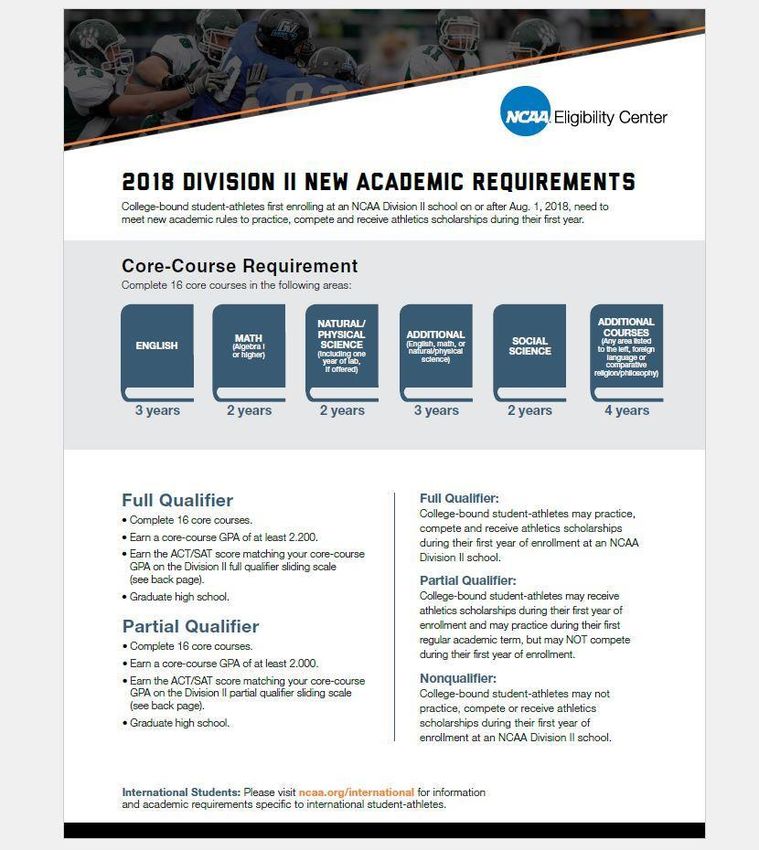
INTRODUCTION
The Gateway School District Board of Education endorses a comprehensive secondary program of
studies designed to meet the varied educational needs and career objectives of high school students.
By utilizing this booklet, students will be aided in selecting appropriate courses and realistic academic
programs.

During the scheduling process, students meet with their teachers and counselors to discuss individual
needs and career objectives. Academic records, standardized test scores and individual teacher's
recommendations are utilized in the course selection process.

After teacher recommendations are made, Skyward opens for student and parent review. Parents are
invited to consult with the counselors regarding course selections. The student's program receives
individual consideration based upon counseling and cooperation between the school and the home.

Parents are urged to carefully evaluate their child's program to ensure pursuit of career objectives and
appropriate course selections to meet graduation requirements.

                                                Page 5
Gateway High School                                                            Justin G. Stephans
3000 Gateway Campus Blvd.                                                                 Principal
Monroeville, PA 15146-3369
PHONE: 412-373-5744
FAX: 412-373-5872

Dear Student:

This Program of Studies is designed to assist you in planning your educational and career
readiness program at Gateway High School. It provides information about program offerings,
individual courses, counseling services, and graduation requirements.

Various curricular options are available to fulfill your needs, abilities and interests. Please
review the options and be certain you are selecting courses needed to fulfill graduation
requirements and meet your career objectives.

This year all students will utilize Skyward to select courses online for the 2020-2021 school
year. A curriculum night will be held on March 4th, 2020 to provide parents and students with
directions for completing course selections for next year. In addition, counselors will visit
classrooms to provide further support to students.

Please work cooperatively with your teachers and counselors to establish your career goals
and identify the courses for your planned program of studies. If you have any questions about
your course selections or career objectives, consult your counselor.

Since requests for schedule changes after June 1, 2020 are considered only in unusual
circumstances, it is important that serious thought and consideration be given to course
selections.

                                                                       Sincerely,

                                                                       Mr. Justin G. Stephans

                                               Page 6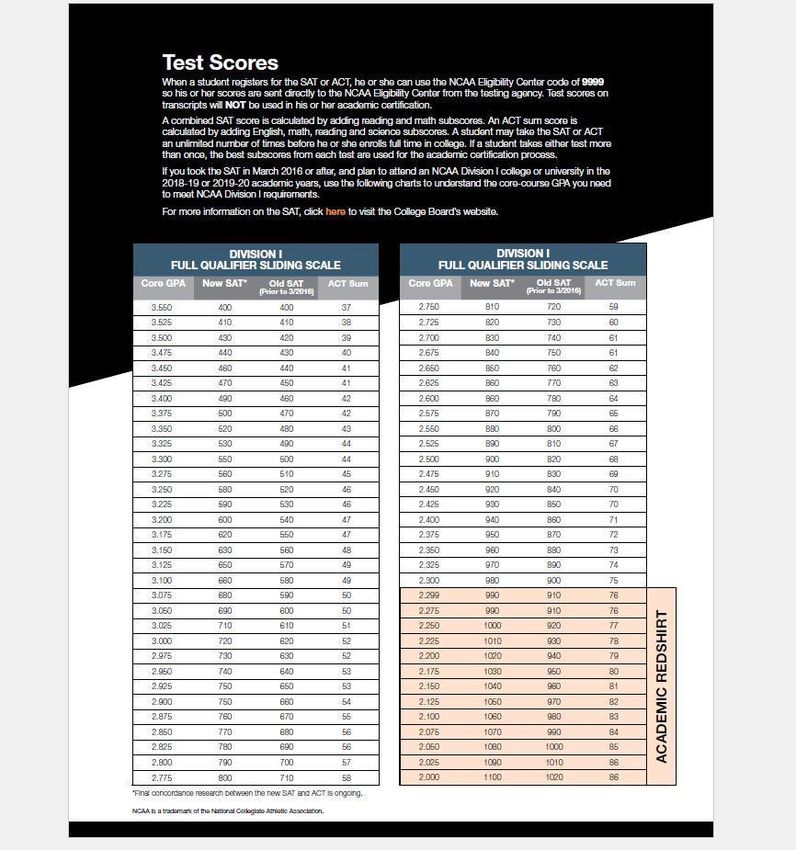
GENERAL INFORMATION
Gateway High School is a comprehensive school serving students in grades 9 - 12.

Gateway offers an excellent academic program that prepares students who plan to attend a college,
university, or business school upon graduation, and/or those who intend to enter the workforce
immediately after graduation. A viable vocational program is provided for students with the skills
necessary for success in trade related professions, and an effective skills program is available for
students in need of remedial work.

Students who achieve academic excellence may participate in concurrent college enrollment or early
admission to colleges or universities.

Gifted and talented students are invited to participate in the A.I.M. (ACCENT ON INDIVIDUAL
MOTIVATION) Program.

A variety of elective course offerings are available to supplement the academic programs. The elective
courses are designed to meet identified student needs and to provide students with an opportunity to
study in depth topics which are important to the pursuit of their career goals.

Students are encouraged to maintain a balance between academic and co-curricular/ extracurricular
activities. Opportunities for participation in various organizations, clubs, and Student Government are
available to all students. The athletic program provides both male and female students with the
opportunity to demonstrate their talents and enjoy the benefits of supervised sports.

The professional staff at Gateway High School encourages academic excellence through creative
expression, intellectual curiosity, and pursuit of skills achievement. A strong educational atmosphere
is maintained through emphasis on mutual respect, open lines of communication, and responsibility
to school and self.

Gateway High School's tradition of pride and spirit is reflected on the school seal....

LEARNING / SCHOLARSHIP / LEADERSHIP / SPORTSMANSHIP

                                                 Page 7
CLASS OF 2019 DATA
                        This Data is self-reported through the senior survey:

                             Four-Year College/University         51%
                             Community/Jr. College                22%
                             Vocational-Technical Schools         4%
                             Armed Forces                         3%
                             Other Employment                     12%
                             Undecided                            8%
                                                                  100%

Gateway College Entrance Scores
                               ACT                      SAT               SAT                SAT
                            Composite            Critical Reading         Math          Writing Skills
    Class   of   2007             21.9                      507            525
    Class   of   2008             22.2                      504            511               488
    Class   of   2009             23.1                      502            520               484
    Class   of   2010             24.4                      516            526               500
    Class   of   2011             23.9                      501            518               490
    Class   of   2012             23.5                      490            504               479
    Class   of   2013             22.5                      505            511               491
    Class   of   2014             22.7                      508            513               492
    Class   of   2015             23.9                      504            499               483
    Class   of   2016             22.7                      507            507               479
    Class   of   2017             24.2                      554            542
    Class   of   2018             25.1                      545            541
    Class   of   2019             23.1                      550            536

National Merit Awards
                            Commended             Semi-Finalists                 Finalists
    Class   of   2006              0                        6                       6
    Class   of   2007              0                        6                       6
    Class   of   2008              7                        3                       3
    Class   of   2009              6                        2                       2
    Class   of   2010             10                        4                       4
    Class   of   2011              0                        3                       4
    Class   of   2012              3                        3                       0
    Class   of   2013              4                        0                       1
    Class   of   2014              3                        0                       1
    Class   of   2015              1                        0                       1
    Class   of   2016              1                        0                       1
    Class   of   2017              3                        0                       0
    Class   of   2018              2                        0                       3
    Class   of   2019              1                        3                       0
    Class   of   2020              1                        1                       2

                                                  Page 8
ACADEMIC GOALS

COMMUNICATIONS – Each student shall become proficient in reading, composition,
listening, speech, understanding, interpreting, analyzing, and synthesizing information.

MATHEMATICS – Each student shall become proficient in the use of varied mathematical
processes and applications to solve challenging problems and to create new ways to understand
information.

SCIENCE AND TECHNOLOGY – Each student shall become proficient in applying the
processes of analysis, synthesis, and evaluation to the solution of challenging scientific problems
and in the application and understanding of technology in society.

ENVIRONMENT AND ECOLOGY – Each student shall understand the environment and the
student’s ecological relationship with it in order to recognize the importance of the quality of life
in a healthy and balanced environment.

CITIZENSHIP – Each student shall understand local, state, and United States history,
geography, systems of government and economics and their relationship to the history,
geography, and systems of government and economics of other countries in the world. He or she
also shall acquire and have opportunities to practice, in the school and in the community, the
skills necessary for active participation in civil life.

ARTS AND HUMANITIES – Each student shall understand and appreciate the breath of
human accomplishment through the arts and humanities and shall have opportunities to practice
creativity of thought and action and to demonstrate talent in the arts.

CAREER EDUCATION AND WORK – Each student shall explore varied career options and
develop the skills and work habits needed to be productive, contributing members of society and
the understanding that life-long learning is necessary to maintain those behaviors, skills, and
attitudes.

WELLNESS AND FITNESS – Each student shall acquire and use the knowledge and skills
necessary to promote individual and family health and wellness.

FAMILY AND CONSUMER SCIENCES – Each student shall understand and apply principles
for money management, consumer behavior, and child health to provide for personal and family
needs.

                                              Page 9
CURRICULUM PROGRAM OPTIONS

ACADEMIC PROGRAMMING
Gateway High School offers a comprehensive academic program that focuses on college and
career readiness skills. Students may choose courses primarily in a specific career pathway, or
may elect to enroll in courses that satisfy various personal career interests.

EARLY ADMISSIONS
Students with exceptional abilities and maturity to enter approved colleges on a full-time basis in
lieu of their senior year at high school. A Gateway diploma is awarded to students upon the
successful completion of their freshman year of college. Approval of the Principal is required.

DUAL ENROLLMENT
Students with exceptional ability are provided the opportunity to take college courses at their own
cost outside of the regular school day. College credits do not apply toward high school graduation
and are not included on the high school student's transcript. Meet with your grade level counselor
for more information.

COLLEGE IN HIGH SCHOOL
Twenty one courses at Gateway High School have agreements with colleges to earn college credit
if the student desires. Courses are designated as CIHS in the course listings.

AIM PROGRAM
Students enrolled in the AIM/Gifted program have several options available that enable them to
fulfill their Individualized Education Program (IEP). Modifications are implemented through the
AIM Resource Teacher.

SPECIAL EDUCATION
The goal of this program is to place students in the "least restrictive environment". An Individual
Education Program Committee, with parent involvement, works together to establish and
maintain the most appropriate Individual Education Program (IEP). All referrals made by teachers,
parents, counselors and administrators receive the full attention of appropriate school staff. If it
is determined that the student needs special services, an appropriate program is so designed.
Final placement is made only after the Individualized Education Program has been developed and
signed by the school staff and parents.

                                             Page 10
GRADUATION PLAN Student_____________________
Gateway High School Counselor___________________
Date_______________________
Course Year Gr. 9 Yr. Gr. Yr. Gr. Yr. Gr. Yr. Gr. Yr.
ENGLISH (4) 1 Credit 1 Credit 1 Credit 1 Credit
SOCIAL
STUDIES (4)
(must include Econ/Civics) 1 Credit 1 Credit 1 Credit 1 Credit
MATH (3 or 4) 1 Credit 1 Credit 1 Credit
1 combined
SCIENCE (3 or 4) 1 Credit 1 Credit 1 Credit Credit
PHYS ED (1) .25 Credit .25 Credit .25 Credit .25 Credit
HEALTH (.5)
TECHNOLOGY (1)
LifeRoles/
Career Essentials (.5)
ELECTIVES (7.0)
ARTS & HUMANITIES (2.0)
Credits of Choice (5.0)
SUMMER SCHOOL
Yr. Credits Earned/
TOTAL CREDITS (25)
2-24-20 CT Initials: Initials: Initials: Initials: Initials:
Life Roles/ Career Essentials
Page 11GRADUATION REQUIREMENTS
CLASS OF 2021, 2022, 2023, 2024
To graduate from Gateway High School, students must successfully earn a minimum of 25 required credits
during grades 9 through 12.
For students graduating in 2022 and beyond, the following options exist to meet the statewide
graduation requirement:
● Keystone Proficiency Pathway: Scoring proficient or advanced on each Keystone Exam -
Algebra I, Literature, and Biology.
● Keystone Composite Pathway: Earning a satisfactory composite score on the Algebra I,
Literature, and Biology Keystone Exams (while achieving at least a proficient score on at least
one of the three exams and no less than a basic score on the remaining two).
● Alternate Assessment Pathway: Successful completion of locally established grade-based
requirements for academic content areas associated with each Keystone Exam on which the
student did not achieve proficiency and one of the following:
○ Attainment of an established score on an approved alternate assessment (SAT, PSAT,
ACT, ASVAB);
○ Gold Level on the ACT WorkKeys Assessment;
○ Attainment of an established score on an Advanced Placement Program or an
International Baccalaureate Diploma Program exam in an academic content area
associated with each Keystone Exam on which the student did not achieve at least a
proficient score;
○ Successful completion of a concurrent enrollment course in an academic content area
associated with each Keystone Exam in which the student did not achieve at least a
proficient score;
○ Successful completion of a pre-apprenticeship program; or
○ Acceptance in an accredited 4-year nonprofit institution of higher education and evidence
of the ability to enroll in college-level coursework.
● Evidence Based Pathway: Successful completion of locally established grade-based
requirements for academic content areas associated with each Keystone Exam on which the
student did not achieve proficiency and demonstration of three pieces of evidence consistent with
the student's goals and career plans, including one of the following:
○ Attainment of an established score on the ACT WorkKeys assessment, a SAT subject test,
an Advanced Placement Program Exam, or an International Baccalaureate Diploma
Program Exam;
○ Acceptance to an accredited nonprofit institution of higher education other than a 4-year
institution and evidence of the ability to enroll in college-level coursework;
○ Attainment of an industry-recognized credential; or
○ Successful completion of a concurrent enrollment or postsecondary course; and
○ Two additional pieces of evidence, including one or more of the options listed above, or:
satisfactory completion of a service learning project; attainment of a score of proficient
or advanced on a Keystone Exam; a letter guaranteeing full-time employment; a
certificate of successful completion of an internship or cooperative education program; or
satisfactory compliance with the NCAA's core courses for college-bound student athletes
with a minimum grade point average (GPA) of 2.0.
Page 12● CTE Pathway: For Career and Technical Education (CTE) Concentrators, successful completion
of locally established grade-based requirements for academic content areas associated with each
Keystone Exam on which the student did not achieve proficiency and attainment of an industry-
based competency certification related to the CTE Concentrator's program of study or
demonstration of a high likelihood of success on an approved industry-based competency
assessment or readiness for continued meaningful engagement in the CTE Concentrator's
program of study.
MINIMUM REQUIREMENTS FOR GRADES NINE THROUGH TWELVE
COURSES
HEALTH 0.5
LIFE ROLES or CAREER 0.5
ESSENTIALS
PHYSICAL EDUCATION 1.0
TECHNOLOGY 1.0
MATHEMATICS* 3.0 or 4.0
SCIENCE* 3.0 or 4.0
ENGLISH 4.0
SOCIAL STUDIES*** 4.0
ELECTIVES 7.0
ARTS & HUMANITIES (2.0)
CREDITS OF CHOICE (5.0)
TOTAL REQUIRED FOR 25.0 CREDITS
GRADUATION
*Students must take a total of 7 combined credits in math and science.
***In the 4 Credits, Economics & Government must be taken
GRADE LEVEL PROMOTION
The following minimum number of credits must be earned for promotion to the next grade level.
10th Grade………………………….. 6.25 Credits
11th Grade………………………….. 12.5 Credits
12th Grade………………………….. 18.75 Credits
Page 13TECHNOLOGY CREDIT
Students are required, as per board policy, to complete 1.0 technology credit some time during their
4 years at Gateway High School. Numerous options in various departments satisfy this credit. Some
courses are semester, some are yearlong, but the variety of choices allows students flexibility in
enrolling in electives of interest while still addressing the need for technical application. Courses with
an * are semester courses worth .5 credit.
AR0803* Design TE0939* Robotics & Engineering Tech
AR0819 Digital Photography TE0940* Computer Aided Drafting
BU0901* Intro to Computer Science TE0941 Architectural Design
BU0903* Microsoft Office TE0942 Structural Engineering
BU0904* Intro to Artificial Intelligence TE0943 Manufacturing Tech I
BU0922* Computer Science 2.0 TE0944 Adv. Manufacturing Tech
BU0926* Web Page Design TE0945* Design Animation &
Programming BU5903* Honors Microsoft Office TE0946* Multimedia/Video Tech
BU5904 AP Computer Science A TE0947 Adv. Video & Special Effects
BU5905 AP Computer Science Principles TE0948 3D Modeling & Animation
MU0833* Music Tech I TE0950* Transportation
SystemsMU0834* Music Tech II TE5949 Honors CAD
TE5950 Honors Robotics & Engineering
CREDIT UNITS
A credit is the standardized measure of achievement of the Pennsylvania Department of Education
to designate the quality of work completed in individual subjects.
A credit constitutes a minimum of 200 minutes per week of classroom work, exclusive of class
change time.
Partial units of credits may be granted at the discretion of local school authorities.
COURSE CREDITS
ONE CREDIT is earned for all courses that meet five or more class periods per week
for a full year.
ONE/HALF CREDIT is earned for all courses that meet five or more class periods per week
for one semester.
ONE/FOURTH CREDIT is earned during each school year for Physical Education, 1/8 credit for
each semester.
TWO CREDITS are earned by students enrolled in TAG courses. One credit is applied
toward graduation requirements, the other credit is applied towards
elective credit.
THREE CREDITS are earned by students participating in the full-year, half-day program at
Forbes Road Career and Technology Center.
Page 14CLASS RANK
Rank in class is the position of any one student in the graduating class in relation to all other students
in that class. A student’s class rank is determined by the Quality Point Average (dividing the total
grade point value by the number of credits taken). QPA is based on all classes to which a letter grade
is assigned, including Physical Education, and includes all courses taken in the Gateway High School
curriculum. A student’s class rank is computed for the first time at the end of the first semester of
freshman year and recomputed at the end of each succeeding semester through the senior year. In
the event of more than one student receiving the same numerical class rank, as a result of a tie, the
next rank number reflects the number of students involved in the tie (Example: four students with
equal QPA receive a class rank of 24, the next class rank is 28). Total grade point values are based
on the following grade values:
ACADEMIC COURSES HONORS/AP COURSES
A - 4.0 A - 4.5
B - 3.0 B - 3.5
C - 2.0 C - 2.5
D - 1.0 D - 1.0
F - 0.0 F - 0.0
Semester course grade point values are calculated by dividing each of the above figures by 2.
GRADING SCALE
LETTER GRADE PERCENTAGE INDICATES
A 90-100 Excellent
B 80-89 Above Average
C 70-79 Average
D 60-69 Below Average
F Below 60 Failure-NO CREDIT
OTHER GRADES:
I - Incomplete work - grade withheld
M - Medical excuse from course
FW - Course withdrawal - failed
NE - Student NOT ENROLLED in course during that grading period
FA - Failed course for exceeding minimum attendance requirements
Page 15COUNSELING SERVICES
Each student at Gateway High School is assigned to one of the four school counselors according to
grade level.
Counselors have implemented the state mandated 339 Counseling Plan and have adopted the ASCA
National Model for School Counseling as the program foundation. By adopting the standards and
incorporating the model into district curriculum, students are best served through a written,
systematic, comprehensive program. Counseling curriculum is delivered through various activities that
include classroom lessons, large or small group meetings and individual counseling sessions targeting
what students need to know according to the national standards and what they want according to
their individual needs. Academic Development, Career Development, and Social and Emotional
Development are areas addressed by all the activities facilitated through school counseling services.
All students have an online career portfolio through Career Cruising that meets the PA CEW standards.
PROGRAM SCHEDULING
Counseling services are available to all students for individual program planning. Prior to selecting a
program of study, students should discuss career goals with:
• PARENTS/GUARDIANS
• SCHOOL COUNSELORS
• TEACHERS
• ADMINISTRATORS
• COLLEGE REPRESENTATIVES
• COMMUNITY PROFESSIONALS/VOCATIONAL PERSONNEL
You should select a program that will enable you to pursue a career. Please review the Career
Pathways to help you choose courses. By doing so, you will be better able to choose courses that are
directly related to your career goals. It also enables counselors, parents, teachers, and administrators
to work with you to develop long-range plans that will meet your needs.
STUDENT COURSE LOAD
1. Academic programs should be designed to evenly distribute course loads in grades 9-12.
2. Students are not permitted to have more than (8) study halls scheduled per week.
3. Students are scheduled for eight (8) periods a day with a minimum of 6.25 credits and a maximum
of 7.25 credits.
Page 16COURSE SELECTION PROCEDURE
1. Teachers select course recommendations for all core subjects (Math, Science, English, Social Studies,
and World Language) based on pre-requisite guidelines and individual academic performance.
2. Counselors schedule a class meeting to review preliminary course selections and elective course options.
Each counselor will review the course request on Skyward to ensure that graduation requirements and
career goals are being achieved. Gateway High School Counselors meet with 8th graders to review
elective options and preliminary course selections. Ultimately scheduling graduation requirements are
the responsibility of the parent and student.
3. Once courses are selected and verified, changes are limited to those produced by scheduling errors or
conflicts only.
4. English, Math, Science, and Social Studies are given priorities in this scheduling process over elective
choices.
5. Parents and students will have the ability to make course selections for the 2020-2021 school year beginning
March 4, 2020 through March 13, 2020.
6. During this scheduling window, students can select elective courses to round out their schedules.
7. No student can override a teacher recommendation within the scheduling system. Parents/guardians will have the
ability to override a teacher recommendation during this scheduling window through the Skyward parent portal.
a. Because of this parental right, it is essential to schedule students’ core classes where they have the
best opportunity for success; this will be stressed to all in attendance for the curriculum night.
b. Parents opting to override to an honors course once schedules are locked will know that such an
override is permanent.
8. Students who do not make changes or add their elective courses in Skyward by the deadline will have
all courses locked in based on staff recommendation and electives chosen by the counselor.
SCHEDULE CHANGES
ALL SCHEDULE CHANGES MUST BE MADE THROUGH
THE COUNSELING OFFICE BEFORE
June 1, 2020
Student schedules are the direct result of personal planning, parental consultation, and staff direction. Few
educational endeavors are as important or time consuming as student scheduling. Once your course
selections are made, approved, and processed, you are expected to adhere to that schedule. Therefore,
please be aware that schedule change requests are considered only under the most extenuating
circumstances.
DROPPING COURSES
Students are not permitted to drop or change courses after the deadline. If a student wishes to withdraw
from a course listed on his/her course selection sheet that was approved by the grade-level counselor, the
student may receive a failure to withdraw “FW” grade for the course.
If a student wishes to withdraw with no penalty from a course that was chosen as a result of a scheduling
conflict, he/she must do so within ten school days from the start of the year in a full year course or within
five school days from the start of the semester for a semester course. Failure to withdraw before the tenth
school day may result in a “FW '' grade for the dropped course.
The assignment of a “FW” would be calculated in determining the student’s overall quality point average
(QPA) and class rank.
Page 17INCOMPLETE WORK
If course work is incomplete in any subject during a grading period, a grade of "I" is issued. If the
work is not completed within the two-week specified time limit, a final grade of "F" is issued. If
incomplete work is the result of illness at or near the end of the school year, arrangements must be
made with the teacher before the school term ends to make up the necessary work.
TRANSFERRING GRADES
If a student transfers from one section of a course to another, grades earned up to the time of transfer
are included as a part of the final course grade.
REPORT CARDS
Report cards are issued electronically through Skyward on a quarterly basis (each nine weeks) and
contain the following information:
● COURSE GRADES (Letter and percentage)
● EXAM GRADES (Mid-term exam and final exam)
● TEACHER COMMENTS
● TIMES ABSENT FROM SCHOOL
● TIMES TARDY TO SCHOOL
● CUMULATIVE GPA (At the end of each semester)
Year-end report cards reflect:
● CUMULATIVE G.P.A (Also at the end of each semester)
● CREDITS EARNED
● EXAM GRADES
● FINAL GRADES
● END OF THE YEAR ATTENDANCE RECORD
● TIMES TARDY TO SCHOOL
Page 18GPA vs. QPA
GPA – This calculation is specific to the current nine weeks grades. It is listed on report cards and
determines Honor Roll status. Semester and final exam grades are not included in the GPA
calculation.
To Determine GPA:
Grade Value x Credit Value = Quality Points. Add up quality points for that grading period
and divide by the total number of credits currently enrolled. All grades are calculated on a quarterly
basis.
Examples: The grade of an 85 B in English = 3(B) x .25 credit = .75 Quality Points
The grade of an 85 B in PE = 3(B) x .0625 credit = .1875 Quality Points
The grade of an 85 B in a semester course = 3(B) X .25 = .75 Quality Points
QPA – Also called cumulative GPA, this calculation is based on final grades at the end of the school
year or end of the semester for semester courses. It does include exams and is calculated off of the
final grades that are on the transcript.
For year-long courses, the final grade is determined by multiplying each percentage grade for the
four nine week grading periods by two. Multiply semester exam and final exam percentage grades
by one. Add up the total and divide by 10 to determine the final percentage and letter grade. At the
semester, this year-long course is calculated as if it were a semester course.
For a semester courses the final grade is determined by multiplying each percentage grade for the
two nine week grading periods by two. Multiply the final exam percentage grades by one. Add up
the total and divide by five to determine the final percentage.
To Determine QPA:
Multiply each percentage grade for each nine-week period by two. Multiply semester exam and final
exam percentage points by one and total. Divide this number by 10 to determine the final
percentage which determines the final letter grade. Calculate all final letter grades as you would for
GPA (grade value x credit value = quality points). Add all quality points of final grades and divide by
the total number of credits attempted. QPA is cumulative and not determined by individual school
years. Tenth grade QPA is based off of 9th and 10th grade grades; 11th grade includes the 9th,
10th, and 11th grade.
Grade Value:
A=4, B=3, C=2, D=1, F=0. Honors courses add .5 weight A=4.5, B=3.5, C=2.5, D=1.0 (no weight),
F=0
Credit Value:
This is how much credit a course is worth. A year-long course = 1.0 credit, semester course = .5
credit, and PE = .125 credit.
Percentage Grade:
The percent earned by a student to earn a letter grade, i.e. 85 B or 92 A.
Page 19CREDIT DEFICIENCIES
Students who fail to earn required credits for graduation may have the deficiency corrected by:
1. Repeating course(s) the following school year or attending summer school/approved on-line
programs.
2. Seniors who fail to meet graduation credit requirements may obtain a diploma the following
semester/year, by successfully earning summer school credits, and if a course is failed in first
semester by completing one credit recovery course.
3. Passing the G.E.D. (General Education Diploma) examination. A G.E.D. does not qualify a
student for a Gateway Diploma or participation in the Commencement Ceremonies.
4. Students attending Gateway High School have the ability to remediate courses they have failed.
One course can be taken per school year and the parent/guardian is responsible for the cost
of the course. The courses are online and students must have a computer and internet
connection. Additional information regarding Credit Recovery can be obtained in the
counseling department or by contacting the Gateway Cyber Academy Facilitator.
SUMMER SCHOOL
In the event that a student receives a failing grade in a course, contact the student's school
counselor to determine if that course must be repeated. Grades for remedial summer school work
become a part of the student's academic record but do not replace the original grade. Counselors
review all failing grades and mail all summer school options home. No more than two courses for
credit recovery are allowed per summer.
COURSES BEYOND BOARD APPROVED CURRICULUM
The district is not obligated to cover the cost of coursework beyond the standard curriculum. If a
student is on an accelerated pathway and has exhausted all curriculum options, his/her
parent/guardian is responsible for covering all costs associated for covering supplemental course
work, including but not limited to dual enrollment and/or early graduation.
HONOR ROLL
Academically successful students are recognized at the end of each grading period under the following
categories:
● Distinguished Honor 4.0 +
● High Honor 3.5 - 3.99
● Honor 3.0 - 3.49
Page 20GRADUATING WITH HONORS
Distinguished Honors/High Honors/Honors:
Graduating seniors are recognized in the Commencement Program if they achieve distinguished
honors, high honors or honors status. This is based on the student's cumulative average from 9 th
grade through the 4th nine weeks of the senior year. The senior with the highest cumulative grade
point average is recognized as the class Valedictorian. The senior with the second highest cumulative
grade point average is recognized as the class Salutatorian.
Distinguished Honors students (4.0+) wear white honors cords: High Honors students (3.5-3.99) wear
white & gold honors cords, and Honors students (3.0-3.49) wear black and gold honors cords.
ATTENDANCE AND ACADEMIC SUCCESS
A strong relationship exists between good school attendance and academic achievement. The learning
experiences that occur in the classroom environment are considered to be the most meaningful and
essential components of the instructional process. Class absences disrupt instructional continuity and
decrease direct teacher to student contact time. Absences limit opportunities for classroom interaction
and direct participation with the teacher. Therefore, regular class attendance is considered to be a
vital part of the student's program.
Standards for attendance must be met for course credit, regardless of grades earned. The attendance
policy states: A student absent more than 24 days from a class in a full year course (36 weeks) or 12
days from a class in a given semester (18 weeks) may not receive official credit from the class in
which excess absences occur.
STUDENT ACTIVITIES
Students are encouraged to balance their academic programs by participating in a variety of co-
curricular/extracurricular activities. Numerous opportunities are available to meet individual needs and
interests of students. Various clubs, groups, organizations, and athletic opportunities are listed in the
Activities Handbook. Review the list and you may find an activity that suits your interest and
personality.
Participating in activity programs will enable you to meet other students, develop a social life, and
contribute to the school environment. You should be aware that when applying for college,
employment or vocational schools, attention is given to involvement in school and community
activities.
Page 21COLLEGE ADMISSIONS TESTING PROGRAM
Visit the Counseling Office for information regarding individual tests and dates.
COLLEGE ENTRANCE EXAMS:
ACT ASSESSMENT www.actstudent.org
The American College Tests are a battery of tests in English, math, reading, science, reasoning and
writing, given to juniors or seniors throughout the year. It is used to determine your aptitude for
college work and is most similar to high school curriculum. The ACT is given at Gateway High School
for the September, February and April testing dates. Students must register online at
www.actstudent.org. Please note the registration deadline for the September test date is early August.
SAT TEST www.collegeboard.org
The current Scholastic Aptitude Test is a test of aptitude and the ability to reason in the reading, math,
writing and language areas. Typically, students take it twice between January and June of their junior
year and again in the fall of their senior year. Students are to register online at www.collegeboard.org.
The test is administered at Gateway High School and in other local high schools. Most colleges require
a student to take either the SAT or ACT exam.
SAT SUBJECT TEST www.collegeboard.org
The College Board Subject Tests are offered to juniors and seniors in August, October, November,
December, May, and June. A maximum of three one-hour subject tests in English, math, science, and
other subjects are allowed in one testing session. They are designed to test the student's knowledge
in a specific subject area and are used by the colleges primarily for placement within a particular
curriculum. Check the individual college catalogs very carefully to determine if subject tests are
required at the college and, if so, what tests they require. Selected colleges expect these tests to be
completed by the end of the junior year (usually in May or June) so that the scores are included in
the fall application transcript.
ENTRANCE EXAM PREPARATION
PSAT/NMSQT www.collegeboard.org
The Preliminary Scholastic Aptitude Test/National Merit Scholarship Qualifying Test is available to all
sophomores and juniors in October. Its purpose is to give the students an opportunity to take a
"practice" test. All sophomores and juniors are encouraged to take the PSAT in preparation for the
SAT exam. The Junior NMSQT scores are used to select outstanding high school students for National
Merit Scholarships. Scores are returned to students with their test booklets in early January.
Advanced Placement® (AP®) Program
The AP Program gives you a chance to experience college-level classes in high school and earn college
credit while in high school. You’ll get to dig deeper into subjects you love while building the skills and
confidence you need to succeed in college. Our school offers AP courses in 23 subjects, which
culminate in an optional exam in May. If you score a three or higher (on a scale of 1–5), you could
earn college credit, skip intro-level courses, or both at thousands of U.S. colleges and universities.
Earning credit in high school means paying for fewer credits in college. It may also open up your
college schedule, allow you to take more electives, pursue a second major, or study abroad.
Regardless of your AP Exam score, taking AP courses can have a positive impact on your college
applications. Admission officers know the rigor of AP courses, so they know students who take AP
Page 22courses pushed themselves to take challenging, college-level courses, which colleges like to see. Take
some time to look through the AP courses we offer. See if any interest you. By taking these courses,
you can find out what college work is like while you have the support of teachers you trust in an
environment you know.
New AP Exam Registration Process
Starting with the 2019-20 school year, registration for the AP exams occur in the fall. The exams still
take place in May. Second semester AP exam courses have a second registration deadline after the
start of the second semester. For help registering, talk to your AP teacher, counselor, or your school’s
AP coordinator.
ADVANCED PLACEMENT
ADVANCED PLACEMENT TEST www.collegeboard.org
The Advanced Placement Tests are special achievement tests used to determine the qualification of
candidates for advanced placement in college or to earn college credit. Each test is three hours long
and registration is arranged through the Gateway High School Counseling Office. Advanced placement
exams are usually administered during the first two weeks in May.
Advanced placement tests administered at GHS are:
Art History English Language/Comp Physics 2
Biology French Lang & Culture Physics C: Mechanics
Calculus AB German Lang & Culture Psychology
Calculus BC Latin Spanish Lang. & Culture
Chemistry Macroeconomics Statistics
Computer Science A Microeconomics US Govt & Politics
Comp Sci Principles Music Theory US History
English Literature/Comp Physics 1 World History
Page 23CAREER -TECHNICAL EDUCATION
FORBES ROAD CAREER AND TECHNOLOGY CENTER
This program is available to STUDENTS who may plan to pursue employment upon graduation or
further their education in a particular career area. Emphasis is placed on student development of
marketable skills. All classes are conducted at the Forbes Road Career and Technology Center located
in Monroeville.
Students are admitted after careful evaluation of their academic status. Enrollment is approved by
both Gateway and Forbes Road counselors. Staff from Forbes CTC will visit all 9th grade classes at
Gateway High School to help students have a better understanding of the programs offered so they,
along with their parents, may make an informed decision about these elective and career options.
Qualified students may participate in this half-day program. See your counselor for details.
Half Day Forbes Road = 3.0 credits per year.
Credits earned at Forbes Road fulfill elective requirements and may meet graduation requirements.
FORBES ROAD COURSES
If you want detailed information about a specific course, please contact your school counselor or
visit www.forbesroad.org or call Forbes Road at 412-373-8100.
PROGRAM FORMAT
First Year Students
AM Session 7:30 am - 9:45 am - Students attending A.M. session will attend Forbes Road periods
1-2-3 and will return to Gateway for periods 4-5-6-7-8.
Second/Third Year Students
PM Session 9:45 am - 12:50 pm - Students attending the P.M. session will attend Gateway
periods 1-2-3, Forbes Road periods 4-5-6 and return to Gateway for periods 7-8.
Page 24Page 25
Page 26
Page 27
Page 28
Page 29
Page 30
Page 31
Page 32
QUICK REFERENCE CHART BY DEPARTMENT
 NO.                     COURSE                     YEAR       SEMESTER   CREDIT   9   10   11   12
                                                         Art
AR0800    Art Survey                                              X        0.5     X   X    X    X
AR0803    Design+                                                 X        0.5     X   X    X    X
AR0805    Drawing A                                               X        0.5     X   X    X    X
AR0806    Drawing B                                               X        0.5     X   X    X    X
AR0808    Painting A                                              X        0.5     X   X    X    X
AR0809    Painting B                                              X        0.5     X   X    X    X
AR0812    Ceramics A                                              X        0.5     X   X    X    X
AR0814    Ceramics B                                              X        0.5     X   X    X    X
AR0817    Sculpture A                                             X        0.5     X   X    X    X
AR0818    Sculpture B                                             X        0.5     X   X    X    X
AR0819    Digital Photography +                      X                      1          X    X    X
AR5820    AP Art History **                        X                        1          X    X    X
                                          Business/Computer Science
BU0901    Intro to Computer Science+                              X        0.5     X   X    X    X
BU0903    Microsoft Office+                                       X        0.5     X   X    X    X
BU0904    Intro to Artificial Intelligence+ (PBA)                 X        0.5     X   X    X    X
BU0905    Career Development Essentials
                                                                  X        0.5              X    X
BU0907    Business Law                                            X        0.5         X    X    X
BU0914    Personal Finance                                        X        0.5     X   X    X    X
BU0916    Sports & Entertainment
          Management & Marketing                                  X        0.5         X    X    X
BU0917    Introduction to Business                                X        0.5     X   X    X
BU0922    Computer Science 2.0+ (PBA)                             X        0.5     X   X    X    X
BU0926    Web Page Design+                                        X        0.5     X   X    X    X
BU5901    Honors Entrepreneurship**                  X                      1               X    X
BU5903    Honors Microsoft Office**+                              X        0.5     X   X    X    X
BU5904    AP Computer Science A **+                  X                      1          X    X    X
BU5905    AP Comp. Science Princ. **+               X                       1          X    X    X
                                            Family Consumer Science
Fashion & Clothing
 FC0953   Fashion and Clothing                                    X        0.5     X   X    X    X
 FC0954   Clothing Construction I                                 X        0.5     X   X    X    X
 FC0955   Clothing Construction II                                X        0.5         X    X    X
 FC0956   Clothing Construction III                               X        0.5         X    X    X
 FC0964   Clothing Construction IV                                X        0.5              X    X
Foods & Nutrition
 FC0951   Foods & Nutrition                                       X        0.5     X   X    X    X
 FC0952   Advanced Foods & Nutrition                              X        0.5         X    X    X
 FC0967   Food 3.0                                                X        0.5              X    X

                                    ** denotes honors/AP weighted course
                                        + denotes a technology course
                                                      33
NO. COURSE YEAR SEMESTER CREDIT 9 10 11 12
Health
HE0630 Health X 0.5 X X X
Human Development
FC0958 Child Development X 0.5 X X XqX
FC0959 Preschool Education I X 0.5 X X X
FC0960 Preschool Education II X 0.5 X X X
FC0961 Preschool Education III X 0.5 X X
Interior Design
FC0957 Interior Design X 0.5 X X X X
FC0965 Interior Design II X 0.5 X X X
Management & Consumerism
FC0962 Life Roles X 0.5 X X X X
FC0966 Life Beyond High School X 0.5 X
Language Arts
LA0194 English 9 X 1 X
LA2194 English 9 (TAG) X 2 X
LA5195 Honors English 9 ** X 1 X
LA0104 English 10 X 1 X
LA2104 English 10 (TAG) X 2 X
LA5105 Honors English 10 ** X 1 X
LA0114 English 11 X 1 X
LA2114 English 11 (TAG) X 2 X
LA5115 Honors English 11 ** X 1 X
LA5125 AP English 11 ** X 1 X
LA5126 AP English 12 ** X 1 X
LA0143 Contemp. Themes in Literature X 0.5 X
LA0161 Composition X 0.5 X
LA0164 Speech X 0.5 X X X
LA0166 Literary Studies X 0.5 X
LA0170 College Entrance Exam Prep X 0.5 X X
LA5145 Hon Classical Literature ** X 0.5 X
LA5162 Hon Advanced Composition ** X 0.5 X
Math
MA0420 Algebraic Concepts X 2 X
MA0422 Algebra I X 1 X
MA422A iAlgebra I X 2 X X X
MA423A Geometry X 1 X X
MA424A Algebra II X 1 X X X X
MA0425 Trigonometry & Pre-Calculus X 1 X X
** denotes honors/AP weighted course
+ denotes a technology course
34NO. COURSE YEAR SEMESTER CREDIT 9 10 11 12
MA0427 Calculus X 1 X
MA0428 Algebra III with Trigonometry X 1 X X
MA0429 Transition to College Math X 1 X
MA0436 Consumer Math I X 0.5 X
MA0437 Consumer Math II X 0.5 X
MA0441 Standards Anchor Review
X 0.5 X X X
MA0442 College Algebra X 1 X
MA0439 Intro to Probability & Stats 0.5 X X
MA5413 Honors Geometry ** X 1 X
MA5414 Honors Algebra II ** X 1 X X
MA5415 Honors Precalculus/Trigonometry ** X 1 X
MA5416 AP Calculus AB ** X 1 X X
MA5417 Honors Business Calculus ** X 1 X
MA5418 AP Calculus BC** X 1 X
MA5419 AP Statistics** X 1 X X
Music
MU0820 Symphonic Band X 1 X X X X
MU0822 Symphonic Orchestra X 1 X X X X
MU0823 Comprehensive Music X 0.5 X X X
MU0825 Mixed Choir X 1 X X X X
MU0826 Percussion Ensemble X 1 X X X X
MU0827 Wind Ensemble X 1 X X X X
MU0828 Hon Chamber Orchestra X 1 X X X X
MU0829 Hon Wind Ensemble X 1 X X X X
MU0830 Symphonic Choir X 1 X X X
MU0831 Gateway Chorale X 1 X X X
MU0833 Music Technology I + X 0.5 X X
MU0834 Music Technology II + X 0.5 X X
MU0835 Hon Chorale X 1 X X X X
MU0837 Chamber Orchestra X 1 X X X X
MU0840 Musical Theater Performance I X 0.5 X X X
MU0841 Musical Theater Performance II X 0.5 X X
MU5832 AP Music Theory ** X 0.5 X X
Science
SC0520 Biology X 1 X
SC0551 Biology Remediation X 0.25 X X
SC5518 AP Biology** X 1 X X
SC5519 Honors Biology ** X 1 X
SC0526 Advanced Biology X 0.5 X X
SC0534 Anatomy/Physiology X 1 X X
SC5524 Honors Anat/Physiology ** X 1 X X
SC0511 Chemistry X 1 X X
** denotes honors/AP weighted course
+ denotes a technology course
35NO. COURSE YEAR SEMESTER CREDIT 9 10 11 12
SC5510 Honors Chemistry ** X 1 X
SC5515 AP Chemistry** X 1 X X
SC0532 Astronomy X 0.5 X X
SC0550 College Astronomy X 0.5 X X
SC0531 Geology X 0.5 X X
SC0535 College Geology X 0.5 X X
SC0536 Geoscience X 1 X
SC0502 Physics
X 1 X X
SC5503 AP Physics 1**
X 1 X X X
SC5504 AP Physics 2**
X 1 X X
SC5505 AP Physics C**
X 1 X
SC0546 Physical Science
X 1 X X
SC0501 Science Innovations (PBA) X 0.5 x x x
SC0509 Exploration of Science in Media
(PBA) X 0.5 X X X
SC5546 Honors Environmental Sci I ** X 0.5 X X
SC5547 Honors Environmental Sci II** X 0.5 X X
Social Studies
SS0792 Global Connections I X 1 X
SS0702 Global Connections II X 1 X
SS0712 Global Connections III X 1 X
SS5791 Honors Global Connections I ** X 1 X
SS5701 Honors Global Connect II **
X 1 X
SS5711 Honors Global Connect III **
X 1 X
SS0720 World Religions X 0.5 X X
SS0721 Sociology X 0.5 X
SS0722 Economics X 0.5 X X
SS0723 American Government and Civics X 0.5 X X
SS0724 Humanities X 0.5 X
SS0725 Psychology X 0.5 X X
SS0727 African American History X 0.5 X X x
SS0728 Current International Affairs X 0.5 X X
SS0729 Social Movements in America X 0.5 X X
SS5709 AP World History** X X X X
SS5710 AP U.S. History ** X 1 X X
SS5729 AP Economics ** X 1 X X
SS5730 AP U.S. Govt. & Politics ** X 0.5 X X
SS5733 AP Psychology ** X 0.5 X X
SS5731 Honors Humanities ** X 0.5 X X
** denotes honors/AP weighted course
+ denotes a technology course
36NO. COURSE YEAR SEMESTER CREDIT 9 10 11 12
Technology Education
TE0939 Robotics & Engineering Technology
+ X 0.5 X X X X
TE0940 Computer Aided Drafting + X 0.5 X X X X
TE0941 Architectural Design + X 1 X X X X
TE0942 Structural Engineering + X 1 X X X X
TE0943 Manufacturing Technology I + X 1 X X X X
TE0944 Adv Manufacturing Tech + X 1 X X X
TE0945 Design, Animation & Programming + X 0.5 X X X X
TE0946 Multimedia & Video Tech + X 0.5 X X X X
TE0947 Advanced Video & Special Effects + X 1 X X X
TE0948 3D Modeling & Animation +
X 1 X X X X
TE0950 Transportation Systems + X 0.5 X X X X
TE5949 Honors CAD **+ X 1 X X X
TE5950 Honors Robotics & Engineering**+ X 1 X X X
World Language
WL0300 Spanish 1 X 1 X X X X
WL0301 Pre-AP Spanish 2 X 1 X X X X
WL0302 Spanish 2 X 1 X X X X
WL0303 Pre-AP Spanish 3 X 1 X X X
WL0304 Spanish 3 X 1 X X X
WL5306 Pre-AP Honors Spanish 4** X 1 X X
WL0305 Spanish 4 X 1 X X
WL5308 AP Spanish 5 ** X 1 X
WL0307 Spanish 5 X 1 X
WL0310 French 1 X 1 X X X X
WL0311 French 2A X 1 X X X X
WL0312 French 2S X 1 X X X X
WL0313 French 3A X 1 X X X
WL0314 French 3S X 1 X X X
WL0315 French 4 X 1 X X
WL5316 Honors French 4 ** X 1 X X
WL5318 AP French 5 ** X 1 X
WL0320 German 1 X 1 X X X X
WL0321 German 2 X 1 X X X X
WL0323 German 3 X 1 X X X
WL5325 Honors German 4 ** X 1 X X
WL5326 AP German 5 ** X 1 X
** denotes honors/AP weighted course
+ denotes a technology course
37NO. COURSE YEAR SEMESTER CREDIT 9 10 11 12
WL0331 Latin 1 X 1 X X X X
WL0332 Latin 2 X 1 X X X X
WL0333 Latin 3
X 1 X X X
WL5334 Honors Latin 4 ** X 1 X X
WL5335 AP Latin 5 ** X 1 X
** denotes honors/AP weighted course
+ denotes a technology course
38College in High School
Students may earn college credit while enrolled in various courses at Gateway High School. The course
teacher will explain and complete college enrollment at the beginning of the school year.
** denotes honors/AP weighted course
+ denotes a technology course
39EDUCATION
ART
Courses in the Creative and Visual Arts Department are designed around a studio concept.
Students are able to explore a variety of two and three-dimensional projects to develop their
perception, understanding, response, skill, creation, and evaluation capabilities. Learning is
encouraged by in-class student participation using a variety of modes including historical and
cultural exploration. Emphasis is placed on the development of the students’ innate creative
capacity through experimenting, inventing, creating, designing, and problem solving in
purposeful learning activities. A serious approach to learning is expected in all of the courses.
Students selecting more than four (4) courses per year/semester must have an Art Teacher’s
Recommendation and Signature.
AR0800 ART SURVEY
Semester ½ Credit Elective 9-12
Art Survey is the foundation for students considering further art electives. It is a basic foundation course
focusing on the elements and principles of design, aesthetic awareness, problem solving and developing
observation and technical skills in drawing, painting, printmaking, sculpture, and ceramics. The course
offers a study of the basic design fundamentals necessary for any further experience in art, with a major
emphasis on observational drawing, drawing primarily from life. Research and reflective analysis of works
created and those created by master artists of various cultures and media is required.
AR0803 DESIGN +
Semester ½ Credit Elective 9-12
Design is the art of visual communications through two-dimensional works. Students considering a career
in design fields such as book design/publishing, advertising, presentation design, packaging design,
magazine layout corporate design, motion graphics and animation should enroll in this course. Students
will apply their knowledge of the elements and principles of design to strengthen their visual literacy. We
will explore a range of design techniques using various media and software programs and study the design
work of contemporary and historical designers. Possible projects include symbol development, poster
design, CD covers, book arts, logo design, printmaking, cartooning, print advertising including poster and
pamphlet design, book design, layout, and illustration, as well as, an introduction to some computer graphic
design techniques, and computer assisted image making. Students are expected to strengthen their verbal,
written and visual communication based deeply in the elements and principles of design.
AR0805 DRAWING A
Semester ½ Credit Elective 9-12
Drawing is designed for first year art students. Drawing skills from direct observation of the figure, still-life,
landscape, portraiture and architectural forms will be emphasized along with further understanding of
design principles, color theory, critical thinking and problem solving. These concepts will be introduced and
illustrated throughout the course through the exposure and analysis of movements associated in art history.
A variety of drawing techniques and media will be explored, including pencil, ink, and charcoal.
** denotes honors/AP weighted course
+ denotes a technology course
40AR0806 DRAWING B
Semester ½ Credit Elective 9-12
Prerequisite: Drawing A
Students will expand skills acquired in Drawing A with strong emphasis on observational skills. Students
will explore new mediums and techniques while focusing on compositional elements of design and
strengthening problem solving skills. Opportunities will be given to students for experimentation of specific
mediums as well as subject matter more in depth as development of personal style evolves throughout the
course. Contemporary trends in Art will be integrated within the course to enrich student knowledge and
awareness. Sketchbook assignments are due bi-weekly and account for 1/3 of marking period grade. This
class is recommended for students who are planning to attend college to major or minor in art. Portfolio
development will be emphasized.
AR0808 PAINTING A
Semester ½ Credit Elective 9-12
Painting is designed for first year art students. Painting skills from direct observation of the figure, still-life,
landscape, and architectural forms will be emphasized along with further understanding of design
principles, color theory, critical thinking and problem solving. These concepts will be introduced and
illustrated throughout the course through the exposure and analysis of movements associated in art history.
A variety of painting techniques and media will be explored including acrylic, collage, watercolor, and mixed
media.
AR0809 PAINTING B
Semester ½ Credit Elective 9-12
Prerequisite: Painting A
Students will expand skills acquired in Painting A with strong emphasis on observational skills. Students will
explore new mediums and techniques while focusing on compositional elements of design and
strengthening problem solving skills. Opportunities will be given to students for experimentation of specific
mediums as well as subject matter more in depth as development of personal style evolves throughout the
course. Contemporary trends in Art will be integrated within the course to enrich student knowledge and
awareness. Sketchbook assignments are due bi-weekly and account for 1/3 of marking period grade. This
class is recommended for students who are planning to attend college to major or minor in art. Portfolio
development will be emphasized.
AR0812 CERAMICS A
Semester ½ Credit Elective 9-12
In Ceramics A, students will learn basic skills and technical knowledge of traditional hand building methods:
pinched forms, coil and slab construction and will use a range of surface decoration and firing techniques.
Students must successfully complete A before continuing in B. Students taking A in one year and B in
another must have approval from Instructor. In Both A & B, historical and contemporary trends in ceramics
are studied through research and in-class presentations. Students are expected to express themselves
through visual, verbal and written formats. Students interested in a career in ceramics, industrial design,
architecture, sculpture, or set design may begin building a portfolio for continuing study in the arts.
Students taking Ceramics A in one year and B in another year must have prior approval from the instructor.
** denotes honors/AP weighted course
+ denotes a technology course
41You can also read


