Gender Equality Plan - Max Planck Institute for the Science of ...
←
→
Page content transcription
If your browser does not render page correctly, please read the page content below
Gender Equality Plan
Gender Equality Plan

Preamble
       In compliance with the Max Planck Society regulations, the Max Planck Institute
for the Science of Light (MPL) is committed to promoting and improving gender
equality at all career levels within the institute.

        Gender equality aims to prevent discrimination in part by balancing the
proportion of the different genders at the workplace, and also maintaining a respectful
work relationship to each other without conscious or unconscious gender bias. An
essential way to achieve these aims is to ensure a fair and unbiased recruiting process
for new employees. For our employees, it is important to guarantee equality in their
rights, responsibilities and opportunities, as well as to provide support for professional
and career development. Thus, it is important to raise awareness within the institute
for gender equality, discrimination and unconscious biases. It is also essential to
achieve a fair balance between career and personal life outside the workplace by
recognizing the diverse life situations, possibilities and needs for all individuals
without stereotypical presumptions.

       The following plan has been prepared after a thorough analysis of the statistical
figures and the results of an institute-wide survey on the topic of gender equality. This
plan is effective for the years 2021-2023 and it defines the framework and the
measures that will be followed at our institute. A successful implementation of this
plan can only be achieved if all employees commit to it. We therefore invite you to join
us in promoting and maintaining the ultimate goal of equality.

Erlangen, 31 March 2021

          Prof. Dr. Jochen Guck                         Prof. Dr. Florian Marquardt
            Managing Director                                      Director

       Prof. Dr. Vahid Sandoghdar                          Dr. Dorothe Burggraf
                 Director                                  Head of Administration

      Shada Hofemeier Abu Hattum                              Clarissa Grygier
          Gender Equality Officer                       Deputy Gender Equality Officer

                                                                                         2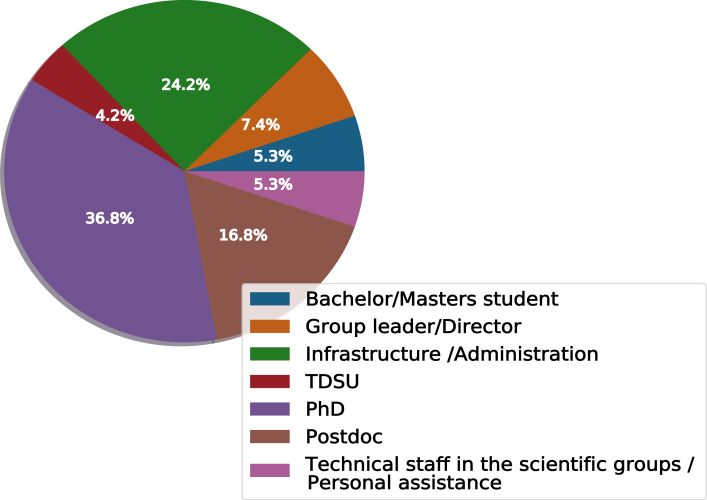
Gender Equality Plan

Introduction
What does gender equality mean to us at our Institute?

The Max Planck Institute for the Science of Light (MPL) is dedicated to providing
support to all staff members, regardless of gender, nationality, religion, disability, age,
cultural background or sexual identity. To do so, it is necessary to create conditions
for safeguarding careers. We are aware of the fact that an ongoing improvement of
framework conditions is vital for recruiting and keeping excellent staff members. By
improving equality of opportunities at MPL, we also increase our appeal as a scientific
institution.

According to the goals of the Max Planck Society, we actively contribute to creating
conditions that allow for career paths to be followed without any gender-related
obstacles.

Why do we draw up a gender equality plan?

An essential tool for the implementation of gender equality measures is to draw up a
gender equality plan. The purpose of this plan is to allow us to document our work, and
to contribute to equality of opportunities in professional advancement.

For how long is this plan valid? When can it be adjusted?

The present Gender Equality Plan 2021 replaces the previous plan dating from 2018.
It is valid for three years, until the end of 2023.

Who is responsible?

The Board of Directors, the Head of Administration and the Gender Equality Officer and
deputy cooperated to draw up this gender equality plan.

The goals of gender equality
The same opportunities are generally available to all staff members and applicants,
regardless of gender, nationality, religion, disability, age, cultural background or sexual
identity.

We can only expect diversity, if equal opportunities are ensured. Excellent research, as
represented by the Max Planck Society and therefore by our Institute, thrives on
diversity. It is an essential component to allow for our cutting-edge research to be
developed further. We strive to raise awareness of this across all divisions and levels
of hierarchy at the Institute.

Our work is based on the following legal and internal guidelines:

                                                                                         3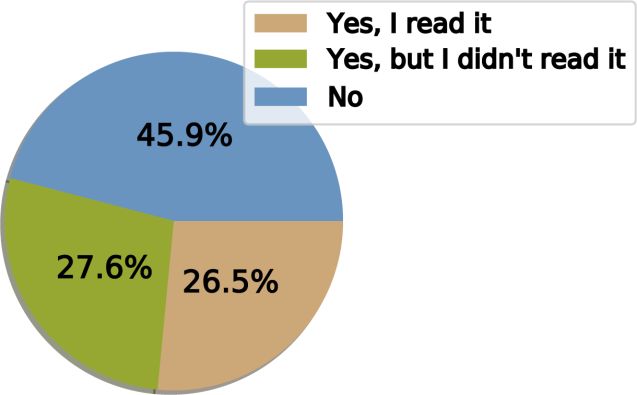
Gender Equality Plan

   1. The Federal Equal Opportunities Act (BGleiG, as of December 23, 2016), which
      aims (translated - originally in German):

      1. to achieve equality between women and men,

      2. to eliminate existing discrimination based on gender, in particular
      discrimination against women, and to prevent future discrimination, and

      3. to improve family-friendliness and the compatibility of family, care and work for
      women and men.

   2. The principles for equality between women and men in the Max Planck Society,
      the preamble of which states:

      It is the declared aim of the Max Planck Society in making any decision to take
      account of the differences between and diversity of men and women and to
      prevent discrimination. It supports the employment of equal numbers of both
      sexes and the compatibility of family and career. This aim shall be achieved
      through the application of the Policy for Equal Opportunities for Women and Men
      at the Max Planck Society (Equal Opportunities Policy) of January 1, 2008. The
      management of the Max Planck Society and the Central Works Councils shall work
      together to realize the Equal Opportunities Policy in compliance with this Central
      Works Agreement.

   3. The Code of Conduct of the Max Planck Society, which emphasizes:

      The Max Planck Society encourages the maxim of a non-discriminatory culture, in
      which the variety and diversity of employees are seen as an opportunity and in
      which all are met with equal respect and shown the same esteem. Neither ethnic
      origin, descent nor other categories of origin nor sex, gender nor sexual
      orientation, religion nor world-view, disability nor age may lead to personal or
      professional disadvantages and influence the opportunities of an individual to
      access to the organization or to promotion and qualification within the
      organization.

                                                                                        4
Gender Equality Plan

Status Report
Statistical key figures
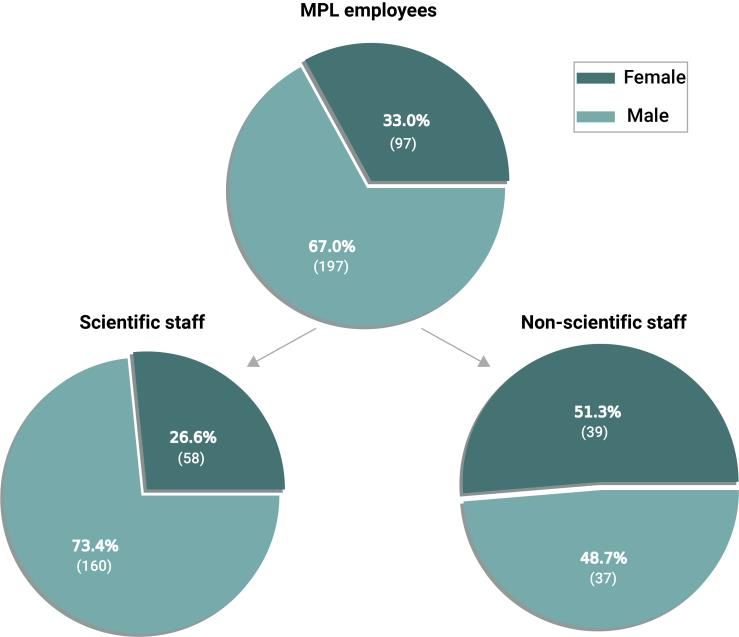
As of March 2021, a total of 294 staff members (without guests) were working at MPL,
of which 67% were men and 33% were women. In the scientific sector 26.6% of
employees are women, in the non-scientific sector 51.3% are women (Figure 1).
Comparing the numbers to the ones reported in the previous plan, there was an
increase in the total number of female employees from 25% to 33%.

                                                        Figure 1: Gender distribution of female
                                                        and male employees in: the whole
                                                        institute (top), the scientific staff
                                                        (bottom left) and the non-scientific staff
                                                        (bottom right).

As for the career level, the percentage of women in PhD and postdoc positions was 21
and 24, respectively. For research group leader positions, the woman percentage was
the highest among all the other levels (39%), for the heads of TDSU it was 33%.
However, there is still no female representation among the directors. In the non-
scientific staff, despite the equal distribution in gender, the percentage of female
employees (36%) in leadership position was lower than that of male employees.

The distribution of the salary groups among the two genders in the scientific and the
non-scientific staff was similar. This shows no preference gender-wise to a specific
salary group.

                                                                                              5
Gender Equality Plan
Parental leave was taken by 17 people in 2018-2020, 58.8% of whom were women. The
length of parental leave differed significantly by gender: All the female employees were
on a full parental leave that ranged between 1 and 2 years, while all the male
employees were on 2 months (so-called partner months) parental leave.
Results of the survey on the previous equality plan (March
2021)
A total of 98 people took part in the survey on the previous equality plan. This
corresponds to around one third of all employees. The survey listed the measures of
the last equality plan from 2018 and asked whether the participants felt that these
measures had been implemented and were beneficial.
The numbers of female and male participants were almost equal, indicating that a
higher percentage of female employees found the subject of gender equality relevant
to them and filled the survey (Figure 2 - left). A representative fraction of participants
from the different departments or career levels was apparent in the survey results
(Figure 2 - right).
Figure 2 Gender distribution of the survey participants (left) and the fraction of departments and career levels that the
participants belonged to (right).
We asked the participants about their familiarity with the gender equality team and the
gender equality plan. The majority of the participants knew about the gender equality
team but did not know or did not read the gender equality plan of our institute (Figure
3).
6Gender Equality Plan
Figure 3 Participant familiarity with the gender equality work at the institute. The answers distribution to: “Did you
know about the Gender Equality Team before now?” (left) and “Did you know about the gender equality plan and
have you read it?” (right)
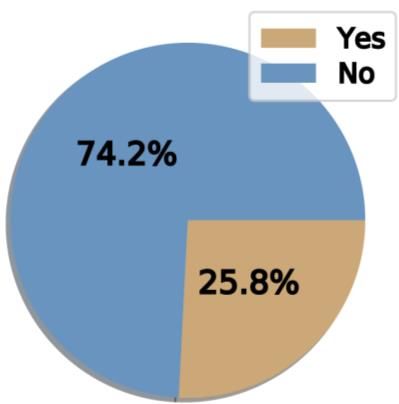
Interestingly, the majority of the participants identified the gender imbalance in the
number of female and male employees. In addition, three quarters of them thought the
opportunities are available equally to everyone at the institute and a quarter had the
contrary impression (Figure 4).
Figure 4 Participant opinions about gender equality and balance. The answers distribution to: “Do you think we
have gender balance?” (left) and “Do you think all genders are given equal opportunities in the institute?” (right)
In the area of supporting the reconciliation of work and family, the vast majority of
participants rated the existing measures as beneficial. In particular, the option of
alternating teleworking was described as very useful by 90 of the participants.
Interestingly, with regard to many offers (particularly in the case of the arrangement of
kindergarten places and the cooperation with pme Familienservice), the majority of the
participants could not assess whether the measure was implemented at MPL or not.
This indicates an information deficit.
7Gender Equality Plan
There were also major information deficits in the area of attracting and promoting
female scientists. For example, 78 of the participants stated that they did not know
whether the cooperation with the Dual Career Network Nordbayern had been
implemented. The measures from this area were considered beneficial by the majority
of participants. The regular implementation of information and training events on
career development and the institute's participation in Girls' Day received particularly
high approval. However, the majority of participants did not consider the career
development events in particular to be fully implemented.
In the area of "increasing gender awareness" there was only one measure, the offer of
information and training events with the aim of increasing gender awareness. While
the majority of participants found this measure very or at least partially beneficial, it
was largely rated as only partially implemented or not implemented at all - more than
40 people also stated that they did not know whether the measure is implemented.
In the area of the continuation of the idea of equality, there was once again a large
information deficit; in each case, the clear majority of participants could not assess
whether the measures had been implemented. In principle, however, a majority of the
participants considered all the measures to be beneficial.
Analysis of the measures from the previous gender equality
plan (2018)
In the field of action "Supporting the reconciliation of career and family life", the
measures from the last gender equality plan were assessed by the majority of the
participants in the survey as beneficial and, if known, also largely implemented. The
measures are ongoing and will be included in this new plan. In addition, financial
support is to be provided for parents of young children who wish to attend conferences
or workshops with their children (measure 1.5).
In the field of action "Recruitment and promotion of female scientists", the previous
measures were generally assessed as beneficial. Therefore, they are again included in
this plan. However, measure 2.1, regular career development events, was not
consistently implemented. In future, at least one event per year should take place.
Furthermore, the survey among employees made it clear that there is a need for
additional measures in this area. Therefore, several additional measures will be taken:
The gender equality officer is to be informed about the procedure for all job
advertisements in advance of the advertisement and ideally already involved in the
formulation of the job advertisement in order to ensure a gender-neutral approach
(measure 2.3). The newly introduced Emmy Noether Travel Grant (measure 2.5) is
intended to support young female scientists in establishing career networks. In
addition, events with information and reports on experiences on career paths
8Gender Equality Plan
specifically for women in science can be established as part of the annual meetings
of female fellows.
In the field of action "Increasing gender awareness", the 2018 gender equality plan
contained only one measure: offering information and training events with the aim of
increasing gender awareness. The survey results show that this measure is considered
beneficial by the majority of respondents, but it was only partially implemented (one
single event). In future, there should be at least annual events for the institute here. In
addition, the fields of action "Increasing gender awareness" and "Establishment of a
gender equality mindset" are combined to form the new field of action "Raising gender
awareness at the institute".
The measures from the field of action " Establishment of a gender equality mindset"
were also assessed as beneficial by a majority of the participants and will therefore be
retained for the most part. In addition, the measures in the area of raising gender
awareness at the institute will be expanded. In particular, we are taking up suggestions
from the survey: Training on the topic of unconscious bias is to be made available to
all employees (measure 3.1). Since it also became clear in the survey that many of the
participants knew little about the measures of the last gender equality plan and their
implementation, there will be a newly designed, detailed and clear area on the intranet
in the future where offers, contact persons and information on gender equality topics
will be collected and presented (measure 3.4). In addition, the visibility of women is to
be promoted by explicitly emphasising an appropriate representation of women
among the speakers at events (measure 3.5).
9Gender Equality Plan
Fields of action, objectives and measures
Supporting the reconciliation of career and family life
Objective:
In order to continue promoting the reconciliation of career and family life for our staff
members, we are maintaining and extending measures relating to childcare, under
consideration of legal provisions and the MPG guidelines.
Measure 1.1
To provide for childcare places for young children aged between 0.5 and 6 years, we
maintain an ongoing cooperation with Arbeiterwohlfahrt Erlangen-Höchstadt e.V.
(AWO). Seven places in crèches and two places in kindergartens are available as
contingent places for MPL employees.
Target group: All employees of our institute
Implementation & timeline: Implemented and ongoing; annual needs
assessment at the institute
Individuals responsible: Welcome Centre
Measure 1.2
pme Familienservice GmbH provides agency services to assist staff members with
finding care services for children and relatives in need of long-term care, as well as in
the areas of crisis consulting and preventive health care. Our cooperation with pme
Familienservice GmbH will be continued.
Target group: All employees of our institute
Implementation & timeline: Implemented and ongoing
Individuals responsible: Welcome Centre
Measure 1.3
10Gender Equality Plan
The parent-child room is available for staff members of the institute, in the event that
other childcare options are cancelled at short notice. It is also intended to provide
guest scientists with the opportunity to visit with their child.
Target group: All employees of our institute
Implementation & timeline: Implemented and ongoing
Individuals responsible: Front office, Head of Administration
Measure 1.4
Alternating telework at MPL enables employees to better reconcile work and family
life. Telework in this context refers to any type of work performed based on IT or
communication technology that is periodically performed from a workplace outside
the Institute. It is granted for one year at a time. There is no entitlement to telework.
Target group: All employees of our institute
Implementation & timeline: Implemented and on going
Individuals responsible: Head of Administration, individual supervisors
Measure 1.5
Employees having children between 0 and 3 years can apply for a travel fund (up to
1500 Euros per application) to pay the expenses of the child and one extra person to
accompany them for attending conferences or workshops.
The fund is available for any individual that has been on a parental leave for at least 4
months.
Target group: All employees
Implementation & timeline: to be implemented by the end of 2021
Individuals responsible: Institute Management, Travel Department
Recruitment and promotion of female scientists
11Gender Equality Plan
Objective:
Promotion and support provided for female scientists at our Institute is continued and
extended.
Measure 2.1
Information and training events regarding career development are offered at our
institute for all female employees (in scientific and non-scientific sectors).
Target group: All (female) employees
Implementation & timeline: Once a year
Individuals responsible: Gender Equality Officer, Head of Administration
Measure 2.2
In order to spark interest in our research work early on, and to open up staff resources
of the future, our institute will take part in outreach activities planned for female pupils,
such as the "Girls’ Day".
Target group: Female pupils from grades 5 to 12 in school
classes from Erlangen and the surrounding region
Implementation & timeline: Annual participation
Individuals responsible: Gender Equality Officer, Press and Public Relations
Department
Measure 2.3
To assure a fair and unbiased recruitment process, the gender equality officer should
be informed about the recruitment process before the job offer is published; most
ideally during the writing of the job offer.
Target group: Group Leaders (recruiters), HR
Implementation & timeline: Continuously
Individuals responsible: Gender Equality Team, HR, recruiters in the groups
Measure 2.4
12Gender Equality Plan
The Dual Career network for Northern Bavaria (DCNN) provides the partners of our new
leaders and management staff members with comprehensive advice and support
services, to enable them to smoothly continue their career in our region.
Target group: New employees of our institute
Implementation & timeline: Implemented and ongoing
Individuals responsible: Welcome Centre
Measure 2.5
The Emmy Noether travel grant of MPL supports female scientists in their
professional development by bringing them together with other female scientists who
have already proven themselves in a leading position. The focus is on the network
concept. Even after the stay in the host institution, the grant holders should benefit
from regular network meetings with one another.
Target group: Female scientists aspiring to leadership positions
Implementation & timeline: 4 grant holders per year. Application until the end of
the quarter; once a year a networking event for all
grant holders.
Individuals responsible: Gender Equality Team, Institute Management, Head
of Administration
Raising gender awareness at the institute
Objective:
In order to achieve equal opportunities across all areas of our Institute, it is important
to raise awareness of gender-related issues among all staff members.
Measure 3.1
In order to avoid distorted perception due to unconscious bias, unconscious bias
training is available for all employees, but obligatory for recruiters.
13Gender Equality Plan
Target group: Recruiters (Group leaders) and HR
Implementation & timeline: Until the end of 2021, then once a year for new
employees
Individuals responsible: Head of Administration, Gender Equality Officer and
HR
Measure 3.2
Information and training events aiming to raise gender awareness are offered at our
Institute (for example: movies, lectures and workshops).
Target group: All employees of our institute
Implementation & timeline: Once a year
Individuals responsible: Head of Administration, Gender Equality Officer
Measure 3.3
We have drawn up this gender equality plan to make our intentions in the area of
gender equality visible to our staff members. The plan is published on the intranet and
subject to ongoing updating.
Target group: All employees
Implementation & timeline: As needed, updated by 2023 at the latest
Individuals responsible: Institute Management, Head of Administration,
Gender Equality Officer
Measure 3.4
Part of the gender equality team activities is to make opportunities for self-
development and support visible for all employees. To provide better information, the
intranet page of the gender equality officer will be supplemented by a user-friendly
overview of funding programmes, grants and other support options.
Target groups: All employees
Implementation & timeline: to be implemented by summer 2021
14Gender Equality Plan
Individuals responsible: Gender Equality Team, Press and Public Relations
Department
Measure 3.5
The Gender Equality Officer will report directly about their work in the meetings of the
Board of Directors. An evaluation of the implementation of the current measures will
be done and presented.
Target group: Directors and Head of Administration
Implementation & timeline: Once a year
Individuals responsible: Gender Equality Team, Institute Management
Measure 3.6
We want to make underrepresented groups more visible. Therefore, women should
also appear as speakers at future events.
Target group: The public
Implementation & timeline: Ongoing
Individuals responsible: Gender Equality Team, Press and Public Relations
Department and Institute Management
Evaluation procedure
In creating this plan, the measures were constructed in a manner that allows efficient
and continuous evaluation. This was done by specifying target groups, timeline for
implementation and responsible individuals. As stated in the measures, the gender
equality officer and deputy will evaluate the implementation of these measures every
year and report the findings back to the board of directors and head of administration.
15You can also read


