National Education Growth Plan 2030 - Wellington May 2019 - Ministry of ...
←
→
Page content transcription
If your browser does not render page correctly, please read the page content below

National Education
Growth Plan 2030

Wellington

May 2019

The National Education Growth Plan is a new way of
thinking about and co-ordinating the Ministry of Education’s
response to school-aged population growth across New
                                                                 National Education
Zealand.

As communities change, so too do the schooling needs of their
                                                                 Growth Plan to 2030
tamariki and rangatahi. We have developed a National
Education Growth Plan which identifies what we know about
the anticipated location and patterns of growth in school-aged
children between now and 2030, and identified what the           Signalling a longer term view provides direction to the wider
Government may need to consider to meet this growth.             community, including other government agencies, local
                                                                 government, and infrastructure and service providers. This helps
Population growth is placing pressure on our school network in   to support their long-term planning and investment and provides
specific areas of the country. These high growth areas are all   increased confidence to the sector that we are anticipating and
unique and are experiencing growth in different ways. In some    planning for the challenges of a growing population.
areas, we are seeing redevelopment and intensification of
                                                                 We will monitor the plans annually and review as required to
existing urban areas, while in other areas entire new
                                                                 ensure that we are continuing to provide accurate, reliable and
communities are being established.
                                                                 up-to date information and data to inform the right investment
                                                                 decisions into the future.
Each growth area, or “catchment”, requires a specific and
targeted response. This Plan compiles these responses            Investment in our infrastructure has long-term effects and will
across the decade to 2030 and provides the basis for decision-   shape how well infrastructure functions for future generations,
making on investment spend in high growth areas.                 including delivering educational outcomes desired by the
                                                                 community.
We expect to see better value for the investment spend over      This National Education Growth Plan shows how sufficient
the longer term as we articulate a clearer picture of demand     capacity in the school network will be delivered in the right place
and response. With a longer term view, we can assess             at the right time.
whether there are potential investment gaps or affordability
issues beyond the 10-year horizon.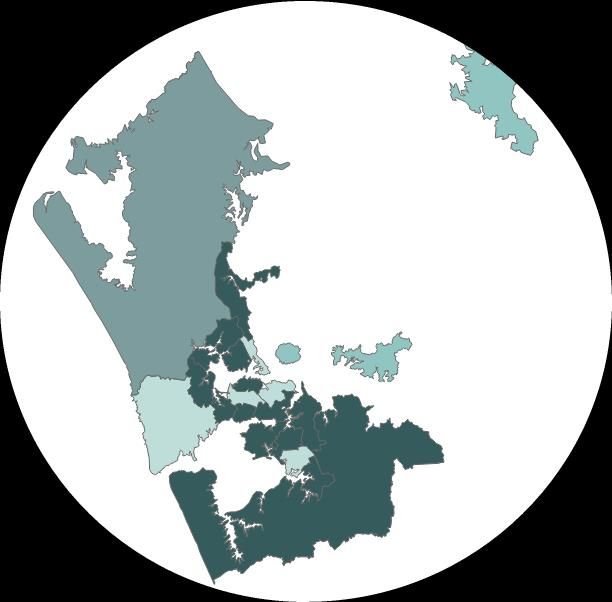
National Education Growth Plan
                    New Zealand Education Growth Plan to 2030

Contents
   o NEGP Framework
   o NEGP Summary
   o Wellington
   o Disclaimers
   o Key to Icons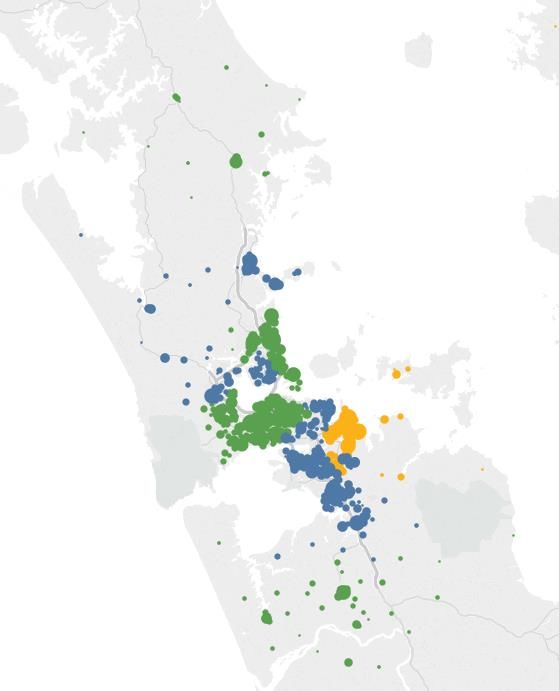
National Education Growth Plan
                                                                                         New Zealand Education Growth Plan to 2030
The National Education Growth Plan (NEGP) is a new way of thinking about and co-ordinating the Ministry of
Education’s response to population growth across New Zealand. The National Education Growth Plan will
ensure that sufficient capacity in the school network is delivered as the right type, in the right place, at the                       A new approach is needed to
right time.                                                                                                                            ensure that the educational
                                                                                                                                       needs are met for every
A Framework For Planning: Three Broad Profiles of Growth                                                                               child in New Zealand.
» There are different types of population growth in different areas of New Zealand. Growth in an area can be a result of net
  migration (people moving into the region) or natural growth from births.                                                              By 2030, students will
» Characteristics of the area influence the response to growth and, in some cases, there is the ability for expansion and new           exceed the number of
  development. In other areas, increasing capacity may require redevelopment or strategic solutions across a school or groups           student places by 100,000
  of schools.                                                                                                                           in high growth areas.
» We have identified 20 growth catchment areas within Auckland and 19 across the rest of New Zealand. For each catchment we
  have categorised them into one of three different profiles of growth: Blueprint for Growth, Complex Growth, Steady Growing.
  These are the three profile definitions:
                                                                                                                                       We have an opportunity to
                                                                                                                                       modernise and expand our network
                                                                                                                                       to support education now and for
                                                                                                                                       decades to come.

                                                                                                                                       Between 2017 and 2030 we have forecast that an additional
  This is where local government planning                                                                                              60,000 student places will be needed in Auckland. 12,000 of
  includes intensive housing development                                                                                               these have been funded through to Budget 18.                                                    Map Key:        HIGH
  and expansion into outer urban areas in
  response to, or causing, a large influx of                                                                                                                                                                                            Predicted
  people to move into a particular area.
                                                                                                                                                                                                                                                      MEDIUM
                                                                                                                                       Historically, we have funded places through the annual                                            growth in
  These are opportunities to master plan
                                                                                                                                       Budget process. Seeking funding annually reduces the ability                                    school age
  education infrastructure collaboratively                                                                                                                                                                                                            STABLE
  across agencies to integrate in new                                                                                                  to plan ahead and make strategic or innovative changes to                                       children by
  communities.                                                                                                                         the network. Flexibility will enable us to be responsive to                                      Territorial
                                                                                                                                                                                                                                         Authority    DECLINE
                                                                                                                                       growth.

Common solution framework across the full network                                                                                   Additional factors influencing solution decisions
Different types of growth require different responses in terms of school network solutions. We have identified a set of responses   There are a range of factors influencing the network solution. For example, in some cases additional classrooms can not be
and pre-determined triggers for when responses will be implemented.                                                                 added to existing schools because there is no physical space available. The likelihood of these factors being present vary across
                                                                                                                                    the different growth profiles. We have illustrated the prevalence of some common factors.
                 » Redirect students to under-utilised                              » Merger, relocation, or school type change
                   schools through zoning solution: e.g. new                          e.g. primary to composite, from single sex
                   zone or shrink zone, managing out-of-                              to co-ed, English medium to bilingual.
                   zone enrolments.                                                 » Considered if changing the network will
 Enrolment       » Zoning solution always first step                   Network        redirect students to other schools with
   zones           considered when schools are at risk of             restructure     student places.                                                          Additional          Parental choice      Demand to        Availability and    Constraints on
                   exceeding student places.                                                                                                                 learners in the         influencing          expand          acquisition of      existing site
                                                                                                                                                               catchment              utilisation      provision type appropriate land sites   capacity

                 » Build new classrooms in existing                                 » Acquire land and build new school -
                   schools to meet capacity, temporary or                             from start to finish takes six to ten          Blueprint for growth
                   permanent.                                                         years.
                 » Considered after zoning options                               » Considered if the network is                      Complex Growth
Roll growth        exhausted and schools still projected to           Establish    projected to exceed capacity within
 funding           be over-utilised.                                 new schools   six years.                                        Steady Growing
National Education Growth Plan
                                                                                          Summary of the growth catchments

      This is where local government planning
      includes intensive housing development
      and expansion into outer urban areas in
      response to, or causing, a large influx of
      people to move into a particular area.
      These are opportunities to master plan
      education infrastructure collaboratively
      across agencies to integrate in new
      communities.

                                                    National Growth Plans (excluding Auckland)
                                                                                                 Potential New
                                                                                School
                                Student places                New Schools                         Enrolment    Redevelopments
                                                                              Expansions
                                                                                                   Schemes
                         Low           High        Expected      Total            Total                Total                 Total

      To 2030          30,590 48,040                40,000        31                10                  38                     7

                                                                                                                                                                       We have identified
                                                              Auckland Growth Plans                                                                           39 high growth catchments
                                                                                                 Potential New                                                       across New Zealand
                                                                                Schools
                                 Student places               New Schools                         Enrolment           Redevelopments                             Across the catchments of schools,
                                                                              Expansions                                                                       we have identified the type of growth
                                                                                                   Schemes
                                                                                                                                                                          that is the primary driver.
                         Low           High        Expected      Total            Total                Total                 Total                 Blueprints for Growth = 18 catchments with the
                                                                                                                                                               most schools and the highest growth

      To 2030          17,255 63,866                60,000        30                21                  103                     2                     Complex Growth = 11 catchments within the
                                                                                                                                                   next biggest areas of growth with redevelopment
                                                                                                                                                               of existing schools to support growth

Note: The above numbers and forecast schooling infrastructure are correct as of November 2018 ; however are likely to fluctuate or     Steady Growing = 10 areas with change over longer periods
change as growth patterns emerge and develop over time.                                                                                       that will require targeted interventions and responses
WELLINGTON
Northern Kāpiti: Steady Growing
New Zealand Education Growth Plan to 2030
Director’s message: What have we done so far?
• We will consider the establishment of a new kura to further increase
The northern Kāpiti area between Waikanae and • In 2010, in anticipation of projected growth, we acquired land north of the capacity of the existing Māori medium network. This is dependent
Otaki is expected to continue to grow, partly as a Waikanae township for a new primary school. We are currently on an anticipated application for establishment.
result of significant investment in roading assessing whether our current site is the best location for future
infrastructure and partly as a result of the shifting schooling provision.
rural-urban boundary. Beyond 2030
• In the past two years, we have provided two additional teaching
While we know there is an ageing population in the spaces across the Kāpiti primary network to accommodate increases Beyond 2030, we expect that growth will continue. To accommodate
Kāpiti district, there are also many new families in school rolls. this growth, we anticipate establishing a new primary school on a site
attracted to the area because of larger sections, more affordable housing, acquired prior to 2030. We will continue to monitor roll growth and the
• We are exploring a review of some schools’ enrolment scheme
lifestyle and improved transport links to Wellington City. uptake of development in the catchment to inform our decision-making.
boundaries to provide better balance across the network to
This plan, like our growth plan for Wellington Central and North, shows We will also assess the need for future secondary provision and begin
accommodate short term growth. Two Waikanae schools are on
how we aim to deliver a local school network that will not only planning should our monitoring show this is required.
constrained sites with limited development options.
accommodate future growth, but also provide our children with the
opportunity to reach their full potential.
Planning for short-term growth (3 years)
Ngā mihi,
• We will continue to work with schools in this catchment to review their Māori medium
Erika Ross
enrolment schemes to better utilise our existing network of school
infrastructure. Māori account for 13% of the population in the Kāpiti Coast district. In the
Kāpiti’s growth story Kāpiti catchment, there are two composite kura, one dual medium
• In the short-term, we anticipate an additional 200 student places will contributing primary and one dual medium full primary. Kāpiti Coast has
Since 2001, the Kāpiti Coast district population has grown by about 15%. be required across four schools in the catchment to cater for growth. 246 tauira in Māori medium Level 1.
The population is expected to grow from 52,000 in 2018 to 63,000 in
• We are planning for further specialist learning support provision
20431. Kāpiti Coast District Council projects the population of Northern There is a desire from iwi in this area to expand provision and develop
across both the primary and secondary network. This will likely be two
Kāpiti to grow from 22,600 in 2018 to 25,800 in 2030 and on to 29,600 in new kura. We anticipate an application from iwi to establish a kura in this
satellite units (one at primary level and one at secondary level). area and it is likely we would be supportive of such an application. We
2043 (total growth of 7,000)2.
anticipate growth in this network, and the two existing kura in Kāpiti will
In the past, this area has typically attracted an older demographic,
require expansion in the next five years.
however we are now seeing more young families move into the area. The Planning for medium-term growth (3-10 years)
opening of the new expressway has reduced travel time to Wellington Learning Support
Current population projections do not account for the growth we are
meaning this area is now an affordable place for families to live within a expecting as a result of the investment in transport infrastructure. We are The Wellington region has one of the highest levels of mainstream
reasonable commuting distance to the city. We expect the opening of planning to accommodate at least an additional 125 students in the inclusion in the country. In the Kāpiti catchment there are currently 57
Transmission Gully (planned for mid-2020) will see this growth intensify. network by 2030. Our long-term planning incorporates several key ORS students. The majority of the ORS students attend local schools
We also anticipate the urban-rural boundary to shift further north as the actions: with no particular school attracting a significant proportion of these
population grows and previously undeveloped areas are developed as learners.
land becomes available. This is not currently reflected in the population • We are considering options for future schooling provision in
projections. Waikanae. Between 2014 and 2018, Kāpiti has seen a steady number of both ORS
high and very high students. We anticipate the number of ORS learners
In Northern Kāpiti, there are approximately 1,750 new dwellings planned • We will consider options for maximising our existing school site on the
will continue to rise in line with population growth. There is a special
between now and 2043. Construction is already underway. We anticipate rural boundary (Te Horo School), including developing a master
school satellite at Kāpiti School in the neighbouring network, however
significant further development within this period. planned capacity with this school.
there is no special school provision in the Northern Kāpiti network.
The Northern Kāpiti catchment has grown by 92 students since 2014. The There is also no secondary specialist learning support provision on the
three primary schools in this catchment are all experiencing roll growth Kāpiti Coast or in neighbouring Horowhenua.
pressure.
1 https://forecast.idnz.co.nz/Kāpiti/population-summary
2 https://forecast.idnz.co.nz/Kāpiti 7th September 2018Northern Kāpiti: Steady Growing
New Zealand Education Growth Plan to 2030
Northern Kāpiti, north of Wellington, comprises the areas of Waikanae and Otaki. In the Northern Kāpiti catchment, there are 2 state contributing
primary schools, 3 state full primary schools, a state secondary Y7-15 school, a state integrated full primary school, and 2 composite kura (both
Y1-15). As at July 2018, this catchment had a combined school roll of 2,551 students, including 429 Māori Medium students and 18 ORS
students.
What’s influencing the Growth Plan
Investment in transport infrastructure
Here’s what's already underway that’s giving us a head start to
Significant investment in roading infrastructure meet growth in the region
has reduced travel time to Wellington making
northern Kāpiti a desirable location for families. We are exploring with schools a review of enrolment
The opening of Transmission Gully in 2020 is scheme boundaries to provide better balance across the
expected to see this intensify. network, as some schools are at capacity and on
Changing urban-rural boundary constrained sites with limited development options.
We expect the urban-rural boundary to be
adjusted northwards toward Te Horo as growth
in the catchment increases and previously There is Ministry land available in Waikanae for a
undeveloped areas become developed. future school. We are considering site options for
future schooling provision in Waikanae.
Growth in existing school catchments
There is currently roll growth pressure across Two additional teaching spaces have been provided
Waikanae primary schools. This is due to across the primary network to cater for recent roll
roading changes and the affordable lifestyle this growth.
part of Wellington offers young families.
Growth Plan to 2030
2019 2022 2030
200 student Review of site Potential
places options for establishment of new
Waikanae school – timing TBC
primary network
Engage with
community
» We will continue to work with schools in this catchment to review
» We will engage with the school sector to master plan for
their enrolment schemes to better utilise our existing network of
future school size. » We are planning for further specialist learning support
school infrastructure. provision across both the primary and secondary
Enrolment network. This will likely be two satellite units (one at
zones Engagement primary level and one at secondary level).
» There is a desire from iwi in this area to expand
provision and develop new kura. We anticipate an
application from iwi to establish a kura in this area.
Expanding
Provision » We anticipate growth in this network, and the two
» We are considering site options for future schooling
» In the short-term, we anticipate an additional 200 student places Type existing kura in Kāpiti may require additional capacity.
provision in Waikanae.
will be required across four schools in the catchment to cater for
growth.
Roll growth Site
funding assessmentWellington Central & North
New Zealand Education Growth Plan to 2030
Director’s message: In this catchment, we have seen an increase of 707 students since 2014. The network is • In central Wellington, we will assess whether site acquisition for a new
currently operating at 98% capacity. primary school is required and consider innovative solutions for what this
We know Wellington is growing. We have been working
What have we done so far? could look like. We will likewise explore the possibility of establishing at
closely with Wellington City Council to understand the
least one additional primary school in northern Wellington, depending on
impact of the greenfield development in the north and
• We have been working closely with WCC, school boards and Kāhui Ako. Almost all population projections.
further urban intensification in central Wellington. This
primary and intermediate schools have enrolment schemes in place. We are exploring
plan focuses on Wellington Central (Te Aro to Island
enrolment schemes with some primary schools in the catchment. All secondary • In northern Wellington, we will also assess the demand for future
Bay) and Wellington North (Johnsonville to Tawa). secondary schooling and consider whether site acquisition for additional
schools have enrolment schemes.
secondary provision is necessary.
Growth presents us with both a challenge and an opportunity. Wellington
• Recently we have provided additional teaching spaces to six schools, and invested in
City has some of the smallest school sites and challenging topography in
the redevelopment of five primary schools and one secondary school. Funding has • We plan to review technology provision across the city with the intention of
the country. This means that building outwards, upwards or on a new site delivering a technology hub for approximately 1,300-1,500 student places
recently been announced for the provision of an additional 16 teaching spaces at
is not always an option. We need to consider innovative solutions to the to ease pressure on primary schools.
Wellington Girls’ College ($25 million).
challenges we face.
• In Wellington Central, we are working with primary schools to review the teaching of • We will consider providing additional specialist learning support space
We know that to accommodate long term growth, we need to plan now. either through satellites or a new base school.
the Y7-8 technology curriculum and what these facilities might look like in the future to
We want to ensure that we have the space to meet the challenges of
help free up crucial space in schools. Beyond 2030
population growth and that we work with schools to provide innovative
responses to it. This plan shows how we aim to achieve this. • In 2012, we opened Amesbury School in northern Wellington. Funding has been Growth beyond 2030 continues. Population growth between 2033 and 2043
allocated through Budget 18 for the expansion of this school. is projected to see another 15,000 people across the city. In the Wellington
Ngā mihi,
Planning for short-term growth (3 years) Central catchment, we plan to accommodate this growth through establishing
Erika Ross a new primary school. In Wellington North, we anticipate the need for at least
In the short-term, our projections show we will need to accommodate an additional 500 one new primary school, and also potential additional secondary provision.
Wellington’s growth story students in northern Wellington and an additional 300 students in central Wellington by Our monitoring of rolls and capacity will inform decision-making around the
2021. potential timing of any future provision.
Employment opportunities, a more affordable city housing market than
Auckland, coupled with a great lifestyle is bringing new families to our • We will continue to monitor rolls and work with schools to implement and review
region. Housing in Wellington is more affordable than the Auckland market enrolment schemes to ensure they are fit for purpose. We will also work with schools Māori medium
while still allowing the same city life advantages and experiences. The to manage out-of-zone student numbers.
population of the city has grown in the last 15 years from 170,000 to over In the 2013 Census, within Wellington City, Māori accounted for about 8% of
• In central Wellington, we anticipate the need for 200 additional student places. We the total population. In March 2018, Wellington City had 159 tauira in Māori
200,000 people. The Wellington Urban Growth Plan (2015) projects an
also project an additional 185 students in the secondary network that we plan to medium Level 1. We project this number to grow in line with population
extra 50,000 people in Wellington Central by 2043.
accommodate in the co-educational secondary school in Wellington Central, which growth. The Wellington Central catchment has no significant Māori medium
Te Aro is the city’s fastest growing residential neighbourhood, with the has seen an increase in demand. provision. In the adjacent catchments, there is a composite kura and one dual-
population growing more than three times faster than the city as a whole.
• In northern Wellington, we have recently approved three new enrolment schemes and medium full primary school. Students travel across this network to access their
Wellington City Council (WCC) projections show that the population in provision of choice. There is no dual or Māori medium provision in Northern
one scheme amendment at local primary schools. We will also closely monitor these
Wellington Central will grow from 74,700 in 2018 to 86,400 in 2030, and to Wellington. To date, there has not been any interest from community groups
rolls to determine whether we are required to invest in roll growth. We will also
95,500 by 20431. The majority of this residential growth is expected to come about establishing provision here.
undertake master planning for both Onslow and Newlands Colleges to ensure they
from medium and high density housing.
are able to meet future demand.
Learning Support
School rolls in the Wellington Central catchment have increased by 685
• We are considering all network options to ease pressure on existing provision.
students since 2014. The primary school network is currently operating As at March 2018, in Wellington Central and North there are 173 ORS
beyond capacity. Space at our school sites in this part of the catchment is Planning for medium-term growth (3-10 years) students. The majority of the ORS students attend local schools with no large
limited. grouping in any one specific school. Wellington has one of the highest levels
By 2030, we are planning to accommodate an additional 700 students in Wellington
of mainstream inclusion in the country. We anticipate this number will
The Wellington North catchment is a popular area for families, with medium Central and an additional 750 students in Wellington North.
continue to rise in line with population growth.
density housing and in close proximity to Wellington City. A large number of
• We are planning to engage with the sector and our communities as we develop
land and build packages are available in this area. WCC projections show The Wellington region has two special schools with total capacity for 152
options for future schooling provision. We will also work with schools to develop a
the Wellington North population is projected to grow from 48,700 in 2018 to students. Neither of these schools are located, nor have satellite classes in
master planned capacity for each site. This is particularly important for our primary
55,400 in 2030 and on to 61,300 in 20432. this catchment. Recently, there has been increased demand for provision in
schools that have constrained sites.
both special schools, particularly from people who have relocated from
Two large greenfield sites in the Newlands/Grenada area are anticipated to
Auckland, where there is greater availability of special school provision as an
result in about 2,200 new dwellings. We are also aware of several smaller
option.
developments in this area with potential for a further 1,300 new dwellings. 1,2 https://forecast.idnz.co.nz/wellington 7th September 2018Wellington Central & North
New Zealand Education Growth Plan to 2030
Wellington Central and North are experiencing some new development in the north of the catchment, and infill growth in the established parts of
the city. The catchment comprises 17 state contributing schools, 8 state full primary schools, 4 state intermediates, 6 state secondary schools, 5
state integrated full primary schools, 1 state integrated contributing primary school, 1 state integrated secondary school (Y9-15), 1 teen parent unit
and 1 special school. As at July 2018, this catchment had a combined school roll of 18,578 students, including 14 Māori Medium students and
189 ORS students.
What’s Driving Growth
Demand for medium and high density housing in Here’s what's already underway that’s giving us a head start to
Wellington Central meet growth in the region
The population in Wellington Central is expected to Across this large catchment, almost all primary and
grow from 74,700 in 2018 to 86,400 in 2030. The intermediate schools have enrolment schemes in place, with
majority of this residential growth is expected to come the latest implemented this year. We are currently exploring
from medium and high density housing meaning we will enrolment schemes with some primary schools. All
need to accommodate more students in our existing secondary schools have enrolment schemes.
network.
In Wellington Central, we are working with primary schools
Future development in Wellington North
to review the teaching of the technology curriculum and what
Development is planned in the Grenada/Newlands these facilities might look like in the future to help free up
area on previously undeveloped land, resulting in a crucial space in schools.
potential 3,500 new dwellings.
Recently we have provided additional teaching spaces to six
Constraints on existing site capacity schools, and invested in the redevelopment of five primary
schools, one intermediate and one secondary school.
Many of our schools are on constrained sites which
Funding has recently been announced for the provision of
limits the opportunities for expansion.
an additional 16 teaching spaces at Wellington Girls’
College ($25 million).
Growth Plan to 2030
2019 2022 2030
Review and 820 additional
750 student Potential acquisition Potential new Additional
implement students by
places In of up to three sites – schooling provision 1,450
enrolment 2021
Wellington timing TBC in north Wellington – students by
schemes
North timing TBC 2030
Review Engage with
technology community
provision
» Across the Wellington region, we are planning to engage
» We plan to review technology provision across the city with the
» We will continue to monitor rolls and work with schools to with the school sector and our communities as we develop
intention of delivering a technology hub for 1,300 to 1,500 student
implement and review enrolment schemes to ensure they are fit options for future schooling provision.
places to ease pressure on primary schools.
for purpose. » The Wellington Central catchment has no significant Māori
» We will explore change of class options for some schools to ease
Enrolment » We will also work with schools to manage out-of-zone student Network medium provision. In the adjacent catchments, there is a
zones pressure on intermediates which are on constrained sites and
numbers. solutions composite kura and one dual-medium full primary school.
experiencing pressure.
Students travel across this network to access their
provision of choice. There is no dual or Māori Medium
Expanding provision in Northern Wellington.
» Wellington City has some of the smallest school sites and Provision » The majority of the ORS students attend local schools with
» In central Wellington, we forecast the need for 200 additional challenging topography in the country. This means that building no large grouping in any one specific school. Wellington
Type
student places at primary level. We also expect an additional 185 outwards, upwards or on a new site is not always an option. We has one of the highest levels of mainstream inclusion in the
students in the secondary network that we plan to accommodate in need to consider innovative solutions to the challenges we face. country.
the co-educational secondary school in Wellington Central, as Constraints on
Roll growth demand has been increasing for co-educational education over » We will work with schools to develop a master planned capacity » The Wellington region has two special schools. Neither of
existing site
for each site. This is particularly important for our primary these schools are located, nor have satellite classes, in
funding single sex. capacity
schools that have constrained sites. this catchment.National Education Growth Plan
New Zealand Education Growth Plan to 2030
Disclaimers
• The National Education Growth Plan (NEGP) identifies what we know from a range of sources about the anticipated location and nature of patterns of growth in
school-aged children. The NEGP also identifies measures that the Government may need to consider in order to meet this growth in the period through to 2030.
• The NEGP focuses only on high growth areas and the immediate demand for state school infrastructure to 2030. However, we will continue to work with proprietors
to recognise and understand the demand for state integrated schooling in particular catchments and ensure that state integrated provision is considered within the
context of our catchment planning.
• The NEGP is split by region, and within large regions split into smaller catchment areas. The catchment plans identify drivers of growth, the impact on the current
network and forecast where new capacity is needed across the compulsory school network.
• The NEGP comprises 39 catchment plans covering the areas of highest student population growth. Growth in these catchments is having the biggest impact on
existing schools, and is increasing demand for new infrastructure across New Zealand’s state school network.
• Delivery of this plan to meet the demand for student places in the NEGP will be sought through Budget 19 and subsequent Budgets. Future investment in
infrastructure to meet demand will be subject to Cabinet agreement.
• Delivery solutions and responses will be informed by our ongoing monitoring of developments in and across catchments and regions and their associated impact on
the forecast student demand.
• The Ministry has developed the New Zealand Catchment Planning Model (NZCPM) to forecast the student place demand and distribution for education infrastructure.
The model compares the forecast demand with the space available in schools (supply), including approved new space, to identify the potential future requirement for
additional student places (demand).
• Forecast demand for student places is based on regional analysis and catchment modelling and is current at November 2018. These forecasts will change as growth
patterns emerge and develop over time, and as key input data is updated, such as school roll data, population projections, and large-scale developments.
• Population projections and forecast student demand are derived from Statistics New Zealand data in the first instance. At a catchment level, we add local insights
such as the extent of housing development and student movements across a catchment.
• The catchment model overlays a number of data sources to enable us to make specific infrastructure decisions within school catchments for student places. This
model factors in the lead times of major infrastructure projects and is not designed to roll up at a macro level, unlike other Ministry projection tools.
• Catchment maps show the location of all schools within the catchment, including those schools that have opened in 2019. The catchment maps show roll growth
between 2007-2017.
• Information related to schools, learning support or Māori medium education is limited to what was known and understood as occurring in the catchment at the time
this plan was written. Comprehensive national plans for Māori medium education and the provision of specialist schools and associated satellite units are being
developed and sit outside this plan.
• The NEGP is a flexible, dynamic and live document. It is subject to change as growth patterns change. We will monitor the NEGP annually and review as required to
ensure that we are continuing to provide accurate, reliable and up-to-date information and data to inform the right investment decisions into the future.National Education Growth Plan
New Zealand Education Growth Plan to 2030
Key to Icons:
Parental choice Funding required for
influencing utilisation additional student
places
New school or student Network structure
places are delivered on solutions
the ground
Additional learners in the Enrolment schemes
catchment
Redevelopment and
Demand to expand refurbishment
provision type
Availability and Large scale residential
acquisition of appropriate development
land sites
Constraints on existing site
capacityYou can also read


