GENERAL PRACTICE FORWARD VIEW - Midlands and East Bulletin - NHS England
←
→
Page content transcription
If your browser does not render page correctly, please read the page content below
GENERAL PRACTICE
FORWARD VIEW
Midlands and East Bulletin                                                   Issue 4: September 2018

Welcome
                        It has quite rightly been said “If general practice fails, the NHS fails”.
                        As shown by the latest GP Patient Survey published last month,
                        confidence and trust in GPs and primary healthcare professionals
                        remains extremely high at 95.6%.
                        Given its cornerstone role, it is vital that general practice is supported
                        and developed to ensure its long-term sustainability and leading role in
                        transforming our health and social care services for the future.
                        A key element in this process is the development of “hubs” or networks
                        of practices working together. This model enables practices to share
                        services, such as community nursing, mental health, and clinical and
                        community pharmacy teams, and to pool responsibility for urgent care
                        and extended access.
Evidence shows there are many benefits for patients, practices and the wider system in working
in this way, from access to enhanced care and new services closer to home, to improvements in
quality and opportunities to develop the workforce, as well as economies of scale.
Primary Care Networks were a feature at the Health and Care Innovation Expo 2018 earlier this
month. You can find out more on page 4 about what was covered and our plans to support the
development of more PCNs in the region.
As well as facilitating longer-term transformation, the GP Forward View also addresses immediate
challenges. Helping GPs to stay in the workforce is one of these. You can find out more about
how the £2.07 million allocated to our region will be used by STPs to support this, as well as some
excellent examples of the innovative work that’s already underway, on page 6.
We are just a few days away now from the national deadline of 1 October 2018 when all of
the extended access schemes in the Midlands and East region are planned to go 100% live. I
appreciate how much work has gone into this over recent months, so it’s very rewarding to hear
how much patients are appreciating this new service as you can read on page 2.
Going forward, work to sustain and transform our general practice services will continue across
the two new NHS England regions of the Midlands, and Central and East of England once they
have been established later this year. The good news is that national funding has been secured to
continue the implementation of our GPFV programme of work for 2019/20 and 2020/21, and we
look forward to working with you further on this journey.
Dr Paul Watson
Regional Director – NHS England (Midlands and East)

      For further information on GP Forward View in the Midlands and East, please contact
                                 midlandsandeast.gpfv@nhs.net
                                                                                                     page 1
Featured in this issue
■■ Extended GP access – pages 2 and 3              Spotlight on workforce:
■■ ETTF premises investment – page 3               ■■ International GP recruitment – pages 8
                                                      and 9
New models of care:
                                                   ■■ Mental health therapists and Physician
■■ Primary Care Networks – page 4
                                                      Associates – page 9
■■ Primary Care Homes – page 5
                                                   ■■ Clinical pharmacists – page 10
■■ GP retention – pages 6 and 7

   Plus funding for practice staff training, the latest in digital, and a report on our recent
   stakeholder event – pages 11 -13

Improving access to general practice - latest update
Good progress has been made in Midlands and East towards ensuring all patients will have
access to GP services at the weekends and evenings by the national deadline of 1 October.

CCGs and practices have been working hard over recent months to put the extra
appointments in place, and we are grateful for all their efforts.

The challenge now is to ensure the extended services are advertised widely so that as many
people as possible know about the extra appointments available and how they can benefit
from them. We will be continuing to support our CCGs to do this and help them stay on
track with their delivery plans.

Planning for winter
With winter just over the horizon, it is really
important that local extended access schemes
are fully established and running smoothly.
We know that urgent and emergency care (UEC)
services need our support over the winter period
and the extra sessions provided in primary care
should have many benefits including:
■■ Patients finding it easier to get an            Herefordshire welcomes
   appointment at short notice, or at a more
   convenient time;                                extended access
■■ Less pressure on primary care services          Patients in Herefordshire, who have had
   during core hours; and                          their extended access services in place for a
■■ Helping reduce pressure on urgent care          few months now, have given really positive
   services, potentially avoiding unnecessary      feedback to their provider, Taurus Healthcare:
   attendances at A&E.                             ■■ “I work full time - 44 miles away, so I’m
Across the region, NHS England is working with        unable to visit my GP during surgery hours
UEC leads to make sure that we support areas          unless I take a day off sick or as holiday.
where pressure is likely to be high.                  This availability during a Saturday is
                                                      fantastic.”
Extended access will be a focus of the 2018/19     ■■ “I’m self-employed so this service to me is
Stay Well This Winter campaign, beginning             convenient to say the least. First class!”
in early December. The availability of evening     ■■ “I work away from home all week, and find it
and weekend GP appointments will be                   difficult to see my own GP in the week, so to
promoted through outdoor advertising, local
                                                      have access to see a GP on a Saturday for
radio, print and social media.
                                                      me is very important.”
                                                                                              page 2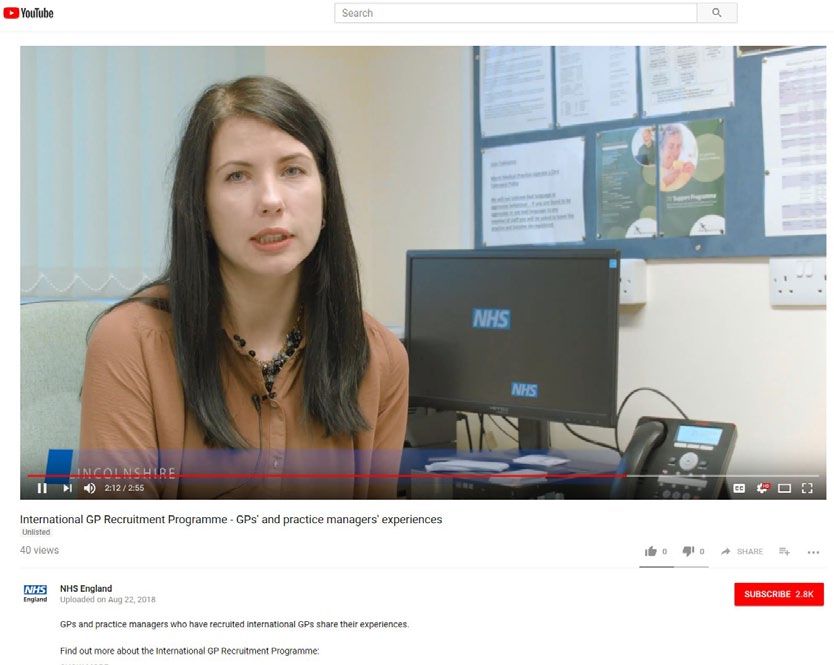
Animation helps improve access for all
The University of East Anglia has developed an animation to support CCGs in addressing
inequalities in access to GP services. The animation, hosted by NHS England on its YouTube
channel, aims to demonstrate where inequalities
may be experienced by a patient and some
solutions to overcome them.
The animation supports NHS England’s practical
resource, Improving Access for All, which aims to
provide:
■■ a guide in assessing local issues, supporting
   local equality analyses and providing examples
   of how barriers arise at different points on
   a patient’s journey, from identifying a health
   problem to getting an appointment to seeing a GP or other healthcare professional;
■■ practical tips on a wide range of issues related to protected characteristics and other groups
   who experience barriers to healthcare, for example through homelessness; and
■■ quick links to video clips, learning materials for practice staff, case studies, examples of good
   practice and a wealth of information on NHS England’s website.

ETTF aids dementia-friendly services in Evesham
                                                    Funding from NHS England’s Estates and
                                                    Technology Transformation Fund (ETTF) has
                                                    helped to improve access and create the
                                                    first dementia-friendly surgery in Evesham in
                                                    Worcestershire.
                                                    The extension at DeMontfort Medical Centre has
                                                    resulted in seven more clinical and treatment
                                                    rooms, and there is scope for developing the
                                                    second floor to create more consulting space in
                                                    the future. There is also a new lift and automatic
                                                    front doors, and the reception desk has been
                                                    improved for greater access and privacy.
                                                    Improvements such as signage in both written
                                                    and picture form, a clear colour scheme and
                                                    labelling, and suitable flooring and surfaces, are
                                                    all designed to benefit dementia and learning
                                                    disabled patients in particular.
                                                    The GP partners have invested £350,000 in the
                                                    development themselves and were supported
                                                    by an ETTF grant of £735,000.

                                           The region has some £49 million in ETTF funding for
                                           2018/19. All the schemes being funded have been
                                           proposed by the region’s 17 STPs, based on the
                                           priorities of their estates plans and aligned to their local
                                           digital roadmaps.

                                                                                                 page 3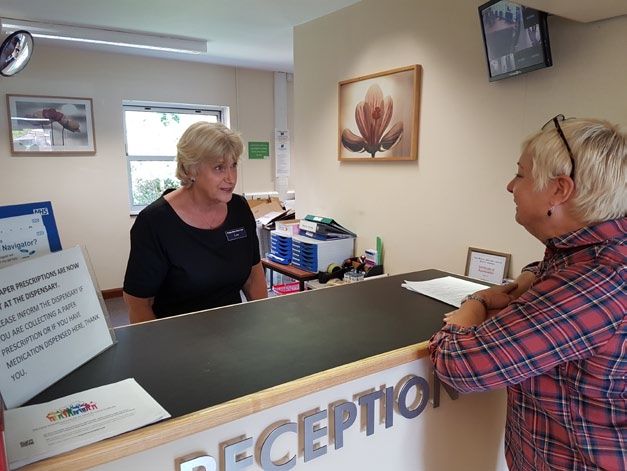
New models of care

Primary Care Networks: the case for change
Dr David Levy, Regional Medical Director, for NHS England (Midlands and East)
explains why Primary Care Networks are the way ahead for general practice:
                            General practice has to change if it is to meet the needs of its patients,
                            who are living longer, many with long-term conditions or mental health
                            issues, and work within the increasing pressure on our workforce.
                            Many of our practices are now operating as Primary Care Networks
                            (PCNs), working together in their local areas and with community,
                            mental health, social care, pharmacy, hospital and voluntary services
                            to varying degrees of integration.
                            These arrangements are built on the core of current primary medical
                            care services, enabling greater provision of proactive, personalised
                            and co-ordinated health and social care.
Many clinicians see this as a change from reactively providing appointments to proactively
caring for the people and communities they serve. Where emerging PCNs are in place in parts
of our region, there are clear benefits for patients and clinicians. These include a better working
environment, which helps to attract and retain staff, making for a more sustainable model.
Many existing PCNs are creating shared approaches to developing their workforce. They are
finding that collaborating at scale presents greater opportunities to recruit and build a more multi-
disciplinary workforce to meet the specific needs of patients, whether employed directly or through
partnership with other local providers.
Refreshing NHS Plans for 2018-19 set out the ambition for CCGs to encourage every practice to
be part of a local PCN so these cover the whole country as far as possible by the end of 2018/19.
PCNs will be based on GP registered lists, typically serving natural communities of around 30,000
to 50,000. They should be small enough to provide the personal care valued by both patients
and GPs, but large enough to have impact and economies of scale through better collaboration
between practices and others in the local health and social care system.
Our local teams are on hand to support the region’s GPs, practices and CCGs to become primary
care networks, and NHS England is finalising a detailed reference guide. Please contact us if you
would like to know more or have any queries.

                                                    NHS England has produced a short
                                                    animation to explain how, by working
                                                    together in a Primary Care Network, a
                                                    number of practices can meet the needs of
                                                    all their patients in a neighbourhood.
                                                                                                page 4
Help us help you to develop PCNs

There are free workshops taking place in the        Click here for more details and to book:
region in October, open to all those working in
primary care (commissioners, GPs and practice       Central Midlands
staff), pharmacy, ophthalmology, dental and the     Monday 8 October, Holiday Inn, Leicester
voluntary sector.                                   East
                                                    Friday 12 October, Chelmsford City FC
Each event will provide an update on PCN            West Midlands
development, with examples of the positive          Tuesday 16 October, West Bromwich Albion FC
impacts for patients and staff, and consider what
support may be needed and how it could be           The workshop for North Midlands DCO took
delivered at national, regional and local level.    place on 20 September.

Stretching the boundaries of traditional general practice
                             Wolverhampton Total Health Limited (WTH) was one of the original 15
                             ‘primary care model rapid test sites’. Its chair, Dr Gillian Pickavance,
                             describes how the support of the National Association of Primary
                             Care (NAPC) and other Primary Care Homes across the country
                             allowed them to try and share new ideas and stretch the boundaries
                             of traditional general practice:
                             By actively seeking new ways of working and collaborations with new
                             and old organisations we aim to try and get the best possible care for
                             our patients.
                             We have managed to move away from working in silos and support
                             each other clinically and with back office functions. Communication
                             has been greatly improved between ourselves, the CCG, acute
                             trust, public health, fire service, other groupings within the city and
You can find out more        voluntary services.
about Primary Care           Through collaboration we have run pilot studies in counselling, which
Homes in a new report        has encouraged a citywide service to be set up, and frailty clinics
from NAPC.                   which are hopefully forming the evidence base for a service at city
                             and STP level.
We felt strongly that there was a risk of developing pockets of inequality and, by collaboration with
the other groups in the city, we are instead forcing good practice to be spread more rapidly with the
needs of the patients at heart.
IT was one of our first blocks to overcome and we have worked with EMIS to develop the
information governance and structure to enable sharing of notes across our sites. This has
enabled us to provide seven day access for the patients in our Home for both routine and urgent
appointments sent by 111.
Working together allowed us to access funding via NHS England that is only available at scale,
enabling the arrival of our clinical pharmacists to provide additional appointments and support so
that our GPs are able to concentrate more on complex patients.
■■ Wolverhampton Total Health is a group of nine Wolverhampton GP practices working together
   to increase patient access to services and appointments for a combined population of just over
   70,300.

                                                                                               page 5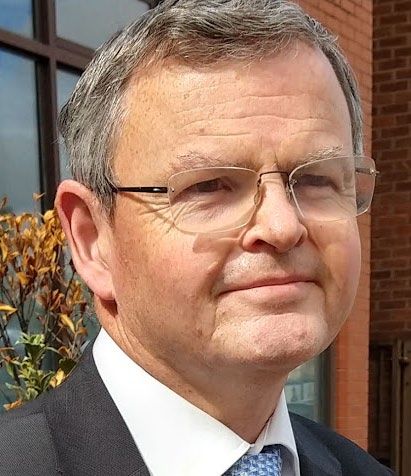
GP retention
Dr Dave Briggs, Acting Medical Director for NHS England (Central Midlands) and Regional
Workforce Retention Clinical Lead, describes the steps being taken to retain GPs in the
region:
                         Retention of our GP workforce is a key national and regional priority with
                         specific work underway across key stages of the GP career pathway,
                         focusing on in-training years, First5, mid-career and Wise5.
                         We recognise that building a sustainable workforce will take time; however,
                         with the right plans and focus, we can achieve small but tangible changes
                         this year.
                         Our immediate priority is to work more closely with GPs training in our
                         local areas and develop schemes that will support transition and retention
                         into local practices.
                           This year has seen the release of enabling funds, including the Local
GP Retention Fund and GP Retention Intensive Support Site initiative. Our two intensive sites,
The Black Country and Mid and South Essex, and 15 other STPs are now able to take forward
their priorities for GP support, using the money they have been allocated according to their
demographics.
A new national pack has been developed by
NHS England, the Royal College of GPs and the
BMA to signpost GPs to the support available at       GPs – the next generation
different stages of their working lives, whether      Next Generation GP is a programme for
in training, the first five years, mid-career, or     emerging leaders in general practice,
approaching retirement.                               designed by three GP trainees.
GPs are encouraged to liaise with their               It provides those in the first five years of
responsible officer team, usually via the             their general practice career access to
appraisal lead, for further advice and support.       the stories, perspectives and expertise of
A regional version with local examples of             inspiring leaders.
innovative schemes to support retention is            It also offers a supportive network of like-
currently being finalised. If you have an example     minded local trainees and early career GPs.
you would like to put forward for inclusion or
would like to discuss your plans for retention,       For more details, visit NextGeneration GP.
please contact us.

Help to develop practice skills for change
Just over £300,000 has been made available in Midlands and East in 2018/19 to help develop the
skills of GP practice managers.
The scope of this funding is for additional activities prioritised by NHS England local and regional
teams as part of the region’s strategy to develop general practice and future primary care. It has
been allocated to STPs on a population basis so they can determine at a local level how best to
support their practices.
This could range from subsidised places or other support to take part in national programmes
like the diploma in advanced primary care management and the General Practice Improvement
Leaders programme, to providing training locally to meet specific management challenges.
STPs have been asked to submit plans setting out how they intend to use their allocation in line
with NHS England guidance.

                                                                                                 page 6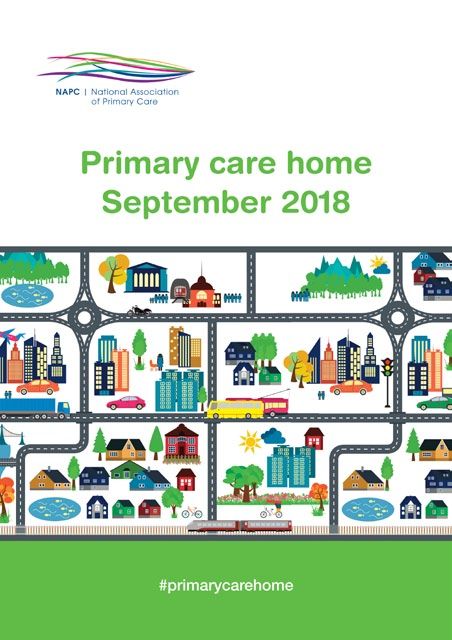
Derbyshire takes transformation barriers to task
                          Doctor Susie Bayley of Derby & Derbyshire Local Medical Committee
                          describes how their GP Task Force Derbyshire programme supports
                          practices to change the way they work:
                          We have a range of practices that don’t wish to continue working as they
                          do currently but feel unable to take the leap of faith towards transformation.
                          We found this reluctance to embrace change was mainly due to capacity
                          and demand issues, underpinned by recruitment, retention and retirement
                          problems.
                      The Task Force held a listening event focusing on those GPs who had left
                      practice in the last two years or aimed to leave within the next five. The
key messages they heard were:
■■   The need to feel valued
■■   Flexibility of working patterns – both in terms of roles and the make-up of the working day
■■   The need to have networking opportunities
■■   Support structures
■■   Mentorship
■■   Addressing workload.
Projects in progress, which the Task Force hopes to continue if funding is secured, are:
GP ASPIRE
Work to develop a menu of flexible career options to retain GPs who would otherwise leave
practice and includes looking at retaining clinical and non-clinical expertise, limited scope
practitioners, and working with the local appraisal and revalidation team to look at dedicated end-
of-career appraisals.
Derbyshire Medical Chambers
The project is designed to try and stabilise the quality of the locum workforce across Derbyshire
through a non-profit initiative, using experience from Chambers across the country. It is also hoped
that this will help practices by freeing them of agency fees. It gives support to those GPs at the
beginning of their career who can access a dedicated clinical lead. It is also aimed at those at the
end of their career who wish to step away from partnerships, but want to continue clinical sessions
while being free from the administrative burden of locum work.
Derbyshire Sessional GP group
This provides ongoing educational peer-to-peer support, networking and signposting to the
sessional workforce, continuing the Derbyshire Education Network programme in the north of the
county and introducing similar in the south.
For more information please contact susie.bayley@derbyshirelmc.nhs.uk

National General Practice Bulletin
NHS England has relaunched its national General Practice
Bulletin.
The monthly e-publication provides resources on health
policy and practice for GPs and others working in primary
care, including practice managers and nurses.
You can subscribe on the NHS England website.

                                                                                                page 7
Spotlight on workforce
West Midlands plays host to first international GP recruits
Hari Atwal, NHS England lead for International GP Recruitment (IGPR) in the West Midlands,
describes what happened when they hosted their first visit by international recruits to
Birmingham and Solihull STP in August:
After a short afternoon excursion into Birmingham city centre to see the Bullring and central
areas, our four candidates first met clinicians from the area, NHS England’s local medical director,
the interview panel, and Local Medical Committee (LMC) and Health Education England (HEE)
representatives over an informal dinner organised by our recruitment company, Medacs.
The next day was very packed,
starting at Friarsgate in Solihull
with an array of presentations
from key representatives
including the LMC, Birmingham
City Council and NHS England’s
associate medical director.
This was followed by a learning
needs assessment of the four
candidates led by HEE, and
a networking dinner to meet
with GP providers from across
Birmingham and Solihull. Each
provider set out a stall for the
candidates to visit in turn and
exchange information, which
proved very successful.
The final day started with visits
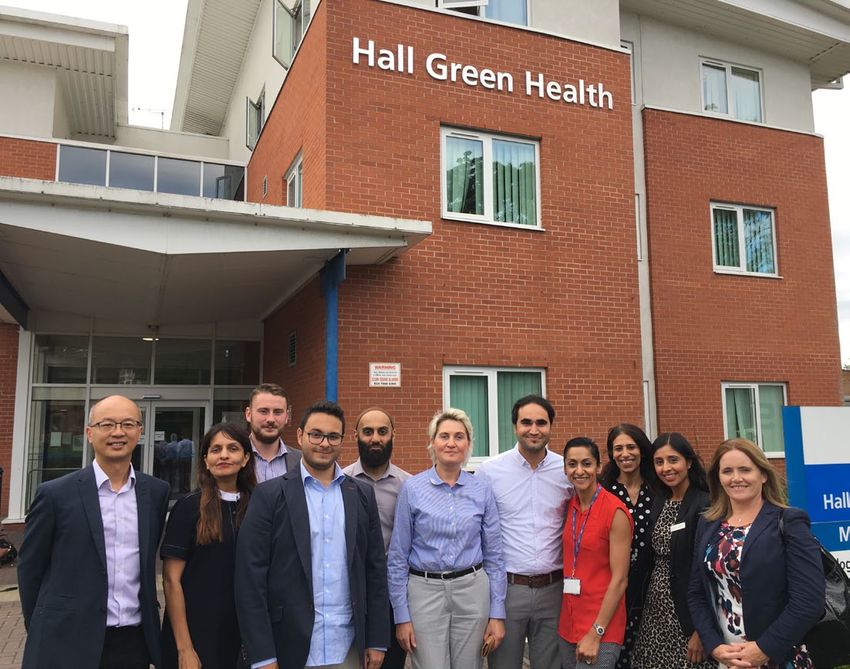
to Bernays & Whitehouse Medical Partnership and Hall Green Health Centre (pictured above), to
see these busy practices in action and meet some of the staff.
During lunch the candidates were able to network with GP providers again and then rank their
preferred employer. After individual interviews with a panel of clinical and non-clinical people, we
were delighted to tell all the candidates that they had been successful and would be placed with
their first-choice practice.
The candidates were so pleased and overcome with emotion. “I can’t express how much you
have changed my life by giving me the opportunity to start my career with the NHS,” said Kristine
Raudape. It had been a long, demanding three days, as Ayay Tokhi commented: “I have been
amazed, absolutely overwhelmed. The whole recruitment process is, although lengthy and
exhaustive, fair and necessary”.

Norfolk and Suffolk, and Cambridgeshire and Peterborough STPs have also held successful
interviews during visits by their first recruits.These doctors are set to start work soon.
Orientation visits by potential doctors are an essential part of the IGPR programme. Such visits are
offered to candidates who have passed the first stage of the recruitment process by demonstrating
they met the programme’s standards for medical training, experience and language skills and
undergoing an initial Skype interview.
The IGPR programme was rolled out by NHS England nationally earlier this year following three
pilots, two of which were in Midlands and East, in Lincolnshire and Essex. The programme is
currently live in five of the region’s STPs, with the other 12 to follow shortly.
                                                                                               page 8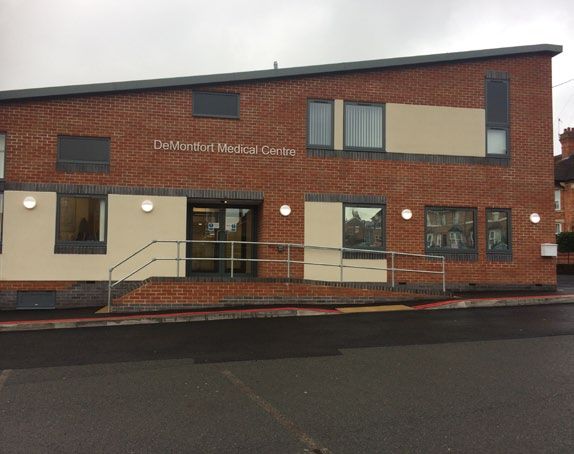
IGPR on film
                                                   Mental health therapists in
                                                   primary care
                                                   New guidance has been drawn up by NHS
                                                   England to encourage GPs to place mental
                                                   health therapists in their surgeries, and bring
                                                   more mental and physical health services under
                                                   one roof.
                                                   Evidence suggests nine out of 10 adults with
                                                   mental health problems are supported in
                                                   primary care.
                                                   In-house mental health therapists, largely
                                                   provided through collaboration with local IAPT
                                                   services, are expected to be full members of the
NHS England has published three short films on     primary healthcare team, receiving self-referrals
YouTube to support the IGPR programme.             from patients as well as GPs and the wider
                                                   clinical team.
A general video about the programme features
interviews with some of the international          Claire Murdoch, NHS England’s national director
recruits, GPs and practice managers from the       for mental healh, said: “We are on track to
Lincolnshire pilot.                                deliver 3,000 therapists in primary care, with
                                                   over 800 in GP surgeries at the end of last year,
There is also a practice-facing film and one       and this handy guidance should convince
focusing on the experiences of a long-serving      those practices that are yet to take the plunge
international GP, Dr Penny Navarro, who came       of the benefits.”
to England from Spain 12 years ago.

PAs: a valuable addition to the wider workforce
The physician associate (PA) is a new healthcare professional who, while not a doctor,
works to the medical model and is a valuable addition to the wider primary care workforce.
PAs have the attitudes, skills and knowledge base to deliver holistic care and treatment
within the general practice team under defined levels of supervision.
Currently the majority of PAs work in secondary care, particularly in emergency medicine. With the
national commitment to have 1,000 physician associates working in primary care by 2020, Health
Education England (HEE) is leading the work to encourage more PAs into GP practices.
HEE is extending its current cohort of PA Ambassadors to the end of the 2018/19 financial year and
increasing their numbers to ensure coverage across the whole of the Midlands and East region.
With their support, HEE will increase access to preceptorships for newly-qualified PAs and build on
the successful Staffordshire Physician Associate Internship, which was supported by HEE and NHS
England in 2017/18 and has been endorsed by the Royal College of General Practitioners.
The Staffordshire programme is the largest primary care internship for PAs nationally. Currently it
has nine PA interns on the programme with 11 more appointed to start by September 2018 (based
on exam results).
The interns work two and a half days a week in their host GP practice and two in secondary care
post (A&E, psychiatry and surgery), and are released for teaching every Wednesday afternoon.
For more information on PAs in general practice, please contact HEE’s Workforce Training Hub.

                                                                                             page 9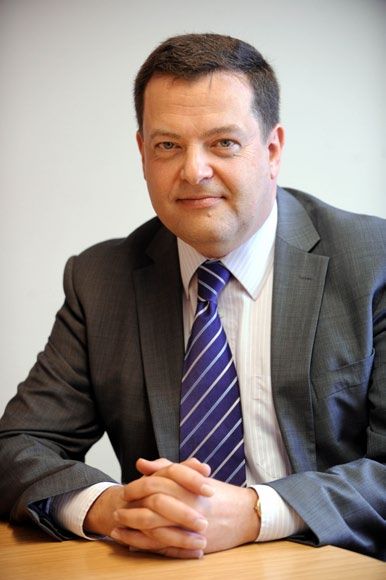
Research backs benefits of clinical pharmacists
Clinical pharmacists are an integral part           373 pharmacists were employed as part of the
of general practice, according to a new             scheme.
independent report published by the                 An executive summary and the full report,
University of Nottingham.                           commissioned by NHS England, are available
Researchers evaluating NHS England’s 2015           on the University of Nottingham’s website.
pilot programme found that the role significantly   ■■ GPs can continue to apply to NHS England
increases the number of patient appointments           for funding to recruit, train and establish
and reduces pressure on GPs.                           clinical pharmacists in their practices for
A key impact area was medication reviews,              the long term. Applications for the three-
which often accounted for a significant amount         year funding can be made at any time
of a clinical pharmacist’s workload. As part           using an online portal and are considered
of these reviews, they were able to provide            each quarter. The next cut off point is 23
invaluable medicines education and usage               November 2018. For further details, visit the
advice to patients, in particular to those with        NHS England website.
long-term health conditions.
Experts from the School of Pharmacy at the           Primary Care Talks
University of Nottingham, supported by patient       Primary Care Talks is a series of podcasts
representatives and colleagues from the              produced by the Eastern Academic Health
University of Queensland in Australia, carried       Science Network discussing innovative
out the research, looking at 78 GP sites where       developments in the primary health and care
                                                     sector.
The study found that most GPs involved
in the pilot programme will continue to              In the latest episode Dr Hasan Chowhan
employ clinical pharmacists after the                meets Caroline Prentice, a practice manager
funding ends.                                        at Goldington Avenue Surgery in Bedford,
                                                     and her colleague Emma Bowler, a practice
As Pulse reported: ‘Although the role                nurse, to find out how they have introduced
requires financial commitment from                   new technology to detect Atrial Fibrillation, a
practices, GPs believe the role to be                condition that could lead to a stroke, at seven
sustainable’.                                        practices in the area.
One GP quoted in the report said: ‘We see            You can download this at www.eahsn.org/
we can’t survive without pharmacists, they           resources/primary-care-talks-podcasts and
are part of what we do’. Another said it had         subscribe to all the Primary Care Talks
‘enormously helped our GP workload’.                 podcasts via iTunes.

New film asks “Can the doctor see you now?”
                                                    A new video aimed at improving primary care
                                                    for patients and reducing workforce pressures
                                                    for those working in GP practices has been
                                                    produced by Castle Point and Rochford and
                                                    Southend CCGs as part of the Mid and South
                                                    Essex STP.
                                                    The film features interviews with GPs, including
                                                    one who has joined the NHS through the area’s
                                                    international recruitment pilot programme, and
                                                    wider primary care staff such as an emergency
Read the blog by the two CCG chairs, Dr Kashif      care practitioner and clinical pharmacists. It
Siddiqui and Dr José Garcia Lobera, to find out     aims to support the STP’s work to deliver a new
more.                                               innovative primary care strategy.
                                                                                               page 10
Training for GP reception and clerical staff
GP reception and clerical staff throughout Midlands and East are to benefit from training to
help them reduce their workload and improve patient care.
Just over £3 million has been made available to CCGs in the region from the GP Forward
View programme for this financial year. The funding is specifically to commission training in
active signposting, one of the 10 High Impact Actions in the Time for Care Programme, and
correspondence management.
Active signposting is an enhancement to normal good customer service. It requires the receptionist
to be skilled and confident in sensitively ascertaining the nature of the patient’s need and exploring
with them safe and appropriate options. These options will usually include sources of advice and
support outside the practice as well as within, and will often be drawn from a directory of services.
Training should ensure receptionists are confident in communicating available options.
This innovation frees up GP time, makes more appropriate use of each team member’s skills and
increases job satisfaction for receptionists. It is also easier for patients to get an appointment with
the GP when they need it, and shortens the wait to get the right help.
Correspondence management is an enhancement to typical tasks of handling this documentation,
such as scanning, forwarding to GPs and filing. It requires the staff member to be skilled and
confident to make decisions about how to code a letter and its contents in the patient record, how
to use an approved protocol for deciding which letters need to be sent to a GP and with what level
of urgency, and when to ask for help.
Using this system, 80%-90% of letters can be processed without the involvement of a GP, freeing
up about 40 minutes of their day. For the clerical team, job satisfaction is often increased as well.
Practices report they are often able to take speedier action on some issues, and more detailed
coding of clinical information in the GP record results in improved monitoring and management of
certain conditions.
CCGs have been requested to submit plans on how they intend to use their allocation. You can find
out more about the training here.
Care navigators offer right care, right place, right time
The Deben Health Group in Suffolk was looking to
implement care navigators to direct patients more
effectively to the most appropriate person for their
needs, helping to free up time for GPs to see those
patients who need their care the most.
Ipswich and East Suffolk CCG supported the eight practices
in the Group to do this work through the Learning in Action
element of the Time to Care Programme.
By developing a care navigation protocol and resources,
the reception teams could effectively navigate care in a
consistent way across the eight practices. As a result, they
As a trained care navigator,
have collectively released 227 appointments, equating to
Lee White can direct patients at
37 hours a week of clinical time.
Wickham Market Medical Centre
to the best person to help them. You can find out more about what Deben Health Group did
and the benefits here.
The Releasing Capacity in General Practice network on NHS Networks has a range of
resources for using the 10 High Impact Actions to release time for care. Why not join?
page 11Digital
“Outstanding” virtual GP service
A Birmingham GP Federation received an outstanding rating from the Care Quality Commission
(CQC) for its virtual services recently. South Doc Services Limited provides virtual primary
care services for the SDS MyHealthcare GP federation, which are run at several hubs across
Birmingham and involve more than 47 GP practices, covering around 300,000 registered patients.
Each practice has full access to the virtual
centre, based at West Heath Medical Centre,
which was inspected by the CQC in April 2018.
The digital service allows patients to book
telephone and video consultations with a GP,
nurse practitioner or prescribing pharmacist
seven days a week. Patients are also able
to order prescriptions over the phone. Since
October last year, this service has taken over
30,000 calls.
Patients have praised the service, saying it
“makes it easy” to talk to a doctor. The GPs
Virtual services include an app for patients
have found they now see fewer of the less
to access appointments and medical
complex cases, allowing them to concentrate
records. The CQC report, published in July
on people with long-term conditions and
2018, noted that some 6,000 patients have
multiple morbidities, and there is also anecdotal
registered for the app so far.
evidence it reduces pressure on A&E services.
The virtual centre was launched in 2015 and GP Online guides trio launched
is part of a pilot project initially funded by the
Prime Minister’s Challenge Fund. The service is NHS England’s Primary Care Digital
part of a larger ambition within Birmingham and Transformation team has launched three
Solihull CCG for an improved and sustainable new guides to support GP practices in
primary and urgent care system operating 24 encouraging further take-up of GP Online
hours a day, seven days a week with a ‘single services:
digital front door’. Patient Participation Groups: what you need to
know about GP Online Services
Be a digital nurse champion Gives ideas and resources that PPG members
can use to support their GP practices in
How we create digital nurses in general encouraging patients to sign up for GP Online.
practice is the focus of a conference in
Birmingham in November. Flu season: making the most of online
appointments
Case studies will demonstrate how upskilling Includes information on how flu clinics can be
nurses in general practice can speed the digital used to register patients for online, as well
transformation of technology-enabled care as providing information and links to further
services. resources on the wider benefits of GP Online
These include an example from Staffordshire Services for both patients and practices.
which is now being rolled out nationally, where Promoting to students: a guide for Universities,
nurses will showcase how technology has GP practices and CCGs
helped them to promote self-care, encourage Aimed particularly at practices in student areas,
shared management of long-term conditions, this includes information on how to encourage
and underpin prevention, leading to more more students to access their health care online
effective and productive working. and includes case studies where this has
Book your free place online. been achieved.
page 12Positive progress and more to be done
Representatives of Local Medical Committees and Royal College of GP Ambassadors from
across the Midlands and East came together in Leicester on Wednesday 12 September to
hear about regional progress on the GP Forward View and share their ideas on what needs
to happen next.
Professor Vijay Nayar, Director of GP Education and Deputy Postgraduate Dean at Health
Education England, set out the work HEE is doing to attract and increase the number of trainees
coming into general practice.
Mani Dhesi, Transformation Director for SDS MyHealthcare, described how working at scale was
delivering real benefits for their patients and for GPs and the wider primary care workforce.
Meanwhile Dr Duncan Gooch spoke about how they had overcome the challenges of working
together in Erewash, Derbyshire, and shared some key solutions: ensuring a safe environment in
which networks could form; focusing on the importance of relationships; and finding common areas
of concern.
Representatives of the two GP retention intensive support sites in the region, The Black Country
and Mid and South Essex, explained the workforce issues they faced and how they were working
with their practices to support GPs at different stages in their careers.
Dr Mark Sanderson, Deputy Regional Medical Director for NHS
England (Midlands and East), said:
“It was great to hear about the positive progress that is happening in
the region. We recognise that there is much more to be done, and we
had some good discussions about this.
“We will be feeding back to NHS England nationally on what our GPs
and their practices say they need, both to deal with the pressures of
today and move towards the new models of care of tomorrow.”
Stay in touch To keep up to date with the latest news and information, please:
■■ visit www.england.nhs.uk/gp
■■ watch NHS England’s Primary Care and NHS111 animation
■■ view the General Practice Forward View animation explaining
the changes and additional support being rolled out
■■ join the discussion at LinkedIn
■■ follow @NHSEnglandMidE on Twitter, #GPForwardView
This Midlands and East Bulletin is designed to bring you the latest news and opportunities available
through the GP Forward View. We want to reach GPs, other primary healthcare professionals,
practice staff, LMCs, LPCs, commissioners, STPs and anyone else who is interested in sustaining and
transforming primary care in Midlands and East. Please pass on the news to your colleagues who can
sign up to our mailing list to get the next issue straight to their inbox.
Your data is held in line with NHS England’s privacy policy. If you do not wish us to hold your data
(email and in some instances telephone number), which is only used to share information relevant to
GPFV developments, news and events, please contact us.
page 13You can also read


