Jointly provided by This activity is supported by independent educational grants from Celgene Corporation, Lilly USA, Inc. and Novartis ...
←
→
Page content transcription
If your browser does not render page correctly, please read the page content below

Jointly provided by
                      This activity is supported by independent educational
                       grants from Celgene Corporation, Lilly USA, Inc. and
                                      Novartis Pharmaceuticals.
Learning Objectives

  • Explain the pathophysiology and immunologic pathways of psoriatic
    disease
  • Align psoriatic disease specialty drug treatment algorithms with
    evidence-based treatment recommendations
  • Utilize care pathways as cost management and appropriate use tools
    in psoriatic disease
  • Employ specialty pharmacy and disease management services for
    psoriatic disease patients
Current Evidence-Based
Recommendations for the
  Treatment of Psoriasis
             Alan Menter, MD
      Chief, Division of Dermatology
     Baylor University Medical Center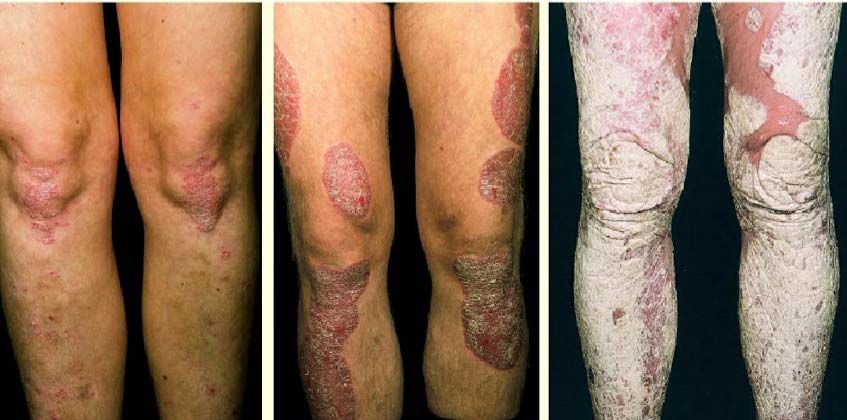
Learning Objective

  • Align psoriasis therapy with evidence-based treatment
    recommendations
  • Understand the systemic nature of psoriasis with multiple associated
    comorbid conditions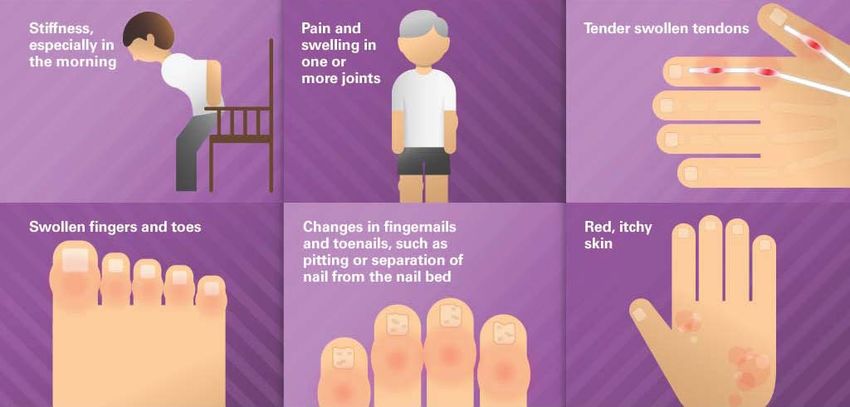
Chronic Plaque Psoriasis:
A Multisystem Inflammatory Disease
  • Chronic relapsing immune-mediated
    inflammatory disease
  • Affects 2-3% of the US population
  • Affects multiple areas of the body
  • Up to 30% of patients with psoriasis
    develop psoriatic arthritis, usually 10-15
    years after onset of psoriasis
  • Accompanied by significant clinical, social,
    emotional, and economic burden
  • Multiple associated comorbidities
Psoriasis Fact Sheet. National Psoriasis Foundation website. https://www.psoriasis.org/sites/default/files/publications/PsoriasisFactSheet.pdf. Accessed March 2019.
Plaque Psoriasis is the Most Common
of the Five Recognized Clinical Variants
       • Plaque: scaly, erythematous patches,                                                  Severity of Plaque Psoriasis
         papules, and plaques that are                                                     Mild                   Moderate                     Severe
         frequently pruritic; affects ~80% of
         patients
       • Inverse/flexural: lesions are located
         in the skin folds
       • Guttate: small papules (< 1cm) with
         fine scale
       • Erythrodermic: erythema covering
         nearly the entire body surface area                                           10% of BSA
         with varying degrees of scaling
       • Pustular: clinically apparent pustules
Psoriasis Fact Sheet. National Psoriasis Foundation website. https://www.psoriasis.org/sites/default/files/publications/PsoriasisFactSheet.pdf. Accessed March 2019.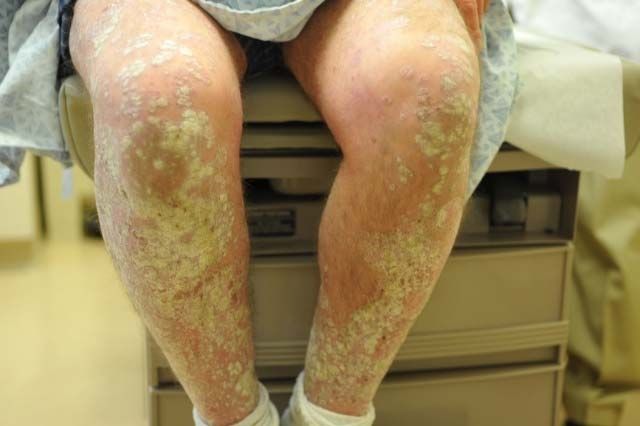
Individuals with Psoriasis are At Risk of
Developing Other Chronic Comorbid Conditions
                                                                                      ↑ risk of poor self-esteem, psychological stress,
                                                   Depression/Anxiety
                                                                                      and anxiety due to their psoriasis

                                                                                      39% ↑ risk of CV mortality
                                                   Cardiovascular Disease             70% ↑ risk of MI
                                                                                      56% ↑ risk of MI

                                                                                      346% ↑ risk (mild psoriasis)
                                                   Obesity
                                                                                      123% ↑ risk (severe)

                                                                                      22% ↑ risk (mild)
                                                   Metabolic Syndrome
                                                                                      98% ↑ risk (severe)

                                                                                      14% ↑ risk (mild)
                                                   Diabetes
                                                                                      46% ↑ risk (severe)

                                                                                      ↑30 % of pa ents
                                                   Psoriatic Arthritis
                                                                                      10-15 years after onset of psoriasis
Elmets CA, Leonardi CL, Davis DMR, et al. J Am Acad Dermatol. 2019;80(4):1073-1113.
Ni C, Chiu MW. Clin Cosmetic Invest Dermatol. 2014;7:119-32.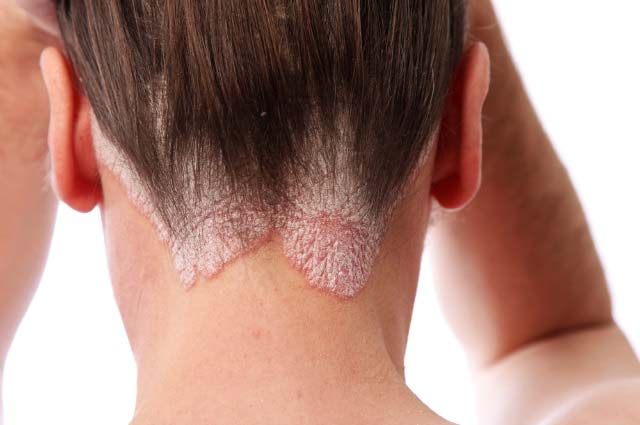
Assessing Psoriasis Severity
                                        Assessments                                                             Classification of Severity
                                                                                                                       Mild disease: < 3% BSA
                                                                      Body Surface Area
    Percentage of skin area involved                                                                                   Moderate disease: 3%–10% BSA
                                                                            (BSA)
                                                                                                                       Severe disease: >10% BSA

    Lesion characteristics including
    erythema, scaling, induration
                                                            Psoriasis Area and Severity Index
                                                                          (PASI)                                       Mild-to-moderate disease:
    Location/distribution of lesions                                                                                        BSA ≤ 10 and PASI ≤ 10
    (eg, hands, feet, face, genitals)                                                                                       and DLQI ≤ 10
                                                              Dermatology Life Quality Index                           Moderate-to-severe disease:
    Impact on psychological factors                                       (DLQI)                                            (BSA >10 or PASI >10)
    and quality of life                                            Itch Severity Score                                      and DLQI >10
                                                                           (ISS)
Armstrong AW, Robertson AD, Wu J, Schupp C, Lebwohl MG. JAMA Dermatol. 2013;149(10):1180-5.; Menter A, Gottlieb A, Feldman SR, et al. J Am Acad
Dermatol. 2008;58(5):826-50.; Spuls PI, Lecluse LL, Poulsen ML, Bos JD, Stern RS, Nijsten T. J Invest Dermatol. 2010;130(4):933-43.; Both H, Essink-bot ML,
Busschbach J, Nijsten T. J Invest Dermatol. 2007;127(12):2726-39.; Mrowietz U, Kragballe K, Reich K, et al. Arch Dermatol Res. 2011;303(1):1-10.;
Majeski CJ, Johnson JA, Davison SN, Lauzon CJ. Br J Dermatol. 2007;156(4):667-73.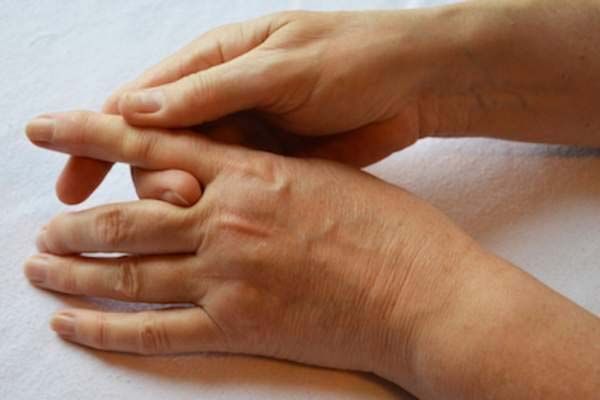
Immunopathogenesis of
Chronic Plaque Psoriasis
                       Disease Initiation                                      Disease Maintenance                                                   Psoriatic
                                                                                                                                                      plaque
                                                                                                                              Keratinocyte
                        Environmental trigger                                                                                activation and
                                                             Stressed                                                         proliferation
                                           Stress          keratinocytes                    Angiogenesis      Neutrophils
                                      Microorganisms                                                                         IL-17A
                                           Drugs                                                                             IL-17F
                                          Trauma                                               TNF-α                          IL-22           Tc17
                                                                     TNF-α
                                         Smoking                      IL-6                      IL-2
                                                                     IL-1β         Naïve       IFN-γ
                        PSORS1                          Dermal
                         IL-23R                                                    T cell
                                                          DC                                                                      Th17
                         IL-12B                                  Activation                    IL-12
                                                                                                       Th1                                Tc1
                                                                                                                  IL-17A         Th17
                   Genetic predisposition                                                                         IL-17F
                                                                                                   IL-23           IL-22                Th2
                                                                                    Lymph
                                                                                     node
                                                                           TNF-α
                                                                                                           Th17            Macrophage
                                                                            IL-6
                                                                           IL-1β

DC=dendritic cell; PSORS1=psoriasis susceptibiity 1; IL=interleukin; TNF=tumor necrosis factor.

Gaspari AA, Tyring S. Dermatol Ther. 2015;28(4):179-93.; Nestle FO, Kaplan DH, Barker J. N Engl J Med. 2009;361(5):496-509.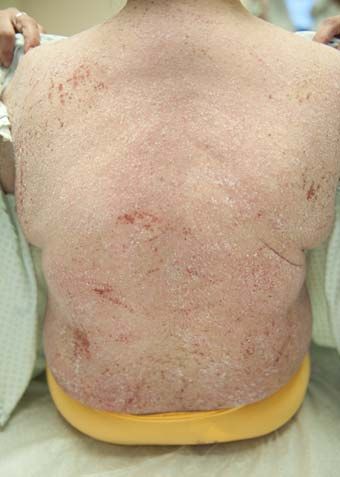
Therapeutic Agents Target Important Steps in
the Pathophysiology of Psoriasis
• Several classes of biologic agents are available to target important steps in the
pathophysiology of moderate-to-severe psoriasis
• Anti-TNF-
• Anti-IL-12/23
• Anti-IL-17
• Anti-IL-23
• PDE-4
• However, current data does not fully elucidate their ideal use, including
• Matching patients with the most appropriate treatment
• Ideal combinations and sequencing of agents
Menter A, et al. J Am Acad Dermatol. 2019;80:1029-1072; Tonini A, Gualtieri B, Panduri S, Romanelli M, Chiricozzi A. Expert Opin Biol Ther. 2018;18(2):135-148.Treatment Approach: Treat-to-Target
National Psoriasis Foundation Consensus Target Response:
Reduce BSA to ≤1% three months after initiating treatment
Initiate 3 months 6 months +
Treatment post-initiation post-initiation
Yes No Yes No
BSA ≤1% BSA ≤1%
Modify therapy Modify therapy
Continue • Adjust dose Continue • Adjust dose
current • Add another agent current • Add another agent
therapy (combination therapy) therapy (combination therapy)
• Switch to a new therapy • Switch to a new therapy
Armstrong AW, Siegel MP, Bagel J, et al. J Am Acad Dermatol. 2017;76(2):290-298.Treatment of Psoriasis:
Establish Individualized Treatment Goals
• Treatment goals1
Treatment
• Clear the skin AEs
• Minimize adverse events
• Enhance patient quality of life
Individualize
• Address comorbidities Therapy Patient
Patient Perception
• Involve the patient in treatment of Severity
decision making1,2
• Consider patient preferences when
Disease
selecting therapy Severity
1. Schaarschmidt ML, Schmieder A, Umar N, et al. Arch Dermatol. 2011;147(11):1285-94.; 2. Brezinski E, Armstrong AW. Semin Cutan Med Surg. 2014;33(2):91-97.Use Disease Severity to Guide
Treatment Selection
Dx:
Signs/symptoms of Yes Systemic
Plaque Psoriatic Arthritis? pharmacotherapy +/- Phototherapy
Psoriasis
No
Severity of disease?
Mild Moderate-to-severe
No
Topical agents +/- Phototherapy
Effective?
Yes Continue current
therapy
Menter A, Gottlieb A, Feldman SR, et al. J Am Acad Dermatol. 2008;58(5):826-50.; Menter A, Korman NJ, Elmets CA, et al. J Am Acad Dermatol.
2009;60(4):643-59.; Menter A, Korman NJ, Elmets CA, et al. J Am Acad Dermatol. 2010;62(1):114-35.Biologics and Small Molecules Approved for
the Treatment of Moderate-to-Severe Psoriasis
Therapeutic Target
IL-17A PDE-4
TNF-α IL-12/23 IL-17A IL-23
Receptor
Adalimumab Ustekinumab Brodalumab Secukinumab Guselkumab Apremilast
Certolizumab Ixekizumab Tildrakizumab
Pegol
Risankizumab
Etanercept
Golimumab
Infliximab
Biosimilars
TNF=tumor necrosis factor; IL=interleukin; PDE-4=phosphodiesterase
Menter A, Strober BE, Kaplan DH, et al. J Am Acad Dermatol. 2019;80(4):1029-1072.
Treatment Comparison. National Psoriasis Foundation website. https://www.psoriasis.org/sites/default/files/treatment_comparison_chart_2018.pdf.
Accessed March 2019.Biologics Approved for Moderate-to Severe
Plaque Psoriasis: PASI 75, 90, and 100 Scores
100 PASI 75 PASI 90 PASI 100
90%
Percent of patients achieving PASI
90 86%
82% 82%
80 77% 76% 77%
71% 71% 73%
70 64%
59% 59%
75/90/100
58%
60
51%
48%
50 45% 44% 45%
41% 39%
40 33%
30%
30 26%
20% 18%
20 14%
10
0 1 2 3 4 5 6 7 8 9 10 11 12
Etanercept Adalimumab Infliximab Certolizumab Ustekinumab Apremilast Secukinumab Ixekizumab Brodalumab Guselkumab Tildrakizumab Risankizumab
(Week 24) (Week 16) (Week 24) (Week 16) (Week 12) (Week 16) (Week 12) (Week 12) (Week 12) (Week 16) (Week 12) (Week 12)
1. Leonardi CL, Powers JL, Matheson RT, et al. N Engl J Med. 2003;349(21):2014-22.; 2. Menter A, Tyring SK, Gordon K, et al. J Am Acad Dermatol. 2008;58(1):106-15.; 3. Reich K, Nestle FO, Papp
K, et al. Lancet. 2005;366(9494):1367-74.; 4. Cimzia (certolizumab pegol) [prescribing information]. Smyrna, GA: UCB, Inc; 2018; 5. Papp KA, Langley RG, Lebwohl M, et al. Lancet.
2008;371(9625):1675-84.; 6. Otezla (apremilast) [prescribing information]. Summit, NJ: Celgene Corp; 2014; 7. Langley RG, Elewski BE, Lebwohl M, et al. N Engl J Med. 2014;371(4):326-38.; 8.
Taltz (ixekizumab) [prescribing information]. Indianapolis, IN: Eli Lilly and Co; 2016; 9. Siliq (brodalumab) [prescribing information]. Bridgewater, NJ: Valeant Pharmaceuticals NA, LLC; 2017; 10.
Tremfya (guselkumab) [prescribing information]. Horsham, PA: Janssen Biotech, Inc; 2019; 11. Ilumya (tildrakizumab) [prescribing information]. Cranberry, NJ: Sun Pharma; 2018; 12. Papp KA,
Blauvelt A, Bukhalo M, et al. N Engl J Med. 2017;376(16):1551-1560.; 13. Menter A, Strober BE, Kaplan DH, et al. J Am Acad Dermatol. 2019;80(4):1029-1072.Biosimilars Approved in the US for the
Treatment of Moderate-to-Severe Psoriasis
Biosimilar Product Reference Product Approval Date Status
infliximab-dyyb/Inflectra infliximab/Remicade April 5, 2016 Commercially available
etanercept-szzs/Erelzi etanercept/Enbrel August 30, 2016 Not available
adalimumab-atto/Amjevita adalimumab/Humira September 23, 2016 Not available
infliximab-abda/Renflexis infliximab/Remicade April 21, 2017 Commercially available
adalimumab-adbm/Cyltezo adalimumab/Humira August 25, 2017 Not available
infliximab-qbtx/Ixifi infliximab/Remicade December 13, 2017 Not available
adalimumab-adaz/Hyrimoz adalimumab/Humira October 31, 2018 Not available
• Biosimilars are successors to biologic agents that have lost patent exclusivity
• Not a simple generic, but highly similar to the reference product
• No clinically meaningful differences have been observed between the biosimilar and reference product in terms of the safety, purity, and
potency
• Label reflects that of the reference product
Treatment Comparison. National Psoriasis Foundation website. https://www.psoriasis.org/sites/default/files/treatment_comparison_chart_2018.pdf.
Accessed March 2019.Updated Psoriasis Treatment Guidelines
Now Available
• The American Academy of Dermatology
and National Psoriasis Foundation have
released 2 joint guidelines for the
management and treatment of psoriasis1,2
• One set addresses common comorbidities
seen with psoriasis (e.g., PsA, CVD,
metabolic syndrome, mental health
conditions, IBD) and how their presence
impacts psoriasis management1
• The other discusses the treatment of
psoriasis using biologics2
1. Elmets CA, Leonardi CL, Davis DMR, et al. J Am Acad Dermatol. 2019;80(4):1073-1113. 2. Menter A, Strober BE, Kaplan DH, et al. J Am Acad Dermatol.
2019;80(4):1029-1072.Intended Use of the Revised Guidelines
• The revised guidelines are designed to:
• Reinforce dermatologists’ knowledge of psoriasis and how to treat it
• Provide other health care providers a reference to use when caring for people
with psoriasis
• Provide health insurance companies up-to-date treatment information
needed to design appropriate coverage policies for their members living with
psoriasis
• Provide patients with information that can help them improve their
knowledge of psoriasis and how to work with their provider to achieve the
best health outcome possible
Elmets CA, Leonardi CL, Davis DMR, et al. J Am Acad Dermatol. 2019;80(4):1073-1113.; Menter A, Strober BE, Kaplan DH, et al. J Am Acad Dermatol.
2019;80(4):1029-1072.Guidance on the Use of Psoriasis
Pharmacotherapy
• Mild-to-moderate psoriasis can be controlled with topical medications and/or
phototherapy
• Biologics are more successful and have a higher benefit-to-risk ratio in the treatment
of moderate-to-severe disease
• Biologics reviewed in the guidelines include:
• Tumor necrosis factor alpha inhibitors (etanercept, infliximab, adalimumab, certolizumab pegol)
• Interleukin (IL)-12/IL-23 inhibitors (ustekinumab)
• IL-17 inhibitors (secukinumab, ixekizumab, brodalumab)
• IL-23 inhibitors (guselkumab, tildrakizumab, risankizumab)
Menter A, Strober BE, Kaplan DH, et al. J Am Acad Dermatol. 2019;80(4):1029-1072.Biologics and Small Molecules in
Late Stage Development
Agent Therapeutic Target (MOA) /Means of Administration Status
• IL-17 inhibitor
BCD-085 Phase 3
• Self-injectable
• TYK2 kinase inhibitor
BMS-986165 Phase 3
• Oral
• IL-17A and IL-17F inhibitor
Bimekizumab Phase 3
• Self-injectable
• Adenosine A3 receptor inhibitor
Piclidenoson Phase 3
• Oral
• Dimethyl fumarate (anti-inflammatory)
LAS41008 Phase 3
• Oral
• IL-23 inhibitor
Mirikizumab Phase 3
• Self-injection
• Neurokinin-1 receptor antagonist (anti-pruritic)
Serlopitant Phase 3
• Oral
Drugs in the Pipeline for Psoriasis and Psoriatic Arthritis. National Psoriasis Foundation website. https://www.psoriasis.org/drug-pipeline. Accessed March 2019.Skin Disease Precedes Joint Involvement
in 80-90% of Patients
3 in 10 • Skin disease precedes joint disease in
Patients with Psoriasis are Likely >80% of patients
to Develop Psoriatic Arthritis
• Severity of skin disease and the
severity/course of psoriatic arthritis do
not correlate with each other
• 60% of patients with psoriatic arthritis
progress to permanent joint destruction
if left untreated
Mease PJ, Armstrong AW. Drugs. 2014;74(4):423-41.; Gottlieb A, Korman NJ, Gordon KB, et al. J Am Acad Dermatol. 2008;58(5):851-64.Early Referral to a Specialist is Critical for Psoriasis Patients
with Joint Symptoms and Comorbidities (e.g., CV Disease)
Early detection and appropriate treatment of Patients with severe or complicated symptoms
psoriatic arthritis in patients with psoriasis can require care from a multidisciplinary team of
reduce long-term disability and minimize the providers to manage skin, joint, and
need for healthcare resources cardiovascular involvement over the long termSummary • Psoriasis is a common, chronic, inflammatory skin condition associated with significant morbidities • Comorbidities must be recognized and appropriately managed • The primary goals of treatment include clearing the skin, minimizing adverse events, addressing comorbidities, and enhancing patient quality of life • Patient preference should be considered when selecting therapy • Multiple treatment options are now available • Dermatologists should screen for joint involvement in their psoriasis patients and collaborate with rheumatologists to adequately manage both skin and joint involvement over the long term
Current Evidence-Based
  Recommendations for the
Treatment of Psoriatic Arthritis
                Robin Dore, MD
         Clinical Professor of Medicine
        David Geffen School of Medicine
       University of California-Los Angeles
Learning Objective
• Align psoriatic arthritis therapy with evidence-based treatment
recommendationsPsoriatic Arthritis is a Common Chronic
Inflammatory Disease
• Psoriatic arthritis (PsA): a progressive disorder ranging from mild synovitis to
severe progressive erosive arthropathy that affects several body areas
Axial Skeleton
Peripheral Joints
Entire digits Skin
(dactylitis)
Nails
Entheses
Pipitone N, Kingsley GH, Manzo A, Scott DL, Pitzalis C. Rheumatology (Oxford). 2003;42(10):1138-48.Prevalence of Psoriatic Arthritis in the US
Peak incidence
occurs at ages
Occurs in up to 30% of
30 – 55 individuals with psoriasis
30 – 100 cases per 10K 30%
American Adults Affects males
and females
equally
Patients with
Diagnosed Psoriasis
Ritchlin CT, Colbert RA, Gladman DD. N Engl J Med. 2017;376(10):957-970.Psoriatic Arthritis has a Heterogeneous
Clinical Presentation
Asymmetric Oligoarthritis Dactylitis
Distal Interphalangeal
Predominant (DIP) Enthesitis
Synovitis
Proximal Interphalangeal
Predominant (PIP) Psoriasis Plaques
SynovitisPathophysiology of Psoriatic Arthritis
IL-17
signaling Clinical Signs/Symptoms
Dendritic cascade
Pruritus
cell Macrophage
IL-17 Swelling
cAMP/PKA Basophil
TGF-β1 signaling
IL-1 Mast cell Skin inflammation
cascade
Eosinophil
IL-12/23; IL-22 Erosion
MCH-TCR IL-21; IL-23; IL-6 JAK Neutrophil New bone formation
signaling Hyperkeratosis
cascade
ILFN-γ; IFN-α Hyperkeratosis;
Keratinocyte
Naïve T Dermal, epidermal, &
Synoviocyte
cell MAPK synovial inflammation
IL-1; TNF signaling
cascade Osteoclast Bone resorption
IL-1; TNF Osteoblast New bone formation
NFκβ
signaling CD8+ T cell Enthesitis
cascade
Coates LC, Fitzgerald O, Helliwell PS, Paul C. Semin Arthritis Rheum. 2016;46(3):291-304.; Gu C, Wu L, Li X. Cytokine. 2013;64(2):477-85.; Taskén K, Aandahl EM. Physiol
Rev. 2004;84(1):137-67.; O'sullivan LA, Liongue C, Lewis RS, Stephenson SE, Ward AC. Mol Immunol. 2007;44(10):2497-506.; Mavers M, Ruderman EM, Perlman H.
Curr Rheumatol Rep. 2009;11(5):378-85.; Tak PP, Firestein GS. J Clin Invest. 2001;107(1):7-11.; Mensah KA, Schwarz EM, Ritchlin CT. Curr Rheumatol Rep. 2008;10:311-
17A Diagnosis is Based on Clinical, Laboratory
and Radiographic Findings
Clinical Laboratory Radiographic
• Psoriasis of skin and nails • Absence of rheumatoid • Erosions and resorptions
factor (RF) and anti-
• Peripheral arthritis • Joint space narrowing or
citrullinated protein
involvement of entheseal
• Distal interphalangeal antibodies (ACPA)*
sites
involvement
• Elevated acute phase (vs.
• Bony spurs
• Dactylitis rheumatoid arthritis)
• Spinal disease†
• Enthesopathy
*low levels of RF and ACPA found in
†sacroilii s occurs in 40% -70% of patients
5% -16% of patients
Helliwell PS, Taylor WJ. Ann Rheum Dis. 2005;64 (2 Suppl):ii3-8.A Delay in Diagnosis is Associated with
Worse Outcomes
• Delay in diagnosis >6 months from onset of symptoms is associated with
Erosive Disease Arthritis Mutilans
• Odds ratio: 4.6 • Odds ratio: 10.6
Functional Disability Sacroiliitis
• Odds ratio: 2.2 • Odds ratio: 2.3
Drug-free Remission Deformed Joints
• Odds ratio: 0.4 • Odds ratio: 2.3
Haroon M, Gallagher P, Fitzgerald O. Ann Rheum Dis. 2015;74(6):1045-50.Screen Patients with Suspected PsA to
Minimize the Risk of Irreversible Joint Damage
Symptom Recognition Screening Tools
• General symptoms • Psoriasis Epidemiology Screening
Tool (PEST)1
• Fatigue
• Toronto Psoriasis Arthritis Screen
• Morning stiffness >30 min
(ToPAS)2
• Joint symptoms
• Psoriatic Arthritis Screening
• Reduced range of motion Evaluation tool (PASE)2
• Stiffness, pain, throbbing, swelling • Psoriatic Arthritis Screening
and tenderness in ≥1 joints Questionnaire (PASQ)3
• Swollen fingers and toes • Early Arthritis for Psoriatic
Patients (EARP)4
1. Ibrahim GH, Buch MH, Lawson C, Waxman R, Helliwell PS. Clin Exp Rheumatol. 2009;27(3):469-74.; 2. Gladman DD, Schentag CT, Tom BD, et al. Ann
Rheum Dis. 2009;68(4):497-501.; 3. Dominguez PL, Husni ME, Holt EW, Tyler S, Qureshi AA. Arch Dermatol Res. 2009;301(8):573-9.; 4. Khraishi M, Landells
I, Mugford G. Psoriasis Forum. 2010;16:9-16; 5. Tinazzi I, Adami S, Zanolin EM, et al. Rheumatology (Oxford). 2012;51(11):2058-63..Measures of PsA Disease Activity
Composite Measures of Disease Activity Comment
MDA Minimal Disease Activity
CPDAI Composite Psoriatic Disease Activity Index First composite measure of PsA disease activity
DAPSA Disease Activity in Psoriatic Arthritis Score
Reliable and holistic composite index to
PASDAS Psoriatic Arthritis Disease Activity Score
measure disease activity
RAPID3 Routine Assessment of Patient Index Data 3
Husni ME, Merola JF, Davin S. Semin Arthritis Rheum. 2017;47(3):351-360.Updated PsA Treatment Guidelines:
Released in December 2018
• Evidence-based pharmacologic and
nonpharmacologic recommendations on
the management of
• Treatment-naive patients with active PsA
• Patients who have active PsA despite therapy
• Focus is on optimal disease management
using a treat-to-target approach
• Also includes recommendations regarding
use of drugs in the presence of
comorbidities (e.g., inflammatory bowel
disease, diabetes, serious infection)
Singh JA, Guyatt G, Ogdie A, et al. Arthritis Care Res (Hoboken). 2019;71(1):2-29.Treatment Objective
• Treat-to-target strategy to optimize patient care
• Use quantitative measures (e.g., PASDAS) of disease activity to
maximize achieving very low disease activity or remission
• An integrated approach to therapeutic intervention
• Remission
• The absence of clinical and laboratory evidence of significant
inflammation or minimal disease activity
PASDAS=Psoriatic Arthritis Disease Activity Score
Coates L, Gladman DD, Nash P, et al. SAT0462. Ann Rheum Diseases. 2017;76:948-949.Treatment Algorithms and Switching
• Tailor treatment for individual patients, taking into account…
• Disease activity and severity
• Prognostic factors
• Comorbidities
• Cardio-metabolic risk factors
• Treatment history
• Access to therapies
• Repeated evaluations
• Patient preference
• Incorporate assessment and management of psychological and physical concerns
of patients
Gossec L, Smolen JS, Ramiro S, et al. Ann Rheum Dis. 2016;75:499-510; Merola JF, Lockshin B, Mody EA. Semin Arthritis Rheum. 2017;47(1):29-37.; Husni ME, Merola
JF, Davin S. Semin Arthritis Rheum. 2017;47(3):351-360.Non-Pharmacologic, Symptomatic, and
Pharmacologic Therapies for PsA
Non-pharmacologic Therapies • Physical/occupational therapy; weight loss; smoking cessation; exercise
Symptomatic Treatments • NSAIDS, glucocorticoids
Oral Small Molecules • Methotrexate; sulfasalazine; cyclosporine; leflunomide; apremilast
TNF Inhibitors • Etanercept; infliximab; adalimumab; golimumab; certolizumab pegol
IL-12/23 Inhibitors • Ustekinumab
IL-17 Inhibitors • Secukinumab; ixekizumab
CTLA4-Ig • Abatacept
JAK Inhibitors • Tofacitinib
Singh JA, Guyatt G, Ogdie A, et al. Arthritis Care Res (Hoboken). 2019;71(1):2-29.Recommendations for Treatment-Naïve
Patients with Active Disease
Discuss with the patient, since
Treatment-naïve Active PsA all recommendations are
conditional based on low to very
low quality evidence
Start TNFi biologic over OSM, Start OSM over IL17i biologic Start MTX over NSAIDS Start IL17i biologic over
IL17i biologic or IL12/23i biologic or IL12/23i biologic IL12/23i biologic
May consider alternative
May consider alternative choices May consider alternative choices in some May consider alternative
in some situations# choices in some situations## situations^ choices in some situations^^
PsA still active? PsA still active? PsA still active? PsA still active?
Go to Figure 5 for active PsA Go to Figure 4 for active PsA despite Go to Figure 6 for active PsA despite
despite TNFi biologic therapy OSM therapy IL17i or IL12/23i biologic therapy
# May consider alternatives (in parentheses) if patient has severe psoriasis (IL17i or IL12/23i); has contraindications to TNFi including recurrent infections, CHF, or
demyelinating disease (OSM, IL17i, or IL12/23i); prefers oral medications (OSM) or less frequent administration (IL12/23i); has concern over starting biologic as
1st line therapy (OSM); or does not have severe psoriasis or severe PsA (OSM).
## May consider alternatives if patient has severe psoriasis or severe PsA (IL12/23i or IL17i); has concomitant active IBD (IL12/23i); or prefers less frequent
administrations (Il12/23i).
^ May consider NSAIDs in patients with less active disease, after careful consideration of the CV and renal risks of NSAIDs.
^^ May consider IL12/23i if patient has concomitant IBD or desires less frequent drug administration.
The order of listing of various conditional recommendations or of different treatment choices within a conditional statement does not indicate any sequence in
which treatment options would be chosen; each conditional statement stands on its own.
Singh JA, Guyatt G, Ogdie A, et al. Arthritis Care Res (Hoboken). 2019;71(1):2-29.Recommendations for Patients with Active
Disease Despite Oral Small Molecule Therapy
Discuss with the patient, since
Active PsA despite OSM all recommendations are
conditional based on Moderate
to very low quality evidence
Switch to TNFi biologic* over another Switch to IL 17i biologic* over another Switch to IL 12/23i biologic* over
OSM**, IL 17i biologic, IL 12/23i OSM**, IL 12/23i biologic, abatacept another OSM**, abatacept or
biologic abatacept or tofacitinib# or tofacitinib^ tofacitinib^
May consider alternative choices in May consider alternative choices in May consider alternative choices in
some situations## some situations^^ some situations^^^
*For each biologic, biologic monotherapy is conditionally recommended over biologic + MTX combination therapy.
** Add apremilast over switching to apremilast; switch to another OSM (except apremilast) over adding another OSM.
# See algorithm for treatment options if patient has active PsA despite TNFi.
^ See algorithm for treatment options if patient has active PsA despite IL17i or IL12/23i.
## May consider alternatives if patient has severe psoriasis (IL17i or IL12/23i); has contraindications to TNFi including recurrent infections, CHF, or demyelinating
disease (OSM, IL17i, IL12/23i, abatacept, tofacitinib); prefers oral medications (OSM, tofacitinib) or less frequent administration (IL12/23i).
^^ May consider alternatives if patient has concomitant active IBD (IL12/23i); absence of severe psoriasis or PsA (OSM); has recurrent serious infections
(abatacept); has recurrent candida infections (tofacitinib); prefers oral medications (OSM, tofacitinib) or less frequent administrations (IL12/23i).
^^^ May consider alternatives if patient has absence of severe psoriasis or severe PsA (OSM); has recurrent or serious infections (abatacept); prefers oral
medications (OSM, tofacitinib).
Singh JA, Guyatt G, Ogdie A, et al. Arthritis Care Res (Hoboken). 2019;71(1):2-29.Recommendations for Patients with Active
Disease Despite Anti-TNF Therapy Discuss with the patient, since all
recommendations are conditional based
Active PsA despite TNFi biologic on low to very low quality evidence
Despite TNFi Despite TNFi +MTX
Monotherapy Combination therapy
Switch to different TNFi Switch to IL17i Switch to IL 12/23i Switch to Different Switch to IL 17i Switch to IL 12/23i
biologic* over IL 17i biologic* aver IL 12/23i biologic* over TNFi biologic + MTX biologic monotherapy biologic monotherapy
biologic, IL 12/23i biologic, biologic, abatacept or abatacept or over TNFi biologic over IL17i biologic + over IL 12/23i biologic
abatacept, tofacitinib or tofacitinib tofacitinib monotherapy MTX + MTX
adding MTX
May consider May consider May consider May consider May consider
May consider alternative alternative choices in alternative choices in alternative choices in alternative choices in alternative choices in
choices in some situations# some situations## some situations### some situations^ some situations^^ some situations^^^
*For each biologic, biologic monotherapy is conditionally recommended over biologic + MTX combination therapy.
# May consider alternatives if patient has primary TNFi efficiency failure (IL17i, IL12/23i, abatacept, tofacitinib); has TNFi-associated serious adverse event (IL17i, IL12/23i, abatacept,
tofacitinib); patient has demonstrated partial response to current TNFi, especially if the TNFi is a monoclonal antibody (adding MTX); prefers an oral therapy (tofacitinib); has severe psoriasis
(IL17i); or prefers less frequent administration (IL12/23i).
## May consider alternatives if the patient has IBD (IL12/23i, tofacitinib); prefers IV dosing (abatacept); has recurrent or serious infections (abatacept); prefers oral therapy (tofacitinib);
history of recurrent candida infections (tofacitinib); or prefers less frequent drug administration (IL12/23i).
### May consider alternatives if patient prefers IV dosing (abatacept); has recurrent or serious infections (abatacept); or prefers oral therapy (tofacitinib).
^ May consider alternative TNFi monotherapy if patient has demonstrated MTX-associated adverse events, prefers fewer medications or perceives MTX as a burden.
^^ May consider alternative IL17i + MTX if patient has a partial response to the existing regimen or in patients with concomitant uveitis, as uveitis may respond to MTX therapy. Continuing
MTX during transition to an IL17i was discussed as potentially beneficial to allow the new therapy time to work.
^^^ May consider the alternative IL12/23i+ MTX if patient has a partial response to the existing regimen or in patients with concomitant uveitis, as uveitis may respond to MTX therapy.
Continuing MTX during transition to an IL12/23i was discussed as potentially beneficial to allow the new therapy time to work.
Singh JA, Guyatt G, Ogdie A, et al. Arthritis Care Res (Hoboken). 2019;71(1):2-29.Recommendations for Patients with Active
Disease Despite IL17 or IL12/23 Monotherapy
Active PsA despite IL 17i or Discuss with the patient, since all
recommendations are conditional
IL 12/23i biologic based on very low quality evidence
monotherapy
Despite IL 17i Despite IL 12/23i
biologic biologic
monotherapy monotherapy
Switch to TNFi biologic over Switch to IL 12/23i biologic
Switch to TNFi biologic over Switch to IL 17i biologic over
IL 12/23i biologic, a different over a different IL 17i biologic
IL 17i biologic or adding MTX adding MTX
IL 17i biologic or adding MTX or adding MTX
May consider alternative May consider alternative
May consider alternative May consider alternative
choices in some situations^ choices in some situations^^
choices in some situations# choices in some situations##
# May consider alternatives if patient has contraindications to TNFi including recurrent infection, CHF, or demyelinating disease (switching to IL12/23i or a different IL17i or adding MTX to
current regimen); if the patient had secondary efficacy failure (initial response, but lack of response/efficacy with continued use) to the current IL17i (different IL17i); severe psoriasis
(different IL17i); if the patient had a partial response to the existing regimen (adding MTX to current regimen); or prefers less frequent administrations (IL12/23i).
## May consider alternatives if the patient had a secondary efficacy failure to current IL17i (different IL17i); severe psoriasis (different IL17i); or if the patient had a partial response to the
existing regimen (adding MTX to current regimen).
^ May consider alternatives if patient had contraindications to TNFi including recurrent infections, CHF, or demyelinating disease (switching to IK17i or adding MTX to current regimen).
^^ May consider adding MTX in patients with only partial response to current therapy or in those who potentially have not had enough time to adequately respond.
Singh JA, Guyatt G, Ogdie A, et al. Arthritis Care Res (Hoboken). 2019;71(1):2-29.Biologics and Small Molecules in Late Stage
Development for PsA
Agent Therapeutic Target/Route of Administration Status
• IL-17 inhibitor
BCD-085 Phase 3
• Self-injection
• TYK2 kinase inhibitor
BMS-986165 Phase 3
• Oral
• IL-17A and IL-17F inhibitor
Bimekizumab Phase 3
• Self-injection
• IL-17 inhibitor
Brodalumab Phase 3
• Self-injection
• IL-23p19 inhibitor
Guselkumab Phase 3
• Self-injection
• IL-23p19 inhibitor
Risankizumab Phase 3
• Self-injection
• JAK inhibitor
Upadacitinib Phase 3
• Oral
Drugs in the Pipeline for Psoriasis and Psoriatic Arthritis. National Psoriasis Foundation website. https://www.psoriasis.org/drug-pipeline. Accessed March 2019.Summary • Early diagnosis and treatment can stop or minimize joint damage and promote clearing of skin psoriasis • Be aware of comorbidities and their potential impact on treatment • Engage patients using a multi-disciplinary and collaborative approach to screening and treatment • Apply evidence-based treat-to-target strategies to improve patient outcomes • Educate patients on the range of available treatments and new options
Specialty Pharmacy
Management Opportunities for
     Psoriatic Disease
               Michael Zeglinski, RPh
     Senior Vice President, Specialty Pharmacy
               OptumRx®/BriovaRx®
Learning Objectives
• Employ specialty pharmacy management services to improve
outcomes in psoriatic disease patients
• Utilize care pathways to improve access to, and manage the cost of,
psoriatic disease carePharmacy Spending on Specialty Drugs Expected to
Increase as Coverage Shifts From the Medical Benefit
The Specialty Pharmacy Trend Cost per Claim in the Pharmacy
Continues to Grow1 vs. Medical Benefit2
Mean Annual Cost per Specialty
80% 7000 $6210
70% $5982
70% 6000
Percent of Use
60% 5000
50% 50%
Claim ($)
50%
4000 $3311 $3320
40%
30% 3000
30%
20% 2000
10% 1000
0% 0
2014 2018 2016 2017
Traditional Specialty Medical Pharmacy
1. Latest trends and best practices in pharmacy management. Express Scripts website. http://www.connerstrong.com/wp-content/uploads/2018/03/2016-
Pharmacy-Cost-Trends-Presentation.pdf. Published April 12, 2016. Accessed March 2019.
2. Artemetrx. State of specialty spend and trend. 2017. Published September 2018.Benefits of Health System Specialty Pharmacy
Coordinated Care
• A growing number of health systems and large hospitals report having specialty
pharmacy capabilities
• Benefit of in-house specialty pharmacy services
• Accelerate a patient’s speed-to-therapy
• Improve quality of care through integrated clinical coordination
• Access to a patient’s information via the EHR, enabling the health system
specialty pharmacist to work directly with providers as an active member of
the care team
• Improved communication, therapy management and patient interventions
• Manage adherence and financial barriers
Chambers K. The case for the health system specialty pharmacy coordinated care model. Becker’s Hospital Review website.
https://www.beckershospitalreview.com/pharmacy/the-case-for-the-health-system-specialty-pharmacy-coordinated-care-model.html. Published August 22, 2018.
Accessed April 2019.The Challenge of Managing the Cost of Psoriatic
Disease Care While Improving Outcomes
• Psoriatic disease is chronic and progressive
• It negatively impacts patient quality of life
and places a significant economic burden on
patients, employers, and payers
• The challenge is to identify opportunities to
reduce costs while maintaining quality
Cardarelli WJ. Am J Manag Care. 2016;22:S462-S469.Specialty Pharmacy Services Can Contribute
to Better Outcomes and Lower Costs
Cost & Specialty
Distribution Plan Design Pharmacy
Management Services
Better Outcomes
Output
Lower cost
Incentives Technology
and Copay and Support
Assistance ToolsComponents of Specialty Pharmacy Service
Clinical Services Outcomes Drug Affordability Operational Services
• Health care provider • Care management • Insurance navigation • Supply chain
access • Clinical outcome • Patient assistance management
• Physician measures • Plan optimization • Quality control
consultations • Patient adherence measures
• Care management programs • Coordination of care
• Patient care quality
measures
• REMs programs
Specialty pharmacy services. Pharmaceutical Care Management Association website. https://www.pcmanet.org/pcma-cardstack/what-services-do-specialty-
pharmacies-provide/. Accessed March 2019.
PBM specialty pharmacies improve patient outcomes and reduce costs. Pharmaceutical Care Management Association website. https://www.pcmanet.org/wp-
content/uploads/2017/04/PBM-Specialty-Pharmacies-Improve-Patient-Outcomes-and-Reduced-Costs_whitepaper_final.pdf. Accessed March 2019.Specialty Pharmacy is an Important
Contributor to Integrated Care Delivery
Results
Specialty Pharmacy Links Care Providers • Safety
• Adherence
Physician Payer Pharma • Education
• Improved
outcomes
Patient Data Adherence and Benefits Safety and Outcomes
• Lab values • Benefit design • Safety and efficacy data
• Medical history and • Fill/refill history • Dosage and
exam results • Prior authorization administration
• Treatment history and • Step edits • Storage and handling
current plan • Copay support • Cost-effectiveness dataSpecialty Pharmacy Plays a Significant Role in
the Patient Journey
• Patients are playing a larger role in their health care requiring them to be
informed about making care decisions
• Patients are now more likely to choose settings that offer them optimum care and
attention
• Pharmacy is the most frequently used health benefit
• Specialty pharmacy can significantly impact the patient journey as patients prescribed
specialty drugs often face clinical and financial challenges
• As a result, compassionate, integrated care is crucial to a favorable patient experience
• Patient access to specialty pharmacy products is an important part of the
approach to fully integrated health care
Hatwig C, Zabriski S. Specialty Pharmacy Times. https://www.specialtypharmacytimes.com/publications/specialty-pharmacy-times/2018/november-2018/health-
system-specialty-pharmacies-becoming-an-industry-cornerstone. Published November 14, 2018. Accessed March 2019.The Psoriatic Disease Patient Journey
Patient seeks care Ongoing Care
from PCP Management
PCP refers to Quality of Life &
dermatology / Symptom
rheumatology Assessment
Diagnosis of moderate-
Adherence
to-severe psoriasis ±
Support
psoriatic arthritis
Treatment Prescription
Options FulfillmentSpecialty Pharmacy Places the Focus on
Individualizing Patient Care
Disease and Treatment Variables Health Care Delivery Variables
• Disease severity • Patient education
• Presence of comorbidities • Provider-patient relationship
• Treatment efficacy • Patient empowerment
• Treat-to-target • Medication therapy management
• Tolerability/drug interactions • Medication reminders
• Adherence • Routine monitoring and adjustment
of therapy
• Coordinated, multidisciplinary carePatient-Focused Specialty Pharmacy Services:
Pre-Dispense Activities
• Initial claim review
Benefit
• Test claim to assess eligibility (e.g., formulary, step therapy, other payer
Investigation
requirements)
• Statement of Medical Necessity
Approval
• Prior authorization
• Copay program
Financial
• Manufacturer patient assistance programs
Assistance
• Alternative coverage organizations (e.g., grants, foundations)Patient-Focused Specialty Pharmacy Services:
Post-Dispense Activities
Patient • Educate patients (and caregivers) about the disease and their prescribed
Education therapy
Adherence • Ensure patients fill/refill their Rx and understand the importance of
Monitoring sticking with their treatment regimen
Patient • Provide information and resources to address clinical, emotional, and
Monitoring financial barriers to treatment success
Provider • Communicate with patients’ providers regarding response and adherence
Communication to medicationThe Value of Specialty Pharmacy Services
Impact of a Specialty Pharmacy on Adherence
to Specialty Medications
           Design                                                                   Intervention
           • Retrospective assessment of the                                        • Clinical consultations specific to
             impact of specialty pharmacy service                                     medication and disease state
             model vs. usual pharmacy care on                                       • Additional support with cost and
             adherence to specialty medications                                       insurance processing
           • Primary outcome measure tracked for                                    • Medication delivery options including
             12 months before and after program                                       shipping to the
             implementation                                                             • Patient's home
                 • Proportion of days covered                                           • Doctor’s office
                 • First fill persistence                                               • Convenient store location

Moore JM, Matlin OS, Lotvin AM, et al. J Am Pharm Assoc (2003). 2016;56(1):47-53.
Use of a Specialty Pharmacy Increased
Adherence to Specialty Medications
Change in Proportion of Days Change in Adherence Rates
Covered
100% 100%
88.8%* 90%
90%
Percent Change
Percent Change
82.8% 83.5% 81.6%
80% 78.5%*
80%
70% 70% 67.8%
63.2% 62.6%
60% 60%
50% 50%
Pre Post Pre Post
Control Intervention Control Intervention
*pMedical Costs Were Significantly Lower for
Patients Who Received Additional Support
Healthcare Resource Utilization
p=0.03
$45,000
Usual Care Additional Care $39,713
$40,000 (n=1187) (n=1199) $35,741
Annual Cost ($)
$35,000
p=0.003
$30,000
$23,679 p=0.008
$25,000
$20,000 $18,322
p=0.05 $16,034 $17,419
$15,000
$10,202
$10,000 $8,001
$5,000
$0
Medical costs * Disease-related costs* Drug costs† Total costs
*reduction due to reduced need for inpatient care;†increase due to greater use of disease-related biologic agents.
Rubin DT, Mittal M, Davis M, Johnson S, Chao J, Skup M. J Manag Care Spec Pharm. 2017;23(8):859-867.Care Pathways
Care Pathways: A Tool to Manage Patient Care
and Improve Outcomes
  • Definition: a proactive, multidisciplinary treatment plan
  • Pathways provides guidance on:
         • Medical decision making
         • Psychosocial management
         • Ancillary services that go with that treatment
  • Goal: make the treatment of complex, high-cost diseases as cost-effective as possible
    by improving quality, reducing variation, and increasing efficient use of healthcare
  • Pathways are generally expected to reduce the overall costs of treatment
         • Many are designed to encourage efficient use of medical resources, particularly specialty drugs

Chawla A, Westrich K, Matter S, Kaltenboeck A, Dubois R. Am J Manag Care. 2016;22(1):53-62.
Why Use Care Pathways? • Reinforce patient-centered care • Enhance interdisciplinary collaboration • Reduce unnecessary variation in patient care • Incorporate local and national guidelines into routine clinical practice • Support alignment with evidence-based standards of care • Optimize management of health care resources NHS Integrated Care Pathway Users Scotland. Introducing Integrated Care Pathways: Benefits of ICP’s.
Primary Components of a Care Pathway

                          Timeline

                 Coordinated Multidisciplinary
                                                      Care
 Documentation    Treatment Across the Care
                         Continuum               Intervention(s)

                         Outcomes
Clinical Pathways Serve as an Analytical
Framework for Quality Improvement
Clinical Pathway Depicting the Ideal State
Gap Analysis
• Quality of Care Setting Performance Modeling Clinical &
• Processes Expectations Economic Outcomes
• Patient Experience
Prioritizing Clinical and Economic Outcomes
Data Collection and Process Improvement
Kuntz G. J Clin Pathways. 2019;5(1):36-39.Care Pathways Can Be Used to Enhance
Psoriatic Disease Management
• Increase awareness of psoriatic • Promote the use of screening tools to • Perform regular monitoring of patient
arthritis among patients, primary care identify early symptoms and ensure progress
providers and dermatologists timely referral • Manage comorbidities
• Develop referral pathways • Document outcome
Treatment Initiation
Pre-Diagnosis Referral & Diagnosis Follow Up
& Management
• Promote collaborative care between • Provide evidence-based care
dermatologists and rheumatologists • “Treat-to-target”; optimize treatment
• Employ a multidisciplinary care team based on response to therapy
to provide comprehensive care • Engage patients in their careCritical Components Necessary for Successful
Pathway Implementation
Evidence-based, unbiased, Successful
Clinician Buy-in
& credible content Implementation
Kuntz G. J Clin Pathways. 2019;5(1):35-37.Data Sources for Pathway Development
100%
80% 86%
81%
Respondents (%)
60%
57%
40% 48%
43% 43% 43%
20% 29%
19%
10%
0%
Treatment Randomized Retrospective Registry Claims Provider Observational Compendia Fee Schedules Other
Guidelines Controlled Studies Analyses Analyses Experience Studies
Trial
N=26 respondents to an on-line survey: medical directors (n=8); pharmacy directors (n=2); physicians (n=9); pathway vendors (n=7).
Medical and pharmacy directors represented managed care organizations, integrated delivery systems, and pharmacy benefit managers
that covered a total of approximately 60 million lives.
Chawla A, Westrich K, Matter S, Kaltenboeck A, Dubois R. Am J Manag Care. 2016;22(1):53-62.Criteria for High-Quality Clinical Care Pathways
• Developed by clinical experts • Seamlessly integrated with
information technology and decision
• Up-to-date, evidence-based and
supports tools
clinically sound
• Allows for efficient and effective
• Transparent
communication and adjudication
• Patient-focused
• Efficient reporting of metrics
• Comprehensive
• Outcomes-driven results
• Supports clear and achievable
• Promotes continuous quality
outcomes
improvement
Zon RT, Frame JN, Neuss MN, et al. J Oncol Pract. 2016;12(3):261-6.Pharmacy Role in Clinical Pathways
Role Activities
Medication therapy management Medication selection; review of high-risk medications
Medication assistance Identify need; assist in obtaining medication during transitions of care
Patient and family educator Educate family and patient on medication changes, side effects,
expected outcomes
Medical staff educator Educate staff on medication place in therapy, duplications, optimal
timing, drug interactions; assist in creation of educational materials
Revise and establish policies and protocols Review current policies in place and recommend amendment based upon
changes in evidence-based medicine or to reflect clinical pathway
management
Research and evaluate outcomes Complete medication use evaluations; create reports and present to
leadership
Hipp R, Abel E, Weber RJ. Hosp Pharm. 2016;51(5):416-21.Barriers to Pathways Expansion
• Lack of transparency in pathway development, modification, and
maintenance
• Lack of patient perspective in the development process
• Interference of the pathway in the patient-provider treatment decision
making process
• Lack of interoperability and integration between the pathway IT
infrastructure and the patient electronic medical record
• Lack of accountability for the quality, effectiveness, and transparency of
pathways
Abrahams E, Balch A, Goldsmith P, et al. Clin Cancer Res. 2017;23(16):4545-4549.Summary • Psoriatic disease is a chronic and progressive condition that places a significant economic burden on patients, employers, and payers • The challenge is to identify opportunities to reduce costs while maintaining quality of care • Specialty pharmacy services and care pathways may be useful strategies to ensure patients have access to and receive high-quality, evidence-based, cost-effective treatment, and multidisciplinary care
You can also read


