GETTING TO 'Y' - Youth Bring Meaning to their Youth Risk Behavior Survey, 2018-19 - UP for Learning
←
→
Page content transcription
If your browser does not render page correctly, please read the page content below
GETTING TO ‘Y’

                          Youth Bring Meaning to their
                      Youth Risk Behavior Survey, 2018–19

             During the 2018-2019 school year, leadership teams of youth and adults from 19
        different Vermont schools participated in Getting to ‘Y’: Youth Bring Meaning to their
         Youth Risk Behavior Survey (GTY). Over the course of the year, these teams attended
           training in data analysis and facilitation, analysed their Youth Risk Behavior Survey
           (YRBS) data*, led community dialogues, and made action plans to strengthen their
          school and community. This newsletter celebrates their work and their dedication to
            improving youth health and well-being using youth-led interpretation of their own
                         data and youth-led dialogue about what matters to them.

                             Congratulations to all of the school teams for a productive year!

*Unless otherwise noted, school teams used their respective 2017 supervisory union or school district data.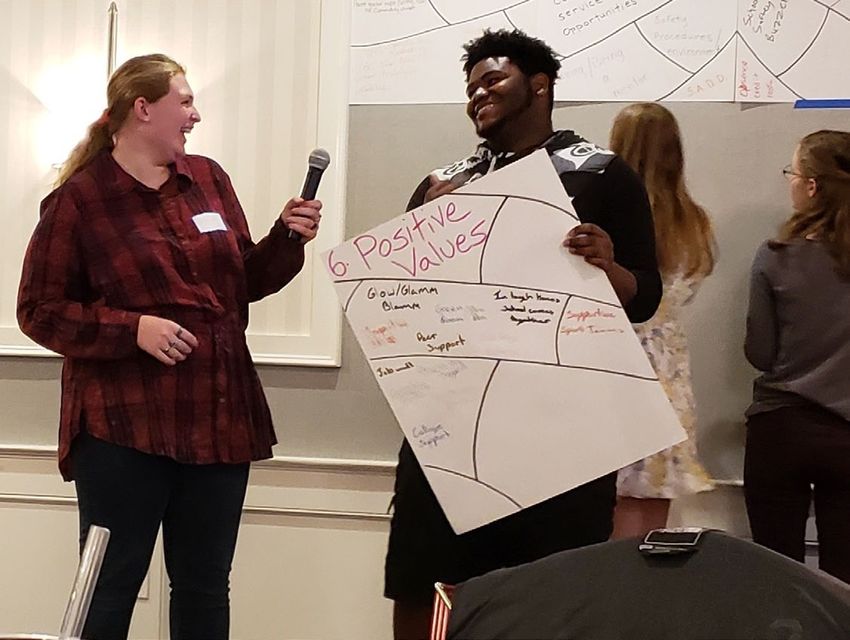
BE Above BTV
  Burlington, Vermont

  Students from Edmunds and Hunt Middle
  Schools participated in GTY as part of the BE
  Above BTV club with the Burlington Partnership
  for a Healthy Community (BPHC). They met with
  others in their club to review their local YRBS
  data. The BE Above BTV club worked with stu-
  dents from Burlington High School and BPHC
  advisors to host a community dialogue event at
  the high school in April. During this event, youth
  and adults engaged in discussions about assets,
  concerns, and ways the school and community
  can help support youth in making healthy choic-
  es. BE Above BTV will continue to work on rais-
  ing awareness and improving assets and healthy
  choices in their community.

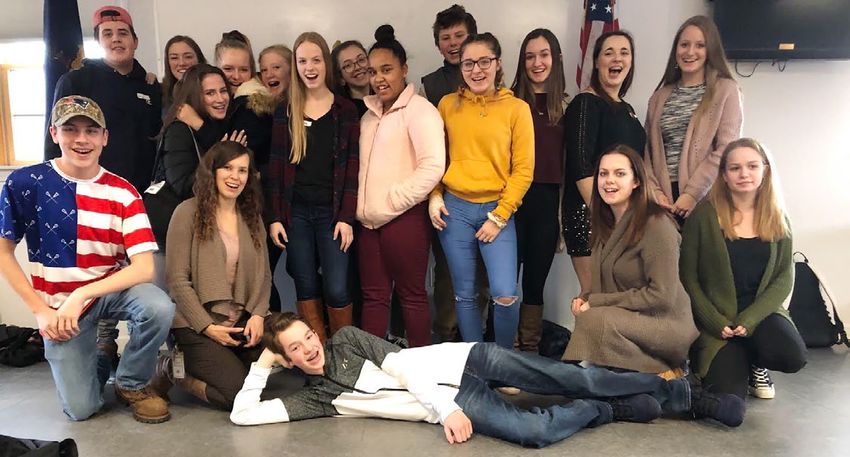
                                                           Edmunds and Hunt students at the fall training.

   STRENGTHS

                        87%
                     of Burlington middle school
                                                                        69%
                                                                        agree or strongly agree that
                     students report having                             they matter in their community.
   dinner at home with at least one parent 4 or
   more days in the past week.

   CONCERNS

                   6%
               of Burlington
                                                   4%
                                                   drank alcohol in the
                                                                                                     3%
                                                                                                     used marijuana in
   middle school students used                     past 30 days.                                     the past 30 days.
   tobacco products in the last year.

2 • Getting to ‘Y’ 2018–2019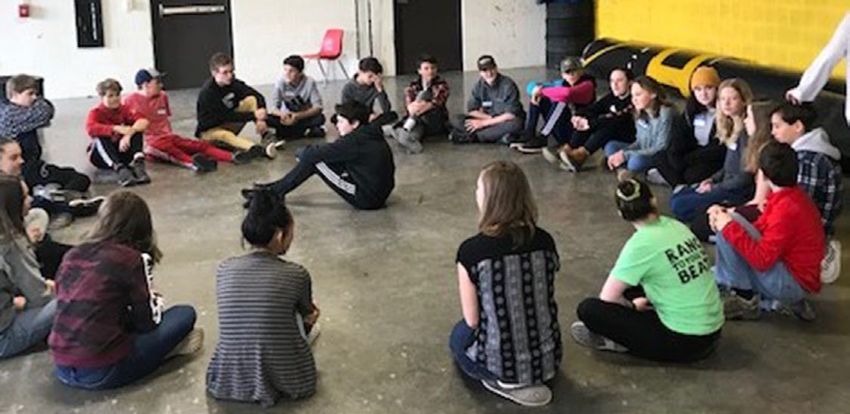
Bellows Falls Union High School
Westminster, Vermont

A GTY group composed of students in grades 9 to 11 met
and identified a strength to highlight and two areas for
improvement that they plan to tackle. They agreed that the
supportive community gives students the push to work
hard in extra-curricular activities and to “put in the extra
hours” because so many people cheer them on, thank
them, and show up to support them on the field or court
and for concerts and plays. The school spirit reflected
throughout the town inspires students daily to participate
in the wide variety of options offered. The GTY group plans
to reconvene in the fall to do a full review of the 2019 data
and compare that to 2017 and then present their findings at
a school staff meeting and a “joint board meeting” so all of
the town school boards can be part of the conversation.         Bellows Falls team members at the fall training.

STRENGTHS

             31%
             of Bellows Falls students spend 10 or more hours per week participating in afterschool
             activities, which is much higher than the state average of 24%. The rate for BFU males is higher
             than females, but both are higher than their peers across the state. All grades show higher
             participation than the state average, but especially 9th grade!

CONCERNS

               9%
                of Bellows Falls students did not go
                                                                        15%
                                                                      of Bellows Fall students drove a car or
                to school because they felt unsafe                    other vehicle after drinking alcohol in
in the past 30 days, vs 5% across Vermont. The            the past 30 days which is more than double the state
difference was largest for males (11% SU vs 4%            rate. Again, males showed the largest difference
VT) and grade 9 (11% SU vs 5% VT) and 10 (10% SU          with 20% SU vs 9% VT (females were 12% SU and
vs 5% VT).                                                5% VT).

PROPOSED ACTION STEPS                                       tors and shared a proposal, which will be discussed
and Accomplishments                                         during the summer staff in-service days.

ttGTY students proposed to administration that there      ttThe group plans to promote more parent and com-
  be more Restorative Practices and Restorative Jus-        munity education on the risk of underage drinking,
  tice work.                                                and driving under the influence. They will continue
                                                            to work to engage the entire community and school
ttGTY students shared the data and concerns about           in these discussions.
  students’ perceived risk of safety with administra-

                                                                                                    Getting to ‘Y’ 2018–2019 • 3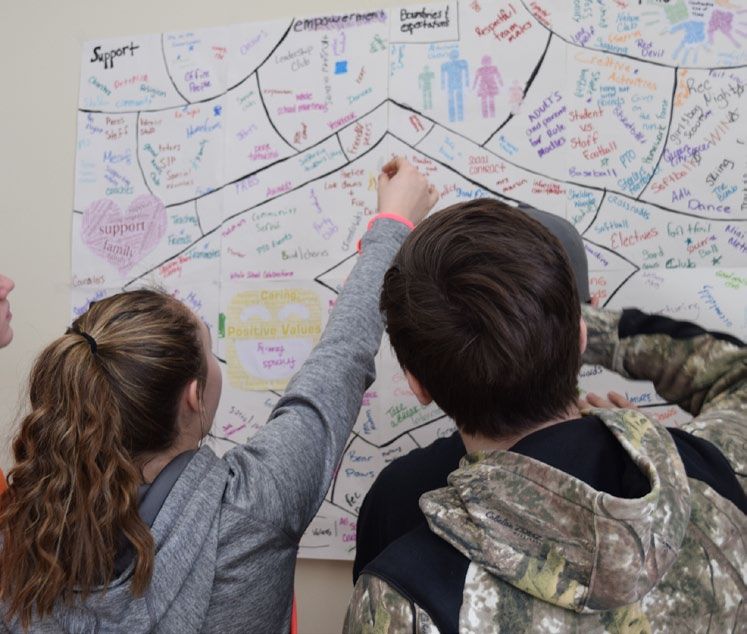
BFA Fairfax High School
  Fairfax, Vermont

   BFA Fairfax Data Analysis Retreat.

   After attending the fall GTY training, the BFA Fairfax Teen Institute group (TI) organized and led 19 students
   in grades 9 through 12 through a full day retreat in November. They identified many community and school
   assets and qualities, including good teamwork, initiative and willingness to tackle tough subjects and studied
   their local YRBS data. Based on the data, they decided that they wanted to address sexual activity and
   health, as well as increase Health class focus on life topics and issues such as sexual education and drug
   use. During the school’s Family Institute, the students shared the data point that 47% of high school students
   in their Supervisory Union have had sexual intercourse, and asked for feedback from families who attended
   the event. The students then organized action steps to address their concern.

   PROPOSED ACTION STEPS                                  ttEight TI students also presented this information
   and Accomplishments                                      at a high school wide Unity Day in May.

   ttTeen Institute students went into the High School    ttIn August, TI members will plan next steps such
     health class to present YRBS data and talk about       as expanding their education efforts to other
     safe sex. They led “the sex game” where indi-          grades or bringing in other topics and statistics
     viduals rolled dice to take a chance on getting an     from their YRBS data.
     “STD” or “unexpected pregnancy” and get factual
     information. It was a fun yet educational activity

4 • Getting to ‘Y’ 2018–2019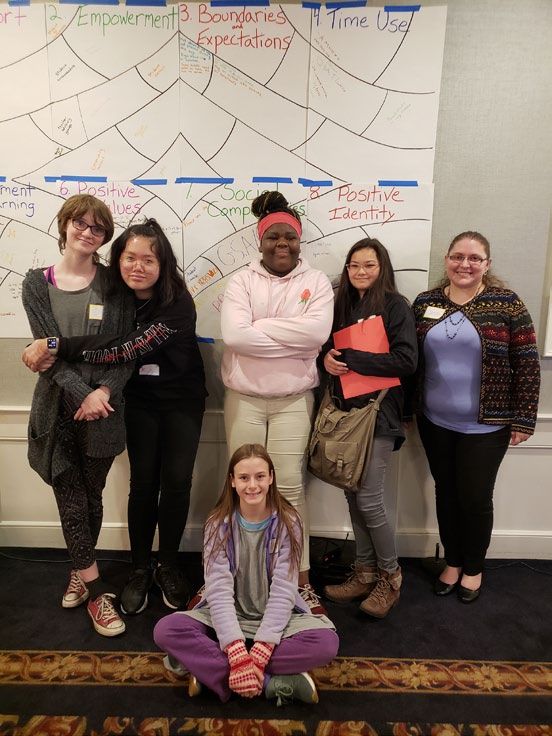
Blue Mountain Middle & High School
Wells River, Vermont

High school and middle school students attended the training
days with school staff and the Prevention Partnership coor-
dinator from Northeastern VT Regional Hospital. They then
planned and led a productive Student Data Retreat where
a powerful group of 25 grade 7-12 students examined their
YRBS data, identified top priorities, and had deep discussions
about ways to improve their school. In April, students, fac-
ulty, community members and organizations met to further
explore the small school’s many strengths and to work on
solution ideas for three school wide concerns. The GTY group BMU data analysis retreat
hopes to inspire others to work on creating positive change and they have voted unanimously to do GTY
again next year to work on actions and work with the new 2019 data.

STRENGTHS

73%                  Only   7% 96%
of MS students ate of MS students           of MS and 87%
                                                                   33%
                                                                   of HS students
                                                                                           90%
                                                                                           of HS students
dinner with at least think that             of HS students         were physically         reported they
one parent on 6-7    marijuana would        think their parents/   active at least 60      experienced no
days of the past     be sort of or very     guardians feel it      minutes per day         bullying in the past
week.                easy to get.           would be wrong or      on all of the past 7    30 days.
                                            very wrong for them    days.
                                            to smoke cigarettes.
CONCERNS

            31%
             of HS students felt so
                                                      7%
                                                      of HS students
                                                                                      57%
                                                                                     of HS and 46% of MS
             sad/hopeless almost                      made a plan to                 students think alcohol
every day for 2+ weeks that                           kill themselves      would be sort of or very easy for
they stopped doing some usual         in the past year. 9% of HS and       them to get.
activities. 28% of MS students        6% of MS had ever tried to kill
felt sad/hopeless in the past year.   themselves.

PROPOSED ACTION STEPS                                  ttReviewing the process to start a mentoring pro-
and Accomplishments                                      gram.

ttWorked with the Youth & Adults Transforming          ttAdvocated for mental health supports for students
  Schools Together class to plan possible peer sup-      and parents such as Emotional CPR, Question/Per-
  port group for fall 2019.                              suade/Refer and Mental Health First Aid training.

ttAdvocated for increased dialogue, training, and   ttMaintaining/developing partnerships with NVRH,
  education for adults and youth on mental health,    302 Cares, WIC, We R Hope, Hunger Free VT, Um-
  wellness, and substance use, and a resource guide   brella, 3 Squares VT/ Capstone, Wells River Well-
  on where to get support/information.                ness and 211.

                                                                                          Getting to ‘Y’ 2018–2019 • 5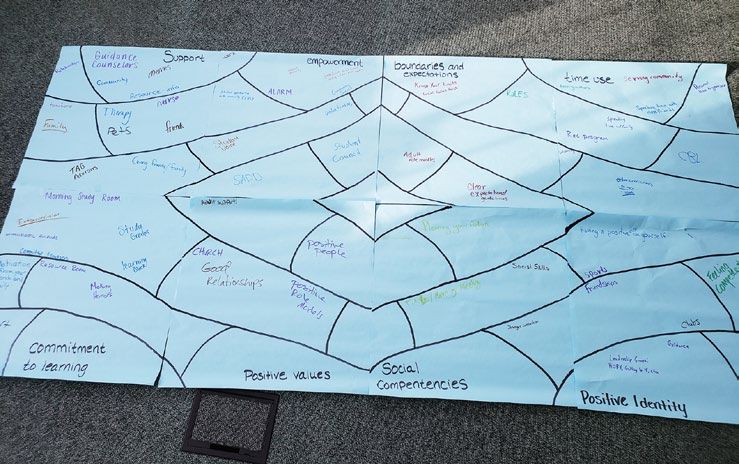
Burr & Burton Academy
  Manchester, Vermont

  After the GTY training, 9th grade student Lexi
  Lacoste and advisor Megan Brooks led an
  engaged group of 21 students through an ex-
  ploration of existing assets using the Circle of
  Courage, analysis of the strengths and concerns
  in the YRBS data, and meaningful discussions
  about root causes of their concern areas. They
  ended the day with concrete ideas for existing
  student groups to implement and a strong list
  of existing resources that help support indepen-
  dence, mastery, generosity and belonging. The
  hope is for these groups to continue discus-
  sions of how to build supports and continue to     Burr and Burton data analysis retreat .

  plan actions based on the data.

  STRENGTHS

                    90%
                                               Most sexually                                        Cocaine,
                                               active students use                                  heroin and
                of high school                 some type of pregnancy                               meth use
                students at BBA                prevention method.                                   are very low
                get mostly As and                                                                   compared to state
  Bs (vs 85% statewide)                                                                             rates of use.

  CONCERNS

                  47%                           Only   9%                                      Among those who
                                                                                               drink alcohol,
               of LGBTQ students
               purposefuly hurt
  themselves without wanting
                                                of students have
                                                been tested for HIV
                                       while 38% have had sexual
                                                                                               62%
                                                                                     reported binge drinking.
  to die, and 21% tried to kill        intercourse.
  themselves in the past year.

  PROPOSED ACTION STEPS                                    ttPlanning is underway to use social media to share
  and Accomplishments                                        information and resources about the topics with a
                                                             focus on positivity, knowing the facts and helping
  ttDesigned an informational sheet about sexually           people.
    transmitted infections and how to get tested and
    put copies in all school restrooms.                    ttPlans are being made to focus education efforts
                                                             on alcohol use in the coming year.
  ttA student group is setting up a training for adults
    on how to work better with diverse groups such as
    LGBTQ students.

6 • Getting to ‘Y’ 2018–2019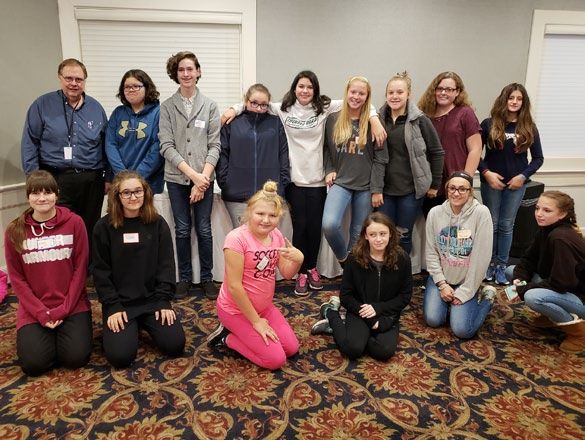
Hartford Middle School
White River Junction, Vermont

On January 28, a diverse group of 15 sixth, seventh
and eighth grade students assembled to analyze their
YRBS middle school data for assets and strengths
present in the community, and to start the process
of creating action steps to address areas of concern
they found in their data. Six of those students then
led a Community Dialogue Event in April to share and
further discuss their priorities and ideas with parents,
grandparents, administrators, police officers, and
community and state preventionists.

                                                            The core team at the Community Dialogue event (one student missing).

STRENGTHS

                   83%
of students always wear a
                                                           92%
                                                           of students ate
                                                                                                          88%
                                                                                                    of students ate
seatbelt and less than 1% never                            breakfast in                             dinner with at
wear one.                                                  the past week.         least one parent/guardian on 4+
                                                                                  days in the past week.

CONCERNS

                17%
                of students (25%
                                                    51%
                                                  of students were
                                                                                               Only     50%
                                                                                               of female students
                of females) ever                  ever bullied on                              agree or strongly
                seriously thought     school property (7% higher than                          agree that they matter
about killing themselves. 18% of      the state)                                   to people in their community (vs
females students made a plan                                                       71% of males).
and 11% of 8th graders have tried
to kill themselves.

PROPOSED ACTION STEPS
and Accomplishments
ttImplement Bystander Training in 2019-2020 with emphasis on how to seek help/find support, skills
  to meet and talk with new people, noticing and supporting someone who is hurting, how to increase
  involvement in clubs and sports, and how to report an incident/talk through it with an adult.

                                                                                                   Getting to ‘Y’ 2018–2019 • 7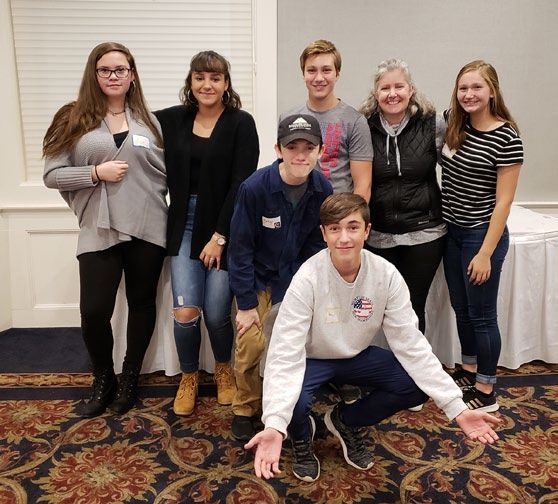
Harwood Middle School
  Harwood, Vermont

  Harwood middle and high school students have
  participated in GTY for numerous years, using YRBS
  data to guide the priorities for student prevention
  groups. This year, a middle school team attended the
  GTY training and then led a group of peers in a data
  analysis retreat to map school and community assets
  and review their own YRBS data. After identifying
  suicide as a top concern, they worked with the high
  school group to host a community dialogue event in
  February. As in previous years, the Harwood teams
  are using the data and ideas that came from youth
  and community discussions to inform their planning
  as they act to improve the well-being of students in
  their school.
                                                            Harwood team at the fall training.

  CONCERN

                      17%
                      of middle school students ever made a plan to kill
                      themselves, and 21% ever seriously thought about killing
                      themselves, which are both higher than the state.

  Harwood data retreat.

8 • Getting to ‘Y’ 2018–2019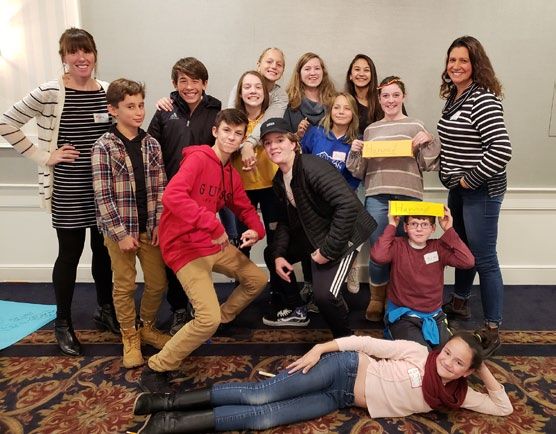
Lamoille Union Middle School
Hyde Park, Vermont

In February, Lamoille Union Middle School’s GTY
leaders brought together 35 of their peers to help
them analyze the school’s 2017 data. Throughout the
day, the group combed through the data and even
had an opportunity to discuss the results with their
school’s superintendent. With support from Healthy
Lamoille Valley, these six leaders hosted a success-
ful community dialogue in May. The evening allowed
the leaders to share the results of the data retreat and
to ask the community for ideas and support around
the school’s most troubling data.
In the fall, the school and district will be working
with surrounding agencies to bring in support and
education for the students, teachers and staff, admin-
istration and community on supporting our students
mental health wellness.
                                                           The LUMS team at the fall training.

STRENGTHS

                   90%
                   of students ate
                                                    87%
                                                 of students always
                                                                                                    92%
                                                                                                   of students
                   dinner at home                wear a helmet skiing                              believe their
with at least 1 parent 4 times in     or snowboarding.                                             parents feel
the last week.                                                                      smoking a cigarette in school is
                                                                                    wrong.

CONCERNS

                31%
                of female
                                                       24%
                                                       of female
                                                                                                   Only53%
                                                                                                   of 8th graders
                students have                          students have                 believe smoking one or more
                seriously thought                      made a plan to kill           packs of cigarettes greatly risk
of killing themselves.                themselves.                                    their health (statewide 70%).

                                                                                                 Getting to ‘Y’ 2018–2019 • 9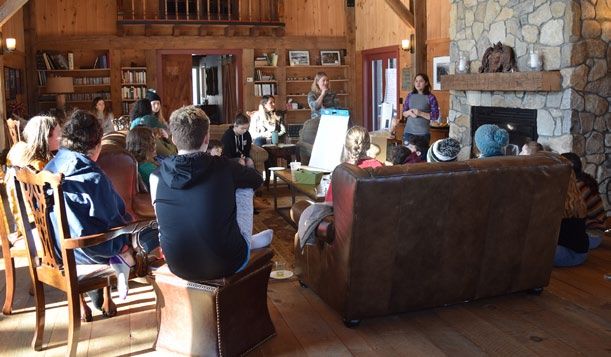
Main Street Middle School
  Montpelier, Vermont

  The Student Ambassadors gathered a diverse group
  of peers in January to identify three strengths and
  three concerns in their school YRBS data. After
  some fun icebreakers, they created an asset web of
  the supports in their school and community. They
  split into groups to go over the different categories
  of the survey, and then came together to vote on
  top strengths and concerns for the entire school
  and spent time discussing root causes and ways to
  improve their concern areas. In March, the Student
  Ambassadors met with the school Parent’s Group,
                                                         Main Street Middle School Student Ambassadors.
  and many other important community members
  to discuss how to help the school to be a better,
  safer place. People were very engaged in the data and discussion. After seeing the students’ top strengths and
  concerns, the community members seemed very willing to help improve the school to prevent some of these
  concerns, and helped brainstorm more ideas on how to improve education on the health topics, to help stu-
  dents find support, and to help everyone feel they are important to every person in the community.

   STRENGTHS

                        90%                                                                 96%
                                                        Too few to
                                                        report used
                     of MSMS                            smokeless                           were physically
                     students ate                       tobacco in the                      active during the
   dinner with at least one parent/                     past 30 days.                       past week.
   guardian 4 or more days of the
   past week.

  CONCERNS

                32%
              of MSMS students
                                                  50%
                                                 believe they couldn’t
                                                                                              16%
                                                                                              of 8th graders
              do not believe                     harm themselves by                           reported having
   they matter to people in their      binge drinking every weekend.                          attempted
   community.                                                                                 suicide.

  PROPOSED ACTION STEPS                                   ttThey plan to conduct an anonymous survey about
  and Accomplishments                                       how it feels to matter, to inform ways to help the
                                                            school become a stronger community.
  ttStudent Ambassadors have created Restorative
    Circle scripts based on the subject equality, equity ttThey suggested creating support groups to help
    and why you matter, which will be used throughout      people who feel down or depressed because they
    the school.                                            have no one to talk to.

10 • Getting to ‘Y’ 2018–2019
Middlebury Union High School
Middlebury, Vermont
In February, the core leadership group led 17
students through a Youth Risk Behavior Data
Analysis retreat to look at the results of MUHS’s
most recent YRBS Survey. The students spent
several hours working together to decide what
was important in the data, and created a summary
of the strengths and areas of concern for our
community. Additionally, students explored root
causes and possible action steps to improve and
strengthen our school. During the retreat, they
were able to discuss their insights on the data
with their superintendent and curriculum director.
The students’ priorities will be further shared with
administrators, teachers and community to help
shape future planning and move forward with The core team at the Data Retreat.
action.
STRENGTHS
26%
of MUHS students
11%
of MUHS students
70%
of MUHS students
spend 10 or more were bullied in agree that in their
hours per week the last month, community they feel like they
in after school which is lower than the 16% matter to people, which is higher
activities, which is higher than state average. than 61% across the state.
the state average.
CONCERNS
6%
of female
11%
of racial and ethnic
9%
of female and
students minority and 11% 10% of LGBTQ
attempted suicide of LGBTQ students students were
in the past year, twice as many were threatened or injured with ever physically forced to have
as male students (3%). weapons on school property sexual intercourse.
in the past year compared to
2% of white/non-hispanic and
3% of heterosexual, cisgender
students.
Getting to ‘Y’ 2018–2019 • 11Mount Anthony Union Middle School
Bennington, Vermont
In March, a leadership group of 28 middle school stu-
dents attended a day long retreat at Bennington College
to analyze their YRBS data, explore existing assets and
determine areas of concern. The group decided to develop
action plans to support and improve the SVSU school
district based on two areas they identified: vaping and
feeling safe at school. Bennington District Senator Brian
Campion stopped by and conversed with students about
Mount Anthony’s data analysis retreat.
these issues, including ideas to limit vaping within our com-
munities. In May, the Student Leadership Group invited the community to hear an overview of the YRBS data
for the school district and the students’ findings and to give input on their action plans. Over 30 community
members attended the event and were active participants.
STRENGTHS
88%
of middle school
73%
of current
64%
of middle
students think smokers said that school students
their parents/ they typically ate dinner with a parent or
guardians feel it would be wrong smoked one or less than one guardian every day of the past
or very wrong for them to drink cigarette. week.
alcohol.
CONCERNS
19% 18%
Almost twice as
many female
of middle school students and of middle school
students have racial and students ever used an electronic
seriously thought ethnic minority students vapor product, with higher rates
about killing themselves did not go to school because they among females (20%) and racial
felt unsafe on their way to or at and ethnic minorities (31%).
school, compared to the same
groups statewide.
PROPOSED ACTION STEPS ttIdentify people that students can use as resources
and Accomplishments and supports at school.
ttInform school and community about dangers of ttPromote school and community events that pro-
vaping and marketing towards teens. mote diversity and discourage bullying.
ttWork with community leaders to ban selling of ttIdentify, develop and promote peer groups (like
vaping products within a 3 mile radius of local GLOW) that help students feel safe at school.
schools.
12 • Getting to ‘Y’ 2018–2019Oxbow High School
Bradford, Vermont
This was the first year of GTY for Oxbow. Their core team held
a retreat in November with nineteen students from grades
7-12 to analyze the Orange East Supervisory Union data and
identify strengths, concerns, and root causes of the concerns.
They also mapped community and school assets including:
Clubs and Activities, Community Service opportunities, Al-
ternative learning opportunities (dual enrollment, River Bend
Tech Center, AP classes, etc), VSAC services and supports,
social activism, student responsibilities at home, Bradford
Teen Center, and more. The core group then led a Community
Dialogue in February to share information with the commu- Team members: Megan Hebb, Lara Jones, Kyle Emerson,
nity and to refine action plans. Attending were representa- Jessica Parent (not shown: Amber Morse).
tives from mental health agencies, parents, private therapists,
school board members, and Vermont Department of Mental Health. The GTY team covered the basics of the
YRBS, reviewed some key data points from the survey and asked community members to add their ideas of
community assets to the student input. Everyone then worked on developing action plans.
STRENGTHS
6%
Too few Too few
Only students to students to
of sexually active report ever used report smoked
students did not use any heroin. daily or more than
method to prevent pregnancy. 11 cigarettes per
day.
CONCERNS
48%
of students report
58%
of students think their
3%of students re-
they are trying to lose parents feel it would port going hun-
weight. be wrong or very wrong for them gry most of the time or always and
to drink alcohol. 10% sometimes went hungry due to
lack of food in the past 30 days.
PROPOSED ACTION STEPS ttProvide student and parent education around the
and Accomplishments negative effects of second-hand smoke and under-
age drinking.
ttHosted teen mental health and resilience speaker
for parents and community ttPromote positive body image within the school
with posters and information.
ttConcerns led National Honor Society to create a
food shelf within the school ttCommunicate regularly for the need to donate to
local and in-school food shelves
ttFocus on mental health and wellbeing in the com-
ing year
Getting to ‘Y’ 2018–2019 • 13Peoples Academy Middle School
Morrisville, Vermont
In November, 32 volunteer students walked from
Peoples Academy Middle Level to the VFW Lodge
in Morrisville where they discussed the results of
their school’s 2017 YRBS. After a day of analyzing
and thinking about the survey results, students
came up with strengths and concerns about their
school/community. They shared their work with
administration, parents and community members
in May, and led discussions of possible ways to
improve their concerns. Participants were espe-
cially impressed with the extensive list of school
and community assets the youth had identified. At
the end of the evening, everyone identified per-
sonal action steps they would take to build youth
assets or reduce risk areas. PAML team at the fall training.
STRENGTHS
Only 3%
of students rarely or never wear
2%
used marijuana in
96%
of students think
a seatbelt (97% wear seatbelt). the past 30 days it is wrong or
(98% did not). very wrong for
someone their age to smoke
cigarettes.
CONCERNS
12%
of students ever
17%
felt sad or hopeless
28%
ever rode with a driver
made a suicide during the past year. that had been drinking
plan. alcohol.
PROPOSED ACTION STEPS ttBegan weekly PSA announcements to parents and
and Accomplishments community to highlight fact about what they have
learned.
ttAttended the U-Matter for Youth Mental Health
Training and Youth Summit. ttPosted dangers of vaping around the school.
ttAttended the Youth Advocacy Council Training for ttPlanning a monthly calendar of events to post
U-Matter. around the school, highlighting prevention, assets
and healthy choices
14 • Getting to ‘Y’ 2018–2019Sheldon Middle School
Sheldon, Vermont
In January, the Student Leaders helped the entire 7th & 8th
grade examine and analyze their middle school YRBS data and
vote on key areas of strength and concern to bring forth to their
community. 50 members of the Sheldon and larger Franklin
County Community came together in February to hear the stu-
dents’ ideas on the data and existing community assets. They
discussed ways to develop Actions Plans to address important
issues such as alcohol use, sexual activity and suicide.
Sheldon student leaders at their Data Analysis Retreat.
STRENGTHS
82%
of students (vs 76%
98%
of students wear seat belts.
95%
think their
statewide) believe parents/
there is at least one guardians feel it
adult in their school that they can would be wrong or very wrong
talk to if they have a problem. for them to smoke cigarettes.
CONCERNS
41%
of students (vs. 37%
9%
have had sexual
26%
have ever thought
statewide) think intercourse (vs. 5% seriously about
alcohol would be sort of or very statewide). killing themselves
easy to get. (vs. 18% statewide).
PROPOSED ACTION STEPS school students with parent and teacher involve-
and Accomplishments ment.
ttHeld school wide presentation to address bullying ttSent home a contract to have family discussions
with 2 pre-session and 2 post-session classes, and around alcohol use and to lock up alcohol at
a corresponding parent presentation. home.
ttWorking with NorthWestern Counseling & Sup- ttWorking with Athletic Director to add substance
port to train students as Peer Counselors and to use expectations to Sports Night Education and
implement mental health screening days at school adding no use contracts for athletes.
in the coming year. ttSocial emotional learning in guidance and well-
ttPartnering with UVM Medical School to create a ness classes.
student led education, prevention and interven- ttFall 2019 Mental Health First Aid course for teach-
tion program on anti-bullying and positive mental ers and staff.
health support in fall 2019. Program development ttArea businesses sponsoring 4 new off-site events
will be by Sheldon middle school and UVM med for Monthly Rec Nights.
Getting to ‘Y’ 2018–2019 • 15Stowe Middle and High School
Stowe, Vermont
The middle school Making a Difference Stowe group (MADS) and high
school Bettering Our School Surroundings club (BOSS) continued
their multi-year involvement with GTY by using data to inform their
action plans for the year. MADS students hosted a full day retreat at
the Stoweflake to help 22 students analyze the Stowe school data.
Because of their concern about the number of middle school stu-
dents who seriously thought about killing themselves in the past
year, MADS has been working to make the school com-
munity a place where all students feel they belong. Stowe
High School students found looking at the data extremely
interesting, especially as a small school. They made the High school and
point that in a school this small, it is inevitable that one of middle school
teams at the fall
the “statistics” is a friend, and decided that random acts of
training days.
kindness were imperative to school climate.
STRENGTHS
98%
of MS students
95%
of MS students
Only 2%
of MS students
think it is wrong ate dinner with have ever smoked
or very wrong at least one parent/guardian on 4 a whole cigarette.
for someone their age to smoke or more days of the past week.
cigarettes.
CONCERNS
10%
of MS students
47%
of MS students
9%
of MS students
21%
of HS students
ever seriously thought think alcohol would be bullied someone in the felt so sad or hopeless
about killing themselves, sort of or very easy to past 30 days. almost every day for 2
and 9% of HS students get. weeks in a row that they
made a plan for suicide stopped doing some
in the past year. usual activities.
PROPOSED ACTION STEPS ttConducted random acts of kindness including a
and Accomplishments Hot Chocolate Bar, a Gratitude Ice Cream stand
and an exam week popsicle stand.
ttHosted a Youth Mental Health evening in partner-
ship with Lamoille County Mental Health Services, ttDid a bathroom beautification project, so the bath-
Healthy Lamoille Valley, and Growing up Stowe rooms are a place where students can feel uplifted
parenting group and positive about themselves.
16 • Getting to ‘Y’ 2018–2019U32 Middle and High School
Montpelier, Vermont
U32 students held two separate data analysis retreats to examine
their middle and high school YRBS data in the fall. The students
identified school and community assets, decided on strengths and
concerns in their data, and started the process of thinking about ac-
tion steps to address areas of concern. Students shared their work
with school administrators, teachers, parents, and community pre-
vention experts at a March evening dialogue event, getting feedback High school
on community strengths and resources, and leading dialogue about and middle
school teams
how to best address concern areas. The students have already begun
at the fall
their action steps and hope to continue their work next year. training days.
STRENGTHS
85%
of HS
95%
of HS
73%
of MS
58%
of MS
students had at least students and 98% of students ate dinner with students engaged in
one teacher or other MS students believe at least one parent every at least 60 minutes of
adult in the school that their parents think it day of the past week. physical activity for 5 or
they can talk to if they would be wrong or very more days per week.
have a problem. wrong for them to smoke.
CONCERNS
70% 22% 9% 10%
Although the per-
cent was low in the
2017 YRBS data,
of high school of 10th graders of MS students of MS students
school administra-
students reported reported didn’t go to school have ever made
tion reported to the
that would be sort experiencing because they felt a plan to kill
group that e-ciga-
of or very easy for sexual dating unsafe at or on themselves.
rette disciplinary
them to get alcohol, violence, double the way to school
infractions more
and 38% of the state average and 20% of MS
than tripled
current users were of 11%. students have ever
between 2016/2017
given alcohol. been electronically
and 2017/2018.
bullied.
PROPOSED ACTION STEPS ttSAP counselor and nurse ran Not On Tobacco
and Accomplishments Group for students who vape
ttAttended VAMLE Bullying Conference (MS) ttSurveyed MS and HS students about access to
drugs and alcohol
ttAttended Dismantling Rape Culture Conference
(HS) ttBegan the #AskableAdults Program
ttPresented GTY priorities to the School Board ttHeld educational meetings with Circle and the
Sexual Assault Crisis Team and will continue
ttImplemented a Ghost Out collaborating
Getting to ‘Y’ 2018–2019 • 17Vergennes Union Middle & High School
Vergennes, Vermont
Two Vergennes teams participated in GTY this year. The high school team
led a day-long retreat in the Bixby Library, where 12 students and three
adults analyzed their high school data to decide on priorities and identify
existing strengths. They later held a Community Conversation with the
Commodore Parent Teacher Group, administration, and prevention ex-
perts, who were very receptive to the presentation of community assets,
strengths and concerns and helped explore ways to increase youth-com-
munity connections.
The Vergennes for Responsible Educated Decisions group (V-RED) ex-
plored their middle school YRBS data and decided to focus vaping because
of the increasing incidents of students vaping at school. They hosted a
spaghetti dinner and dialogue night which was attended by 25 community
members, 10 V-RED students, 2 school board members, and the Chief of
Chronic Disease and Prevention from the Vermont Department of Health. Middle and high school teams at the fall
training days.
STRENGTHS
91% 86% 61%
Only
of 7th and
86% of 8th graders
of HS students
get mostly As and Bs.
of HS
students were
12%
of HS students were
think it is wrong or very physically active for at bullied, which is lower
wrong for someone their least 60 minutes on 4+ than the statewide
age to use marijuana. days in the past week. average.
CONCERNS
10%
of 8th grade students
74%
of seniors say it
40%
of HS
44%
of females and
have ever used an would be sort of students don’t feel like 35% of all HS students
electronic vapor or very easy to get they matter to their texted while driving.
product. cigarettes, alcohol, community.
and marijuana if
they wanted to.
PROPOSED ACTION STEPS guest speakers on distracted driving; sharing infor-
and Accomplishments mation about apps to help reduce texting and driv-
ing; building peer relationships through buddies or
ttHosted education evening around vaping with the peer partners; hosting a student fair of opportuni-
Vermont Department of Health. ties in the Vergennes area; having counselors teach
ttCreated an informational brochure and education- positive conflict resolution skills; and finding more
al posters on vaping. ways to get community to visit the school and at-
ttOther ideas include: Mock car crash, assembly, and tend games, concerts and other events.
18 • Getting to ‘Y’ 2018–2019White River Valley High School
Royalton, Vermont
White River Valley School held
their data retreat with about
twenty high school students. Rich
conversations were had at the
data retreat and at the subsequent
community dialogue night
which was attended by students,
parents,staff and community
members. To help address one of
their concern areas, a workshop
was held by the Orange County
Sheriff’s Department Child
Advocacy Team at an annual
Teen Summit for all of the 8th
graders across our SU. This
workshop addressed both healthy White River Valley “Asset Web.”
boundaries and relationships and
covered sexting and its legal ramifications. Health educators are working to have more comprehensive sex
education, especially for middle school students.
STRENGTHS
96%
of students earned
78%
of students
33%
of students were
As, Bs or Cs in reported they probably or physically active
school. definitely will complete a post at least 60 minutes per day all 7
high school program. days of the past week.
CONCERNS
32%
of females were
13%
of females report
31%
of students felt so
electronically being forced sad or hopeless
bullied during the past year (vs to have sexual everyday that they
22% statewide). intercourse (vs 9% statewide). stopped doing some of their usual
activities during two or more
weeks of the past year.
Getting to ‘Y’ 2018–2019 • 19GTY will be published in the
July 2019 issue of Health
Promotion Practice!
Read “Participatory Survey Data
Analysis as Catalyst for Empowering
Youth as School Health Change
Agents” at upforlearning.org under
Resource Center > Publications.
Learn more about Getting to ‘Y’ and other UP for Learning
initiatives at upforlearning.org or contact:
Sharon Koller, GTY Coordinator
802.373.7594 or sharon@upforlearning.org
Helen Beattie, Executive Director
(802) 472-5127 or helen@upforlearning.org
Special thanks to the Vermont Department of Health for their support of this youth engagement initiative.
Design & layout by Dana Dwinell-Yardley.
20 • Getting to ‘Y’ 2018–2019You can also read


