Global Mobile Consumer Survey 2019 South Africa Cut - March 2020 - Deloitte
←
→
Page content transcription
If your browser does not render page correctly, please read the page content below

Global Mobile Consumer Survey 2019
South Africa Cut

March 2020

GMCS GLOBAL FOOTPRINT                                   GMCS SOUTH AFRICA

   6           28          44 150                       16-45 1 000
                           Respondents                  Age of          Nationally representative
                                                        respondents     respondents
Continents   Countries

                                         EMEA
               Americas                  Belgium
                                         Denmark
               Argentina                 Finland
               Brazil                    Germany
               Canada                    Ireland          APAC
               Colombia                  Italy
                                                          Australia
               Mexico                    Kenya
                                                          China
               USA                       Luxembourg
                                                          India
                                         Netherlands
                                                          Japan
                                         Norway
                                                          South Korea
                                         Saudi Arabia
                                         South Africa
                                         Spain
                                         Sweden
                                         Turkey
                                         UAE
                                         UK
CONTENTS
      Foreword                      04

      Sample Overview               05

      Device Market                 06

      Connectivity                  16

      Apps/Services                 22

      Mobile Gaming                 26

      Digital Entertainment         30

      Mobile Payments/ E-Commerce   34

      Privacy                       38

      Contacts                      41
Global Mobile Consumer Survey 2019 | South Africa Cut

FOREWORD
At the end of his visit to Africa on 28 November 2019, Jack Dorsey, the CEO of Twitter and   LOOKING AHEAD
Square, remarked that, “Africa will define the future.” The future that awaits will build    Looking forward, the mobile consumer will continue to be at the centre of defining
upon the foundation of today and the mobile device is expected to continue playing a         Africa’s future. Key to this future is an environment enabling the mobile industry to
critical role in unlocking new opportunities. In this Global Mobile Consumer Survey (GMCS)   grow; inclusivity in access to broadband services; and responsible handling of consumer
South Africa Cut, key trends and developments, as reported by South African mobile           data. Transparency and education on data privacy and cyber security should be
consumers, are highlighted.                                                                  deliberate.

Smartphones remain consumers’ favourite device and have become a basic requirement           The release of new additional spectrum to the market is set to have a significant
for participation in the digital era. This trend is largely driven by affordability and      impact on the South African mobile telecommunications industry. This will trigger new
convenience. In the past year, there has been a decline in the popularity of tablets.        investments and unlock additional capacity to improve access to broadband services.
This trend can be explained by the continued improvement in smartphone screen size,
processing power and prices. The top manufacturers of phones continue to leverage            The launch of a commercial 5G network providing Fixed Wireless Access (FWA) service
their strong brands and relationships with service providers to dominate the market.         in South Africa is also significant and sets the tone for the rest of Africa. With each new
The launch of locally assembled phones may impact on pricing, distribution dynamics          generation of technology, the expectation is that the digital divide will close, not widen.
and customer choice; the extent of this impact remains to be seen.                           It is South Africa’s collective responsibility to bring as many of our people along with us
                                                                                             as possible.
Most consumers replace their phones after two years, in line with standard contract
upgrade cycles. However, this seems to be true for non-contract subscribers as well,
which reflects the influence service providers have on shaping consumer behaviour.
Used phones are usually handed down to other family members, thereby expanding
smartphone penetration, as well as extending the device’s life cycle. Software and
application developers should consider this insight in making their compatibility phase
in and phase out decisions.

Although unlimited data packages are gaining popularity, the 500MB–5GB range seems
to be the sweet spot between accessibility and affordability. The effective data rates
have been declining, yet consumers still feel that service providers should do more.
The use of e-commerce-related services increases with age, and gender plays a role in
influencing usage patterns.

                                                                                             Grant Chivandire
Data privacy remains a concern, but most consumers believe that only their basic non-
                                                                                             Africa TMT Senior Manager,
sensitive information is shared when they engage with companies online.
                                                                                             Deloitte Africa

                                                                                                                                                                                           4
Global Mobile Consumer Survey 2019 | South Africa Cut

SAMPLE OVERVIEW
Sample size: 1 000

                  Gender split                                                            Monthly income
                                                                                                                                            23%

                                                                                         19%

                                                        17%

                                                                      15%                                   15%

                50%                      50%
                                                                                                                           10%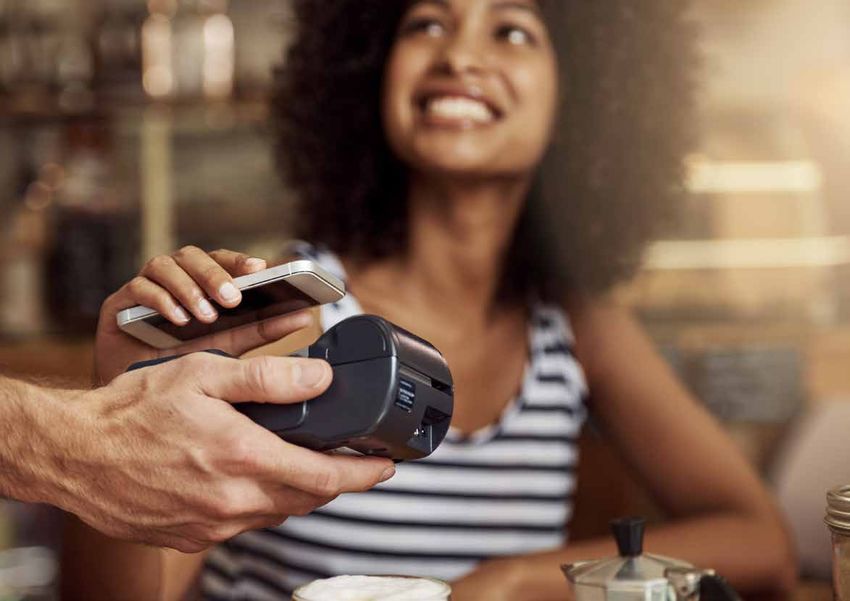
DEVICE MARKET:
Smartphones plateauing at the peak


Global Mobile Consumer Survey 2019 | South Africa Cut
Devices: Smartphones are the firm favourites, showing similar ownership Device ownership is mostly increasing
Smartphones are the firm favourites of device users
rates to more developed markets in Europe. Laptops remain popular, but in South Africa, showing similar ownership rates to
ownership is stagnant. Tablets are the only device category that showed more developed markets in Europe. This shows that a
smartphone, with the help of lower priced options, is
declining ownership levels between 2018 and 2019. fast becoming a basic requirement for consumers in the
digital era.
DEVICE OWNERSHIP (2018 & 2019)
Laptops remain popular, but ownership is stagnant and
Smartphone
Smartphone 97% remains below the ownership rates in Europe, reflecting
94% lower purchasing power compared to Europe and the
Laptop 56% potential leapfrogging and substitution of this technology
56%
41% by powerful smartphones.
Tablet
Tablet
45%
Desktop
DesktopComputer
computer 37% Tablets, albeit still popular, are the only device category
35% which showed declining ownership levels between
Smart
Smart Watch
watch 16%
12% 2018 and 2019. This may reflect the declining perceived
14% advantage of these devices compared to smartphones,
Fitness Band
Fitness band
8% as the latter’s screen size and processing power has
Feature
FeatureOr
or Basic
basic Phone
phone 12% increased in recent years, making a secondary device
10% such as tablets redundant.
9% 2019
Virtual
VirtualReality
reality(VR)
(VR) Headset
headset
9% 2018
Devices such as smart watches and fitness trackers are
Q. Which of the following devices do you own or have ready access to (at work or home)? not yet very common in the South African market, but
ownership of these devices increased noticeably between
2018 and 2019. Fitness bands have recorded the largest
DEVICE OWNERSHIP BY INCOME GROUP increase across all device categories.
99%
98%
DEVICE OWNERSHIP BY INCOME GROUP
97%
97%
94%
Large differences between income groups
While smartphone ownership is widespread across all
79%
76%
income groups, there are large differences between
63%
income groups for other devices. Device ownership,
60%
59%
57%
especially emerging technology, tends to increase with
49%
50%
44%
43%
income levels.
32%
31%
31%
29%
26%
24%
23%
23%
While often seen as a low-cost alternative to
18%
17%
17%
16%
15%
15%
14%
13%
13%
smartphones, feature or basic phones serve as a
8%
9%
secondary device for more affluent consumers, perhaps
5%
6%
6%
5%
5%
4%
for their longer battery life.
Smartphone
Smartphone Laptop
Laptop Tablet
Tablet Desktop
Desktop Smart
Smartwatch
Watch Fitness Band
Fitness band Feature
Feature or
Or VirtualReality
Virtual reality
computer basic phone (VR) headset
Computer Basic Phone (VR) HeadsetGlobal Mobile Consumer Survey 2019 | South Africa Cut
Devices: Smartphones are popular across all age groups. Young Smartphones remain firm favourites across all
age groups
consumers tend to be early adopters of emerging technologies. Smartphone ownership is very high and relatively
similar across all age groups.
Laptop and tablet ownership increases with age, with
consumers within the age group 35–45 years most
likely to own such a device. For most professionals,
DEVICE OWNERSHIP BY AGE laptops remain an important productivity tool, often
DEVICE OWNERSHIP BY AGE provided by employers.
98%
96%
96%
Ownership of emerging technologies, such as smart
watches, fitness trackers or virtual reality headsets,
64%
55%
52%
remains low across age groups, but is slightly more
47%
40%
39%
39%
35%
36%
common among consumers within the age group
17%
16%
16–24 years. This may indicate an early-adopter
15%
16%
13%
12%
13%
12%
11%
10%
8%
8%
status of this age group and, for owners of fitness
bands, a greater awareness of a healthy lifestyle.
Smartphone Laptop Tablet Desktop Smart watch Fitness band Feature or Virtual reality
computer basic phone (VR) headset Device ownership is mostly increasing, but the
degree of increase is age dependent
16-24 25-34 35-45
There have been noticeable changes in access to
certain devices between the different age groups.
Q. Which of the following devices do you own or have ready access to (at work or home)?
While access to laptops and tablets declined
noticeably among consumers aged 16–24 years
between 2018 and 2019, access to these devices has
DEVICE OWNERSHIP BY AGE (2018 & 2019) increased among consumers within the age group
35–45 years.
93%
96%
95%
96%
94%
98%
64%
58%
55%
55%
53%
52%
49%
47%
45%
40%
39%
39%
39%
36%
35%
35%
35%
34%
17%
16%
16%
14%
15%
13%
13%
12%
11%
12%
11%
10%
11%
11%
11%
11%
10%
9%
8%
8%
7%
8%
6%
6%
16- 25- 35- 16- 25- 35- 16- 25- 35- 16- 25- 35- 16- 25- 35- 16- 25- 35- 16- 25- 35- 16- 25- 35-
24 34 45 24 34 45 24 34 45 24 34 45 24 34 45 24 34 45 24 34 45 24 34 45
Smartphon e Lapto p Tablet Desktop Smart watch Fitness band Feature or basic Virtu al reality (VR)
co mpu ter ph one headset
2018 2019
Q. Which of the following devices do you own or have ready access to (at work or home)?
9Global Mobile Consumer Survey 2019 | South Africa Cut
Devices: The top three device brands consolidated their Top brands cement their market leadership position
combined market share from 83% in 2018 to 87% in 2019. The top three device brands consolidated their combined
market share from 83% in 2018 to 87% in 2019, reflecting
Compared to 2018, the market leader lost market share in their brand appeal among consumers, as well as the strong
linkage these brands have with the respective mobile
2019 to its two strongest competitors. operators.
Interestingly, compared to 2018, the market leader lost
MARKET SHARE OF TOP 3 BRANDS (2018 & 2019) market share to its two strongest competitors in 2019.
iOS-powered devices are gaining in popularity
38% 27% 22% 13% While Android-powered phones are firm favourites among
South Africans, the iOS operating system increased in
2019 popularity in 2019.
iOS is most popular among consumers aged 16–24 years,
compared to other age groups. However, between 2018 and
42% 23% 18% 17% 2019, iOS’s popularity recorded the largest jump in the age
group 35–45 years, increasing from 13% to 22%.
2018
#1 Brand #2 Brand #3 Brand Other
Q. Which of the following devices do you own or have ready access to (at work or home)?
OPERATING SYSTEM BY AGE GROUP (2018 & 2019)
OPERATING SYSTEM BY AGE GROUP (2018 & 2019)
87%
85%
82%
79%
78%
79%
77%
77%
23%
23%
22%
21%
21%
18%
15%
Total 16-24 25-34 35-45 Total 16-24 25-34 13%
35-45
Android iOS
2018 2019
Q8. Which of the following devices do you own or have ready access to (at work or home)?
10Global Mobile Consumer Survey 2019 | South Africa Cut
Devices: South Africans replace their phones quite frequently. Most consumers have relatively new phones
About two-thirds of consumers, irrespective of gender, own
mobile phones that are less than two years old. This is in
line with the standard upgrade intervals of mobile contracts
AGE OF MOBILE PHONE BY GENDER in the South African market, a culture that seems to be
followed by pre-paid subscribers as well.
32%
31%
34%
33%
33%
32%
19%
16%
14%
Android users tend to have newer mobile phones
8%
7%
5%
4%
4%
3%
3%
4%
3%
Compared to iOS users, Android users tend to have newer
mobile phones. More than two-thirds of all Android users
have access to a phone less than two years old, compared
>5 years 4-5 years 3-4 years 2-3 years 1-2 years 5 years 4-5 years 3-4 years 2-3 years 1-2 yearsGlobal Mobile Consumer Survey 2019 | South Africa Cut
Devices: South Africa has a culture of handing down used devices. Stores remain the most important sales channels for
mobile phones
MOBILE PHONE PURCHASE BY SALES CHANNEL (2018 & 2019) More than half of all mobile phones were purchased in
stores. Consumers seem to appreciate the in-store person-
I purchased it ininstore
I purchased store 55%
59% to-person interaction, as well as the ability to touch and
I received it from
I received a family
it from member
a family memberor
orfriend
friend 18% feel the product before making a purchase. However, the
19%
11%
dominance of stores marginally declined between 2018 and
I purchased
I purchasedititonline
online
9% 2019, with online and telephonic purchases increasing slightly
I purchased it via
purchased via a sales
a sales representative
representative over
over the the…
phone 5% during the period.
3%
It was provided
It was byby
provided mymyempl oyer
employer 3%
4% Relatively small market for second-hand mobile phones
I Ilease
lease it
it 3%
1% Most second-hand phone users received their phones from
Other 5% 2019 2018
Other
5% family members or friends, indicating a culture of handing
down a device once a new device is purchased.
Q. Which, if any, of the following apply to how you got your current phone?
MOBILE PHONE PURCHASE BY SALES CHANNEL AND AGE
59%
I purchased it in store
I purchased store 60%
56%
21%
I Ireceived
receivedititfrom
fro maa family
family member or friend
memb er or friend 18%
18%
9%
II purchased online
purchased it on lin e 10%
9%
4%
II purchased
purchaseditvia
viaaasales
salesrepresentative
representative over the phone
the ph one 2%
5%
1%
ItIt was
was provided
provid ed by my employer
by my employer 5%
6%
0%
II lease
lease itit 1%
2%
Other 6%
Other 4%
5%
16-24
16-24 25-34
25-34 25-34
35-45
Q. Which, if any, of the following apply to how you got your current phone?
SALES CHANNEL FOR NEW AND SECOND-HAND PHONES
I purchased
I purchased in store
it in store 67%
14%
I Ireceived
receivedititfrom
fro maa family
family member or friend
memb er or friend 9%
58%
II purchased
purchased it on lin e
online 12%
8%
II purchased 4%
purchaseditvia
viaaasales
salesrepresentative
representative over the ph
over the one
phone 6%
2%
ItIt was
was provided
provid ed by
by my
my employer
employer 5%
II lease 2%
lease itit 3%
Other 3%
Other 5%
New Second-Hand
New Second Hand
Q. When you got your current phone, was it new or used? 12Global Mobile Consumer Survey 2019 | South Africa Cut
Accessories/services: “Wireless” is a big growth area. Protective accessories most common accessories
Many mobile device users have purchased accessories
or related services such as insurance for their devices.
Protective accessories, such as a phone cases and screen
OWNERSHIP OF ACCESSORIES/SERVICES protectors, are most popular.
Purchases of wireless accessories remain low, but present
an interesting growth opportunity, especially with the
number of devices launched without a standard 3.5mm
headphone jack increasing.
Power Audio Protection Other
54%
50% 50%
49% 49%
38%
29%
27%
23%
21%
18% 18%
16%
13%
12%
s
er
es
nk
d
s
or
s
se
er
s
se
e
r
es
ge
ie
ne
rd
ne
an
c
ct
rg
on
ca
ak
ca
ba
n
an
or
ca
ar
ho
ho
ho
st
e
ha
e
ur
ss
h
ng
e
ot
ch
er
sp
y
p
on
p
dp
rp
e
sc
s
or
ce
on
pr
gi
w
ad
ar
in
ea
e
le
ea
Ph
em
ac
Po
es
ar
bl
se
Ph
he
en
ab
e
ch
Ca
sh
ed
on
el
a
es
M
re
rt
ed
er
ir
ir
es
Ph
e
Po
el
Sc
W
W
on
m
ir
el
ir
W
Ca
W
Ph
ir
W
Q. Which of these accessories/services do you own that were purchased separately from the phone and/or received as a gift?
Base: All who own or have access to a smartphone or a feature/basic phone
13Global Mobile Consumer Survey 2019 | South Africa Cut
Accessories/services: Most accessory purchases are a matter of income.
ACCESSORY/SERVICES OWNERSHIP BY INCOME GROUP
74%
68%
68%
67%
65%
63%
63%
57%
57%
56%
55%
55%
54%
53%
53%
51%
51%
50%
49%
49%
49%
48%
48%
43%
42%
41%
41%
40%
36%
36%
33%
33%
32%
31%
31%
30%
30%
30%
29%
29%
29%
28%
27%
24%
24%
23%
23%
22%
21%
21%
21%
21%
20%
19%
19%
18%
18%
17%
17%
16%
15%
14%
13%
13%
12%
12%
12%
10%
10%
9%
8%
7%
7%
7%
4%
Phone case Screen Power
Power bank Memory
Memory Cable
Cable Portable Wired
Wired Wireless
Wireless Wired
Wired Camera
Camera Phone
Phone Wireless
Wireless Wireless
Wireless Phone Phone
Phone Phone
stand
protector
protector bank cards
card charger
charger speaker
speaker earphones headphones
earphones headphones headphones
earphones accessories
accessories insurance
insurance charger
charger earphones
earphones charging
charging stand
case
caseGlobal Mobile Consumer Survey 2019 | South Africa Cut
Accessories/services: iOS users are more likely to buy accessories. Noticeable differences between operating systems
There are noticeable differences between users of the
two dominant operating systems and their demand for
various accessories. iOS users seem to be more likely to buy
ACCESSORY OWNERSHIP BY OPERATING
ACCESSORY SYSTEM
OWNERSHIP BY OPERATING SYSTEM
accessories or insurance compared to Android users.
This may suggest that Android-powered phones are often
70% bundled with accessories such as phone cases and screen
Phone case
50%
protectors.
Screen protector 60%
48%
Given that iOS-powered devices tend fall into the high-
55% price/premium segment, it is not surprising that more iOS
Power bank 49%
users purchase insurance services for their devices.
Memory 30%
Memorycards
card 54%
43%
Cable charger 50%
speak er 47%
Portable speaker 36%
Wired earphones 31%
29%
30%
Wireless headphones
26%
Wired headphones 25%
22%
27%
Camera accessories
Camera 20%
Phone insurance 27%
15%
20%
Wireless charger
charger 17%
Wireless earphones 22%
Wireless earphones 15%
13% iOS
Phone charging
charging case
13%
Android
18%
Phone stand 11%
Q. Which of these accessories/services do you own that were purchased separately from the phone and/or received as a gift?
Base: All who own or have access to a smartphone or a feature/basic phone
15CONNECTIVITY: Capped but happy
Global Mobile Consumer Survey 2019 | South Africa Cut
Access to mobile internet: Capped data packages remain the norm, Capped data packages remain the norm
but unlimited packages are gaining in popularity. Monthly data packages below 5GB are the most common
package sizes, accounting for about 50% of all data
packages. They represent a balance between accessibility
and affordability. Close to one-third of consumers within
MONTHLY DATA ALLOWANCE BY AGE
the age group 25–34 years subscribe to capped packages of
34% more than 5GB per month, making them the largest group
32%
34%
35%
of “heavy, but capped” users. In contrast, less than 20% of
consumers aged 16–24 years fall into this category.
19%
19%
16%
16%
14%
14%
13%
12%
11%
11%
11%
Unlimited data packages are gaining popularity
8%
8%
8%
8%
8%
7%
7%
7%
7%
6%
6%
6%
5%
5%
5%
While capped data packages remain the norm in South
4%
2%
Africa, unlimited packages are gaining in popularity. In
particular consumers within the age group 16-24 years
Less
Lessthan
than500 Between
Between 500 Between
Between 55GBGB Between
Between10 GB More
Morethan
than20 ItItisisunlimited
unlimited IIpay
pay per
per use
use Don’t
Don’tknow
know subscribe to unlimited packages. However, the popularity
MB
500MB MB but less
500MB but but
but less
less than but less
than 10GB butthan
less GB
20GB of unlimited packages among this age group dropped
than
less 5than
GB 10 GB
10GB 2020GB
than GB
slightly between 2018 and 2019. The age group 25–34 years
5GB recorded the largest increase in unlimited packages.
Total Total
16-24 16-24 25-34
25-34 35-45
35-45
Unsurprisingly, unlimited data packages, which tend to be
Q. What is your monthly data allowance on your phone?
among the most expensive subscriptions in South Africa,
are most popular among consumers with a monthly income
of more than R40 000 and least popular among the income
UNLIMITED MONTHLY DATA UNLIMITED MONTHLY DATA ALLOWANCE group earning less than R4 000 a month.
ALLOWANCE BY AGE (2018 & 2019) BY INCOME GROUP (2018 & 2019)
Interestingly, the increase in subscribers to unlimited
packages increased noticeably at the lower end of the
16%
16% income spectrum, indicating the changing value proposition
14% of these uncapped packages.
13% 22%
20%
11% 11%
15%
8% 13%
7% 12%
10% 10%
7% 7%
5%Global Mobile Consumer Survey 2019 | South Africa Cut
Access to mobile internet: Satisfaction with internet subscription is increasing. Half of consumers are satisfied with their internet
subscriptions
SENTIMENT TOWARDS CURRENT INTERNET SUBSCRIPTION/TARIFF (2018 & 2019) About 50% of South African consumers are satisfied with
49% their internet subscriptions. Satisfaction with internet
41%
subscriptions has increased in 2019, compared to 2018.
29% However, still more than a quarter would use the internet
26%
more if data was more affordable – a slight decline compared
11% 13% 12%
9% to the previous year. Cost remains the most important factor
6% 5%
inhibiting consumers from using the internet more.
My mobile
My mob et package I wouIld
internet
ile intern would
accessaccess
the intern et I wouI would access
ld access the et I donI'tdon’t
the intern accessaccess theet as
the intern I Idon’t know/Other
don 't kno w/Other
package
allo ws meallows me the
to access to the freq
more internet
uentlymore
if it was internet
more freq more
uentlyfrequently
if I could internet
much as Ias likemuch as
as I am
Large differences between age groups
access the internet as frequently
intern et as mu ch as I like ch eapiferit was if l could
better better
und erstand how l like
wo rriedas I am
abo worried
ut going over In terms of internet subscription, consumers aged 16–24
much as I like
cheaper understand
much how
d ata each appmuchuses about mygoing over my
allo wance years remain the most satisfied age group. Satisfaction with
data each app uses allowance
internet subscriptions increased the most within the age
2018 2019
2018 2019
group 35–45 years. Cost as an inhibitor to using the internet
Q. How do you feel about your current internet subscription/tariff on your mobile phone? more is least pronounced among consumers within the age
group 16–24 years who are likely to pass the responsibility to
parents/guardians.
SENTIMENT TOWARDS CURRENT INTERNET SUBSCRIPTION/TARIFF BY AGE (2018 & 2019)
Satisfaction increases with package sizes
45%
52%
46%
48%
41%
40%
35%
34%
31%
29%
Consumers that subscribe to large data packages or to
20%
19%
18%
14%
12%
10%
11%
10%
10%
uncapped packages tend to be more satisfied with the size of
9%
9%
9%
9%
8%
6%
6%
6%
5%
5%
5%
their packages compared to subscribers to smaller packages.
Users with uncapped packages are the most satisfied
16-24 25-34 35-45 16-24 25-34 35-45 16-24 25-34 35-45 16-24 25-34 35-45 16-24 25-34 35-45 consumers, but – interestingly – not all these users are
My mob ile intern et package I wouIld
would
accessaccess I would access the et I donI'tdon’t
accessaccess theet as I Idon’t
don 't know/Other
My mobile internet satisfied, which might be an indication of dissatisfaction with
the intern et I wou ld access the intern the intern kno w/oth er
package allows me to the freq
internet
allo ws me to access the more uentlymore
if it was internet
more freq more
uentlyfrequently
if I could internet
much as Ias likemuch as
as I am the pricing of these uncapped packages.
access the internet as frequently iferit was if l could betterhow l like asabo
I am worried
internmuch
et as mu ch as
as I like I like ch eap better und erstand wo rried ut going over
cheaper understand
much d ata each how app much
uses about mygoing over my
allo wance
data each app uses allowance
2018 2019
2018 2019
Q. How do you feel about your current internet subscription/tariff on your mobile phone?
COMPLETE SATISFACTION WITH SIZE OF INTERNET PACKAGE BY DATA ALLOWANCE
83%
67% 59%
54%
41%
31% 31% 31%
Less Less
than 500 Between
thanMB Between Between5 5GB
500 MB Between GB Between 10 GB MoMore
Between re thanthan
20 GB It is
is un
unlimited
limited Don’t know
Don’t know paypper
I pay use
er use
500MB bu t less than
500MB but 5 bubut
t less than
less 10 bu
than t less but
10GB thanless
20 20GB
GB GB GB
less than 5GB 10GB than 20GB
Q. How do you feel about your current internet subscription/tariff on your mobile phone? 19Global Mobile Consumer Survey 2019 | South Africa Cut
Internet speed: Two-thirds of consumers are satisfied Satisfaction with internet speed improves
with internet speeds. Consumer satisfaction with internet speed improved
slightly between 2018 and 2019. More than two-thirds
of consumers are satisfied with the internet speed they
receive. The relatively high levels of satisfaction with
mobile internet speed reflects the increased availability
of LTE (Long-Term Evolution) coverage in South Africa.
According to the Independent Communications Authority
SATISFACTION WITH INTERNET SPEED (2018 & 2019) of South Africa (ICASA), LTE coverage increased from 76.7%
in 2017 to 85.7% in 2018.
64% 67%
The willingness of dissatisfied consumers to pay more for
faster internet speed increased marginally. As such, there
16% 13% is a slim opportunity to differentiate through speed-based
13% 14% 7% 7% packages.
I am satisfied with the I am not satisfied with the I am not satisfied with the I don't know/other Satisfaction with internet speed a matter of
internet speed I currently get internet speed I currently get, internet speed I currently get, smartphone age
and I would pay more to get but I would not pay more to The satisfaction with internet speed declines with the age
greater speed get greater speed of the phone. While more than 70% of consumers who
bought their phones during 2019 are satisfied with the
2018 2019
speed of their internet connection, only just over half of
consumers who bought their phones five or more years
Q. How do you feel about the internet speed you currently get on your phone from your operator?
ago are satisfied.
While older devices may negatively impact the overall user
SATISFACTION WITH INTERNET SPEED BY YEAR OF SMARTPHONE PURCHASE experience, newer devices tend to have faster processors
and support new capabilities, for example, LTE advanced
71% 71% features like Carrier Aggregation and more advanced
65% modulation schemes such as 256QAM and 4x4MIMO.
61% 61%
54%
In 2019 In 2018 In 2017 In 2016 In 2015 Before 2014
Q. How do you feel about the internet speed you currently get on your phone from your operator?
20Global Mobile Consumer Survey 2019 | South Africa Cut
5G: There are strong shifts in attitude towards 5G. Strong shifts in attitude towards 5G across age groups
While consumers aged between 35–45 years were the
least enthusiastic age group in 2018, they have become
most enthusiastic in 2019. This indicates a potential rise in
WILLINGNESS TO ADOPT 5G BY AGE GROUPS (2018 & 2019) awareness of the benefits of this new technology.
The share of consumers in the 25–34 age group that
55%
53%
would adopt 5G as soon as it is available dropped between
48%
48%
47%
45%
44%
2018 and 2019. These shifts illustrate that the different
41%
age groups tend to be at different stages on the “Gartner’s
Hype Cycle” of new technologies.
24%
24%
23%
23%
21%
21%
21%
18%
16%
16%
15%
15%
15%
Men remain more enthusiastic about 5G
15%
14%
13%
13%
13%
13%
11%
11%
11%
10%
While men remain more enthusiastic about 5G adoption,
8%
6%
6%
6%
5%
3%
3%
3%
2%
their enthusiasm cooled between 2018 and 2019. In
contrast, enthusiasm among women, who tend to be
Total 16-24 25-34 35-45 Total 16-24 25-34 35-45 Total 16-24 25-34 35-45 Total 16-24 25-34 35-45 Total 16-24 25-34 35-45 less enthusiastic about 5G than men are, has increased
markedly during the same period.
As soon as it is available If I start hearing good Eventually If it was a standard Don't know
things about it offering and there was Women seem to follow a wait-and-see approach towards
no alternative 5G, with about a quarter of them willing to adopt this new
2018 2019
technology once they hear positive reports.
Q. When would you switch to a 5G network?
WILLINGNESS TO ADOPT 5G BY GENDER (2018 & 2019)
56%
53%
48%
47%
43%
38%
28%
25%
23%
21%
17%
16%
16%
15%
14%
13%
13%
13%
6%
6%
5%
3%
3%
2%
Total Male Female Total Male Female Total Male Female Total Male Female
As soon as it is available If I start hearing good things Eventually If it was a standard offering and
about it there was no alternative
2018 2019
Q. When would you switch to a 5G network?
21APPS/SERVICES: All about self-expression?
Global Mobile Consumer Survey 2019 | South Africa Cut
Apps/services: Women and older consumers tend to use their phones for a wide
range of services/apps.
PURPOSES PHONE USED FOR BY GENDER PURPOSES PHONE USED FOR BY AGE
61% 52%
Take photos 51% Take photos 64%
71% 73%
56% 52%
Play games 53% Play games 56%
60% 65%
56% 51%
Check my social networks 47% Check my social networks 55%
64% 65%
55% 49%
Share photos on instant messaging apps 46% Share photos on instant messaging apps 60%
64% 57%
52% 46%
Share videos on instant messaging apps 44% Share videos on instant messaging apps 54%
60% 57%
50% 44%
Post photos on social networks 40% Post photos on social networks 54%
60% 54%
44% 43%
Use photo/camera filters 36% Use photo/camera filters 43%
51% 45%
40% 35%
Record videos 32% Record videos 40%
48% 49%
37% 38%
Edit photographs/videos 30% Edit photographs/videos 37%
45% 35%
37% 35%
Post videos on social networks 30% Post videos on social networks 36%
43% 42%
33% Upload photographs/videos to a file 29%
Upload photographs/videos to a file storage site 28% 32%
38% storage site 41%
23% 20%
Go 'live' on social network s 21% Go 'live' on social networks 22%
26% 29%
6% 7%
None of these 9% None of these 7%
4% 4%
Total Male Female 16-24 25-34 35-45
Q. Which of the following, if any, do you regularly use your phone to do? Q. Which of the following, if any, do you regularly use your phone to do?
Women tend to use their phones for a wide range of services/apps Older consumers tend to use their phones for a wide range of
Women tend to use a wider range of services and apps and seem to be services/apps
more active on social media platforms than men are. Compared to men, The range of services and apps used by consumers increases with age.
a larger proportion of women use their phones to take photos and share Consumers aged 35–45 years tend to be more active on social media
these online. platforms compared to other age groups.
24Global Mobile Consumer Survey 2019 | South Africa Cut
Voice assistants: Smart speakers are still very niche in the
South African market.
TOP 5 REASONS FOR USING VOICE TOP 5 REASONS FOR USING VOICE ASSISTANT
ASSISTANT ON SMARTPHONE ON SMART SPEAKERS
SONS FOR USING VOICE ASSISTANT ON SMARTPHONE
Use of voice assistant Less than 10% market
on smartphones is quite penetration of smart
common speakers
While more than two-thirds In the absence of
15% 24%
of South African smartphone complementary services,
owners use voice assistants, 26% smart speakers remain a very
17% this functionality is often used niche product. These devices
26%
for applications such as playing are also used for applications,
18% music, dialling a phone number 26% for which other user interfaces
or even amusement. This may be more productive or
19% indicates the missed potential 44% suitable. Hence, at this stage,
of voice assistants to drive smart speakers are rather
24%
productivity. gadgets rather than efficiency
enhancers.
Q. For which, if any, of the Q. For which, if any, of the
following reasons do you use following reasons do you use
the voice assistant provided on Play music the voice assistant on your
Play music Dial a person in contact list
your mobile phone? voice assisted speaker
Dial a person in contact list Search for general information
Search for general information Base: All who own or have For amusement Base: All who have a voice-
Set up alarms or timers Text a person in contact list
access to a smartphone assisted speaker
For amusement
25MOBILE GAMING: Show me the money!
Global Mobile Consumer Survey 2019 | South Africa Cut

  Mobile games: Women are interested in puzzles, simulations and card games,
  while men enjoy racing, action and sport games.

     MOST POPULAR GAMES BY GENDER, AGE AND INCOME
                                                     Gender                                              Age group                                                                  Income group (monthly income)
  Rank         Overall
                                        Female                   Male              16-24 years           25-34 years             35-45 years             R40 000

    1        Casual/Puzzle           Casual/Puzzle           Racing games            Simulation          Casual/Puzzle           Casual/Puzzle         Casual/Puzzle         Casual/Puzzle         Casual/Puzzle           Casual/Puzzle           Casual/Puzzle

    2          Simulation              Simulation          Action/Adventure        Casual/Puzzle         Racing games             Card games           Racing games          Racing games           Card games             Racing games               Strategy

    3         Card games              Card games                 Sports             Role playing       Action/Adventure           Board/Word            Card games            Card games             Simulation          Action/Adventure            Simulation

    4      Action/Adventure           Role playing              Strategy         Action/Adventure           Strategy             Casino/Betting      Action/Adventure         Board/Word            Board/Word              Card games              Role playing

    5        Racing games             Board/Word             Casual/Puzzle         Racing games           Board/Word                Strategy               Sports               Strategy         Action/Adventure           Role playing         Action/Adventure

    6         Board/Word              Family/Trivia            Simulation             Strategy            Card games             Arcade/Retro            Simulation            Simulation             Strategy               Simulation             Board/Word

    7           Strategy             Music/Rhythm            Arcade/Retro           Board/Word             Simulation            Racing games           Board/Word         Action/Adventure         Arcade/Retro              Strategy              Card games

    8         Role playing              Strategy              Card games           Music/Rhythm           Role playing            Family/Trivia         Role playing         Casino/Betting        Racing games                Sports              Arcade/Retro

    9        Arcade/Retro          Action/Adventure           Board/Word            Card games            Family/Trivia            Simulation          Music/Rhythm           Family/Trivia         Role playing            Board/Word             Music/Rhythm

    10       Music/Rhythm            Casino/Betting          Casino/Betting            Sports            Arcade/Retro          Action/Adventure           Strategy               Sports            Casino/Betting          Arcade/Retro             Family/Trivia

    11           Sports              Arcade/Retro            Music/Rhythm          Arcade/Retro          Casino/Betting              Sports             Family/Trivia         Role playing          Family/Trivia          Casino/Betting          Racing games

    12        Family/Trivia          Racing games             Role playing          Family/Trivia            Sports              Music/Rhythm          Casino/Betting        Arcade/Retro          Music/Rhythm            Music/Rhythm              AR games

    13       Casino/Betting            AR games               Family/Trivia        Casino/Betting        Music/Rhythm             Role playing         Arcade/Retro          Music/Rhythm              Sports               Family/Trivia              Sports

           Augmented Reality      I don’t play games on                                                                       I don’t play games on I don’t play games on I don’t play games on I don’t play games on                           I don’t play games on
    14                                                         AR games              AR games              AR games                                                                                                          AR games
              (AR) games             a mobile phone                                                                              a mobile phone        a mobile phone        a mobile phone        a mobile phone                                  a mobile phone

          I don’t play games on                           I don’t play games on I don’t play games on I don’t play games on                                                                                             I don’t play games on
    15                                   Sports                                                                                    AR games              AR games              AR games              AR games                                      Casino/Betting
             a mobile phone                                  a mobile phone        a mobile phone        a mobile phone                                                                                                    a mobile phone

Q. Which, if any, of the following types of games do you play on a smartphone?

Base: All who own or have access to a smartphone

Big difference between men and women                                                  Big difference between age groups                                                       Mixed bag among income groups
While racing, action/adventure and sports games are key                               While the popularity of simulation games declines with age,                             While casual/puzzle games are the most popular games across
favourites among men, these types of games do not attract                             the popularity of card games increases with age.                                        all income groups, there is no clear pattern of popularity.
much attention from women. Women are more interested in                                                                                                                       High income earners are least likely to play casino/betting
casual/puzzle, simulation and card games.                                                                                                                                     games.

                                                                                                                                                                                                                                                                        28
Global Mobile Consumer Survey 2019 | South Africa Cut
Mobile games: Purchases are small, young consumers seek exclusivity and
the propensity to buy increases with age.
MOST IN-APP
POPULAR GAMES BY GENDER, AGE AND INCOME
GAME PURCHASES BY AGE
REASON FOR IN-APP GAME PURCHASES BY AGE
In-app purchases increase 43%
with age To get in-app credits o r currency 39%
42%
51% 49% 50% About 50% of consumers
57%
43%
made in-app game purchases To pu rchase /unlock th e full game 32%
in 2019, with consumers aged 39%
35–45 years being slightly 32%
To pu rchase in-game equ ipmen t/items 26%
49% 51% 50% more likely to make in-app 29%
43%
purchase than consumers
32%
from other age groups. To pu rchase in-game skins/characters 24%
18%
Total 16-24 25-34 35-45
30%
To bu y exclusive extra con tent 21%
In-app game
In-app game purchases
purch ases 16%
No
Noin-app
in-app game
game purchases
purchases 26%
To gain access to a new level or area 26%
11%
15%
To get sp eed ups 21%
MONTHLY SPEND ON IN-APP GAME PURCHASE BY AGE 18%
23%
Most purchases are small To skip ads in a free version 18%
70% 13%
amounts
60% 17%
Most purchases cost between R1 To remove time limitations to con tinu e p laying 10%
and R10. The least likely age group 18%
50%
to make in-app game purchases, 16-24
16-24 25-34
25-34 35-45
35-35
40%
consumers aged 16–24 years, are
30% most likely to make purchases of
Young consumers look for exclusivity
20% higher value driven by the desire
to access exclusive content. The most common reasons for consumers to make in-app purchases
10% are to get in-app credit or to unlock the full game. However, consumers
0% Q. Typically how much, if in the 16–24 age group are more likely than other age groups to
anything, do you spend on in-app make in-app purchases that give them access to exclusive content or
10
+
0
0
0
0
9
R0
00
R2
R3
R4
R5
R9
purchases for mobile games each customisation.
-R
R1
1-
1-
1-
1-
0-
R1
R1
R2
R3
R4
R5
month? Please think about your
Total 16-24
16-24 25-34 35-45
35-35 total in-app purchases across all Q. Which, if any, of the following have you purchased?
mobile games.
Base: All who own or have access to a smartphone and play games on
Base: All who own or have access their phone as well as make a in app purchase
to a smartphone and play games
on their phone
29DIGITAL ENTERTAINMENT: Film/TV/Music
Global Mobile Consumer Survey 2019 | South Africa Cut
Digital entertainment: The use of data-heavy streaming services tends to
increase with age and income.
VIDEO AND FILM CONSUMPTION BY GENDER VIDEO AND FILM CONSUMPTION BY AGE
60% 63%67%
53%
Watch short videos or live posts or stories 52% 45%48% 45%
37% 40% 39%
68% 34% 31%35% 35%
28%
16%17%19% 19%
42%
Stream/play music 39%
Watch short Watch videos Watch live TV Stream films Stream/play Watch video
44% vid eo s or live sh ared o n instant and/or TV series music news stories on
po sts o r stories messaging news apps
networks
41%
Watch vi deos shared on instant messaging 16-24 25-34 35-35
36% 16-24 25-34 35-45
networks
47%
Q. Do you use your phone for any of these products or services?
34%
Stream films and/or TV series 28% VIDEO AND FILM CONSUMPTION BY INCOME GROUP
40%
76%
74%
26%
67%
Watch vi deo news stories on news apps
57%
57%
25%
55%
54%
52%
51%
49%
49%
45%
27%
43%
43%
35%
36%
34%
33%
32%
32%
30%
26%
26%
24%
22%
23%
21%
17%
17%
14%
13%
Watch l ive TV 17%
17%
Watch short Watch videos Watch live TV Stream films Stream/play Watch video
vid eo s or live sh ared o n instant and/or TV series music news stories on
Total Male Female
po sts o r stories messaging news apps
networks
Q. Do you use your phone for any of these products or services?
R40 000
Big difference between men and women
Q. Do you use your phone for any of these products or services?
Women are far more active video/film viewers than men are. More than
two-thirds of women watch short videos, live posts or stories on their Big differences between age and income groups
mobile devices compared to just over half of men.
The frequency with which video content is consumed increases with age and income
level. Affordability of data may have a strong influence on this observation.
32Global Mobile Consumer Survey 2019 | South Africa Cut
Digital entertainment: iOS users are more likely to stream Big difference between operating systems
films/TV series and music. Compared to Android users, iOS users tend to be more
likely subscribers to digital entertainment content. This
is especially pronounced for streaming films, TV series
and music. The higher likelihood of having a subscription
for entertainment, which also acts to drive higher
MEDIA CONSUMPTION BY OPERATING SYSTEM
consumption rates, may be a result of slightly higher
income levels of iOS users.
62%
59%
54%
44%
41% 40%
38%
32%
17%16%
Watch short videos or Watch vi deos shared Watch l ive TV Stream films and/or TV Stream/play music
live posts or stories on instant messaging series
networks
Android IOS
Q. Which of the following, if any, do you regularly use your phone to do?
33MOBILE PAYMENTS/ E-COMMERCE: Room for growth
Global Mobile Consumer Survey 2019 | South Africa Cut

                                                        35
Global Mobile Consumer Survey 2019 | South Africa Cut
Mobile payments/e-commerce: The use of mobile payments and Large differences between age groups
e-commerce-related services increases with age, but is often limited The use of mobile payments and e-commerce-related
services increases with age. Compared to other age
to basic functions. groups, consumers within the age group 35–45 years
tend to be the most active users of mobile payment and
e-commerce services, reflecting the different financial
MOBILE PAYMENTS AND E-COMMERCE RELATED ACTIVITIES BY AGE GROUP services needs across age groups.
47%
Ch eck bbank
Check ank bbalances
alan ces 34%
54% On average, this age group uses close to five different
58%
41% services, whereas consumers aged 16–24 use fewer
Browse shopping websites/apps 31%
Bro wse sh opp in g websites/ap ps
45% than three services.
54%
35%
Make
Makeother
otheronline
onlinebbanking
anking transactions 22%
43% The most prominent mobile payment-related activities
47%
35% are basic, such as checking of bank balances or
Research a p
Research product/service
roduct/service 24%
41% browsing shopping websites.
45%
33%
Transfer money
Transfer totoanother
money anotherindivid ual in
individual inthe
the same
same country
country 22%
41% The popularity and convenience of e-hailing services,
40%
30% like Uber, is especially pronounced among the 25–34
Make
Makean
anonline
onlinepurchase
purchase of
of aa product
prod uct 22%
34% age group.
39%
29%
Read
Readreviews
reviews abou
aboutt a product/service
produ ct/service 19%
35%
41%
24%
Pay
Payfor
foraataxi
taxi(incl.
(incl. e-hailing services)
e-hailing services) 22%
29%
19%
21%
Make
Makereservation s/bookings
reservation/bookings 16%
24%
28%
19%
Interact
Interactwith
withbusinesses
businessesvia
viamessenger
messenger app
appss 13%
19%
27%
18%
Make
Makean
anonline
onlinepurchase
purchase of a service
service 13%
21%
21%
15%
Pay
Payfor
for aapproduct/service
roduct/service in- sto re
in-store 10%
17%
20%
14%
Transfer money
Transfer to to
money another individ
another ual located
individual locatedin
inaa different cou ntry
different country 10%
18%
16%
13%
Reserve or purch ase online
Reserve for store
or purchase pick-uponline
a product a prod uct
for for pick-u
store pick-upp
9%
12%
21%
8%
Pay 8%
Payfor
for pub lic transpo
public rt
transport 8%
6%
4%
Pay 5%
Payfor
for car
car parking
parking 4%
3%
14%
No ne of these
th ese 20%
None 10%
10%
Total 16-24 25-34 35-35
Q. Do you use your phone for any of these products or services?
36Global Mobile Consumer Survey 2019 | South Africa Cut
Mobile payments: Still niche services, but are gaining momentum.
USE OF MOBILE PAYMENT SERVICES BY AGE USE OF MOBILE PAYMENT SERVICES (2018 & 2019)
PayPal ap p (Scan and pay) 43%
10% 0%
15% 17% 20% 38%
An droid Pay/Go ogle Pay
0%
Co ntactless p aymen ts ap p offered b y 37%
your bank 32%
Local mob ile money services 25%
0%
Scan and p ay app o ffered by a retailer 24%
15%
Samsung Pay 23%
0%
90%
85% 83% Masterpass 20%
80% 17%
Ap ple Pay 18%
0%
Pay b y SMS 15%
10%
Co ntactless p aymen ts ap p offered b y a 10%
mobile o perator 14%
No ne of th ese 8%
29%
Total 16-24 25-34 35-45 Don 't kno w 4% 2019
7%
Using mobile payment service 2018
Not using mobile payment services
Q. Which of the following in-store mobile payment solutions have you used? Q. Which of the following in-store mobile payment solutions have you used?
Base: All who uses their phone to pay for a product/service in-store Base: Consumers that use mobile payment service
Mobile payment services remain niche services Popularity of mobile payments is increasing
Mobile payment services are a fairly new service in South Africa, with Among consumers that use mobile payments, services such as PayPal, Google
some internationally leading services not yet launched in South Africa. Pay and contactless payments apps offered by banks are the most popular.
Some of these mobile payment services have recorded strong growth since
Hence, it is not surprising that only 15% of consumers use mobile their launches in recent years, indicating a healthy appetite for mobile payments
payments. The relatively low uptake in mobile payment services, however, among South African consumers.
reflects the potential for growth.
Interestingly, Google Pay and Apple Pay are yet to be launched in South Africa,
but some consumers already claim to use them.
37PRIVACY: It’s personal
Global Mobile Consumer Survey 2019 | South Africa Cut
Privacy: Most consumers think only their basic online data is used or shared.
DATA USED BY ONLINE COMPANY (2018 & 2019) TYPE OF INFORMATION SHARED WITH
ONLINE COMPANIES (2018 & 2019)
My email address 51%
64% 64% 46%
50%
My name
44%
26% 23% 42%
My phone number
11% 13% 37%
40%
My photos
34%
Yes No I don't know 35%
Locati on *
2018 2019
2019 24%
My frien ds/c ont ac ts list
23%
22%
My address
Q. Do you believe that the companies you interact with online use your personal data? 19%
21%
My browsin g acti vi ty 17%
I don't know 13%
17%
12%
My purchase history
DATA SHARED WITH 3RD PARTIES (2018 & 2019) 11%
My health metric s 11%
7%
2019
I never share any of these forms of 8%
55% 56% personal information 9% 2018
*not measured in 2018
29% 26%
Q. Do you believe that the companies you interact with online use your personal data?
17% 18%
Majority of consumers believe their data is used and/or shared online
About two-thirds of consumers believe that their data is used by companies they engage
with online. This has been relatively constant compared to 2018. More than half of
Yes No I don't know
consumers believe that their data is also shared with third parties. This is a slight increase
2018
2018 2019
2019 from the previous year.
Basic information is believed to be shared
Q. Do you believe that the companies you interact with online share your personal data with
third parties (e.g. social networks sharing data with retailers)? Among the information most frequently believed to be shared with third parties is basic
information such as email addresses, names and phone numbers. While this can already
be regarded as sensitive information, only a small group of consumers believes that more
sensitive information, such as health metrics, are passed on to third parties. As such,
privacy concerns are low, and most people seem to accept that they will have to share
some of their personal information in order to access these platforms. 40Global Mobile Consumer Survey 2019 | South Africa Cut
CONTACTS
Mark Joseph Garikai Matambo Andronicah Jiyane
Africa TMT Leader Africa TMT Industry Strategist Africa TMT Marketing Lead
Deloitte Africa Deloitte Africa Deloitte Africa
marjoseph@deloitte.co.za gmatambo@deloitte.co.za ajiyane@deloitte.co.za
Author Co-Author
Simon Schaefer Grant Chivandire
Manager: Africa Insights Africa TMT Senior Manager
Deloitte Africa Deloitte Africa
sischaefer@deloitte.co.za gchivandire@deloitte.co.za
41Deloitte refers to one or more of Deloitte Touche Tohmatsu Limited (“DTTL”), its global network of member firms, and their related entities (collectively, the “Deloitte organization”). DTTL (also referred to as “Deloitte Global”) and each of its member firms and related entities are legally separate and independent entities, which cannot obligate or bind each other in respect of third parties. DTTL and each DTTL member firm and related entity is liable only for its own acts and omissions, and not those of each other. DTTL does not provide services to clients. Please see www.deloitte.com/about to learn more. Deloitte is a leading global provider of audit and assurance, consulting, financial advisory, risk advisory, tax and related services. Our global network of member firms and related entities in more than 150 countries and territories (collectively, the “Deloitte organization”) serves four out of five Fortune Global 500® companies. Learn how Deloitte’s approximately 312,000 people make an impact that matters at www.deloitte.com. This communication contains general information only, and none of Deloitte Touche Tohmatsu Limited (“DTTL”), its global network of member firms or their related entities (collectively, the “Deloitte organization”) is, by means of this communication, rendering professional advice or services. Before making any decision or taking any action that may affect your finances or your business, you should consult a qualified professional adviser. No representations, warranties or undertakings (express or implied) are given as to the accuracy or completeness of the information in this communication, and none of DTTL, its member firms, related entities, employees or agents shall be liable or responsible for any loss or damage whatsoever arising directly or indirectly in connection with any person relying on this communication. DTTL and each of its member firms, and their related entities, are legally separate and independent entities. © 2020. For information, contact Deloitte Touche Tohmatsu Limited. Designed and produced by Creative Services at Deloitte, Johannesburg. (0000/Kea)
You can also read


