Guided Internet-Based Cognitive Behavioral Therapy for Insomnia: Health-Economic Evaluation From the Societal and Public Health Care Perspective ...
←
→
Page content transcription
If your browser does not render page correctly, please read the page content below
JOURNAL OF MEDICAL INTERNET RESEARCH                                                                                                   Buntrock et al

     Original Paper

     Guided Internet-Based Cognitive Behavioral Therapy for Insomnia:
     Health-Economic Evaluation From the Societal and Public Health
     Care Perspective Alongside a Randomized Controlled Trial

     Claudia Buntrock1, PhD; Dirk Lehr2, PhD; Filip Smit3,4,5, PhD; Hanne Horvath6, PhD; Matthias Berking1, PhD; Kai
     Spiegelhalder7, PhD; Heleen Riper5,8, PhD; David Daniel Ebert9, PhD
     1
      Chair of Clinical Psychology and Psychotherapy, Friedrich-Alexander University Erlangen-Nuremberg, Erlangen, Germany
     2
      Institute of Psychology, Leuphana University Lueneburg, Lueneburg, Germany
     3
      Center for Economic Evaluation and Machine Learning, Trimbos Insitute, Utrecht, Netherlands
     4
      Department of Biostatistics and Epidemiology, Amsterdam Public Health Research Institute, VU University Medical Center Amsterdam, Amsterdam,
     Netherlands
     5
      Department of Clinical, Neuro and Developmental Psychology, Vrije Universiteit Amsterdam, Amsterdam, Netherlands
     6
      GET.ON Institute, Hamburg, Germany
     7
      Department of Psychiatry and Psychotherapy, Medical Center University of Freiburg, Freiburg, Germany
     8
      Telepsychiatric Centre, University of Southern Denmark, Odense, Denmark
     9
      Department of Sport and Health Sciences, Technical University of Munich, Munich, Germany

     Corresponding Author:
     Claudia Buntrock, PhD
     Chair of Clinical Psychology and Psychotherapy
     Friedrich-Alexander University Erlangen-Nuremberg
     Nägelsbachstr 25a
     Erlangen, 91052
     Germany
     Phone: 49 09131 8567568
     Email: claudia.buntrock@fau.de

     Abstract
     Background: The evidence base for internet-based cognitive behavioral therapy for insomnia (iCBT-I) is firm; however, little
     is known about iCBT-I’s health-economic effects.
     Objective: This study aimed to evaluate the cost-effectiveness and cost–utility of iCBT-I in reducing insomnia among
     schoolteachers.
     Methods: Schoolteachers (N=128) with clinically significant insomnia symptoms and work-related rumination were randomized
     to guided iCBT-I or a wait list control group, both with unrestricted access to treatment as usual. Health care use, patient and
     family expenditures, and productivity losses were self-assessed and used for costing from a societal and a public health care
     perspective. Costs were related to symptom-free status (score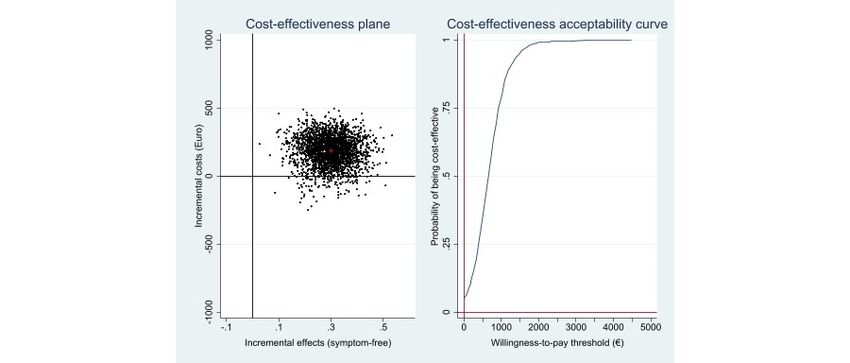
JOURNAL OF MEDICAL INTERNET RESEARCH                                                                                              Buntrock et al

     KEYWORDS
     insomnia; internet-based cognitive behavioural therapy; iCBT-I; economic evaluation; cost-effectiveness; cost-utility; cognitive
     behavioral therapy; behavior; sleep; economics; public health; perspective

                                                                          The aim of the this paper was thus to assess, from a societal and
     Introduction                                                         public health care perspective, the cost-effectiveness and
     Insomnia is characterized by difficulties in initiating or           cost–utility of a guided iCBT-I intervention to reduce insomnia
     maintaining sleep and/or early morning awakenings that occur         symptoms in currently employed schoolteachers. The health
     3 nights or more per week, for at least 3 months, resulting in       economic evaluation presented here was conducted alongside
     poor sleep quality and significant daytime impairment [1].           a randomized controlled trial [22]. A previous publication
     Insomnia is one of the most common sleep disorders among             reported the clinical effects of the iCBT-I intervention (6-month
     adults. Prevalence estimates range from 6% for insomnia              follow-up: Cohen d=1.43; 95% CI 1.04-1.82) [23].
     disorder [2] to 25% for insomnia symptoms [3].
                                                                          Methods
     Insomnia is associated with a range of adverse health
     consequences for individuals, including poor daytime                 Study Design
     functioning [4] and reduced health-related quality of life [5]. In   We conducted and reported the health-economic evaluation in
     view of its high prevalence and its debilitating nature, insomnia    agreement with the Consolidated Health Economic Evaluation
     is related to a substantial health and economic burden. As such,     Reporting Standards (CHEERS) statement [24] and the
     it increases the risk of future mental disorders (eg, major          guidelines     from     the     International      Society     for
     depressive disorder) [6]. Economic costs stem from both              Pharmacoeconomics and Outcomes Research (ISPOR) [25].
     absenteeism and reduced productivity while at work (ie,              The economic evaluation was performed from a societal
     presenteeism) [7] as well as increased health care utilization,      perspective (ie, all relevant costs) and a public health care
     (eg, medication prescription [8,9]).                                 perspective (ie, direct medical costs) alongside a pragmatic
     In order to reduce the personal and economic burden of               2-armed randomized controlled trial to establish the
     insomnia, it is essential to implement interventions that can        cost-effectiveness and cost–utility of a guided iCBT-I
     improve sleep. American and European guidelines recommend            intervention as an adjunct to treatment as usual (TAU) for
     cognitive behavioral therapy (CBT) as first-line treatment for       schoolteachers with insomnia compared to a wait list control
     insomnia disorder [10,11] due to its substantial clinical evidence   condition with unrestricted access to TAU. Self-report
     base [12]. However, despite this recommendation, CBT for             questionnaires to assess costs and effects were collected at
     insomnia (CBT-I) is not widely available, mainly due to a            baseline, posttreatment (only health effects; 8 weeks after
     shortage of therapists and available resources [13]. In addition,    randomization), and 6-month follow-up via a secured
     only 37% of those suffering from insomnia seek professional          online-based assessment system (Advanced Encryption
     help [3].                                                            Standard, 256-bit encrypted). Full details of the trial design can
                                                                          be found elsewhere [22]. The study was approved by the ethics
     Internet-based CBT intervention for insomnia (iCBT-I) has            committee of the University of Marburg (reference number:
     been touted as a solution that can bridge this gap in health care    2013-01K) and is registered under DRKS00004700 in the
     [14]. Meta-analytic evidence demonstrated that iCBT-I is             German clinical trial registry.
     effective in treating insomnia with large effect sizes at
     posttreatment (eg, Cohen’s d = 1.09; 95% CI 0.74-1.45) for           Procedure
     insomnia severity [15]. Effect sizes are comparable to those         Participants were recruited in Germany from March 2013 to
     found in individual face-to-face delivered CBT-I (eg, d=1.11;        September 2013 using email distribution lists to primary,
     95% CI 0.94-1.28) [12].                                              secondary, and vocational schools, which were provided by the
     Although the effectiveness of (i)CBT-I has been demonstrated,        Ministry of Education in the German state of
     research on its economic costs and benefits is still limited [16].   Nordrhein–Westfalen. Currently employed schoolteachers aged
     Previous reviews have argued that treating insomnia costs less       18 and above with clinically significant insomnia symptoms
     compared to doing nothing [17,18]. A recent review on CBT-I          (Insomnia Severity Index [ISI] >14) and elevated work-related
     interventions (N=7) using a dominance ranking framework              rumination (Irritation scale, subscale “Cognitive Irritation” >14)
     showed that CBT-I was cost-effective compared to                     were included in the study [22]. The exclusion criterion was
     pharmacotherapy or no treatment [19]. However, only 2 studies        current psychotherapy for insomnia and/or suicidal ideation
     have evaluated the economic effects of an iCBT-I intervention,       (Beck Depression Inventory item on suicidality >1). People
     but they suggested that iCBT-I provides superior health              taking sleep medication were not excluded from the study but
     improvements at reduced costs [20,21]. To the best of our            were required to keep their medication on a stable dose during
     knowledge, no study has yet investigated the economic merits         the study period. The Consolidated Standards of Reporting
     of iCBT-I from a societal perspective (including reductions in       Trials (CONSORT) study flowchart and participants’
     direct medical costs, patient and family costs, and indirect costs   characteristics at baseline can be found elsewhere [23]. In brief,
     stemming from productivity losses) and from the public health        128 schoolteachers were recruited into the trial with 64
     care perspective (including only direct medical costs).              randomized to the intervention and 64 to the wait list control
                                                                          condition. The average participant was female (95/128, 74%),

     https://www.jmir.org/2021/5/e25609                                                            J Med Internet Res 2021 | vol. 23 | iss. 5 | e25609 | p. 2
                                                                                                                 (page number not for citation purposes)
XSL• FO
RenderX
JOURNAL OF MEDICAL INTERNET RESEARCH                                                                                              Buntrock et al

     48 years of age (SD 10), married or in a partnership (92/128,        Quality-Adjusted Life Years
     72%), and had a diagnosis of a primary insomnia (100/128,            Quality-adjusted life years (QALYs) were used as a health
     78.1%) with moderate severity, and 14% (18/128) had a                outcome in the cost–utility analysis (CUA). QALYs were based
     comorbid major depression [23]. Randomization took place at          on the 6D Health State Short Form (SF-6D; a subset of 6 items
     the individual level in a ratio of 1:1 and was conducted centrally   of the Short Form Health Survey Version 1 [33]). The SF-6D
     by an independent research staff member not otherwise involved       contains 6 dimensions (each with between 2 and 5 levels) and
     in the study using an automated web-based program                    can generate 7500 different health states. Utility values were
     (randomisation.eu). Study participants were not masked to their      derived using Brazier’s algorithm [34]. QALY health gains
     treatment allocation due to the nature of the psychological          were estimated by calculating the area under the curve of
     intervention.                                                        linearly interpolated SF-6D utilities between measurements to
     Interventions                                                        cover the whole 6-month follow-up period. The SF-6D was
                                                                          used in this study because the instrument is known to be more
     In this pragmatic trial, all study participants had unrestricted
                                                                          sensitive to changes in mild to moderate physical and mental
     access to TAU. In Germany, TAU for elevated insomnia
                                                                          health conditions than is the EQ-5D-3L questionnaire [35,36].
     symptoms usually includes visits to the general practitioner
     followed by more intensive interventions, such as cognitive          Resource Use and Costing
     behavioral therapy and medication if insomnia symptoms persist       We used the Trimbos and Institute for Medical Technology
     or worsen.                                                           Assessment "Treatment Inventory of Costs in Patients with
     iCBT-I Intervention (GET.ON Recovery)                                psychiatric disorders" questionnaire (TiC-P) to collect data on
                                                                          health care utilization, patient and family costs, and productivity
     The iCBT-I intervention (GET.ON Recovery [22,23]) has been
                                                                          losses [37,38]. The TiC-P is a retrospective questionnaire with
     specifically tailored to schoolteachers experiencing work-related
                                                                          a 3-month recall period. The TiC-P was adapted for use in
     stress and insomnia. The intervention was mainly based on
                                                                          Germany and has been used in a large number of
     cognitive behavioral methods (eg, sleep restriction therapy,
                                                                          cost-effectiveness studies [39-41]. Costs were expressed in euros
     stimulus control therapy, relaxation, sleep hygiene, and cognitive
                                                                          and indexed for the year 2013, the year the study was conducted,
     interventions) [26]. These methods were supplemented by
                                                                          based on the German consumer price index (index factor 1.04)
     techniques effective in reducing work stress and fostering mental
                                                                          [42]. A reference to the National Institute for Health and Care
     detachment from work-related problems derived from behavioral
                                                                          Excellence willingness-to-pay (WTP) threshold of £20,000
     activation [27], metacognitive therapy [28], gratitude research
                                                                          (€23,529) to £30 000 (€35,294) per QALY gained was made
     [29], and research on boundary management [30]. The
                                                                          where appropriate [43]. Costs were converted to pound sterling
     intervention consisted of 6 weekly modules. Overall, of the 64
                                                                          (£) using the purchasing power parities reported by the
     participants, 61 (95.3%) completed all 6 modules [23].
                                                                          Organization for Economic Cooperation and Development. For
     Participants received written feedback on each completed
                                                                          the reference year 2013, €1 was equated to £0.85.
     module by an eCoach (ie, a trained clinical psychologist), who
     followed a standardized coaching manual. To maximize the             Intervention Costs
     comparability of the participants and maintain the guidance at       At the time of conducting the study, the market price of the
     a minimal level, eCoaches were advised that the time spent on        iCBT-I provided by the GET.ON Institute was €299 (£254) per
     each participant per module should not exceed 30 minutes; thus,      participant including all costs for developing (eg, tailoring
     the total amount of time spent on each participant was               intervention content to the target group) and delivering the
     approximately 3 hours for the total duration of the intervention     intervention (eg, eCoaches providing individual feedback to
     [23]. eCoaches were supervised by a clinical psychologist.           participants).
     Wait List Control Condition                                          Health Care Costs
     In addition to TAU, individuals in the control group were            We used 2 German guidelines for calculating health care costs
     eventually granted access to the unguided version of the             [44,45]. A list of unit cost prices (ie, outpatient care) was used
     intervention after completing the final assessment at 6 months       to compute the total health care costs on a per-participant level.
     post baseline.                                                       Unit cost prices indexed for the year 2013 were as follows:
     Outcomes                                                             €20.92 (£17.78) for a visit to the general practitioner, €68.06
                                                                          (£57.85) for an internal medicine consult, €46.55 (£39.57) for
     ISI Symptom-Free Status                                              a session with a psychiatrist, and €81.44 (£69.22) for a session
     The health outcome in the cost-effectiveness analysis was            with a psychotherapist. Hospital stays were computed at €335.52
     symptom-free status defined as a score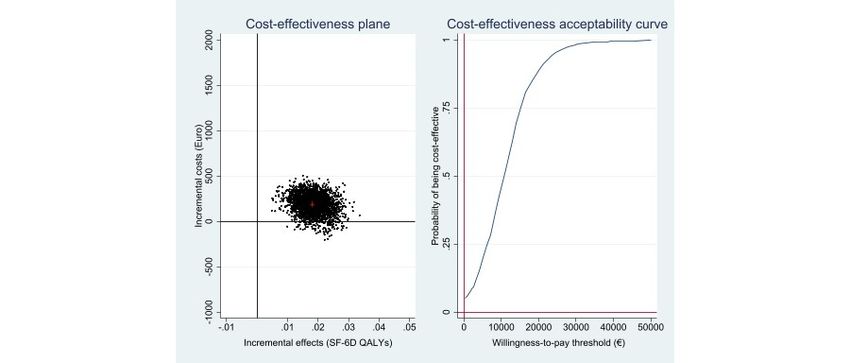
JOURNAL OF MEDICAL INTERNET RESEARCH                                                                                              Buntrock et al

     Medication                                                           distribution and an identity link function was fitted and adjusted
     The costs of prescribed medication were based on the German          for baseline depressive symptom severity and age. The family
     drug registry (Rote Liste [46]). Costs of prescribed medication      distribution was selected based on the modified Park test [54].
     are calculated as the pharmacy retail price, with the pharmacist’s   The identity link function was chosen because an additive effect
     “clawback” (ie, wholesale margin) being accounted for. The           of the covariates was expected.
     rates of discount vary between private and statutory (public)        Societal costs included all cost categories, while direct medical
     health insurances. Therefore, we weighted the mean costs of          costs used in analyses from the public health care perspective
     the 3 largest packages with the same agent based on the daily        comprised intervention costs, health care costs, and medication
     defined dose by the statutory population share (89% of the           costs. In the cost-effectiveness analysis, the incremental
     German population are statutorily insured).                          cost-effectiveness ratio (ICER) was calculated by dividing
                                                                          incremental costs (total per-participant costs or direct medical
     Patient and Family Costs
                                                                          costs) by symptom-free status gained. In the cost–utility
     Out-of-pocket expenses were directly obtained from participants.     analysis, incremental costs were divided by QALYs gained.
     Costs for traveling were valued at €0.30 (£0.26) per kilometer       The corresponding equation was as follows: ICER = (CostsINT
     for making trips to access health services. Time spent on the        – CostsCTR) / (EffectsINT – EffectsCTR), where INT is the
     intervention and costs of informal care were valued using the        intervention group and CTR is the control group [47]. Although
     opportunity cost method and were estimated at €23.10 (£19.64)        costs were gamma distributed, the difference of 2 nonnormally
     per hour [44,45].                                                    distributed variables (eg, incremental costs) followed a
     Costs of Productivity Losses                                         remarkably normal distribution. Hence, to handle sampling
                                                                          uncertainty, we bootstrapped the seemingly unrelated regression
     Productivity losses can be caused by absenteeism (ie, days not
                                                                          equations model (“sureg” command in Stata) to generate 2500
     worked) and presenteeism (ie, reduced efficiency while at work).
                                                                          simulations of incremental cost and incremental effect pairs
     We followed the human capital approach to value costs due to
                                                                          while allowing for correlated residuals of the cost and effect
     absenteeism [47]. Lost workdays due to absenteeism were
                                                                          equations and adjusting for potential confounders (eg, baseline
     valued at the corresponding gross average of participants’
                                                                          utilities in the effect equation; age and baseline depressive
     income per day. Lost workdays due to presenteeism were
                                                                          symptom severity in the cost equation) [55]. Based on the
     computed by taking into account the number of work days for
                                                                          bootstrapped seemingly unrelated regression equation model,
     which the participant reported reduced functioning weighted
                                                                          bias-corrected and accelerated 95% CIs were obtained for
     by the reported corresponding inefficiency score for those days
                                                                          incremental costs and effects. In addition, 95% CIs around
     (Osterhaus method) [48]. Productivity losses from unpaid work
                                                                          ICERs were obtained by the bootstrap acceptability method
     (ie, household work) were valued using the replacement cost
                                                                          [56]. The bootstrapped cost and effect pairs were graphically
     method [49]. The estimated value was €18.33 (£15.58) per hour
                                                                          represented on a cost-effectiveness plane with effects along the
     (eg, the average hourly gross wage of domestic help).
                                                                          horizontal axis and costs along the vertical axis [47]. To assess
     Analysis                                                             the probability of the intervention being cost-effective at varying
     The study was not powered to statistically test differences in       WTP thresholds, cost-effectiveness acceptability curves were
     health-economic outcomes. Therefore, we took a probabilistic         plotted [57]. Except for the imputation of missing ISI scores,
     decision-making approach to make health-economic inferences          all analyses were performed using Stata version 16 (StataCorp)
     [50]. We did not discount costs and effects because the analysis     [52].
     was limited to a 6-month time horizon.                               Sensitivity Analyses
     In evaluating clinical and cost outcomes, we reported all            Three sensitivity analyses were performed. Presenteeism has
     analyses in accordance with the CONSORT statement [51].              been previously identified as one of the main cost drivers in
     Data were analyzed according to the intention-to-treat principle.    insomnia [20]. As there is no gold standard to measure costs
     Missing data in ISI were imputed via multiple imputation using       due to presenteeism, we used a different approach to assess
     a Markov Chain Monte Carlo multivariate imputation algorithm         presenteeism costs in the first sensitivity analysis. Here, we
     (SPSS 21, IBM Corp) with 10 estimations per missing value            calculated costs due to presenteeism based on the Health and
     [23]. To account for missing data in the cost and utility data,      Labor Questionnaire (HLQ) method. The Osterhaus method,
     we used the regression imputation procedure in Stata version         used in the main analyses, tends to overestimate costs due to
     16 (StataCorp) to obtain the required predicted values [52].         presenteeism because this method concentrates on the work
     Predictors of outcome and dropout were identified by (logistic)      capacity of the individual. In contrast, the HLQ method focuses
     regression analyses. Identifying predictors of outcome helped        on production loss that is recoverable and is not yet made up
     us to obtain the most likely values of the outcome, whereas          for, thus generating a lower estimate of costs [58]. In a second
     identifying predictors of dropout allowed us to correct for bias     sensitivity analysis, we varied the costs of the intervention by
     that might arise by differential loss to follow-up. Differences      plus and minus 20% and 50%, respectively, to reflect
     in effectiveness between study groups at 6-month follow-up           uncertainties about the actual market price also including a
     were estimated using ordinary least square regression analyses.      lower price due to scaling effects. Finally, we conducted a
     Due to baseline imbalances, QALYs were adjusted for baseline         “completers-only analysis” based on the data of the participants
     values [53]. To compare cumulative costs between study groups,       who completed the 6-month follow-up assessment.
     a generalized linear regression model with a gamma family
     https://www.jmir.org/2021/5/e25609                                                            J Med Internet Res 2021 | vol. 23 | iss. 5 | e25609 | p. 4
                                                                                                                 (page number not for citation purposes)
XSL• FO
RenderX
JOURNAL OF MEDICAL INTERNET RESEARCH Buntrock et al
in adjusted incremental QALYs were statistically significant
Results (Δ[E]=0.02; 95% CI 0.01-0.03).
Study Dropout Costs
At posttreatment, 92.2% (118/128) of the participants completed Both groups showed similar total costs within the 3-month recall
the follow-up questionnaires, whereas at 6-month follow-up, period before randomization (intervention group: €2902 [£2467],
88.3% (113/128) did. Dropout rates did not differ between the 95% CI €2111-€3693; control group: €3112 [£2645], 95% CI
intervention and control conditions (χ21=1.89; P=.17). Study €2321-€3903). Table 1 presents the 6-month accumulated
dropout was neither associated with baseline insomnia severity per-participant costs separately for different cost categories by
nor with any sociodemographic factors (lowest P value=.18 for treatment allocation. Mean direct medical costs were higher in
treatment allocation). There were no missing data due to item the intervention group (€592 [£503]; 95% CI €444-€740)
nonresponse. compared to the control condition (€389 [£331]; 95% CI
€242-€537), which could largely be explained by the
Effects
intervention costs that were only involved in the iCBT-I group.
In the intervention group, 27 out of 64 participants (42%) In contrast, both patient and family’s costs, along with
reached a symptom-free status, whereas in the control group, 4 productivity costs, were lower in the intervention group
out of 64 participants (6%) were symptom-free at 6-month compared to the control group, with costs related to productivity
follow-up [23]. Statistically significant differences favoring the losses having the largest impact on overall societal costs. Mean
intervention group were found between the intervention and per-participant total costs accrued over the 6-month follow-up
control group in symptom-free status (incremental effect, period were €4030 (£3426; 95% CI €3125-€4934) for the
(Δ[E]=0.30; 95% CI 0.16-0.43). On average, participants in the intervention group and €5021 (£4268; 95% CI €3394-€6147)
intervention group gained 0.36 QALYs (95% CI 0.35-0.37) for the control condition. Adjusted incremental differences in
during the study period, while participants in the control total costs were in favor of the intervention group (Δ[C]=–€895
condition gained 0.35 QALYs (95% CI 0.34-0.36). Differences [–£761]; 95% CI –€2155 to €364; ie, lower by €895 in the
intervention group).
Table 1. Mean cumulative per-participant costs (in €) by condition over a 6-month follow-up period (based on intention-to-treat sample; N=128).
Costs Intervention group (n=64), mean Control group, (n=64), mean Incremental costs, difference
(95% CI) (95% CI) (95% CI)
Direct medical costs
Intervention costs 299a —b 299a
General practitioner 36 (21 to 51) 51 (36 to 66) –15 (–36 to 6)
Mental health care 150 (56 to 244) 163 (69 to 257) –13 (–146 to 120)
Antidepressants 2 (0 to 5) 5 (2 to 8) –3 (–7 to 1)
c 105 (34 to 176) 170 (99 to 241) –65 (–166 to 36)
Allied health services
Patient and family costs
Informal care 884 (226 to 1541) 1260 (602 to 1918) –376 (–1306 to 554)
Domestic help 310 (147 to 474) (132 to 459) 15 (–217 to 246)
d 45(7 to 84) 73 (35 to 112)
Out-of-pocket expenses –28 (-82 to 27) a
Travel 8 (3 to 13) 15 (10 to 20) –7 (–14 to 1)
Productivity costs
Absenteeism 1005 (473 to 1537) 1104 (573 to 1636) –99 (–851 to 653)
Presenteeism 1185 (747 to 1623) 1883 (1446 to 2321) –698
Total costs 4030 (2951 to 5108) 5021 (3942 to 6099) –991 (–2519 to 534)
a
As intervention costs are fixed, no 95% CI is applicable here.
b
Not applicable.
c
Including physiotherapist, massage, occupational therapist, etc.
d
For example, allied health services without prescription.
https://www.jmir.org/2021/5/e25609 J Med Internet Res 2021 | vol. 23 | iss. 5 | e25609 | p. 5
(page number not for citation purposes)
XSL• FO
RenderXJOURNAL OF MEDICAL INTERNET RESEARCH Buntrock et al
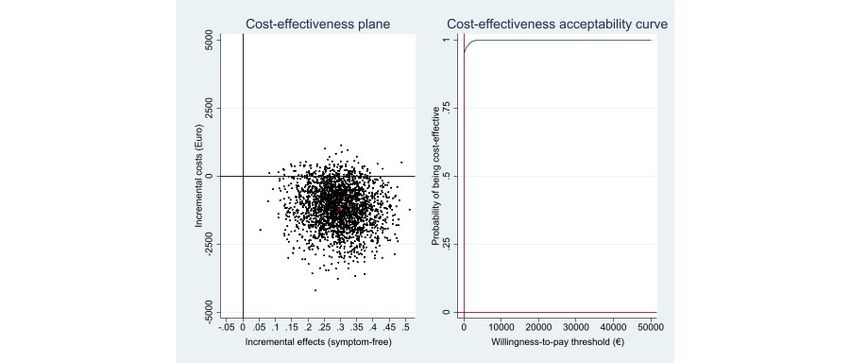
Economic Evaluation quadrant, indicating a 94% probability that the intervention
would dominate the control condition (Figure 1). Cost–utility
Societal Perspective analysis revealed similar results compared to the
Table 2 shows the incremental cost, effects, and cost-effectiveness analysis (Table 2). Again, most of the
cost-effectiveness ratios (based on 2500 bootstrap simulations) bootstrapped cost and effect pairs (94%) fell in the south–east
for the main analyses. Cost-effectiveness analysis revealed that quadrant, indicating the dominance of the intervention over the
the iCBT-I intervention resulted in more symptom-free control condition (Figure 2). When the societal WTP per
individuals (Δ[E]=0.30; 95% CI 0.16-0.43) and that these health additional QALY gained was €0, the iCBT-I intervention had
gains were achieved at lower costs (Δ[C]=–€1121 [£953]; 95% a 94% probability of being more cost-effective than the control
CI –€3012 to €64). With regard to the cost-effectiveness plane, condition.
most of the replicated ICERs (94%) fell in the south–east
Table 2. Results of the main analyses (based on 2500 bootstrap simulations) based on societal and public health care perspectives.
Type of analysis Incremental costs (in €), Incremental effects, mean ICERb, mean (95% Distribution over the cost-effectiveness
a a plane (%)
mean (95% CI) (95% CI) CI)
NEQc NWQd SEQe SWQf
Societal perspective
CEAg (SFS)h –1121 (–3012 to 64) 0.30 (0.16 to 0.43) dominanti 6 — 94 —
CUAj (SF-6D –1121 (–3012 to 64) 0.0183 (–0.0182 to 0.0185) dominant 6 — 94 —
k
QALY)
Public health care perspective
CEA (SFS) 189 (–97 to 350) 0.30 (0.16 to 0.43) 650 (–215 to 1652) 94 — 6 —
CUA (SF-6D 189 (97 to 350) 0.0183 (0.0182 to 0.0185) 11,285 (–1750 to 96 — 4 —
QALY) 27,493)
a
95% CIs in this column were bias-corrected and accelerated.
b
ICER: incremental cost-effectiveness ratio.
c
NEQ: north–east quadrant.
d
NWQ: north–west quadrant.
e
SEQ: south–east quadrant.
f
SWQ: south–west quadrant.
g
CEA: cost-effectiveness analysis.
h
SFS: symptom-free status (0=no, 1=yes).
i
dominant: The intervention resulted in higher effects at lower costs compared to the control condition.
j
CUA: cost–utility analysis.
k
SF-6D QALY: 6D Health State Short Form quality-adjusted life years based on the SF-12.
https://www.jmir.org/2021/5/e25609 J Med Internet Res 2021 | vol. 23 | iss. 5 | e25609 | p. 6
(page number not for citation purposes)
XSL• FO
RenderXJOURNAL OF MEDICAL INTERNET RESEARCH Buntrock et al
Figure 1. Scatterplot of 2500 replicates of the incremental cost and effect pairs (eg, symptom-free status) from the societal perspective on the
cost-effectiveness plane: internet-based cognitive behavioral therapy versus wait list control condition and cost-effectiveness acceptability curve.
Figure 2. Scatterplot of 2500 replicates of the incremental cost and effect pairs (eg, QALYs gained) from the societal perspective on the cost-effectiveness
plane: internet-based cognitive behavioral therapy for insomnia versus wait list control condition and cost-effectiveness acceptability curve. QALY:
quality-adjusted life years; SF-6D: 6D Health State Short Form.
3). Cost–utility analysis revealed an ICER of €11,285 (£9592;
Public Health Care Perspective 95% CI –€1750 to €27,493) per QALY gained. The
From a public health care perspective, health benefits were corresponding cost-effectiveness acceptability curve shows a
achieved at higher costs (€189 [£161]; 95%CI –€97 to €350). probability of 4% and 89% that the intervention would be
The ICER was €650 (£553; 95% CI –€215 to €1652) for 1 cost-effective at WTPs of €0 and €20,000 (£17,000) per QALY
additional symptom-free individual. At a WTP threshold of €0, gained, respectively. With a National Institute for Health and
the iCBT-I intervention’s probability of being cost-effective Care Excellence WTP threshold of £20,000 (€23,529) to £30,000
was 6%. With an increase in the WTP to €1500 (£1275) per (€35,294) per QALY gained [43], the probability would increase
symptom-free status gained, the probability rose to 96% (Figure to 95% and 99%, respectively (Figure 4).
https://www.jmir.org/2021/5/e25609 J Med Internet Res 2021 | vol. 23 | iss. 5 | e25609 | p. 7
(page number not for citation purposes)
XSL• FO
RenderXJOURNAL OF MEDICAL INTERNET RESEARCH Buntrock et al
Figure 3. Scatterplot of 2500 replicates of the incremental cost and effect pairs (eg, symptom-free status) from the public health care perspective on
the cost-effectiveness plane: internet-based cognitive behavioral therapy versus wait list control condition and cost-effectiveness acceptability curve.
Figure 4. Scatterplot of 2500 replicates of the incremental cost and effect pairs (eg, QALYs gained) from the public health care perspective on the
cost-effectiveness plane: internet-based cognitive behavioral therapy versus wait list control condition and cost-effectiveness acceptability curve. QALY:
quality-adjusted life years; SF-6D: 6D Health State Short Form.
of €20,000 (£17,000) per QALY gained (Multimedia Appendix
Sensitivity Analyses 1 Figure S1). Increasing or decreasing intervention costs by
Cost-effectiveness estimates based on the completer-only sample 20% or 50% did not affect the intervention’s probability of
were almost identical to the main analyses, indicating that the being cost-effective compared with the main analysis (Table
imputation procedure did not bias the results (Table 3). From 3). From a public health care perspective, with intervention
a societal perspective, results of the sensitivity analyses showed costs decreased up to 50%, health effects were still gained at
that neither using the HLQ method to assess costs due to slightly higher costs. Increasing the intervention costs by 20%
presenteeism nor increasing intervention costs affected the and 50% resulted in an ICER of €14,380 (£12,223) and €19,360
overall conclusion that the iCBT-I intervention produces greater (£16,456) per QALY gained, respectively (Table 3). At a WTP
health gains at lower costs compared with a wait list control of €20,000 per QALY gained, the intervention’s probability of
condition (Table 3). Using the HLQ method, the intervention’s being cost-effective was 80% and 60% (Multimedia Appendix
probability of being cost-effective was 72% at a WTP of €0 for 1 Figure S2), respectively.
both health outcomes. This probability rose to 86% at a WTP
https://www.jmir.org/2021/5/e25609 J Med Internet Res 2021 | vol. 23 | iss. 5 | e25609 | p. 8
(page number not for citation purposes)
XSL• FO
RenderXJOURNAL OF MEDICAL INTERNET RESEARCH Buntrock et al
Table 3. Results of the sensitivity analyses (based on 2500 bootstrap simulations) based on the societal and public health care perspective.
Type of analysis Incremental costs (in €), Incremental effects, mean (95% ICERb, mean (95% Distribution over the cost-effectiveness
mean (95% CI)a CI)a CI) plane (%)
NEQc NWQd SEQe SWQf
Societal perspective
Presenteeism costs based on HLQ methodg
CEAh –459 (–2155 to 796) 0.30 (0.16 to 0.43) dominanti 28 — 72 —
CUAj –459 (–2155 to 796) 0.0183 (0.0182 to 0.0185) dominant 28 — 72 —
Intervention costs plus 20%
CEA –1062 (–2801 to 192) 0.30 (0.16 to 0.43) dominant 6 — 94 —
CUA –1062 (–2801 to 192) 0.0183 (0.0182 to 0.0185) dominant 7 — 93 —
Intervention costs plus 50%
CEA –972 (–2804 to 249) 0.30 (0.16 to 0.43) dominant 8 — 92 —
CUA –972 (–2804 to 249) 0.0183 (.0182 to 0.0185) dominant 9 — 91 —
Intervention costs minus 20%
CEA –1181 (–3052 to 114) 0.30 (0.16 to 0.43) dominant 5 — 95 —
CUA –1181 (–3052 to 114) 0.0183 (.0182 to 0.0185) dominant 5 — 95 —
Intervention costs minus 50%
CEA –1271 (–3068 to 18) 0.30 (0.16 to 0.43) dominant 3 — 97 —
CUA –1271 (–3068 to 18) 0.0183 (.0182 to 0.0185) dominant 3 — 97 —
Completer analysis
CEA –1169 (–2963 to 625) 0.32 (0.18 to 0.46) dominant 9 — 91 —
CUA –1169 (–2963 to 625) 0.0188 (0.0089 to 0.028) dominant 9 — 91 —
Public health care perspective
Intervention costs plus 20%
CEA 246 (–59 to 405) 0.30 (0.16 to 0.43) 831 (59 – 1778) 98 — 2 —
CUA 246 (–59 to 405) 0.0183 (0.0182 to 0.0185) 14,380 (1135 to 98 — 2 —
31,826)
Intervention costs plus 50%
CEA 336 (38 to 503) 0.30 (0.16 to 0.43) 1129 (306 to 2137) 100 — — —
CUA 336 (38 to 503) 0.0183 (0.0182 to 0.0185) 19,360 (4671 to 100 — — —
40,673)
Intervention costs minus 20%
CEA 127 (–157 to 295) 0.30 (0.16 to 0.43) 413 (–400 to 1185) 87 — 13 —
CUA 127 (–157 to 295) 0.0183 (0.0182 to 0.0185) 7826 (–4120 to 90 — 10 —
22,565)
Intervention costs minus 50%
CEA 37 (–258 to 201) 0.30 (0.16 to 0.43) 129 (–636 to 838) 66 — 34 —
CUA 37 (–258 to 201) 0.0183 (0.0182 to 0.0185) 2384 (–9114 to 66 — 34 —
15,017)
Completer analysis
CEA 206 (–145 to 395) 0.32 (0.18 to 0.46) 656 (–296 to 1725) 92 — 8 —
CUA 206 (–145 to 395) 0.0188 (0.0089 to 0.028) 12,046 (–3920 to 92 — 8 —
33,174)
a
95% CIs in this column were bias-corrected and accelerated.
https://www.jmir.org/2021/5/e25609 J Med Internet Res 2021 | vol. 23 | iss. 5 | e25609 | p. 9
(page number not for citation purposes)
XSL• FO
RenderXJOURNAL OF MEDICAL INTERNET RESEARCH Buntrock et al
b
ICER: incremental cost-effectiveness ratio.
c
NEQ: north–east quadrant.
d
NWQ: north–west quadrant.
e
SEQ: south–east quadrant.
f
SWQ: south–west quadrant.
g
Costs due to presenteeism based on the Health and Labour Questionnaire method.
h
CEA: cost-effectiveness analysis.
i
dominant: The intervention resulted in higher effects at lower costs compared to the control.
j
CUA: cost–utility analysis: quality-adjusted life years.
Our findings from the public health care perspective showing
Discussion that the iCBT intervention resulted in better health effects but
Principal Results achieved this at higher costs are also in line with findings from
this systematic review [19]. Three trial-based economic
Our study was set out to evaluate the cost-effectiveness and evaluations employing a public health care perspective showed
cost-utility of a guided iCBT-I intervention as an adjunct to that CBT-I led to greater health improvements at higher costs
usual care to reduce insomnia symptoms in schoolteachers in compared to either TAU [59,60] or a wait list control condition
comparison with a wait list control condition with unrestricted [61], with time horizons ranging from 8 weeks to 6 months. In
access to TAU from a societal and a public health care terms of QALYs gained, studies reported a low (34%) [61] and
perspective. Statistically significant differences favoring the high (99%) [59] probability of CBT-I being cost-effective at a
intervention group were found for both health outcomes maximum WTP of £30,000 (€31,727) in the United Kingdom.
(symptom-free status and QALYs). From a societal perspective, Watanabe et al [60] reported a 90% chance of CBT-I being
the iCBT-I intervention dominated the wait list-control cost-effective at a WTP threshold of US$40,000 (€29,400) per
condition, meaning that the iCBT-I intervention has better health QALY gained. In contrast, one study conducted from a public
effects for less costs than does usual care in schoolteachers with health care perspective showed that CBT-I was cheaper and
insomnia. From a public health care perspective, the ICERs more effective than TAU. However, there was large uncertainty
were €650 and €11,285 for a symptom-free individual and around cost estimates resulting in a moderate probability (70%)
QALY gained, respectively. At a WTP threshold of €20,000 of being cost-effective at a WTP of £30,000 (€31,727) [62].
per QALY gained, the intervention’s probability of being
cost-effective was 89%. Limitations
Comparison With Prior Work This study has some limitations. First, the time horizon of this
study was limited to 6 months. However, results of an economic
Although the effectiveness of iCBT-I is well established [15], model investigating the long-term cost-effectiveness of CBT-I
there is a critical gap in health-economic evidence for iCBT-I. among long-term hypnotic drug users with chronic sleep
To our knowledge, this is the first trial-based economic difficulties compared to TAU indicated that any increase in the
evaluation of an iCBT-I intervention to reduce insomnia timeframe of the economic evaluation produces substantial
symptoms using a societal and public health care perspective. reductions in the incremental costs per QALY gained. The
As such, results from our trial add to the converging evidence cost-effectiveness of CBT-I improved even when treatment
pointing to the cost-effectiveness of CBT interventions for effects were reduced radically over time [59]. Further studies
insomnia. Thiart et al [20] used the same study to evaluate the should thus assess the long-term clinical and cost-effectiveness
cost and benefits of the iCBT-I intervention as seen from an of iCBT-I to reaffirm its long-term cost-effectiveness. Second,
employer’s perspective. Results of the current health-economic the iCBT-I intervention was compared to a wait list control
evaluation line up agreeably with these findings. Baka et al [21] condition in the present trial. Although patients in the control
compared a guided iCBT-I intervention to care as usual for group had full access to treatment as usual, we cannot rule out
insomnia patients in general practice. Analogous to our findings, a potential nocebo effect in the wait list control condition [63].
mean societal costs were lower in the intervention group than In addition, pharmacoeconomic guidelines recommend standard
in the care as usual group, and, in contrast to our results, the care (eg, face-to-face CBT-I) as comparator [64]. Future studies
cost–utility analyses revealed a lower probability (69%) of the should thus directly compare the cost-effectiveness of iCBT-I
intervention being cost-effective compared to care as usual at versus face-to-face CBT-I. Third, although the sample size in
a ceiling ratio of €30,000 per QALY gained. This difference this trial was sufficient to demonstrate clinical effectiveness, it
could be due to different types of control conditions used (care needs emphasizing that much larger sample sizes are required
as usual vs wait list control). Applying an employer’s or societal for hypothesis testing in economic studies due to the skewness
perspective seems to generate incremental costs favoring of costs relative to normally distributed health effects [65].
interventions groups when participants are employees, or at Therefore, it is recommended that future studies employ larger
least in the productive age groups. In addition, our findings sample sizes to allow for better evaluation of cost changes and
match with available health-economic evidence from a recent sustainability of interventions like iCBT-I. Fourth, we only used
systematic review (N=7) showing that CBT-I was cost-effective the SF-6D to compute utilities and QALYs. However, the choice
compared to pharmacotherapy or no treatment [19]. for the SF-6D (rather than its alternative the EQ-5D-3L [66])
matters, even to the point where decision-makers have to regard
https://www.jmir.org/2021/5/e25609 J Med Internet Res 2021 | vol. 23 | iss. 5 | e25609 | p. 10
(page number not for citation purposes)
XSL• FO
RenderXJOURNAL OF MEDICAL INTERNET RESEARCH Buntrock et al
a new intervention as cost-effective or not [67]. In the current regarding cost-effectiveness of iCBT-I can potentially help to
study, we flanked the cost–utility analysis (with QALYs) by a inform decision-makers to the choice of first-line treatments of
cost-effectiveness analysis (with improvements in insomnia) insomnia. However, future studies should directly compare
and both economic evaluations led to the same conclusion of iCBT-I with face-to-face–delivered CBT-I.
the iCBT-I intervention being the preferred option. Nevertheless,
Considering the shortage of therapists and available resources
future studies should employ different instruments to compute
[13], a rather low uptake of professional help [3], and the
QALYs. Fifth, our results may only be generalized to
potential to scale up iCBT-I interventions to efficiently alleviate
professions with similar characteristics, such as flexible working
the health and economic burden caused by insomnia, it would
hours, loose boundaries between work and private life, and
be worthwhile to integrate this type of intervention into routine
work-home interference. Sixth, the trial has been conducted in
practice. However, some risks need to be taken into account
a highly educated sample. Hence, we cannot predict the uptake
when scaling up this intervention. Involving individual eCoaches
of such an intervention in participants with a lower education
may hamper scaling up the intervention. The support offered
level or among those with lower-income status. A recent
by an eCoach may not only affect clinical effectiveness and
individual participant data meta-analysis revealed, however,
cost-effectiveness of the intervention but also the target group’s
that education was not associated with differential treatment
willingness to participate in this intervention, thereby
effects of an iCBT intervention to prevent depression [68]
influencing intervention effects at the population level. Thus,
although other evidence suggests that better treatment adherence
future studies should compare the acceptability, effectiveness,
is predicted by higher education [69]. Attrition has been
and cost-effectiveness of guided and unguided iCBT-I
suggested to be an issue, especially in internet-delivered
interventions. In addition, there are no guarantees that adherence
interventions [70]. It is thus warranted to conduct research into
and (by proxy) effectiveness will be maintained if this sort of
the willingness of specific population segments to fully engage
unsupported iCBT-I intervention is scaled up in the population.
in such interventions (ie, how uptake and adherence rates of
Finally, the same technical resources available in the research
iCBT interventions could be increased among individuals with
setting (eg, stable and secure internet connections) may not be
less education). Finally, the research context might have led to
available when the intervention is scaled up.
a self-selection of individuals who might have been more
motivated and committed to engage in the iCBT-I intervention Conclusions
than is assumed outside a research context. As a result, findings Findings from our trial indicate that iCBT could be considered
might not be generalizable to the wider population, but might as good value for money in insomnia therapy. Given the
be representative of specifically those willing to use evidence for the effectiveness of iCBT-I interventions to reduce
internet-based interventions in the first place. insomnia symptoms, the potential scalability and
Clinical Implications and Future Research cost-effectiveness of these interventions might strategically
pave the way to alleviate the health and economic burden related
American and European guidelines recommend CBT as the
to insomnia disorder (and its sequelae) in an affordable way.
first-line treatment for insomnia disorder [10,11]. Our study
However, before a nationwide dissemination can be considered,
supports this recommendation by showing that a guided iCBT-I
future studies need to evaluate the comparative clinical and
intervention may reduce insomnia symptoms and improve
economic outcomes of guided and unguided iCBT-I
health-related quality of life. iCBT interventions for mental
interventions, and to determine what works best for whom such
disorders have often been introduced as potential cost-saving
that the deployment of the intervention can optimally target the
alternatives to face-to-face individual or group therapy [71,72].
right population segments. Moreover, implementation studies
Findings from our study add to the evidence base that delivering
are needed to clarify the real-world effects of these interventions
cognitive-behavioral therapy over the internet has a high
and to gain insights into the willingness of specific population
probability of being cost-effective in reducing insomnia
segments to fully engage in them (eg, individuals with a low
symptoms among employees. In view of scarce resources and
education level or those of low-income status).
rising costs in health care systems, evidence-based guidance
Acknowledgments
DDE, DL, and MB obtained the funding for this study. DDE, DL, HR, MB, and HH contributed to the design of the clinical
study. HH and DDE analyzed the clinical data. CB designed and performed the health-economic evaluation with support from
FS. CB had full access to the clinical and economic data and takes full responsibility for the integrity of the data and the accuracy
of the health-economic data analyses. CB drafted the manuscript; FS, KS, DL, and DDE supervised the writing process. All
authors contributed to the further writing of the manuscript and approved the final manuscript.
This was not an industry-supported study. The European Union funded this study (European Regional Development Fund:
ZW6-80119999 and CCI 2007DE161PR001). The funder did not have a role in study design; data collection, analysis, and
interpretation of results; or the decision to publish the study results.
https://www.jmir.org/2021/5/e25609 J Med Internet Res 2021 | vol. 23 | iss. 5 | e25609 | p. 11
(page number not for citation purposes)
XSL• FO
RenderXJOURNAL OF MEDICAL INTERNET RESEARCH Buntrock et al
Conflicts of Interest
DDE, DL, and MB are stakeholders of the GET.ON Institute, which aims to implement scientific findings related to digital health
interventions into routine care. HH serves as business developer at the GET.ON Institute. DDE has served as a consultant on the
scientific advisory boards of Sanofi, Novartis, Minddistrict, Lantern, Schoen Kliniken, Ideamed, as well as German health
insurance companies (BARMER and Techniker Krankenkasse) and a number of federal chambers for psychotherapy. The other
authors have no conflicts of interest to declare.
Multimedia Appendix 1
Additional figures.
[PDF File (Adobe PDF File), 432 KB-Multimedia Appendix 1]
Multimedia Appendix 2
CONSORT-EHEALTH Checklist (V.1.6.1).
[PDF File (Adobe PDF File), 11399 KB-Multimedia Appendix 2]
References
1. American Psychiatric Association. Diagnostic and Statistical Manual of Mental Disorders. 5th ed. Washington, DC:
American Psychiatric Association; 2013.
2. Ohayon MM. Epidemiology of insomnia: what we know and what we still need to learn. Sleep Med Rev 2002
Apr;6(2):97-111. [doi: 10.1053/smrv.2002.0186] [Medline: 12531146]
3. Morin CM, LeBlanc M, Bélanger L, Ivers H, Mérette C, Savard J. Prevalence of insomnia and its treatment in Canada. Can
J Psychiatry 2011 Sep;56(9):540-548. [doi: 10.1177/070674371105600905] [Medline: 21959029]
4. Wardle-Pinkston S, Slavish DC, Taylor DJ. Insomnia and cognitive performance: A systematic review and meta-analysis.
Sleep Med Rev 2019 Dec;48:101205. [doi: 10.1016/j.smrv.2019.07.008] [Medline: 31522135]
5. Kyle SD, Morgan K, Espie CA. Insomnia and health-related quality of life. Sleep Med Rev 2010 Feb;14(1):69-82. [doi:
10.1016/j.smrv.2009.07.004] [Medline: 19962922]
6. Hertenstein E, Feige B, Gmeiner T, Kienzler C, Spiegelhalder K, Johann A, et al. Insomnia as a predictor of mental disorders:
a systematic review and meta-analysis. Sleep Med Rev 2019 Feb;43:96-105. [doi: 10.1016/j.smrv.2018.10.006] [Medline:
30537570]
7. Espie CA, Pawlecki B, Waterfield D, Fitton K, Radocchia M, Luik AI. Insomnia symptoms and their association with
workplace productivity: cross-sectional and pre-post intervention analyses from a large multinational manufacturing
company. Sleep Health 2018 Jun;4(3):307-312. [doi: 10.1016/j.sleh.2018.03.003] [Medline: 29776626]
8. Hillman D, Mitchell S, Streatfeild J, Burns C, Bruck D, Pezzullo L. The economic cost of inadequate sleep. Sleep 2018
Aug 01;41(8):1-13. [doi: 10.1093/sleep/zsy083] [Medline: 29868785]
9. Léger D, Bayon V. Societal costs of insomnia. Sleep Med Rev 2010 Dec;14(6):379-389. [doi: 10.1016/j.smrv.2010.01.003]
[Medline: 20359916]
10. Qaseem A, Kansagara D, Forciea MA, Cooke M, Denberg TD, Clinical Guidelines Committee of the American College
of Physicians. Management of chronic insomnia disorder in adults: a clinical practice guideline from the American College
of Physicians. Ann Intern Med 2016 Jul 19;165(2):125-133. [doi: 10.7326/M15-2175] [Medline: 27136449]
11. Riemann D, Baglioni C, Bassetti C, Bjorvatn B, Dolenc Groselj L, Ellis JG, et al. European guideline for the diagnosis and
treatment of insomnia. J Sleep Res 2017 Dec;26(6):675-700 [FREE Full text] [doi: 10.1111/jsr.12594] [Medline: 28875581]
12. van Straten A, van der Zweerde T, Kleiboer A, Cuijpers P, Morin CM, Lancee J. Cognitive and behavioral therapies in the
treatment of insomnia: a meta-analysis. Sleep Med Rev 2018 Apr;38:3-16. [doi: 10.1016/j.smrv.2017.02.001] [Medline:
28392168]
13. Luik AI, van der Zweerde T, van Straten A, Lancee J. Digital delivery of cognitive behavioral therapy for insomnia. Curr
Psychiatry Rep 2019 Jun 04;21(7):50 [FREE Full text] [doi: 10.1007/s11920-019-1041-0] [Medline: 31161406]
14. Espie CA. "Stepped care": a health technology solution for delivering cognitive behavioral therapy as a first line insomnia
treatment. Sleep 2009 Dec;32(12):1549-1558 [FREE Full text] [doi: 10.1093/sleep/32.12.1549] [Medline: 20041590]
15. Zachariae R, Lyby MS, Ritterband LM, O'Toole MS. Efficacy of internet-delivered cognitive-behavioral therapy for
insomnia - A systematic review and meta-analysis of randomized controlled trials. Sleep Med Rev 2016 Dec;30:1-10. [doi:
10.1016/j.smrv.2015.10.004] [Medline: 26615572]
16. Mohit B, Cohen JT. Trends of cost-effectiveness studies in sleep medicine. Sleep Med 2019 Jan;53:176-180. [doi:
10.1016/j.sleep.2018.06.001] [Medline: 30282589]
17. Botteman M. Health economics of insomnia therapy: implications for policy. Sleep Med 2009 Sep;10 Suppl 1:S22-S25.
[doi: 10.1016/j.sleep.2009.07.001] [Medline: 19647482]
18. Wickwire EM, Shaya FT, Scharf SM. Health economics of insomnia treatments: The return on investment for a good night's
sleep. Sleep Med Rev 2016 Dec;30:72-82. [doi: 10.1016/j.smrv.2015.11.004] [Medline: 26874067]
https://www.jmir.org/2021/5/e25609 J Med Internet Res 2021 | vol. 23 | iss. 5 | e25609 | p. 12
(page number not for citation purposes)
XSL• FO
RenderXJOURNAL OF MEDICAL INTERNET RESEARCH Buntrock et al
19. Natsky AN, Vakulin A, Chai-Coetzer CL, Lack L, McEvoy RD, Lovato N, et al. Economic evaluation of cognitive
behavioural therapy for insomnia (CBT-I) for improving health outcomes in adult populations: a systematic review. Sleep
Med Rev 2020 Jul 09;54:101351. [doi: 10.1016/j.smrv.2020.101351] [Medline: 32739824]
20. Thiart H, Ebert DD, Lehr D, Nobis S, Buntrock C, Berking M, et al. Internet-based cognitive behavioral therapy for insomnia:
a health economic evaluation. Sleep 2016 Oct 01;39(10):1769-1778 [FREE Full text] [doi: 10.5665/sleep.6152] [Medline:
27450686]
21. Baka A, Van der Zweerde T, Lancee J, Bosmans J, Van Straten A. PMH31 cost-effectiveness of guided internet-delivered
cognitive behavioral therapy in comparison with care-as-usual for patients with insomnia in general practice. Value in
Health 2019 Nov;22:S686. [doi: 10.1016/j.jval.2019.09.1505]
22. Thiart H, Lehr D, Ebert DD, Sieland B, Berking M, Riper H. Log in and breathe out: efficacy and cost-effectiveness of an
online sleep training for teachers affected by work-related strain--study protocol for a randomized controlled trial. Trials
2013 Jun 11;14:169 [FREE Full text] [doi: 10.1186/1745-6215-14-169] [Medline: 23759035]
23. Thiart H, Lehr D, Ebert DD, Berking M, Riper H. Log in and breathe out: internet-based recovery training for sleepless
employees with work-related strain - results of a randomized controlled trial. Scand J Work Environ Health 2015
Mar;41(2):164-174. [doi: 10.5271/sjweh.3478] [Medline: 25590336]
24. Husereau D, Drummond M, Petrou S, Carswell C, Moher D, Greenberg D, et al. Consolidated Health Economic Evaluation
Reporting Standards (CHEERS)--explanation and elaboration: a report of the ISPOR Health Economic Evaluation Publication
Guidelines Good Reporting Practices Task Force. Value Health 2013;16(2):231-250 [FREE Full text] [doi:
10.1016/j.jval.2013.02.002] [Medline: 23538175]
25. Ramsey SD, Willke RJ, Glick H, Reed SD, Augustovski F, Jonsson B, et al. Cost-effectiveness analysis alongside clinical
trials II-An ISPOR Good Research Practices Task Force report. Value Health 2015 Mar;18(2):161-172 [FREE Full text]
[doi: 10.1016/j.jval.2015.02.001] [Medline: 25773551]
26. Siebern AT, Manber R. Insomnia and its effective non-pharmacologic treatment. Med Clin North Am 2010
May;94(3):581-591. [doi: 10.1016/j.mcna.2010.02.005] [Medline: 20451034]
27. Cuijpers P, van Straten A, Warmerdam L. Behavioral activation treatments of depression: a meta-analysis. Clin Psychol
Rev 2007 Apr;27(3):318-326. [doi: 10.1016/j.cpr.2006.11.001] [Medline: 17184887]
28. Wells A. Metacognitive Therapy for Anxiety and Depression. New York: The Guilford Press; 2009.
29. Emmons RA, McCullough ME. Counting blessings versus burdens: an experimental investigation of gratitude and subjective
well-being in daily life. J Pers Soc Psychol 2003 Feb;84(2):377-389. [doi: 10.1037//0022-3514.84.2.377] [Medline:
12585811]
30. Kreiner GE, Hollensbe EC, Sheep ML. Balancing borders and bridges: negotiating the work-home interface via boundary
work tactics. AMJ 2009 Aug;52(4):704-730. [doi: 10.5465/amj.2009.43669916]
31. Morin CM, Belleville G, Bélanger L, Ivers H. The Insomnia Severity Index: psychometric indicators to detect insomnia
cases and evaluate treatment response. Sleep 2011 May 01;34(5):601-608 [FREE Full text] [doi: 10.1093/sleep/34.5.601]
[Medline: 21532953]
32. Thorndike FP, Ritterband LM, Saylor DK, Magee JC, Gonder-Frederick LA, Morin CM. Validation of the insomnia severity
index as a web-based measure. Behav Sleep Med 2011;9(4):216-223. [doi: 10.1080/15402002.2011.606766] [Medline:
22003975]
33. Brazier JE, Roberts J. The estimation of a preference-based measure of health from the SF-12. Med Care 2004
Sep;42(9):851-859. [doi: 10.1097/01.mlr.0000135827.18610.0d] [Medline: 15319610]
34. Brazier J, Rowen D, Hanmer J. Revised SF-6D scoring programmes: a summary of improvements. PRO newsletter
2008;40:14-15. [doi: 10.4135/9781412971980.n298]
35. Brazier J, Roberts J, Tsuchiya A, Busschbach J. A comparison of the EQ-5D and SF-6D across seven patient groups. Health
Econ 2004 Sep;13(9):873-884. [doi: 10.1002/hec.866] [Medline: 15362179]
36. Brazier J, Connell J, Papaioannou D, Mukuria C, Mulhern B, Peasgood T, et al. A systematic review, psychometric analysis
and qualitative assessment of generic preference-based measures of health in mental health populations and the estimation
of mapping functions from widely used specific measures. Health Technol Assess 2014 May;18(34):vii-viii, xiii [FREE
Full text] [doi: 10.3310/hta18340] [Medline: 24857402]
37. Bouwmans C, De JK, Timman R, Zijlstra-Vlasveld M, Van der Feltz-Cornelis C, Tan SS, et al. Feasibility, reliability and
validity of a questionnaire on healthcare consumption and productivity loss in patients with a psychiatric disorder (TiC-P).
BMC Health Serv Res 2013;13:217 [FREE Full text] [doi: 10.1186/1472-6963-13-217] [Medline: 23768141]
38. Hakkaart-van RLV, Donker M, Tiemens B. Manual Trimbos/iMTA questionnaire for Costs associated with Psychiatric
illness (TiC-P). Rotterdam: Erasmus University; 2002.
39. Buntrock C, Berking M, Smit F, Lehr D, Nobis S, Riper H, et al. Preventing depression in adults with subthreshold depression:
health-economic evaluation alongside a pragmatic randomized controlled trial of a web-based intervention. J Med Internet
Res 2017 Jan 04;19(1):e5 [FREE Full text] [doi: 10.2196/jmir.6587] [Medline: 28052841]
40. Kählke F, Buntrock C, Smit F, Berking M, Lehr D, Heber E, et al. Economic evaluation of an internet-based stress
management intervention alongside a randomized controlled trial. JMIR Ment Health 2019 May 15;6(5):e10866 [FREE
Full text] [doi: 10.2196/10866] [Medline: 31094355]
https://www.jmir.org/2021/5/e25609 J Med Internet Res 2021 | vol. 23 | iss. 5 | e25609 | p. 13
(page number not for citation purposes)
XSL• FO
RenderXYou can also read


