HEADlines Spring 2021 - TIMELY NEWS FROM THE DEPARTMENT OF NEUROSURGERY - University of Colorado School of Medicine
←
→
Page content transcription
If your browser does not render page correctly, please read the page content below

HEADlines
TIMELY NEWS FROM THE DEPARTMENT OF NEUROSURGERY

                                   Spring 2021
HEADlines
                            TIMELY NEWS FROM THE DEPARTMENT OF NEUROSURGERY

                                                                                  Spring 2021

          MESSAGE FROM THE CHAIR OF NEUROSURGERY:
Spring is over and summer is upon us! We hope you have continued to stay well, and that you are as
anxious as we are to start meeting in person again, gathering for events, and begin celebrating the end
of the global COVID 19 pandemic.

In that theme, this edition of “HEADlines” is about celebration; as well as collaboration and exciting
new technology. We bid farewell to some of our amazing residents, fellows and researchers, and we
welcome new faces. We have featured an article on “COVID & the Brain,” from two very collaborative
Neuroscience researchers in the community, Dr. Lotta Granholm-Bentley and Dr. Barbara Adams.
When strong collaboration exists, some amazing things can happen. Our feature on Dr. John Thompson
is an example of one of our neuroscience researchers who has forged new frontiers by working
cooperatively with others.

And when strong collaboration and communication exist, the patients are the winners. In this edition,
you will read a heartwarming story about one of our patients with Parkinson’s Disease who underwent
placement of Deep Brain Stimulation (DBS) to control his symptoms. You will also learn of the exciting
work expanding the use of DBS and focused brain stimulation, to treat other medical conditions,
including mental health disorders and even the movement of robotic limbs in a patient with spinal cord
dysfunction.

                           In just a few short months, on the Anschutz campus, we will be one of only
                           a handful of facilities in the United States with focused ultrasound (fUS)
                           capability inside our MRI. Read on! Indeed, we have much to look forward
                           to in the coming months and we are glad you have chosen to join us on our
                           journey to make Colorado the “healthiest brain state in the country!”

                           Kevin O. Lillehei, MD
                           Professor & Ogsbury-Kindt Chair
                           Department of Neurosurgery
FAREWELL
                                                             Ros Whelan and Jeremy Hosein are our
                                                             graduating chief residents! Dr. Whelan is on
                                                             his way to Atlanta for a pediatric neurosurgery
                                                             fellowship. Dr. Hosein will be joining a private
                                                             practice group in his hometown of Lincoln,
                                                             Nebraska. We wish them both well and thank
                                                             them for their wonderful service.
    Ros Whelan, MD               Jeremy Hosein, MD

We also want to say a fond farewell to our fellows. Although we do not know where they are all headed, we do
know that Dr. Yas Nagahama will be going to Rutgers to work in the Robert Wood Johnson Medical School in New
Jersey (congrats, Yas!) and Dr. Fabio Grassia has accepted a position at Denver Health and will be an Assistant
Professor here in our department! Best of luck to all of these dedicated neurosurgeons in their chosen specialties!

  Andrius Anuzis, MD       Hemn Abdulrahim, MD       Yasunori Nagahama, MD   Rafael Martinez-Perez, MD   Fabio Grassia, MD
  Outgoing Neurosurgical   Outgoing Pediatric        Outgoing Pediatric      Outgoing Skull Base         Outgoing Stereotactic/
  Neuroncology Fellow      Neurosurgery Fellow       Neurosurgery Fellow     Neurosurgery Fellow         Functional Neurosurgery
                                                                                                         Fellow
FAREWELL
                                Sean Hansen completed his BS in Bioengineering from the CU
                                College of Engineering, Design and Computing this May. Sean was
                                also recognized as the first Bioegineering student to win the prestigious
                                Colorado Silver Award presented by the Colorado Engineering Council.
                                Sean will continue his studies in Bioengineering as a Master’s student
                                conducting research on transcutaneous auricular vagus nerve stimulation
                                in the lab of Dr. Cristin Welle, our Vice Chair of Neurosurgery Research.

                                Andy Tekriwal has just completed the first part of his Neuroscience
                                Graduate Program and will now move onto medical school. He is part
                                of the CU Anschutz Medical Science Training Program (MD/PhD). He
                                has done extensive research in Dr. Thompson’s lab and will now go to
                                medical school. He will then finish his PhD following his medical school
                                studies. Thanks for all your hard work, Andy!

Congratulations to Kim Thies and Caleb Fiebig,
who both just finished their MS degrees through the
Modern Human Anatomy Program. Their capstone
mentor was Dr. John Thompson (neurosurgery).
WELCOME!

               Newest Class Of                                                               New Interns
             Neurosurgical Fellows

                                                                            Reinier Alvarez, MD               William Harris, MD
                                                                           Coming from: Florida         Coming from: University of Hawaii
      Tareeq Yaseen, MD                Alejandro Mercado, MD          International University School         School of Medicine
    Incoming Stereotactic/             Incoming Neurosurgical                   of Medicine
Functional Neurosurgery Fellow               Spine Fellow

                                                                         Summer Research Student Workers

                                                                              Sydnei Lewis, an undergrad at CU
                                                                             Boulder, will be working with Dr. John
                                                                                           Thompson.
     Dominico Gattozzi, MD               Sarah Travers, MD
      Incoming Skull Base             Incoming Neurosurgical                   Gabrielle Hovis, a medical student
      Neurosurgery Fellow               Neuroncology Fellow
                                                                             from UC Irvine, will be working with Dr.
                                                                                        Todd Hankinson.

                                                                            Jack DuFacuchard, an undergrad at
                                                                            University of Minnesota, will be working
                                                                                  with Dr. Allyson Alexander.

                                                                            Zoe Zizzo, an undergrad at Colorado
          Noor Malik, MD               Derek Samples, MD                   College, will be working with Dr. Michael
        Incoming Pediatric              Incoming Pediatric                         Graner and Dr. Xiaoli Yu.
       Neurosurgery Fellow             Neurosurgery Fellow

                                                                             Sunderland Baker, an undergrad at
                                                                             Colorado College, will be working with
                                                                                     Dr. John Thompson

                         Brent Morel, MD
                      Incoming Neurosurgical
                        Critical Care Fellow
COVID & THE BRAIN
                        With thanks to local researchers & contributors
                    Lotta Granholm-Bentley, PhD, and Barbara Adams, PhD

As we are all hearing, four out of five COVID-19 patients     It is believed that many COVID-19
have experienced acute and chronic neurological               complications may be caused by a
symptoms. In some cases, these patients are called “long      condition known as cytokine release
haulers” because they continue to have these symptoms         syndrome or a “cytokine storm.” This is
long after they are feeling physically recovered (three       when an infection triggers the immune
months or more after contracting the virus).                  system to flood the bloodstream with
                                                              inflammatory proteins called cytokines.
So what do we know? We know that the symptoms                 They can kill tissue and damage organs,
include balance issues, distortion of vision, headaches,      including the brain.   The science
memory loss, “brain fog,” confusion, fatigue, disturbed       is complex, but we know that this
sleep, changes in taste and smell, and sometimes strokes.     hyperinflammatory response can result
We know that these are very similar symptoms associated       in neuroinflammation, and sometimes
with concussion and some traumatic brain injuries. “Long      oxygen deprivation.
haulers” report having trouble problem solving, short term
memory issues, trouble forming words, difficulty focusing,    We know that the frontal cortex of the
absent-mindedness, and severe physical and mental             brain is affected and those with a history
fatigue after any kind of exertion.                           of hypertension or dementia are more
                                                              at risk of developing these kinds of
                                                              symptoms, possibly because they already
                                                              have vascular impairments. Those with
                                                              Down Syndrome have ten times the
                                                              mortality rate of the general population.

                                                              What do we know about treatment for
                                                              these neurological symptoms following
                                                              COVID infections? For now, patients
                                                              are encouraged to get plenty of physical
                                                              and mental rest. Pain relief and anti-
                                                              inflammatory medications are often
                                                              prescribed.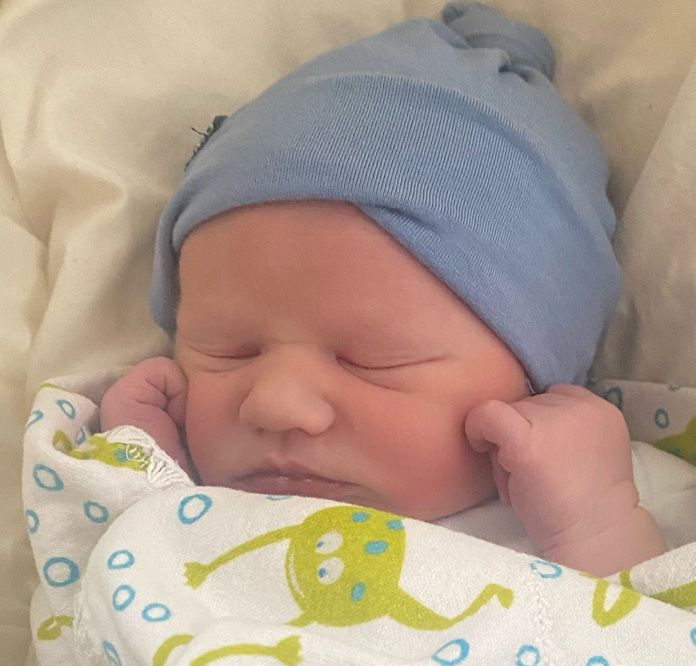
Current studies on the Anschutz campus are numerous and being conducted by many
departments including infectious disease, pulmonary science, emergency medicine, clinical
immunology and pharmacology. This is a small list of the many ongoing studies:

• COVID-19: Lung ultrasound implementation in the management of patients with COVID-19
• STARS (“Study of Alteplase for Respiratory failure in SARS-Cov2 (COVID-19)”, a Phase IIa
  Clinical Trial
• COVID-19 Prospective Observational Cohort Study and Biobank of Health Care Workers
  and Other Populations
• Trial of Early Antiviral Therapies during Non-hospitalized Outpatient Window (TREAT NOW)
  for COVID-19
• I-SPY COVID TRIAL: An Adaptive Platform Trial to Reduce Mortality and Ventilator
  Requirements for Critically Ill Patients
• Myocardial Virus and Gene Expression in SARS CoV-2 Positive Patients with Clinically
  Important Myocardial Dysfunction
• Biology and Longitudinal Epidemiology of PETAL COVID-19 Observational Study
• Monitoring hospital patients through wearable digital device sensor data

For a full list of all the trials being conducted at CU Anschutz, including those that are still
enrolling patients, visit: https://research.cuanschutz.edu/university-research/covid-19-clinical-
research/covid-19-active-studies
COLLABORATION AT WORK
                     How One Researcher Brings Together Numerous Teams!

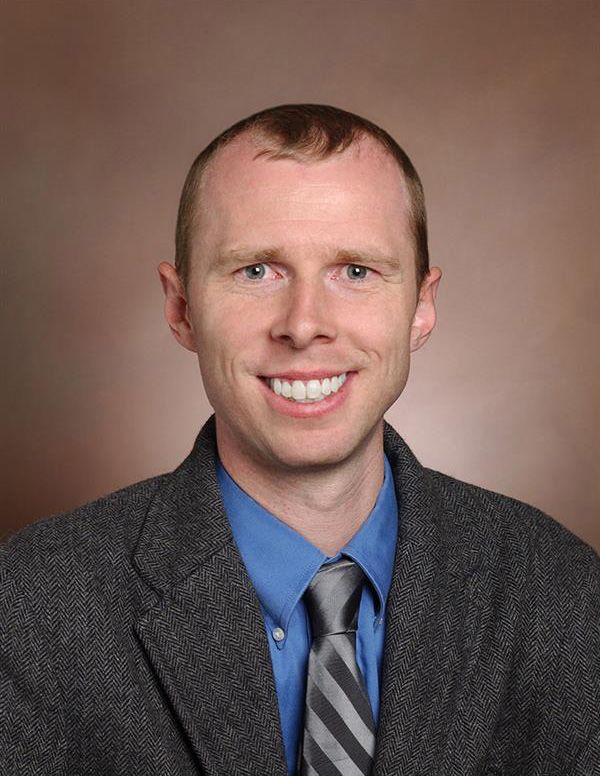
John Thompson grew up in Florida and attended        Building upon the
Florida State University, ultimately obtaining his   research infrastructure
PhD in Neuroscience. Following a productive          that had been
10-year period of research using animal models       established in DBS,
to study the basal ganglia (a region of the brain    today the current
critical for movement), in February 2014, John       DBS research
joined the Department of Neurosurgery as an          program centers
Assistant Professor and Clinical Neurophysiologist   on the collaborative
for our DBS (Deep Brain Stimulation) surgery         team efforts of
program. John’s initial role in the operating room   John, Dr. Drew
was to manage the neurophysiological equipment,      Kern (Director of the
provide interpretation of the microelectrode         Advanced Therapies
recordings, as they pertained to mapping the         of Movement
                                                                                 Dr. John Thompson
structures of the basal ganglia en route to the      Disorders Program
DBS target, and assist in selecting the optimal      and Co-director
trajectory and depth for DBS implantation. John’s    of the DBS program), Dr. Steven Ojemann (Co-
early research studies focused on exploring          director of DBS program) and, our newest functional
neuroscience research opportunities in the           neurosurgeon, Dr. Daniel Kramer. This research
operating room during DBS surgeries – supported      team has on-going projects exploring DBS for
by a Boettcher Early Investigator Award (2017),      Parkinson’s disease related to cognitive outcomes,
working with both the functional neurosurgeons       sensory-motor processing, novel targets, improved
at that time (Drs. Aviva Abosch and Steve            intraoperative targeting, and impact on sleep. As
Ojemann) and a basic science collaborator (Dr.       a natural outgrowth of the clinical overlap between
Gidon Felsen). However, over time, many novel        Neurosurgery and Neurology, John has established
robust collaborations were established in the        active collaborations with many members of the
Neurosurgery as well as Neurology departments        Epilepsy program in the Neurology department
with clinicians interested in human neuroscience     – primarily focused on advanced treatments for
combining neurophysiology, neuroimaging, and         drug-resistant epilepsy: application of machine
behavior. He now works with numerous clinicians,     learning approaches to the chronic stereo-
has a second appointment in Neurology and is an      electroencephalographic intracortical data acquired
affiliate instructor in Bioengineering.              for seizure localization, and assessment of functional
outcomes following laser ablation. Currently, he and       has mentored many students. He is now Chair of
Dr. Danielle McDermott and Dr. Sam DeStefano               Admissions for this program, serves on various
(neurologist & epileptologist), Drs. Steven Ojemann and    committees, and is very involved with students who
Dan Kramer are researching outcome measures for            want a clinical focus to their research. In addition to
recently developed treatment technologies for refractory   taking graduate students from this program, he also
epilepsy, including responsive neural stimulation (RNS),   teaches within the Neuroscience Graduate Program
laser ablation, and now even DBS.                          and has had students from the Medical Science
                                                           Training Program (a combined MD/PhD program)
The third area of John’s research involves developing      work in the lab. In 2021, Kim Thies and Caleb Fiebig
quantitative neuro imaging tools to assist in surgical     both completed their Capstone projects with John in
planning, functional outcomes, and predict recurrence      MSMHA program, and both had a clinic co-mentor in
treatment of brain and skull-based tumors working with     either DBS or epilepsy. Andy Tekriwal, an MD/PhD is set
Dr. Ryan Ormand and Dr. Samy Youssef.                      to finish his PhD work in the labs of John and Dr. Gidon
                                                           Felsen (Physiology and Biophysics) in Spring 2022.
John has been involved for years with the Modern
Human Anatomy Program on campus, where he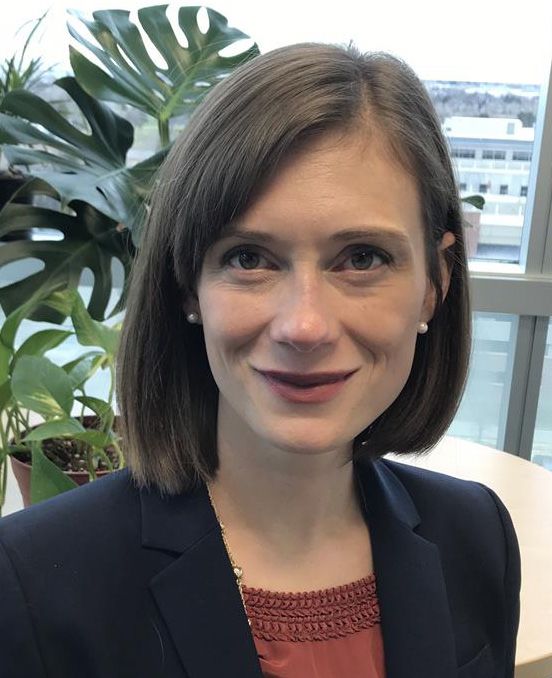
RESULTS OF COLLABORATION: THE PATIENT WINS!
                              Meet Grateful Patient, Tim Black

  Tim Black is 72 and has owned his own roofing
  company since 1978. Although he started with
  residential homes, he worked into commercial
  roofing in 1990 and has loved every minute.
  He has completed huge projects such as the
  Denver Art Museum and over 50 buildings
  across all the CU campuses. His company is
  widely respected throughout the front range.

  Tim lives in Erie with his wife, Mary. They
  have a recently married daughter and hope
  to someday have grandchildren. But, in 2009
  he was diagnosed with Parkinson’s Disease.
  Unlike many other patients, Tim didn’t have the
  tremors associated with the condition, but he
  had dyskinesia, an abnormality or impairment
  of voluntary movement. These twitches
  and spasms were mostly in his jaw, mouth
  and shoulders and impacted his entire life,
  particularly his work life.

  Not being able to work effectively became            Tim Black
  really difficult for Tim. He loved his job and his
  company. But, due to the progression of the

  “   “Trust these doctors and surgeons.
      They know what they are doing!”
condition, he ultimately decided to give up the in the chest, but regulates the firing of the
reigns to his business partner and try to “semi- electrodes implanted in the brain), he felt
retire.” Unfortunately, a year ago, his trusted almost normal. “If I don’t think about it,
business partner died of brain cancer. “It was I can sometimes forget that I even have
obviously a very rough year,” Tim stated. “I lost Parkinson’s Disease!” Although this is not
my partner and dear friend, and my business the outcome that everyone has, Tim could
was at risk again. I had tried every Parkinson’s not be more pleased with the results.
medication available – until I felt like I had no
choice but to try Deep Brain Stimulation (DBS) “I can’t say enough about all the of the
surgery. I needed to get back to work and keep doctors, especially those in the OR. The
my company afloat. DBS was my last hope.” operating room was loud and scary, and
it was awkward to be awake through the
Due to a detached retina, Tim was not procedure, but they talked me through
sleeping well and when he went for his it. Everyone in that operating room did a
neuropsychological testing to qualify for the fantastic job. Within a couple of weeks,
surgery, he did poorly on some of the cognitive after the very first programming session,
pieces and was rejected as a candidate for my dyskenisia drastically improved, I slept
surgery. He knew it was just due to the lack better and I’m now down to half of the
of sleep, so he convinced his doctors, Lauren pills I was taking. It’s not perfect, but it’s
Seeberger (movement disorders), Drew Kern almost like it used to be!”
(advanced therapeutics in Movement Disorders)
and Steve Ojemann (functional neurosurgeon), to When asked what Tim would say to
let him try the cognitive testing again. He did fine others considering this surgery, he says,
the second time and had the surgery in April of “Trust these doctors and surgeons. They
this year. know what they are doing!”
The results were almost immediate. After the
very first session of programming, the stimulator
(which is similar to a cardiac pace maker placedNEW EQUIPMENT – GAME CHANGING! Transcranial MR-Guided Focused Ultrasound Comes to CU Anschutz CU Department of Neurosurgery is happy to announce that this exciting new surgical technology is coming to our Anschutz campus this coming fall! Magnetic resonance guided focused ultrasound (MRgFUS) is an early-stage, non-invasive and incision-free therapeutic technology with the potential to transform the treatment of many medical disorders, including many Neurosurgical procedures. Ultrasonic energy targets tissue deep within the skull (or body) without incisions or radiation. The technology is currently approved for the treatment of essential tremor, tremor dominant Parkinson’s Disease, uterine fibroid tumor ablation, and pain palliation for bone cancers. But many other indications are coming soon, including the treatment of benign and malignant brain tumors. Ultrasound is a form of energy that can pass through skin, muscle, fat and other soft tissue so no incisions or inserted probes are needed. High intensity focused ultrasound (HIFU) pinpoints
a small target and provides a therapeutic effect by raising the           The purchase is being made by
temperature high enough to destroy the target with no damage to           UCHealth for the UC Hospital
surrounding tissue.                                                       at Anschutz and will benefit
                                                                          many departments, particularly
Magnetic resonance imaging (MRI) is used to guide and control the         Neurosurgery. Dr. Steve Ojemann,
treatment, which is performed while the patient lies within an MR         long time functional neurosurgeon
scanner. Guided by detailed images of the anatomy and the tumor or        in our department states, “We have
target area, the physician is able to pinpoint, direct and continuously   been wanting this technology for a
monitor the treatment.                                                    long time, so we are excited that the
                                                                          hospital has made this investment.
By offering these two technologies, focused ultrasound and magnetic-      It truly is a marker for Excellence in
resonance imaging (MRI), we will be offering next generation              the Surgical Treatment of Movement
neurosurgical procedures without the risks or potential readmissions      Disorders, but it also has great
associated with anesthesia and open craniotomies. In many cases,          promise for brain tumors. We are
no anesthesia is needed, so the patient remains awake, providing          now one of the few pioneering
feedback during the treatment, and most patients demonstrate              hospitals globally to participate in
immediate post-treatment relief.                                          groundbreaking neuro oncology
                                                                          research and we are part of a
                                                                          leading group of US and international
                                                                          investigators that will define the
                                                                          priorities of investigations for using this
                                                                          technology in the treatment of various
                                                                          neurosurgical disorders.”

                                                                          Dr. Daniel Kramer, new functional
                                                                          neurosurgeon, is also anxious to get
                                                                          this technology going. “After being
                                                                          trained at Stanford, one of the leaders
                                                                          in focused ultrasound, I’ve seen first
                                                                          hand just how beneficial this can be
                                                                          for the right patients. This is the next
                                                                          wave in surgical technology and allows
                                                                          us to treat patients without opening
                                                                          their skulls or implanting devices.
                                                                          Pretty amazing!”

                                                                          Pretty amazing, indeed…!
CONGRATULATIONS
Children’s Hospital Neurosurgery Team!
Each year, Children’s Hospital Colorado recognizes providers and hospital
units/clinics for achieving outstanding ratings on Patient-Family Experience
surveys. Last year, CHCO Neurosurgery was one of the top-rated teams
based on the 2020 Patient-Family Experience survey results.
RESIDENT OF THE QUARTER
Congratulations to Dr. Will
McKay, named Resident of the
Quarter in April. Chief Residents,
Ros Whelan and Jeremy Hosien
state, “without compromise, Will
leans into the job and has shown
remarkable growth as a surgeon
on the spine service with multiple
residents and attendings who
have commented on his skill and
patient care.”
Daniel Kramer, MD Dr. Jason Weedman,
Winner of the 2021 voted “Teacher of
Neurosurgery Research the Year” by the
Innovation Award - $30,000 Anesthesiology Critical
“Human thalamic activity in Care Medicine Fellows,
Essential Tremor as part of a significant honor!
a braking mechanism”Michael Graner, PhD Cristin Welle, PhD John Thompson, Steve Ojemann, MD
$40,000 award from $54,572 award from PhD $5,000 $45,000 award,
Michele Plachy-Rubin the Defense Advanced award from the Medtronic, Abbott and
Fund for Brain Cancer Research Projects Boettcher Foundation Boston Scientific for years
Research to study Agency to study “How for “Identifying 21-22 Stereotactic &
“Targeting Thymidine GABAergic Neurons neurophysiological Functional Neurosurgical
Salvage and Evaluation Contribute to VNS- biomarkers of Fellowship Program.
of Temozolomide Accelerated Cortical motor impairment in
Potentiation in Plasticity (Optional Parkinson’s disease.”
Glioblastoma” Task).”
Todd Hankinson, MD $47,000 award from the Morgan Adams
Foundation for “Advancing Characterization of Epithelial-to-Mesenchymal
Transition in ACP through Phospo-kinase Analysis, Preclinical testing of the
Immunotherapeutics Nivolumab, Bevacizumab and Adecatumumab using ex
vivo Adamantinomatous Craniopharyngioma Tissue, and Intelligent System
Design for Interpretable Deep Learning Modeling of Rare Pediatric Brain
Tumors from a Multi-disciplinary Perspective.”
Kevin Lillehei, MD $375,000 award from Neuraptive Therapeutics, Inc.,
for “A Phase 2a, Multicenter, Randomized, Patient and Evaluator Blinded,
Controlled Study Evaluating the Safety and Efficacy of NTX-001 Compared
to Standard of Care in the Treatment of Acute Single Transected Peripheral
Nerve Injury Occurring below the Distal Border of the Brachial Plexus
Requiring Surgical Repair.”David Case, MD for
$223,000 award from WELCOME LITTLE
Marinus Pharmaceuticals
for “A double-blind,
ONES & PARENTAL
randomized, placebo- CONGRATS!
controlled study to evaluate
the efficacy and safety of
intravenous ganaxolone in
status epilepticus.”
Judith Gault, PhD
for being quoted in
MedScape regarding
her work in the ethics of
Deep Brain Stimulation
for the treatment
of Schizophrenia. Connor Wales McNulty
Link: https://www. Born to Liza Humes
medscape.com/ (Physician Assistant)
viewarticle/938534#vp_3 & her husband
Paige and her father, Brian May 18, 2021
21 inches long
Congratulations to Dr. Corbett Wilkinson at Children’s Hospital. 9 year old 8 lbs 6 oz
Paige thinks he’s her hero, and Paige’s Dad says “we think Dr. Wilkinson can
walk on water!” This follows a tribute on Father’s Day, recently published by
Children’s Hospital “celebrating heroes.” Dr. Wilkinson, a pediatric neurosurgeon,
was celebrated for going “above and beyond” with emergency brain surgery
on Paige. The surgery not only saved her life, but saved her long hair, which Dr.
Wilkinson refused to shave off because he thought it would have traumatized
Paige even further. He IS a true hero, and a great father, for knowing ALL the
things that matter to kids and their parents!
Judith Gault, PhD and John
Thompson, PhD for being
Nehemia LeRoy Ormond
quoted by the Brain & Behavior
Born to
Research Foundation regarding their
Dr. & Mrs. Ryan Ormond
progress on DBS for psychosis and
May 30, 2021
schizophrenia.
21.5 inches long
Link: https://us3.campaign-archive.
8 lb 5 oz
com/?u=c6e89b4de3dfd70e795490
632&id=086a1f94ab&e=2e6a5ef7b6NEW RESEARCH & RETROSPECTIVE STUDIES
Youssef Sethi Breeze Lillehei Kortz Ung
Several of our faculty, residents and students are working on research projects which show cognitive outcomes
following various brain tumor surgery techniques; stereotactic radiosurgery in arterial venous malformations;
neurosurgery interest groups for medical students; and bleomycin use in Rathke Cleft Cysts. Once their findings
are published, more specifics will be disclosed.
PUBLICATIONS
Note: All authors listed are within the CU Department
of Neurosurgery, unless otherwise indicated.
Kathy Beauchamp, MD and her colleagues for “Soluble terminal complement
activation fragment sc5b9: a new serum biomarker for traumatic brain injury?” published
in European Journal of Trauma and Emergency Surgery. Link: https://link.springer.com/
article/10.1007/s00068-020-01407-z
Kathy Beauchamp, MD and her colleagues for “Sport-Related Structural Brain Injury
and Return to Play: Systematic Review and Expert Insight” published in Neurosurgery,
May, 2021. Link: https://pubmed.ncbi.nlm.nih.gov/33693899/
Robert Breeze, MD and his colleagues for “Persistent dyskinesias in patients with fetal
tissue transplantation for Parkinson disease,” published in NPJ Parkinson’s Disease,
April, 2021. Link: https://pubmed.ncbi.nlm.nih.gov/33893319/PUBLICATIONS
Josh Seinfeld, MD, Zach Folzenlogen, MD, Chris Roark, MD and David Case, MD (and colleagues)
for “Direct Carotid Artery Puncture for Thrombectomy in Pediatric Stroke,” published in Journal of Vascular
Interventional Neurology, June 2021. Link: https://pubmed.ncbi.nlm.nih.gov/33677118/
Josh Seinfeld, MD and colleagues for “Safety of the APOLLO Onyx delivery microcatheter for embolization
of brain arteriovenous malformations: results from a prospective post-market study,” published in Journal of
NeuroInterventional Surgery, February 2021. Link: https://pubmed.ncbi.nlm.nih.gov/33526480/
Christopher Domen, PhD (and colleagues) for “Cannabis use in people with
Parkinson’s disease: Reported patterns of use, symptomatic benefits, and
adverse effects via Fox Insight (1134)” published in Neurology Apr 2021,
Link: https://n.neurology.org/content/96/15_Supplement/1134.abstract
Kevin Lillehei, MD and Michael Kortz, MBA,
MS-IV, for “Insular Cortex” updated May, 2021.
Link: https://www.ncbi.nlm.nih.gov/books/
NBK570606/
Samy Youssef, MD and Kevin Lillehei MD (and colleagues) for “Clinical Correlation to E-cadherin and
Granulation Patterns in Corticotroph Tumors,” published in Journal of Endocrine Society. Link: https://doi.
org/10.1210/jendso/bvab048.1059PUBLICATIONS
Todd Hankinson, MD, and colleagues for his publication, “Adamantinomatous
craniopharyngioma associated with a compromised blood–brain barrier: patient
series” published in Journal of Neurosurgery: Case Lessons. Link: https://thejns.org/
caselessons/view/journals/j-neurosurg-case-lessons/1/19/article-CASE2150.xml
Todd Hankinson, MD, and colleagues for “The Trem1 Positive Hypoxic Myeloid
Subpopulation in Posterior Fossa Ependymoma,” published in Neuro Oncology, June,
2021. Link: https://www.ncbi.nlm.nih.gov/pmc/articles/PMC8168143/
Todd Hankinson, MD, and colleagues for “Adamantinomatous craniopharyngioma
associated with a compromised blood-brain barrier,” published in the Journal of
Neurosurgery. Link: https://thejns.org/caselessons/view/journals/j-neurosurg-case-
lessons/1/19/article-CASE2150.xml
Todd Hankinson, MD, and colleagues for “the Hydrocephalus Clinical Research Network.
(2021). Treatment strategies for hydrocephalus related to Dandy-Walker syndrome:
evaluating procedure selection and success within the Hydrocephalus Clinical Research
Network, published in the Journal of Neurosurgery, Pediatrics, 2021. Link: https://
thejns.org/pediatrics/view/journals/j-neurosurg-pediatr/aop/article-10.3171-2020.11.
PEDS20806/article-10.3171-2020.11.PEDS20806.xml
Todd Hankinson, MD, and colleagues for “Development of best practices in the
utilization and implementation of pediatric cervical spine traction: a modified Delphi
study,” published in Journal of Neurosurgery: Pediatrics, 2021. Link: https://thejns.org/
pediatrics/view/journals/j-neurosurg-pediatr/27/6/article-p649.xml
Judy Gault, PhD and John Thompson, PhD for their publication
“Striatal and Thalamic Auditory Response During Deep Brain
Stimulation for Essential Tremor: Implications for Psychosis” in
Neuromodulation: Technology at a Neural Interface. Link: https://
onlinelibrary.wiley.com/doi/full/10.1111/ner.13101?utm_term=0_
fb7d503c0e-086a1f94ab-159628773&goal=0_fb7d503c0e-
086a1f94ab-159628773&utm_campaign=086a1f94ab-eNews-3-26-
2020&af=R&utm_medium=email&utm_source=eNews+ListPUBLICATIONS
John Thompson, PhD, Pamela D.
Gerecht, PhD, Steve Ojemann, MD, Drew
Kern, MD (CU neurology), and colleagues
for “Coronal Gradient Echo MRI to Visualize
the Zona Incerta for Deep Brain Stimulation
Targeting in Parkinson’s Disease,” published
in Sterotactic Functional Neurosurgery,
2021. Link: https://pubmed.ncbi.nlm.nih.
gov/33902054/
John Thompson, PhD and Danielle McDermott, MD (CU Neurology) for “Investigation
of the differential impact of cannabinoid compounds on seizure frequency and quality of life
in patients with epilepsy,” published in Neurology Apr 2021. Link: https://n.neurology.org/
content/96/15_Supplement/4683.abstract
John Thompson, PhD and Danielle McDermott, MD (CU Neurology) for “Investigation
of the differential impact of cannabinoid compounds on seizure frequency and quality of life
in patients with epilepsy,” published in Neurology Apr 2021. Link: https://n.neurology.org/
content/96/15_Supplement/4683.abstract
Samy Youssef, MD, Rafael Martinez-Perez, MD and Timothy Ung, MD (and
colleagues) for “The 100 most-cited articles on vestibular schwannoma: historical
perspectives, current limitations, and future research directions,” published in Neurosurgery
Review, 2021. Link: https://doi.org/10.1007/s10143-021-01487-4
Samy Youssef, MD, Rafael Martinez-Perez, MD and Timothy
Ung, MD (and colleagues) for “Long-term disease control and treatment
outcomes of stereotactic radiosurgery in cavernous sinus meningiomas,”
published in Journal of Neuro Oncology, 2021. Link: https://doi.
org/10.1007/s11060-021-03732-8
Samy Youssef, MD and colleagues for “Impact of vestibular nerve
preservation on facial and hearing outcomes in small vestibular
schwannoma surgery: a technical feasibility study,” published in Acta
Neurochir, 2021. Link: https://doi.org/10.1007/s00701-020-04678-yGET INVOLVED
You can be involved in all the exciting programs and FUND NAMES & NUMBERS:
research innovations happening in the Department
General Neurosurgery Fund: #0223130
of Neurosurgery! Donations are currently needed
for investigator initiated trials, new positions, and Neuro-oncology Research Funds:
even some capital equipment! Recurring monthly General Neurosurgery-Oncology # 221101
(includes brain tumor tissue bank)
donors are especially helpful – and you can give Meningioma Momma’s Research # 0223181
any amount! Follow these easy steps: Brain Immunology Research # 222176
Functional Neurosurgery Research # 222277
Directions for online giving: Stroke, Aneurism & Neurovascular Funding:
Foreman Family Research Fund # 0223133
1. Go to: giving.cu.edu/fund/write-fund
Stem Cell & Gene Therapy Research # 0222912
2. Select the amount or write in an amount you
Radiology & Imaging Research:
would like to give. Mannetti 3D Printer Fund # 0222672
3. If you would like to give this amount monthly,
Education and Scholarship Funds:
check the recurring box and indicate “monthly.” Neurosurgery Resident Education # 221955
4. If you are giving the gift in honor or in memory Foreman Family Lectureship Fund # 0223134
VanderArk Lectureship Fund # 0230389
of someone, select ‘yes’. In the comment
section, you can add the name of the person, Ogsbury/Kindt Neurosurgery Chair
Endowment Fund # 0230133
or just mark “no.”
5. In the comment section, write the fund name Neurosurgery in Schizophrenia & Mental Illness
Research Fund # 0222913
and number. (See fund names and numbers on
the right side of this page). Checks of any amount can be sent with a note in the
6. Select ‘Give Now’ button. memo about the fund to be supported, and mailed to:
7. Follow prompts to fill in personal, payroll University of Colorado Foundation
Office of Advancement
deduction or credit card information for Attn: Marti Laule
processing. You will be able to print a receipt Mail Stop AO65
13001 E. 17th Place, WG112
of your donation. Aurora, CO 80045
To talk more about your donation, contact Tami Lack Crawford | (303) 907-8977.You can also read


