The Moderating Role of Perceived Risks in the Relationship between Financial Knowledge and the Intention to Invest in the Saudi Arabian Stock ...
←
→
Page content transcription
If your browser does not render page correctly, please read the page content below
International Journal of
              Financial Studies

Article
The Moderating Role of Perceived Risks in the Relationship
between Financial Knowledge and the Intention to Invest in the
Saudi Arabian Stock Market
Saleh M. Shehata , Alaa M. Abdeljawad , Loqman A. Mazouz                                , Lamia Yousif Khalaf Aldossary,
Maryam Y. Alsaeed and Mohamed Noureldin Sayed *

                                          Finance Department, College of Applied Studies and Community Service, Imam Abdulrahman Bin Faisal
                                          University, P.O. BOX 1982, Dammam 31441, Saudi Arabia; smshehata@iau.edu.sa (S.M.S.);
                                          amabdeljawad@iau.edu.sa (A.M.A.); lmazouz@iau.edu.sa (L.A.M.); lydossary@iau.edu.sa (L.Y.K.A.);
                                          myalsaeed@iau.edu.sa (M.Y.A.)
                                          * Correspondence: mnsayed@iau.edu.sa

                                          Abstract: This research study aims to investigate the moderating role of perceived risks in the
                                          relationship between financial knowledge (represented by objective knowledge and subjective
                                          knowledge) and the intention to invest in the Saudi Arabian Stock Market. The researcher collected
                                          data from four hundred Saudi Arabian participants who were interested in investing in the Saudi
                                          Arabian Stock Market. The researcher used structural equation modeling (SEM) through the Smart
                                PLS 3.3.2 software to analyze the data. This study’s findings indicate that, in the formation of

                                          financial knowledge, the total effect of Subjective knowledge is greater than the total effect of
Citation: Shehata, Saleh M., Alaa M.      objective knowledge. The findings also indicate that there is a positive relationship between financial
Abdeljawad, Loqman A. Mazouz,             knowledge and perceived risks and between financial knowledge and the intention to invest. Finally,
Lamia Yousif Khalaf Aldossary,            the findings indicate that perceived risks have a negative effect on the relationship between financial
Maryam Y. Alsaeed, and Mohamed            knowledge and the intention to invest in the Saudi Arabian Stock Market.
Noureldin Sayed. 2021. The
Moderating Role of Perceived Risks
                                          Keywords: financial knowledge; perceived risks; intention to invest; Saudi Arabian Stock Market
in the Relationship between Financial
Knowledge and the Intention to
Invest in the Saudi Arabian Stock
Market. International Journal of
                                          1. Introduction
Financial Studies 9: 9. https://
doi.org/10.3390/ijfs9010009                    Behavioral finance is an integral part of the decision-making process (Ainia and Lutfi
                                          2019), which is based on the application of human psychology to finance (Hamza and
Received: 8 November 2020                 Arif 2019). A better understanding of behavioral finance is important since it enables
Accepted: 25 January 2021                 investors to make informed investment decisions. While the standard financial theory
Published: 28 January 2021                asserts that investors are rational and, therefore, tend to make risk averse decisions (Ainia
                                          and Lutfi 2019), the behavioral finance literature indicates that individuals do not always
Publisher’s Note: MDPI stays neutral      act rationally. The literature reveals that many factors influence an individual’s financial
with regard to jurisdictional claims in   decisions and push him or her to exhibit cognitive and emotional behaviors that lead
published maps and institutional affil-   to deviation from rational behavior (Sivaramakrishnan et al. 2017; Xiao and Porto 2017).
iations.                                  Unfortunately, investors are less likely to objectively examine situations for perceived risks
                                          and returns and are mostly biased on their trading decisions that affect their attitudes
                                          (Ainia and Lutfi 2019). Additionally, investor sentiments affect the stock prices, which, in
                                          turn affect the demand from enough investors and values diverge because of the changes
Copyright: © 2021 by the authors.         in security prices (Baker and Wurgler 2006).
Licensee MDPI, Basel, Switzerland.             The Saudi Arabian Stock Market is one of the largest financial markets in developed
This article is an open access article    countries. It has great importance for the Kingdom of Saudi Arabia (KSA) due to its effect
distributed under the terms and           on the country’s economic activities (Alshammari et al. 2020).
conditions of the Creative Commons             Some assert that investing in the Saudi Arabian Stock Market is a good opportunity.
Attribution (CC BY) license (https://     This is especially so with the entry of Saudi Aramco shares to be traded on the Stock Market,
creativecommons.org/licenses/by/          the increase in the ease of business within the KSA, and the convenience of the business
4.0/).

Int. J. Financial Stud. 2021, 9, 9. https://doi.org/10.3390/ijfs9010009                                      https://www.mdpi.com/journal/ijfs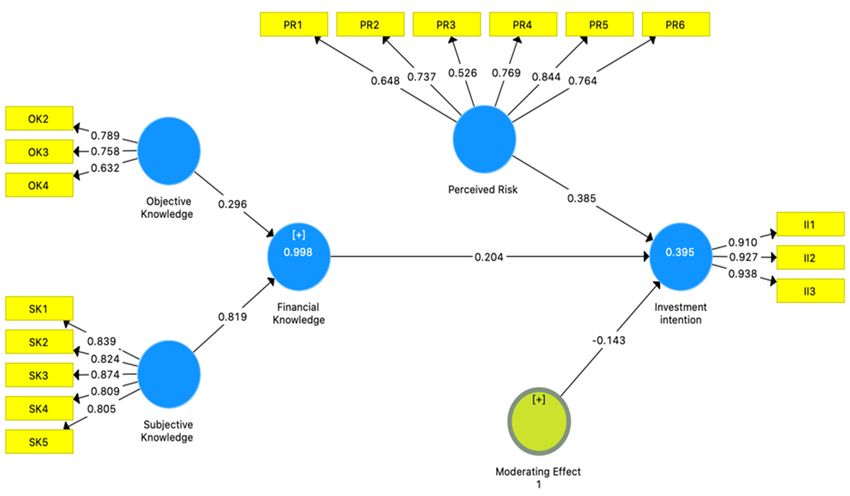
Int. J. Financial Stud. 2021, 9, 9                                                                                             2 of 16

                                     climate. This explains the current increasing number of investors in the Saudi Arabian
                                     Stock Market (Ungarino 2019).
                                          On the other hand, others argue that it is wise for investors to monitor the Saudi
                                     Arabian Stock Market before investing in it (Konish 2019) because the investor is exposed
                                     to many investment risks in this Market. Since the KSA economy depends mainly on oil,
                                     fluctuations in oil prices lead to sharp fluctuations in the Stock Market. In addition, due
                                     to external crises, the Saudi Arabian Stock Market suffers from sharp fluctuations during
                                     different periods (Alshammari et al. 2020).
                                          Whether investors decide to invest in the Saudi Arabian Stock Market or refrain from
                                     investing depends on their investment behaviors. These are affected by several factors
                                     including financial knowledge (Lim et al. 2018; Hamza and Arif 2019; Nguyen and Nguyen
                                     2020) and perceived risks (Trang and Tho 2017).
                                          However, there is insufficient evidence in the literature on whether perceived risks
                                     have a moderating role in the relationship between financial knowledge and the intention
                                     to invest. Consequently, this study aims to investigate the moderating role of perceived
                                     risks in the relationship between financial knowledge and the intention to invest in the
                                     Saudi Arabian Stock Market. The research findings will contribute to the literature on
                                     behavioral finance and provide evidence of the investors’ decision-making processes in the
                                     Saudi Arabian Stock Market.

                                     2. Literature Review
                                     2.1. Financial Knowledge
                                           Financial knowledge refers to an individual’s understanding of important concepts
                                     related to finance (Robb and Sharpe 2009). It has two dimensions: namely, subjective
                                     knowledge and objective knowledge. Subjective knowledge refers to the extent of each
                                     person’s self-rated level of knowledge of financial matters. On the other hand, objective
                                     knowledge refers to real financial knowledge calculated by the person’s summary score of
                                     answers to knowledge items about financial concepts such as inflation, interest rate, stock
                                     market, savings, credit, and insurance (Khan et al. 2017; Lee et al. 2019).
                                           The findings from previous studies indicate that financial knowledge plays a funda-
                                     mental role in facilitating investment decisions. By surveying 1006 participants, Fedorova
                                     et al. (2015) examined financial knowledge’s impact on the investors’ stock market de-
                                     cisions. This study’s findings showed that investors, who are knowledgeable about the
                                     financial literature, participate proactively in the stock market. In a different study, Sivara-
                                     makrishnan et al. (2017) examined financial knowledge’s impact on the investors’ stock
                                     market decision-making processes. The research employed the theory of planned behavior
                                     to explain the investors’ participation in India’s Stock Market. Planned behavior theory
                                     asserts that the investors’ financial literacy determines how they control their behavior in
                                     the stock market. This study’s findings showed that both objective and subjective financial
                                     knowledge had positive effects on the intention to invest in a stock market, while the
                                     investors’ behaviors were influenced primarily by objective knowledge. This study’s find-
                                     ings also showed that financial wellbeing had a positive influence on investor behaviors
                                     and their investment decisions. Therefore, while financial knowledge is necessary for
                                     investors, it does not lead an investor to make optimal investment decisions because only
                                     the objective financial literacy affects the actual behavior. However, both subjective and
                                     objective knowledge affect the intention to invest.
                                           Furthermore, Khan et al.’s (2017) findings show the necessity of examining the rela-
                                     tionship between an individual’s subjective and objective knowledge (knowledge gap),
                                     since it helps in understanding their financial behaviors. An overestimation of an indi-
                                     vidual’s financial knowledge can lead them to make risky investment decisions. Notably,
                                     older individuals with lower education have an overestimated perception of their financial
                                     knowledge and this leads to poorly informed investment decisions. Therefore, investors
                                     can be financially vulnerable and have an incorrect perception of the adequacy of their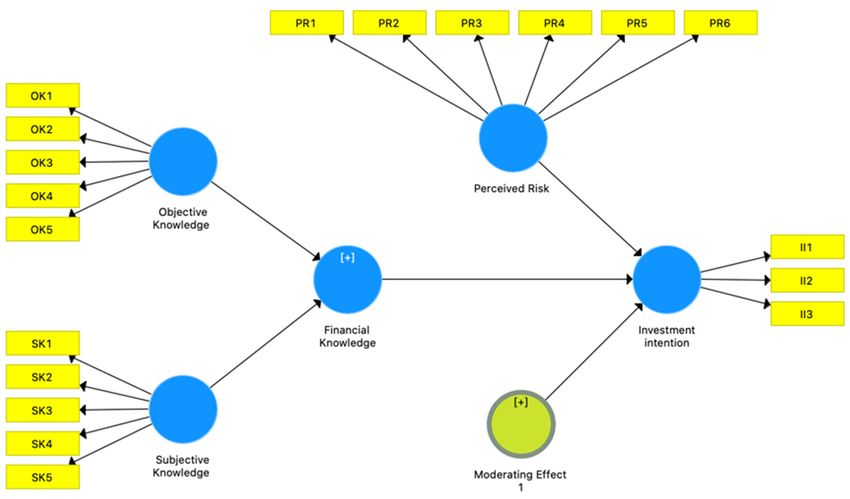
Int. J. Financial Stud. 2021, 9, 9                                                                                            3 of 16

                                     actual financial knowledge. Reliance on insufficient knowledge leads to making poorly
                                     informed decisions that are ultimately suboptimal.
                                           The investors’ decision making is influenced by several factors. These include corpo-
                                     rate data, repayment, risk and financial knowledge (Lubis et al. 2015). Similarly, Hamza
                                     and Arif’s (2019) findings showed that financial knowledge is an important factor in the
                                     investment decision. Notably, this study’s findings showed that financial knowledge
                                     and agreeableness had significant positive impacts on investment decisions along with
                                     significant negative impacts on openness to investment and neuroticism. Additionally,
                                     extraversion and conscientiousness had insignificant impacts on investment decisions.
                                     At the same time, when making investment decisions, neuroticism and openness play
                                     critical roles in mediating the role of financial knowledge. Therefore, financial literature
                                     alone cannot be relied on in investor decisions since the personality traits mediate its
                                     role in influencing the decision-making process. Notably, an investor’s personality trait
                                     determines the attitude toward the potential investment decisions.
                                           Nowadays, numerous organizations are developing financial literacy programs to
                                     equip investors with financial knowledge and to provide counseling based on the investor’s
                                     attitude toward perceived risks (Hamza and Arif 2019). According to Gizem Korkmaz
                                     et al. (n.d.), there is limited evidence to show that investors have enough knowledge to
                                     facilitate their decision-making processes. Despite the vast sources of financial knowledge
                                     and increased educational programs, many individuals still make suboptimal financial
                                     decisions that negatively affect their economic activities (Agarwal and Mazumder 2013).
                                     Therefore, Gizem Korkmaz et al. (n.d.) examined the impact of risk behavior, risk propen-
                                     sity, and risk preference on financial decision-making. This study’s findings showed that
                                     there is an inconsistency between risk behavior and risk preferences. However, financial
                                     knowledge is prudent since it helps to overcome the inconsistencies for risk-seeking in-
                                     dividuals and worsens the level of inconsistencies for risk-averse individuals. Financial
                                     knowledge encourages individuals to indulge in risky behaviors while little knowledge
                                     reduces the chances of engaging in risky behaviors. Therefore, investment decisions, which
                                     lean toward risky investment decisions, suggest that investors have significant financial
                                     knowledge while risk-averse investors have minimal financial knowledge.

                                     2.2. Perceived Risks
                                           Perceived risks affect the investor’s ability to use their financial knowledge to make an
                                     optimal decision. Risk perception describes how an individual interprets and develops a
                                     picture from the received information. This is normally different from reality, thoughts, and
                                     estimates (Ainia and Lutfi 2019). Risk perception is part of cognitive bias and, in uncertain
                                     situations, influences human behavior and decision -making. Similarly, Trang and Tho’s
                                     (2017) findings showed that perceived risks have direct positive impacts on performance
                                     and the intention to invest and, through the performance of the investments, an indirect
                                     impact on the intention to invest. According to Ainia and Lutfi (2019), the greater the
                                     individual’s risk perception, the lower the chance that they will make an investment, and
                                     the vice versa is true. Therefore, a high-risk attitude has negative impacts since these
                                     reduce the opportunities that an investor will allocate more funds to highly risky assets.
                                           In contrast, Trang and Tho’s (2017) findings showed that the greater the perceived
                                     risk, the more the investors are satisfied with their investment decisions. Similarly, the high
                                     obtained returns increase the intention to invest the next time. According to Trang and Tho
                                     (2017), investors are recommended to draw attention to stocks that are labeled ‘controlled’,
                                     ‘warned’, and ‘halted trading’. Therefore, while financial knowledge is important in
                                     determining investment decisions, the perceived risks, associated with the stock, can
                                     override financial knowledge and influence their investment decisions. Additionally, the
                                     perceived risks can either influence an investor to make highly risky decisions or refrain
                                     from making risky investment decisions.
                                           Entrepreneurs are risk-takers and set their investment goals by taking reasonable
                                     risks. According to De Bortoli et al. (2019), investors make the ideal, perfectly rational,
Int. J. Financial Stud. 2021, 9, 9 4 of 16
and self-interested people and choose the best available option to maximize their utility
in an efficient market. Unfortunately, the individual investor’s personal character traits
are a notable factor that affect their investment decisions. Therefore, the agent’s behavior
is not perfectly rational since cognitive and emotional errors influence their investment
decisions. According to De Bortoli et al. (2019), investors, who have greater risk tolerance
and a high degree of openness to experience and violate prospect theory, are more likely to
make high risk investment decisions. More specifically, the investor profile analysis (IPA)
in relation to the personality openness to experience leads an investor to make high risk
investment decisions.
Turning to prospect theory, an investor is less likely to make a risky investment deci-
sion when they violate provisions in the utility theory. Similarly, Sadiq and Amna (2019) say
that investors can only make rational decisions with the availability of perfect information.
However, unfortunately, investors have limited financial knowledge and this leads them to
miss opportunities and make satisfactory investment decisions. Additionally, cognitive and
psychological factors inhibit an investor’s ability to make a rational investment decision
(Sadiq and Amna 2019).
Therefore, while investors aim to decide which will promote the attainment of max-
imum revenue, their abilities to make an optimal decision when risks are involved are
affected by their personalities that result from their psychological and cognitive makeup.
From their investigation of the impact of cultural differences in investors’ decisions,
Lobao and Maio’s (2019) findings showed that culture influenced herding behaviors and,
consequently, the investors’ financial decision. Similarly, Chang and Lin (2015) investigated
the factors that determined investor decision-making in an international stock market and,
more particularly, the impact of national culture in influencing the investors’ decisions in
the global market. Their findings showed that herding behavior among investors happens
in less sophisticated and Confucian equity markets. Notably, national culture has the most
influence on herding behavior.
Furthermore, Chang and Lin’s (2015) findings showed that the national culture’s
influence on the investors’ herding behavior resulted in their making unfortunate invest-
ment decisions. Additionally, perceived risks and, in turn, their impact affects investors’
decisions. According to Ferreira (2018), different people’s risk attitudes and perceptions of
risks are dependent on their financial models used in portraying perceived risks. The ob-
jective and subjective risk propensity explain the investment behaviors. However, cultural
factors, institutions, and geographical location significantly influence the development of
risk preferences in investments. Ultimately, national culture affects how investors perceive
risks in the international market. The application of national culture compromises the
individuals’ needs to learn how the stock market in foreign countries operates and, hence,
the high levels of investors’ behavioral pitfalls in the international market.
2.3. Intention to Invest
The behavioral intention to invest refers to the investors’ attitudes to making decisions
due to the many factors that motivate them to act on their intentions and perceptions to
make investment decisions. Ali (2011) studied the relationships between the individual
investors’ perceived corporate financial performance and their intentions to invest and the
mediating impact of corporations’ images on such relationships. The researcher emphasizes
that investors are customers with knowledge requirements including the need to properly
determine the risks and returns of businesses. The study’s findings showed that investors
formed their intentions to invest when they evaluated the businesses’ financial positions.
Thereafter, as they attempt to explain their investment decisions in the company’s stocks,
their emotional expectations of such assessments come into effect. This study’s findings
showed that, when the investors assessed a firm, their attitudes acted as a mediator before
they decided to invest in a company’s stocks.
This study’s findings also showed that companies’ attractive marketing strategies
can have a huge influence on investors’ emotions. Consequently, investors’ attitudesInt. J. Financial Stud. 2021, 9, 9 5 of 16
toward the companies’ brands play a significant role, besides the cognitive assessment of
companies in anticipating their final actions in terms of investing in these companies’ stocks.
Trang and Tho (2017) established new perceived risk measurement scales in relation to the
Vietnam Stock Market. Their study investigated the impact of perceived risk on investment
performance and used these scales to measure the investors’ investment intentions. This
study’s findings show that the greater the investors perceive risks in making an investment,
the greater the satisfaction of their investment decisions, or the more they will invest in
the stock.
Perceived risks in the investing environment are described as unexpected or unpleas-
ant results from the investor’s action, in addition to establishing a new scale to measure
the degree to which investors perceive the risk of investing in forms of stock trading on the
stock market. Trang and Tho (2017) also measured the degree to which the perceived risks
influenced investor satisfaction and their intentions on investment performance compared
to their expectations and investment decisions. This study’s findings showed that per-
ceived risk had a significant positive effect on investment efficiency and on the investors’
investment intentions. On the other hand, perceived risk had an adverse impact on the
investors’ intentions to invest through investment performance. This study’s findings
showed a positive relationship between the investors’ perceived risks and the satisfaction
of their investment decisions to invest in the stock.
2.4. Literature Gap and Research Purpose
The literature review shows that perceived risks and financial knowledge are both
important factors in helping the shareholders make their investment decisions. Adequate
financial knowledge enables an investor to make informed investment decisions (Fedorova
et al. 2015; Khan et al. 2017; Sivaramakrishnan et al. 2017). Unfortunately, the extent of
the investor’s knowledge and attitude toward perceived risks affect the investor’s ability
to make rational investment decisions (Lubis et al. 2015; Trang and Tho 2017; Ainia and
Lutfi 2019; Gizem Korkmaz et al. n.d.; Hamza and Arif 2019). The investor’s attitude is
influenced by different factors such as personality (De Bortoli et al. 2019; Sadiq and Amna
2019) and culture (Chang and Lin 2015; Ferreira 2018; Lobao and Maio 2019).
From reviewing previous studies, the researcher noted that no research study had
investigated the perceived risks’ moderating role on the relationship between financial
knowledge and the intention to invest in the Saudi Arabian Stock Market. Therefore, this
study investigated financial knowledge’s impact on the investors’ intentions to invest and
also investigated the moderating role of perceived risks on the relationship between financial
knowledge and the investors’ intentions to invest in the Saudi Arabian Stock Market.
3. Methodology
3.1. Research Framework and the Development of the Hypotheses
Based
on the aim of this research study, Figure 1 below sets out the conceptual
Int. J. Financial Stud. 2021, 9, x FOR PEER REVIEW 6 of 16 frame
work used in this study:
Figure 1. Conceptual
Figure framework.
1. Conceptual Source:Source:
framework. Prepared by researchers
Prepared from the literature
by researchers from the review and review and
literature
research gap.
research gap.
According to Figure 1, the researcher developed the following hypotheses:
Hypothesis 1 (H1). There is a positive relationship between financial knowledge and intention to
invest in the Saudi Arabian Stock Market.Int. J. Financial Stud. 2021, 9, 9 6 of 16
According to Figure 1, the researcher developed the following hypotheses:
Hypothesis 1 (H1). There is a positive relationship between financial knowledge and intention to
invest in the Saudi Arabian Stock Market.
Hypothesis 2 (H2). There is a positive relationship between perceived risks and intention to invest
in the Saudi Arabian Stock Market.
Hypothesis 3 (H3). Perceived risks moderates the relationship between financial knowledge and
intention to invest in the Saudi Arabian Stock Markets and, thus, the lower the perceived risk, the
stronger the relationship.
3.2. Measurement
With reference to previous studies, the researcher prepared a questionnaire to collect
the primary data for this study. The questionnaire consisted of four main parts. The first
part measured objective knowledge by asking the participants to answer five financial state-
ments that include correct and incorrect answers about financial concepts. The researcher
relied on a scale for this purpose (Hysmith 2017). The second part measured the subjective
knowledge by asking the participants to answer five financial statements that included
their self-evaluation on some financial concepts. For this purpose, the researcher used a
five-point scale graduated from “I do not know anything about it” to “I know a lot about
it” (Alqatawni 2016). The third part measured perceived risks by asking the participants
to state the degree of their agreement with six statements about perceived risks. For this
purpose, the researcher used a five-point scale, graded from “very agree” to “never agree”
(Metzger and Fehr 2018). The fourth part measured the intention to invest by asking the
participants to state the degree of their approval of three statements about the intention to
invest on a five-point scale, graded from “very agree” to “never agree” (Sivaramakrishnan
et al. 2017). Table 1 presents the scale used to measure the research variables.
Table 1. The scale used to measure the research variables.
Variable Code Item
Suppose you had $100 in a savings account and the interest rate was 2% per year. After five years,
OK1 how much do you think you would have in the account if you left the money to grow?
(Answers: a. More than $102, b. Exactly $102, c. Less than $102, d. Don’t know).
Imagine that the interest rate on your savings account was 1% per year, and inflation was 2% per
OK2 year. After 1 year, how much would you be able to buy with the money in this account?
(Answers: a. More than today, b. Exactly the same, c. Less than today, d. Don’t know).
Objective Knowledge If interest rates rise, what will typically happen to bond prices? (Answers: a. They will rise,
(OK) OK3 b. They will fall, c. They will say the same, d. There is no relationship between bond prices and
the interest rates., e. Don’t know).
A 15-year mortgage typically requires higher monthly payments than a 30-year mortgage, but the
OK4 total interest paid over the life of the loan will be less. True or false? (Answers: a. True, b. False,
c. Don’t know).
Buying a single company’s stock usually provides a safer return than a stock mutual fund: true or
OK5
false? (Answers: a. True, b. False, c. Don’t know).
SK1 Interest rates, finance charges, and credit term.
SK2 Credit ratings and credit files.
Subjective Knowledge SK3 Managing finances.
(SK)
SK4 Investing money.
SK5 What is on your credit report incomeInt. J. Financial Stud. 2021, 9, 9 7 of 16
Table 1. Cont.
Variable Code Item
PR1 The uncertainty of whether the markets will rise, or fall keeps me from buying stocks.
PR2 Stock markets are unpredictable, which is why I would never invest in stocks.
PR3 When I hear the word ‘stocks’, the term ‘possible loss’ comes to mind immediately.
Perceived Risk (PR) PR4 I am willing to take financial risks in order to substantially increase my assets.
I am aiming for capital growth in the long run, which is why I am willing to take considerable
PR5
financial risks.
PR6 In money matters, I tend to be willing to take risks.
II1 I expect to invest in equities (stocks/shares) and/or equity mutual funds.
Intention to invest (II) II2 I want to invest in equities (stocks/shares) and/or equity mutual funds.
II3 I intend to invest in equities (stocks/shares) and/or equity mutual funds.
Source: (Alqatawni 2016; Hysmith 2017; Metzger and Fehr 2018; Sivaramakrishnan et al. 2017).
3.3. Data Collection
The researcher collected the data for this study during the period from February to
July 2020 by publishing the questionnaire online. The researcher received correct responses
from four hundred Saudi Arabian national participants interested in investing in the Saudi
Arabian Stock Market.
4. Analysis and Results
To analyze the collected data, the researcher used a partial least squares (PLS) tech-
nique to perform component-based structural equation modeling (SEM) through the Smart
PLS 3.3.2 software. According to Anderson and Gerbing (1988), the researcher adopted
a three-step approach in carrying out the data analysis. First, he conducted a descriptive
statistic. Second, he estimated the measurement model to ensure the construct’s validity
and reliability. Then, he evaluated the structural model to ensure its suitability for testing
the hypotheses. The details of these three steps are as follows:
4.1. Descriptive Statistics
After collecting the data, the researcher ran a descriptive statistic of the research
variables. Table 2 shows the descriptive statistics of the research variables.
Table 2. The descriptive statistics of the research variables.
Variable N Mean SD
Financial knowledge 2.974 1.195
- Objective Knowledge 3.111 1.157
- Subjective Knowledge 400 2.836 1.217
Perceived Risk 3.059 1.259
Intention to invest 3.546 1.333
Source: Outputs of statistical analysis.
As shown in Table 2, the results indicate that the mean of financial knowledge was
2.974 (SD = 1.195). Objective knowledge was a larger component than subjective knowledge
of financial knowledge. The mean of objective knowledge was 3.111 (SD = 1.157) and the
mean of subjective knowledge was 2.836 (SD = 1.217). Consequently, the research sample’s
objective knowledge was greater than their awareness of financial knowledge (subjective
knowledge). The results also indicate that the mean of perceived risk was 3.059 (SD = 1.259).
This means that the research sample’s perception of risks is relatively high and that five is
the highest level of options. Finally, the results indicate that the mean of the intention to
invest was 3.546 (SD = 1.333) and was the largest mean among the research variables.research sample’s objective knowledge was greater than their awareness of financial
knowledge (subjective knowledge). The results also indicate that the mean of perceived
risk was 3.059 (SD = 1.259). This means that the research sample’s perception of risks is
relatively high and that five is the highest level of options. Finally, the results indicate that
the mean of the intention to invest was 3.546 (SD = 1.333) and was the largest mean among
Int. J. Financial Stud. 2021, 9, 9 8 of 16
the research variables.
4.2. Measurement Model
4.2. Measurement
As shown inModel Figure 2, the measurement model illustrates the relationships between
the indicators (items)
As shown in Figure and2, the
the latent variablesmodel
measurement that these indicators
illustrates measure, in between
the relationships addition,
to the
the expected
indicators relationship
(items) between
and the latent thesethat
variables variables. It illustrates
these indicators thatinthe
measure, financial
addition, to
knowledge
the consists of between
expected relationship two aspects, namely,It subjective
these variables. knowledge
illustrates that andknowledge
the financial objective
knowledge
consists andaspects,
of two its measurable elements. Then,
namely, subjective it shows
knowledge andthe expected
objective relationship
knowledge and be-
its
tween the independent
measurable elements. Then,variable, which
it shows theisexpected
financialrelationship
knowledge,between
and the dependent varia-
the independent
ble is thewhich
variable, intention to invest.
is financial The perceived
knowledge, and therisks are entered
dependent variableas aismoderate variable
the intention that
to invest.
The
mayperceived
affect thisrisks are entered as a moderate variable that may affect this relationship.
relationship.
Figure2.
Figure 2. The
The measurement
measurementmodel.
model.Source:
Source:Outputs
Outputsof
ofSmart
SmartPLS
PLSsoftware
softwareconsidering
consideringthe
theresearch
re-
search framework
framework and measurement.
and measurement.
In
In order
order toto ensure
ensure that
that the
the indicators
indicators represent
represent their
their latent
latent variables
variables andand that
that the
the
items
items meet
meet sufficient
sufficient convergent
convergent and and discriminant
discriminant validity,
validity, the
the researcher
researcher usedused factor
factor
loadings,
loadings, composite
composite reliability,
reliability, and
andaverage
averagevariance
varianceextracted
extracted(AVE),
(AVE),asassuggested
suggestedby by
Hair
Hair et al. (2006). As a result of this test, the researcher deleted two items
(2006). As a result of this test, the researcher deleted two items (OK1, OK5) from (OK1, OK5)
from the objective
the objective knowledge
knowledge scale because
scale because they didtheynotdid
meet not meet
the the required
required standards. standards.
The rest
The rest of the elements achieved the required standards. Table 3 lists
of the elements achieved the required standards. Table 3 lists the converging credibility the converging
credibility
indicators.indicators.
Table
Table 33 shows
shows that,
that, as
as suggested
suggested by by Bagozzi
Bagozzi and
and YiYi (1998),
(1998), after
after excluding
excluding (OK1,
(OK1,
OK5), all the reflective index loads exceeded the necessary cutoff level of
OK5), all the reflective index loads exceeded the necessary cutoff level of 0.60. Composite 0.60. Composite
reliability values exceeded
reliability values exceededthe therecommended
recommended threshold
threshold value
value of 0.70
of 0.70 forreflective
for all all reflective
com-
combinations (Hair et al. 2006) where, as suggested by Fornell and
binations (Hair et al. 2006) where, as suggested by Fornell and Larcker (1981), AVEs Larcker (1981), AVEsare
are above
above the the recommended
recommended valuevalue of 0.50
of 0.50 per build.
per build. As anAs an embryo,
embryo, the Cronbach
the Cronbach alpha
alpha values
values are acceptable
are acceptable since, since, as suggested
as suggested by Taber
by Taber (2018),
(2018), theythey
are are between
between 0.45–0.98.
0.45–0.98. These
These in-
indications point to the validation of the
dications point to the validation of the affinity. affinity.Int. J. Financial Stud. 2021, 9, 9 9 of 16
Table 3. Convergent validity.
Item Indicators Type of Measure Item Loadings/Weights Composite Reliability (CR) Cronbach Alpha AVE
Objective Knowledge
OK2 0.789
OK3 Reflective 0.758 0.772 0.563 0.532
OK4 0.632
Subjective Knowledge
SK1 0.839
SK2 0.824
SK3 Reflective 0.874 0.917 0.887 0.690
SK4 0.809
SK5 0.805
Intention to Invest
II1 0.910
II2 Reflective 0.927 0.947 0.916 0.856
II3 0.938
Perceived Risks
PR1 0.648
PR2 0.737
PR3 0.526
Reflective
PR4 0.769 0.865 0.812 0.521
PR5 0.844
PR6 0.764
Source: Outputs of statistical analysis using Smart PLS software. Note the two items (OK1, OK5) were excluded from the objective
knowledge scale because they did not meet the required standards.
For a further validity check, as suggested by Bollen and Lennox (1991), Diamantopou-
los and Winklhofer (2001), MacKenzie et al. (2005), Petter et al. (2007), and Andreev et al.
(2009), the researcher conducted discriminant analysis to check the degree of variation
between the different compositional measures. He conducted the discriminant analysis by
contrasting structural associations with the square root of the structure’s AVE (Fornell and
Larcker 1981). Table 4 presents the results of the discriminant validity.
Table 4. Discriminant validity.
OK SK PR II
OK 0.730
SK 0.497 0.831
PR 0.463 0.606 0.722
II 0.390 0.463 0.582 0.925
Source: Outputs of statistical analysis using Smart PLS software.
Table 4 shows that the values in the diagonals of the matrix representing the square
root of AVEs were in all cases greater than the non-diagonal elements in the corresponding
row and column. This means that the correlation of each variable with itself is greater than
its association with the rest of the research variables. This confirms the fulfilment of the
discriminatory validity.
4.3. Goodness of Fit (GoF) of the Model
According to Tenenhaus et al. (2005), as the global fit measure, GoF is the geometric
mean of both the AVE and the endogenous variables’ average R2 . The GoF’s aim is to take
account of both the calculation and the study’s structural model along with an emphasis on
the model’s overall performance (Chin 2010; Henseler and Sarstedt 2013). The calculation
formula of GoF is as follows:Int. J. Financial Stud. 2021, 9, 9 10 of 16
r
GoF = R2 × AVE
The determination of whether or not the PLS model is valid is based on the GoF
criteria (below 0.1 = no fit, from 0.1 to 0.25 = small fit, from 0.25 to 0.36 = medium fit, higher
than 0.36 = Large fit) (Wetzels et al. 2009). For this study, the GoF was (0.5066); this means
that this study’s GoF model was large enough to have sufficient global PLS model validity.
4.4. Structural Model
The structural model involves an analysis of the model’s presumed association of
exogenous and endogenous variables. Table 5 summarizes the structural model’s path
coefficient and regression result.
Table 5. Structural model’s path coefficient and regression result.
Hypo. Relationship Std. Beta Std. Error t-Value p-Value Decision Adj. R2
H1 FK ≥ II 0.204 0.069 2.975 0.003 Supported *
H2 PR ≥ II 0.385 0.061 6.329 0.000 Supported ** 0.385
Moderating
H3 −0.143 0.039 3.664 0.000 Supported **
Effect ≥ II
Significant at ** p =Int. J.
Int. J. Financial
Financial Stud.
Stud. 2021,
2021, 9,
9, 9x FOR PEER REVIEW 11 of
11 of 16
16
Figure 3. Moderating
Figure 3. Moderating effect.
effect. Source: Outputs of
Source: Outputs of statistical
statistical analysis
analysis using
using Smart
Smart PLS
PLS software.
software.
To investigate the size of the financial knowledge’s effect and perceived risk on
To investigate the size of the financial knowledge’s effect and perceived risk on in-
intention to invest, and the size of the moderating variable’s (PR) effect on the relationship
tention to invest, and the size of the moderating variable’s (PR) effect on the relationship
between financial knowledge and intention to invest, the researcher calculated the effect
between financial knowledge and intention to invest, the researcher calculated the effect
size (f2 ) as presented in Table 6.
size (f2) as presented in Table 6.
Table 6. Assessment of effect size (f2 ).
Table 6. Assessment of effect size (f2).
Constructs
Constructs Relation
Relation f2 f
2 Result
Result
Financial Knowledge (FK) 0.041 small effect size
Financial Knowledge (FK) 0.041 small effect size
Perceived Risk
Perceived Risk (PR) (PR) 0.137
0.137 small effectsize
small effect size
Moderating
Moderating Effect
Effect 0.045
0.045 smalleffect
small effectsize
size
Source: Outputs of statistical analysis using Smart PLS software.
Source: Outputs of statistical analysis using Smart PLS software.
According to Cohen (2013), the financial knowledge and perceived risks have small
According to Cohen (2013), the financial knowledge and perceived risks have small
effects
effects on
on intention to invest.
intention to invest. In
In addition,
addition, perceived risks have
perceived risks have small
small effects
effects on
on the
the size
size of
of
the relationship between financial knowledge and intention
the relationship between financial knowledge and intention to invest. to invest.
To measure the
To measure the ability
ability of
of independent
independent variables
variables in
in predicting
predicting the
the dependent
dependent variable,
variable,
the researcher tested the predictive relevance (Q
2 2), and its value was 0.322. This means
the researcher tested the predictive relevance (Q ), and its value was 0.322. This means that
that according
according to Chin
to Chin (2010),
(2010), the model
the model predictive
predictive relevance
relevance is acceptable.
is acceptable.
Based on the analysis and results, Figure 4 shows this study’s
Based on the analysis and results, Figure 4 shows this study’s final final structural
structural model.
model.Int. J. Financial Stud.
Int. Stud. 2021,
2021, 9,
9, 9x FOR PEER REVIEW 12 of
12 of 16
16
Figure 4. This study’s final
Figure 4. final structural
structural model.
model. Source: Outputs of statistical analysis using Smart PLS software
software considering
considering
the measurement model.
the measurement model.
5. Discussion and Implications
5.1. Discussion
This study aimed to investigate the moderating moderating role of perceived risks on the rela-
tionship between financial knowledge and intention to invest in the the Saudi
Saudi Arabian
Arabian Stock
Stock
Market. This
Thisstudy’s
study’sfindings
findingsshowed
showedthat thatthere
therewas
wasa positive
a positive relationship
relationship between
between fi-
financial knowledgeand
nancial knowledge andintention
intentionto toinvest.
invest.There
Therewas
wasalso
also aa positive
positive relationship
relationship between
between
perceived risks and
perceived risks andintention
intentiontotoinvestinvestandand that
that perceived
perceived risks
risks moderate
moderate the the relation-
relationship
ship between financial knowledge and intention to invest in the
between financial knowledge and intention to invest in the Saudi Arabian Stock Market. Saudi Arabian Stock
Market. The researcher collected data were from four hundred
The researcher collected data were from four hundred Saudi participants and used com- Saudi participants and
used component-based structural equation modeling (SEM) through
ponent-based structural equation modeling (SEM) through the Smart PLS 3.3.2 software the Smart PLS 3.3.2
software
to analyzetotheir
analyze their answers.
answers. This study’s Thismain
study’s main are
findings findings are discussed
discussed below. below.
First,
First, the
the results
resultsrefer
refertotothethetwo
twodimensions
dimensions ofof
financial
financialknowledge
knowledge (namely
(namely objective
objec-
knowledge and subjective knowledge) that are significantly associated
tive knowledge and subjective knowledge) that are significantly associated with the latent with the latent
variable
variable that
that they
they express.
express. This This is
is consistent
consistent with
with Lee
Lee et
et al.’s
al.’s (2019)
(2019) findings.
findings. The
The results
results
show
show that the total effect of subjective knowledge is greater than the total effect objective
that the total effect of subjective knowledge is greater than the total effect of of objec-
knowledge
tive knowledge in the formation
in the formation of financial
of financialknowledge
knowledge since
sincethethetotal
totaleffect
effectof
of subjective
subjective
knowledge was (0.819), while the total effect of objective knowledge was (0.296). This
knowledge was (0.819), while the total effect of objective knowledge was (0.296). This in-
indicates the importance of subjective knowledge in forming financial knowledge.
dicates the importance of subjective knowledge in forming financial knowledge.
Second, the results showed that there was a positive relationship between financial
Second, the results showed that there was a positive relationship between financial
knowledge and intention to invest in the Saudi Arabian Stock Market. This result proves
knowledge and intention to invest in the Saudi Arabian Stock Market. This result proves
the correctness of the first hypothesis. It also appears to be very convincing in that the
the correctness of the first hypothesis. It also appears to be very convincing in that the
participants who had high financial knowledge had a greater intention to invest in the
participants who had high financial knowledge had a greater intention to invest in the
Saudi Arabian Stock Market. Moreover, this result was consistent with the results of
Saudi Arabian Stock Market. Moreover, this result was consistent with the results of pre-
previous studies regarding the existence of a relationship between financial knowledge
vious studies regarding the existence of a relationship between financial knowledge and
and intention to invest (Fedorova et al. 2015; Lim et al. 2018; Hamza and Arif 2019; Nguyen
intention to invest (Fedorova et al. 2015; Lim et al. 2018; Hamza and Arif 2019; Nguyen and
and Nguyen 2020).
Nguyen 2020).
Third, the results showed that there was a positive relationship between perceived
Third,
risk and the results
intention showed
to invest in that there was
the Saudi a positive
Arabian Stock relationship
Markets. This between
meansperceived
that the
risk and intention to invest in the Saudi Arabian Stock Markets.
second hypothesis is accepted. In addition, this result is consistent with Maziriri This means that the sec-
et al.’s
ond hypothesis is accepted . In addition, this result is consistent with
(2019) findings. The higher the investor’s awareness of risk, the greater the investor’s Maziriri et al.’s (2019)Int. J. Financial Stud. 2021, 9, 9 13 of 16
confidence in trading on the stock exchange, and thus the greater the intention to invest in
the stock market.
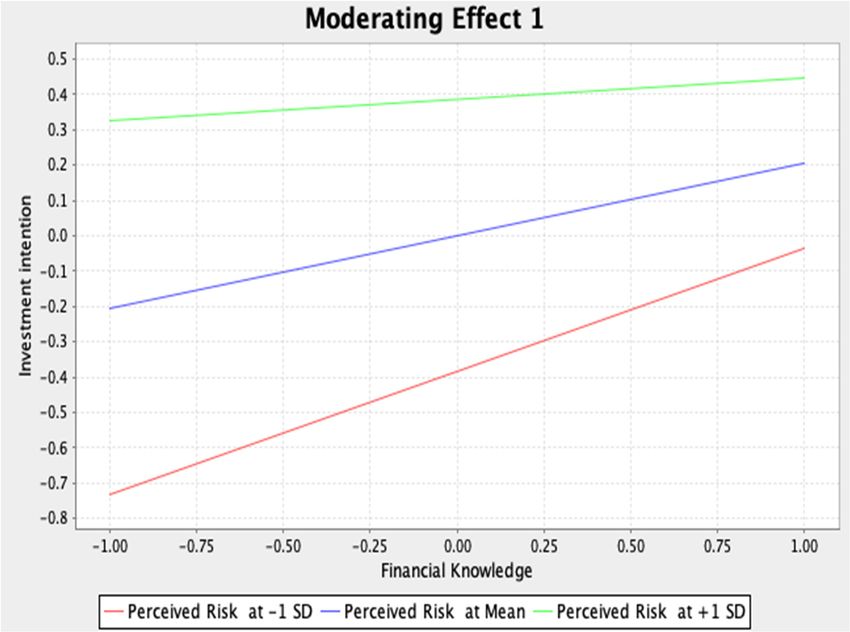
Finally, perceived risk has a moderately negative effect on the relationship between
financial knowledge and intention to invest in the Saudi Arabian Stock Market. Thus, the
lower the perceived risk, the stronger this relationship. This means that the third hypothesis
is also accepted. This downturn is a good sign because it reduces the investment that arises
from decisions that are not related to the perception of risks that these investments involve.
In turn, this leads to less bad investments in the Saudi Arabian Stock Market as well as an
increase in market efficiency. The results of the moderating variable analysis also indicate
that the effect of financial knowledge on intent to invest is greater if the perceived risk is
lower, and the effect is lower in the case of higher perceived risk.
5.2. Implications
Investors do not always act rationally. There are many factors that influence an
individual’s financial decisions and push him to exhibit cognitive and emotional behavior
such as biased and sentiments, which leads to deviation from rational behavior. Although
the Saudi Arabian Stock Market is important, some investors have refrained from investing
in it due to their fear of perceived risk or their lack of financial knowledge.
This study’s findings showed that the better the investor’s awareness of investment
risks, the greater their intention to invest in the Saudi Arabian Stock Market due to having
more confidence in companies surrounded by fewer perceived risks. This also improves an
individual’s investment decisions.
This study’s findings also indicate that more financial knowledge helps to increase
intention to invest. The more the investor is familiar with the financial concepts (such as
interest rate, consolidation, mortgage, etc.), the greater their intention to invest in the stock
market. This reduces biased and emotional decision-making and improves an individual’s
investment decisions.
However, the investor’s perception of risk has a negative effect on this relationship.
In such circumstances, the level of perceived risk may lead the investor to not rely on
their financial knowledge when deciding to invest in the Saudi Arabian Stock Market.
Regardless of their expectations toward the stock market, an investor may realize that it is
a good opportunity to invest in low-risk companies rather than high-risk companies.
6. Conclusions
The primary purpose of this study was to investigate the moderating role of perceived
risk in the relationship between financial knowledge and the intention to invest in the
Saudi Arabian Stock Market.
This study’s findings indicate that there was a positive relationship between both
financial knowledge and perceived risk and intention to invest in the Saudi Arabian Stock
Market. The findings also indicate that perceived risk had a negative moderating effect on
the relationship between financial knowledge and intention to invest in the Saudi Arabian
Stock Market.
Investors in the Saudi Arabian Stock Market should improve their knowledge of
various financial aspects such as interest rate, mortgage, inflation, etc. This helps them to
improve their financial decisions away from bias and emotion. Additionally, they should
well study the risks surrounding companies trading on the Saudi Arabian Stock Market
to reduce the losses that they are likely to suffer either future reductions in the prices of
their shares, or reductions in the profits that companies distribute to them or the default or
bankruptcy of these companies.
Decision-makers in companies whose shares are traded on the Saudi Arabian Stock
Market must work to reduce the perceived risks to which investors are exposed when
dealing in their shares. This may result from the possibility of lower share prices in the
future or the possibility of reductions in the profit distributed by these companies. These
companies may resort to diversifying their investments and try to reduce their investmentsInt. J. Financial Stud. 2021, 9, 9 14 of 16
in high-risk areas. In addition to transparency in dealing with investors, there is a need
to measure and predict risks in the long term and to also search for ways to reduce the
likelihood of their occurrence and the resulting losses.
Finally, the Capital Market Authority must be transparent on the rules of disclosure,
fairness, and speed in disseminating information among dealers on the Saudi Arabian
Stock Market. This is especially important in respect of the information that affects the
prices of the securities in circulation. Such action would increase investor confidence in the
Saudi Arabian Stock Market.
This study had some limitations. First, it was conducted in the Saudi Arabian environ-
ment and, consequently, the results may differ according to the appropriate environment.
Second, the researcher collected the data during the global COVID-19 pandemic and these
circumstances may have impacted on the participants’ responses. Third, this study was
based on the participants’ evaluation of themselves according to the research variables,
and this may suggest a kind of social bias. Consequently, the researcher recommends that
future studies are conducted on research variables in a different environment or within a
different period or by using various measures.
Author Contributions: Conceptualization, S.M.S.; methodology, S.M.S., A.M.A. and M.N.S.; soft-
ware, A.M.A.; validation, L.A.M. and L.Y.K.A.; formal analysis, A.M.A., S.M.S. and M.N.S.; in-
vestigation, M.Y.A. and S.M.S.; resources, M.N.S., M.Y.A. and S.M.S.; and data curation, M.Y.A.;
writing—original draft preparation, M.N.S. and S.M.S.; writing—review and editing, A.M.A., S.M.S.
and M.N.S.; visualization, L.A.M., L.Y.K.A. and M.Y.A.; supervision, M.N.S. and S.M.S.; project
administration, M.N.S. All authors have read and agreed to the published version of the manuscript.
Funding: This research received no external funding.
Conflicts of Interest: The authors declare no conflict of interest.
References
Agarwal, Sumit, and Bhashkar Mazumder. 2013. Cognitive abilities and household financial decision making. American Economic
Journal: Applied Economics 5: 193–207. [CrossRef]
Ainia, Nadya Septi Nur, and Lutfi Lutfi. 2019. The influence of risk perception, risk tolerance, overconfidence, and loss aversion
towards investment decision making. Journal of Economics, Business & Accountancy Ventura 21: 401–13. [CrossRef]
Ali, Azwadi. 2011. Predicting Individual Investors’ Intention to Invest: An Experimental Analysis of Attitude as a Mediator.
International Journal of Human and Social Sciences 6: 876–83.
Alqatawni, Tahsen. 2016. Relationship between Financial Knowledge and Business Performance for Truck Owner- Operators. UMI No.
10011280. Ph.D. dissertation, Walden University, Minneapolis, MN, USA.
Alshammari, Tariq S., Mohd T. Ismail, Sadam Al-wadi, Mohammad H. Saleh, and Jamil J. Jaber. 2020. Modeling and Forecasting Saudi
Stock Market Volatility Using Wavelet Methods. The Journal of Asian Finance, Economics and Business 7: 83–93. [CrossRef]
Anderson, James C., and David W. Gerbing. 1988. Structural Equation Modeling in Practice: A Review and Recommended Two-Step
Approach. Psychological Bulletin 103: 411–23. [CrossRef]
Andreev, Pavel, Tsipi Heart, Hanan Maoz, and Nava Pliskin. 2009. Validating Formative Partial Least Squares (PLS) Models:
Methodological Review and Empirical Illustration. ICIS 2009 Proceedings, 193. Available online: https://aisel.aisnet.org/icis2009/
193 (accessed on 24 August 2020).
Bagozzi, Richard P., and Youjae Yi. 1998. On the Evaluation of Structural Equation Models. Journal of the Academy of Marketing Sciences
16: 74–94. [CrossRef]
Baker, Malcolm, and Jeffrey Wurgler. 2006. Investor sentiment and the cross-section of stock returns. Journal of Finance 61: 1645–80.
[CrossRef]
Bollen, Kenneth, and Richard Lennox. 1991. Conventional Wisdom on Measurement: A Structural Equation Perspective. Psychological
Bulletin 110: 305–14. [CrossRef]
Chang, Chih Hsiang, and Shih Jia Lin. 2015. The effects of national culture and behavioral pitfalls on investors’ decision-making:
Herding behavior in international stock markets. International Review of Economics and Finance 37: 380–92. [CrossRef]
Chin, Wynne W. 1998. The partial least squares approach to structural equation modeling. In Modern Methods for Business Research.
Edited by G. A. Marcoulides. Mahwah: Lawrence Erlbaum, pp. 295–336.
Chin, Wynne W. 2010. How to Write Up and Report PLS Analyses. In Handbook of Partial Least Squares: Concepts, Methods and Applications.
Edited by V. E. Vinzi, W. W. Chin, J. Henseler and H. Wang. New York: Springer, pp. 655–90.
Cohen, Jacob. 2013. Statistical Power Analysis for the Behavioral Sciences. Cambridge: Academic Press.
De Bortoli, Daiane, Newton Da Costa, Marco Goulart, and Jéssica Campara. 2019. Personality traits and investor profile analysis: A
behavioral finance study. PLoS ONE 14: e0214062. [CrossRef]Int. J. Financial Stud. 2021, 9, 9 15 of 16
Diamantopoulos, Adamantios, and Heidi M. Winklhofer. 2001. Index construction with formative indicators: An alternative to scale
development. Journal of Marketing Research 38: 269–77. [CrossRef]
Falk, R. Frank, and Nancy B. Miller. 1992. A Primer for Soft Modeling. Akron: University of Akron Press. Available online: https:
//psycnet.apa.org/record/1992-98610-000 (accessed on 22 October 2020).
Fedorova, Elena Anatol’evna, Viktoriya Viktorovna Nekhaenko, and Sergei Eugen’evich Dovzhenko. 2015. Impact of financial literacy
of the population of the Russian Federation on behavior on financial market: Empirical evaluation. Studies on Russian Economic
Development 26: 394–402. [CrossRef]
Ferreira, Maria. 2018. Cross-country Differences in Risk Attitudes towards Financial Investment. Available online: https://voxeu.org/
article/cross-country-differences-risk-attitudes-towards-financial-investmen (accessed on 22 January 2020).
Fornell, Claes, and David F. Larcker. 1981. Evaluating Structural Equation Models with Unobservable Variables and Measurement
Error. Journal of Marketing Research 18: 39–50. [CrossRef]
Gizem Korkmaz, Aslihan, Zhichao Yin, Pengpeng Yue, and Haigang Zhou. n.d. Does Financial Knowledge Alleviate Risk Attitude and
Risk Behavior Inconsistency? In pengpengyue.com. Available online: https://www.pengpengyue.com/research/download/
DoesFinancialKnowledgeAlleviateRisk_preview.pdf (accessed on 22 October 2020).
Hair, Joseph F., Bill Black, Barry Babin, and Rolph Anderson. 2006. Multivariate Data Analysis, 6th ed. Upper Saddle River: Pearson
Prentice Hall.
Hamza, Nasrullah, and Imtiaz Arif. 2019. Impact of Financial Literacy on Investment Decisions: The Mediating Effect of Big-Five
Personality Traits Model. Market Forces College of Management Sciences 14: 43–60.
Henseler, Jörg, and Marko Sarstedt. 2013. Goodness-of-fit indices for partial least squares path modeling. Computational Statistics 28:
565–80. [CrossRef]
Hysmith, Ryan Thomas. 2017. Impact of Student-Managed Investment Fund Participation on Financial Knowledge, Financial
Satisfaction and Financial Behavior. Ph.D. thesis, Northcentral University. Available online: https://media.proquest.com/media/
pq/classic/doc/4323527259/fmt/ai/rep/NPDF?_s=GkJrktDvVoDJ01KITFK9%2FIcaPYM%3D (accessed on 2 January 2020).
Khan, Mohammad Nuruzzaman, David W. Rothwell, Katrina Cherney, and Tamara Sussman. 2017. Understanding the Financial
Knowledge Gap: A New Dimension of Inequality in Later Life. Journal of Gerontological Social Work 60: 487–503. [CrossRef]
[PubMed]
Konish, Lorie. 2019. Saudi Aramco IPO Is Latest Example of Why It’s Best to Wait to Invest in Newly Public Companies. CNBC.
Available online: https://www.cnbc.com/2019/12/12/why-its-best-to-wait-to-invest-in-saudi-aramco-and-other-ipos.html
(accessed on 12 December 2019).
Lee, Jae Min, Narang Park, and Wookjae Heo. 2019. Importance of subjective financial knowledge and perceived credit score in payday
loan use. International Journal of Financial Studies 7. [CrossRef]
Lim, Thien Sang, Rasid Mail, Mohd Rahimie Abd Karim, Zatul Karamah Ahmad Baharul Ulum, Junainah Jaidi, and Raman Noordin.
2018. A serial mediation model of financial knowledge on the intention to invest: The central role of risk perception and attitude.
Journal of Behavioral and Experimental Finance 20: 74–79. [CrossRef]
Lobao, Júlio, and Joana Maio. 2019. Herding around the World: Do Cultural Differences Influence Investors’ Behavior? Portugues
Journal of Finance, Managment, and Accounting 5: 48–68.
Lubis, Hasrita, M. Dileep Kumar, P. Ikbar, and Saqib Muneer. 2015. Role of psychological factors in individuals investment decisions.
International Journal of Economics and Financial Issues 5: 397–405.
MacKenzie, Scott B., Philip M. Podsakoff, and Cheryl Burke Jarvis. 2005. The problem of measurement model misspecification in
behavioral and organizational research and some recommended solutions. Journal of Applied Psychology 90: 710–30. [CrossRef]
Maziriri, Eugine T., Miston Mapuranga, and Nkosivile W. Madinga. 2019. Navigating selected perceived risk elements on investor
trust and intention to invest in online trading platforms. Journal of Economic and Financial Sciences 12: 1–14. [CrossRef]
Metzger, Bernhard A., and Robert R. Fehr. 2018. Measuring Financial Risk Attitude: How to Apply Both Regulatory and Scientific
Criteria to Ensure Suitability. Journal of Behavioral Finance 19: 221–34. [CrossRef]
Nguyen, Thi Anh Nhu, and Kieu Minh Nguyen. 2020. Role of financial literacy and peer effect in promotion of financial market
participation: Empirical evidence in Vietnam. Journal of Asian Finance, Economics and Business 7: 1–8. [CrossRef]
Petter, Stacie, Detmar Straub, and Arun Rai. 2007. Specifying formative constructs in information systems research. MIS Quarterly:
Management Information Systems 31: 623–56. [CrossRef]
Robb, Cliff A., and Deanna L. Sharpe. 2009. Effect of Personal Financial Knowledge on College Students’ Credit Card Behavior. Journal
of Financial Counseling and Planning 40: 25–43. [CrossRef]
Sadiq, Misbah, and Hareem Amna. 2019. Impact of Personality Traits on Risk Tolerance and Investors’ Decision Making. International
Journal of Applied Behavioral Economics 8: 1–20. [CrossRef]
Sivaramakrishnan, Sreeram, Mala Srivastava, and Anupam Rastogi. 2017. Attitudinal factors, financial literacy, and stock market
participation. International Journal of Bank Marketing 35: 818–41. [CrossRef]
Taber, Keith S. 2018. The Use of Cronbach’s Alpha When Developing and Reporting Research Instruments in Science Education.
Research in Science Education 48: 1273–96. [CrossRef]
Tenenhaus, Michel, Vincenzo Esposito Vinzi, Yves Marie Chatelin, and Carlo Lauro. 2005. PLS path modeling. Computational Statistics
and Data Analysis 48: 159–205. [CrossRef]You can also read


