The Influential Factors of Consumers' Sustainable Consumption: A Case on Electric Vehicles in China - MDPI
←
→
Page content transcription
If your browser does not render page correctly, please read the page content below

sustainability

Article
The Influential Factors of Consumers’ Sustainable
Consumption: A Case on Electric Vehicles in China
Chun Yang 1 , Jui-Che Tu 1, * and Qianling Jiang 2
 1    Graduate School of Design, National Yunlin University of Science & Technology, Yunlin 640, Taiwan;
      d10630022@gemail.yuntech.edu.tw
 2    School of Design, Jiangnan University, Wuxi 214000, China; jiangqianling@jiangnan.edu.cn
 *    Correspondence: tujc@yuntech.edu.tw; Tel.: +886-553-42-601 (ext. 6418)

 Received: 3 April 2020; Accepted: 22 April 2020; Published: 24 April 2020

 Abstract: As one of the internationally recognized solutions to environmental problems, electric
 vehicles feature zero direct emissions and can reduce dependence on petroleum. An increasing
 number of countries have attached importance to the electric vehicle and developed it, and it is
 predicted that it will become a main force in the transportation system. Hence, it is necessary to
 explore the factors that drive consumers to buy electric vehicles. This study analyzes the factors
 that influence the consumer’s intention to buy electric vehicles and tests the relationship between
 them, and intends to offer information for the formulation of policies designed to popularize electric
 vehicles in order to reduce carbon emissions from transportation. As a result, consumer attitudes are
 the most important factor influencing the intention to purchase electric vehicles. The greatest effect is
 found in this line: Brand Trust→Perceived Benefit→Attitude→Purchase Intention. This means that
 the brand can increase the consumer’s perceived benefit of electric vehicles, make consumers more
 attracted to electric vehicles, and influence their final purchase intention.

 Keywords: electric vehicles; consumer attitude; consumer purchase intention; structural
 equation model

1. Introduction

1.1. Background
       Environmental deterioration is an inevitable problem caused by human activity [1], and global
warming, the greenhouse effect, and acid rain are all nature’s warnings against mankind. Moreover,
the petroleum crisis and excessive carbon emissions are also regarded as the most urgent challenges
confronting the modern world [2], and the survival of human beings has come to a critical juncture.
Against such a backdrop, the member states of the United Nations put forth the 2030 Agenda for
Sustainable Development (see Figure 1) in 2015. This agenda serves as a blueprint of peace and
prosperity according to the present situation and the future development of mankind and the Earth [3].
It is specified in Goal 12 of the agenda: “Responsible consumption and production: ensure that the
international community will develop towards green growth and a recycling economy.”.
       As one of the internationally recognized solutions to environmental problems, electric vehicles
feature zero direct emissions and can reduce the dependence on petroleum [4,5]. An increasing number
of countries have attached importance to the electric vehicle and have developed it [6], and it is
predicted that it will become a main force in the transportation system [7]. Many countries have set
corresponding goals and formulated relevant policies [8], including China [9]. Driven by the policies,
China has evolved into the largest electric vehicle market in the world [6]. In order to be in tune with
the times, vehicle manufacturers across the world have begun to develop electric vehicles [10]. It is

Sustainability 2020, 12, 3496; doi:10.3390/su12083496                        www.mdpi.com/journal/sustainability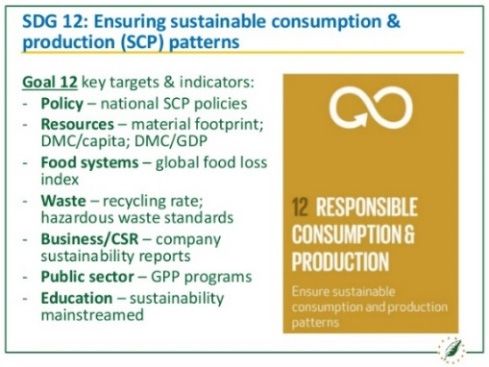
Sustainability 2020, 12, 3496 2 of 16
estimated that there will be over 145 million electric vehicles on the planet by 2035 [11]. According to a
test in New York, electric vehicles play a positive role in reducing air pollution in urban areas [12]; they
can improve
Sustainability the12,air
2020, quality
x FOR PEERby reducing 20% of carbon emissions [13] and decrease noise.
REVIEW 2 of 16
Figure
Figure 1.
1. The
The 2030
2030 Agenda
Agenda for
for Sustainable
Sustainable Development
Development by
by the
the United
United Nations
Nations [3].
[3].
Aside
As onefrom
of thethe endeavors ofrecognized
internationally governments and automobile
solutions manufacturers
to environmental problems,across thevehicles
electric world,
feature
consumers zeroare direct
also aemissions
key factorand thatcan
havereduce the dependence
contributed on petroleum
to the popularization [4,5]. An
of electric increasing
vehicles. The
number of countries
more consumers whohave attached
use electric importance
vehicles, the lessto petroleum
the electricconsumed
vehicle and andhave
the developed it [6], and
less CO2 emitted [14].
it
Atisthe
predicted that it will
critical juncture become
of the a main force
transformation from in the
theproduction
transportation system [7].
of traditional Many
cars to thecountries have
development
set
andcorresponding goals and
production of electric formulated
vehicles relevant policies
in the automobile industry,[8], consumers
including China
who buy [9].electric
Drivenvehicles
by the
policies,
will haveChina has evolved
an enormous impact intoonthe
thelargest
spreadingelectric vehiclevehicles
of electric marketand in the
theworld [6]. In order
development of thetowhole
be in
tune with hence,
industry; the times,
it is vehicle
necessary manufacturers
to explore theacross
factors thethat
world
drivehave begun totodevelop
consumers electric
buy electric vehicles
vehicles.
[10]. This
It is estimated
study analyzes that there will bethat
the factors over 145 million
influence consumerelectric vehicles to
intentions onbuythe electric
planet by 2035 [11].
vehicles and
According to a test inbetween
tests the relationship New York, them,electric vehicles
and intends to play
offerainformation
positive role forinthe
reducing air pollution
formulation of policiesin
urban
designedareas [12]; they can
to popularize improve
electric theinairorder
vehicles quality by reducing
to reduce carbon 20% of carbon
emissions from emissions [13] and
transportation.
decrease noise.
1.2. Electric Vehiclethe endeavors of governments and automobile manufacturers across the world,
Aside from
consumers are also
The electric a keyisfactor
vehicle that havetopic
a hot research contributed
at present, to the
andpopularization
an increasing number of electric vehicles.
of studies onThe
the
more consumers
electric vehicle marketwho usehaveelectric vehicles, the
been conducted less petroleum
at home and abroad. consumed
According and to the
Ewinglessand
COSarigöllü,
2 emitted
[14]. At the
the price, critical juncture
performance, usageofcost,the and
transformation
time cost arefrom the factors
the key production of traditional
that influence cars to the
the purchase of
development
electric vehicles and production
[15]. However,ofconsumers
electric vehicles
lack an in the automobile
adequate industry,
understanding consumers
of the who buy
overall impacts of
electric vehicleson
electric vehicles will
the have an enormous
environment and theimpact on the electric
cost to possess spreading of electric
vehicles [16,17].vehicles
This is oneandof the
the
development of the whole
reasons why electric vehiclesindustry;
have not hence,
been itwidely
is necessary to explore
used. Another the factors
factor that popularization
that affects drive consumers is
to
thebuy electric
battery lifevehicles.
of electric vehicles [18]; therefore, some consumers would choose a plugged hybrid
This study
automobile analyzes
instead [19]. the factors
If the that of
problem influence
battery consumer intentions
life is resolved, to buy electric
consumers will have vehicles and
a stronger
tests the relationship between them, and intends to offer information for the
intention to buy electric vehicles [20]. Liao et al. classified and summarized the influential factors of formulation of policies
designed
consumerto popularizesuch
preferences, electric vehicles in order
as socioeconomic to reduce
variables, carbon emissions
psychological factors,from transportation.
mobility condition, and
social influence [21].
1.2. Electric
There Vehicle
are many factors that influence the purchase of electric vehicles; in addition to the
aforementioned
The electricfactors,
vehiclebrand effect
is a hot is another
research topic reason. Moreover,
at present, and an the correlation
increasing between
number these factors
of studies on the
and thevehicle
electric degreemarket
to which
havethey influence
been conductedthe at
consumer’s purchase
home and abroad. intentiontoare
According also the
Ewing andfocuses of
Sarigöllü,
this study.
the price, performance, usage cost, and time cost are the key factors that influence the purchase of
electric vehicles [15]. However, consumers lack an adequate understanding of the overall impacts of
2. Theoretical Framework and Research Hypotheses
electric vehicles on the environment and the cost to possess electric vehicles [16,17]. This is one of the
reasons why Intention
2.1. Purchase electric vehicles have not been widely used. Another factor that affects popularization
and Attitude
is the battery life of electric vehicles [18]; therefore, some consumers would choose a plugged hybrid
Consumer
automobile purchase
instead [19]. Ifintentions
the problem and ofattitudes
battery have
life isbeen discussed
resolved, in many
consumers models,
will have aincluding
stronger
Theory of Reasoned Action (TRA) [22], Theory of Planned Behavior (TPB) [23,24],
intention to buy electric vehicles [20]. Liao et al. classified and summarized the influential and Technology
factors of
Acceptancepreferences,
consumer Model (TAM) such[25].
as In these models,variables,
socioeconomic attitude ispsychological
interpreted as factors,
a personal inner experience
mobility condition,
that influences the consumer’s
and social influence [21]. purchase intention, and purchase intention is the tendency of consumer
There are many factors that influence the purchase of electric vehicles; in addition to the
aforementioned factors, brand effect is another reason. Moreover, the correlation between these
factors and the degree to which they influence the consumer’s purchase intention are also the focuses
of this study.Sustainability 2020, 12, 3496 3 of 16
action [23]. In this study, consumer attitudes toward electric vehicles are believed to have an effect on
their purchase intention. Therefore, the following hypothesis is proposed:
Hypotheses 1 (H1): Attitude has a significantly positive correlation with the consumer’s intention to purchase
electric vehicles.
2.2. Perceived Benefit
The fundamental purpose of a trade is to achieve value [26]. For consumers, the perceived
value of a product or service is one of major factors that influence the consumer’s intention to
purchase [27]. Perceived benefit is the perceived possibility of the positive result of a purchase [28].
As a cognitive emotion, it has positive impacts on the consumer’s intention and behavior [29]. The
consumer’s perceived benefits of electric vehicles can be divided into financial and non-financial
benefits. Regarding financial benefit, the subsidy for the purchase of electric vehicles is high [30,31].
Meanwhile, the zero petroleum consumption of electric vehicles and the good after-sale services of
manufacturers are two of the reasons why consumers choose electric vehicles. In terms of non-financial
benefits, the zero petroleum consumption of electric vehicles indicates that electric vehicles are
environmentally friendly [32]. Moreover, electric vehicles feature zero noise, high technology, and
steady acceleration [33]. Perceived benefit is one of the main factors that influences the consumer’s
purchase of electric vehicles [34]; hence, this paper proposes the following hypotheses:
Hypotheses 2 (H2). Perceived benefit has a significantly positive correlation with the consumer’s intention to
purchase electric vehicles.
Hypotheses 3 (H3). Perceived benefit has a significantly positive correlation with the consumer’s attitude
towards electric vehicles.
2.3. Perceived Risk
Perceived risk was originally a research topic in the realm of psychology, and referred to the
consumer’s predicted negative effects regarding the purchase of a specific product [35]. It is usually in
a negative correlation with perceived benefit [36]. As electric vehicles have not been widely used, many
consumers are still biased against them [37] in terms of safety [38], reliability [39], and battery life [40].
These are the factors that affect the consumer’s selection of electric vehicles. The less consumers
know about the electric vehicle, the more biased they will be against it and the more negative effects
there will be. In addition, consumers would be influenced not only by the perceived benefit, but
also the perceived risk in their intention and behavior, and they would balance benefit against risk
before making the final decision and seeking the best solution [41]. Therefore, this paper proposes the
following hypotheses:
Hypotheses 4 (H4). Perceived risk has a remarkably negative correlation with the consumer’s attitude towards
electric vehicles.
Hypotheses 5 (H5). Perceived risk has a remarkably negative correlation with the consumer’s intention to
purchase electric vehicles.
Hypotheses 6 (H6). Perceived risk has a remarkably negative correlation with the consumer’s perceived benefit
of electric vehicles.
2.4. New Product Knowledge
New product knowledge has a great influence on the consumer’s purchase intention [42], and the
more that consumers know about a new product, the more they intend to purchase it [43]. AccordingSustainability 2020, 12, 3496 4 of 16
to Wang and Hazen, consumers with more knowledge of green products and value would be more
efficient in using the products [44]. Hence, it is important for consumers to have knowledge of electric
vehicles [45]. If consumers know more about electric vehicles, they will be more likely to purchase the
product [46]. In addition, new product knowledge is related to perceived benefit [47] and perceived
risk [48]. More knowledge can further offset perceived risk [49] and motivate consumers to believe
that electric vehicles
Sustainability would
2020, 12, x FORcreate more benefits for themselves and society [46]. Therefore,
PEER REVIEW 4 of 16 this paper
proposes the following hypotheses:
2.4. New Product Knowledge
Hypotheses 7New (H7). Newknowledge
product product has
knowledge has a significantly
a great influence positive
on the consumer’s correlation
purchase intentionwith
[42], the
and consumer’s
the more that consumers know
perceived benefit of electric vehicles. about a new product, the more they intend to purchase it [43].
According to Wang and Hazen, consumers with more knowledge of green products and value would
be more efficient in using the products [44]. Hence, it is important for consumers to have knowledge
Hypotheses 8 (H8).
of electric New[45].
vehicles product knowledge
If consumers know has
morea about
significantly negative
electric vehicles, correlation
they with
will be more theto consumer’s
likely
perceived risk of electric
purchase vehicles.
the product [46]. In addition, new product knowledge is related to perceived benefit [47]
and perceived risk [48]. More knowledge can further offset perceived risk [49] and motivate
2.5. Brandconsumers
Trust to believe that electric vehicles would create more benefits for themselves and society [46].
Therefore, this paper proposes the following hypotheses:
Trust is one of the factors that must be considered in the explanation of the consumer’s behavioral
Hypotheses 7 (H7). New product knowledge has a significantly positive correlation with the
intention, as consumer’s
it plays anperceived
essential roleofifelectric
benefit therevehicles.
is uncertainty and risk [50]. Brand trust refers to the
relationship
between
Hypothesesthe consumer’s
8 (H8). New product perceived
knowledge quality of a product
has a significantly or service
negative correlationand
withthe
thebrand and
consumer’s perceived risk of electric vehicles.
reputation of manufacturers [51]. If consumers have a higher perceived quality of a desired brand
product, they will show more trust in the brand and less perceived uncertainty and risk. Most existing
2.5. Brand Trust
studies on brand trust are about food [50,52], business [53,54], and network media [55–57]. As the
Trust is one of the factors that must be considered in the explanation of the consumer’s
electric vehicle is an emerging industry, most electric vehicle manufacturers and models are not popular,
behavioral intention, as it plays an essential role if there is uncertainty and risk [50]. Brand trust refers
with the exception of Tesla.
to the relationship However,
between this study
the consumer’s believes
perceived quality that brand or
of a product trust would
service and thehave
brandan effect on
consumers andand
reputation of manufacturers
eliminate [51]. If consumers
their perceived have aand
uncertainty higher perceived
risk qualitytrust
[50]; thus, of a desired
would brand
influence the
product, they will show more trust in the brand and less perceived uncertainty and risk. Most existing
consumer’s benefit. Hence, this paper proposes the following hypotheses:
studies on brand trust are about food [50,52], business [53,54], and network media [55–57]. As the
electric vehicle is an emerging industry, most electric vehicle manufacturers and models are not
Hypotheses withBrand
9 (H9).
popular, trust has
the exception a noticeably
of Tesla. However,positive correlation
this study withbrand
believes that the consumer’s
trust would perceived
have an benefit of
electric vehicles.
effect on consumers and eliminate their perceived uncertainty and risk [50]; thus, trust would
influence the consumer’s benefit. Hence, this paper proposes the following hypotheses:
Hypotheses 10 (H10). Brand
Hypotheses 9 (H9).trust
Brandhastrust
a noticeably positivepositive
has a noticeably correlation with the
correlation consumer’s
with perceived risk of
the consumer’s
perceived benefit of electric vehicles.
electric vehicles.
Hypotheses 10 (H10). Brand trust has a noticeably positive correlation with the consumer’s
perceived risk
2.6. Proposed Theoretical of electric vehicles.
Model
2.6. Proposed
According Theoretical
to the Model
aforementioned, this study proposes the following model (see Figure 2), which is
comprised of According
six dimensions—“Purchase Intention,”
to the aforementioned, this “Attitude,”
study proposes “Perceived
the following Benefit,”
model (see Figure 2),“Perceived
which Risk,”
is comprised of six dimensions—“Purchase Intention,” “Attitude,”
“New Product Knowledge,” and “Brand Trust”—and ten relevant research hypotheses.“Perceived Benefit,” “Perceived
Risk,” “New Product Knowledge,” and “Brand Trust”—and ten relevant research hypotheses.
Figure 2.2.Proposed
Figure model
Proposed model of this
of this study.
study.
2.7. Definition and Measure of Variables
This study designed the items of the questionnaire according to the research theme and relevant
literature. The definitions of variable operability and reference scales are shown in Table 1.Sustainability 2020, 12, 3496 5 of 16
Table 1. Definitions of variable operability and reference scales.
Research Variable Operability Definition Reference Scale
Purchase intention It refers to the possibility that consumers will Wang et al. [46]; Han et al. [58]
purchase electric vehicles.
Attitude It indicates the consumer’s actual attitude towards, Wang et al. [46]
and the evaluation of, electric vehicles.
Perceived benefit It is the consumer’s perceived possibility of the Kim et al. [59]; Kim et al. [60]
positive results of purchase.
Perceived risk It represents the consumer’s predicted risk of Wang et al. [46]
purchasing electric vehicles.
New product
It implies the degree to which consumers know Wang et al. [46]; Han et al. [58]
knowledge
about electric vehicles.
Brand trust It signifies the degree to which consumers trust the Lassoued & Hobbs [52]
chosen brand in the purchase of electric vehicles.
3. Data and Methodology
3.1. Analysis of Pre-Test Questionnaires
A 7-point Likert scale was adopted for the pre-test questionnaire of this study. The pre-test
questionnaire was conducted from 15 January to 3 February 2020, during which, 60 questionnaire
copies were distributed and 49 questionnaires were retrieved. For more accurate research results, the
reliability and items of the pre-test questionnaire were analyzed to remove irregular items and enhance
the reliability and discrimination of items.
As shown in Table 2, with the exception of “Brand Trust,” the Cronbach’s α values of all dimensions
were higher than 0.6, which indicated that all the dimensions were highly reliable. As the Cronbach’s α of
“Brand Trust” was higher than 0.6, after Item BT2 was removed, the item was deleted. Meanwhile, the
Cronbach’s α of “New Product Knowledge” would have risen without Item NPK5; thus, this item was
also removed. The official questionnaire copies were distributed after the removal of the above two items.
Table 2. Analysis of the reliability and items of the dimensions of the pre-test questionnaire.
Cronbach’s α after Correlation Coefficient p-Value in t-Test on
Dimension Item
the Removal with the Total Scale Score Independent Sample
PB1 0.810 0.629 0.000
Perceived Benefit
PB2 0.832 0.541 0.000
(PB)
PB3 0.821 0.587 0.000
Cronbach’s α =
PB4 0.786 0.716 0.000
0.839
PB5 0.776 0.745 0.000
Perceived Risk PR1 0.696 0.447 0.000
(PR) PR2 0.593 0.617 0.000
Cronbach’s α = PR3 0.679 0.477 0.000
0.722 PR4 0.665 0.505 0.000
Attitude AT1 0.854 0.795 0.000
(ATT) AT2 0.832 0.868 0.000
Cronbach’s α = AT3 0.840 0.860 0.000
0.892 AT4 0.881 0.683 0.000
Brand Trust BT1 0.353 0.517 0.000
(BT) BT2 0.604 0.242 0.000
Cronbach’s α = BT3 0.242 0.327 0.000
0.565 BT4 0.354 0.354 0.000
Purchase Intention PI1 0.936 0.815 0.000
(PI) PI2 0.908 0.902 0.000
Cronbach’s α = PI3 0.915 0.882 0.000
0.941 PI4 0.929 0.837 0.000
New Product NPK1 0.825 0.806 0.000
Knowledge NPK2 0.830 0.792 0.000
(NPK) NPK3 0.809 0.862 0.000
Cronbach’s α = NPK4 0.852 0.713 0.000
0.876 NPK5 0.921 0.436 0.000Sustainability 2020, 12, 3496 6 of 16
3.2. Sample and Data Collection
The official questionnaire of this study was carried out on the Internet to collect data, and the
subjects were from China. There were 24 items as the estimation parameters of the questionnaire, and
496 samples were collected. According to the study by Jackson [61], the ratio of estimation parameters
to samples should be 1:20; thus, the collection of the questionnaire copies was stopped. After invalid
samples were removed, the number of the remaining samples was 417, and was still higher than the
minimum quantity of samples (1:10) [61]; hence, the remaining samples were used for data analysis in
the later stage. The valid copies accounted for 84.1%. The data about the samples of the valid copies
were statistically analyzed to obtain the information about the gender and age of the samples. The
distribution of the demographic variables is shown in Table 3.
Table 3. Basic data of the respondents.
Sample Category Number Percentage
Male 222 53.2%
Gender
Female 195 46.8%
Under 30 99 23.7%
31–40 171 41.0%
Age
41–50 104 24.9%
Above 51 43 10.3%
Single 90 21.6%
Marital status
Married 327 78.4%
Under 4000 56 13.4%
4001–6000 112 26.9%
Income (RMB) 6001–12,000 164 39.3%
12,001–18,000 50 12.0%
Above 18,001 35 8.4%
Middle school and below 15 3.6%
High school or technical secondary school 44 10.6%
Education
Undergraduate or junior college 252 60.4%
Graduate and above 106 25.4%
Manufacturing 15 3.6%
Medical care 21 5.0%
Finance 27 6.5%
Occupation
Design 61 14.6%
Services 65 15.6%
Others 228 54.7%
Data source: Compiled by this study.
3.3. Measurement Model
3.3.1. Convergent Validity
This study used AMOS v22.0 software for structural equation model analysis. Because a large
number of studies have used AMOS for analysis, AMOS is proven to be a reliable structural equation
modeling software. According to the research of Anderson and Gerbing, data analysis can be divided
into two stages [62]. The first stage was the Measurement Model, where the Maximum Likelihood
Estimation method was adopted, and the estimation parameters included factor loading, reliability,
convergent validity, and discriminant validity. According to the studies by Hair et al. [63], Nunnally
and Bernstein [64], and Fornell and Larcker [65]—and those by Chin [66] and Hooper et al. [67] to probe
into standardized factor loading—to explore convergent validity, the standardized factor loadings of
this study ranged from 0.441 to 0.917, as shown in Table 4, which were within the acceptable scope.Sustainability 2020, 12, 3496 7 of 16
This meant that most of the items were reliable. The composite reliabilities of the dimensions were
between 0.672 and 0.917, and most were above 0.7, which met the criterion suggested by scholars
and showed that most of the dimensions were internally consistent. The average variance extractions
ranged from 0.407 to 0.736, and most were higher than 0.5 [63], which indicated that most of the
dimensions had a high level of convergent validity.
Table 4. Results for the Measurement Model.
Construct Convergence
Significance of Estimated Parameters Item Reliability
Construct Item Reliability Validity
Unstd. S.E. Unstd./S.E. p-Value Std. SMC Unstd. S.E.
PB1 1.000 0.456 0.208 0.776 0.425
PB2 1.058 0.158 6.704 0.000 0.441 0.194
PB PB3 1.733 0.212 8.174 0.000 0.650 0.423
PB4 2.246 0.264 8.516 0.000 0.796 0.634
PB5 2.098 0.249 8.437 0.000 0.816 0.666
PR1 1.000 0.604 0.365 0.752 0.439
PR2 1.361 0.128 10.656 0.000 0.820 0.672
PR
PR3 1.045 0.105 9.931 0.000 0.682 0.465
PR4 0.853 0.104 8.183 0.000 0.503 0.253
AT1 1.000 0.909 0.826 0.890 0.672
AT2 1.048 0.036 28.805 0.000 0.910 0.828
ATT
AT3 0.843 0.041 20.491 0.000 0.771 0.594
AT4 0.783 0.050 15.801 0.000 0.663 0.440
BT1 1.000 0.688 0.473 0.672 0.407
BT BT2 0.790 0.079 10.047 0.000 0.634 0.402
BT3 0.804 0.092 8.722 0.000 0.587 0.345
PI1 1.000 0.842 0.709 0.896 0.682
PI2 0.948 0.047 20.271 0.000 0.828 0.686
PI
PI3 0.955 0.050 19.191 0.000 0.805 0.648
PI4 1.043 0.052 19.987 0.000 0.829 0.687
NPK1 1.000 0.884 0.781 0.917 0.736
NPK2 1.033 0.037 27.917 0.000 0.915 0.837
NPK
NPK3 0.991 0.036 27.547 0.000 0.917 0.841
NPK4 0.731 0.044 16.795 0.000 0.696 0.484
Unstd.: Unstandardized factor loadings; Std: Standardized factor loadings; SMC: Square Multiple Correlations; CR:
Composite Reliability; AVE: Average Variance Extracted.
3.3.2. Discriminant Validity
The results of Fornell and Larcker [65] were used to test the discriminant validity of this study. If
the Average Variance Extracted (AVE) square root of each dimension was higher than the correlation
coefficient between dimensions, it would mean that the model had discriminant validity.
As shown in Table 5, the AVE square root of each dimension in the diagonal line was higher than
the correlation coefficient beyond the diagonal line; hence, each dimension of this study had a high
level of discriminant validity.
Table 5. Discriminant validity for the Measurement Model.
AVE PB PR ATT BT PI NPK
PB 0.425 0.652
PR 0.439 −0.164 0.663
ATT 0.672 0.649 −0.261 0.82
BT 0.407 0.604 −0.182 0.405 0.638
PI 0.682 0.623 −0.172 0.772 0.382 0.826
NPK 0.736 0.402 −0.051 0.259 0.374 0.250 0.858
Note: The items on the diagonal in bold represent the square roots of the AVE; off-diagonal elements are the
correlation estimates.Sustainability 2020, 12, 3496 8 of 16
3.4. Structural Model Analysis
The nine goodness-of-fit indices, as obtained in the study by Jackson et al. [68], are the most widely
used in SSCI journals, and were adopted to report the research results of this study. Kline [69] and
Schumacker et al. [70] suggested that the goodness of fit of the model should be evaluated with diverse
goodness-of-fit indices, rather than with the p value alone. In theory, a lower “χ2 ” is better; however,
as “χ2 ” is sensitive to the quantity of samples, “χ2 /df” was utilized to facilitate the evaluation, and its
ideal value should be lower than 3. In addition, Hu and Bentler [71] argued that each index should be
separately evaluated, and that more rigorous model fit indices should be adopted to control the error
of the dominant “I,” such as the “Standardized RMR < 0.08” and “CFI > 0.90” or “RMSEA < 0.08”.
Finally, the Satorra–Bentler scaled chi-square test [72,73] was used to modify the chi-square different
statistics and the model fit. The structural model fit of this study was as follows (see Table 6):
Table 6. Model fit processed by Satorra-Bentler scaled chi-square.
Model Fit Criteria Model fit of Research Model
MLχ2 The smaller the better 574.625
DF The larger the better 241.000
Normed Chi-sqr (χ2 /DF) 1 < χ2 /DF < 3 2.384
RMSEA 0.9 0.919
GFI >0.9 0.9
AGFI >0.9 0.886
Path Analysis
As shown in Table 7, “Brand Trust (BT)” (b = 0.345, p < 0.001) and “New Production Knowledge
(NPK)” (b = 0.103, p < 0.001) had significant impacts on “PB”; “Brand Trust (BT)” (b = −0.182, p = 0.015)
had a marked effect on “Perceived Risk (PR)”; “Perceived Benefit” (PB) (b = 1.163, p < 0.001) and
“Perceived Risk (PR)” (b = −0.205, p = 0.002) had a noticeable influence on “Attitude (ATT)”; “Perceived
Benefit (PB)” (b = 0.385, p < 0.001) and “Attitude (ATT)” (b = 0.630, p < 0.001) exerted a remarkable
effect on “Purchase Intention (PI).”
Table 7. Regression coefficient.
DV IV Unstd S.E. Unstd./S.E. p-Value Std. R2
PR −0.041 0.040 −1.040 0.298 −0.060 0.404
PB BT 0.345 0.063 5.481 0.000 0.516
NPK 0.103 0.029 3.516 0.000 0.206
BT −0.182 0.075 −2.432 0.015 −0.189 0.033
PR
NPK 0.014 0.046 0.305 0.760 0.019
PB 1.163 0.139 8.381 0.000 0.623 0.446
ATT
PR −0.205 0.065 −3.151 0.002 −0.158
PB 0.385 0.110 3.499 0.000 0.211 0.623
PI PR 0.038 0.054 0.701 0.483 0.030
ATT 0.630 0.061 10.308 0.000 0.643
The power of “Perceived Risk (PR),” “Brand Trust (BT),” and “New Production Knowledge (NPK)”
to explain “Perceived Benefit (PB)” was 40.4%; the power of “Brand Trust (BT)” and “New Production
Knowledge (NPK)” to explain “Perceived Risk (PR)” was 3.3%; the power of “Perceived Benefit (PB)”
and “Perceived Risk (PR)” to explain “Attitude (ATT)” was 44.6%; the power of “Perceived BenefitNPK 0.103 0.029 3.516 0.000 0.206
BT −0.182 0.075 −2.432 0.015 −0.189 0.033
PR
NPK 0.014 0.046 0.305 0.760 0.019
PB 1.163 0.139 8.381 0.000 0.623 0.446
ATT
Sustainability 2020, 12, 3496 PR −0.205 0.065 −3.151 0.002 −0.158 9 of 16
PB 0.385 0.110 3.499 0.000 0.211 0.623
PI PR 0.038 0.054 0.701 0.483 0.030
(PB),” “Perceived Risk (PR),” and “Attitude (ATT)” to explain “Purchase Intention (PI)” was 62.3%. It
ATT
is obvious that the research 0.630
results 0.061
support 10.308
the model 0.000 questions
and research 0.643 of this study.
3.5.
3.5. Hypothesis
Hypothesis Explanation
Explanation
Table
Table7 7shows
shows thethe
normalization
normalizationcoefficient of theofSEM
coefficient themodel
SEM in this study.
model The
in this higherThe
study. coefficient
higher
implies that the independent variable plays a more important role in the dependent variable.
coefficient implies that the independent variable plays a more important role in the dependent With the
exception of H5,
variable. With theH6, and H8, of
exception theH5,
remaining
H6, andhypotheses of this model
H8, the remaining are valid.
hypotheses Figure
of this 3 shows
model the
are valid.
influence between variables in the structural model.
Figure 3 shows the influence between variables in the structural model.
Figure 3.
Figure 3. Research structure
structure pattern
pattern diagram.
diagram.
3.6. Results and Discussion
This study utilized the structural equation model to determine the factors that influence the
consumer’s intention to purchase electric vehicles, draw conclusions, and give some suggestions, with
the intention of offering information for the formulation of policies designed to popularize electric
vehicles in order to reduce the carbon emissions of transportation. The results of the empirical analysis
have revealed some important findings, which are discussed as follows.
H1 is valid, which means that attitude has a remarkably positive correlation with the consumer’s
intention to purchase electric vehicles. Moreover, the path coefficient is the highest, which shows that
the consumers who have a more positive attitude towards the use and purchase of electric vehicles
are more willing to buy the products [33,74]. The direct effect of attitude on intention is manifested
in TRA [22], TPB [23,24], and TAM [26]. In addition, the consumer’s awareness of environmental
protection has gradually enhanced in recent years [75,76], which indicates that attitude is a supportive
index for predicting the consumer’s purchase intention.
H2 is valid, which implies that perceived benefit has a noticeable correlation with the consumer’s
intention to purchase electric vehicles. The fact that H3 is also valid means that perceived benefit has
an obviously positive correlation with the consumer’s attitude toward electric vehicles. Moreover, the
path coefficient is relatively high, indicating that the consumer’s perceived benefit would influence
their attitude towards electric vehicles and their purchase intention. Instead of exerting direct
influence on purchase intention, the consumer’s perceived benefit affects purchase intention through
attitude [77]. Consumers perceive that electric vehicles overtake traditional automobiles with a
combustion engine for zero petroleum consumption, little pollution, and smooth movement [78],
and that electric vehicles enjoy supporting policies, such as “better access to get a license plate”
and “a higher purchase subsidy” [79]. Therefore, they have developed a positive attitude towards
electric vehicles. Finally, other factors, such as environmental protection and petroleum price, would
also influence the consumer’s purchase intention. Thus, perceived benefit is a supportive index for
predicting the consumer’s purchase intention [80].Sustainability 2020, 12, 3496 10 of 16
H4 is valid, which implies that perceived risk has a significantly negative correlation with the
consumer’s attitude towards electric vehicles. Neither H5 nor H6 are valid, which indicates that there
is no noticeable correlation between perceived risk and the consumer’s intention to purchase electric
vehicles or their perceived benefit of electric vehicles. This also means that consumers will develop a
more negative attitude towards electric vehicles if their perceived risk of electric vehicles is higher.
However, the fact that there was no remarkable correlation between perceived risk and perceived
benefit is inconsistent with the findings of previous studies [81]. The possible reason for this is that the
consumer’s perceived risk of electric vehicles is focused on the weaknesses of existing electric vehicles,
such as low safety, a short battery life, and the long time required for charging [82], and is not directly
connected with the consumer’s perceived benefit of the strengths of the products, including zero
petroleum consumption, little pollution, and smooth movement [78]. According to the results of this
study, perceived risk does not have an immediate effect on the consumer’s purchase intention; instead,
it influences purchase intention through attitude. This indicates that these weaknesses (low safety,
a short battery life, and a long time for charging) will be constantly reduced with the development
of the electric vehicle industry and technological advancements; however, the electric vehicles still
fail to meet the expectations of consumers. Worse still, the concern about the weaknesses will result
in a more negative attitude from consumers, and then affect their purchase intention. Moreover, the
dimension correlation also shows that the effect of perceived risk on attitude is far greater than that of
perceived benefit on attitude, which means that consumers believe that the strengths of electric vehicles,
including zero petroleum consumption (low cost) [83], little pollution (environmentally friendly), and
smooth movement (user experience) [30] can offset the risk caused by the weaknesses. The reasons for
this are as follows: firstly, most consumers drive electric vehicles in urban areas, which reduces the
cost of petroleum consumption caused by traffic jams; secondly, there are many charging points in
urban areas and these charging points are near to each other, which reduces the concern caused by
the weaknesses.
H7 is valid, which means that there is a markedly positive correlation between new product
knowledge and the consumer’s perceived benefit of electric vehicles. H8 is invalid, which implies that
there is no noticeable correlation between new product knowledge and the consumer’s perceived risk
of electric vehicles, and that the consumers who have more new product knowledge of electric vehicles
would perceive more benefits. The new product knowledge of electric vehicles, as defined in this
study, includes various strengths, such as comfort, a high accelerated speed, low pollution, and little
noise [83], as well as other features, such as time of charging and application scope. The greater the new
product knowledge of consumers, the more they know about the features (strengths and weaknesses)
of electric vehicles. Meanwhile, consumers with more new product knowledge would be clearer about
the strengths of electric vehicles compared with traditional automobiles with a combustion engine,
and, thus, have more perceived benefit, which will influence their attitude towards electric vehicles
and purchase intention. There is no marked correlation between new product knowledge and the
consumer’s perceived risk of electric vehicles, which indicates that the consumer’s knowledge of
electric vehicles may not reduce their concern. Regarding the previous paragraph, the perceived risk
of electric vehicles comes from the weaknesses of electric vehicles (low safety, a short battery life, and
a long time for charging). As electric vehicles are still in the stages of development at present, it is
impossible to reduce the perceived risks of consumers with more new product knowledge before a
better solution to the weaknesses of electric vehicles is found in the overall industry [84].
H9 is valid, which means that brand trust has a significantly positive correlation with the
consumer’s perceived benefit of electric vehicles, and the path coefficient is relatively high. H10 is valid,
which implies that there is a noticeably negative correlation between brand trust and the consumer’s
perceived risk of electric vehicles; it also shows that the consumer’s brand trust in electric vehicles
influences their perceived benefits and risks, and this greater brand trust leads to more perceived
benefits and less perceived risks. With the gradual development of the electric vehicle industry, some
new brands have been formed, such as Tesla and NIO. Famous brands would reduce the consumer’sSustainability 2020, 12, 3496 11 of 16
perceived risk and increase their perceived benefit; consumers tend to trust the quality and service of
well-known brands [85] and feel less concern. Moreover, brand trust has a greater effect on perceived
benefit than new product knowledge, which indicates that consumers tend to trust the reliability
created by brands rather than evaluating the benefit of electric vehicles with their own knowledge.
This also implies that consumers tend to believe that the products of their favorite brands will give
them a better experience than those equipped with the same functions and performance.
This study established 10 hypotheses overall, of which, seven are supported (H1–H4, H7, H9,
and H10), which means the research model is acceptable in explaining the factors that influence the
consumer’s purchase decisions on electric vehicles. From this, it is known that consumers will consider
a variety of factors when choosing whether to buy an electric vehicle, and the most influential factor
is their attitude towards electric vehicles. In addition, their attitudes are affected by other factors,
including perceived benefit, perceived risk, new product knowledge, and brand trust. These factors
have different degrees of influence on consumer attitudes and electric vehicle purchase decisions.
Perceived benefit and perceived risk, as factors that directly impact attitudes, greatly influence the
consumer’s final decisions. The consumer’s perception on the strengths of the products, including
zero petroleum consumption, little pollution, and smooth movement, in perceived benefit, and safety
considerations, endurance ability considerations, or long charging time in perceived risk all reflect
their cost considerations for electric vehicles [86]. These cost considerations include the cost of value,
the cost of use, the cost of time, and the cost of risk of electric vehicles. In this study, among the
perceived factors, new product knowledge and brand trust was selected for discussion to mine the
influencing factors that consumers can perceive more intuitively from various cost considerations.
From the research results, consumers have a certain degree of perception of new product knowledge
and brand trust, which act on perceived benefit and perceived risk, which, in turn, affect attitude
and purchase intention. This means that it is indispensable to enhance the product power of electric
vehicles and carry out corresponding brand marketing and promotion to increase the consumer’s
brand trust in order to influence their attitudes and purchase decisions.
4. Conclusions and Suggestions
4.1. Conclusions
The greatest contribution of this study is that it has established a theoretical model regarding
the factors that influence the consumer’s intention to purchase electric vehicles through various
dimensions, such as new product knowledge, brand trust, perceived risk, and perceived benefit. In
addition, the relevant effect analysis of this study shows that all of the above dimensions exert direct
or indirect effects on the consumer’s intention to purchase electric vehicles. This study has aimed to
explore the meaning of the consumer’s perceived benefit and perceived risk with electric vehicles
and selectively discuss the more intuitive possibilities, thus, setting up the foundation for subsequent
in-depth research. Meanwhile, the conclusions of this study can be taken as reference information for
governments, consumers, and those working in the field of electric vehicles to promote purchase and
reduce the carbon emission of transportation [87].
According to the analysis results, consumer attitudes are the most important factor in influencing
their intention to purchase electric vehicles, and the factors that influence attitudes include perceived
benefit (direct and positive), perceived risk (direct and negative), new product knowledge (indirect and
positive), and brand trust (indirect and positive). The greatest effect is found in this line: Brand
Trust→Perceived Benefit→Attitude→Purchase Intention. This means that the brand can increase the
consumer’s perceived benefit of electric vehicles, make consumers more attracted to electric vehicles,
and influence their final purchase intention. Meanwhile, the consumer’s trust in the brand can also
reduce their perceived potential risk of purchasing electric vehicles and contribute to their more
positive attitude towards the products. The concern about the use of electric vehicles and their higher
requirements are the main obstacles that affect the consumer’s attitude towards electric vehicles andSustainability 2020, 12, 3496 12 of 16
their purchase intention [84]. In addition, the consumer’s knowledge of electric vehicles would create
an indirect positive effect on their attitude and purchase intention; the more they know about electric
vehicles, the clearer their understanding is of whether they need the product.
For most potential consumers of electric vehicles, the weaknesses of electric vehicles, low
popularization, and inadequate demand are the reasons why they have not purchased electric vehicles.
Therefore, this study offers the following suggestions:
1. On government policies: (1) at least maintain the existing policies on purchase subsidy for
electric vehicles in the near future and arouse the consumer’s initiative to purchase electric
vehicles; (2) popularize the knowledge of electric vehicles through market-oriented publicity and
incentives; (3) encourage the manufacturers and enterprises of electric vehicles to generate better
products, including batteries and engines; (4) cooperate with relevant enterprises to establish
more charging points for electric vehicles.
2. On electric vehicle manufacturers: (1) make greater effort to develop electric vehicles and increase
functions according to government policies; (2) improve the purchase experience and after-sale
services, such as encouraging consumers to take a trial drive and adopting a new marketing
model that features the combination of online reservation and offline purchase; (3) organize more
driver social activities on a more regular basis, such as holding electric vehicle track days and
forming an electric vehicle culture in order to further the development of the electric vehicle
industry and market.
4.2. Future Research Directions
The limitations of this study may indicate some future research directions.
1. This study probed into the factors influencing the consumer’s intention to purchase electric
vehicles from the perspective of consumers; however, the effects of continuously improving
government policies for consumers were not considered. Hence, future researchers can focus on
this issue.
2. This study did not analyze the samples according to their social or financial conditions; therefore,
emphasis can be placed on the differences in attitudes towards electric vehicles and the purchase
intentions among consumers from different regions, with different earnings, and of different ages
in future studies.
3. The correlation between some dimensions in the model of this study is not marked, which is
probably because some latent variables or sub-dimensions were not explored. For that reason,
future researchers can add new dimensions, including sub-dimensions and mediating variables,
to improve the model by strengthening its explanatory power.
4. This research has focused on the constructed model, without any in-depth or specific discussion
on cost, price difference, performance difference, etc. In the future, a deeper discussion can be
carried out on the basis of this research model.
Author Contributions: Conceptualization, C.Y. and Q.J.; Data curation, C.Y. and Q.J.; Formal analysis, C.Y.;
Supervision, J.-C.T.; Writing—original draft, C.Y.; Writing—review and editing, C.Y., J.-C.T. and Q.J. All authors
have read and agreed to the published version of the manuscript.
Funding: This research received no external funding.
Conflicts of Interest: The authors declare no conflict of interest.
References
1. Enzler, H.B.; Diekmann, A. All talk and no action? An analysis of environmental concern, income and
greenhouse gas emissions in switzerland. Energy Res. Soc. Sci. 2019, 51, 12–19. [CrossRef]
2. Sang, Y.-N.; Bekhet, H.A. Modelling electric vehicle usage intentions: An empirical study in malaysia.
J. Clean. Prod. 2015, 92, 75–83. [CrossRef]Sustainability 2020, 12, 3496 13 of 16
3. Nations, U. Transforming Our World: The 2030 Agenda for Sustainable Development; General Assembly: Vienna,
Austria, 2015.
4. ElTayeb, T.K. The examination on the drivers for green purchasing adoption among ems 14001 certified
companies in malaysia. J. Manuf. Technol. Manag. 2010, 21, 206–225. [CrossRef]
5. Buekers, J.; Van Holderbeke, M.; Bierkens, J.; Panis, L. Health and environmental benefits related to electric
vehicle introduction in eu countries. Transp. Res. Part D Transp. Environ. 2014, 33, 26–38. [CrossRef]
6. Cazzola, P.; Gorner, M.; Schuitmaker, R.; Maroney, E. Global ev Outlook 2016; International Energy Agency:
Paris, France, 2016.
7. Burns, L.D. Sustainable mobility: A vision of our transport future. Nature 2013, 497, 181. [CrossRef] [PubMed]
8. Bakker, S.; Trip, J.J. Policy options to support the adoption of electric vehicles in the urban environment.
Transp. Res. Part D:Transp. Environ. Sci. Technol. 2013, 25, 18–23. [CrossRef]
9. Han, S.; Zhang, B.; Sun, X.; Han, S.; Höök, M. China’s energy transition in the power and transport sectors
from a substitution perspective. Energies 2017, 10, 600. [CrossRef]
10. Ustun, T.S.; Zayegh, A.; Ozansoy, C. Electric vehicle potential in australia: Its impact on smartgrids. IEEE Ind.
Electron. Mag. 2013, 7, 15–25. [CrossRef]
11. Weiss, M.; Patel, M.K.; Junginger, M.; Perujo, A.; Bonnel, P.; van Grootveld, G. On the electrification of road
transport-learning rates and price forecasts for hybrid-electric and battery-electric vehicles. Energy Policy
2012, 48, 374–393. [CrossRef]
12. Gao, H.O.; Kitirattragarn, V. Taxi owners’ buying preferences of hybrid-electric vehicles and their implications
for emissions in new york city. Transp. Res. Part A Policy Pract. 2008, 42, 1064–1073. [CrossRef]
13. Huo, H.; Zhang, Q.; Liu, F.; He, K. Climate and environmental effects of electric vehicles versus compressed
natural gas vehicles in china: A life-cycle analysis at provincial level. Environ. Sci. Technol. 2013, 47,
1711–1718. [CrossRef] [PubMed]
14. Peters, A.; Gutscher, H.; Scholz, R.W. Psychological determinants of fuel consumption of purchased new
cars. Transp. Res. Part F Traffic Psychol. Behav. 2011, 14, 229–239. [CrossRef]
15. Ewing, G.O.; Sarigöllü, E. Car fuel-type choice under travel demand management and economic incentives.
Transp. Res. Part D Transp. Environ. 1998, 3, 429–444. [CrossRef]
16. Lane, B.; Potter, S. The adoption of cleaner vehicles in the uk: Exploring the consumer attitude–action gap.
J. Clean. Prod. 2007, 15, 1085–1092. [CrossRef]
17. Krupa, J.S.; Rizzo, D.M.; Eppstein, M.J.; Lanute, D.B.; Gaalema, D.E.; Lakkaraju, K.; Warrender, C.E. Analysis
of a consumer survey on plug-in hybrid electric vehicles. Transp. Res. Part A Policy Pract. 2014, 64, 14–31.
[CrossRef]
18. Franke, T.; Krems, J.F. What drives range preferences in electric vehicle users? Transp. Policy 2013, 30, 56–62.
[CrossRef]
19. Carley, S.; Krause, R.M.; Lane, B.W.; Graham, J.D. Intent to purchase a plug-in electric vehicle: A survey of
early impressions in large us cites. Transp. Res. Part D Transp. Environ. 2013, 18, 39–45. [CrossRef]
20. Koetse, M.J.; Hoen, A.J.R.; Economics, E. Preferences for alternative fuel vehicles of company car drivers.
Resour. Energy Econom. 2014, 37, 279–301. [CrossRef]
21. Liao, F.; Molin, E.; van Wee, B. Consumer preferences for electric vehicles: A literature review. Transp. Rev.
2016, 37, 252–275. [CrossRef]
22. Fishbein, M.; Ajzen, I. Understanding Attitudes and Predicting Social Behavior; Prentice-Hall: Upper Saddle
River, NJ, USA, 1980.
23. Fishbein, M.; Ajzen, I. Belief, Attitude, Intention, and Behavior: An Introduction to Theory and Research;
Addison-Wesley: Reading, MA, USA, 1977.
24. Ajzen, I. From intentions to actions: A theory of planned behavior. In Action Control; Springer: Berlin,
Germnay, 1985; pp. 11–39.
25. Davis, F.D.; Bagozzi, R.P.; Warshaw, P.R. User acceptance of computer technology: A comparison of two
theoretical models. Manag. Sci. 1989, 35, 982–1003. [CrossRef]
26. Holbrook, M. The nature of customer value: An axiology of services in the consumption experience.
Serv. Qual. New Dir. Theory Pract. 1994, 21, 21–71.
27. Jin, N.P.; Lee, S.; Lee, H. The effect of experience quality on perceived value, satisfaction, image and behavioral
intention of water park patrons: New versus repeat visitors. Int. J. Tour. Res. 2015, 17, 82–95. [CrossRef]Sustainability 2020, 12, 3496 14 of 16
28. Orbell, S.; Crombie, I.; Johnston, G. Social cognition and social structure in the prediction of cervical screening
uptake. Br. J. Health Psychol. 1996, 1, 35–50. [CrossRef]
29. Tsujikawa, N.; Tsuchida, S.; Shiotani, T. Changes in the factors influencing public acceptance of nuclear
power generation in japan since the 2011 fukushima daiichi nuclear disaster. Risk Anal. 2016, 36, 98–113.
[CrossRef]
30. Potoglou, D.; Kanaroglou, P.S. Household demand and willingness to pay for clean vehicles. Transp. Res.
Part D Transp. Environ. 2007, 12, 264–274. [CrossRef]
31. Wang, S.; Fan, J.; Zhao, D.; Yang, S.; Fu, Y. Predicting consumers’ intention to adopt hybrid electric vehicles:
Using an extended version of the theory of planned behavior model. Transportation 2014, 43, 123–143.
[CrossRef]
32. Morganti, E.; Browne, M. Technical and operational obstacles to the adoption of electric vans in france and
the uk: An operator perspective. Transp. Policy 2018, 63, 90–97. [CrossRef]
33. Tu, J.-C.; Yang, C. Key factors influencing consumers’ purchase of electric vehicles. Sustainability 2019, 11,
3863. [CrossRef]
34. Zhang, X.; Wang, K.; Hao, Y.; Fan, J.-L.; Wei, Y.-M. The impact of government policy on preference for nevs:
The evidence from china. Energy Policy 2013, 61, 382–393. [CrossRef]
35. Dunn, M.G.; Murphy, P.E.; Skelly, G.U. Research note: The influence of perceived risk on brand preference
for supermarket products. J. Retail. 1986, 62, 204–216.
36. Ho, S.S.; Leong, A.D.; Looi, J.; Chen, L.; Pang, N.; Tandoc, E. Science literacy or value predisposition? A
meta-analysis of factors predicting public perceptions of benefits, risks, and acceptance of nuclear energy.
Environ. Commun. 2018, 13, 457–471. [CrossRef]
37. She, Z.-Y.; Qing, S.; Ma, J.-J.; Xie, B.-C. What are the barriers to widespread adoption of battery electric
vehicles? A survey of public perception in tianjin, china. Transp. Policy 2017, 56, 29–40. [CrossRef]
38. Lim, M.K.; Mak, H.-Y.; Rong, Y. Toward mass adoption of electric vehicles: Impact of the range and resale
anxieties. Manuf. Serv. Oper. Manag. 2015, 17, 101–119. [CrossRef]
39. Jensen, A.F.; Cherchi, E.; Mabit, S.L. On the stability of preferences and attitudes before and after experiencing
an electric vehicle. Transp. Res. Part D Transp. Environ. 2013, 25, 24–32. [CrossRef]
40. Graham-Rowe, E.; Gardner, B.; Abraham, C.; Skippon, S.; Dittmar, H.; Hutchins, R.; Stannard, J. Mainstream
consumers driving plug-in battery-electric and plug-in hybrid electric cars: A qualitative analysis of responses
and evaluations. Transp. Res. Part A Policy Pract. 2012, 46, 140–153. [CrossRef]
41. Wang, S.; Wang, J.; Lin, S.; Li, J. Public perceptions and acceptance of nuclear energy in china: The role of
public knowledge, perceived benefit, perceived risk and public engagement. Energy Policy 2019, 126, 352–360.
[CrossRef]
42. Salazar-Ordóñez, M.; Rodríguez-Entrena, M.; Cabrera, E.R.; Henseler, J. Understanding product
differentiation failures: The role of product knowledge and brand credence in olive oil markets. Food
Qual. Prefer. 2018, 68, 146–155. [CrossRef]
43. Ha, H.Y.; Janda, S. Predicting consumer intentions to purchase energy-efficient products. J. Consum. Mark.
2012, 29, 461–469. [CrossRef]
44. Wang, Y.; Hazen, B.T. Consumer product knowledge and intention to purchase remanufactured products.
Int. J. Prod. Econ. 2016, 181, 460–469. [CrossRef]
45. Degirmenci, K.; Breitner, M.H. Consumer purchase intentions for electric vehicles: Is green more important
than price and range? Transp. Res. Part D Transp. Environ. 2017, 51, 250–260. [CrossRef]
46. Wang, S.; Wang, J.; Li, J.; Wang, J.; Liang, L. Policy implications for promoting the adoption of electric vehicles:
Do consumer’s knowledge, perceived risk and financial incentive policy matter? Transp. Res. Part A Policy
Pract. 2018, 117, 58–69. [CrossRef]
47. Liu, Y.; Hong, Z.; Zhu, J.; Yan, J.; Qi, J.; Liu, P. Promoting green residential buildings: Residents’ environmental
attitude, subjective knowledge, and social trust matter. Energy Policy 2018, 112, 152–161. [CrossRef]
48. Li, W.; Long, R.; Chen, H.; Geng, J. Household factors and adopting intention of battery electric vehicles:
A multi-group structural equation model analysis among consumers in Jiangsu province, China. Nat. Hazards
2017, 87, 945–960. [CrossRef]
49. Nepomuceno, M.V.; Laroche, M.; Richard, M.-O. How to reduce perceived risk when buying online: The
interactions between intangibility, product knowledge, brand familiarity, privacy and security concerns.
J. Retail. Consum. Serv. 2014, 21, 619–629. [CrossRef]You can also read


