HEALTHY LIVERPOOL THE BLUEPRINT - NOVEMBER 2015 - Liverpool CCG
←
→
Page content transcription
If your browser does not render page correctly, please read the page content below
HEALTHY
 LIVERPOOL
 THE BLUEPRINT

NOVEMBER 2015

A full copy of the Healthy Liverpool    Email: healthyliverpool@liverpoolccg.nhs.uk
Strategic Direction Case is available   Tel:     0151 296 7000
at www.liverpoolccg.nhs.uk              Twitter: @HealthyLvpool

Alternative formats are available
on request.
Healthy Liverpool: The Blueprint   1

CONTENTS
      Introduction by Nadim Fazlani,               10   Urgent and Emergency Care Programme 34
      Chair, NHS Liverpool CCG and
1                                             2
      Katherine Sheerin, Chief Officer,            10.1 Urgent and Emergency Care aims                35
      NHS Liverpool CCG
                                                   10.2 Why change?                                   35
2     Healthy Liverpool vision                4    10.3 Delivery                                      35
                                                        Plan overview                                 41
3     The case for change                      6
                                                   11   Hospitals Programme                           42
4     Healthy Liverpool outcomes               9
                                                   11.1 Hospital aims                                44
5     Healthy Liverpool programmes            10   11.2 Why change?                                  44
                                                   11.3 Delivery                                      45
6     Healthy Liverpool design principles     11        Plan overview                                 50

7     Living Well Programme                   12   12   Supporting transformation                     51

7.1   Living Well aims                        13   12.1 Patient and public engagement                 51
7.2   Why change?                             13   12.2 Workforce                                     51
7.3   Delivery                                14   12.3 Estates                                       51
      Plan overview                           17   12.4 Finance                                       51

8     Digital Care and Innovation Programme   18   13   Conclusion                                    53

8.1   Digital aims                            19   14   Outcomes                                      54
8.2   Why change?                             19
8.3   Delivery                                19
      Plan overview                           23

9     Community Services Programme            24

9.1   Community Services aims                 25
9.2   Delivery                                25
9.3   Community Model of Care                 26
      Plan overview                           33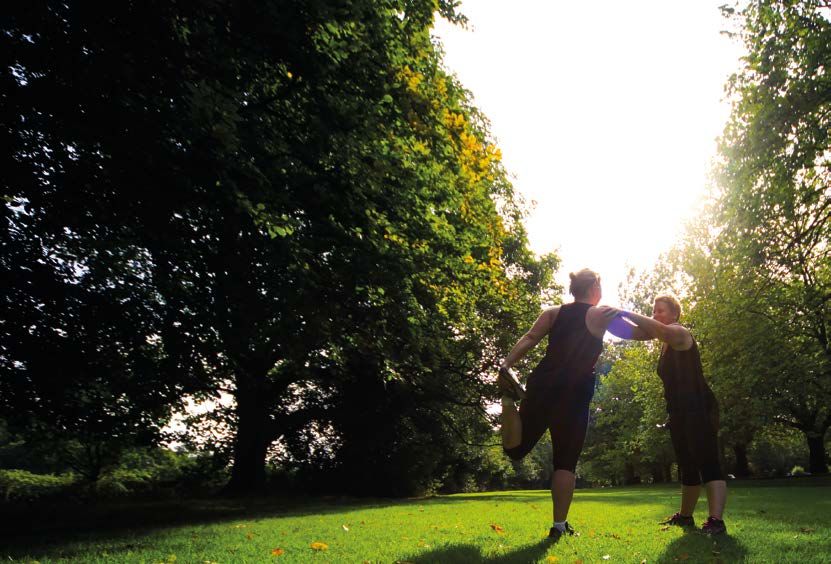
2

    1   INTRODUCTION
                                                                                      Nadim Fazlani, Chair,
                                                                                      NHS Liverpool CCG

                                                                                      Katherine Sheerin,
                                                                                      Chief Officer,
                                                                                      NHS Liverpool CCG

        In November 2014 NHS Liverpool Clinical Commissioning Group published
        Healthy Liverpool: Prospectus for Change. This document was the culmination of work
        which began in the summer 2013, when we embarked on Healthy Liverpool in response
        to the Mayoral Health Commission. The Prospectus outlined our vision for the future of
        health and care services in the city, and the principles on which change would be based.

        The Mayor’s Health Commission set out a           We have engaged with primary, community
        vision for an integrated health and social care   and social care providers to agree a
        system for Liverpool, with prevention and self    compelling vision and new model for community
        care at its core, for which Liverpool CCG has     services, which will be the cornerstone
        a mandate to lead and deliver, working in full    of Healthy Liverpool’s transformational,
        partnership with all parts of the health and      whole-system changes.
        care system, along with patients and public.
                                                          The CCG has already approved significant
        In the 12 months since The Prospectus was         investment to realise our ambitions for Liverpool
        published, a huge amount of work has taken        to become the most active city in the country,
        place, involving partners across the health       and to drive digital care and innovation.
        and care system.
                                                          Alongside intensive and sustained clinical
        In July 2015, 120 senior clinicians and           engagement, we have continued discussions with
        leaders from 15 organisations gathered for        the people of Liverpool. Throughout the summer
        the Healthy Liverpool Clinical Assembly for       people had the opportunity to provide their views
        Hospital Transformation, where a landmark         on our “case for change”, and will soon be asked
        agreement to work together towards a              to get involved in informing detailed plans for
        “Single-Service, City-Wide Delivery” model        Healthy Liverpool projects and programmes.
        around a Centralised University Hospital
        Teaching Campus was reached.
Healthy Liverpool: The Blueprint   3

This document – The Blueprint - sets out how     pieces of work, which you will read about in
we will deliver transformational change across   this document.
five areas:
  L iving Well                                  The publication of The Blueprint represents
  D igital Care and Innovation                  a key point in our five-year journey. We now
   C ommunity Care                              have a clearly defined programme to deliver
  U rgent and Emergency Care                    ambitious and measurable transformation with
  H ospital Services                            targets formed by extensive engagement from
                                                 clinicians, leaders, patients and the public,
Within individual programme areas we are         and are moving to full mobilisation to deliver
already seeing implementation of significant     the aims and ambitions of Healthy Liverpool.
4

    2   HEALTHY
        LIVERPOOL VISION

        Like many health economies, Liverpool faces
        significant system-wide challenges including:
        The need to improve      Tackling inequalities   Ensuring that the
        clinical standards       and improving           city is able to
        and reduce variations    health outcomes.        maintain a clinically
        in quality and access.                           and financially
                                                         viable health and
                                                         care system which
                                                         is sustainable for
                                                         the long-term.
Healthy Liverpool: The Blueprint   5

Liverpool will have a health and social care
system that is person-centred, supports people
to stay well and provides the very best in care.

The findings of the 2013 Mayoral Health   NHS Liverpool Clinical Commissioning
Commission concluded that such is         Group, as the body responsible for the
the extent of the poor health outcomes    vast majority of health commissioning
of the people of Liverpool, and the       in the city, took up the challenge of
relentless pressures on budgets and       delivering the recommendations of the
resources, that only a whole-system       Mayoral Health Commission. Healthy
and comprehensive approach to the         Liverpool will realise this vision for
transformation of health and care could   improved health and wellbeing and a
successfully address these challenges.    sustainable health and care system.
The Commission’s vision was for an
integrated health and social care
system for Liverpool, with prevention
and self care at its core.
6

    3                  THE CASE FOR CHANGE

POOR HEALTH

                   0                                                             HIGH

                                                                                CANCER
                                                                              MORTALITY

                                                                                  LOW

30% of people in Liverpool live with   93,000 people in Liverpool are         Liverpool has one of the highest
one or more long-term conditions.      affected by mental health issues.      cancer mortality rates in the country.

HEALTH
INEQUALITIES

                                                                              You are 2.5 times more likely to die
The difference in life expectancy      Men in Liverpool live 3.1 years less   of cardiovascular disease if you
between areas of the city can vary     and women 2.8 years less than the      live in Picton ward than if you live in
by more than 10 years.                 England average.                       Mossley Hill ward.
Healthy Liverpool: The Blueprint   7

The case for change is compelling.     Within our health and care system           Although some lifestyle improvements
As a city, we experience amongst       there remain unacceptable levels of         have been achieved, such as reducing
the highest levels of poor health      variation between services, and access      smoking rates, poor lifestyles remain
                                       to services needs to be improved.           a major challenge and this is the
and health inequalities – both                                                     biggest issue we face as a city. These
within the city and compared to        Improvements in medicine mean that          challenges are represented visually:
the rest of the country.               we are living longer, but not necessarily
                                       living well in our later years.

 AGEING
 POPULATION

                                                                                                     +10.7%

 By 2021 there will be 9% (5,700)
 more people living beyond the age      Almost 26,000 older people have             By 2021 there will be a 10.7%
 of 65 with the biggest growth in       a long-term illness that limits             increase in the number of people
 those aged 70-75 and 85+.              their day-to-day activities a lot.          living with dementia.

 ACCESS AND
 VARIATION

                                                        LEARNING
                                                        DISABILITY
                                                      AGED UNDER 50
                                                      PREVENTABLE

                                                                                    The number of people with diabetes
 The number of patients with Chronic    People with a learning disability are       receiving the recommended care
 Obstructive Pulmonary Disease          58 times more likely to die before the      processes to manage their condition
 offered rehabilitation varies          age of 50 and 4 times more likely to        varies between 20% and 80% depending
 between 24% and 79% in the city.       have a preventable cause of death.          on where they live in Liverpool.
8
                             3         THE CASE FOR CHANGE, CONTINUED

LIFESTYLE

                                                                                                      86%

Over half of adults in Liverpool are       An estimated 11,300 people in          86% of people in Liverpool are not
overweight or obese.                       Liverpool drink at high risk levels.   active enough to maintain good health.

424 deaths could be prevented each
year by 30 minutes of activity per day.    25% of adults in Liverpool smoke.
Healthy Liverpool: The Blueprint 9
4 HEALTHY LIVERPOOL
OUTCOMES
We have set ambitious targets for change, which require Healthy Liverpool
to be bold in its plans and for the whole health and care system to come
together with a common cause, to transform services and to inspire and
empower many more Liverpool people to improve their own health and wellbeing.
More detailed information on outcomes is available at the end of this document.
HEALTHY LIVERPOOL
OUTCOMES FOR
TRANSFORMATION:
An increase from 65% to 71%
To deliver a 24.2% reduction in the measurement of the
in avoidable mortality quality of life for people
(years of life lost).1 with long-term conditions.2
A 15% reduction in avoidable
emergency hospital admissions. To deliver a patient experience To provide a community-based
Equivalent to a reduction of 1659 in our hospitals that puts us in care experience that puts us in
emergency admissions by 18/19. the top 10 of CCGs nationally. the top 5 of CCGs nationally.
A CLEAR SET OF
MEASURES OF SUCCESS
1. ‘Potential Years of Life Lost’ FOR HEALTH AND SOCIAL
(PYLL) is a count of the
number of years between CARE INTERVENTION Reduction in the number of
the age a person under HAVE ALSO BEEN permanent admissions to Increase the % of patients
75 dies and the age of 75.
These are summed for DEVELOPED: residential and nursing care still at home 91 days after
the population who die homes from 767.3 to 612.9 discharge to reablement
in a 12 month period and per 100,000 people by the services from 78.9% to 83%
reported as a rate per end of 15/16. Equivalent to by the end of 15/16. Equivalent
100,000 patients. A higher
rate means more people a reduction of 87 permanent to an extra 196 people still at
die younger. Liverpool is admissions to care homes. home 91 days after discharge.
going to reduce this value
by 24.2% by 18/19.
2. ‘This is a measure of the
average EQ-5D score for
people responding to the
GP survey. EQ-5D asks
patients to score themselves
1-5 against 5 questions
relating to quality of life,
mobility, self-care, usual Reduction in the number of
activity, pain/discomfort, delayed transfers of care from Based on expected prevalence
depression/anxiety. A %
between 0-100 is attached to 2664.5 per 100,000 population levels, increase in recorded
each response combination, to 2602.7 per 100,000 cases of dementia from 54% in
100 being good and 0 being population by the end of 15/16. July 2013 to 70% by March 2016,
poor quality of life. The %
reported is the average Equivalent to a reduction of Increase in the levels of equivalent to finding an extra
score for people responding 214 delayed days in hospital. carer-reported quality of life. 912 people with the condition.
to the survey.10
5 HEALTHY LIVERPOOL
PROGRAMMES
The changes planned in Liverpool are substantial and represent significant
transformation in the way health and social care is organised and delivered.
This transformation also extends to key enablers including workforce, estate,
technology, systems and finance.
A new model of care will transform the whole Community Care: Improving capability
health and social care system in Liverpool and capacity in primary care, community
leading to improving outcomes for patients and care and social care
new ways of working. Five core transformation Urgent and Emergency Care: Developing
programmes have been established: robust and effective rapid response services
L iving Well: Supporting people to become Hospital Services: Ensuring our hospital
healthier and more active services are the best they can be
D
igital Care and Innovation: Ensuring all our
services make best use of developing
technologies
Six clinical areas have been prioritised, The delivery of these priorities will
informed by where we believe we can ensure that people in the greatest need
make the greatest impact in transforming receive the best care and support.
services and health outcomes. The priority clinical workstreams are:
MENTAL HEALTH HEALTHY AGEING LONG-TERM CONDITIONS
CHILDREN LEARNING DISABILITIES CANCERHealthy Liverpool: The Blueprint 11
6 HEALTHY LIVERPOOL
DESIGN PRINCIPLES
The Healthy Liverpool Person-
model of care has been centred
informed by a core set
of design principles:
Proactive Eliminating Local care
avoidable where
variation practicable,
in quality central when
necessary
Improving Integrated Making
access across health, the best
to services in social care and use of digital
the community the voluntary technology
sector12
7 LIVING WELL
PROGRAMME
Leading an active life is one of the single most
powerful actions we can take as individuals to
Dr Maurice Smith,
Living Well improve and maintain our overall health and
wellbeing, and yet so many of us are living
Clinical Director
sedentary lives.
“This isn’t an issue unique to our city – inactivity activity. We hope to use these findings to
has become a global epidemic – but we’ve help spark a social movement around being
made tackling it a cornerstone of Healthy active. We want to help people find a realistic,
Liverpool, because the potential benefits sustainable approach which suits their lifestyle.
of raising physical activity levels are huge. It doesn’t need to involve hitting the gym or
For example, we know that it offers us a real running a marathon – anything which gets you
opportunity to improve outcomes for diseases moving more on a regular basis is important.
such as diabetes, heart disease and cancer, Even using the stairs instead of the lift can
which all present major challenges locally. make a difference.
“We’re working to understand more about what “It’s about embedding physical activity into
will inspire the population, on both a group and the fabric of our daily lives, so that we can
individual basis, to engage in daily physical all start to reap the benefits of moving more.”Healthy Liverpool: The Blueprint 13
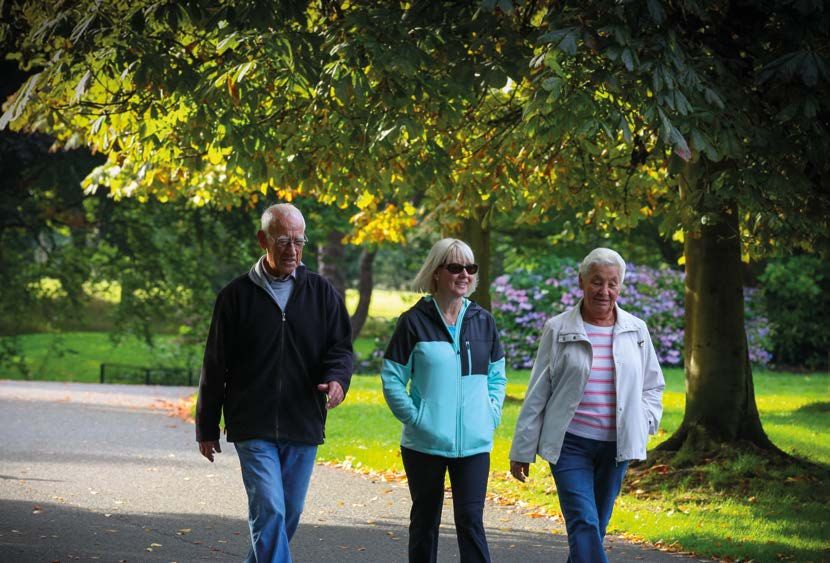
Our vision is for Liverpool to be the most active
Core City in England by 2021, inspiring and enabling
people who live and work in Liverpool to be active
every day for life.
Our aim is that by 2021 an additional 1 in 3 of We will work with the city’s schools to
us - 118,000 people in Liverpool – will be doing embed activity as a core part of school life,
at least 30 minutes of activity, one day a week. not just as a PE lesson.
This would equate to at least 80% of the We will work with the city’s employers to roll
Liverpool adult population undertaking a level out workplace activity programmes to enable
of activity that will be beneficial to their health. people to get active during their working day.
LIVING WELL AIMS WHY CHANGE?
7.1 7.2
Living Well is central to the success of Physical inactivity has become an epidemic
Healthy Liverpool and is built upon two objectives: and is now perceived to be the greatest threat
T o prevent people falling into ill health, through to our physical and mental health. Only 14% of
supporting them to adopt positive lifestyles; people in Liverpool are doing enough activity
P romoting self care; supporting and to benefit their health. Half of the population of
Our aim is that by empowering people with long-term conditions Liverpool do not take part in any regular sport
2021 an additional to better manage their health, in partnership or active recreation in a typical week.
1 in 3 of us – with clinicians and carers.
118,000 people in According to Sport England, the health
Liverpool – will be The Living Well priority for Healthy Liverpool over cost of physical inactivity in Liverpool is
doing at least 30 the next two years is to increase physical activity currently £10.8m per year, based on five of
minutes of activity, levels for a substantial number of people who the most common conditions - diabetes,
one day per week. are either currently inactive or moderately active. breast cancer, colon cancer, coronary
heart disease and hypertension.
We have a set of ambitious objectives:
W
e aim to create a large-scale social movement If we were able to surpass our ambitions
in Liverpool, with people in the city getting active and get every adult in the city to undertake
We want the for their own benefit, but also driven by a collective 30 minutes of activity a day for at least five
inactive to become sense of pride around Liverpool aiming to become days a week we estimate this would prevent:
active; the semi- the most active major city outside London. 424 deaths a year;
active to become W
e will be using existing expertise and 146 coronary heart disease emergency
more active; creating new community assets to support admission a year;
and the active people with activity programmes, mentoring 2,452 new diabetes cases;
to maintain their and other forms of support to encourage people 55 cases of breast cancer;
activity levels.” to get active. 43 colorectal cancer cases.
W
e will be investing in physical assets, in both
indoor and outdoor environments, to maximise Our ambition to get people active enough to
the potential for physical activity and sport. realise health benefits requires a significant
W
e will deliver schemes to encourage mass step-change, with many more people valuing
participation in physical activity schemes, activity as an intrinsic part of daily life. Therefore
including supporting major events, ongoing the key aims of the strategy are to enable the
programmes and a large-scale social marketing inactive to become active; the semi-active to
campaign to motivate and inspire people to become more active; and the active to maintain
get active. their activity levels.
W
e will integrate physical activity and
sport into health care, as a prescription for
better health.14
7 LIVING WELL PROGRAMME, CONTINUED
When we refer to physical activity, this doesn’t The aim is to launch this campaign in May
have to mean joining a gym or participating in 2016, but we will also carry out work in 2015/16
sport. The activities that will make a difference which raises awareness of the compelling
include: walking; active travel, such as getting benefits for getting active - improving health
off the bus a stop early; taking the stairs rather and saving lives.
than the lift; gardening; dancing; chair exercise;
swimming; cycling and even housework. Living Well Champions
Doing more of these everyday things will In order to achieve the desired step-change
Inspiring people to make a difference. activity across all parts of the city, we will
integrate activity develop a network of champions who can
into daily life.” DELIVERY empower and support people and groups. This
7.3
The aim for Liverpool to be the most includes targeting people who work for the NHS,
physically active Core City is a long-term the city’s largest employer. The NHS has made
aspiration. However, over the next two years a commitment to set a national example in the
we have set ourselves realistic but stretching support it offers its own staff to stay healthy,
targets, which are underpinned by nearly including helping them to be more active.
£3 million new investment.
We will also be investing in champions and
Over the next two years (2015/6 and 2016/17) projects designed and delivered through a
the programme will: network of voluntary organisations that
understand the particular needs of their
Year 1: Engage 10,000 people in the city, resulting communities and the areas of the city they
in at least an additional 5,000 people undertaking work in. This will in part be delivered through
at least 30 minutes of activity, one day a week. Liverpool CCG’s Community Grant scheme.
Year 2: Engage 30,000 people, resulting in an Quality indoor and outdoor environments
additional 15,000 people undertaking at least We will be investing in schemes to improve
30 minutes of activity, one day a week. access to quality indoor and outdoor assets,
to maximise opportunities for people to access
The key deliverables designed to achieve these a range of activities and sport. This will be
targets are: achieved through developing a number of
Liverpool City Council-led initiatives, including
Insight and Social Marketing Access to Schools; Open Spaces and Parks;
The objective is to inspire people to value and and Lifestyles centres.
integrate physical activity into daily life by
encouraging a Liverpool social movement. Mass Participation
This will be supported by a large-scale social Alongside the city-wide campaign to generate
marketing campaign, media and commercial a social movement for activity, we will be
partnerships, to: raise awareness of the delivering mass participation activity schemes,
compelling benefits of physical activity; motivate focused for the first two years on maximising
people to take action; and to let them know what walking and cycling opportunities. These
support is available, both in terms of structured schemes will be consumer-focused and will
programmes and ‘do it yourself’ activity. incorporate incentives to motivate people
and families to participate. Planned mass
Bespoke behavioural insight has been participation schemes include:
commissioned to provide local intelligence and
to understand motivations and barriers at an Active Travel – Embedding a ‘moving’ culture
individual, community and city-wide level. This into the lives of Liverpool residents, encouraging
insight will inform a bold and Liverpool-centric people to walk and cycle over other forms of
campaign to create and sustain a city-wide transport. This is arguably the most practical,
social movement to get and stay active. sustainable and cost-effective way to increase
physical activity on a daily basis.Healthy Liverpool: The Blueprint 15
Beat the Streets – A scheme designed around a Back to Sport Programme – A city-wide
‘real world walking game’ concept where people programme offering people opportunities to
compete for points by walking or cycling around return to sport, using existing local facilities
their local area: to work, to school or as part of and clubs. This programme will be supported
a daily routine. As part of the challenge, schools by Sport England and the 12 national governing
and businesses will compete to accumulate the bodies of sport that are currently designing a
most points, which brings a range of rewards. bespoke offer for Liverpool. The sports are:
Beat the Streets is designed to ‘nudge’ people to athletics, badminton, boxing, cycling, football,
The activities try walking and cycling for a period of six weeks, gymnastics, hockey, golf, netball, rugby union,
that will make at the end of which it is anticipated that a swimming and tennis.
a difference significant proportion will continue to incorporate
include walking regular walks and bicycle rides into their daily Community Grants – the CCG’s Community
and cycling.” lives. This programme has evaluated well Grants programme will be enhanced to
elsewhere in the UK. The concept will be include a specific physical activity element
tested initially in the north and east wards of to support local groups to provide sustainable
Liverpool, which have some of the country’s activities based on local needs and interest.
lowest levels of physical activity.
The programme will also look at how
Bounts – A scheme that rewards residents for physical activity can be embedded into
making positive lifestyle choices. Bounts is like clinical pathways, and extensions to the
airmiles for physical activity, using an app to School Sport Pathway Programme.
check-in at healthy venues like gyms, or with
instructors and coaches outdoors. People build
up points which can be redeemed for rewards.
Again, we will test this concept for Liverpool.16
7 LIVING WELL PROGRAMME, CONTINUED
CASE STUDIES
ACTIVITY ‘Active Me’ is an inclusive sports programme aimed A few weeks later Ann-Marie had made new
at disabled people in Liverpool who experience friends and had already attended a number
FOR BETTER barriers to physical activities and sport. of weekly sessions. She gained in confidence
HEALTH while improving her fitness at the same time.
Ann-Marie, 32, first attended the Active Me With the support of the activator running the
project in April 2014, with her then support sessions she embarked on the Walk for Health
worker. Anne-Marie was morbidly obese scheme, where twice a week she took part in a
and spending a lot of time alone. Her mental 3 to 5k walk, and was given the opportunity to
health issues meant she was relying on understand the importance of preparing and
anti-depressants to face each day. cooking healthy meals.
The first time Ann-Marie attended an Active To date Anne-Marie has lost five stone in
Me session, she was very anxious and shy. weight. She cooks and prepares healthy meals,
Ann-Marie was encouraged to attend the has reduced the amount she smokes and is an
next week’s session where activities would active gym member. She also no longer requires
be broken down into smaller chunks, so a support package.
that she felt more confident joining in.
ACTIVITY ON Exercise for Health is a GP referral scheme house - but since coming here I have made
for people living with long-term conditions. some great friends and now we all have
PRESCRIPTION a laugh and a social after our workout.
Bill, 82, who takes part in activities at
Lifestyles Garston, said: “After starting “I go out feeling great and ready to take
the scheme with instructor Wendy, I was on any challenge put in my way. Since I
given a programme to suit my needs. have joined Lifestyles Garston, my life has
changed for the better. I feel much fitter
“When I first started the scheme I felt and am enjoying life.”
down - I didn’t always want to leave theHealthy Liverpool: The Blueprint 17
LIVING WELL PROGRAMME
PLAN OVERVIEW
VISION AND OUTCOME AMBITION
‘A health care system in Liverpool that is person-centred,
supports people to stay well and provides the very best in care.’
Improved Health Deliver First Delivering a
Outcomes Class Services Sustainable System
LIVING WELL OUTCOME DOMAIN
Liverpool will be the most active Core City in England by 2021 by increasing
participation in physical activity and sport (PAS) by 30%
Increased population Increased access to Enablers to activate Activity is integrated
awareness of the benefits quality indoor and networks of expertise into healthcare and
of activity and mass outdoor environments schools pathways
participation in schemes
and events
Insight and Access to Schools Initiatives Enterprise Start-up Fund Activity Pathway for
Social Marketing Primary and Secondary Care
Community Facilities Sponsorship Capacity
Wellness Incentive Schemes Capacity Programme Programme School Sports Pathway
Programme
Back to Sport Programme Open Space and Park Community Grant Fund
Spaces Programme Exercise for
Health Scheme
Workplace Wellbeing Active Liverpool
Scheme Lifestyle Fitness Centre Development Team
Programme Mamafit
Walk and Cycle for Sports Development Team
Health Schemes
Major Sporting Events
and Legacy Programmes
Futures Scheme
Principles Population approach, Person-Centred: Co-creation, Collaboration, Engagement: Access to Physical Activity Opportunities
Enablers Digital Care, Estates, Proactive Care, High Quality Primary Care, Community Engagement, Workforce18
8 DIGITAL CARE
AND INNOVATION
PROGRAMME
We’ve been focused on the benefits of digital innovation
for a number of years now, and Healthy Liverpool
Dr Simon Bowers,
Digital Innovation gives us an opportunity to realise the enormous
potential that technology can bring to both local
Clinical Director
health services and the people who depend on them.
“Further roll out of assistive technology will health and social care, ensuring that a
support even greater numbers of people to patient’s information can be accessed by
maintain their independence and take control all of the professionals who look after them.
of their lives. They will join thousands of This has major benefits for speeding up
residents across the city who have already diagnosis, improving safety, and delivering
benefited from devices to monitor their health, a better experience for patients.
make everyday life simpler, and help them stay
in touch with family and carers. “If we are to realise the Healthy Liverpool vision
then the way in which we access, deliver and
“However, while technology offers exciting benefits experience care services must be different.
for the individual, it is also a fundamental part Technology will be at the heart of this change,
of our plans for the health system to work more and in Liverpool we’re leading the way in
collaboratively. For example, it will provide us harnessing digital tools to make joined-up,
with the means to integrate records across person-centred care a reality.”Healthy Liverpool: The Blueprint 19
Our vision is that by 2020, we will support better
health for people in Liverpool by maximising the
benefits of digital technology and innovation.
DIGITAL AIMS will help empower them to take better control
8.1
Our aim is to be one of the top ten of their health and wellbeing, confident in the
most digitally advanced health and social knowledge that this information will be made
care economies in Europe by 2020. We will available only to those practitioners involved in
transform the way services are delivered their care, with appropriate safety, monitoring
through a step-change in the use of digital and governance in place.
technology and innovation.
Technologies that allow the monitoring of
Digital services in Liverpool have been at patient vital signs, assist diagnosis, and
the leading edge for several years through state-of-the-art sensors to detect specific
existing programmes such as iLinks and More cells in the blood stream will form a new set
Independent (Mi). Our achievements include: of tools that allow clinicians to gain access to
scaling up of electronic patient record sharing, clinical data faster, enabling proactive care.
moving from 1 million shared records from
2008-2014 to 5.5 million in the last 12 months; DELIVERY
8.3
and one of the largest deployments of telehealth Delivery of the digital care and
Our aim is to be one in a single health economy in Europe, with 2,000 innovation services of the future is based
of the top ten most patients using this technology. around four connected themes:
digitally advanced I ntegrated Health and Social Care Records
health and social Our ambition is to empower people to take P erson Held Record
care economies in control of their own health and wellbeing, A ssistive Technology
Europe by 2020. while ensuring professionals have access to P redictive Analytics
the information they need to use technology to
deliver safe and efficient ‘seamless’ care. We Integrated Health and Social Care Records - iLINKS
envisage a connected health and social care Integrated records will enable Liverpool health
economy supported by integrated systems that and social care practitioners to view information
empower people to make the right choices in relevant to the person they are caring for safely
an innovative, efficient, safe and secure way. and confidentially. Whether people are being
We will enable the use of smartphones and treated by their GP, in a community-based
other personal devices to open up better self service or in hospital, their shared digital care
care for people in a way that is convenient and record will be accessible 24/7, with appropriate
complements other elements of their lives. permissions and consent. This will save people
being asked for information repeatedly, meaning
WHY CHANGE? that a person only has to tell their story once.
8.2
The use of digital technology allows us to It will also ensure that individual preferences
Digital health
deliver health and care services more efficiently, about resuscitation, mental capacity and end of
records will enable
more quickly and to achieve better outcomes. life care are understood by all practitioners caring
people to take
Patients and professionals alike experience for them. Liverpool has led the way nationally in
more control
duplication in the health and social care system, information sharing; we will build on these solid
of their health.
with paper-based recording and computer foundations by truly integrating electronic health
systems across care providers making and social care records at scale.
communication particularly difficult, and in some
cases impossible. For professionals, access to Person Held Record
shared information across care settings will The person held record will enable people
be enormously beneficial, providing clinicians to take real control of their health, providing
with access to clinically significant information the means for truly person centred care. It will
at the point of care, improving efficiency and support data sharing and integration between
reducing costs and associated duplication. health and social care providers, people and
their circles of care. Liverpool is in a unique
For individuals, the ability to view and contribute position, working with the Cabinet Office, to
to their own person held record and care plan create a new identity authentication scheme,20
8 DIGITAL CARE AND INNOVATION PROGRAMME, CONTINUED
which links social identities to an NHS will lead the identification, evaluation and
identity so that the right information can adoption of new technologies in Liverpool
be confidently shared. with a real focus on innovation.
This project will utilise the digital ‘marketplace’ Predictive Analytics
to provide access to apps created by digital Predictive analytics is at the forefront of
innovators in response to public need, enabling data science, using multiple sources to define
the CCG to support innovation at pace without health and care issues. Profiling risks at a
needing to drive or fund this innovation directly. population and individual level, to predict care
trends, will enable us to plan and allocate
Assistive Technology resources most effectively. For example risk
Assistive technology enables people to live stratification models allow patients most at
more independently in a variety of ways, by risk of emergency hospital care to be identified
deploying technology to support diagnosis, so we can provide proactive care and avoid
monitoring and self care. The programme preventable issues.
DIGITAL
SERVICES BILITY AND INFRASTRU
RO PERA C TU
MODEL E RE
INT
A ND W ORK F OR CE D
RITY E VE
M ATU LOP
A L ME
I T GO VE RN A NC E NT
DIG
AND PER
SON
LTH RDS
A O HE
HE REC
E
LD
AL D
SOCI RATE
R
RE
CA
COR
G
INTE
D
ASS
CS
Y TI
IS T
AL
IV E
AN
EC
IV E
T
HN
OL O CT
GY PR E DIHealthy Liverpool: The Blueprint 21
A NUMBER OF DIGITAL OUTCOMES
HAVE BEEN IDENTIFIED ACROSS
A 1-5, 5 AND 10 YEAR PERIOD:
Person Held Record, apps
and self care support all
available from one place.
1-5 They can choose the app
and support that they want
YEARS and share their information
and plans with whoever
Practitioners have access to appropriate they choose. Liverpool
information 24/7 through class-leading iLinks citizens can access online
information exchange and interoperability. records and content using
a nationally recognised
and secure digital identity.
Assistive technology
deployed at scale
and integrated with
personal technology
Apps and digital services are key to to maintain self care
the delivery of all services supporting
self care. 5-10 and prevention activity.
YEARS
Using a Liverpool based cloud
computing centre, data from
around the region will be analysed Advanced sensors, designed
by data scientists to understand and manufactured in Liverpool
and predict when care will be are enabling early detection
needed, how it will be needed and and management of diseases.
identify those requiring intervention
before the health need arises.
A single, integrated care
A ‘virtual’ hospital service record across the Liverpool
across Liverpool providing health economy.
access to specialist care
at any site in the secondary
care infrastructure.
10+
YEARS
Transformation of NHS services
towards predictive. Changing lifestyles
Digital services are the first
and utilising precision medicine
contact for all non-emergency health
techniques to dramatically reduce
services providing initial advice,
unplanned care and long-term
triage and appointments at the
condition prevalence.
appropriate care setting.22
8 DIGITAL CARE AND INNOVATION PROGRAMME, CONTINUED
CASE STUDIES
USING 75 year-old grandmother, Win Cumine, suffers if something went wrong and I ended up
from arthritis, limiting her mobility and leaving stuck at home with no way of calling for
TECHNOLOGY both her and her family worried about what would help. But now I know that all I need to do is
TO SUPPORT happen if she were to have a fall. This all changed press the button on my wristband and help
INDEPENDENCE with the help of care technology, and she is now will be there, 24-hours a day. It’s given me
able to live more independently and confidently tremendous peace of mind. I don’t need to
in her own home. feel isolated and worried anymore, because
of the helpline.
Win uses an intercom system that connects to a
helpline. A button is housed on a wristband that “Just because you’re getting older or have
she wears in her bungalow, which, when pressed, a health problem, you don’t have to give up,
connects to a friendly voice that’s ready to help. feel isolated, or trapped in your own home. The
technology is there to use. I’ve recommended
Win says: “It’s made a huge difference. My it to lots of my friends. It’s so easy to use –
family and I were concerned what might happen nothing complicated, just peace of mind.”
REDUCING Dave Haslam’s life changed when he was diagnosed The technology has improved Dave’s
with COPD (chronic obstructive pulmonary disease). understanding and helped him come to terms
HOSPITAL It left him tired, breathless and constantly coughing. with his condition. He’s delighted how effective
ADMISSIONS He was also very worried and didn’t really and easy to use it is. He says: “It really couldn’t
understand what was happening to him. be simpler to use. It is really easy to understand.
It really works – it’s brilliant!”
The 67-year old grandad was referred to have
health technology installed in his home and he Dave has spent far less time in hospital (he
says it has made the world of difference. The estimates by as much as 60%) and says:
gadget works with existing technology to send “Knowing that someone who really knows what
key health information through to a team of they are doing is keeping an eye on me is great.
health professionals, who monitor his condition. I’ve only been in hospital twice this year, which is
a huge improvement. It’s made a huge difference
to our lives, and I would recommend it to anyone.”Healthy Liverpool: The Blueprint 23
DIGITAL CARE AND INNOVATION PROGRAMME
PLAN OVERVIEW
VISION AND OUTCOME AMBITION
‘A health care system in Liverpool that is person-centred,
supports people to stay well and provides the very best in care.’
Improved Health Deliver First Delivering a
Outcomes Class Services Sustainable System
DIGITAL CARE AND INNOVATION OUTCOME DOMAINS
Preventing Enhancing quality Delaying and Ensuring that people Prevention of ill health,
people from dying of life reducing the need for have a positive health protection
prematurely care and support experience of care and maintaining
and support healthy lifestyles
Integrated Health and Social Person Held Record Assistive Technology Predictive Analytics
Care Records - iLINKS
iLINKS Information Sharing Digital Identity Telecare Service Proof of concept Design
Framework Implementation and Mobilisation
New App testing and Telehealth Service
Proactive Audit System integration Intelligence pathway
development
Digital Health Trainers
Digital Interoperability AT and App Support Helpline
Roadmap Multi-sector data transfer
New sensor development
and information governance
Digital Skills Development
Digital Maturity Framework
Tech Skills Syllabus/Training Data aggregation and
Digitise existing material
common structure
Health and Social Care
Digital Community Support standards/agreement
Integration
Health Innovations Hubs
Intelligence and Evaluation Pseudonymisation at source
Electronic Correspondence
Tech Equality and
Accessibility Stakeholder development
Infrastructure Test Bed and Cross HLP
Digital Initiatives
N3 Aggregation, Cloud and
Programme access pathways
Technology enabling SME App Framework
Community and
Hospital settings Ethics and dissemination
Utilising Digital to manage own care; Right information, right place, right time; Information exchange across
Principles
Health & Social care; Technologically enabled workforce; Identification and mobilisation of ‘State of the Art’
Enablers Information Governance, Digital Maturity, Workforce Development, Interoperability and Infrastructure24
9 COMMUNITY
SERVICES
PROGRAMME
Liverpool has some fantastic community services,
providing crucial care for our population, but a
Dr Janet Bliss,
Community fragmented and illness-focussed approach is
holding us back from making the kind of impact
Services Clinical
Director
we want – and need – for the city’s people.
“Our model for the future brings together the health and wellbeing. This reflects a growing
many different pieces of care which happen consensus that we must prioritise efforts to
outside of our hospitals into a single, person- prevent ill-health in the first place, rather
centred system, with integrated planning, than simply managing the end results.
commissioning and delivery, which is easier to
navigate for both professionals and patients. “At the heart of the community model is recognition
that although we plan services for the population,
“We will take an increasingly proactive role, we deliver them to individuals; care should be
which recognises the importance of prevention holistic and allow us to address people’s overall
and empowers individuals to manage their own needs, rather than just their specific conditions.”Healthy Liverpool: The Blueprint 25
Our vision for community services: “Making the
most of our city’s assets to deliver the best in
community-based care and support, to improve the
health and wellbeing of the people of Liverpool.”
Transformation Improving health outcomes in Liverpool and The alignment and integration of care for children,
of community creating a sustainable healthcare system for young people and adults is a key aspect of this
services is the city will require a fundamental shift from the new model of care, recognising the impact that
already underway.” current hospital-centric model to one which is transition to adult support can have on people.
focused on prevention and community-based care. The model also recognises that services need
to be designed and personalised to meet the
This will require a major change in the way specific needs of children, young people and their
that people in Liverpool are supported to families, due to the crucial impact that early
manage their health, and the way that community years have on life chances.
services are delivered. At present, while we
have some excellent services, they are too DELIVERY
9.2
often fragmented, lacking integration across Our transformational programme for
health, social and voluntary agencies and community care encompasses all care services
focused on specific conditions that an that are provided outside of a hospital setting,
individual may have, rather than holistic care. including services provided by health, social
care, education, housing and the voluntary,
Health interventions alone will not deliver the community and independent sector. It includes
major improvements in health outcomes we need all age groups, from pre-conception and birth
for people in Liverpool. We must make the most through to end of life.
of the many community-based assets we have,
if we are to be successful in improving outcomes. At the core of the community model is a
proactive approach to health, wellbeing and
COMMUNITY SERVICES AIMS care delivery. It will mean that for the first
9.1
We will create a new system of time there is a clear, overarching direction
community-based care which meets the for community service delivery, focused on
needs of people, both clinically and socially, the needs of the whole population – children
taking into account the wider impact on and adults – and sensitive to the particular
families and carers. We need to create a needs of each neighbourhood community.
new system of community care where:
People are empowered to manage their own Further improvements will be realised in
health and care; phases over the next 1-2 years, with others
The social model of health will be delivered taking 3-5 years and beyond, due to their
alongside the medical model; dependency with planned longer-term changes
Care is integrated in commissioning and delivery in hospital services.
across health and social care;
Care planning takes into account the impact
and dependence on families and carers;
Services enable proactive care, targeted
at people most at risk of poor outcomes;
Care is provided closer to people’s homes
and is designed to support people to remain
independent and in their home environment;
People are supported to return to their
home environment, as soon as possible,
following admission to hospital.26
9 COMMUNITY SERVICES PROGRAMME, CONTINUED
COMMUNITY MODEL OF CARE
9.3
The transformation of community
services is segmented into four components:
Community Care Teams
Specialist Clinical Integration
Neighbourhood Collaborative
Managing Complex Needs
COMMUNITY
ENABLERS
MODEL OF
CARE
B O UR H OO D D E L I V E R Y
NE IG H
L AC
TA SPEC C
MS IAL
GI
ES
EA ‘CAR IST C
DI
S
T
RE OR’ E C LIN
CA DO LO I
S
NG
CA TO
WR Y
‘NO UNIT
L I HOM
ER
O
NT
ERED TO SELF C
M
OW
EGR E’
COM
P AR
EM E
ATIO
N
CARERS
WORKFORCE
ESTATES
INDIVIDUALS
FAMILIES
N E I G H I S IN
‘M A X
E’
LN EEDS
A BL
BOU G
IM
VU E X N
ER
P R E V E N TIO N
R H C OM
L
OO
MP
CO O
D
MU L L A G C TH
E
NI B O R I N
AG G
PR
TY A
A S S TIV E M A N R T IN
T
OA
EN
P O
E TS’ ‘ S UP
CT
VE
EM
AG
I
CA G
RE EN
HIGH
- Q U A L I T Y P R IM A R Y C A R EHealthy Liverpool: The Blueprint 27
Community Care Teams needs, providing support such as benefits
‘No wrong door’ advice and Healthy Homes assessments.
Liverpool was one of the early pioneers of
integrated care in the North West, bringing Risk stratification data will be used
together primary care, community, social care, systematically to identify people who would
mental health and secondary care clinicians benefit from integrated care and more proactive
to deliver care across neighbourhood-based intervention, supporting them to retain
teams.3 This has already established robust independence, be in more control of their health
Integration of systems and data flows from all general condition and addressing their key risk factors.
community nursing, practices within the city; live operational delivery
social care and in neighbourhood teams and multidisciplinary We have already established an approach to
mental health teams working together. However this risk stratification that uses data from general
teams will be fully infrastructure is varied across the city. practice and secondary care to predict risk of
operational in 2016. emergency admission to hospital. This data
We will establish Community Care Teams allows for systematic identification of people
within each of the city’s 18 community and more targeted interventions, including use
neighbourhoods, with ‘core’ community teams, of specialist resources.
which include General Practitioners, Practice
Nurses, Social Workers, Community Nurses, Similarly, for children and young people, the
Community Mental Health Nurses, Health Early Help agenda is being implemented across
Trainers and Pharmacists, along with other care the city as a multi-agency response to ensure
professionals, voluntary organisations and that children and families can benefit quickly
agencies that may be involved in delivering from the support that they need. The delivery of
care, including Health Visitors and School Nurses. Early Help, alongside other services such as the
Early help for Multi-Agency Safeguarding Hub (MASH) offers a
children integrated Key services will be co-located, within comprehensive and risk-based response to need.
across health neighbourhood bases, to support integration
and social care. and multidisciplinary team working. The Building on the More Independent (Mi) Liverpool
integration of community nursing, social care programme, we will work in partnership with
and mental health teams will be fully operational the local authority to scale up the use of
in 2016. These teams will be key to breaking assistive technologies, including telehealth
down barriers to co-ordinated care, delivering and telecare services, targeting support for
a ‘no wrong door’ approach with clear points older people and people living with COPD,
of access into the care system, ensuring heart failure and diabetes.
access to the right care professional without
being passed around the system. Local evaluation of the impact of telehealth
demonstrates that for people with a high risk
Addressing poor outcomes for people with of hospital admission, the adoption of telehealth
Introducing a new mental health issues will be a key priority support has led to a 23% reduction in hospital
model of extended for our Integrated Care Teams, recognising the admissions.
access to primary connection between mental, emotional, social
care in addition and physical health. Significant numbers of We will scale up the use of assistive
to the services people with long-term or complex conditions technologies, remote monitoring and clinical
provided by the also have an underlying mental health support, reviewing the impact of large-scale
city’s 93 practices. condition and experience high levels of deployments elsewhere in Europe. This up-
premature mortality and inequality of care. scaling will also include increasing the current
level of service operating 8am-6pm Monday
A common assessment will be the norm for to Friday, to a seven-day-a-week service.
people who need it, with single care plans
in place, available to all relevant care A cornerstone of community service provision is
professionals, via shared care records, with primary care. We will introduce a new model of
people holding their own Personal Health Record. extended access to primary care in addition to
the existing services provided by the city’s 93 GP
Care Teams will adopt a proactive approach practices. New locality hubs will be established
which targets people at increased risk of to deliver 7 day services in primary care, giving
3. K
ings Fund (2014). System
Leadership. Lessons and poor outcomes, alongside taking action in greater access to routine and urgent care.
learning from AQuA’s the context of their social circumstances and General practice remains the bedrock to our
Integrated Care Discovery
Communities.28
9 COMMUNITY SERVICES PROGRAMME, CONTINUED
new model, as this is where the vast majority Specialist Clinical Integration
of people receive care and support. We will ‘Care delivered closer to home’
continue to build on the major improvements Care will be provided in a community setting,
in outcomes delivered over the past five closer to people’s homes, unless hospital care
years through the Liverpool General Practice is necessary.
Specification. Eliminating unwarranted
variation in provision and standards will be A key focus will be on supporting people
a top priority, contributing to our ambition to with long-term conditions, where there is
reduce health inequalities within the city. considerable opportunity to reduce the need
for hospital-based care.
The role of community pharmacy has become
more central over the past few years through Significant progress has already been made
initiatives such as the Care at the Chemist on diabetes care management and plans are
scheme. We will continue to enhance the critical in place to do the same for COPD, heart failure
role pharmacy plays in supporting people to and cancer. Other opportunities include
self care, by giving pharmacy a stronger role gynaecology and musculoskeletal conditions.
in the management of long-term conditions,
and access to urgent and emergency care.4 There is an opportunity to realise a significant
reduction in outpatient appointments delivered
When people do require a hospital admission, currently within hospital settings. In addition
the Community Care Team will work closely with to providing more specialist clinics in community-
hospital teams to plan for discharge, with people based settings, we will also utilise digital
discharged as soon as it is safe to do so. We will technologies such as virtual clinics, using tools
build on the successful development of the new such as clinical video consultation.
frailty unit at the Royal Liverpool Hospital and
learn from successful approaches elsewhere. We will maximise the use of the community-
based estate available within Liverpool, taking
Effective and cohesive reablement arrangements full advantage of the significant investment made
will be introduced, with timely assessment and within the city in neighbourhood health centres.
deployment of community equipment and a single
integrated health and social care community Managing Complexity
reablement team in place to support people to ‘Supporting the vulnerable’
remain in their home. One of Healthy Liverpool’s key priorities is to
narrow the inequality gap within the city. We will
A new approach to community-based beds will target support towards key groups who currently
be adopted, ensuring that there is a cohesive experience high levels of inequality in health.
approach for people who need bed-based
support, from hospital acute care through to The Healthy Child Programme (HCP) is an early
long-term residential care. A new model for intervention and prevention programme that
people in care homes will be put in place, with lies at the heart of universal services for children
greater provision of ‘step-up’ beds for people and families. Failure to meet the needs of
who need support but do not require specialist children and young people stores up problems
hospital beds. for the future of the child; the community model
can play a key role in preventing escalation of
The vital role that domiciliary care services play need into hospital-based or specialist services.
in supporting people to retain their independence
will be strengthened through increased A key initial focus will be to design better
integration with Neighbourhood Care Teams; services to support the homeless population,
the introduction of a new jointly commissioned people with severe mental illness and people
contract in 2015; and working collaboratively with complex alcohol problems. Data clearly
with services such as Ambulance and GP Out of demonstrates that these groups experience
Hours, to reduce the need for hospital admission. significantly poorer outcomes than the general
population and high levels of premature
mortality; high use of emergency care; and
poor access to services, including screening.
4. N
HS England (2013).
Improving Health and Patient
Care through Community
Pharmacy – A Call to Action.Healthy Liverpool: The Blueprint 29
Neighbourhood Collaborative Self Care and Empowerment
The Healthy ‘Maximising community assets’ There is considerable evidence that empowering
Lung Project will We are clear that in order to improve health people to take more control over their health and
improve detection and wellbeing in Liverpool we will need to conditions will lead to reduced mortality, lower
of lung cancers and deliver a ‘social model of health’ that addresses emergency admissions and better quality of life.5
identify COPD at the broader influences on health, social,
an earlier stage. cultural, environmental and economic factors. Focusing initially on long-term conditions we will
equip people and professionals with the tools,
We have much to be proud of already within the techniques, resources and confidence to deliver
city with a strong legacy of innovative approaches this approach to self care and management of
such as More Independent (Mi) Liverpool, Healthy conditions. The Healthy Liverpool self care model
Homes and Social Inclusion Teams. The CCG has has already been rolled out to support people
continued this legacy and has commissioned a with diabetes and COPD.
range of non-medical support including Benefits
Advice on Prescription, the Community Grants Peer support models have proved successful
programme and Liverpool Active City. in Liverpool, including health trainers and
community champions. We will scale-up their
Building on the strong relationships established use as part of a social model of support. A new
with housing associations in Liverpool we service specification for health trainers, including
will seek to maximise opportunities for joint a review of capacity and function, will be
working, delivering the key objectives of the introduced in 2016.
‘Healthy New Towns’ programme.
Early Identification and Intervention
A number of enablers will support the delivery of Screening, diagnosis and vaccination rates
the Healthy Liverpool community model of care: in Liverpool often lag behind other areas of
the country, impacting on outcomes including
Prevention and Wellbeing mortality and quality of life. There is high
New Centres for To achieve improvements in health and variation in take-up across the city, impacted
Wellbeing will wellbeing we need to raise awareness of by factors such as deprivation, disability
be established. the opportunities and risks of lifestyle and ethnicity.
behaviours, including physical activity,
smoking, alcohol and social isolation. Liverpool has some of the highest levels of
mortality in the country, so tackling cancer is
Support services available in communities, a major priority for Healthy Liverpool. We are
such as smoking cessation, benefits and introducing programmes to improve early
housing advice, mental health, reducing social diagnosis of cancer, which will include the
isolation and improving emotional wellbeing national ‘Be Clear on Cancer’ programme;
will be fully utilised and clear information Cancer Research UK bowel screening
promoted to the public and care professionals intervention; primary care based audit of
through the ‘Live Well Liverpool’ directory and pathways and significant event analysis of
information portal. emergency presentations, along with increased
support for screening programmes to reduce the
We will establish new Centres for Wellbeing, variation in screening rates across GP practices.
providing locality-based hubs designed to
provide people, carers and families with Priority is being given to lung cancer, for
access to resources and support. A key focus which mortality in Liverpool is almost double
will be support for children and families, with that of England. The ‘Healthy Lung’ project
early years development and family resilience will focus on early detection of lung cancer
a major priority area. and COPD, aiming to raise awareness of
respiratory health within communities,
We will build on developments such as the targeting neighbourhoods with high mortality
Liverpool Community Grants programme, rates and high-risk groups. Through this
designed to support community groups in approach we aim to detect between 140-153
providing wellbeing initiatives. Joint work with lung cancers and identify COPD at an earlier
5. NHS National Institute for the local authority and the voluntary sector stage – an estimated 6,000 people in Liverpool
Health Research (2015). A
rapid synthesis of the evidence will also focus on sustainability of this sector have undiagnosed COPD.
on interventions supporting in light of austerity measures.
self-management for people
with long-term conditions.You can also read


