Western Australian Suicide Prevention Framework 2021-2025
←
→
Page content transcription
If your browser does not render page correctly, please read the page content below

Western Australian
Suicide Prevention
Framework 2021–2025

2

Needing help?
     If you or someone you know is having thoughts of suicide or is                  Other services that can provide assistance for people having thoughts
     distressed, please seek help.                                                   of suicide include:
     Contacting your general practitioner (GP) could be a good starting point.
                                                                                                                        1800 650 890
     However, if this is not possible or your needs are more urgent, please          Headspace
                                                                                                                        www.headspace.org.au/eheadspace
     consider contacting one of the following services.
                                                                                                                        1800 184 527
                                                                                     QLife
                                                                                                                        www.qlife.org.au
Help is available:
                                                                                                                        1300 224 636
                                                                                     Beyond Blue
Mental Health Emergency               Metro – 1300 555 788                                                              www.beyondblue.org.au
Response Line (MHERL)                 Peel – 1800 676 822
                                                                                                                        1300 227 377
                                                                                     Carers WA
Rurallink                             1800 552 002                                                                      www.carerswa.asn.au

                                      13 11 14                                                                          1300 642 111
Lifeline                                                                             MATES In Construction
                                      www.lifelinewa.org.au                                                             www.matesinconstruction.org.au/wa/

                                      1800 551 800
Kids Helpline
                                      www.kidshelpline.com                           If you are bereaved by suicide and need help, the following services
                                                                                     can help:
                                      1300 789 978
Mensline
                                      www.mensline.org.au                                                               1300 659 467
                                                                                     Suicide Call Back Service
                                                                                                                        www.suicidecallbackservice.org.au
                                      1300 659 467
Suicide Call Back Service
                                      www.suicidecallbackservice.org.au              Children and Young People          1300 114 446
                                                                                     Responsive Suicide Support         www.cypress.org.au
                                      13 52 47
Samaritans
                                      www.thesamaritans.org.au                       Active Response Bereavement
                                                                                                                        1300 11 44 46
                                                                                     Outreach (ARBOR)
Open Arms – 24 hour helpline          1800 011 046
for Veterans & Families               www.openarms.gov.au                                                               13 11 14
                                                                                     Lifeline
                                                                                                                        www.lifelinewa.org.au
       In an emergency, call an Ambulance on 000                                     Stand By – support after suicide   www.standbysupport.com.au

                                                                                 3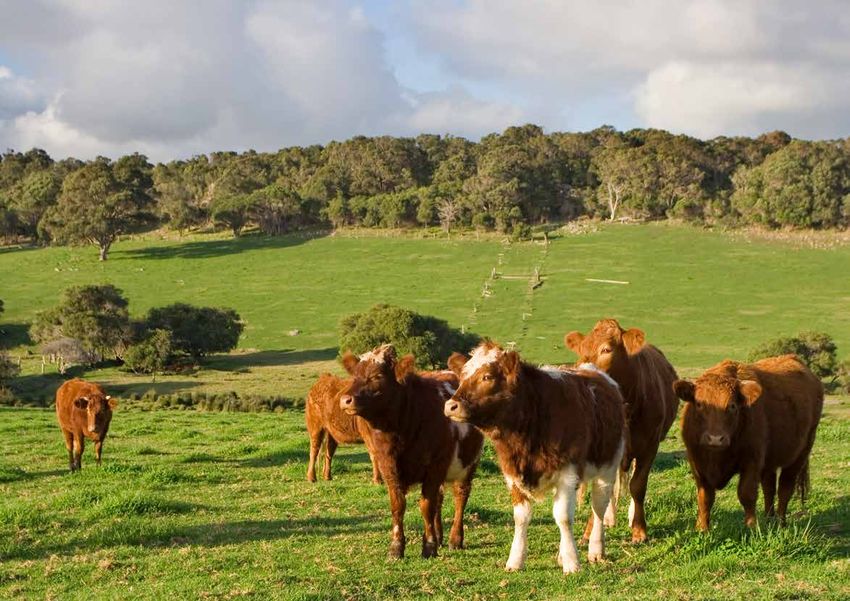
Western Australian
Suicide Prevention
Framework 2021–2025
This resource was prepared by:                                                        Copyright
   Mental Health Commission                                                           This work is copyright. It may be reproduced in whole or in part for study
   GPO Box X2299                                                                      or training purposes subject to an acknowledgement to the Mental Health
   Perth Business Centre WA 6847                                                      Commission. Reproduction for purposes other than those above requires
                                                                                      written permission of the Mental Health Commission.
Accessibility
                                                                                      Suggested citation:
This publication can be made available in alternative formats for people with a
                                                                                      Mental Health Commission 2020. Western Australian Suicide
disability, on request to the Mental Health Commission.
                                                                                      Prevention Framework 2021-2025, Mental Health Commission,
Disclaimer                                                                            Government of Western Australia.
The information in this document has been included in good faith and is based
on sources believed to be reliable and accurate at the time the document was
developed. While every effort has been made to ensure that the information              NOTE: All photographs within this document are for illustrative
contained within is accurate and up to date, the Mental Health Commission               purposes only: people depicted are either models or may not have
and the Western Australian Government do not accept liability or responsibility         lived experiences dealing with suicide.
for the content of the document or for any consequences arising from its use.

                                                                                  4
Contents
Acknowledgements ......................................................... 6             How we developed the
                                                                                         Suicide Prevention Framework 2025 ............................ 40
Foreword ......................................................................... 9
                                                                                         Everyone has a role in suicide prevention...................... 43
Introduction .................................................................... 10
                                                                                             Building blocks for a cross-government approach...... 45
The Suicide Prevention
Framework 2025 at a glance ......................................... 12                  What works well............................................................. 46
The Western Australian approach ................................. 15                         Factors that influence suicidal behaviour.................. 48
The Suicide Prevention Framework 2025 ..................... 19                           Monitoring and evaluation ............................................. 51
    Vision ........................................................................ 19   Glossary......................................................................... 52
    Goal .......................................................................... 19   Appendices..................................................................... 55
    Purpose .................................................................... 19      References..................................................................... 59
    Guiding Principles .................................................... 19
Success Factors ............................................................ 23
Streams ......................................................................... 26
    Prevention / Early Intervention ................................. 27
    Support / Aftercare ................................................... 30
    Postvention ............................................................... 34
    Aboriginal People ..................................................... 37

                                                                                                         5
Acknowledgements
We remember those we have lost to suicide, and           We sincerely thank the community, and everyone            Lesbian, Gay, Bisexual, Transgender and
their families, friends, loved ones and others           who contributed to the state-wide engagement and          Intersex People
affected by their deaths.                                shared their experiences, for their commitment to         Throughout this document the acronym LGBTI is
                                                         address suicide in Western Australia.                     used to refer to lesbian, gay, bisexual, transgender
We respectfully acknowledge and pay our respects
to Aboriginal and Torres Strait Islander Elders,                                                                   and intersex people. However, it is recognised that
past, present and emerging; and acknowledge the          Key terminology                                           many people and populations have additional ways
diversity and strength of Aboriginal and Torres Strait                                                             of describing their distinct histories, experiences and
Islander people and communities today.                   Aboriginal People                                         needs beyond this acronym 1.
                                                         Within Western Australia, the term Aboriginal is used
The Western Australian Suicide Prevention
                                                         in preference to Aboriginal and Torres Strait Islander,   Community
Framework 2021–2025 (Suicide Prevention                                                                            The term community in this document represents
                                                         in recognition that Aboriginal people are the original
Framework 2025) is the result of contributions from                                                                groups of people living in or frequenting the same
                                                         inhabitants of Western Australia. Reference to
many organisations and individuals from across the                                                                 place such as a sporting club, neighbourhood,
                                                         Aboriginal people throughout this document is
Western Australian community. These include:                                                                       town, regional centre or metropolitan area. It can
                                                         respectfully inclusive of Torres Strait Islanders.
•   Members of the steering committee, who                                                                         also represent a group of people with particular
    provided content expertise and also represented      Social and Emotional Wellbeing                            characteristics, attitudes or interests in common.
    the voices of vulnerable populations;                The traditional Aboriginal understanding of health        These could also be referred to as communities of
                                                         is holistic and does not refer to the individual but      interest, communities of shared experience, and
•   Suicide prevention coordinators, who were                                                                      communities of people who self-identify.
                                                         encompasses the social, emotional and cultural
    instrumental in bringing together service
                                                         wellbeing of the whole community. The social and
    providers, local government, non-government,
                                                         emotional wellbeing (SEWB) of Aboriginal people           Vulnerable Populations
    private sector, and community members from                                                                     In this document, vulnerable populations refers to
                                                         is strongly influenced by their connection to family,
    across the state, to ensure their needs were                                                                   communities who have been identified as having
                                                         Elders, community, culture, Country, and spirituality.
    voiced; and                                                                                                    a higher risk of suicide and suicidal behaviour as a
                                                         These connections work together to provide a
•   Representatives of key state and federal             culturally safe environment for Aboriginal people,        result of barriers they may experience due to social,
    government departments, who were involved in         and helps individuals to maintain and enhance their       economic, cultural, geographical, environmental and
    the advisory group and showed leadership and         SEWB.                                                     individual factors.
    commitment to a whole-of-government approach
    to address suicide in our communities.

                                                                                   6
As reported by the World Health Organization         persons; individuals who have made a previous            However, it is acknowledged there are many
(WHO), these include Aboriginal people; persons      suicide attempt and people suicide bereaved. In          additional communities who may also be at risk and
who have experienced abuse, trauma, conflict or      Western Australia this also includes children and        the term ‘vulnerable populations’ used within this
disaster; refugees and migrants; prisoners and       young people and rural and remote communities.           document is respectfully inclusive of these groups.
others in contact with the justice system; LGBTI

   Language matters when talking about suicide
   Please remember that suicide is a complex issue and arises from an interaction between many circumstances in a person’s life.
   Using safe and inclusive language is helpful when talking about suicide 2.

       Stigmatising Language                                     Why                                                  Safe Language

                                                     So as to not glamorise or                                       ‘non-fatal’ or
        ‘unsuccessful suicide’
                                                    normalise a suicide attempt                             ‘made an attempt on his/her life’

                                                    So as to not present suicide
          ‘successful suicide’                                                                           ‘took their life’ or ‘ended their own life’
                                                       as a desired outcome

             ‘committed’ or                    So as to avoid the association between
                                                                                                         ‘died by suicide’ or ‘deaths by suicide’
            ‘commit suicide’                          suicide and ‘crime’ or ‘sin’

                                                                                                              ‘concerning rates of suicide’
           ‘suicide epidemic’                  To avoid sensationalism and inaccuracy
                                                                                                                 or ‘number of deaths’

            ‘suicide victim’ or                To avoid labelling, which hides the real            ‘person who has died by suicide’ or ‘person
           ‘suicide attempter’                   complexity of someone’s situation                   who has experienced a suicide attempt’

                                                                              7
To achieve the goal of reducing
                                                                                               the rate of suicide attempts and
                                                                                                 death by suicide it is vital that
                                                                                                        we work in partnership

Everlastings in Coalseam Conservation Park, Mid West. Photo – Parks and Wildlife Service

                                                                                           8
Foreword

On average, approximately one person a day dies by suicide in
Western Australia. This is a tragic loss of life. The devastating impacts
of suicide are felt deeply and can affect entire communities. However, by
supporting people, providing the appropriate interventions when required
and working together we can change this.

Suicide is a complex issue that will take time to address. Preventing suicide
and reducing suicidal behaviour is a key priority for the Western Australian
Government.
                                                                                At its core is the need for government to draw on and be guided by the
Suicide Prevention is a whole-of-community issue, and as such requires a        critical knowledge and strength of communities, service providers and
whole-of-community approach. This Western Australian Suicide Prevention         people with lived experience.
Framework 2021-2025 (Suicide Prevention Framework 2025) has been
                                                                                This Framework was developed to be used as a guide by government, non-
developed in consultation with consumers, communities, peak bodies and a
                                                                                government, communities and private organisations, so that a coordinated
range of other stakeholders across Western Australia.
                                                                                approach can be taken to suicide prevention activity across Western
The overwhelming feedback received is that government cannot do it              Australia.
alone – suicide prevention requires a united front and it needs to be
                                                                                Suicide is preventable. To achieve the goal of reducing the rate of suicide
tailored to individual community needs.
                                                                                attempts and deaths by suicide among Western Australians, it is vital that
The Suicide Prevention Framework 2025 takes into consideration the              we work in partnership. We must do this together.
vast geographical distances between regions and allows for flexibility in
delivery and for voices to be heard, so that programs and services have the     Hon. Roger Cook MLA
greatest chance of success.                                                     Deputy Premier and Minister for Mental Health

The guiding principles and priority areas in the Framework provide a
roadmap, outlining the need for commonalities such as better data
collection, support structures, capability and resources.

                                                                            9
Introduction
Everyone has a role in suicide prevention.                 In 2018, 3,046 people died by suicide in Australia.      Between 2014 and 2018, WA had the highest
Reducing the rate and impact of suicide in our             For every suicide death, as many as 25 people will       age-standardised rate of suicide among Aboriginal
communities requires a whole-of-population                 attempt suicide, meaning approximately 78,000            people (37.9 deaths per 100,000 people). This
commitment. It is not something any single                 Australians 5 require appropriate, timely and critical   was considerably higher than the national average
agency, level of government, or community can do           care to support their recovery each year. Suicide        for Aboriginal people over the same period (23.7
alone. The impact of suicide is far-reaching and           was estimated to account for 108,035 years of            deaths per 100,000).
long-lasting. It has a devastating effect on families,     potential life lost in Australia in 2017 6.
                                                                                                                    Suicidal behaviour is complex. Many factors
friends, and services, which ripples throughout
                                                           In 2018, 383 individuals died by suicide in Western      and pathways may lead a person to attempt to
communities. A 2016 Australian report indicated
                                                           Australia (WA). On average, this is more than one        take their life. In the pursuit of effective suicide
that 89% of respondents knew someone who had
                                                           person a day. WA had the third-highest rate of           prevention strategies, no single activity stands out
attempted suicide, and that 85% knew someone
                                                           suicide for all Australian states and territories        above others. With the implementation of a range
who had died by suicide 3. For every person who
                                                           (14.7 deaths per 100,000 people) and its rate has        of strategies that focus on lowering the risks and
takes their life, more than 135 people experience
                                                           been consistently higher than the national average       increasing the protective elements many suicide
intense grief or are otherwise affected 4.
                                                           (12.1 deaths per 100,000 people) since 2008 7,           deaths can be prevented.
                                                           Table 1 demonstrates this trend over time.
                                                                                                                    To support the creation of a community that
                                                                                                                    experiences optimal mental health and wellbeing
Table 1 6 – Standardised death rates for suicide, Western Australian and Australia 2010 - 2018                      individuals, communities, government and non-
                                                                                                                    government need to work together to implement
                    Western Australia          Australia
        16                                                                                                          ongoing and coordinated evidence-informed
        14                                                                                                          activities across WA. The Suicide Prevention
        12                                                                                                          Framework 2025 is inclusive of all Western
        10
                                                                                                                    Australians across the lifespan. It aims to create
                                                                                                                    a platform for the WA community to be better
         8
                                                                                                                    educated about suicidal behaviours and considers
         6
                                                                                                                    that anyone can become suicidal, anyone can lose
         4
                                                                                                                    someone to suicide, and everyone has a role in
         2
                                                                                                                    suicide prevention.
         0
                2010     2011     2012     2013     2014      2015     2016     2017     2018

                                                                                 10
Facts about suicide
The rate of suicide among males
is more than three times greater
than that for females 4
Aboriginal people have a rate of
suicide three times higher than
non-Aboriginal people in WA 6
For young people aged 15-24 suicide
is the leading cause of death 8
The impact of suicide is
far-reaching and long-lasting. 15.5% of LGBTI young people in the
Growing up Queer study reported
It has a devastating effect 15.5%
attempting suicide at some point
on families, friends, and in their life 9
services, which ripples 48.1% of young transgender people in the
throughout communities 48.1% Trans Pathways study reported attempting
suicide at some point in their life 10
Photo: Omar Lopez
Problems related to substance use
were present in 29.4% of deaths by
Building on existing programs and aligned with State and suicide in Australia in 2018 6
Commonwealth policy directions, the Suicide Prevention Framework
2025 supports the WA Government’s existing commitments to tackling
Mood disorders, including depression,
the complex issues of suicide and sets the direction for future action.
were present in 43.9% of deaths by
It brings the voices of the community together to provide understanding
suicide in Australia in 2018 6
and guidance for individuals, communities, private and non-government
organisations and the government.
11The Suicide Prevention Framework 2025 at a glance
Guiding Principles
Vision Everyone has a role in suicide prevention
All Western Australians experience
Recognition that lived experience is essential to inform suicide
optimal mental health and wellbeing
prevention activity
and work together to prevent suicide
in the community Community wellbeing and resilience are fundamental
Evidence-informed, integrated, cross-sectoral approaches are needed
Goal Quality and timely interventions are available across the lifespan
To reduce the rate of suicide attempts
and death by suicide in Western Earlier intervention to prevent and manage crisis
Australia
Support and care is matched to individual needs and preferences
Care is culturally appropriate and compassionate
Purpose Communities are empowered to lead local efforts tailored to local
To provide the framework for a circumstances and priorities
coordinated approach to address
Individuals, families and communities are supported to recover
suicide prevention activity in
Western Australia from 2021 to 2025 A sustainable service system, which takes into account the limited
resources available
12Streams Priority Areas
Community engagement and awareness to support positive change
Prevention /
Mental health and wellbeing education, and suicide prevention
Early training for communities and health professionals Success
Intervention
Responsible reporting of suicide in the media
Factors
Options for people experiencing suicidal crisis Better use of data,
information and evidence to
Support / Competent and confident assistance for people who are suicidal support suicide prevention
Aftercare Restricting the means of suicide Partnerships, collaboration,
and coordination of
Appropriate aftercare support following a suicide attempt
activities for better
Support for people and communities affected by a suicide death outcomes
Streamlined notification processes Acknowledgment of the role
Postvention that trauma and the social
Build community capacity to respond to the needs of those determinants of health have
affected by a suicide death in suicide prevention
Facilitate the development of a Western Australian Aboriginal
Aboriginal Suicide Prevention Strategy prioritising culturally secure
People approaches to social and emotional wellbeing and suicide
prevention, with dedicated regional plans
13In 2020, contemporary research
supports implementing
multiple strategies, delivered
simultaneously across a range
of areas; this is referred to as a
systems-based approach
Cows grazing, South West
14The Western Australian approach
The WA State Government has supported two approach to address suicide prevention across governments. The Fifth Plan also acknowledges
previous suicide prevention strategies, covering Australia. the unique challenges faced by Aboriginal
the period from 2009 to the present. The Suicide people, with the recommendation to develop a
In 2020, contemporary research supports
Prevention Strategy – One Life, 2009 to 2013, National Aboriginal and Torres Strait Islander
implementing multiple strategies, delivered
was developed from an analysis of almost Suicide Prevention Plan. The Fifth Plan outlines
simultaneously across a range of areas; this is
20 years of data on suicide and self-harm a commitment from governments to develop
referred to as a systems-based approach 11.
in WA, a comprehensive literature review of a National Suicide Prevention Strategy for
Systems-based approaches that have emerged
contemporary suicide prevention research, and Australia’s Health System: 2020-2023 (NSPS).
in Australia since the launch of Suicide
an extensive state-wide consultation process.
Prevention 2020 include the Alliance Against The Suicide Prevention Framework 2025 was
It was aligned with the former National Suicide
Depression (AAD) model 13, i, the LifeSpan developed within a framework focusing on the
Prevention Strategy: Living is for Everyone
Integrated Suicide Prevention (LifeSpan) whole population and closely aligns with the
(LIFE).
model 13, and the Aboriginal and Torres Strait Fifth Plan, the NSPS and some of the systems-
One Life was succeeded by Suicide Prevention Islander Suicide Prevention Evaluation Project based approaches mentioned previously. The
2020: together we can save lives (Suicide (ATSISPEP) framework 14. Suicide Prevention Framework 2025 has four
Prevention 2020). Suicide Prevention 2020 major streams: Prevention / Early Intervention,
To ensure consistency and a focus on a
was organised under six key action areas Support / Aftercare, Postvention and Aboriginal
systems-based approach to address deaths by
and provided services and activities to at-risk people. Table 2 summarises the Suicide
suicide, the National Mental Health Commission
populations in locations across the state. Prevention Framework 2025 approach across
(NMHC) supported the development of the
the suicide prevention continuum.
During the implementation of Suicide Prevention Fifth National Mental Health and Suicide
2020 there were significant developments in the Prevention Plan (the Fifth Plan). The Fifth Plan
Australian and international suicide prevention has been endorsed by the Council of Australian
literature and research. During this time, Governments (COAG) Health Council and
the Commonwealth and State and Territory sets a clear direction for coordinated action
governments committed to a more coordinated by the Commonwealth, State and Territory
i. The Alliance Against Depression (formally the Nuremberg Alliance Against Depression) was initially implementated in 2004 in the trial region of Nuremberg.
WA Primary Health Alliance (WAPHA) utilised this model in WA since 2017.
15Table 2 – Suicide Prevention 2025 approach – The WA Suicide Prevention Continuum
(adapted from: Prevention First (Adapted): A Framework for Suicide Prevention) 15
PREVENTION /
STREAM SUPPORT / AFTERCARE POSTVENTION ABORIGINAL PEOPLE
EARLY INTERVENTION
To promote wellbeing and To provide early and effective support to To reduce the impact of a death by To promote SEWB in Aboriginal
prevent the development of reduce suicide and quality care following a suicide and assist people who are Western Australians and prevent
PURPOSE suicidal behaviour suicide attempt bereaved and affect to recover from the development of suicidal
trauma, manage loss and grief and behaviour
cope with major stressors
The whole population or groups Individuals who are showing early signs of Individuals (family, friends, Aboriginal people across WA
in the community suicidal behaviour professionals, peers) and
Aboriginal Youth
communities who have been
POPULATION Groups with higher risk Individuals experiencing a suicidal crisis.
affected by the death of someone
This includes those who have recently
Individuals showing early signs from suicide
been suicidal, and the people who support
of suicidal behaviour
them
Focusses on promoting Focusses on early identification of Strategies meet bereavement- Use a SEWB approach to address
wellbeing. Reducing risk factors individuals showing signs of suicidal related needs that may occur over a suicide prevention for Aboriginal
and enhancing the protective behaviour and providing clear pathways lifetime and focus on providing timely People. SEWB acknowledges
factors for whole populations for appropriate support support to limit the ongoing harmful that connections to land, culture,
ACTIVITIES consequences of a suicide death for spirituality, family and community
Timely support for those Appropriate support (care, treatment, help
others impact on the wellbeing of
showing early warning signs of or supervision) to lower the severity and
Aboriginal people
suicidal behaviour duration of a suicidal crisis and/or attempt.
This extends to family and carers
Community awareness Training for para-professionals to help Practical support such as providing Develop a Western Australian
campaigns about suicide detect the early signs of suicide behaviour meals, transport, bedding etc Aboriginal Suicide Prevention
prevention Strategy
Clear referral pathways between Peer-support groups for those with a
Programs to promote community organisations primary care and lived experience of suicide Recognise and empower Aboriginal
community connectedness specialist services youth voices in suicide prevention
EXAMPLES Community education and
discussion and decision-making
School-based programs to build Effective community follow-up following a awareness raising about suicide,
resilience suicide attempt stigma, trauma, loss and grief Develop and deliver a culturally
appropriate public awareness-
raising campaign aimed to support
Aboriginal people
16The Suicide Prevention Framework 2025 aims to build
on the work of the previous strategies and considers
strategic documents, such as:
• The Western Australian Mental Health, Alcohol and
Other Drug Services Plan 2015–2025
• The Western Australian Mental Health Promotion,
Mental Illness, Alcohol and Other Drug Prevention
Plan 2018–2025 The Suicide Prevention Framework 2025 provides
• Gayaa Dhuwi (Proud Spirit) Declaration the framework for a coordinated approach to
address suicide prevention activity in Western
• The State Public Health Plan for Western Australia
Australia from 2021 to 2025 under the four
2019-2024
streams of Prevention / Early Intervention,
• Commitment to Aboriginal wellbeing Support / Aftercare, Postvention and
• ATSISPEP Aboriginal people.
The Framework was designed in consultation with It can be used by state and local
the community, government and non-government governments, non-government
organisations, and the mental health sector. It was and private organisations and
developed using the most current data, research, communities to help identify
evaluation and reports, and the expertise of various their role in suicide prevention
working and steering groups. It takes into consideration and guide the investment,
and includes the voices of vulnerable populations as
development, implementation
well as the lived experiences of those who have been
and evaluation of suicide
prevention activities.
bereaved by suicide, and those who have experienced
being suicidal.
It takes into account the complexities of WA, including
the vast distances between regions and diversity of
populations, the rapidly changing social, economic and
environmental landscape, and the emerging evidence. It
recognises the need for a mix of place-based and state-
wide activities and promotes flexibility for programs and
services to be tailored for local communities.
17Everyone has a role in
suicide prevention
18The Suicide Prevention Framework 2025
Guiding Principles
Vision Recognition that lived experience is
These principles underpin and guide all
All Western Australians experience activities outlined in the Western Australian essential to inform suicide prevention
optimal mental health and wellbeing Suicide Prevention Framework 2021–2025. activity
and work together to prevent suicide They are drawn from the draft National People with a lived experience of attempted
in the community Suicide Prevention Implementation suicide or who have been bereaved by suicide
Strategy for Australia’s Health System: have great knowledge and expertise through
2020–2023, modified to present a Western their experiences. This includes their families,
Australian perspective. In the development, carers and communities. The development and
commissioning, and implementation of
Goal suicide prevention activity, it is important
implementation of strategies must include their
voice, and suicide prevention activities should
these principles are consistently applied. be co-designed including people with a lived
To reduce the rate of suicide attempts
experience.
and death by suicide in Western Australia
Everyone has a role in suicide prevention
Having a role in suicide prevention activities is in Community wellbeing and resilience are
every person’s, community’s and government’s fundamental
Purpose interest, because suicide impacts the entire
community. It is far-reaching and long-lasting,
Connection to community, a sense of belonging,
equity and inclusion, engagement and safe
To provide the framework for a with the potential to touch everyone directly and gathering places all contribute to community
indirectly. Whilst the reasons for suicide are wellbeing and resilience. Fostering social
coordinated approach to address
complex and multifaceted, many suicides are connections, creating community safety
suicide prevention activity in
preventable. Everyone is encouraged to take a and protecting against adversity will enable
Western Australia from 2021 to 2025
role in suicide prevention, no matter how great communities to adapt, recover and thrive
or small. through times of change and unpredictability.
19Guiding Principles (continued)
Evidence-informed, integrated, cross- Quality and timely interventions are available Support and care is matched to individual
sectoral approaches are needed across the lifespan needs and preferences
It is preferable for activities to be developed and Evidence shows that early identification and It is essential that individuals, their families and
implemented on the basis of evidence and of effective management for the support of individuals communities have a voice. Care must be tailored to
what does and does not work. Where evidence who are seeking help is key to reducing suicides. the person’s circumstances, needs and underlying
is unavailable, programs informed by evidence A variety of services and programs need to be causes of distress. For some people this will involve
and best practice methods in similar fields can equipped to deliver evidence-informed and culturally person or family centric mental health treatment or
be implemented. The insights of people with secure prevention and interventions that prevent cultural healing. For others, relationship counselling,
lived experience of suicide; traditional forms of and respond to psychological distress and suicide- employment or housing support could be what is
knowledge, such as from Aboriginal people; and related experience for people of all ages. needed most.
unique cultural perspectives can form part of the
evidence base for effective suicide prevention. Earlier intervention to prevent and manage Care is culturally appropriate and
Continual development, implementation and crisis compassionate
evaluation of existing and future initiatives is
Shifting focus to early interventions, such as The diversity of individuals and communities needs
crucial. However, it is also important that any
addressing risk and protective factors, can have to be valued and respected. Care which is kind
evaluations of suicide prevention programs or
significant advantages for the whole population. For and compassionate, without prejudice, racism,
activities are open to trialling new, innovative and
individuals, early intervention is critical for those stigma or judgement, is essential. A compassionate
non-traditional initiatives.
showing signs of suicidal crisis, as is a holistic approach requires an understanding of where the
SEWB approach for Aboriginal people. person came from, what they are connected to, how
they got to where they are now and how they can
move forward. People with lived experience report
culturally secure, compassionate care as vital to
their successful recovery.
20Communities are empowered to lead
local efforts which are tailored to local
circumstances and priorities. Evidence shows that early
Suicide prevention approaches are more effective identification and effective
management for the
when they are community-driven and led, and
reflect the social, emotional, cultural, socio-
economic and spiritual needs of the community.
WA is an expansive and diverse state, with each
support of individuals who
region having its own unique circumstances are seeking help is key to
and challenges. Local people are best placed to
determine what is required for their community, and reducing suicides
their expertise must be respected and prioritised.
Within an evidence-informed context their local
knowledge, experiences and stories are essential
for making a difference. Muttonbird Beach Albany. Photo – Nev Clarke
Individuals, families and communities are A sustainable service system, which takes
supported to recover into account the limited resources available
The ripple effect of suicide and suicidal behaviour Governments, services providers and communities
has diverse and long-term impacts for individuals, must acknowledge that resources for suicide
families, friends and communities. Sustained prevention programs and initiatives will fluctuate
compassion, understanding, coordinated and over time. Strategies for sustainability must be
practical support are required over the long term to prioritised, including the sharing of information,
aid healing and recovery from the impact of suicide. collaboration across services and a commitment by
government agencies to work together.
21Many of the factors that can
influence suicide prevention
occur in non-health settings
22Success factors
The following factors are required and must • Defining the roles and responsibilities of Better use of data, information and
function well for the success and sustainability federal, state, local and non-government evidence to support suicide prevention
of the Suicide Prevention Framework 2025. organisations regarding suicide prevention,
Improving the quality of evidence about suicide
early intervention, support, aftercare and
and suicide prevention activities is fundamental
Partnerships, collaboration, and postvention to address duplication and/or
for the continuous improvement of community
coordination of activities for better service gaps
outcomes. Improved reporting of and learning
outcomes • Commitment by federal, state, local and from deaths by suicide needs to occur to help
Many of the factors that can influence suicide non-government organisations to genuinely inform future suicide prevention activities.
prevention originate and occur in non-health collaborate on suicide prevention initiatives Promoting evidence-informed innovation,
settings. Close working relationships across including the establishment of (pathways) accompanied by thorough evaluation, will help
multiple settings between governments at to support systemic advocacy in suicide build the evidence for new approaches.
the local, state and national level, private and prevention
non-government sectors, research institutions Success factor examples:
• Provision of opportunities for MHC-funded
and key community groups is essential. This • Improved data collection, particularly at the
service providers to engage with each
includes funding models for suicide prevention community and population levels, to measure
other regularly to support a more cohesive
activities to promote collaboration, including the increased personal and community resilience
approach to strategy delivery and an
efficient pooling of resources and a commitment
improved consumer pathway • More consistent and timely reporting and
to investment from various agencies over the
• Provision of appropriately qualified notification of WA Police Force and hospital
long-term.
metropolitan and regionally based staff data on self-harm, suicidal ideation and
Success factor examples: who engage with local service providers, suicide attempts
community and stakeholders to coordinate • Collection of both qualitative and quantitative
• Lead government agencies with appropriate
and support suicide prevention initiatives data, including descriptive narratives from
resource allocation, will commit to facilitating,
leading and/or being part of a coordinated • Greater alignment with Local Public Health service providers and people with lived
whole-of-government response to suicide Plans on practical initiatives experience
in Western Australia, utilising the Suicide • More academic research and practical
Prevention Framework 2025 as a guiding information sharing between suicide
document prevention professionals and communities
with lived experience
23Stigma, Myths and Misconceptions about suicide
If someone or something is stigmatised, they …having to confront the negative attitudes
are unfairly regarded as having something to be of others can be one of the biggest and most
Acknowledgment of the role that ashamed of. A stigma refers to a social attribute or isolating obstacles for people experiencing
addressing historical and current trauma characteristic, which when present is viewed (by suicide related issues.
and the social determinants of health have some) as undesirable or discrediting of an individual – Bathje & Marston, 2014
in suicide prevention or group 16. Social stigmas though physically invisible,
Exploring the myths 18 and misconceptions around
may be identified through our expressed attitudes or
Action on suicide prevention is more effective suicide is one way to help reduce the development
behaviours toward certain groups or individuals.
when integrated with broad responses to the and impact of stigma.
social and cultural determinants of poor health If we think negatively of, or stigmatise someone
and wellbeing. This includes childhood trauma, because they have a particular attribute (such as skin Challenging stigma
family violence, poverty, insecure housing, colour, cultural background, a disability or a mental
Challenging stigma is a whole-of-population
displacement, experiences of discrimination, lack health condition), this ‘labelling’ sets them apart from
responsibility, and everyone has a role to play in
of education opportunities, isolation, loneliness others in connection to the stigmatised quality. It is
creating inclusive, non-discriminatory communities.
and alcohol and other drug use. For Aboriginal through this process of labelling that an individual
Some of the ways to challenge stigma around suicide
people the impact of colonisation and systemic becomes part of a stereotyped group.
and mental health are:
racism also needs to be acknowledged.
Another consequence of stigma can be • Build knowledge about suicide and mental health
Success factor examples: self-stigma 17, which is the process by which conditions, and share learnings with others
members of stigmatised populations come to • Be mindful not to judge, label or discriminate
• Collaboration across governments in equitable
internalise and self-identify with the stigma to which when meeting people affected by suicide or
partnerships with local communities to
they are exposed, that is, agreeing that the way they mental health conditions
address the social contexts and determinants
are is abnormal, shameful or undesirable. This often
that drive feelings of hopelessness • Treat all people with respect and dignity
leads to self-isolation or other difficulties in coping,
• Avoid use of stigmatising language
• Addressing homelessness, violence, child potentially adding to their vulnerability.
neglect, alcohol and other drug related-harms, • If you hear people around you making
Stigma related to suicide remains a major obstacle to stereotypical or incorrect comments about suicide
poverty, etc.
suicide prevention efforts. Those who are left behind or mental health, speak up and correct them 19.
following a loss, or who have attempted suicide often
face considerable stigma within their communities,
which may prevent them from seeking help.
24MYTH: “Everyone who engages in suicidal MYTH: “Athoughts
person living with suicidal
wants to die.”
MYTH: “People who talk about suicide are
behaviour has a mental illness.” just attention seeking.”
FACT: FACT: FACT:
Thoughts of suicide can happen to anyone, Most people who are suicidal don’t really People who talk about suicide are often
including those who have no history of want their lives to end, they just want the thinking about taking their own life. Talking
mental health conditions. People living with pain to end. The understanding, support, about suicide may be a way to indicate
mental health conditions, however, are at and hope that you offer can be their most they need support so it needs to be taken
increased risk of suicide. important lifeline 20. seriously.
MYTH: “People who think about suicide
are weak or selfish”
Asking someone MYTH: “It is impossible to stop suicide.”
if they are feeling FACT:
FACT:
Anyone who thinks about suicide is
suicidal may seem Suicide is not inevitable and is often
experiencing intense and overwhelming difficult, but it shows preventable.
that you care
negative feelings and cannot see any
other solution – they need support, not
judgement.
MYTH: “Asking someone if they are
suicidal puts ‘ideas’ in their head.”
MYTH: “People who are living with
MYTH: “Someone who has attempted thoughts of suicide think about FACT:
suicide will never try again.” taking their life all the time.”
Experts generally agree that asking is
FACT: FACT: unlikely to make the situation worse. One
of the only ways to really know if a person
A previous suicide attempt is a recognised Suicidal thoughts can come and go, a is contemplating suicide is to ask. Asking
risk factor and will increase with each person living with suicidal thoughts most someone if they are feeling suicidal may
subsequent attempt. likely will not be suicidal forever. seem difficult, but it shows that you care.
25Streams:
Prevention / Early Intervention
Support / Aftercare
Postvention
Aboriginal People
Blue skies over the Pilbara
26Prevention / Early Intervention
The prevention / early intervention stream aims to promote wellbeing and prevent the development 1.3 Expanding public awareness campaigns
of suicidal behaviour. Initiatives may occur across the whole population or within specific communities. to assist communities to connect with the
Activities focus on promoting wellbeing, and reducing the risk factors while enhancing the protective best mental health and suicide (prevention)
factors for communities. This can include strategies to address social determinants of health as well as information, support, and services, with the
public awareness raising campaigns and engaging communities in suicide prevention action. capacity to be localised as required
1.4 Celebrating those with diverse cultures,
“Empowering local people to determine 1. Community engagement and awareness languages, genders and sexualities within
those methods of suicide prevention that to support positive change the community and at the service provision
are most appropriate for their community level
Communities play a critical role in suicide
will ensure local buy-in, innovation, social prevention. They are able to access knowledge to 1.5 Recognising and empowering youth voices
inclusion and a sense of belonging. Every in suicide prevention discussions and
identify and implement specific suicide prevention
community appears to have the ‘right’ leadership through greater participation
strategies relevant to their situation 21. This may
answer for addressing suicide in their in decision-making, co-production of
include enhancing broad government strategies
prevention initiatives, and advice to services
context and all display great levels of by localising them and/or coming up with specific
insight and innovation in methods. These activities unique to their community. 1.6 Providing dedicated peer-based mental
health and wellbeing education and support
methods often manifest in community
Activities required to ensure this priority is for vulnerable populations as directed by
and social engagement activities, and
achieved include: local needs
whilst these initiatives may not always
1.1 Empowering local people to determine and 1.7 Enhancing the broader Western Australian
be evidence-based, they are critical to
deliver those methods of suicide prevention community’s understanding of the SEWB
providing local ownership, hope and the
that are most appropriate for their community approach to suicide prevention taken by
necessary community dialogue to support through increased and more accessible Aboriginal people and their communities,
more evidence-based prevention.” localised suicide prevention resourcing to ensure culturally secure responses and
– Engagement summary 2019 1.2 Addressing the stigma of mental health support
(WA Suicide Prevention Action Plan and suicide in communities by leveraging 1.8 Investigating community-based initiatives
2021-2025 Engagement Report) national and state health promotion to reduce loneliness and increase social
initiatives at regional and community levels connections for high-risk populations ii
ii. The literature points to young people aged 15-25 years and individuals aged 75 and older as being at the highest risk of loneliness. This document acknowledges the unique
challenges within some workplaces and communities and provides scope for loneliness initiatives to be implemented as identified.
272. Mental health and wellbeing education, 2.4 Providing education and training that
and suicide prevention training for
communities
addresses the wider social context within which
mental health and suicidal ideation develops,
Helpful ways to
Many people who are experiencing suicidal thoughts
and focusing on building stronger protective present information
behaviours in at-risk populations
communicate distress through their words or (adapted from Reporting suicide and mental
actions, but these warning signs may be missed or 2.5 Providing mental health and wellness illness: A Mindframe resource for media
misinterpreted. Education and training can provide education and suicide prevention training in professionals, 2014) 26
people with the knowledge and skills to identify schools, and tertiary institutions to both staff
and students • Covering suicide sensitively and accurately
warning signs that someone may be suicidal, talk
to challenge public misconceptions and
to them about suicidal thoughts, and connect them 2.6 Facilitating opportunities for reconnection to myths, increase community awareness
with professional care 24. culture and country for Aboriginal people and encourage community discussion and
Activities required to ensure this priority is achieved prevention activities
include: 3. Responsible reporting of suicide in the
• Informing community about the risk factors
media of suicide, including warning signs, the
2.1 Expanding mental health and suicide
prevention training and education to a wider Suicidal behaviour can be influenced through the importance of taking suicidal thoughts
cross-section of the community through easily media. Media guidelines supporting the responsible seriously and providing information about
reporting of suicide can reduce suicide rates, influence where people can get support
accessible and culturally appropriate formats
stigma and improve awareness and help-seeking 25. • Coverage that focuses on personal stories
2.2 Coordinate a cross-government, placed-
and overcoming suicidal thinking can promote
based approach to expand mental health Activities required to ensure this priority is achieved:
hope and may encourage others to seek help
and suicide prevention training for all health
3.1 Working with journalists to increase their
professionals and frontline staff in relevant • Reporting that focuses on suicide as a health
competency with respect to the Mindframe
service areas such as policing, justice and and community issue helps to increase
reporting guidelines
child protection community awareness and reduce stigma
3.2 Educating communities, particularly school- • Reports that show the impact that suicide has
2.3 Empowering peer support groups and
aged youth and parents, about identifying on individuals and communities can increase
networks that deal with mental health
distress and cries for help on social media and understanding about the experiences of those
and suicidal ideation through appropriate
the application of Mental Health First Aid-style affected by suicide
recognition, supervision and resourcing
principles in online environments
28Case Study – Think Mental Health
The Think Mental Health Program (TMH) was family and friends of these people, to talk to each
built on the premise that strategies developed for other when things aren’t going so well and connect
mental health promotion have a flow-on effect them with mental health information, support and
for suicide prevention. For example, building help appropriate to their situation and needs.
protective behaviours that promote mental health They included:
and wellbeing, or seeking early support when
• what to look out for when you or someone else
mental health is compromised, will translate into
isn’t doing very well
fewer incidents of suicidal behaviour. Think Mental
Health focuses on helping people connect with • how to start the conversation and what to say
At-risk men were those with a diagnosed mental
the best information, support and services for their • options on getting help and support
health condition or who had experienced a
particular situation. To achieve effective outcomes • what to do in a crisis situation significant life event in the previous two years. The
for mental health and suicide prevention, a broader
Baseline research was conducted prior to the campaign was particularly effective in reaching at-
focus has been taken to model the success
launch of the campaign to understand trends in risk men, with 70% recognising it when prompted.
achieved by other high-profile population-based
community knowledge, beliefs, attitudes, intentions At- risk men were significantly more likely to talk
behaviour change campaigns, such as tobacco
about their mental health needs with a professional
control. and behaviours in relation to mental health and
as well as with family/friends as a result of seeing
wellbeing, mental health issues, help-seeking, and
A new Think Mental Health Men’s Campaign the campaign.
barriers to help-seeking (stigma). Research will be
(the campaign) was developed in response to
conducted to monitor and track attitudinal measures Awareness of the campaign was also high amongst
consistently high suicide rates among men in WA.
over time. family and friends with 29% of family and friends
In 2017, over 70% of suicide deaths in WA were
spontaneously aware of the campaign and 69%
men 22. The highest prevalence of suicide was A post-campaign evaluation 23 indicated that men
demonstrating awareness when prompted. The
among men aged 25 to 54 years, who were found the messages highly relevant, with the
campaign was also felt to strongly educate family
consequently chosen as the primary target availability of help and encouragement of help- and friends: 57% said it made them think about the
audience for the current phase of the campaign. seeking registering strongly. As a result of seeing mental health and wellbeing of males close to them;
The secondary target audience is people who the campaign, more than a quarter (28%) of all men 49% were made aware of the TMH website; 48%
support men, such as partners, friends, family, or had taken some form of action. In terms of cut- were provided advice on how to approach someone
colleagues.
through and effectiveness, the campaign performed they are concerned about; 38% were made aware
The main communication messages of the extremely well on Novelty, Affective Impact, and of the support tools and tips available; and 37%
campaign were designed to motivate people who Relevance – within the top 25% of all Australian were made aware of the symptoms of a mental
may be experiencing mental health issues, or campaigns tracked to date. health issue.
29Activities focus on helping to Support / Aftercare
identify possible signs of suicidal
behaviour and clear pathways for The Support /Aftercare Stream aims to provide
appropriate support early and effective support to reduce suicide and
quality care following a suicide attempt. Initiatives are
aimed at individuals who are showing early signs of
suicidal behaviour or experiencing a suicidal crisis.
This includes those who have recently been suicidal,
and the people who support them. Activities focus on
helping to identify possible signs of suicidal behaviour
ensuring clear pathways to appropriate support. This
also includes appropriate support to lower the severity
and duration of a suicidal crisis and/or attempt.
“Suicide and self-harm are not black and
white but the responses always are – ED
or not, medication or not. You can still
have those thoughts every day and self-
harm but not want to act on them. ED
shouldn’t be the first and only option.”
– Regional LGBTI Teenager
4. Options for people experiencing
suicidal crisis
Suicidal behaviour is complex, and there are many
reasons why someone may be having suicidal
thoughts. The early identification and providing people
with a range of support and/or treatment options can
reduce the risk of someone taking their life.
30Activities required to ensure this priority is achieved 5. Competent and confident assistance for 5.6 Providing local services with access to more
include: people who are suicidal timely and accurate regional self-harm,
suicide attempt and death by suicide data
4.1 Providing culturally appropriate, increased Those who support people in suicidal crisis need
and equitable access to mental health and to have the knowledge and skills to enable them to
6. Reducing access to the means of
SEWB services for people in mental distress provide care that will make the person seeking help
suicide
and/or with suicidal ideation feel safe and reduce their risk of suicide.
A key challenge for suicide prevention is how
4.2 Addressing the critical lack of after-hours Activities required to ensure this priority is achieved to support individuals who may be at risk when
support for people in suicidal crisis outside include: the signs are less obvious, or support for those
of emergency departments (EDs) and
5.1 Build capacity through appropriate professional who may avoid or are less likely to seek help.
anonymous helplines, especially in rural and
development opportunities relating to One effective population level strategy strongly
remote settings
identification, assessment, treatment and supported by evidence that does not depend on
4.3 Providing alternatives to EDs for those in response to suicide for GPs, frontline workers, individual level help-seeking or risk identification
mental distress and/or suicidal crisis health, mental health and primary care staff is means restriction.
4.4 Redesigning existing ED settings to more 5.2 Embedding culturally secure, trauma-informed Means restriction is the modification of the
compassionately care for those in mental and compassionate procedures and responses environment or the creation of physical deterrents
distress into EDs as well as crisis and support services to create safer community settings. By making
4.5 Increasing access to appropriate mental 5.3 Implementing consistent assessment and it more difficult for a person to access means,
health and support services for the specific early intervention frameworks and services for or by interrupting a person’s immediate physical
needs of targeted vulnerable populations suicidal ideation and behaviour method for taking their life, (critical) time is gained
and including those relating to family and which can allow for the suicidal crisis to pass. This,
5.4 Recognising and supporting peer support and coupled with encouraging help-seeking and the
domestic violence, homelessness, alcohol
response models for people in acute mental intervention of a third party, significantly reduces
and other drug use and/or trauma
distress and suicide crisis the potential for someone to take their life 27.
4.6 Expanding access to specific services for
5.5 Acknowledging the high burnout rates of staff,
children iii and young people in mental distress Some examples of means restriction include:
in particular those in community prevention,
and suicidal crisis across WA carbon monoxide emission controls in vehicles;
isolated rural and remote counselling roles,
barriers on bridges and railways; firearm safety
and outreach and volunteer workers
iii. In this context, children are those aged 8-to-12 years. (lockable storage, licensing restrictions); blister
31You can also read


