Helena College Bushfire Emergency Procedures - Version 9
←
→
Page content transcription
If your browser does not render page correctly, please read the page content below
Helena College
Bushfire Emergency Procedures

                          Version 9
Page 2

EMERGENCY
       Phone 000
  Department of Fire &
  Emergency Services                    13 3337
  www.emergency.wa.gov.au

  WA Police                             131 444
  Midland Police Station              9250 0333
  Mundaring Police Station            9290 1900

  St John Ambulance (Emergency)             000
  St John of God Midland Hospital     9462 4000
  Glen Forrest Medical Centre         9298 8555

  State Emergency Service               132 500

  Dingo Bus Charter                 1300 854 533
  Transperth                            13 62 13

  WA Poisons Information                13 11 26

                                                   Page 2
Page 3

                                                         HELENA COLLEGE
                                                    BUSHFIRE MANAGEMENT PLAN
CRITICAL INCIDENT RESPONSE TEAM ......................................................................................................... 5
  DARLINGTON CAMPUS .................................................................................................................................... 5
  GLEN FORREST CAMPUS .................................................................................................................................. 6
INTRODUCTION.......................................................................................................................................... 7
OVERVIEW ................................................................................................................................................. 7
PREPARING FOR BUSHFIRE SEASON ........................................................................................................... 9
PRE-EMPTIVE CLOSURE .............................................................................................................................. 9
DURING EVACUATION ...............................................................................................................................10
REOPENING THE COLLEGE .........................................................................................................................10
COMMUNICATION ....................................................................................................................................10
  BUSHFIRE PRONE AREA OF WA............................................................................................................................ 11
  NATIVE VEGETATION .......................................................................................................................................... 12
  ASSET PROTECTION ZONES (APZ)......................................................................................................................... 12
  BUILDING PROTECTION ZONE (BPZ) ..................................................................................................................... 12
  COLLEGE SITE PLAN AND EVACUATION ROUTES ...................................................................................................... 13
  COMMUNICATION TREE ...................................................................................................................................... 15
  COMMUNICATION PLAN ..................................................................................................................................... 16
ACTIVATION OF THE BUSHFIRE PLAN ........................................................................................................17
1. TOTAL FIRE BAN ....................................................................................................................................17
2. FIRE DANGER RATING – CATASTROPHIC ................................................................................................18
   RESPONSE FLOW CHART ..................................................................................................................................... 20
     2.1 Planned Pre-emptive Closure .............................................................................................................. 21
     2.2 During a Planned Closure .................................................................................................................... 21
     2.3 Re-opening College .............................................................................................................................. 21
3. BUSHFIRE ..............................................................................................................................................22
     3.1. Bushfire – Watch community ............................................................................................................. 22
     3.2. Bushfire – Act ..................................................................................................................................... 24
GENERAL ...................................................................................................................................................27
DEBRIEF ....................................................................................................................................................27
APPENDICES ..............................................................................................................................................28
  APPENDIX A: BUSHFIRE PREPARATION CHECKLIST................................................................................................... 29
  APPENDIX B: BUSHFIRE CHECKLISTS FOR THE SUMMER MONTHS ................................................................................ 30
  APPENDIX C: CHECKLIST FOR ACTION IN ADVANCE OF DECLARATION OF PRE-EMPTIVE CLOSURE ....................................... 31
  APPENDIX D: CHECKLIST FOR ACTION UPON DECLARATION OF PRE-EMPTIVE CLOSURE .................................................... 32
  APPENDIX E: CHECKLIST FOR ACTION PRIOR TO LEAVING BEFORE THE DAY OF CLOSURE ................................................... 33
  APPENDIX F: BUSHFIRE PREPARATION AND RESPONSE IF COLLEGE IS OPEN ................................................................ 34
  APPENDIX G: BUSHFIRE PREPARATION AND RESPONSE IF COLLEGE IS CLOSED ............................................................ 36
  APPENDIX H: BUSHFIRE RESPONSE POSTER ............................................................................................................ 38
RESOURCES ...............................................................................................................................................39
  NOTICE OF POSSIBLE COLLEGE CLOSURE ................................................................................................................ 40
  LETTER TO PARENTS ADVISING OF PRE-EMPTIVE CLOSURE .......................................................................................... 41
  LETTER TO PARENTS CONFIRMING PRE-EMPTIVE CLOSURE ......................................................................................... 42

                                                                                                                                                    Page 3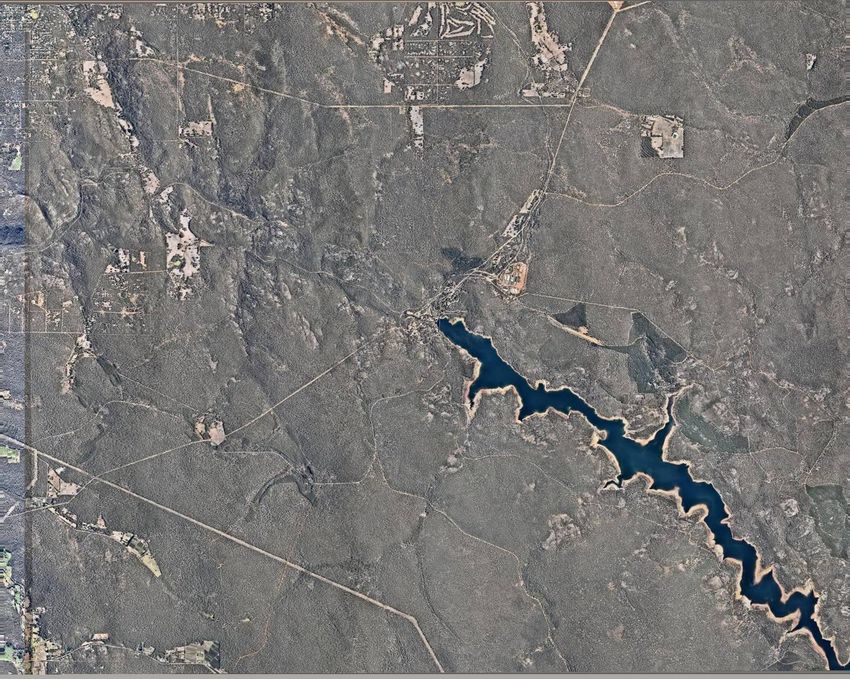
Page 4

   LETTER TO PARENTS REVERSING PRE-EMPTIVE CLOSURE ............................................................................................ 43
DISPLAY NOTICES ......................................................................................................................................44
DOE CRITICAL & EMERGENCY INCIDENT REPORT FORM ............................................................................47

                                                                                                                                            Page 4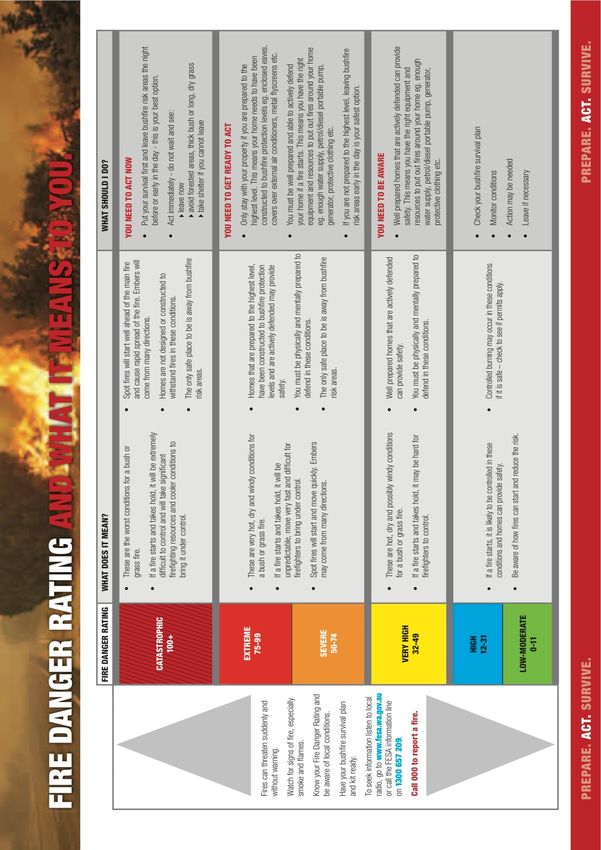
Page 5

                                         Critical Incident Response Team

DARLINGTON CAMPUS
CIRT Role            Name               Position                          Email                         Mobile Contact

Team Leader          Peter Coombs       Principal                         pcoombs@helena.wa.edu.au      0426 269 915

Alternate            Greg Miller        Head of Junior School             gmiller@helena.wa.edu.au      0417 004 705
Leader

Members              April Ledger       Deputy HoJS – Teaching & Learning aledger@helena.wa.edu.au      0406 976 504

                     Lynda Humphrey     Exec Assistant and Office Mgr     lhumphreys@helena.wa.edu.au   0412 166 791

                     Louise Selim       Administration Officer            lselim@helena.wa.edu.au       0438 989 015

                     Geoff Cook         Facilities Officer                gcook@helena.wa.edu.au        0427 095 437

                     Moira Doyle        Academic Support Administrator    mdoyle@helena.wa.edu.au       0400 755 656

External and internal Peter Coombs      Principal                         pcoombs@helena.wa.edu.au      0426 269 915
Communications
Co-ordinator          Sherene Strahan   Marketing & Community Relations   sstrahan@helena.wa.edu.au     0419 254 500

                                                                             Page 5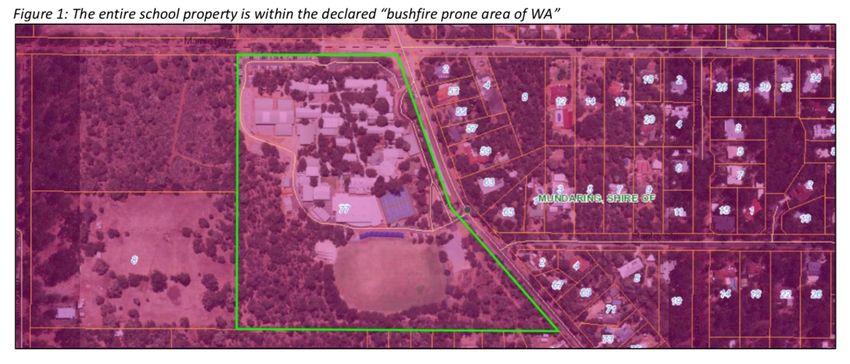
Page 6

 GLEN FORREST CAMPUS
CIRT Role               Name              Position                        Email                        Mobile Contact

CIRT leader             Peter Coombs      Principal                       pcoombs@helena.wa.edu.au     0426 269 915

Alternate leader        Justin Pitt       Deputy Principal - Operations   jpitt@helena.wa.edu.au       0414 318 713

Members                 Bob Simpson       Deputy Principal – Curriculum    bsimpson@helena.wa.edu.au   0411 205 319

                        Justin Pitt       Deputy Principal - Operations    jpitt@helena.wa.edu.au      0414 318 713

                        Michael Papali    Business Manager                 mpapali@helena.wa.edu.au    0403 433 783

                        Susan Boyett      Counsellor                       sboyett@helena.wa.edu.au    0412 708 887

                        Cathy Light       Director of Middle School        clight@helena.wa.edu.au     0439 954 737

                        Craig Hillman     Director of Upper School         chillman@helena.wa.edu.au   0448 898 141

External and internal   Peter Coombs      Principal                       pcoombs@helena.wa.edu.au     0426 269 915
communications
coordinators            Sherene Strahan   Marketing & Community Relations sstrahan@helena.wa.edu.au    0419 254 500

                                                                             Page 6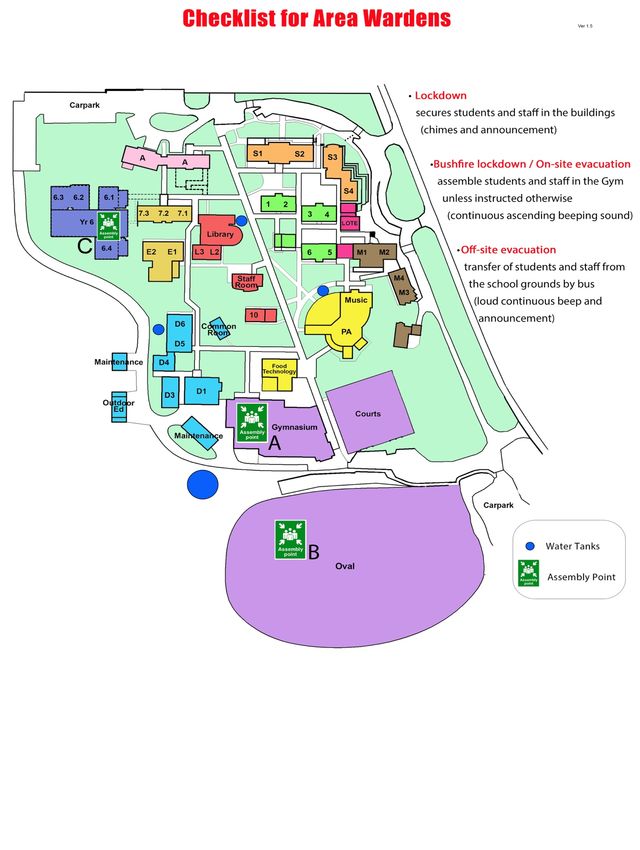
Introduction
Helena College has two Campus’s the years K to 5 located in Darlington and years 6 to 12
located in Glen Forrest. The Glen Forrest Campus has been identified as having the greater risk
to bushfire due to being surrounded on the northern and western boundary by natural bush,
whereas the Darlington Campus is located in a more residential area and has 2 blocks for a total
of approximately 1.2 hectares of undeveloped residential land to the eastern boundary.

The Darlington Campus has 185 students with 1 student requiring wheelchair access from 2017.
The Safer Building (Helena Hall) has been retrofitted with an external sprinkler system which is
supplied by water from a water tank and generator powered pump.

The Glen Forrest Campus has nearly 600 students none of whom have any physical restrictions.
The Safer Building (Gymnasium) has a fire hydrant located at the western end.
This plan is for Helena College Darlington and Glen Forrest Campus and has been designed to
assist staff to prepare for a Total Fire Can, Catastrophic Fire Danger Rating, or a bushfire. Letters
to staff and parents are included in the appendices as well as notices regarding the plans for
closures of the College.

The preparation of this plan has been developed in accordance with the Emergency and Critical
Incident Management Policy and the Principal’s Guide to Bushfire with input from local
emergency management agencies.

                                          Overview
General Information
This Bushfire Plan (BP) has been developed and is reviewed during Term 3 of each year after
consultation with:
• families of students attending the College;
• members of the emergency services (e.g. DFES, Shire of Mundaring, Local Emergency
   Management Committee and/or Community Emergency Services Manager/Chief Bush Fire
   Control Officer).
• Professional Fire Safety consultant

This document references the State Planning Policy and Guidelines (SPP) which is used to
inform and guide decision makers, referral agencies and land owners/proponents to help
achieve acceptable bushfire protection outcomes. This policy can be retrospectively applied to
the College because the school is located in the designated bushfire prone area.

The BP outlines required actions to prepare the College before the bushfire season as per the
Principal’s Guide to Bushfire.

The BP also outlines activities to be undertaken by staff and students at the different levels of a
bushfire emergency including:
• on days of Total Fire Ban;
• Catastrophic Fire Danger Rating;
• when there is a fire in the local district;
• when a bushfire is threatening or impacting on the site; and
• during the period immediately after a bushfire has impacted on the site (known as the
   ‘Recovery Phase’).

Where applicable, a building is nominated as the Safer Location building for this College.
• This building has been prepared for a bushfire emergency and will safely accommodate all
  persons normally at the College.

                                                                                              Page 7
Page 8

Distribution
The Principal or delegated officer will publish a copy of the College’s bushfire plan on the
College’s website at the beginning of Term 1 each year.
• Details of the website to be provided to families of new students by the Principal or delegated
    officer during the enrolment process.
• The Principal will ensure that all new staff members, relieving staff and visitors are briefed
    about the requirements of the BP during the site induction process.

The Principal will also include bushfire season reminders and information in site newsletters at
least three times each term when applicable. The College’s Parent Handbook is updated in
Term 1 each year, includes detailed information about actions and procedures included in the
BP.

All staff members are to receive pre-fire season updates during Term 3 and ongoing information
and instruction about the contents and requirements of the BP during Term 4 and Term 1 staff
meetings

The safety and wellbeing of students, staff and visitors is at all times the College’s main
priority. Staff are not expected to fight bushfires.

The College will review (and update where appropriate) the plan on an annual basis.

Any bushfire advice received by the College from the Department of Fire and Emergency
Services (DFES), Community Emergency Services Manager/Chief Bush Fire Control Officer
(CESM/CBFCO), Local Government (Shire of Mundaring), the Local Emergency Management
Committee (LEMC) or external experts that impacts on this procedure, needs to be documented
identifying the date and source of the advice.

  Date        of Reviewing Officer                                       Next
  Review                                                                 scheduled
                                                                         Review
  1/11/2017      N Blakeney – CIRT Details updated                       1/11/2019
  30/11/2017     N Blakeney – Chair of Council updated                   30/11/2018
  30/11/2018     N Blakeney – CIRT Details updated, DFES contact number 1/11/2019
                 updated and website details
  4/7/2019       R Carboon – Bushfire Safety Consultant                  1/11/2019
  12/8/2019      N Blakeney – Update Chair of Council details            1/11/2019
  15/11/2019     N Blakeney – Update resources, staff changes and DES to 1/11/2020
                 DoE.
  29/7/2020      N Blakeney – Update staff changes                       1/11/2021
  7/8/2020       T Belger – Captain Glen Forrest Volunteer Fire Brigade  1/11/2021
  24/9/2020      N Blakeney – Amended BPZ wording                        1/11/2021

                                                                                           Page 8
Page 9

                         Preparing for Bushfire Season
•   The Principal must ensure all students and staff are aware of the College’s bushfire plan. It
    is also necessary to ensure that relief staff and parents have been made aware of the
    College’s bushfire plan. A copy of the College’s bushfire plan will be published on the
    Colleges website. Suggested draft text for the College newsletter is available in Appendix
    A6 of the Principal’s Guide to Bushfire.
•   The Principal should establish contact with emergency services, including DFES, the local
    volunteer fire brigade, Shire of Mundaring, WA Police Force, the LEMC and CESM/CBFCO.
•   Schools located in bushfire prone areas need to incorporate key bushfire messages in their
    curriculum. (Research shows that if students develop and undertake drills as part of the
    emergency planning the message is more meaningful and transfers to the home
    environment. Additional benefits can be realised by taking activities home that need to be
    completed and returned. This can serve to increase families’ level of awareness and
    preparedness in regard to bushfire survival plans or household preparedness assessments.)
•   Communication plans (including emergency contacts and a telephone tree) are in place for
    evacuation or planned closure (page 10). Consideration has been given to community
    members who may need direct contact by the College.
•   The College has an effectively working emergency warning or alert system and emergency
    communication equipment is available and working.
•   The College has in place systems to account for students, staff and visitors in an emergency,
    such as homeroom rolls and visitor registers. Backup systems are in place for situations
    such as a loss of power affecting the ability to print from electronic sources.
•   Arrangements are in place in relation to College buses if appropriate (notification of
    contractors if pre-emptive closure is invoked; the availability of buses if off-site evacuation is
    required).

                                 Pre-emptive Closure
•   The Principal will make the decision to close a College based upon advice from AISWA and
    Emergency Services.
•   The Principal is to notify staff and parents of closure using emergency contacts and the
    telephone tree. See also the draft letter to parents in Appendix A7 of the Principal’s Guide
    to Bushfire advising of pre-emptive closure, being mindful of parents' level of literacy and
    understanding of English.
•   All other necessary parties are advised including (but not limited to) other Schools/Colleges
    that may have siblings at your College, community users of the College facilities (including
    before and after school extra-curricular programmes, community or holiday programmes),
    on site contractors and Parents and Friends Association (P&F).
•   If appropriate, bus contractors will be contacted to arrange for the evacuation of students to
    a designated area.
•   Notice of Planned Temporary College Closure will be posted as per the Principal’s Guide to
    Bushfire, both physically at the College and electronically on the website.

                                                                                                Page 9
Page 10

                                  During Evacuation
•   The College will contact parents via SMS, telephone or email, ensuring they have a mobile
    phone contact number for the College (It would be preferable that parents restrict calling the
    College at this time to emergency calls only).
•   The College will notify bus contractors and out of College programmes.
•   ABC local radio will provide up to date information during a bushfire event in our area.
•   The Emergency WA website provides up to date information on fire incidents and will be
    monitored - via www.emergency.wa.gov.au.

NOTE: DFES uses the national Emergency Alert telephone warning system to send community
warning messages via mobile telephones in affected areas.

The Principal is responsible for any communications with external parties including any media
communications. Staff should not comment directly to media.

                               Reopening the College
•   The Principal will decide when the College can re-open.
•   Parents need to know when the College is reopened. In the event of a pre-emptive closure
    details are contained in the template letter contained in the resources section of this manual.
•   The Notice of Planned Temporary College Closure should be physically removed from the
    College premises and website.
•   All parties that were advised of closure (e.g. bus contractors, out of hours users, P&F) should
    be advised of reopening.

                                    Communication
There are several levels of communication requirements at College level before, during and after
bushfire events. Refer to the Communication section of this manual for guidance.

                                                                                             Page 10
Page 11
Bushfire Prone Area of WA
Glen Forrest Campus
Darlington Campus
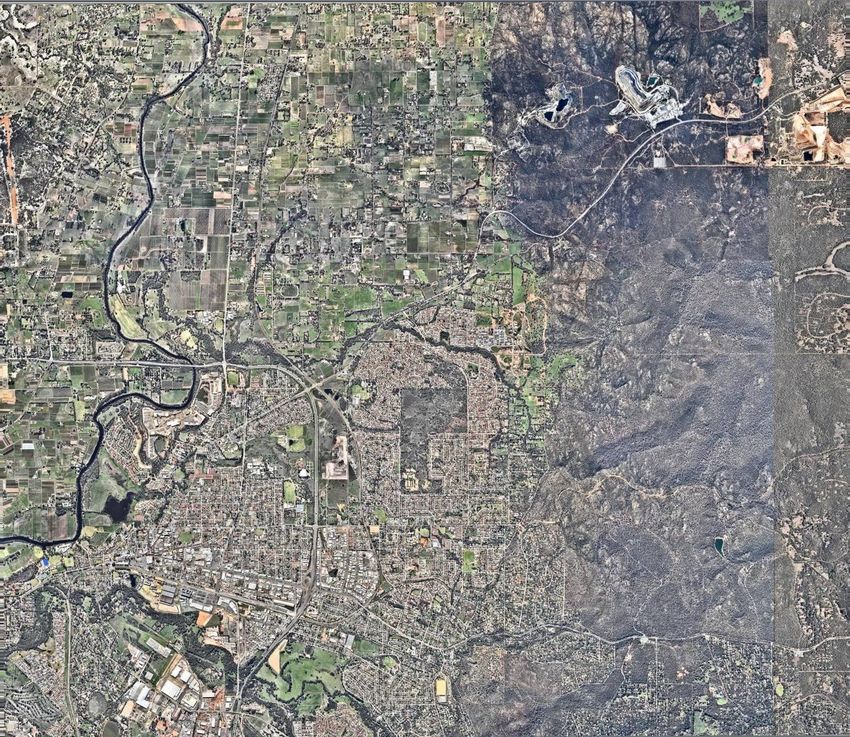
Figure 2: The entire school property is within the declared “bushfire prone area of WA”
Both the Darlington and Glen Forrest Campus has been identified as being situated in a
Bushfire Prone Area.
Page 11Page 12
Native Vegetation
The Glen Forrest Campus contains class A Forest vegetation predominantly in the south east
and south west corners and remnant vegetation is retained throughout the school site.
The site has previously been assessed by the Environmental Officers at the Shire of Mundaring.
Black Cockatoo habitat trees have been identified and mapped.
Asset Protection Zones (APZ)
An APZ is an area surrounding a building that is managed to reduce the bushfire hazard to an
acceptable level. The width of the required APZ varies with slope and vegetation.
The APZ on site will be fully established and maintained and will provide on-going protection for
the College. A modified APZ will be put in place to ensure the protection and retention of habitat
trees while achieving the intent of the APZ.
The College will work closely with the Glen Forrest Bush Fire Brigade to reduce fuel loads in
areas of remnant vegetation on the College grounds with an on-going fuel reduction burning
programme, maintained and managed by the Facilities Manager.
Building Protection Zone (BPZ)
Helena College has put in place a BPZ of 20 metres surrounding the perimeter of the Glen
Forrest Campus and extended 1 metre on the downslope for every degree downslope. The BPZ
is extended south west of the “safer building” to ensure predicted radian heat flux levels are
below 10kW/m2.
The Darlington Campus’s requirements are different due to it being located in-between two
residential buildings. The rear of the college that backs onto reserve land has reduced the 20
metre BPZ in place.
This standard must be maintained in perpetuity.
Page 12Page 13
College Site Plan and Evacuation Routes
DARLINGTON CAMPUS
ASSEMBLY AREA IS:
Helena House Hall
GYMNASIUM
Page 13Page 14
GLEN FORREST CAMPUS
ASSEMBLY AREA IS:
A – Gymnasium
B – Oval (Backup)
C – Year 6 Area (Backup)
Page 14Page 15
Communication Tree
DoE 000
Assistant Director PRINCIPAL Fire
Non Government Schools Peter Coombs Police
08 9441 1900 0429 269 915 Ambulance
Ngs.criticalincidents@education.wa.gov.au CESM/CBFCO
Shire of Mundaring
DES/AISWA
Head of Junior Parents & College Council Buses Neighbouring
School Friends Chair DINGO Schools
Greg Miller GFC President & Tyron Theodore 1300 854 533 Glen Forrest PS
0417 004 705 DC President 08 9298 8202
TRANSPERTH
13 62 13 Darlington PS
08 9299 6888
Admin & Teaching &
Ancillary Elective staff
Clinic
Page 15Page 16
Communication Plan
PRINCIPAL'S RESPONSE TO
Bushfire when College Open
College notified of fire.
College notices fire Dedicated phone number (to Controlling agency
and calls triple zero be kept free) provided to notifies College of
(000) Incident Controller or fire
delegate.
Yes (there is a threat) No threat
Closure to
be
invoked?
Follow direction of
Emergency Services
Bushfire Warning WATCH AND ACT
or
ADVICE
WATCH AND ACT EMERGENCY WARNING
or
EMERGENCY WARNING
Monitor controlling
Evacuate or Safer agency website and
Location Safe information line ABC
Parents Pick Up or Evacuate off Site to
Bus Evacuation Location
Principal’s Response
Follow Emergency Management procedures
College closure to be invoked
Implement Communication Plan to Parents
Notify Bus Contractors out of College progs etc.
Initial Message College under threat of bushfire Bushfire in the area
Emergency Services advice to College to evacuate to Emergency Services advice is to stay on site
designated position (Note controlling agency will identify (Option – On Emergency Services advice parents are
location) advised NOT to pick up students
Please pick up students from (location description) Please monitor local media for specific access
Please monitor local media for specific access information
information
Interim Message College remains under threat of bushfire Bushfire in the area
Emergency Services advice to College was to evacuate Emergency Services advice is to stay on site
Colleges remains closed (Option to repeat – On Emergency Services advice
Please monitor local media for specific access parents are advised NOT to pick up students
information Please monitor local media for specific access
information
Close Out Message Threat has passed Threat has passed
Emergency Services advise students to return to Emergency Services advise students to return to
College on (date) College on (date)
Please monitor local media for specific access Please monitor local media for specific access
information information
Page 16Activation of the Bushfire Plan
In the event of a catastrophic weather warning, or bushfire, the BP will be activated. During a
Total Fire Ban the CIRT will continuously monitor and evaluate the situation.
1. Total Fire Ban
In the event of a Total Fire Ban the BP will be invoked: (refer to Principal’s Guide to Bushfire for
all procedures).
This means:
• no fires must be lit or used in the open air;
• all open fires for the purpose of cooking or camping are not allowed; and
• ‘hot work’ such as metal work, grinding, welding, soldering, gas cutting or similar is not
allowed unless there is an exemption.
The Department of Fire and Emergency Services advice is that chainsaws, plant or grass
trimmers or lawn mowers can be used during a total fire ban in suburban or built up areas which
are cleared of flammable material, but not in bushland or other areas where their use is likely to
cause fire.
It is also necessary to ensure:
• The equipment or machinery is mechanically sound.
• All reasonable precautions are taken to prevent a bushfire starting.
It is recommended postponing the activity altogether to minimise the risk of fire. The Principal
or his/her delegate will ensure that the Facilities Team are made aware of the Total Fire Ban.
Individuals could be fined up to $25,000 or jailed for 12 months or both if the Total Fire
Ban is ignored.
For information on activities that can or cannot be carried out during a Total Fire Ban visit
www.dfes.wa.gov.au/totalfirebans/Pages/TotalFireBanWhatCantIDo.aspx. If the information
required is not available from the website, telephone the Total Fire Ban Information Line 1800
709 355.
Page 17Page 18
2. Fire Danger Rating – Catastrophic
The Catastrophic Fire Danger Rating (FDR) has been added to the Australia-wide FDR system
since the 2009 bushfires in Victoria. If a fire starts in catastrophic conditions, its impact potential
includes death or injury to people and destruction of buildings.
Fire Weather Warnings and Fire Danger Ratings
The Bureau of Meteorology (BOM) issues fire weather warnings when forecast weather
conditions are likely to be dangerous. Warnings are normally issued in the afternoon for the
following day so as to be available for evening television and radio news broadcasts. Warnings
are renewed at regular intervals and may be issued or amended and reissued at any time if a
need is identified.
Fire Weather Warnings are available from the BOM website and they are also distributed through
the media and to fire agencies and other key emergency services organisations.
The Fire Danger Rating is a measure of the difficulty in controlling or suppressing fires. The BOM
and emergency services use six Fire Danger Ratings to communicate the level of bushfire risk.
The higher the rating the more dangerous the conditions are likely to be. At higher ratings, any
fire that starts will likely to be fast-moving and difficult to control.
[Image taken from Emergency WA www.emergency.wa.gov.au]
In the event of a catastrophic weather warning the BP will be invoked as per the Response Flow
Chart (Page 14).
Warning levels
Advice A fire is not threatening lives or property but may be causing smoke near the
school.
Watch and Act Fire conditions are changing and there is a possible threat to lives and/or
property. You need to leave or get ready to defend – do not wait and see.
Emergency Warning There is immediate danger and need to take immediate action to survive.
There is a threat to lives and/or property.
Bushfire information and safety advice is also broadcast via ABC local radio 720am.
Page 18Page 19 Page 19
Page 20

Response Flow Chart

                                                                 Check if an external or internal safer
                           Is it fire season?
                                                                   location is suitable, available and
                                                                 ready. You may need more than one
                                                                   and need to choose one ON THE
                                                                                   DAY

                        What is the Fire Danger Rating (FDR)?

                                                         Catastrophic FDR or Emergency Warning
Extreme or Severe

                                 No warning                 Early Warning               Close school

                             Is it safe to evacuate?

                                 No             Yes             Initiate evacuation procedure.

                          Is there a fire approaching?

                                 No               Yes                    Move all staff and students
                                                                         to a suitable safer location,
                                                                               if at all possible.
                                                                          Remember to account for
                                                                            all staff/students with
                                                                                   disabilities.

 Monitor the Emergency WA
 website, emails, local radio,
  TV, weather and local fire
          services.

                                                                                              Page 20
Page 21
2.1 Planned Pre-emptive Closure
The lead time for a planned closure varies depending on weather patterns, but every
attempt is made by the Principal to give as much notice as possible. The Colleges has
systems in place to provide this information at short notice or after hours.
Once the Principal has decided to undertake pre-emptive closure, the College community
will be notified that a closure is imminent. The Principal will issue letters to parents and
provide each staff member with a memo that clearly states when the closure is planned
to occur and that the College is on standby. It may be that between declaration of the
closure and the day of closure, weather conditions improve sufficiently to remove the need
to close and the College can therefore stand down its pre-emptive closure plans.
Where possible the Principal will make the final decision to close the College no later than
4.30pm the day before the planned closure. If weather conditions become less severe
after 4:30pm, the closure goes ahead regardless, in order to provide a level of certainty
to parents.
The DFES is the final authority on advice about which schools are in danger and the level
of risk at the time. The Principal has final responsibility on whether or not a planned
closure is to proceed, based on DFES’s advice.
2.2 During a Planned Closure
The Principal must stay informed of current fire danger rating and any fire activity by
monitoring local media (local radio, especially the ABC, and television) and by regularly
checking for updates with DFES.
REFER TO APPENDIX C - Checklist for action in advance of declaration of pre-
emptive closure
2.3 Re-opening College
Parents need to know when the Catastrophic FDR has been downgraded and that it is
therefore safe for their children to return to College after a planned closure. The template
letter to parents contains advice on how parents can monitor the situation. The College
will put communication plans in place, such as placing a notice on the College website
and providing a phone number for parents to call for information about the reopening of
the College. An email and SMS will be sent.
Page 21Page 22
3. Bushfire
In the event of a bushfire threatening the College, the College will notify DFES and the
BP will be invoked by way of the College siren (or hand held siren).
3.1. Bushfire – Watch community
During a bushfire, emergency services provide as much information as possible through
a number of different channels.
There are three levels of warning:
• ADVICE;
• WATCH AND ACT; and
• EMERGENCY WARNING.
These change to reflect the increasing risk to life and the decreasing amount of time you
have until the fire arrives.
If the College is likely to be threatened by the fire, activate the Emergency and Critical
Incident Management Procedures immediately.
3.1.1 Advice
An ADVICE provides you with information on a bushfire that is not threatening lives or
property, but may be causing smoke near Colleges.
The actions required are to, turn off evaporative air conditioners, undertake regular
checks, patrol of the College for bushfire activity and pay special attention to the
evaporative air conditioners.
3.1.2 Watch and Act
A WATCH AND ACT message tells you the fire conditions are changing and there is a
possible threat to lives and Colleges.
The principal or delegate should contact the controlling agency to seek instruction as to
whether to move students, staff and visitors to their pre-determined Safer Location on the
site or evacuate.
The direction to evacuate by the Emergency Services Incident Controller will consider the
location of the bushfire, the ability to travel safely to the selected evacuation point and the
safest route to get there. In some circumstances, it may not be safe to evacuate.
3.1.3 Emergency Warning
An EMERGENCY WARNING is the highest level of warning and indicates immediate
danger. In some circumstances you may receive notification of an Emergency Warning
via the Emergency Alert Telephone Warning System. Emergency Alert is the national
telephone warning system used during an emergency to send messages to landlines and
mobile phones within a defined area where lives and homes are deemed to be under
direct and imminent threat..
The Principal or delegate should contact the controlling agency to seek instruction as to
whether to move students, staff and visitors to their pre-determined Safer Location on the
site or evacuate.
Page 22Page 23
The direction to evacuate by the Emergency Services Incident Controller will consider the
location of the bushfire, the ability to travel safely to the selected evacuation point and the
safest route to get there. In some circumstances it may not be safe to evacuate.
3.1.4 All Clear
An ALL CLEAR is issued when the threat has passed and the fire is under control. Fire-
fighters will still be working to put out the last remnants of the fire and making the area
safe, so it is important to remain vigilant in case the situation changes. It may still not be
safe to leave to College to return home. Emergency services will advise when College
students and/or staff can be released to go home.
Page 23Page 24
3.2. Bushfire – Act
3.2.1 Response when a bushfire starts and the College is open
3.2.1.1 Evacuation Procedure
Situation assessed by Principal – Principal’s decision to relocate students, staff and
visitors offsite should be based on assessment of known information, current
circumstances and ONLY IF IT IS SAFE TO DO SO (notify DFES Communication Centre of
decision and relocation point) – See Bushfire Response Flow Chart (Page 20).
Refer to Appendix H - BUSHFIRE RESPONSE POSTER to assist in the decision making
process.
College to seek information and advice from DFES on 13 3337 or www.emergency.wa.gov.au.
Principal to inform the Chair of Council of the situation and if required, DoE and AISWA.
Has the decision to evacuate to the off-site safer location been made and how long will it
take to get there?
• All classes remain with their teachers and allocated education assistants.
• Teachers account for each child and identify students and support staff with known
respiratory conditions.
• Doors, roof vents and windows must be closed and evaporative air coolers turned off.
• Students and staff are to remain in classrooms unless directed otherwise by their fire warden.
• Fire wardens are designated to manage evacuation routes and liaise with staff.
• The Principal and fire wardens, will control this response until the arrival of emergency
services (e.g. WA Police Force or DFES) who may take over.
• Students and adults with known respiratory conditions will be identified and given special
consideration.
Parent Access
Parents will be informed when and where to pick up students upon advice from the College or
through WA Police Force, DFES or the Incident Controller (or delegate).
3.2.1.2 Safer Location Procedure – if evacuation is not possible
Situation assessed by Principal – Not safe to relocate (notify DFES Communication Centre
of decision to stay and details of Safer Location).
• All classes remain with their teachers and allocated education assistants.
• Teachers account for each child and identify students and support staff with known
respiratory conditions.
• Doors, roof vents and windows must be closed and evaporative air coolers turned off.
Students and staff are to remain in classrooms unless directed otherwise by their fire
warden.
• Fire wardens are designated to manage evacuation routes and liaise with staff.
• The Principal and fire wardens, will control this response until the arrival of emergency
services (e.g. WA Police Force or DFES) who may take over.
• Students and adults with known respiratory conditions will be identified and given special
consideration.
Parent Access
Parents advised NOT to pick up students and to monitor local media for specific access
information.
Refer to Appendix F - Bushfire preparation and response if the College is OPEN when a
bushfire starts
Page 24Page 25
3.2.2 Response when a bushfire starts and the College is closed
The Principal is to notify staff and parents of the closure using the emergency contact list (see
Communication Plan).
3.2.3 Recovery
The priorities for the College during recovery are
• Health and Safety of individuals;
• Social Recovery; and
• Physical (Structural) Recovery.
Page 25Page 26
BUSHFIRE RESPONSE FLOW CHART
A Bushfire is detected or a warning is received!
Locate the position of the fire/s (Remember there
could be multiple fires!
Mark the fire location/s on the map
Assess the wind direction and speed. Continue to monitor the
Mark on the map the fires likely direction of travel. fire/s and act if new fires
Confirm with authorities if possible. begin
Could the fire/s threaten the College?
Could the fire/s threaten staff, students, parents or school buses once people
have departed the College?
Consider: weather forecasts, wind changes, fires potential rate of spread,
distance from College or roads.
YES NO
DETERMINE THE ABILITY FOR THE ENTIRE COLLEGE TO “EVACUATE EARLY”
Consider: Bus requirements and timing, time it will take for a complete evacuation
against the time until the fire could impact the College, policy and agencies
assistance.
Remember: Early evacuation is pre-incident, calm and well planned, there is no stress.
Fleeing and late evacuation is life threatening.
IS THERE SUFFICIENT TIME TO CALMLY AND SAFELY EVACUATE
NO or Not Sure? YES, there is clearly time
DO NOT EVACUATE!!
CALMLY evacuate to a safe
Prepare to shelter in the Safer destination not in a bushfire
Building and actively defend. prone area
Page 26Page 27
General
• When possible, return to normal routine as soon as possible.
• Attend to staff and student welfare, considering counselling support.
• Provide information for families and the community of any impact (including if there is none)
on the College and College routine following the bushfire.
• Undertake a check of any equipment or stock used and arrange for
replacement/replenishment.
• Address any physical damage to the College, isolating areas if required and if necessary
relocate to alternative accommodation. Contact Building Management and Works to
commence repairs. The Department should be advised of any damage caused by the
bushfire.
• Attend to security if necessary (Contact Head of Security at Central Office on 9264 4825).
• Manage Administrative details including insurance.
Debrief
• What worked, what didn’t?
• Was anything overlooked?
• What could you and your staff do better next time?
• Should roles change?
• If changes are made, incorporate them into the formal plan and advise the appropriate
parties including staff and other authorities.
• Share the knowledge with other Colleges.
• Test the revised bushfire management plan and procedures.
For further details and contacts refer to the Recovery Section of the Emergency and Critical
Incident Management Plan and The Principal’s Guide to Bushfire.
Refer to Appendix G - Bushfire preparation and response if the College is CLOSED
when a bushfire starts
Page 27Page 28
APPENDICES
Page 28Page 29
Appendix A: Bushfire Preparation Checklist
(Adapted from the Department of Education- Principal’s Guide to Bushfire Aug 2015)
Bushfire Preparation Check List for the Summer Months
ü Tick when task has been completed, or write NA if not applicable
Principals are thoroughly familiar with their current Emergency and Critical
Incident Management Plan and all staff members are aware of their
responsibilities in accordance with the plan.
The bushfire plan should be reviewed prior to each bushfire season (Term
3) and all Emergency Contacts updated. Schools to update data on AISWA
website.
School’s Emergency and Critical Incident Management Plan includes
bushfire response plan, and students and staff have been made aware of it.
Confirm that relief staff and parents have been made aware of the school’s
bushfire plan.
If school is in high bushfire risk locations area, principal (or a nominated
staff member) has established contact with emergency services, including
the Community Emergency Services Manager/Chief Bush Fire Control
Officer (CESM/CBFCO), DFES, the local volunteer fire brigade, WA Police
Force and the Local Emergency Management Committee (LEMC).
Emergency Services must be informed of your nominated Safer Location
as part of your Emergency Critical Incident Management Plan procedures.
Schools that are located in bushfire prone areas have incorporated key
bushfire messages in their curriculum.
Evaporative air conditioners – ALL staff have awareness of the location of
the switches and how to switch off the units.
Communication plans (including a ‘telephone tree’) are in place for
evacuation or planned closure.
Practice evacuation drills are held prior to October and at least once per
term during the bushfire season, October to March. (DoE Schools have a
minimum of three (3) per year)
School has a correctly functioning emergency warning or alert system.
Emergency communications equipment is available (e.g. mobile
telephones, hand-operated fire alarm (portable siren), portable radios and
spare batteries).
Class rolls and visitor register are readily accessible.
First aid equipment is available and staff members trained in first aid have
been identified.
Evacuation kit is checked at least once per term.
Arrangements are in place in relation to school buses (notification of
contractors if pre-emptive closure is invoked; availability of buses if off-site
evacuation is required)
Procedures are in place to restrict use of machinery (e.g. angle grinders,
mowers, and machinery with internal combustion engines) in close
proximity to bushfire fuels where they may start a fire on severe fire danger
days.
A Safer Location within the school campus/buildings has been identified
and prepared in the event that an off-site evacuation is not possible.
Page 29Page 30
Appendix B: Bushfire checklists for the summer months
Management activities
ü Tick when task has been completed, or write NA if not applicable
The College’s Emergency and Critical Incident Management Plan includes bushfire response
plan, and students and staff have been made aware of it. Confirm that relief staff and parents
have been made aware of the College’s bushfire plan.
As the College is in a bushfire-prone area, the Head of Junior School / Principal (or a
nominated staff member) has established contact with emergency services, including the
Community Emergency Services Manager/Chief Bush Fire Control Officer (CESM/CBFCO),
the local volunteer fire brigade, WA Police Force and the Local Emergency Management
Committee (LEMC).
As the College is located in bushfire prone areas staff will incorporate key bushfire messages
in the curriculum and in newsletters for parents.
Communication plans are in place for evacuation or planned closure.
Practice evacuation drills prior to October and at least once per term during the bushfire
season, October to March.
Each campus has a correctly functioning emergency siren warning or alert system.
Emergency communications equipment is available (eg mobile telephones, hand-operated fire
alarm (portable siren), portable radios and spare batteries).
Class rolls (printouts from SEQTA) and visitor registers are readily accessible.
First aid equipment is available and staff members trained in first aid and as fire wardens have
been identified.
Evacuation kits are checked at least once per term.
Arrangements are in place in relation to school buses (notification of contractors if pre-emptive
closure is invoked; availability of buses if off-site evacuation is required)
Procedures are in place to restrict use of machinery (eg angle grinders, mowers, and
machinery with internal combustion engines) in close proximity to bushfire fuels where they
may start a fire on severe fire danger days.
Page 30Page 31
Appendix C: Checklist for action in advance of declaration of pre-emptive closure
ü Tick when task has been completed
The Principal / Head of Junior School is familiar with College’s Emergency and Critical
Incident Management Plan, and is aware of sources for staying informed of current fire
danger ratings or fire activity (local media – television and radio, especially ABC Local
Radio; DFES - 13 3337 or www.emergency.wa.gov.au)
Staff members aware of their responsibilities in accordance with the plan, including that
they are not to be on College sites during a day which has been declared a Catastrophic
FDR.
Staff aware media enquiries are to be directed to the Principal / Head of Junior School.
Stand-down and leave arrangements discussed with staff.
Two staff members (usually Principal and Deputy Principal; Head of Junior School) and one
other) identified to be at the school from 8.00 am to 10.00 am on the day of Catastrophic
FDR to communicate the school closure to the community. (They would only attend if there
is no fire in progress at the time.)
Contact lists for staff and parents up to date.
College community informed that the two schools are on the Bushfire Zone Register.
Letter to parents and memo to staff advising of planned closure prepared using templates.
Approved signage laminated ready for placement on external school access points.
Communication plan established, including telephone numbers to notify community of pre-
emptive closure where lead time is too short for notification by letter.
College action plan includes mechanisms for advising the following of planned closure:
• schools in close proximity and/or with siblings of HC students
• parents
• any staff, students, part-time staff, volunteers and parents of students who are absent on
the day of declaration or confirmation of planned closure
• visitors planning to visit the College on the day of planned closure
• College Council and P&F
• school contractors (bus contractors, grounds maintenance, cleaners)
• on-site building construction workers
Bushfire preparation checklist for the summer months acted on.
Page 31Page 32
Appendix D: Checklist for action upon declaration of pre-emptive closure
ü Tick when task has been completed
College action plan activated immediately upon declaration of pre-emptive closure.
All necessary people informed:
• schools in close proximity and/or with siblings of our students
• parents
• any staff, students, part-time staff, volunteers and parents of students who are
absent on the day
• visitors planning to visit school on the day of planned closure;
• College Council and P&F
• community groups (including options classes, sports teams and before and after
school care and holiday programmes)
• school contractors (bus contractors, grounds maintenance, cleaners)
• on-site building construction workers
Notice of planned temporary school closure signs placed on the main notice board (at
the front of the school), on main administration entrance doors and other entry/exit doors
throughout the buildings, including kindergarten and pre-primary.
Two staff members (Principal and Deputy Principal; Head of Junior School) who are to be
at the school from 8.00 am to 10.00 am on the day of the planned closure briefed,
attendance confirmed and reminded to secure the facility and activate the electronic
security systems when leaving the site at 10.00am.
Fire danger ratings or fire activity monitored (local media – television and radio, especially
ABC 720am local radio; DFES - 13 3337 or www.emergency.wa.gov.au)
If plan to close is reversed, Notice of Planned Temporary School Closure signs removed
from the main notice board (at the front of the school), on main administration entrance
doors and other entry/exit doors throughout the buildings, including kindergarten and pre-
primary.
Page 32Page 33
Appendix E: Checklist for action prior to leaving before the day of closure
ü Tick when task has been completed
BUSHFIRE ALERT notice of temporary school closure sign placed on the main notice
board (at the front of the school), on main administration entrance doors and other entry/exit
doors throughout the buildings, including kindergarten and pre-primary.
Notice of temporary school closure notice placed prominently on College website.
(+ web post to parents)
All money removed from the College premises.
Expensive items of equipment secured and/or taken off-site.
All data backed up and at least one copy, and preferably two, taken off-site.
All non-essential electrical equipment switched off (leave on server, router and alarms).
Evaporative air conditioners turned off.
College premises secured and security system activated.
Security service have been contacted prior to departure, to confirm that all security systems
have been armed and the site secured.
Actions to be taken on the day of closure
Principal and Head of Junior School liaison with AISWA to be maintained.
Media enquiries directed to the Principal and/or Head of Junior School
Fire danger ratings or fire activity monitored (local media – television and radio, especially
ABC Local Radio 720am; DFES - 13 3337 or www.emergency.wa.gov.au )
When decision is made to either to re-open on the following day or to remain closed, all
necessary people informed:
• schools in close proximity and/or with siblings of our students
• parents
• staff and volunteers
• visitors who had been planning to visit school on the day of closure
• College Council and P&F
community groups (including options classes, sports teams and before and after school care
and holiday programmes)
• school contractors (bus contractors, grounds maintenance, cleaners)
• on-site building construction workers
Evaporative air conditioners turned off.
Notice of Temporary Closure notice on College website updated or revised to advise
school reopens tomorrow.
When school reopens, BUSHFIRE ALERT Notice of Temporary School Closure signs
removed from all doors and main notice board.
Page 33Page 34
Appendix F: Bushfire Preparation and Response if College is OPEN
Preparedness
ü Tick when task has been completed, or write NA if not applicable
Head of Junior School / Principal is thoroughly familiar with their current Emergency and
Critical Incident Management Plan and all staff members aware of their responsibilities in
accordance with the plan.
Head of Junior School / Principal has tested Emergency and Critical Incident Management
Plan.
Head of Junior School / Principal (or a nominated staff member) has established contact with
emergency services, including the Community Emergency Services Manager/Chief Bush Fire
Control Officer (CESM/CBFCO), the local volunteer fire brigade, WA Police Force and the
Local Emergency Management Committee (LEMC).
Communication plans are in place for evacuation or planned closure.
Emergency contact list for parents, staff, other agencies, etc. is up to date and readily
available.
College has a correctly functioning emergency warning or alert system.
Emergency communications equipment is available (e.g. mobile telephones, hand-operated
fire alarm (portable siren), portable radios and spare batteries).
Evacuation kit is established and readily available (check at least once per term).
Class rolls (Printouts from SEQTA) and visitor register are readily accessible (part of
evacuation kit).
First aid equipment is available and staff members trained in first aid / fire wardens have been
identified.
Alternate assembly areas and buildings within the school where students and staff can be
located safely have been identified. Junior School - Helena House Hall / Senior School -
gymnasium
Arrangements are in place in relation to school buses (availability of buses if off-site
evacuation is required).
Mobile telephones batteries charged throughout bushfire season.
Turn off all evaporative air conditioners.
Page 34Page 35
Response
ü Tick when task has been completed, or write NA if not applicable
If a bushfire is identified before having received any advice from DFES, emergency
services should be notified (000) and provided with details. If the College is likely to be
threatened by the fire, activate the Emergency Management Plan immediately. Notify
DFES Communication Centre of the decision and relocation point.
Principal / Head of Junior School to inform AISWA.
If ADVICE warning received by Principal / Head of Junior School (or from DFES):
• Situation assessed by Principal / Head of Junior School
• Information sought on level of threat from DFES on 13 3337 or
www.emergency.wa.gov.au;
• assistance sought from Regional Executive Director on availability of resources
to transport and relocate students and staff off-site if required;
• ABC local radio broadcasts (updated at quarter to and quarter past the hour in
addition to news bulletins) monitored for change in level of warning to WATCH
AND ACT or EMERGENCY WARNING. www.emergency.wa.gov.au monitored
for updates.
• Assign a member of staff to monitor local radio, TV, websites for bushfire or
weather alerts
• Class rolls checked to confirm absentees and visitor register checked for visitors
currently on campus
• Mobile telephones charged
• Emergency contacts list for parents, staff, other agencies, etc accessed
• Evacuation kit accessed
• Assembly areas and buildings within the school where students and staff can be
located safely prioritised (relative to the prevailing conditions);
• Turn off evaporative air conditioners
If bushfire warning upgraded to WATCH AND ACT:
• update sought from DFES 13 3337 or www.emergency.wa.gov.au
• directions issued by CIRT managing the fire emergency followed
• CIRT updated on location of students, staff and visitors within the school
Principal’s / Head of Junior School’s decision to leave or relocate students, staff and
visitors off-site should be based on assessment of known information and current
circumstances. This may include advice from emergency services or observations at
the time of the event. If the decision
is made to activate relocation aspects of the Emergency Management Plan notify
DFES Communication Centre of decision and relocation point.
Principal / Head of Junior School to liaise with AISWA.
If bushfire warning upgraded to EMERGENCY WARNING:
The College should activate the Emergency Management Plan in regards to
evacuation, if it is safe to do so. Consideration will include; location of fire and ability to
travel safely to the selected relocation point. Notify DFES Communication Centre of
decision and relocation point. Principal /Head of Junior School to liaise with AISWA.
Class rolls and visitor registers rechecked after relocating staff, students and visitors
offsite,
and CIRT advised of anyone missing.
Page 35Page 36
Appendix G: Bushfire Preparation and Response if College is CLOSED
(when a bushfire starts)
Preparedness - In place prior to bushfire season and maintained
ü Tick when task has been completed, or write NA if not applicable
Principal / Head of Junior School thoroughly familiar with the current Emergency ongoing
and Critical Incident Management Plan and all staff members aware of their
responsibilities in accordance with the plan.
Principal / Head of Junior School have tested Emergency and Critical Incident
Management Plan.
Principal / Head of Junior School have established contact with emergency
services, including the Community Emergency Services Manager/Chief Bush
Fire Control Officer (CESM/CBFCO), the local volunteer fire brigade, WA Police
Force and the Local Government (Shire of Mundaring).
Communication plans are in place for evacuation or planned closure.
Emergency contact lists for parents, staff, other agencies etc up to date and
readily available (Part of Evacuation kit).
Emergency communications equipment is available (eg mobile telephones,
hand-operated fire alarm (portable siren), portable radios and spare batteries).
Class rolls and visitor registers are readily accessible (Part of Evacuation kit).
Alternate evacuation sites where students and staff can be relocated safely
have been identified (if evacuation is possible)
Arrangements are in place in relation to buses (availability of buses if alternate
evacuation site location is required)
Page 36You can also read


