How Our Understanding of ADHD is Changing
←
→
Page content transcription
If your browser does not render page correctly, please read the page content below
How Our Understanding of
   ADHD is Changing
                                                    Thomas E. Brown, PhD
                     Associate Director,
      Yale Clinic for Attention and Related Disorders
                 Department of Psychiatry
 The image cannot be displayed. Your
 computer may not have enough memory to
 open the image, or the image may have been
 corrupted. Restart your computer, and then
 open the file again. If the red x still appears,
 you may have to delete the image and then
 insert it again.

                    Yale Medical School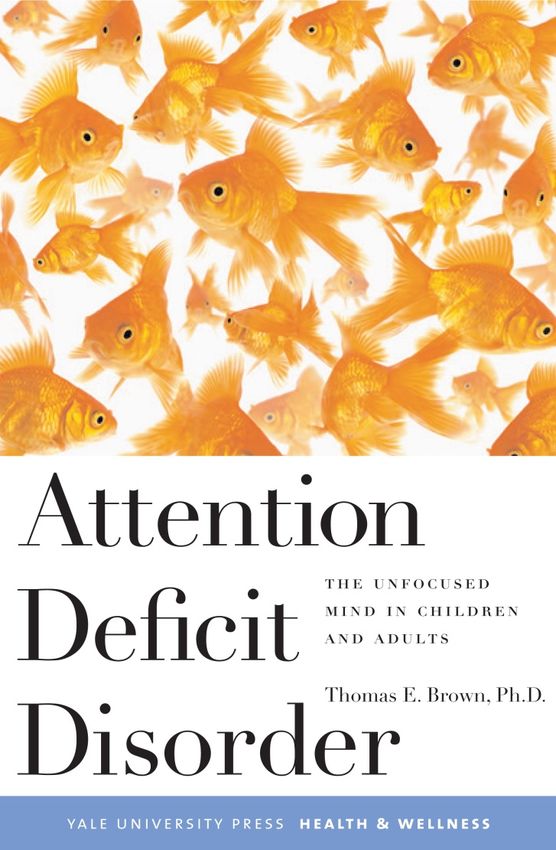
Thomas E. Brown, Ph.D.
                   Disclosure Statement
     Consultant:
       Eli Lilly,Shire
      Speaker:
       Eli Lilly, Shire
      Publication royalties:
       PsychCorp/Pearson, Yale University Press,
       American Psychiatric Press, Routledge, Wiley
      Research Support:
       Eli Lilly, Shire

TEBrown, Yale Medical School, 2013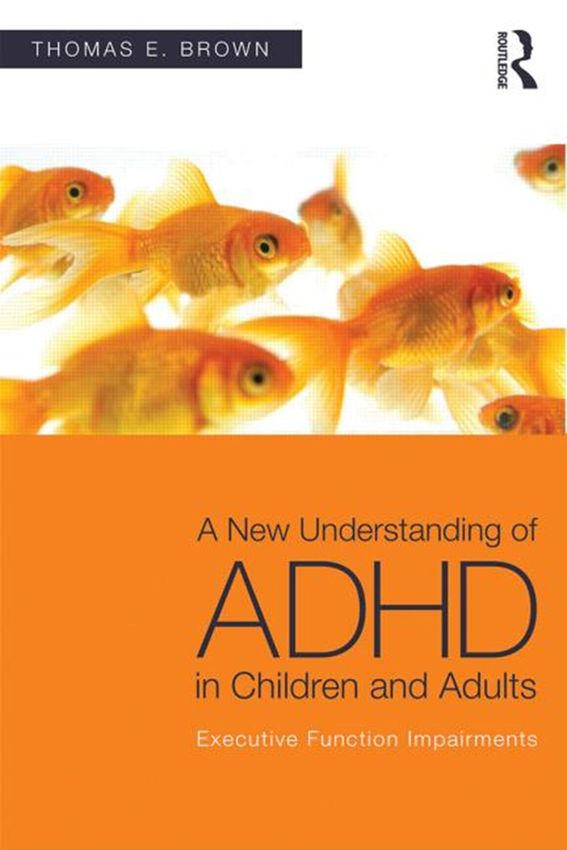
Overview
1. What is the essential problem in
      ADHD?
2.    Brain differences that underlie ADHD
3.    How it’s most effectively assessed
4.    How it’s most effectively treated
5.    How it’s related to other disorders

TEBrown, Yale Medical School, 2013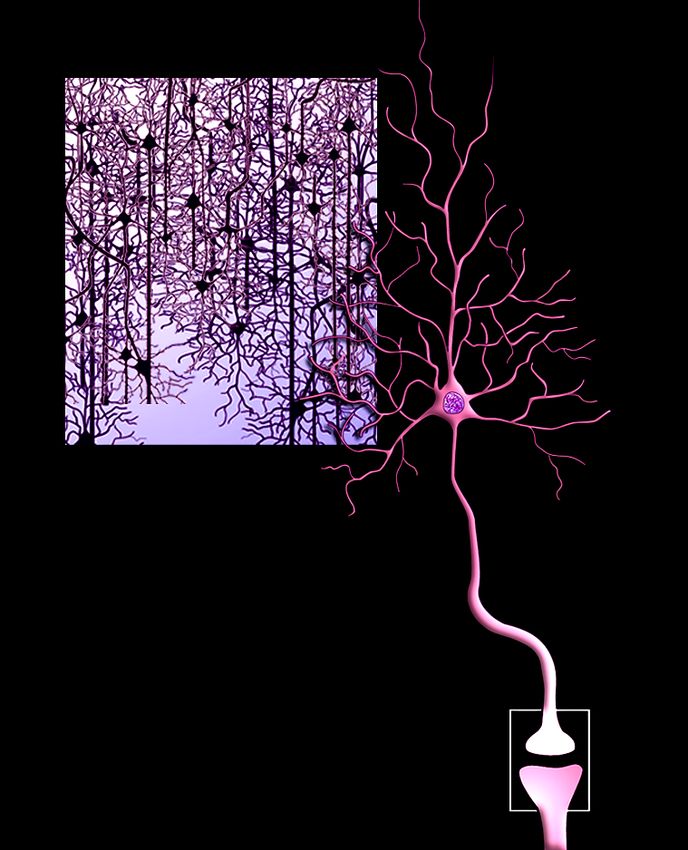
What is essential problem in ADHD?

♦ Old: behavior problems & not listening
♦ New: developmental impairment of the
  brain’s management system: EF

♦ Aspects of brain’s EF don’t come online
  in usual time frame.
♦ And don’t work consistently
TE Brown, Yale Medical School, 2013
Executive Functions

♦ Wide range of central control processes
 of the brain

♦ Connect, prioritize, and integrate
 cognitive functions–moment by moment

♦ Like conductor of a symphony orchestra
 TE Brown, Yale Medical School, 2013

“Will you do it and, if so, how and when?”
                             (Lezak, 2004)

Will you do it?                    Motivation/Activation

How will you do it? Planning/Organizing

When?                              Timing/Remembering
 TE Brown, Yale Medical School, 2013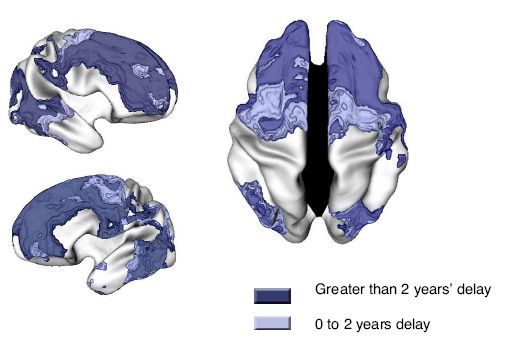
Brown’s Model of Executive Functions
           Impaired in ADHD
                  Symptom Characteristics

♦ Dimensional, not “all-or-nothing”
  • Everyone sometimes has some impairments
    in these functions; in ADHD, it is a chronic,
    severe impairment
♦ Situational variability: “If I’m interested”
  • Most persons with ADHD have a few activities
    where ADHD impairments are absent
         ADHD looks like a willpower problem, but it isn’t!
 TE Brown, Yale Medical School, 2013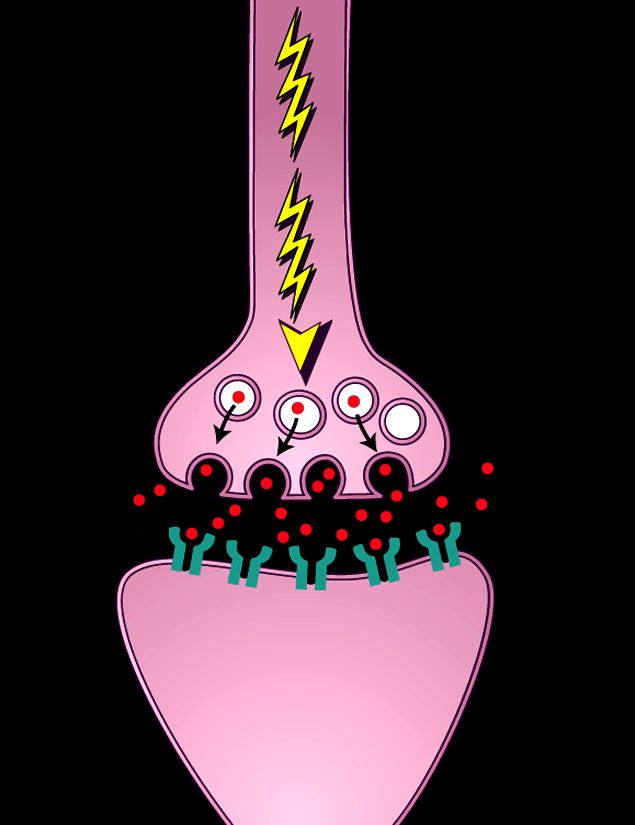
Brown’s Model of Executive Functions
               Impaired in ADHD
                                   Executive Functions

 Organizing,       Focusing,      Regulating       Managing          Utilizing       Monitoring
 prioritizing,    sustaining       alertness,      frustration       working          and self-
     and          focus, and      sustaining           and         memory and        regulating
  activating     shifting focus   effort, and      modulating       accessing          action
   to work          to tasks      processing        emotions          recall
                                     speed

      1.               2.              3.              4.               5.               6.
  Activation         Focus           Effort          Emotion          Memory           Action

Brown TE. Manual for Attention Deficit Disorder Scales for Children and Adolescents; 2001.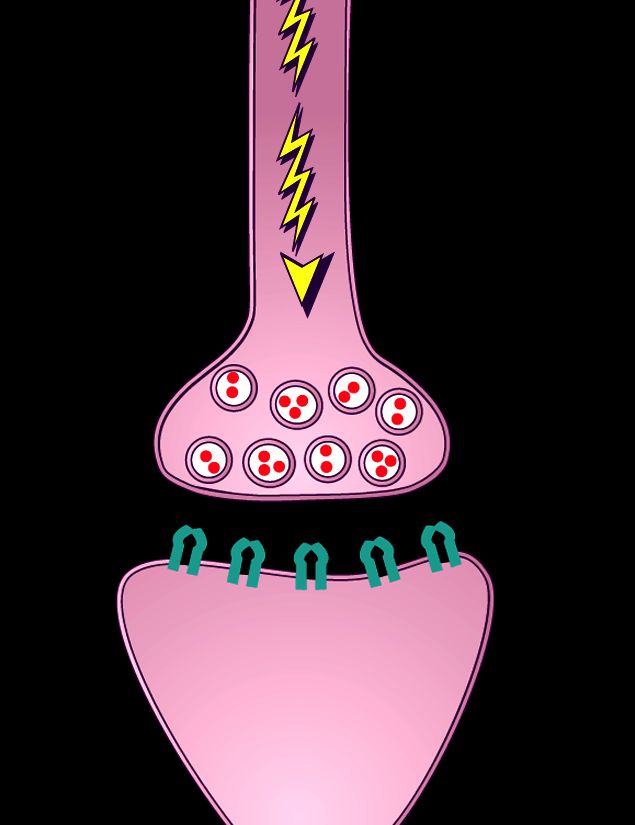
Executive Functions are complex and
    operate in dynamic, integrated ways
   For example, EF of “focus”
       • Does not mean
          • as in holding the camera still to take a
            photo of an unmoving object
       • Does mean
          • as in focusing on the task of driving a car

TEBrown, Yale Medical School, 2013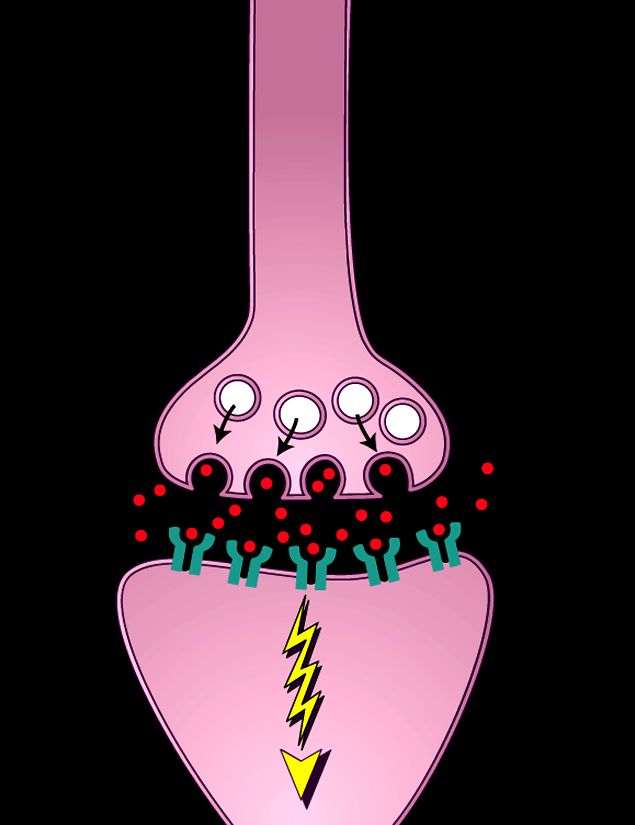
A Working Definition of ADHD
                          (TEBrown, 2013)

♦ a complex syndrome of

♦ developmental impairments of executive functions,

♦ the self-management system of the brain,

♦ a system of mostly unconscious operations.

♦ These impairments are situationally-specific,

♦ chronic, and significantly interfere with functioning in many
  aspects of the person’s daily life.
2. Brain differences underlying ADHD
(temporary and/or longer term)
♦ Delay in unfolding of brain development
that supports executive functions
♦ Impaired white matter connections
between brain regions
♦ Impaired control of oscillations that
coordinate brain region communications
♦ Inadequate release/reloading of
transmitter chemicals at synapses
TE Brown, Yale Medical School, 2013ADHD sx may be temporary or longer-term
4 Trajectories for Inattention Sx
2000 Canadian kids followed age 6 to 12 yrs
Annual tchr ratings of inattn & hyper separately
1. inattn probs-minimal/stable 46%
2. Inattn probs-significant 17%
3. Inattn increasing w/age 18%
4. Inattn decreasing w/age 19%
(Pingault, et al, 2011)
TE Brown, Yale Medical School, 2013Results of Different Trajectories ♦ Kids w/ highest levels of tchr-reported inattention in grades K-12 ♦ Had higher rate of no diploma ♦ 71% hadn’t earned diploma by 23 yo ♦ Only 12% of kids w/ lower tchr-reported inattention had no diploma by 23 yo TE Brown, Yale Medical School, 2013
Development of Brain Structures
            that Support Executive Functions
♦ Structures and functions that support
    EF not fully developed in early childhood
    for anyone
♦ Neural networks underlying EF begin
    development at 2-4 years old, but don’t
    fully develop until one’s 20s

Rothbart MK, Posner MI. Mechanism and variation in the development of attentional networks.
In: Nelson CA, Luciana M, eds. Handbook of Developmental Cognitive Neuroscience; 2001.
Continuing Brain Development in
Late Childhood and Adolescence
♦ Between 6-15 years, extreme growth (to 80%)
occurs at the collosal isthmus that supports
associative relay, while considerable synaptic
pruning occurs
♦ Brain myelination increases 100% during
the teenage years
♦ Dopamine (DA), norepinephrine (NE), and
serotonin (5-HT) transmitter systems in the
brain continue to develop into one’s 20s
Thompson PM, et al. Nature. 2000;404(6774):190-193.
Benes FM, et al. Arch Gen Psychiatry. 1994;51(6):477-484.Prepubescent Growth Spurt in Cortex
(thickens just before puberty, then thins)
Aggregate of 52 MRI scans
of normal kids scanned X4
@ 2 yr intervals
Cortex thickness peaks at:
11 yo in females
12.5 in males
Then prunes for
More efficient circuits
Pruning is gradual, over years
mostly caudal to rostral
[View of right orbital lateral cortex; blue is thinner] J. Giedd (2003) NIMHCortex Maturation in ADHD vs NC
♦ MRI studies of 40K cortex sites in 223
youths with ADHD vs matched controls
♦ Brain maturation was delayed ~3yrs in
specific regions in ADHD youths vs NC
♦ Frontal areas of cortex slower in ADHD
♦ Medial PFC developed lagged 5 yrs
(Shaw, et al, PNAS, Nov, 2007)The Brain Matures Later in
ADHD
Shaw et al. (2007) PNASIs ADHD Brain Wired Differently?
♦ New model shifts focus from regional
brain abnormalities to dysfunction in
distributed network organization.
♦ DTI shows converging evidence for
white matter pathology & disrupted
anatomical connectivity in ADHD
(Konrad & Eichoff, Human Brain Mapping, 2010)
TE Brown, Yale Medical School, 2013Structural & Functional Connectivity
in ADHD
♦ fMRI and DTI (diffusion tensor imaging) show
connectivity between brain regions is
impaired in ADHD
♦ Shown in default mode network at rest and in
failure to attenuate DMN during active task
performance
♦ Overall white matter volume is reduced in
children & adolescents with ADHD
Konrad & Eickhoff (2010); Nagel, Bathula, Herting, et al, (2011)
TE Brown, Yale Medical School, 2013Meta-Analysis of 55 fMRI studies
of ADHD Children & Adults vs Controls
(Cortese, Castellanos, et al, 2012)
♦ ADHD involves dysfunctions in multiple
large scale brain networks
♦ Mostly hypoactivation in control
networks
♦ Also hyperactivation in default & visual
circuits
♦ Inconsistency in ADHD results from
faulty inter-regulation between networks
TE Brown, Yale Medical School, 2013Chemical Dynamics of Brain also
contribute to impairments of ADHD
♦ Not due to overall “imbalance of
chemicals” (not too much/too little salt in soup)
♦ But to inadequate release and/or
reloading of transmitter chemicals in
countless infinitesimal network junctions
♦ Except for “messages” re priority
interests or fear of imminent
unpleasantness
TE Brown, Yale Medical School, 2013In the Human Brain ♦ 100 billion neurons ♦ each one linked to >1000 others ♦ in complex sub-systems ♦ that have to “talk to each other” ♦ using low voltage electrical impulses ♦ that have to jump across gaps ♦ so fast that 12 can cross in 1/1000 sec. TEBrown, Yale Medical School, 2013
Neuron

                                                               Intertwined
                                            Synapse

                                                               neurons

TE Brown, Yale Medical School,    2013
                       TEBrown, Yale Medical School, 2013
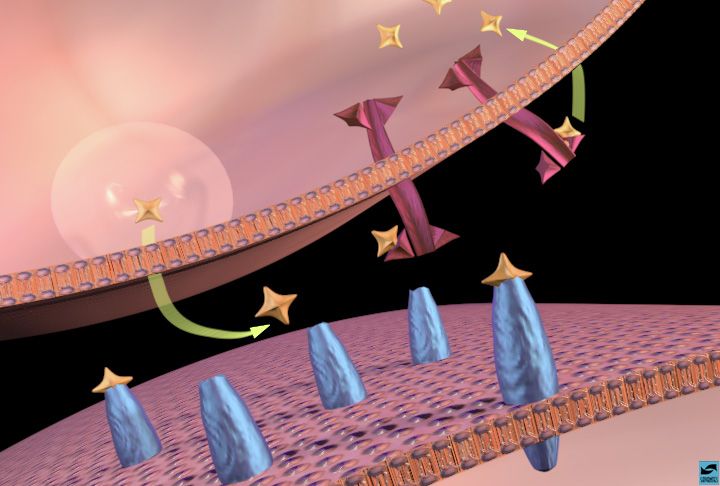
Chemicals Jump the Gaps
♦ Inside brain >50 different chemicals are
continuously made
♦ every neuron system uses 1 of them
♦ stored in little vesicles near tip of neuron
♦ when electrical impulse comes, mini-dots of
that chemical are released,
♦ cross the gap, fire next neuron, then reload
in fractions of a second
TEBrown, Yale Medical School, 2013TE Brown, Yale Medical School, 2013
Message

                                      Zips in

TE Brown, Yale Medical School, 2013
Releasing
transmitter
TE Brown, Yale Medical School, 2013Message
Zips on
TE Brown, Yale Medical School, 2013Reloading
transmitter
TE Brown, Yale Medical School, 20133. How Can Executive Function
Impairments of ADHD Be Assessed?
♦ When ADHD was seen as just a disruptive
behavior disorder in childhood, diagnosis
was based on observing overt behavior
♦ EF impairments of ADHD are largely
cognitive, covert, and not easily observed
♦ Performance of complex, everyday tasks
is a more sensitive diagnostic indicator of
EF impairments
TE Brown, Yale Medical School, 2013Assessment of ADHD
requires data on daily functioning
in various tasks & settings over time
♦ clinical interviews (semi-structured) including
ADHD rating scales (developmentally sensitive)
♦ chronic impairment in most, but not all, situations
♦ Neuropsychological tests, computerized tests,
imaging studies, EEG studies are not useful
TE Brown, Yale Medical School, 2013Executive Functions:
Development and Demands
♦ EF capacity develops through childhood,
into adolescence, and beyond; it is not fully
present in early childhood
♦ Environmental demands for EF increase
with age, from preschool through adulthood
♦ EF impairments often are not noticeable
by age 12 yrs!
TE Brown, Yale Medical School, 2013When Are ADHD
Impairments Noticeable?
♦ Some are obvious very early and
are noticeable in preschool years
♦ Some are not noticeable until
middle elementary or junior high
♦ Some are not apparent until child leaves
home to go to college or later
TE Brown, Yale Medical School, 2013Problems with Emotions in ADHD ♦ not only with brakes: controlling negative emotions, e.g. anger, frustration ♦ also with ignition: activating positive emotions, e.g. interest, motivation TE Brown, Yale Medical School, 2013
Brown ADD Scale-Cluster 4
               Managing Frustration and
                 Modulating Emotions

Emotion takes over too much of thinking
  or feeling…Like a computer virus in the
  mind. Can’t push emotion to “back of
  mind” and get on with what needs to be
  done.
-frustration -anger -hurt feelings -worry
   -wanting -discouragement -sadness

TE Brown, Yale Medical School, 2013
Emotion is mechanism by which brain
allocates attention
♦ “All information processing is emotional …
emotion is the energy level that drives,
organizes, amplifies & attenuates cognitive
activity.” (K. Dodge, 1991)
♦ Emotional value is automatically, uncsly
assigned to stimuli (amygdala, medial PFC)
[how threatening, important, interesting is this?]
(Damasio, 1994, 1999; Ledoux, 1996, 2002,)
TE Brown, Yale Medical School, 20134. Treatment of ADHD ♦ Education of patient and family about the scientific understanding of ADHD and its treatment ♦ Medications to improve EF functioning; like eyeglasses, they relieve sx, but do not cure; effective for about 80% of those affected; need “fine-tuning” ♦ Non-phamacological treatments-??? TE Brown, Yale Medical School, 2013
Mechanisms of Action of Stimulant Medications
       Increasing release
       of dopamine
       (AMPH)

                                          Slowing reuptake
                                          of dopamine
                                          (MPH and AMPH)

  nida.gov
Dual Action of Stimulant Meds
PET studies suggest stimulant meds:
1.Engage dorsal attention network, i.e.
enhance the signal
2.Deactivate ventral resting state network
(default mode network). i.e. reduce the
background “noise”
(Volkow, et al 2008; Swanson, et al, 2011)
TE Brown, Yale Medical School, 2013Motivation & Reward Impairments in ADHD
(Volkow, Wang, et al, 2004, 2009)
♦ PET scans indicated decreased DA
release in reward circuits of adults with
ADHD vs controls
♦ Also decreased receptors for DA in the
accumbens which correlated with
attention measures
♦ MPH increased motivation for task, PBO
did not.
TE Brown, Yale Medical School, 20134. Efficacy of Non-Pharmacological Txs
shown in reviews & meta-analyses
(Nigg, 2012; Bloch, 2011; Markomichali, 2009; Arns, 2009; Fabiano, 2009)
♦ Restricted elimination diet
♦ Artificial food color exclusion
♦ Free fatty acid supplementation
♦ Cognitive training
♦ Neurofeedback
♦ Behavioral interventions
TE Brown, Yale Medical School, 2013Meta-analysis Findings Limitations of previous meta-analyses: ♦ Non-randomized designs ♦ Non-ADHD samples or outcome measures ♦ Estimates of efficacy are based on unblinded assessments, often by persons invested in that treatment TE Brown, Yale Medical School, 2013
Meta-analysis Findings
                    (Sonuga-Barke, et al, 2013)

♦ “Free fatty acid had small beneficial
  effects on ADHD sx while elimination of
  food coloring helped only pts w/food
  sensitivities”
♦ “Evidence for value of neurofeedback,
  cognitive training, and behavioral
  interventions is limited to unblinded
  ratings by individuals likely to have
  investment in tx success”
TE Brown, Yale Medical School, 2013
Reviews of CogMed Efficacy Claims
Melby-Lervag, 2013; Hulme, 2012; Shipstead 2012)
♦ “Working memory training has positive
benefits on tasks similar to those
trained…but there is no evidence of
transfer to other less directly related
tasks.”
♦ “There is no good evidence that the
CogMed working memory training
program is effective…as an effective
treatment for ADHD”
TE Brown, Yale Medical School, 20135. ADHD Is a Complex Disorder Often
Complicated by Comorbidity
♦ In 50-70% of cases, ADHD is further
complicated by one or more additional
psychiatric or learning disorders
♦ Not only is it possible to have another
disorder with ADHD, it is
6 times more likely in lifetime than for
those without ADHD
Pliszka SR, et al. ADHD with Comorbid Disorders; 1999. Brown TE. ADHD Comorbidities:
Handbook for ADHD Comorbidities in Children and Adults; 2009.Psychiatric Comorbidities
in adults with ADHD
12 mo. Lifetime
% OR % OR
Any mood 25.5 3.5 45.4 3.0
Any anxiety 47.0 3.4 59.0 3.2
Any substance 14.7 2.8 35.8 2.8
Any impulse1 35.0 5.6 69.8 5.9
Any psychiatric 66.9 4.2 88.6 6.3
(1impulse = antisocial pd, ODD, CD, Intermittent explosive disorder, bulimia,
gambling
(from Ntnl Comobidity Survey-Replication data presented by R.Kessler at
APA, 5/1/04)
iA Conceptual Growing Edge…
Understanding of ADHD as developmentally
impaired Executive Functions has broad
implications
♦ Exec functions cross boundaries of disorders,
brain structures and the boundary between
pathology and normality
♦ ADHD is not just one disorder among many----it
cross-cuts other disorders
TE Brown, Yale Medical School, 2013Impairments of EF
can have wide impact upon mind
♦ “without basic attention and working
memory there is no prospect of coherent
mental activity…” (1)
♦ “…attention serves all the other
functions.” (2) 1Damasio (1994); 2Fuster (2003)
♦ Exec Functions are the “operating system”
of the mind
TE Brown, Yale Medical School, 2013Key Points -A 1. Essential problem in ADHD is developmental impairment of EF 2. Brain differences that underlie ADHD include delay in maturation of some EF areas, disrupted regional communications and inconsistent neuronal communication. 3. It’s most effectively assessed with clinical interviews & rating scales for impairment, not with neuoropsychological tests TE Brown, Yale Medical School, 2013
Key Points - B
4. It’s most effectively treated with
medications. Behavioral treatments may
be somewhat helpful for some symptoms,
but evidence is limited and often biased.

5. It’s related to other disorders as
operating system of computer is related to
software.
     TE Brown, Yale Medical School, 2013
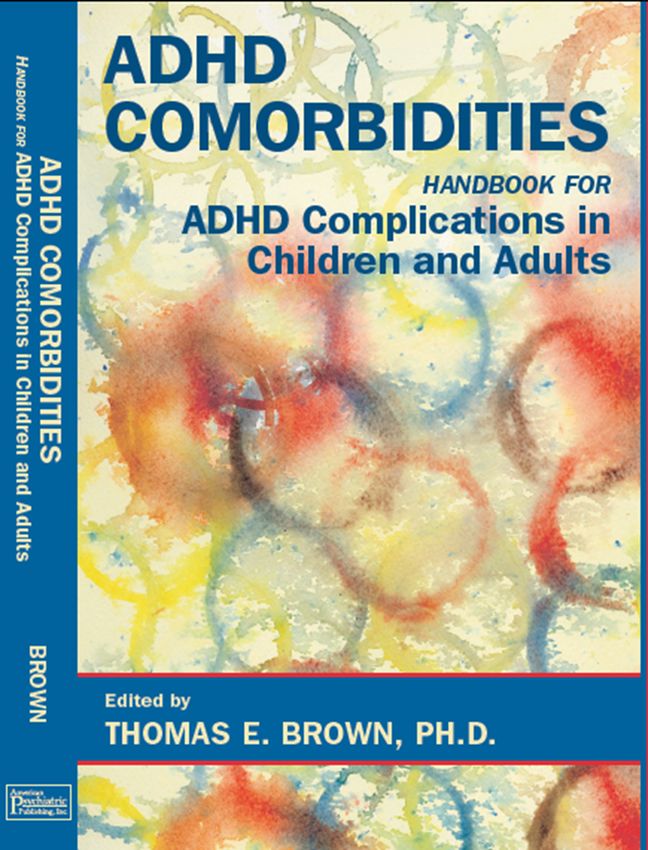
Books by Thomas E. Brown, Ph.D.
www.DrThomasEBrown.com
2005 2009 2013Smart but Stuck:
Emotions in Teens & Adults with ADHD
by Thomas E. Brown
New book
to be
released
March,2014
Jossey-Bass/WileyYou can also read


