Immunisation Childhood - Information for families of babies and young children - HealthEd
←
→
Page content transcription
If your browser does not render page correctly, please read the page content below
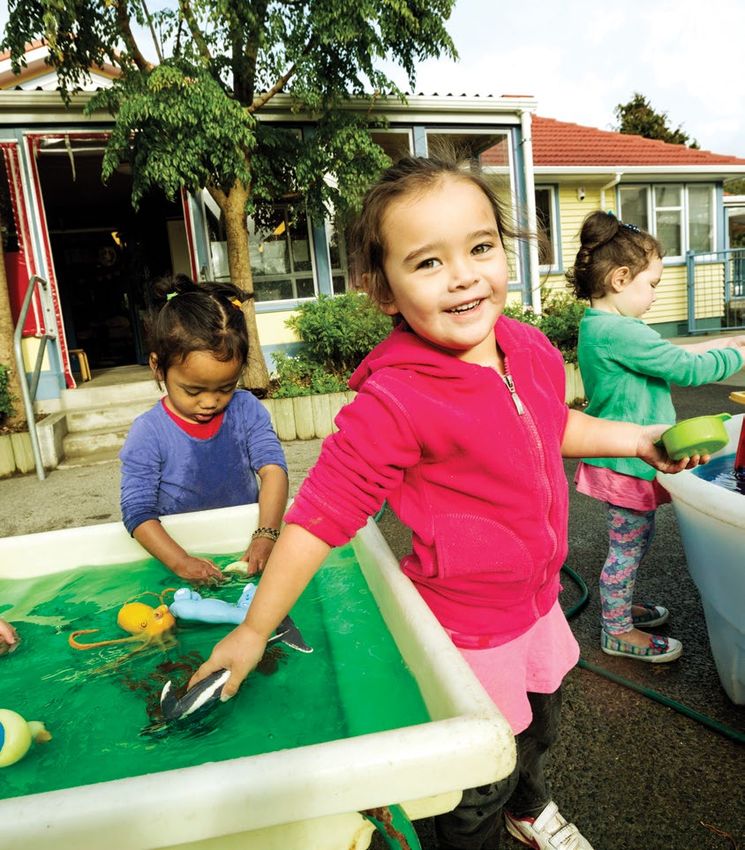
Childhood
Immunisation
Information for families of babies and young children
Contents

       What is this guide about?                        3

       What is a vaccine and how does it work?          7

       Diseases to be immunised against                 12

       Vaccines and the diseases they protect against   15

       Other immunisations                              24

       Reactions to immunisations                       26

       National immunisation register, records
       and immunisation certificate
                                                        28

       Appendix: Diseases and reactions to vaccines     30

       The National Immunisation Schedule               34

2
What is this guide about?

This guide is an introduction to immunisation and explains:

•     the immunisation process

•     the vaccines given to babies and young children

•     the diseases the vaccines protect against

•     any reactions the vaccines may cause.

All childhood vaccines on the National Immunisation Schedule are free to all
children in New Zealand until their 18th birthday.* All immigrant and visiting
children can have free immunisations and free Well Child Tamariki Ora services.

If you have questions or would like more information, you can:

•     talk to your family doctor, nurse, lead maternity
      carer or Well Child Tamariki Ora nurse

•     look up immunisations in your baby’s
      Well Child Tamariki Ora My Health Book

•     go to www.health.govt.nz/immunisation

•     call the Immunisation Advisory Centre (IMAC)
      on 0800 IMMUNE (0800 466 863) or visit
      www.immune.org.nz

    If you are worried about your baby or child’s reaction to an
    immunisation, talk to your doctor or nurse or call the free Healthline
    service on 0800 611 116 anytime day or night.

* HPV immunisation is funded for all aged 9-26 years; MMR immunisation is funded for all born from 1 January 1969.
                                                                                                                     3
Immunisation for all ages
    The timetable of recommended vaccines is called the National Immunisation
    Schedule. You can see it on page 34. It shows when everyone should receive each
    routine immunisation, starting at 6 weeks old. For the best protection against
    serious diseases everyone needs to be immunised on time,
    every time.

    More information about immunisation for older children,                Immunise
    teenagers and adults is available from your family doctor               on time,
    or nurse.
                                                                          every time.
    Have a look at the timetable. If you’re not sure whether your
    child has been immunised or if you think anyone in your
    family has missed out on immunisations, talk to your family
    doctor or nurse. It’s best for your baby to be immunised on time, but if they’re late,
    you can usually catch up (except for rotavirus, where babies who are late must
    start the immunisations before they are 15 weeks old).

    Other vaccines may be needed, for example, for children with certain medical
    conditions or risks and before overseas travel. Information about these vaccines is
    included on page 24.

4
What is immunisation?
Immunisation is one of the best ways to protect your child against many serious
diseases. It works by using a vaccine to stimulate your baby’s immune system.

When a germ like a virus or bacteria enters the body for the first time, the immune
system takes time to produce special antibodies to fight that particular germ.
During that time, a person may become unwell.

As the protective cells and antibodies are made, they destroy the germs and the
person recovers. The immune system remembers the germ, for years or for life.
If it enters the body again, the immune system can fight off the germ before the
person becomes unwell.

Why does your baby need immunisation?
Babies are born with some passive immunity to certain infections because
antibodies are passed on to them from their mother before birth. Breast-fed
babies get additional antibodies from their mother’s milk. However, this immunity
does not last long. Babies and children need immunisation to provide ongoing
protection from many life-threatening diseases.

Over a million people around the world die every year from diseases that can
be prevented by immunisation. Most of these diseases have become rare in
New Zealand thanks to immunisation programmes. Some diseases, such as
whooping cough and pneumococcal disease are still common.

Many of the diseases that are now rare in New Zealand still exist in other countries
and are brought into the country by travellers from time to time, for example,
measles. Some diseases will always be present, such as tetanus, which is caused
by bacteria that live in the soil.

The World Health Organization and the Ministry of Health recommend that you
immunise your children. Immunisation is your choice – please talk to your family
doctor or nurse if you have any questions.

                                                                                       5
When should your child be immunised?
    Immunisation starts at 6 weeks old. This allows your baby to start developing
    protection as soon as possible when the passive immunity from their mother
    begins to wear off.

    Babies and children can catch diseases at any time.
    It’s important babies and children are immunised on time,            Babies and
    every time for the best possible protection against many            children can
    serious illnesses.                                                 catch diseases
                                                                        at any time.
    If you think your child – or anyone in your family – may not
    have had all the immunisations or if you’re not sure, talk
    to a doctor or nurse. They will be able to tell you which
    immunisations you and your family should have.

    Some children will need extra vaccines, such as the influenza immunisation, if
    they have certain long-term health conditions, such as diabetes. Talk to a doctor
    or nurse to find out if your child needs extra immunisations. There is more
    information about the extra immunisations available in New Zealand on page 24.

6
What is a vaccine and how
does it work?

What is a vaccine?
A vaccine contains a dead or weakened form of a germ that cannot cause the
disease, but is enough to make the immune system produce antibodies to fight
it. When a person is vaccinated, their immune system makes cells and antibodies
in response to the vaccine, which will protect them from the real disease if they
come into contact with it in the future.

Types of vaccines
There are generally three types of vaccines:

•   live vaccines: bacteria or viruses that have been weakened so that they cannot
    cause disease (eg, measles, mumps and rubella)

•   dead (or inactivated) vaccines: bacteria and viruses that have been
    inactivated (eg, polio vaccine)

•   subunit vaccines: parts of bacteria or viruses (eg, hib and hepatitis B) or
    bacterial toxins that have been made harmless (eg, diphtheria
    and tetanus).

Vaccines may also contain:

•   substances that help the body respond to the vaccine

•   preservatives

•   traces of the materials that are used during manufacture.

The very small amounts of these substances that are in the vaccines do
not cause any harm.

                                                                                     7
How well do the vaccines work?
    Studies have shown that if all recommended doses of vaccines are given, they will
    protect 80% to 98% of the children who are immunised. For example, the pertussis
    (whooping cough) vaccine is effective in around 84% of children and the measles
    vaccine in 90% to 98% of children.

    A very small number of children who are immunised do not develop strong
    immunity and they may still become ill with one of the diseases. If that happens,
    they usually have a milder illness than people who have not been immunised. More
    than one dose of some vaccines is needed for full protection. Booster doses may
    also be required in later years to maintain immunity (eg, against tetanus).

    How are vaccines given?
    Most vaccines are given by injection into the arm or leg. Rotavirus vaccine is given
    as drops of liquid into the mouth. When two or more injections are given at the
    same time, they are given in different arms or legs.

    Booster vaccines
    Babies need to be immunised on time, every time for the best protection. Some
    vaccines are given more than once to boost the immune system.

    The gap between the doses of vaccines makes sure that each dose has time to
    work effectively. The recommended time gap is a minimum time. If the gap is
    longer, you don’t have to start the course again. Talk to your doctor or nurse if you
    think your child has missed some of their immunisations.

8
Community immunity
Community immunity is an important part of protecting the community against
disease. People who are immunised do not usually get sick from an illness they
are vaccinated against, and can’t pass the disease on to others. This prevents
infection from circulating in the community and helps to protect people who are
not immunised, those who are too young to be immunised
and those who cannot receive a vaccine for some reason.

Approximately 95% of the people in the community
must be immunised to achieve community immunity
against diseases such as measles. If 95% of children
in the community are immune, then those who do not
develop strong immunity or cannot be immunised
have a smaller chance of becoming infected,
because of community immunity.

How long do vaccines last?
Different vaccines provide protection for different
lengths of time. Neither immunisation nor natural
infection will always result in lifelong immunity to a disease.

A few vaccines, like MMR and hepatitis B, may make you immune for your entire
life. Some vaccines need booster doses to maintain their protection. Whooping
cough vaccine does not provide lifelong immunity, which means that whooping
cough can circulate among the adult population and infect babies too young to
be immunised. Booster whooping cough vaccines are offered at 11 years old and
to pregnant women. Diphtheria and tetanus boosters are offered at 11, 45 and 65
years old, and after some injuries.

Other vaccines provide immunity that protect young children for a few years when
they’re at greater risk of either catching a disease, or suffering serious effects from
it – these include rotavirus, and some meningococcal vaccines. Influenza vaccine
is given annually, to protect against the strains of influenza that are most common
in a particular year.

                                                                                          9
How safe are vaccines?
     Strict procedures are followed when vaccines are made to ensure they are safe.
     Before a vaccine can be approved for use, it is trialled extensively, sometimes
     with tens of thousands of people. These clinical trials with volunteers can take
     several years.

     Throughout all of these processes, safety is monitored very closely.

     Before a vaccine is approved for use in New Zealand, the manufacturer must
     demonstrate its safety and effectiveness to the satisfaction of Medsafe, a division
     of the Ministry of Health.

     After a vaccine is introduced, its safety continues to be monitored for the
     duration of its use. The safety of vaccines is monitored internationally using many
     different methods.

     How the safety of vaccines is monitored in
     New Zealand
     In New Zealand, any reaction to a vaccine can be reported to the Centre for
     Adverse Reactions Monitoring (CARM) at the University of Otago, usually by
     your family doctor or nurse. If you are worried about your child’s health after an
     immunisation, contact your doctor.

     You can also report a suspected reaction to CARM by calling (03) 479 7247 or
     reporting it online (www.otago.ac.nz/carm). The information provided to CARM
     by doctors, nurses and parents will assist in identifying those children who should
     receive follow-up immunisation in a controlled environment, such as a hospital.
     Minor reactions such as mild fever, pain, or redness where the injection was given
     are usually not reported to CARM (see page 26 for information on mild reactions).

     Any serious events may also be recorded on the National Immunisation Register
     (NIR) (see page 28 for more information on the NIR).

     In addition to this type of safety monitoring, there are ongoing studies that
     compare people who are vaccinated with people who are not vaccinated to
     ensure the vaccines we use are as safe as possible.

10
11
Diseases to be immunised
     against

     What diseases will my child be protected
     against?
     The National Immunisation Schedule recommends that children be immunised
     for protection from 12 preventable diseases before they are 5 years old.
     The diseases are:

     •   diphtheria

     •   tetanus

     •   whooping cough (pertussis)

     •   polio

     •   hepatitis B

     •   hib (Haemophilus influenzae type b)

     •   rotavirus

     •   pneumococcal disease

     •   measles

     •   mumps

     •   rubella

     •   chickenpox (varicella).

     More information about these diseases can be found on pages 15 and 30.

     Babies and children have the best chance of developing immunity against these
     diseases if they receive the immunisations at the ages recommended on the
     National Immunisation Schedule on page 34.

12
Do children have to have all the immunisations?
Having some vaccines but not others is possible, but means children are at risk
from any disease they’re not yet immune to. Most vaccines need more than one
dose to ensure protection.
Some parents ask if the combined vaccines can be
separated. In New Zealand, most vaccines on the National Most vaccines
Immunisation Schedule are combined and not available need more
than one dose
singly. Combined vaccines mean fewer injections.
to ensure
However, single hib, single polio and single hepatitis B protection.
vaccines are available for the few children for whom
pertussis vaccine is not recommended.
Are there some children who should not be
immunised?
There are very few children who should not be immunised. However, if your child
has had a serious reaction to a vaccine, is being treated for cancer or other severe
illness, or has had a blood transfusion or other blood products in the last year, you
should talk to your doctor, specialist or nurse before the immunisation.
Children with asthma, allergies or who are recovering from an illness such as a
common cold can still be immunised.
Is it safe to immunise children against so many
diseases at the same time?
Babies and children come into contact with millions of viruses and bacteria every
day from the moment they are born, and their immune systems are constantly
responding to these. Combined vaccines such as measles, mumps and rubella
(MMR) mean fewer visits to the doctor and fewer injections.
Combined vaccines do not overload the immune system. Modern vaccines have
fewer antigens (disease particles) than in previous decades, even though they
protect against more diseases, because of improved manufacturing processes.
When more than one vaccine is given in one visit, those vaccines have been tested
to ensure that they are safe and effective to be given at the same time.
13If a child has had a disease, do they still need to be
immunised?
If you think your child has had one of the diseases, talk to your doctor, who will be
able to tell you about tests that are available (for a small fee) to check for existing
antibodies against measles, mumps, rubella and hepatitis B. If your child is already
immune to one of the diseases in the MMR vaccine, they will still need to be
protected against the others. There are no additional risks to vaccinating a person
who has already had the disease.
When taking your baby or child to be immunised:
• read the information in this book before you go
• always take your child’s Well Child Tamariki Ora My Health Book and
make sure the doctor or nurse fills in the details, so you have a record
of your child’s immunisations
• ask the doctor or nurse questions if you have any concerns
or worries
• tell the doctor or nurse how your baby reacted to any previous
immunisations
• allow 20 minutes for waiting in the clinic after your child has
been immunised. Your baby may need a drink or food while you
are waiting.
14Vaccines and the diseases
they protect against
The following section tells you more about the vaccines on the National
Immunisation Schedule for young children. The section includes:
1. DTaP-IPV-HepB/Hib vaccine
2. Rotavirus vaccine
3. Pneumococcal vaccine
4. MMR vaccine
5. Chickenpox (varicella) vaccine.
DTaP-IPV-HepB/Hib vaccine
This vaccine protects against six diseases:
• Diphtheria
• Tetanus
• Pertussis (also known as whooping cough)
• Polio (IPV – Inactivated Polio Vaccine)
• Hepatitis B (HepB)
• Haemophilus influenzae type b (Hib).
Babies need 3 doses of the DTaP-IPV-HepB/Hib vaccine. They should receive
it at 6 weeks old, 3 months old and 5 months old.
The vaccine is given by an injection in the arm or leg. Your child will need a
further booster of Hib at 15 months old and DTaP-IPV at 4 years old.
Refer to the National Immunisation Schedule on page 34 for information
about the booster immunisations your child will need when they are older.
15The six diseases
Diphtheria is a serious disease that can quickly lead to breathing
problems. It is caused by bacteria that attack the lining of the nose, mouth
and throat. It can damage the heart and in severe cases it can lead to death.
Diphtheria is now rare in New Zealand thanks to immunisation. However,
there is still a risk that diphtheria could enter New Zealand from overseas.
Tetanus is a painful disease that affects the muscles. It can cause
breathing problems, muscle stiffness and severe muscle spasms. It is
caused by a common bacteria found in soil and enters the body through
cuts and grazes. The only way to build immunity is by immunisation.
Whooping cough (pertussis) is a serious infection that can cause
coughing and choking that make it hard to breathe. It can last for up to
10 weeks and some people will need hospital care. Whooping cough is a
common disease in New Zealand. This disease is most serious in infants.
Polio is a virus found in the nose and throat. It is spread by coughing,
sneezing and sharing drink bottles. It infects the bowel and can attack the
nervous system. In severe cases it may cause paralysis and even death. Polio
has disappeared from New Zealand and most parts of the world as a result
of immunisation. However, there is still a risk that polio could enter New
Zealand from overseas.
Hepatitis B is a virus that is passed on through body fluids. It can be
passed from pregnant women to their babies, particularly during birth.
Hepatitis B causes liver infection and serious illness. Infected children are
more likely to carry the virus long term and can eventually develop liver
cancer or liver failure. Hepatitis B has declined considerably since the
vaccine was introduced in New Zealand.
16Hib is bacteria found in the nose and throat and spread by coughing and
sneezing. It can cause a number of major illnesses, including meningitis,
epiglottitis, blood poisoning and pneumonia. All of these illnesses can lead
to death if they are not treated quickly. Hib used to be the most common
cause of life-threatening bacterial infection in children under 5 years old.
Immunisation has made it rare in New Zealand.
How effective is the DTap-IPV-HepB/Hib vaccine?
Research has shown that the DTaP-IPV-HepB/Hib immunisation is very
effective in protecting babies against the six diseases listed above.
80–95% of children who are fully immunised on time are protected against
the diseases. It’s important that your child has booster shots at 4 and 11
years old to make sure they remain protected.
A small number of children who are immunised may still become ill.
If they do, they usually get a milder illness than people who have not been
immunised.
Possible reactions to the DTaP-IPV-HepB/Hib vaccine
Most children will not feel any effects from the immunisation but some may
experience some mild reactions within 6 hours of the injection. The most
common reactions include:
• mild fever
• unsettled (tiredness and crying) up to 48 hours after having the injection
• swelling or soreness where the injection was given.
See page 26 for advice on what to do if your baby has a reaction.
If you are worried about your baby’s reaction to the immunisation,
talk to your doctor or nurse or call the free Healthline service on
0800 611 116 anytime day or night.
17Rotavirus vaccine
Rotavirus vaccine is given as a course of 2 doses at 6 weeks old and
3 months old, orally (as drops in the mouth). The course must be
started before your baby is 15 weeks old.
The vaccine protects against
rotavirus, a highly infectious type of
gastroenteritis or tummy bug.
Rotavirus can cause:
• vomiting (being sick)
• diarrhoea
• fever (high temperature)
• abdominal (tummy) pain.
Rotavirus can lead to severe
dehydration and in some cases death.
While death is extremely unlikely
in New Zealand, many children are
hospitalised with this disease.
How effective is the rotavirus vaccine?
Studies show that immunisation is the best way to stop babies catching
rotavirus. Without immunisation, almost all children will catch rotavirus
before they are 5 years old. Immunisation prevents most rotavirus
infections, and almost all severe rotavirus infections. The first dose must
be given before babies are 15 weeks old.
The rotavirus immunisation does not protect against other causes of
vomiting and diarrhoea.
18Possible reactions to the rotavirus vaccine
Most babies will not feel any effects from the immunisation. The most
common reactions include mild irritability, mild diarrhoea or vomiting
in the week after vaccination, similar to babies who have not received
the vaccine.
There may be a small risk of intussusception (a kind of bowel blockage)
associated with the rotavirus vaccine. This occurs naturally in some babies
each year, and the cause is not known in most cases. Signs include severe
crying and tummy pain. Babies might draw their legs up to their chest as
if they have colic, and may also vomit or have blood in their poo. If this
happens, you should take your baby to a doctor or hospital emergency
department straight away. Tell the hospital when your baby got the vaccine.
The possible increased risk of intussusception (estimated at 1 to 5 per
100,000) is very small compared to the risks of rotavirus infection
(634 per 100,000 children aged under 3 years old were hospitalised annually
in New Zealand).
If you are worried about your baby’s reaction to an immunisation,
talk to your doctor or nurse or call the free Healthline service on
0800 611 116 anytime day or night.
19Pneumococcal vaccine
Pneumococcal (pronounced new-mo-cock-al) is one of the most common
causes of meningitis, severe ear infections and pneumonia.
Babies need 4 doses of the pneumococcal immunisation for protection. They
should be immunised at 6 weeks, 3 months, 5 months and 15 months of age.
The vaccine is given by injection in the arm or leg.
What is pneumococcal infection?
Pneumococcal is a serious infection common in children younger than
5 years old. It is caused by a bacteria found in the throat. It is spread through
the air by coughing and sneezing. (Pneumococcal infection is also common
in elderly people and people with certain medical conditions).
How effective is the pneumococcal vaccine?
The rate of pneumococcal disease in children under the age of 2 years
has halved since immunisation was introduced. Studies show that 97% of
children are protected after 4 doses of the vaccine.
Possible reactions to the pneumococcal vaccine
Most children will not feel any effects from the immunisation but some
babies may experience a mild reaction within 6 hours of the injection.
The most common reactions include:
• mild fever
• unsettled (tiredness and crying) up to 48 hours after having the injection
• swelling or soreness where the injection was given.
See page 26 for advice on what to do if your baby has a reaction.
If you are worried about your baby’s reaction to an immunisation,
talk to your doctor or nurse or call the free Healthline service on
0800 611 116 anytime day or night.
20MMR vaccine
This immunisation protects your child against three diseases:
Measles, Mumps and Rubella. (Rubella is also known as German measles).
Children need the MMR immunisation when they are 15 months old.
They will need a second immunisation when they are 4 years old.
They need 2 MMR injections for protection.
The vaccine is given by injection in the arm or leg.
The three diseases
Measles is a very infectious virus. Before immunisation was introduced,
nearly all children caught measles. Measles causes a rash, high fever, runny
nose, cough and sore watery eyes. Severe cases can result in pneumonia,
encephalitis (swelling in the brain), diarrhoea and rarely, death.
Mumps is caused by a virus and is spread through the air. Mumps causes
fever, headache and swelling of the glands around the face. Mumps can also
cause meningitis and encephalitis. Infertility among young men who get
mumps is rare.
Rubella is usually a mild, viral illness. It causes a rash, fever and swollen
glands in children. It is extremely dangerous for pregnant women because it
can cause deafness, blindness and brain damage in an unborn baby.
How effective is the MMR vaccine?
Studies show that the MMR immunisation will protect more than 95% of
people from measles, mumps and rubella if they have had both doses of the
immunisation (at 15 months old and 4 years old).
A small number of people who are immunised may still become ill.
If that happens, they usually get a milder illness than people who have not
been immunised.
21Possible reactions to the MMR vaccine
Most children will not feel any effects from the immunisation but some
(fewer than 1 in 10) may experience a mild response between 5 and 12 days
after immunisation. The most common reactions include:
• mild fever
• rash
• unsettled (tiredness and crying)
• swollen glands.
See page 26 for advice on what to do if your baby has a reaction.
If you are worried about your baby’s reaction to an immunisation,
talk to your doctor or nurse or call the free Healthline service on
0800 611 116 anytime day or night.
22Chickenpox vaccine
Chickenpox (varicella) is a common virus that causes an itchy skin rash and
blisters. It is usually mild, but can lead to skin infections and more serious
complications such as blood infections, pneumonia, inflammation of the
brain, and eye and kidney problems. Without vaccination nearly all children
will get chickenpox between the ages of 2 and 10 years old. Teenagers and
adults are more likely to develop complications than children. Chickenpox is
serious for pregnant women because it can cause damage to unborn babies.
One dose of chickenpox vaccine is given free at age 15 months. Children
turning 11 years of age who have not previously been infected with or
vaccinated against chickenpox are also eligible for a free dose.
How effective is the chickenpox vaccine?
One dose of the vaccine will protect around four out of five people from any
kind of chickenpox and almost everyone from severe chickenpox.
Some people who have been vaccinated will still get chickenpox, but they will
have a milder illness.
Possible reactions to the chickenpox vaccine
Most children will not feel any effects from the immunisation, but some
may experience mild reactions such as fever and injection site tenderness,
similar to other childhood vaccines. About one in twenty children develop a
mild rash between 5 and 26 days after immunisation. In rare cases, this can
be contagious - keep any blisters covered and stay away from anyone at risk
of severe disease, such as people with weakened immune systems, babies
or pregnant women.
See page 26 for advice on what to do if your baby has a reaction.
If you are worried about your baby’s reaction to an immunisation,
talk to your doctor or nurse or call the free Healthline service on
0800 611 116 anytime day or night.
23Other immunisations
Immunisations for targeted groups
The following immunisations are not funded as part of the National
Immunisation Schedule, unless your child has particular serious health
conditions that affect their immunity. Talk to your family doctor or nurse
about whether your child is eligible for these funded vaccines.
If your child is not eligible, you can still purchase these vaccines.
Immunisations that may be given at birth
Hepatitis B vaccine and hepatitis B antibodies are given at birth to babies of
mothers who carry the hepatitis B virus. This is to ensure that babies do not
become infected at birth.
Babies at higher risk of tuberculosis (TB) may be offered immunisation at birth
if they are at particular risk of TB, for example, children living in a house with
someone with TB or with a family member who has lived in affected countries.
The TB immunisation does not stop children being infected with TB but it does
help stop serious infection. Protection lasts for up to 15 years.
Influenza vaccine
The immunisation protects against influenza, a common virus that infects the
nose, throat and lungs. Some people become so ill from influenza that they need
hospital care and a small number of people die. The immunisation is free to
babies and children who have breathing illnesses such as severe asthma.
Between 50% and 70% of people who are immunised will be protected against
influenza.
24Annual immunisation is needed to stay protected because protection can lessen
over time and the types of influenza may change each year. There is a slight risk of
small children developing a fever after immunisation.
Meningococcal vaccine
Meningococcal disease is a bacterial infection that causes two very serious
illnesses: meningitis (an infection of the membranes that cover the brain) and/or
septicaemia (blood poisoning). Meningococcal disease can affect anyone, but it’s
more common in children younger than 5 years old, teenagers and young adults.
There are several strains of the disease – the most common in New Zealand are
B, C and W.
Vaccination against meningococcal disease is around 80% effective over the
short term, depending on the vaccine. Protection from meningococcal vaccines
tends to last around 3 to 5 years, although booster doses may be given at a later
time. Because the vaccines don’t provide long-term protection, or protect against
all strains, it’s important to be aware of the signs and symptoms of meningococcal
disease, and seek medical advice immediately if you’re concerned. Information on
the signs and symptoms can be found on the illustrated card called Meningococcal
disease causes meningitis (code HE2417), available at www.healthed.govt.nz
Commonly reported reactions to the vaccine for infants include fever, irritability,
crying more often than expected, redness, tenderness and swelling at the
injection site.
25Reactions to immunisations
Your child may have a mild reaction after
immunisation
Mild reactions after immunisation are quite common, as part of the immune
system’s natural response to the vaccine.
Serious reactions are rare.
Here are some ways to make your baby or child
more comfortable.
Love and care
Give your child lots of cuddles and lots of fluids.
If you’re breastfeeding, give lots of feeds.
Reducing temperature
If your child gets hot, it can help to undress them
down to a single layer (eg, a singlet and pants).
Make sure the room is not too hot or too cold.
Encourage them to drink more (water and
breast feeds).
Medication for discomfort or pain
Give paracetamol or ibuprofen only as advised by your doctor or nurse.
Giving babies and children paracetamol before and repeatedly after any
immunisation just in case they feel unwell is not recommended. There is some
evidence that paracetamol may reduce the immune response to some
childhood vaccinations.
26Soothing pain
An ice pack wrapped well in a dry cloth, or better still, a cool cloth, can be held
over the injection site if it is sore. Avoid rubbing the injection site because this may
make the reaction worse.
Sleepy or slow to feed
Please watch your baby carefully and encourage them to drink.
Serious reactions
Febrile convulsion
Very rarely, a child will have a febrile convulsion or a fit following immunisation.
If your child is having a convulsion:
• don’t put anything in your child’s mouth
• don’t put your child into a bath or shower to cool down
• for advice, call your doctor, nurse or Healthline on 0800 611 116
• in an emergency, call 111.
There is no easy way to prevent a febrile convulsion. Keep your child cool and
comfortable if they have a fever. Febrile convulsions are not associated with any
ongoing problems, and children usually recover quickly.
Rare allergic reactions following immunisation
You and your child will be asked to wait at the clinic or surgery for 20 minutes after
a vaccine is given. This is to make sure that medical treatment is available if an
allergic reaction called anaphylaxis occurs. Anaphylaxis happens around once in
every million vaccinations. A skin rash, dizziness and noisy breathing start soon
after the vaccine is given. Drugs to treat this allergic reaction work very quickly.
Allergic reactions can also be caused by food, other medicines and bee stings.
If you are worried about your baby’s reaction to an immunisation, talk to
your doctor or nurse or call the free Healthline service on 0800 611 116
anytime day or night.
27National immunisation
register, records and
immunisation certificate
The National Immunisation Register
Your doctor or nurse will record your child’s
immunisation details on your child’s medical
record and the National Immunisation Register (NIR).
The NIR is a computerised information system that
holds the immunisation details of all children in New
Zealand born after 2005. Your lead maternity carer,
family doctor or nurse will discuss the NIR with you, including
what information is collected and stored and who can access the information.
The NIR helps you and your health care providers keep an accurate record of
your child’s immunisations to make sure they receive the correct immunisations
throughout their life. Information about your child’s immunisations is available if
you visit different health care providers in another part of the country (eg, if you
shift to another area or to another doctor).
The NIR will also tell your doctor or nurse when your child’s next immunisations are
due or if the immunisations are overdue.
You can choose not to have your child’s information stored on the NIR, but you will
need to complete and sign a form that your lead maternity carer, family doctor or
nurse can provide.
Your child can still get immunisations if their information is not stored on the NIR.
For more information, talk to your lead maternity carer, doctor, nurse or
Well Child Tamariki Ora provider. Information on the NIR can also be found
in the pamphlet Immunise your child on time (code HE1327), available at
www.healthed.govt.nz
28Immunisation records and the Immunisation
Certificate
Your doctor or nurse will keep a record of the immunisations your child has been
given. The information is also held on the National Immunisation Register (NIR).
The immunisation is recorded on the Immunisation Certificate in your child’s
Well Child Tamariki Ora My Health Book. You will be asked for the Immunisation
Certificate when your child starts at an early childcare service, kōhanga reo or
primary school. The certificate shows which childhood immunisations your child
has had. Your doctor or nurse signs the certificate when they give your child the
15-month-old immunisations and again after the 4-year-old immunisations.
You will be asked to produce a signed certificate even
if you have decided not to have your child immunised.
Your doctor or nurse can sign the certificate at any
time. Children can still attend an early childcare
service or school if they have not been immunised.
How is the Immunisation Certificate used?
The early childcare service or school will record the information from your child’s
Immunisation Certificate on their immunisation register. You can check this at any
time. If your child starts at an early childcare service before 15 months old, you
should show the service the certificate once your child has had their 15-months-
old immunisations.
The Medical Officer of Health will check the early childcare and school registers if
there is a threat or outbreak of a disease in your area. Children who have not been
immunised will be offered immunisation. They may also be asked to stay at home
until the disease threat has gone to help stop it spreading.
29Appendix: Diseases and
reactions to vaccines
The following table shows the disease versus
vaccine risks*
Disease risks Possible side effects of vaccines
Rotavirus is a leading cause of Fever, diarrhoea and vomiting after rotavirus
gastroenteritis (tummy upset) in young vaccines occur in similar frequency to
children. Almost all children who are not babies who have not had the vaccine.
vaccinated catch it before they are There is an increased risk of intussusception
3 years old. (a potentially serious bowel condition
One in 5 seek medical advice. requiring treatment). There are an expected
634 in every 100,000 infants are 6 additional cases of intussusception
hospitalised annually. among every 100,000 infants (this
would equate to around 4 to 5 cases of
intussusceptions in New Zealand each year).
Diphtheria produces a toxin (powerful About 1 in 10 people experience injection
poison) that damages the heart, nerves, site pain, redness and/or swelling. Mild fever,
kidneys and other organs. Around 2–10 restlessness and/or crying are also common.
in every 100 people infected with Risk of high fever associated with febrile
diphtheria die. seizure less than 4 per 100,000 doses.
These are self-limiting (go away on
Tetanus bacteria release a toxin that causes
their own).
severe painful muscle spasms. There are
around 5–10 cases a year among people There is an increased risk of injection site
who have not been immunised in New swelling following booster vaccination at
Zealand, who all need hospital intensive care 4 years old. This is not normally associated
treatment. Nearly 1 in 10 of those affected with increased pain.
with tetanus will die.
30Disease risks Possible side effects of vaccines
Pertussis (commonly called whooping About 1 in 10 people experience injection
cough) causes a severe ‘barking’ cough that site pain, redness and/or swelling.
can last up to 3 months. Complications Mild fever, restlessness and/or crying are
include ear infections, pneumonia, also common.
internal bleeding from coughing spasms, Risk of high fever associated with febrile
convulsions, brain damage and death. seizure less than 4 per 100,000 doses.
Infants and young children are at highest risk These are self-limiting (go away on
of complications. their own).
Polio often causes no symptoms, however, There is an increased risk of injection site
it can lead to fever, sore throat, headache swelling following booster vaccination at
and stiff neck. Infection can quickly progress 4 years old. This is not normally associated
to paralysis of the limbs and chest, making with increased pain.
walking and breathing very difficult. Paralysis
is permanent. About 1 in 20 hospitalised
patients die and 1 in 2 who survive are
permanently paralysed. Post-polio
syndrome occurs 30–40 years later, causing
muscle pain and worsening of existing
muscle weakness.
Hepatitis B is a virus that can cause liver
disease. Younger children who catch it are
more likely to end up carrying the disease
long term. Carriers have a 5 in 100 risk of
developing chronic active hepatitis or
cirrhosis and a 5–10 in 100 risk of developing
liver cancer. Hepatitis B is believed to be
second only to tobacco as a cause of
human cancer.
Haemophilus Influenzae type b can cause
meningitis (inflammation of the tissues
surrounding the brain), epiglottitis (throat
obstruction), pneumonia, swollen joints and
skin infections. About 1 in 20 patients with
bacterial meningitis die, and 1 in 4 survivors
have permanent brain or nerve damage.
About 1 in 100 patients with epiglottitis dies.
31Disease risks Possible side effects of vaccines
Pneumococcal disease can cause fever, 10–20 per 100 have a mild injection site
pneumonia, swollen neck or salivary glands, reaction, 3 per 100 have a more severe
septicaemia (infection of the blood), reaction that restricts movement of the arm
meningitis and some ear infections. About 1 or leg for a day or so.
in 10 patients with meningitis die and many Fever over 39°C in less than 5 per 100
survivors will be left with brain damage or vaccines.
hearing impairment. Before vaccination,
around 150 New Zealand preschool children
were hospitalised each year with meningitis
or septicaemia. Pneumococcal disease
was also the cause of approximately one-
quarter of all pneumonia cases in children.
Measles causes pneumonia in 1 in 15 About 1 in 100 develops redness at the
children with measles, and 1 in 1000 injection site. About 2–3 in 100 experience
develops encephalitis (swelling in the mild fever and 1–2 in 100 develop a fever
brain). For every 10 children who develop over 39.5°C. About 1–2 in 100 develop a
encephalitis, one will die and up to 4 will rash, which is non-infectious. About 4 in
have permanent brain damage. About 1 100 are noticeably irritable. One in 1 million
in 100,000 develop subacute sclerosing recipients may develop encephalitis from
panencephalitis, which is always fatal. the measles component of the vaccine.
Thrombocytopenia (bruising or bleeding)
Mumps causes 1 in 200 infected children to occurs after a first dose of MMR at a rate of
develop encephalitis (swelling in the brain). 1 in 30,500. This is self-limiting (goes away
Profound deafness occurs in 1 in 15,000 on its own).
cases. If infected after puberty,
1 in 5 males gets testicle inflammation and
1 in 20 females gets ovary inflammation. In
rare cases, this leads to infertility. Women
who get mumps in the first trimester
of pregnancy have an increased risk of
miscarriage.
Rubella (commonly called German
measles) rarely causes serious side effects
in children or adults. However, 8–9 out
of 10 babies infected during the first 10
weeks after conception will have a major
congenital abnormality (such as deafness,
blindness, brain damage or
heart defects).
32Disease risks Possible side effects of vaccines
Meningococcal disease can cause Around half of vaccines have a mild injection
septicaemia (infection of the blood site reaction, often with some redness and/
stream) and/or meningitis (swelling of the or swelling.
tissues surrounding the brain). About 1 in Fever is in 1–5 per 100 infant vaccines.
10 patients with meningitis die. Of those Irritability in around half of vaccines with
who survive about 1 in 4 have long-term occasional crying, more than usual.
learning difficulties and 1 in 5 to 1 in 25 These events are more common with
have permanent deafness or require limb booster doses.
amputation. One in 30 have severe skin
Headache has also been reported in
scarring. One in 30 have severe
adolescents.
brain damage.
Influenza may lead to hospitalisation in all About 1 in 10 has a local reaction. Mild
age groups particularly the elderly or those fever is common, particularly in children.
with an ongoing medical condition. It can High fever can also occur. Guillain-Barré
lead to pneumonia, and in some cases, may syndrome occurs in less than 1 in 1 million,
be life threatening. Between 10% and 20% of the same rate as the general population.
the population are infected with influenza
each year.
Varicella (Chickenpox) is very common and Localised rash in 1–3 out of 100 and
usually mild. However, infected blisters are a generalised body rash in 3–5 out of 100
common complication, and about 1 in 5000 between 5–26 days after vaccination.
patients develops encephalitis (swelling in Usually fewer than 5 spots.
the brain). About 2 in 50,000 patients die Transmission of the vaccine virus has been
or suffer permanent disability. The effects documented but is extremely rare.
from the disease are often worse in adults.
People who get the vaccine can still develop
Infection during pregnancy can result in
shingles but this is far less likely than after
congenital malformations in the baby. Onset
natural infection.
of infection in the mother from 5 days
before to 2 days after delivery can result in
severe infection in the newborn baby in up
to 1 in 3 cases. Reactivation of the virus in
later life causes herpes zoster (shingles).
*Adapted with permission from the Immunisation Advisory Centre.
33The National Immunisation
Schedule
Age Disease to protect against Vaccine
Tetanus + diphtheria + whooping cough (pertussis) Boostrix® (28 to 38 weeks)
Pregnancy
Influenza Any time during pregnancy.
6
Rotavirus (first dose must be given before 15 weeks) Rotarix® (oral)
Diphtheria + tetanus + whooping cough (pertussis) + polio +
Weeks Infanrix® hexa
hepatitis B + Haemophilus influenzae type b (Hib)
Pneumococcal disease Synflorix®
3
Rotavirus (second dose must be given before 25 weeks) Rotarix® (oral)
Diphtheria + tetanus + whooping cough + polio + hepatitis B +
Months Haemophilus influenzae type b (Hib) Infanrix® hexa
Pneumococcal disease Synflorix®
5
Months
Diphtheria + tetanus + whooping cough + polio + hepatitis B +
Haemophilus influenzae type b (Hib)
Infanrix® hexa
Pneumococcal disease Synflorix®
15
Haemophilus influenzae type b (Hib) Hiberix®
Measles + mumps + rubella Priorix®
Months
Pneumococcal disease Synflorix®
Chickenpox (varicella) Varilrix®
4
Years
Diphtheria + tetanus + whooping cough + polio
Measles + mumps + rubella
Infanrix® IPV
Priorix®
Tetanus + diphtheria + whooping cough Boostrix®
11+12 Gardasil®9
Years Human papillomavirus (HPV)
(2 doses, 6 months apart)
45
Years
Tetanus + diphtheria ADT® Booster*
65
Tetanus + diphtheria ADT® Booster*
Influenza Given annually.
Years
Shingles Zostavax®
*The ADT booster vaccine is free at 45 and 65 years, but you may need to pay for the visit. (Contact your doctor or nurse for details.)35
For more information
• If you are worried about your child’s reaction to an immunisation:
  talk to your doctor or nurse or call the free Healthline service on
  0800 611 116 anytime day or night.
• For general information about immunisation: talk to your doctor
  or nurse or call 0800 IMMUNE (466 863) during office hours. You
  can also visit www.health.govt.nz/immunisation or the Immunisation
  Advisory Centre (IMAC) www.immune.org.nz

    To report a serious reaction to an immunisation:
    talk to your doctor or nurse or call the Centre for
    Adverse Reactions Monitoring (CARM) 03 479 7247.

• For information about your baby’s immunisation: refer to the
  immunisation pages in your baby’s Well Child Tamariki Ora My
  Health Book.
Revised February 2018. 02/2019. Code HE1323. ISBN 978-0-478-41135-5 (print). ISBN 978-0-478-41136-2 (online)
You can also read


