"Improved Quality of Life For All" - Samoa's Second Voluntary National Review on the implementation of the Sustainable Development Goals - the ...
←
→
Page content transcription
If your browser does not render page correctly, please read the page content below

Samoa's Second Voluntary National
Review on the implementation of
the Sustainable Development Goals

                                           GOAL 10

    REDUCED INEQUALITIES
  Reduce inequalities within and among countries

                         “Improved Quality
                           of Life For All”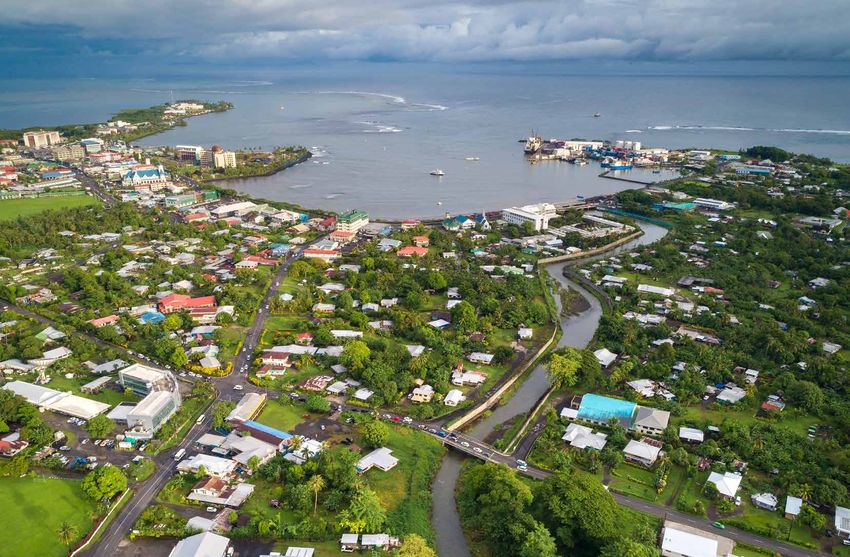
SECOND VOLUNTARY NATIONAL REVIEW ON
                                                                                                                                     THE IMPLEMENTATION OF THE SUSTAINABLE
                                                                                                                                     DEVELOPMENT GOALS TO ENSURE
Copyright © Government of Samoa, Apia, Samoa, 2020.            Government of Samoa
                                                               SDGs Taskforce
                                                               Ministry of Foreign Affairs and Trade (MFAT)                          “Improved Quality of Life for All”
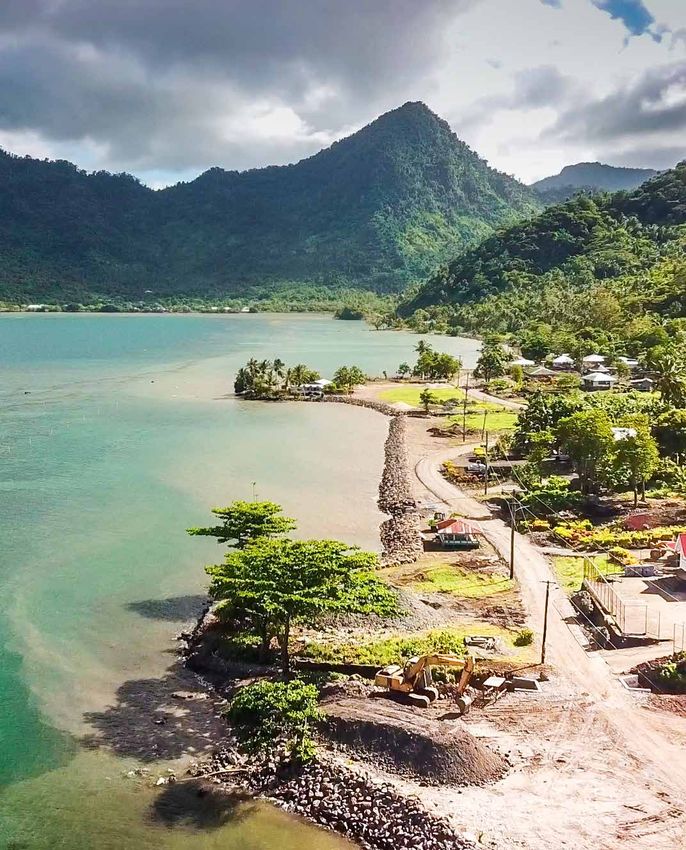
                                           Photo Credits:      P.O.Box L1859
                  Photographs by Alvaro Hoyos except for:      Phone: +68521171
                   UN Secretary General and PM of Samoa ,      Fax +685 21504
                                    pg viii, UN Office, Fiji

          Child in wheelbarrow /children carrying coconuts,
                                       pg 4, 36, David Unoi    Samoa’s 2nd Voluntary National Review Report for

         Women sitting on the ground and district planning,
                                                               Implementation of Sustainable Development Goal
                                                                                                                                                     "Our 2nd VNR report demonstrates strong
                                        pg 21, 25 MWCSD        Prepared by SDG Taskforce
             Volunteers mass vaccination campaign in Apia ,
                                                                                                                                                      political leadership to contextualise and
                                                               The National University of Samoa Library CIP data
                                   pg 51, Maverick Wetzell
                                                                                                                                                      integrate multiple universal commitments, it
           Girl being immunized in Samoa , Measles vaccina-    Samoa’s 2nd voluntary national review report for
                       tion teams, pg 52, pg 53 WHO (Samoa)    Implementation of Sustainable Development Goal /                                       informs us in advocacy and engagement of
                                                               SDGTaskforce.—Apia, Samoa : Government of Samoa, 2020.259 pcm.
          Samoan scientist working in a laboratory at SROS ,
                                      pg 66 Tim Rasmussen
                                                                                                                                                      the issues and shines a spotlight on where
                                                               ISBN 978 982 98209 1 4.
                 Samoan women showing fine mats in Apia ,                                                                                             we are at improving the quality of the lives
                             pg 72, UN Women (Samoa)           1. Samoa – economic conditions.

                   Afolau 750kw biomass gasification plant ,   2. Samoa – economic policy.
                                                                                                                                                      of our people ensuring empowerment,
                                              pg 84 MNRE       3. Sustainable development goals – government policy -- Samoa.                         inclusiveness and equality"
         Manumea Mural with Samoa Deputy PM and NZ PM,         4. Sustainable development reporting – Samoa. I. SDG Taskforce. Sam
                     pg 120 Samoa Conservation Society         338.9614 Sam        DDC23
                                                                                                                                                      Tuilaepa Lupesoliai Sailele Malielegaoi
        Samoan fale at the beach, Samoa Tourism Authority,     Published by the Government of Samoa, Apia, Samoa, June 2020.
                                                                                                                                                      Prime Minister of Samoa
                                                   pg 146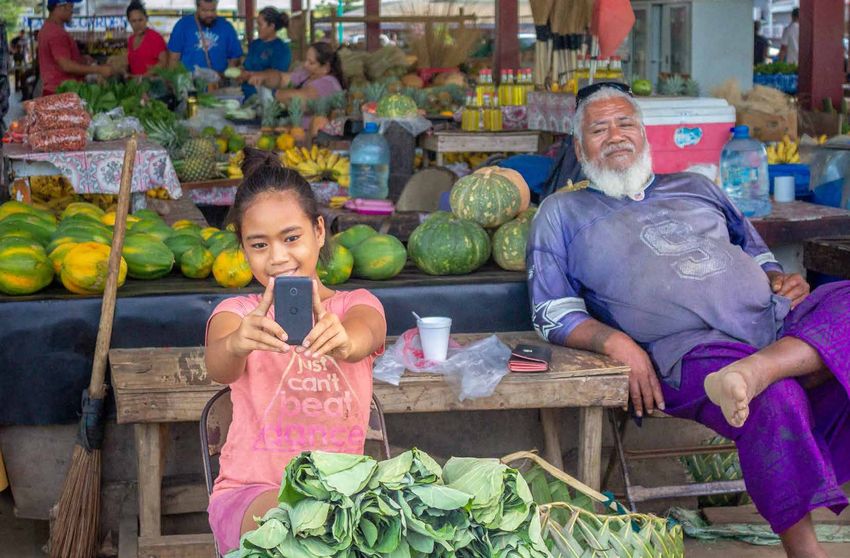
vi                                                                                                                                                                                                             vii

      MESSAGE FROM THE PRIME MINISTER

     Since the Millennium Declaration in 2000, Samoa committed to ensuring its people achieve             This report will share our SDGs localisation experience on how we are responding to each
     an improved quality of life for all; through sustainable development that balances economic          of the 17 SDGs. More importantly, we place emphasis on the ‘People Goals’ demonstrating
     prosperity, social inclusion, and environmental resilience. We reaffirmed this commitment            the importance of ensuring prosperity, a healthy planet, peaceful societies and strategic
     through the 2030 Agenda and its Sustainable Development Goals adopted in 2015. Building              partnerships to deliver on our long term vision for Samoa’s people of an ‘improved quality of life
     on lessons learnt from the MDGs, Samoa made an early start on the SDGs, which led to it              for all’.
     being amongst the first countries in 2016 to present its Voluntary National Review on the
                                                                                                          We acknowledge with appreciation the ongoing support of our development partners, in
     implementation of the SDGs. During our first report, we confirmed that localisation of the SDGs
                                                                                                          particular the coordinated support of the United Nations in helping Samoa with its sustainable
     was necessary and would be facilitated through a sector wide approach thus ensuring alignment
                                                                                                          development journey. Only through genuine and durable partnerships can we achieve our
     with our Strategy for the Development of Samoa 2016-2020 and its fourteen sector plans.
                                                                                                          Sustainable Development Goals.
     Whilst the report is useful for international and regional benchmarking, its real value is that
                                                                                                          Universally we are in trying, unprecedented times. The circumstances the world is facing due
     it is part of Samoa’s national planning, monitoring and review process and is a useful basis
                                                                                                          to the COVID-19 pandemic have tested the very mettle of our nations and governments beyond
     for national discussion and actions to address key development challenges and priorities
                                                                                                          any limits that we have known in our lifetime. For Samoa, the COVID-19 pandemic arrived while
     identified. Building on synergies and addressing gaps to ensure better prioritisation will help
                                                                                                          we were still responding and recovering from another health crisis – the measles epidemic that
     galvanise support for implementing the SDGs thus addressing poverty eradication, support the
                                                                                                          took 83 young lives and affected over 5,000 people. We are already seeing evidence of the direct
     delivery of quality basic services, mobilise climate action, and lead to more effective inclusion.
                                                                                                          impact of COVID-19 on our people and their livelihoods reversing some of our hard-fought
     More importantly, it helps ensure that we “leave no one behind”.
                                                                                                          progress since the MDGs, slowing our efforts towards sustainable development. This is the
     The report for Samoa recognizes that progress towards the achievement of the SDGs is an              greatest challenge before us. But we remain confident, that in unity as a ‘one UN’ family, we can
     incremental process and that measurement of progress is not always continuous as data sets           adapt to any new normal. We believe that it is during these times of global uncertainty and crisis
     for indicators often come from periodic surveys, sometimes five or ten years apart. While we         that the world needs a truly ‘United Nations’.
     have had some success in collecting data and information beyond those collected by the Samoa
     Bureau of Statistics, data may also be inconsistent over time in both coverage and methodology,
     and as a consequence, interpreting trends can be difficult. However, despite the issue with data
     and statistics, we do collect enough data nationally to enable telling of our story on how we are
     progressing or otherwise on the SDGs. Using existing national mechanisms and processes is
     crucial especially when trying to widen stakeholder engagement and link to financing including
     the budgetary process. To ensure a truly integrated approach, we have aligned stakeholder
     engagement, data collection, monitoring, review and implementation of the SDGs with our
     implementation efforts for other regional and international commitments, including the Paris         Honourable Tuilaepa Lupesoliai Sailele Malielegaoi
     Agreement, S.A.M.O.A Pathway, the Pacific Framework for Regionalism, the Pacific Roadmap
     for Sustainable Development and the Human Rights, Disarmament and Environmental
     Conventions.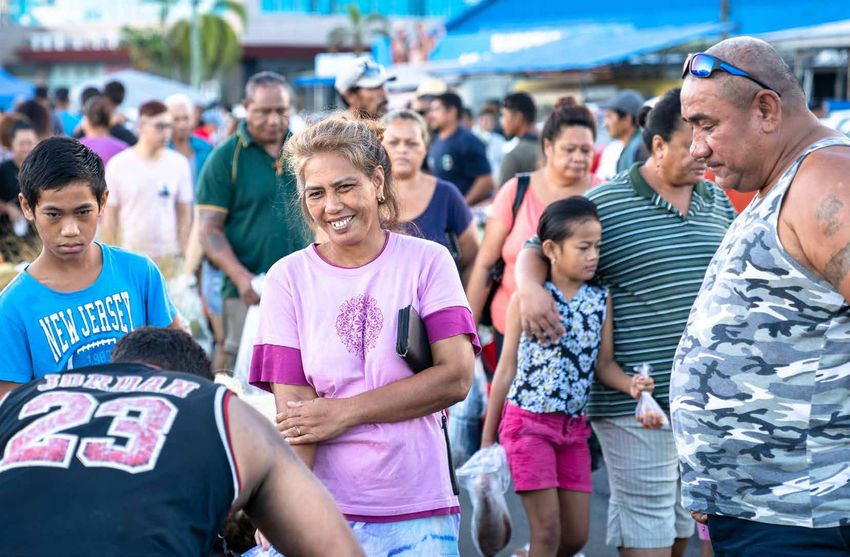
CONTENTS
MESSAGE FROM THE PRIME MINISTER ������������������������������������������������������ VI
ACRONYMS ������������������������������������������������������������������������������ 2
EXECUTIVE SUMMARY ��������������������������������������������������������������������� 4
   PROGRESS HIGHLIGHTS ������������������������������������������������������������������������� 6
INTRODUCTION �������������������������������������������������������������������������� 12
   BACKGROUND �������������������������������������������������������������������������������� 13
   SAMOA’S SUSTAINABLE DEVELOPMENT APPROACH                                                           14
   SAMOA’S SECTOR WIDE APPROACH TO SUSTAINABLE DEVELOPMENT                                            15
METHODOLOGY ������������������������������������������������������������������������� 16
   THE REVIEW PROCESS ������������������������������������������������������������������������� 17
   INDEPENDENT REVIEWS ����������������������������������������������������������������������� 18
   SECTOR AND SDS REVIEW PROCESS ������������������������������������������������������������� 20
   DATA AND NATIONAL INDICATOR MATRIX ������������������������������������������������������ 20
   LIMITATIONS ��������������������������������������������������������������������������������� 21
PROGRESS ON GOALS AND TARGET: SAMOA’S SDG JOURNEY                                                     22
   LEAVING NO ONE BEHIND: A HUMANS RIGHTS APPROACH TO SUSTAINABLE DEVELOPMENT                         23
   PEOPLE (SDGS 1, 2, 3, 4, 5, 6) �������������������������������������������������������������������� 30
   PROSPERITY (SDGS 7, 8, 9, 10) ������������������������������������������������������������������� 82
   PLANET (SDGS 11, 12, 13, 14, 15) ���������������������������������������������������������������� 102
   PEACE, JUSTICE AND EFFECTIVE INSTITUTIONS (SDG 16)                                                124
   PARTNERSHIPS FOR A SUSTAINABLE DEVELOPMENT (SDG 17)                                               132
KEY CHALLENGES ����������������������������������������������������������������������� 144
NEXT STEPS AND CONCLUSIONS ���������������������������������������������������������� 150
ENDNOTES ����������������������������������������������������������������������������� 154
ANNEXES ������������������������������������������������������������������������������ 156
   ANNEX 1; UN RESIDENT COORDINATOR REPORT TO THE UN SYSTEM ON THE SAMOA VNR PROCES                  156
   ANNEX 2: SAMOA'S SDGS INDICATORS MATRIX (SEPARATE DOCUMENT)
2
ACRONYMS 3
AAAA ������������������ Addis Ababa Agenda for Action HDI ������������������������� Human Development Index NOLA ��������������������������������Nuanua O le Alofa SOE ���������������������������������State of Emergency
ADB ��������������������������� Asia Development Bank HIV ���������������� Human Immunodeficiency Syndrome NWU��������������������������������� North West Upolu SOE ���������������������������� State Owned Enterprise
AIDS______________ Acquired Immune Deficiency Syndrome ICCPR_________ International Covenant on Civil and Political NKFS �������������� National Kidney Foundation of Samoa SRWMA ���������� Samoa’s Recycling Waste Management
Rights Association
AUA ���������������������������������� Apia Urban Area NUS������������������������National University of Samoa
ICT_________ Information and Communications Technology SSFGP ������������� Samoa School Fees Grants Programme
BNPL ��������������������������� Basic Needs Poverty Line NYC����������������������������� National Youth Council
IE Inclusive Education SQA ��������������������� Samoa Qualification Authority
CBD���������������������������� Central Business District NYU ������������������������������� New York University
ILO ������������������ International Labour Organisation STEM ������������� Science, Technology, Engineering and
CBS ������������������������������Central Bank of Samoa ODA ������������������� Official Development Assistance
Mathematics
IMPRESS_____Improving the Performance and Reliability of
CEDAW_____ Convention on Ending Discrimination Against OECD________Organisation for Economic Co-operation and
RE Power System in Samoa STI ���������������������� Sexually Transmitted Infections
Women Development
INDC ������������������� Intended Nationally Determined SUNGO������������ Samoa Umbrella for Non-Government
CED________ International Convention for the Protection of OVT ����������������������� Overseas Treatment Scheme
Contributions Organisations in Samoa
All Persons from Enforced Disappearance
PDNA ������������������� Post Disaster Needs Assessment
IPV ���������������������������Intimate Partner Violence SWSD_______ Samoa Women Shaping Development Project
CEO ����������������������������� Chief Executive Officer
PEFA ������������������� Public Expenditure and Financial
IWSA____________ Independent Water Scheme Association SWA ����������������������������Samoa Water Authority
CFC �������������������������������� Chlorofluorocarbon Accountability Assessment
IWRM___________ Integrated Water Resource Management SWAP ����������������� Samoa Water Sector Coordination
CITIES �������������� Convention on International Trade in PEN Fa'a Samoa Package of Essential NCDs programmes
Endangered Species KBA ������������������������������ Key Biodiversity Area TC �������������������������������������Tropical Cyclone
PLWHA �������������������� People Living With HIV/AIDS
CRC ���������������� Convention on the Rights of the Child LDCs �������������������������� Least Developed Country TCM ���������������Trade, Commerce and Manufacturing
PNG �������������������������������� Papua New Guinea
CSO ��������������������������� Civil Society Organisation LDN������������������������Land Degradation Neutrality TIMS ��������������������� Tax Invoice Monitoring System
PSDC_________ Pacific Sustainable Development Committee
COVID-19 ��������������������������������� Coronavirus LERA ������������������ Labour Employment Relations Act TSM ����������������������� Temporary Special Measures
PSET ����������������� Post School Education and Training
CSSP ������������������� Civil Society Support Programme LIDAR ��������������������� Light, Detection and Ranging TVET_________ Technical and Vocational Education Training
PSSF ���������������������� Private Sector Support Facility
DAC �����������������������Disaster Advisory Committee LMIC ��������������������� Lower Middle-Income Country UNCAC ���������������United Nations Convention Against
ROU ������������������������������� Rest of Upolu Island
Corruption
DDP ��������������������� District Development Planning LNOB ����������������������������� Leave No One Behind
RSE ���������������������� Recognised Seasonal Employer
UNCAT________ United Nations Convention Against Torture
DHS�������������������������Demographic Health Survey MDGs ������������������� Millennium Development Goals
SADATA ���������������Samoa Database on Human Rights
UNCCD ����������� United Nations Conventions to Combat
ECE �������������������������� Early Childhood Education MEAs____________ Multilateral Environmental Agreements Recommendations
Desertification
EEZ ���������������������������� Exclusive Economic Zone MESC___________ Ministry of Education, Sports and Culture S.A.M.O.A Pathway SIDS Accelerated Modalities
UNCRPD______United Nations conventions on the Rights of
of Action Pathway
EU ������������������������������������ European Union MMR1 �����������������������Mumps, Measles, Rubella 1 Persons with disabilities
SACEP_______ Samoa Competitiveness Enhancement Project
FPL ���������������������������������� Food Poverty Line MNRE ����������������� Ministry of Natural Resources and UNDP___________ United Nations Development Programme
Environment SAV ��������������������������������������� Savaii Island
GANHRI �������� Global Alliance of National Human Rights UNICEF ������������������� United Nations Children’s Fund
Institutions MPMC_________ Ministry of the Prime Minister and Cabinet SBS �������������������������� Samoa Bureau of Statistics
UNEP____________United Nations Environment Programme
GBV ���������������������������� Gender Based Violence MTO ������������������� Mobile Money Transfer Operator SCBS �������������������� Senior Citizens Benefits Scheme
UNFCCC ������ United Nations Framework Convention on
GCF �������������������������������� Green Climate Fund MWCSD________ Ministry of Women, Community and Social SDGs �������������������� Sustainable Development Goals Climate Change
Development
GDP ����������������������������Gross Domestic Product SDS_______________Strategy for the Development of Samoa VAW �������������������������� Violence Against Women
NAMA_________ Nationally Appropriate Mitigation Actions
GEC ������������������������������ Global Economic Crisis SEHCI �������������� Samoa Early Human Capability Index VNR �������������������������Voluntary National Review
NCDs ��������������������� Non-Communicable Diseases
GEF ������������������������� Global Environment Facility SFHA������������������� Samoa Family Health Association WASH��������������Pacific Water, Sanitation and Hygiene
NDMP��������������� National Disaster Management Plan Coalition
GER �������������������������������Gross Enrolment Rate SIDS ���������������������Small Islands Developing States
NEOC ������������� National Emergency Operating Centre WB ���������������������������������������� World Bank
GHG ���������������������������������� Green House Gas SMSMCL______Strengthening Multi- Sectoral Management
NER �������������������������������� Net Enrolment Rate of Critical Landscape WHO ����������������������� World Health Organisation
GPEDC ����������������� Global Partnerships for Effective
Development Cooperation NHRI ������������������National Human Rights Institution SNTF ������������������� Samoa National Tripartite Forum WIBDI ������������������ Women in Business Incorporated
HLPF ������������������High Level Political Forum on SDGs NMIRF ����������������������National Mechanism for the SPELL_________Samoa Primary Education Literacy Level Test WILS �������������������� Women in Leadership in Samoa
Implementation, Reporting and Follow up
HIES__________ Household Income and Expenditure Survey SPREP �������������������Pacific Environment Programme WTO ������������������������� World Trade Organisation
of the Human Rights Conventions
HCFC������������������������� Hydrochlorofluorocarbon SRCS ��������������������������� Samoa Red Cross Society
Progress Highlights                                              5

EXECUTIVE SUMMARY                                                                   4.   Overall, preliminary assessment indicate that Samoa has
                                                                                    met 23 out of 246 indicators that point to the existing legis-
                                                                                    lations, plans or policies that are key to the implementation
                                                                                    of each SDG. The review revealed some regression in some

                    1.   Samoa’s long-term sustainable development vision is        indicators and targets and lack of progress in others and

                    “Improved Quality of Life for All” by ensuring no one           has allowed us to identify areas of focus to help accelerate

                    is left behind while respecting and protecting our land and     implementation and to inform the review and finalisation of

                    our ocean resources. This vision is underpinned by our fa'a     our new sustainable development agenda for the next five

                    Samoa culture and traditions. We are a communal people.         years and Samoa’s Vision 2040.

                    We take collective responsibility for each other, our ‘aiga’
                    and families and the good of all in our villages, our commu-    People
                    nities and country. We believe in shared prosperity, social     5.   Investing in human capital and the provision of basic
                    equity, social security and the sustainable use and protec-     and essential services and infrastructure, are the foun-
                    tion of our natural resources. These values and customs         dation of our national development journey. Education
                    have shaped our approach to development since our Inde-         is compulsory and fee-free for children aged from 4 to 14
                    pendence 58 years ago. Decades of pursuing our sustain-         years old. There are a significant number of annual tertiary
                    able development aspirations coupled with the renewed           education scholarships. There is universal access to health
                    commitment in 2015 to an ambitious global agenda to             care with a comprehensive network of highly subsidised
                    ensure that no one is left behind; has allowed for the neces-   public health facilities and services including overseas
                    sary reassessment and provided the needed momentum to           medical treatment for complicated health care not avail-
                    help respond better to the growing economic, social and         able in Samoa. Health care at public health facilities is fee
                    environmental challenges.                                       free for children up to 12 years, for antenatal mothers, for
                                                                                    pensioners, for persons with disabilities, mental illness,
                    2.   The early assessment and alignment of the 2030 agenda
                                                                                    and chronic diseases.
                    and the Sustainable Development Goals (SDGSs) to our
                    national Sustainable Development Strategy through our           6.   There is high almost universal access to clean water,
                    first VNR report in 2016 was an important first step. The       sanitation, and electricity with increasing proportion of
                    lessons learnt and challenges from the first review helped      renewable energy production. The challenge is to main-
                    Samoa respond better to the integrated and indivisible          tain the levels of access and quality of infrastructure and
                    nature of the SDGs and our own SDS through the sector           services especially with regular maintenance needs and
                    wide approach. This second VNR assesses progress on all         damages from natural disasters and flooding.
                    the SDGs with a focus on the People Goals. But in order
                                                                                    7.   In the ten years prior to 2008, Samoa was one of the best
                    to fully assess how we are delivering sustainable develop-
                                                                                    performing economies in the Pacific growing at an annual
                    ment for our people, an assessment also needs to be made
                                                                                    GDP growth of 4.3% between 1998 and 2008. Despite this,
                    of our economic and environmental resilience, and the
                                                                                    as a Small Islands Developing State (SIDS), our develop-
                    promotion of human rights, peaceful, just and inclusive
                                                                                    ment remains sensitive to increasingly more frequent and
                    societies through effective partnerships.
                                                                                    intense natural and man-made global shocks such as the
                    3.   Samoa since its first report has further improved inte-    Global Economic and Food and Fuel Crises in 2008, natural
                    gration of SDGs into national processes for better data         disasters which hit Samoa in 2009, 2012, 2016 and 2018, the
                    collection, monitoring and evaluation and linking to budget     measles epidemic in 2019 and the COVID-19 in 2020. There
                    and planning processes, development assistance and              was also the closure of the country’s biggest manufacturer
                    other international obligations. Stakeholder engagement         and employer in 2017 because of changing global market
                    improved using existing platforms and processes allowing        conditions. All these events have disrupted national devel-
                    for further contextualisation of the goals. This not only       opment, affected economic growth, and undone many
                    helped address some of the key challenges raised in the first   of the hard-fought development gains. Preliminary 2018
                    VNR but ensured engagement of all stakeholders including        Household Income and Expenditure Survey (HIES) results
                    the vulnerable groups.                                          show a slowing of economic growth.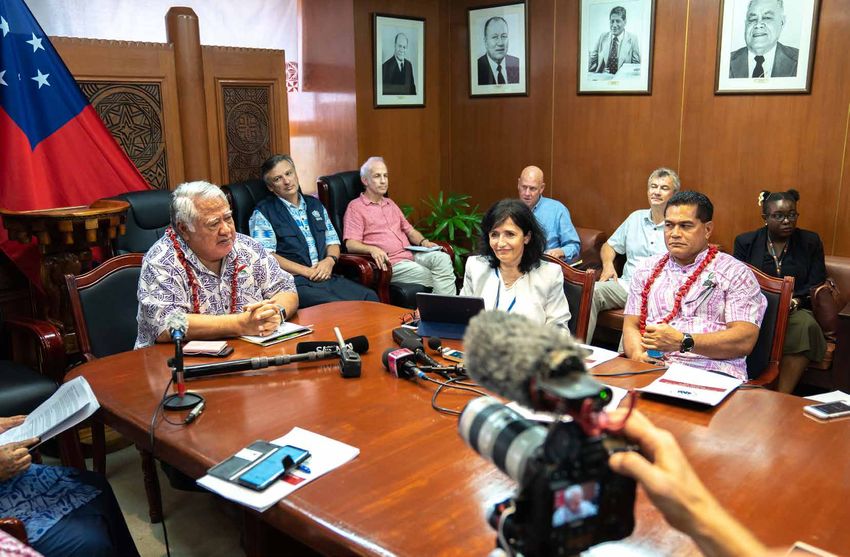
8. Despite positive outcomes in terms of near universal 12. The analysis on Samoa’s response to the vulnerable Planet Peace, Justice and Effective Institutions
6 access to essential services and overall positive GDP groups confirm that overall, we have come a long way in 7
15. Samoa is no stranger to environmental threats. Years 17. Samoa continues to be blessed with a generally peaceful
growth over the past five years, not everyone is bene- terms of improving the lives of all Samoans including our of experience in devastating disasters have meant many and safe society with a free and active media community.
fiting equally. One in five of Samoa’s population are living women and persons with disabilities. However, much lessons learnt and decades invested in building resilience Crime levels while increasing, are still comparatively low.
under hardship conditions, and while there is no extreme more work needs to be done. Data collection and effective and learning to build back better. The goals that protect Parliamentary elections are considered open and fair and
hunger, food and nutrition insecurity is rising. Unemploy- engagement are some of the first steps to ensuring that the our planet and our environment are clearly integrated into although corruption is generally low, there are incidences
ment levels are rising especially for women and youth and most vulnerable people are not left behind. the work of the Environment sector and is a cross cutting in the public and private sectors. Samoa’s UNCAC acces-
income inequality is significant with the top 10% of the priority for government. Samoa with the support of all sion has continued to increase efforts to address corruption.
population earning more than the combined earnings of Prosperity its partners continues to build resilience to disasters and There are no national conflicts and people generally follow
the bottom 30%. While there has been positive progress climate change by strengthening our adaptive capacity, the rule of law. Order and security are greatly supported by
13. Samoa’s efforts to ensure all Samoans can enjoy pros-
in reducing maternal mortality and overall better access early warning systems and disaster risk planning and our integrated traditional village governance systems that
perous and fulfilling lives and that economic, social, and
to health services including reproductive health services, response. Of significance is the extensive engagement of work closely with an unarmed police force. Samoa’s estab-
technological progress occurs in harmony with nature
the Non Communicable Disease crisis continues to cause our communities, NGOs, youth, children, private sector, lished National Human Rights Institutions and other mech-
have been positive. Despite all the challenges of being a
more sickness, pre-mature deaths, disabilities and costing and all stakeholders in our climate resilience building anisms enhance a ‘human rights-based approach’ to devel-
SIDS, decades of significant investment and improvement
government up to 15% of the health budget. The pressure efforts through mitigation and adaptation initiatives. These opment and to link implementation and review of human
in building resilient and inclusive infrastructure for Samoa
on the health system and government in general is exacer- initiatives also help improve their livelihoods, food secu- rights obligations with SDGs. However, despite legislations,
have helped with the near universal access of the popula-
bated by the twin challenges of the 2019 Measles Epidemic rity and women and youth empowerment. Our commu- national policies, plans and the many national and targeted
tion to basic services, creating more and better opportuni-
and the 2020 COVID-19 pandemic and the resultant loss of nities are also fully engaged in our marine and terrestrial programmes aimed at protecting our citizens including
ties particularly for the vulnerable populations; supported
83 lives to measles primarily children in 2019. sustainable protection and development efforts which our women, girls, and children, levels of domestic violence
the tourism, trade and manufacturing industries; advanced
9. Most of our children are in primary and secondary social inclusion and improved connectivity within but also include significant marine protected areas, national park against our women and children remains stubbornly high.
schools but only 1 out of 5 of our infants are in early child- outside of Samoa. Coverage of the population by mobile reserves and marine sanctuaries. These often contribute to
18. Enforced disappearance, human trafficking and people
hood education and the low retention rate and quality of phone and road networks is 97%, improving access to tourism and healthy living. We have also taken leadership
smuggling while there are no recorded cases, there are
education in primary and secondary levels is a national information, economic opportunities and transactions, in the fight against plastics with a national ban on plastic
policies and institutions in place that work closely with
concern especially for our boys. e-learning and financial inclusion. More recent develop- bags in 2019 and on Styrofoam plates, containers, and cups
regional and international organisations to counter trans-
ments include upgrading the Faleolo Airport and all ports by June 2020. We are also on track to meet our nationally
10. Our gender equality and women empowerment efforts national crimes. Crucial to the quality of life of people are
including the Apia wharf; launch of the submarine cables; determined contributions and maintain our commitments
have yielded positive results although a lot more remains to peaceful societies. Samoa continues to “promote a safe,
increasing availability and spread of hospitals and schools to the Paris Agreement, the UNFCCC, and all the multilat-
be done. Our girls are outperforming our boys at all levels of fair and just Samoa”.
in rural areas and across the country, investing in clean eral environment agreements.
education and there are more women than men in top and
energy technologies, relaunching the national airline and
middle management in the public sector. The representa- Partnerships and Means of Implementation
ensuring resilient road networks throughout the country.
tion of our women in parliament is increasing but still low
There is also improved recognition and increased invest- The analyses on Samoa’s response to the vulnerable 19. All the best laid plans cannot happen unless there is
compared to other Pacific nations and globally. Unfor- groups confirm that overall, we have made significant adequate financing, resources, and capacities to imple-
ment in innovation through research and development.
tunately, despite multiple legislations and national and commitments to identifying the issues of vulnerability ment. The SDGs are ambitious and for a SIDS like Samoa
community programmes and initiatives, Samoa still strug- 14. While overall improvement in quality and affordability with its inherent challenges and limited resources, better
and responding appropriately to meet the needs of
gles with unacceptably high levels of violence against our of some of the basic services still needs work, the vulnera- coordination, identifying synergies and interlinkages is key.
those involved including our women and youth, and
women and girls and there are also incidences of child bility to natural disasters, external shocks and the current Implementing all the SDGs will rely on effective means of
COVID-19 situation can have serious setbacks to the devel- people with disabilities. However, much more work
labour. Furthermore, our men outnumber our women 3 to implementation through a sector wide and whole of society
1 in the labour force and formal employment and women’s opments so far. Continuing to build financial and environ- needs to be done.
approach.
unemployment level is double that of men. On a positive mental resilience at all levels including at the community
level and strengthening social protection with close consid- 16. Despite progress in most environment goals, the loss 20. Financing for Samoa is stable with domestic financing
note, women and likewise persons with disabilities earn
eration of the Samoan context is crucial to our response. of our terrestrial biodiversity is worsening, and a signifi- increasing mainly through improved tax administration.
more on average.
This and analysis for targeted response with close consul- cant portion of our remaining forest cover is non-native. ODA and FDI levels fluctuate but are increasing overall
11. Building resilience to disasters and climate change is Ensuring further improvement in sustainable consumption with ODA contributing on average 12.5% to GDP. Export
tation with all sectors and stakeholders such as private
fully integrated across all sectors and more importantly at and production patterns are critical. The biggest challenge earnings fluctuate between SAT$478.5 and SAT$828.4
sector, civil society, vulnerable groups and communities to
the community level. In focusing on the people goals, we is despite all our mitigation efforts, to fully address the million and the trade deficit continues to increase. Debt
address the rising inequalities, unemployment and people
can re-examine how to address poverty and nutrition secu- climate change issue, it is significant global commitment is high but sustainable. Tourism earnings and remittances
below the basic needs poverty line, will be critical for
rity, in all their forms and dimensions, and to ensure that that is important. Otherwise, disasters continue to regu- continue to be major sources of national income contrib-
Samoa in ensuring a prosperous population.
all Samoans can fulfil their potential in dignity and equality larly disrupt our development efforts and cause losses of uting on average 20 to 22% of GDP, respectively.
and in a healthy environment. lives, livelihoods and public infrastructure setting us back
21. Credible and accountable national institutions,
years and exacerbating hardship situations.
systems and capacities are critical to national development
8
planning, implementation, and monitoring. This includes accountability purposes. Samoa’s monitoring and data
Accountabilities
1.
Development Means of Regional
recognising the critical role of key development partners, management systems and capacities have improved with a
the international community, the private sector and civil National Statistics Development Strategy in place, regular
priorities implementation & global
society, communities in supporting the government to national surveys and significant administrative data, annual
deliver on national, regional, and international priorities sector reviews and SDS progress tracking. Management What we monitor Plans and Strategies How we deliver
across all the sectors. Samoa’s national planning, public and sharing of government data amongst government
financial and aid management systems are well regarded ministries is an ongoing issue, however the VNR process
globally and within the Pacific region with some good prac- was important in the data sharing between all key stake- • SAMOA Pathway
tices replicated in other Pacific Island Countries. Samoa’s holders.
• Paris Agrement
sector wide approach to development planning, budgeting, 2030
and reporting is enabling a multi-sectoral, cross sector Challenges and opportunities Agenda Also linked to • Sendai Framework
approach engaging multiple stakeholders. Samoa is one • Addis Ababa Action
24. The key challenges faced in our SDG implementation Agenda
of the few Pacific countries with dedicated financing and
efforts are, the limited capacity particularly in data analysis Samoa
support facilities for the civil society (Civil Society Support • Framework for
and management given the huge demand for data for SDGs. Pacific Regionalism
Programme) and private sectors (Private Sector Support
This also includes capacity to measure complicated indica-
Development
• Human Rights
Facility).
tors. Samoa values the assistance and support from all part- Strategy Conventions
22. External development partners are generally respectful ners however, our experience confirms that uncoordinated
of government systems and leadership and have aligned SDG support efforts can lead to duplication and waste of
their development assistance accordingly. However, public resources including further strain to limited capacity. The
officials still struggle to manage the competing demands of biggest challenge Samoa is now trying to address which
well-meaning but multiple and sometimes complex devel- will also define achievement of many of the SDGs, is the
opment partner initiatives and accountability requirements. increased vulnerability to external shocks, disasters and National • Development
financing &
Worryingly, gains made over the past in improved develop- emerging threats, including the socio-economic impacts of monitoring cooperation policies
ment cooperation is eroding with a decline in the propor- the measles epidemic 2019 and the ongoing COVID-19 situ-
ation in 2020.
& reporting 14 sector Medium term
tion of development assistance using Samoa’s planning,
frameworks expenditure
budgeting, financial and aid management systems, resulting development frameworks
• National statistics
development
in increased transaction costs and less external support Conclusions and next steps
National plans strategies
reflected on the national budget which leads to less trans- 25. In conclusion, Samoa’s next steps are taken within the
parency and potential duplications. context of continued threat of natural hazards and climate indicators. • Multi-stakeholder
partnerships and
induced disasters and an uncertain and unpredictable
23. Samoa’s monitoring and data management systems and engagement
capacities have improved with significant investment in the future and global economic environment. The COVID-19
Samoa Bureau of Statistics. Multiple census and surveys situation will also exacerbate the economic slowdown due
• Development
undertaken over the past ten years have yielded a wealth to the measles epidemic and has already resulted in loss of Financing &
of socio-economic data critical for policy making and jobs in the hospitality industry which is an important sector Cooperation policies
for Samoa. In order to accelerate action and identify trans- Agency/ministry/ Agency/ministry/ Annual
formative pathways for realizing the decade of action and sector monitoring sector work plans national • Donors - ODA
delivery for sustainable development, Samoa will use its
The key takeaways and lessons learnt are: and reporting budget
VNR process and findings to feed into the finalisation of
the importance of strong and decisive our 5 year Strategy for the Development of Samoa, inform
national leadership, systems and capacities; the Samoa 2040 Strategy and help Samoa respond to the
COVID-19.
government cannot meet the SDGs alone
The key takeaways and lessons learnt is the impor-
and needs a society-wide approach to do 26.
tance of strong and decisive national leadership, systems
so; data analysis and effective stakeholder and capacities; government cannot do it alone and needs a
engagement is crucial to accelerated society-wide approach to meet the SDGs; data analysis and
effective stakeholder engagement is crucial to accelerated
progress and ensuring that there is
progress and ensuring that there is improved quality for all
improved quality for all by leaving no one by leaving no one behind.
behind.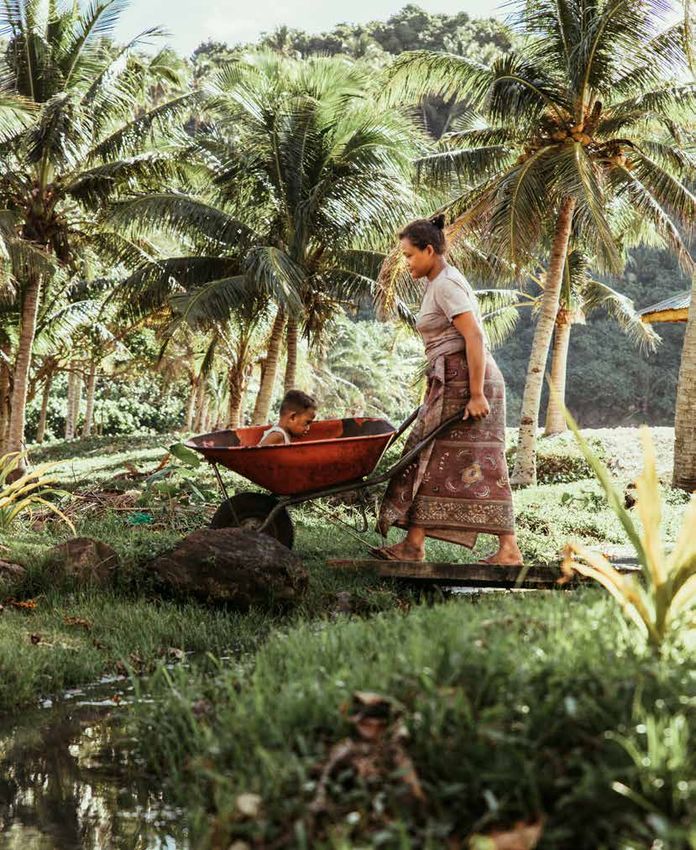
10                                     11

     "Urban development must be
     in tune with the socio-economic
     and environmental aspects"
13
INTRODUCTION 1. This Second VNR report for Samoa reflects our efforts on susceptibility to climate change and global crises, and to
localisation of the SDGs and implementation since the first more frequent and intense natural disasters. Economic
report in 2016 but with a specific focus on the people goals growth has been steady following the recovery from the
and its interlinkages to all the other SDGs underscored by 2008 Global Economic Crisis, the 2009 Samoa Tsunami and
the importance of the means of implementation. Tropical Cyclone Evans in 2012 with peak growth of 7.1% in
2015/2016 largely due to the expansion of the fisheries sector
2. This report highlights how Samoa responded to the inte-
and major construction works; including those related to
grated and indivisible nature of the 2030 Agenda and the
Samoa hosting international events such as the 2014 3rd
SDGs, how it addressed some of the challenges highlighted
SIDS Conference, the 2015 Commonwealth Youth Games
from the 2016 report; and reflected on how implementing the
and the 2019 Pacific Games. Traditionally, the economy
2030 Agenda contributes to our sustainable development
was largely based on agriculture and fisheries, however,
vision for an “Improved Quality of Life for All”. Pursuing this
industry and services have now become significant contrib-
vision will help ensure no-one is left behind.
utors to Gross Domestic Product (GDP). Samoa is a Lower
Middle-Income Country (LMIC) with a GDP per capita in
Background 2018/19 of approximately USD4000, and 2019 HDI of 0.707
placing it 111 out of 185 countries. Samoa’s 2019 Gender
3. Samoa is a Christian country with a people proud of their
Inequality Index is 0.364 showing constant improvement.
Samoan heritage and a history tracing back 3,000 years.The
Fa’asamoa is a unique way of life that is key to our pursuit 6. In November 2019, Samoa declared its first ever public
of sustainable growth, social progress, and environmental health State of Emergency (SOE) following a wide scale
sustainability. As a parliamentary democracy, Samoa has measles outbreak. The SOE lasted six weeks with significant
maintained political stability since it became the first inde- impact on the population and the health care system. There
pendent country in the Pacific in 1962. Samoa’s total land were 5,700 measles cases and 83 measles-related deaths, the
area is 2,820 km2, with an Exclusive Economic Zone (EEZ) majority of whom were children under the age of 5. This also
of 98,500 km2, the smallest of all Pacific countries. led to a contraction of economic activities with the GDP
for December 2019 Quarter declining by 3.7% making it the
first negative growth recorded over 18 months. Samoa was
The Fa’asamoa is our unique way
still recovering from the measles outbreak when it had to
of life that is key to our pursuit of
respond to the COVID-19 pandemic threat in January 2020.
sustainable growth, social progress, and
environmental sustainability.
4. Samoa’s total population is 195,979 with 49% female and
the large majority (81%) living in rural areas. Around 38% of
the population is under 15 years of age, 26% are the youth
and the elderly (65 years+) make up 5%. There is 2% of the
population aged 5 and older who are persons living with
disabilities facing a lot of difficulties. Samoa’s life expec-
tancy is amongst the highest in the Pacific with an increase
from 64 years in 1991 to 75 years in 2016; and women have
higher life expectancy, at 76 years, compared to men, at 75
years. However, the latest Human Development Index 2019
records Samoa’s life expectancy at 73.2.
5. While Samoa graduated from its LDC status in January
2014, it remains a Small Island Developing State (SIDS) with
inherent structural challenges. This includes, distance from
major centres of economic activity, a small domestic market,Samoa’s Sustainable Development 9. Therefore, for every financial year, our national budget Samoa’s sector wide approach The Review Process
14 reflects the projects and total resource allocation to be 15
Approach to sustainable development: 13. The second review process built on the preliminary
utilized for each sector, thus the same financing and part-
7. Integrating the SDGs into the Strategy for the Develop- integrated assessment of the Strategy for Development
nerships can be linked to relevant SDGs. The link to the
ment of Samoa (SDS) ensures that their implementation is • broadens ownership by partner of Samoa, against the SDGs carried out for the first VNR
SDS and its sector plans also helps link implementation
suitably contextualized and is part and parcel of the overall Governments over decision making review. The review for the Second VNR report began when
efforts for other regional and international commitments,
national planning, budgeting, and accountability processes. with respect to sectoral policy, sectoral the decision was made by the SDGs Taskforce in 2018 to
including the Paris Agreement, S.A.M.O.A Pathway, Sendai
Samoa, in line with the implementation of its national strategy, and sectoral spending report at the HLPF 2020. This decision allowed the task-
Framework for Disaster Risk Reduction, the Pacific Frame-
sustainable development strategy is taking the same sector force to hold dedicated SDGs consultation processes for the
work for Regionalism, the Human Rights, Disarmament and • increases the coherence between
wide approach to implement the SDGs. different SDGs stakeholders and utilise related processes to
Environmental Conventions. sectoral policy, spending and results
widen the engagement, share costs, increase ownership and
Since Samoa’s first VNR report, the Pacific published its through greater transparency, wider
SDG SDS Lead Implementing Sector/s
10. promote alignment of the SDGs across all related areas and
dialogue and through ensuring a
first Quadrennial Pacific Sustainable Development Report processes. The Samoa SDGs Taskforce core members are;
SDG 1 Key Outcome 1 -14 Finance
comprehensive review of the sector
in 2018. This was important for our ongoing efforts to collect MFAT, MPMC, SBS, MNRE, MOF and the MWCSD.
SDG 2 Key Outcome 2 Agriculture
information and data to build on the work since 2016. With
SDG 3 Key Outcome 6 Health • minimises as far as possible the
the support of the Pacific Sustainable Development Task- Stakeholder Engagement
SDG 4 Key Outcomes 7 and 11 Education transaction costs associated with the
force, the SDGs were mapped against the priorities and
SDG 5 Key Outcomes 8 a and b, 11 Community, Law and Justice provision of external financing, either 14. The consultative process therefore for the Second
means of implementation of the Framework for Pacific
SDG 6 Key Outcome 9 Water by direct adoption of government Review was much broader and it strengthened effective
Regionalism, regional declarations and frameworks, the procedures or through progressive
SDG7 Key Outcome 12 Energy and meaningful engagement by institutionalising stake-
S.A.M.O.A Pathway, Sendai Framework for Disaster Risk harmonisation of individual donor
SDG8 Key Outcomes 4 & 5 Tourism, Trade Commerce and holder engagement for the SDGs through the SDS and
Manufacturing, Public Reduction, Addis Ababa Agenda for Action (AAAA) and procedures sector reporting and review mechanisms. This allowed a
Administration the Global Partnership for Effective Development Cooper-
SDG9 Key Outcome 10,11 Transport, Communication
whole of society approach and involved representatives
ation (GPEDC). This helped identify synergies that can be • Better enables wider stakeholder
SDG10 Key Outcomes 1, 8a and b Finance, Community of all government ministries, SOEs and public institutions,
pursued in the national plan for more effective and efficient engagement, better planning, and
civil society, NGOs, private sector, academia, community
SDG11 Key Outcomes 10 13 14 Environment, Transport implementation within Samoa’s limited resources and given well informed and participatory
representatives, regional and international organisations
SDG12 Key Outcome 4,13,14 Environment, Tourism the high demand on limited global resources. communities to ensure the most
SDG13 Key outcome 12, 13, & 14 Environment including the UN and development partners.
vulnerable are not left behind.
SDG14 Key Outcome 2, 13 & 14 Environment and Agriculture 11. Through the work of Samoa’s SDGs Taskforce and the
15. In addition to the sector related consultations, there
SDG15 Key Outcome 13 & 14 Environment National Mechanism for the Implementation, Reporting • Promotes the integration of the three were dedicated briefings and consultations coordinated by
SDG16 Key Outcome 8b Law and Justice and Follow-up (NMIRF) of the Human Rights conventions; dimensions of sustainable development the SDGs Taskforce with parliamentarians, School Forums
SDG17 Key Outcomes 3, 5 11 but Finance, TCM, the identification of synergies between the Human Rights and policy coherence across sectors
also linked to all KO – Communication, on Environment Goals led by the Prime Minister, heads of
Partnership frameworks
Conventions and their review recommendations, and
Government departments and State Owned Enterprises
and development the SDGs was also key. Additionally, Samoa developed a • it is an important means of
cooperation programs through the National Policy Coordination Committee,
roadmap for review and reporting on the HR Conventions empowering a whole of society
Sector Coordinators and Joint meetings of the SDGs Task-
and processes with the SDGs and its sustainable develop- approach to implementation of the
force and NMIRF group of stakeholders. Separate meetings
ment sectors to help also with planning and integrating SDGs
8. The Strategy for the Development of Samoa 2016-2020 were also held for the academia, media, and the private
(SDS) focuses on four priority areas of Economic, Social, related processes including using the Samoa Database on
sector; followed by meetings with the UN Agencies, Devel-
Infrastructure and Environment. The Second VNR allowed Human Rights Recommendations (SADATA) to mine data
opment Partners and Diplomatic Missions present in Samoa.
for further analysis of these priority areas confirming that for SDGs monitoring
The committee also decided to use some of the planned
the SDS shares the interlinkages of the three dimensions of 12. The review concludes that the sector wide approach
The review concludes that the national events at the end of 2019 such as Environment
sustainable development as the 2030 Agenda and its SDGs. remains essential to meeting our national, regional, and sector wide approach remains Week, 6th Environment Sector Annual Review and Envi-
SDGs implementation is linked to the 14 sector plans and international obligations including the 2030 Agenda and its ronment SDGs Review, and the 12th Annual Health Sector
their existing Monitoring and Evaluation Frameworks and SDGs.
essential to meeting our national, Forum. The Taskforce also held a separate meeting with
more importantly to the key development financing and regional, and international the Samoa Umbrella for Non-Government Organisations
projects for each sector and SDG. Most of Samoa’s aid is on (SUNGO). The Pacific Forum on Sustainable Develop-
budget. All goals have been allocated for implementation by
obligations including the 2030
ment and the Regional VNR Capacity Building Workshop
sector or sectors. Agenda and its SDGs. for Pacific SIDS in October 2019 was a timely contribution
to the review process allowing further engagement with
national and regional stakeholders. The workshop assisted
Pacific SIDS in their preparations for the VNRs.Some Examples:
17
METHODOLOGY First visit by the Special Procedures Working
Group on the issue of Discrimination against
Women in Law in Practice in 2017.
Mock session, preparations, and presentation of
Samoa’s 6th report on CEDAW in 2018.
Preparations for 1st quadrennial Pacific report on
SDGs 2018.
Review and consideration process for accession/
ratification of UNCAC (2018) and UNCAT (2019).
Women Peace and Security Summit 2019 in Samoa.
2019 report on the review of the progress in
implementing the Beijing Platform for Action.
Arms Trade Treaty implementation through the
VTF project 2018 – 2019.
16. The one-week data validation consultations in May 2020
First Samoa Ocean Strategy and First National
was a critical step in finalising the data and information that
Security Policy consultations.
helped inform and shape the report. The draft indicators
matrix was widely shared across government, civil society, Workshop on Samoa’s Maritime Boundaries
and private sector stakeholders for input. The consultations Delimitation.
provided the opportunity to validate and discuss existing 84th extraordinary session of the CRC in Samoa -
data, better understand the global indicators, contextu- First CRC meeting outside Geneva held in March
alise further the goals and targets, share best practices and 2020; and
clearly identify the custodians and important users of the
Samoa’s 3rd National Communication and
data. Coordinated by the Samoa UN Resident Coordinator’s Biennial Update Report National Consultation
Office, about 40 experts from the UN System in particular Stakeholder Introductory Workshop 12 Feb 2020.
the custodians of various SDGs indicators were engaged
virtually from New York, Geneva, Paris, Nairobi, Suva and
Apia during the 5-12th May data validation workshops and
also the review of the Zero Draft report from 5-9 June 2020.
Full Report in Annex 1.
SAMOA PARLIAMENTARIANS SDGS FORUM
17. The draft report was shared with similar stakeholders
particularly those that actively participated in the previous
consultations especially at the data validation workshop.
18. Several other related processes engaged multiple stake-
holders that also helped inform the report including related
national consultations and independent reviews as noted
below.
Using related processes
19. Additionally, the taskforce identified some of the
processes that were utilised for socialisation of the SDGs, Caption: Samoan Prime Minister, UN Resident Coordinator,
engaging different and multiple stakeholders, collect data Development Partners and Parliamentarians at the Seminar
and help Samoa promote the integration of the SDGs into for Members of Parliament: The Role of Parliament in
other relevant processes including on human rights, peace Promoting the Strategy for the Development of Samoa
and Sustainable Development Goals, 22-23 August 2018,
and security, environment, maritime and disarmament.
Taumeasina, Samoa.Independent Reviews 5. The Audit Office also became a permanent observer of dialogue with a wide range of government and state repre-
18 the Core SDG Taskforce and was an important partner in the sentatives and other stakeholders, including civil society 19
i. OECD Second VNR report and review process. actors, health professionals, women’s groups, academia,
scholars, religious leaders, individual artists, and the UN
1. In November 2019, a joint OECD-NZ mission on SDGs
iii. National Human Rights Institution Re- country team. They reviewed efforts on eliminating discrim-
visited Samoa as part of a series of country case studies
84TH EXTRAORDINARY CRC SESSION IN APIA, 2020 view ination against women in law and in practice. The Group
planned for the SDG analytical project: “Using the SDGs as a
visited the women’s prison, a middle school, a health clinic,
Shared Framework for Results.” The mission involved meet- 6. Given the alignment of our human rights conventions and
and observed a planning meeting among village councils
ings and interviews with a range of key government officials process reporting to the SDGs as part of our human rights
and participated in a dialogue with members of a village
and providers of development co-operation with field pres- approach to sustainable development, we highlight the find-
council.
ence and included a workshop with key stakeholders. ings of the 2019 National Human Rights Institution (NHRI)
report which assessed actions undertaken by the Govern- 9. This review is important for Samoa’s SDG implementa-
2. The mission provided some important initial feedback
ment to address recommendations from the NHRI Human tion efforts especially for SDGs 1, 3, 5, 10 and 16. One of the
highlighting Samoa’s key strengths that create a favour-
Rights reports for 2015, 2016 and 2017. The NHRI State of main conclusions of the mission is:
able environment for SDG adoption; identified promising
the Human Rights Reports are seen as independent annual
emerging areas where efforts could continue; and oppor-
assessments of our state of human rights and these reports v. CEDAW review
tunities and quick wins for Samoa and its partners. Initial
allow the government and the people of Samoa to continu-
impressions by the review team and some of the good prac- 10. Given the direct link of the implementation of the
ously discuss some of the key human rights issues for our
tices they highlighted are reflected below and in this report. SDGs to the CEDAW obligations especially for SDG 5, the
people. This assessment is important particularly for our
review of Samoa’s 6th periodic report to CEDAW was seen
efforts in all the SDGs and the principle of leaving no one
also as the review of our implementation of SDG 5. In the
behind. The recommendations are important especially for
concluding remarks following the presentation of Samoa’s
ii. Audit SDGs 1, 3, 4 ,5 ,8, 10, 13, 14, 15 and 16.
report, the CEDAW Committee recalled the importance of
Caption: Breakout sessions during the CRC meeting in Apia.
3. In 2019 the Samoa Audit Office carried out a performance Goal 5 and of the mainstreaming of the principles of equality
audit to assess how prepared Samoa was for the implemen- and non-discrimination throughout all the 17 SDGs. It urged
tation of the SDGs which covered July 2015 to June 2018. “Samoa shows strong country ownership
Samoa to recognize women as the driving force of the
VNR DATA VALIDATION WORKSHOP, MAY 2020 The findings and recommendations were shared with the of the 2030 Agenda, as reflected in sustainable development of the State party and to adopt rele-
SDGs Taskforce and circulated widely to ensure these are leadership’s commitment at country and vant policies and strategies to that effect. They welcomed
addressed. The OECD review also recognized that: “Samoa regional levels, and the Government’s the progress achieved since the last report in particular
is showing some vanguard examples of SDG action the Constitutional Amendment Act, in 2013, providing for
inter-ministerial arrangements to manage
beyond central agencies, as exemplified by the Audit a quota to increase the representation of women in Parlia-
Office’s SDG preparedness audit exercise in Samoa
SDG adoption, integration and reporting”.
ment; the Crimes Act, in 2013, increasing maximum penal-
– creating positive incentives for further transforma- ties for various sexual offences, including broadening the
tion of current management practices to fit with the 7. The findings of the 2019 NHRI report highlights that, “a definition of rape and criminalizing marital rape and the
SDGs.” lot of progress has been made and various human rights Family Safety Act, in 2013, extending protection to victims
issues depicted in the NHRI State of the Human Rights of domestic violence and introducing protection orders.
4. Some of the key findings highlighted the positive integra-
Report recommendations have been addressed. However,
tion of SDGs into national context and noted that the sector
wide approach is important to addressing the funding needs
there is still work to be done to ensure the full enjoyment vi. Trade Policy Review 2019
by Samoans of their rights.” From the NHRI assessment,
for SDG implementation. The report emphasised that signif- 11. The first Trade Policy Review of Samoa in 2019
they gave Samoa a ‘B’ which by their categorization means
icant statistical gaps particularly for analytical capacity was an excellent opportunity to deepen the WTO’s
the recommendations they have provided have been imple-
exist at the ministerial and sector level and while there understanding of Samoa’s economic and trade policies
mented by the Government to a reasonable and sufficient
is clear alignment and mapping of the SDGs to the Sector since its accession to the WTO in 2012. This review
extent.
plans, the sector review reports need to mention the rele- is important for the SDGs as it touched on issues of
The one-week data validation vant SDGs progress in their sector review reports. This and trade, economic growth, environmental resilience, and
other suggestions to strengthen sector level integration of iv. Working Group on discrimination against
consultations in May 2020 was a gender equality, which contributes to the assessment
SDGs were welcomed. The May 2020 SDGs data validation women in law and in practice
critical step in finalising the data and of progress of the SDGs. Members praised Samoa for
workshop and much of the data collection exercises were 8. Samoa was the first country in the Pacific region to the overall good performance of the economy, with an
information that helped inform and
also opportunities during the VNR process to improve and receive an official visit by the Working Group. They were annual GDP growth rate of close to 2% in the period
shape the report.
address the gaps as raised by the Audit report. in Samoa from 8 to 18 August 2017 at the invitation of the 2012-18. It was recognised also that the economy
Government. The Working Group engaged in a constructive proved resilient in the face of the devastation caused byYou can also read


