IN THIS ISSUE: Veterans Affairs
←
→
Page content transcription
If your browser does not render page correctly, please read the page content below
IN THIS ISSUE:
                                                         VHA partnerships assist Veterans who have
                                                         experienced traumatic brain injuries | PAGE 3

                                                         How Veterans on dialysis can prepare for natural
                                                         disasters | PAGE 4

                                 QUARTERLY NEWSLETTER    How Veterans can cope with the discomfort of
                                      VOLUME 5 ISSUE 4   arthritis | PAGE 5
                                            FALL 2021
                                                         Exercise can be like ‘medicine’ for Veterans with
                                                         Parkinson’s disease | PAGE 6
                VHA National Center for Healthcare       2021 VHA National Community Partnership
                   Advancement and Partnerships          Challenge | PAGE 7

                                                         Stay tuned for HAPs’ Advancing Healthcare
                                                         Through Partnerships toolkit | PAGE 8
           In recognition of fall observances:           Veteran-and-dog team virtually visit fellow
  Suicide Prevention Awareness Month,                    Veterans, spread joy wherever they go | PAGE 9

        National Traumatic Brain Injury                  Many VHA partnerships and programs help support
                                                         older Veterans | PAGE 10
Awareness Month, Healthy Aging Month,
                                                         For one Veteran, a local ‘Clubhouse’ is a place he
   Pain Awareness Month, and Disaster                    can be himself and connect with friends | PAGE 11
                    Preparedness Month                   VA partnerships work to bolster Veterans’
                                                         mental health | PAGE 12
A Note From the Nurse Executive
All of us at the Veterans Health Administration (VHA) National Center for
Healthcare Advancement and Partnerships (HAP) hope that you had a safe
and restful summer. As we enter the fall season (and the end of our fiscal
year this September), HAP is reflecting on all that has evolved and all we’ve
accomplished over the past 12 months.

VHA continues to help as many Veterans and employees as possible access
COVID-19 vaccinations—this is paramount to their health and well-being, which is of course a VHA
and HAP focus. As the pandemic continues to be a presence in our lives, we are acting upon the best
practices we’ve learned since March 2020—we continue with The U.S. Department of Veterans Affairs
(VA)’s Fourth Mission, we’re meeting Veterans wherever they are and supporting them however they
need, and we are supporting the creativity, passion, and commitment of those who serve Veterans every
day.

We accomplish this in part through nonmonetary partnerships with nongovernmental organizations
who help us go even further than we already do for Veterans, their families, caregivers, and survivors.
VHA and our partners continue to offer virtual resources such as support groups, exercise classes, and
online educational materials. Organizations such as Pet Partners have volunteers visiting Veterans
virtually while in-person visits continue to be on pause (see page 9). Another partner, Parkinson’s
Foundation, offers “Fitness Fridays” videos that patients can stream at home, from anywhere (page 6).

Along with our partners, we’re continuing to offer resources to Veterans that align with many observance
months this September in particular: Read about everything we’re doing for Veterans during Suicide
Prevention Month (page 12), Healthy Aging Month (page 10), Disaster Preparedness Month (page 4),
Pain Awareness Month (page 5), and Traumatic Brain Injury Awareness Month (page 3).

All our partnerships help Veterans access positive social determinants of health (SDOH)—the conditions
where they live, learn, work, worship, play, and age. Our partnerships also serve a diverse population—
VHA partnerships bring services, education, and support to Veterans of all lived experiences and
backgrounds, no matter where they live, even if they aren’t currently enrolled in VHA health care.

Diversity, equity, inclusion, and access are paramount in our partnerships and are also the foundation upon
which the theme of the 2021 VHA National Community Partnership, HAP's signature event, is built. We
were thrilled to honor the three winners of this year’s Challenge at a virtual ceremony on Aug. 19, where
they were honored with remarks and awards presented by VHA Acting Under Secretary for Health Dr.
Steven Lieberman. Read more about the contest and how you can get to know the winners on page 7.

We hope you enjoy reading more about how VHA, HAP, and our partners continue to creatively support
all Veterans, everywhere, especially during uncertain times and in a changing world.

In good health,
Dr. Tracy L. Weistreich

Nurse Executive, VHA National Center for Healthcare Advancement and Partnerships

                                                  2
                                       va.gov/healthpartnerships
VHA partnerships assist Veterans                              medical centers, which also includes: scheduling
                                                              follow-up appointments; connecting Veterans with
who have experienced traumatic                                important VA resources; and facilitating VA benefit
brain injuries                                                claims with the Veterans Benefits Administration.

Autumn is known for ushering in cooler temperatures
and changing leaves across the country, but the
month of September also brings several observances
that contribute to a time of reflection.
National Traumatic Brain Injury Awareness Month
takes place each September as a time to raise
awareness about traumatic brain injury (TBI) and to
educate individuals on how to recognize signs of TBI,
prevent such injuries, and treat a TBI if it occurs.
“It’s important to remind Veterans who have
experienced a TBI that they are not alone, and that
VA is committed to their health and well-being,” said
Jennifer Perez, VA’s national director for Post-9/11          Since 2015, VA Liaisons within the WCN have
Transition and Care Management.                               successfully transitioned 2,399 Veterans from short-
                                                              term care with WWP to ongoing care within the VA
Between 2000 and 2017, the U.S. Department of
                                                              health care system. Many of these Veterans had not
Defense reported more than 375,000 diagnosed
                                                              received health care from VA previously.
cases of TBI around the world. Physically demanding
trainings, vehicle crashes, explosions, and other             “VA Liaisons are there from the very start, which
combat-related activities place Service members and           is why over 90% of Veterans have follow-up
Veterans at a higher risk for being diagnosed with a          appointments scheduled at VA locations before their
TBI when compared to the general population.                  discharge from the WCN Facility,” said Ms. Perez.

To ensure Veterans receive the quality of care they           VHA’s partnership with MIBH is very similar: VA
deserve for these types of injuries, VHA maintains            Liaisons work together with MIBH health care
successful nonmonetary partnerships with both                 providers at the University of Colorado to treat
the Wounded Warrior Project (WWP) and the                     TBI and other co-occurring conditions which may
Marcus Institute for Brain Health (MIBH). These               be worsened by TBI, including substance abuse
partnerships, facilitated by HAP and managed by               and depression. In FY20, these Liaisons provided
Post-9/11 Transition and Case Management, augment             99 professional consultations and ensured 100%
the services VHA already offers for Veterans with             Veterans who wanted a follow-up VA health care
TBI including screening services and a variety                appointment had one scheduled.
of cognitive, physical, speech, and occupational              “Our goal is to provide the best possible care and
therapies.                                                    case management to Service members and Veterans
VHA’s partnership with WWP allows for VA Liaisons             regardless of where they first seek treatment,”
for Health Care to be on-site at four Warrior Care            said Ms. Perez. “Partnerships are a great way to
Network (WCN) clinics that specialize in providing            accomplish that.”
short-term care to Veterans diagnosed with                    For more information on WWP, click here, and the
posttraumatic stress disorder, TBI, and other                 MIBH website can be found here.
conditions. VA Liaisons are vital members of the
health care team at these locations and coordinate
ongoing health care and case management at VA
                                                         3
                                              va.gov/healthpartnerships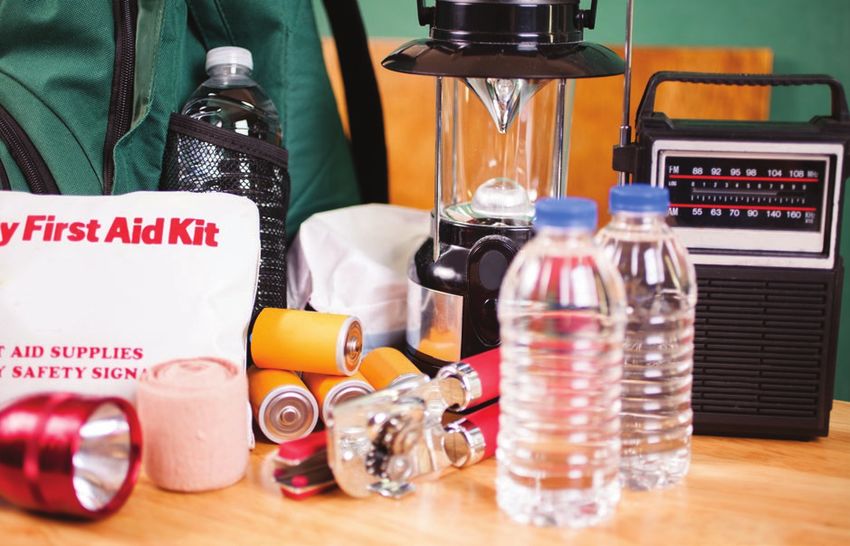
How Veterans on dialysis can
prepare for natural disasters
September is Disaster Preparedness Month, and VHA
partner American Kidney Fund is sharing important
information for Veterans on dialysis to remember
during disasters. Dialysis is a medical procedure that
removes blood from an artery, purifies it, and returns
it to a vein. Patients diagnosed with kidney failure
or severe kidney disease usually need dialysis on a
consistent and repeated basis.
VHA offers supportive services for Veterans with                 • Knowing what to do if your dialysis center
kidney disease through its Nephrology Program, and                 is closed: If you live in an urban area, you may
this partnership adds to VHA’s services by offering
                                                                   be able to use a neighboring dialysis center
tools for early identification of kidney disease and
                                                                   as a back-up. However, in a rural area, the
referral for appropriate treatment. VA’s “Fourth
Mission” also focuses on emergency response and                    next-closest dialysis center may be in another
its natural disasters page provides reliable                       county. If there is notice about a disaster—
information to Veterans and the public about                       like in the case of hurricanes—patients may
emergency preparedness activities within the                       be able to dialyze early or squeeze in extra
VA health care system.                                             treatments before their center closes. Your
The key to getting through a disaster, said Dr. Paul               health care team can advise you.
M. Palevsky, deputy national program director of
the VHA Nephrology Program and president of the                  • Knowing what to do if your at-home dialysis
National Kidney Foundation, is having a plan well                  isn’t possible: According to Palevsky, 10% of
beforehand that should include:                                    dialysis patients dialyze at home. As long as
                                                                   patients have access to their supplies, they are
  • Emergency three-day diet information: To
                                                                   trained to do the treatment manually.
    avoid a life-threatening abnormal heartbeat,
    patients should be aware of the amount of                 No matter their situation, patients can take comfort
                                                              in the fact that there is a network of clinicians, nurses,
    fluid they take in, how much salt they eat, and
                                                              and dialysis providers working together during a
    how much potassium is in their food.                      disaster to make sure dialysis patients have access to
                                                              their lifesaving treatment.
  • Emergency “go bag”: This should include
    information about the three-day diet, fluids,             “With dialysis, we are dealing with disaster
    appropriate foods, current health documents,              preparedness as a life and death issue—we’re not
                                                              dealing with this as an inconvenience,” said Palevsky.
    information about medications, a copy of your
    dialysis prescription, insurance cards,                   After Navy Veteran and American Kidney Fund
                                                              Ambassador Candie Gagne and her husband, also a
    emergency contact information, the name of
                                                              Veteran, were unexpectedly diagnosed with kidney
    your dialysis unit, the name and contact                  disease, she relied heavily on resources from the
    information of your doctor, flashlights, spare            American Kidney Fund and advocates for educating
    glasses, a phone charger, an external battery,            yourself and preparing for emergencies. You can read
    and a change of clothes.                                  more about her story here.

                                                         4
                                              va.gov/healthpartnerships
How Veterans can cope with the                                     First, determine what kind of arthritis you have.
                                                                   There are many different types, but the main are
discomfort of arthritis                                            osteoarthritis, gout, and rheumatoid arthritis.
                                                                   Osteoarthritis tends to produce periodic pain, but
September is Pain Awareness Month, which aims to
                                                                   when it’s advanced, can produce chronic pain. Gout
help people become more aware of the underlying
                                                                   tends to produce episodic pain and is often triggered
causes of pain and access resources and treatments to
                                                                   by eating certain foods. Rheumatoid arthritis often
ease pain.
                                                                   produces chronic pain. A primary care provider or
 Arthritis is common among Veterans. According to the              specialist can help with a diagnosis.
U.S. Centers for Disease Control and Prevention, one in
                                                                   Next, figure out what treatment works best, which
three Veterans (35%) has arthritis. Though arthritis is
                                                                   according to Dr. Felson, is based on the type
frequent among Veterans, that doesn’t mean it’s not a
                                                                   of arthritis and includes: exercise; noninvasive
serious condition. Arthritis can be chronic, painful, and
                                                                   approaches like meditation, music therapy, yoga, and
sometimes disabling.
                                                                   acupressure/acupuncture. Other treatments include
VHA offers many pain management-focused                            anti-inflammatory drugs; cortisone injections, and
programs, education, and resources through its Pain                joint replacements.
Management office, including information about
                                                                   The key is to keep moving, even though that can
Whole Health-focused pain management that doesn’t
                                                                   seem counterintuitive to someone in pain.
include medications. Such treatments include physical
activity, acupressure, and cognitive behavioral                    “Ironically exercise can make some of that pain better
therapy for chronic pain. VA’s Office of Research and              because it strengthens the muscles that support and
Development also offers a diverse slate of information             protect the joints,” said Felson, who says to find an
on many types of pain.                                             exercise that doesn’t cause pain to become worse.
                                                                   Swimming can be a good low-impact exercise.
Partnerships can help VHA offer even more services
and support to Veterans experiencing pain, including               Other VHA partnerships facilitated by HAP focus on
arthritis pain. Peer support can help both the physical            physical exercise, such as the partnership with
and mental components of living with arthritis. A                  Y-USA. Veterans can take advantage of Y-USA’s free,
support group for Veterans learning how to manage                  streaming fitness videos from the comfort of their
pain was just launched by the Arthritis Foundation, a              homes.
VHA partner. HAP facilitated this partnership, which
began this summer.
Being around others with arthritis and learning from
their experiences can be very beneficial, according
to Dr. David T. Felson, professor of medicine and
epidemiology at Boston University Schools of Medicine
and Public Health. Dr. Felson is a member of the
Arthritis Expert Panel at the Arthritis Foundation.
“You can get advice from other patients on how to
control arthritis symptoms better,” he said. “Through
sharing experiences, you can learn from others’
strategies to alleviate pain.”
Dr. Felson shared some information about treatments
and how to manage arthritis.

                                                            5
                                               va.gov/healthpartnerships
Exercise can be like ‘medicine’ for                           walking, three times a week. Here are the side effects
                                                              and what to look out for and we’ll check in six weeks
Veterans with Parkinson’s disease                             and see how you’re doing,” said Morley.

Dr. James F. Morley has seen it again and again: His          Studies have found, Dr. Morley said, that exercising
patients with Parkinson’s disease (PD) who embrace            helps the motor symptoms associated with PD—
exercise often experience slowed progression of the           tremors, muscle rigidity or stiffness, and balance
disease. He particularly remembers one patient who            problems—and the non-motor symptoms that also
was skeptical but enrolled in a study of exercise.            come along with the disease: lack of good sleep,
                                                              cognitive and mood issues, anxiety, and apathy. Non-
“She had never been someone who had really
                                                              motor symptoms don’t respond well to traditional
exercised, but she didn’t want to disappoint us and
                                                              PD medications, said Morley, so exercise is even more
wanted to be a good patient for the study,” said
                                                              important to patients experiencing them.
Morley, co-director for Parkinson’s Disease Research,
Education, and Clinical Center (PADRECC) at the VA            What kinds of exercises are beneficial? Fitness
Medical Center in Philadelphia.                               Fridays focus on cardio like dancing, strength
                                                              training, balance, agility, and flexibility. The key
The PADRECCs provide comprehensive care to
                                                              is personalizing the exercise according to an
Veterans with PD around the country. An estimated
                                                              individual’s likes and disease progression and
110,000 Veterans have PD. Now, a partnership
                                                              consulting with a health professional to make sure
between VA and the Parkinson’s Foundation will add
                                                              the type of exercise selected is safe and appropriate.
to what VA already offers to Veterans diagnosed
                                                              As with all exercise, patients should set realistic goals,
with PD. The Parkinson’s Foundation recently
                                                              do exercise that seems right and comfortable, and
launched its free “Fitness Fridays” videos focused on
                                                              just as with medication as the disease progresses,
different aspects of exercise designed to support
                                                              exercise should be reassessed periodically.
people living with PD.
                                                              Another tip is to consult a physical therapist.
                                                              “We send people for rehabilitation, sometimes
                                                              someone needs pre-habilitation to talk about their
                                                              abilities and limitations and what kind of exercise
                                                              programs may be best tailored to their interests and
                                                              best match their abilities,” said Morley.
                                                              The bottom line is to manage PD so staying active is
                                                              possible.
                                                              “I tell people all the time our role as the physician
                                                              is to make sure their medication regimen is up to
                                                              snuff so they can take their exercise medication,” said
When Dr. Morley’s patient continued with her
                                                              Morley. “One of the ways I gauge if we have people
exercise program after the study, she found many
                                                              treated well enough is if they’re able to be active.”
of the symptoms that come with PD improved. That
patient’s experience, along with countless others,
cemented the value of exercise to Morley.
“We should think of exercise as medicine for PD.
Doctors should treat it as a medication and we need
to prescribe exercise in the same way—aerobic

                                                         6
                                              va.gov/healthpartnerships
2021 VHA National Community                                     great partnership looks like,” Dr. Weistreich said. “This
                                                                can be inspirational—people can replicate good
Partnership Challenge                                           ideas and successful processes from one another.
demonstrates VHA’s adaptability                                 The winners demonstrate the value of collaboration
                                                                to expand services to Veterans wherever they area
2021 VHA National Community Partnership                         and meet their needs in creative ways.”
Challenge (CPC) had an especially timely theme this
                                                                The CPC also represents a “deference to expertise,”
year: “Adaptability in a Changing World.” The
                                                                she said.
coronavirus pandemic has fundamentally changed
how everyone in the country lives day-to-day, but               "We want to lift up these stories of passion,
VHA partners have continued helping Veterans, their             commitment, and excellence," Dr. Weistreich
families, caregivers, and survivors by offering virtual         continued. "VHA employees taking care of Veterans
resources or making other changes to operations.                every day are collaborating with their community
                                                                partners to address local challenges and expand
                                                                available resources."
                                                                The chief judge of the Challenge this year, Dr.
                                                                Kameron L. Matthews, previously spoke about why
                                                                diversity, equity, and inclusion are woven into the
                                                                fabric of the CPC in 2021.
                                                                “To adapt to our changing world, we must put
                                                                diversity, equity, and inclusion at the forefront of
                                                                the work we do, and I know that so many people
                                                                are stepping up to the plate in that regard,”
The CPC recognizes and awards front-line employees              Dr. Matthews said.
who engage with local partners all over the country             Georgeanna Bady, health systems specialist for HAP,
working on behalf of Veterans. This year, entries had           has led the efforts for the CPC for the last three years.
to demonstrate how the partnerships serves Veterans
                                                                “The CPC is so important because it recognizes
of all races, ethnicities, sexual identities, languages,
                                                                partnerships that often are putting in hard work
learning styles, and or/spiritual preference. Entries
                                                                every single day without wider recognition,” Ms.
also had to address one or more of the following
                                                                Bady said. “We want these tremendous efforts to
categories: clinical and self-care; support of social
                                                                have a moment in the spotlight, and also inspire
determinants of health; newly transitioning Service
                                                                other staff to take a page out of these partnerships’
members; COVID-19 pandemic/flu; and caregivers/
                                                                play books.”
families.
                                                                The top three winning facilities were honored in
The CPC received 44 submission this year from across
                                                                a ceremony on August 19, where they received
the United States.
                                                                crystal awards for local display, were commended
The purpose of CPC is ultimately to spread best                 by VHA Acting Under Secretary for Health Dr.
practices across the health care system, said Dr. Tracy         Steven Lieberman, and will receive certificates of
L. Weistreich, nurse executive for HAP, which has               appreciation from the VA Secretary. To read more
managed the challenge since 2014 on behalf of the               about this year’s top-three winners, visit va.gov/
Office of the Under Secretary for Health.                       healthpartnerships/updates.asp and click on
“When we promote the winners of the CPC each year,              the “2021 VHA National Community Partnership
people all over the nation can see exactly what a               Challenge” tab.

                                                           7
                                                va.gov/healthpartnerships
Stay tuned for HAPs’ Advancing Users of the toolkit will learn about these and other
elements of partnership creation:
Healthcare Through Partnerships
• The steps involved in forming a successful
toolkit partnership, from identifying a Veteran need
Over the past fiscal year, HAP has embarked on to implementing the partnership;
an exciting and special project: developing the
• Understanding of best practices in
Advancing Healthcare Through Partnerships toolkit.
partnership development from the various VA
The objective is to create a robust “toolkit” for VA
and VHA program offices, including HAP, that
Medical Center (VAMC) employees throughout
are responsible for coordinating, facilitating,
the country to use as they explore nonmonetary
and managing partnerships;
partnerships with nongovernmental partners at the
national, regional, or local facility level. The items • The process of developing a memorandum
in this toolkit will cover all aspects of partnership of agreement (MoA) including writing a “goal
creation in depth and in easy-to-read language. Think statement,” outlining specific partnership
of it as a “partnership how-to guide.” objectives, and evaluating the partnership
HAP’s mission is centered on advancing Veterans’ using performance measures;
health and well-being by serving as a trusted
resource for partnership development. VHA
• The concurrence process, from drafting an
MoA to obtaining the VHA Under Secretary
employees who wish to develop a partnership will, by
way of this toolkit, have the tools and knowledge at for Health signature, and;
their disposal to ensure partnerships advance health • Identifying the stakeholders who should
care, benefits, and services for Veterans. be included in partnership discovery and
subsequent meetings.
A Guide to VA/VHA Offices & Programs
that Manage Partnerships Many items in the toolkit have “case studies”—
which are learning tools that provide education to
If you want to create a VA or VHA partnership with an outside entity, this guide provides an overview of four
offices or programs that facilitate or manage partnerships: VHA’s National Center for Healthcare Advancement and
support the drafting of various MoA sections—and
Partnerships (HAP), Veteran Community Partnerships (VCP), the Secretary’s Center for Strategic Partnerships (SCSP),
and the Community Veterans Engagement Board (CVEB). worksheets so that toolkit users can work through
Which Office or Program Should I Contact to Help Me Develop a Partnership?
HAP VCP SCSP CVEB
the partnership creation steps on their own.
VHA Office VHA Program VA Office VA Program
Partners: VHA, governments, &
national nongovernment
organizations (NGO),
VAMCs, community NGO VA, VHA, VBA, NCA,
national NGO
Local NGO, local & state
governments “We want to make this toolkit readily available and
often with local presence
Works well for: easy to use; even if starting from square one with
National partnerships Yes No Yes Yes
Regional (VISN) partnerships
Local (facility) partnerships
Yes
Yes
No
Yes
No
No
No
Yes
considering a partnership, this toolkit is a reference
Veteran Impact:
Veterans regardless of
enrollment & eligibility
Local Veterans regardless
of enrollment &
Veterans regardless of
enrollment & eligibility
Local Veterans regardless
of enrollment &
that will help employees make informed decisions
eligibility eligibility
Provides:
throughout the process,” said Dr. Tracy L. Weistreich,
Consultative services To VHA & national & VAMC & community To VA, VHA, VBA, To VA, VHA, VBA,
community NGO NGO NCA, local and state
governments, & national
NGO
NCA, local & state
governments, & NGO nurse executive for HAP. “HAP will continue to serve
as a consultant for all VHA field or central office
Facilitation Yes No Yes Yes
Structure:
Defined by MOA Yes No Yes No
Informal
Inter Agency Agreement (IAA)
No
Yes
Yes
No
Yes
No
Yes
No
employees who need information and guidance on
Has authority to:
Accept donations & gifts to VA No No Yes No
public-private partnerships.”
To view the toolkit once it goes live, stay tuned
to HAP’s website for announcements: va.gov/
healthpartnerships.
VHA National Center for Healthcare Advancement and Partnerships
8
va.gov/healthpartnershipsVeteran-and-dog team virtually When Ms. Lewis visits fellow Veterans, she experiences
a sense of bonding and social connection to them.
visit fellow Veterans, spread joy “I can relate to some of the experiences these Veterans
wherever they go have had. I’ve served during the Vietnam era, like some
of them. They know my rank, which was First Sergeant,
Lou Lewis of Nashville, Tennessee, is retired from the
and they’ll call me ‘Top’ or salute me,” she explained.
United States Army and has a very popular dog. Petey, a
9-year-old, 80-pound greyhound works with Ms. Lewis Once, Ms. Lewis said, a patient who had difficulty
to provide animal visitation with Veterans as part of the speaking had a visit from Petey.
Pet Partners organization. “I went in and said, ‘This is Petey, he wants to be your
“I had a visit yesterday, and one of the individuals said, ‘I friend,’ and the patient was able to say the word ‘dog,’”
could just talk to Petey all day long,’” Ms. Lewis said. Ms. Lewis said. “I’ve got goosebumps right now! It
just shows you the power of what animals can do for
Right now, the volunteer team visits Veterans virtually
people.”
and should return to in-person visits when it is safe to
do so. Pet Partners, which promotes the health and Therapy animals are used, usually in a clinical setting, to
wellness benefits of animal-assisted interventions improve physical, developmental, social, cognitive and/
including animal-assisted therapy, activities, and or emotional health functioning. Visits with animals can
education, established a partnership with VA in 2019. improve people’s health and well-being through the
Many Veteran Pet Partners volunteers talk about their human-animal bond.
positive experiences. Veterans can also experience the benefits of the
Ms. Lewis, who has five greyhounds, adopted Petey human-animal bond, as well as physical activity, by
seven years ago. The people she and Petey visit provide participating in Pet Partners’ World’s Largest Pet Walk
a sense of social connection as well as a sense of on September 25.
levity and fun from how others respond to him. Petey For more information about becoming a therapy
helps Ms. Lewis healthy by increasing physical activity animal team, visit: petpartners.org/volunteer/.
through walks and training.
“When we’re out for walks, people will point and say
‘That’s a greyhound! I think that’s the one I lost my
money on at the track!’” Ms. Lewis said with a laugh.
Petey is a retired racing greyhound and Ms. Lewis
adopted him via the Music City Greyhound Adoption
program, which finds loving homes for retired racing
greyhounds. She and Petey trained with Pet Partners to
become a therapy animal team and registered through
Music City Pet Partners, a volunteer therapy animal
organization, to provide animal-assisted therapy.
“The handler and the therapy dog have to have a
great connection,” she explained. Petey learned how
to maneuver around wheelchairs and walkers and
stay calm around different or loud voices like he might
encounter during U.S. Department of Veterans Affairs
(VA) medical center visits.
9
va.gov/healthpartnershipsSeptember is Healthy Aging with MAZON: A Jewish Response to Hunger assists
food-insecure Veterans by creating strategies to
Month: Many VHA partnerships reduce the number of Veterans who are at risk of food
and programs help support older insecurity. VHA and FRAC work to connect Veterans
to the Supplemental Nutrition Assistance Program
Veterans (SNAP) and other nutrition programs.
September is Healthy Aging Month, observed each
year to encourage people to take charge of their American Cancer Society
physical, mental, and social well-being as they age. According to VA’s Office of Research and
According to the U.S. Department of Veteran Affairs Development, approximately 40,000 cancer cases
(VA), the median age of male Veterans is 65 and the are reported to VA’s Central Cancer Registry
median age of female Veterans is 51. annually, and, according to the National Cancer
Many Veterans Health Administration (VHA) Institute, the median patient age at the time of a
partnerships specifically support older Veterans. cancer diagnosis is 66. American Cancer Society, Inc.
Within VHA, HAP supports partnerships with the (ACS) is collaborating with VHA with an emphasis
Arthritis Foundation, MAZON: A Jewish Response to on lung cancer education and resources for those
Hunger, Food Research & Action Center (FRAC), and diagnosed with cancer. ACS has a support line (1-
the American Cancer Society, among many others. 800-227-2345) in addition to the information and
resources available on its website. HAP supports
The Arthritis Foundation many cancer-related partnerships: Read more here.
According to the Centers for Disease Control and Additionally, the Older Veteran Behavioral Health
Prevention, one in three Veterans is diagnosed with Resource Inventory, created by VHA’s Office of
arthritis. Arthritis most commonly affects people Mental Health and Suicide Prevention, provides
65 and older. Together, VHA and the Arthritis resources for health care professionals to help them
Foundation (AF) increase access to care, education, support older Veterans who have or are at risk for
and support for Veterans diagnosed with arthritis. behavioral health conditions, such as posttraumatic
VHA offers support for Veterans diagnosed with stress disorder (PTSD) and suicidal ideation.
arthritis through primary care, rheumatology clinics, According to the World Health Organization,
and health care and treatment research done by approximately 15% of adults aged 60 and over
the Office of Research and Development. This suffer from a mental health disorder; and despite
partnership makes more services available in addition higher rates of PTSD, older Veterans are less likely
to what VHA already offers. AF has online resources to seek mental health services. To address these
on arthritis self-management, creating a diet plan to concerns, the inventory outlines VA resources like
reduce swelling, and ways to manage pain. VA Mental Health, VA Benefits for Elderly Veterans,
and VA Community Care. The inventory offers
MAZON and FRAC information health care professionals can use to treat
Two VHA partnerships focus on food security for older Veterans with behavioral health conditions,
Veterans, including older Veterans. A 2020 report which promotes healthy living for Veterans as they
from Feeding America found that 7.3% of the senior age. VHA’s Office of Geriatrics and Extended
population (60 and older) is food insecure. People Care can also serve as a valuable resource for older
who are food insecure lack consistent access to Veterans.
enough food for a healthy life. VA’s partnership
10
va.gov/healthpartnershipsFor one Veteran, a local ‘Clubhouse’ VCPs are collaborations—and each is part of the
larger VHA VCP initiative—that bring together
is a place he can be himself and community leaders, some of whom are Veterans,
connect with friends and organizations with VAMC programs to help
Veterans access health care and supportive services
Mr. Paul Harney, a 58-year-old Army Veteran, said at VA and beyond. The VCP initiative is a joint
that the Circle City Clubhouse in Indianapolis is “a project of the VHA Geriatrics and Extended Care,
good place to just be somebody, to just be yourself.” HAP, and other VHA offices. VHA plans to have a
Mr. Harney loves art (painter Norman Rockwell is VCP at each of the VAMCs by September 2024.
his hero) and classical music by composers like Mr. Riddle said that the Indianapolis VCP is working
Tchaikovsky. One of his favorite things to do at closely with Clubhouses in the area to engage
Clubhouse is tend to the chicken coop there. more Veterans, but the VCP also wants to link each
“The chickens are so much fun to watch. I let them local VA with a local Clubhouse. The VCP aims to
out for an hour every day. They’re amazing little continue to “engage more with our communities,”
critters,” he said. Mr. Riddle said.
Mr. Harney has been a member of the Clubhouse In the end, that’s good for Veterans like Mr.
for more than two years. He and other members do Harney, who said that the social interaction he
household tasks they choose and like to do, have gets at Clubhouse helps him be more open and
social interactions with other members, and have conversational with his providers. The members at
meetings and activities focused on mental health Clubhouse are in a “chipper mood,” he said, and he
recovery. can interact with his health care providers with that
same attitude.
Clubhouses are community mental health services
where people with a history of mental illness can find “We’re all friends who work here,” he said. “This is a
opportunities for work, wellness, and socialization. wonderful place to be.”
The Clubhouse model focuses on finding people’s To find a Clubhouse in your area, visit: clubhouse-
strengths and abilities; Clubhouse staff will ask intl.org/what-we-do/international-directory.
members: “What’s right with you?” to find out
To become a VA point of contact to a local Clubhouse,
members’ interests and abilities. Clubhouses also
visit: VISN 5 MIRECC - Connecting Veterans to
help members get back into the workforce—nearly
Community Care: VA/Clubhouse Points of Contact -
42% of Clubhouse members are employed.
MIRECC / CoE.
Mr. Harney, who experienced what he described as a
To learn more about how to establish a VCP, visit
“nervous breakdown,” said that Clubhouse members
va.gov/healthpartnerships/vcp.asp.
can avoid feeling like “stereotypical mental illness
[patients],” since Clubhouse gives him a “purpose”
and a sense that he’s a member of a community.
A Veteran Community Partnership (VCP) in
Indianapolis is helping provide Veterans like Mr.
Harney an option for treatment to “enhance their
social network and give them an opportunity to
use their knowledge in a new environment,” said
Mr. Jason Riddle, a social worker and co-chair of the
Indianapolis VCP.
11
va.gov/healthpartnershipsSuicide Prevention Awareness one HAP staffer worked with a Veteran in crisis,
which led to this partnership.
Month: VA partnerships work to
bolster Veterans’ mental health American Lung Association
When it comes to suicide prevention, many
The U.S. Department of Veterans Affairs (VA)’s top
health care providers are focused on the social
clinical priority is preventing suicide among all
determinants of health (SDOH), which are
Veterans, including those who do not seek care
the conditions in the environments where
within the VA health care system. To this end, VA
Veterans live. Positive SDOH help Veterans live
offers and uplifts a suite of suicide prevention
better lives, while negative SDOH are strong
resources, such as the 24/7 Veterans Crisis
predictors of suicide risk. Social connectedness
Line (VCL), self-help resources like Make the
is a crucial positive SDOH, especially for Veterans
Connection, where Veterans can learn stories of
diagnosed with a lung condition. Through
recovery, tools to help establish mental health
the ALA partnership, Veterans can connect to
practices, and mobile apps for mental health.
the Association’s Better Breathers Network,
VA has a specially trained suicide prevention
a nationwide online patient support program
coordinator at every VA medical center in the
where Veterans and their caregivers can sign
country, as well as Vet Centers that can help
up for regular, virtual support meetings. As part
Veterans readjust to civilian life.
of the partnership—as is the case with all VA
VA also partners with nongovernmental agencies partnerships—VA will share information with ALA
to bring even more suicide prevention resources specific to Veterans’ needs, including on suicide
to Veterans. September is recognized as Suicide prevention, the VCL, and the public-facing, free
Prevention Awareness Month—Sept. 5-11 is S.A.V.E. Training.
National Suicide Prevention Week, and World
Suicide Prevention Day is Sept. 10—and HAP ETS-SP
is uplifting its support of VA partnerships with
ETS-SP assists Service members in their transition
OnStar, American Lung Association (ALA), and
back into civilian communities by facilitating
Expiration Term of Service Sponsorship program
access to community resources, facilitating VHA or
(ETS-SP).
VA benefits enrollment, and connecting Service
members to peer sponsors in their destination
OnStar community who help them reintegrate into
VA partnered with OnStar, an in-vehicle safety and civilian life. Sponsors are trained and certified and
security system, in late 2020. VA and OnStar help assist with employment, housing, legal concerns,
connect Veterans (who have a General Motors and more. Having a sponsor and easier access to
vehicle and who are enrolled in OnStar) to the resources before, during, and after the transition
VCL for mental health assitance by using OnStar’s process can increase social connectedness, can
in-vehicle emergency services button or OnStar’s increase resilience and protective SDOH such
Guardian smartphone app. The VCL is staffed by as employment and financial stability, and can
trained responders, many of whom are Veterans address environmental and social conditions that
themselves. VA will also provide resources and can contribute to suicidal behaviors. VA and ETS
education to OnStar about suicide prevention, have both identified reducing the risk of suicide
military culture, and how to determine if the caller and facilitating mental health resiliency as critical
has served in the military. Read more about how priorities within this nonmonetary partnership.
12
va.gov/healthpartnershipsYou can also read


