Incentivising Better Patient Safety - 2020-2021 Operating Manual - Victorian Managed Insurance ...
←
→
Page content transcription
If your browser does not render page correctly, please read the page content below
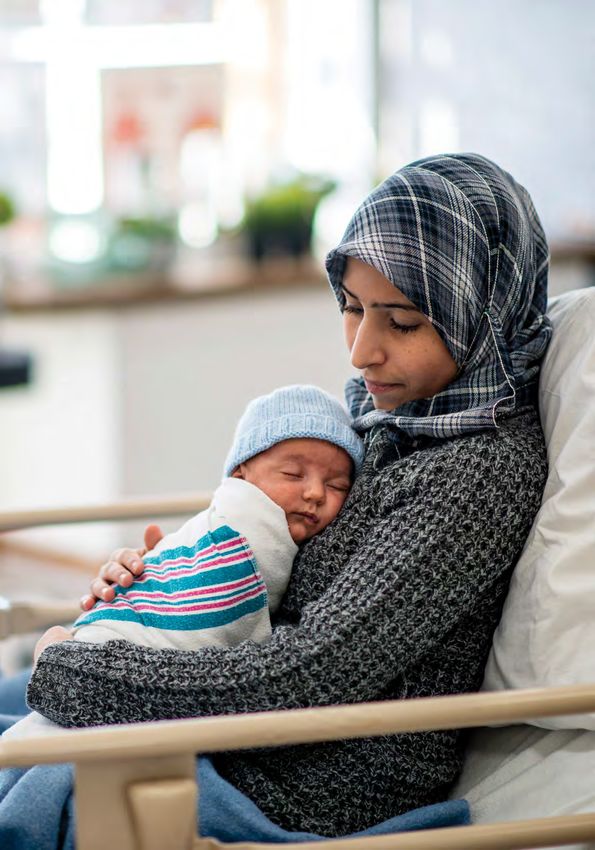
Providing insurance
                       refunds to Victorian public
                       hospitals for undertaking

Incentivising Better   best practice training

Patient Safety

2020-2021
Operating Manual
02     VMIA: Risk Management
       and Insurance
                                                                                                                                                                                           Incentivising Better
                                                                                                                                                                                        Patient Safety program    03

Building a stronger
and safer Victoria                                                                                                                             Table of contents

At VMIA, we’re here to protect                    This approach can lead to greater            For larger hospitals this refund will be 5%     Eligibility criteria                04
public services, including our                    satisfaction and experiences of care while   of your MI premium, while smaller health
                                                  also reducing liability claims. To ensure    services will receive a minimum of
public hospitals. A big part of this              both, the program focuses on three key       $20,000.
                                                                                                                                               Frequently asked questions          10
means helping you to manage your                  areas of education and training:
health service’s risks, so that our                                                            If you can demonstrate that you’ve met          Appendix 1: Glossary of key terms   20
                                                  01   Multidisciplinary maternity             the attestation criteria this financial year,
community can lead healthier,                          emergency training,                     you’ll get a refund in June 2021.
safer and more rewarding lives.                   02   Fetal surveillance and
                                                  03   Neonatal resuscitation.                 The 2020-2021 program starts on
It’s this simple philosophy that drives                                                        1 January 2021 and finishes on 30
the Incentivising Better Patient Safety           Giving back for doing better                 June 2021. All public health services
(IBPS) program.                                   If you continue to train Birth Suite         in Victoria at a maternity capability
                                                  clinicians in these essential areas, we      level 2 to 6 can participate.
Putting women and babies first
                                                  expect better outcomes for women, babies
The evidence is clear. When Birth Suite                                                        Any questions?
                                                  and your health service will improve.
clinicians take part in best practice training,                                                Get in touch with your VMIA Risk Advisor:
outcomes for women and babies improve.            If your hospital has trained more than       contact@vmia.vic.gov.au
                                                  80% of Birth Suite clinicians in programs
The IBPS program aims to encourage                that meet the training criteria we’ve
health professionals to complete the              outlined in this manual, VMIA will
training and education needed to                  refund part of the obstetric component
improve the care of women and babies.             of your medical indemnity (MI) premium.

            Skilled                     Better                     Improved outcomes                              Fewer
            staff                       care                       for women and babies                           claims
Incentivising Better
                                                                                                               Patient Safety program    05

              Eligibility criteria

              General criteria

The
2020-2021       All public health services   Clinical staff are AHPRA registered health care professionals who provide

Eligibility     in Victoria (maternity
                capability level 2-6) are
                                             clinical services to women, babies and/or families in Birth Suite, whether
                                             or not they are employees of the eligible public health service.

Criteria
                eligible to participate.
                                             For the purposes of the program, clinical staff are defined as:
                                             – Midwife                   – Junior medical             – GP obstetrician
                                             – Midwife in 		               officer*                   – Obstetric consultant
                                               charge (MUM               – Obstetric registrar
                                               or AMUM)                  – Obstetric fellow

                Training programs must be    *Junior medical officers who:
                conducted in Australia or    i) provide Birth Suite care for
06 VMIA: Risk Management
and Insurance
Incentivising Better
Patient Safety program 07
Eligibility criteria
Focus area 1:
Multidisciplinary maternity Focus area: Multidisciplinary maternity emergency training
emergency training
Training criteria
When emergencies in Birth Suite A smarter way of improving safety Giving back to get ahead
The training program chosen by the health service needs to meet all the following criteria.
aren’t managed in the right way, it We suggest that Birth Suite clinicians The better your clinicians work together,
can cause significant harm take part in multidisciplinary maternity the bigger the benefits are for women and
The program must:
emergency training which helps improve their babies. We suggest starting with the
to women and babies. This can
patient safety culture, teamwork programs listed on Page 7. – Maternal cardiac arrest and advanced
have an overwhelming impact on communication and emergency management life support
both families and the Birth Suite You can organise this yourself, or through Be multidisciplinary – the training Focus on improved communication
skills. For the best results, this training – Cord prolapse
another provider. If you meet the group must include staff from at and teamwork
clinicians involved in their care. should be carried out in a real-time, – Maternal sepsis
‘attestation criteria’ for each of the three least two of the following disciplines
simulated environment every year. – Emergency transfer preparation and
focus areas, you’ll get a premium refund. that provide care in Birth Suite:
Our claims data shows us where management of the deteriorating
Training like this means that your Birth
we can improve and avoid harm. Discipline 1: Provide a theoretical learning maternity patient
Suite clinicians get the current, evidence-
These areas relate to: – Registered midwife opportunity. Theoretical learning – Uterine inversion
based training they need to make the
– Midwife/nurse in charge opportunities must include content on – Vaginal breech birth
– systems, communication and teamwork most impactful difference to the lives
– Registered nurse the tools (algorithms, documentation – Twin birth
among clinicians, which lead to errors of their patients. It’s been shown that
and hospital specific pro formas etc.) – Perimortem birth and caesarean section
and delay in decision-making multidisciplinary training programs
Discipline 2: and systems (emergency boxes/trolleys, – Obstetric anaesthetic emergencies
– taking the right steps to deliver the baby (and other risk management activities)
– Anaesthetist (registrar, local and external emergency call – Pre-eclampsia and eclampsia
within a safe period (after deterioration have reduced obstetric claims by 64%
since 2003. fellow or consultant) systems etc.) to manage maternity
has been identified) – GP anaesthetist emergencies in Birth Suite.
– ED consultant or registrar Provide a dedicated feedback and
Discipline 3: debrief opportunity at the completion
Paediatrician (registrar, fellow Simulate at least two maternity of each simulated maternity emergency
or consultant) emergency scenarios. These can be scenario and/or at the conclusion of the
facilitated in your birth suites and should multidisciplinary maternity emergency
Discipline 4: represent a clinical improvement priority training session.
– Junior medical officer* for your hospital. Maternity emergency
– Obstetric registrar scenarios may be simulated in another
– Obstetric fellow hospital area where births may occur,
– Obstetric consultant in a training environment such as a Attestation criteria
– GP obstetrician clinical simulation laboratory or in a Between 1 January 2021 and 30 June
video-simulation platform, whenever 2021, 80% of clinical staff providing
*Junior medical officers who: face-to-face training is not possible. care in Birth Suite have completed a
i) provide Birth Suite care for
08 VMIA: Risk Management
and Insurance
Incentivising Better
Patient Safety program 09
Focus area 2: Focus area 3:
Fetal surveillance Neonatal resuscitation
In Victorian Birth Suites, it’s been Fetal surveillance education and training Most babies in Victoria are born breathing, or there aren’t any neonatal
shown that most events that lead to tackles this head on. Since its introduction, healthy and well. However, around specialists on hand.
death caused by intrapartum fetal hypoxia
a baby developing hypoxic ischaemic has reduced by 51%, which is a great
10% will need some help with those The program encourages Birth Suite
encephalopathy (HIE) are avoidable. first few breaths, with around 1% clinicians across Victoria to train every
testament to best practice training.
needing extensive resuscitation. year in best practice neonatal resuscitation,
This is a crucial insight, as HIE – depending Giving back to get ahead helping babies and their families get
on how severe it is at birth – can lead to Neonatal resuscitation can be a difficult through one of the hardest – and most
It’s clear that training in this area makes a
permanent disability, which can be experience to go through for both families special - moments of their lives.
real impact, so we suggest training Birth
devastating for parents, carers and families. and the Birth Suite clinicians involved.
Suite clinicians in the programs listed in the Giving back to get ahead
Our claims data shows us that the main table below. You can organise this yourself, With the right level of skills and training,
clinicians can better anticipate when In the table below, you’ll see the programs
cause of HIE is a failure to recognise or through another provider. And if you
resuscitation is needed and coordinate we suggest. You can organise this yourself,
fetal deterioration through correct use meet the ‘attestation criteria’ for each
their efforts to deliver the highest quality, or through another provider. And if you
of fetal heart monitoring (cardiotocography of the three focus areas, you’ll get a
lifesaving care required. This gives babies meet the ‘attestation criteria’ for each of
[CTG] or intermittent auscultation) during premium refund.
the best chance of survival when they’re the three focus areas, you’ll get a premium
labour and birth.
born needing a little extra help to begin refund.
Focus area: Fetal surveillance Focus area: Neonatal resuscitation
Training criteria Attestation criteria Training criteria Attestation criteria
The training program chosen by the health service Between 1 January 2021 and 30 June The training program chosen by the health service Between 1 January 2021 and 30 June
needs to meet all the following criteria. 2021, 80% of clinical staff providing needs to meet all the following criteria. 2021, 80% of clinical staff providing
care in Birth Suite have: neonatal care at birth have completed
The program must: The program must: (at minimum), a first response neonatal
– completed a fetal surveillance
resuscitation program(s) that meets
education and training program that
the training criteria.
meets the training criteria, and
Be supported by evidence Be presented in the following formats: Be independent from the Either provide ‘first response’ practical
of the program’s efficacy in Between 1 January 2021 and 30 June multidisciplinary maternity education using neonatal mannequins
– Either face-to-face with an Suggested training programs
providing high quality fetal 2021, 80% of Birth Suite shifts have emergency training (focus and resuscitaires that covers:
assessment score >65 every two had access to an onsite¹, senior Training programs your hospital
monitoring, CTG interpretation area 1) program
years and online every other year clinician who: – the initial steps of assessment of the may use include:
and clinical management.
newborn infant
Or – completed a fetal surveillance – NeoResus first response
(when face-to-face is unavailable) – determining if the infant requires (Paediatric Infant Perinatal
education and training program that Provide a theoretical learning assistance to establish and maintain Emergency Retrieval – PIPER)
Be developed for the Australian – two hours minimum of interactive meets the training criteria in the opportunity. Theoretical learning effective breathing
and New Zealand context. CTG interpretation and clinical past 12 months. opportunities must include content – NeoResus advanced resuscitation
– assisting the infant to breathe using a (PIPER)
management learning sessions on current, evidence-based neonatal
variety of positive pressure ventilation
(internal or FSEP webinars) led by Suggested training programs resuscitation theory as determined by – Online NeoResus Learning
devices
a senior clinician who attained an the Australian Resuscitation Council package (PIPER)
Training programs your hospital may – providing external chest compressions
assessment score >75 in the past (ANZCOR Neonatal Guidelines). – Maternity and Newborn
use include: if effective positive pressure ventilation
3 years and online every year Emergencies (MANE) program
– RANZCOG Fetal Surveillance fails to restore an adequate heart rate
and circulation. – a local program developed by your
Education Program (face-to-face,
Be facilitated by an Australian health service
webinar and OFSEP)
Health Practitioner Regulation
– K2 Perinatal Training Program Agency (AHPRA) registered
(online only) healthcare provider. – Or individually assess the practical
– Internal CTG interpretation and competency of the skills described
clinical management committees above.
¹ Maternity Capability Level 2 - 4 hospitals without senior clinicians onsite, may attest that shifts can access a senior clinician by using technology within the
hospital’s escalation policy timeframe, after identifying an abnormal CTG requiring escalation.
Incentivising Better
                                                                                                                                    Patient Safety program    11

               1

             Eligibility

Frequently   1.1 What is the Incentivising Better
             Patient Safety (IBPS) program?
                                                             1.2 Is my health service eligible
                                                             for the 2020-2021 IBPS program?
                                                                                                              to their practice. For example, an
                                                                                                              anaesthetist or neonatal nurse may

Asked        Errors, failures and deficiencies in
             maternity care can endanger life and lead
                                                             Victorian public health services that offer
                                                             a planned birthing service (Maternity
                                                                                                              intermittently provide Birth Suite care,
                                                                                                              however, will not necessarily require

Questions
                                                                                                              training in fetal surveillance.
             to substantial liability claims. To reduce      Capability Levels 2 to 6) are eligible
             harm and the factors that lead to adverse       to participate in the program.
             outcomes, VMIA has worked closely with
             the health sector to identify three main
                                                                                                              1.5 Which clinical staff need to
             areas where patient safety in the maternity
                                                                                                              attend education and training to
             setting can be improved through evidence-       1.3 Is the IBPS program valuable for my
                                                                                                              meet the IBPS attestation criteria
             based skills training and education:            health service?
                                                                                                              for a premium refund?
             – Multidisciplinary maternity                   Improving patient safety is a priority for
                                                                                                              For some speciality groups, only certain
               emergency training                            VMIA, which manages medical indemnity
                                                                                                              focus areas will be relevant to their
                                                             claims arising from adverse events.
             – Fetal surveillance, and                                                                        practice (see Q1.4).
                                                             Many of these are avoidable.
             – Neonatal resuscitation.                                                                        To receive the insurance premium refund,
                                                             VMIA’s analysis of claims data shows
                                                                                                              only the following clinical staff – whether
             These three areas were used to develop          clear evidence that where clinical staff
                                                                                                              or not they are employees of the health
             the IBPS program, which will improve            providing care in Birth Suites undertake
                                                                                                              service – who provide Birth Suite care
             safety, lead to better health outcomes          training in multidisciplinary maternity
                                                                                                              will be required to complete education
             and deliver financial benefits to eligible      emergency management, fetal surveillance
                                                                                                              and training in the three focus areas:
             Victorian public health services.               and neonatal resuscitation, the number
                                                             and severity of adverse events are               – Midwife
             The eligibility criteria contains:
                                                             substantially reduced.                           – Midwife in charge (NUM or ANUM)
             – Focus areas:
                                                             From 1 July 2020, if your health service         – Junior medical officer*
               The three areas of maternity care in
                                                             provides education and training which            – Obstetric registrar
               which VMIA is incentivising further
                                                             meets the training and attestation criteria,
               education and training.                                                                        – Obstetric fellow
                                                             a refund of 5% (minimum $20,000) on the
                                                             obstetrics component of your medical             – GP obstetrician
             – Training criteria:
               The elements within education and             indemnity premium will be paid.                  – Obstetric consultant.
               training programs that must be included                                                        *Please note that junior medical officers
               to be eligible for consideration within the                                                    who provide Birth Suite care for
12 VMIA: Risk Management
and Insurance
Incentivising Better
Patient Safety program 13
2
Health services and hospitals
requirements will count towards
the 80% of Birth Suite staff eligible to
2.1 My hospital is part of a broader all Victorian public hospitals who offer 2.2 My health service incorporates 3.5 I have junior medical officers who 3.8 My health service has clinicians meet the attestation criteria.
health service. Am I eligible? a planned birthing service (maternity individual hospitals. Can I aggregate will provide less than 13 weeks of care who provide Birth Suite care on a very
capability Levels 2 – 6) are eligible my hospitals’ results to be eligible in my Birth Suite, but they will be making infrequent basis i.e. neonatal code blue Focus area 2: Fetal surveillance
Yes. Although VMIA collects the total
whether or not they are part of for a refund? independent medical decisions about teams, Urgent Care Centre (UCC) staff Clinical staff who attend a fetal surveillance
medical indemnity premium at the health
a broader health service. Birth Suite patients. Are they included or endocrinologists providing high-risk education and training program that meets
service level, the obstetric component is No. Each hospital must individually
in the total pool of staff who need to patient reviews. Do these clinicians the training criteria at another health
calculated based on the services provided meet the attestation criteria.
be trained? need to be trained? service or education provider (in Australia
by the individual hospital. This means that
Yes. If junior medical officers are making No. Your health service may wish to include or New Zealand) within the 2020-2021
independent medical decisions about Birth these clinicians in maternity education and financial year, will count towards the 80%
Suite patients, they must be captured in training programs. However, they will not of clinical staff eligible to meet the
your total clinical staff workforce pool count towards your total pool of clinical staff attestation criteria.
and should be trained. required to meet the attestation criteria. Please note that the RANZCOG Fetal
Only the defined group of clinical staff (Q1.5) Surveillance Education Program is
3 offered across the Asia Pacific region and
is required to complete the training in the
focus areas to receive a premium refund. occasionally in Europe. Attendance and
3.6 I have junior medical officers who
Clinical staff
achievement of an appropriate Practitioner
provide less than 13 weeks (65 days) Level at a RANZCOG Fetal Surveillance
of care in my Birth Suite, but over an Education Program outside of Australia
extended period of time across the and New Zealand will be accepted.
3.9 I have staff members who completed
2020-2021 financial year. Are they
education and training externally (not at
included in the total pool of staff Focus area 3: Neonatal resuscitation
my health service) within the 2020-2021
who need to be trained? Clinical staff who attend a neonatal
financial year. Do they have to retrain
3.1 I have a high number of casual and Agency midwives who have completed an 3.4 Are obstetric residents, resident No. If junior medical officers work in your at my health service? resuscitation education and training
part-time clinical staff. Do they need to education and training program at another medical officers (RMOs) and hospital Birth Suite for less than 13 weeks (65 days) program that meets the training criteria
be trained? Australian or New Zealand health service medical officers (HMOs) included The requirement to provide training at another health service or education
in total, they don’t make independent
or training organisation that meets the in the total pool of staff who need at your health service varies depending provider (in Australia or New Zealand)
Yes. Any clinical staff member from the medical decisions about Birth Suite patients
training criteria will be counted towards to be trained? on the focus area. If clinical staff have within the 2020-2021 financial year, will
list of specialities covered in Q1.5 will be and are fully supervised when practicing in
the 80% of clinical staff required to meet completed an education and training count towards the 80% of clinical Birth
counted towards the total pool of staff For the purposes of the IBPS program, Birth Suite, they will be excluded from the
the attestation criteria. program externally, it’s the responsibility Suite staff eligible to meet the attestation
who may be trained. This includes casual, obstetric residents, RMOs and HMOs are total pool of clinical staff who should be
of the health service to ensure they are criteria.
bank and part-time clinicians. all classified as junior medical officers. trained for the purposes of this program.
satisfied the program meets the training
If your hospital has junior medical criteria and that appropriate records are Only clinical staff who provide Birth Suite
Casual and part-time clinical staff who have
officers that meet the following criteria, kept. Health services may be subject care at more than one Australian or New
completed an education and training 3.3 My Birth Suite is staffed by locum
they will not count towards the total to audit – see Q7.1. Zealand health service in the 2020-2021
program at another Australian or New or visiting medical officers. Do they 3.7 My Birth Suite clinicians have
pool of clinical staff working in your financial year, i.e. new starters, casual/
Zealand health service or training need to be trained? attended training in the focus areas
Birth Suite that are required to be trained Focus area 1: Multidisciplinary bank/agency midwives or visiting medical
organisation that meets the training overseas. Do they need to retrain
Yes. Any clinical staff member from the for the purposes of this program. Any maternity emergency training officers, may complete their practical
criteria will be counted towards the in Australia?
list of specialities covered in Q1.5 will other junior medical officer will be Clinical staff who provide Birth Suite care competency assessment at another health
80% of clinical staff required to meet
be counted towards the total pool of staff captured in your total clinical staff during the 2020-2021 financial year must service. Please ensure evidence of all practical
the attestation. To be eligible for the refund, focus area 1
who may be trained. This includes locum workforce pool and should be trained. complete a multidisciplinary maternity competency assessments are maintained.
and focus area 3 training must have been
or visiting medical officers if they provide completed in Australia or New Zealand emergency training program held within
The junior medical officer who:
care in your Birth Suite. and meet the training criteria. their principal hospital of practice.
i) provided Birth Suite care
3.2 I use agency midwifery staff Locum or visiting medical officers who For focus area 2, the RANZCOG Only clinical staff who provide Birth Suite
for
14 VMIA: Risk Management
and Insurance
Incentivising Better
Patient Safety program 15
4
Suggested training programs
3.11 Does it matter if the training my 3.13 Are staff who no longer provide 3.15 Are staff starting their Birth Suite 4.1 I don’t currently offer the programs 4.3 My health service wishes to use the 4.5 Multidisciplinary maternity emergency
staff member received externally care in Birth Suite after 1 January 2021, rotation in May 2021 required to train to listed under ‘suggested training Maternity and Newborn Emergencies training programs, i.e. PROMPT, must be
was at a private hospital? required to be trained to be counted be counted towards the 80% of clinical programs’. Can I still participate? program. This contains a neonatal multidisciplinary for the purposes of this
towards the 80% of clinical staff to staff to meet the attestation criteria? resuscitation component. Can my program. If a hospital only has a small
Clinical staff who attended an education Yes. If you have a locally developed
meet the attestation criteria? clinical staff who participate in this number of medical staff in their
and training program that meets the Staff starting their rotation in May 2021 education and training program that
program be counted towards the 80% for community, can a facilitator who is a
training criteria at a private hospital in No. Staff who no longer provide care in and continuing their rotation after 30 June meets the training criteria, you will be
focus area 3 (neonatal resuscitation)? doctor (i.e. discipline 2, 3, or 4) make the
Australia or New Zealand will count Birth Suite after 1 January 2021 are not 2021 can be counted in the number of eligible for the 2020-2021 IBPS program.
training session multidisciplinary, even
towards the 80% of clinical staff eligible counted towards the 80% of clinical staff clinicians required to be trained either The Maternity and Newborn Emergencies
For example, many health services in when all participants are midwives and
to meet the attestation criteria. to meet the attestation criteria. in the 2020-2021 financial year OR the (MANE) program does not offer an
Victoria use online learning platforms nurses (i.e. discipline 1)?
2021-2022 financial year. assessment of individual participant
to provide newborn resuscitation theory
practical competency in providing high Only Victorian public health services of
to their clinicians. These health services
quality, effective neonatal ‘first response’ maternity capability level 2 and level 3
then train their staff in practical newborn
resuscitation. However, attendance at may deem multidisciplinary maternity
3.12 I held education and training in May 3.14 Are staff finishing their rotation resuscitation skills through internally
MANE will meet focus area 1 and 3 criteria. emergency training sessions as
and June of 2020. Will staff who trained in January 2021, required to train to 3.16 Are all Birth Suite staff required developed programs. If these education
multidisciplinary if facilitators are from
then need to retrain in the 2020-2021 be counted towards the 80% of clinical to train in Focus Area 3: Neonatal and training programs meet the training
disciplines 2, 3, or 4 (medical staff) and
financial year? staff to meet the attestation criteria? resuscitation? criteria, you will be eligible to count
the participant group is exclusively from
attendees at these sessions towards
Yes. Clinical staff who provide care in No, staff finishing their rotation in January You need to refer to your organisation’s 4.4 PROMPT sessions have both discipline 1 (midwifery and nursing staff).
your 80% clinical staff target.
Birth Suite will need to be trained in the 2021 and no longer providing care in Birth policy and guidelines. All staff required facilitators and participants. If a clinician Multidisciplinary maternity emergency
focus areas within the 2020-2021 financial Suite until 30 June 2021, are not required by your organisation to provide the first VMIA is responsible for assessing each facilitates a PROMPT day (but did not training session facilitators must stay for
year. The program is designed to provide to be trained to be counted towards the response neonatal resuscitation to a health service’s compliance with the attend as a participant), do they count the full duration of the training session.
an incentive to implement an annual 80% of clinical staff to meet the newborn at birth are required to train in training and attestation criteria. Your as having completed a multidisciplinary Multidisciplinary maternity emergency
program of education and training to attestation criteria. Focus Area 3: Neonatal resuscitation. VMIA Risk Adviser can help you if you’re maternity emergency training session for training facilitators from disciplines 2, 3
keep Birth Suite clinicians’ skills and unsure whether your education and the purposes of this program? or 4 who attend components of a training.
knowledge current. training program meets the training
criteria. Get in touch with them early PROMPT facilitators who facilitate a
so you ensure you’re in the best position PROMPT session will count as having
to secure the 5% premium refund. completed a multidisciplinary maternity
emergency training program for the 4.6 PROMPT sessions were
purposes of this program. delivered online, do they still count
as multidisciplinary maternity
PROMPT facilitators must stay for the emergency training?
4.2 My health service uses the K2 full duration of the PROMPT session.
Perinatal Training Program. Does PROMPT facilitators who attend The training program chosen by the
this meet the training criteria? components of a PROMPT session health service must meet all the criteria
i.e. provide the theoretical learning listed on Page 7. If the content of the
The K2 Perinatal Training Program is an
opportunity but are unable to stay for skills PROMPT sessions delivered online meets
online learning platform. Completion of a
and drill stations or simulated maternity all the criteria listed, the training can
K2 Perinatal Training Program assessment
emergency scenarios, will not count as count as multidisciplinary maternity
meets the online component of focus area
having completed a multidisciplinary emergency training.
2 (fetal surveillance).
maternity emergency training program
for the purposes of this program.
16 VMIA: Risk Management
and Insurance
Incentivising Better
Patient Safety program 17
4.7 Face-to-face FSEP sessions have both 4.9 Are staff required to attend a 4.12 My Morbidity and Mortality 4.14 Is there any other meeting 4.15 Do staff need to be individually 4.17 Where can I get information on
facilitators and participants. If a clinician webinar if they attained a practitioner meetings last for one hour. How can that’s considered an interactive assessed in neonatal resuscitation? the education and training programs?
facilitates a face-to-face FSEP session level 2 or 3 after 30 June 2019? staff meet the two-hour minimum of CTG interpretation and clinical
(but did not attend as a participant), do Staff who attended the ‘first response’ We have suggested several education and
No. Staff who attended a face-to-face interactive CTG interpretation and management learning session?
they count as having completed a fetal practical education using neonatal training programs that meet the training
workshop and attained a level 2 or 3 clinical management learning sessions?
surveillance education and training Yes, any other meeting moderated by mannequins and resuscitaires are not criteria. These lists are not exhaustive.
practitioner after 30 June 2019 are not Staff can attend two Morbidity and senior clinician (like a Maternity Educator, required to be individually assessed.
program for the purposes of this Your VMIA Risk Adviser can provide
required to attend a webinar to be counted Mortality meetings that last for one an Assistant Unit Manager, a Unit Manager
program? you with more information on maternity
towards the 80% of clinical staff to meet hour each. They can also attend one or an Obstetric Consultant/Senior
To achieve focus area 2, clinical staff must the attestation criteria. education and training and support if
My Morbidity and Mortality meeting plus Registrar) with a level 3 practitioner
complete either a face-to-face or online needed.
one one-hour education session on CTG gained in the past three years where 4.16 Do staff need to attend the practical
fetal surveillance education and training interpretation and clinical management CTG interpretation and clinical training of neonatal resuscitation?
program during the 2020-2021 financial led by a senior clinician (like a Maternity management are discussed with an
year. Additionally, they must have attained 4.10 Are staff required to complete Educator, an Assistant Unit Manager, opportunity to ask questions, is Staff who can demonstrate all the ‘first
the equivalent to a practitioner level 2 another online training this year if they a Unit Manager or an Obstetric Consultant/ considered as an of interactive CTG response’ practical skills with neonatal
(or greater) score of achievement after completed a fetal surveillance online Senior Registrar) with a level 3 practitioner interpretation and clinical management mannequins and resuscitaires during an
1 July 2019. training between 1 July 2019 and 30 gained in the past three years. The required learning session. individual assessment are not required
June 2020? two hours are cumulative and do not need to attend the ‘first response’ practical
To attain a practitioner level, clinicians
to happen in one single session. education.
must complete and sit the assessment Staff who completed one online training
component of a face-to-face fetal between 1 July 2019 and 30 June 2020
surveillance education and training are required to complete another online
program. This means that clinical staff who training plus a webinar or two hours
facilitate FSEP will need to complete and minimum of interactive CTG 4.13 Staff attended two My Morbidity
sit the assessment component of an FSEP interpretation and clinical management and Mortality meetings lasting for one
day that is not facilitated by themselves learning sessions (internal or FSEP hour each. Are they required to attend a
to attain a practitioner level for the webinars), in the period of 1 July 2020 RANZCOG FSEP webinar? 5
purposes of this program. and 30 June 2021.
No. Staff who have attended a minimum
of two hours of interactive CTG
interpretation and clinical management
learning sessions by a senior clinician with
Attestation
4.8 Do clinical staff need to be trained in 4.11 What are the two hours minimum of
a level 3 practitioner gained in the past
face-to-face and online fetal surveillance interactive CTG interpretation and
three years are not required to attend
in the 2020-2021 financial year? clinical management learning sessions?
RANZCOG FSEP webinar.
No. Clinical staff must complete a face-to- The interactive CTG interpretation and
face program at least every second year. clinical management learning sessions
This can be supplemented with an online could be a meeting where clinical cases 5.1 How do I attest that I have achieved 5.2 Does the period of attestation differ 5.3 Can staff trained before 1 January
program every other year. with CTG are reviewed, for example a the IBPS eligibility criteria for the from the period of training? 2021 be counted towards the 80% of
Morbidity and Mortality meeting. It could 2020-2021 financial year? clinical staff to meet the attestation
Please note that the RANZCOG Fetal Yes. The period of attestation is the period
also be dedicated learning sessions on CTG criteria?
Surveillance Education Program will only Your CEO will complete an attestation of clinical staff providing care in Birth
interpretation and clinical management form stating your hospital has achieved the Suite between 1 January 2021 and 30 Yes. Staff providing care in Birth Suite
award a practitioner level through the
led by a senior clinician (like a Maternity IBPS program’s attestation criteria. These June 2021. between 1 January and 30 June 2021 and
face-to-face program.
Educator, an Assistant Unit Manager, a forms will be released closer to the end of trained between 1 July 2020 and 30 June
Unit Manager or an Obstetric Consultant/ The period of training that meets the
the 2020-2021 financial year. Hospitals 2021 can be included in the 80% of clinical
Senior Registrar) with a level 3 practitioner criteria is between 1 July 2020 and 30
that are part of a broader healthcare staff to meet the attestation criteria.
gained in the past three years. June 2021.
system will need their CEOs to complete
more than one Attestation Form. Only
hospitals that achieve all the attestation
criteria will be refunded.
18 VMIA: Risk Management
and Insurance
Incentivising Better
Patient Safety program 19
6 7 8
The refund Audit Development of the Incentivising
Better Patient Safety program
6.1 How much money will I receive? 6.3 As part of a broader health 7.1 Will my indemnity premium
service, if I achieve compliance with be affected by this program?
If you achieve the attestation criteria in
the IBPS program, where does the
each of the three focus areas, you will No. The program will not impact your 8.1 How was the attestation criteria Evidence demonstrates that when the 8.2 Why is this program only available
refund go?
receive a refund of 5% of the obstetrics 2020-2021 premium. However, by developed? majority of Birth Suite clinicians are trained for maternity services? Are there
component of your medical indemnity VMIA calculates the obstetric component implementing continuous improvement in programs that reduce the risk of these plans to roll out this initiative
premium. For smaller health services of medical indemnity premium at the initiatives such as the IBPS program, The attestation criteria was created by
events, it leads to safer outcomes for beyond maternity services?
who may not pay a large obstetrics hospital level and collects the total there is significant potential to reduce VMIA in partnership with the Victorian
women and babies.
premium, VMIA will issue a minimum medical indemnity premium at the health claims (and therefore premiums) by maternity sector, following a review of our Following the roll-out of maternity
refund of $20,000. service level. This means all refunds preventing harm and improving care claims data and the factors that typically We’ve consulted with a wide range of education and training programs such as
will be paid at health service level. over the long term. cause adverse events in the birthing suite. subject matter experts and representatives the PRactical Obstetric Multi-Professional
from metropolitan and rural maternity Training (PROMPT) program in Victorian
It is up to the health service to determine Some of the key factors contributing to
services, as well as the Department of hospitals, medical indemnity claims have
how the refund is disbursed, and VMIA poor outcomes in maternity care are
6.2 When will I receive the money? Health and Human Services, Safer Care decreased by 64% since 2003.
does not stipulate how it can be used. repeated failures in:
7.2. Will VMIA audit my health service? Victoria, consumers, government, peak
VMIA will issue the refund payment VMIA will be evaluating the program
We do, however, encourage health – recognising fetal deterioration through bodies, professional colleges, unions,
in June each year. VMIA always reserves the right to and may extend it beyond the maternity
services’ management teams to continue appropriate fetal heart rate monitoring obstetricians and midwives to understand
conduct retrospective audits on a sector and into other specialty areas if
their focus on continuous improvement, (cardiotocography or ‘CTG’) during what the maternity sector needs.
portion of participating health services measurable health improvements and
staff training and education that will labour and birth
for attestation verification purposes. a reduction in claims are achieved.
improve patient safety. – systems, communication and teamwork
The health services to be audited will among health professionals, leading to
be chosen at random. errors and delays in decision making
It is the responsibility of health services – appropriate escalation to deliver the
to ensure appropriate education and baby within a safe period after
training records are kept, including deterioration is identified.
assurance of external programs attended
by your clinical staff. Your VMIA Risk
Adviser can provide you with more
information and support if needed.
9
Support
9.1 What support is available to help me? implement a program that meets the
overarching training and attestation
VMIA wants to reward Victorian maternity
criteria. This may include co-developing
services for improving safety and
systems and processes, action plans,
outcomes. Your VMIA Risk Adviser can
meeting with your staff or talking
offer tailored support to ensure you
to your Board of Management.20 VMIA: Risk Management
and Insurance
Incentivising Better
Patient Safety program 21
Appendix 1: Glossary of key terms Term Definition
Multidisciplinary The combination of two or more clinical discipline groups in an approach to a topic or problem.
Multidisciplinary participation should include at least two of the following disciplines:
Discipline 1: Discipline 2: Discipline 4:
– Registered midwife – Anaesthetist registrar, – Junior medical officer*
– Midwife/nurse in charge fellow or consultant) – Obstetric registrar or
(MUM, NUM, AMUM – GP anaesthetist – Obstetric fellow
or ANUM) – ED consultant or registrar – Obstetric consultant
Term Definition
– Registered nurse Discipline 3: – GP obstetrician
Access In person. Capability level 2 - 4 hospitals without senior clinicians onsite, may attest that shifts – Paediatrician (registrar,
can access a senior clinician by using a technology within the hospital’s escalation policy fellow or consultant)
timeframe, after identifying an abnormal CTG requiring escalation. *Junior medical officers who:
i) provide Birth Suite care forVMIA: Risk Management and Insurance Level 10 South, 161 Collins Street Melbourne VIC 3000 P (03) 9270 6900 F (03) 9270 6949 contact@vmia.vic.gov.au vmia.vic.gov.au
You can also read


