Indonesia Response and resilience series
←
→
Page content transcription
If your browser does not render page correctly, please read the page content below
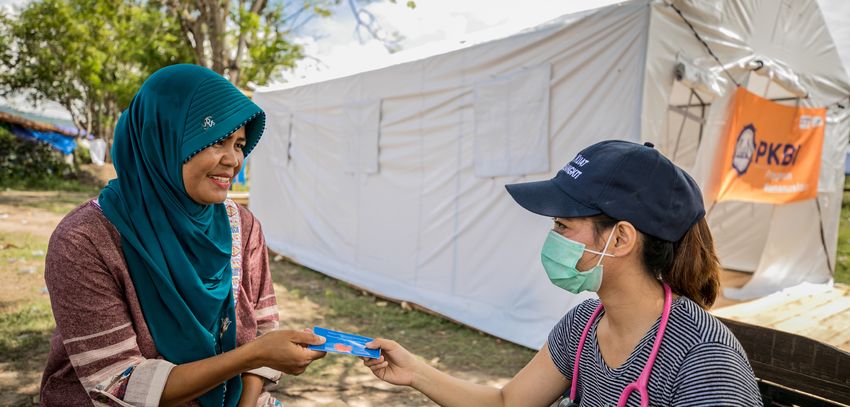
Response and resilience series
     Indonesia

     COVID-19 IPPF Innovation and best
     practice: Responding to gendered
     violence in a pandemic
                               One in three women worldwide experience physical or sexual
                               violence during their lives, usually by an intimate partner or family
”Sexual and gender-based       member. Since the outbreak of COVID-19, emerging data, and
violence can happen to         reports from those on the front lines have shown that all sexual
anyone, anytime and            and gender-based violence (SGBV), particularly domestic violence,
                               has intensified. UN Women defines SGBV as the shadow pandemic,
anywhere. There are not
                               which must be tackled collectively and globally.
many health facilities in
government and private         As COVID-19 cases continue to strain health services, essential services,
sectors that provide SGBV      such as domestic violence shelters and helplines, have reached capacity.
services. Survivors need       More must be done to prioritize addressing violence against women
help to deal with the impact   and girls in COVID-19 response and recovery efforts. Responding to the
                               pandemic is about rectifying long-standing inequalities and building a
that threatens their safety.
                               resilient world in everyone’s interest, with women and girls at the centre
They need health care,         of recovery.
psychological and social
support, security, and         The initial findings of the International Planned Parenthood Federation’s
legal protection. Our SGBV     COVID-19 impact survey (March 2020) for Indonesia indicated that
approach is comprehensive,     restricted movement and limited healthcare access had escalated women
                               and girls’ needs for specialized SGBV care. IPPF’s Member Association -
so that the community
                               Indonesian Planned Parenthood Association (IPPA) expanded digital health
understands what SGBV is,      services to address the rising incidences of violence and continuity of
how they can fight for SRHR,   urgent SRH care.
and if there is a SGBV case,
they will know what to do      This Learning Brief highlights IPPA’s innovations for COVID-19 enhanced
and where to ask for help.”    SGBV care strategies in the pandemic.

Doctor, IPPA Jakarta Chapter
clinic

                                                1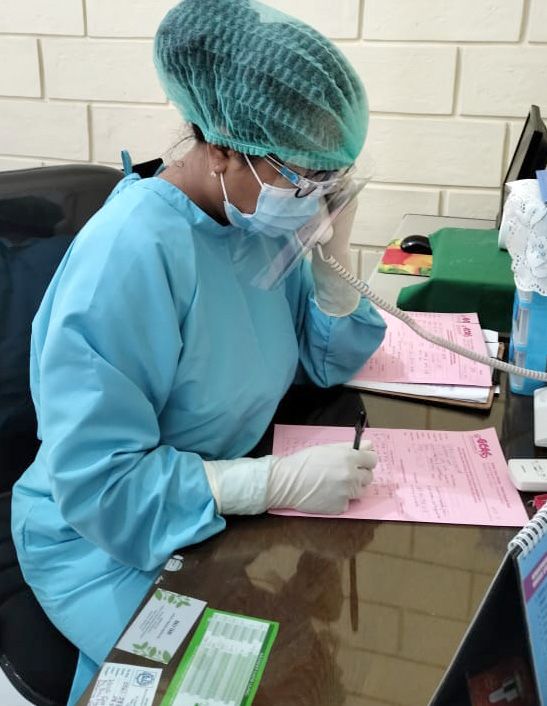
COVID-19 impact                                                               “IPPA had to act quickly as
                                                                              the need for SRHR services,
Lockdowns, curfews, and quarantine restrictions increased economic            especially SGBV, increased
hardship, and confinement had a devastating impact on women and girls
                                                                              during this pandemic. Cases
at home. The Jakarta Legal Aid Foundation of the Indonesian Women
Association for Justice (LBH Apik) recorded 59 cases of domestic violence,    of unintended pregnancy
rape, sexual assault, and online pornography1. By October 2020, SGBV          are high due to the difficulty
had increased by 63 per cent during the pandemic2. An increase in the         of obtaining contraceptive
rate of early and forced marriages demonstrated girls were highly at          services under COVID-19
risk3. Reduced SRH services and women’s lack of access to contraceptives      measures. IPPA is enhancing
prompted IPPA to transform services in response.
                                                                              services through online,
                                                                              outreach and mobile reach,
Enhancing services in                                                         and expanding collaboration
                                                                              with partner associate
the pandemic                                                                  clinics to bring services
                                                                              closer to people.”
Fewer facilities and service providers were available to offer face-to-face
SGBV care as COVID-19 restrictions had reduced IPPA’s regular clinical        Heny Widyaningrum, IPPA SRHR
operations nationally. Service access routes were expanded through digital    Program coordinator
health interventions provided to the public. A new model for some of
IPPA’s chapters in the country. SGBV care scaled up through counselling,
clinical services and education, and social media platforms such as
Instagram, Zoom, Google Meet, and WhatsApp. Enhanced COVID-19
SGBV operations were also complemented with efforts to strengthen
advocacy during the pandemic by building civil society partners’ capacity
and responding to the Bill on the Elimination of Sexual Violence. A 2021
priority in the National Legislation Program, IPPA is working closely with
the House of Representative -Wiki DPR on refocusing the Bill on more
support for survivors.

Protecting women with dignity
A specialized pilot ran in Java and Sumatra on SGBV management and
expanded partnerships with government and civil society networks.
Work commenced on shelters for women seeking protection as part of
the comprehensive support service. SGBV case referrals are online and
offline, with different entry points through SRH counselling areas such as
pre-abortion, HIV, and relationship support. Social media became a new
vehicle for promoting SRH services, SGBV outreach, and campaigns for
the Ratification on the Elimination of Sexual Violence Bill.

In West Java, during September 2020 – March 2021, online counselling
services starting from using WhatsApp reached 230 clients and several
clients via Instagram. IPPA Chapters are involved in various SRH task
forces and the Ministry for the Protection of Women and Children
clusters through their enhanced COVID-19 services and advocacy. IPPA’s
youth volunteers have played a vital role in disseminating SRH and SGBV
information. In South Sumatra, 200 young clients were referred by youth
volunteers for SRH services. In PKBI West Java, online gender perspective
training includes IPPA’s peer educators.

                                                        2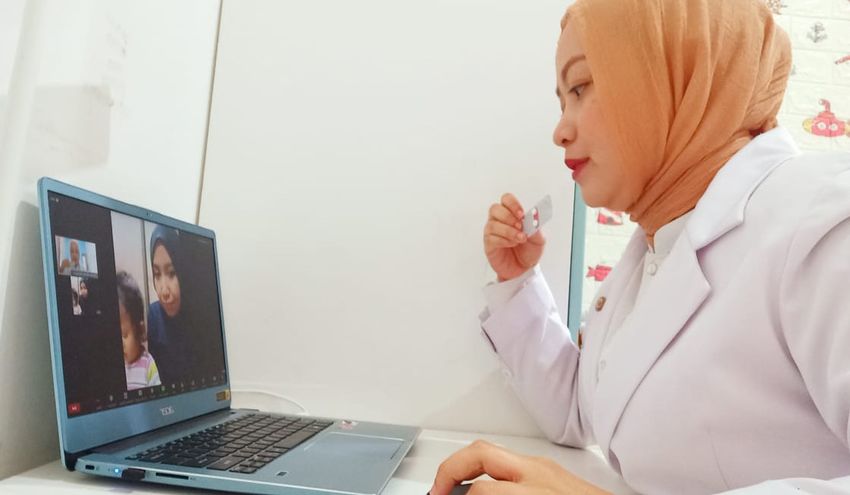
Key challenges
                                                      •   Temporary transit homes need supporting
                                                          equipment for SGBV survivors (accompanied)
                                                          to feel comfortable and safe.
                                                      •   The Bill on the Elimination of Sexual Violence
                                                          had been postponed in 2020.
                                                      •   IPPA’s telemedicine capacity is limited to text,
                                                          sharing data and images, with video calls
                                                          rarely used due to cost factors and internet
                                                          connection speed.
                                                      •   The telemedicine capacity of staff or medical
                                                          personnel in IPPA clinics was uneven and
                                                          varied.
                                                      •   IPPA is competing with other digital health
                                                          start-up companies in Indonesia.
                                                      •   Limited integration of existing clinical record
                                                          system (OpenEMR) with telemedicine.
                                                          Applications used cannot accommodate
                                                          integrated recording and payment systems.
                                                      •   There is no standard telemedicine guideline
                                                          for IPPA.
                                                      •   Allocating funds for data packages and
                                                          internet costs vary for different IPPA clinics
                                                          available.
                                                      •   IPPA is not ready in terms of infrastructure for
                                                          client digital data storage and security.
                                                      •   People in Indonesia are not all familiar with
                                                          telemedicine.

Next steps                                            Lessons
•   SGBV is part of the standard SRHR services,       •   Social media became a new vehicle for
    and these service expansions will continue            promoting SRH services, outreach for SGBV
    to be provided both during and after the              survivors, and campaigns for the ratification
    pandemic.                                             of the Bill on the Elimination of Sexual
•   Prepare SOPs for providing SGBV services at           Violence.
    IPPA service centers.                             •   Hold monthly SGBV working group meetings
•   IPPA will develop comprehensive SGBV                  to discuss referral pathway implementation
    services for vulnerable minority groups               and critical areas for collaboration, capacity
    (transgender people, street children,                 building and technical assistance.
    sex workers, people living with HIV).             •   Networking is helpful in shaping the gender
    Government services are not inclusive or              perspective, especially in assisting survivors of
    integrated enough, focusing on domestic               SGBV.
    violence cases over other forms of SGBV.          •   SGBV service delivery and referral guidelines
•   Strengthen advocacy and support to expand             and training provided for all IPPA and its
    online pre-and post-abortion counselling,             chapters IPPA have collaborated with several
    and online follow up after the pandemic.              hospitals for emergency client referrals.
•   Recruit more youth volunteers to assist in
    increasing the number of human resources
    and services in clinics.

                                                  3
Recommendations for SRH services,
governments, and civil society organizations
(CSOs)
• SRH service provision must include innovative • Governments and other service implementers,
approaches to prevent and respond to SGBV and including CSOs, must collect sex, age, and
other health needs arising during pandemics, disability disaggregated data to understand the
such as online consultations, support and differential impacts, barriers and risks faced by
counselling, digital self-assessment via smartphone different groups within an affected population
applications, information hotlines, and remote and take appropriate action to ensure better SGBV
provision of medications and contraceptive care and protection.
commodities. Services must be expanded
to provide a holistic continuum of care and • CSOs must continue to advocate for increased
protection with access to safe spaces, shelters, and funding to organizations that support SGBV
essential housing alongside psycho-social support survivors and must call for the police and judicial
for those at risk experiencing SGBV. systems to protect women in crisis and beyond.
• Governments should put women’s safety first
and protect them if at risk of violence. National
emergency preparedness plans must include
access to essential SRH services with SGBV care
and prevention that is resourced and available
when needed. Strong referral mechanisms and
services must protect survivors in lockdown
without alerting their abusers and provide
options to access alternative housing and shelters
when needed. All SGBV services must focus on
innovative approaches to increase access safely
and include self-care protocols and SRH related
telehealth interventions and online resources.
4Endnotes
[1] Jakarta Post Spike in violence April 2020
https://www.thejakartapost.com/news/2020/04/07/jakarta-records-spike-in-domestic-violence-reports-during-work-from-
home-period.html [accessed 12 March 2021]
[2] Antara news November 2020 Gender-based violence increased by 63 percent during pandemic [accessed 12 March 2021]
https://www.antaranews.com/berita/1868988/kekerasan-berbasis-gender-meningkat-63-persen-selama-pandemi
[3] Detik news June 2020 PPPA Ministry Called Child Marriage Rate Increased during the Corona Pandemic
https://news.detik.com/berita/d-5049836/kementerian-pppa-sebut-angka-perkawinan-anak-meningkat-di-masa-pandemi-
corona
IPPF COVID-19 Impact Surveys
IPPF COVID-19 Impact survey 1 March 2020: COVID-19 Survey Results | IPPF (ippf-covid19.org)
IPPF COVID-19 Impact survey 2 June 2020: COVID-19 Round 2 Survey Results | IPPF (ippf-covid19.org)
IPPF COVID-19 Impact survey 3 November 2020: COVID-19 Round 3 Survey Results | IPPF (ippf-covid19.org)
About IPPA
The Indonesian Planned Parenthood Association (IPPA) delivers an extensive range of sexual
and reproductive health (SRH) services through a network of permanent clinics, mobile
facilities, associated centres/organizations, and community-based distributors/community-
based services (CBDs/CBSs). IPPA is particularly attuned to the needs of vulnerable and
marginalized groups and runs specific projects for street children, men who have sex with
men, transgender people, and female sex workers.
Who we are
The International Planned Parenthood Federation (IPPF) delivers sexual and reproductive health services that let
people make their own choices. We fight for everyone to exercise their right to make those choices. We are
local, through our members and volunteers, and global, through our network. We meet need, wherever it is,
whoever requires it, for as long as they want it.
Published: May, 2021
Image 1: Indonesia/ IPPF/ Kathleen Prior
Image 2: Indonesia/ IPPA
Image 3: Indonesia/ IPPA
Design: David Foster
5You can also read


