INFECTIOUS DISEASES AND GLOBAL HEALTH - 6TH MCGILL SUMMER INSTITUTE IN JUNE 1-12, 2020 MONTREAL, CANADA - MCGILL ...
←
→
Page content transcription
If your browser does not render page correctly, please read the page content below
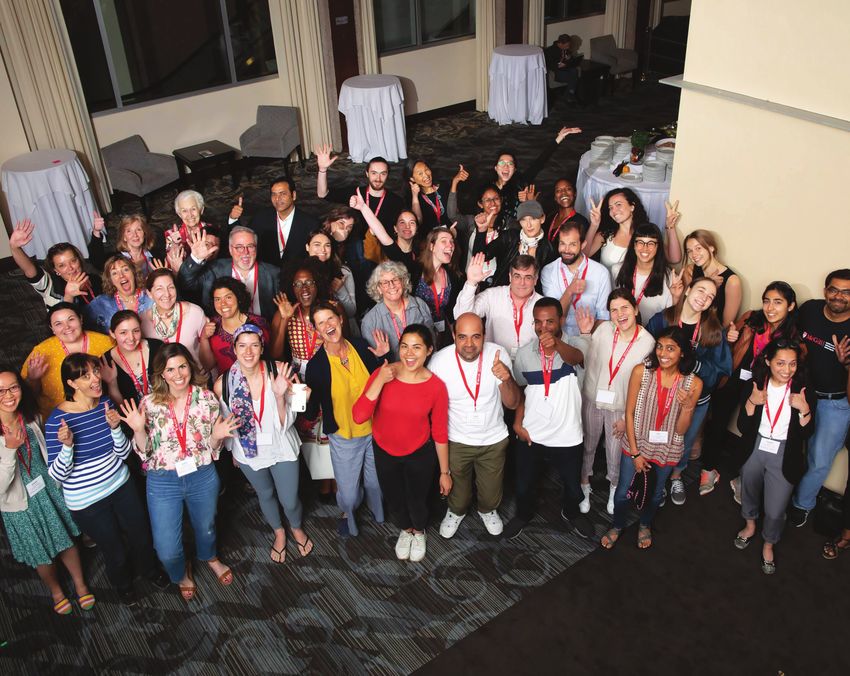
6th McGill Summer Institute in

Infectious Diseases
and Global Health
JUNE 1-12, 2020 • MONTREAL, CANADA
OVERVIEW

ABOUT THE INSTITUTE DIRECTOR

         Madhukar Pai, MD, PhD, FCAHS
         Dr. Pai is a Canada Research Chair in Translational Epidemiology & Global Health in the Department of
         Epidemiology, Biostatistics and Occupational Health at McGill University, the Director of McGill University’s Global
         Health Programs and the Director of the McGill International TB Centre. He is a member of the Royal Society
         of Canada and a Fellow of the Canadian Academy of Health Sciences. His research program is focused on
         using translational epidemiology and implementation science to enhance tuberculosis care and control, so
         that products, knowledge and policies can translate into saved lives. He has coordinated multiple courses and
         workshops on epidemiology, modeling, systematic reviews and meta-analysis around the world, including week-
         long courses on advanced tuberculosis diagnostics research in Montreal for the past nine years.

2020 COURSE DIRECTORS

        Amrita Daftary, PhD, MPH                                                   Michael Libman, MD, FRCPC
        Assistant Professor, Global Health                                         Director, J.D. MacLean Centre for Tropical Diseases,
        School of Health Policy & Management                                       Divisions of Microbiology & Infectious Diseases,
        Dahdaleh Institute of Global Health Research                               McGill University Health Centre
        York University

        Jishnu Das, PhD                                                            Dick Menzies, MD, Msc
        Professor, McCourt School of Public Policy and                             Director, Respiratory Epidemiology and Clinical
        School of Foreign Service                                                  Research Unit, McGill University Health Centre;
        Georgetown University                                                      Director, WHO Collaborating Centre for
                                                                                   Tuberculosis Research

         Nora Engel, PhD                                                           Makeda Semret, MD, MSc, FRCPC
         Assistant Professor, Global Health Department of                          Lead, Antimicrobial Stewardship Program,
         Health, Ethics and Society / CAPHRI                                       McGill University Health Centre;
         Faculty of Health, Medicine and Life Sciences                             Director, Training Program in Infectious Diseases
         Maastricht University                                                     and Medical Microbiology, McGill University

        Rachel Kiddell-Monroe, LL.M                                                Zelalem Temesgen, MD
        Professor of Practice, Institute for the Study of                          Director, Mayo Clinic Center for Tuberculosis
        International Development, McGill University;
        International Board Director, Médecins Sans
        Frontières and General Director,
        See Change Initiative

        Marina Klein, MDCM, MSc                                                    Erika Vlieghe, MD
        Professor, Department of Medicine                                          Head of the Department of General Internal Medicine,
        McGill University                                                          Infectious Diseases and Tropical Medicine,
                                                                                   University Hospital Antwerp; Professor
                                                                                   of Infectious Diseases, University of Antwerp

        Chen Liang, PhD                                                            Cédric Yansouni, MD, FRCPC, DTM&H
        Professor, Department of Medicine                                          Associate Director, J.D. MacLean Centre for
        Interim Director, McGill AIDS Centre                                       Tropical Diseases,
        McGill University                                                          Divisions of Microbiology & Infectious Diseases,
                                                                                   McGill University Health Centre

                                                            M C GILL SUMMER INSTITUTE IN INFECTIOUS DISEASES AND GLOBAL HEALTH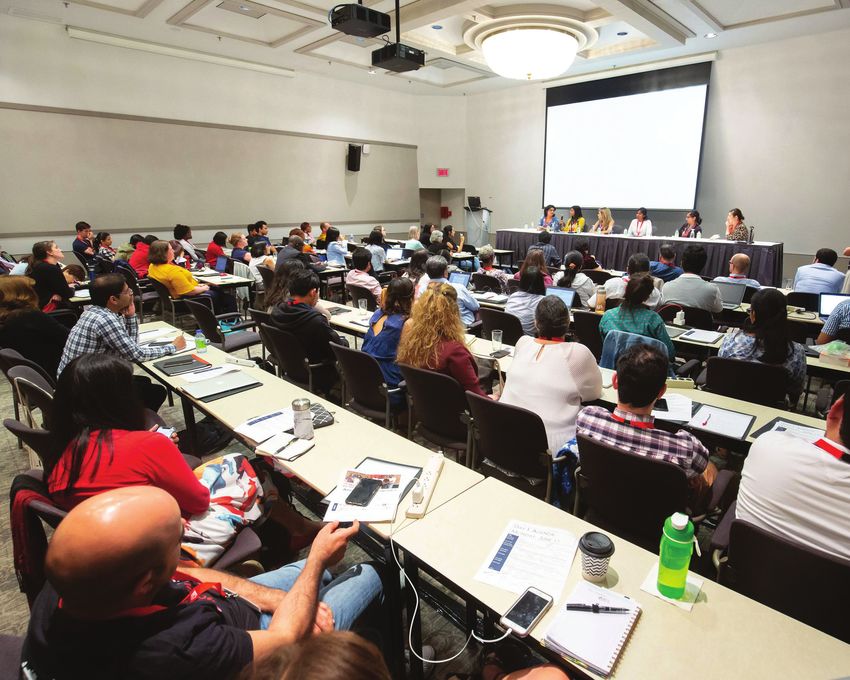
2020 COURSE SCHEDULE • JUNE 1-6, 2020

WEEK 1: JUNE 1-6, 2020

All courses are full day (typically 9am-5pm)           QUALITATIVE METHODS IN GLOBAL
unless otherwise noted. Exact course start and         INFECTIOUS DISEASES RESEARCH          Monday-Friday
end times will be announced with the release of
                                                       HUMANITARIAN ACTION IN THE
agendas a few weeks before the course begins.
                                                       21ST CENTURY: CHALLENGES AND
                                                       DILEMMAS                              Monday-Wednesday
The courses week 1 are not accredited by
the McGill Office of Continued Professional            ADVANCED TB DIAGNOSTICS               Monday-Wednesday
Development.                                           ANTIMICROBIAL RESISTANCE (AMR)        Thursday-Saturday
                                                       QUALITY OF TB CARE                    Thursday-Saturday
For week 2 offerings, please see page 14.

                                       JUNE 2020
    SUNDAY          MONDAY            TUESDAY     WEDNESDAY         THURSDAY           FRIDAY      SATURDAY

       31                1                  2          3                 4               5              6

                  QUALITATIVE METHODS IN GLOBAL INFECTIOUS DISEASES RESEARCH

                  HUMANITARIAN ACTION IN THE 21ST CENTURY         ANTIMICROBIAL RESISTANCE (AMR)

                  ADVANCED TB DIAGNOSTICS                         QUALITY OF TB CARE

                                                            2020 COURSES To Register: http://mcgill-idgh.ca/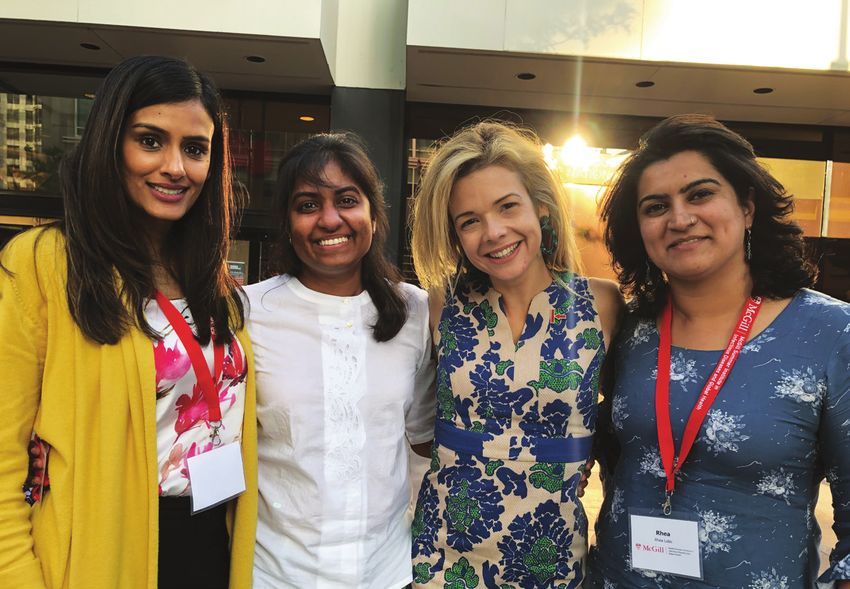
JUNE 1-5, 2020

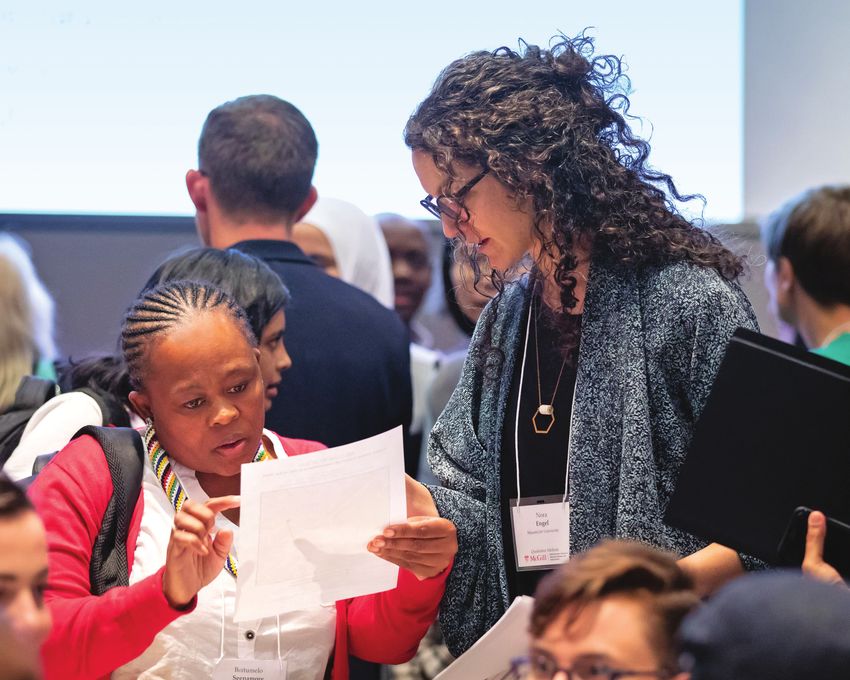
                          Qualitative Methods
                          in Global Infectious
                          Diseases Research
“ The faculty was amazing, inside and outside of the classroom...
  The networking between those in this class was incredible...
  I am just starting my career, and it has changed my plan
  concerning my education for the upcoming years due to these
  conversations.”
 QUALITATIVE METHODS PARTICIPANT

                                       M C GILL SUMMER INSTITUTE IN INFECTIOUS DISEASES AND GLOBAL HEALTH
QUALITATIVE METHODS IN GLOBAL INFECTIOUS DISEASES RESEARCH • JUNE 1-5, 2020

A course focused on the principles and rigorous application of qualitative methods in formative, operational, evaluation and
policy research in infectious disease in diverse global settings. Participants will work in small groups to develop qualitative
research protocols.

COURSE DIRECTORS                                                    The course will be interactive, and utilize case studies and
                                                                    practical exercises to cover the following topics in qualitative
Amrita Daftary, PhD, MPH
                                                                    research:
Assistant Professor, Global Health
School of Health Policy & Management                                1. Study designs and methodologies
Dahdaleh Institute of Global Health Research                        2. Theoretical frameworks
York University, Toronto, Canada                                    3. Focus groups, observation and interviews: designs, skills
                                                                        and implementation
Nora Engel, PhD
                                                                    4. Approaches and methods for analysis
Assistant Professor Global Health, Department of Health,
                                                                    5. Multiple methods: integrating and sequencing qualitative
Ethics and Society/ CAPHRI, Faculty of Health,
                                                                        and quantitative methods
Medicine and Life Sciences
                                                                    6. Sampling and participant recruitment
Maastricht University, Netherlands
                                                                    7. Data management and storage
                                                                    8. Ethics and evaluation criteria
COURSE FACULTY                                                      9. Dissemination
Course Faculty
                                                                    Each day will begin with expert lectures on qualitative
Amrita Daftary, PhD, MPH – York University
                                                                    study design, implementation, analysis, and dissemination;
Nora Engel, PhD – Maastricht University
                                                                    followed by group exercises to apply and practice the
Jennifer Furin, MD, PhD – Harvard University
                                                                    lessons learned as well as short topical presentations and/
Joanne Mantell, PhD – Columbia University
                                                                    or panel discussions. The day ends with small group sessions
Andy McDowell, PhD – Tulane University
                                                                    to develop protocols that are implementable over the
Guest Speakers                                                      subsequent year, under the mentorship of course faculty and
Matthew Hunt, PhD, PT – McGill University                           will be presented at the end of the course.
Madhukar Pai, MD, PhD – McGill University
Faculty are still being confirmed and there may be                  OBJECTIVES
changes to the above list.
                                                                    To be introduced to the principles and methods of qualitative
                                                                    research.
CONTENT
Qualitative methods can assess the social and behavioural           TARGET AUDIENCE
contexts, and the complex determinants, impacts and
outcomes of illness, healthcare seeking and disease control         • Persons with a strong interest in qualitative and mixed
efforts, including public health programs, policies, and              methods, and little/no prior experience
technologies. There is growing interest to integrate qualitative    • Persons involved in infectious disease programs, including
methods into traditional operational and biomedical                   program managers, innovators and M&E officers
research to improve our understanding of healthcare                 • Junior faculty, doctoral and postdoctoral fellows engaged in
seeking behaviour, challenges to health service delivery,             global health research
and to better understand how and why some interventions             • Clinical researchers and residents working internationally
and technologies are successfully (or less successfully)            • Research staff, including study coordinators, with an interest
implemented. This course will build participants’ capacity            in international work
and research literacy to use qualitative methods to inform,         • Representatives of funding and/or advocacy bodies, grant
innovate, contextualize, evaluate, and strengthen the delivery        reviewers
and utilization of healthcare services and technologies for
infectious diseases (e.g., tuberculosis, HIV, malaria, Ebola) in    ENROLMENT
lower-and middle-income settings.
                                                                    Maximum of 40 participants.

                                                                     2020 COURSES To Register: http://mcgill-idgh.ca/
JUNE 1-3, 2020

                          Humanitarian Action
                          in the 21st Century:
                          CHALLENGES AND DILEMMAS

“ I would wholeheartedly recommend this course to anyone interested
  in humanitarian action. Rachel was a fantastic lecturer and weaver,
  encouraging everyone to participate and drawing the unique and
  diverse skill sets of her speakers and students expertly. The speakers
  she chose were from diverse ages, backgrounds and areas of expertise
  and this combination greatly enriched the discussions.”
 HUMANITARIAN ACTION PARTICIPANT

                                       M C GILL SUMMER INSTITUTE IN INFECTIOUS DISEASES AND GLOBAL HEALTH
HUMANITARIAN ACTION IN THE 21ST CENTURY: CHALLENGES AND DILEMMAS • JUNE 1-3, 2020

This unique three-day course will explore four key challenges confronting humanitarian action today: forced migration, climate
crisis , access to medicines and the cirminalisation of aid. Through a combination of inspiring lectures and interactive case
studies, the course will explore emerging ethical dilemmas and current controversies around these issues. Building a bridge
between theory and practice, this course will enable participants to tackle the challenges within their own spheres of influence.

COURSE DIRECTOR                                                    poverty. They are increasingly demonized by society. At the
                                                                   same time, inequitable access to affordable medicines and
Rachel Kiddell-Monroe, LL.M
                                                                   diagnostics, significant health impacts of accelerating climate
Professor of Practice, Institute for the Study of International
                                                                   change, and open attacks on the medical humanitarian
Development, McGill University; International Board Director,
                                                                   mission continue to challenge our ability to deliver meaningful
Médecins Sans Frontières and General Director,
                                                                   humanitarian assistance.
See Change Initiative
                                                                   This course aims to provoke reflection and debate of these four
                                                                   trends. Participants will delve into the ethical dilemmas these
PREVIOUS GUEST SPEAKERS                                            trends present for humanitarian action. With input from thought-
James Orbinski, MD – Dahdaleh Institute for Global Health          leaders and community advocates from the humanitarian,
Research, York University                                          environmental and human rights field, participants will use
                                                                   practical examples and case studies to explore the political,
François Crépeau, O.C., F.R.S.C., Ad.E. – Hans & Tamar
                                                                   human and ethical dimensions of these four global realities.
Oppenheimer Professor in Public International Law, McGill
University, Director, McGill Centre for Human Rights and Legal
Pluralism                                                          OBJECTIVES
Payam Akhavan, LLM SJD – Professor of International Law,           The course will allow participants to develop skills in:
McGill University and Member of the Permanent Court of             • Reflecting critically on contemporary humanitarian action
Arbitration                                                        • Identifying key ethical dilemmas facing humanitarian
                                                                     practitioners and policy makers
                                                                   • Debating humanitarian issues
PREVIOUS COURSE FACULTY
                                                                   • Advocating for meaningful change at grassroots and policy
Marine Buissonniere – Independent researcher and consultant          levels
Eloge Butera – Senior Policy Advisor to Minister of Public
Safety and Emergency Preparedness for Canada                       The course will offer the opportunity to network with thought
Matthew Chapman – Climate Reality                                  leaders and other participants.
Abdulla Daoud – Refugee Centre
Carol Devine, MSc – Médecins Sans Frontières
                                                                   TARGET AUDIENCE
Jessica Farber – Samuel Center for Social Connectedness
Chloe Hogg - Universities Allied for Essential Medicines           This course will appeal to a wide range of participants from
Adam Houston – University of Ottawa                                different countries including:
Matthew Hunt, PhD – School of Physical and Occupational            • Policy makers and ministry officials
Therapy, McGill University                                         • Researchers, academics and students from all disciplines
Jerry Natanine – Former Mayor, Clyde River, Nunavut                  who are interested in humanitarian issues (law, medicine,
John Pringle, PhD – Ingram School of Nursing, McGill                 ethics, global health, political science, international
University                                                           development and more).
Leo Tremblay – MSF water and sanitation specialist                 • Mid-career humanitarian workers, civil society and advocacy
Andrew Zadel – MSF Yemen Project Coordinator                         groups.

Faculty are still being confirmed and there may be                 Participants from LMICs and indigenous communities are
changes to the above list.                                         encouraged to apply.

                                                                   ENROLMENT
CONTENT
                                                                   Maximum of 60 participants.
People around the world are facing profound challenges and are
living in increasingly fragile contexts. These changing dynamics
are forcing us to reflect on how humanitarian assistance             2020 COURSES To Register: http://mcgill-idgh.ca/
is conceptualized and delivered to benefit vulnerable and
marginalized populations.
Today, over 65 million people have been forced to leave their
homes because of conflict, violence, climate change or extreme
JUNE 1-3, 2020

                          Advanced TB
                          Diagnostics

“ Congratulations. Admired the young, active and motivated...
  persons that shared their experiences. I appreciated the
  method of teaching...panel discussions that made the activity
  interactive. Moderators steered the discussions well.”
 ADVANCED TB DIAGNOSTICS PARTICIPANT

                                       M C GILL SUMMER INSTITUTE IN INFECTIOUS DISEASES AND GLOBAL HEALTH
ADVANCED TB DIAGNOSTICS • JUNE 1-3, 2020

This advanced course will cover advanced topics in TB diagnostics research and implementation, including critical pathway
for new TB tests, impact of new tests on clinical decision-making and therapeutic choices, cost-effectiveness in routine
programmatic settings, and impact on patient-important outcomes. The course will also cover meta-analysis, mathematical
modeling, and cost-effectiveness studies. Panel discussions will cover topics such as value chain for TB diagnostics
development, market analyses, market dynamics, target product profiles, and barriers to scale-up of new diagnostics.
Participants will include TB survivors, product manufacturers, donors, product development partnerships, policy makers,
academics, clinicians, community advocates, public health implementers and National TB Program managers.

COURSE DIRECTOR                                                   OBJECTIVES
Madhukar Pai, MD, PhD                                             By the end of the course, participants will understand:
Professor of Epidemiology, McGill University
                                                                  • Value chain for TB diagnostics development, current pipeline
Director, McGill Global Health Programs
                                                                    of diagnostics, market dynamics, WHO policies on new
Director, McGill International TB Centre
                                                                    diagnostics, and challenges for scale-up
                                                                  • Designs to evaluate impact of new tests on clinical
COURSE FACULTY                                                      decisionmaking, therapeutic choices, and patient-important
                                                                    outcomes
Adithya Cattamanchi, MD – UCSF
                                                                  • Meta-analyses of diagnostic accuracy studies and GRADE
Claudia Denkinger, MD, PhD – Heidelberg University
                                                                    approach to diagnostic policies
Paul K. Drain, MD, MPH – University of Washington
                                                                  • Principles of implementation research, collecting evidence
Nora Engel, PhD – Maastricht University
                                                                    for scale-up, cost-effectiveness analyses and modeling
Jennifer Furin, MD, PhD – Harvard Medical School
                                                                    studies in TB diagnostics
Ruvandhi Nathavitharana, MBBS – BIMDC Harvard
Medical School
Olivia Oxlade, PhD – McGill University                            TARGET AUDIENCE
Morten Ruhwald, MD, PhD – FIND
                                                                  • National TB Program managers and National Reference Lab
Samuel Schumacher, MSc, PhD – FIND
                                                                    managers
Karen Steingart, MD, MPH – Cochrane ID Group
                                                                  • Clinicians and nurses
Wayne van Gemert, MPH – Stop TB Partnership
                                                                  • Researchers, students, trainees, fellows and academics
Alice Zwerling, PhD – Ottawa University
                                                                    involved in TB diagnostics research
Faculty are still being confirmed and there may be                • Product manufacturers
changes to the above list.                                        • Funding agencies
                                                                  • Product development partnerships
                                                                  • Policy makers and public health implementers
CONTENT                                                           • Community advocates and civil society
Diagnosis is one of the biggest gaps in the TB cascade of
care. We need better tools for TB diagnosis than what we          ENROLMENT
have today and we need high quality diagnostic studies to
evaluate new tools, and to develop evidence-based policies        Maximum of 100 participants.
on TB diagnostics. We need data on outcomes such as
accuracy of diagnostic algorithms (rather than single tests)       2020 COURSES To Register: http://mcgill-idgh.ca/
and their relative contributions to the healthcare system,
incremental value of new tests, impact of new tests on clinical
decision-making and therapeutic choices, cost-effectiveness
in routine programmatic settings, and impact on patient-
important outcomes. Translation of policy into impact requires
collecting evidence for scale-up, country-level data on cost-
effectiveness and feasibility, implementation research, and
local decisions on scale-up, delivery and impact assessment.
All of these issues will be covered in this advanced course.
JUNE 4-6, 2020

                          Antimicrobial
                          Resistance

“ [I enjoyed the] breadth of topics. Also I enjoyed the case studies...
  Real implementation experiences are very valuable to hear and are
  something not often communicated at scientific conferences. This
  forum seems ideal for this type of presentation. Very well done!”
 AMR COURSE PARTICIPANT

                                       M C GILL SUMMER INSTITUTE IN INFECTIOUS DISEASES AND GLOBAL HEALTH
ANTIMICROBIAL RESISTANCE (AMR) • JUNE 4-6, 2020
The focus of this 3-day workshop is on understanding the complex causes underlying the emergence and spread of AMR, and on
practical approaches to tackle diagnostics and antimicrobial stewardship in different settings.
COURSE DIRECTORS
Makeda Semret, MSc, MD, FRCPC
Lead, Antimicrobial Stewardship Program, McGill University
Health Centre; Director, Training Program in Infectious
Diseases and Microbiology, McGill University
Erika Vlieghe, MD
Head of the Department of General Internal Medicine, Infectious
Diseases and Tropical Medicine, University Hospital Antwerp;
Professor of Infectious Diseases, University of Antwerp
PREVIOUS COURSE FACULTY
Emmanuel Bottieau, MD – Institute of Tropical Medicine,
Antwerp, Belgium
Peter J. Dailey, PhD, MPH – University of California, Berkeley
Haileyesus Gebre, MD PhD MPH – WHO
David Goldfarb, MD FRCP – University of British Columbia,
Canada
Louis-Patrick Haraoui, MD MSc – Université de Sherbrooke
Eili Klein, MA, PhD – Johns Hopkins University and Center For
Disease Dynamics, Economics & Policy
Christian Lavallée, MD – Université de Montréal
Michael Libman, MD FRCP – McGill University
Yves Longtin, MD FRCP(C) – McGill University
Yoshiko Nakamachi, RN, BScN, BA, PMP – University Health who work across the spectrum of the antimicrobial resistance
Network, Toronto space in different countries.
Piero Olliaro, MD, PhD – FIND
Clinicians, researchers, implementers, and health educators
Jeff Pernica, MD FRCP – McMaster University, Canada
from both high-income and low and middle-income countries
Louis Valiquette, MD MSc FRCP(C) – Université de
will share questions, successes, and lessons learned to
Sherbrooke
advance the field of AMR.
Jorg Janne Vehreschild, MD – University of Cologne
Heiman Wertheim, MD PhD - Radboud University, Netherlands
Cédric Yansouni, MD, FRCPC, DTM&H – McGill University TARGET AUDIENCE
Faculty are still being confirmed and there may be This course appeals to a wide range of participants including:
changes to the above list.
• Clinicians, pharmacists, technologists, researchers and
students studying infectious diseases, tropical medicine, or
CONTENT global health
• Policy makers and public health agency officials
Antimicrobial resistance (AMR) is now one the biggest
• Product developers and funders
threats facing modern medicine. Initially described mostly in
• Community advocacy groups working in global health
association with hospital-associated infections in high-income
countries, the highest rates of AMR are now reported from
low and middle- income countries (LMIC) around the world. ENROLMENT
The causes underlying the global rise in AMR are complex, but
Maximum of 100 participants.
central to this crisis is overconsumption of antibiotics.
This 3-day workshop will focus on understanding the complex 2020 COURSES To Register: http://mcgill-idgh.ca/
causes underlying the emergence and spread of AMR, and on
approaches to tackle antibiotic misuse in different settings.
The workshop format is a mix of plenary talks and panel
discussions, with opportunities to interact with participantsJUNE 4-6, 2020
Quality of
TB Care
“ I liked the broad topics of the course delivered. This is the
first time I had opportunity to listen to opinions of economist,
journalist and expert of World Bank.”
QUALITY OF TB CARE PARTICIPANT
M C GILL SUMMER INSTITUTE IN INFECTIOUS DISEASES AND GLOBAL HEALTHQUALITY OF TB CARE • JUNE 4-6, 2020
Poor quality TB care is widespread and is a key driver of the TB epidemic. This course will address the critical need to go beyond
coverage and improve quality of TB care in low and middle-income countries.
COURSE DIRECTORS
Madhukar Pai, MD, PhD
Director, McGill Global Health Programs
Director, McGill International TB Centre
McGill University
Zelalem Temesgen, MD
Director, Mayo Clinic Center for Tuberculosis
Jishnu Das, PhD
Professor, McCourt School of Public Policy and School of
Foreign Service, Georgetown University
COURSE FACULTY
Bruce Agins, MD – UCSF & HealthQual
Adithya Cattamanchi, MD – UCSF • Give strategies for understanding and overcoming the
Carmen Christian – University of the Western Cape pervasive know-do gap, including training, mentoring,
Amrita Daftary, PhD, MPH – York University incentives, and system-wide changes for high-quality
Benjamin Daniels, Georgetown University health systems
Margaret Kruk, MD – Harvard School of Public Health
Ada Kwan, MHS – University of California, Berkeley
OBJECTIVES
Elysia Larson, PhD – Harvard School of Public Health
Lindwe Mvusi, MD - Department of Health, South Africa By the end of the course, participants will be able to:
Ramnath Subbaraman, MD – Tufts University • Review various approaches to measuring quality of TB care
Nandita Venkatesan – Survivors Against TB, India in low-resource settings
Faculty are still being confirmed and there may be • Summarize current evidence on quality of TB care, and
changes to the above list. give examples of quality improvement programs that have
worked or failed
• Describe the role of research in understanding variation
CONTENT in quality, the know-do gap, and provider performance
In order to end TB, we need to increase access to TB care and improvement
simultaneously ensure that the care provided is of sufficiently
high quality (i.e. care that is safe, effective, patient-centered, TARGET AUDIENCE
timely, efficient, and equitable). There is plenty of evidence
that quality of TB (and TB-HIV coinfection and MDR-TB) • National TB Program managers and program implementers
care is poor in many settings, and this is a key reason for the • Clinicians and nurses
high mortality rate seen in LMICs. This means National TB • Researchers and academics involved in TB care and
programs need to think beyond coverage of TB services; they prevention
need to start measuring and systematically improving quality • Funding agencies
of TB care in LMICs. This session of leading international • Product development partnerships
experts will: • Policy makers and public health implementers
• Community advocates and civil society
• Discuss and debate the best approaches to measurement of
quality of TB care
• Review data on quality of TB care and factors that drive ENROLMENT
variation in care
Maximum of 100 participants.
• Explore quality of TB care in private versus public sectors
• Give examples of quality improvement programs in TB as
2020 COURSES To Register: http://mcgill-idgh.ca/
well as other areas of global health (e.g. from HIV/AIDS) that
have worked or failed through case study lessons
• Explain the use of quality dashboards, audits and tools, and
their likely impact on quality2020 COURSE SCHEDULE • JUNE 7-12, 2020
WEEK 2: JUNE 7-12, 2020
All courses are full day (typically 9am-5pm) STRATEGIES TO END THE HIV EPIDEMIC Monday-Tuesday
unless otherwise noted. Exact course start
TROPICAL AND GEOGRAPHIC MEDICINE
and end times will be announced with the Sunday
LABORATORY COURSE
release of agendas a few weeks before the
course begins. TROPICAL AND GEOGRAPHIC MEDICINE Monday-Wednesday
TB RESEARCH METHODS Monday-Friday
JUNE 2020
SUNDAY MONDAY TUESDAY WEDNESDAY THURSDAY FRIDAY SATURDAY
7 8 9 10 11 12 13
STRATEGIES TO END THE HIV EPIDEMIC
TROP MED LAB TROPICAL AND GEOGRAPHIC MEDICINE
TB RESEARCH METHODS
M C GILL SUMMER INSTITUTE IN INFECTIOUS DISEASES AND GLOBAL HEALTH2020 COURSE SCHEDULE • JUNE 7-12, 2020
2020 COURSES To Register: http://mcgill-idgh.ca/JUNE 8-9, 2020
Strategies to end the
HIV epidemic
New course for 2020 lead by expert faculty from the
McGill AIDS Centre!
M C GILL SUMMER INSTITUTE IN INFECTIOUS DISEASES AND GLOBAL HEALTHSTRATEGIES TO END THE HIV EPIDEMIC • JUNE 8-9, 2020
This course will introduce the up-to-date key concepts and methodologies that are currently being implemented in the efforts
to halt and end the HIV epidemic. Students will learn about the HIV care cascade that forms the basis of the United Nations
Programme on HIV/AIDS (UNAIDS) 90-90-90 targets to end AIDS as a public health threat by 2030. Topics will revolve around
understanding and responding to HIV epidemics using biobehavioural surveillance, HIV phylogenetics, targeted population
research, HIV eradication, and HIV testing, treatment, and prevention interventions.
COURSE DIRECTORS HIV cure and targeted population research. In addition,
the key role of HIV testing technologies and HIV
Chen Liang, PhD
Professor, Department of Medicine treatment and prevention strategies will be examined
in depth. Students will have opportunities to visit the
Interim Director, McGill AIDS Centre
McGill AIDS Centre labs, observe onsite HIV isolation,
McGill University
viral genome sequencing and phylogenetic analysis.
Marina Klein, MDCM, MSc
Professor, Department of Medicine
McGill University OBJECTIVES
• Understand the HIV care cascade, the global targets to
end HIV epidemic and how to measure success
COURSE FACULTY • Identify the major barriers to success in reaching
Bluma Brenner – McGill University global targets
Nicolas Chomont – CHUM, Université de Montréal • Understand HIV biobehavioural surveillance as part of
Joseph Cox, MD – McGill University second generation surveillance
Catherine Hankins – McGill University • Learn about phylogenetics to monitor HIV epidemic
Mathieu Maheu-Giroux – McGill University in real time
Bohdan Nosyk –Simon Fraser University • Learn about HIV transmission in targeted populations
Nitika Pai – McGill University • Learn about the up-to-date HIV testing technologies, HIV
Hugo Soudeyns – CHU Sainte-Justine, treatment and prevention strategies
Université de Montréal • Learn mathematic modeling and other research
Sharon Walmsley – University of Toronto methods to understand HIV transmission and epidemic
Gerasimos J. Zaharatos – McGill University • Learn the main HIV cure strategies aimed at
Faculty are still being confirmed and there may be changes to eradicating HIV infection
the above list.
TARGET AUDIENCE
CONTENT This course is suitable for graduate students (MSc and PhD),
The course’s main theme centres on how we can stop postdoctoral fellows, medical school students, clinician
the HIV epidemic through the application of effective researchers, healthcare professionals (nurses, physicians)
interventions, including the use of antiretroviral who are interested in learning the current efforts and
medications for prevention and treatment. Lectures strategies to control and end HIV epidemic.
will elucidate how the UNAIDS “90-90-90” targets can
be best supported to achieve an end to the epidemic. ENROLMENT
Specifically, lectures will explore the tools, methods and
Maximum of 50 participants.
resources that have been developed and implemented
to respond to the HIV epidemic. Topics that will be 2020 COURSES To Register: http://mcgill-idgh.ca/
discussed include the use of comprehensive HIV
surveillance systems, including biobehavioural surveys, to
monitor and understand the HIV epidemic, as well as HIV
phylogenetics, mathematic modeling of HIV transmission,JUNE 7-10, 2020
Clinical Tropical and
Geographic Medicine
“This introduction to illness, diagnosis treatment,
complication prevention was a huge help. It increased my
knowledge so much as I have had only a small amount of tropical
disease teaching before.”
TROPICAL MEDICINE COURSE PARTICIPANT
M C GILL SUMMER INSTITUTE IN INFECTIOUS DISEASES AND GLOBAL HEALTHCLINICAL TROPICAL AND GEOGRAPHIC MEDICINE • JUNE 7-10, 2020
The J. D. MacLean Centre for Tropical Disease at McGill University has provided training to generations of doctors and nurses
providing clinical care to travelers, immigrants, and populations in endemic areas around the world for over 30 years. This
course focuses the best care and diagnosis of people affected by tropical and parasitic diseases, with attention to linking
laboratory diagnostics and research to the clinical treatment of patients.
COURSE DIRECTORS
Michael Libman, MD, FRCPC
Director, J.D. MacLean Centre for Tropical Diseases,
Divisions of Microbiology & Infectious Diseases,
McGill University Health Centre
Sapha Barkati, MD, MSc, DTM&H
Educational Director, J.D. MacLean Centre for Tropical Diseases,
Divisions of Microbiology & Infectious Diseases,
McGill University Health Centre
Cédric Yansouni, MD, FRCPC, DTM&H
Associate Director, J.D. MacLean Centre for Tropical Diseases,
Divisions of Microbiology & Infectious Diseases,
McGill University Health Centre
populations affected by tropical and parasitic diseases.
Faculty will present the state-of-the-art in clinical care,
COURSE FACULTY research, and diagnostics, as well as preventative medicine
McGill Centre for Tropical Diseases Faculty for travelers.
Kendall Billick, MD, DTM&H
Christina Greenaway, MD, FRCPC You may register for one, or both of these course
Selim Rashed, MD, MSc, CPSQ components; however, the laboratory section is limited to
Makeda Semret, MD CM, FRCPC 40 participants.
Brian J. Ward, MDCM
Guest Course Faculty OBJECTIVES
Isaac Bogoch, MD - University of Toronto • Understand the state-of-the-art in clinical care and
Christina Coyle, MD – Albert Einstein College of Medicine diagnosis of imported and endemic tropical and
Kevin Kain, MD - University of Toronto parasitic diseases
Steven Schofield, PhD - Department of National Defence • Be familiar with emerging and re-emerging infectious
Laboratory Course Faculty diseases in Clinical Tropical Medicine
Director: Karine Thivierge, PhD, Director of Parasitology, • Understand recent issues in immunization practice
Laboratoire de santé publique du Québec • Increase expertise in the laboratory diagnosis of parasitic
Lyne Cedilotte, Technical Coordinator of Parasitology, diseases [laboratory component]
MUHC Department of Microbiology
Momar Ndao, DVM, MSc, PhD
TARGET AUDIENCE
Director, National Reference Centre for Parasitology
Professionals involved in the care of tropical and parasitic
Faculty are still being confirmed and there may be changes to
diseases, either in Canada or in endemic settings, including
the above list.
• Family Physicians
• Infectious Diseases Specialists / Medical Microbiologists
CONTENT • Nurses
Laboratory Course: Malaria and Parasitic Zoonoses • Medical laboratory technologists [Lab component]
– 1 day (Sunday)
The laboratory workshop uses a mix of (i) lecture overviews
ENROLMENT
of blood borne and intestinal parasites and (ii) hands-on
teaching of microscopy for medical laboratory technologists, Maximum of 100 participants. (40 for the lab component)
microbiologists, clinicians, and nurses involved in the care of
tropical and parasitic diseases.
2020 COURSES To Register: http://mcgill-idgh.ca/
Tropical and Geographic Medicine Clinical Review
– 3 days (Monday-Wednesday)
This course uses a series of interactive lectures to address the
latest health issues and treatments for travelers and endemicJUNE 8-12, 2020
TB Research
Methods
“This summer course is a great gateway to connect with
the current leaders who are fighting TB and inspire
young scientists like me to become future leaders who
will eliminate TB.”
TB RESEARCH METHODS PARTICIPANT
M C GILL SUMMER INSTITUTE IN INFECTIOUS DISEASES AND GLOBAL HEALTHTB RESEARCH METHODS • JUNE 8-12, 2020
An intensive course on methods of operational research, molecular epidemiology, randomized controlled trials, system-
atic reviews and meta-analyses, qualitative / community based research, decision analyses and modeling. Format will
include lectures, debates, panel discussions and small group work.
COURSE DIRECTOR indigenous TB in Canada. Every morning session will focus
on a different methodology – operational research, molecular
Dick Menzies, MD, MSc epidemiology, systematic reviews, randomized trials and
Director, Respiratory Epidemiology and Clinical Research Unit, economic analysis. In the afternoons, there will be two “late-
McGill University Health Centre; Director, WHO Collaborating breakers”, short presentations of exciting new findings from
Centre for Tuberculosis Research course faculty, followed by basics in biostatistical methods,
COURSE FACULTY then small group sessions to work in operational research,
molecular epidemiology, systematic reviews, qualitative
Gonzalo Alvarez, MD, MPH – University of Ottawa / community based research, randomized trials or cost-
Marcel Behr, MD, MSc – McGill University effectiveness analysis. The output from each group will be
Andrea Benedetti, PhD – McGill University
presented to the entire group on the final afternoon.
Bill Burman, MD – Denver Public Health
Jonathon Campbell, PhD – McGill University
Dick Chaisson, MD - Johns Hopkins University TARGET AUDIENCE
Amrita Daftary, PhD, MPH – York University
• Trainees starting their TB research careers
Maziar Divangahi, PhD – McGill University
• MSc, MPH and PhD students working on TB research
Greg Fox, MD, PhD – University of Sydney
projects
Anthony Harries, MD – The Union, Paris
• Postdoctoral fellows, clinical fellows and residents working
James Johnston, MD, MPH – University of British Columbia
on TB projects
Faiz Ahmad Khan, MD, MPH – McGill University
• Junior faculty with a strong interest in TB research
Richard Long, MD, FRCPC, FCCP – University of Alberta,
• Research staff, nurses and coordinators managing
TB Program Evaluation & Research Unit
TB research projects
Dick Menzies, MD, MSc – McGill University
• Persons involved in TB control programmes with interest
Olivia Oxlade, PhD – McGill University
in research and evaluation methods
Kevin Schwartzman, MD, MPH – McGill University
Alice Zwerling, PhD, MSc, BSc – University of Ottawa
Faculty are still being confirmed and there may be ENROLMENT
changes to the above list Maximum of 50 participants.
CONTENT 2020 COURSES To Register: http://mcgill-idgh.ca/
This course will introduce broad tuberculosis research
topics – research as part of the World Health Organization’s
new Global Plan to End TB, priorities in drug resistant and
HIV-related tuberculosis, as well barriers and progress inMontreal
a unique city
Vibrant nightlife, eclectic cuisine, and cobblestone ground city. Montreal’s artistic scene includes one of the
streets. Here in Montreal, the old city blends seamlessly world’s leading orchestras, an internationally-renowned
into a modern metropolis of glass and steel, where ballet company, English and French theatres, comedy
trendy boutiques sit side-by-side with quaint bistros and clubs, and dozens of museums and galleries.
brasseries.
Enjoy the city’s mixture of European and North American
Surrounded by the mighty St. Lawrence River and charm that both surprises and enchants participants of the
more than 400 islands, Montreal buzzes with energy and Summer Institute year after year.
excitement all year long. Festivals abound, celebrating the
power of laughter, fireworks, diversity, fast cars and cool The Infotouriste Centre located near the Summer Institute,
jazz, a wintertime fusion of performing arts, fireworks and and in the heart of the city, offers free tourism information
fine wine and dining. about Montréal, and the rest of the province of Québec.
You can find out about guided bus tours, STM transit fares,
The world’s second-largest French speaking city, Montreal Montréal Museums, cruises and car rentals. The Infotouriste
is renowned for its numerous universities, medical and Centre is located at: 1255 Rue Peel suite #100, Montréal,
scientific research centers, as well as for its cultural and QC H3B 4V4
artistic life, excellent restaurants and hotel network. While
French is the official language of the Province of Québec, Additional Information about activities can also be found at
English is also widely spoken. the Tourisme MTL website: www.mtl.org/en
You can enjoy the artisan studios of the Old Port, or the
shops, theatres, and major department stores of the under-
M C GILL SUMMER INSTITUTE IN INFECTIOUS DISEASES AND GLOBAL HEALTHREGISTRATION FEES
1 DAY 2 DAY 3 DAY 5 DAY
CATEGORY COURSE COURSE COURSE COURSE
Students and trainees from McGill
$110 $220 $330 $550
University and its affiliated hospitals
Applicants working or studying in low
$170 $340 $510 $850
or middle income countries
• Other students and trainees from
high income countries who are
$210 $420 $630 $1,050
registered at a college of university
• Registered nurses
Industry applicants $700 $1,400 $2,100 $3,500
All other applicants $350 $700 $1,050 $1,750
All prices are in Canadian Dollars
Notes
• Participants may apply for multiple
courses as long as they
don’t overlap with each other.
• Payment information will be provided
upon confirmation and
acceptance of your application. Please do
not make any travel arrangements until
your application has been accepted.
• Visa letters will only be sent when course
fee payments have been completed
• Cancellation and refund policy can be
found on the course website.
• Fees are subject to change. Please consult
the website for the
most up-to-date fee schedule.
• Faculty listed for each course are subject
to change.
2020 COURSES To Register: http://mcgill-idgh.ca/From McGill to the World,
McGill Global Health Programs Summer Institute Director
McIntyre Medical Bldg., Room 633 Madhukar Pai, MD, PhD
3655 Promenade Sir Williams Osler
Montreal, QC H3G 1Y6
Course Director
McGill Global Health Programs Join us for 2020!
Phone: 514-398-5345 summerinstitute.med@mcgill.ca
2020 HOSTS
Research Infectious Diseases
and Immunity in
Global Health Program
Improving Global Health through ResearchYou can also read


