Inflammatory bowel disease and pregnancy: fertility, complications and treatment - Annals of ...
←
→
Page content transcription
If your browser does not render page correctly, please read the page content below
REVIEW ARTICLE                                                                              Annals of Gastroenterology (2020) 33, 1-12

Inflammatory bowel disease and pregnancy: fertility,
complications and treatment

Mohammad Fahad Alia, Harry Heb, David Friedelc
Guthrie Cortland Medical Center; Medicine, NYU Winthrop University Hospital, USA

Abstract                            Inflammatory bowel disease (IBD) is commonly diagnosed and treated in the young population.
                                    Therefore, it is common that women anticipating or undergoing pregnancy will have to cope with
                                    the additional burden of their IBD. Pregnancy in an IBD patient also presents challenges for the
                                    practitioner, in that the usual diagnostic and therapeutic armamentarium of potential tests and
                                    therapies is disrupted. This review covers the implications of IBD for fertility, pregnancy and
                                    offspring, and discusses the management of IBD in pregnancy.
                                    Keywords Inflammatory bowel disease, pregnancy, ulcerative colitis, Crohn’s disease, pregnancy
                                    complications
                                    Ann Gastroenterol 2020; 33 (6): 1-12

Introduction                                                          medically treated IBD and no prior pelvic surgery have similar
                                                                      infertility rates to the general population, ranging between 5
   There are currently an estimated 1-1.3 million people              and 14% [4-6]. Conversely, active disease can impair fertility,
suffering from inflammatory bowel disease (IBD) in the United         probably via multifactorial mechanisms including pelvic
States [1,2]. Ulcerative colitis (UC) is more common in men and       inflammation of the fallopian tubes and ovaries, dyspareunia
Crohn’s disease (CD) is more common in women. Although CD             secondary to perianal disease, and adhesions or scarring
and UC can occur at any age, people are frequently diagnosed          from previous surgeries [7]. Voluntary nulliparity due to fear
between the ages of 15 and 35 years. According to the Olmsted         of intimacy and disease transmission to offspring, poor body
County study, which examined a well-defined US population             image (ostomy, perianal disease), and depression are also
from 1970-2010, the adjusted annual incidence of CD from              significant [8].
2000-2010 was 10.7 cases per 100,000 person-years, while                  Pelvic surgery, specifically in UC, can significantly increase
that of UC was 12.2 per 100,000 person-years. The median              female infertility via scarring, adhesions, or injury to the
age of diagnosis of UC and CD was 34.9 years and 29.5 years,          reproductive organs. A meta-analysis of ileal pouch anal
respectively [3]. For women, this age range encompasses the           anastomosis (IPAA) surgery in UC found a 48% postoperative
child-bearing years and therefore has implications for fertility,     infertility rate, 3 times higher than in medically treated
pregnancy, offspring health and treatment.                            patients [9-12]. Delaying abdominal surgeries that spare
                                                                      the pelvis, such as colectomy with ileorectal anastomosis/
                                                                      subtotal colectomy, rectal stump creation and ileostomy, until
                                                                      childbearing is complete are temporizing measures that may
IBD and effects on fertility                                          preserve female fertility.
                                                                          IBD also decreases the efficacy of assisted reproductive
   Fertility rates in women with IBD depend on disease                technology (ART) treatments in women with infertility.
activity and therapeutic strategy. Those with quiescent or            Women with CD should initiate ART treatment before surgery
                                                                      is required for CD. In women with UC and using ART, the risk
Department of aGastroenterology and Hepatology, Guthrie Cortland      of preterm birth is increased 5-fold and thus there should be
Medical Center (Mohammad Fahad Ali); bMedicine, NYU Winthrop          increased prenatal observation in this population [13].
University Hospital (Harry He); cGastroenterology, NYU Winthrop
                                                                          Data concerning the effects of IBD on male fertility are
University Hospital (David Friedel), USA
                                                                      in shorter supply. Sulfasalazine is known to cause reversible
Conflict of Interest: None                                            infertility in men, due to dose-dependent oligospermia,
Correspondence to: Harry He, MD, 222 Station Plaza N, Mineola, NY
                                                                      reduced sperm motility and altered sperm morphology [14].
11501, USA, e-mail: Harry.he@nyulangone.org                           Analogously, methotrexate (MTX) may adversely affect
                                                                      sperm morphology, although as with sulfasalazine, such
Received 15 June 2020; accepted 27 July 2020;                         effects are reversible upon medication discontinuation. It
published online 2 October 2020
                                                                      is recommended that men stop MTX 3-6 months before
DOI: https://doi.org/10.20524/aog.2020.0536                           conception [15].

© 2020 Hellenic Society of Gastroenterology                                                                        www.annalsgastro.gr
2 M. F. Ali et al
IBD and effects on preconception and pregnancy due to true obstetrical indications. A meta-analysis of 6 studies
by Cornish et al in 2007 retrospectively examined case-control
Women with IBD are more likely to experience pregnancy studies from 1980-2006 and found that the higher rate of
complications compared to age-matched controls. These cesarean section was significant for CD but not UC [33]. Vaginal
include spontaneous abortion, infants small for gestational age delivery has risks for anal sphincter or perineal damage, which
(SGA), preterm birth, and labor and delivery complications. lead to worsening perianal disease in CD or pouch dysfunction
They are correlated with disease activity. in patients with IPAA prior to pregnancy. However, some
Large community-based studies, like the one published by studies show that vaginal delivery is feasible in patients with
Mahadevan et al in 2007, revealed that women with IBD are inactive disease [34-36]. In fact, data suggest that vaginal
more likely to have adverse conception outcomes or pregnancy delivery is of low risk for those with a pouch, with a return
complications (odds ratios of 1.65 and 1.78 respectively) [16]. to pre-pregnancy function within 6 months [37]. Therefore,
Independent predictors of adverse outcomes include a history of delivery by cesarean section is currently recommended for
surgery for IBD and non-Caucasian ethnicity. Separate studies have those with active perianal disease at the time of delivery, or
further examined the associations between IBD and pregnancy with an ileo-anal pouch. Otherwise, the mode of delivery is at
complications such as preterm birth, low birth weight (LBW) and the discretion of the obstetrician.
preterm premature rupture of membranes [17-20]. It was shown
that disease activity is a strong predictor of these adverse pregnancy
outcomes [21-23]. These findings were subsequently confirmed Effects of pregnancy on medical management of IBD
by O’Toole et al in a meta-analysis. Compared with non-diseased patients
controls, data pooled from multiple studies show that women with
IBD were at greater risk for preterm birth, SGA, LBW, stillbirth and Antibiotics
congenital anomalies [24]. However, the authors did find evidence
of publication bias for the link between IBD and congenital Perianal disease and intraabdominal abscesses due
anomalies and that association may not be reliable. to fistulizing CD are often treated with a combination of
Moreover, disease activity at the time of conception metronidazole and ciprofloxacin (FDA category B and category
influences whether a patient will have an IBD flare during C, respectively). The goal is to provide sufficient anaerobic and
pregnancy. For active UC, roughly 45% will worsen, a quarter gram-negative coverage. Metronidazole, especially for a short
will remain the same and a quarter will improve. In active CD, course of 5-7 days, is considered safe in pregnancy [38]. Koss
a third will probably worsen, a third will stay the same (active, et al studied 922 women treated with metronidazole for clinical
stable disease) and one third will improve (remission) [25]. indications in an urban New York State hospital to compare rates
Of women with IBD in remission at the time of conception, of preterm, birth, LBW or major congenital anomalies [39,40].
80% remain in remission and 20% will experience a disease No association was found between metronidazole treatment
flare [26-28]. In light of the evidence associating active IBD and these conditions.
disease and pregnancy complications, controlling disease Though fluoroquinolone use was thought to increase
activity and suppressing disease flares is the priority in the risk of arthropathies in the offspring, studies have not
managing IBD in pregnancy. The current Toronto Consensus confirmed any associations between ciprofloxacin use and
statements and the European Crohn’s and Colitis Organization major congenital anomalies, including musculoskeletal
(ECCO) guidelines were generated accordingly [29,30]. complications [41]. A meta-analysis by Bar-Oz et al concluded
Given the importance of controlling disease activity during that fluoroquinolone use during the first trimester of pregnancy
conception, preconception counseling becomes crucial. A does not appear to increase the risk of major malformations,
prospective study of 149 IBD women of childbearing age from stillbirths, preterm births or LBW [42]. However, given the
2008-2013 demonstrated that those who received 30 min of known potential effect of ciprofloxacin on bone and cartilage,
preconception IBD point-of-care counseling were more likely to avoidance during pregnancy is recommended [43]. After
adhere to IBD medications and prenatal vitamins, cease smoking birth, breastfeeding is discouraged while on either of these
and achieve more controlled perinatal IBD disease activity [31]. antibiotics. Therefore, ECCO guidelines have categorized
Preconception management of women with IBD should metronidazole and ciprofloxacin as low risk for short-term use
include reviewing and optimizing medications, confirming but with limited benefit from long-term treatment [30].
disease remission (fecal calprotectin/colonoscopy) and Other antibiotics used in IBD may require alteration in
ensuring standard health care maintenance, such as surveillance pregnancy. Rifaximin, an FDA category C medication in
colonoscopies, pap smears, vaccinations and blood monitoring, pregnancy, has been used to treat pouchitis but has not been
including vitamin D and iron studies. well studied in IBD [44]. Amoxicillin/clavulanate is also
used to treat pouchitis and is considered an FDA category B
medication [45]. As an alternative, penicillins are considered
first-line therapy in pregnancy and have not been shown to
IBD and mode of delivery cause fetal malformations or adverse pregnancy outcomes [31].
Finally, the use of peripartum broad-spectrum antibiotics
Cesarean section rates as high as 44% have been reported has been studied in animals. Chang et al published results
in IBD patients [32]. Only a minority of these are likely to be suggesting that broad-spectrum peripartum antibiotics
Annals of Gastroenterology 33IBD and pregnancy review 3
(cefoperazone specifically) promote offspring gut dysbiosis, further prospective studies to explore the possible association
immune dysfunction and IBD progression. Antibiotic- with an increased risk of spontaneous abortion [55].
perturbed maternal microbiota probably contribute to neonatal A meta-analysis by Akbari et al answered that question.
gut dysbiosis [46]. More investigation into this question is It included 5 studies comprising women and men exposed
warranted. to immunomodulators within 3 months of conception and/
or during pregnancy. They analyzed 66 exposed pregnancies
with 60 live pregnancies. There was no increased risk of
Aminosalicylates (5-ASA) spontaneous abortion, congenital anomalies, LBW or
preterm birth (although studies were not adjusted to disease
The safety of 5-ASA compounds was studied in several activity) [56]. Casanova et al also showed that the rate of
trials [47,48]. Women taking 5-ASA for IBD do not have a higher pregnancy complications was similar among the thiopurines
incidence of fetal abnormalities than the general population. (21%) and non-exposed (28%) groups (Table 1)[57].
The various formulations of mesalamine are generally FDA Similarly, the Pregnancy in IBD And Neonatal Outcome
category B medications, except for Asacol, a category C drug. (PIANO study) by Mahadevan et al yielded the same results
This label was due to the presence of dibutyl phthalate (DBP) in in a prospective setting [16]. PIANO is a prospective registry
the coating of Asacol and Asacol HD, which has been associated of pregnancy outcomes in women with IBD, involving 30 IBD
with urogenital defects in male offspring: nonsignificant centers in the US with over 1500 patients categorized based on
drug exposure between conception and delivery. The groups
adjusted odds ratio (OR) of 1.32 (0.18-9.63) [49]. Notably,
included unexposed patients vs. patients exposed to AZA/6-
these complications only arose with DBP doses of greater than
MP, biologics, or any combination of the two. Relative risks of
190 times the human dose in animal studies [50]. Pregnant
spontaneous abortion, preterm birth, LBW, intrauterine growth
women should be advised of the potential risk to the fetus and
restriction (IUGR), cesarean section, neonatal intensive care
the limitations of the current literature.
unit (ICU) stays, and congenital anomalies were not significant.
Sulfasalazine is a category B drug and is safe to continue
However, there is evidence that immunomodulators and their
peripartum. Pregnant patients treated with sulfasalazine
metabolites are transferred from mother to fetus [58,59]. DeBoer
should also have folic acid supplementation at a dose of 1 mg
et al measured thiopurine metabolites 6-thioguaninenucleotides
of oral folic acid twice daily in the pre- and perinatal period to
(6-TGN) and 6-methylmercaptopurine (6-MMP) in the red
avoid fetal neural tube defects [51].
blood cells (RBCs) of mothers and neonates after delivery.
In conclusion, mesalamine and sulfasalazine are safe in 6-TGN concentrations, which correlate with therapeutic doses
pregnancy. A meta-analysis by Rahimi et al, following 2200 of immunomodulators, were detected in the RBCs of both the
pregnant women with IBD, revealed no significant association infant and mother. 6-MMP, a marker for immunomodulator
between the use of mesalamine or sulfasalazine and a greater hepatotoxicity and myelotoxicity, was not detected in the
incidence of congenital malformations, stillbirth, spontaneous infants. Therefore, thiopurines should be continued in
abortion, preterm delivery, or LBW [52]. Pregnant patients pregnancy with metabolite monitoring, especially in women
should be assured of these data. with active disease [60].
Jharap et al performed a prospective study examining the
effects of pregnancy on thiopurine metabolism and the effect
Immunomodulators of thiopurine use on exposed fetuses. At birth, all newborns
had a normal Apgar score and none had major congenital
Previously, thiopurine immunomodulators such as abnormalities. However, 60% of the newborns had anemia [61].
azathioprine (AZA) and mercaptopurine (6-MP) were Newborns to mothers exposed to thiopurines should have
classified as category D because of the teratogenic effects at blood counts monitored.
high doses observed in animal models. However, the current Small studies have examined AZA and 6-MP in lactating
consensus is that thiopurines are safe during pregnancy [53]. women (in both plasma and breast milk). Concentrations
A retrospective study by Francella et al revealed no of 6-MP in breast milk peaked within the first 4 h after drug
significant differences in spontaneous abortion, birth defects, intake with the infant ingesting4 M. F. Ali et al
Table 1 Summary of studies and evidence of medications
Study Year Disease Medication # of exposed Complications Congenital
pregnancies/live births abnormalities
Katz/ 2004 CD and UC IFX 1311/64 Miscarriages 15% 1
IFX Safety Therapeutic termination
Database [68] 19%; Same as general
population
Schnitzler [69] 2011 CD and UC IFX and ADA 42/32 7 premature deliveries; 1
6 LBW; 1 stillbirth and 1
death; outcomes no different
compared to no or indirect
anti-TNF
Johnson [76] 2011 CD ADA 95/95 No difference in preterm 11 major birth defects:
delivery, birth weight in 4.5% in ADA-exposed
full term infants or serious vs. 5.2% in disease-
infections; matched pregnancies
vs. 6.6% in healthy
pregnancies
Lichtenstein/ 2013 CD IFX 105/80 16.3% spontaneous abortion; 1
TREAT [67] clinical condition of infants
born to IFX exposed
women is comparable to
those exposed to other CD
treatments.
Casanova [57] 2013 CD and UC IFX, ADA and 66/60 The rate of pregnancy 1
CZP complications was similar
among the anti-TNF (30%)
vs. thiopurines (21%) vs.
non-exposed (28%) groups
Mahadevan [80] 2013 CD and UC IFX, ADA and 31/33 None reported 0
CZP
Lin [95] 2014 CD and UC Glucocorticoid 9692 Glucocorticoid use may 82
increase risk for preterm
birth, gestational diabetes,
and LBW
Zelinkova [81] 2013 CD and UC IFX and ADA 31/28 3 miscarriages 0
Seirafi [75] 2014 CD, UC and IFX, ADA and 133/119 Complications in 35% 2
undetermined CZP women and 20% newborns;
safety profile similar to
control group
Diav-Citrin [72] 2014 CD and UC IFX and ADA 83/65 No cases of VATER/ 3
VACTERL association
Clowse [86] 2015 CD CZP 192/150 32 miscarriages; 10 induced 5
abortions
De Lima [74] 2016 CD and UC IFX and ADA 106/83 No difference in IBD relapse 0
rate between women in deep
remission who stopped IFX
and those who did not in
after week 22. Similar birth
outcomes
Naureckas [90] 2016 CD and UC UST 87/57 16 spontaneous abortions, 1
14 elective terminations,
comparable to general
population rates
(Contd...)
Annals of Gastroenterology 33IBD and pregnancy review 5
Table 1 (Continued)
Study Year Disease Medication # of exposed Complications Congenital
pregnancies/live births abnormalities
Mahadevan [88] 2017 CD and UC VDZ 24/11 One corpus callosum 1
agenesis abnormality
reported in a patient with
extensive obstetric history
Chaparro [71] 2018 CD and UC IFX 8413 No increase in infection
rates in childhood in
children exposed to
anti-TNFs
Mahadevan [93] 2018 UC TOF 25/154 No fetal deaths, neonatal 0
deaths. Adverse events
analogous to general
population
Bar-Gil 2019 CD and UC VDZ 24/15 Higher abortion rate in 0
Shitrit [89] pregnant women taking
VDZ compared to women
taking ADA, IFX which may
be confounded by baseline
disease activity. Rates of IBD
flares and steroid usage was
significantly decreased
1
data obtained from 96 of 131 patients
2
Study of infants after birth whose mothers required glucocorticoids perinatally
3
Study of 841 children, half with mothers exposed to anti-TNFs and half without
4
6 patients were lost to follow up; pregnancy and birth status is unknown for them
CD, Crohn’s disease; UC, ulcerative colitis; IFX, infliximab; ADA, adalimumab; CZP, certolizumab pegol; anti-TNF, tumor necrosis factor inhibitor; SGA, small
for gestational age; LBW, low birth weight
than 500 women have been exposed to anti-TNF medications in infants born to women who were on this combination
during pregnancy, including approximately 260 to infliximab therapy during pregnancy compared to those on anti-TNF
(IFX), 150 to adalimumab (ADA), 65 to certolizumab pegol therapy alone [70]. However, this finding was challenged in
(CZP), and 29 to a combination of agents. No increased rates the multicenter European TEDDY study, where 841 children
of congenital anomalies were observed compared with the were studied; approximately half had anti-TNF exposure
unexposed IBD cohort. (with or without thiopurine combination therapy) in utero
Similarly, a systematic review by Nielsen et al of more and the other half did not. The 2 groups were compared and
than 1500 anti-TNF-exposed pregnancies and a meta- the incidence of severe infections were found to be similar
analysis by Narula et al, comprising more than 1200 (Table 1) [71]. Because of these conflicting data, the current
participants, found no pattern of adverse pregnancy outcomes guidelines state that anti-TNFs should be continued, especially
(preterm delivery, abortion, LBW), congenital anomalies or in patients with more severe disease activity, as maintaining
immunosuppression [64,65]. remission is paramount. [29].
Additional investigations studying anti-TNFs during Research has also been focused on the impact of anti-
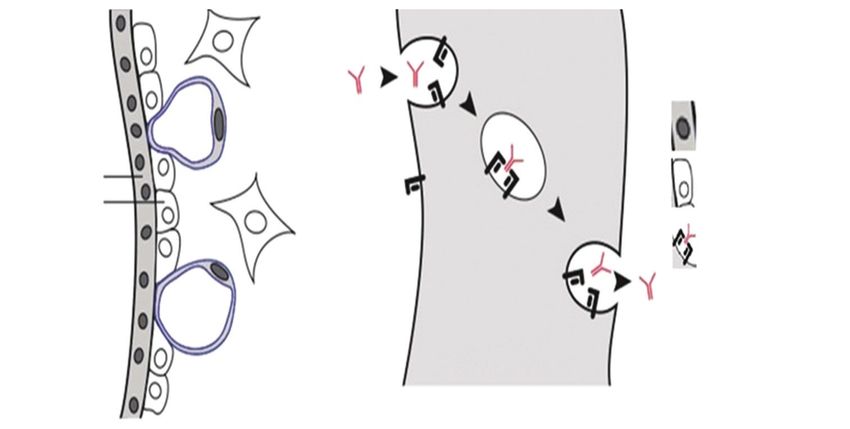
pregnancy include the TREAT registry, which examined TNFs on fetuses (Table 1) [72-76]. As depicted in Fig. 1,
117 pregnancies in CD patients on IFX and other therapies, the immunoglobulins, and particularly all 4 subclasses of IgG (1-4),
IFX Safety Database, which followed 96 women with CD and are detectable in the umbilical circulation. IgG transferred via
rheumatoid arthritis, and a large single-center study with 212 the placenta persists longer in the newborn than in the mother,
women on IFX and ADA (Table 1) [66-69]. In all these studies, with a half-life of 48.4 days [77-79]. Anti-TNFs was found to
there were no differences in the rates of miscarriage, neonatal actively traverse the placenta via the FcRn receptor, starting as
complications, fetal malformation, live births, miscarriages, early as the 2nd trimester, with the majority occurring in the
therapeutic terminations or general pregnancy outcomes 3rd trimester. Drug levels of IFX, ADA and CZP measured in
between exposed and non-exposed individuals. a study by Mahadevan et al in mothers at birth, cord blood,
The PIANO registry, however, indicated that combination infants, and then followed monthly in the infant until they
therapy with anti-TNFs and thiopurines may be associated were undetectable, showed wide ranges for IFX and ADA
with 2.4-fold greater odds of preterm birth and 1.7-fold (2.9-39.5 μg/mL and 4.28-17.7 μg/mL respectively), along
greater odds of general pregnancy complications and delayed with significant median cord-to-maternal drug level ratios
infant infections: relative risk 1.35 (1.01-1.80). Julsgaard et al (Table 1) [80]. The median level of IFX in the cord was 160%
also demonstrated a nearly 3-fold elevated risk of infection that of the mother and the median level of ADA in the cord
Annals of Gastroenterology 336 M. F. Ali et al
Maternal blood
Legend:
(intervillous space)
Maternal
Fetal IgG Syncitiotrophoblast
capillary
Syncitiotrophoblast Cytotrophoblast
Cytotrophoblast
Maternal IgG attached to Fc
Receptor
Fetal
Syncitiotrophoblast circulation
Figure 1 Active transplacental transport of immunoglobulin G (IgG). Reproduced with permission, Oxford University Press (http://
creativecommons.org/licenses/by-nc/4.0), Hazes JMW. Rheumatoid Am J Reprod Immunol 2011;50:1955-1968
was 153% that of the mother. IFX levels were detectable for 2-7 trimester is found to be relatively safe, women in sustained
months in the infant. ADA levels were detectable for 3 months. remission should consider 3rd trimester anti-TNF dosing
CZP had the lowest level of placental transfer, based on levels adjustments to minimize neonatal exposure [15]. Serum
measured in cords and infants at birth, probably because it trough concentrations enable therapeutic drug monitoring and
lacks an Fc portion. The median level of CZP in the cord was should help guide dosing in the late 2nd or early 3rd trimester of
3.9% that of the mother. pregnancy.
Subsequently, Julsgaard et al, in a prospective study, Finally, extrapolating from the ongoing PIANO registry
measured the umbilical cord and infant blood concentrations and controlling for drug exposure, breastfeeding in mothers
of IFX and ADA in women exposed to anti-TNF agents during on biologic therapy has not been associated with infection
pregnancy. They found that the IFX and ADA levels in the risk, abnormal height or weight, or deviations in achievement
cord and infant blood were greater than that in the mother, of developmental milestones. While disease activity and
as reflected by the median ratio of infant-to-mother drug immunomodulator use has been inversely associated with
concentration at birth (1.21 for ADA, 95% confidence interval breastfeeding, there is no such correlation with biologics.
[CI] 0.94-1.49; 1.97 for IFX, 95%CI 1.50-2.43). Interestingly, Beaulieu et al also analyzed PIANO, looking at serum samples
IFX was cleared more slowly than ADA from the infants and collected from infants at least 7 months old for antibody titers
drugs were detected in infants until 12 months of age. The to Haemophilus influenzae B or tetanus toxin in mothers
significance of this is not yet known [70]. exposed to biologic therapy and compared them to infants
The PIANO registry data did not show any association born to unexposed mothers [82]. They concluded that the
between biologic exposure in the third trimester and preterm use of biologic therapy does not affect the infant’s response to
birth, infections after 1 year of age, or disease activity in the vaccines.
third trimester or 4 months post-partum. Third trimester anti- A study by Benhorin revealed that, although IFX levels
TNF exposure did not detrimentally affect infant growth rate, in breast milk increased to 101 ng/mL within 2-3 days of the
immune development, number of infections or achievement of infusion, these levels were roughly 1/200th of the level in blood
developmental milestones. Zelinkova et al also published data (i.e., 0.5% plasma concentration) [83]. Likewise, ADA levels in
comprising 31 pregnancies in 28 women with IBD, observing breast milk were roughly 1/200th of the level in blood [84,85].
the consequences of stopping anti-TNFs in the 3rd trimester Since there is minimal if any placental transfer of CZP, none
(Table 1) [81]. All patients who stopped taking IFX (12 of was detected in breastmilk (Table 1) [86].
17, 71%) before gestational week 30 remained in remission, In conclusion, anti-TNF agents are safe to use during
whereas 2 of 11 patients taking ADA who discontinued pregnancy to induce and sustain disease control. Based on
treatment before gestational week 30 had relapses of IBD. Of available safety data, there is no increased risk of congenital
the 28 live births, there was 1 miscarriage in the IFX cohort and anomalies among infants exposed to these medications [87].
2 miscarriages in the ADA cohort. There were no congenital Consensus guidelines support continuing anti-TNFs
malformations. Of these patients, 22% (5/23) had a flare or throughout pregnancy. The decision to hold anti-TNFs in
required therapy alteration postpartum. The investigators situations such as strong patient preferences to limit fetal
concluded that discontinuation of anti-TNF therapy appears to exposure should be made on an individual case-by-case basis
be safe for pregnant women with quiescent IBD. with extensive counseling. Holding the medication should only
Given that anti-TNF medications are transferred from be considered in patients with a low risk of relapse: sustained
mother to infant and that holding the medications in the 3rd symptomatic remission for at least a year before conception,
Annals of Gastroenterology 33IBD and pregnancy review 7
no evidence of active disease on imaging or endoscopy, with plaque psoriasis. Average maternal age was 31 years. Most
documented therapeutic drug levels, no prior dose escalation, pregnancies (57/87; 65.5%) resulted in live births. There was
no intestinal resections, and no hospitalizations within the last one congenital anomaly (1.2%), 16 spontaneous abortions
36 months for IBD flare. Guidelines suggest administering the (18.4%), and 14 elective terminations (16.1%). In 16 of
last dose of anti-TNFs at 22-24 weeks gestation. With regard 87 pregnancies there was exposure to UST in all 3 trimesters
to postnatal care, these immunosuppressants are detectable in whereas 37 reported exposure in the first trimester. In both
infants up to 6 months after birth. Therefore, current guidelines these instances, the rates of spontaneous abortions and elective
recommend delaying live vaccines for 6-12 months, with anti- terminations were comparable to those reported in the general
TNF drug levels measured and drug clearance documented to population (15-20%).
help inform decisions [29,30]. Similarly, Schaufelberger et al studied pregnancies with
maternal use of UST from 4 phase 2 and 3 plaque psoriasis studies
(ACCEPT and PHOENIX trials) [91]: 981 female patients
Anti-integrins received ≥1 dose of UST and 29 pregnancies were reported. The
mean maternal age was 30 years and the mean duration of UST
Vedolizumab (VDZ) is a monoclonal antibody that provides exposure prior to the reported pregnancy was 72±61 weeks.
gut-selective anti-inflammatory activity by blocking the α4β7 Pregnancy outcomes were reported for 26 of 29 pregnancies,
integrin. Vedolizumab is an FDA category B medication. including 14 (54%) live births, 5 (19%) spontaneous abortions
Available data concerning its safety in pregnancy are limited. and 7 (27%) elective abortions. All 5 spontaneous abortions
Mahadevan et al reported 27 pregnancies in 24 VDZ-treated occurred in the 1st trimester. Neonatal outcomes were generally
females as well as 19 pregnant partners of males with IBD healthy. Longer duration of UST exposure prior to the reported
treated with VDZ across 6 studies (Table 1) [88]. Analysis of pregnancy was not associated with adverse outcomes. Even
the female group showed a correlation between the severity though the limited available data suggest that UST exposure
of disease activity and pre-term live birth or spontaneous may not impact pregnancy outcomes, the evidence is weak, and
abortions. The data did not associate VDZ with any new safety it is not recommended throughout pregnancy.
concerns. Analysis of the partner group showed a similar trend. In a prospective multicenter study by Matro et al of women
It seems that VDZ displays a similar pregnancy safety profile to with IBD and their infants, the authors analyzed collected breast
that of anti-TNF medications and that the use of VDZ is not milk samples from patients receiving biologic therapy including
associated with more adverse outcomes, though this study was UST, IFX, ADA, CZP, and natalizumab [92]. They reported low
limited by small sample sizes and incomplete follow up. concentrations of these medications in the breast milk samples,
Shitrit et al prospectively followed 330 pregnancies, of with levels of UST ranging between 0.72 and 1.57 μg/mL.
which 20 were in the setting of VDZ use at least 3 months Breastfed infants of these mothers being treated with biologics
before conception and continued throughout the third and/or immunomodulators had infection risks and rates of
trimester (Table 1) [89]. They were compared to patients milestone achievement comparable to those of non-breastfed
treated with TNF inhibitors, as well as those treated with infants and infants not exposed to these drugs. Maternal use of
5-ASA and thiopurines. The abortion rate was significantly biologic therapy appears compatible with breastfeeding.
higher than that of the other groups. A possible confounder
to this is the fact that patients on VDZ have already failed
one or more biologics and therefore have more refractory Janus kinase inhibitor
and severe disease at baseline, which independently leads to
worse pregnancy outcomes. Conversely, the rate of flares and Outcome data following tofacitinib, a Janus kinase inhibitor,
corticosteroid usage in the VDZ group was significantly lower. for UC in pregnancy are ongoing but limited. It is an FDA
Based on the available evidence, VDZ appears safe to category C medication. Mahadevan et al recently reported
use in pregnancy and adverse pregnancy outcomes correlate outcomes of pregnancies with maternal and paternal exposure
with baseline IBD disease activity. These studies are currently to tofacitinib in 5 UC interventional studies (Table 1)[93].
limited by small sample sizes and larger studies with longer Eleven cases of maternal and 14 cases of paternal exposure to
follow-ups are needed. tofacitinib prepartum and peripartum were identified among
301 women of childbearing age. The pregnancy outcomes
were 15 healthy newborns, 2 spontaneous abortions, and 2
Anti-interleukin (IL) 12/23 agents medical terminations. No fetal deaths, neonatal deaths, or
congenital malformations were noted. The adverse events were
Ustekinumab (UST) is a humanized IgG1 that binds and analogous to those reported for tofacitinib use in populations
inhibits IL-12 and IL-23 and is an FDA category B medication. with rheumatologic disorders and to the background risks in
Data regarding the safety of these drugs in pregnant IBD the general population. It should be noted that tofacitinib was
patients have been extrapolated from studies in patients with found to be teratogenic in animal models, with malformations
psoriasis. Naureckas et al studied pregnancy outcomes in such as omphalocele, ventricular septal defects and cranial
pregnant women with psoriasis (plaque psoriasis or psoriatic abnormalities, though this was only observed at drug exposure
arthritis) exposed to UST (Table 1) [90]. Eighty-seven levels of 70-140 times the recommended human drug
pregnancy reports were identified, predominantly in patients dosing [94]. Given the lack of robust evidence and the small
Annals of Gastroenterology 338 M. F. Ali et al
sample sizes in available studies, general recommendations at associated with preterm birth (OR 1.8, 95%CI 1.0-1.31), LBW
the current time suggest avoiding use in pregnant women until (OR 2.8, 95%CI 1.3-6.1), and gestational diabetes (OR 2.8, 95%CI
additional information is available. 1.3-6.0). There were no associations with infection, congenital
malformation, cleft palate or developmental delay. Adjusted
analysis found no difference in spontaneous abortions, IUGR,
MTX cesarean section, congenital malformations, neonatal ICU stays,
or infections between exposed and unexposed patients.
MTX is absolutely contraindicated in pregnancy (FDA Corticosteroids may be used to treat disease flares,
Class X). It is an abortifacient and teratogen and post- despite their association with an increased risk of pregnancy
conception use has been clearly linked to abortions and major complications. Their use during pregnancy should be
birth defects [15]. Women of childbearing age should be on restricted to the lowest effective dose for the shortest duration.
1-2 forms of contraception and should wait at least 3-6 months In a separate retrospective study, these risks were not seen
after stopping MTX before attempting conception. MTX is specifically with budesonide. Prednisone and budesonide are
also contraindicated in breastfeeding. Although excreted at both compatible with breastfeeding. Their drug levels in breast
levelsIBD and pregnancy review 9
usually elevated in pregnancy, fecal calprotectin should be treatment options, but their impact on pregnancy outcomes
monitored and trended to rule in a flare. The gastroenterologist (from the perspective of both mother and child) have yet to
should ensure that there is a baseline fecal calprotectin be fully understood. However, the growing body of research
measured before conception. Magnetic resonance imaging is into this field has revealed some important insights. Firstly,
the imaging modality of choice (gadolinium contraindicated maintaining control of IBD before and during pregnancy is
in the 1st trimester), but ultrasound can also be used. Flexible paramount. Active disease increases the risk of complications
sigmoidoscopy without sedation can be considered (in any such as stillbirth, premature delivery, and LBW. In addition to
semester) to rule out cytomegalovirus, for which pregnant appropriate medical therapy, high quality prenatal education
patients are at higher risk. Deep vein thrombosis prophylaxis and counseling are crucial. Secondly, current data suggest that
is also important. Indications for surgery are similar to those in biologics can be used safely in pregnant women. Although
non-pregnant patients (2nd trimester is optimal). medications like IFX and ADA are IgG1 antibodies that can
There is a general reluctance to perform radiation-based cross the placenta and have been detected in breastmilk and
procedures and endoscopies during pregnancy, because of infants post-delivery, no obvious harm has been reported.
concerns about sedation and hemodynamic fluctuations with More data are required for the anti-integrins and IL-12/23
the latter that may be deleterious for the fetus. In general, agents before definitive recommendations can be made.
all endoscopic procedures should only be performed if the Immunomodulators should be continued given the risk of flare
potential findings would change perinatal management and on discontinuation. However, one must consider the possibility
preferably in the second semester. Flexible sigmoidoscopies of adverse outcomes (e.g., preterm birth) when biologics are
are preferred over pan-colonoscopy. Less invasive monitoring, used in combination with anti-TNF agents. 5-ASA appear
such as inflammatory markers and fecal calprotectin, is to be safe in pregnancy and breast feeding. Finally, the value
preferred. of a detailed discussion with the patient and shared decision
For targeted treatment, mesalamine can be initiated at any making cannot be emphasized enough because all decisions
time during pregnancy for patients with UC. Biologics can be should be taken with the overall risks vs. benefits kept in mind.
initiated in the first or second trimester with modification of
dosage and frequency as necessary. New AZA and 6-MP should
be avoided in the first trimester. If necessary, glucocorticoids
can be used cautiously at this time in disease flares, as inducing Future directions
remission and suppressing disease activity are of utmost
importance [29]. As we delve deeper into the molecular and genetic
In rare cases, pregnant women with severely active IBD might mechanisms underlying the pathogenesis of IBD and develop
require surgery to treat life-threatening conditions refractory to novel treatments, e.g., Janus kinase inhibitors, anti-SMAD 7
medical therapy, such as toxic megacolon, intestinal obstruction oligonucleotides and cell-based therapies, more therapeutic
and significant gastrointestinal hemorrhage. Colectomy during options will become available to pregnant women with CD and
the second and third trimester is low-risk without significant UC. Additionally, our growing insight into the seminal role
adverse pregnancy outcomes [96]. If necessary, mothers with of the gut microbiome in the pathogenesis of IBD will enable
less than 28 weeks gestation can opt for the Turnbull-Blowhole the development of new efficacious medications that can be
colostomy for colonic decompression and ileal diversion tailored to the specific individual.
with delayed restorative proctocolectomy and IPAA. On the
other hand, for patients with more than 28 weeks gestation,
a synchronous cesarean section with subtotal colectomy is a
feasible alternative [97]. Surgery for perineal fistulas is usually Acknowledgments
postponed until after delivery. Non-obstetric surgeries are
generally well tolerated and should ideally be performed in the We would like to thank NYU Winthrop University Hospital
second trimester [98]. and the Department of Gastroenterology, Hepatology, and
A systematic review of 3 databases of women who Nutrition for supporting our research in this review article.
underwent IBD surgery during pregnancy noted that there
were no maternal or fetal mortalities, but there was an almost
50% preterm delivery rate [99]. Approximately 18% of cases
were de novo presentations and the most common reasons References
were refractory UC and small bowel perforations.
1. Kappelman MD, Rifas-Shiman SL, Kleinman K, et al. The
prevalence and geographic distribution of Crohn’s disease and
ulcerative colitis in the United States. Clin Gastroenterol Hepatol
Concluding remarks 2007;5:1424-1429.
2. Loftus EV Jr. Clinical epidemiology of inflammatory bowel
disease: Incidence, prevalence, and environmental influences.
Many women of child-bearing age are newly diagnosed with Gastroenterology 2004;126:1504-1517.
IBD every year. The addition of biologics to the armamentarium 3. Shivashankar R, Tremaine WJ, Harmsen WS, Loftus EV Jr.
of 5-ASA and immunomodulators has provided more Incidence and prevalence of Crohn’s disease and ulcerative colitis
Annals of Gastroenterology 3310 M. F. Ali et al
in Olmsted County, Minnesota from 1970 through 2010. Clin 22. Nielsen OH, Andreasson B, Bondesen S, Jarnum S. Pregnancy in
Gastroenterol Hepatol 2017;15:857-863. ulcerative colitis. Scand J Gastroenterol 1983;18:735-742.
4. Ananthakrishnan AN. Pregnancy, conception, and ’childbirth. 23. Bortoli A, Pedersen N, Duricova D, et al; European Crohn-Colitis
In: Ananthakrishnan AN, Xavier RJ, Podolsky DK. Inflammatory Organisation (ECCO) Study Group of Epidemiologic Committee
Bowel Diseases: A Clinician’s Guide. John Wiley & Sons Ltd, 2017: (EpiCom). Pregnancy outcome in inflammatory bowel disease:
pp. 199-207. prospective European case-control ECCO-EpiCom study, 2003-
5. McConnell RA, Mahadevan U. Pregnancy and the patient with 2006. Aliment Pharmacol Ther 2011;34:724-734.
inflammatory bowel disease: fertility, treatment, delivery, and 24. O’Toole A, Nwanne O, Tomlinson T. Inflammatory bowel disease
complications. Gastroenterol Clin North Am 2016;45:285-301. increases risk of adverse pregnancy outcomes: a meta-analysis. Dig
6. Tavernier N, Fumery M, Peyrin-Biroulet L, Colombel JF, Gower- Dis Sci 2015;60:2750-2761.
Rousseau C. Systematic review: fertility in non-surgically treated 25. Miller JP. Inflammatory bowel disease in pregnancy: a review. J R
inflammatory bowel disease. Aliment Pharmacol Ther 2013;38:847-853. Soc Med 1986;79:221-225.
7. Van Assche G, Dignass A, Reinisch W, et al; European Crohn’s and 26. Abhyankar A, Ham M, Moss AC. Meta-analysis: the impact of
Colitis Organisation (ECCO). The second European evidence- disease activity at conception on disease activity during pregnancy
based Consensus on the diagnosis and management of Crohn’s in patients with inflammatory bowel disease. Aliment Pharmacol
disease: Special situations. J Crohns Colitis 2010;4:63-101. Ther 2013;38:460-466.
8. Timmer A, Bauer A, Dignass A, Rogler G. Sexual function in 27. Khosla R, Willoughby CP, Jewell DP. Crohn’s disease and pregnancy.
persons with inflammatory bowel disease: a survey with matched Gut 1984;25:52-56.
controls. Clin Gastroenterol Hepatol 2007;5:87-94. 28. Beaulieu DB, Kane S. Inflammatory bowel disease in pregnancy.
9. Ørding Olsen K, Juul S, Berndtsson I, Oresland T, Laurberg S. World J Gastroenterol 2011;17:2696-2701.
Ulcerative colitis: female fecundity before diagnosis, during 29. Nguyen GC, Seow CH, Maxwell C, et al; Canadian Association
disease, and after surgery compared with a population sample. of Gastroenterology. The Toronto Consensus Statements for
Gastroenterology 2002;122:15-19. the Management of Inflammatory Bowel Disease in Pregnancy.
10. Waljee A, Waljee J, Morris AM, Higgins PD. Threefold increased Gastroenterology 2016;150:734-757.
risk of infertility: a meta-analysis of infertility after ileal pouch anal 30. van der Woude CJ, Ardizzone S, Bengtson MB, et al; European
anastomosis in ulcerative colitis. Gut 2006;55:1575-1580. Crohn’s and Colitis Organization. The second European evidenced-
11. Rajaratnam SG, Eglinton TW, Hider P, Fearnhead NS. Impact of based consensus on reproduction and pregnancy in inflammatory
ileal pouch-anal anastomosis on female fertility: meta-analysis and bowel disease. J ’Crohns Colitis 2015;9:107-124.
systematic review. Int J Colorectal Dis 2011;26:1365-1374. 31. de Lima A, Zelinkova Z, Mulders AG, van der Woude CJ.
12. Hudson M, Flett G, Sinclair TS, Brunt PW, Templeton A, Preconception care reduces relapse of inflammatory bowel disease
Mowat NA. Fertility and pregnancy in inflammatory bowel disease. during pregnancy. Clin Gastroenterol Hepatol 2016;14:1285-1292.
Int J Gynaecol Obstet 1997;58:229-237. 32. Mahadevan U, Martin C, Sandler R, et al. A multi-center national
13. Nørgård BM, Larsen PV, Fedder J, de Silva PS, Larsen MD, prospective study of pregnancy and neonatal outcomes in women
Friedman S. Live birth and adverse birth outcomes in women with with inflammatory bowel disease exposed to immunomodulators
ulcerative colitis and Crohn’s disease receiving assisted reproduction: and biologic therapy. Gastroenterology 2009;5(Suppl 1):A88.
a 20-year nationwide cohort study. Gut 2016;65:767-776. 33. Cornish J, Tan E, Teare J, et al. A meta-analysis on the influence of
14. O’Moráin C, Smethurst P, Doré CJ, Levi AJ. Reversible male inflammatory bowel disease on pregnancy. Gut 2007;56:830-837.
infertility due to sulphasalazine: studies in man and rat. Gut 34. Brandt LJ, Estabrook SG, Reinus JF. Results of a survey to
1984;25:1078-1084. evaluate whether vaginal delivery and episiotomy lead to perineal
15. Levy RA, de Jesús GR, de Jesús NR, Klumb EM. Critical review involvement in women with Crohn’s disease. Am J Gastroenterol
of the current recommendations for the treatment of systemic 1995;90:1918-1922.
inflammatory rheumatic diseases during pregnancy and lactation. 35. Beniada A, Benoist G, Maurel J, Dreyfus M. [Inflammatory bowel
Autoimmun Rev 2016;15:955-963. disease and pregnancy: report of 76 cases and review of the
16. Mahadevan U, Sandborn WJ, Li DK, Hakimian S, Kane S, literature]. J Gynecol Obstet Biol Reprod (Paris) 2005;34:581-588.
Corley DA. Pregnancy outcomes in women with inflammatory 36. Ilnyckyji A, Blanchard JF, Rawsthorne P, Bernstein CN. Perianal
bowel disease: a large community-based study from Northern Crohn’s disease and pregnancy: role of the mode of delivery. Am J
California. Gastroenterology 2007;133:1106-1112. Gastroenterol 1999;94:3274-3278.
17. Bush MC, Patel S, Lapinski RH, Stone JL. Perinatal outcomes 37. Hahnloser D, Pemberton JH, Wolff BG, et al. Pregnancy and delivery
in inflammatory bowel disease. J Matern Fetal Neonatal Med before and after ileal pouch-anal anastomosis for inflammatory
2004;15:237-241. bowel disease: immediate and long-term consequences and
18. Nørgård B, Hundborg HH, Jacobsen BA, Nielsen GL, Fonager K. outcomes. Dis Colon Rectum 2004;47:1127-1135.
Disease activity in pregnant women with Crohn’s disease and birth 38. Mylonas I. Antibiotic chemotherapy during pregnancy and
outcomes: a regional Danish cohort study. Am J Gastroenterol lactation period: aspects for consideration. Arch Gynecol Obstet
2007;102:1947-1954. 2011;283:7-18.
19. Reddy D, Murphy SJ, Kane SV, Present DH, Kornbluth AA. 39. Koss CA, Baras DC, Lane SD, et al. Investigation of metronidazole
Relapses of inflammatory bowel disease during pregnancy: in- use during pregnancy and adverse birth outcomes. Antimicrob
hospital management and birth outcomes. Am J Gastroenterol Agents Chemother 2012;56:4800-4805.
2008;103:1203-1209. 40. Moskovitz DN, Bodian C, Chapman ML, et al. The effect on the
20. Bröms G, Granath F, Linder M, Stephansson O, Elmberg M, fetus of medications used to treat pregnant inflammatory bowel-
Kieler H. Birth outcomes in women with inflammatory bowel disease patients. Am J Gastroenterol 2004;99:656-661.
disease: effects of disease activity and drug exposure. Inflamm 41. Nahum GG, Uhl K, Kennedy DL. Antibiotic use in pregnancy and
Bowel Dis 2014;20:1091-1098. lactation: what is and is not known about teratogenic and toxic
21. Morales M, Berney T, Jenny A, Morel P, Extermann P. risks. Obstet Gynecol 2006;107:1120-1138.
’Crohn’s disease as a risk factor for the outcome of pregnancy. 42. Bar-Oz B, Moretti ME, Boskovic R, ’O’Brien L, Koren G. The safety
Hepatogastroenterology 2000;47:1595-1598. of quinolones—a meta-analysis of pregnancy outcomes. Eur J
Annals of Gastroenterology 33IBD and pregnancy review 11
Obstet Gynecol Reprod Biol 2009;143:75-78. 62. Christensen LA, Dahlerup JF, Nielsen MJ, Fallingborg JF,
43. Nielsen OH, Maxwell C, Hendel J. IBD medications during Schmiegelow K. Azathioprine treatment during lactation. Aliment
pregnancy and lactation. Nat Rev Gastroenterol Hepatol Pharmacol Ther 2008;28:1209-1213.
2014;11:116-127. 63. Angelberger S, Reinisch W, Messerschmidt A, et al. Long-term
44. Isaacs KL, Sandler RS, Abreu M, et al; Crohn’s and Colitis Foundation follow-up of babies exposed to azathioprine in utero and via
of America Clinical Alliance. Rifaximin for the treatment of active breastfeeding. J Crohns Colitis 2011;5:95-100.
pouchitis: a randomized, double-blind, placebo-controlled pilot 64. Nielsen OH, Loftus EV Jr, Jess T. Safety of TNF-α inhibitors during
study. Inflamm Bowel Dis 2007;13:1250-1255. IBD pregnancy: a systematic review. BMC Med 2013;11:174.
45. Hashash JG, Kane S. Pregnancy and inflammatory bowel disease. 65. Narula N, Al-Dabbagh R, Dhillon A, Sands BE, Marshall JK.
Gastroenterol Hepatol 2015;11:96-102. Anti-TNFα therapies are safe during pregnancy in women with
46. Miyoshi J, Bobe AM, Miyoshi S, et al. Peripartum antibiotics promote inflammatory bowel disease: a systematic review and meta-
gut dysbiosis, loss of immune tolerance, and inflammatory bowel analysis. Inflamm Bowel Dis 2014;20:1862-1869.
disease in genetically prone offspring. Cell Rep 2017;20:491-504. 66. Lichtenstein G, Cohen RD, Feagan BG, et al. Safety of infliximab
47. Diav-Citrin O, Park YH, Veerasuntharam G, et al. The safety of in ’Crohn’s disease: data from the 5000-patient TREAT registry.
mesalamine in human pregnancy: a prospective controlled cohort Gastroenterology 2004;126:A54.
study. Gastroenterology 1998;114:23-28. 67. Lichtenstein G, Feagan B, Cohen R, et al. Pregnancy outcomes in
48. Marteau P, Tennenbaum R, Elefant E, Lémann M, Cosnes J. Foetal patients with Crohn’s disease treated with infliximab: results from
outcome in women with inflammatory bowel disease treated the TREAT registry. Am J Gastroenterol 2013;108:S521.
during pregnancy with oral mesalazine microgranules. Aliment 68. Katz JA, Antoni C, Keenan GF, Smith DE, Jacobs SJ, Lichtenstein GR.
Pharmacol Ther 1998;12:1101-1108. Outcome of pregnancy in women receiving infliximab for the
49. Singh A, Martin CF, Kane SV, et al. Is asacol use associated with treatment of ’Crohn’s disease and rheumatoid arthritis. Am J
congenital anomalies? Results from a nationwide prospective Gastroenterol 2004;99:2385-2392.
pregnancy registry. Gastroenterology 2013;144(Suppl 1):S-379. 69. Schnitzler F, Fidder H, Ferrante M, et al. Outcome of pregnancy in
50. Mahaboob Basha P, Radha MJ. Gestational di-n-butyl phthalate women with inflammatory bowel disease treated with antitumor
exposure induced developmental and teratogenic anomalies in necrosis factor therapy. Inflamm Bowel Dis 2011;17:1846-1854.
rats: a multigenerational assessment. Environ Sci Pollut Res Int 70. Julsgaard M, Christensen LA, Gibson PR, et al. Concentrations of
2017;24:4537-4551. adalimumab and infliximab in mothers and newborns, and effects
51. Baggott JE, Morgan SL, Ha T, Vaughn WH, Hine RJ. Inhibition on infection. Gastroenterology 2016;151:110-119.
of folate-dependent enzymes by non-steroidal anti-inflammatory 71. Chaparro M, Verreth A, Lobaton T, et al. Long-term safety
drugs. Biochem J 1992;282(Pt 1):197-202. of in utero exposure to anti-TNFα drugs for the treatment of
52. Rahimi R, Nikfar S, Rezaie A, Abdollahi M. Pregnancy outcome inflammatory bowel disease: results from the multicenter European
in women with inflammatory bowel disease following exposure TEDDY study. Am J Gastroenterol 2018;113:396-403.
to 5-aminosalicylic acid drugs: a meta-analysis. Reprod Toxicol 72. Diav-Citrin O, Otcheretianski-Volodarsky A, Shechtman S,
2008;25:271-275. Ornoy A. Pregnancy outcome following gestational exposure to
53. Polifka JE, Friedman JM. Teratogen update: azathioprine and TNF-alpha-inhibitors: a prospective, comparative, observational
6-mercaptopurine. Teratology 2002;65:240-261. study. Reprod Toxicol 2014;43:78-84.
54. Francella A, Dyan A, Bodian C, Rubin P, Chapman M, Present DH. 73. Clowse ME, Wolf DC, Förger F, et al. Pregnancy outcomes in subjects
The safety of 6-mercaptopurine for childbearing patients with exposed to certolizumabpegol. J Rheumatol 2015;42:2270-2278.
inflammatory bowel disease: a retrospective cohort study. 74. de Lima A, Zelinkova Z, van der Ent C, Steegers EA, van der
Gastroenterology 2003;124:9-17. Woude CJ. Tailored anti-TNF therapy during pregnancy in patients
55. Hoeltzenbein M, Weber-Schoendorfer C, Borisch C, Allignol A, with IBD: maternal and fetal safety. Gut 2016;65:1261-1268.
Meister R, Schaefer C. Pregnancy outcome after paternal exposure 75. Seirafi M, de Vroey B, Amiot A, et al. Factors associated with
to azathioprine/6-mercaptopurine. Reprod Toxicol 2012;34:364-369. pregnancy outcome in anti-TNF treated women with inflammatory
56. Akbari M, Shah S, Velayos FS, Mahadevan U, Cheifetz AS. bowel disease. Aliment Pharmacol Ther 2014;40:363-373.
Systematic review and meta-analysis on the effects of thiopurines on 76. Johnson D, Luo Y, Jones KL, Chambers C. Pregnancy outcomes
birth outcomes from female and male patients with inflammatory in women exposed to adalimumab: an update on the autoimmune
bowel disease. Inflamm Bowel Dis 2013;19:15-22. diseases in pregnancy project. Arthritis Rheum 2011;63:S730-S731.
57. Casanova MJ, Chaparro M, Domènech E, et al. Safety of thiopurines 77. Malek A, Sager R, Schneider H. Maternal-fetal transport of
and anti-TNF-α drugs during pregnancy in patients with immunoglobulin G and its subclasses during the third trimester of
inflammatory bowel disease. Am J Gastroenterol 2013;108:433-440. human pregnancy. Am J Reprod Immunol 1994;32:8-14.
58. Chaparro M, Gisbert JP. Transplacental transfer of immunosuppressants 78. Sarvas H, Seppälä I, Kurikka S, Siegberg R, Mäkelä O. Half-life of the
and biologics used for the treatment of inflammatory bowel disease. maternal IgG1 allotype in infants. J Clin Immunol 1993;13:145-151.
Curr Pharm Biotechnol 2011;12:765-773. 79. Hazes JM, Coulie PG, Geenen V, et al. Rheumatoid arthritis and
59. Zimm S, Collins JM, Riccardi R, et al. Variable bioavailability pregnancy: evolution of disease activity and pathophysiological
of oral mercaptopurine. Is maintenance chemotherapy in acute considerations for drug use. Rheumatology (Oxford) 2011;50:1955-1968.
lymphoblastic leukemia being optimally delivered? N Engl J Med 80. Mahadevan U, Wolf DC, Dubinsky M, et al. Placental transfer
1983;308:1005-1009. of anti-tumor necrosis factor agents in pregnant patients
60. de Boer NK, Jarbandhan SV, de Graaf P, Mulder CJ, van with inflammatory bowel disease. Clin Gastroenterol Hepatol
Elburg RM, van Bodegraven AA. Azathioprine use during 2013;11:286-292.
pregnancy: unexpected intrauterine exposure to metabolites. Am 81. Zelinkova Z, van der Ent C, Bruin KF, et al; Dutch Delta IBD
J Gastroenterol 2006;101:1390-1392. Group. Effects of discontinuing anti-tumor necrosis factor therapy
61. Jharap B, de Boer NK, Stokkers P, et al; Dutch initiative on during pregnancy on the course of inflammatory bowel disease and
Crohn and Colitis. Intrauterine exposure and pharmacology neonatal exposure. Clin Gastroenterol Hepatol 2013;11:318-321.
of conventional thiopurine therapy in pregnant patients with 82. Beaulieu DB, Ananthakrishnan AN, Martin C, Cohen RD, Kane SV,
inflammatory bowel disease. Gut 2014;63:451-457. Mahadevan U. Use of biologic therapy by pregnant women with
Annals of Gastroenterology 3312 M. F. Ali et al
inflammatory bowel disease does not affect infant response to 2014;70(Suppl 1):AB178.
vaccines. Clin Gastroenterol Hepatol 2018;16:99-105. 92. Matro R, Martin CF, Wolf D, Shah SA, Mahadevan U. Exposure
83. Ben-Horin S, Yavzori M, Kopylov U, et al. Detection of infliximab concentrations of infants breastfed by women receiving biologic
in breast milk of nursing mothers with inflammatory bowel therapies for inflammatory bowel diseases and effects of
disease. J Crohns Colitis 2011;5:555-558. breastfeeding on infections and development. Gastroenterology
84. Ben-Horin S, Yavzori M, Katz L, et al. Adalimumab level in breast 2018;155:696-704.
milk of a nursing mother. Clin Gastroenterol Hepatol 2010;8:475-476. 93. Mahadevan U, Dubinsky MC, Su C, et al. Outcomes of pregnancies
85. Fritzsche J, Pilch A, Mury D, Schaefer C, Weber-Schoendorfer C. with maternal/paternal exposure in the Tofacitinib safety databases
Infliximab and adalimumab use during breastfeeding. J Clin for ulcerative colitis. Inflamm Bowel Dis 2018;24:2494-2500.
Gastroenterol 2012;46:718-719. 94. Pfizer_Inc. Xeljanz, Highlights of Prescribing Information.
86. Clowse ME, Förger F, Hwang C, et al. Minimal to no transfer of 2018. Available from: http://labeling.pfizer.com/ShowLabeling.
certolizumab pegol into breast milk: results from CRADLE, a aspx?id=959#section-8.1 [Accessed 15 September 2020]
prospective, postmarketing, multicentre, pharmacokinetic study.
95. Lin K, Martin CF, Dassopoulos T, et al. Pregnancy outcomes
Ann Rheum Dis 2017;76:1890-1896.
amongst mothers with inflammatory bowel disease exposed
87. McConnell RA, Mahadevan U. Use of immunomodulators and
to systemic corticosteroids: results of the PIANO registry.
biologics before, during, and after pregnancy. Inflamm Bowel Dis
Gastroenterology 2014;146(Suppl 1):S1.
2016;22:213-223.
96. Dozois EJ, Wolff BG, Tremaine WJ, et al. Maternal and fetal
88. Mahadevan U, Vermeire S, Lasch K, et al. Vedolizumab exposure in
pregnancy: outcomes from clinical studies in inflammatory bowel outcome after colectomy for fulminant ulcerative colitis during
disease. Aliment Pharmacol Ther 2017;45:941-950. pregnancy: case series and literature review. Dis Colon Rectum
89. Bar-Gil Shitrit A, Ben Yaʼacov A, Livovsky DM, et al. Exposure 2006;49:64-73.
to Vedolizumab in IBD pregnant women appears of low risk for 97. Haq AI, Sahai A, Hallwoth S, Rampton DS, Dorudi S. Synchronous
mother and neonate: a first prospective comparison study. Am J colectomy and caesarean section for fulminant ulcerative colitis:
Gastroenterol 2019;114:1172-1175. case report and review of the literature. Int J Colorectal Dis
90. Naureckas S, Slater J, Gearhart N, et al. Pregnancy outcomes 2006;21:465-469.
in women with psoriasis and psoriatic arthritis exposed to 98. Kilpatrick CC, Monga M. Approach to the acute abdomen in
ustekinumab. J Am Acad Dermatol 2016;74(Suppl 1):AB264. pregnancy. Obstet Gynecol Clin North Am 2007;34:389-402.
91. Cather JC, Rahawi KW, Schaufelberger BW, Chan D, Horn EJ, 99. Killeen S, Gunn J, Hartley J. Surgical management of complicated
Goyal K. Pregnancy outcomes in women exposed to ustekinumab and medically refractory inflammatory bowel disease during
in the psoriasis clinical development program. J Am Acad Dermatol pregnancy. Colorectal Dis 2017;19:123-138.
Annals of Gastroenterology 33You can also read


