INTRODUCTION OF NEW FELLOWS - INTRODUCTION DES NOUVEAUX FELLOWS - September 18, 2020 - Canadian Academy of Health Sciences
←
→
Page content transcription
If your browser does not render page correctly, please read the page content below
INTRODUCTION OF NEW FELLOWS
         September 18, 2020

INTRODUCTION DES NOUVEAUX FELLOWS
         Le 18 septembre 2020

                                    1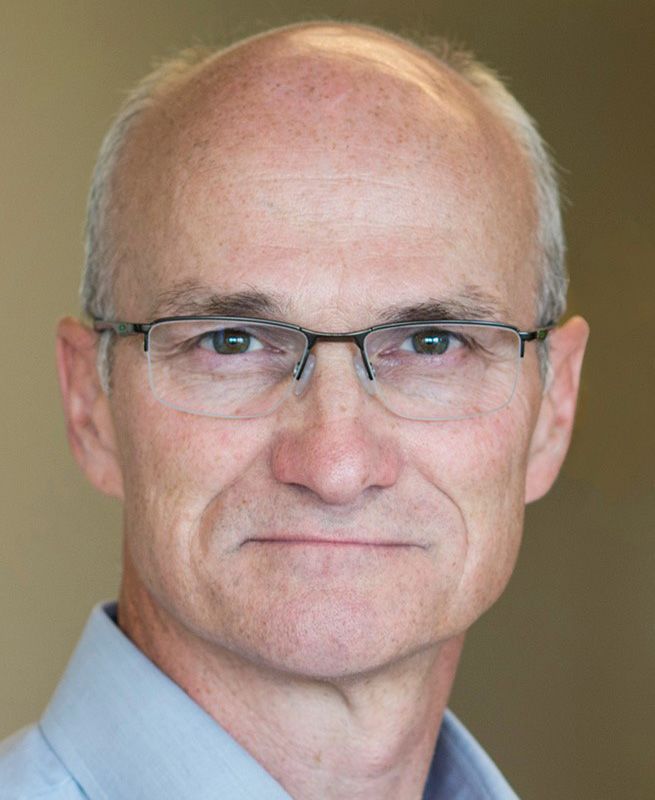
2020 New Fellows

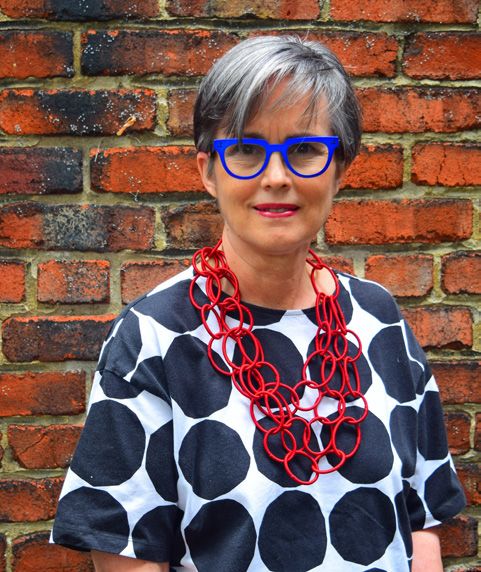
Annmarie Adams
Professor, McGill University

                       Annmarie Adams has pioneered interdisciplinary methodologies
                       for assessing healthcare design, an increasingly relevant field as
                       Canada’s hospitals age. Trained as an architect and architectural
                       historian, her award-winning publications, exhibitions, teaching, and
                       activism illuminate the complex relationship of health and the built
                       environment, and have situated Canadian hospitals at the forefront of
                       international, architectural discourse. Her impact in medicine has been
                       recognized by the architectural profession as “a model of professional
                       outreach.”

Hélène Boisjoly
Doyenne, Faculté de médecine, Université de Montréal

                       Première ophtalmologiste à devenir chercheure‐boursière puis
                       chercheure nationale du Fonds de recherche en santé du Québec,
                       première directrice du Réseau provincial de recherche en santé de la
                       vision, la docteure Hélène Boisjoly est également la première femme
                       doyenne d’une faculté de médecine au Québec. Elle a marqué sa
                       discipline en transplantation cornéenne et en développement de
                       traitements de l’herpès oculaire. Chercheure de notoriété internationale
                       en ophtalmologie, elle est aussi chef de file en médecine universitaire
                       reconnue notamment pour ses initiatives inter sectorielles et inter
                       professionnelles de même que ses contributions à la philanthropie et
                       aux échanges internationaux en santé mondiale.

2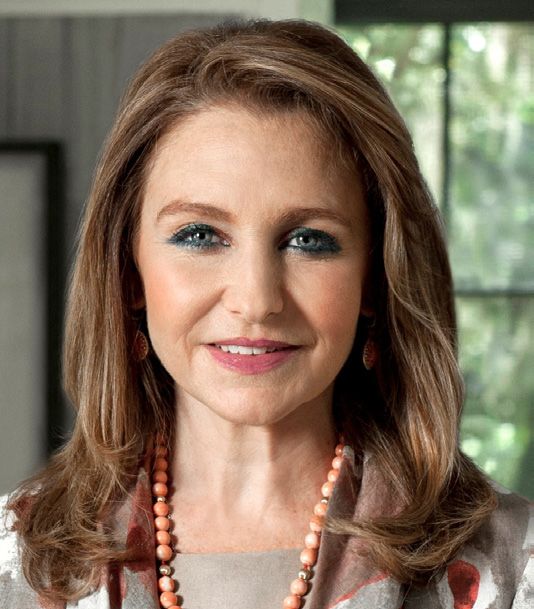
Les nouveaux Fellows 2020

Lori Brotto
Professor, Department of Obstetrics & Gynaecology, University of British Columbia

                        Dr. Lori Brotto is internationally recognized as a leader in sexual
                        health research. She has led teams to develop and establish effective
                        psychological interventions to improve sexual dysfunction and
                        genital pain, which collectively affect up to a third of women. Her
                        work has influenced practice around the world, with mindfulness
                        being implemented in sexual medicine centres and in international
                        guidelines. In recognition of her contributions to the field, she is
                        a Canada Research Chair in women’s sexual health and received
                        the Researcher of the Year (2017) award from the Society for
                        Obstetricians and Gynaecologists Canada.

Yves Brun
Professeur et Chaire de recherche du Canada 150 en biologie cellulaire bactérienne,
Université de Montréal

                        Professor at the Université de Montréal and Canada 150 Research
                        Chair in Bacterial Cell Biology, Dr. Yves Brun is a world leader
                        in microbiology. His transformative development of cell biology
                        methods has greatly improved the study of many basic processes
                        in bacteria and their evolution such as growth and division,
                        differentiation, and biofilm formation. His methods to study the
                        synthesis of the bacterial cell wall have revolutionized an area of
                        critical importance for the development of antibiotics. His methods
                        to visualise adhesive pili are transforming the study of biofilm
                        formation, reservoirs of infectious agents that are difficult to
                        eradicate.

                                                                                            3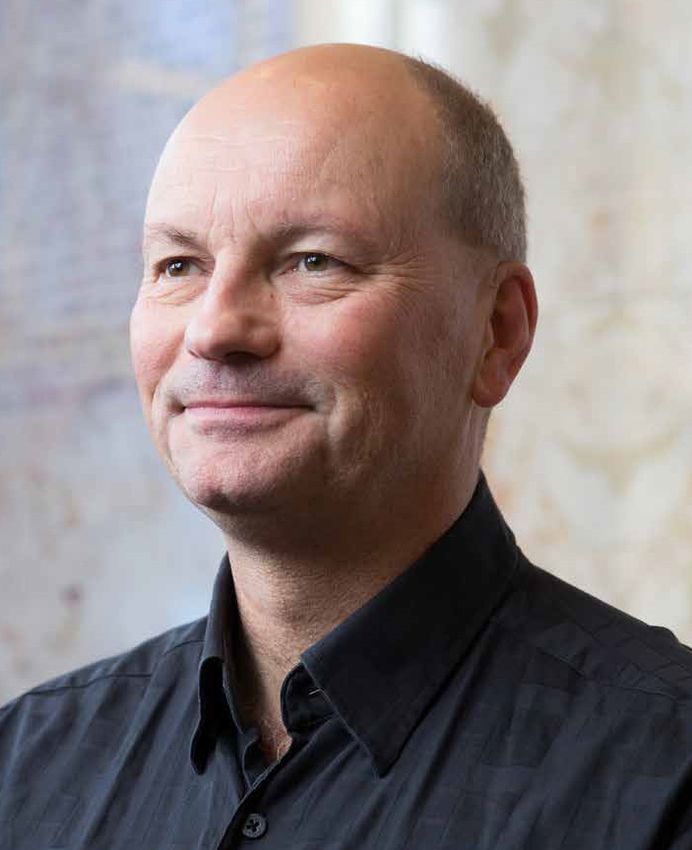
2020 New Fellows

Stirling Bryan
President, BC Academic Health Science Network

                    Dr. Bryan’s international reputation is in health economics, health
                    technology assessment and health services and policy research. He was
                    a Harkness Fellow in 2005 at Stanford University, has a career total of
                    over 250 peer-reviewed articles, has won over $45M in research funding
                    during his 12 years in Canada, and currently chairs the Advisory Board
                    for CIHR’s Institute for Health Services & Policy Research. Dr. Bryan is
                    an experienced and accomplished health research leader, having held
                    numerous leadership roles throughout his career, culminating in his
                    appointment in January 2020 as President of the BC Academic Health
                    Science Network.

Gregory Cairncross
Director, Charbonneau Cancer Institute and Professor, Clinical Neurosciences and
Oncology, University of Calgary

                    Dr. Cairncross discovered a chemosensitive brain cancer and led the
                    international clinical trial that established the role of chemotherapy in
                    the treatment of oligodendrogliomas. He also co-discovered with David
                    Louis (Boston) a molecular marker that is used worldwide to diagnose
                    oligodendrogliomas and guide the treatment of patients with this
                    disease. He is a pioneer and champion of precision medicine in the brain
                    cancer field, striving to improve patient care through genomic analysis of
                    cancer. He continues to lead a wet lab research program at the Cumming
                    School of Medicine and Directs the Charbonneau Cancer Institute at the
                    University of Calgary.

4
Les nouveaux Fellows 2020

Hélène Carabin
Professeur Titulaire, Faculté de Médecine vétérinaire et École de santé publique,
Université de Montréal; Chercheuse, Centre de Recherche en Santé Publique
(CReSP) et Groupe de Recherche en Épidémiologie des Zoonoses et Santé Publique
(GReZOSP)

                        Dr. Hélène Carabin is an infectious disease epidemiologist,
                        professor at the Faculty of Veterinary Medicine and The School
                        Of Public Health, Université de Montréal. She holds the CRC in
                        Epidemiology and One Health. She is a pioneer in using innovative
                        epidemiological and biostatistical methods to better determine how
                        the interface among animals, environment and humans result in
                        zoonotic infections which are of increasing clinical and public health
                        importance in Canada and globally. Her research team’s rigorous
                        epidemiological approaches has led to the addition of cysticercosis
                        and cystic echinococcosis to the global burden of disease initiative.

R. Nicholas Carleton
Professor of Psychology, University of Regina

                        Dr. R. Nicholas Carleton is a Professor of Psychology at the
                        University of Regina and the founding Scientific Director of the
                        Canadian Institute for Public Safety Research and Treatment. His
                        work has impacted mental health outcomes, practices, and policies in
                        Canada and internationally through the development and integration
                        of systems for Public Safety Personnel mental health research,
                        assessment, and treatment. His efforts have galvanized Public Safety
                        Personnel research, setting the stage to tangibly improve mental
                        health for all Canadians. Carleton maintains a small private practice
                        for military and public safety personnel who have anxiety-related
                        disorders, particularly posttraumatic stress disorder.

                                                                                            5
2020 New Fellows

David Chitayat
Head, The Prenatal Diagnosis and Medical Genetics Program, Department of
Obstetrics and Gynecology, Mount Sinai Hospital, University of Toronto

                        Dr. Chitayat is a Professor of Paediatrics, Obstetrics & Gynecology,
                        Laboratory Medicine and Pathobiology and Molecular Genetics,
                        the head of the Prenatal Diagnosis and Medical Genetics Program
                        at Mount Sinai Hospital, the Medical Director of the MSc Program
                        in Genetic Counseling at the University of Toronto and a staff at the
                        Division of Clinical and Metabolic Genetics at HSC. He has received
                        many awards in recognition of his significant contributions and has
                        published over 15 book chapters and over 400 peer reviewed papers
                        in the field of Medical Genetics. His research interests include
                        Prenatal Diagnosis, Urogenital abnormalities, Cardiac Genetics and
                        Neurogenetics.

Patricia J. Conrod
Professor of Psychiatry, Université de Montréal

                        Dr. Patricia Conrod, Clinical Psychologist and Professor of Psychiatry
                        at Université de Montréal, holds a Tier 1 Canada Research Chair in
                        Preventative Mental Health and Addiction. Dr. Conrod co-leads the
                        Quebec Research Network on Suicide, Mood Disorders and Related
                        Conditions (RQSHA) and the Canadian Cannabis and Psychosis
                        Research Team (CCPRT). She developed a targeted drug and alcohol
                        prevention program which was evaluated in multiple international
                        trials and is now recognised as an evidence-based program in the
                        U.S. Surgeon General’s Report on Addiction, and the UNODC’s
                        International Guidelines on Drug Prevention. She published over 200
                        peer-reviewed articles and is cited over 16,000 times in the scientific
                        literature. Her publications are also widely covered in the media,
                        including the New York Times, Wall St Journal, Financial Times,
6                       CNN, CBC, BBC.
Les nouveaux Fellows 2020

Janet Dancey
Director, Canadian Cancer Trials Group (CCTG) and Scientific Director Canadian
Cancer Clinical Trials Network, Edith and Carla Eisenhauer Chair in Clinical Cancer
Research, Ontario Institute for Cancer Research, Clinician Scientist, Queen’s
University
                        Dr. Janet Dancey is an international leader in novel trials of
                        targeted cancer therapies with associated biomarkers, and for rare
                        cancers patients. As Director of the Canadian Cancer Trials Group
                        (CCTG), Canada’s largest cancer trial network, she advanced its
                        research strategy and expanded its portfolio of trials evaluating
                        targeted agents, immunotherapy and application of genomics. She
                        has championed expanding the roles of patients in setting research
                        priorities and activities. Dr. Dancey has expertise in drug and
                        biomarker development, and trials methodology. A prolific author
                        with an excellent citation record, she is a sought-after speaker, both
                        nationally and internationally.

Philip James Devereaux
Director, Division of Perioperative Care, McMaster University

                        Philip James (P.J.) Devereaux is the pre-eminent scientist who has
                        developed the area of modern perioperative care. He established the
                        first international research group involving >30 countries, and led
                        many large trials and observational studies that have resulted in novel
                        discoveries, which has improved care globally. Devereaux established
                        the first Division of Perioperative Care at McMaster University,
                        which uses reliable evidence from rigorous research, an innovative
                        clinical fellowship training program, and a new clinical service model
                        which systematizes care before, during, and after surgery to improve
                        perioperative care. P.J. is an international leader in this emerging
                        multidisciplinary field.

                                                                                                 7
2020 New Fellows

James D. Douketis
Professor of Medicine, McMaster University
                           Dr. James Douketis is Staff Physician in General Internal Medicine
                           and Clinical Thromboembolism at St. Joseph’s Healthcare Hamilton,
                           and Professor of Medicine at McMaster University. He received his
                           M.D. and did his residency in internal medicine at the University of
                           Toronto followed by a thrombosis fellowship at McMaster University.
                           Dr. Douketis’ research interests include: perioperative anticoagulant
                           and antiplatelet management and guideline development (2008, 2012,
                           2019 [in preparation] ACCP Guidelines); and prevention, treatment
                           and prognosis of patients with venous thromboembolism. Dr.
                           Douketis is President of Thrombosis Canada, Editor-in-Chief of the
Canadian Journal of General Internal Medicine, Deputy Editor of Annals of Internal Medicine
ACP Journal Club, Associate Editor of the Journal of Thrombosis and Haemostasis and Internal
and Emergency Medicine, and has over 335 peer-reviewed publications.

Jacques Drouin
Directeur, Laboratoire de génétique moléculaire, Institut de recherches cliniques de
Montréal (IRCM)

                           Jacques Drouin est directeur du Laboratoire de génétique moléculaire
                           à l’Institut de recherches cliniques de Montréal. Il est membre de la
                           Société royale du Canada et il a reçu un diplôme Honoris Causa de
                           l’Université d’Aix-Marseille. Ses contributions portent sur les bases
                           moléculaires de la fonction, du développement et des pathologies
                           de l’hypophyse. Il a découvert des facteurs de transcription
                           qui contrôlent la différenciation cellulaire et l’organogenèse de
                           l’hypophyse, et a montré leur implication dans les déficiences
                           hormonales chez l’homme. Il a aussi identifié des mécanismes
                           de rétroaction des glucocorticoïdes et leurs implications dans la
                           résistance hormonale des adénomes qui causent la maladie de
                           Cushing. Il a identifié un facteur pionnier qui remodèle l’épigénome
 8
                           pour la spécification du destin cellulaire.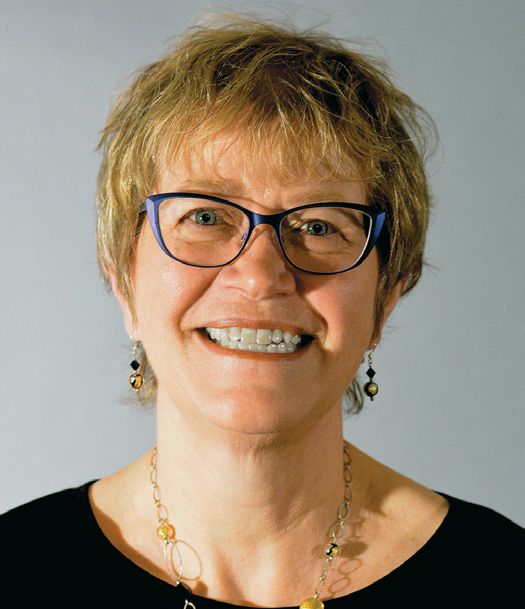
Les nouveaux Fellows 2020

Chantale Dumoulin
Professor, School of Rehabilitation, Université de Montréal

                        Chantale Dumoulin is Canada’s leading expert in women’s
                        urogynecological health and aging and one of top three
                        internationally-recognized researchers in her field. She aims to
                        improve women’s urinary continence by increasing our knowledge
                        of pathophysiology, developing cost-effective interventions and
                        providing capacity-building for clinicians. She is Professor, founder
                        and Director of the post-graduate pelvic floor rehabilitation program
                        at the School of Rehabilitation, Université de Montréal, and holds the
                        Canadian Research Chair in Urogynecological Health and Aging. A
                        prolific researcher, Cochrane review author/editor and International
                        Clinical practice guidelines chair, she contributes to providing
                        Canadian women with affordable, targeted and effective first-line
                        interventions.

Allison Eddy
Professor & Head, Department of Pediatrics, University of British Columbia,
Chief Pediatric Medicine, BC Children’s and Women’s Hospital

                        Dr. Allison Eddy is Professor & Head of Pediatrics, University of
                        British Columbia and Chief, Pediatric Medicine, BC Children’s &
                        Women’s Hospital. She has held prior faculty positions at U. Toronto
                        (12 years) and U. Washington (15 years), also serving as the Director
                        of a NIH‐funded Child Health Research Center (UW) and the
                        inaugural Director of the Tissue and Cell Sciences Research Center
                        at Seattle Children’s Research Institute. Dr. Eddy is internationally
                        recognized for her basic research discoveries on the cellular and
                        molecular mechanisms of kidney fibrosis and for training the next
                        generation of academic pediatricians and kidney specialists.

                                                                                           9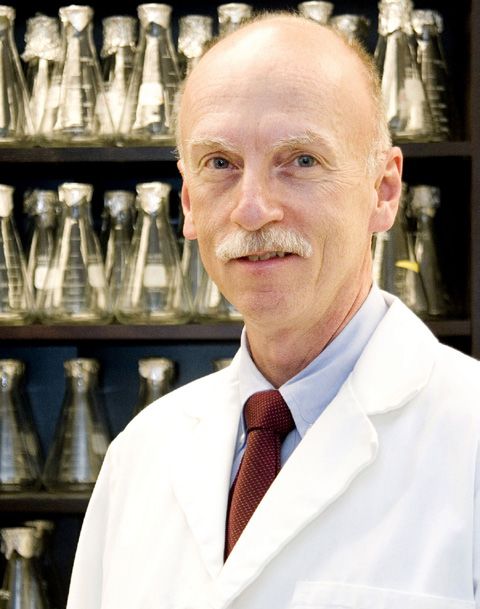
2020 New Fellows

Justin Ezekowitz
Professor of Medicine, Cardiologist, University of Alberta

                        Dr. Ezekowitz has demonstrated a clear passion and commitment to
                        advance academic health sciences. His research and clinical focus is
                        on the care of patients with heart failure (a major cause of morbidity
                        and mortality in North America). He is internationally recognized for
                        conducting high quality clinical research on heart failure involving
                        interdisciplinary research teams that include the full spectrum of
                        scientists from discovery-based through population health-based
                        researchers. He works closely with NGOs, specialty societies, and
                        health systems in Alberta, in Canada, and elsewhere to optimize
                        the care and outcomes for heart failure patients in Canada and
                        internationally.

Dean A. Fergusson
Senior Scientist and Full Professor, Ottawa Hospital Research Institute

                        Dr. Dean Fergusson is an established international leader in
                        evidence-based transfusion medicine and clinical trial methods.
                        Throughout his career, he has received over $160 million in peer-
                        reviewed research grants (including 134 CIHR grants), over $39
                        million as a principal investigator (including 35 CIHR grants), and
                        major salary awards from CIHR and the Province of Ontario. He is
                        one of the most cited and impactful researchers, having published
                        over 500 peer-reviewed journal articles, many in high impact
                        journals. His current H-index is 94 and his global citation numbers
                        rank in the top 1% in both transfusion medicine and epidemiology.

10
Les nouveaux Fellows 2020
Marcia Finlayson
Vice Dean (Health Sciences) and Professor and Director, School of Rehabilitation
Therapy, Queen’s University
Dr. Marcia Finlayson is an occupational therapist and internationally
recognized multiple sclerosis rehabilitation researcher. The
overarching goal of her work is to improve care and quality of life
outcomes for people with multiple sclerosis (MS), particularly as
they age. Through the use of mixed methods, interdisciplinary
collaboration, and engagement with national and international MS
organizations, she has drawn attention to the day-to-day impact
of living with MS and identified effective strategies that enable
people affected by this disease to exert choice and control over their
everyday lives.
Marilyn Ford-Gilboe
Distinguished University Professor and Women’s Health Research Chair in Rural
Health, Arthur Labatt Family School of Nursing, Western University
Marilyn Ford-Gilboe is a Professor and Women’s Health Research
Chair in Rural Health, in the Arthur Labatt Family School of
Nursing, Western University. Canadian leader in the areas of women’s
health, violence, health equity and place, her research has contributed
foundational knowledge about the health consequences of violence
and effective health interventions for women experiencing intimate
partner violence, including rural-dwelling women and people those
who face significant barriers to care. This work is strengthening
health care and social service responses to violence, trauma and
inequity. Her research is advancing the measurement of intimate
partner violence, with implications for global policy.
112020 New Fellows
Amit Garg
Professor, Medicine, Epidemiology & Biostatistics, Western University
Dr. Amit X. Garg, Professor of Medicine (Nephrology), and
Epidemiology and Biostatistics, has made many meaningful
contributions to advancing academic health sciences over the last
18 years. He provides care and conducts research to improve health
outcomes for patients with kidney disease including those receiving
dialysis or a kidney transplant. His innovative research has had
demonstrable impacts in areas ranging from advancing the safety
and practice of living kidney donation, to improving the safety of
prescription drugs in patients with kidney disease, to the prevention
of peri-operative kidney injury and kidney health informatics.
Serge Gauthier
Director, Alzheimer Disease Research Unit, McGill University Research Centre for
Studies in Aging
Dr. Serge Gauthier is the leading clinical trialist in the field of
Alzheimer disease and related disorders in Canada. He has created
and led the academic network C5R which has increased the role of
Canada on the world stage for clinical trials in Alzheimer’s disease.
He has played a key part in the Canadian Consensus Conferences
on the Diagnosis and Treatment of Dementia, which have guided
provincial governments and clinicians over the past thirty years in
the management of persons with dementia or have a higher risk
towards it.
12Les nouveaux Fellows 2020
Dafna Gladman
Senior Scientist, Krembil Research Institute, Toronto Western Hospital
Dr. Dafna Gladman, Professor of Medicine, University of Toronto
and Senior Scientist, Krembil Research Institute, has changed the way
rheumatologists manage psoriatic arthritis (PsA). She found that PsA
is more common and more severe than previously thought. She has
identified factors that lead to the development of PsA among patients
with psoriasis, and factors that are associated with more severe PsA.
She also alerted the medical community to the fact that PsA was
associated with important comorbidities including coronary artery
disease, diabetes, obesity and depression. She has also led a number
of clinical trials of new medications for PsA.
Michael Grant
Professor of Immunology, Associate Dean, BioMedical Sciences, Faculty of Medicine,
Memorial University of Newfoundland
Michael Grant started his career as the only biomedical scientist
in Atlantic Canada studying HIV. His innovative interdisciplinary
work significantly influenced our understanding of immunology
and infectious disease and helped put Canadian HIV research on
the map. His exemplary leadership record is highlighted by election
to president, Canadian Association for HIV Research, member,
Ministerial Council on HIV/AIDS, chair, CIHR HIV/AIDS Research
Advisory Committee, chair, CIHR Virology and Viral Pathogenesis
Review panel and chair, Canadian Foundation for AIDS Research
Scientific Advisory Committee. In 2018, Dr. Grant received the
Hardy Cinader award, the highest honour bestowed by the Canadian
Society for Immunology.
132020 New Fellows
Chantal Guillemette
Professeure titulaire, Faculté de pharmacie, Université Laval
Professor at Université Laval, Canada Research Chair in
Pharmacogenomics and co-director of the Cancer Research Center,
Dr. Chantal Guillemette is a world leader in the field of drug and
steroid metabolism and cancer pharmacogenomics with impressive
research accomplishments. She has contributed to high-quality and
clinically impactful research by leading an innovative program in
close partnership with clinicians and with an exemplary record of
training and mentoring successful research trainees. Her work has
provided a deeper understanding of the molecular basis of variable
therapeutic drug response and cancer progression, and contributed
to the development of non-invasive prognostic and treatment
decision tools.
Markus Haapasalo
Professor, Faculty of Dentistry, University of British Columbia
Dr. Haapasalo is Professor of Endodontics at UBC and a clinical
endodontist who has focused his research on agents for disinfecting
dental root canals and oral biofilm. He has authored two textbooks,
eight book chapters, over 230 peer-reviewed articles, and supervised
many graduate students. He is former editor-in-chief of Endodontic
Topics, a former associate editor of the Journal of Endodontics, and
serves on the editorial boards of dentistry’s highest-ranking scholarly
journals. Dr. Haapasalo received numerous research and teaching
awards, including in 2019 the most prestigious endodontic AAE
Louis I Grossman Award for extraordinary research contributions to
his discipline.
14Les nouveaux Fellows 2020
Benedikt Hallgrímsson
Professor, University of Calgary
Benedikt Hallgrímsson is an international leader in the study of birth
defects and the developmental genetics of anatomical variation. He
was awarded the Rohlf Medal for orphometrics in 2015 and elected
AAAS Fellow in 2019 for integrating imaging and morphometrics
with developmental biology. Funded by CIHR, NSERC and NIH,
his 160 publications have over 9000 citations. Hallgrimsson has held
leadership roles at the University of Calgary where he led creation of
the Bachelor of Health Sciences and co-led the successful proposal
to create a Faculty of Veterinary Medicine. He is currently Scientific
Director for the Alberta Children’s Hospital Research Institute.
Marie-Josée Hébert
Vice-rectrice à la recherche, à la découverte, à la création et à l’innovation;
Professeure titulaire, Département de médecine, Faculté de médecine; Titulaire de la
Chaire Shire en néphrologie et en transplantation et régénération rénales, Université
de Montréal; Chercheuse, CRCHUM
Marie-Josée Hébert est une néphrologue transplanteuse dont la
recherche translationnelle a renouvelé les concepts, fondamentaux
et cliniques, de l’insuffisance rénale progressive et du rejet de greffe.
Ayant découvert et caractérisé des autoanticorps et des structures
subcellulaires à l’œuvre dans la réponse immunitaire, elle a créé
des outils diagnostiques et établi de nouvelles cibles d’intervention
pour prévenir le rejet et la dysfonction rénale chez les personnes
transplantées. Elle a conduit plusieurs initiatives interdisciplinaires
et collaboratives, notamment comme cofondatrice et codirectrice du
Programme de recherche en don et transplantation du Canada, et
vice-rectrice à la recherche de l’Université de Montréal.
152020 New Fellows
David Hodgins
Professor, Department of Psychology, University of Calgary
Dr. Hodgins is a world-leading scientist in the field of addiction
studies. His creative work has profoundly changed the way in
which scholars, practitioners, and policy makers understand both
the etiology of disordered gambling, its comorbidity with other
disorders, and its natural course, treatment and recovery. Through
creativity and outstanding leadership, Dr. Hodgins has advanced the
science and practice of clinical psychology in gambling and other
addictions. Dr. Hodgins’ brief treatment and relapse prevention
interventions have influenced mental health services around the
globe. A leader of several collaborative international initiatives, he
has set directions for treatment of gambling disorder.
David Huntsman
Professor, University of British Columbia
Dr. Huntsman is a pathologist and clinical molecular geneticist.
Through a combination of genetic and pathology approaches, Dr.
Huntsman has redefined our understanding of ovarian and several
rare cancers, including hereditary stomach cancer, leading to
significant improvements in management. He proposed, developed,
and promulgated the subtype-specific approach to ovarian cancer
research, prevention, and treatment that is now the international
standard. He discovered the key mutations in several ovarian cancer
subtypes. His research has been published in prestigious journals, is
highly cited, and is the basis of clinical innovations used in Canada
and internationally.
16Les nouveaux Fellows 2020
Lois A. Jackson
Professor of Health Promotion, School of Health and Human Performance,
Dalhousie University
Dr. Lois A. Jackson, Professor of Health Promotion, is internationally
recognized for her community based, collaborative research with
marginalized populations. Dr. Jackson’s highly productive program
of research identifies how social inequities impact access to health
services, and her work draws attention to inequities across urban and
rural places. She is a leader in population health research providing
a voice for communities living socially and economically on the
margins of society. Her research informs programs and policies, and
has significantly advanced community‐engaged scholarship. She
is the recipient of several career awards and has an extensive track
record of volunteer service.
Marina Klein
Professor of Medicine, McGill University
Dr. Klein is a senior Clinician Scientist and Research Director of
the McGill University Health Centre Chronic Viral Illness Service
and holds a Tier 1 Canada Research Chair. She is an internationally
recognized leader in the fields of HIV and hepatitis C virus (HCV),
observational research and clinical trials. She has promoted treatment
access for viral hepatitis globally as governing council member
of the International AIDS Society. She leads a highly successful
interdisciplinary research program aimed at evaluating and
implementing interventions to improve health outcomes for HIV-
HCV coinfected persons and influencing policy to increase access to
care for vulnerable populations.
172020 New Fellows
Felicia Marie Knaul
Director, Institute for Advanced Study of the Americas and Professor, Miller School of
Medicine, University of Miami; Founding President Tómatelo A Pecho, AC México
Felicia Marie Knaul dedicates her research and advocacy to reducing
inequities and strengthening health systems to improve the well-
being of vulnerable populations. Combining health systems science
and economics, she has made policy contributions and pioneered
research in women´s and children´s health, global cancer, palliative
care and pain relief, and health financing. She founded Tómatelo
a Pecho, a Mexican NGO dedicated to improving women´s health
and transformed her breast cancer experience into evidence-based
innovations for low-income populations. She directs the University
of Miami Institute for Advanced Study of the Americas and is a
Professor of the Miller School of Medicine.
Jaspinder Komal
Vice-President, Science Branch, Canadian Food Inspection Agency and Chief
Veterinary Officer and OIE Delegate for Canada
Jaspinder Komal has a long, distinguished record in public service
related to veterinary public health, agricultural science and policy.
His detailed knowledge of Canada’s agriculture and food production
systems has advanced policies to ensure safe, sustainable food
production for Canadians and foster economic viability. His passion
to strengthen and collaborate with Canadian veterinary colleges
has led to better training of students and sharing of public research
facilities. As Canada’s chief veterinary officer and World Organisation
for Animal Health delegate, he has represented Canada with
distinction through positive leadership and enhanced the reputation
of Canada’s animal health sector worldwide.
18Les nouveaux Fellows 2020
Marlys Koschinsky
Professor of Physiology & Pharmacology, Western University
Marlys L. Koschinsky, PhD, is the Scientific and Executive Director
for Robarts Research Institute, Professor in the Department
of Physiology & Pharmacology, and member of the Senior
Leadership team of the Schulich School of Medicine & Dentistry,
Western University. Koschinsky’s research is in the broad areas of
atherosclerosis and thrombosis and focuses on the understanding
of mechanisms of action of emerging risk factors for cardiovascular
disease. She is an internationally recognized expert in the study of
the cardiovascular risk factor lipoprotein(a), and is a well-respected
opinion leader in the area of lipoproteins and cardiovascular disease.
Raymond W. Lam
Professor and BC Leadership Chair in Depression Research, Faculty of Medicine,
Department of Psychiatry, University of British Columbia
Dr. Lam is Professor and BC Leadership Chair in Depression
Research at the University of British Columbia. He is internationally
recognized for his clinical research in depression and its treatments.
His studies pioneered light therapy as an evidenced-based, non-
pharmacological treatment for seasonal and nonseasonal depression.
He led development of Canadian Network for Mood and Anxiety
Treatments (CANMAT) guidelines for depression that are widely
used internationally, and global mental health initiatives through the
Asia-Pacific Economic Cooperation (APEC), focusing on digital and
mobile health technology solutions. He is a highly cited scientist and
has published almost 400 peer-reviewed papers and 11 books.
192020 New Fellows
Harriet MacMillan
Distinguished University Professor, McMaster University
Dr. Harriet MacMillan is a pediatrician, psychiatrist, and scientist
whose research has transformed how family violence, including
child maltreatment and intimate partner violence, is understood,
responded to, and prevented. Her pioneering work has led to a
better understanding of the impact of exposure to violence, and its
link to mental health outcomes. She has influenced national and
international guidelines and led the development and evaluation of
prevention and intervention efforts. Dr. MacMillan has furthered
our knowledge of the individual and societal impacts of child
maltreatment and intimate partner violence and has worked tirelessly
to improve the lives of our most vulnerable citizens.
Ashok Malla
Professor, Department of Psychiatry, McGill University
Ashok Malla is a Professor of Psychiatry, McGill University and
a Tier-1 Canada Research Chair in Early Psychosis and Early
Intervention in Youth Mental Health. He is an international leader in
research in schizophrenia and other psychoses and early intervention.
He has made enormous contributions to our understanding of and
interventions in improving outcome in serious mental disorders,
especially at onset in youth. His work has had substantial impact
nationally and internationally on health policies on early intervention
in psychoses and service transformation in youth mental health.
Currently he leads a $25M national project on youth mental health,
ACCESS Open-Minds.
20Les nouveaux Fellows 2020
Deborah Marshall
Professor and Arthur J.E. Child Chair in Rheumatology Research, University of
Calgary
Dr. Marshall is a champion for health technology assessment -
a systematic rigourous approach to evidence-informed policy
development. Her research includes simulation modelling at
the individual patient level considering care pathways, patient
preferences and resources required to deliver health services in the
context of precision health. She has advanced the methods beyond
traditional methodologies by engaging patients as partners in
research and eliciting preferences to ensure that patient and provider
voices are included resulting in evidence-informed patient-centered
health care decisions. Her 210 publications have been cited >11,000
times (H-index: 40) and she has presented 385 invited addresses
nationally and internationally.
Richard Massé
Conseiller médical stratégique, Ministère de la santé et des services sociaux
Dr Richard Massé a exercé un leadership au niveau gouvernemental
et académique. Il a occupé des postes de directeur de santé publique
à Montréal, de sous-ministre adjoint et de Directeur national de
la santé publique au Ministère de la santé et des services sociaux
du Québec et de PDG de l’Institut national de santé publique du
Québec. Il a été le premier directeur de l’École de santé publique
de l’Université de Montréal. Il agit comme expert au Canada et à
l’international. En 2018, il recevait le Prix R. D. Defries, la plus haute
distinction de l’Association Canadienne de Santé publique.
212020 New Fellows
Katherine S. McGilton
Senior Scientist, KITE - Toronto Rehabilitation Institute, UHN
Katherine McGilton is a Senior Scientist at Toronto Rehabilitation
Institute and is recognized internationally as a leader in the field of
aging. Her research focuses on developing solutions for improving
care and access to rehabilitation for older adults with cognitive
impairment and increasing the effectiveness of nurse supervisors in
nursing homes. She does this by working in an integrated model with
practitioners, administrators and policy decision makers. She is the
founder of the International Consortium of the Professional Practice
of Nurses in Long-Term Care, where leaders collaborate to improve
care outcomes for residents and practice conditions for staff.
Derek M. McKay
Professor, Department of Physiology & Pharmacology, University of Calgary
Dr. McKay’s research, conducted in relevant model systems,
is revealing novel aspects of host-bacteria-parasitic helminth
interaction that may translate to new treatment for infectious and
inflammatory diseases of the gut. A past President of the Canadian
Association of Gastroenterology, he has >170 publications and
frequently delivers invited presentations at scientific conferences
and to the public. The significance of his contributions to health-
science research, commitment to mentoring (capacity building),
and leadership have been recognized with a number of national and
international awards. His volunteer activities highlight the burden
of digestive disease and the need for investment in discovery and
translational research.
22Les nouveaux Fellows 2020
Luanne Metz
Professor, Department of Clinical Neurosciences, University of Calgary
Dr. Luanne Metz is a Professor, Neurologist and was Head of the
Division of Neurology at the University of Calgary until 2019. She
has led the internationally recognized Calgary Multiple Sclerosis
(MS) Clinic with innovative research, treatment and care. She has
raised the standards of medical care for MS patients in Calgary,
Alberta and nationally. Her pioneering of many clinical activities
including leading a successful Phase III trial of minocycline in early
MS published in the New England Journal of Medicine has provided
the MS field worldwide with many novel insights and advances in
treating the disorder.
Wilson H. Miller Jr.
Medical Oncologist, Jewish General Hospital
Dr. Miller holds the Distinguished James McGill Professorship in
Oncology and is Deputy Director of the Segal Cancer Centre, where
he directs early phase clinical trials. These have led to his numerous
high impact publications, especially in the transformational new area
of immune-oncology. Dr. Miller serves as the Clinical Lead of the
Rossy Cancer Network, a collaborative effort of the McGill University
hospitals to improve cancer care. Dr. Miller is a passionate scientist,
leading also a CIHR-funded basic research team, which uncovers
novel mechanisms of response and resistance to therapies used in the
clinic.
232020 New Fellows
Jeffrey S. Mogil
E.P. Taylor Professor of Pain Studies, McGill University
Dr. Mogil has made seminal contributions to the field of pain
research, founding the significant new subfield of pain genetics.
His demonstrations of the effect of strain, sex, social factors, and
laboratory environmental variables on pain behaviour in animals
have improved the design and interpretation of biomedical
experiments worldwide and led to changes in research policy.
His discovery of empathy in rodents, facial expressions of pain in
laboratory animals, and successful mouse-to-human translational
findings have implications not only for analgesic drug development,
but also for evolutionary theory, ethics and veterinary care.
Xavier Montalban
Chair, Department of Neurology-Neuroimmunology and Director, Multiple Sclerosis
Center of Catalonia (Cemcat), Vall d’Hebron University Hospital
Prof. Montalban has been the Director of the Neurology Division,
University of Toronto. He is Chair of Neurology and Director of
Cemcat at Vall d’Hebron University Hospital in Barcelona. He is an
internationally renowned neurologist whose work led to significant
advances for understanding the mechanisms associated with a
devastating neurological disease, such as Multiple Sclerosis. His
ground-breaking work led to great scientific discoveries, helping to
define important clinical features that impact significantly on the
health and quality-of-life of patients. Prof. Montalban’s commitment
for excellence is contributing to promoting Canadian research. He
has received numerous invitations to deliver lectures at national and
international meetings and to lead prestigious professional societies.
He was named among the most Highly Cited Researchers.
24Les nouveaux Fellows 2020
Karen Mossman
Vice President - Research and Professor, McMaster University
Dr. Karen Mossman’s research focuses on molecular virology and
cancer immunotherapy, spanning basic science to translational
investigations. She is passionate about service to science, and has
gained extensive experience and accolades in both administration and
research, serving as Associate Vice President Research while leading
a robust lab group that produced over 80 successful trainees. She has
garnered numerous awards and invitations to speak at conferences and
institutions globally and to serve on international grant panels, while
committed to engaging the public on the translation of research. As
a model for women in STEM, she is dedicated to building a stronger
science community.
Heyu Ni
Professor, Senior Scientist, and Platform Director, Canadian Blood Services Centre for
Innovation at the station of St. Michael’s Hospital, University of Toronto
Dr. Heyu Ni is a Platform Director at Unity Health Toronto - St.
Michael’s Hospital, Professor at the University of Toronto, and
Senior Scientist of Canadian Blood Services Centre for Innovation.
Dr. Ni has discovered and redefined the fundamental mechanisms
underlying thrombosis and hemostasis, which are critical for heart
attack, stroke and bleeding disorders. He developed the first intravital
microscopy thrombosis model and was the first to discover fibrinogen/
VWF-independent thrombosis, leading to a paradigm shift in the
field. He has also established several autoimmune/alloimmune
thrombocytopenia (bleeding disorders) and tumor metastasis models,
and developed new diagnostics/therapies to control these life-
threatening diseases.
252020 New Fellows
Colleen M. Norris
Professor, Scientific Director, Cardiovascular Health and Stroke Strategic Clinical
Network, Faculty of Nursing, University of Alberta
Dr. Colleen Norris, Professor and Clinician Scientist, Faculties
of Nursing, Medicine & Dentistry, and School of Public Health,
University of Alberta, is Scientific Director, Cardiovascular Health and
Stroke Strategic Clinical Network; Fellow, American Heart Association;
and Chair, Canadian Women’s Heart Health Alliance, Health Policy
and Services Working Group. Dr. Norris is internationally recognized
for her leadership in developing and disseminating evidence informed
strategies to transform clinical practice and impact public policy
related to women’s heart health. She established the methodology
to incorporate sex and gender information into the Canadian
Cardiovascular Society’s Clinical Practice Guidelines.
Grace Parraga
Professor, Department of Medical Biophysics, Western University
Dr. Grace Parraga’s research has deepened our understanding of
inflammatory airways disease including asthma and COPD, which
are recognized as among the costliest and most common diseases
in the world, affecting millions. Her lab’s pioneering patient-based
pulmonary research has led to the understanding that currently used
clinical measurements are insensitive to early and mild airways disease
and their response to treatment. Her foundational studies have also
demonstrated that genetics and environment determine airway tree
branching that plays a role in asthma. This has important implications
for the tens of millions of children and adults with asthma worldwide.
26Les nouveaux Fellows 2020
Scott B. Patten
Professor, Department of Psychiatry, University of Calgary
Dr. Patten is a psychiatrist and epidemiologist. His research applies
population-based approaches to questions related to mental health,
including the prevalence of mental disorders, associated risk and
prognostic factors and patterns of mortality. He has led studies of
medical-psychiatric comorbidity and mental health stigma in Canada.
His over 800 publications have been cited over 50,000 times (HIndex:
72). He is recognized as one of the world-class researchers selected for
their exceptional research performance, demonstrated by production
of multiple highly cited papers that rank in the top 1% by citations for
field and year in Web of Science by Clarivate Analytics.
Bernadette Pauly
Professor, School of Nursing, University of Victoria and Scientist, Canadian Institute of
Substance Use Research
Dr. Bernie Pauly is a Professor in the University of Victoria’s School of
Nursing, Associate Director and Scientist of the Canadian Institute for
Substance Use Research, and the Island Health Scholar in Residence.
A highly engaged community-based researcher, Dr. Pauly is a global
leader in substance use, harm reduction and the promotion of health
equity for people who use substances at the intersection of poverty
and homelessness. She is especially skilled in strategies for engaging
and working with people with lived experience and in promoting
the adoption of cultural safety and harm reduction as approaches for
reducing stigma and harms of substance use.
272020 New Fellows
Stuart Peacock
Professor and Leslie Diamond Chair in Cancer Survivorship, Simon Fraser University
Stuart Peacock holds the Leslie Diamond Chair in Cancer
Survivorship in the Faculty of Health Sciences at Simon Fraser
University. He is Co-Director of the Canadian Centre for Applied
Research in Cancer Control, and Head of the Department of Cancer
Control Research at BC Cancer. He has over 200 publications,
including papers in the BMJ, Journal of the American Medical
Association, and Lancet Oncology. He has shaped healthcare priority
setting in Canada, serves as a Board Director of the Canadian Agency
for Drugs and Technologies in Health, and is an international advisor
on cancer control strategies and priority setting.
Eric Racine
Professeur titulaire de recherche et Directeur d’unité de recherche, Institut de
recherches cliniques de Montréal (IRCM)
Dr. Eric Racine is Research Professor at the Institut de recherches
cliniques de Montréal (IRCM) and Université de Montréal and also
Adjunct Professor at McGill University. He is Director of the Pragmatic
Health Ethics Research Unit. Dr. Racine is internationally known for
his contributions to the development of novel ethics approaches in
health care. He is a member of the Board of the FRQ-S, the CIHR
Standing Committee on Ethics, and the International Neuroethics
Society. He is the author of more than 175 peer reviewed papers and
several books, and has supervised the work of over 100 early career
scholars.
28Les nouveaux Fellows 2020
Marek Radomski
Vice Dean Research and Professor of Anatomy, Physiology and Pharmacology,
University of Saskatchewan
Marek Radomski, MD, PhD, is one of the world’s foremost experts
in the pharmacology and physiology of platelet aggregation and
a pioneer in the field of nanopharmacology. In addition to his
outstanding original research contributions, Dr. Radomski has held
senior leadership positions in the academy and in industry both in
Europe and in Canada. He has also contributed to major international
initiatives, including the WHO’s Safe Maternity Program and European
committees tasked with setting policies on nanotechnologies in food.
The recipient of numerous recognitions, Dr. Radomski was elected as
an international member of the Polish Academy of Learning in 2018.
Vardit Ravitsky
Full Professor, Department of Social and Preventive Medicine, Université de Montréal
Throughout her career, Professor Vardit Ravitsky has demonstrated
exemplary commitment to advancing academic health sciences
through her innovative research, her teaching, and her service to
the community. A leader in bioethics research, she has influenced
policy making, as well as clinical practice, especially in the areas of
reproduction and genomics. She runs an active well-funded research
program, trains and mentors a new generation of scholars, and invests
in building novel educational opportunities. Her roles on boards
and advisory bodies, investment in knowledge dissemination, public
engagement, and work with policy makers, bear witness to her public
service locally, nationally, and internationally.
292020 New Fellows
Ravi Retnakaran
Clinician-Scientist, Mount Sinai Hospital, Leadership Sinai Centre for Diabetes
Dr. Ravi Retnakaran is a Professor of Medicine in the Division of
Endocrinology and Metabolism at the University of Toronto and
Mount Sinai Hospital. His research focuses on the pathophysiology
and treatment of type 2 diabetes (T2DM). His work has
demonstrated that pregnancy poses a physiologic challenge to a
woman’s body that can provide unique insight into her future risks
of both T2DM and cardiovascular disease, and hence an opportunity
for their prevention. Furthermore, his research has highlighted the
potential reversibility of the underlying disease process early in the
course of diabetes, leading to novel strategies for treating T2DM.
Joy Richman
Professor, Faculty of Dentistry, University of British Columbia
Dr. Richman is a specialist in Pediatric Dentistry with a PhD in
developmental biology from University College London. She is known
internationally for her discoveries in facial development and tooth
replacement with funding support from the CIHR, NSERC and the
NIH. Dr. Richman is an Associate Editor for the Journal of Dental
Research. She served on the board of the International Association
for Dental Research as well as on the executive of the Canadian
Association for Dental Research. Dr. Richman is the Director of the
Graduate Program in Pediatric Dentistry at UBC, and treats children
with complex disorders at BC Children’s Hospital.
30Les nouveaux Fellows 2020
Michael John Rieder
CIHR-GSK Chair in Paediatric Clinical Pharmacology, Western University
Dr. Rieder is a distinguished university professor at Western University
and a leader nationally and internationally in paediatric clinical
pharmacology. He holds the CIHR-GSK Chair in Paediatric Clinical
Pharmacology, the only endowed chair in pediatric pharmacology in
Canada and one of a handful internationally. Dr. Rieder is recognized
for his work in exploring drug safety and efficacy in children and
serves as a consultant for many national and international agencies. His
laboratory, the Drug Safety Laboratory, is a core laboratory for a unique
national network, the Canadian Pharmacogenomic Network For Drug
Safety.
Bernard Robaire
James McGill Professor, Department of Pharmacology and Therapeutics, McGill
University
Bernard Robaire is a world leader in the field of male reproduction and
medicine. His ground breaking research demonstrated that paternal
exposure to some therapeutic agents and environmental chemicals
may alter the quality of sperm chromatin and have adverse effects
on offspring. Importantly, he established that aging of the father is
associated with decreased sperm quality and that this has consequences
for progeny outcome. His pioneering studies of androgen action
revealed the pathway by which androgens act rapidly on target cells.
His fundamental studies on the impact of steroid combinations on
spermatogenesis are the basis for developing a male contraceptive.
312020 New Fellows
Norman Rosenblum
Pediatric Nephrologist, Senior Scientist, Professor of Pediatrics, The Hospital for
Sick Children
Norman Rosenblum is a Clinician Scientist in Paediatric Nephrology.
His research focuses on signaling mechanisms controlling normal
and malformed kidney development. His major impact has also
been on the career development of clinician- and translational
scientists and the development of health research strategies locally
(Associate Dean of Physician Scientist Training, University of
Toronto), nationally (Canadian Child Health Clinician Scientist
Program, and internationally (Board of Trustees of Eureka Institute
For Translational Medicine; Chair of Scientific Advisory Board of
Faculty Of Medicine, University of Helsinki). He is Scientific Director
of the Canadian Institutes of Health Research Institute of Nutrition,
Metabolism and Diabetes.
Susan Rvachew
Associate Dean and Director, School of Communication Sciences and Disorders,
Faculty of Medicine, McGill University
Professor Susan Rvachew, Ph.D., S-LP(C), ASHA Fellow, has
received national and international recognition for outstanding
professional achievements in the field of speech-language pathology
practice and research. These achievements include theoretical and
methodological advancements that highlight the role of speech
perception in speech production development and speech disorders.
She developed new computer-based assessment and treatment tools
that have transformed speech therapy practice for the remediation
of developmental speech sound disorders. She is well-known for
her commitment to knowledge mobilization, having collaborated
with many groups to create accessible publications for students,
practitioners, policy makers and the lay public.
32Les nouveaux Fellows 2020
Lisa Saksida
Canada Research Chair in Translational Cognitive Neuroscience (Tier 1); Professor,
Department of Physiology and Pharmacology, Western University; Co-Scientific
Director, BrainsCAN; Scientist, Robarts Research Institute; Principal Investigator, The
Brain and Mind Institute
Dr. Saksida, Tier 1 Canada Research Chair in Translational Cognitive
Neuroscience, has made numerous contributions to understanding
the circuits and mechanisms underlying cognition—particularly
learning and memory—in the healthy brain and in disease. Her work
involves theoretically rigorous, mechanistic studies of cognition, using
pharmacological, genetic and molecular techniques combined with
sophisticated analysis of behaviour. She also contributes immensely to
leadership in the wider scholarly community through focused efforts to
change the scientific environment for the better, with an emphasis on
open science and team science as well as initiatives to improve equity,
diversity and inclusivity.
Brent Schacter
Professor Emeritus, Department of Internal Medicine, University of Manitoba
Dr. Brent Schacter has held many major national and international
leadership roles: President/CEO of CancerCare Manitoba; CEO of
Canadian Association of Provincial Cancer Agencies; and Co-Chair of
Steering Committee, Canadian Strategy for Cancer Control. These roles
allowed effective advocacy for establishment of Canadian Partnership
Against Cancer. Dr. Schacter was the P.I. of the Canadian Tumour
Repository Network, which launched a Biobank Education and
Certification Program that has been adopted globally. He was President
of International Society of Biological and Environmental Repositories
(ISBER) and a member of ISO TC276, which published ISO 20387 and
ISO 22758, the global standards in biobanking.
332020 New Fellows
Arya M. Sharma
Professor of Medicine, University of Alberta
Arya M. Sharma, MD, is Professor of Medicine at the University
of Alberta and is globally recognised as Canada’s leading voice in
obesity science and medicine. He has authored over 450 scientific
articles and has lectured in over 50 countries on evidence-based
prevention and management of obesity. He is the Scientific Director
of Obesity Canada, Canada’s national health charity focussed on
improving the lives of Canadians affected by obesity, and his work
has been extensively recognised through numerous prestigious
awards. He is also regularly featured as an expert in national and
international media and maintains a widely read blog at http://www.
drsharma.ca.
Graeme N. Smith
Professor & Head, Department of Obstetrics & Gynaecology, School of Medicine,
Queen’s University
Graeme Smith MD, PhD is an internationally recognized clinician
scientist and Head of the Department of Obstetrics & Gynecology at
Queen’s University. Dr. Smith established the Academic Council at
the Society for Obstetricians & Gynecologists of Canada to oversee
educational activities ranging from medical students to residents to
practicing clinicians. He has demonstrated a career long commitment
to trainee research education ranging from his own basic science
graduate trainees, establishing the Royal College Clinician
Investigator Program at Queen’s University, running the Introduction
to Research course for all first year residents and establishing
mentorship recognition programs in the SOGC and Department.
34Les nouveaux Fellows 2020
Janet Smylie
Professor, Dalla Lana School of Public Health, University of Toronto, Research Chair,
St. Michael’s Hospital, Staff Physician, Unity Health Toronto
Among Canada’s first Métis physicians and the most prolific author in
her field, Dr. Smylie is globally respected by academics and Indigenous
community leaders for consistently producing and translating
innovative research into tangible benefits for Indigenous community.
Her research findings have been applied to lever >$20 million of new
funding for Indigenous health and social services, such as Indigenous
midwifery and child development programming. Her scholarly
contributions include: advancing theory and practice of Indigenous
knowledge translation; unmasking urban Indigenous population size
and health inequities; and improving recognition of health systems’
responses to racism as a core determinant of Indigenous health.
Henry Thomas Stelfox
Department Head, Critical Care Medicine, University of Calgary, Alberta Health
Services
Dr. Stelfox is an internationally recognized intensive care physician,
scientist, educator and healthcare system leader. He is a leading expert
in the use of applied health services research methods to improve the
care of critically ill patients. He has extensively contributed to academic
health sciences by leading provincial, national and international efforts
to build applied research capacity, create new health service delivery
knowledge and translate that knowledge into better patient care. He
has successfully trained multiple scientists and clinicians and mentored
early career academic faculty who have gone on to successful careers in
academia, healthcare, industry and government.
35You can also read


