IRISH EDUCATED GLOBALLY CONNECTED - AN INTERNATIONAL EDUCATION STRATEGY FOR IRELAND, 2016-2020
←
→
Page content transcription
If your browser does not render page correctly, please read the page content below

IRISH EDUCATED
GLOBALLY CONNECTED
AN INTERNATIONAL EDUCATION STRATEGY FOR IRELAND, 2016-2020

                       Succeeding
                         Abroad                              Supportive
                                                              National
                                                             Framework

         Sustainable
          Growth in
             ELT
                                                              Globally
                                                             Competitive
                                                                HEIs
IRISH EDUCATED
GLOBALLY CONNECTED
AN INTERNATIONAL EDUCATION STRATEGY FOR IRELAND, 2016-2020

                                                             1
PART 1

                                                                             PART 2
    5 Foreword by the Minister for   11 Review of Progress in Implementing   15 Towards a new International
      Education and Skills              Investing in Global Relationships       Education Strategy, 2016-2020
                                        Ireland’s International Education
    6 Executive summary                 Strategy, 2010-2015                  16 2.1:
                                                                                The Global Context: Forces
                                                                                Shaping Internationalisation,
                                                                                2016-2020

                                                                             18 2.2:
                                                                                Trends and Economic Value of
                                                                                International Students

    Contents
2
PART 3

                                        PART 4

                                                                              PART 5
21 Vision for an International          41 Strategic Actions, Resources and   49 Appendices
   Education Strategy, 2016-2020           Implementation
                                                                              50 Appendix 1 – Trends
22 3.1                                  42 4.1                                   and Economic Value of
   Overview                                Strategic Actions                     International Students

23 3.2                                  46 4.2                                57 Appendix 2 – Members of
   Vison                                   Resources and Investment              the High Level Group on
                                                                                 International Education
26 3.3                                  48 4.3
   Four strategic priorities for an        Implementation and Monitoring      58 Appendix 3 – Glossary
   International Education Strategy

26 Strategic Priority 1:
   Supportive national framework

30 Strategic Priority 2:
   Internationally-oriented, globally
   competitive Higher Education
   Institutions
34 Strategic Priority 3:
   Sustainable growth in the high-
   quality English language training
   sector
36 Strategic Priority 4:
   Succeeding Abroad

40 3.4
   Co-Operation with the United
   Kingdom

                                                                                                           3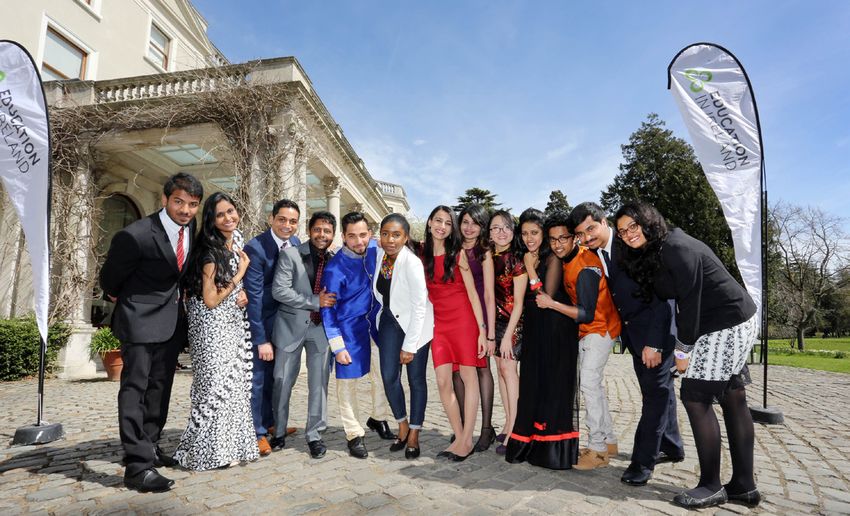
IRISH EDUCATED GLOBALLY CONNECTED An International Education Strategy for Ireland, 2016-2020

4
Ministers Foreword
Ireland is a small, open economy, reliant on international     The international education sector is currently worth
trade to build sustainable long-term growth. We are one        approximately €1.58bn per annum to the Irish economy
of the most globalised countries in the world and compete      and I have set targets for period of this Strategy to see this
successfully internationally on the basis of a highly-         grow to €2.1bn per annum by 2020. I believe that, with the
educated and talented workforce.                               additional supports being put in place as a result of this
                                                               Strategy, this figure is fully achievable.
Ireland’s worldwide reputation for high quality education
is built upon a commitment to excellence. Our people are       This Strategy represents a key element of Ireland’s growth
renowned for attributes such as innovation, creativity and     strategy for the next five years.
collaboration. We are an English-speaking member of the
European Union, and have extensive global links through        Not alone does internationalisation of education bring
our worldwide diaspora and alumni. Our education system        direct financial benefits, but it also creates links and
has a long history of international engagement and is          relationships between Ireland and many partners at
globally respected.                                            individual, institutional and country level that will bring
                                                               further engagement and economic activity in the future.
Ireland’s commitment to education has ensured that we
are home to nine of the world’s top ten ICT companies,         Today’s international students are tomorrow’s leaders,
eight of the world’s top ten pharmaceutical and life science   entrepreneurs and investors. By bringing them to Ireland
companies, and half of the world’s major financial services    to study, we have the opportunity to influence their future
companies.                                                     choices by demonstrating that Ireland can be a great place
                                                               in which to invest and do business.
This Strategy aims to support the development of global
citizens through Ireland’s high quality international          I would like to thank the High-Level Group for their time
education system, by attracting talent from around             and effort, and I look forward to working with all of our
the world to our education institutions, equipping Irish       partners to ensure that International Education in Ireland
learners with the skills and experience they need to           is a continued success.
compete internationally, engaging in world-class research
and international collaborations, and addressing global
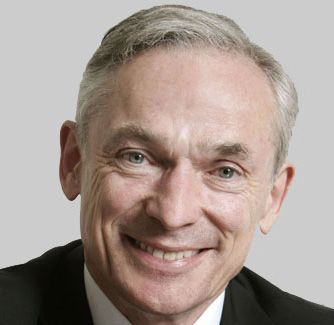
challenges.                                                    Richard Bruton TD
                                                               Minister for Education and Skills
The ambition of this Strategy is to build on the significant
progress made in the area of International Education over
the past number of years. My Department, in conjunction
with the High-Level Group on International Education, have
highlighted areas for growth and improvement and have
put in place strategic actions to deliver the vision of this
Strategy.

                                                                                                                                5
IRISH EDUCATED GLOBALLY CONNECTED An International Education Strategy for Ireland, 2016-2020 6
EXECUTIVE SUMMARY

Executive Summary
Irish Educated, Globally Connected, an International           Training students choosing to study in Ireland in recent
Education Strategy for Ireland 2016-2020 builds on the         years.
significant progress made under Ireland’s previous
International Education strategy, Investing in Global          The economic value of international students is measured
Relationships 2010-2015.                                       on an output impact basis and shows that the sector is
                                                               now worth a minimum of €1.55 billion per annum to
Internationalisation of education can be described as          Ireland, outperforming the very challenging target of €1.2
a comprehensive approach to education that prepares            billion that was set in the last strategy.
students, academics and staff to be active and engaged
participants in an interconnected global world. This new       This highlights the tremendous contribution that
International Education Strategy for Ireland sets a vision     International education brings to our economy and society
that aims to achieve that outcome as well as aiming to         and the potential that further enhancements to our
attract leading international student talent.                  policies can create in this area over the next number of
                                                               years.
The Strategy places a high quality learner experience,
academic quality, research and mobility and a distinctive
Irish offer at the centre of our delivery of international     Irish Educated, Globally Connected – Vision, Goals
education.                                                     and Strategic Priorities
International Education in Ireland is a success story. The     Building on all of the great work and achievements in
2010-2015 Strategy set the overarching objective of Ireland    recent years, our vision for international education is “to
becoming internationally recognised as a world leader          support Ireland to become internationally recognised
in the delivery of high-quality international education        for the development of global citizens through our
by providing a unique experience and long-term value           internationalised education system and a market leader in
to students. The targets set for full-time international       attracting international student talent.”
student recruitment and economic impact were exceeded.
                                                               This vision will be delivered through the achievement
Our reputation as a destination for students and the
                                                               of a number of high level goals that reflect our aim of
student experience is very strong.
                                                               increasing the numbers of international students and
                                                               researchers coming to our institutions, increasing outward
                                                               mobility for Irish students and academics/researchers,
Global Trends and Economic Value                               connecting the benefits of internationalisation with
Global competition in all aspects of international education   enterprises in support of national economic ambitions and
is increasing. The dominance of English-speaking               building world class networks of learning and innovation.
countries in the provision of education programmes is
being challenged by non-native English speaking countries      In pursuit of the overall vision and the high level goals, the
delivering programmes through the medium of English.           Strategy establishes four strategic priorities through which
Competitive pressure is also increasing in other areas of      the outcomes and targets are established. These priorities
international education such as fee levels, immigration        are-
rules and employment opportunities. Disruptive                 •   Strategic Priority 1 – A Supportive National
technologies, new modes of delivery and transnational              Framework
provision are transforming the landscape.
                                                                   Ensuring strong policy cohesion across related
The analysis of the economic value of international                areas of Government Strategies and a strong
students that underpins this Strategy will significantly           regulatory environment that supports the objectives
support the development of policies and strategy for               of internationalisation are central to this strategic
international education in Ireland. It clearly demonstrates        priority. Taking a whole of Government approach to
substantial increases in the number of full-time                   the alignment of a range of policies, initiatives and
international Higher Education and English Language                institutions underpins the achievement of the goals          7
IRISH EDUCATED GLOBALLY CONNECTED An International Education Strategy for Ireland, 2016-2020
and targets established. Links to the National Skills realistic manner while reflecting ambition in terms of
Strategy 2025, the forthcoming Foreign Languages their outputs and outcomes.
Strategy, the Trade, Tourism and Investment Strategy
and our labour market strategies are clearly set out
and the implementation of this Strategy will take • Strategic Priority 3 – Sustainable Growth in the
cognisance of related actions and objectives from English Language Training sector
those policies. In recent years, the English Language Training (ELT)
sector has performed very well on all indicators of
Reforming and enhancing the regulatory environment
revenue, student numbers and student weeks. A
for international education providers and for students
number of core growth areas have been identified
will also support the further development of our
for further development. In general, these can be
international education offering. Working with
categorised into specialised programme opportunities
relevant Agencies and Departments on immigration,
and specific product offerings. These programmes
visa regulation, inspection and bringing forward
include those for academic or specific business
legislation where needed will all serve to enhance the
purposes, while the products will feature opportunities
assurance that all participants in the sector will have
for internships, pathways to higher education and
as we continue to build the sector into the future.
teacher training courses.
Research has established that the inclusion of ELT in
• Strategic Priority 2 – Internationally-oriented, the broader international education package would
globally competitive Higher Education improve the ability of our Agencies to sell Ireland
Institutions as destination for international students. The future
Higher Education Institutions (HEIs) are the primary development of the ELT sector will benefit greatly
drivers of the internationalisation of higher education. from Government support and access to official
The focus of our HEIs must remain on quality and branding and in-market promotion. It is proposed that
building long-term engagement with students and the Education in Ireland brand will move to include
partners. HEIs will continue to play to their unique the promotion and marketing of the adult non-EU
strengths on the global stage, while ensuring that ELT sector when appropriate improvements to the
their individual internationalisation plans dovetail with regulatory system are in place.
national policy and ambition. They will also work in
partnership at regional level, particularly where this This Strategy also establishes growth targets for
enhances the prospects of market success in specific student numbers to 2020 that are challenging and
regions of the world. The strategic dialogue under the ambitious, yet realistically achievable.
higher education performance framework provides a
strong mechanism to oversee and monitor progress in
• Strategic Priority 4 – Succeeding Abroad
this regard.
Education in Ireland and the Department of Foreign
Opportunities and threats are present in relation to Affairs and Trade, in particular through its Embassy
student recruitment, future funding of the sector, network, play a key role in identifying and building
student accommodation and the mobility for students, presence and concrete outcomes in international
academics and staff. The potential for transnational education markets. Along with the Department
education and for greater internationalisation of of Education and Skills, they will continue to grow
the curriculum, underpinned by the principles of links with other Governments and their agencies to
equality and diversity in the delivery of individual HEI create the right environment for collaboration for
strategies, must also be reflected in planning provision our institutions in overseas markets. They have been
in the years ahead. highly successful in assisting the building of long-term
partnerships for our institutions and for Ireland in all
The internationalisation strategies of the HEIs will areas of economic interest.
include the achievement of the goals, priorities and
targets set out in this Strategy in their key elements Supports, including those provided through the
of planning and delivery. These strategies will factor Irish Aid programme, have helped to build broader
in the opportunities and the challenges presented in a sustainable partnerships with partner countries.
8EXECUTIVE SUMMARY
While this Strategy will continue to support the Strategic Actions and Resources
deepening of existing market relationships and In support of the visions, goals and strategic priorities set
connections, it is proposed to also explore other high- out in this Strategy, some 24 specific actions have been
potential market opportunities in a proactive manner. included to ensure that these are delivered on in concrete
Education in Ireland and our Embassies will be central terms. These actions include a range of initiatives, targets,
to this task and to the promotion of Ireland as a centre administrative enhancements and legislative changes
for human capital development to Governments, that will enable Ireland to advance our internationalisation
agencies, institutions and businesses where objectives at national, international and institutional level.
opportunities are identified. Allied to the further They are outlined in detail in Part 4 of this Strategy.
strengthening of the Education in Ireland brand,
employing improved communications methodologies The implementation of these actions will require further
and building on Ireland’s alumni and diaspora links, resources and investment in international education by
the scope for growing our international education Government and the sectors involved. The Government
outcomes is very substantial. is considering the report on future funding of higher
education and this will be important in terms of the
resource issues raised in this Strategy. The resources
for the new and additional initiatives identified for the
European Union, the UK and North-South co-
Exchequer will be pursued through the Estimates process
operation
as the needs arise. The possibility for fee income in
Ireland has had a special relationship and partnership at
support of new regulatory systems and supports also
all levels of society and economic interaction with the UK
offers some potential revenue to see the necessary funding
since the foundation of our State. The Irish Government
come on stream.
aims to maintain and protect that relationship and our
connections to the greatest extent possible to the mutual
benefit of our societies and economies. These connections
are expressed in many deep and long-standing co- Implementation and Monitoring
operations and collaborations between our HEIs and those The actions to deliver on this Strategy involve all
in the UK. There are also strong and long-existing flows stakeholders, including Government Departments, State
of students, academics, researchers and staff between the Agencies, education institutions and representative bodies.
jurisdictions. It is essential therefore that implementation takes place on
a partnership basis.
In light of the recent Referendum on the future of the UK
in the European Union, negotiations on the future EU-UK The High-Level Group on International Education (HLG)
relationship will now be required and the Irish Government will be responsible for monitoring overall implementation
will continue to emphasise our very particular relationship of this Strategy. A number of sub groups, responsible
with Northern Ireland and the UK in these negotiations, a for driving specific actions, will also be formed. A formal
fact that is widely understood by our EU partners. review, led by the HLG, will take place mid-2018.
Recent years have seen the welcome development of
considerable North-South engagement and cooperation
on education issues. At institutional level, there is a
broad range of cross-border collaboration particularly in
research and innovation, which has been supported by
EU funding programmes and national research funding
programmes in Ireland. Each jurisdiction has sought to
pursue internationalisation strategies relevant to their own
priorities. There is increasing recognition of the potential
for promoting a whole-of-island approach through
joint measures intended to deliver mutually-beneficial
outcomes and this should be explored further in the
coming years.
9IRISH EDUCATED GLOBALLY CONNECTED An International Education Strategy for Ireland, 2016-2020
Consultations
The content of this strategy has been informed by: A number of individual submissions were also received
from the following:
• International student forums held by the Irish Council
for International Students in 2013; • Irish Universities Association (IUA)
• Consultations with the Global Irish Network at the Third • Institutes of Technology Ireland (IoTI)
Global Irish Economic Forum, held in Dublin Castle
on 4 and 5 October 2013, and the fourth Global Irish • Irish Council for International Students (ICOS)
Economic Forum held on the 20 November 2015; • Marketing English in Ireland (MEI)
• A public consultation exercise, conducted in late 2013, • Higher Education Colleges Association (HECA)
which included engagement with relevant Government
Departments and agencies, the Northern Ireland • Higher Education Authority (HEA)
Department of Employment and Learning and key
stakeholders; • Quality and Qualifications Ireland (QQI)
• The Heads of Mission forum held in Dublin Castle on 13 • Science Foundation Ireland (SFI)
January, 2015; • Enterprise Ireland (EI)
• The round table discussion, held in the Department • National University of Ireland, Galway (NUIG)
of Education and Skills on 22 January 2015, on
enhancement of Ireland-China education links; • Trinity College Dublin (TCD)
• Consultation and feedback with The High Level Group • Griffith College Dublin (GCD)
on International Education in February 2015;
• University of Limerick (UL)
• Consultation and feedback with The High Level Group
on International Education in November 2015. • National College of Art and Design (NCAD)
• Under Graduate Awards
• Association of Study Abroad Providers in Ireland
(ASAPI)
10PART 1
Review of Progress in Implementing Investing
in Global Relationships Ireland’s International
Education Strategy, 2010-2015
11IRISH EDUCATED GLOBALLY CONNECTED An International Education Strategy for Ireland, 2016-2020
Addressing the Strategic Actions from the Ambassador Programme has been developed to support
2010-2015 Strategy this with international ambassadors being appointed each
year to write about their experiences in Ireland.
Ireland’s International Education Strategy 2010-2015
Investing in Global Relationships included ten strategic The marketing activity to support the Education in Ireland
actions to enhance Ireland’s performance in international brand and the work that our HEIs are involved in, is
education. The comprehensive consultation exercise customised to that international market.
undertaken in the preparation of this Strategy revealed a
The key messages of the brand are woven through its
widespread view that major progress has been made in
website along with a practical approach to answering all
implementing these actions.
the questions international institutions, parents, students
and the media have about studying in Ireland. In 2014, the
website went mobile, with full access from most androids
Extensive progress has been made in… and smart devices.
...Redeveloping the Education in Ireland brand and Department of Foreign Affairs and Trade (DFAT) Support
strengthening national promotion and marketing... The DFAT has been very supportive of the Education in
Ireland brand across all the core and developing markets.
The Heads of Mission in core markets play an integral
As part of the 2010-2015 Strategy, Enterprise Ireland took role in the development of the brand and the execution
the lead in the development, promotion and marketing of of internationalisation plans. They work closely with the
international education. Enterprise Ireland and Education in Ireland teams to
support the development of the brand and our HEI plans
The Education in Ireland brand has remained unchanged for their markets. It is a fantastic example of how, through
for the duration of the strategy 2010 – 2015. However the a common goal, the international teams representing
messaging around the brand has been developed. Ireland can work together overseas.
The initial communications and messaging strategy was
built around a friendly, safe, English speaking country,
internationally recognised qualifications, supportive Core Markets and Market Advisors
learning environments, innovative and creative culture, The work done in 2010 to research and agree core markets
distinguished graduates leading in their fields and for HEIs to focus on, and for the Education in Ireland brand
Ireland’s position as a hub for multinational companies. to support, has led to a strongly targeted approach over the
last five years.
In 2012, the “Seven reasons to study in Ireland” message
was introduced and the themes of employability, future Market advisors based in Enterprise Ireland have specific
career potential and the stay back option for students were responsibility for core and developing markets and help
developed. support HEIs in-market. There is also a brand manager,
who has the responsibility for the brand, the messaging,
This was refined further in 2014, with entrepreneurship,
the website and ensuring that regardless of the medium
close ties to industry and world class research
used, the identity and message remains consistent.
opportunities highlighted.
…Ireland will enhance its performance through
Marketing Collateral & Social Media to support the
partnership and collaboration…
brand
The Education in Ireland brochures, websites and pages of
websites are now available in a number of languages.
The High-Level Group on International Education has co-
Promotional videos are now a regular feature of the ordinated national policy and initiatives which are in line
marketing mix, with international students being placed with wider national priorities under the Trade, Tourism and
centre stage, covering issues such as why they chose Investment Strategy.
12 Ireland and what has their experience been. The StudentPART 1
International students attending the 2016 Student Ambassador Awards at Farmleigh
Collaboration between Team Ireland in core markets has A Student Taskforce on College Closures was set up
improved under the Ambassador-led local market teams in response to difficulties regarding the abuse of the
resulting in more effective market intelligence. immigration system in the ELT sector. This taskforce and
our Embassy network worked together to ensure that
affected students were accommodated and prospective
…Quality will be at the heart of Ireland’s international students were kept informed of developments.
education offering… The Irish Naturalisation and Immigration Service and
Garda National Immigration Bureau have been working on
ways to streamline the registration process for students
Quality is at the heart of Ireland’s international education and an online appointments system has been launched.
offering. A more restrictive list of eligible programmes for
immigration purposes, consisting of degree programmes
and quality English Language Training (ELT) providers …Ireland’s higher education institutions will be
has been introduced to protect the reputation of Ireland’s globally competitive and internationally oriented…
education provision.
Irish institutions have developed comprehensive
…Ireland’s visa, immigration and labour market access internationalisation strategies that are linked with
policies will be strong and competitive… strategic goals and that have regard to national policies.
Further international partnerships have been developed
Ireland’s international education strategy and our by Irish Institutions with their partner institutions in core
immigration regime have become more mutually markets.
supportive. The Departments of Education and Skills Institutions have developed a more comprehensive
and Justice and Equality have worked closely on a reform internationalised curricula, enhancing programme content
agenda aimed at ensuring that the sector operates to high and delivery, which is now more relevant for students.
quality standards, including in student protection and in
immigration compliance.
13IRISH EDUCATED GLOBALLY CONNECTED An International Education Strategy for Ireland, 2016-2020
… Ireland will develop targeted and relevant Enterprise Ireland, through the Education in Ireland
international education offerings… brand, and the Department of Foreign Affairs and Trade
through its Embassy network, have played a valuable role
in growing and strengthening Ireland’s relationships in
Enterprise Ireland has identified a number of categories overseas markets.
of prospective international students, based on profiles Higher Education Institutions (HEIs), through their alumni
of values, desires, study interests, and age. Recruitment offices and networks, have continued to provide the
targets for individual markets now include targets for the primary channel of communication with their alumni.
types of student Ireland wishes to recruit.
Ireland’s English Language Training (ELT) offering has
continued to improve in order to stay competitive. In …Outward mobility by Irish staff members and
particular, more co-ordinated packages have been students will be encouraged…
developed in the executive and corporate training sector
areas.
Irish HEIs have become more internationally oriented and
have benefited through an increase in the outward mobility
…Government policies and actions will be consistent of Irish staff members and students.
and supportive…
While there has been an increase in outward mobility,
more needs to be done to highlight the importance of
increasing Irish attendance at world-leading institutions
Government Departments and Agencies have engaged abroad as part of a move towards increasing two-way
at political and senior official level with counterparts in flows of staff, students and researchers. The delivery of
partner-countries and in forums such as joint economic the ERASMUS+ EU programme has supported mobility
commissions and joint working groups to enhance and exchanges for students, teachers, academics, staff
the promotion of Ireland as a centre for international and researchers.
education. Enterprise Ireland and the Embassy network
have also facilitated inward and outward visits that are of
benefit to Irish educational interests. Enterprise Ireland,
with the support of the Department of Foreign Affairs and …North-South and EU co-operation will enhance
Trade, has led over 80 overseas education missions and Ireland’s international education performance…
events to core markets since 2010.
The Government of Ireland Scholarship Programme There has been enhanced North-South co-operation
has been introduced by the Higher Education Authority in areas of mutual benefit and areas for increased co-
to increase linkages with core markets and the Ireland operation have been explored by the relevant Departments,
Scholarships managed by Fáilte Ireland has sought to promotional agencies, and institutions.
target language teachers in important markets for the
English language sector. There has been enhanced participation by Ireland and
its institutions in European Union policies. This has been
In support of national objectives, the Irish Research crucial to the development of internationalisation in the
Council (IRC) and Science Foundation Ireland (SFI) have Irish education system and to enhancing the European
enabled collaborative research relationships between identity and international outlook among Irish staff
researchers in Ireland and researchers in partner members and students.
countries.
…Ireland will strengthen its networks of influence…
14PART 2
Towards a new International Education Strategy,
2016-2020
15IRISH EDUCATED GLOBALLY CONNECTED An International Education Strategy for Ireland, 2016-2020
2.1 ambitions of the National Strategy for Higher Education
The Global context: Forces shaping to 2030 is to support the development of “internationally-
Internationalisation of Education oriented, globally competitive institutions”, and this is
2016-2020 one of the seven national priorities set out for the higher
education system.
This Strategy aims to build on the considerable progress
that has been made over the last five years in the Global competition is increasing as new entrants to the
internationalisation of education in Ireland. International International Student market are making significant
Education in Ireland is a success story. We have reviewed inroads and existing destinations are increasing their
what has worked well and will work to sustain these investment and attractiveness. The policies of partner
achievements and, where possible, develop them further. Governments will have a significant influence on global
However, it is clear that some areas require further mobility trends.
attention and this Strategy examines these areas in detail
While these growth trends are expected to continue, the
and identifies strategic actions to enhance opportunities
nature of globalised education is also changing rapidly, in
over the next five years.
ways which will have significant implications for traditional
destinations for international students including Ireland.
What is Internationalisation of Education? Internationalisation is transforming education and
research. In 2001 around 16% of research papers
Internationalisation of education is a comprehensive
worldwide had cross-border authorship, by 2014 that
approach to education that prepares students, academics
figure had risen to over 25%2. The number of international
and staff to be active and engaged participants in an
students doubled over the same period to over 4.3 million3
interconnected global world.
worldwide, fuelled in large part by demand growth arising
According to the OECD, one of the main goals of from the development of the middle class in rapidly
internationalised higher education is to provide the growing economies in Asia.
most relevant education to students, who will be the
The dominance of native English-speaking countries is
citizens, entrepreneurs and scientists of tomorrow.
being challenged with over 25 OECD and partner countries
Internationalisation is not an end in itself, but a driver for
offering higher education programmes through English4.
change and improvement1.
Countries which have traditionally sent students abroad
Ireland’s approach to internationalisation of education increasingly have ambitions to become international
for the remainder of the decade will be shaped by global student hubs in their own right, including countries such
trends in the international education space and potentially as China and Malaysia.
disruptive technologies and changes in the mode of
A significant number of OECD countries have decided to
delivery.
offer international students the same fees as domestic
students or to waive fees altogether because of their
long-term strategic value or because of the needs of their
Global trends, disruptive technologies and delivery economy. While tuition fees are not the only, or perhaps
modes even the major consideration for many prospective
While Ireland has achieved much in the past number students (they are more interested in quality and return on
of years in internationalisation, there are still great investment), they increasingly do matter: the OECD notes
opportunities for expansion and growth in the area of that the US’s loss of market share could be attributable to
international education. high-quality, lower cost options being available elsewhere5.
Ireland is one of the most globalised countries in the A number of countries, especially those with large scale
world. As an open, trading economy, our future prosperity emerging skills shortages, are also adopting highly
depends fundamentally on our international connectivity favourable immigration and residency conditions for
and competitiveness. The Irish education system plays a international students. For example, Finland and Norway
key role in forging crucial global relationships and building count periods of study towards eligibility for citizenship,
international outlook and awareness. One of the core and Canada permits permanent residence for international
16
1
Approaches to Internationalisation and Their Implications for Strategic Management and Institutional Practice A Guide for Higher Education Institutions, Henard,
Diamond and Roseveare, 2012
2
Marginson, S. (2014) “The West’s Global Hegemony in HE – Nothing Lasts Forever”, University World News: 313 March 2014.
3
OECD (2013) Education Indicators in Focus: “How is International Student Mobility Shaping Up?”
4
OECD (2014) Education at a Glance
5
OECD (2014) Education at a GlancePART 2
graduates6. Marketing and promotion efforts are also Disruptive technologies and modes of delivery, particularly
being ramped up in a number of countries. online and trans-national provision, are transforming the
international education landscape.
Emerging economies are investing significantly in their
own education systems in order to drive up quality and As more students seek to stay within their country or
capacity and this will increase the attractiveness to their region, cross-border provision of education has become
own students of their domestic institutions compared an important trend in a number of countries, especially
with international mobility. In time, as their performance in Asia and the Gulf, and a number of Irish institutions
and capacity improve, these may also become regional have engaged in overseas delivery. Issues of cross-
competitors for international students. China, for border quality assurance, return on investment and
example, expects to have 40% participation in tertiary capacity in such projects are likely to come under greater
education by 20207. international scrutiny in the coming years.
A number of countries have had significant outward The extent to which new modes of delivery have
scholarship programmes, and Ireland has benefited from the potential to disrupt the existing models of
partnering with the countries concerned – for example, internationalisation is still open to considerable debate.
Ciência sem Fronteiras, the King Abdullah Scholarship While it is unlikely to eliminate demand for overseas study,
Programme, Kuwaiti Ministry of Education Scholarships it is likely to lead to greater choice and more diversity in
and Malaysian Government programmes. the models used to educate international students, and
offers considerable opportunities for relationship building
Other policies such as portability of student support grants through international partnerships.
can also be influential in determining mobility patterns at
both international and institutional level (e.g. US Federal
Aid), and experience is showing that overseas scholarship
policy changes can be decided and implemented in a
relatively short time, with consequent negative impact on
receiving HEIs.
In relation to opportunities in the ELT sector, in global
terms, we can see that the use of English is ever-
increasing. In its report in 2013, “The English Effect”, the
British Council stated that by 2020 “2 billion people will be
using it or learning to use English” and that “non-native
speakers will outnumber native speakers by 4:1”. English
is increasingly understood to be a driver of economic
growth. In fact, in the same report, the British Council also
says that “Countries will a low proficiency in English have
uniformly low levels of exports per capita”.
It can be safely assumed that this is linked to the
emergence of opportunities in new markets, principally
in Latin America and Asia which are now considered
viable ELT markets in terms of population numbers, visa
changes and a growth in the numbers of people who can
afford to and are motivated to travel and also to learn
English. Specialised courses are growing which are based
on meeting specific student need, generally for specific
academic study or for a specific career, and Ireland is
well placed with the quality product it provides to take
advantage of this growth area.
17
6
OECD (2012) International Migration Outlook
7
Marginson, S. (2014) “The West’s Global Hegemony in HE – Nothing Lasts Forever”, University World News: 313 March 2014.IRISH EDUCATED GLOBALLY CONNECTED An International Education Strategy for Ireland, 2016-2020
2.2 Chart 1:
Number of EU and non-EU Students in Higher Education.
Trends and Economic Value of International 2010/2011 and 2014/2015
Students
35,000
An analysis of the trends and economic value of
international students was undertaken as part of the 30,000
preparation of this Strategy. The analysis is attached as
25,000
Appendix 1 and it is summarised here. It is informed by
21,440
the work carried out by Crowe Howarth for the English 20,000
Language Strategy under the aegis of Fáilte Ireland,
the Department of Education and Skills and Enterprise 15,000 11,604
Ireland. 10,000
The first part of the analysis outlines the recent trend in 5,000 11,678
9,351
international student numbers in HEA-funded HEIs across
categories such as EU and non-EU students, postgraduate 0
2010/2011 2014/2015
and undergraduate programmes, institution type and
EU Non-EU
domicile of origin and then details the student numbers in
the ELT sector.
The second part details the incomes from international English Language Training
students across both HEA-funded and privately-funded
In the English language sector, figures from the Study
institutes and the likely output impact of international
Travel Magazine, Global Market report indicate around
students in Higher Education in 2014/2015.
106,000 students in high-quality English Language
Training organisations – a 10% increase on 2010 estimates.
These reports also indicate 29% growth in student weeks
International Student Numbers in Ireland in the sector between 2010 and 2014, suggesting that more
students are staying in Ireland for longer periods.
Public and Private Higher Education Institutes
33,118
In 21,440 publically and
2010/2011, 20,995 students attended
+10%
privately-funded Irish HEIs. This increased by 58% to
+58%
33,118
which increased by 85%
+85%
33,118 in 2014/2015. The increase over the period was
primarily driven by increases in the non-EU student cohort,
from 11,604 to 21,440 (compared
111,604 106,000 students in
high-quality English +29%
to a 25% increase in the EU student cohort).
Language Training
organisations – a 10% growth in student
Looking at the breakdown by level of study since 2010, the increase on 2010 weeks in the sector
2010-11largest increase has been seen
2014-15 in the number
2010-2011 2015 of students estimates between 2010 and 2014
at undergraduate
2010/2011, 20,995 students level, which increased by
The non-EU student cohort, 68% from
15,821
attended publically andin 2010/2011 toincreased
privately 26,549 byin 85%
2014/2015.The
from 11,604 tonumbers of
funded Irish HEIs. This increased
postgraduate by
students 21,440
also increased by 32% from 4,758
58% to 33,118 in 2014/2015.
to 6,283.
33,118 21,440
+58% +85% +10%
33,118
111,604 €
29.6m 106,000 students in
high-quality English
Language Training
+29%
9.75m €177m
organisations – a 10% growth in student
€ 2010-11 2014-15 2010-2011 2015
increase on 2010
estimates
weeks in the sector
between 2010 and 2014
2010/2011, 20,995 students The non-EU student cohort,
18
EU students attended
in full time publically
coursesand privately
Income from increased by 85% from 11,604 to
non-EU students Total tuition income from international students in
funded€9.75m
contributed income Irish HEIs. This increased
to HEI’s by
is estimated 21,440
at €177m. Private HEIs was €29.6m in 2014/2015
58% to 33,118 in 2014/2015.PART 2
2010-11 2014-15 2010-2011 2015
2010/2011, 20,995 students The non-EU student cohort,
attended publically and privately increased by 85% from 11,604
funded Irish HEIs. This increased by 21,440
58% to 33,118 in 2014/2015.
Output Value of International Students in Tuition Fees from International Students in
Ireland Private HEIs
33,118 21,440
+58% +
The analysis presented comprises output from the Data provided by the Higher Education Colleges
International Higher Education and ELT sectors. The
value of each sector includes direct, indirect and induced international
33,118
85%
Association (HECA) indicates that total tuition income from
students was €29.6m in 2014/2015. This
9.75m €177m
111,604
output impacts. The indirect and induced output impacts
are derived from the CSO Input-Output tables. This
€
figure is derived by combining the number of students
studying the full academic year (95% of students were
measure of output is not to be confused with cost benefit enrolled for the full academic year) and the number of
analysis or other similar metrics or analysis. The figures students2010-11
studyingEUfor a semester
students
2014-15 only,
in full time multiplied
courses by2015
their
2010-2011 Income from non-EU students
are considered conservative as other outputs, such respective average contributed
fees. income €9.75m to HEI’s is estimated at €177m.
2010/2011, 20,995 students The non-EU student cohort,
as output from friends and family visits or the level of attended publically and privately increased by 85% from 11,604 to
research funding leveraged, are not valued as part of this funded Irish HEIs. This increased by 21,440
estimate.e. 58% to 33,118 in 2014/2015.
The direct economic output from international students
to the Irish Economy in 2014/2015, is calculated by adding
29.6m
the fee income paid by both EU and non-EU students
33,118 21,440 to the
€
+
non tuition spend of these students studying in Ireland.
+58% +85% 10% +
29%
33,118 Total tuition income from
Tuition Fees from International
111,604 Students in 106,000 students in
9.75m €177m
international students in Private
HEA funded HEIs € high-quality English
HEIs was €29.6m in 2014/2015
Language Training
organisations – a 10% growth in student
Applying the student contribution to the total number of increase on 2010 weeks in the sector
2010-11
EU students in full2014-15
time courses in IoTs and2010-2011 2015
Universities, estimates between 2010 and 2014
Non-Tuition Spend from International Students
EU students in full time courses Income from non-EU students
the value 20,995
contributed contributed income €9.75m to HEI’s is estimated at €177m.
studentsto education institutions wascohort, in Ireland
907
2010/2011, The non-EU student €9.75m
and income
attended from
publically non-EU
and privatelystudents
funded Irish HEIs. This increased by
increased
21,440
by 85% from
is estimated
Overall tuition income from international students is
at €177m .
11,604 to
8
Overall monthly non-tuition spend by international
€
58% to 33,118 in 2014/2015.
estimated at €188m with non-EU fees accounting for 94% students is estimated at €907 per month. Accommodation
of this income to HEA-funded IoTs and Universities. is the highest expenditure of all the non-tuition items
Non-tuition spend by international students is estimated at €907 per m
considered at a median cost of €385 per month. The next
most expensive items were; food and drink which cost the
29.6m
median student €151.67 per month and social activities
€
29.6m
which cost €108.33 per month. Shopping and other
€
categories had a median cost of €86.67 and transport
expenditures per month were €58.50. Students also pay
9.75m 177m
Total tuition income from
visa and GNIB fees which are approximately €30 per
€ € international
month.
HEIs was
students
In€29.6m
in Private
total international
in 2014/2015 students in both private and
public higher education spent approximately €182m in
2014/2015.
EU students in full time courses Income from non-EU students Total tuition income from international students in
contributed income €9.75m to HEI’s is estimated at €177m. Private HEIs was €29.6m in 2014/2015
€
907
Non-tuition spend by international students is estimated at €907 per month.
€
29.6m
Total tuition income from 19
international students in Private
HEIs was €29.6m in 2014/2015
8
Higher Education AuthorityIRISH EDUCATED GLOBALLY CONNECTED An International Education Strategy for Ireland, 2016-2020
Output Impact of International Students in Growth Targets
Ireland
A growth target of 33% in the HE sector will result in
Output Impact of Higher Education an increase in international students in both public and
The overall direct output of HEA-funded IoTs and private HEIs from 33,118 in 2014/2015 to approximately
Universities, together with privately-funded HEIs, in 44,000 by the end of the 2019/2020 academic year. In terms
2014/2015 was €401m. Applying CSO education input- of the target output value for HE, the aim is to increase the
output multipliers, the knock-on effects were €418m. The output impact value from €819m in 2014/2015 to €1.15bn
total output impact of HEA-funded IoTs and Universities by 2019/2020.
and private Higher Education was €819m.
The midterm targets for 2017/2018 are to increase the
total number of students to 39,700 in public and private
Higher Education Institutions. The output value midterm
Output Impact of the English Language Training (2017/2018) target for the HE sector is €1bn.
Sector
A growth target of 25% in the ELT sector will result in an
According to estimates informed by the Student Travel
increase in ELT students from 106,000 in 2014/2015 to
Magazine Global Market Report for 2014, the direct impact
132,500 by the end of 2019/2020 academic year. The aim is
of ELT in Ireland was €390m in 2014/2015, this translates
to increase the output value by approximately €200m from
to €372m in knock-on output impacts. The total output
€762m to €960m. The midterm targets for 2017/2018 are
impact of the ELT sector €762m.
to increase the total number of students to 122,000 and the
output value to €885m.
Overall Output Impact of International Students In terms of the target output impact value, the value
When all sectors are combined, the direct output of will increase from €1.58bn in 2014/2015 to €2.1bn by
ELT, private Higher Education and HEA-funded IoTs and 2019/2020.
Universities was approximately €791m. The knock-on
output effects (indirect and induced) of these sectors was
estimated at €790m, making an output impact of €1.58bn9
in 2014/2015.
Chart 2:
Value of Direct, Indirect and Induced Impacts of Higher
Education and ELT, 2014/2015
900
800
700
600 267
11,268
500
Millions €
105
400
80
300
200 390
331
100 53
17
70
0
English Language HEA funded Higher Private Higher
Training Education Education
Direct Indirect Induced
20
9
It should be noted that these figures are considered conservative because they don’t include the potential visits by family members and the visa costs have been
estimated at €360 per student which assumes a single entry (€60) visa plus the Garda National Immigration Bureau registration fee of €300 in 2013PART 3
Vision for an International Education Strategy,
2016-2020
21IRISH EDUCATED GLOBALLY CONNECTED An International Education Strategy for Ireland, 2016-2020
3.1
Overview
VISION
A Comprehensive approach
to internationalisation
Ireland to become
internationally recognised
for the development of
global citizens
High-quality learning
outcomes for all
learners
Supportive Internationally
National oriented-globally Sustainable Succeeding
Framework competitive HEIs Growth in ELT Abroad
OUTCOMES
Irish-educated, globally
connected learners
Long-term benefits for
learners and for Ireland
22PART 3
3.2 gains in quickly ramping up international student
Vision for Internationalisation of Education numbers, such an approach could damage our reputation
for quality. Growth must not take place faster than the
necessary supports can be put in place to ensure a high-
quality experience.10”
Our vision is to support Ireland to become internationally
recognised for the development of global citizens through Ireland has a natural competitive advantage as an English
our internationalised education system and a market speaking country. In order to build on success to date and
leader in attracting international student talent. position Ireland as market leader, a thriving ELT sector
which is coordinated and supported at a national level will
We will deliver this through the achievement of the
support the enhancement of our reputation for excellence
following high level goals-
of experience and quality of provision in the ELT sector
• To increase the number of international students worldwide.
studying in Ireland
The Irish education system has in place strong quality
• To attract outstanding researchers to our institutions assurance and strategic oversight mechanisms which
and to build research capacity and commercialisation should continue to ensure that increases in international
of research student-numbers does not jeopardise quality.
• To build world class networks of learning and innovation As a strategic priority for the Irish higher education sector,
that can attract funding from outside the Irish education internationalisation will be pursued as an inclusive and
system holistic strategy for the enhancement of the quality of
the student-learning experience. HEIs should continue
• To equip Irish learners with the skills and experience to to ensure that all graduates are equipped with the skills
compete internationally and attributes required of global citizens by incorporating
an international and intercultural dimension into their
• To have more Irish students integrate overseas
curricula.
experience into their study through maximising mobility
opportunities for all
• To connect the benefits gained from internationalisation We need to focus on academic quality, research and
in education with enterprises to support the mobility as well as attracting international students
achievement of national economic ambitions
• To enhance our international alumni networks to build
global connections for greater social and economic The growth in numbers of international students coming to
outcomes for Ireland at home and abroad study in Ireland has been substantial in recent years. This
will remain a priority area for our international education
strategy as we seek to grow existing connections and to
build new markets and partnerships.
This Strategy is guided by the principles of the 2010-2015
Strategy and focuses on the following key objectives. A strong brand and consistent marketing across multiple
platforms, particularly in social media, is required if
Ireland is to maximise the visibility of our proposition, in
We need to provide a high-quality experience for all what is a very established market.
learners
However, the success of international education in Ireland
will be measured not only by how many international
students we educate, but also in the quality and
The 2010-2015 Strategy made clear that quality should international renown of our academic offering and our
be at the heart of internationalisation. Indeed, it went research base, since international partnership-building is
further and indicated that quality should trump all crucial to developing critical research mass, as well as to
other considerations: “internationalisation will need to addressing global challenges.
be developed as a long-term and sustainable process,
based on high-quality and balanced engagement with Inward mobility cannot be the sole objective if
internationalisation is to be realised as a sustainable 23
international partners. While there may be short-term
10
Department of Education and Science (2010) Investing in Global Relationships: Ireland’s International Education Strategy 2010-2015IRISH EDUCATED GLOBALLY CONNECTED An International Education Strategy for Ireland, 2016-2020
agenda which adds long-term value. Ireland’s International development of programmes tailored to local enterprise
education outward mobility policy should also be needs as well as expanding work placement opportunities.
supported by promoting participation in EU programmes
such as Erasmus+ and Horizon 2020.
The mobility of academic staff and researchers is an We need to ensure an ethical approach to
essential element in the creation of a truly international Internationalisation
campus. HEIs should actively promote outward and inward
mobility of staff, researchers and students to both EU
and Non-EU programme and partner countries. In the In addition to the off-shore campuses of Royal College of
absence of such external stimuli, Irish education would Surgeons in Ireland (RCSI) and University College Dublin
be in danger of becoming insular, complacent and non- (UCD), Irish higher education institutions offer a host of
competitive. programmes in partnership with providers overseas.
With 2,628 students registered on Irish programmes
in campuses overseas in 2014/15, the target set in
We need to develop a distinctive offer that incorporates Ireland’s International Education Strategy 2010–2015 for
intercultural aspects and enterprise engagement an increase in the number of offshore students to 4,500
remains valid for the period to 2020.11
The imperative for the adoption of an ethical approach
The Irish higher education sector should offer a unique to the internationalisation of higher education, and in
international education experience and should seek particular to the development of transnational provision, is
to provide a multicultural environment to enhance the well established. Acknowledging the temptation for more
delivery of the international campus experience. advanced nations to view ‘developing countries with weak
regulation as mass markets for lower-cost learning’, and
HEIs should provide structured opportunities for visiting ‘to produce standardized products and generic content that
students and staff to complement their formal learning are more easily and cheaply transferable across borders’,
and research experience with the opportunity to share in Naidoo has warned that foreign for-profit providers
the many features of Irish cultural life. offering courses in high-demand areas could under-cut
As society becomes more globalised, internships in firms indigenous universities whose more comprehensive
engaged in the global market are a vital way to forge offerings depend on internal cross-subsidisation.12
international connections and to provide people, not just It is clear that balancing responsiveness to local, regional,
with the skills and intercultural competencies that they and national needs with international competitiveness
require to succeed in 21st century economies, but also will continue to be required if internationalisation is to
with the perspectives of engaged global citizens. be approached in an ethical and sustainable way. This
Ireland is Europe’s most entrepreneurial country with a will mitigate any inequalities between the developed and
large exporting sector and is the European hub to over developing world.
1,000 leading multinational companies. Companies such With regard to sustainable development goals in education,
as Google, Facebook, Pfizer, Apple, Intel, Genzyme and EA Ireland has had a long involvement in supporting and
Games who require a skilled, educated and highly capable promoting education in developing countries. Historically
workforce to drive their success are located in Ireland. this took place through missionary work, while more
Work placements in both multinational and domestic recently education forms a cornerstone of Ireland’s
companies engaged with global markets have a key role to Overseas Development Assistance programme, Irish Aid.
play in helping students to develop the practical work place Ireland’s policy for international development, One World,
skills required by employers. The National Skills Strategy One Future, highlights education as a basic right and
2025 has identified the importance of work placements part of our fundamental approach to fighting poverty and
and internships as a key mechanism in reducing the hunger.
incidence of graduate mismatch. Our HEIs have very Irish Aid will continue to focus on supporting quality
strong links to industry and this is can bring real added primary schooling in developing countries. However, to
value to future partnerships. However, HEIs should engage ensure their education systems are ready to meet the
more with enterprise at a local level, with a view to the demands of emerging labour markets and facilitate local
24
11
DES, Investing in Global Relationships, 12.
12
Ibid., 50–51.You can also read


