IWTO Specifications forWool Sheep Welfare - A concise summation of good practice principles for ethical wool sheep production - International ...
←
→
Page content transcription
If your browser does not render page correctly, please read the page content below
2020 //

IWTO
Specifications
forWool Sheep
Welfare

                                                  International Wool Textile Organisation
A concise summation of good practice principles
for ethical wool sheep production.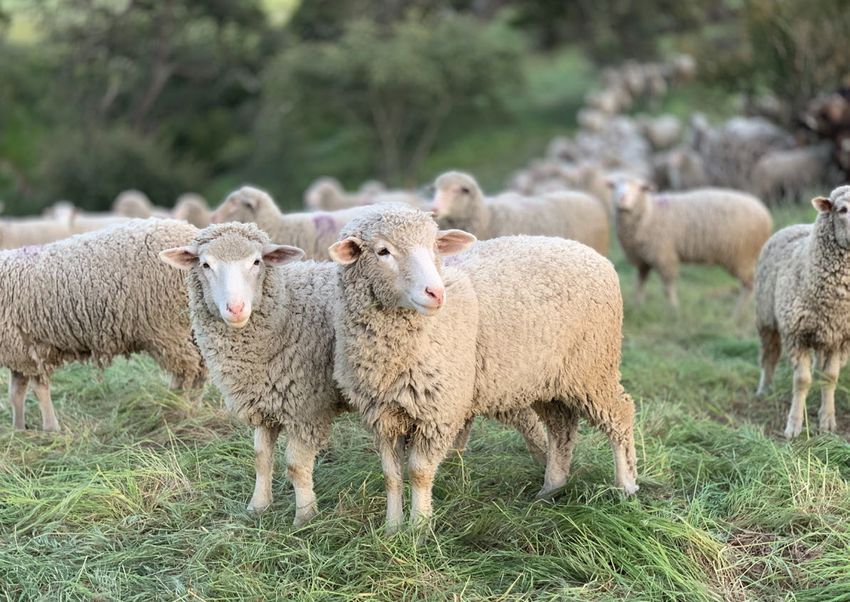
2
IWTO // Specifications for Wool Sheep Welfare
                                                3

   International Wool Textile Organisation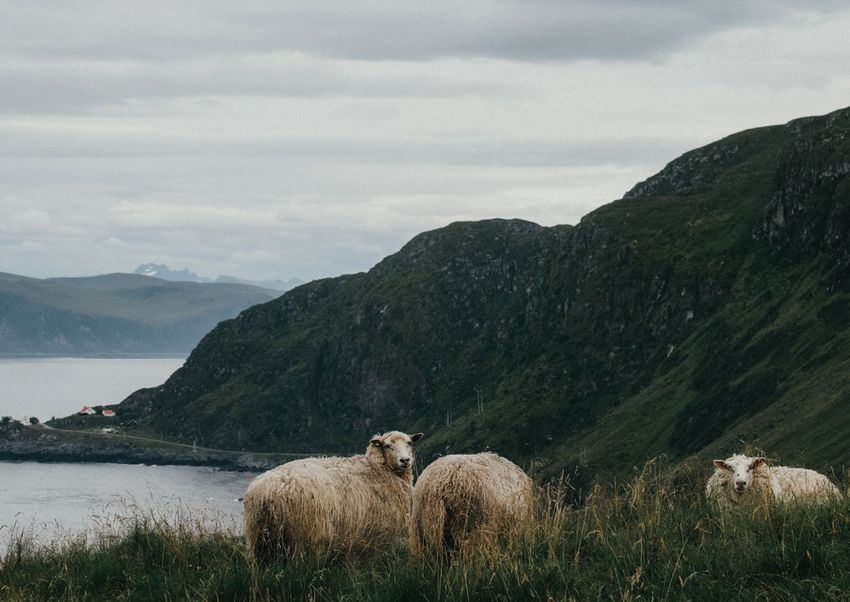
Conditions of Use Contents
Conditions of Use Contents
© Copyright 2020, International Wool Any enquiries about authorised use or Foreword
Textile Organisation. Comments or any requests for permission to publish,
inquiries should be addressed to: reproduce, distribute, display or produce Overview of the Wool Sheep Industry 1
International Wool Textile Organisation derivative content should be directed to
(IWTO), Rue de l’Industrie, 4 Brussels, 1000 info@iwto.org.
Argentina 2
Belgium.
Availability Australia 3
Phone: +32 2 505 4010
E-mail: info@iwto.org Although IWTO publications are produced New Zealand 4
Web: www.iwto.org to facilitate maximum user-friendliness, Norway 5
IWTO cannot guarantee that these
Use of the material provided in this publications will be compatible with any South Africa 7
publication is subject to the Conditions of particular computer system.
Use as stipulated below. These conditions United Kingdom
IWTO // Specifications for Wool Sheep Welfare
8
are designed to point out to users of this
International Wool Textile Organisation
Liability United States 9
material how they may use the content
provided to them. Uruguay 10
Although IWTO has taken all reasonable
care to ensure that the information, data
Conditions Of Use and other material made available in this Legislative Frameworks for Wool Production 12
publication is error-free and up-to-date, it
The user may use the content for non- accepts no responsibility for subsequent IWTO Specifications for Wool Sheep Welfare 14
commercial, educational, instructional distortions of the information, data and
or research purposes. The definition of other material, including but not limited Glossary 18
content applies to layout, design, images, to any defects caused by the transmission
programme, text and other information. or processing of the information, data
Legislative Frameworks per Country 20
and other material. The information
Copyright made available in this publication, has
been obtained from, or is based upon, Wool Industry Resources 28
The content of this publication is the sources believed by IWTO to be reliable,
property of the International Wool Textile but it offers no guarantee as to accuracy Acknowledgements 30
Organisation (IWTO). Where indicated, or completeness thereof. The official
images are under copyright to Australian version of this document is in English.
Wool Innovation Limited. IWTO cannot guarantee the accuracy of
translations in another language. The
The user may retrieve and display content information is supplied without obligation
from this publication, print pages and store and with the understanding that any
pages in electronic format on a computer. person who acts upon it does so entirely at
Any content printed or downloaded may his/her own risk.
not be sold, licensed, transferred, copied
or reproduced fully or in part in any
manner or in or on any medium to any
person without the prior written consent
of the IWTO. Copyright notices may not
be modified or removed from any content
obtained under the terms of this licence.
IWTO | Specifications for Wool Sheep Welfare IWTO | Specifications for Wool Sheep Welfare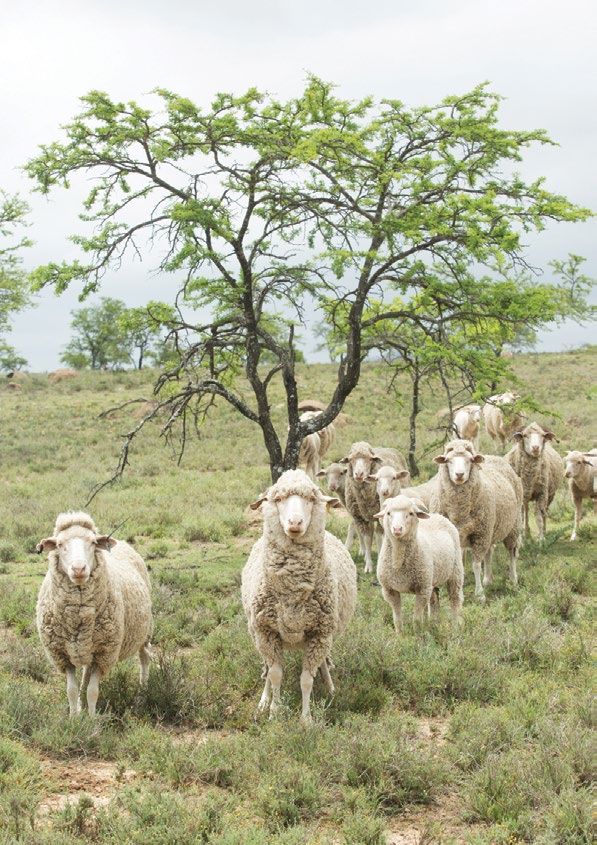
Foreword

                                                Foreword
                                                Evidence is mounting that wool offers extensive benefits for health and well-being.
                                                Recent studies on skin, sleep and breathability are current examples the industry can
                                                cite in stating the case for widespread use of one of the oldest and noble fibres known
                                                to mankind.

                                                The fundamental facts have not changed. Sheep’s wool is the animal fibre most
                                                commonly used by mankind and its attributes have been well researched since the
                                                1950s. In fact, the scientific evidence supporting wool’s health benefits are well-
                                                established and includes thermal insulation, breathability and resistance to the
                                                development of body odour. In addition there are significant fire retardancy and
                                                ultraviolet light protection benefits.

                                                When raw materials are sourced from animals, welfare and environmental credentials
                                                should support the sustainability aspects of the land, the animals and the people
IWTO // Specifications for Wool Sheep Welfare

                                                caring for it. The World Organisation of Animal Health (OIE) speaks about the One

                                                                                                                                                   International Wool Textile Organisation
                                                Health concept, where human health and animal health are interdependent and
                                                committed to the ecosystems in which they exist. The IWTO and OIE have been
                                                partners in a cooperation agreement for seven years, committed to constantly
                                                updating scientific evidence regarding animal welfare and communicating the results
                                                in a responsible and transparent manner.

                                                Transparency in each step of the wool pipeline remains essential. Animal welfare
                                                and sustainable environmental practices are governed by the national legislative
                                                framework of each individual country. Woolgrowers are in turn governed by their
                                                local lawmakers and by the fundamental laws of nature; where if farmers do not
                                                take exceptional care of natural resources, the return on their investment will simply
                                                diminish with time.

                                                This document aims to offer a summary of the main IWTO wool-producing country
                                                members and highlights the particular country specifications they adhere to. Animal
                                                abuse is a criminal offence in each of these countries, punishable by law and carrying
                                                heavy penalties. Animal welfare remains the essence of our wool farmers’ existence
                                                and is simply non-negotiable.

                                                IWTO supports responsible grower practices and encourages all aspects of sheep
                                                wellbeing. Our members remain fully committed to sustainable practices throughout
                                                the value chain.

                                                Wolf Edmayr

                                                President

                                                International Wool Textile Organisation

                                                www.iwto.org

                                                                                                        IWTO | Specifications for Wool Sheep Welfare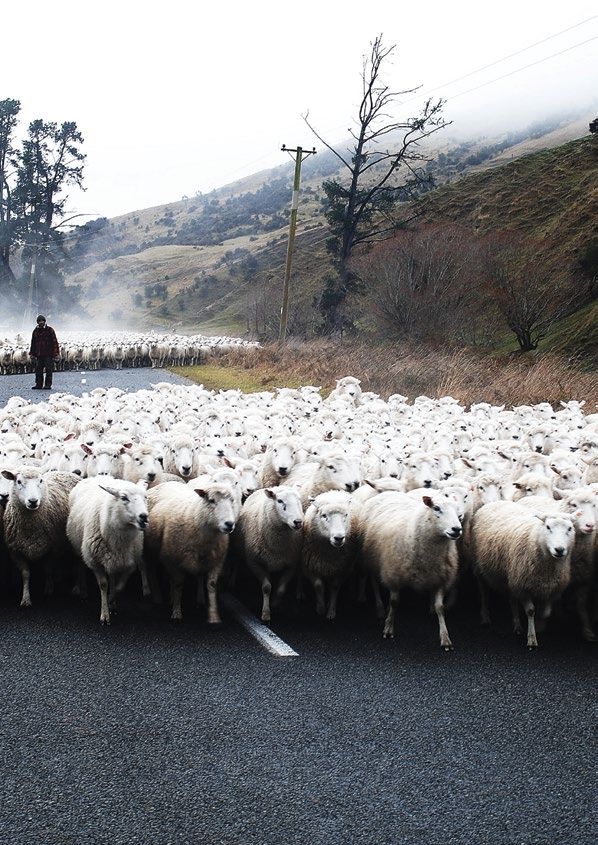
Overview of the Wool Sheep Industry                             1

                                                1. Overview of the
                                                   Wool Sheep Industry
                                                  Humans have been sourcing clothing and home textiles from animals for many
                                                  centuries and traces of domestic sheep have been found dating back to 10,000 BC.
                                                  Sheep were kept for their milk, wool, fleece and meat. Herders soon realized that it was
                                                  more profitable to keep sheep for their wool, as the fresh growth could be harvested
                                                  every year. By the time the Romans invaded the United Kingdom in 55 BC, local
                                                  farmers had already developed a wool industry and were trading in textiles made from
                                                  wool and fleece.

                                                  Breed registries are mostly kept by developed countries and from these we learn
                                                  that there are more than 1,000 distinct sheep breeds with different body, wool and
                                                  temperament types. Coats can be short and fine or long and coarse, and each breed
IWTO // Specifications for Wool Sheep Welfare

                                                  has specific needs relating to the best environmental and animal husbandry conditions

                                                                                                                                                        International Wool Textile Organisation
                                                  for optimum health and welfare. Wool farmers will choose a particular breed of sheep
                                                  according to the historical data available for that particular area relating to topography,
                                                  rainfall and market driven indicators.

                                                  The term ‘animal welfare’ is best described by the World Organisation of Animal Health
                                                  in Chapter 7 of the Health Code for Terrestrial Animals1.

                                                  “Animal welfare means the physical and mental state of an animal in relation
                                                  to the conditions in which it lives and dies.

                                                  An animal experiences good welfare if the animal is healthy, comfortable, well
                                                  nourished, safe, is not suffering from unpleasant states such as pain, fear and
                                                  distress, and is able to express behaviours that are important for its physical
                                                  and mental state.

                                                  Good animal welfare requires disease prevention and appropriate veterinary
                                                  care, shelter, management and nutrition, a stimulating and safe environment,
                                                  humane handling and humane slaughter or killing. While animal welfare
                                                  refers to the state of the animal, the treatment that an animal receives is
                                                  covered by other terms such as animal care, animal husbandry, and humane
                                                  treatment.”

                                                  In recent years, there has been a rapid evolution of what constitutes good
                                                  animal welfare practice, reflecting rising societal awareness of the importance of
                                                  good animal husbandry. Originating in the UK during the 1960s, the so-called ‘Five
                                                  Freedoms’ started out as a list of required provisions for farmed animal well-being.
                                                  These now underpin modern welfare standards and Chapter 5 of this document
                                                  is based on these codes. From a legal perspective, each country has sovereign
                                                  responsibility for its laws and regulations pertaining to animal welfare practices. For
                                                  this reason, the IWTO communicates a global stance on what it has agreed with its
                                                  members to constitute good wool sheep welfare practices and lists the specific laws
                                                  and regulations pertaining to each wool-growing member country.

                                                  1
                                                      http://www.oie.int/index.php?id=169&L=1&htmfile=chapitre_aw_introduction.htm

                                                                                                             IWTO | Specifications for Wool Sheep Welfare
2                                  Overview of the Wool Sheep Industry                                                                                                                                                 Overview of the Wool Sheep Industry                             3

                                                      1.1 Argentina                                                                                                  1.2 Australia
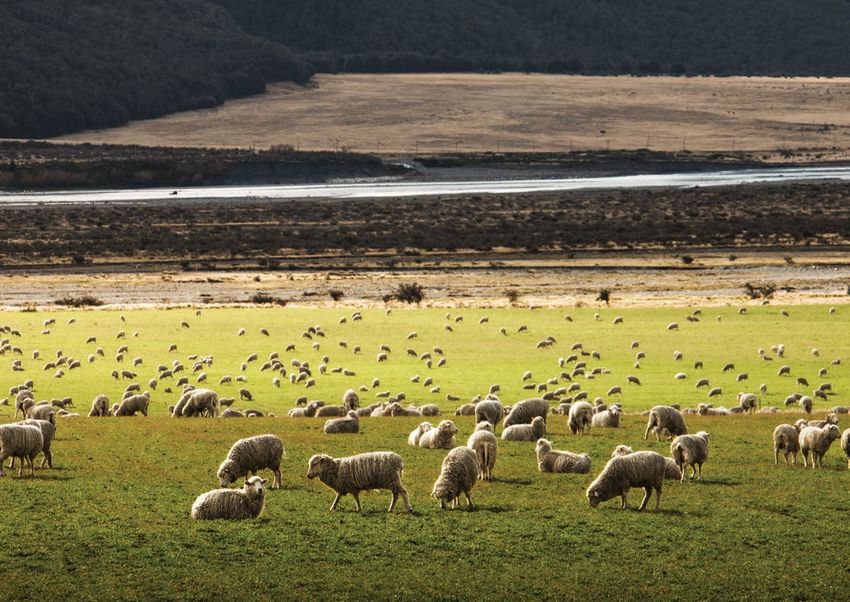
                                                                       Argentina is a small producer of wool, accounting for around 2% of global raw wool               With 21% of total production, Australia is the world’s largest wool producer. There are
                                                                       production, and has approximately 30,000 farmers who grow wool from 14.3 million sheep.          approximately 55,000 farmers who grow wool from around 70 million sheep. The Merino
                                                                       The most common breed of sheep in Argentina is Merino, followed by Corriedale. The               breed is predominant in Australia, producing fine wool used in apparel. The average farm
                                                                       average farm size is 600 hectares, with an average of 350 sheep. In Patagonia, the average       enterprise size in Australia is 3,100 hectares with the average woolgrower running 3,000
                                                                       farm size is 10,000 hectares, each with an average of 3,000 sheep. The climate of Patagonia      sheep. Australia is the largest producer of apparel wool, producing around 80% of all
                                                                       is dry and cold, and the region has 8.5 million sheep that are pasture-raised. 62% of            superfine apparel wool destined for clothing and fashion.
                                                                       Argentinean wool is finer than 24.6 microns and is well suited for apparel.
                                                                                                                                                                        Australia is a federation made up of a national government, plus six state and two territory
                                                                       Animal health and welfare in Argentina is supervised by the National Service of Agrifood         governments. The Australian Constitution determines that animal health and welfare is the
                                                                       Health and Quality Service (SENASA). SENASA is a decentralized organization with                 responsibility of the six state and two territory governments. Each of these jurisdictions
                                                                       economic, financial, technical and administrative autonomy with its own legal status,            has specific, but separate legislation governing animal health, welfare and cruelty.
                                                                       under the National Ministry of Agriculture, Livestock and Fisheries. A wide range of             Contravention of these laws will result in prosecution. Codes of practice, standards and
                                                                       aspects related to animal health, welfare and cruelty to animals have been addressed             guidelines have been developed nationally for all livestock industries, including sheep
IWTO // Specifications for Wool Sheep Welfare

                                                                       by Argentinian national legislation and resulting regulations since 1954. Degrees of             farming. These help to guide or inform lawmakers on how to interpret the legislation. The

                                                                                                                                                                                                                                                                             International Wool Textile Organisation
                                                                       responsibility have been established as well as penalties for non-compliance or breaches         federal government of Australia has no direct responsibility for animal welfare. However,
                                                                       of procedures.                                                                                   it supports the state governments to ensure a coordinated approach by facilitating the
                                                                                                                                                                        development of the Australian Standards and Guidelines for Sheep. This regulatory tool
                                                                       Specific procedural guidelines are in place to ensure that animal welfare criteria are duly      assists the state governments, ensuring that their legislation is based on fact and the latest
                                                                       adhered to. A Joint Advisory Committee on Animal Welfare within the sphere of SENASA             developments in R&D and production.
                                                                       has been created to coordinate all aspects of animal welfare. This committee comprises
                                                                       experts from the areas of animal health, veterinary medicine and agricultural innovation.        The relevant state government departments responsible for animal welfare are:
                                                                       Consultation continues with organisations throughout the world in order to maintain an up
                                                                       to date position.                                                                                NSW - the Department of Primary Industries
                                                                                                                                                                        Victoria – Agriculture Victoria
                                                                                                                                                                        Queensland – Biosecurity Queensland
                                                                                                                                                                        South Australia - the Department Environment & Water
                                                                                                                                                                        Tasmania – the Department of Primary Industries, Parks, Water & Environment
                                                                                                                                                                        Western Australia – Department of Primary Industries & Regional Development

                                                                                                                                                                        Image supplied AWI
                                 IWTO | Specifications for Wool Sheep Welfare                                                                                                                                                     IWTO | Specifications for Wool Sheep Welfare
4                                  Overview of the Wool Sheep Industry                                                                                                                                              Overview of the Wool Sheep Industry                             5

                                                      1.3 New Zealand                                                                                              1.4 Norway
                                                                       At 10% of global production, New Zealand is the third largest producer of wool and is          Norway has an annual clip of 4,000 tons of wool. More than 14,000 privately owned small-
                                                                       also the largest producer of strong wool used in interior textiles. New Zealand has more       scale family farms are growing wool from one million ewes and lambs. The most common
                                                                       than 23,000 farms that grow wool from approximately 27 million sheep, amounting to             breeds are Norwegian White Sheep (crossbreed) and Norwegian Short Tail Sheep.
                                                                       over six sheep per head of population. The most common sheep breeds in New Zealand             The mean fibre diameter of wool from Norwegian White Sheep is about 32 microns.
                                                                       are Romney, Perendale, Coopworth, Merino and Corriedale. The average farm size in              Norwegian wool is a versatile fibre that is used for apparel, hand-knitting yarns, throws
                                                                       the country is 250 hectares, running 3,000 sheep. The overwhelming majority of New             and blankets, upholstery and carpets.
                                                                       Zealand wool is coarser than 24.6 microns; hence, it is destined for non-apparel textiles
                                                                       and carpet manufacture.                                                                        Small herds provide offer the opportunity for good monitoring of animal health and
                                                                                                                                                                      welfare. All animals have electronic ID (full traceability) giving farmers, industry and
                                                                       New Zealand has a national animal welfare system. The Animal Welfare Act (1999) sets           government the opportunity to document, monitor and continuously improve the
                                                                       out the high level of responsibilities for owners and persons in charge of animals, to         production. Due to the cold climate, most animals are kept indoors during winter. All
                                                                       provide for their physical health and behavioural needs. Codes of welfare provide              lambs are born in the spring and 85% of the sheep uses extensive mountain summer
                                                                       minimum standards for specific species and situations, and contain more detail than            pastures. Most farmers shear the sheep both in the autumn and in the spring.
IWTO // Specifications for Wool Sheep Welfare

                                                                       what is covered in the Act. The Sheep and Beef Cattle Code of Welfare sets minimum

                                                                                                                                                                                                                                                                          International Wool Textile Organisation
                                                                       standards to adhere to by sheep and cattle farmers. New Zealand is currently consulting        The universally recognized Five Freedoms of animal welfare provides basic guidelines for
                                                                       on animal welfare regulations that fall between the Act and the codes of welfare. The          wool production. The welfare of all animals in Norway is protected by the Animal Welfare
                                                                       regulations are more specific than the Act and provide for direct penalties for non-           Act. Regulations for the welfare of sheep and other livestock and combating animal
                                                                       compliance. In contrast, codes of welfare must currently be enforced via offences in the       diseases have subsequently been drafted based on the Animal Welfare Act and in 2021,
                                                                       Act. The Ministry for Primary Industries (MPI) and the Royal New Zealand Society for the       a programme on sheep welfare will be introduced. Participation will be mandatory for all
                                                                       Prevention of Cruelty to Animals (RNZSPCA) both have responsibilities for animal welfare       farmers. The Ministry of Agriculture and Food and Norwegian Food Safety Authority will
                                                                       compliance in New Zealand. The MPI deals primarily with farmed animals while the               ensure that the legislation is adhered to.
                                                                       RNZSPCA is largely concerned with pets.
                                                                                                                                                                      Norway has worked systematically with preventive animal health care for many years. It
                                                                                                                                                                      is forbidden to remove body parts from animals, like amputation of tale, castration or
                                                                                                                                                                      mulesing. Veterinarians are required to register all visits, as well as illness and medical
                                                                                                                                                                      treatment. This information is analyzed and used both by farmers, industry and the
                                                                                                                                                                      authorities. The use of antibiotics is one of the lowest in the world.

                                 IWTO | Specifications for Wool Sheep Welfare                                                                                                                                                  IWTO | Specifications for Wool Sheep Welfare
Overview of the Wool Sheep Industry                                                                   Overview of the Wool Sheep Industry                             7

                                                                                      1.5 South Africa
                                                                                         South Africa is an important player in the global supply of wool, accounting for
                                                                                         around 2.2% of wool production. South Africa is also the second largest supplier of
                                                                                         fine Merino wool for the apparel market and has approximately 8,000 commercial
                                                                                         and 46,000 communal wool farmers. From the total number of 24 million sheep
                                                                                         numbers in South Africa, the wool production of 44 million kgs stems from around
                                                                                         12.5 million woolled sheep, consisting mainly of Merino sheep, with 42% of the clip
                                                                                         ranging between 19 and 20 microns.

                                                                                         Wool producers in South Africa prescribe to the Code of Best Practice (COBP)
                                                                                         which includes the Five Freedoms. The compilation of the Sustainable Cape Wool
                                                                                         Standard (SCWS) has now been completed and electronic on-farm assessments
                                                                                         will commence in 2020. All assessments will be managed by one of the regional
                                                                                         assigned production advisors, on behalf of Cape Wools.
IWTO // Specifications for Wool Sheep Welfare

                                                                                                                                                                                               International Wool Textile Organisation
                                                                                         The South African wool industry is also a participating member of the Livestock
                                                                                         Welfare Co-ordinating Committee (LWCC), where animal welfare organizations are
                                                                                         represented. The committee is tasked with all animal welfare related issues in South
                                                                                         Africa. The current chairperson is Prof. Gareth Bath, a leading animal scientist in
                                                                                         South Africa.

                                                                                         The welfare of animals in South Africa is regulated under the Animal Protection
                                                                                         Act (1962) and Performing Animals Protection Act (1935). The Societies for the
                                                                                         Prevention of Cruelty to Animals Act (1993) governs the National Society for
                                                                                         the Prevention of Cruelty to Animals. The animal welfare legislation falls under
                                                                                         Directorate Veterinary Services of the Department of Agriculture, Forestry and
                                                                                         Fisheries.

                                                                                         2
                                                                                             http://capewools.co.za/pdf/documents/pdf1-26-sustainablecapewoolsstandard.pdf

                                                                                                                                                    IWTO | Specifications for Wool Sheep Welfare
8                                  Overview of the Wool Sheep Industry                                                                                                                                                        Overview of the Wool Sheep Industry                             9

                                                      1.6 United Kingdom                                                                                              1.7 United States
                                                                       British Wool takes animal welfare extremely seriously. While British Wool does not have           The U.S. is a small global producer of wool, accounting for around 0.6 % of the world’s greasy
                                                                       any powers to enforce animal welfare legislation, should it become aware of any cases of          wool production. The U.S. has over 100,000 sheep farms, growing wool from approximately
                                                                       animal mistreatment, it will inform the agencies who have such responsibility, Defra, Farm        5.25 million sheep. The most common breeds of sheep are the Rambouillet and Columbia.
                                                                       Animal Welfare Committee (FAWC), the RSPCA (England & Wales), SSPCA (Scotland) and                The average farm size in the USA is 60 hectares with a flock size of 60. While the majority of those
                                                                       ISPCA (Northern Ireland)).                                                                        sheep farms are located in the eastern states, sheep farms in the western states tend to be much
                                                                                                                                                                         larger and account for as much as 80% of U.S. sheep numbers. Just over half of USA wool is finer
                                                                       The Animal Welfare Act 2006 and its detailed subsidiary guidelines, The Welfare of                than 24.6 microns and suitable for apparel.
                                                                       Farmed Animals (England) Regulations 2007, prescribe the high animal welfare standards
                                                                       that English farmers are required to meet. Very similar legislation exists for the other UK       Farm animal welfare is regulated at the federal, state and local levels through laws varying
                                                                       countries:                                                                                        between the 50 states and numerous county governments. The United States is a republic
                                                                                                                                                                         made up of the federal government, the 50 individual state governments and 16 territories.
                                                                       Welfare of Farmed Animals Regulations (Northern Ireland) 2012                                     Federally, the government’s authority is limited by the U.S. Constitution and can only regulate
                                                                       The Welfare of Farmed Animals (Wales) Regulations 2007                                            limited aspects of animal welfare, specifically those falling under interstate commerce. Under
IWTO // Specifications for Wool Sheep Welfare

                                                                       The Welfare of Farmed Animals (Scotland) Regulations 2010.                                        that authority, Congress passed the Animal Welfare Act in 1966 to regulate the treatment of

                                                                                                                                                                                                                                                                                    International Wool Textile Organisation
                                                                                                                                                                         animals in research, exhibition, transport, and by dealers. The Act and accompanying regulations
                                                                       British Wool also commissioned a study called ‘Best Management Practices’ to give the             are administered by the United States Department of Agriculture / Animal and Plant Health
                                                                       industry a comprehensive summary of the husbandry, health and environmental standards             Inspection Service, Animal Care division.
                                                                       under which british wool is produced.
                                                                                                                                                                         In turn, the 50 states and 16 territories have broad responsibility for regulating activity within their
                                                                       In global terms, UK sheep farms are small, having on average approximately 350 sheep.             jurisdictions and have a corresponding department of agriculture under their executive branch.
                                                                       UK sheep are raised naturally outdoors on pasture. As a result, the scale and method              Each of the states and territories have individual animal care laws and set criminal penalties for
                                                                       of UK lamb production is such that it is not considered an ‘intensive’ farming activity by        the violation of those laws. While each state and territory’s animal care laws are unique, all have
                                                                       animal welfare campaigning bodies.                                                                enacted statutes to punish individuals who engage in cruelty to animals.

                                                                       Sheep are required to be shorn once a year for their own comfort and health. Hence, wool          The American Sheep Industry Association’s Sheep Care Guide was again updated in 2017
                                                                       is a naturally occurring by-product. Every year, British Wool presents two-day shearing           to serve as a reference for US sheep producers and has been written in acceptance of the
                                                                       training courses in all parts of the UK that are tailored to participants’ existing level of      ethical responsibility for the humane care of animals. The Sheep Care Guide is updated
                                                                       experience and skill, attended by over 800 people. It goes without saying that shearing in        frequently as new information on animal care and handling becomes available and is peer
                                                                       accordance with best practice industry standards ensures that the process is stress free for      reviewed by sheep specialists. In addition to setting out best management practices, the Guide
                                                                       the animal (as well as maximising the value of producers’ wool).                                  recognizes that each sheep producer’s professional judgement, experience and training are key
                                                                                                                                                                         factors in providing for animal care.

                                 IWTO | Specifications for Wool Sheep Welfare                                                                                                                                                            IWTO | Specifications for Wool Sheep Welfare
10                                              Overview of the Wool Sheep Industry

                                                      1.8 Uruguay
                                                                       Uruguay is a global supplier of wool produced outdoors and under extensive systems of
                                                                       mixed livestock production (sheep and beef cattle), mainly based on native pastures of
                                                                       temperate climate. Most of the production comes from 6.4 million sheep raised on family
                                                                       owned farms (there are approximately 19,800 farmers) that have been in the industry for
                                                                       generations. The most common breeds of sheep are dual purpose, such as Corriedale,
                                                                       Merino and Polwarth. As a consequence, nearly half of Uruguayan wool measures 24-30
                                                                       microns (mid-micron wool), while the remaining half ranges between 17 and 24 microns
                                                                       (fine wool), suitable for apparel, hand knitting and upholsterry.

                                                                       The Ministry of Agriculture and Fisheries (MGAP) is in charge of the regulation and control
                                                                       of animal welfare. Representatives also head the Animal Welfare Group, which guides
                                                                       policy makers about all aspects of animal welfare. The Uruguayan Wool Secretariat (SUL),
                                                                       managed and funded by woolgrowers, and the National Institute of Agricultural Research
IWTO // Specifications for Wool Sheep Welfare

                                                                       (INIA), collectively play an active role in animal welfare. Research projects, partnerships in

                                                                                                                                                                        International Wool Textile Organisation
                                                                       education, training and communication plans are auctioned assessed by this forum.
                                                                       A working group of representative members of organizations and companies that
                                                                       form part of the sheep supply chain developed the publication titled ‘Guideline for
                                                                       ethical sheep production in Uruguay’ to assure the best possible welfare in Uruguayan
                                                                       production systems.

                                                                       Image supplied by Maria E. Lastreto

                                 IWTO | Specifications for Wool Sheep Welfare
12 Legislative Frameworks for Wool Production Legislative Frameworks for Wool Production 13
2. Legislative Frameworks
for Wool Production
Each country has sovereign responsibility for its laws and regulations pertaining to Relationship between legally binding and non-legally binding instruments
animal welfare practices. The sovereign responsibility may be devolved to
states and territories within countries (such as is the case in Australia), or individual
countries within a regional aggregation, such as the European Union. This legal
framework is designed to ensure that individuals and businesses operate within the law
of these countries at all times. These legislative tools cover almost every aspect of farm
operations, including how farmers care for the land and animals, the animal husbandry
practices they are allowed to use, and specific chemicals and processes banned under
local law.
IWTO // Specifications for Wool Sheep Welfare
Legally Binding Instruments NON- Legally Binding
International Wool Textile Organisation
Legally binding instruments (e.g. decrees, acts, directives and regulations) form Instruments
the baseline for acceptable practice. They provide the high-level and interpretive
requirements that farmers in each wool producing country have to adhere to. Meeting
Legislation Code of Practice Best Practice Tools
the appropriate legal requirements relevant to their jurisdiction is compulsory for
farmers and those breaking the law would be prosecuted accordingly.
Decree Specifications Extension Programmes
Supporting the legislation outlined above are the best practice tools. These tools are & Tools
based on the latest research and development, welfare expertise and animal husbandry Directive Guideline
practices. These guidelines are dynamic and ever evolving as new information becomes
Research Outcomes
available. For example, best practice may recommend that a farmer manage sheep to
reduce the risk of pests; however, how and when this is done will depend on whether Regulation Standard
the farm is located in a summer or winter dominant environment and the type of
sheep present. These management tools are highly specific to the production system,
environment and type of sheep. The approach that wool-producing countries have
taken with these best practice tools also varies. Some countries adopt one programme
that covers all facets of wool production3, whereas others have different guidelines for
each facet of production4.
World organisation for animal health (OIE) The United Nations Food and Agriculture
3
Best Practice Reference Manual for Wool Sheep Farming - South Africa
4
Woolgrowers of Australia Organisation (FAO)
OIE is the intergovernmental standard setting
organisation responsible for improving animal health. FAO’s aim is to provide food security for all.
With 182 (2020) member countries worldwide, the OIE It strives to raise the level of nutrition, improve
is recognised as a ‘reference organisation’ by the World agriculture productivity, improve the lives of the rural
Trade Organisation (WTO). Animal welfare was first population and contribute to the growth of
identified as a priority in the OIE 2001-2005 Strategy the world economy. These objectives are achieved by
Plan. OIE was mandated by its members to take the making relevant information accessible, sharing policy
lead on animal welfare internationally and provide expertise, providing a meeting place for nations and
recommendations and guidelines covering animal bringing knowledge to the field. FAO has devised the
welfare practices. The international community views ‘Gateway to Farm Animals’ to build good farm welfare
the OIE animal welfare standards as the key guiding practices. The Gateway is a single access point for
principles upon which individual countries develop international and national aspects related to animal
further detailed tools5. In May 2017, all OIE Member welfare. It is a participatory platform and allows for the
Countries adopted the first Global Animal Welfare retrieval and submission of information6.
Strategy.
5
http://www.oie.int
6
https://www.oie.int/en/animal-welfare/oie-standards-and-
international-trade/
IWTO | Specifications for Wool Sheep Welfare IWTO | Specifications for Wool Sheep Welfare14 IWTO Specifications for Wool Sheep Welfare IWTO Specifications for Wool Sheep Welfare 15
3. IWTO Specifications
for Wool Sheep Welfare
In the establishment of the Terrestrial Animal Health Code, the OIE acknowledges the Specifically: Extending the OIE Terrestrial Animal Health Code
guidance provided by the internationally recognized Five Freedoms 7,8: specific to wool production practice guidelines:
1. Freedom from hunger, thirst and malnutrition – through ready access to fresh 1. Sheep should be purpose-bred and effectively 1. Sheep should have reasonable access to feed and
water and a diet sufficient to maintain full health and vigour. managed so as to enable a high level of physical water appropriate for their age and needs;
adaptation to the production environment and
2. Freedom from discomfort – through provision of an appropriately sheltered and minimise undue stress; 2. If sufficient feed and water cannot be provided
comfortable environment. for sheep, options such as relocating, selling,
2. Sheep should be inspected at intervals appropriate or humanely disposing of the sheep should be
IWTO // Specifications for Wool Sheep Welfare
3. Freedom from pain, injury and disease – by prevention or rapid diagnosis and to risks to their welfare; considered before their welfare is adversely
International Wool Textile Organisation
treatment. affected;
3. Consideration should be given to the provision of
4. Freedom to express normal patterns of behaviour – through provision of sufficient shelter in the absence of natural protection; 3. Self-feeders and watering points should be
space, suitable facilities and company of the animal’s own kind. checked regularly to ensure feed and water quality
4. When sheep are confined for extended periods, and quantity is maintained;
5. Freedom from fear and distress – ensuring conditions and treatments imposed they should:
avoid mental suffering. 4. Access to contaminated and spoilt feed, toxic
a. have effective ventilation; plants and harmful substances should be avoided;
b. be housed in social groups; and
Environment c. have non-slip, non-abrasive and free- 5. Digestive problems should be prevented by
draining floor surfaces that avoid the gradually introducing sheep to a change of diet.
The general principles for the welfare of animals in livestock production systems of the OIE accumulation of faeces and urine likely to
Terrestrial Animal Health Code, states: compromise their welfare.
“The physical environment, including the substrate (walking surface, resting 5. Handling facilities should be free from protrusions
surface, etc.), should be suited to the species so as to minimise risk of injury and and obstacles that may cause injury;
transmission of diseases or parasites to animals. The physical environment should
allow comfortable resting, safe and comfortable movement including normal 6. Measures should be put in place to prevent sheep
postural changes, and the opportunity to perform types of natural behaviour that being harmed or killed by predators.
animals are motivated to perform. For housed animals, air quality, temperature and
humidity should support good animal health and not be aversive. Where extreme Nutrition
conditions occur, animals should not be prevented from using their natural methods
of thermo- regulation.9” The OIE Terrestrial Animal Health Code states:
Extending the OIE Terrestrial Animal Health Code specific to wool production practice “Animals should have access to sufficient feed
guidelines, the general principle is that sheep should be managed so as to minimise the impact and water, suited to the animals’ age and needs,
of threats to their lifetime welfare, including extremes of weather, natural disasters, disease, injury to maintain normal health and productivity
and predation. and to prevent prolonged hunger, thirst,
malnutrition or dehydration.10”
10
OIE (2016) Terrestrial Animal Code, Article 7.1.5 (7)
7
OIE (2016), Terrestrial Animal Health Code, Article 7.1.2
8
FAO (2010), “Legislative and regulatory options for animal welfare”,
http://www.fao.org/docrep/013/i1907e/i1907e01.pdf
9
OIE (2016) Terrestrial Animal Code, Article 7.1.5 (3-4, 6).
IWTO | Specifications for Wool Sheep Welfare IWTO | Specifications for Wool Sheep Welfare16
IWTO // Specifications for Wool Sheep Welfare
International Wool Textile Organisation
1718 IWTO Specifications for Wool Sheep Welfare IWTO Specifications for Wool Sheep Welfare 19
Health Handling Behaviour
The OIE Terrestrial Animal Health Code states: The OIE Terrestrial Animal Health Code specifies: The OIE Terrestrial Animal Health Code specifies that:
“Diseases and parasites should be prevented “The handling of animals should foster a positive “Social grouping of animals should be managed
and controlled as much as possible through good relationship between humans and animals and to allow positive social behaviour and minimise
management practices. Animals with serious should not cause injury, panic, lasting fear or injury, distress and chronic fear.12”
health problems should be isolated and treated avoidable stress.”
promptly or killed humanely Extending the OIE Terrestrial Animal Health Code
if treatment is not feasible or recovery is unlikely. And: specific to wool production practice guidelines:
Where painful procedures cannot be avoided, the
resulting pain should “Owners and handlers should have sufficient
be managed to the extent that available methods skills and knowledge to ensure that animals In general, sheep should be able to express normal
allow.11” are treated in accordance with these [OIE] behaviour free from undue stress or constraint:
principles.13”
Extending the OIE Terrestrial Animal Health Code 1. Sheep confined for extended periods should be
specific to wool production practice Extending the OIE Terrestrial Animal Health Code able to turn around, see, hear, smell and touch
guidelines: specific to wool production practice guidelines: neighbouring sheep or have a companion if
individually penned;
1. Handling practices should be appropriate and
1. As part of a preventative approach to managing minimise risk to the welfare of sheep: 2. Trough space should be adequate to allow sufficient
the health aspects of sheep welfare, a health daily intake of feed and water by all sheep, including
management plan should be designed and a. handling should be minimised during extreme shy feeders, and to minimise bullying;
implemented under the guidance of qualified weather;
advisors; b. extra care should be taken when handling sheep 3. In intensive production systems, sufficient space
IWTO // Specifications for Wool Sheep Welfare
with special needs — for example, young lambs, should be allowed for all sheep at the same time to
2. Within the health management plans, disease heavily pregnant ewes, lame sheep and rams; lie on their sternums; and
International Wool Textile Organisation
prevention strategies should include vaccination and
against relevant diseases, monitoring and control of c. sheep should be returned to feed and water as 4. Sheep should be restrained for the minimum time
internal and external parasites, and selection toward soon as possible after handling. necessary and tethered sheep should be able to
genetic resistance and resilience to parasites and exercise daily.
diseases; 2. Overcrowding of sheep in pens or yards and on
transport vehicles should be avoided. Precautions
3. Sheep should be inspected regularly, and should be taken to prevent smothering - especially
unexplained diseases and deaths should be for lambs and weaners; 13
OIE (2016) Terrestrial Animal Code, Article
investigated to formulate appropriate remedial and 7.1.5 (10,11).
preventative actions; 3. Handling facilities should be appropriate to
minimise risks to sheep welfare;
4. Appropriate treatment for sick, injured or diseased
sheep should be undertaken at the first reasonable 4. The use of dogs and handling aids should be limited
opportunity, and sheep suffering from ill health that to the minimum needed to complete the task. When
cannot be reasonably treated should be humanely dogs are used, they should be effectively trained
euthanized at the first reasonable opportunity; and managed; and
5. Surgical procedures should be avoided wherever 5. In the interests of the livestock and all involved in the
possible and should only be performed where farm enterprise, farm staff involved in management
there is a positive health or welfare outcome for of livestock should be suitably proficient in their
the animal. Where surgical procedures cannot be animal management practices.
avoided, the resulting pain should be minimized by
selection of the most appropriate method for the
age of the animal and the use of anaesthesia and
analgesia. Genetic, technological, and management
interventions should be sought and applied to
remove the need for surgical procedures;
6. Good hygiene practices should be applied relating to
facilities, hands, handling and instruments; and
7. Sheep that grow and retain long wool should be
shorn at least annually.
12
OIE (2016) Terrestrial Animal Code, Article 7.1.5 (5).
11
OIE (2016) Terrestrial Animal Code, Article 7.1.5 (8-9).
IWTO | Specifications for Wool Sheep Welfare IWTO | Specifications for Wool Sheep Welfare20 Glossary Glossary 21
4. Glossary
Access to Feed and Water Intensive production systems Pain Relief
A reasonable opportunity for sheep to be able An operation where sheep are confined for a The administration of veterinary medicine that reduce
to drink water of a suitable quality and quantity period longer than four weeks for the purposes the intensity and duration of a pain response.
to maintain their hydration, and consume of wool, meat or milk production, and are
a sufficient quality and quantity of feed to dependent on the daily supply of feed and or Sheep
maintain appropriate levels of health and water provided by human or mechanical means.
vigour. Excluding rams housed for breeding or stud Ovis aries aries and other members of the genus Ovis.
sheep in preparation for showing.
IWTO // Specifications for Wool Sheep Welfare
Animal Welfare Surgical Procedure
International Wool Textile Organisation
IWTO
The state of an animal and how well it is coping A procedure requiring surgery that is conducted to
with the conditions in which it lives. International Wool Textile Organisation. improve the long-term welfare of a sheep. Usually
conducted during lamb marking.
Crutching or clipping Lamb Marking
Trough
The removal of wool from the breech of the sheep. A set of procedures commonly undertaken
simultaneously. May include earmarking, ear A container for animal feed or water.
Extremes of Weather tagging, vaccination, drenching, tail docking
and castration of lambs. Ventilation
Temperature and climatic conditions (e.g.
rain, hail, snow, wind, humidity and heat) that, Lie Natural or mechanically induced air movement
individually or in combination, are likely to sufficient to provide oxygen and remove excessive
predispose sheep to heat or cold stress. Sheep are able to rest on their sternums without heat load and noxious gases.
restriction (or contact with other sheep or
Facilities structure).
Weaner
Fences, yards, sheds, raceways, feed and water OIE Terrestrial Animal Health Code
troughs, portable yards, ramps and equipment, An adolescent sheep that no longer requires liquid
including lamb-marking cradles, dips, sprays The World Organisation for Animal Health feed.
and jetting races. (historically the Office International des
Epizooties formed in 1924). Wether
Five Freedoms
OIE Terrestrial Code A castrated ram (male sheep).
A list of required provisions for farmed animal
well-being, that underpin modern welfare Sets out standards for animal health and welfare
standards. and veterinary public health worldwide.
Husbandry
The practice of breeding and raising livestock.
IWTO | Specifications for Wool Sheep Welfare IWTO | Specifications for Wool Sheep Welfare22 Legislative Frameworks per Country Legislative Frameworks per Country 23
5. Legislative Frameworks Australia
per Country Prevention of Cruelty to Animals
Act (1979) New South Wales
The purpose of the Act is to prevent
cruelty to animals and promote animal
welfare. It does so by placing specific
responsibilities on those in charge of the
https://www.legislation.nsw.gov.au/#/view/
act/1979/200
care of animals.
Prevention of Cruelty to Animals https://www.legislation.nsw.gov.au/#/view/
act/1979/200
Act (1979) New South Wales
The following table provides an overview of the key legal requirements Prevention of Cruelty to Animals The Act does not permit cruelty to occur. Regulations in 2019
Where people are not complying with
in each country and the legal entity that governs over it. Act 1986 (Victoria) https://www.legislation.vic.gov.au/as-made/
the specific requirements of these other
statutory-rules/prevention-cruelty-animals-reg-
acts, standards or codes, they can face ulations-2019
prosecution for cruelty, as laid out in
the Prevention of Cruelty to Animals.
Instrument Type Details Links
Argentina Livestock Management Act The Livestock Management Act provides https://www.legislation.vic.gov.au/in-force/
IWTO // Specifications for Wool Sheep Welfare
a framework to achieve nationally acts/livestock-management-act-2010/006
(2010)
consistent animal welfare, biosecurity and
International Wool Textile Organisation
traceability standards. The Act will affect
National Law 14346 Establishes penalties for http://servicios.infoleg.gob.
anyone owning, managing or working
persons ill- treating animals. ar/infolegInternet/verNorma.
(1954) do?id=153011 with livestock in any capacity.
Decree 4238 (1968) Regulation on Inspection for http://servicios.infoleg.gob.ar/ Code of Accepted Farming http://agriculture.vic.gov.au/__data/assets/
pdf_file/0018/260154/sheep_welfare_code_
products, by-products and infolegInternet/verNorma.do?id=24788 Practice for the Welfare of revision_2.pdf
derivatives of animal origin. Sheep (Victoria) (Revision
National Law 18819 Establishes procedure for http://servicios.infoleg.gob. Number 2)
animal slaughter. ar/infolegInternet/verNorma.
(1970) do?id=196842 Animal Care and Protection Act The Act promotes the responsible care https://www.legislation.qld.gov.au/view/whole/
and use of animals. It places a legal duty pdf/inforce/current/act-2001-064
2001 (Qld)
Decree 1733 (1970) To allow for the Regulation of http://servicios.infoleg.gob. of care on people in charge of animals
Law No. 18,819, Procedures for ar/infolegInternet/verNorma. to meet those animals' needs in an
– National executive do?id=196848
the Slaughter of Animals. appropriate way. The Act is administered
power by Biosecurity Queensland. Specially
trained Biosecurity Queensland or RSPCA
Resolución-97-1999- Establishing the conditions http://servicios.infoleg.gob.ar/
animal welfare inspectors, or the police,
to be met for the transport of infolegInternet/verNorma.do?id=55716
SENASA - Servicio investigate complaints about alleged
animals.
Nacional de Sanidad y offences.
Calidad Agroalimentaria Animal Welfare Act 1985 (South The Act applies equally to all animals https://www.legislation.sa.gov.au/LZ/C/A/
regardless of their value or status Under Animal%20Welfare%20Act%201985.aspx
Resolución 253/2002 Creation, within SENASA, of the http://servicios.infoleg.gob.ar/ Australia)
infolegInternet/verNorma.do?id=73641 Section 13 of the Act, anyone who ill-
Joint Advisory Committee on
treats an animal is guilty of an offence.
Animal Welfare.
This Act is enforced by the RSPCA,
DEWNR wardens, livestock animal health
Resolución 25/2013 Rules for herding livestock. http://www.senasa.gov.ar/
officers, biosecurity officers and the
resolucion-252013
police.
Resolución 46/2014 Chapter XXXII of Animal http://servicios.infoleg.gob.ar/
Welfare added to the infolegInternet/verNorma.do?id=226148 Animal Welfare Regulations https://www.legislation.sa.gov.au/LZ/C/R/
Animal%20Welfare%20Regulations%202012.
Regulation on Inspection for 2012 (South Australia) aspx
products, by-products and
derivatives of animal origin, Model Code of Practice for the The Code is intended as a set of https://books.google.com.au/books/about/
approved by Decree 4238 guidelines that provides detailed Model_Code_of_Practice_for_the_Welfare_o.
Welfare of Animals: The Sheep html?id=n_hDeD_6yQoC&redir_esc=y
(National Executive). minimum standards for assisting people
in understanding the standard of care
Resolución 581/2014 Creation of Health National http://servicios.infoleg.gob. required to meet their obligations under
Register of Live Animals ar/infolegInternet/verNorma. the laws that operate in Australia’s States
Transport do?id=239893
and Territories.
IWTO | Specifications for Wool Sheep Welfare IWTO | Specifications for Wool Sheep Welfare24 Legislative Frameworks per Country Legislative Frameworks per Country 25
Norway
Animal Welfare Act 2002 The Act and its accompanying https://www.legislation.wa.gov.au/legislation/
regulations provide the legal framework statutes.nsf/main_mrtitle_50_homepage.html
(Western Australia)
for ensuring that all animals in Western
Australia have appropriate standards of
Animal Welfare Act (2010) The Animal Welfare Act establishes https://www.regjeringen.no/en/dokumenter/
the legislative framework for animal animal-welfare-act/id571188/
care. The Act intends to promote and welfare in Norway. The intention of the
protect the welfare, safety and health of Act is to promote good animal welfare
animals, ensure the proper and humane and respect for animals. The Act also
care and management of animals in Dyrevelferdslova (2010) contains a duty to help animals and to
https://lovdata.no/dokument/NL/lov/2009-06-
19-97?q=dyrevelferdslova
accordance with generally accepted alert relevant authorities if there is reason
standards and reflect the community’s to believe that an animal is exposed to
expectation that people in charge of mistreatment or serious neglect.
animals will ensure that they are properly
treated and cared for. Welfare regulations for livestock The regulations shall contribute to good https://lovdata.no/dokument/SF/
health and well-being of livestock. forskrift/2006-07-03-885
Code of Practice for Sheep in This Code has been prepared to assist https://www.agric.wa.gov.au/sites/gateway/
Western Australia (2003) all persons handling or using sheep in files/Code%20of%20Practice%20for%20 Forskrift om velferd for
Western Australia, and reference to this Sheep%20in%20Western%20Australia_0.pdf
produksjonsdyr
Code is made in Regulations provided
under Section 25 of the Animal Welfare
Act 2002 for the purposes of a defence Welfare regulations for small The purpose of the regulations is to https://lovdata.no/dokument/SF/
facilitate conditions for good health and forskrift/2005-02-18-160
against cruelty. ruminants (sheep and goats)
well-being of sheep and goats, and to
IWTO // Specifications for Wool Sheep Welfare
Animal Welfare Act 1993 Under the Animal Welfare Act, persons http://dpipwe.tas.gov.au/Documents/Animal- ensure that the animals’ natural needs are
Welfare-Guidelines---Sheep.pdf Forskrift om velferd for småfe
International Wool Textile Organisation
who have the care or charge of animals met.
(Tasmania)
have a legal “duty of care” for the welfare
Animal Welfare Guidelines – of those animals, and must take all www.animalwelfarestandards.net.au/sheep/ Animal health regulations The regulations shall promote good https://lovdata.no/dokument/SF/
animal health and contribute to good forskrift/2002-06-27-732
reasonable measures to ensure their
Sheep (2008) welfare. In the case of sheep, persons public health and animal welfare by
Forskrift om tiltak regulating how diseases of animals
with this legal duty of care include the
owner, the person with control or custody, mot sjukdommer og should be prevented, controlled,
the operator or manager of the premises zoonotiske agens hos dyr restricted and eradicated.
where the sheep are kept and the (Dyrehelseforskriften)
manager or director of a body corporate
which owns them. Regulations on animal health The purpose of this regulation is to https://lovdata.no/dokument/SF/
prevent the spread of infectious diseases, forskrift/2005-03-14-232
conditions for the import and
Australian Animal Welfare The ‘Australian Animal Welfare Standards www.animalwelfarestandards.net.au/sheep/ through strict regulations of import and
and Guidelines for Sheep’ has been export of sheep and goats export of live sheep and goats.
Standards and Guidelines for
developed to provide nationally
Sheep (2016) consistent rules for sheep care and Forskrift om dyrehelsemessige
management across Australia. They
have been endorsed by state and vilkår for innførsel og utførsel av
territory Ministers who will use these småfe.
to guide legislation in their respective
states. Under this system guidelines are Regulations on marking, The regulations ensure identification https://lovdata.no/dokument/SF/
and registration of all sheep by using ear forskrift/2005-11-30-1356
accepted good industry practice that registration and reporting of
tags. Animals born after 2010 need to
should be complied with and sheep and goats have electronic ear tags. It regulates what
would replace those state-based codes
information the ear tags need to contain,
highlighted in yellow.
Forskrift om merking, and how to register the information in
public registers.
registrering og rapportering av
småfe.
New Zeland
Regulation on the commercial The regulations shall promote proper https://lovdata.no/dokument/SF/
welfare of animals during transport. The forskrift/2012-02-08-139
transport of animals
New Zealand Animal Welfare Welfare Act(1999) http://www.legislation. maximum length of time of transport is
govt.nz/act/public/1999/0142/latest/whole. eight hours.
Act (1999) html#DLM49664 Forskrift om næringsmessig
New Zealand Sheep and Beef https://www.mpi.govt.nz/dmsdocument/1450/ transport av dyr.
direct
Cattle Code of Welfare (2018)
Animal welfare program for The animal welfare programs give a The program for sheep production will be
framework for working systematically launched in 2021.
sheep
on documentation and improvement of
animal welfare in livestock herds.
Dyrevelferdsprogram for sau
IWTO | Specifications for Wool Sheep Welfare IWTO | Specifications for Wool Sheep Welfare26 Legislative Frameworks per Country Legislative Frameworks per Country 27
South Africa
Performing Animals Protection South African animal welfare legislation https://www.gov.za/documents/performing-
Animal Welfare Act Regulations https://www.govinfo.gov/content/pkg/CFR-
falls under the Department of Agriculture, animals-protection-act-8-may-1935-0000 2016-title9-vol1/xml/CFR-2016-title9-vol1-
Act, 1935 (Act No. 24 of 1935) chapI-subchapA.xml
Forestry and Fisheries, Directorate
Animals Protection Act, 1962 Veterinary Services. The welfare of https://www.gov.za/documents/animals-
animals is regulated under the Animal protection-act-22-jun-1963-0000 Individual State Animal Cruelty The National Agricultural Law Center, https://nationalaglawcenter.org/state-
(Act No. 71 of 1962) Protection Act, 1962 and Performing Statutes authorized by the U.S. Congress, has compilations/animal-cruelty/.
collected and made available for easy
Animals Protection Act, 1935. The
Societies for the Prevention of https://www.gov.za/documents/societies- reference each of the 50 states’ animal
Societies for the Prevention of Cruelty prevention-cruelty-animals-act
Cruelty to Animals Act, 1993. to Animals Act, 1993, governs the
cruelty laws and provides updates as
state legislatures pass new laws or make
(Act No. 169 of 1993) organisation of the National Society for
revisions.
the Prevention of Cruelty to Animals.
Code of Best Practice (in The National Woolgrowers Association of http://www.capewools.co.za/view-pdf/17/1/
revision) South Africa developed the Best Practice cape-wools-code-of-best-practice#PDF/1 Uruguay
Reference Manual for wool sheep farming
in South Africa.
Wools of Uruguay General information regarding wool www.wool.com.uy/animal_welfare.htm www.
production in Uruguay including the sul.org.uy/sitio/Publicaciones
guidelines to achieve high animal welfare
United Kingdom standards
IWTO // Specifications for Wool Sheep Welfare
Decreto No 369/983 For the humanitarian slaughter of animals www.impo.com.uy/bases/decretos-
including transport: reglamento/369-1983
International Wool Textile Organisation
UK Animal Welfare Act (2006) The UK Animal Welfare Act (2006) www.legislation.gov.uk/ukpga/2006/45/
. Pre mortem (Art.17 to 38) and
established the legislative framework contents
post mortem (Art. 39 to 86) vet in-
surrounding animal welfare in UK. It is an
spection
offence to cause unnecessary suffering
. Pen facilities (Arts. 23), pre mortem
to any animal. The Act also contains a
(Art.158) and post mortem handling
Duty of Care to animals – to ensure all
(Art.165)
reasonable steps are taken so that the
· Transportation
animal’s needs are met.
· (Art. 284, 285, 286, 288, 289)
The Welfare of Farmed Animals The Animal Welfare Act 2006 and its http://www.legislation.gov.uk/uksi/2007/2078/ · Loading and un-loading ( Arts. 287,
detailed subsidiary guidelines, The contents 290)
(England) Regulations 2007 · Stunning and Slaughter (Arts. 79,
Welfare of Farmed Animals (England)
http://www.legislation.gov.uk/nisr/2012/156/ 178, 179, 180)
Regulations 2007, prescribe the high contents/made
animal welfare standards that English
farmers are required to meet. Very http://www.legislation.gov.uk/wsi/2007/3070/
Law 18.834 (2011), Article 160 Gives MGAP the powers to regulate and www.impo.com.uy/bases/leyes/18834-2011
control Animal Welfare of Productive
similar legislation exists for the other UK contents/made
species.
countries:Welfare of Farmed Animals
Regulations (Northern Ireland) 2012, The SUL (Secretariado Uruguayo SUL seeks to promote sustainable www.sul.org.uy
Welfare of Farmed Animals (Scotland) development of the sheep sector,
Regulations 2010 and The Welfare of de la Lana, Uruguayan Wool
maximizing economic performance
Farmed Animals (Wales) Regulations Secretariat), created by law no. through research, technology transfer,
2007 13.602 in 1966 training and supply of highly specialized
services.
Best Management Practices A comprehensive summary of the https://www.britishwool.org.uk/ksupload/
husbandry, health and environmental userfiles/Shearing/Best_Management_
Practices_27092017.pdf INIA (National Institute of INIA seeks to generate and adapt www.inia.uy
standards under which British Wool is knowledge and technology aiming at
produced Agricultural Research), created
contributing to the sustainable
by law no. 16.065 in 1989 development of the agricultural sector
and overall to Uruguay’s economic and
USA social development. With a focus on
national policies, social inclusion and
market demands.
Sheep Care Guide This Sheep Care Guide was developed https://sheepusa.org/resources-publications-
to serve as a reference for US sheep sheepcareguide
producers and has been written in INAC (National Institute of The Institute has a wide scope of action www.inac.gub.uy
given that it monitors performance for
recognition of an ethical responsibility for Meat), created by law no.
the humane care of animals. several species, namely beef, sheep,
15.605 in 1984 pigs, and poultry, and various links of
Animal Welfare Act The Animal Welfare Act was signed https://www.govinfo.gov/content/pkg/ the meat chain concerning processing in
into law in 1966. It is the only federal USCODE-2015-title7/html/USCODE-2015- the domestic and international markets.
law in the United States that regulates title7-chap54.htm
They are in charge of the Animal Welfare
the treatment of animals in research, Certification Program, including the farm,
exhibition, transport, and by dealers. transportation and the slaughter plant.
IWTO | Specifications for Wool Sheep Welfare IWTO | Specifications for Wool Sheep WelfareYou can also read


