Jobs Plan Victorian Budget 2020/21 Our plan for Victorian jobs and Victorian workers - Amazon AWS
←
→
Page content transcription
If your browser does not render page correctly, please read the page content below
Victorian Budget 2020/21
Jobs Plan
Our plan for Victorian jobs
and Victorian workers
The Secretary
Department of Treasury and Finance
1 Treasury Place                                   © State of Victoria 2020
Melbourne, Victoria, 3002                          (Department of Treasury and Finance)
Australia
Tel: +61 3 9651 5111
Fax: +61 3 9651 2062
Website: budget.vic.gov.au
Authorised by the Victorian Government             You are free to re-use this work under a Creative Commons
1 Treasury Place, Melbourne, 3002                  Attribution 4.0 licence, provided you credit the State of
Printed by Southern Impact, Mount Waverley         Victoria (Department of Treasury and Finance) as author,
                                                   indicate if changes were made and comply with the other
This publication makes reference to the            licence terms. The licence does not apply to any branding,
2020/21 Budget paper set which includes:           including Government logos.
Budget Paper No. 1 – Treasurer’s Speech
Budget Paper No. 2 – Strategy and Outlook          Copyright queries may be directed to IPpolicy@dtf.vic.gov.au.
Budget Paper No. 3 – Service Delivery              ISBN 978‑1‑925551‑67‑9 (print)
Budget Paper No. 4 – Statement of Finances         ISBN 978‑1‑925551‑68‑6 (online)
(incorporating Quarterly Financial Report No. 1)   Published November 2020
1

From the Premier
and Treasurer

As we begin our recovery, front and centre in our efforts must
be getting more Victorians back into work. Ensuring not only a
job, but certainty and security for them and their family.
It’s why this year’s Budget delivers a targeted   It also focuses our effort on those most
set of initiatives – an economy-wide effort –     affected by this pandemic: women, young
that forms Victoria’s Jobs Plan.                  people, older Victorians, and Victorians who
                                                  have plenty of experience but don’t always
Our Jobs Plan is dedicated to getting more
                                                  have a qualification.
Victorians back to work, while at the same time
building an economy that is fairer and more       Finally, it adopts a two-for-one approach –
inclusive for everyone.                           investing in the services and support our
                                                  State needs, while also creating thousands
Our efforts are defined under the Plan as:
                                                  and thousands of new jobs.
→ Victorians at work – getting Victorians
                                                  Because we understand, by investing in
   back to work
                                                  Victoria we’re investing in the people who
→ Building opportunity – building our State       call it home. Our Jobs Plan tackles economic
   as we rebuild our economy                      and social recovery by putting Victorians at
                                                  its heart.
→ Supporting industry and growth – support
   for industries and leveraging our strengths    It will build our State as we rebuild our
                                                  economy.
→ Supporting every corner of our State –
   ensuring no community and no Victorian         It will support our industries and leverage
   is left behind                                 our strengths.
                                                  It will get Victorians back to work.
But a plan isn’t worth much without a goal.
                                                  It will leave no Victorian behind.
It’s why the Jobs Plan sets out an ambitious
Jobs Target – to create 400 000 new jobs          And just like our Government, it will put
by 2025, half of them by 2022.                    people first.
In guiding Victoria’s recovery, the
Jobs Plan seeks to play to our State’s
strengths, generating growth in
established and innovative industries.

                                                  Daniel Andrews
                                                  Premier of Victoria

                                                  Tim Pallas
                                                  Treasurer of Victoria
2

    Our plan
    At a glance

        1     Victorians at work                            2     Building opportunity

    The Jobs Plan supports workers through:              The Jobs Plan includes the projects that will
                                                         help build our State and rebuild our economy:
    → Investing $1 billion in TAFE and training to
       give Victorians the skills to get back to work,   → $6 billion Big Housing Build package,
       including providing up to 80 000 new training        including $5.3 billion to build more than
       places over four years. The package includes:        12 000 new social and affordable homes
                                                            and $678 million to make housing more
       → $631 million to ensure the TAFE system
                                                            accessible and affordable for Victorians
         can help more Victorians reskill, upskill
         and find work, as well as funding to            → Kick-starting work on the Suburban Rail Loop
         attract and support people to reskill as
                                                         → Delivering Geelong Fast Rail
         teachers at Victorian TAFEs, including
         teacher scholarships and mentoring              → $1.9 billion to upgrade 162 schools, building
                                                            one new school and four additional stages
       → An investment of $155 million which
                                                            at recently built schools
         will provide additional flexibility for
         Victorians particularly affected by the         → $100 million to continue the renewal
         pandemic, including women, young                   of Victoria’s TAFE system, funding the
         people and retrenched workers, to access           redevelopment of Chisholm Institute’s
         government-funded training in 2021                 Frankston Campus and the redevelopment of
                                                            Melbourne Polytechnic’s Collingwood Campus
       → A new skills program for existing and
         emerging industries, with $75 million           → $55 million through the Building Works
         for skills development on selected                 Stimulus for a maintenance boost across
         major projects, a new Clean Economy                the TAFE system
         Workforce Capacity Building program,
         and new places in accredited skill sets         → Transforming the Melbourne Arts Precinct

       → Funding of $33 million to expand                → Driving cheaper, cleaner sources of energy
         opportunities for apprentices and               → Providing $52 million to implement
         trainees through a flagship Big Build              planning reforms recommended by the
         training pathway, and an additional                Commissioner for Better Regulation,
         $5 million to support women to take                including extending the successful
         on roles in male‑dominated trades                  Victorian Planning Authority programs
    → A $619 million investment in Jobs for                 Streamlining for Growth and Affordable by
       Victoria services to maximise jobs and               Supply helping fast-track new projects and
       help Victorians into work                            create new jobs

    → A ground-breaking $64 million Digital Skills       → Providing stamp duty waivers of up
       and Jobs program for Victorians looking for          to 50 per cent for residential property
       work, to acquire skills and transition into new      transactions of up to $1 million and
       careers in digital roles, including supporting       land tax discounts for build to rent projects
       women                                                to support our construction industry

    → Providing $836 million for the New jobs tax
       credit to encourage small and medium
       businesses to increase employment by
       re‑hiring staff, restoring staff hours or
       supporting new jobs as they recover from
       the effects of the pandemic
Victorian Budget 2020/21 Jobs Plan   3

   3      Supporting industry and growth                4      Supporting every
                                                               corner of our State

The Jobs Plan supports industry sectors in           The Jobs Plan ensures no region or community
recovery, and leverages strengths for the            is left behind in the recovery. Initiatives include:
future. Initiatives include:
                                                     → A Victorian Tourism Recovery Package, with
→ A new $2 billion Breakthrough Victoria Fund           a $465 million suite of initiatives to support
   to drive investment in research, innovation          and restart the sector
   and the next great breakthroughs over
                                                     → An extension of the Regional Jobs and
   the next 10 years. This investment will play
                                                        Infrastructure Fund totalling $156 million
   to our strengths, focusing on industries
                                                        to support local priorities, businesses and
   including health and life-sciences,
                                                        regional investment in recovery
   agri‑food, advanced manufacturing,
   clean energy and digital technologies             → Systemic reforms to the planning system
                                                        and the streamlining of the environment
→ Establishing Digital Future Now, a
                                                        protection statutory approval process
   comprehensive $626 million package to
                                                        to unlock investment and support
   support Victoria’s transition to a digital
                                                        economic recovery
   economy – removing more blackspots,
   connecting regional communities and               → $75 million in funding for the
   allowing unemployed Victorians to                    Growing Suburbs Fund to build and
   undertake digital skills training or take            upgrade community facilities
   part in a digital internship
                                                     → Regulatory reform initiatives, reducing
→ Recovery plans for the creative industries,           the cost of doing business
   international trade and international education
                                                     → A new $65 million landmark agriculture
→ Ongoing recovery support for Victorian                strategy will develop, fund and deliver
   businesses through grants, tax deferrals             better infrastructure, new technology and
   and waivers                                          greater energy efficiency on our farms
→ Funding of $189 million to promote business        → A 50 per cent stamp duty concession
   investment in Victoria, including:                   for commercial and industrial property
                                                        transactions in regional Victoria for
   → $96 million to establish two venture
                                                        contracts entered into from 1 January 2021 –
     capital and growth funds to assist
                                                        rather than 1 July 2023 as announced in the
     businesses that are starting up or
                                                        2019-2020 Budget
     expanding
   → $80 million on a package of targeted
     investment incentives to attract the best
     and brightest international companies
     to Victoria
   → $13 million to promote cooperation
     in research development and
     commercialisation
4

    The public health response

    As coronavirus (COVID-19) began to spread swiftly around the
    world, we knew we had to act – fast.
    It’s why in March we began to ready our          We established six metropolitan Melbourne
    healthcare system: commissioning new beds,       and six regional Local Public Health Units.
    new builds, additional staff and innovative      These Local Public Health Units strengthened
    technology to deal with the potential            the public health response to coronavirus
    incoming demand.                                 (COVID-19) and supported engagement with
                                                     the community, enabled better integration of
    Building on these measures, this
                                                     care and public health functions, and improved
    Budget commits $9 billion to support
                                                     the ability to rapidly respond to new cases
    our health system.
                                                     and outbreaks.
    Sitting beneath that number was an
                                                     An early investment of $1.3 billion helped to
    incredible effort to reinforce and support our
                                                     create capacity for over 1 500 intensive care
    State’s healthcare system during this cruel
                                                     units and critical care spaces.
    and contagious virus.
                                                     The Government further readied our State,
    Since then the Government built an extensive
                                                     ordering thousands of ventilators, dialysis
    network of more than 200 testing sites across
                                                     machines and patient monitors – and
    Victoria.
                                                     innovative models of care including telehealth
    More than 3 million tests have been completed    and hospital in the home were rapidly
    across the state, evolving and adapting as       expanded to keep patients and healthcare
    needs and priorities have emerged.               workers safe.
                                                     Over $980 million was invested to purchase
                                                     personal protective equipment and
                                                     medical supplies.
                                                     This precious purchase, delivered through a
                                                     centralised distribution model, managed an
                                                     order of 602 million gloves, 245 million masks
                                                     and 25 million gowns.
                                                     All of it – every dollar invested, every ounce of
                                                     effort – dedicated to protecting our State from
                                                     this virus.

    There is no                                      Because we understand, there is no economic
                                                     recovery without a strong health response first.

    economic
    recovery without
    a strong health
    response first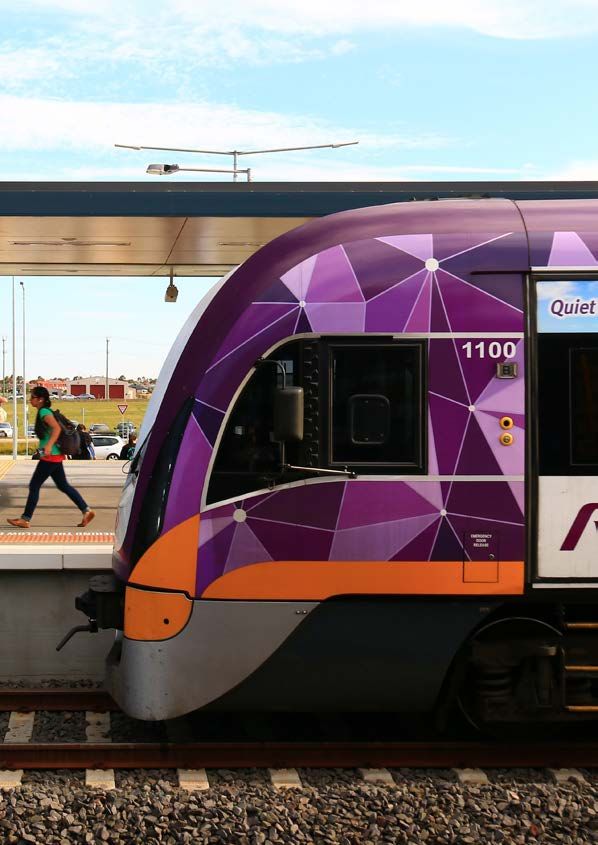
Jobs Plan 5
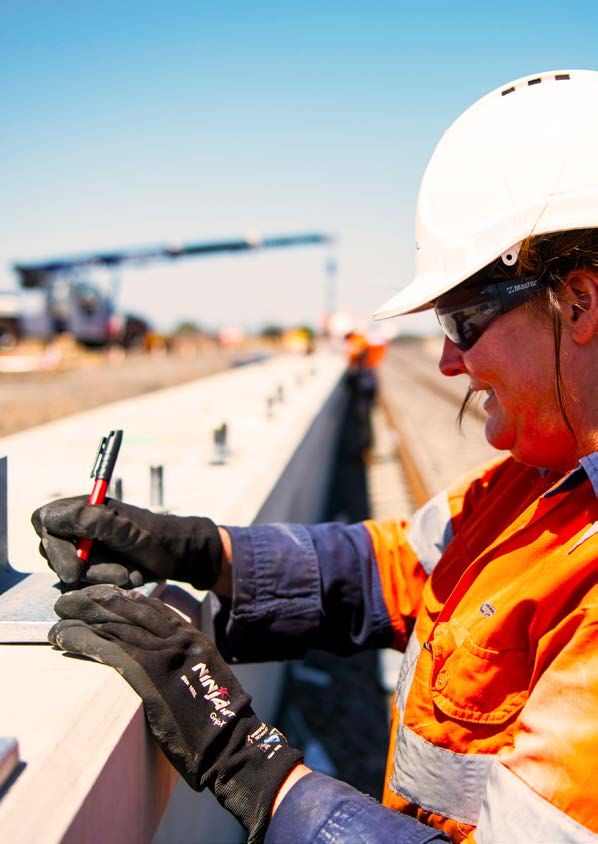
6

    The economic impact

    Across the world, governments have introduced vital
    restrictions to slow the spread of coronavirus (COVID-19)
    and save lives.
    Globally, these necessary measures have seen        Employment declined by 180 000
    economic activity and employment fall sharply.      (5.2 per cent) from the March to September
    The same is true in Victoria.                       quarters 2020, and the unemployment rate
                                                        rose by 1.6 percentage points to 6.9 per cent.
    The impact of the pandemic on our economic
                                                        However, this trend doesn’t fully capture the
    activity has been significant, with Victoria’s
                                                        level of underemployment − those people
    state final demand falling by 8.5 per cent in the
                                                        who weren’t able to get as many hours of
    June quarter.
                                                        work as they wanted.
                                                        With gross state product forecast to decline by
                                                        4 per cent in 2020‑21, the economic impact of the
                                                        pandemic is estimated to be the largest in over
    What is clearly                                     90 years – since the Great Depression in 1929.
                                                        The weight of that impact has been
    evident is that                                     experienced differently by different
                                                        communities and industries.

    controlling the                                     What is clearly evident is that controlling
                                                        the virus minimises the economic impact

    virus minimises
                                                        and allows for sustainable recovery.

    the economic
    impact and
    allows for
    sustainable
    recovery
Victorian Budget 2020/21 Jobs Plan 7
UNEMPLOYMENT, UNDEREMPLOYMENT AND UNDERUTILISATION RATES
25
20
15
10
5
PER CENT
0
20
16
18
2
4
6
8
10
12
14
4
6
8
0
0
2
4
6
8
0
2
0
199
198
0
199
198
0
199
198
0
199
198
0
199
198
20
20
20
20
20
20
20
20
20
20
20
UNEMPLOYMENT RATE UNDEREMPLOYMENT RATE UNDERUTILISATION RATE
Source: Australian Bureau of Statistics
ECONOMIC OUTCOMES AND CORONAVIRUS (COVID‑19) DEATHS (a)
1000
BELGIUM
CONFIRMED DEATHS PER MILLION PEOPLE
800
UNITED STATES UNITED
KINGDOM
ITALY
600 SWEDEN
SPAIN
(AS AT 30 AUGUST 2020)
400
CANADA FRANCE
NETHERLANDS GERMANY PORTUGAL
200 FINLAND
POLAND DENMARK AUSTRIA
SOUTH KOREA
0
SINGAPORE MALAYSIA
TAIWAN INDONESIA AUSTRALIA JAPAN PHILIPPINES
5%
0%
-5%
%
%
%
%
-15
-25
-10
-20
GROSS DOMESTIC PRODUCT GROWTH FROM PREVIOUS YEAR (JUNE QUARTER 2020)
Source: European Centre for Disease Prevention and Control; Eurostat; Organisation for Economic Co-operation and Development;
World Bank; Australian Bureau of Statistics
Note:
(a)
Bubble size represents relative population size.
8

                      The economic impact on parts of our community
                      The economic impact of the pandemic has been felt by almost
                      every Victorian – whether it’s them, or someone they love.
                      It’s why as we rebuild from the pandemic, the             Those who have suffered the most have been
                      Andrews Labor Government wants to make                    women, young people, those aged over 60,
                      sure no worker, sector or community is left               and Victorians who have plenty of experience
                      behind during our recovery.                               but don’t always have a formal qualification.
                      Most industries have seen job losses                      The pandemic has made the existing gender
                      during the coronavirus (COVID-19) pandemic.               disparity more pronounced, with women
                      But several sectors have experienced a                    more likely to have lost their jobs during the
                      greater economic impact.                                  pandemic.
                      Their recovery – and the recovery of their                Female employment and participation were
                      workforce – risks being slower, which is why one          further affected by remote learning and the
                      of the four key elements of the Jobs Plan is to           closure of early childhood education and
                      provide targeted support for affected workers.            care services to keep families safe.
                      This pandemic has also laid bare the very real            Childcare responsibilities fell disproportionately
                      cracks in our economy.                                    to women, with Australian women at least
                                                                                four times more likely than men to report
                                                                                they looked after children full time during the
                                                                                pandemic’s public health restrictions.

                      PARTICIPATION RATE BY GENDER, FROM JANUARY TO SEPTEMBER 2020, VICTORIA

                      72                                                                                                         63

                      71                                                                                                         62

                      60                                                                                                         61

                      69                                                                                                         60
                                                                                                                                      PER CENT (FEMALE)

                      68                                                                                                         59
    PER CENT (MALE)

                      67                                                                                                         58

                      66                                                                                                         57
                              N

                                              B

                                                                R

                                                                     R

                                                                            Y

                                                                                        N

                                                                                                   L

                                                                                                                 G

                                                                                                                           P
                                                                          MA

                                                                                                   JU
                                            FE

                                                                                                                          SE
                                                                MA

                                                                     AP
                           JA

                                                                                       JU

                                                                                                              AU

                             MALE             FEMALE

                      Source: Australian Bureau of Statistics
Victorian Budget 2020/21 Jobs Plan 9
10

     The pandemic also hit young Australians.                    Workers without post-school qualifications
                                                                 are also less likely to be in jobs that could
     In fact, their employment was affected more
                                                                 adjust to the public health restrictions by
     than any other demographic group, with
                                                                 working from home.
     young Victorians more likely to work in the
     hardest‑hit industries including recreation,                This pandemic has had a profound impact
     accommodation, food services and the arts.                  on these Victorians.
     For example, in 2019, some 63 per cent of the               As we rebuild, genuine recovery will mean
     accommodation and food services workforce                   making sure they’re at the heart of our
     was under the age of 30.                                    response.
     The JobMaker package in the
     Commonwealth Budget 2020-21 includes
                                                                 CHANGE IN EMPLOYMENT BY GENDER,
     a range of measures that acknowledge the
                                                                 MARCH TO SEPTEMBER QUARTERS 2020,
     disproportionate impact of the pandemic
                                                                 VICTORIA
     on young people. Tens of thousands

                                                                                                           LE
     of young Victorians will potentially be                                          L

                                                                                                         MA

                                                                                                                      LE
                                                                                   TA

                                                                                                                  MA
                                                                                 TO

                                                                                                        FE
     supported by the scheme.                                    0

     But an incentive to hire a young person will
     require complementary and holistic strategies.
                                                                 -2%
     That includes making sure young Victorians
     have the skills and support they need, and
     that businesses have the confidence and                     -4%
     growth opportunities to hire new staff.
     That’s what the Jobs Plan delivers.
     Australian Bureau of Statistics data indicate               -6%
     that older Victorians have also been
                                                      PER CENT

     significantly affected during the pandemic,
     potentially having long-term consequences                   -8%
     for their retirement and later years.
                                                                 Source: Australian Bureau of Statistics
     Qualification and skill levels also factor
     into how the economic impact has affected
     individual workers.
     Since March 2020, the greatest decline in                   CHANGE IN EMPLOYMENT BY AGE,
     employment has been among occupations                       MARCH TO SEPTEMBER QUARTERS 2020,
     requiring the completion of secondary                       VICTORIA
     education or less, including labourers
                                                                                                  20

                                                                                                                                           0
                                                                                                                                          R6
                                                                                                    R

     and hospitality workers.
                                                                                          L

                                                                                                                           -49
                                                                                                                 -39

                                                                                                                                  59
                                                                                                 DE

                                                                                                           -29
                                                                                       TA

                                                                                                                                           E
                                                                                                                                    -

                                                                                                                                        OV
                                                                                              UN
                                                                                     TO

                                                                                                                           40
                                                                                                                 30

                                                                                                                                 50
                                                                                                        20

                                                                 0     AGE GROUP

                                                                 -10%

                                                                 -20%
                                                      PER CENT

                                                                 -30%

                                                                 Source: Australian Bureau of Statistics
Victorian Budget 2020/21 Jobs Plan 11
International border closures meant
The economic impact international education was affected
on Victorian industry as students from overseas deferred
and then cancelled their return for the
The global pandemic has affected all parts 2020 academic year.
of the economy.
By supporting these most affected industries –
However the sectors most heavily affected are and the Victorians who rely on them for work –
those centred around in‑person experiences we can begin to rebuild our economy and play
including hospitality, tourism, creative to our State’s strengths.
industries, and sport and recreation.
CHANGE IN EMPLOYMENT BY INDUSTRY, FEBRUARY TO AUGUST 2020, VICTORIA
Arts and Recreation Services
Accomodation and Food Services
Administrative and Support Services
Mining
Other Services
Agriculture, Forestry and Fishing
Electricity, Gas, Water and Waste Services
Manufacturing
Transport, Postal and Warehousing
Construction
Public Administration and Safety
Retail Trade
Health Care and Social Assistance
Professional, Scientific and Technical Services
Education and Training
Information Media and Telecommunications
Financial and Insurance Services
Rental, Hiring and Real Estate
Wholesale Trade
‑40 ‑30 ‑20 ‑10 0 10
Source: Australian Bureau of Statistics12
Victorian Budget 2020/21 Jobs Plan   13

                                                                           At the same time, tourism‑reliant regional
The economic impact                                                        areas such as around the Great Ocean Road,
on parts of our State                                                      Daylesford, the Alpine Resorts and the
                                                                           Yarra Valley are also affected.
This pandemic has affected different parts of
our State in different ways.                                               Communities in our State’s east and north
                                                                           have been dealt the double blow of the
Reflecting the size of its population, and the                             pandemic and the unprecedented summer
need to impose stronger health restrictions,                               of bushfires earlier this year.
Metropolitan Melbourne saw the greatest falls
in employment.                                                             This Budget is dedicated to making sure these
                                                                           communities – and every community – has the
Employment declined by 6.5 per cent                                        support they need to rebuild and recover.
(175 000 persons) in Melbourne compared with
2 per cent (15 000 persons) in regional Victoria
from the March to September quarters 2020.

CHANGE IN NUMBER OF JOBSEEKER RECIPIENTS BY SMALL AREA,
MARCH TO SEPTEMBER QUARTERS 2020, VICTORIA(a)(b)(c)

                                                                     CENTRAL BUSINESS DISTRICT
                                                                     AND PORT MELBOURNE

                                                                   ALPINE RESORTS

                             DAYLESFORD

                                                                           YARRA VALLEY

                                                                                                                      PER CENT
                                                                                                                         0 – 100

                                                                                                                         100 – 200

                                                                                                                         200 – 500
                       GREAT OCEAN ROAD
                                                                                                                         500+

Sources: Australian Bureau of Statistics, Commonwealth Department of Social Services
Note:
(a)
      JobSeeker recipients include Youth Allowance (other) recipients
(b)
      Small areas are Statistical Area Level 2 as defined by the Australian Bureau of Statistics
(c)
      Areas in light grey shading are not applicable due to a low number of observations
14
Impact of Commonwealth policy on Victoria
Victorians are significant beneficiaries of Commonwealth economic support deployed in
the wake of the pandemic. Support such as JobKeeper and cash flow assistance have been
important for keeping businesses open, stimulating economic activity and keeping Victorians
employed. Furthermore, the Coronavirus Supplement to JobSeeker and Youth Allowance
recipients, and one-off payments to pensioners have supported household incomes,
consumer spending and economic activity.
Commonwealth economic support has been welcome. However, the JobKeeper wage subsidy
excludes some of the groups most affected during the pandemic, including casuals who were
with their employer for fewer than 12 months, and temporary residents.
A substantial proportion of casual employees are likely to have missed out on JobKeeper and
lost work. Nationally, nearly two-thirds of the total decline in employment from February to
August was from casual employees. And in 2019, 43 per cent of all Victorian casual employees
were with their employer for fewer than 12 months.
The JobKeeper exclusion for shorter term casual employees exacerbates the disproportionate
economic impact of the pandemic on women. In 2019, 56 per cent of casual employees were female.
There were over 160 000 temporary residents employed in Victoria in 2019, many of them
employed in industries most affected during the pandemic − including accommodation and
food services, which is one of the two largest employers of temporary residents in Victoria.
Unfortunately, temporary residents are ineligible for Commonwealth support from either the
JobKeeper or JobSeeker payments.
Victoria’s education sector represents approximately 3 per cent of the Victorian economy
and 22 per cent of our exports, making it our largest service export sector. Unfortunately,
universities were also excluded from the JobKeeper wage subsidy program despite the
international student intake for Victoria’s education sector dropping by 49 per cent during
the pandemic.
The reduction to fortnightly JobKeeper – by $300 for full time workers and $750 for part time
workers – from 28 September 2020 came as Victoria introduced necessary public health
restrictions in response to the second wave of the coronavirus (COVID-19). The coronavirus
supplement for JobSeeker recipients was also reduced by $300 a fortnight. These cuts have
disproportionately affected Victoria’s economy and lower income Victorians, right when
support was needed the most.
The Commonwealth Budget 2020-21 continues the trend of Victorians not receiving
their fair share of infrastructure investment. Despite more than 26 per cent of Australia’s
population living in Victoria, it is estimated that the State will receive less than 22 per cent
of Commonwealth infrastructure investment over the five years to 2023-24.
As detailed in Budget Paper 2, Chapter 4, the Commonwealth Grants Commission’s
2020 Methodology Review significantly reduced the GST relativity for Victoria and the
methodology change is expected to redistribute approximately $1 billion per year in
GST revenue away from Victoria.Victorian Budget 2020/21 Jobs Plan 15
The economic support to date
The economic consequences of the pandemic and the
public health response were understood early by the
Andrews Labor Government.
It’s why, as we put in place the necessary Additional assistance was provided through
health measures, we also acted to support industry-specific support, made available for
businesses and workers. the tourism, hospitality and creative sectors,
totalling over $647 million, including:
By delivering support at critical junctures –
including the Economic Survival Package, the → The $251 million dedicated Licenced
Business Support Package and most recently, Venue Fund to provide support to bars,
the Business Resilience Package – we’ve been restaurants, pubs, clubs, hotels and
able to help businesses and workers through reception centres, with grants of up to
to the other side of the global pandemic. $30 000 for licenced venues
The Business Support Fund has allocated → The $100 million Sole Trader Support Fund
$2.6 billion in support to the hardest hit sectors to help sole traders in affected industry
of the economy, including hospitality, tourism, sectors survive the impacts of continued
accommodation, creative industries and retail. public health restrictions
→ A $94 million support package to help the
state’s hard‑hit creative sector survive the
impacts of the pandemic
→ $40 million to support regional tourism
accommodation providers affected by
cancellations16
A $350 million fund was set up to support The $587.5 million Working for Victoria Fund
Victorian universities’ capital works, applied was also created to help workers who lost
research and research partnerships to boost their jobs find new opportunities.
Victoria’s productivity and economy.
Since launching in April, the initiative has
In order to help businesses survive the supported more than 11 000 jobs for Victorians
pandemic and keep paying staff, the – giving these workers greater security
Government also made unprecedented and certainty and supporting our State’s
emergency changes to taxes, fees and charges: pandemic response.
→ Providing full payroll tax refunds and The Government also supported the
waivers for the 2019-20 financial year construction industry and jobs, with
to small businesses with payrolls of less our $2.7 billion Building Works package,
than $3 million – giving $1 billion back to fast-tracking shovel-ready projects
businesses who needed it. It saved eligible across the state.
businesses up to $114 000 and an average
This investment helped support
of $29 000
3 700 direct jobs for construction workers,
→ Exemption from payroll tax and the trades, professionals, maintenance workers
WorkCover premium on JobKeeper and administration staff, with thousands
payments to staff stood down and more jobs supported across supply chains.
payments above an employee’s
These investments have helped keep
usual salary
businesses afloat and Victorians in jobs.
→ A waiver of up to 50 per cent on
But as we begin work to rebuild our State,
2020 land tax liabilities for landlords
we know we need to do more than just repair
who provide rent relief to eligible small
the damage.
and medium businesses, while payment
of the remaining tax can be deferred Instead, we need to address some of the
to 31 March 2021 deep economic inequalities exposed by this
pandemic.
→ Land tax relief for eligible small and
medium businesses that own their We need to give businesses confidence and
commercial premises and landlords optimism for the future.
who were unable to find a tenant due
And we need to help Victorians return to work
to the pandemic
and recover – in every sense of the word.
→ Waiving and refunding 2020 and 2021 liquor
licence fees, waiving 25 per cent of the
2020 congestion levy, a full waiver for all
2021 vacant residential land tax liabilities
that arise due to property vacancies in 2020
and deferring an increase to the landfill levy
→ Freezing all fees and fines that were due
to increase in July. The 2020-21 Fire Services
Property Levy was frozen at the
2019-20 revenue targetVictorian Budget 2020/21 Jobs Plan 17
The Jobs Plan
Before the pandemic, some 523 000 new Victorian jobs
were created between November 2014 and March 2020.
In fact, our State created more jobs in this
period than any other state or territory in What it means
Australia. The Jobs Plan will provide a targeted, timely
Victoria’s Jobs Plan wants to replicate economic stimulus that kick‑starts the
this success, getting more Victorians back economy – getting more Victorians back to
to work, while building an inclusive and work and laying the foundations for a more
innovative economy. inclusive and innovative economic recovery.
This is underpinned by two key principles: The Jobs Plan is built on fundamentally strong
budget settings, a track record of investment
Firstly, not leaving any worker, sector or in services and infrastructure, and an enviable
community behind. Genuine recovery means record of economic growth throughout
inclusive recovery, where every Victorian gets the state.
the support they need.
It also reflects that there is no ‘one’ Victorian
Secondly, playing to our strengths. Victoria has worker, business or community. An effective
a range of fundamental strengths that will be recovery plan requires tailored support to meet
critical to our rebuild and our long‑term future. the diverse needs of our State.
A plan though, isn’t worth much without a Guiding this work, the Jobs Plan has four
clear goal. distinct elements.
It’s why the Government is setting an ambitious 1. V
ictorians at work: Getting Victorians back
Jobs Target – to create 400 000 new jobs by 2025, to work
200 000 by 2022. These are big numbers
– but we shouldn’t lose sight of what they 2. Building opportunity: Building our State as
really mean. we rebuild our economy
We need to get more Victorians in work, 3. Supporting industry and growth: Support for
finding purpose and security. Not just so more industries and leveraging our strengths
families are able to pay the bills, but so they’re 4. Supporting every corner of our State:
able to plan for their future. And that future Ensuring no community and no Victorian is
is a Victoria that is fairer, stronger and more left behind
inclusive – for everyone.
Together these four key pillars will help grow
jobs, get more Victorians in work and begin our
State’s recovery.
The Jobs Plan, as well as other initiatives
announced since the 2019-20 Budget Update,
will support around 125 000 jobs over the life of
these initiatives.18
Victorian Budget 2020/21 Jobs Plan   19

                1. Victorians at work
                Getting Victorians back to work

This pandemic has laid bare the inequalities
in our economy. Those who have suffered
                                                 Secure Work Scheme
the most have been women, young people,          The pandemic has highlighted that too many
those aged over 60, and Victorians who have      workers are having to choose between going
plenty of experience but don’t always have       to work sick and losing wages.
a formal qualification.
                                                 To support casual workers, this Budget
As we begin to rebuild our economy, getting      provides funding to develop a new Secure Work
these Victorians back to work will be central    Pilot Scheme. Once in place, this two-year pilot
to our recovery.                                 will provide up to five days of sick and carers
With the Jobs Plan, we’ll ensure no Victorian    pay at the national minimum wage for casual
worker is left behind.                           or insecure workers in priority industries.

Creating Jobs for Victoria                       Putting TAFE and training
A new jobs policy will support Victorians
                                                 at the heart of our recovery
to find employment – and with it, security,      The Government is investing $1 billion in the
stability and certainty.                         TAFE and training system, giving thousands of
The Andrews Labor Government’s new               Victorians the opportunity to reskill and upskill.
$619 million Jobs for Victoria initiative will   It includes up to 80 000 new subsidised
help provide targeted and tailored support for   training and Free TAFE places, in addition to
Victorians most affected during this pandemic.   the 18 000 places announced earlier this year.
These positions will be made available to        A dedicated $155 million will help Victorians
Victorians hardest hit financially during this   particularly affected by economic disruption,
pandemic, including women, young people,         including women and young people to
retrenched workers and people who have           access training.
been long-term unemployed.
                                                 Targeted opportunities will be made available
At least $150 million of subsidy support will    through TAFE and other training providers
go towards getting women back in work,           across Victoria in 2021, making it easier for
of which $50 million is for older women,         Victorians with pre-existing qualifications
recognising the very real barriers they face.    to retrain for sectors in need of more skilled
These subsidised positions will be focused on    workers.
creating new ongoing permanent jobs, making      Funding will support training in priority areas,
sure we’re providing long-term security for      including healthcare, community services and
these workers and their families.                construction.
Under the program, thousands more Victorians     Funding will also attract and support people
will be able to access the help they need –      to reskill as teachers at our TAFEs, giving these
whether that’s advice about training pathways,   Victorians the opportunity to share their skills –
career counselling or more intensive support.    with new teacher scholarships and mentoring.
This investment includes at least 10 000 work    The Government is also investing $38 million
placements, giving Victorians the experience     to commence major reform of vocational
they need to get their foot in the door.         senior secondary schooling in Victoria,
                                                 supporting universal access to quality
                                                 vocational and applied learning for every
                                                 student in the state and providing coordinators
                                                 in government secondary schools to support
                                                 vocational and applied learning pathways.
20
Tax credits to grow jobs The skills we need
A New Jobs Tax Credit will be provided The Government will help unemployed
to encourage small and medium sized Victorians reskill and find a job fast – offering
businesses to re‑employ staff, restore new support with accredited and innovative
staff hours and hire new staff. new ‘skill sets’.
For the next two years, eligible businesses Like a mini qualification, skill sets will help up
will receive a tax credit of 10 cents for every to 52 000 Victorians learn specific skills with
dollar of Victorian taxable wages above the targeted training. This is in addition to the
previous year’s. 11 000 new construction skill sets announced
earlier this year.
This means that not only will eligible
businesses pay no payroll tax on these This $75 million investment will help Victorians
increased wages – they will get a refund of rapidly retrain and find new opportunities,
tax already paid. The more they increase with skill sets made available through our
wages and employment in Victoria, the less TAFEs and training organisations.
payroll tax they will pay.
The Workforce Skill Set Pilot Program will
This $836 million tax relief measure is also support employers, in partnership with a
expected to help support 9 400 jobs training provider, to offer their own skill sets –
and stimulate the economy by providing providing Victorians with an opportunity to
tax relief to 14 000 businesses in 2020‑21, learn hands‑on skills from those in the industry.
and 21 000 businesses in 2021‑22.
Grants will be provided where immediate or
emerging industry and jobs needs are strongly
demonstrated.
New Skills and Jobs Centres will be
established at the North East Link and the
new Footscray Hospital, providing onsite
advice for Victorians who want to be a part
of these projects.
The Centres will connect Victorians with
available opportunities, while also providing
advice on training and apprenticeships.
A Clean Economy Workforce Development
Strategy and Taskforce will also be established
to develop a long‑term plan to create and
support jobs in this fast‑growing industry.Victorian Budget 2020/21 Jobs Plan 21
Supporting new Turning digital demand
apprenticeships into new opportunity
A package of measures worth $58 million The pandemic has required a rapid shift
will support Victorian workers to earn while to online business and workplace activity.
they learn. In turn, this has created demand for digital
skills across our economy.
Funding of $33 million will expand
opportunities for apprentices and trainees To further strengthen those skills – but also
through a flagship Big Build training pathway. help Victorians who have lost their jobs
during the pandemic – this Budget includes
This transformative new approach will
$64 million for the new Digital Skills and
support the employment and training of up
Jobs program.
to 1 500 apprentices and trainees each year
across our Big Build. This program will provide high quality,
industry-led short courses and internships to
Creating a single point of entry for apprentices
reskill 5 000 unemployed workers to transition
and trainees looking for work, it will mean
into digital careers where demand is strong
we’re able to connect these Victorians to new
and vacancies exist. These short courses and
opportunities – and fast.
internships will support unemployed workers
With a centralised approach, we can also to transition into new careers.
make sure Victoria’s Big Build creates more
The initiative will benefit industry by expanding
opportunities for a broader group of Victorians,
the pool of local digital talent. The availability
with a particular focus on women and other
of digital internships will incentivise Victorian
Victorians who may otherwise miss out.
employers, making it easier for them to skill
This additional coordination will also support and hire unemployed and mid-career workers
apprentices and trainees to complete their for digital roles.
training even if their work on a particular
This ground-breaking investment will assist
aspect of a project may have finished, by
these Victorians into a potential new career,
supporting them to move onto other projects
helping them to retrain and reskill, with a
in the Big Build.
strong focus on supporting women.
Funding is also provided to expand the pilot
The program will give participants the
of higher apprenticeships and traineeships
opportunity to undertake digital skills
in the social services sector. This will create
training or take part in an internship with
opportunities for 400 existing workers
an employer on a digital project.
to continue their employment, while also
validating their on the job work experience Not only will this set our State up with the
by gaining a qualification. skills we need for the future, it’ll help almost
5 000 Victorians find new opportunities.
This Budget will also strengthen support for
apprentices and employers more broadly,
with a focus on ensuring apprentices can
complete their training.22
→ $5 million for a dedicated stream of the
Supporting women Apprenticeship Innovation Fund to support
back into work more women into trades through the
provision of grants to eligible industry
Overwhelmingly, women have been affected and training organisations to support and
most during this pandemic. encourage women to pursue non‑traditional
Through Victoria’s Jobs Plan, the Andrews roles, including in the construction industry
Labor Government will support more women → $5 million to deliver the short, medium and
back into the workforce – ensuring they have long-term actions outlined in the Women in
the stability and security they deserve. Construction Strategy and to help implement
This Budget delivers new support for parents the Building Equality Policy by creating
and families, while creating new opportunities training and employment opportunities for
for women to pursue new careers across a women on government construction projects
range of sectors. valued at $20 million or more
Helping families balance the daily juggle of → A subsidy will be provided to employ and
work and care, the Government is delivering train 40 new building surveyors across local
$170 million to make kinder free next year – government authorities, with an emphasis on
saving families around $2 000 and supporting attracting women to this career and improving
more women back into work. gender balance in the profession
To further help parents participate in the → The $2.4 million Women in Transport program
workforce, the Government is investing to provide training, scholarship and
$82 million to increase the availability of employment opportunities for women in the
before and after school care. transport sector. The program will provide:
Reaching up to 400 schools across the → Training and employment
state, this investment will make sure more opportunities for 300 women to
families can rely on outside hours school care become heavy vehicle drivers
– giving parents greater flexibility when it → Australian qualifications and
comes to work, study, training or re‑entering employment opportunities for 40 female
the workforce. refugee and asylum seeker engineers
The Government has also invested in a range through the Engineering Pathways
of new roles and professional pathways in key Industry Cadetship program
industries, set to create new opportunities for → Scholarships for 20 women undertaking
women. This includes: diesel mechanic apprenticeships
→ $150 million to support businesses to hire → 15 vocational placements for PhD
6 000 women through wage subsidies, students and 20 undergraduate and
delivered through the Jobs for Victoria postgraduate scholarships for women
initiative. About one-third of the subsidies studying in transport-related fields
will go to older women, recognising the
additional barriers they face
→ $33 million to expand opportunities for
apprentices and trainees through a flagship
Big Build training pathway, including a focus
on supporting women and disadvantaged
Victorians into the construction sectorVictorian Budget 2020/21 Jobs Plan 23
→ $235 million to build our Recovery Workforce → The recruitment of up to 1 730 teachers,
to create new jobs across mental health, allied health workers and other staff to
family violence, health and child protection: support students with disability in Victorian
government schools by 2025
→ Funding to support 240 new traineeships
to increase support for victims of → The $64 million Digital Skills and Jobs
family violence and sexual assault program will fund short courses and up
to 5 000 industry internships to retrain
→ 10 nurse educators to support and
Victorians who have lost their jobs during
supervise experienced general nurses
the pandemic, including women
to retrain as mental health nurses
→ Support for 400 social services workers to
→ Recognising the overwhelming number
gain credentials and upskill through higher
of women in personal caring roles, the
apprenticeship pilots while they work
Government will invest $4.6 million to
support pathways into employment in → $18 million to support new and established
the community services, disability and small business owners through a series
aged care sectors. The funding will help of workshops, mentoring services and
carers deploy their incredible skill, ability coaching. A further $26 million will
and knowledge into paid positions support business owners to establish
themselves online
→ An expansion of the existing mental
health nurse graduate program → $10 million to help female startup founders
access capital through the establishment
→ The recruitment of more than 4 100 tutors
of a women’s founders Angel Sidecar Fund
across government and non-government
schools for post-pandemic support, with → Using the Government’s purchasing
around 80 per cent expected to be filled contracts to create employment and
by women training opportunities for women24
CASE STUDY
Working for Victoria
The Working for Victoria Fund
was established in April 2020
as a key pillar of the Andrews
Labor Government’s economic
response to the pandemic,
as part of the $1.7 billion
Economic Survival Package.
The Government has worked closely with
business and unions to establish the Fund,
supporting more than 11 000 Victorians back
into work.
Working for Victoria is open to workers who
have recently lost their job or casual employees
who no longer have shifts, matching jobseekers
with employers.
The program also includes training to help
jobseekers expand or update their skills,
enabling them to work in areas now hiring.
That includes access to free online courses
delivered through Free TAFE.
In contrast to other assistance, international
students and temporary migrants are eligible
to apply for Working for Victoria.
And – in just seven months – we’ve achieved
some incredible outcomes.
Working for Victoria joined with the Victorian
Council of Social Services (VCOSS) to deliver
funding for 59 organisations including
Anglicare, the Brotherhood of St Laurence,
Jesuit Social Services, Uniting, Foodbank and
a range of migrant services, boosting their
frontline efforts and supporting 1 100 new jobs.
The Government has struck agreements
with an additional 10 local government
authorities to support some 1 200 Victorians to
immediately return to work with roles including
maintaining local parks, gardens and sporting
fields and performing a range of community
services to support vulnerable residents.Victorian Budget 2020/21 Jobs Plan 25
26
Victorian Budget 2020/21 Jobs Plan   27

               2. Building opportunity
               Building our State as we rebuild our economy

Since 2014, the Andrews Labor Government has made an
unprecedented investment in Victoria’s infrastructure.
Announced infrastructure investment since          This is a project that will transform the way
November 2014 has supported or will continue       we travel, connecting Victorians to jobs,
to support over 165 000 jobs.                      education, healthcare – and most importantly,
                                                   to each other.
From schools to hospitals, road and rail
– we have strengthened our economy by              This Budget invests $2.2 billion to kick-off
strengthening our State.                           initial and early works on Stage One running
                                                   between Cheltenham and Box Hill – laying
That includes delivering projects: Metro Tunnel,
                                                   the groundwork for tunnelling, including
removing 75 level crossings, the Joan Kirner
                                                   preparation of our tunnel boring machine
Women’s and Children’s Hospital for families in
                                                   launch sites and geotechnical investigation.
Melbourne’s west, and delivering 21 new schools
with a further 48 new schools soon to open.        In addition to kick-starting this city and
                                                   state‑shaping project, this investment
As we recover from this pandemic, a
                                                   will support initially up to 800 jobs –
‘two-for-one’ approach will continue to
                                                   with a further 20 000 jobs over the
be how we deliver for Victorians.
                                                   construction period.
By investing in regional and suburban rail –
we’re supporting more local jobs, and getting
people home sooner.                                Geelong Fast Rail
By upgrading local schools – we’re employing
                                                   As our second biggest city continues to grow,
thousands more Victorians, and making sure
                                                   making sure locals have a fast, reliable rail
our kids get the education they deserve.
                                                   connection between Geelong and Melbourne
And by delivering the biggest housing              matters more than ever.
investment our State has ever seen – we’re
                                                   This Budget delivers $2 billion towards
supporting more Victorians back into work and
                                                   Geelong Fast Rail, reducing travel times and
affording more people the security of a home.
                                                   supporting more passengers on our State’s
The Jobs Plan continues our record investment.     busiest regional rail line – matching the
                                                   Commonwealth’s contribution to the project.
                                                   As an investment, it will mean fewer stops,
Delivering the                                     faster trips and less crowded trains for
Suburban Rail Loop                                 locals. It’ll also reduce reliance on the
                                                   Princes Freeway corridor.
The Suburban Rail Loop will transform
                                                   Most importantly, it’ll mean less time
Victoria’s public transport system and
                                                   commuting – and more time spent with
connect Melbourne’s middle suburbs.
                                                   the people you love.
The 90-kilometre Suburban Rail Loop will
                                                   This funding builds on funding provided in
link every major rail line from the Frankston
                                                   last year’s budget to deliver detailed planning
line to the Werribee line, via the airport.
                                                   and design works.
And with three transport super hubs at
                                                   The project will support over 2 800 jobs at
Clayton, Broadmeadows and Sunshine –
                                                   the peak of construction and will continue
regional passengers will also benefit, no longer
                                                   supporting jobs once complete, with improved
having to travel through the CBD to get to
                                                   connections between the two cities.
work, our world‑class hospitals or universities
in the suburbs.
28
Victoria’s Big Housing Build Making housing more affordable
Saving up for your first home is hard enough –
Record investment in social let alone during a pandemic.
and affordable housing
That’s why the Government is offering stamp
This year has shown us just how much duty waivers on residential properties worth
home matters. up to $1 million bought before 30 June 2021.
It’s also brought into sharp relief: far too many This includes a 50 per cent stamp duty saving –
Victorians are still missing out on the safety worth up to $27 500 – for new builds and a
and security that a home affords. It’s why 25 per cent stamp duty saving – worth up to
this Budget delivers our State’s biggest ever $13 750 – for existing residential properties.
investment in social housing.
Not only will this make it easier for Victorians
Victoria’s Big Housing Build package will invest to buy their home – it will give much needed
$6 billion to expand and diversify social and support to the construction sector, a key driver
affordable housing across the state, improving in Victoria’s economic growth.
the lives of thousands of Victorian families.
For some Victorians, this year has made it
This includes $5.3 billion to deliver more than
even harder to save a 20 per cent deposit to
12 000 new dwellings across our State, and
buy their home.
make housing more accessible and affordable
for Victorians, supporting around 10 000 jobs To support these Victorians, the Government
on average per year over the next four years – is launching the Victorian Homebuyer Fund
with around a quarter of the total investment with $500 million to help Victorians into a home
taking place in regional communities. by contributing to the purchase price.
The new dwellings under Victoria’s Under the program, the Government will
Big Housing Build include 9 300 new social provide equity to Victorians looking to buy
housing dwellings replacing 1 100 old housing a home. This will reduce the size of the
units, and 2 900 new mainly affordable and deposit required and will help Victorians buy
low cost homes. homes sooner.
The Big Housing Build gets a fast start For other Victorians, buying a home isn’t a goal.
this financial year with more than Renting is a common part of housing markets
1 000 commencements ready to happen – worldwide. Investment in the build‑to‑rent
immediately supporting around 2 000 jobs. sector will provide greater choice and diversity
of housing options for renters. That’s why from
The package also provides funding to accelerate
2022, the Government will provide a 50 per cent
the public housing capital upgrade program,
land tax discount until 2040 to attract new
including the enhanced gas heater servicing
investment in build-to-rent developments,
and replacement programs. These works
increasing housing supply by an estimated
will make home more comfortable for public
5 000 dwellings.
housing tenants, while also supporting jobs.
To unlock construction activity, Victoria’s
This package builds on the $498 million
Big Housing Build includes $52 million in
provided through the Building Works package
funding to implement the Commissioner
for improvements such as increased security,
for Better Regulation’s planning reforms to
maintenance and capital upgrades across
improve the planning system’s performance
public and community housing.
and clarity, and to grow housing supply across
the state through the Victorian Planning
Authority programs Affordable by Supply
and Streamlining for Growth.
In addition, $59 million in funding is provided
for targeted planning system reforms. The
reforms will have a critical role in unlocking
private sector investment and supporting
Government initiatives, including the delivery
of infrastructure, jobs and housing.Victorian Budget 2020/21 Jobs Plan 29
→ Legislative amendments and policy
Cheaper, cleaner energy development to mandate timely utility
to power recovery connections, expanding the Victorian
Energy Upgrades program energy
A key element of the Jobs Plan is a standards in rental properties, and work
transformational $1.6 billion investment to towards net zero carbon new homes
improve energy efficiency in Victorian homes
and accelerate clean energy investment, while → Development of a gas roadmap to
supporting thousands of new Victorian jobs. support more efficient use of gas,
the competitiveness and long-term
The Government will develop Victoria’s viability of industrial customers that
Renewable Energy Zones to bolster system currently use natural gas as a feedstock,
strength and unlock new renewable energy development of renewable gas sources
investment, supporting economic growth and strategic substitution opportunities
and jobs. through increased electrification and
This includes funding to begin planning for alternative fuels, including hydrogen
at least 600 megawatts of new, clean energy and biogas
through a second Victorian Renewable Energy → $31 million for co-investment with large
Target auction. This will help to ensure the energy users to support energy efficiency
Government meets its legislated target of projects, reducing their energy costs
50 per cent of electricity generation from and fast-tracking the local adoption of
renewable sources, which has been estimated innovative energy efficiency technologies.
to create around 24 000 jobs by 2030 and
generate up to $5.8 billion in additional → $25 million to accelerate adoption of zero
economic activity. emission vehicles, including rolling out a
fast-charging network for motorists across
Funding will also be provided for energy major highways and key tourist destinations
efficiency upgrades to 250 000 low income and introducing electric vehicle ready
households and 35 000 social housing provisions in new buildings from 2022 to
properties, providing cheaper energy bills prepare for mainstream uptake
for families, more comfortable living for
residents and jobs for Victorians.
The package also includes:
→ $682 million for clean energy initiatives
across our State, including supporting
new renewable energy zones through
grid investment, delivery of the
Victorian Big Battery, upgrades to
transmission networks and new clean
energy generation projects facilitated.
Funding will also attract and fast-track
investment in innovative energy projects
that will deliver transformational benefits
to Victoria, with consumers able to
benefit from these projects from 2025
→ $191 million to provide solar panel system
and battery storage rebates to more homes
and small businesses
→ $50 million to deliver low‑emission, low‑cost
energy services in Victoria including:
→ Establishment of community power hubs
to develop and deliver local renewable
energy projects in regional Victoria and
metropolitan Melbourne30
Solar homes Strengthening our schools
The Government’s 10-year Solar Homes Investing in great classrooms means investing
program is putting a power station on in our kids.
hundreds of thousands of Victorian homes
It’s why this Budget dedicates $1.9 billion to
– driving down power bills and supporting
building and upgrading schools.
jobs across the state.
Not only will this investment help strengthen
This Budget will invest $152 million to make
our school communities, it will help support
sure even more Victorians can benefit from the
over 6 400 jobs during construction. The
program, including an extra 42 000 rebates
investment includes:
for home owners.
→ $895 million to upgrade 123 schools
The Solar Homes battery program will also be
expanded, with 17 500 rebates made available → $389 million for upgrades at
over the next three years. ‘Postcode eligibility’ 39 special schools
will also be removed, meaning Victorians in
every corner of the state can now apply for
→ $239 million for one new school and four
additional stages at recently built schools
a battery.
Funding will also continue to be provided for
→ $86 million for upgrades at existing
schools to expand capacity to meet
training, safety and quality audits.
enrolment growth
In last year’s Budget, the scheme was
expanded to include renters – ensuring every
→ $70 million for maintenance
Victorian has access to cheaper, more reliable → $50 million for small scale priority
power whether they own or rent their home. building projects through the
Minor Capital Works Fund
Now, we’ll expand Solar Homes even further,
with a $38 million investment extending the
eligibility for small businesses. This will deliver This investment builds on the $1.18 billion
up to 15 000 rebates – saving small business Education Building Works Stimulus announced
owners thousands of dollars on their power bill. in May 2020, combining to make a record
$3.1 billion investment in government school
infrastructure announced this year.
A further $100 million has been provided
to continue the renewal of Victoria’s TAFE
system, funding the redevelopment of
Chisholm Institute’s Frankston Campus and
the redevelopment of Melbourne Polytechnic’s
Collingwood Campus.You can also read


