July-August 2018 In this issue - RUOK? Help Save a Life from Suicide CORP Public Workshops - EASA
←
→
Page content transcription
If your browser does not render page correctly, please read the page content below

Toll free (NT only): 1800 193 123 www.easa.org.au Supporting Territorians since 1982
© NAIDOC Week 2018 poster
In this issue…
by Cheryl Moggs, Bigambul woman, Goondiwindi.
Help Save a Life from Suicide
RUOK?
July-August 2018 CORP Public Workshops...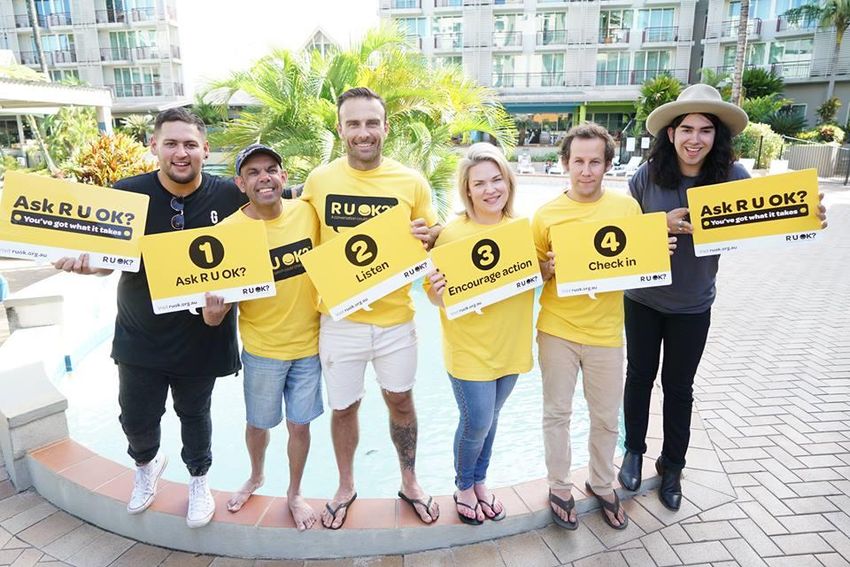
Page 2 Take it E.A.S.y
Suicide First Aid
Sadly, the Northern Territory has the
highest rate of suicide in the country. But
it’s important to remember suicide doesn’t
begin as a death: it begins as painful
feelings and circumstances that sometimes
give rise to suicidal thoughts and
actions. Suicidal thoughts affect as many
as one in twenty people, and if we learn
some skills, we’ll have an opportunity to
intervene before those thoughts flow on
to injuries or deaths.
Lifeline’s 2 Day Training – Applied Suicide
Intervention Skills Training (ASIST)
In ASIST, the emphasis is on suicide ‘first
aid’– helping a person with thoughts of
suicide to stay safe and seek further help.
The vast majority of people with suicidal
thoughts will find some way to signal their
distress and their intent to harm
themselves.
ASIST training can help us see and respond
to these invitations to help. The training Help Save a Life from Suicide
provides participants with the confidence
to ask about suicide and know what action Practical steps to help someone who's suicidal
to take. By learning to recognise and Lisa Firestone Ph.D., 2017
assess someone with thoughts of suicide,
There’s nothing more frightening than the sense that someone you know may
participants become more effective at
be at risk of suicide. Yet, suicide risk is a much more common crisis than many
helping people at risk. of us imagine. Worldwide, a person dies by suicide every 40 seconds. In US
Who can attend? research, current data reveals the suicide rate is at a 30-year-high, increasing
by 24 percent over 15 years. In a lifetime, each of us will encounter someone
The workshop is relevant for general in crisis. From the person showing visible distress in a public space to, a friend
community members, mental health who is struggling to cope with a break-up, to a close family member – each
workers, physicians and nurses, teachers person needs us to be there, and care. That’s why it’s so important to know
and school support staff, counsellors, what to do.
youth workers, domestic violence support
In recognition of National Suicide Prevention Month, I discussed ‘saving lives’
workers, drug and alcohol workers, police
with Dr. John Draper, Director of the National Suicide Prevention Lifeline, and
and corrections staff, clergy,
their campaign Be the One to Save a Life – a program encouraging people to
volunteers, tertiary students and
learn five steps to take in helping someone who may be suicidal.
accommodation workers.
The steps are part of an effective, coordinated strategy embraced by experts
How is the workshop presented? in the field of field of suicide prevention research, and are simple and
The program uses a range of interactive straightforward. Learning them can make you more confident to reach out,
techniques including case studies, and perhaps save a life.
simulations, skills practice, videos, The Five Steps
overheads, workbooks and audio-visuals. 1. ASK. It’s a serious misconception that asking someone about a suicide will
Participants also receive the Suicide plant the seed in their mind or make them more likely to do it. Research
Intervention Handbook to reinforce shows this is not true. We can be direct when it comes to talking to someone
learning. about if they’re suicidal. Don’t be afraid to ask, “Are you okay? Are you
To enquire about an ASIST course, call: thinking about suicide? How can I help?” Let them know you care by noticing,
Lifeline Central Australia, 8953 1250 “It seems like you’re in pain.” Don’t be judgmental and really listen to what
Lifeline Darwin, 13 1114
they have to say. Assist them to focus on their reasons for living. People can
feel relief when they are asked in a caring way what’s going on.
Take it E.A.S.y                                                                                                        Page 3

       Suicide Call Back Service                   1300 659 467             When You Don’t Know
       Lifeline                                    13 11 14
       BeyondBlue                                  1300 224 636             What to Say...
       Samaritans Crisis Line                      13 52 47                 One of the hardest challenges when
       Kids Help Line                              1800 551 800             confronted by a family member or close friend
       Mensline                                    1300 789 978             whom you’re deeply concerned about is,
       DefenceForce Support Line                   1800 628 036             knowing what to say to them.
2. Keep them safe. Stay with the person until you can get them help.        We know we are stronger individuals when we
Try to establish if they’ve taken any steps towards suicide. Do they        feel connected – to family, culture, language,
have a plan to take action? Have they thought about the means they          art, music, writing, work or exercise – but,
would use? Try to remove any lethal means that they could use to            when a loved one disconnects, what can you
hurt themselves. Do anything you can to put time and distance               do to guide them back?
between the person and their method.
                                                                            “When you feel like giving up, try to remember
3. Be there. Feeling connected is one of the ways to help protect           the reason you held on for so long…”
someone who is feeling suicidal. Let people know that you are
                                                                            Most people who consider suicide don’t really
someone they can ask for help when they’re in trouble. Keep being a
good listener. Help them identify who they can turn to for help             want to die – they just don’t know how else to
(friend, family member, pastor) and how they might keep                     eliminate the emotional pain they’re in. Often,
connecting.                                                                 as the person describes the origins of their
4. Help them connect. Get the person to the help they need. If              pain, they may also allude to a time things were
they’re in immediate danger, you can take them to Hospital                  better, or a moment when a situation changed,
Emergency. Help them find a counsellor or a psychologist close by.          or a passion they once had, but lost. Listen out
Make sure they have 24/7 hotline numbers within reach. You might            for these, as they’re clues to what is important
even make the call with them. There are many resources, including           to this person (their reasons for living) and a
text and chat lines, online and phone apps that can help the person         starting point for using positive talk.
stay safe.                                                                  “If you need a sign not to do this to yourself,
One of the most important things to do is assist the person in making       you’ve just found it…”
a Safety Plan. This is a plan to remind them, when they are distress,       Opening up to another person and having a
of how they can help themselves and reach out to keep themselves            conversation about suicidal thoughts is, in
alive and safe. It includes steps they will take when they feel suicidal.   itself, taking the first step back to feeling
Throughout this process, always do what you can to help the person
                                                                            connected. Never be afraid to use the word
connect to strategies that have worked for them in the past, and
their own positive feelings and desire to live.                             ‘suicide’ – this is what it is – and using the word
                                                                            ensures there’s no question about what’s really
5. Follow up. It’s important to hang in there. Check in with the
person once they’ve received help. Make sure the person knows
                                                                            at stake here. It is a life being discussed.
you’re there whenever they need you. Suicidal feelings often come           “Anyone seriously considering suicide has
and go. Being there for someone when they are in a self-destructive         within them the ability to go to creative
state can help them get through the crisis until they reconnect to the      extremes to solve their problems…”
part within that wants to live. Following up with the person                To paraphrase author, Richard Bach – “if you’re
demonstrates you do care, and can help them stay connected.                 desperate enough for suicide, you are also able
Seeing someone in a suicidal state is painful, but we don’t have to         to use other extreme methods to overcome
feel helpless. The suicidal state is almost always transient and            problems in your life”. Sometimes, the most
temporary. Each time we get between a person and their plan for             empowered position is having nothing left to
suicide, by being there for them, we increase their chances of staying      lose – you may as well do all those things you
alive, long term. Most people who were once suicidal have gone on           wanted to do, but didn’t. Confront the horrible
to lead rich and meaningful lives that they do not want to lose.
                                                                            boss, leave the distressing relationship / small-
Anyone in crisis can listen to such stories of hope, and understand         minded town, start painting, writing, studying.
how things can get better, right here: livethroughthis.org                  If it may trigger a passion for life again, do it!
                                                                            “Stay alive – for me…”
                                                                            This is a promise to be available for support –
                                                                            whenever, wherever it’s needed. Showing you
                                                                            really do care could make all the difference in
                                                                            someone’s life. If they’re ready to accept help –
                                                                            from you , another trusted person or related
                                                                            organisation – develop an action plan, with firm
You could be the one to support someone through a dark time and             dates / times for checking-in, and stick to it.
participate in the experience of finding hope.                              “Above all, be kind to yourself…”
www.psychologytoday.com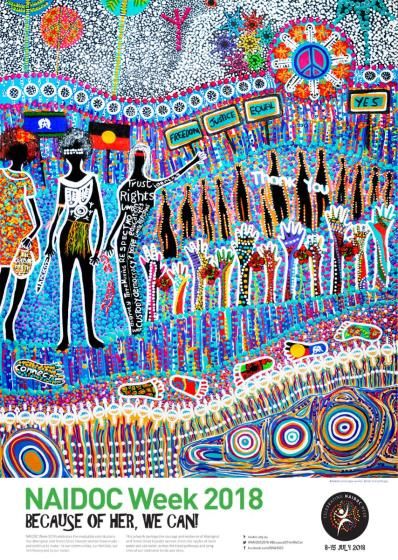
Page 4 Take it E.A.S.y
Get involved in RUOK? Day, Thursday, 13th September 2018
Our mission is to inspire and empower everyone to
meaningfully connect with people around them and
support anyone struggling with life.
RUOK?’s goals are to:
Boost our confidence to meaningfully connect and
ask about life's ups and downs
In 1995, much-loved Barry Larkin was far Nurture our sense of responsibility to regularly
from ok. His suicide left family and friends in deep grief connect and support others
and with endless questions. Strengthen our sense of belonging because we know
In 2009, his son Gavin Larkin chose to champion just one people are there for us
question to honour his father and to try and protect Be relevant, strong and dynamic
other families from the pain his endured.
Why it’s Important
"Are you OK?"
We know that suicide prevention is an enormously
While collaborating with Janina Nearn on a documentary complex and sensitive challenge the world over. But we
to raise awareness, the team quickly realised the also know that some of the world’s smartest people
documentary alone wouldn’t be enough. have been working tirelessly and developed credible
To genuinely change behaviour Australia-wide, a theories that suggest there’s power in that simplest of
national campaign was needed. And from this questions, “Are you ok?
realisation, and with Gavin and Janina’s expertise and One of the most significant theories is by US
passion, R U OK? was born. academic, Dr Thomas Joiner. Because his father took his
Gavin remained a passionate champion of the fact a own life, Thomas has dedicated his research to try and
conversation could change a life, even as cancer ended answer that question “why?”
his in 2011. His legacy is a national Conversation His theory tries to answer that complex question by
Movement that is equipping Australians with the skills describing three forces at play in someone at risk. The
and confidence to support those struggling with life. first force is the person thinks they’re a burden on
R U OK?'s vision is a world where we're all connected others; the second is that they can withstand a high
and are protected from suicide. degree of pain; and the third is they don’t feel connected
to others.
Take it E.A.S.y Page 5
NAIDOC Week 2018
Events, NT
NAIDOC Market Day
Friday 29th June, 10am
It's this lack of connection (or lack of belonging) that we want to Yeperenye Shopping Centre, Alice Springs
prevent. By inspiring people to take the time to ask "Are you ok?" and
listen, we can help people struggling with life feel connected long NAIDOC @ Standley Chasm
before they even think about suicide. It all comes down to regular, Wednesday 11th July, 10am-12noon
face-to-face, meaningful conversations about life. And asking “Are you Please book or enquire to:
ok?” is a great place to start. media@fkca.org.au
As well as helping others to start these conversations, RUOK? Is
Top End NAIDOC Ball & Awards Night
working with experts in the field to monitor how these conversations Saturday 14th July, 6pm
impact on Australia’s suicide rate. Double-tree by Hilton, Darwin Esplanade
www.ruok.org.au naidoctopend@hotmail.com
The Emerging Minds, National Workforce Clinical and non-clinical professionals
Centre for Child Mental Health is a new have free access to:
workforce development initiative funded a national web hub providing
by the Australian Government. The innovative online training,
project is led by Emerging Minds and implementation and practice
delivered in partnership with the support tools and information,
Australian Institute of Family Studies webinars, events and the latest
(AIFS), the Australian National University evidence and news
(ANU), the Parenting Research Centre
regional support where local leaders
(PRC) and the Royal Australian College of
in child, parent and family wellbeing
General Practitioners (RACGP).
can become part of a network of
The project focuses on building workforce infant/child mental health champions
capacity to better support children and
To find out more, visit the Centre’s
parents/carers and improve the mental
national web hub today
health outcomes of children aged
0 – 12 years. www.emergingminds.com.au
Take it E.A.S.y                                                                                                        Page 6

2018 CORP Public Workshops
Darwin | Alice Springs | Katherine
                                                                                                LIMITED PLACES AVAILABLE
                           Book your place in a

                                                                                50
                                                                                                FOR EACH WORKSHOP —
                           July CORP Workshop                               $                   please register early!

                           by 9 July 2018                                                       Darwin (Head Office)
                                                                                                P. (08) 8941 5661
                             and receive a >>>                              DISCOUNT            corp@corp.org.au
                           Note: offer does not apply to CORP Talks
                                                                                                Level 2 Highway Arcade,
                                                                                                47 Stuart Highway, Stuart Park
                                                                                                Alice Springs
                                                                                                (08) 8953 4225
                  DARWIN                                              ALICE SPRINGS             easaalicesprings@easa.org.au
                                                                                                Venue details upon booking
 Mindfulness & Managing Stress                              EQ to Boost Resilience!             Katherine
                                                         (Half Day) Thursday, 9 August          (08) 8941 5661
   (Full Day) Tuesday, 10 July                                                                  corp@corp.org.au
                                                                                                Regional Training Centre
                                                           Take Charge of Your Life!*           19 Second Street
   EQ = Emotional Intelligence –                          (Full Day) *WGIA accredited $295pp    Full Day Workshops
      for Leaders (Half Day)                                   Thursday, 23 August              8.30am – 4pm
                                                                                                $265* per person
                                                                                                incl. lunch / refreshments
         Thursday, 12 July                                            COMING SOON               Half Day Workshops
                                                                                                8.30am – 12noon
   Introduction to DISC Profiling                                       TO ALICE...             $140* per person
                                                                                                incl. refreshments
     (2 hours) Tuesday, 31 July                           Basic Conflict Management             CORP Talks
                                                                                                $39* per person
                                                          & Mediation Skills (Full Day)
       Coaching & Mentoring –                                                                   *Conditions Apply:
                                                            Thursday, 20 September              Minimum 6 participants.
        for Leaders (Full Day)                                                                  Workshop may be cancelled
                                                                                                if minimum quota not reached.
         Thursday, 2 August                                            KATHERINE                Full refund on payments made
                                                                                                if cancelled by CORP.

       Mindful Leadership –                            Mindfulness & Managing Stress               Request the 2018
                                                        (Full Day) Tuesday, 21 August            CORP Public Workshop
  Having Difficult Conversations                                                                  Program: 8941 5661

 (Half Day) Wednesday, 8 August

         Enhancing the                                  “This workshop made me feel comfortable – it was so engaging,
                                                          non-judgemental and had lots of insights ‘a-Ha!’ moments.”
      Customer Experience
(Half Day) Wednesday, 15 August
                                                                                               “I discovered that I can
    Resilience – the Grit Factor
                                                                                               choose to have a good
  (Half Day) Thursday, 30 August                                                                   day through my
                                                        “This workshop helped me to hit the
     Need group training at your                                                                     attitudes and
                                                           ‘refresh’ button in my mind –
 workplace? CORP can customise our                                                                    behaviour.”
                                                        I walked out feeling better equipped
workshops to suit your requirements –
    call (08) 8941 5661 to enquire                                to face my day.”

                                             www.corp.org.au


You can also read


