Kids as Food Heroes: A New Way to Eat in China - OpenIDEO
←
→
Page content transcription
If your browser does not render page correctly, please read the page content below
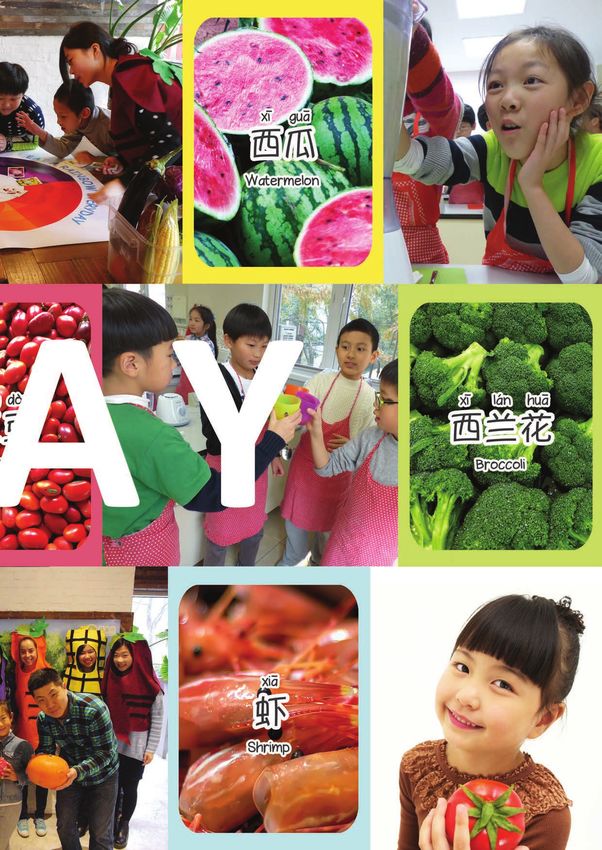
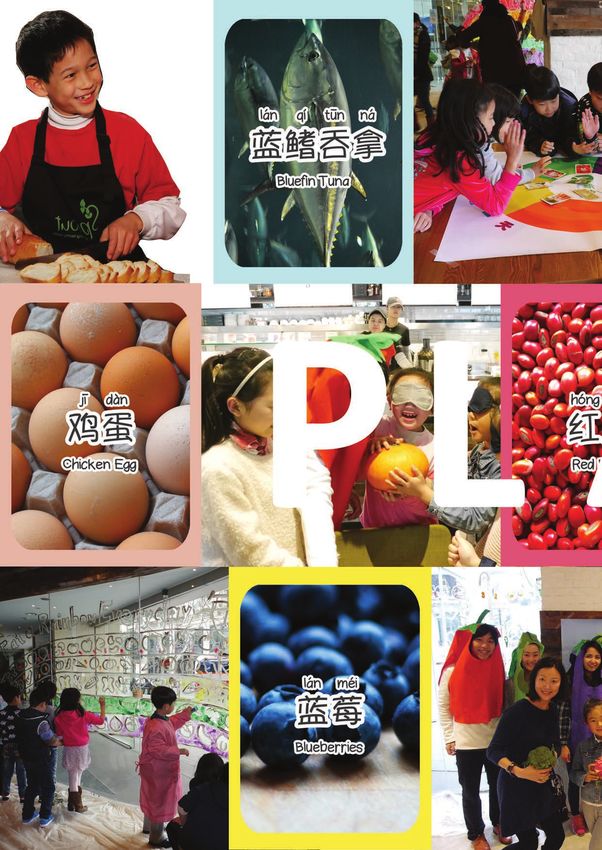
Kids as Food Heroes: A New Way to Eat in China
Joint US-China Collaboration on Clean Energy
                                                   Shanghai, China

  JUCCCE is a non-profit creating a liveable China because environmental disaster is the biggest issue facing China,
and the world. China’s massive migration into new cities, industry’s thirst for energy, and boom of its consumer class
       threaten to deplete the world’s natural resources and leave our children with an uninhabitable planet.

   We seek out the best people and bring them together to create innovative solutions. We search the world for
  solutions that can scale up in China at gigascale, gigapace, and low cost. We have a talent for focusing on China’s
                              “acupuncture points” to accelerate the greening of China.

                                           For more information, contact
                                     A New Way to Eat Program Director Lucy Luo
                                                lucyluo@juccce.org

                                             For updates on the program, visit
                                                   www.juccce.org/eat

                                                            July 2015

                                                         © JUCCCE 聚思

                                                           Contributors:
                            Peggy Liu, Lucy Luo, Finola Hackett, Margaret Lane, Paul Liu, Laurelin Haas,
                           Caroline Juang, Jessica Min, Rodrigo Saavedra, Alexandra Wong, Jean Walsh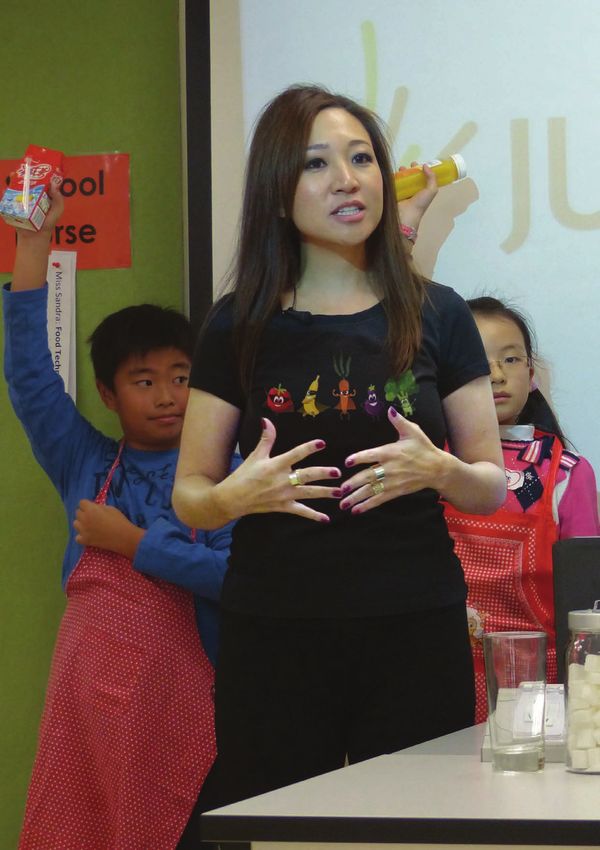
Children can save
                             their health
                           and the planet’s
                            by becoming
                            Food Heroes

‘A New Way to Eat’, an initiative launched by non-      are straining the environment. The good
profit organization JUCCCE, is setting out to change    news is that children can make a difference
the way Chinese children eat through China’s            to climate change through their stomachs.
first food education program built to integrate
nutrition and sustainability.                           China has no formal food education program. A
                                                        better future is within reach, but China must act
Chinese children are in a health crisis.                to improve diet habits now.
Overconsumption, western diets and sedentary
lifestyles in urban areas have created an alarming      A New Way to Eat teaches children how to eat
rise of obesity, diabetes and other chronic diseases.   in a way that is good for them and good for the
In one generation, the percentage of Chinese            planet. It has three components: a new ‘Food
children who are overweight skyrocketed from 5%         Hero Eating Framework’ tailored to children, an
to 20%. China accounts for one-fifth of the world’s     innovative play-based school curriculum, and
population, but a disproportionately high one-third     healthy, tasty, and affordable school lunch recipes.
of the world’s diabetes patients. The increasing
healthcare costs to treat these diseases threaten       China has 15% of the global population of primary
to bankrupt the economy. China needs to shift its       school children, yet it is hardly alone in this perfect
focus from treating diseases to preventing them.        storm of dietary and planetary challenges. Around
                                                        the world, children can be food heroes by eating
China’s health crisis is also a planetary one.          better. They can tackle both threats at the same
Globally, food is the single biggest source of          time to create a healthier future – and have fun
greenhouse gas (GHG) emissions. In China’s              doing so.
rising middle class, overconsumption, waste,
and an increasing demand for meat and dairy

                                                                                                                  1
“This food education
program could be the
single most impactful
   intervention on
  children’s health.”
      Brett Rierson
  World Food Programme
  Representative in China
“The new cohort of Chinese kids from this millennium is
truly the unhealthy generation.”
		                                                                                            Barry Popkin MD PhD*
                                                                  W. R. Kenan Jr. Distinguished Professor of Nutrition
                                                   University of North Carolina at Chapel Hill School of Public Health

Cheng Wei and Ming Liang may only be primary school students, but the pressure to get into a good
university is already weighing heavily on them. From dawn to dusk, they are at school or doing
homework. This leaves little time for exercise or playing outside. Despite all the time spent studying,
neither has learned about a fundamental aspect of their well-being: the food that goes into their
stomachs.

                 Li Cheng Wei, 10                                       Chen Ming Liang, 6
                     Shenzhen                                                Nanjing

  Cheng Wei’s favourite thing to buy after                 Every week, Ming Liang asks his parents
  class is milk tea with tapioca pearls. She               to take him to KFC. They order a bucket of
  loves the rush of sweetness and the fun of               fried chicken, which he chows down with
  going out to buy it with her friends.                    gusto. To him, it is just as tasty as his next
                                                           favorite food: McDonald’s burgers.

  Her family uses their apartment kitchen to               He is growing up in a city of 6.5 million
  refrigerate drinks and boil instant noodles,             people, surrounded by construction and
  but rarely to cook fresh meals. Between                  grey concrete boxes. He can buy fried
  her schoolwork and parents’ full time jobs,              dumplings from a street vendor, but barely
  eating out is nothing special, simply a part             recognizes what a vegetable looks like in
  of their routine.                                        the ground.

   * Personal correspondence. May 2015.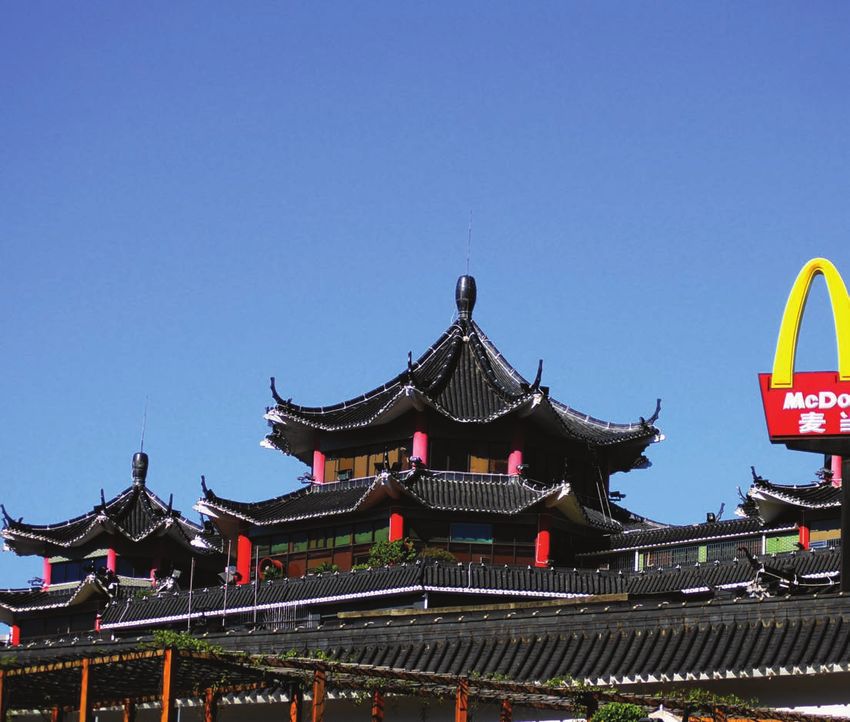
“ ‘From famine to gluttony in a generation’
is how one dietician in Guangzhou phrased it to me.”
                                                                                                                 Paul French*
                                                           Author of Fat China: How Expanding Waistlines Will Change a Nation

               Qian Feng Mei, 79                                                     Zhang Hao Long, 48
                   Shanghai                                                              Chongqing

 As a young woman sent to rural China                                   Hao Long likes going out to eat, frequently
 during the 1970s, Feng Mei had no meat in                              ordering more food than his family can
 her meals. Each New Year, the government                               finish in one sitting. He feels proud that
 sent her household frozen raw eggs so                                  he can provide this amount of food for his
 they could celebrate with egg dumplings.                               family, something he’d never dreamed of
 Today she can indulge in meat daily.                                   as a child.

 She is still amazed by the variety of                                  Since China has seen a slew of food
 packaged snack brands she can buy at her                               scandals, Hao Long trusts multinational
 neighborhood supermarket. She finds joy                                food brands. But last year expired meat
 in treating her grandchildren to packaged                              was sold to chains like McDonald’s and
 snacks without realizing the health                                    KFC. If he can’t trust the big brands, where
 consequences.                                                          can he turn for ‘safe’ food for his children?

 * How are Policymakers Tackling Rising Obesity in China? The Guardian. 12 February 2015.

                                                                                                                                5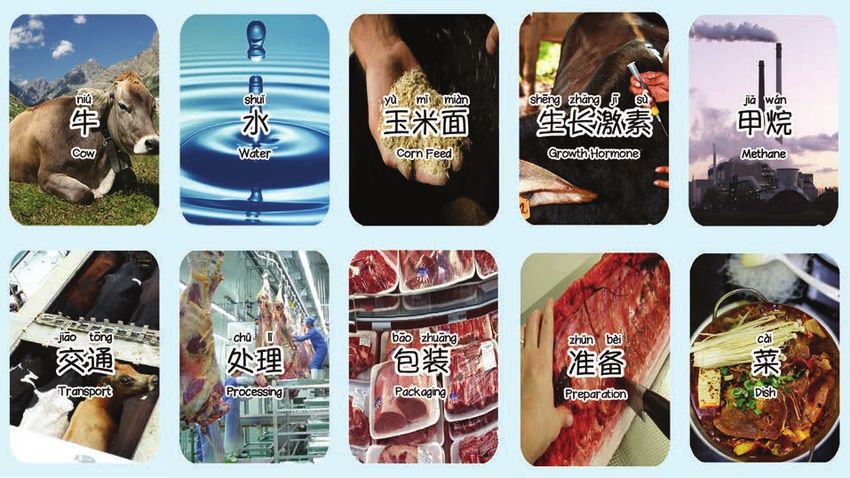
This generation is                                         Through education,
             disconnected from                                           young consumers
                 their food:                                             can be influential
               accustomed to                                           advocates for healthy
              processed foods,                                         eating and lead China
               eating out, and                                           into a sustainable
              excessive waste.                                                 future.

  China’s Diet Dilemma
The Challenge of Processed Food                     variety. It is now cheaper and more convenient
                                                    for them to buy a dizzying array of processed
Most urban Chinese youth are growing up             foods, as food stalls and shops line every street.
without an awareness of real food. Their parents    Sales of processed foods and beverages with
never learned how to cook. Their grandparents       high quantities of fat, salt, and sugar have grown
did not have enough food to eat.                    at more than twice the rate of fresh fruit and
                                                    vegetable sales over the last 15 years.4
Chinese have adopted modern food habits
and sedentary lifestyles during a period            Supermarkets, fast food chains, and convenience
of unprecedented economic growth and                stores are expanding across the country to fill the
urbanization. Projected to be history’s largest     needs of today’s fast-paced urban lifestyle. Only
urbanization shift, there will be 1 billion urban   29% of urban consumers still shop at traditional
dwellers by 2030.1 Traditional family meals         ‘wet markets’.3 On the other hand, China’s first
at home have been replaced with a culture of        supermarket opened in 1990, and by 2002 there
eating out and unhealthy packaged goods.            were over 53 000, the fastest growth rate in the
Today, children in Shanghai, Beijing, and           world.2
Chongqing consume 28% of their calories from
packaged processed food.5                           Wasteful Habits
City dwellers with rapidly rising incomes can       Cheap food options are abundant. KFC is the
afford an abundance of food with greater            leading fast food franchise across China.6 The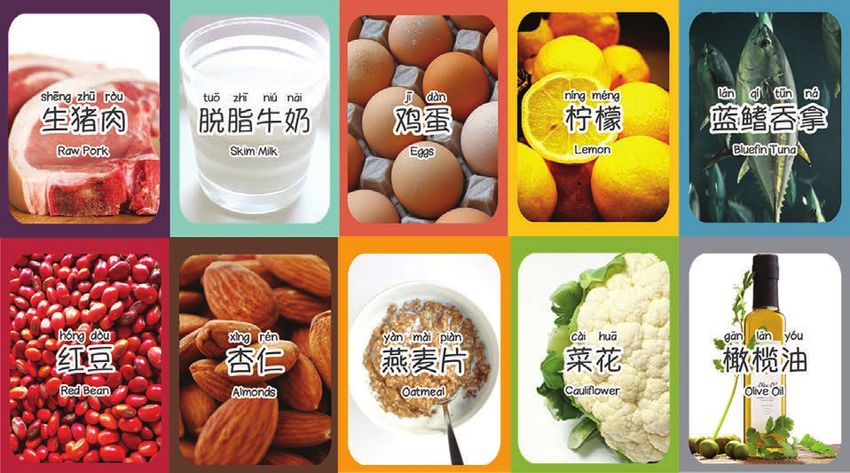
77.6
       Millions of tons of meat consumed in
      2013 in China, a ten-fold increase in 40
                       years11

                28%
       The percentage of calories consumed
       by Shanghai children that come from
            packaged processed food5

                  1/5
      Fraction of food ordered at restaurants
             that is eventually wasted8

Chinese market for eating out has grown 159-         and animal products, such as meat and dairy, has
fold from 1978 to 2008.7 This trend of eating        also rapidly increased. Total meat consumption in
out has exacerbated the issue of food waste.         China has increased 10 times over 40 years from
Wasting food is a symptom of growing affluence,      7.6 million tons in 1975, to 77.6 million tons in
particularly in China where over-ordering food       2013.11 Milk, which was nearly absent from the
is a way to show generosity and respect to           traditional Chinese diet, has grown in production
guests. Although food losses have historically       by 16 times since 1978.12
been greatest in the Chinese food supply chain,
consumer food waste is on the rise.8
In some restaurants, food waste is one-fifth of      A typical modern family consists of two parents
what is ordered, and at some university canteens,    and four grandparents doting on a single child.
nearly one-third of food is wasted.8 Food waste      A survey of Chinese households found that
in China has an estimated footprint of 135 billion   parents were twice as willing to purchase food
meters cubed of water (the water footprint of        and beverages requested by the child compared
Canada), and 26 million hectares of land (the        to an average American household.13 Yet a lack
total arable land area of Mexico).9                  of food education means children are not armed
                                                     with enough knowledge to make healthy and
                                                     sustainable food choices. A New Way to Eat steps
A Changing Chinese Diet                              into this void to help children prepare themselves
                                                     for a long, healthy life.
With the rise of the middle class (an estimated
800 million by 2025),10 consumption of edible oils

                                                                                                          7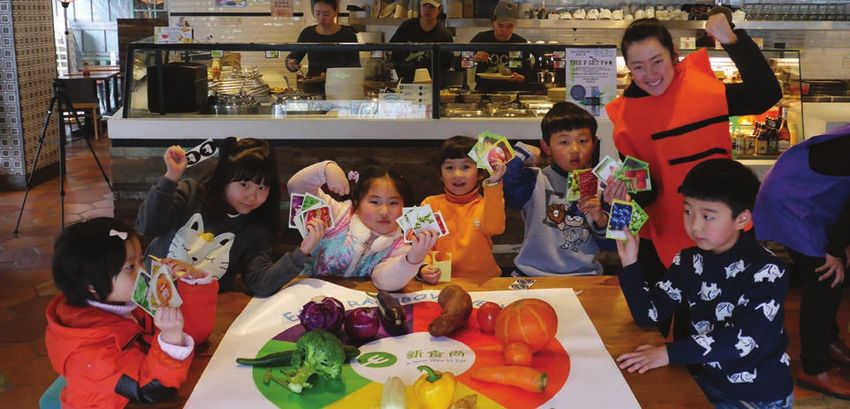
Food Habits in Decline
A generation of people accustomed to famine are now bombarded with modern and Western
food choices. Urban China has moved from food poverty to food wealth. The traditional diet of
vegetables, rice, noodles, and small portions of meat - once hailed as the world’s healthiest diet
- is disappearing.

      Traditional                            Modern                           Consequences
   Meat as condiment                        Meat as main

                                                                               More heavy-impact
                                                                                   red meat

    Water, Green tea                  Milk, Bubble tea, Coffee

                                                                                More sugars
                                                                              More heavy-impact
                                                                                    dairy

           Fruits                          Sweet pastries

                                                                               More non-fructose
                                                                               and refined sugars
                                                                                 More artificial
                                                                                  sweeteners

       Wet markets                          Supermarkets

                                                                                 More processed
                                                                                 foods instead of
                                                                               local and seasonal
                                                                                      foods

  Home-cooked meals                           Eating out

                                                                                More processed
                                                                                     foods
                                                                               More sugars, salts,
                                                                                 fats, and oils
Not Just an Urban Problem
Around 45% of China’s population lives in rural
areas today.14 While urban children suffer from
overconsumption, rural children may not meet
basic nutritional needs. To try to fill the nutrition
gap, the Chinese government subsidizes school
lunches for rural children 4 RMB (about 70 cents
USD) per child each day.15
Though city and village children eat very
differently, they both increasingly consume
heavily processed foods full of chemical additives.
These are cheap and readily available, even for
rural children. If they have a daily allowance
they may choose to spend it on sugary or salty
processed snacks that only cost 1-2 RMB (about
Hong Pei Qi, 7 25 cents USD). The foods are brightly packaged,
flavorful, and very attractive to children who do
Guizhou province
not understand their damaging health effects and
Pei Qi is attracted to the brightly packaged resulting plastic waste.
foods available at the stalls lining the
streets outside her school gate. For just a
Despite their differences, rural and
few coins, she can buy colorful candies and
fried dough sticks covered in icing sugar. urban children both need education on
the negative impacts of ‘garbage foods’
that hurt their bodies and the planet.
9A Double Crisis: Personal
“The rate of change of Chinese overweight status
is one of the most rapid in the world.”
Barry Popkin PhD*
W. R. Kenan Jr. Distinguished Professor of Nutrition
University of North Carolina at Chapel Hill School of Public Health
China has one-fifth of the
world’s population but
one-third of the world’s
diabetic patients.16
Nearly 15% of Chinese
children are pre-diabetic.17
The prevalence of
obese and overweight
children has more than
quadrupled in the
past 35 years.18 Over
30 million school-age
Chinese children are
now overweight.19
* Popkin BM. Will China’s nutrition transition
overwhelm its health care system and slow
economic growth? Health Affairs. 2008; 27(4):
1064-1076.and Planetary Health
“…we need to safeguard the very life-supporting
systems that are paramount for our food production by
reducing the environmental footprint of our diets.”
Johan Rockström PhD
Executive Director
Stockholm Resilience Centre at Stockholm University
Chair of EAT Advisory Board
Walter Willett MD PhD
Chair, Department of Nutrition
Harvard T.H. Chan School of Public Health
Gunhild Stordalen MD PhD*
Director, EAT Initiative/EAT Stockholm Food Forum
Agriculture accounts for
61% of China’s water
withdrawals20 and more
than half of China’s water
pollution. 21
Up to 25% of China’s
greenhouse gas emissions
come from agriculture:
that is 5% of the world’s
total emissions.10
* Rockström J, Willett W, Stordalen G. An American Plate That Is Palatable for Human and Planetary Health. Huffington Post. 26 March 2015.
11Weighing in Medical Concerns
China’s dietary shift has taken place in a short diabetes patients in China received treatment.16
timespan and created an alarming rise of obesity, Per-capita medical spending is 24% higher
diabetes, and other chronic diseases. The for obese individuals.28 Diabetes imposes a
proportion of overweight and obese children in particularly heavy economic burden. A 2008-
China rose from less than 5% in 1980 to nearly 2010 survey found that 13% of all medical
20% in 2013.18 15-20% of school-age children are expenditures in China are directly caused by
overweight or obese, including 5-9% who are diabetes.29 Diabetes also becomes increasingly
obese.19, 23-26 expensive to treat in later stages. As nearly 70%
of diabetes cases are undiagnosed,16 China is
Rising obesity rates are putting Chinese adults missing the opportunity to treat patients more
and children at risk for chronic illnesses such cost-effectively.
as diabetes. Chinese bodies are particularly
vulnerable to the negative effects of unhealthy Obesity early in life sets up children for a lower
food choices. Research shows that Asians are at quality of life in the future. Cardiometabolic
higher risk than other ethnicities for developing risk factors such as high blood pressure and
diabetes, heart disease, and other weight- cholesterol make children susceptible to chronic
related illness at the same body mass.27 As a illnesses such as heart disease later in life.
result, a third of all diabetics live in China, even Overweight and obese children are more likely
though China is a fifth of the world’s population.16 to experience depression and other psychosocial
complications.30
In 2009, an estimated 1.7 million Chinese
children aged 7-17 were diabetic, and 27.7 The spread of the obesity epidemic also
million were pre-diabetic.17 In 2010, the threatens Chinese children’s lifespans. Research
prevalence of diabetes among Chinese adults was in the U.S. suggests that obesity-related illnesses
11.6%, or 113.9 million people. Only a quarter of could slow or even reverse the steady increase in
longevity.31
“The sudden rise of diabetes in China This may be the first generation of
is not only a health threat, but an children whose expected lifespans are
economic one. It could bankrupt the shorter than their parents’.31
country’s healthcare system. China
needs to shift its focus from treating
diabetes to preventing it.”22
Xu Zhangrong MD PhD
Deputy Secretary
China Diabetes SocietyGrowing Planetary Costs
Only when this generation of children starts to eat with a lighter impact does the world stand
a chance to sustainably feed a global population of 9 billion by 2050.33-36
Chinese children know that climate change is a dire issue, but they do not know how they can make a
difference. Simply by eating healthier (fewer animal products and processed snacks, more fruits and
vegetables), children can reduce their personal emissions by an impressive 40%.32
Land Water Emissions
The government is concerned China is a dry country: it has China’s food system accounts
with food security because only one-third of the global for an astounding 20-25% of
China has one-fifth of the average per capita supply of national emissions, or 4-5% of
world’s population but just 7% freshwater.42 While 400 of global emissions. This includes
of global arable land.37 China’s China’s 662 cities are short of direct emissions from crop and
limited fertile soils are being drinking water,43 agriculture livestock production, as well as
degraded. Nearly one-fifth of uses 61% of China’s water food processing and transport.10
China’s arable land is polluted withdrawals.44 At current rates, Meat and dairy production is the
to some degree.38 Increased China will run out of water by biggest culprit of food emissions.
use of chemical fertilizers 2030, with a projected shortfall Worldwide, it accounts for 14.5%
has boosted agricultural of 199 billion cubic meters.42 of total GHG (greenhouse gas)
productivity, but has driven a In addition, agriculture emissions, more than all forms
doubling of soil acidification in contaminates China’s water of transport combined.46 China
the past 30 years.39 The use of sources through fertilizer is now the world’s biggest meat
chemical fertilizers in China has runoff and poor manure consumer and China’s projected
increased 6 times since 1975 management.45 This nutrient growth in meat consumption to
and is more than 4 times the pollution causes harmful algal 2020 is over 20 million tons.46 In
world average.21, 40-41 blooms. China, livestock production and
manure management directly
contribute 6% of GHG emissions.10
China has some of the world’s least efficient farming practices. Growing demand for food from rising incomes
strains China’s limited land and water resources. The graph on the left shows rising levels of meat consumption
in China, while the graph on the right shows the average water used and greenhouse gases (GHG) emitted while
producing these food sources as well as a protein alternative, tofu.
Graph adapted from Earth Policy Institute - www.earth-policy.org
* Mekonnen M, Hoekstra A. A Global Assessment of the Water Footprint of Farm Animal Products. Ecosystems. 2012; 15(3): 401-415.
** Environmental Working Group. Meat Eater’s Guide to Climate Change and Health. 2011.
*** Mekonnen M, Hoekstra A. The Green, Grey, and Blue Water Footprint of Crops and Derived Crop Products, Vol. 1: Main Report. UNESCO-IHE Value of Water
Research Report Series. 2010; 47(1): 1-31; Plate, Tiffany. Tofu’s Carbon Footprint. 2009. .
13Food Fears
Safety Scares Drive Unhealthy Habits
Food safety ranks very high on people’s list of Part of the curriculum of A New Way to Eat
daily concerns in China. Industrialization of the covers food safety, including identifying potential
food system, lack of food producer accountability, health risks in commerical food preparation and
and environmental contamination have made encouraging Chinese children to practice safe
food safety scares frequent occurrences. Food habits when making food at home. In a society
contamination due to fraud and taking shortcuts where food scares are frequent, children can
in food production has destroyed consumer educate themselves and others about safer
trust.10 eating.
In the Sanlu scandal of 2008, melamine-tainted
milk formula killed six Chinese infants and
hospitalized 300 000.47 In 2014, police exposed a
Shanghai firm supplying rotten or expired meat
to fast food chains.48 Recycled ‘gutter oil’ has
appeared in restaurants,49 stale buns have been Xian Mei Li, a Shanghai mother,
repackaged and resold,50 and thousands of hastily treats her five-year old to a Kentucky Fried
disposed diseased pigs have flooded rivers.51 Chicken meal weekly. She mistakes it as a
reliable ‘healthy’ option for her son. She
For many Chinese consumers, food brands which knows fried food is damaging, but she trusts
maintain control of their supply chains and follow KFC will use real cooking oil rather than
health and safety standards are ‘healthy’ choices, expired or tainted ingredients.
despite how processed or fat- and sugar- laden
the foods may be. Parents frequently distrust
local food industries and associate multinational
brands, like fast-food chains, with better food
regulations and safer food.52-53
“Basically, people now feel
nothing is safe to eat. They
don’t know what choices to
make. They are really feeling
very helpless.”50
Sang Liwei
Director of the Beijing office
Global Food Safety Forum
Chinese sanitation workers fish out diseased, dead pigs from
the Huangpu River in Shanghai in March 2013Putting Food on the Policy Table
Chinese Food Regulation and Education
Food safety scares persist in part due to The government backed the campaign by
fragmentation of the complex food system limiting extravagant public banquets as part of a
and weak government policies. But food policy crackdown on government indulgence, helping it
reform is high on China’s priority list. gain widespread attention.57-58
In the wake of high-profile scandals, China has China’s current dietary guidelines were created
announced tough amendments to the 2009 in 1989 and last updated in 2007.59 The visual
‘Food Safety Law’ and ‘Agricultural Product representation of the Chinese ‘Food Guide
Quality and Safety Law’.54 Upcoming changes in Pagoda’ was modeled after the now-retired
October 2015 include severe criminal penalties Western food pyramid. The current eating
and new requirements for caterers, online food guidelines do not, however, take cultural
markets, food storages and transportation.55 differences in diet into account and are difficult
Yet regulations remain difficult to enforce. for consumers to understand and apply.
Recent audits of food facilities in China revealed
that nearly half do not meet adequate safety
standards.56 China lacks nutrition expertise.
According to China’s National Institute
State intervention in China can be strong enough of Nutrition and Food Hygiene, the
to shift deeply-ingrained social customs.
Recently, activists in Beijing launched the ‘Empty country has only 10 000 qualified
Plate’ initiativee targeting food waste culture. nutritionists nationwide, but needs at
least 4 million.4
The Chinese Nutrition Society (CNS) is updating
China’s national nutrition guidelines in 2016, the
first update since 2007.60 Major updates include
design revisions of the food pagoda and creating
specific guidelines for various age groups. ‘A New
Way to Eat’ working with CNS on creating fun,
engaging content for the children’s edition. The
importance of sustainable food choices will also
be briefly mentioned but are not at the forefront
of the guidelines.
The Chinese Food Pagoda
Updating nutritional guidelines is a key first step,
but these guidelines must then be integrated into
school curriculum nationwide. While the Chinese
government has experimented with some health
education programs, such as a nationwide school
milk campaign, none have comprehensively
targeted child nutrition.61 The current education
system, which focuses solely on academic
performance, does not offer food education.
This is where A New Way to Eat steps in. The
program aims to catalyze dietary behavioral
change in a fun and innovative way, teaching
Chinese schools stress high grades, but lack a formal food
Chinese children to take care of their own bodies
education program to teach students how to fuel their
bodies as they learn and study and the environment.
1517
Open and Prepa
                              Chinese people are ready for a new

          Willing To Try New Diets
        Consumers have adopted new
 behaviors and tastes rapidly. Parents
    are eager to try new healthy food
     choices for themselves and their
    children as they seek to achieve a
                 higher quality of life.

               Learn From The Old
   Chinese consumers want new diets
 combining the best of East and West:
healthy traditional Chinese cuisine and
  wellness concepts, with the latest in
   modern nutrition and sustainability
                              research.

      Food Safety Prompts Desire
              For Food Education
High-profile food scandals have made
 food safety the number one concern
   in China. Food education does not
   exist, but parents and children are
keen to know more about where their
                    food comes from.
ared to Change
food education program
Eating Is A Social Activity
Eating together lies at the heart of
social bonding in China. Changing
social norms have a domino effect in
China. Teaching the child can
influence the parents and
grandparents.
Academics As An Incentive
Teachers have a larger influence on
childrens’ behavior than in Western
societies. Parents are eager to learn
about anything that will enable
their children to perform better in
school. Incorporating English into
the curriculum motivates parents to
support food literacy education.
Food Policy Reform Is Underway
Government institutions can drive
consumer change through top-
down, nationwide campaigns. China
is revising its nutritional framework
and is open to combining health and
sustainability.
“EAT Forum is working closely with JUCCCE because every country, not just
China, needs an education program for kids promoting healthy diets from
sustainable food systems. Consumer education to change social norms on diets
and actual eating behavior is critical to feeding 9 billion people by 2050.”
Gunhild A Stordalen MD PhD
Director, EAT Initiative/EAT Stockholm Food Forum
19A Holistic Dietary Change Program
Teaching Nutritious and Eco-friendly Eating Habits
A New Way to Eat is China’s first food education program built to integrate nutrition and sustainability.
It was initiated by the Joint US-China Collaboration on Clean Energy (JUCCCE) and then launched at
the World Economic Forum in Davos in 2013. The curriculum and recipes are still in the process of
development and field-testing.
A New Way to Eat has three components:
Approach Goal
1 Make nutrition
Aim for China to
A new ‘Food and sustainability
adopt the new eating
Hero Eating jargon child-friendly,
Framework’ framework principles
actionable, and
designed for culturally appropriate
children
2 Aim for schools across
Teach children to enjoy
Play-based the country to integrate
primary school real food and be smarter
activities into their
activities across food consumers
curricula
multiple subjects
Provide school
3 Use school lunches to
cafeterias with 100
Healthy, tasty, model the principles of
recipes tested on
and affordable A New Way to Eat
school lunch children for a variety of
recipes budgets
Reach every corner of
Change the
a child’s universe with Create a significant shift
way Chinese
a multi-channel food in food preferences
children eat
education experience
Our Vision: A Healthier China
The program aims for the next generation of Chinese children to be food literate. Children will learn
where their food comes from, how it is made, how to eat for both good grades and good health, and
how their choices can protect their planet. Parents will become informed advocates for sustainable
food systems that nourish their children.
In the long term, the program aims to drive a decline in child obesity, diabetes, hypertension, and
other diet-related conditions. China can lead a global shift towards healthy and sustainable food
systems.Youth Food Education Program
The program is designed for children in order to The window of opportunity is short, but it is
create societal-scale change in the way they eat. possible to incentivize young children to eat
This generation of children can improve personal healthier foods.63-64 By middle school, food
health and planetary wealth with smarter food habits become set and increasingly influenced
choices. by peers and marketing rather than teachers and
parents.65
The last generation of Chinese children were
born into a vacuum of food knowledge and lack
of food variety. Today’s adults’ food habits were
shaped by the influx of Western-style processed
“This program is looking at a critical
convenience foods. But now they are willing to age group. Gamification of content is
try new things, pay for quality, and learn what beyond what others have done and
can make them and their children healthier. quite unique. No one else is linking
By educating primary school children, programs
like this can reach children at a critical stage
food choices to sustainability at the
before they develop unhealthy habits that last elementary level.”
into adulthood.62
Walter Willett MD PhD
Chair, Department of Nutrition, Harvard T.H. Chan School of
Public Health
Innovative Play-based Approach
Integrating sustainability and nutrition for Teachers can customize activities for their
children requires a move away from traditional students’ needs and integrate them into any
schoolbooks. More engaging approaches make subject class. A New Way to Eat lesson plans
children feel empowered to make a significant are designed to be inserted within multiple
difference in the world through their stomachs. subjects. For example, in math class, students
can calculate the resource impact of a kilogram
A new Food Hero Eating Framework helps of beef compared to spinach. A science student
children connect their food choices to their can see how cola disintegrates an eggshell
health and the planet’s health. It translates the overnight.
latest nutritional and environmental guidance
into personal language and asks children to The program learns from branded character
change their diets in tangible, practical ways. media and merchandising models, using lovable
Tactile, play-based activities progressively teach characters to reach out to children across a
children how to enjoy real food and become variety of channels, including mobile and video.
smarter consumers.
The Eating Framework is culturally relevant for “A New Way to Eat’s kid-friendly,
China, combining healthy traditional Chinese appealing, and play-based approach
concepts with the latest in Western research on is exactly what is needed to engage,
nutrition and sustainability. For example, the
concept of hot and cold in Traditional Chinese educate, and equip our children to
Medicine avoids ‘heated’ food such as fried and both live healthier lives and become
heavily processed food.
globally responsible citizens.”
Laura Jana MD FAAP
Pediatrician, Director of Innovation, University of Nebraska
College of Public Health
211. Food fuels my mind and 2. Quality foods and exercise 3. I can make my world a better body make me healthy and happy place by eating healthier Pay attention to how the food Know which foods are good Food Heroes protect the you eat helps you grow, learn, for your body and which ones environment by eating more and play. Eat three small meals are bad. Eat good foods first. greens and less meat. Learn and two snacks a day, starting Eat a variety of colors and where your food comes from, with a healthy breakfast. Sit textures of foods. Be open to how it is prepared, and how down and enjoy your food trying new foods. A Food Hero it is grown. Eat food that’s in with friends and family. A Food transforms food into fuel by abundance, not endangered Hero can stay alert by not exercising every day. animals. Eat fruits and veggies overeating. Drink lots of water that are local and seasonal. Don’t throughout the day. take more than you can eat.
Guiding Every Mouthful
The Food Hero Rules are at the core of the           “Napoleon concluded that an army
curriculum framework for A New Way to Eat.
                                                     marches on its stomach. Peggy Liu,
Themes within the curriculum each fall under
one of the 3 Food Hero Rules, all translated into    equally determined but I suspect
‘kidspeak’ to teach children about , and how         likely to be more successful long term,
food production affects the environment. Age-        believes that each generation learns a
appropriate activities in each lesson engage
children’s imaginations while teaching them
                                                     good deal through its stomach. I love
important concepts about eating and healthy          how she and her team are working
lifestyles.                                          to give young people an appetite for
                                                     sustainability.”
                                                                                             John Elkington
                                                                        Executive Chairman, Volans Ventures,
                                                                         Honorary Chairman of SustainAbility

The Eating Table
The Eating Table is an example of a lesson taught
in the curriculum. It incorporates nutrition,
fitness, sustainability, and the social aspects of
eating into a single, cohesive framework. Food
Heroes are encouraged to eat plant-based, real
food, and eat in moderation. Planet-friendly
adjectives such as ‘abundant’ are added to
seafood and ‘seasonal’ to fruits and vegetables.
A ‘damaging’ category includes foods bad for
children’s bodies, but also bad for the planet.
The eating table has four food categories:

Eat First and Full – By eating these fresh, real
foods with minimal processing until mostly full,
you will eat less of other foods.
Eat Sparingly – Eat these foods but not too much.
Damaging Food – Avoid these foods that are            EAT FIRST AND FULL         EAT SPARINGLY
damaging to your health and to the environment          Local, seasonal            White grains
around you.                                             vegetables & fruits        Abundant seafood
Garbage Food – Don’t eat these products that            Legumes                    Lean meats
are so processed and laden with additives that          Nuts, seeds                Dairy
they barely resemble food.                              Tofu, eggs                 Good oils and fats
                                                        Whole grains               Sauces and condiments
                                                        Water
Note that the Eating Table is distinct from
                                                      GARBAGE FOOD               DAMAGING FOOD
traditional eating guidelines such as the food                                     Heavy impact
                                                        Chemically processed
pyramid. Categories are not broken down                 food                       Uncooked meat
by food groups or macronutrients (proteins,             Fried food                 Polluted food
carbohydrates and fat) but by nutrient content          Fatty meat                 Endangered food
and planetary impact. For example, brown rice           Sugary drinks
and white rice are in different categories, as are
chicken and beef.

                                                                                                               23
Playducation for a Dietary Revolution
Students learning to Eat a Rainbow Every Day by touching and tasting real food at Sproutworks
Learning to make quick and easy fresh noodles as an Students with their Food Hero certificates
alternative to instant noodles
A major barrier to global action on nutrition for planetary health by protecting biodiversity.
and sustainability crises has been the inability But these concepts are far removed from a child’s
to communicate complex concepts to people daily reality: to engage students they are simply
on a personal level. This is why the key to A transformed into ‘Eat A Rainbow Every Day’.
New Way to Eat’s success is translating daunting
jargon of sustainable agriculture and nutritional For each meme, activities are created which are
knowledge to ‘kidspeak’, language which children not only fun but also achieve a learning goal.
can understand and act on. This challenge cannot Children may jump around, compete in games,
be underestimated – to achieve societal-scale watch short videos, or get blindfolded to touch
behavior change, a food education program must and smell mystery foods. A successful activity
engage, entertain, and finally ask children to is one that children want to play over and over,
make real changes to their daily food habits. earning ‘Food Hero’ certificates and of course lots
of stickers. For instance, students learn to sing a
First, a complex teaching concept is identified and song to encourage eating a ‘rainbow’ of diverse
turned into a memorable meme. Eating a variety foods, a song so catchy they will be humming it
of fresh foods is important for personal health even outside the classroom.
by ensuring adequate micronutrient intake, andTurning Expertise into Education
Teaching Memorable
Play-based
Concept Meme Practical Ask
Activity
(jargon) (‘kidspeak’)
Micronutrients and Eat A Rainbow Every Day Guessing the name of Eat a variety of fresh,
biodiversity each fruit and vegetable real foods
and filling in the poster
with pictures
Food supply chain and I Know Where My Food Placing flashcards in Be aware of the steps
environmental impacts Comes From order from seed to dish taken and resources
to demonstrate how used to make food
food becomes more
processed
Processed foods/ I Can’t Believe I Ate That Showing a video of Avoid eating heavily
chemical additives instant noodles and processed foods, eat
fresh noodles as they plenty of fresh foods
are digested in the
stomach
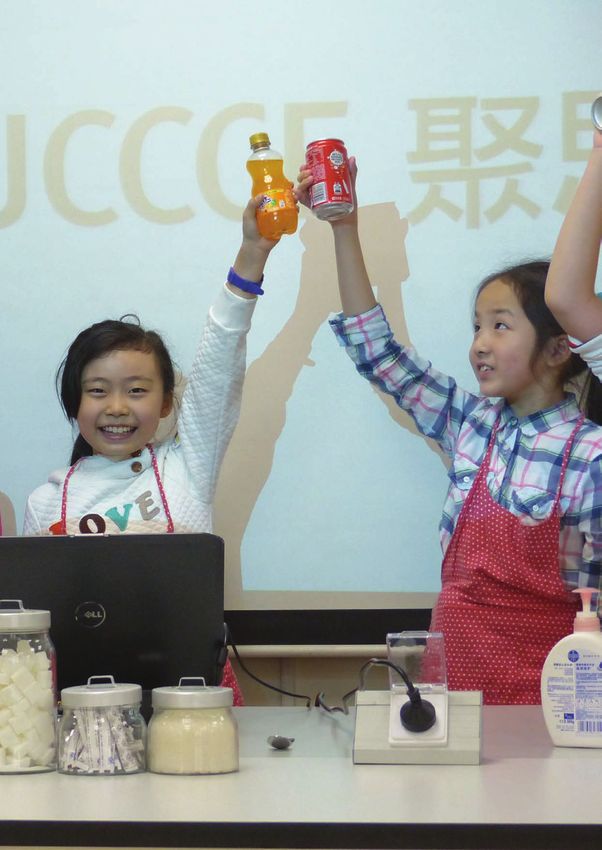
Added sugar intake in Icky Sticky Sugar Guessing how many Substitute sodas with
beverages sugar cubes are in each (fruit) water(s)
sugary drink
Lastly, each lesson plan concludes with an “After we started holding A New Way
actionable request: something children can to Eat activities at our restaurant,
easily identify and change in their daily diets.
The program eliminates concepts that are not we’ve received an outpouring of
practical for children, such as counting calories. requests for more healthy food
Rather, students’ ‘Eat A Rainbow’ homework education from parent and school
may be to try a fresh fruit or vegetable they have organizations. We are on the brink
never eaten before, or to bring a ‘show and tell’
photo of their meal with a rainbow of colors. of an undeniable food revolution in
China.”
The development of A New Way to Eat’s Kimberly Wong
curriculum is an iterative process. All activities Director of Sproutworks
are tested with children, teachers, and parents,
and their feedback is integrated to continually
improve the program. If a particular lesson plan
does not resonate with the children, it is adjusted
and tested again until just right.
25Finding Backdoors to Food Education
In China, where half the country is still worried 2. China is focusing on preparing more people
about getting food on the table and the other for service jobs versus manual labor jobs.
half remembers when they could not afford Learning about agricultural careers is a great way
treats, quality food is low priority. How can for children to personally connect to the food
children become interested in learning about system.
long-term and complex health and sustainability
issues? 3. The university entrance exam is extremely
important in China, so most children study all the
The concerns of parents can act as backdoors to time with no room for exercise. Chinese students
food education: average 8.6 hours per day in the classroom,
and in extreme cases, spend up to 12 hours in
1. High-profile food scandals have made safety school.66 Parents want to find any way possible to
a major concern in families. Though China lacks boost their children’s grades, but they overlook
food education, families are anxious to learn the fact that healthy diets and lifestyles improve
about where their food comes from. This is an academic performance.67-70
entry point to talking about risks and innovations
in food supply chains, hygiene, pollution, and 4. Every parent is eager to have their child learn
pesticide use. English because it could triple salary potential. A
New Way To Eat’s bilingual flashcards are a great
way to pick up English words while learning food
literacy.
Foundational Flashcards
Flashcards teach food literacy. They are the basis of many program activities. The flashcards teach
basic food groups, the bilingual names of fruits and vegetables, and the difference between real and
fake food. There are also flashcards that teach children about jobs in the food industry and the food
supply chain. The food supply chain is illustrated by sets of flashcards, including farm to fork, seed to
fork, and fish to fork.Farm to Fork
Understanding the food supply chain and environmental impacts along the path to the plate
How Food Grows
Following the transformation of food from seed to dish
Real vs Fake Food
Real food Changed a little Changed a lot
How food items vary in their levels of processing and addition of chemicals
27Putting flashcards on a Where Our Food Comes From poster to learn how food is grown Do You Know How Your Food is Grown? This is an example activity designed by A New Way to Eat for children in grades 1-3. It supplements the lesson I Know Where My Food Comes From, a part of the third Food Hero Rule ‘I can make my world a better place by eating healthier.’ In this activity, children take turns matching flashcards with pictures of food to the large poster of where the food is grown, whether the food is grown below ground, on the ground, on a stalk, or on a tree. The goal is to teach them about how the food they eat grows in nature. Where Our Food Comes From poster
Play with Food and Science
In addition to a school curriculum, children can understand what they are eating through hands-on
science activities at home. A New Way to Eat publishes four pages of food-related science experiments
in the monthly educational magazine. This magazine reaches a million children each month in second
and third tier cities.

Past pages of science experiments published by JUCCCE in Chuang Xiang Hao magazine

Influencing School Lunches
Finally, A New Way to Eat hopes to use school lunches to model the principles of its curriculum. By
working with school cafeterias, A New Way to Eat lets children live what they learn through healthy
and flavorful lunches. Our goal is to provide schools with over 400 recipes of varying budgets that have
been designed by local star chefs and tested on children. Four schools have begun using these recipes
through Chartwells, which caters to a network of schools across China.

(Left to right) Wang Hongbin of Dashu Wujie, Kimberly Ashton of Sprout Lifestyle, Scott Minoie of Element Fresh,
Austin Hu of Madison

“Sustainability and nutrition are often presented as disjointed concepts, and
rarely presented in a practical manner. If we succeed at explaining to a six-
year-old what we are eating, we succeed at shaping healthier generations. Our
cafeterias are a key part of the solution, that’s why we partnered with JUCCCE
and actively contributed to A New Way to Eat.”
                                                                                                  Stefano Bosello
                                                                                         Head of Chartwells, China

                                                                                                                     29
Scaling Up Reach
China’s schools lack formal food education. Chinese children develop food habits from
A New Way to Eat aims to be the go-to food exposure to school lunches and home cooking.
curriculum for Chinese primary school children. Reforming school cafeterias and engaging parents
can create significant change in their children’s
The program has been in development since behavior.
2013 and the first two years were spent
creating the Food Hero Eating Framework with Activities for parents and children have already
leading experts and developing the play-based been held at restaurants such as Sproutworks,
methodology through field-testing activities. and will be expanded to company family days.
The pilot has rapidly expanded with the help of
curriculum developers, recipe contributors and Future development plans include a TV show,
channel partners. merchandise line, and a mobile game that tracks
changing food preferences.
Basic curriculum and recipes will be fully
developed within the next two years. All The program will leverage other organizations’
curriculum tools and recipes will be open source channels to scale quickly once the curriculum
and free to use by teachers, parents, and caterers is completed. XQKids (创想号), a subscription
across the country. To reduce the need for educational magazine that reaches one million
training, each activity will have a teacher’s guide, children each month, already includes a four
how to videos and downloadable materials that page A New Way To Eat layout in each issue.
can be printed.
Program content will provide a source of
A classroom setting allows for deeper use of educational activities for Chartwells Catering
curriculum over the school year. Children in to roll out across its 40-plus schools in China.
China are taught to respect teachers as role Discussions are also underway with a new rural
models and so their messages greatly shape teachers’ website and a health insurance portal
behavior. The pilot is currently learning from such to provide educational content.
in-school classes as Shanghai’s YK Pao school, and
extracurricular programs at Talent Academy. China’s children are not alone in facing this
double health and environmental crisis. The
Food education must reach beyond the classroom eating framework, curriculum and recipes are
and touch every corner of a child’s ecosystem designed for local organizations to adapt and
to reinforce dietary changes. The challenge is use freely in other regions. Children as food
to integrate food education across a variety of heroes worldwide have the power to create
channels to reach children and their parents. revolutionary change, starting from their next
mouthful.
More information on the program can be found at http://www.juccce.org/eatAcknowledgments
Key contributors: Kevin Ong (Designer)
Peggy Liu (Chairperson, JUCCCE) Kyle Mertensmeyer (Creative)
David Agus MD (Professor of Medicine and Paul Iglesia (Creative)
Engineering at the University of Southern California, Malcolm Casselle
author of “The End of Illness”) Mercedes Revy (Head, China Nutrition and Food
Olivier Oullier (Professor of Behavioral and Brain Safety, World Health Organization, China)
Sciences, Aix-Marseille University) Lu Mai 卢迈 (Secretary General, China Development
Walter Willett MD DrPH (Chair, Department of Research Foundation)
Nutrition, Harvard T.H. Chan School of Public Health) Qian Zhang 张倩 (China Center for Disease Control)
Barry Popkin PhD (W. R. Kenan Jr. Distinguished Antony Froggatt (Senior Research Fellow, Chatham
Professor of Nutrition, University of North Carolina at House)
Chapel Hill School of Public Health) Rob Bailey (Research Director, Chatham House)
Gunhild A Stordalen MD PhD (Director, EAT Initiative/ Prof. Yuexin Yang (President, China Nutrition Society)
EAT Stockholm Food Forum) Prof. Liu Xin 刘新 (Tsinghua University)
Brett Rierson (Head, World Food Programme, China) Prof. Yuan Bo 原博 (Tsinghua University)
Laura Jana MD FAAP (Director of Innovation, Stefano Bosello (Head, Chartwells Catering, China)
University of Nebraska College of Public Health) Dana Jiang (Nutritionist, Chartwells Catering, China)
Kirk Bergstrom (President, WorldLink), Viktor Serafimov (Chartwells Catering, China)
Alan Dangour (London School of Hygiene & Tropical YB. Song (Founder, Dashu Wujie)
Medicine) Daisy Zhang (Element Fresh)
Prof. Sir Andy Haines (London School of Hygiene & Sandra Brown (Shanghai pilot school YK Pao)
Tropical Medicine) Graeme Kennedy (Director of Communications,
Dr. Rosemary Green (London School of Hygiene & Wellington College International Shanghai)
Tropical Medicine) Nicola Street (Teacher, Wellington College
Lili Jia (London School of Hygiene & Tropical Medicine) International Shanghai)
Prof. Hugh Montgomery (Director, UCL Inst for Human Michelle Kolossy (Teacher, Wellington College
Health and Performance) International Shanghai)
John Elkington (Executive Chairman, Volans Ventures, Alexandra Blake (Teacher, Wellington College
Honorary Chairman of SustainAbility) International Shanghai)
Dr. Linda Friedland (Nutritionist, Australia) Cristina Ng (Teacher, Liaoyuan Elementary School)
Fiona Gately (Nourish Communication) Malcolm Shu (Managing Partner, SproutWorks)
Dr. Tara Garnett (FCRN, Oxford University) QXKids 创想号 (Children’s educational magazine)
Roy Ballam (Education Programme Manager, British EAT Forum
Nutrition Foundation)
Neil Lovell (CEO, Jamie Oliver Food Foundation) Recipe contributors: Dashu Wujie restaurant, Element
Juliane Caillouette Noble (School Programmes Fresh, Sprout Lifestyles (Kimberly Ashton), Farmhouse
Manager, Jamie Oliver Food Foundation) Juice (Uriel Copelev and Ena), Madison restaurant
Louise Holland (Deputy to Jamie Oliver, The Jamie (Austin Hu), Awakening restaurant, Sproutworks
Oliver Group)
Anthony Lilley (Magic Lantern) Thanks also to Project Directors: Lucy Luo, Charlie
Colin Bullen (Health at Work) Mathews, Stephanie Marmier
Myles Bremner (School Food Plan) Researchers: Nicole Adler, Michelle Chan, Henry Chen,
Katy Cooper (C3 Collaboration for Health) Jennie Chen, Olivia Chen, Wee Leng Cheong, Derek
Christine Hancock (C3 Collaboration for Health) Dai, George Day-Reiss, Sabrina Devereaux, Meredith
Tim Wang (CEO, Ecolab China) Fischer, Laurelin Haas, Finola Hackett, Nathan Hayes,
Magic Breakfast (UK) Noel He, Michael Homer, Amy Hua, Sophia Hua, Vivian
The End of the Line Huang, Michelle Jia, Caroline Juang, Jiao Chun Ting 焦
Anne Heughan (Unilever) 骏婷, Margaret Lane, Diana Lee, Li Kai Yue 李恺悦, Li
Gae Redoblado (Unilever) Zhuojun 李卓君, Lu Shanshan 陆珊珊, Luxi Liu, Paul Liu,
Claire Hughes (Nutritionist, Marks & Spencer) Jessica Min, Rachel Mok, Calli Obern, Taylor Patrash,
Rasmus Taun (Photography) Kate Price, Rodrigo Saavedra, Seika Sanada-Martin,
Kimberly Wong (Director of Sproutworks) Claire Sun, Rebecca Tanda, Jean Walsh, Yale Wang,
Kimberly Ashton (Chief Officer, Sprout Lifestyle) Alex Wong, Stephanie Wong, Sylvia Wong, Ju Yu,
Andrew Wong (Beach Creative) Xiao Yuan 肖媛, Alex Zheng, Mason McCormack, Cory
Lucy Guyard (Designer) McCormack
31References 1. UN. World Urbanization Prospects: The 2014 Revision. United 37-48. Nations Department of Economic and Social Affairs, Population 25. Ng M, Fleming T, Robinson M, Thomson B, Graetz N, Margono Division. 2014. C, et al. Global, regional, and national prevalence of overweight 2. Hawkes C. Agro-food industry growth and obesity in China: what and obesity in children and adults during 1980–2013: a systematic role for regulating food advertising and promotion and nutrition analysis for the Global Burden of Disease Study 2013. The Lancet. labelling? Obesity Reviews. 2008; 9(Suppl 1): 151-161. 2014; 384(9945): 766-781. 3. Accenture. The Allure and Challenges of China’s Changing 26. Sun H, Ma Y, Han D, Pan CW, Xu Y. Prevalence and trends in Consumer Market. 2014. obesity among China’s children and adolescents, 1985-2010. PLOS 4. French P. Fat China: How are policymakers tackling rising obesity? ONE. 2014; 9(8): e105469. The Guardian. 12 February 2015. 27. Obesity Prevention Source: Ethnic Differences in BMI and 5. Zhai FY, Du SF, Wang ZH, Zhang JG, Du WW, Popkin BM. Dynamics Disease Risk. Harvard T. H. Chan School of Public Health. Accessed of the Chinese diet and the role of urbanicity, 1991-2011. Obesity 23 May 2015. Available from: http://www.hsph.harvard.edu/ Reviews. 2014; 15(Suppl 1): 16-26. obesity-prevention-source/ethnic-differences-in-bmi-and-disease- 6. China Daily. Top 10 fast-food chains in China. Updated 28 risk/. July 2014. Accessed 26 May 2015. Available from: http://www. 28. Dobbs R, Sawers C, Thompson F, Manyika J, Woetzel J, Child P, chinadaily.com.cn/bizchina/2014-07/28/content_17932826.htm. McKenna S, Spatharou A. Overcoming obesity: an initial economic 7. Garnett T, Wilkes A. Appetite for change: Social, economic and analysis. McKinsey Global Institute. 2014. environmental transformations in China’s food system. Food Climate 29. IDF. China spends RMB 173.4 billion (US$25 billion) a year Research Network, University of Oxford. 2014. on diabetes treatment. International Diabetes Federation. 2010. 8. Liu G. Food Losses and Food Waste in China: A First Estimate. Accessed 27 April 2015. Available from: http://www.idf.org/ OECD Food, Agriculture and Fisheries Papers, No. 66, OECD node/4371/. Publishing, Paris. 2014. 30. Taras H, Potts-Datema W. Obesity and student performance at 9. Liu J, Lundqvist J, Weinberg J, Gustafsson J. Food Losses school. The Journal of School Health. 2005; 75(8): 291-295. and Waste in China and Their Implication for Water and Land. 31. Olshansky SJ, Passaro DJ, Hershow RC, Layden J, Carnes BA, Environmental Science & Technology. 2013; 47(18): 10137-10144. Brody J, et al. A Potential Decline in Life Expectancy in the United 10. Xinhua. China has growth potential: McKinsey expert. 30 States in the 21st Century. New England Journal of Medicine. 2005; January 2015. 352(11): 1138-1145. 11. Meat Consumption in China, 1975-2013. Earth Policy Institute. 32. Green R, Milner J, Dangour A, Haines A, Chalabi Z, Markandya A, Updated 25 February 2014. Accessed 28 April 2015. Available from: et al. The potential to reduce greenhouse gas emissions in the UK http://www.earth-policy.org/data_center/C24. through healthy and realistic dietary change. Climatic Change. 2015; 12. OECD-FAO Agricultural Outlook 2013-2022: Highlights. 129(1-2): 253-265. Organisation for Economic Co-operation and Development, Food 33. Foley JA, Ramankutty N, Brauman KA, Cassidy ES, Gerber JS, and Agricultural Organization of the United Nations. 2013. Johnston M, et al. Solutions for a cultivated planet. Nature. 2011; 13. Jing J. Feeding China’s Little Emperors: Food, Children, and Social 478(7369): 337-42. Change. Stanford: Stanford University Press; 2000. 34. Bajzelj B, Richards KS, Allwood JM, Smith P, Dennis JS, Curmi 14. China Statistical Yearbook 2014. China Statistics Press. Accessed E, et al. Importance of food-demand management for climate 29 April 2015. Available from: http://www.stats.gov.cn/tjsj/ mitigation. Nature Climate Change. 2014; 4(10): 924-929. ndsj/2014/indexeh.htm. 35. Hedenus F, Wirsenius S, Johansson DA. The importance of 15. Lu M. Personal correspondence. China Development Research reduced meat and dairy consumption for meeting stringent climate Foundation. May 2015. change targets. Climatic Change. 2014; 124(1-2): 79-91. 16. Xu Y, Wang L, He J, Bi Y, Li M, Wang T, et al. Prevalence and 36. Tilman D, Clark M. Global diets link environmental sustainability Control of Diabetes in Chinese Adults. Journal of the American and human health. Nature. 2014; 515(7528): 518-522. Medical Association. 2013; 310(9): 948-959. 37. Piao S, Ciais P, Huang Y, Shen Z, Peng S, Li J, et al. The impacts of 17. Yan S, Li J, Li S, Zhang B, Du S, Gordon-Larsen P, et al. The climate change on water resources and agriculture in China. Nature. expanding burden of cardiometabolic risk in China: the China Health 2010; 467(7311): 43-51. and Nutrition Survey. Obesity Reviews. 2012; 13(9): 810-821. 38. Chin J, Spegele B. China details vast extent of soil pollution. The 18. IHME. Overweight and Obesity Viz. Institute for Health Metrics Wall Street Journal. 17 April 2014. and Evaluation, University of Washington. Accessed 5 May 2015. 39. Guo JH, Liu XJ, Zhang Y, Shen JL, Han WX, Zhang WF, et al. Available from: http://vizhub.healthdata.org/obesity/. Significant Acidification in Major Chinese Croplands. Science. 2010; 19. Ji CY, Chen TJ. Empirical changes in the prevalence of overweight 327(5968): 1008-1010. and obesity among Chinese students from 1985 to 2010 and 40. Fertilizer consumption (kilograms per hectare of arable land). corresponding preventive strategies. Biomedical and Environmental World Bank. Accessed 5 May 2015. Available from: http://data. Sciences. 2013; 26(1): 1-12. worldbank.org/indicator/AG.CON.FERT.ZS. 20. Big Picture: Agriculture. China Water Risk. 2013. Accessed 28 41. FAO. FAOSTAT: Inputs. Food and Agriculture Organization of the April 2015. Available from: http://chinawaterrisk.org/big-picture/ United Nations Statistics Division. Accessed 5 May 2015. Available agriculture. from: http://faostat3.fao.org/. 21. Liu G, Chen Y, He H. China’s environmental challenges going rural 42. Big Picture: China Water Crisis. China Water Risk. 2013. Accessed and west. Environment and Planning A. 2012; 44(7): 1657-1660. 28 April 2015. Available from: http://chinawaterrisk.org/big-picture/ 22. Schmitz R. Diabetes’ new frontier: China. BBC World Service china-water-crisis/. Marketplace. 24 March 2014. 43. Yu K. Building Ecological Chinese Cities: The Need for a Big Foot 23. Dong J, Guo XL, Lu ZL, Cai XN, Wang HC, Zhang JY, et al. Revolution. Griffith Asia Institute Regional Outlook Paper No. 28. Prevalence of overweight and obesity and their associations with 2011. blood pressure among children and adolescents in Shandong, China. 44. Big Picture: Agriculture. China Water Risk. 2013. Accessed 28 BMC Public Health. 2014; 14: 1080. April 2015. Available from: http://chinawaterrisk.org/big-picture/ 24. Gordon-Larsen P, Wang H, Popkin BM. Overweight dynamics in agriculture. Chinese children and adults. Obesity Reviews. 2014; 15(Suppl 1): 45. Jones C, Zhong L. China needs comprehensive and cost-effective
You can also read


