Food for Thought - Delta Insurance
←
→
Page content transcription
If your browser does not render page correctly, please read the page content below

Food Safety Risks & Recall Trends        04
                              Global food issues to consider

                              Risk Management Essentials               11
                              Eight strategies to reduce your risk

                              Case Study Scenarios                     25
                              Food manufacturing liability scenarios

ISSUE 7   AUGUST 2019

Food for
Thought
Embracing Food Safety Risk Management

Thought Leadership Series
ISSUE 7   AUGUST 2019       FOOD FOR THOUGHT - EMBRACING FOOD SAFETY RISK MANAGEMENT

Inside
Managing Food Recall Risks Manufacturing Liability
Risk Management Essentials    01     Insurance Coverage           23
Food Safety Risks                    Case Study Scenarios
and Recall Trends            04      Liability scenarios 		       25
Regulatory Framework       Conclusion
                              09                                  27
Risk Management Strategies Sources			                             28
and Mitigation Tools		        11
DELTA INSURANCE                        THOUGHT LEADERSHIP SERIES           01

Managing Food Recall Risks
Risk Management Essentials
Food manufacturing has become increasingly vital to
the success of the New Zealand economy, currently
representing 3.75% of our total GDP and 71% of our
manufactured goods exports. Future prospects for the
sector are promising, with the Ministry for Primary
Industries (MPI) anticipating a dramatic increase in
food manufacturing exports from $7 billion to $30 billion
by 20251.

New Zealand’s reputation for safe, high-quality food is a crucial part of
the industry and the economy. Maintaining and increasing this level of
trust with consumers is essential to building our export base for
manufactured food, particularly when we are competing with a large
number of global food brands with marketing acumen and deep pockets.

Is this reputation well deserved?
A food recall occurs when there is a food-safety issue, either within a
business or an industry. New Zealand’s food recalls have increased
significantly in the last three years since the introduction of the Food
Act in 20162. While there is a strong correlation with the introduction of
the Act, this could also be a result of increased awareness of allergens
and food safety amongst consumers.

                                          Managing
However, if this trend continues, there is potential to jeopardise our
international reputation which has been carefully built over many

                                          Food Recall
decades. While tangible risks can be insured, the damage to a food
brand, and indeed a country brand, can be longer-lasting.

14.0
                                          Risks
       New Zealand vs. Australia Recalls Per Capita 2018
13.0
12.0
11.0
10.0
 9.0
 8.0
 7.0
 6.0
 5.0
                     New Zealand
 4.0                                        Australia
 3.0
 2.0
 1.0
   0
           2014        2015          2016               2017        2018
02    ISSUE 7   AUGUST 2019                         FOOD FOR THOUGHT - EMBRACING FOOD SAFETY RISK MANAGEMENT

     Small-to-medium enterprises (SMEs) are particularly vulnerable to
     the serious impacts of a food recall, as a lack of capital and
     experience managing reputational damage can have an irreversible
     effect on a business.

     This white paper is designed to provide an overview of the food-safety
     and recall risks associated with food manufacturing businesses and
     includes the evolving trends of food-safety recalls, the regulatory
     framework businesses must conform to, and a range of risk-mitigation
     principles that can be implemented to avert food-safety and recall
     incidents. This paper will focus on strategies to manage food-recall
     incidents, and the crisis surrounding the incidents, how to minimise
     reputational and financial damage, and how Food Manufacturing
     Liability insurance can be used to transfer these risks and safeguard
     a business.

        Could it happen in New Zealand?
        Incident
        In May 2012, a piece of plastic fell into a dryer containing whey protein
        concentrate (WPC80) at the Fonterra Hautapu plant in the Waikato3.
        Plant managers decided to rework the WPC80 to remove the fragments
        using a method that was outside the plant’s risk management
        programme. This subsequently exposed the product to clostridium
        sporogenes which itself isn’t a food-safety hazard. However, a lack
        of sophisticated testing couldn’t rule out the presence of clostridium
        botulinum, which posed a potential food-safety issue3.
        The concentrate was added to various products at other Fonterra plants,
        including infant formula, yoghurt, beverages, and powders for sports
        drinks. This was then exported to Australia, China, Vietnam, Saudi Arabia
        and Thailand3.
        Fonterra then implemented a precautionary recall on 2 August 2013
        based on a third-party testing of the concentrate and notified MPI of the
        unfit product3.
        Further testing proved the strain to be sporogenes rather than the
        harmful botulinum, but the reputational damage had already been done,
        as well as a $300,000 fine under the Animal Product Act4.

        Short-term consequences                  Long-term consequences
        - China banned the importation           - Fonterra struck deals with seven out
        of whey and whey-based protein           of the eight customers affected.
        powder.
                                                 - However, Danone and Fonterra
        - Russia, Kazakhstan and Belarus         could not agree, so in 2014 Fonterra
        all temporarily banned imports and       set aside $14 million as a contingent
        sales of Fonterra dairy products.        liability.
        - Vietnam immediately recalled           - The dispute went to an international
        and halted distribution of               arbitration tribunal and Fonterra was
        Fonterra-manufactured milk               forced to pay Danone $183 million
        powder.                                  in 2017.
        - South Korea, Saudi Arabia and          - Danone is no longer a Fonterra
        Bangladesh required increased            customer 4.
        levels of testing on certain products.
        - The New Zealand dollar
        depreciated over 1%.
DELTA INSURANCE                              THOUGHT LEADERSHIP SERIES                                                                    03

Significant
product recalls                                                                                          ChickFriend
                                                                                                         (Netherlands, 2017)

internationally
                                                                                                         Incident:
                                                                                                         Fipronil (flea poison)
                                                              Maple Leaf Foods                           contaminated chicken eggs
                                                              (Canada, 2008)                             and other egg products
                                                                                                         across Europe and Asia.
                                                             Incident:
                                                                                                         Results:
                                                             Listeria contamination of
                                                                                                         Safety measures and
                                                             cooked deli meat.
                                                                                                         damages estimated to cost
                                                             Results:                                    at least 150 million Euros to
                                                             23 people dead, 57                          the Dutch chicken industry7.
                                                             hospitalised in 2008. Maple
                                                             Leaf forced to pay US$25
                                                             million in damages6.

Peanut Corp. of America
(US, 2009)
Incident:
Salmonella-contaminated
peanuts affected over 200
companies and 2000 products.                                             Sanlu
Results:                                                                 (China, 2008)
Nine deaths, 600+ cases of
illness, bankruptcy for PCA and                                         Incident:
US$1 billion loss for the                                               Melamine was frequently used
industry5.                        Tiger Brands                          to boost protein results for
                                                                        infant formula testing.
                                  (South Africa, 2018)                  Result:
                                                                                                               Patties Food
                                  Incident:                             Six infant deaths, 300,000             (Australia, 2015)
                                  Listeria-contaminated                 hospitalised, criminal charges
                                                                                                              Incident:
                                  processed meats.                      laid, long-term health effects
                                                                                                              Hepatitis A outbreak
                                                                        unknown8.
                                  Results:                                                                    linked to frozen berries.
                                  216 deaths, over 1,000                                                      Results:
                                  reported illnesses, stock value                                             At least 18 infected across
                                  dropped by US$438 million,                                                  Australia, 87% decline in
                                  compensation still sought9.                                                 net profit. Total losses to
                                                                                                              the company in excess of
                                                                                                              AU$8 million.
04     ISSUE 7   AUGUST 2019                    F O O D F O R T H O U G H T - E M B R AC I N G F O O D S A F E T Y R I S K M A N AG E M E N T

     Food safety risks and
     recall trends
     A global investigation into the impact of contaminated
     food on people’s health and wellbeing found that
     1 in 10 people fell ill following the consumption of
     contaminated food10.

     Food contamination
     In New Zealand in 2018, physical contamination accounted for
     14 recalls compared with six the year before and biological
     contamination accounted for 11 during both years. Until recent years
     physical and pathogen contamination were the most common causes of
     food recalls but recent trends suggest allergens are increasingly drawing
     the attention of regulators*.

     Biological contamination occurs when bacteria, viruses or parasites spread
     into food or beverages. Some bacteria (e.g. listeria and salmonella) are
     dangerous by themselves. Other bacteria may be harmless, but the waste
     produced by the bacterial multiplication process can be toxic and harmful
     to humans (e.g. bacillus cereus, found in rice).

     Listeria is a food-borne bacterium found in raw meat, dairy, soft cheese,
     fruit and vegetables. It usually affects those with weakened immune
     systems and pregnant women. 15% of packaged, ready-to-eat meat
     contained the listeria bacterium, a 2011 study found11. In 2018, a listeriosis
     outbreak was linked to rockmelons that killed seven people and caused
     a miscarriage in Australia. Between January and April 2018, 22 cases of
     listeriosis were caused by people eating contaminated rockmelons from
     one Australian grower12.

     Chemical contamination occurs when food comes into contact with
     chemicals such as pesticide residue, kitchen cleaning agents and
     chemical agents which can be harmful if consumed.

     Physical contamination occurs when common objects such as hair, nails,
     glass, metal or dirt come into contact with food.

     Cross-contamination is a common cause of these incidents, and involves
     unintentional transfer of a foreign substance through people, other food
     or equipment to a food product.

     Allergens
     Allergens are the number-one reason for food recalls in New Zealand.
     Of 66 total recalls, 25 related to undeclared allergens and another four
     to unclear labelling2. Undeclared allergens are often a result of
DELTA INSURANCE                          THOUGHT LEADERSHIP SERIES                                                05

Reasons for 2018 Recalls in New Zealand*

        Undeclared allergens: 44%
                                                                                 Biological contamination: 17%

                                                                            Non-conformance (regulatory): 15%

                                                                                             Labelling error: 3%
        Physical contamination: 21%

unintentional cross-contamination, manufacturing errors or from
                                                                                   Mandatory declaration of
products sourced from countries with soft food laws around allergens.              substances when they are
It is the responsibility of food importers to know what is in imported             present in food
food and make sure it meets New Zealand’s labelling rules. Likewise,               Cereals with gluten
manufacturers are responsible for knowing what is in the ingredients
                                                                                   Egg
they use and to make sure final food meets New Zealand’s labelling
                                                                                   Milk
rules. Recent allergen recall trends suggest a strong correlation between
                                                                                   Peanuts
clearer, new regulations around labelling, the ever-expanding, complex
global supply chain and food fraud.                                                Sesame seeds
                                                                                   Tree nuts
One of the major risks of manufacturing food products is the impact on
                                                                                   Soy
those susceptible to allergic reactions. These reactions can lead to
                                                                                   Lupins
itching, hives, nausea, diarrhoea and anaphylaxis, so any contamination
                                                                                   Fish
or mislabelling has the potential to be life-threatening. Food allergies
                                                                                   Crustaceans
affect 10% of all infants, 6% of children and 2% of adults globally10.
                                                                                   Sulphites (10 mg/kg or more)
The eight foods that cause 90% of all food-allergic reactions are
peanuts, tree nuts, milk, egg, wheat, soy, fish and shellfish.

Number of allergen recalls in New Zealand in 2018

                                                                                     Food allergies affect
                                                                                        10% of all infants,
                                                                                      6% of children and
                                                                                   2% of adults globally10.

Sulphites   Egg   Tree   Soy     Fish   Sesame Unclear   Milk    Gluten Peanut
                  nuts                          labels
06     ISSUE 7   AUGUST 2019                   FOOD FOR THOUGHT - EMBRACING FOOD SAFETY RISK MANAGEMENT

     Mislabelling                                                                    Twelve out of the 65 food
     Human and equipment error are the two main factors that lead to                    recalls in New Zealand
     unintentional mislabelling or mispackaging of food during the                    last year were instigated
     manufacturing process. Human error is usually caused by distractions,                     by regulators for
     fatigue, the inability to keep up with the speed of production, lack of                 lack of traceability,
     communication or a lack of knowledge. Equipment error is less common            non-conformant labelling
     and usually caused by a lack of maintenance.                                                  and a lack of
                                                                                                process control.
     Complex supply chain
     New Zealand food manufacturers regularly source ingredients and
     produce from overseas suppliers. Additionally, they can outsource                The importance of labelling
     manufacturing due to lack of in-house and local capability, and financial        Companies must ensure
                                                                                      their food labels are easy to
     viability. This supports an efficient global supply chain but also presents      understand and are compliant
     new challenges and risks in relation to quality control. While it is the         with both the Australia New
     importer’s responsibility to ensure safe and suitable food, lack of sound        Zealand Food Standard Code
                                                                                      and the Consumers' Right to
     food-safety practices and a lack of understanding of the New Zealand             Know (Country of Origin of
     food regulations in the country of origin pose a great risk for                  Food) Act.
     New Zealand food manufacturers. Not having control over the supply
                                                                                      Over-labelling
     chain creates its own set of risks for a business, such as:
                                                                                      An American survey found 96%
                                                                                      of consumers wanted health
     > the inability to react immediately to changing circumstances
                                                                                      benefits from their food, but
     > hidden costs                                                                   only 45% could identify a single
                                                                                      food or nutrient that could be
     > liability issues if a supplier contract is not closely read or understood      associated with that health
     > issues with a supplier and continuity issues with key ingredients              benefit13. 78% of consumers
                                                                                      said they received conflicting
     >> being kept unaware of important changes to an ingredient or safety issues.    information on what to eat,
                                                                                      partly from over-labelling13.
                                                                                      Communicating nutritional values
     Food fraud and non-conformance recalls                                           and their meaning helps to keep
                                                                                      consumers better informed and
     Food fraud is the deliberate misleading of consumers or regulators for           more likely to buy the product13.
     economic gain by changing or misrepresenting food products. Food
     fraud, including counterfeiting, is on the rise and iconic New Zealand
     produce such as kiwifruit and manuka honey31 top the scale of popular
     products for counterfeiting in Asia*. Although there may be no intent to
     harm consumers, such negligence can often lead to harmful outcomes.
     Organisations need to be aware of how an employee may benefit from
     food fraud (e.g. achieving performance bonuses). Twelve out of the 66
     food recalls in New Zealand last year were initiated by regulators for
     lack of traceability, non-conformant labelling and a lack of process
     control*. Our presumption from this is that an increase in recalls from
     non-conformance and undeclared allergens, suggests a strong
     correlation between it and the new food regulations. Another trend on
     the rise is an increase in unsubstantiated food claims where there is lack
     of traceability, and in some cases where the producers intentionally
     mislead the customers, e.g. through the use of words like gluten-free,
     halal and free-range. This is most prevalent in “free range”, as MPI does
     not regulate product descriptions, whereas terms like gluten free is a
     nutrition claim and must meet the standards set. While the fraudulent
     acts and misleading labelling can result in a recall, most of these recalls      SAMPLE - US NUTRITION FACTS PANEL

     and the associated costs and losses are uninsurable.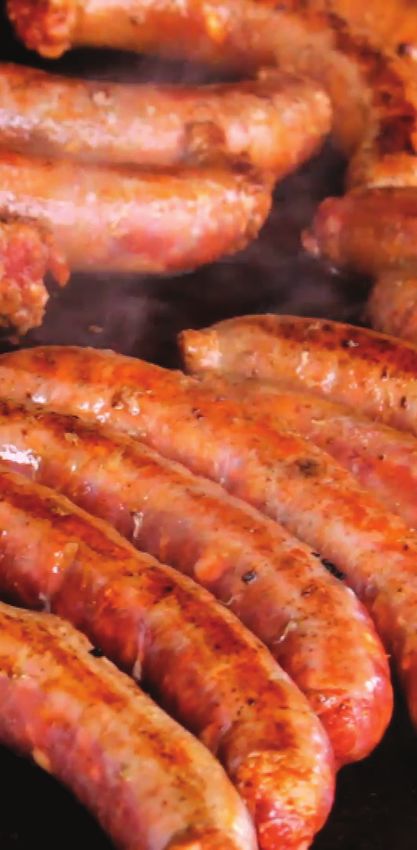
DELTA INSURANCE                           THOUGHT LEADERSHIP SERIES                                                07

Non-conformance and allergen recall trends
before and after introduction of Food Act 2014*

70                                                                   12

             Undeclared allergens
60
             Total recalls
50
             Non-conformance (regulatory)
40                                                 7

30

20

10
              1                      1

           2015                     2016         2017              2018

Food terrorism and Industry 4.0
Food terrorism is the threat or act of intentional contamination or food
tampering to either cause harm or for economic benefit. It is difficult to
manage the inherent risks of such acts as food terrorists can strike
anywhere and can have a range of motives, from being disgruntled
employees to individuals with a cause. Food terrorism can be mitigated to
an extent with robust, risk-management strategies involving the latest
technologies and systems in processing, packaging and traceability.

Industrial Internet of Things and Industry 4.0 are the terms used for the
current technology trend in automation and data exchange in
manufacturing. While these evolving Industry 4.0 technologies enable an
efficient and controlled production environment, they also create cyber-risks
with Programmable Logic Controller (PLC) and Supervisory Control and
Data Acquisition (SCADA) systems. These systems can become a target for
hackers who wish to access them to obtain valuable intellectual property,
tamper with the food for monetary gain, or harm the corporate image of
the manufacturer15.

                                                                                Wine and sugar don't mix
                                                                                Yealands Estate Wines was the
                                                                                first company to be charged under
                                                                                the Wine Act 2003 after admitting
                                                                                to intentionally adding sugar to
                                                                                wine after fermentation, a process
                                                                                that breaches the European
                                                                                Union’s winemaking requirements.
                                                                                Furthermore, Yealands made false
                                                                                statements and material omissions
                                                                                in wine records to try cover
                                                                                their tracks. Yealands was fined
                                                                                $400,000 and three individuals
                                                                                were each fined between $30,000
                                                                                and $35,00014.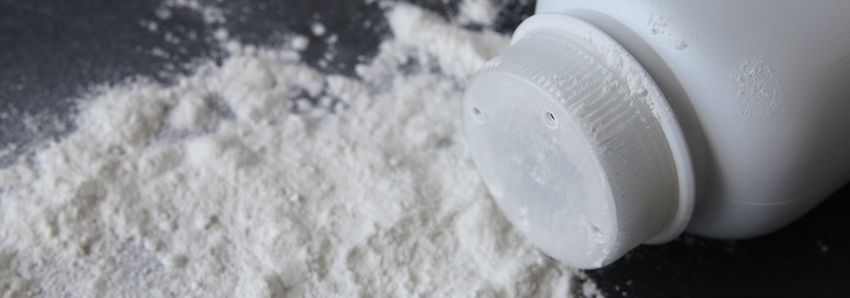
08     ISSUE 7   AUGUST 2019                       FOOD FOR THOUGHT - EMBRACING FOOD SAFETY RISK MANAGEMENT

     Financial and international implications
     Conducting a food recall is an expensive exercise. The direct costs of
     getting the product off the shelf, as well as any costs arising from loss of
     sales, replacements, and possible government sanctions all quickly add up.
     This is especially impactful for SMEs, who, unlike their larger competitors,
     may not have the cashflow or experience to sustain unforeseen losses.

     Conducting an international recall can have an even bigger impact on a
     company and leave it liable to international regulations and lawsuits.
     New Zealand is unique with ACC, which provides universal, no-fault
     accidental injury cover, but in many countries these costs are left to the
     companies themselves.

     Strawberries and needles

     In September 2018, some Australian strawberries were found to have
     needles intentionally inserted into them, with 186 separate incidences
     reported and a loss to growers of AU$12 million. Copy-cat cases in
     New Zealand then followed, with needles found in both strawberries
     and capsicums.

     Facebook posts and other social media comments carried conflicting
     messages that left consumers confused and searching for information.
     Although the Queensland Strawberry Growers Association blamed social
     media for making the crisis worse, their inability to react immediately
     and communicate in a timely fashion was more likely the issue18.

       1080 Blackmailer
       During November 2014, Jeremy Kerr, owner of pest-control poison manufacturer
       Feratox, posted baby milk formula mixed with highly concentrated poison to
       Fonterra and Federated Farmers with a letter demanding the country stop using
       1080 or he would release poisoned infant milk powder to the public16.
       This act was a result of Kerr's financial motivation to ban 1080 in New Zealand
       with a hope that it could increase the sale of Feratox in New Zealand. But
       instead, it cost the country millions in investigation and additional measures.
       The loss to the country could have been in the billions if not for the speedy
       response by the dairy co-op and government authorities16.

       Scale of loss to the country17
       Fonterra                 $20m+
       Other dairy
       companies       $47,000 - $1.9m
       Federated Farmers     $100,000+
       Foodstuffs and
       Progressive Enterprises    $1.7m
       MPI                       $4.2m
       Police                      $5m
       Total                      $37m+
DELTA INSURANCE THOUGHT LEADERSHIP SERIES 09
Regulatory Framework
The Ministry for Primary Industries (MPI) and Food
Standards Australia New Zealand (FSANZ) are the main
authorities responsible for food legislation in New Zealand19.
FSANZ is responsible for developing and managing food
standards for both Australia and New Zealand, however it’s
New Zealand role is limited to developing standards around
the use of ingredients, additives, composition of food and
labelling requirements. MPI enforces these standards and
conducts New Zealand food recalls.
China has proposed
The legislation that enforces food safety in New Zealand includes the Food
an export certification
Act 2014, the Wine Act 2003, Agricultural Compounds and Veterinary requirement for all
Medicines Act 1997, and the Animal Products Act 1999. The Food Act foods and beverages it
2014 aims to ensure all food sold to consumers is safe and suitable. A
key feature of the Act is the concept that “one size does not fit all” and a
imports. These
sliding scale is used to categorise risk and determine an appropriate risk proposed requirements
programme20. would involve
significant compliance
The Food Act 2014 focuses on outcomes rather than prescriptive measures.
Verifiers are asked to use their professional judgement as higher-risk requirements for
businesses are required to meet higher standards. Food-safety officers now New Zealand exporters
have new infringement tools to deal with minor infringements and in some
and manufacturers.
cases have the power to close or restrict the use of a manufacturing location
if food safety is compromised. They have the power to apply significant
penalties and initiate a prosecution for more serious food offences. The
Food Act 2014 can impose company fines of up to $500,000 and individual
directors can be fined up to $100,000 with up to five years’ imprisonment.
Since the Act came into force in March 2016, we have now seen the first fine
imposed under it on 31 January 201921 (see Hellers case study on page 10).
The recent Fonterra Whey Protein Concentrate inquiry established that
New Zealand’s food-safety regulatory model is one of the best in the world
and in line with international principles. While this may be a positive
outcome from the inquiry, concerns were raised regarding a lack of
traceability and a lack of information from professional service firms within
the industry.
In 2018, the Food Safety Law Reform Act brought consistency to the whole
food-safety system, with amendments aligning many processes and
systems. This new law strengthens food-safety responses through better
traceability and improved information accessibility, and gives the
Government more power to set recall requirements.10 ISSUE 7 AUGUST 2019 FOOD FOR THOUGHT - EMBRACING FOOD SAFETY RISK MANAGEMENT
A tale of two prosecutions
Sizzler sausages
In September 2017, three children became sick after consuming
cheese-flavoured Sizzlers, with one needing hospital treatment for
severe anaphylaxis. In January 2019, New Zealand meat company
Hellers was fined $40,000 and ordered to pay $5,000 to each of
the children.
MPI determined that staff at Hellers' Wiri factory didn’t follow correct
procedures which resulted in Cheese Sizzlers being labelled as Original
Sizzlers. Hellers pled guilty to one charge of failing to ensure its food
was safe and suitable. The fine was the first time the penalties under
the new Food Act 2014 had been imposed23.
Salad sauces
A contract sauce manufacturer recalled five batches of its salad sauces
after identifying traces of sesame - an ingredient not listed on the
product and a known allergen. After consulting with MPI, the
manufacturer instigated an immediate recall.
An MPI investigation into the cause identified trace elements in a vat
from a different sauce that had been previously processed. The
manufacturer was spared from further investigation because of its
effective risk management, but was required to implement stricter
cleaning procedures and positive release mechanisms after lab testing.
The company was also issued a warning of escalated enforcement for
any future incidents.DELTA INSURANCE THOUGHT LEADERSHIP SERIES 11
Risk management strategies
and mitigation tools
The following links of risk management all contribute to creating a culture
of care and should provide food manufacturers with a comprehensive
risk-mitigation strategy to ensure all of their food products are safe.
2
8 3
1. Creating a
7 culture of care
4
6 5
2. Training
3. Quality management systems and processes
4. Verification procedures
5. Contract liability mitigation
6. Traceability
7. Recall plan
8. Crisis management12 ISSUE 7 AUGUST 2019 FOOD FOR THOUGHT - EMBRACING FOOD SAFETY RISK MANAGEMENT
1. Creating a culture of care
Creating a culture of care is fundamental for any business let alone one in
Indicators of a
the food manufacturing industry. A business may invest heavily in
technology and quality management systems to mitigate food-safety risk, culture of care:
but all of these investments amount to nothing if employees are not
engaged with a positive mindset. Unless employees are comfortable - Employees feel
taking responsibility for a duty of care with their products to consumers, well-trained and are
and ultimately the business, mistakes will always be made. While
technologies and systems have evolved to minimise errors, humans
able to discuss any
haven’t evolved to the same level, and are ultimately the weakest link in potential issues with
any business risk-management programme. management
There is no science behind creating a culture of care, but the basics of
creating one should start with the company values. These should be aligned - High internal
with policies at board level and communicated and effectively demonstrated confidence that food
to the rest of the organisation. Business purpose, values and ethos should be
the foundation for developing all systems, training and processes. Research
safety is an important
indicates that employees are most disengaged by passive leadership. It’s not part of the business
so much what leaders do that frustrates staff; it's what leaders don’t do. It is
inaction rather than action that angers them most. - High reporting rate of
If a business can demonstrate that it cares about staff through establishing potential hazards
Good Operating Practices, training, fair management, incentives (monetary
and non-monetary) and a healthy, happy workplace environment, staff - Low hazard
members will have a better sense of loyalty and job satisfaction. impact outcomes
2. Training
A quality training system is essential for any food manufacturing
business to equip employees with all the necessary tools to implement
and monitor strict procedures and controls to prevent a food-safety
incident.
New Zealand has a favourable learning environment that encourages
career development within the food manufacturing sector. A national
certification programme is in place that enables employees to achieve a
New Zealand Certificate.
Industry Training Organisations (ITOs) contribute to the programme
through financial support and specialist consultants, thereby helping
companies to achieve a tailored, sustainable and cost-effective training
programme for their staff. For those without a formal qualification, a
New Zealand Certificate can be a considerable personal achievement,
giving a morale boost to both the individual and to the group.
Training programmes should accommodate the changing dynamic of
the New Zealand workforce, with particular consideration given to
literacy, numeracy and English as a second language. The Survey of
Adults (2014) found that those working in the primary industries,
including manufacturing and food services, were at Level 2 for literacy,
and lower still for numeracy24.DELTA INSURANCE THOUGHT LEADERSHIP SERIES 13 The International Adult Literacy Survey identifies five levels of literacy and numeracy, with Level 3 considered as “a suitable minimum for coping with the demands of everyday life and work in a complex, advanced society.” By adopting a Workplace Literacy and Numeracy (WLN) programme, workplaces reported that the higher levels of literacy and numeracy lead to better performance and safer workplaces, with staff who are happier, more engaged and more capable. 3. Quality management systems and processes Food manufacturers in New Zealand are required to operate under the appropriate risk-based measure under the Food Act or Animal Products Act, e.g. National Programme, Food Control Plan (FCP) or a Risk Management Programme (RMP), depending on the type of food product that is manufactured. Generally, if a business is exporting animal products and official assurance is required, an RMP is needed24. New Zealand Food Safety provides an interactive web tool to identify the type of plan or programme a manufacturer needs to operate under – www.foodsafety.govt.nz/myfoodrules. Documented Good Operating Practices (GOP) and applying a Hazard Analysis Critical Control Point system (HACCP) or an equivalent risk assessment is required if you operate under FCP or RMP. While GOP generally addresses the environment and the facilities where the manufacturing takes place, including hygiene and training, HACCP addresses the product and the related process-specific hazards. Both these practices complement each other and form the most important foundation for all food-safety and quality-management programmes. With recent events such as the Australian strawberry contamination, quality-management systems also need to address risks beyond a HACCP programme, such as identifying threats and vulnerabilities from intentional sabotage. The effectiveness of training - expert view A well-constructed training programme will identify that a student is competent at a particular point in time. A sustainable programme, however, is preferable as it assesses ongoing progress. Onsite assessment also allows for capable staff members to “demonstrate skills” rather than to ”demonstrate understanding” (requiring literacy, numeracy or ESOL). Increasingly, online training provides a convenient solution to training needs, though a combination of live and online training ensures the best results. Online training including the use of Artificial Intelligence/Augmented Reality can provide technical solutions but may lack interaction. A training environment that provides two-way traffic – such as live training where questions can be answered and concerns resolved – is recommended. NIGEL BURROWS & STEPHANIE CARBONE, NSF INTERNATIONAL
14    ISSUE 7   AUGUST 2019                    FOOD FOR THOUGHT - EMBRACING FOOD SAFETY RISK MANAGEMENT

     Approach to food fraud prevention

                    HACCP                          TACCP                     VACCP
                      Hazard                           Threat               Vulnerability
                  Analysis Critical                Assessment              Assessment and
                   Control Point                  Critical Control         Critical Control
                                                       Points                   Points
                   Food Safety                   Food Defence               Food Fraud
                 Ensures that the risks                 Focus on            Wider scope to
                     of biological,                behaviourally or       address economically
                     chemical and                     ideologically       motivated intentional
                        physical                 motivated intentional       contamination,
                  contaminations or                 contamination,            e.g. Product
                 hazards are reduced             e.g. food tampering.        substitution &
                    to a safe level.                                         counterfeiting.
                                                  Addresses physical
                                                  security of supply       Identifies the points
                                                   chain along with            that are most
                                                  people involved in           vulnerable to
                                                     the process,              economically
                                                   e.g. background               motivated
                                                 checks of employees.     adulteration by using
                                                                          a criminal mindset to
                                                                          identify the weakest
                                                                            points that can be
                                                                                exploited for
                                                                              financial gains.

                QUALITY ASSURANCE MAGAZINE27
DELTA INSURANCE THOUGHT LEADERSHIP SERIES 15
International standards
The FCP and RMP programmes (encompassing GOP and HACCP) are a
great foundation, but their remit is limited to safety assurance. Food
manufacturers and food processors need to think beyond FCP and RMP
if they are to achieve consistent outcomes, better efficiency and expand
into new markets.
ISO 9001 is one of the most recognised and accepted quality With recent events
management systems across the globe. It is designed to address such as the Australian
complex global supply-chain risks and improve customer retention with strawberry contamination,
consistency across the different divisions (within a business), with quality-management
greater emphasis on leadership engagement. While ISO 9001 is not a systems need to address
mandatory requirement for food manufacturers under New Zealand the risks beyond a
legislation, it is often included as a contractual requirement when HACCP programme,
dealing with international and larger customers. Some larger firms like identifying
go a step further and create their own assurance programmes and
threats and vulnerabilities
require their suppliers to comply with them. For example, Woolworths
from intentional sabotage.
requires all their suppliers to comply with Woolworths’ Supplier
Excellence Programme28.
A Total Quality Management (TQM) programme sits above a Quality
Management System and addresses the continuous improvement of internal
practices across organisations at both management and employee levels.
Aligning these practices with company goals goes a long way to gaining
customer loyalty. While all these programmes tackle risks and efficiencies
at different levels, the core values they are based on are the customer
satisfaction outcomes.
BASIC FOOD SAFETY QUALITY CULTURAL AND
REQUIREMENTS ASSURANCE ASSURANCE MANAGERIAL
APPROACH
PRINCIPLES e.g. e.g.
GOP
OF HACCP ISO 9000 TQM
FOOD SAFETY QUALITY
REQUIREMENTS ASSURANCE SYSTEM
PLAN (HACCP PLAN)
FOOD AND AGRICULTURE ORGANIZATION OF THE UNITED NATIONS - PREREQUISITES FOR HACCP2916 ISSUE 7 AUGUST 2019 FOOD FOR THOUGHT - EMBRACING FOOD SAFETY RISK MANAGEMENT
4. Verification procedures
The verification process is intended to confirm that food is produced in a
consistent and controlled manner, within an ideal hygiene environment,
which has been designed to minimise hazards. Under the Food Act 2014,
FCPs and National Programmes must be verified by a recognised verifier.
Recognised agencies include local councils and third party verification
organisations (depending on their scope of recognition).
Food businesses are responsible for arranging verifications with their
contracted agencies. Recognised agencies also have a responsibility to
complete the verifications. The Food Act also requires food businesses to
‘self-check’ i.e. conduct monitoring, internal audits and other activities.
Possible verification outcomes
Performing A business meets the applicable requirements of the Act.
Conforming Meets the applicable requirements, but an activity found may
lead to a future non-conforming grade.
Non-conforming The applicable requirements are not fully met, but they will not
effect the safety or suitability of the food (such as a failure in
record-keeping).
Non-compliant The applicable requirements of the Act are not met and will
lead to the safety and/or suitability of the food being
threatened if not fixed.
Critically Non-compliant The applicable requirements of the Act are not met, and food
safety and/or suitability of the food is threatened immediately.
The following verification topics are mandatory for every verification:
> Registration/Scope of Operations
> Improvement and corrective actions
> Complaints and recalls
> History of non-compliance
> Managing unsafe/unsuitable food
Plus the ‘top five’ food safety factors for each sector (outlined on the
MPI website). The overall verification outcome may be acceptable or
unacceptable depending on findings identified during verification (see
topics above).
What does a verification involve?
A reality check to look at food production and safe food practices is a
critical part of verification. This may include talking to staff as well as
owners, managers or supervisors. A verification also includes a review of
any procedures or records (where available) and checking that
procedures are properly documented.DELTA INSURANCE THOUGHT LEADERSHIP SERIES 17
As a minimum, the verifier has to verify the mandatory topics and the
top five. However, if deficiencies are identified, then the verifier has the
right to dig deeper and/or add topics.
An acceptable verification outcome does not guarantee 100%
compliance. A verification is a sampling exercise and reflects what was
observed and noted on the day.
5. Contract liability mitigation
Reading the fine print of any contract is an essential part of any risk- Any contractual
mitigation strategy. While having a capable lawyer can mitigate many of
these risks, it is up to the business to be aware of the implications of the
obligations that
terms of the contract prior to signing the agreement. It’s also important go beyond standard
to have a clear contracting process so that people in the organisation legal obligations are
know who has the authority to enter into contracts or to agree any
excluded under most
amendments to them. It is worth noting that any contractual obligations
that go beyond standard legal obligations are excluded under most
insurance policies,
insurance policies, so any additional liabilities under a contract (such as so any additional
liquidated damages) will likely be a direct cost to the business which liabilities under a
cannot be recovered. Where insurance does apply, it is unlikely to
provide comprehensive cover.
contract will likely be a
direct cost to the
In an ideal world, businesses would want to avoid any onerous liability
conditions where suppliers impose “all care/no responsibility” provisions. business which
In reality, however, businesses are sometimes required to accept cannot be recovered.
suppliers’ onerous conditions as a commercial decision. Therefore, when
entering a contract, it is essential that businesses clearly evaluate
whether the increased obligations and associated risks are unavoidable
and, if so, whether they are acceptable.
While some insurance solutions can address this, businesses must think
about the risks beyond the remit of insurance and consider the risk to
the business itself, and more importantly, factor in the hard-to-insure
intangibles risks such as Intellectual Property (IP) theft, brand damage,
and the value they carry.
Key accountabilities in a contract that need to be addressed include:
Regulatory requirements: Who takes on responsibility when the
product does not meet legal requirements?
Product liability: Where do the responsibilities and costs lie when the
product is not up to standard?
Product recall: Where do the responsibilities and costs lie for the
recall process?
Limitations on liability: If there is a limitation-of-liability clause, is it
acceptable? If you are in a chain of contracts, do the limitations in each
of the contracts match up?18 ISSUE 7 AUGUST 2019 FOOD FOR THOUGHT - EMBRACING FOOD SAFETY RISK MANAGEMENT
Intellectual Property: Provisions that protect the customer against
third-party IP claims, including determination as to who is liable or
responsible if a third party’s trademark is inadvertently breached.
Termination obligation: What happens when the contract is terminated?
6. Traceability
The concept of traceability is based around the ability to track
backwards and forwards one step at a time through any part of the
supply chain. This allows for the recall corrective action (Food Recall)
to occur quickly and effectively. It also reduces food fraud by giving
companies and consumers greater transparency around exactly where
their products have come from in the supply chain.
Trends point to an increased use of blockchain technology, wearable
technology and augmented reality in the food manufacturing sector. It is
critical, however, to ensure any new technology meshes seamlessly with
existing hardware and software.
Blockchain technology
Blockchain is a new form of technology that uses a decentralised system
to guarantee the transaction of information, making it ideal for
traceability. Blockchain technology provides food manufacturers with
certain advantages, such as faster transaction speed, reduced cost and
better security.
Embracing Blockchain
NZ manuka honey and kiwifruit
are among the popular products
that are prone to counterfeiting
in Asian countries. One
New Zealand manufacturer
is going to great lengths to
fight counterfeiting through
blockchain. Jars of manuka
honey are marked with invisible
ink and tracked with blockchain
to keep fake products off
the market.
Midland Apiaries has also
introduced consumer security
and counterfeit features
to its Puriti Manuka honey
products including invisible ink
making it more difficult to be
counterfeited32.
These systems and plans should be
periodically tested to ensure that
they are effective and remove the
unsafe product from consumers
and/or the distribution chain.DELTA INSURANCE THOUGHT LEADERSHIP SERIES 19 Fonterra’s traceability programme Fonterra has adopted blockchain technology as a pilot for Alibaba’s Food Trust Framework. This allows consumers in the Chinese market to gain access to product information by scanning the QR code on the product and finding out specific details of such product including the batch number, the region the milk was sourced from, and the Certificate of Inspection30. 7. Recall plan Even with the best risk and quality-management programmes, a food-safety recall may occur as a result of circumstances outside a manufacturer’s control. It is critical that food manufacturers are prepared for such events and plan ahead. Food Recall is the identification and removal of food from the supply chain and is the ultimate response to a food-safety incident. Recalls can be made voluntarily by the business or required by MPI, using powers under legislation to protect public health. Any recall should follow a prepared recall plan, a written document that contains the relevant information necessary for the recall event to go as smoothly as possible. MPI offers a great resource for how to prepare this document. It is crucial that the recall plan is reviewed, tested and simulated periodically. While the document is a good place to start, the crucial part is the performance of this plan in practical scenarios. This can be tested by conducting simulation exercises or mock recall exercises. Food consulting and risk-management companies can assist with such exercises. 8. Crisis management Businesses and other organisations invariably face risk. Things can go wrong in any facet of operations, though good management and processes reduce the risks, often to almost nil. Businesses strike issues, problems or mishaps that need to be sorted out and generally are, without too much detrimental effect on the business. At the other end of the scale, businesses can encounter a major issue of crisis proportions, the difference between the two – an issue and a crisis – being that the former usually doesn’t threaten the existence of the business or harm people or plant, whereas the latter might. In the Food Manufacturing world, an issue might be a recall incident involving a recall with no major injuries or fatalities; a crisis would be a product contamination that led to fatal consumption, especially by one or more vulnerable people33.
20     ISSUE 7   AUGUST 2019                     FOOD FOR THOUGHT - EMBRACING FOOD SAFETY RISK MANAGEMENT

     Crisis prevention versus crisis management

     An incident may have a significant negative impact on a business or
     industry without necessarily becoming a "crisis". In this instance,
     preventing reputational damage should be the priority rather than
     "managing a crisis" that has yet to occur. The biggest misunderstanding
     of crisis management is that a crisis is inevitable. A crisis is usually                      Conflict and
     caused by, or made significantly worse by, a company’s own actions.                             confusion
                                                                                                 create a crisis.
     Short-term costs following an incident are generally reimbursed
     (e.g. product recall costs are usually met through insurance cover).
                                                                                                   Only clarity
     However, it is the ongoing management of critical long-term
                                                                                             and credibility will
     relationships with key stakeholders, primarily consumers, that is                     keep you out of one.
     essential to a company’s recovery from an incident.

     When companies make statements in relation to incidents and product
     recalls, they often fail to address consumer concerns and expectations.
     Some companies fail to realise that showing compassion retains a
     consumer relationship, whereas issuing facts does not. In a safety-              Issues Management vs
     related incident, this can generate outrage and make a situation worse.          Crisis Management
                                                                                      Prudent businesses understand
     STEVE HATHER, THE RECALL INSTITUTE                                               the scope of both recall
                                                                                      management and crises that
                                                                                      could potentially beset their
                                                                                      organisation and map out the
                                                                                      steps that can (and should)
                                                                                      be taken to try to avoid them,
                                                                                      and respond to them if they do
                                                                                      arise. That calls for both recall
                                                                                      plans and a Crisis Management
                                                                                      Plan, which should include
                                                                                      a comprehensive Business
                                                                                      Continuity Plan and robust
                                                                                      planning for communications
                                                                                      with all those affected by the
                                                                                      crisis including employees,
                                                                                      consumers, trading customers,
       Baby powder and talc                                                           suppliers, regulators and, where
       Studies have linked talc with ovarian cancer for over 40 years. Johnson &      warranted, the public at large.
       Johnson are currently defending their iconic talc-based baby powder from
                                                                                      For an issue arising with a food
       thousands of legal suits from women that have contracted ovarian cancer.
                                                                                      product, the first step generally
       Johnson & Johnson maintain there is no causal link. This has become a crisis
                                                                                      contemplated is a recall, and
       of Johnson & Johnson’s own doing, with millions spent on the legal
                                                                                      it’s wise to act quickly to curtail
       defence as well as significant management time and lost sales. Arguably
                                                                                      the possible damage from a bad
       the only winners are competitors with non-talc-based powders, and the
                                                                                      product being in circulation.
       legal fraternity34.
                                                                                      But at stake here is not simply
                                                                                      consumer health through
                                                                                      consumption of a faulty product;
                                                                                      the business’s reputation is also
                                                                                      going to be on the line. How
                                                                                      a company responds to the
                                                                                      incident (or crisis) has huge
                                                                                      significance for its reputation
                                                                                      and ability to continue operating
                                                                                      and selling its products.

                                                                                      NIKKI WRIGHT,
                                                                                      WRIGHT COMMUNICATIONS
DELTA INSURANCE THOUGHT LEADERSHIP SERIES 21
Steps to reputational recovery
1. Correct the issue quickly
The most crucial step of reputational recovery is solving the issue as Four P's for
soon as possible. Regardless of the seriousness of the issue, if the reputational recovery
consequences are drawn-out and linger in the public eye, the recovery
becomes more difficult. While this must be done as soon as possible,
Perspective: Have the
clear communication to customers and others affected is essential to right attitude towards
retain a positive relationship. Consumers appreciate being informed, consumers, recalls and
crisis management.
so if this is done well, the company has the opportunity to show both
Focus on the long-term
empathy and consideration. interests of the business
and key relationships
2. Short-term reputational recovery through damage control with stakeholders.
Damage control has the potential to demonstrate empathy for affected
consumers and the wider public. A marketing campaign can be highly
effective, especially via social media, but businesses must tread carefully.
If done poorly, damage control can escalate feelings of resentment.
Plan: A well-tested,
3. Long-term recovery effective and simple
Any long-term reputation recovery is ultimately built on the back of recovery plan allows
each employee to
reliable, quality products and targeted marketing campaigns. understand their role
in the event of a crisis
Precautionary principle approach and help keep the
team on track.
Studies have shown that the cost of a crisis has doubled since 2000,
with social media a key reason behind this. Social media has meant that
negative discussions about product brands and companies can spread
faster and more broadly than ever. Conflict and confusion creates and
Practice: Perform
exaggerates a crisis, and social media only accelerates this.
simulation exercises
to test the quality of
Many consumers receive their news via social media, including your response plan.
traditional media sources posting online. When major incidents occur, Understanding how
your team will react
consumers are likely to turn to online sources to get answers to their
in a potential crisis
questions and concerns. When they don’t find those answers on will instill confidence
company, retailer or regulator websites, it establishes a void that others throughout your
business.
are happy to fill, potentially with misinformation and speculation.
Traditional media strategies provide one-way communication where the
company can only hope the media publish their side of the story. Social
People: A culture
media, however, allows a company to have complete control over of care creates the
messaging and provides a platform to engage and respond publicly to ground-work for a
successful business.
consumer concerns. Engaging with consumers as quickly as possible Key leadership skills,
when an incident has occurred allows the opportunity to present accurate group problem-solving,
information. By responding in a timely manner, companies can display strategy development
and well-trained
their empathy with those affected and show they are doing their best to employees will be key
remedy the situation. With continuous engagement, consumers are less factors in the event of
likely to seek information elsewhere. Involvement with a social media a crisis.
company can help in the deployment and management of social media STEVE HATHER, THE RECALL INSTITUTE
resources but a response strategy and key messages should be developed
by the business. Steve Hather
STEVE HATHER, THE RECALL INSTITUTE22 ISSUE 7 AUGUST 2019 FOOD FOR THOUGHT - EMBRACING FOOD SAFETY RISK MANAGEMENT
Dark days for chocolate Singapore
During February 2019 in New Zealand,
12 different chocolate companies conducted
recalls of various dark, or dairy-free-related
products. A manufacturer based in Singapore
who supplied all of these companies had
failed to completely flush the processing line
which was previously used to make milk
chocolate. This led to the dark chocolate that Auckland
was manufactured containing elevated levels Bella Chocolate
Bohemian Fresh Chocolates
of dairy products. The companies were Devonport Chocolates
Equagold
forced to recall their products because of the
Kohu Road Tauranga
lack of labelling of the allergen, milk. There Ma Cherie Lactation Station
Sway Vetro Mediterranean Foods
were a further seven recalls during late House of Chocolate
February and early March, but there was no
evidence suggesting the ingredients were
sourced from the same supplier. With dark
chocolate being the common ingredient in all
these recalls, however, there is a strong link. Hawkes Bay
The Silky Oak
While these businesses may have been Chocolate Company
careful with their own risk-management
strategies, the trust they put in their supplier
led to a massive nationwide recall of Kapiti
Kapiti Candy Co
products. What’s more, the contracts they
had in place stated their product “may Wellington
contain traces of milk”, meaning that the Loukoumi
Wishbone
supplier is unlikely to be held liable for a
contamination at their end. While this
emphasises the importance of
independent testing, this also
illustrates the importance of
insurance, for when the
unexpected occurs.
Christchurch
Chocolate Traders
de Spa Chocolatier
Queen Anne Chocolate
Wanaka
The Chocolate Workshop
Wanaka ChocolateDELTA INSURANCE THOUGHT LEADERSHIP SERIES 23
Manufacturing liability
insurance coverage
A common misconception with a General Liability policy
The cost of a crisis
is that product recalls are covered. While there is very
A study in 2000 conducted by
limited cover extended under a General Liability policy the University of Melbourne
to cover expenses associated with a recall, this doesn’t showed the average cost of a
corporate crisis is AU$10 million,
provide a comprehensive solution for a food recall. and 25% of crises cost over
$100 million. By comparison, a
Stand-alone comprehensive insurance solutions have been available for 2018 study found that the cost of
a crisis has doubled since then,
more than three decades through limited insurance markets, primarily because of social media
predominantly targeting larger manufacturers. This is mainly driven by activity. Larger companies can
withstand the costs of a crisis
the insurers not being able to achieve economy of scale and the SME
as they often have a portfolio
businesses not being able to afford the premium levels as a result. This is of brands (so can rely on other
an aggravating trend across several other specialist and niche insurance products to continue business),
as well as the resources needed
segments given the relatively small size of the New Zealand market. to develop crisis management
programmes. Some smaller
At Delta Insurance, we believe SMEs need better access to these companies, particularly those
specialist coverages as they are more vulnerable and susceptible to the with a single product or who are
reliant on a few key contracts,
cashflow issues that can lead to large financial problems, and in some
may struggle to survive the costs
cases, bankruptcy. Delta Insurance has developed a packaged solution of a recall.
that encompasses several niche products. Many insurers do not offer a
specific food manufacturing product; however, the key differences
separating it from General Liability policies gives a greater width of
coverage to avoid unnecessary costs.
Delta’s Manufacturing Liability policy is an extension of our General
Liability policy, and provides cover in four additional areas:
Recall: The food recall is triggered if there is damage or risk of damage to
health or third-party property. Key to this is the damage element; for
example, if a product is contaminated in a way that it is not a risk to
consumers' health or the product is not right aesthetically, the policy will
not be triggered.
The recall policy will also trigger under the specific packaging defect
extension. Under most product-recall policies, a packaging defect such as
mislabelling is only covered if there is a risk of harm to consumers, but
Delta’s policy provides cover for unintentional errors.
Errors and omissions: This section covers financial losses incurred by
customers and third parties as a result of design, formulation or
manufacturing of a product. While the recall section compensates the
manufacturer for replacement of unsafe products, the errors and
omissions section covers the economic losses to third parties. The main
difference between this and General Liability policy is the trigger is not
tied to a personal injury or property damage.24 ISSUE 7 AUGUST 2019 FOOD FOR THOUGHT - EMBRACING FOOD SAFETY RISK MANAGEMENT
Environmental damage: This provides cover for clean-up costs and
compensation to third parties arising out of a pollution event, including
slow, long-term gradual pollution incidents.
Crisis management: In the event of a crisis where a company faces adverse
media coverage, the crisis management section provides assistance to
mitigate negative publicity, such as hiring public relations consultants,
meeting medical expenses, or providing counselling services for individuals
affected by the crisis.
PRODUCT
ENVIRONMENTAL PROPERTY PROFESSIONAL GENERAL MANUFACTURING
RECALL
LIABILITY INSURANCE INDEMNITY LIABILITY LIABILITY
INSURANCE
Business interruption
Civil claim - gradual
pollution damages
On-site pollution
clean-up costs
Pure financial loss
to third party
Product replacement
Packaging defect
Malicious product tamper
Crisis management costs
Product recall costs
Cover provided Coverage possible No coverage
What isn't covered?
There are notable common exclusions that manufacturers should be
aware of when adopting policies, so that they are not disadvantaged if
these exclusions occur. These can include:
> natural deterioration
> known defects
> reputation damage
> intentional food fraud by the manufacturer
> counterfeiting
> non-conforming products that don’t meet the requirements unless
they are unsafe for human consumption
>> false claims (e.g. "free-range" or "halal", when they are not).DELTA INSURANCE THOUGHT LEADERSHIP SERIES 25 Case Study Scenarios The following are several scenarios where a manufacturing firm may face liability, with the likely insurance response in the wake of such an event. Scenario 1: Product recall A boutique cheese manufacturer packed their cheese destined for overseas markets with dates longer than the intended shelf life. The error was picked up when the shipments reached the Chinese ports. The products were recalled as they posed a potential danger if consumed after the end of the shelf life. The product recall section covered the costs associated with recall and replacement of the cheese products. Total value of the cheese replaced was $80,000 and the cost associated with the recall was another $30,000. Scenario 2: Product recall-specific packaging defect extension A chilled-food manufacturer used the wrong label for one of its ready-to-eat soup products. This mislabelling did not pose any danger to consumers but had the wrong ingredients and incorrect nutrition information on the label as a result. Generally, product recall policies will not respond as there is no foreseeable harm or threat to human health. But the packaging defect extension under Delta’s Manufacturing Liability will respond to such scenarios and covers the costs involved in recalling and replacing the product or re-labelling it. Scenario 3: Manufacturer’s errors and omissions A contract manufacturer’s packaging unit was faulty and caused the packaging to be defective which resulted in food spoilage with the customer losing revenue as a result. The product recall section responded with recall and replacement of the product but their customer sued them for loss of revenue and expenses. This is covered under the errors and omissions section.
You can also read


