LA NUTRIZIONE DI GENERE - BEATRICE MOLINARI BARI 22 SETTEMBRE 2018 - SINSEB
←
→
Page content transcription
If your browser does not render page correctly, please read the page content below
Società Italiana Nutrizione Sport e Benessere

                                                La Nutrizione
                                                  Di Genere
                                                 BARI 22 SETTEMBRE 2018

                                                 Beatrice Molinari
                                                          BIOLOGA NUTRIZIONISTA
                                                SPECIALISTA IN SCIENZA DELL’ALIMENTAZIONE

                                                                           www.sinseb.it
In the 80s, in the literature no
Società Italiana Nutrizione Sport e Benessere
                                   differences were reported in
                                   physiological responses to
                                   exercise, between men and women

                                                                                          Today again most
                                                                                                   nutritional
                                                                                  recommendations related
                                                                                    to the exercise they are
                                                                                  based on data studied for
                                                                                 the male and extrapolated
                                                                                             for the females

                                                The most recent research highlighted gender differences
                                                                                               www.sinseb.it
Società Italiana Nutrizione Sport e Benessere
                                                Female Hormonal Cycle
                                   FOLLICULAR        1° ‐ 9° DAY
                                                                     Estrogen low
                                   PHASE                             Progesterone low

                                                     10° ‐ 14° DAY   Estrogen high
                                   OVULATION                         Progesterone low

                                                                     Estrogen high
                                   LUTEAL PHASE      14° ‐ 28° DAY
                                                                     Progesterone high

                                                                     Estrogen low
                                   MENSTRUATION      28° DAY
                                                                     Progesterone low

                                                                                         www.sinseb.it
GENDER DIFFERENCE
Società Italiana Nutrizione Sport e Benessere

                                                                            ♀        - Females reach physiological and skeletal maturity
                                                                                     and achieve peak height velocity before males
                                                                                     - Women have more body fat and less lean body
                                                                                     mass than males
                                                                                     - Females have less upper body strength,
                                                                                     - Females are at greater risk of anemia

                                                                                  Between the two sexes there are anatomical and
                                                                                  biomechanical differences that predispose women
                                                                                  more to injury

                                                ♂   - Men also have higher red blood cell counts and hemoglobin levels than
                                                    women
                                                    - Men have more fat-free mass

                                                                                                                                www.sinseb.it
                                                    Ireland ML, Ott SM. Special concerns of the female athlete. Clin Sports Med. 2004 Apr;23(2):281-98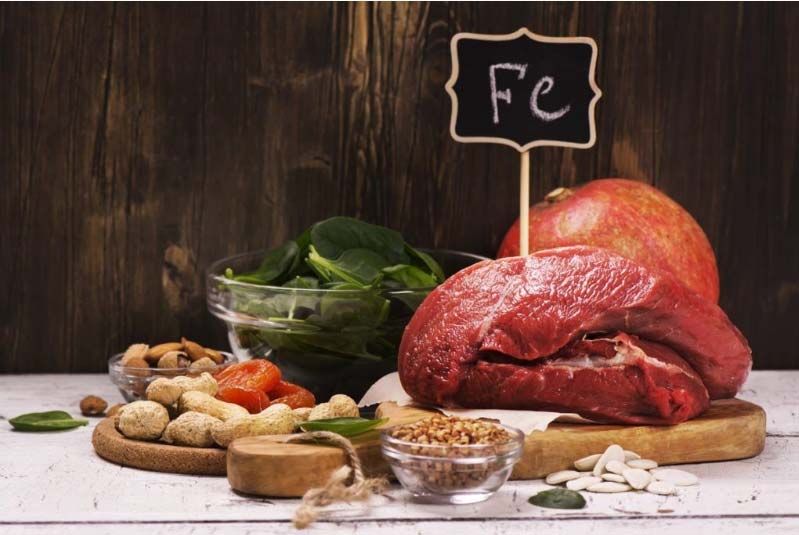
ENERGY
Società Italiana Nutrizione Sport e Benessere
                                   NEED

                                 45% of recreational female athletes were classified as “at risk” for low EA
                        female dancers consume less than 70% of recommended daily energy needs

                                                   injury
                                                   menstrual dysfunction
                                                   decreased performance                                   www.sinseb.it
                                                                  Kelly A. Rossi - Nutritional Aspects of the Female Athlete 2017
EA = Energy Intake (EI) – Energy Expenditure (EE) per kg FFM
Società Italiana Nutrizione Sport e Benessere
                                   amount of energy available for the metabolic processes of the body after energy is used for
                                   exercise, and normalized for fat free mass (FFM)

                                                                    LOW EA
                                                < 30 kcal/kg FFM/d
American College of Sports Medicine Joint Position Statement. Nutrition and Athletic Performance 2016

                                                             Optimal EA
                                                    45 kcal/kg FFM/d
                                                IOC consensus statement on relative energy deficiency in sport (RED-S): 2018 update.

                                                Disordered eating
                                                Intentional efforts to decrease body weight
                                                Unintentional failure to meet energy requirements
                                                Time management
                                                Food availability
                                                Lack of nutritional knowledge
                                                Increase energy needs (environement factors, stress)
                                                Low Energy density diet
                                                                                                                                       www.sinseb.it
Società Italiana Nutrizione Sport e Benessere
                                                 The Female Athlete Triad

                                                1 - Low energy availability with
                                                or without disordered eating
                                                2 - Menstrual dysfunction
                                                3 - Low bone mineral density

                                                       2014 Female Athlete Triad Coalition Consensus Statement
                                                       on Treatment and Return to Play of the Female Athlete Triad
                                                                                                www.sinseb.it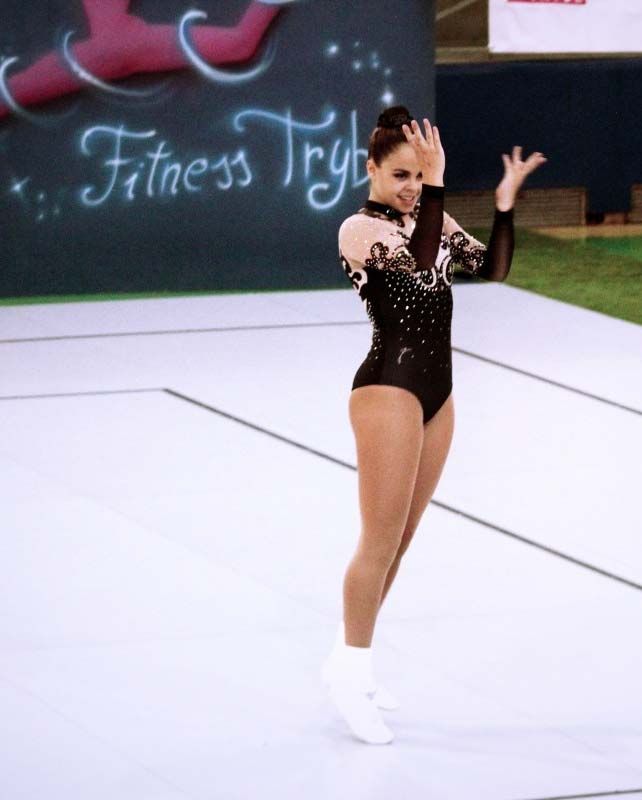
The Female Athlete Triad
Società Italiana Nutrizione Sport e Benessere

                                                2014 Female Athlete Triad Coalition Consensus Statement
                                                on Treatment and Return to Play of the Female Athlete Triad
                                                                                         www.sinseb.it
Società Italiana Nutrizione Sport e Benessere

www.sinseb.it
Società Italiana Nutrizione Sport e Benessere

                                                Mountjoy M, Sundgot-Borgen J, Burke L, et al. Br J Sports Med
                                                2014;48:491–497

                                                                                                www.sinseb.it
Carbohydrate Availability
Società Italiana Nutrizione Sport e Benessere
g / kg BW
www.sinseb.itCarbohydrate Needs based on training
Società Italiana Nutrizione Sport e Benessere
FOLLICULAR PHASE LUTEAL PHASE
late surge of estrogen increased circulating estrogen
suppressed progesterone and progesteron
INCREASE IN GLYCOGEN HIGHER GLYCOGEN
UTILIZATION STORAGE, LOWER
attention on carbohydrate loading CARBOHYDRATE OXIDATION
lipid oxidation
females may perform better in longer distance events (>66 km)
www.sinseb.itCarbohydrate Replacement during exercise
Società Italiana Nutrizione Sport e Benessere
intestinal absorption of
glucose rate 1.0–1.2 g/min
‘it is possible to ingest approximately 1.5–1.8 g/min of carbohydrate consuming multiple
transportable carbohydrate’ (glucose or maltodextrin plus fructose)
www.sinseb.it
De Oliveira EP Curr Opin Gastroenterol 2017 Jan;33(1):41-46.Recovery of training
DOPO: recupero
Società Italiana Nutrizione Sport e Benessere
Burke LM, Hawley JA, Wwong SH, Jeukendrup AE Carbohydrates for training and
Competition J Sports Sci 2011;29 Suppl 1:S17-27.
www.sinseb.itSocietà Italiana Nutrizione Sport e Benessere
consuming protein after exercise promote muscle protein synthesis,
protein also may promote higher glycogen storage in the early
stages of recovery if carbohydrate intake is low (‘Training Low’
Società Italiana Nutrizione Sport e Benessere
•Increase lipid oxidation
•Increase mitochondrial enzyme
•Enhance exercise capacity
•Spare glycogen
Reduced training intensities
Inability to oxidize endogenous carbohydrate
Muscle protein breakdown
Risk of infection and illness
Optimal protein intake
Recommended for prolonged and low intensity workouts
Periodic use
www.sinseb.it
Kelly A. Rossi Nutritional Aspects of the Female Athlete 2017Società Italiana Nutrizione Sport e Benessere Fat / lipids
- lower respiratory exchange ratio (RER)
- greater lipolytic activity during prolonged moderate exercise
• higher intramuscular triglycerides (IMTG) stores
• higher percentage of type I muscle fiber
- post-exercise mobilization of fatty acids is lower in females
www.sinseb.itSocietà Italiana Nutrizione Sport e Benessere
Protein
Daily recommended ranges
male = female
1,2 – 2,0 g / kg BW / d
American College of Sports Medicine Joint Position Statement. Nutrition and Athletic Performance. 2016
Assessing the protein requirements
Carbohydrate
Energy Availability
Needs individualized and
periodizedbased on training
www.sinseb.it
Kelly A. Rossi Nutritional Aspects of the Female Athlete 2017Use of proteins during the exercise
Società Italiana Nutrizione Sport e Benessere
females use less protein than males both at rest and during exercise
FOLLICULAR LUTEAL PHASE
PHASE increased circulating estrogen
late surge of estrogen and progesteron
suppressed progesterone
lower higher
protein protein
catabolism catabolism
Non-significant hormonal effects when
carbohydrates are available during
exercise
www.sinseb.it
Kelly A. Rossi Nutritional Aspects of the Female Athlete 2017Recovery
Società Italiana Nutrizione Sport e Benessere
muscle protein synthesis (MPS) is similar in men and women
RECOVERY
MPS 10g EAA (Società Italiana Nutrizione Sport e Benessere
Iron
Iron deficiency (ID) is the most prevalent nutrient deficiency in the world
female > male > active > sedentary
Iron Deficiency with anemia (IDA): 3% - 5%
Iron Deficiency without anemia (IDNA): 16%
of premenopausal women (United States)
CAUSES IRON DEFICIENCY
Hemolysis (foot strike and impact)
increased Fe losses (gastrointestinal tract,
hematuria, and sweat)
Poor dietary Fe intake
Altered intestinal Fe absorption, including
the effects of inflammation due to training
‘Psuedoanemia’
Menstrual losses
Della Valle .Iron Supplementation for Female Athletes: Effects www.sinseb.it
on Iron Status and Performance Outcomes 2013FACTORS THAT INFLUENCE THE ABSORPTION OF THE IRON
Società Italiana Nutrizione Sport e Benessere

www.sinseb.itSocietà Italiana Nutrizione Sport e Benessere www.sinseb.it
Iron Requirements
Società Italiana Nutrizione Sport e Benessere

                                                adeguate
                                                intake for
                                                female
                                                athletes ?

                                                    www.sinseb.it
Società Italiana Nutrizione Sport e Benessere www.sinseb.it
Società Italiana Nutrizione Sport e Benessere maintenance of iron status
- Intensive physical activity
or/and inadequate iron intake?
- Monitoring Iron status
- Nutritional Counseling iron-
rich diet or/and haem iron-based
diet
- Supplements if necessary
www.sinseb.itstructural bone health
Società Italiana Nutrizione Sport e Benessere Calcio blood clotting
muscle contractions
nerve transmission
cellular communication
72% to 90% of all females fail to meet the 1997 Adequate Intake (AI)
Females with delayed menarche and menstrual dysfunction are at increased
risk for low bone mineral density (BMD)
Frequent deficiency in female athletes due to eating disorders, caloric
restriction, exclusion of dairy products
www.sinseb.itSocietà Italiana Nutrizione Sport e Benessere
For athletes with eating disorders, amenorrhea
and premature risk of osteoporosis
1500 mg/d
Prefer food sources (possible adverse cardiovascular and renal effects with supplements)
exercise-induced rise in markers of bone resorption is decreased with a high-
calcium (1350 mg) meal consumed approximately 90 minutes before prolonged,
high-intensity cycling
www.sinseb.itSocietà Italiana Nutrizione Sport e Benessere Hydration
Sweat, liquid losses
2% of BW: impaired cognitive function and aerobic performance
3-5% of BW: impaired anaerobic or skill performance
6-10% of BW: decreased exercise tolerance, decreased cardiac output, sweat
production and blood supply to muscles and skin
Numerous studies have found that many athletes (>30%) begin exercise in a
dehydrated state
Hyponatremia blood sodium levels < 135 mmol/L
www.sinseb.it
Katherine A. Beals Nutrition and the Female Athlete: From Research to Practice 2013Gender difference in regulation of fluid-electrolyte balance
Società Italiana Nutrizione Sport e Benessere
Women have lower sweat rates, lower plasma volumes, and lower potassium
and sodium sweat concentrations
Women have smaller body size and greater body surface area–to-BW ratio
and produce 18% to 34% less sweat per hour than men during exercise
female athletes maintain their core temperature
and have a thermoregulatory advantage over man
Quese fluttuazioni non L’adattameno all’esercizio
sembrano influenzare la diminuisce queste differenze tra
performance uomo e donna
Kelly A.RossiMS, RD, CSSD Nutritional Aspects of the Female Athlete www.sinseb.it
Clinics in Sports Medicine Volume 36, Issue 4, October 2017, Pages 627-653Gender difference in regulation of fluid-electrolyte balance
Società Italiana Nutrizione Sport e Benessere
FOLLICULAR PHASE LUTEAL PHASE
Increase body water
plasma volume expansion
Lower thermoregulatory threshold
faster sweating
increase risk for dehydration
www.sinseb.it
Kelly A. Rossi - Nutritional Aspects of the Female Athlete 2017Guidelines for hydration needs surrounding exercise.
Società Italiana Nutrizione Sport e Benessere

www.sinseb.itGastrointestinal disorders in athletes
Società Italiana Nutrizione Sport e Benessere
Nausea, vomiting, diarrhea, bloody stools, and abdominal
angina may affect the athlete’s performance
Both upper and lower GI problems occur in athletes with 25%
to 50% of recreational athletes and up to 70% of elite athletes
IBS and celiac disease are more
prevalent in women.
Splanchnic hypoperfusion
Decreased blood flow to the gut
GI ischemia and reperfusion
increased permeability
Bacterial translocation
Endotoxemia
www.sinseb.it
Kent Diduch .Gastrointestinal Conditions in the Female Athlete, 2017Gastrointestinal disorders in athletes
Società Italiana Nutrizione Sport e Benessere
Avoid high protein, fiber, and fat intake within 2 to 3 hours of activity due to
slow digestibility
Adequate hydration is also essential to prevent systemic
hypovolemia and maintain splanchnic perfusion during exercise
Carbohydrate concentrations ≤8% in beverages are best to reduce the
occurrence of diarrhea associated with high osmolar fluids
After exercise, consuming lipids may decrease intestinal inflammation
Precursors of NO (glutamine, Citrulline, Arginine) to promote vasodilatation
caffeine and FANS may infer risk to the GI system
low FODMAPs (fermentable oligosaccharides, disaccharides,
monosaccharides, and polyols) diet
Probiotics: prevention of respiratory tract infections, control of immunosuppression,
absorption of nutrients
www.sinseb.itSocietà Italiana Nutrizione Sport e Benessere
GRAZIE A TUTTI
www.sinseb.itYou can also read


