Green gas in the energy transition
←
→
Page content transcription
If your browser does not render page correctly, please read the page content below
Green gas in the energy transition

Professor Jerry D Murphy (and Dr Richard O Shea)
Director of MaREI centre
Chair of Civil, Structural & Environmental Engineering
Leader International Energy Agency Bioenergy Biogas Task
MaREI Seminar on Climate Action Policy May 17th, 2019, ESRI, Dublin
Biogas in Circular Economy

       How do we account for the social and environmental benefits of
       anaerobic digestion?

        Anaerobic digestion is not merely a source of renewable energy.

        It can not be compared to a wind turbine or PV array.

        Anaerobic digestion is a means of treating waste, is a means to
        reduce greenhouse gas in agriculture and in energy.

        It is a source of biofertilizer, through mineralisation of nutrients in
        slurry to optimise availability.

        It is a means of protecting water quality in streams and aquifers.

        It is a source of renewable dispatchable electricity, heat and of
        advanced gaseous biofuel.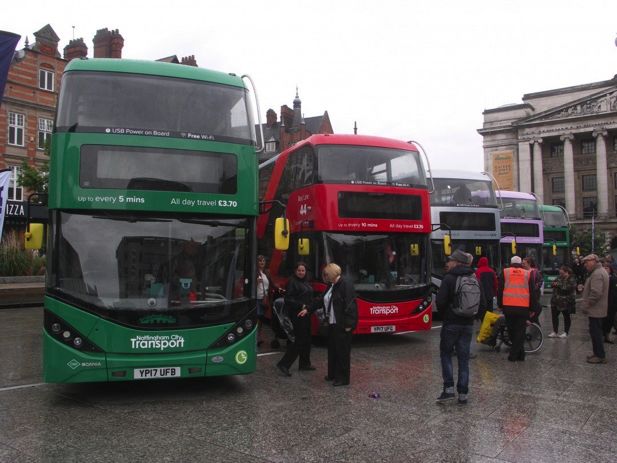
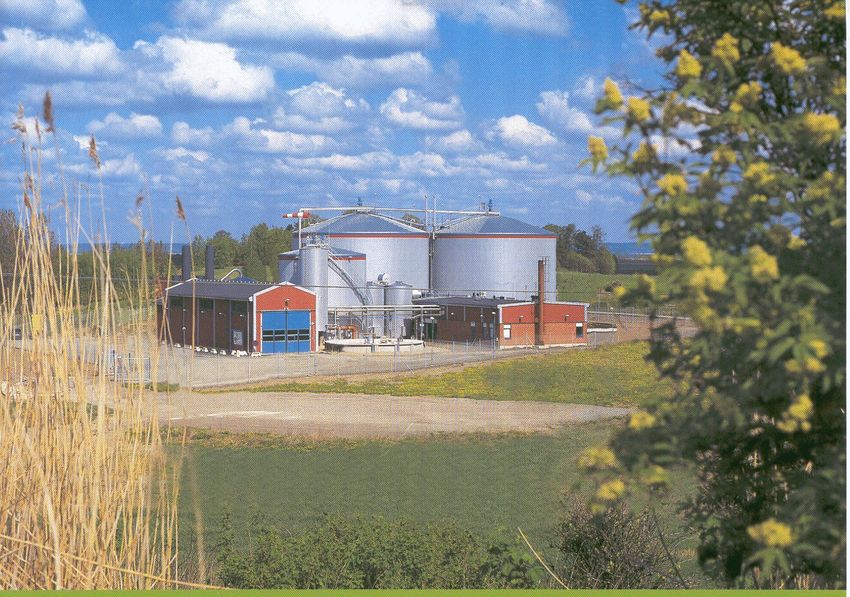
Agri-Food Waste Treatment

                                                    from 7000 t/a pig slurry, 47000 t/a slaughter waste, and blood

Linkoping, Sweden fuels 65 buses, 10 waste collection lorries, 600 cars and a train

                         Ireland has 8% of EU cattle herd and less than 1% of the population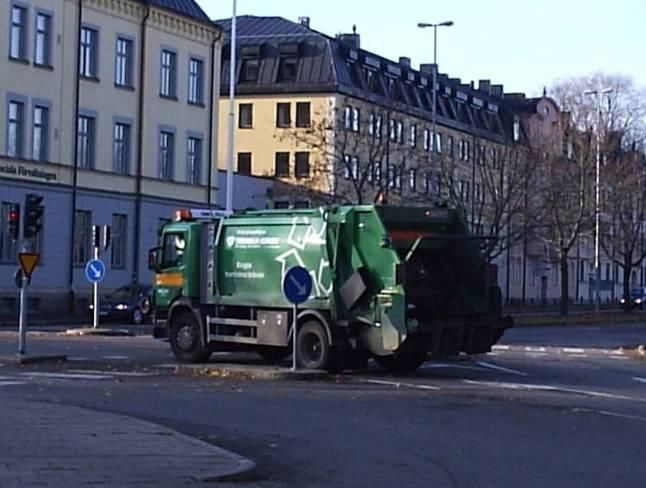
Renewable Energy Directive
                             Greenhouse gas savings thresholds in RED II
Plant operation start date        Transport biofuels       Transport renewable fuels of      Electricity, heating and
                                                               non-biological origin                  cooling
   After October 2015                    60%                            -                                 -
   After January 2021                    65%                           70%                             70%
   After January 2026                    65%                           70%                             80%

 RED II states that perennial rye grass is an advanced biofuel counted at twice its energy content
 The contribution of advanced biofuels and biogas produced from the feedstock listed in Part A of Annex IX shall be at
 least 3.5 % in 2030.
 Annex IX Part A. Feedstocks for the production of biogas for transport and advanced biofuels, the contribution of which
 towards the minimum shares referred to in ..Article 25(1) may be considered to be twice their energy content:
 This includes (p) “Other non-food cellulosic material” whose definition includes: (42) grassy energy crops with a low
 starch content, such as ryegrass, switchgrass, miscanthus, giant cane;
Sustainability of biogas

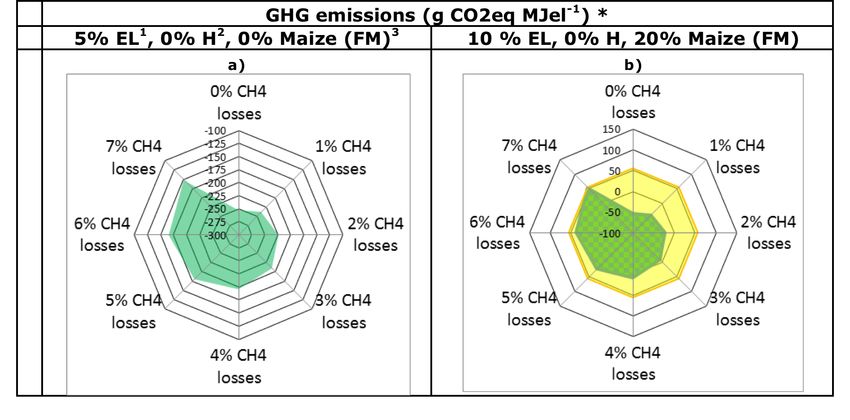
                                          All slurry              20% Maize 80% slurry

                                                                    California Air Resources
                                                                    Board (CARB) awarded a
Open slurry storage emits 17.5% of methane                          Carbon Intensity (CI)
At 2% methane slippage:                                             score of -255 gCO2e/MJ
• Biomethane from slurry GHG negative feedstock                     for a dairy waste to
    (-250 g CO2/MJ)                                                 vehicle fuel pathway.
• Biomethane from 20% Maize and 80% Slurry GHG
    still negative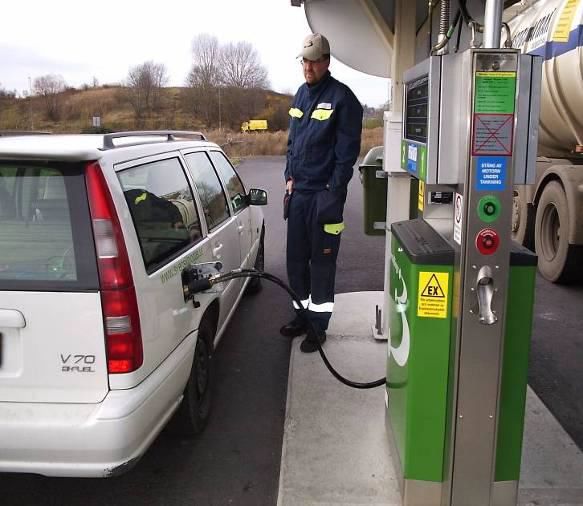
Carbon Efficient Farming

The farm produces milk from 140 cow and crops on a 450 hectare farm. The digester converts high dry
matter content bedding material to a liquified organic fertilizer, the only source of fertilizer.
Milk produced is assessed as GHG negative at -0.82 kg CO2/ l produced.
Green Gas Technologies

Green gas roadmap
                                                  2014
                                    20

                                                                                Bio
                                                                                   ma
                                       3

                                                                                     ss
                                        0

                                                                Grass                          in
                                                                                                    T

                                                                                                                                 6 European gas grids have committed to 100% green gas in the gas grid by 2050
                                                                                                    he
         ty
Ele reen

                                                                                                           Ne
      ici

                                                                                         Manure
   ctr

                                                                                                             th
   G

                 sun

                                            E
                                                                                                               erl
                                        G
                        S
                       LU

                                                                                                                  and
                                     A
                   &
                       RP

                                    R

                                                             Sustainable
              Wind

                                                                                                                     s

                                                                                             2
                                 O
                   SU

                                                              Mobility                    CO rals
                             S T

                                                                                           ine
                                                                                          m
                            G A S

                                                                            7                                Sewage
                                                                                                   USTRY

                                                                                                             sludge

                                                Renewable               Renewable
                                                  Energy                 Products
                                                                                               IND

                                                                                                                      20 2
                                                                                                                             0
                                                                                              AL
                                                                                              IC
                                                                                         EM

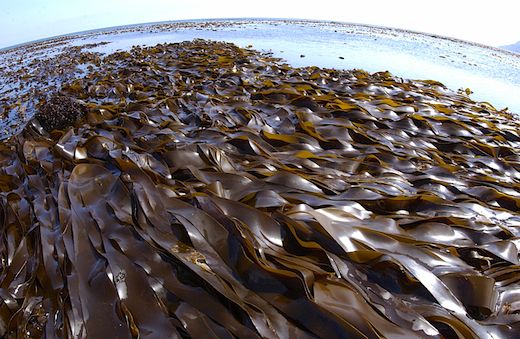
                            Seaweed
                                                                                         CH
                                                                                &
                                                                        Y
                                                                INDUSTR
                                                                           Wood
                                25

                                                Lar
                                                      ge-s                   po     rt
                              20

                                                             cale biomass im
Centralised Biogas Upgrading
Extent of Biogas Upgrading

                          600

                          500
No. of upgrading plants

                          400

                          300

                          200

                          100

                            0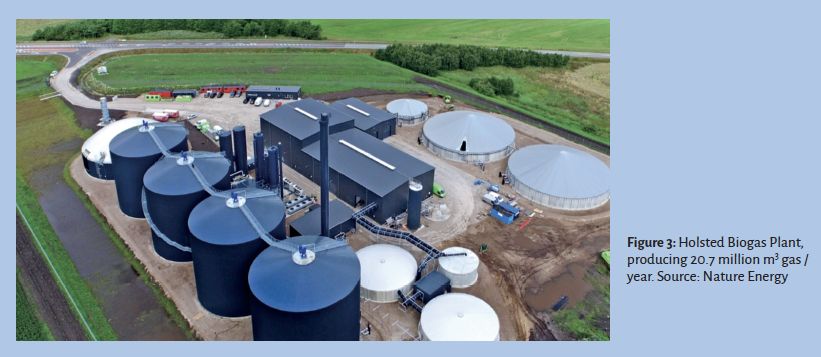
Green gas roadmap
Algal Biogas
2014
TRL 3,4
20
Bio
ma
3
ss
0
Grass in
T
TRL 7-9
he
ty
Ele reen
Ne
ici
Manure
ctr
th
G
sun
E
erl
G
S
LU
and
A
&
RP
R
Sustainable
Wind
s
2
O
SU
Mobility CO rals
S T
ine
m
G A S
7 Sewage
USTRY
sludge
Renewable Renewable
Energy Products
IND
20 2
0
AL
IC
EM
Seaweed
CH
Algal Biogas TRL 4,5 INDUSTR
Y
&
Wood
TRL 6
25
Lar or t
ge-s imp
20
cale biomass
Green Gas Forum
Green Gas Green Deal (deal 33)
July 2014Algal Biogas
Waste Management 33 (2013) 2425–2433
Contents lists available at SciVerse ScienceDirect
Waste Management
journal homepage: www.elsevier.com/locate/wasman
The potential of algae blooms to produce renewable gaseous fuel
E. Allen a, J. Browne a, S. Hynes a, J.D. Murphy a,b,⇑
a
Environmental Research Institute, University College Cork, Cork, Ireland
b
Department of Civil and Environmental Engineering, University College Cork, Cork, Ireland
article info abstract
Article history: Ulva lactuca (commonly known as sea letuce) is a green sea weed which dominates Green Tides or algae
Received 27 February 2013 blooms. Green Tides are caused by excess nitrogen from agriculture and sewage outfalls resulting in
Accepted 13 June 2013 eutrophication in shallow estuaries. Samples of U. lactuca were taken from the Argideen estuary in West
Available online 11 July 2013
Cork on two consecutive years. In year 1 a combination of three different processes/pretreatments were
carried out on the Ulva. These include washing, wilting and drying. Biomethane potential (BMP) assays
Keywords: were carried out on the samples. Fresh Ulva has a biomethane yield of 183 L CH4/kg VS. For dried, washed
Macro-algae
and macerated Ulva a BMP of 250 L CH4/kg VS was achieved. The resource from the estuary in West Cork
Biomethane
Gaseous biofuels
was shown to be sufficient to provide fuel to 264 cars on a year round basis. Mono-digestion of Ulva may
be problematic; the C:N ratio is low and the sulphur content is high. In year 2 co-digestion trials with
dairy slurry were carried out. These indicate a potential increase in biomethane output by 17% as com-
pared to mono-digestion of Ulva and slurry.
! 2013 Elsevier Ltd. All rights reserved.Algal Biogas Seasonal Variation in biomethane yield from Laminaria Digitata
Algal Biogas
Cultivating Seaweed
                       Position adjacent to fish farms, protect fish from jelly
                       fish

                       Increased yields of seaweed as compared to pristine
                       waters

                       Clean water of excess nutrients

                       Harvest when yield is highest

                                                                              13
Electro fuels
2014
20
Bio
ma
3
ss
0
Grass in
T
he
ty
Ele reen
Ne
ici
Manure
ctr
th
G
sun
E
erl
G
S
LU
and
A
&
RP
R
Sustainable
Wind
s
2
O
SU
Mobility CO rals
S T
ine
m
Green gas from electricity
G A S
7 Sewage
USTRY
sludge
Renewable Renewable
Energy Products
IND
20 2
0
AL
IC
EM
Seaweed
CH
&
Y
INDUSTR
Wood
25
Lar
ge-s po rt
20
cale biomass im
Green Gas Forum
Green Gas Green Deal (deal 33)Electro fuels
Audi E-gas at Wertle, Germany
Food waste Production of hydrogen Production of 1000 Audi
biomethane in 6 MW electrolysis methane via Sabatier NGVs
Sabatier Equation: 4H2 + CO2 = CH4 + 2H2O
Cascading bioenergy, circular economy, carbon capture.BIOENERGY
Electro fuels
Sabatier Equation: 4H2 + CO2 = CH4 + 2H2OElectro fuels
Electro fuels
Extent of Green Gas in Denmark

Denmark which at present has c. 10% renewable gas (with an equal amount going to CHP) intends decarbonising
the gas grid with 72PJ of renewable gas by 2035. Addition of Power to Gas systems could see a resource of 100 PJ
which would be in advance of gas demand.
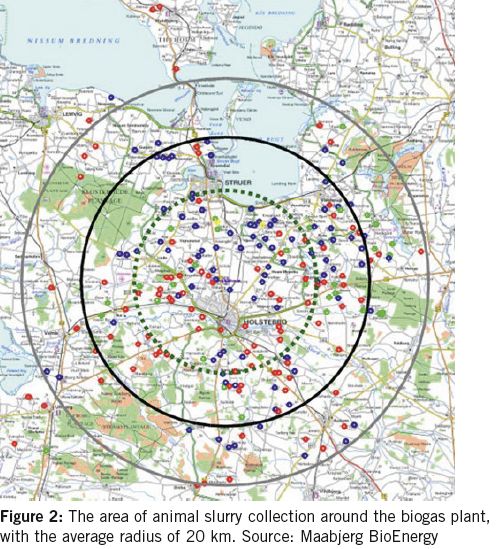
Pipelines to extend catchment of biogas

           Denmark set a target for 50%
           slurry digestion by 2020 and has
           already met this

            Pipeline systems consist of double pipes; slurry from collection tanks to
            digester and sanitized biodigestate from digester back to collection point.
            Piping system reduces the need for 50 – 70 deliveries per day and facilitates
            collection of diffuse sources of slurry
Resource of biogas in Ireland
Transport TFC 2017 60:40 Volatile Solids (Silage: Slurry)
95 Improved herbage utilisation in
90
beef and dairy grazing a.
85
80
Calculated for each ED.
75
70
65
60
55
50
PJ
45
40
35
30
25
20
15
10
5
0
Road Freight Road Light Road Private Public Rail Domestic International Fuel Tourism Navigation Unspecified Waste Grass Silage Grass Silage Grass Silage Grass Silage Grass Silage Willow. 11no. Seaweed Power to Gas
Goods Vehicle Car Passenger Aviation Aviation Biomethane and Slurry. and Slurry. and Slurry. and Slurry. and Slurry. 50MW at distilleries
Services 100% Slurry 80% Slurry 60% Slurry 40% Slurry 20% Slurry gasificaiton and WWTPs
used used used used used plants
Gasoline Jet Kerosene LPG Gasoil / Diesel /DERV Natural Gas Liquid Biofuel
Electricity Waste Biomethane Grass Silage and Slurry. 100% Slurry used Grass Silage and Slurry. 80% Slurry used Grass Silage and Slurry. 60% Slurry used Grass Silage and Slurry. 40% Slurry used
Grass Silage and Slurry. 20% Slurry used Willow. 11no. 50MW gasificaiton plants Seaweed Power to Gas at distilleries and WWTPs Biomethane From Power to gas
a
Mceniry, J. et al., 2013. How much grassland biomass is available in Ireland in excess of livestock requirements ? Irish Journal of Agricultural and Food Research, 52, pp.67–80. Available at: http://t-stor.teagasc.ie/bitstream/11019/451/1/ijafr_67-80.pdf.Cost of Biogas Systems
1 m3 CH4 = 10 kWh= 1L diesel equiv 9.9 c/ kWh = 99 c / m3 CH4
As a rule of thumb the following is used in Sweden and Germany:
• 22c/m3 biomethane to make biogas,
• 22c/m3 to upgrade to biomethane,
• 11c/m3 biomethane to compress and 11c/m3 biomethane to distribute.
• This is 66c/m3 biomethane or 66c/L diesel equivalent or 6.6c/kWh.
If you buy all the feedstock this rises. Say €35/ t silage (silage @ 28% VS and 380 m3 CH4/tVS = 106 m3 CH4/ t;) adds
33c/ m3. This would lead to an overall cost of 99 c/m3 or 9.9 c/kWh. This should be lowered as we do not see 100%
mono-digestion as a good model.
On the other hand for food waste there is a decrease in cost; (say 28% VS and 380 m3/tVS = ) 106m3 CH4/t with a gate
fee of €35/t drops the cost by 33c/m3 to 33c/m3 biomethane or 3.3 c/kWhHighlights 1. How do we cost the asset value associated with the circular economy benefits of anaerobic digestion? Biogas systems include for waste treatment and can help decarbonise agriculture. The by-products include for organic biofertilizer & green CO2. Biogas systems improve both ground water and surface water quality. One third of Irish wells are contaminated. 2. The EU requires 3.5% advanced biofuel by 2030. Biogas produced from perennial rye grass is a viable commercially available advanced biofuel, which is cheaper than other advanced biofuels such as FT diesel. This is particularly important for haulage and coaches as there are few alternatives to decarbonise this sector of transport. 3. Grass and slurry in a 60:40 VS ratio results in a 80% GHG savings. This allows compliance with the 65% and 80% GHG savings required by the RED for transport and heat respectively. 4. The cost of biomethane varies between 33 to 99 c/L diesel equivalent (3.3 to 9.9 c/kWh) 5. Policy such as the Danish target of 50% digestion of slurries by 2020 can increase the slurry resource significantly. 80% of the geographical specific resource of grass and slurry is available within 25 km of the gas grid. With power to gas we can generate 40 PJ/a (in excess of HGV demand)
“Unlocking the potential of our marine and
renewable energy resources through the
   power of research and innovation”
You can also read


