OUR 2020 Lambeth 's Sustainable Community Strategy - Lambeth Council
←
→
Page content transcription
If your browser does not render page correctly, please read the page content below
OU R 2 0 2 0

                   eth ’s Su stainable
               Lamb         Strategy
                 m m un ity
               Co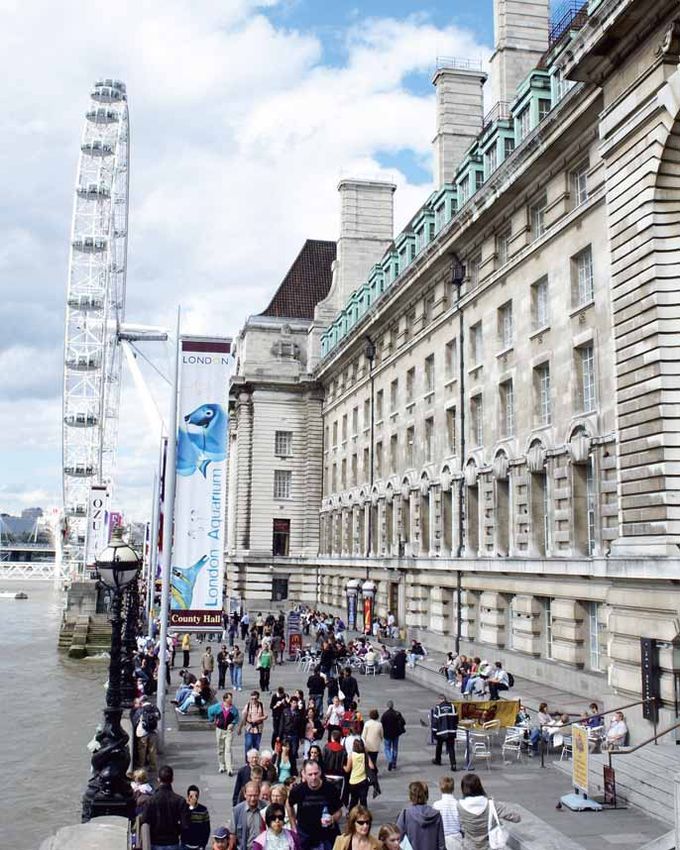
Contents

      Foreword                                                               05

1.0   Introduction                                                           06

2.0   Lambeth 2008                                                           08

3.0   Lambeth 2020 – What will the borough look like?                        12
      3.1      The next three years
      3.2      A new way of working
      3.3      Universal issues
      3.4      Local Development Framework

4.0   Creating a sustainable borough                                         22
      4.1 Economic Wellbeing
      Outcome: Lambeth is a great place to do business with higher levels
      of investment and business growth
      Outcome: Greater wellbeing for households through higher numbers
      of residents in employment

      4.2 Social Wellbeing
      Outcome: Even more children and young people are on the path
      to success through the provision of good quality education, training
      and jobs which reduces the risk of exclusion and offending
      Outcome: Safe and cohesive places where people are empowered
      and have the confidence to play active roles in their communities
      Outcome: Improved health and wellbeing of people which enables
      them to live active and independent lives
      Outcome: Lower levels of poverty and social exclusion in Lambeth
      by helping more of our socially excluded adults into employment,
      education and training

      4.3 Environmental Wellbeing
      Outcome: Mixed and sustainable communities with an increased
      supply of new homes, improved existing dwellings and a high quality
      physical environment

5.0   Moving Forward Together                                                48

6.0   Appendix                                                               50
      The first three years: Lambeth’s Local Area Agreement 2008-11

                                                                                  3
Foreword
                                                                    Lambeth is an extraordinary borough. In recent years we’ve        Developing this strategy is the beginning of our journey to
                                                                    seen rapid improvements to key services which have                realise the potential of Lambeth. Our Local Area Agreement
                                                                    improved the quality of life for all people living and working    2008-2011 will be our first three-year action plan linked to this
                                                                    here. We’re proud of our multicultural make-up, our cohesive      strategy. It will outline how and when we will deliver the
                                                                    communities and incredible diversity.                             principles set out here.

                                                                    This Community Strategy, as developed by Lambeth’s Local          We hope you will join with us in Lambeth’s next exciting
                                                                    Strategic Partnership, is a road map for the challenges ahead     chapter and we look forward to working with you to make the
                                                                    - challenges which will only be tackled by joining together to    borough a sustainable and prosperous place to live and work.
                                                                    target the causes of problems rather than their effects.

                                                                    We at Lambeth First are delighted with the progress we’ve
                                                                    made over the last four years and we have a clear vision of
                                                                    where we want Lambeth to be in 2020. This strategy sets out
                                                                    our approach to fulfilling this vision. Our central focus is to
                                                                    enable sustainable economic growth, in order to create new
                                                                    opportunities for Lambeth’s communities thereby reducing the      Councillor Steve Reed
                                                                    number of people not in work. We recognise this will be more      Chair of Lambeth First
                                                                    challenging given the recent economic down-turn. However          Leader of the London Borough of Lambeth
                                                                    we are passionate in our belief that worklessness is a major
                                                                    barrier to success and a key factor in poverty and exclusion.
                                                                    There is a clear link between worklessness, poor health and
                                                                    education standards, low aspirations, higher crime and
                                                                    communities which are less integrated. Tackling worklessness
                                                                    therefore is our key focus and together we can and will steer
                                                                    the borough in a positive direction.
                WE HA
                     VE A C                                         We will approach these challenges by improving universal
                                                                    services, undertaking targeted work with key communities
                           LEAR                                     and increasingly seeking to deliver services at the
                                                                    neighbourhood level.

           OF W
               HERE
                    WE                         WANT
                                                    LAMB
                                                        ETH T
                                                  in 2020    O BE

4   Lambeth’s Sustainable Community Strategy 2008-2020                                                                                                                         Lambeth 2020 – Foreword    5
1.0                             Introduction

                                                                       Our Sustainable Community Strategy provides a shared
                                                                       framework for Lambeth First. It sets out an agreed approach
                                                                       to improving quality of life for the people who live and work      We believe that tackling
                                                                       in the borough and ensures organisations from the private,         worklessness by increasing
                                                                       public and third sector pool their resources and work together
                                                                       to tackle problems jointly. Working together we can achieve        employment will:
                                                                       more for Lambeth. This strategy is also an evidence driven
                                                                       document. The partnership has utilised a series of data            • Provide greater financial resources so people
                                                                       sources such as the State of the Borough report to inform our        can live healthier lives
                                                                       strategic direction and guide us in identifying what we have to
                                                                       do to meet the needs of the borough.                               • Reduce poverty through improved
                                                                                                                                            family incomes
                                                                       In reviewing this evidence we concluded that worklessness
                                                                       should be the key focus of this Sustainable Community              • Break benefit dependency
                                                                       Strategy. It’s a relatively new term which describes people        • Facilitate workplace interaction of people
                                                                       who are out of work but who want a job. It includes people
                                                                       claiming unemployment benefits, people not currently in paid
                                                                                                                                            from different communities which will promote
                                                                       work who are seeking employment and those who are                    community cohesion
                                                                       economically inactive.
                                                                                                                                          • Improve living standards which will reduce
                                                                       If we’re genuinely committed to tackling worklessness we             people’s incentive to commit certain types
                                                                       have to first acknowledge the complex and inter-related              of crime
                                                                       issues which come with it and understand that a sustainable
                                                                                                                                          • Enable vulnerable communities to become
                                                                       community is one which focuses on the economic, social and
                                                                       environmental wellbeing of its residents.                            economically active through targeted support

                           L E S S N E SS                                                                                                   services/projects

                      WORK                                             We know that worklessness is one of the key causes of crime,
                                                                       poverty and social exclusion. These challenges often lead to
                                                                                                                                          • Allow access to better skills and education
                                                                       lower than average skills/educational attainment, poor health        for all residents
                                                                       and poor living environments. Clearly there is a cycle in motion
                                                                                                                                          • Facilitate better family support services for
                                                                       which can only be addressed head-on and as a whole.
                                                                                                                                            single parents to become economically active
                                                                       This strategy also sets out how we will tackle the wider
                                                                       economic, social and environmental issues associated with
                                                                       worklessness to achieve a thriving and prosperous borough.

                                                         S T R ATEGY
                                               OF TH I S

6   Lambeth’s Sustainable Community Strategy                                                                                                                           Lambeth 2020 – Introduction   7
2.0                             Lambeth 2008

                                                   Lambeth is an inner London borough that stretches from the South
                                                   Bank and Waterloo in the north, down through the vibrant town centres
                                                   of Clapham and Brixton, to the more residential suburbs of Norwood
                                                   and Streatham in the south.

                                                   The borough’s population is diverse, dense and highly mobile.         Many parts of Vassall ward (the area between Kennington
                                                   There are areas of serious deprivation alongside some of great        and Brixton) suffer from limited amenities and high levels of
                                                   affluence. We have the seventh highest population in Greater          deprivation. This area as a whole also faces a number of
                                                   London and are the fourth most densely populated borough in           challenges in improving the local environment, public realm
                                                   the country. Our population is set to increase by nearly 17%          and providing a good range of facilities and services for its
                                                   between 2001 and 2028 and we have the second highest                  communities.
                                                   total migration (i.e. both inward migration and outward
                                                   migration) in inner London.                                           Brixton is at the heart of Lambeth and is a major town centre.
                                                                                                                         With a reputation as a diverse cultural and creative centre, it’s
                                                   We have approximately 20% population churn each year and              famous for entertainment venues and markets. Currently home
                                                   we are often described as ‘an escalator borough’ where new            to 69,000 residents, Brixton is projected to grow by 14%,
                                                   communities settle when they first arrive in London/England           making it the most populous area in the borough by 2026.
                                                   before they move elsewhere. Lambeth’s population is made up
                                                   of 38% of people from ethnic minorities. This includes 12%            One of the key African-Caribbean communities in London, in
                                                   Black Caribbean (2nd highest in UK) and 11.6% Black African           Brixton black Caribbean residents represent 15% of the
                                                   (4th highest and growing). The borough is also believed to have       population compared with 11% across the borough as a
                                                   the largest Portuguese population outside of Portugal. Over           whole. Nearby areas such as Herne Hill and Tulse Hill are also
                                                   74% of the school population are from BME backgrounds and             thriving neighbourhoods.
                                                   over 130 different languages are spoken here.
                                                                                                                         Clapham is very diverse, combining some of the borough’s
                                                                                                                         most affluent areas and some of its most deprived. Home to
                                                   Lambeth – a snapshot                                                  an estimated 40,700 residents, Clapham has long been
                                                                                                                         popular with young professionals, drawn by its good transport
                                                   Waterloo and the South Bank is a key central London                   connections to central London and its vibrant night-time
                                                   business and tourist area and one of the world’s leading              economy. The population is projected to grow by around 8%
                                                   cultural centres with icons such as the London Eye, Royal             to just over 44,000 in 2026. The population is also relatively
                                                   Festival Hall and National Theatre. The area also includes            young with 75% of people in Clapham aged 44 or under.
                                                   international companies (Shell and IBM) and one of London’s
                                                   busiest transport interchanges.

                                                   This part of Lambeth already accommodates 61,500 jobs, not
                                                   far short of half the borough’s total, and is set for further major
                                                   growth. Waterloo and the South Bank have fewer residents
                                                   than the rest of the borough, split between high-end
                                                   developments and areas of deprived social housing.

    DENSE                                          Vauxhall, the Oval, Kennington and Vassal are close to

    HIGHL AND
                                                   central London and benefit from good transport links. The
                                                   Oval cricket ground is a major international attraction.

         Y MOB                                     However, like Waterloo, Vauxhall’s transport infrastructure and
                                                   developments along the Albert embankment cut residential
               ILE                                 areas off from the river.

8   Lambeth’s Sustainable Community Strategy                                                                                                                 Lambeth 2020 – Lambeth 2008     9
2.0                     Lambeth 2008

    Stockwell is a mixed area including substantial social          Streatham is relatively affluent when compared with other
    housing. It’s home to what is thought to be one of Britain’s    areas of the borough. It’s best known for its residential areas
    largest Portuguese communities, many of whom originally         and High Road. For some, the nearly two and a half
    come from Madeira. Many black African and east African          kilometres of unbroken shopping and leisure attractions on
    people also live in the area.                                   the High Road is Streatham’s defining feature. However, as
                                                                    traffic congestion has increased, the High Road has suffered
    Stockwell’s housing is as mixed as its population.              and modern shopping developments have opened in Croydon
    Conservation areas of Georgian and Victorian dwellings can      and Kingston leading to a decline in use.
    be found next door to large pre- and post-war housing
    estates. In total the area has a highly dense population of     Norwood is a mainly residential area with good quality
    about 29,000. The Greater London Authority (GLA) estimate       housing and quieter main streets. It also contains the
    that by 2026 the population will grow by around 16%. In         borough’s only remaining industrial area. Just over 40,500
    addition, Stockwell ward is the third poorest in Lambeth,       people are estimated to live in Norwood and this is projected
    with 72% of its households classified as deprived or            to grow by 9% to around 44,000 by 2026. Norwood is well
    severely deprived.                                              known for its high quality of life and the pride of its local
                                                                    people. West Norwood has a popular town centre, with a
    Streatham has had the fastest population growth of any          good range of shops in a pleasant environment, while new
    of Lambeth’s town centre areas over the past decade. This       schools and leisure facilities are a focus for community activity.
    growth is set to stabilise and the GLA projects a net decline
    in the Streatham population between 2006 and 2026 from
    54,700 to around 54,000. Recent population growth has
    increased the diversity of the area, with a large Somali
    community in Streatham South and a Polish community in
    Streatham Vale. Streatham is home to the largest
    concentration of Asian residents in the borough (9%
    compared with 4% across Lambeth).

10 Lambeth’s Sustainable Community Strategy                                                                                              Lambeth 2020 – Lambeth 2008   11
3.0 Lambeth 2020 – What will
the borough look like?
In order to move forward, we are clear that we must build on the
borough’s strengths and tackle the root causes of the challenges that
are holding us back from achieving our long term vision.
The previous section sets out Lambeth as it is today. Early intervention and effective partnership working will
Below is a detailed description of where we want to take ensure the safety and welfare of children. Attainment, skills
Lambeth by 2020. and qualifications will continue to improve with more of our
young people having the right qualifications to succeed
Underpinning our vision are seven long term outcomes in adulthood.
that this strategy will deliver. These are as follows:
Services for children and young people will increasingly be
co-designed with more effective engagement of children,
• Lambeth is a great place to do business with higher
young people and families – particularly those from
levels of investment and business growth:
vulnerable and seldom heard groups.
Through business support services, planning and skills
development, we will have made Lambeth an
• Safe and cohesive places where people are
attractive borough to establish a business. We will
empowered and have the confidence to play active
have supported economic growth and encouraged
roles in their communities: Lambeth will be an even
development and regeneration of sites across the borough.
more desirable place to live. Our diverse communities in
This will provide the safe, welcoming and attractive
Lambeth will be safer and stronger than in 2008. Crime
environment that businesses need to thrive.
rates will reflect the inner London average with violent
We will have increased the overall employment rate with crime and volume crime both lower than they currently are.
a significant number of new jobs created across a range In addition, our communities will continue to be highly
of industries and commercial sectors and in a wide variety cohesive, with people getting on well with one another.
OUR 2020
of locations. People in Lambeth will also play an active role in their local
area through a variety of means such as volunteering.
• Greater wellbeing for households through higher
numbers of residents in employment: In 2020 Lambeth
will have a much higher employment rate. This will be
achieved by ensuring all our communities have access to
seamless education/training opportunities, which will in
turn provide Lambeth residents with the right skills to gain
employment. Further, this increase in employment will also
help to lift vulnerable people out of poverty and enable
them to play an active role in their community.
Lambeth is a diverse, dynamic • Even more children and young people are on the path
and enterprising borough
to success through the provision of good quality
education, training and jobs which reduces the risk of
at the heart of London. exclusion and offending: More of our children will be on
the path to success. We will ensure this is the case by
helping them to be happy, healthy and safe. Services for
children will be seamless and responsive to their needs.
12 Lambeth’s Sustainable Community Strategy 2008-2020 Lambeth 2020 – What will the borough look like? 133.0 Lambeth 2020 – What will the borough look like?
• Improved health and wellbeing of people which
enables them to live active and independent lives: • Mixed and sustainable communities with an increased
We will have facilitated the creation of active, healthy and supply of new homes, improved existing dwellings and
independent communities where the gap in health a high quality physical environment: We will have helped
inequalities within the borough and between the borough more people to access affordable high quality housing and
and the rest of London have been reduced. In addition, reduced the number of people living in temporary
health services within Lambeth will be equally accessible accommodation. Over 12,000 new homes will be provided
to all members of the community. by 2020 and town centre regeneration will include provision
for new housing. This will help to meet the ever increasing
Health and social care services will be based around
housing demand and ensure the creation of mixed
enabling independence, providing choice and promoting
communities within easy reach of local services.
control. This will be achieved through increased
personalisation of social care services and greater patient In addition, the quality of our environment will be improved
choice around the health care services they receive. with cleaner streets and high quality green spaces. Further,
Lambeth will play an active role in tackling climate change
• Lower levels of poverty and social exclusion in by reducing greenhouse gas emissions.
Lambeth by helping more of our socially excluded
adults into employment, education and training:
Lambeth will have lower levels of poverty and social
exclusion by tackling the barriers which stop people
actively participating in society. This will ensure all our
communities have equal access to services and
opportunities.
The most vulnerable members of our community will
receive tailored support services that help them access
training, education, employment opportunities and the
welfare benefits they are entitled to.
14 Lambeth’s Sustainable Community Strategy 2008-2020 Lambeth 2020 – What will the borough look like? 153.1 The next three years
To realise our long-term term vision, Lambeth First has identified key priority areas for the
next three years. These are set out in our Local Area Agreement, which was approved in
June 2008. See the Appendix for further details.
Vision Lambeth is a diverse, dynamic and enterprising borough at the heart of London Lambeth is a diverse, dynamic and enterprising borough at the heart of London
Environmental
Sustainability Economic Wellbeing Social Wellbeing
Wellbeing
Universal Issues Community Cohesion, Equalities, Sustainability and Culture Community Cohesion, Equalities, Sustainability and Culture
Sustainable Community Lambeth is a great place to do Greater wellbeing for households Even more children and young Safe and cohesive places Improved health and Lower levels of poverty and Mixed and sustainable
Strategy 2020 Outcomes business with higher levels of through higher numbers of people are on the path to where people are empowered wellbeing of people which social exclusion in Lambeth communities with an
investment and business growth residents in employment success through the provision of and have the confidence enables them to live active by helping more of our increased supply of new
good quality education, training to play active roles in and independent lives socially excluded adults homes, improved existing
and jobs which reduces the risk their communities into employment, education dwellings and a high quality
of exclusion and offending and training physical environment
Lambeth Local Area Increasing the overall Increasing the number of Improving the emotional Increasing the percentage of people Reducing mortality rates Reducing the proportion of Increasing the number
Agreement employment rate working age people with a health of children who feel they can influence from all circulatory diseases children in poverty of affordable homes
Level 2 qualification or higher decisions in their locality for people under 75 delivered (gross)
Priority Areas for Increasing VAT registration Reducing obesity in primary Increasing the number of
Improvement rate for new companies Increasing the number of 19 year school children Increasing overall satisfaction Increasing the number of adults with learning Reducing the number of
2008 - 2011 olds with Level 2 qualifications with the local area clients receiving self- disabilities in employment households living in
Improving the stability directed support temporary accommodation
Reducing the number of 16-18 of placements for looked Building resilience to violent Increasing the number of
year olds not in education, after children extremism within Lambeth Increasing the number of adults in contact with Reducing per capita CO2
employment or training vulnerable people living secondary mental health emissions in the local
Reducing the under 18 Increasing young people’s independently services in employment authority area
Increasing migrants’ English conception rate participation in positive activities
language skills and knowledge Increasing carers’ needs Increasing young offenders’ Improving street and
Reducing the gap in Increasing take-up of formal childcare assessments undertaken engagement in suitable environmental cleanliness
Reducing working age people achievement between pupils for low income working families education, employment or (levels of graffiti, litter,
claiming out of work benefits eligible for free school meals and training detritus and fly posting)
their peers at Key Stage 2 and 4 (local PI)
Reducing serious violent crime
Increasing offenders under
Reducing the rate of permanent probation supervision in Reducing the percentage of
Reducing serious acquisitive crime
exclusions from school employment at the end of non-decent homes (local PI)
their order or licence
Tackling perceptions about drug
use and drug dealing
Tackling concerns about anti-social
behaviour and crime by the
local council and police
Increasing the numbers of
volunteers registering (local PI)
Our new way
Neighbourhood Working – Where appropriate we will deliver services at the neighbourhood level Neighbourhood Working – Where appropriate we will deliver services at the neighbourhood level
of working
16 Lambeth’s Sustainable Community Strategy 2008-2020 Lambeth 2020 – What will the borough look like? 173.2 A new way of working
Neighbourhoods are becoming ever more significant. In an increasingly By embedding neighbourhood working at This will be achieved through:
the very heart of everything we do, our aims
globalised environment they are the place where people will discover are to:
• Developing our understanding of Lambeth’s
neighbourhoods and seizing opportunities where they arise
their connectedness; where they live, shop, learn, do business and
• Continue to genuinely listen to local people’s priorities and • Establishing trust and taking a practical approach rather
relax. They are the place in which community cohesion and community treat all local residents equally than imposing already existing models
engagement is made real. • Provide services which combine effective delivery with • Focusing on areas which are already considered by local
value for money people as neighbourhoods - this could mean a group
of streets, a housing estate, economic neighbourhoods
We believe neighbourhood working engages citizens in the Since 2006, Operation Freshview has provided partners the • Devolve decision making and resources wherever practical such as town centres, established business zones or
work of creating services which are really meaningful to them. opportunity to make a visible impact in the community and geographic areas
We think this way of working helps create a sense of place resolve long-standing environmental and anti-social behaviour • Give real opportunities for local people and existing
and of belonging. Services designed with citizens at the issues in six targeted wards (Tulse Hill, Prince’s, Coldharbour, neighbourhood partnerships to be involved in • Bringing together the resources we need to develop
neighbourhood level can produce less duplication, better Oval, Ferndale and Vassall). neighbourhood working. This includes encouraging neighbourhood working throughout the borough
value for money and greater public satisfaction. residents to take up paid positions in organisations and
The approach to delivering local services in partnership on delivery teams • Taking the findings from pilot schemes currently being
Our commitment to citizens and neighbourhoods implies that encourages local residents and businesses to participate in trialled in Brixton, Clapham Park and Waterloo to develop
services and delivery must be designed with input from setting the priorities and encourages the public to take a fresh • Encourage civic pride and establish more ownership in the neighbourhood working borough-wide
neighbourhoods. This will mean different choices in different view of their area. Independent surveys have shown a 33% community for local facilities, services and the life of local
places and, as a partnership, we are committed to the improvement in graffiti scores and a significant 80% reduction neighbourhoods • Committing public services to respond in a flexible and
flexibility this will require. in fly-posting in targeted wards. The success of Operation timely manner when requested to reshape their delivery
Freshview has been so great that it is being rolled out as • Build trust within our communities and harness the energy services for the specific needs of neighbourhoods
In support of this, Lambeth First has developed a Framework ‘Community Freshview’ to enable more places and people to of local people to tackle challenges
for Community Engagement and a Community Engagement be included. This way of working shows our commitment to giving
Toolkit. These underline our determination to work in a Lambeth residents more influence over public service delivery
different way – to put the needs of residents and Further examples of neighbourhood working include the in their own neighbourhoods – where they can get local
neighbourhoods first. South Bank and Waterloo Partnership which represents a long problems resolved, enjoy better facilities and opportunities
standing business partnership and the URBAN 2 funded and experience better outcomes for themselves, their families
We have had some significant successes in delivering services project delivered through Stockwell Partnership. and their communities.
at the neighbourhood level. In Clapham Park, our New Deal
for Communities programme has achieved higher than
average rates of employment, increased physical activity
among residents, better results in reducing crime and, overall,
residents are more satisfied with the area.
18 Lambeth’s Sustainable Community Strategy 2008-2020 Lambeth 2020 – What will the borough look like? 193.0
3.3 Universal issues 3.4 Local Development Framework
In the sections above we have set out what we want Lambeth to The planning framework offers Lambeth First the opportunity to shape the borough and ensure our ambitions are realised in the
physical development that takes place. The strategic objectives of the LDF are closely linked with our primary focus on tackling
look like in 2020 and the areas we will target in the next three years worklessness and the long term outcomes of this strategy. This is set out below. The core strategy within the LDF will set out in
more detail how, through spatial planning, we will ensure delivery of the Sustainable Community Strategy.
to begin to realise this vision.
Sustainable Community Strategy Local Development Framework Core Strategy Proposed
However, the way in which we approach the challenges of Sustainability 2020 Outcomes Objectives
creating a sustainable borough will be impacted by three
universal issues which Lambeth First feels are vital to the Balancing the economic, social and environmental wellbeing Lambeth is a great place to do business with higher • Support the growth of key economic sectors through new business development,
successful delivery of this strategy. These are: of Lambeth residents will provide a high quality of life for levels of investment and business growth business retention and inward investment
current and future generations. To do this we will employ • Support the regeneration and renewal of London Plan Opportunity Areas
• Equalities and community cohesion central government’s five sustainable development principles:
• Sustainability • Create viable, safe and well-managed town centres
• Culture • Living within environmental limits Greater wellbeing for households through higher • Increase the number and variety of jobs in the local economy, including local
• Ensuring a strong, healthy and just society numbers of residents in employment jobs for local people
• Achieving a sustainable economy
Equalities and community cohesion • Using sound science responsibly Even more children and young people are on the • Provide the essential infrastructure to support population growth
• Providing good governance path to success through the provision of good quality
education, training and jobs which reduces the risk of • Develop mixed, cohesive, safe communities accessible to all
A cohesive community is one where people from different
Each outcome within this strategy sets out how we are ensuring exclusion and offending
backgrounds have similar life opportunities, access to • Provide good access to local services and community facilities
services, treatment and where there is a widely shared sense these five principles are being delivered. In addition, providing within neighbourhoods
of the contribution individuals and communities can make. good governance will be achieved through our local strategic
• Increase the number and variety of jobs in the local economy, including local
partnership and our neighbourhood working model, which will
jobs for local people
Lambeth’s minority communities bear a disproportionate brunt increase community involvement in local decision making.
of the disadvantage which this strategy aims to address. • Create distinctive local places through excellent design, valuing heritage, identity
and the natural environment
In delivering this strategy we will therefore take account of Culture
the ethnicity, age, gender, disability, faith/religion, sexuality Empowered, safe and cohesive places where people • Provide good access to local services and community facilities within
and community cohesion issues across the borough. This have the confidence to play active roles in their neighbourhoods
Lambeth First recognises the key role culture can play in
commitment will be expressed through all the Partnership’s communities
achieving our 2020 vision and outcomes. Culture is a vehicle • Develop mixed, cohesive, safe communities accessible to all
programmes, based on an equality and cohesion for new ideas and ways of thinking. It supports overall
impact assessment. wellbeing and brings communities together through shared Improved health and wellbeing of people which • Increase public transport accessibility and promote walking and cycling
activities and experiences. enables them to live active and independent lives
We are also committed to moving beyond traditional patterns • Provide the essential infrastructure to support population growth
of public service engagement in people’s lives to create Building on Lambeth Council’s new vision for Culture,
innovative methods of service delivery and policy interventions. Lower levels of poverty and social exclusion through • Increase the number and variety of jobs in the local economy, including local
Lambeth First will develop a partner-wide Cultural Strategy.
higher numbers of socially excluded adults into jobs for local people
Therefore, where appropriate, we will look at adapting We will aim to use culture as an enabler, to deliver the employment, education and training
mainstream services to take account of the diverse needs of outcomes within this strategy.
our communities as well as targeting underserved groups. Mixed and sustainable communities with an • Increase the overall supply and mix of housing, including affordable housing
This includes undertaking specific projects with small groups increased supply of new homes, improved existing
of people that require additional support as well as working dwellings and a high quality physical environment • Maximise the efficient use and management of resources, including water,
energy and waste
collaboratively across organisations to ensure services are
designed around the needs of the user. The delivery plan for • Reduce carbon emissions from residents, businesses and public buildings
the Local Area Agreement and thematic strategies will show
how we are achieving this. • Create distinctive local places through excellent design, valuing heritage, identity
and the natural environment
20 Lambeth’s Sustainable Community Strategy 2008-2020 Lambeth 2020 – What will the borough look like? 214.0 Creating a Sustainable
Borough
4.1 Economic Wellbeing
Outcome: Lambeth is a great place to do business with higher levels
of investment and business growth
Lambeth has many resources to promote inward investment, The way forward 2008-2011
business growth and the creation of more local jobs. Large
employers such as IBM, Shell and ITV are already located in The borough is seeking to address these challenges through
the north of Lambeth and the areas of Vauxhall, Waterloo and the Sustainable Community Strategy, Local Area Agreement
the South Bank act as significant gateways for the borough. and a series of economic development strategies. In the next
three years we will focus on two key areas which we feel will
In recent years we’ve also seen growth in key areas of the begin to address the barriers discussed above. These are:
local economy such as the public sector, banking, finance,
insurance, distribution, hotels and restaurants. Creative and • Providing the right conditions to secure inward investment
cultural industries are also increasing, with research which will lead to an increase in companies moving to
OMIC suggesting that 12,500 people in the borough are currently
employed in this sector alone. Tourism plays a significant role
Lambeth
ECON in the economy, particularly in the north of the borough and
social enterprises have the potential to grow and expand.
• Increasing the number of people getting access to high
G
quality local employment
IN
L
Between 1994-2003 our overall stock of companies grew by
C
N
A
35% and by 2007 Lambeth was host to around 10,000
BALA businesses. In order to address our central theme of tackling
worklessness we will continue to support the growth of the
We will use our centres of excellence such as the South Bank,
Waterloo and Vauxhall to draw more investment into the
C
borough. In addition, by regenerating key sites and facilities in
local economy and bring more businesses to Lambeth.
town centres such as Brixton, Streatham and Norwood, we
SO
will improve their vitality, thereby making them more viable
BEING
business centres.
L Challenges to success
EL
ENTAL W Our Local Area Agreement (LAA) sets out
IRONM
We know that there are a number of challenges hindering us
ENV from delivering our outcome. Key issues which are a particular two key performance indicators and one
AND concern to Lambeth First include: LAA stretch target which will measure the
success of inward investment. By 2011 we
• Over 99% of businesses are classified as small or medium
want to have:
enterprises. While this is to be celebrated as proof of an
enterprising borough, we recognise this can limit the • Increased the overall employment rate to 69.3%
range of employment available
• Increased VAT registration rate for new companies
• Business density is low and growth in knowledge-based
employment sectors lags significantly behind London and
national rates By 2010 we want to have:
• Supported 531 lone parents into sustained
employment (2007-2010)
22 Lambeth’s Sustainable Community Strategy 2008-2020 Lambeth 2020 – Creating a sustainable borough 234.1 Economic Wellbeing
Build pathways to enterprise to enable more of our • Continuing our pilot schemes with diverse communities,
Partner-led improvements Improve business support to ensure they can grow and residents to establish businesses within Lambeth by: including Somali, Spanish and Portuguese speaking
succeed in the local economy by: residents, to make existing advice more accessible
Success in 2020 means we must have the right land and • Providing mentors and peer support and relevant
planning frameworks in place to increase inward investment. • Providing high quality, integrated information and support
This will be achieved through the LDFs core strategy, the through the new Lambeth Business Support Network • Enabling access to start-up finance • Supporting the work of the 14-19 Forum which is making
Economic Development Strategy, Regeneration Delivery Plan, progress to implement work-based learning
emerging Housing Strategy and partner-led work such as the • Promoting industry assured quality standards • Working with schools to promote vocational education
South Bank Partnership Action Plan. These strategies and introducing young people to the potential of working in
complement the focus of the Local Area Agreement and aim • Promoting safer business through initiatives such as ‘Safer business through ‘Enterprise Challenge’
to achieve the following outcomes: Socialising’ and ‘Safer Indoors’ and establishing a ‘Safer
Lambeth Business Award’ scheme
Secure and increase the availability of employment by:
• Continuing to promote the national Challenge 21 scheme Universal issues
• Ensuring planning policies safeguard employment floor which seeks to address the issue of underage drinking
Our approach to delivering this long-term outcome Sustainability
space and employment use, especially in town centres
• Promoting environmentally-friendly business and continuing and our three-year programme of work will take into Our spatial planning and regeneration initiatives will
to build our links with the Social Enterprise sector account our universal issues. These issues are of balance economic and environmental needs. We will
• Aligning Lambeth Council’s property portfolio management
particular importance to Lambeth and will have an ensure development in the borough supports the principles
with other regeneration strategies and encouraging joint
• Ensuring Lambeth Council unlocks the complexities of impact on the way we deliver our vision and outcomes of sustainable living by minimising energy usage,
working with other stakeholders to identify opportunities for
business regulations. Up to 30 different services are within this strategy. supporting alternative energy generation, providing for
subsidised business incubation space
provided by the council which impact on local business green space and ensuring developments have access to
Neighbourhood working local public transport.
• Providing quality and accessible information about available
Using public sector procurement policies and procedures Securing inward investment to our most deprived areas
sites and premises and assess their employment-
to create a level playing field for all companies including will depend on neighbourhood-led solutions. A key focus Culture
generating potential
SMEs by: of the Brixton neighbourhood model will be around We will support the continued growth of the culture sector
improving the public realm. Improvements to the physical through business development, regeneration and spatial
Improve town centre management and marketing to
• Working with primary contractors to open their supply environment will make the borough look more appealing planning to maximise the benefits of creative clusters.
maintain and improve the quality and attractiveness of
chains to local companies and help attract more businesses to the local area. In This will increase local job opportunities, promote skills
our town centres by:
addition, the Neighbourhood Working model in Waterloo development and employability and further diversify our
• Supporting initiatives to raise the capacity of our local will seek to further the South Bank Partnership Manifesto local economy, resulting in greater resilience to national or
• Marketing town centres and the borough as a whole and
businesses to ensure they are able to capitalise on these for Action. A key element of this will focus on securing global economic downturns. We also recognise that the
providing the capital investment set out in the Regeneration
opportunities by being ‘fit to supply’ economic growth, new development and jobs. creative and cultural industries are synonymous with the
Delivery Plan
diverse population and vibrancy of Lambeth and that this
Support and promote innovation to increase our business Equalities and community cohesion diversity could potentially be an economic asset to the
• Working in partnership with businesses to create safe,
density by: The process of economic improvement will not undermine borough.
clean and attractive environments
the distinctiveness of Lambeth’s neighbourhoods; lead to
• Supporting the development of creative industries by the exclusion of existing residents or to a sterile In addition, we will use the opportunities created by the
• Actively encouraging local partnerships to consider
growing networks, exemplified by ‘Create Brixton’ gentrification. We will also ensure local people are fully 2012 Olympic and Paralympic Games to build support for
Business Improvement Districts and alternative business
involved (and feel fully involved) in spatial planning processes our business community as well as promoting Lambeth
models for the future management of commercial areas
• Providing new business and incubator space, supporting by implementing our Local Development Framework as a destination.
innovations in knowledge-based business and enabling Statement of Community Involvement.
street market development with outlets for arts and
crafts production
24 Lambeth’s Sustainable Community Strategy 2008-2020 Lambeth 2020 – Creating a sustainable borough 254.1 Economic Wellbeing
Outcome: Greater wellbeing for households through higher numbers Our Local Area Agreement sets out five key
• Working with people to ensure other significant barriers to
work, e.g. housing or retention of benefits are tackled
of residents in employment performance indicators which will measure
our success. By 2011 we want to have: • Supporting the Adult Advancement and Careers Service
being piloted in Lambeth, Southwark and Wandsworth
• Increased the number of working age people with a from autumn 2008
Wellbeing is improving within our borough. Unemployment is The way forward 2008-2011 Level 2 qualification or higher to 72.2%
falling, down from its peak in 2005/06, and the borough has • Signing up to the national Jobs Pledge which will offer a
benefited from strong economic growth. We also have a At Lambeth First, we recognise that what is needed are • Increased the number of 19 year olds with Level 2 guaranteed interview for people who have been on benefit
significant pool of highly skilled workers with 40% qualified at concerted and co-ordinated programmes which bring qualifications to 73.3% and are prepared to work
NVQ Level 4 or above. This compares well with the rest of the public, private and voluntary sector together. In the next
London and nationwide, where only 35% of people have this three years we will focus on two key areas which we feel will • Reduced the number of 16-18 year olds not in Invest in a wide range of skills training and development by:
level of skill in the capital and 27% nationally. Continuing and begin to address the barriers discussed above. These are: education, employment or training to 7.1%
building on our efforts to improve skills within the borough is a • Signing up to the Skills Pledge, which asks employers to
key element of our approach to tackling worklessness. Only • Increased migrants English language skills develop the literacy and numeracy of their employees up to
• Developing employer-led programmes to improve skills and
by equipping our residents with new skills will we be able to maximise opportunity and knowledge a Level 2 standard
ensure our communities can access new jobs created within
the borough and across London. • Reduced working age people claiming out of work
• Enabling our migrant communities to be economically • Significantly increasing the take-up of Apprenticeships and
active within the borough benefits to 23.3% Train to Gain programmes by Lambeth residents
Challenges to success Education, training and skills levels vary between our • Developing a new university leadership model to
communities and Lambeth First intends to target those strengthen the school-to-university pathway, to enable
We know there are a number of challenges hindering us from groups with the greatest education, skills and training needs. Partner-led improvements more Lambeth residents to enter higher education
delivering our outcome. Key issues of particular concern to These include:
Lambeth First include: The Local Area Agreement sets out specific targeted • Supporting alternative routes into higher education such as
• Those who are unemployed and on incapacity benefit improvements for the next three years, but it cannot capture or 14-19 diplomas and work-based learning
• Skill levels among current job-seekers are poor - 37% seek to make improvements against all services. We will
of Lambeth’s businesses report shortages in finding • Those on Job Seekers Allowance in our deprived therefore deliver our outcomes within Lambeth’s Economic • Increasing adult learning through local ‘learning hubs’
skilled labour neighbourhoods Development Strategy and wider employment-related activities providing new and return-to-learn taster sessions and open
such as Jobcentre Plus contracts, the work of the London Skills access learning. This will offer a mix of accredited and non-
• Currently only 67% of our population are employed – the • Groups with lower levels of qualifications such as Black and Employment Board and through our partners in the third accredited learning, with clear pathways for progression. The
London average is 69% and the national average is 74% African, mixed race, white, Black Caribbean, the over 50s sector. These strategies complement the focus of the Local Area extended schools programme will also provide provision for
and lone parents Agreement and aim to achieve the following outcomes: young people and adults to undertake further learning
• A high number of residents with no qualifications-21%
compared to 14% nationwide. Among those who are • Migrants who require personal and ongoing support to gain Provide better advice and guidance to support people • Working with employers to encourage and support an
workless, the number of people with no qualifications knowledge of the English language looking for employment by: increased investment in training to meet the higher level
is 31% skills needs of their staff, so contributing to sustainable
• Providing information, advice and guidance services in the employment
• Literacy levels are below the national average and borough that will support residents to identify and access
numeracy is up to three times below the national average appropriate progression pathways to employment
• Far more 16-18 year olds are not in education, • Offering a wider choice to residents of job-search services
employment or training (NEET) than across the capital and better access to information about jobs. We will work
and the rest of the country - 9.8% compared with 7% and across borough boundaries, breaking down artificial
8% respectively barriers and encouraging access to aligned service
provision and job opportunities
26 Lambeth’s Sustainable Community Strategy 2008-2020 Lambeth 2020 – Creating a sustainable borough 274.1 Economic Wellbeing 4.2 Social Wellbeing
Remove barriers to employment and undertake specific • Working with partners to use investment in housing to Outcome: Even more children and young people are on the path to
projects to tackle the causes of worklessness by: create local job opportunities
success through the provision of good quality education, training and
• Ensuring the London Development Agency’s Childcare • Working with the council and partners to integrate housing
Affordability Programme has maximum impact in Lambeth, management and employment advice jobs which reduces the risk of exclusion and offending
to reduce the childcare affordability gap and improve
pathways to employment for parents • Addressing the link between homelessness and More children and young people in the borough are leading • Only 60% of Lambeth students achieve a level two
worklessness by applying for Enhanced Housing Option healthier, happier and safer lives. This is vital to ensuring the qualification by the age of 19 compared to 71% of
• Working with employers on initiatives such as ‘Diversity trailblazer status from central government next generation of Lambeth’s population can succeed and London and England students
Works’ and tackling issues such as race and racial play a positive role in our communities.
discrimination • Using our significant purchasing power, through our • Just over a third (36%) of children in Lambeth live in families
procurement spend, to encourage contractors to work with A key improvement is that more children are doing better in that are on key benefits compared to 24% in London
us to reduce worklessness their GCSEs. From 1996 – 2006 the gap between Lambeth
students and those in England gaining 5 or more A*-C grades • 38% of our children receive free school meals and
reduced from a 20% gap to a 4% gap, with just over half more children starting school are obese (13% in Lambeth
Universal issues (55%) of Lambeth students gaining five or more A*-C GCSE compared to 11% in London)
passes in 2006 compared with 59% nationally. The
Our approach to delivering this long term outcome and businesses and provide more local employment achievement gap at Key Stage 2 and 4 between young people • Infant mortality is higher in Lambeth than in London and
our three-year programme of work will take into opportunities. who are eligible for free school meals, and those who are not, the rest of England but is declining
account our universal issues. These issues are of is less than both London and England. Further, the welfare of
particular importance to Lambeth and will have an We will carry out action research to identify the specific children and young people has been improved with the • Teenage pregnancy rates remains very high in Lambeth
impact on the way in which we deliver our vision and barriers to employment for BME, disabled and single parent creation of 26 Children Centres (soon to be 29) which provide but this has also declined in recent years
outcomes within this strategy. households. In addition recently commissioned research a wide array of services for children and their families.
into BME unemployment and incapacity benefits has
Neighbourhood Working generated new findings. These will be assessed and where In addition, the 2007 Lambeth residents survey showed that
Our pilot Neighbourhood Working areas will seek to possible utilised in the design and delivery of services. The way forward 2008-2011
Lambeth’s young residents play an active role in their community
improve wellbeing. In Brixton we will work with local with 30% of young people aged 11-17 being a member of their
Sustainability Education will continue to be the cornerstone of social
partners to provide more jobs locally. In addition, the South school council, 6% higher than the London average, one in
This outcome clearly links to the sustainable development mobility and a good quality education will become increasingly
Bank Partnership manifesto, which will form the basis of five (21%) having volunteered (7% higher than across London)
principle of ‘achieving a sustainable economy’. In order for vital in future years, with more jobs requiring intermediate and
our neighbourhood working model in the north of the and one in ten (10%) having been a peer educator. In 2007,
our local residents to move out of poverty and take higher qualifications. Ensuring the overall wellbeing of young
borough, has a specific focus on improving training to 59% of children and young people reported using sports and
advantage of local job opportunities they will need training people will also be vital so that they are able to maximise the
benefit local people without work. The focus of our leisure facilities, 53% visited a local library, 31% used
and skills to access these employment opportunities. education and training opportunities within Lambeth. In the
Working Neighbourhood Fund is to tackle the direct and adventure playgrounds and 28% used local youth clubs and next three years we will focus on three key areas which we
indirect barriers to worklessness with programmes to centres. This engagement in positive activities and play is
Culture feel will begin to address the barriers discussed above. These
enhance adult training and skills development. important as they have a beneficial impact on the
We will work together to provide training opportunities to are:
development of children. In identifying this area of focus as a key
Equalities and community cohesion enable children, young people and adults to enable them to outcome for the strategy we recognise that education, training
improve their wellbeing. In addition, Lambeth First will • Improving the health of children and young people – both
We will facilitate SME business owners and other major and the overall wellbeing of our children are essential if we are to
ensure the borough provides integrated and tailored emotional and physical
business players to grow their network of contacts in local ensure the next generation of adults in Lambeth are not workless.
communities, particularly among those groups where such learning pathways and progression routes for residents. To
supplement this joined-up approach, Lambeth First will • Improving educational attainment of children and young
networks are least developed (specific minority ethnic
work with local cultural organisations and creative people at all stages throughout their educational career
groups, new communities, women and people with mental
health problems). In addition, we will support local businesses to provide formal and informal training Challenges to success
opportunities. These will enhance people’s skills, draw • Supporting our vulnerable children by ensuring they have a
organisations to provide services to the public sector
them back into education, training and provide them with We know there are a number of challenges hindering us from stable family life when they are in care, thereby ensuring
through our procurement programmes. This will grow local
new skills that will support employment. delivering our outcome. Key issues of particular concern to they are not disadvantaged by the challenges caused by
Lambeth First include: family breakdown
28 Lambeth’s Sustainable Community Strategy 2008-2020 Lambeth 2020 – Creating a sustainable borough 294.2 Social Wellbeing
Partner-led improvements • Improving the quality of our primary schools by implementing • Encouraging the take up, by employers, of local students
Our Local Area Agreement identifies 22 the Primary Capital Programme Strategy for Change for work placements and work experience programmes.
performance indicators which will measure As well as the Local Area Agreement, we are also working to This will promote local employment opportunities and
deliver the Children and Young People’s Plan. This strategy was • Improving the quality of our secondary schools by encourage the employment of local people
our success in the medium term. 16 of these
refreshed in May 2008 and complements the focus of the Local implementing the Building Schools for the Future –
are key national areas of focus and are listed Area Agreement. It aims to achieve the following outcomes: Secondary School Investment Programme Ensure children and young people make a positive
in the Appendix. In addition, Lambeth First contribution by:
has identified the following six local Enable children and young people to be healthy by: • Increasing participation in out of school activities through
performance indicators and two LAA stretch the provision of holiday activities, delivering the Youth • Increasing opportunities for children, young people and
• Helping more young people take preventative measures to Strategy and enhancing activities for children and families their family’s views to be heard through consultation, the
targets which will measure our success in the maintain their sexual health and reduce the likelihood of through the Extended Schools Programme design of services and by continuing to ensure Lambeth
medium term. By 2011 we want to have: young people participating in high risk sexual behaviour has a vibrant Youth Council and Youth Mayor
• Developing a play and youth facility catchment area policy.
• Improved the emotional health of children with 75% • Tackling the links between sexual health, substance and
This will enable gaps in play provision to be identified and Ensure children and young people achieve economic
of them reporting good emotional health alcohol misuse, crime, gangs and educational attainment
resources prioritised to address these gaps wellbeing by:
• Improved the stability of placements for looked after • Continuing to roll out the multi-partnership Team Around
• Raising awareness, aspiration and achievement amongst • Working to deliver one of our LAA targets, to reduce the
children with 68% in stable placements the Child Service which seeks to tailor support to improve
young people via the Aspire programme and other number of young people not in education, employment
the mental/emotional wellbeing of children
• Reduced the under 18 conception rate to 59.7 per widening participation initiatives. This will encourage and training
1,000 females • Continuing to tackle substance misuse in young people by greater progression of local learners into higher education
raising awareness of the effects of drug and alcohol abuse,
• Reduced the percentage of primary school aged
providing tailored support to those involved in taking
children, in the reception year, that are obese to 12.8% substances and by working with families to develop drug Universal issues
• Reduced the gap in achievement between pupils prevention programmes and interventions
Our approach to delivering this long-term outcome and our projects which positively impact the social identity of BME
eligible for free school meals and their peers at Key Ensure children and young people stay safe by: three-year programme of work will take into account our young people such as the delivery of the Young and Safe
Stage 2 and 4 to 11% and 9% respectively universal issues. These issues are of particular importance Strategic Action Plan and activities undertaken through schools
• Providing targeted and specialist support to families with to Lambeth and will have an impact on the way we deliver and youth related activity – including ‘Rites of Passage’ work.
• Reduced the rate of permanent exclusions from additional needs our vision and outcomes within this strategy.
school to 0.09% - (approximately 27 children out of Sustainability
a school population of around 30,000 pupils) • Preventing young people from drifting into crime - our key Neighbourhood working Our focus on worklessness and ensuring children and young
focus will be ethnic minority boys and families with children Our Working Neighbourhood Fund programme supports our people have the right education and training to succeed in
By 2010 we want to have: at risk of criminal activity. In addition, we will undertake 2020 outcome of ensuring children and young people are on life will reduce the likelihood that they will be unemployed or
targeted work with young people involved in gangs the path to success. Key programmes being taken forward at risk of poverty. In addition, delivery of the five national
• Increase the percentage of schools in Lambeth
include targeted support to teenage parents. Work to outcomes for children and young people through our
achieving healthy school accreditation and further • Improving transition arrangements for vulnerable young
engage with young people and stop them becoming Children and Young People’s Plan will ensure that quality of
develop this as part of the “Extended Healthy people. In particular we will focus on looked-after children with
involved in gangs is also being delivered through the Working life for all our young people improves.
disabilities. This means ensuring those children leaving care
Schools Programme”. This will recruit 50 local Neighbourhood Fund.
have their individual needs addressed and ensuring children Culture
schools and encompass three healthy lifestyle with special education needs and disabilities have tailored Equalities and community cohesion Cultural experiences, play opportunities and our youth
streams (sex and relationships education, substance education and health support which meets their needs We will connect young people with a cross-section of facilities offer our communities a wealth of educational and
misuse, and emotional wellbeing) individuals from their local community who will be able to learning opportunities. We will continue to grow the formal
Ensure children and young people enjoy and achieve by:
• Enabled 17,742 children and young people to support their emotional development. We will work with the and informal learning environments offered by our libraries,
• Continuing to build on our successful Children Centre local community, third sector and with our public sector parks and other spaces through festivals and events, such
participate in arts across Lambeth for an average
programme by extending the number of centres within the partners to identify how our communities can be supported as our annual Black History Month programme, and by the
of 8.9 hours and a minimum of three hours borough which provide (among other services) parenting to take this aspiration forward. We will continue to support wide range of activities and events that our local arts, cultural
support and good quality childcare places up to primary and sports organisations provide.
school age
30 Lambeth’s Sustainable Community Strategy 2008-2020 Lambeth 2020 – Creating a sustainable borough 31You can also read


