LIVING ON WITH A COVID19 HUM - Global Economic Outlook September 2020 - Euler Hermes
←
→
Page content transcription
If your browser does not render page correctly, please read the page content below

LIVING ON
WITH A
COVID19 HUM

Allianz Research

Global Economic Outlook
September 2020

© Copyright Allianz
WHAT CHANGED, WHAT’S NEXT (1/2)
                          What was in line with                             What surprised                              What to expect next (2021 and
                             expectations                                                                                         beyond)
 Covid-19             Renewed infection waves requiring          Slow rise in cases in intensive care which        Stop-and-go approach from governments.
 sanitary             tighter   sanitary  restrictions and       could suggest that future waves could be          Vaccine available in Sept 2021, but 6 months
 restrictions         targeted lockdowns.                        more contained.                                   needed for campaign. Return to normal in 2022.

 Economic             Less open economies, less reliant on       Stronger than expected catch-up effects for       Divergence in pace of recovery due to (i) structure
 activity             services and benefitting from short-       retail sales, residential market and exports of   (manufacturing economies likely to benefit more the
                      term demand stimulus packages have         goods.                                            recovery); (ii) composition of stimulus packages
                      registered stronger acceleration                                                             (demand/supply) + speed of disbursements; (iii)
                                                                                                                   confidence effects.

 Global               Low consumer confidence amid rising        Rapidly improving business confidence in          Busy political calendar (US elections and Brexit
 confidence and       concerns on unemployment and               contrast with still weak fundamentals.            outcome in 2020, Germany and the Netherlands
 political risk       financial, keeping excess savings at a     Political uncertainty increased in UK as          in 2021, France in 2022) will shape future fiscal
                      high level.                                probability of Hard Brexit now 45%.               stimuli. Expectations: last minute (partial) agreement
                                                                                                                   on Brexit. Joe Biden victory. More redistributive
                                                                                                                   policies towards households.

 Investment           No acceleration in investment in the       Confidence in the manufacturing sector            K     shape     recovery     in    investment    to
 cycle                manufacturing sector as long as: (i) the   improved strongly during summer on the            prevail. Investments, notably in the manufacturing
                      sanitary crisis is not (close) to be       back of above-expectations catch-up effects.      sector, to accelerate more visibly in H2 2021 as
                      solved and (ii) uncertainty on demand      Recovery in residential investment was            confidence effects improve and stimulus packages
                      remains high.                              stronger than expected.                           materialize.

  Global Trade,       Services lagging behind goods in           Stronger than expected recovery in goods          No full de-globalization: some reshoring but mostly
  protectionism,      recovery. US-China trade tensions          trade during the summer (currently 3%             diversification (multi-shoring). Goods back to pre-
  globalization       contained, but cold "tech" war to          below last August)                                crisis level in 2022, services in 2023.
© Copyright Allianz                                                                                                                                                   2
                      continue.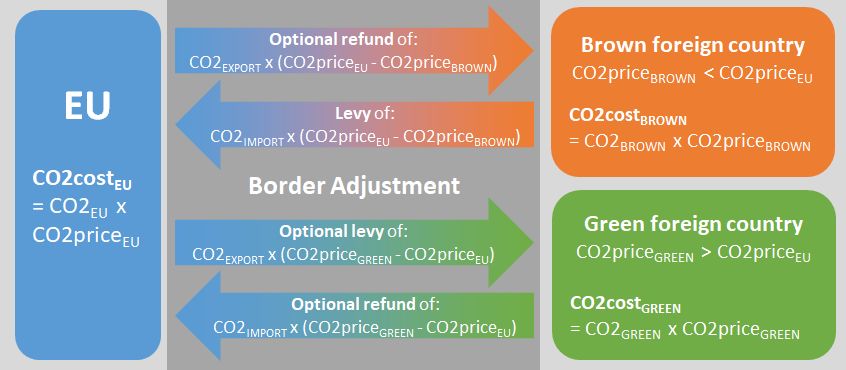
WHAT CHANGED, WHAT’S NEXT (2/2)
                              What was in line with                            What surprised                         What to expect next (2021 and
                                 expectations                                                                                   beyond)
 Global prices        Disinflationary pressures confirmed due to      Record high levels in gold price during      +0.3% inflation in 2020 in EZ and +1.1% in the
                      temp. factors (tax cuts, delayed summer         summer suggest increased worries             US; progressive reflation in 2021 (+0.9% and
                      sales), negative output gaps + falling money    about stagflation. Markets are actually      +1.6% respectively). Expect >2% US inflation
                      velocity.                                       ambivalent about the long-term inflation     from 2022. Higher inflationary pressures in EM
                                                                      outlook       (fixed income      pricing     starting end-2021. Oil prices up at 51 bbl/USD
                                                                      stagflation).                                2021.
 Monetary             Global liquidity reached record high levels     Fed introduced new monetary policy           Fed QE tapering in late 2022. No rate hike by
 policy               during summer, but transmission is not          target=> comfortable with temporary          Fed before Q3 2023. ECB is likely to announce
                      efficient given the lack of confidence of the   inflation overshoot; no normalization        EUR500bn in QE in Dec. 2020. BoE likely to
                      private sector                                  before unemployment reaches 4 to 5%          increase QE size by GBP100bn in 2021.
 Fiscal policy        Large phase II fiscal stimulus packages have    Some countries continued to lag in           Size + spending calendar of stimulus matter for
                      been announced, notably in Europe, along        terms of size of stimulus (Spain, Italy,     countries. Focusing on supply = more time
                      with the reduction in relief measures           UK). Higher risks of a fiscal cliff in the   before reaching pre-crisis levels.
                                                                      US.                                          Fiscal consolidation efforts will start in EM in
                                                                                                                   2022 as debt sustainability worries increase.
 Currencies and       Depreciations in EM currencies eased during     Stronger than expected EUR                   Moderate depreciation of the USD: -2.5% in 2021
 capital flows to     summer. Negative real rates continues to                                                     (1.22) followed by an appreciation +3% end-2022
                      support risk appetite. Weaker EM (TRY,                                                       (1.18). As long as USD depreciates, positive
 EM
                      ZAF) still on watchlist.                                                                     capital flows in the EM.

 Financial            It can still get worse before it gets better.   Technology sector driven equity market       Equity and Corp. markets set to remain under
 markets                                                              correction due to extreme options            pressure due to extreme valuations. Gvt bond
                                                                      market positioning.                          markets to remain anchored at low levels.

© Copyright Allianz                                                                                                                                                   3
GLOBAL OUTLOOK: LIVING
WITH UNCERTAINTY

01
© Copyright Allianz
COVID-19: LIVING WITH THE VIRUS AND 194 STOP-
AND-GO STRATEGIES
Daily number of new Covid-19 cases Global stringency indices Stringency index
(weighted by GDP and travel services 100 = maximum stringency/lockdowns, 0 = no distancing
100 000 Europe
imports)
Africa 80.0 • Starting from Q3 2020 and until Q4 2021, no
2.5
Middle-East sanitary “normalization” but a stop-and-go
70.0
APAC (excluding India) strategy on distancing measures, alternating
2.0 60.0 between
North America
1. Targeted lockdowns (Spain, Israel)
Latin America 50.0
50 000 1.5 or more stringent distancing
India 40.0 measures (UK, France, US...) every
time cases rise
1.0 International travel 30.0
2. Relaxed measures every time cases
restrictions (lhs)
20.0 are controlled again
0.5 Overall stringency
index (rhs) 10.0 Hiccups in economic activity due to alternation of
0 higher and lower stringencies of sanitary
0.0 0.0
01/20 03/20 05/20 07/20 restrictions
01-20 03-20 05-20 07-20
Sources: John Hopkins University, Allianz Research Sources: Oxford University, Allianz Research • Stringency indices to end 2021 between 10
and 20 in most countries, levels similar to the
Waves of reinfections to be increasingly Reinfections will push for a stop-and-go start of the sanitary crisis
more visible in countries which relaxed strategy. International travel to remain
sanitary restrictions: after Europe, Africa restricted until 2022 when we expect • Return to ~0 stringency by end of Q1 2022
after a 6-months vaccination campaign
+ Latin America should follow. APAC to the end of the sanitary crisis
starting in Q4 2021
remain
© under control.
Copyright Allianz 5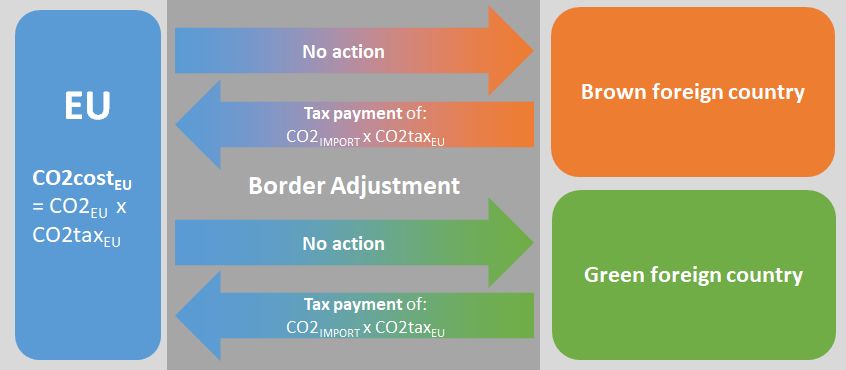
COVID-19 TWILIGHT ZONE: DIVERGING WHILE
PLATEAUING
           Daily activity index (mobility, jobs and retail)                   70
                                                                                                              Manufacturing PMI
                                                                              65
   120
                                                                              60
                                                                              55
   100
                                                                              50
    80
                                                                              45
                                                                              40
    60
                                                                              35
                                                                              30

                                                                                    09/18

                                                                                            11/18

                                                                                                    01/19

                                                                                                            03/19

                                                                                                                    05/19

                                                                                                                            07/19

                                                                                                                                    09/19

                                                                                                                                            11/19

                                                                                                                                                    01/20

                                                                                                                                                            03/20

                                                                                                                                                                    05/20

                                                                                                                                                                            07/20
    40
                                                   US               China
                                                   Germany          France
    20                                             Italy            Spain
                                                                                             United States                    Germany                           Italy
                                                   UK               Brazil
                                                                                             UK                               Mexico                            China
                                                   Mexico
     0
     Jan-20   Feb-20   Mar-20   Apr-20   May-20   Jun-20   Jul-20   Aug-20
                                                                                             France                           Spain                             Brazil

  Sources: Bloomberg, Allianz Research                                       Sources: Markit, Allianz Research

We see the recovery in daily activity rates plateauing in                     Activity expectations in the manufacturing sector are
most countries and even changing course in Spain, in                          likely to plateau at current levels post-summer catch-
line with stringency indices stabilizing and new                              up effects. In countries where sanitary restrictions
outbreaks
© Copyright Allianz
                                                                              tightened (Spain, France), the index is back in                                                       6
                                                                              contractionary territory
COVID19+: POLITICAL RISK IS BACK LIKE A
Key Summits
BOOMERANG Brexit: 55% probability for a very last minute
agreement with FTA implementation by mid-
2021
G20: November 21-22, 2020
Elections in Europe
45% probability for a no deal with early Sept/Oct 2021: Germany (CDU/Greens coalition expected to win with higher
elections and a comeback to the negotiating public investment for greening the economy)
table in 2021 Sep 2021: Russia Duma (United Russia expected to win). Tensions with US
on the rise
Oct 2021: Czechia (ANO expected to win without a majority)
Nov 2021: Bulgaria (GERB expected to win)
Asia-Pacific (geo)political risks to watch
Hong Kong: legislative council election postponed by one
U.S.-China tensionstensions year to September 2021. New protests are possible.
China/US Taiwan: cross-strait relations still tense, with possible
Technology cold war to intensify interventionism of the U.S.
whatever the outcome of US Japan: potential snap elections in Q4 2020.
elections Thailand: anti-government protests to be closely monitored
India: potential boomerang effect related to the Citizenship
Amendment Act.
November 03, 2020 China: long-term trend of isolation of China on the
US presidential election international stage could continue. Australia, India, Japan
Predicted outcome: and Taiwan have been putting policies in place.
55% Democrats win Other elections: New Zealand (Oct 2020), Myanmar (Nov
45% Republicans win 2020), Vietnam (May 2021)
High probability of a close race with
disputed result leading to high market’s
Elections in Africa
volatility and Supreme Court’s final say
Oct 2020: Morocco (PJD expected status-quo with
poor majority and delayed entry into office) Middle East main tension points
Oct 2020: Ivory Coast (Ouattara expected to be re- Large scale anti-government protests in Lebanon, Iraq and Iran
elected but with political instability) - Iran: impact of US withdrawal from JCPOA and new US sanctions, as
Latin America unrests Nov 2020: Burkina Faso (Kaboré expected to be re- well as potential counter measures. Parliamentary election in February
- Brazil: October 2020 local elections (challenging for elected but with period of political paralysis) as a potential source of geopolitical tension
Bolsonaro’s new party), risk of social tensions with Nov 2020: Egypt (status quo to be expected) - Lebanon: political uncertainties and potential new proxy war between
public sector reform Mali: Ghana (either incumbent Nana Akufo-Addo or Saudi and Iran
former president John Mahama to win) - Yemen: Sunni v. Shia
Other Elections : Tanzania, Liberia, Central African - Saudi vs. Iran, incl. Straits of Hormuz, revisited
Republic, Seychelles, Guinea, Somalia, Chad, lybia, - Qatar vs. Saudi Arabia, UAE, Bahrain, Egypt (blockade)
Soudan, Niger - Israel: impact of Jerusalem recognition by the US
Tunisia: new government formation may create - Turkey: Tensions with Greece
instability
© Copyright Allianz 7
Source: Euler Hermes, Allianz ResearchMONETARY POLICY: LOWER-FOR-MUCH-LONGER,
WATCH CURRENCY CONSEQUENCES
Central Banks Balance Sheets (% of GDP) Key interest rates vs 10-year yields EUR to USD
Sources: national sources, Allianz Research Sources: national sources, Allianz Research Sources: Refinitiv, Allianz Research
Global liquidity is at a record high level and should continue to We expect a start of tightening in monetary and financial
increase. The ECB is expected to announce EUR500bn conditions in 2022, as markets anticipate the Fed will
additional QE purchases in December. The Fed is likely to hike interest rates in H2 2023. We expect the USD to
continue to expand its balance sheet to USD7.7tn end of 2021, depreciate by -2.5% in 2021 (to 1.22) followed by an
before
© Copyrighta progressive tapering starting in H2 2022.
Allianz appreciation of +3.0% in 2022 (1.18) 8FISCAL POLICY: MORE THAN A QUICK FIX BUT
BEWARE OF EXECUTION RISKS
Expected impact on GDP growth from fiscal stimulus Distribution of average interest paid on debt (% of total
packages, pp countries, advanced economies)
4.5 100
4.0
3.5 80
3.0
2.5
2.0 60
1.5
1.0 40
0.5
0.0 20
France
US
Germany
UK
Italy
Spain
China
0
00 01 02 03 04 05 06 07 08 09 10 11 12 13 14 15 16 17 18 19
2020 2021 2022 0–2% 2–5% >5%
Sources: national sources, Allianz Research Sources: national sources, Allianz Research
Spending paths matter even more than size: supply side stimulus packages (e.g. France) will need more time to see positive
impact on growth (vs. Germany, UK which focused on short-term measures). China will focus on avoiding excessive private
debt while the US should push public debt into new highs post elections. Fiscal status quo in Germany post 2021 elections.
Risks to the implementation of the EU Recovery Fund by mid-2021 remain high. Debt sustainability insured by prolonged
accommodative
© Copyright Allianz monetary policies and longer average-time to maturities. 9FORECASTS: THE LAST MILE IS THE HARDEST
Real GDP, Q4 2019 = 100 Real GDP growth forecasts, %
2017 2018 2019 2020 2021
110
World GDP growth 3.3 3.1 2.5 -4.7 4.6
105 United States 2.4 2.9 2.3 -5.3 3.7
Latin America 1.0 1.0 0.1 -7.9 3.3
100 Brazil 1.3 1.3 1.1 -6.5 2.5
United Kingdom 1.8 1.3 1.5 -11.8 2.5
95 Eurozone members 2.7 1.9 1.3 -7.9 4.8
Germany 2.8 1.5 0.6 -6.0 3.5
90 United States France 2.4 1.8 1.5 -9.8 6.9
Italy 1.7 0.7 0.3 -10.1 4.2
Eurozone
Spain 2.9 2.4 2.0 -11.8 6.4
85 China
pre-Covid-19 World GDP path Russia 1.8 2.5 1.3 -5.1 2.9
Turkey 7.5 3.0 0.9 -4.7 4.0
80
Asia-Pacific 5.2 4.7 4.2 -1.5 6.2
2019-10
2019-12
2020-02
2020-04
2020-06
2020-08
2020-10
2020-12
2021-02
2021-04
2021-06
2021-08
2021-10
China 6.9 6.7 6.1 2.0 8.4
Japan 2.2 0.3 0.7 -5.5 2.5
India 7.0 6.1 4.2 -7.2 6.5
Sources: national sources, Allianz Research Middle East 1.4 0.9 0.3 -7.1 2.3
Saudi Arabia -0.7 2.4 0.3 -5.1 2.0
China should continue to lead the way in the recovery
Africa 3.1 2.7 1.9 -4.3 3.4
while the US should reach its pre-crisis GDP levels South Africa 1.4 0.8 0.3 -8.2 2.7
end-2021. Europe will remain the laggard until 2022 * Weights in glob al GDP at market price, 2019
even if divergence prevails (Germany and the NB: fiscal year for India
Netherlands
© Copyright Allianz recover faster than Spain, Italy, UK) Sources: national sources, Allianz Research 10FISCAL IMPULSE: FOR CONSUMERS OR VOTERS?
Policy interventions to protect household purchasing power (in red countries with elections in 2020-21)
AUS BEL DEU PER CHL ISR FRA GBR ITA
Expansionary monetary policy
Temporary debt relief
Targeted interventions
Expansion of existing programmes
Wage subsidies
Temporary tax relief
BRA IND PHI SWE HUN JPN S-KR NTL USA
Expansionary monetary policy
Temporary debt relief
Targeted interventions
Expansion of existing programmes
Wage subsidies
Temporary tax relief
Sources BIS, IMF Policy Tracker, Allianz Research
© Copyright Allianz 11INVESTMENT: WITHOUT CONFIDENCE, CASH AND
DEBT MAY PILE UP - FOR NOTHING
Non-financial corporations’ Credits (y/y) – Deposits (y/y) Unemployment rate, %
gross operating surplus, q/q*
15% 14.0 2019 2020 2021
30 Eurozone US 12.5
UK China 12.0
20 10%
10 5% 10.0
8.5
0 8.0
0% 6.5
5.8
-10 6.0
-5% 4.2
-20 4.0
-30 -10%
2.0
01/07
02/08
03/09
04/10
05/11
06/12
07/13
08/14
09/15
10/16
11/17
12/18
01/20
-15%
0.0
France
UK
US
Germany
China
US China UK -20%
01/04
02/05
03/06
04/07
05/08
06/09
07/10
08/11
09/12
10/13
11/14
12/15
01/17
02/18
03/19
04/20
France Germany
Sources: Macrobond, Allianz Research; *for China: industrial profits Sources: Macrobond, Allianz Research Sources: Markit, Caixin, Allianz Research
The Covid-19 profitability shock will Cash hoarding from the private sector is Deteriorating labor markets will
weigh on companies’ investment future a sign of lack of confidence and continue to weigh on consumers
intentions, notably as a majority of suggests a difficult start for a new confidence and keep precautionary
State support schemes arrive at investment cycle savings high
maturity end of 2020
© Copyright Allianz 12INSOLVENCIES: +31% BY END-2021 AS TEMPORARY
SUPPORT SCHEMES END
Insolvency figures and forecasts EH Global Insolvency Index (yearly changes in %)
(selected countries) and contribution of regional indices
2020 Forecasts
Last point 3m y/y Ytd y/y 2020 2021 2020 y/y 2021 y/y 2021/2019
U.S. June -11% -3% 31 500 37 500 39% 19% 65%
Canada July -26% -30% 2 850 3 450 4% 21% 26%
Brazil June -26% -16% 3 450 3 800 20% 10% 32%
Germany June -9% -6% 19 350 20 850 3% 8% 11%
France August -37% -36% 46 800 62 000 -9% 32% 21%
United Kingdom June -31% -20% 22 929 30 072 4% 31% 36%
Italy 11 660 14 039 6% 20% 28%
Spain August 13% -1% 4 600 5 600 11% 22% 35%
The Netherlands August -23% -7% 4 000 5 000 5% 25% 32%
Russia June -25% -4% 13 800 14 500 18% 5% 23%
Turkey July 8% 4% 17 200 18 400 22% 7% 31%
Poland July 32% 3% 1 100 1 210 13% 10% 24%
South Africa July -7% -20% 2 280 2 450 12% 7% 20%
Morocco June -87% -38% 8 861 10 456 5% 18% 24%
China August 1% 7% 13 500 14 700 14% 9% 24%
Japan August 1% 0% 8 600 9 400 3% 9% 12%
India June -75% -25% 750 2 100 -60% 180% 11%
Australia July -51% -34% 6 150 7 150 -4% 16% 12%
South Korea August -34% -41% 400 470 -3% 18% 14%
GLOBAL INDEX 10% 19% 31%
Sources: Euler Hermes, Allianz Research Sources: Euler Hermes, Allianz Research
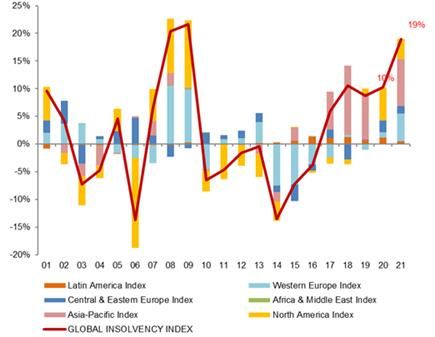
Our EH Global insolvency index posted a -13% y/y decline in The ending of temporary factors will lead to a trend
Q2 and -7% y/y for H1. This drop in official registrations of reversal starting end of Q3 or Q4 depending on countries
insolvencies continued in most countries during the summer, and accelerating in H1 2021. Our global insolvency index
due to (i) policy measures designed to avoid liquidity and (ii) would surge by +31% by end of 2021, with all regions
changes in insolvency frameworks designed to give time and contributing to the rise. Should the recovery switch to L-
flexibility to companies before they resort to filing for shape the rises will be +50 to +60pp higher.
© Copyright Allianz 13
bankruptcy.TRADE: RECOVERY FOR TRADE IN GOODS, BUT
REMEMBER IT’S A SERVICE CRISIS
Global merchandise trade in volume (100 = Consumption components (% total, Europe) Global trade growth, in volume terms and
Sept. 2008 and 100 = Feb. 2020) value (%, y/y)
105 15%
Volume Price 13.0%
10.2%
September 2008 / 10% 4.0%
3.3% 9.7% 5.0%
100 February 2020
5% 2.8%1.9%3.0%
2.5% 7.0%
5.6% 4.3% 1.3% 3.5%
95 0%
June 2020 -2.0%
-5% -1.6%
90
-13.0%
-10% -10.8%
85
May 2020 May 2009 -15%
-16.0%
80 -20%
1 6 11 16 21 26 31
2020 2008-2009 -25%
13 14 15 16 17 18 19e 20f 21f 22f
Sources: CPB, Kiel, Allianz Research Sources: Refinitiv, Allianz Research Sources: Bloomberg, Euler Hermes, Allianz Research
Rebound is stronger than 2009. Yet Recession victims (cyclical durables, Trade should contract -13% in 2020 (vs
transport & travel services will only clothing & footwear etc.) are joined by -15% previously). Oil + commodity price
recover in 2023 (2022 for goods).: “social expenditure” (transportation, shock = negative price effect in 2020.
Reduced US - China uncertainty, restaurants & hotels, recreation & culture 2021 = return to 51 after ~44 in 2020, +
some
© reshoring but no full de-
Copyright Allianz services) which makes up 23% of private lower USD boosting value of trade. 14
globalization. consumption.GLOBALIZATION: NOT IMMUNE TO COVID19
Number of investment projects*/M&A, growth, monthly Potential trajectories for international production and
average, Q2 2020 vs. all 2019 global trade
Textiles, clothing and leather -54 -24 RE- DIVERSIFICATION REGIONALIZA REPLICAT
Pharmaceuticals -51 13 SHORING TION ION
Accommodation and food services -49 -11
IMPACT ON Shorter, less Continued fragmentation of Shorter physical Much shorter
Motor vehicles, transport equipment -41 -25
INTERNATIONAL fragmented value supply chains. supply chains, but and less
Basic materials -38 -18 chains. not less fragmented. fragmented
PRODUCTION Increased platform-based
Trade -33 -11 value chains,
Rebundling of supply chain governance Decentralized
Computer, electronic, and electrical… -40 -31
supply chain governance, Higher
-9 + concentrated VA
Primary -29 Crossborder outsourcing geographical
+ concentrated VA Increased offshoring and
Machinery and equipment -28
-26 M&A deals distribution of
Less offshoring/ outsourcing of services. More geographically
Transportation and storage -25 -18 distributed value activities, but +
outsourcing concentrated
Information and communication -29 -22 added.
-35 VA.
Food, beverages and tobacco -21
Business activities -20 -12 Greenfield + outsourcing
Construction -20-17 projects SECTORS THAT High technology Medium-low technology Extractive industries, Global hub and
Financial and insurance activities -33 -17 WOULD BENEFIT intensity intensity (textiles and agro-based spokes
Electricity, gas, water and waste mgmt -25 2 THE MOST (automotive, apparel) (pharmaceutica
High technology
machinery and Financial services, business intensity ls)
-60 -50 -40 -30 -20 -10 0 10 20
equipment, services
Sources: UNCTAD, Allianz Research electronics) Regional processing
*With greenfield investing, a company will build its own, brand new facilities from the (food and beverage,
Wholesale and chemicals
ground up. Different from brownfield investment happens when a company purchases retail trade,
or leases an existing facility transportation and
logistics
# of announced greenfield projects and cross-border
M&As have seen a sharp decline. While some sectors
Sources: UNCTAD, Allianz Research
could benefit from “reshoring”, others could win from
© Copyright Allianz 15
diversification or regionalization.SCARRING EFFECTS: 2021 INITIAL CONDITIONS ARE
DIFFERENT
Strong state, redux Cold war, reloaded Zero interest rates, for longer
State everywhere in life of business: • Geopolitical rivalry between China Monetary policy as backstop for
• More public-private partnerships and the US has increased banana markets and excessive risk-
• Assertive and interventionist taking by debtors and investors
governments and regulators, also • Weaponizing of technology, trade,
in social security currencies, payments etc. • New wealth inequalities (access to
• Fiscal politics: threat of • EU alone in pursuit of principled property, savings opportunities)
zombification recovery (green, equitable) • Faustian fiscal-monetary bargain
Agility+ Consuming (risks) differently Work from home anyone?
Record-fast adaption to lockdowns More demand for risk cover, including Lockdowns have changed the way
unleashed new pioneering spirit tail risks but unsure about price of risk we work for good
• Change becomes much faster, • Different consumption patterns and • More flexible and innovative team
including digital leapfrogging Covid19-induced behaviors in structures
• Reset mentality v. sticky services • Risks to commercial real estate
economics • Climate risk sensitivity up and productivity
© Copyright Allianz 30-Sep-20 16CAPITAL MARKETS: IS THERE A PRICE? 02 © Copyright Allianz
CAPITAL MARKETS: NOT THE TIME TO TAKE RISKS
1.   There is greater economic uncertainty than at the beginning of the year
                                                                                                    year-end figures                        Latest Value        Unit     2020        2021
     despite the current monetary and fiscal policy mix.
2.   There is more geopolitical risks than at the beginning of the year.             Eurozone
                                                                                     Sovereign Rates
3.   Valuations are tighter than at the beginning of the year.
                                                                                     10y yield “risk-free” sovereign (Bunds)                     -0.5            %       -0.5        -0.3
Sovereign Rates                                                                      10y Swap Rate                                               -0.2            %        0.0         0.3
With the short-end of most developed countries’ yield curves anchored by             Italy - Germany spread (10y)                                148            bps    175 (220)   160 (170)
their respective central banks, we expect a timid curve steepening towards           France - Germany spread (10y)                                27            bps     40 (90)     30 (40)
                                                                                     Spain - Germany spread (10y)                                 75            bps    90 (110)     80 (70)
the end of 2020 and 2021. This gradual increase in term premium will occur
                                                                                     Corporate Credit Spreads
on the back of higher inflation expectations and a halt in the recent decline
                                                                                     Investment grade credit spreads                             113            bps      180         150
of real yields.
                                                                                     High yield credit spreads                                   438            bps      750         600
On the other hand, long-term emerging market sovereign spreads look                  Equities
overbought. The combination of this extreme bullish positioning and the              MSCI EMU: total return p.a                                   -9             %       -22          10
current market fragility is a perfect combination for EM assets to become a
                                                                                     United States
victim of a second “risk-off” rotation in the wake of a second risky-assets
                                                                                     Sovereign Rates
market correction.
                                                                                     10y yield “risk-free” sovereign (Treasuries)                 0.7            %        1.0        1.4
Corporate Credit                                                                     Corporate Credit Spreads
                                                                                     Investment grade credit spreads                             136            bps      230         180
As of today, both investment grade and high yield corporate spreads look
                                                                                     High yield credit spreads                                   514            bps      800         650
too tight. Corporate credit markets remain detached from fundamentals on
                                                                                     Equities
the back of the central banks’ perpetual put option. We expect corporate
                                                                                     MSCI USA: total return p.a. in USD                            3             %       -20          15
spreads to converge towards higher values on the back of higher than                 Emerging Markets
expected market volatility and defaults.                                             Sovereign Rates
                                                                                     Hard Currency Spread (USD)                                  341            bps      450         370
Equities                                                                             Equities
                                                                                     MSCI EM: total return p.a. in USD                            -4             %       -24          20
Due to the persistent detachment from its fundamental determinants, the
recent global equity market rally is hardly justifiable. Because of that, we still       * Old forecasts in parenthesis
expect EQ market to underperform in 2020 and to start a muted rally in                   ** We have reviewed our EUR spreads down
   © Copyright Allianz                                                                   as the ECB impact on peripheral spreads was larger than anticipated.                               18
2021.
BOND MARKETS: PRICING STAGFLATION!
US – 10y Nominal Yield Breakdown EMU – 10y Nominal Yield Breakdown
5% 10Y market inflation expectations 2%
Real 10y UST yield
4% Nominal 10Y UST yield
1%
3%
2%
0%
1%
0%
-1%
Real 10Y EUR Swap
-1%
10Y market inflation expectations
-2% Nominal 10Y EUR Swap
-2%
2015 2016 2017 2018 2019 2020 2014 2015 2016 2017 2018 2019 2020
Source: Refinitiv, Allianz Research Sources: Refinitiv, Allianz Research
Despite the recent repricing of long-term inflation expectations, As in the US, long-term inflation expectations in the EMU
nominal yields have barely bulged thanks to a fall in real yields. have been rising while real yields remain at historical lows.
To put current levels into perspective, at -1.1% real yields, are All in all, US and EUR government bond markets are
now at the lowest point in recorded history. The current bearish unwilling to believe in a rapid economic recovery scenario
growth positioning within the US government bond market and are rather positioned for a stagflation scenario.
contrasts with the recent equity market exuberance, fuelling
doubts about the short- to mid-term equity market rally
sustainability.
© Copyright Allianz 19INFLATION EXPECTATIONS: BACK TO SQUARE ONE!
US – 10y Market-based Inflation Expectations EMU – 10y Market-based Inflation Expectations
% %
3.0 3.0
2.5 2.5
2.0 2.0
1.5 1.5
1.0 1.0
10-Year US TIPS breakeven inflation rate 10-Year EUR breakeven inflation rate
In sample estimation In sample estimation
0.5 0.5
Out-of-sample forecast Out-of-sample forecast
+/- 1 std-deviation +/- 1 std-deviation
0.0 0.0
2004 2006 2008 2010 2012 2014 2016 2018 2020 2008 2010 2012 2014 2016 2018 2020
Source: Refinitiv, Allianz Research Sources: Refinitiv, Allianz Research
The recent in crease in Oil and employment has led US In contrast to the US case, EUR long-term inflation
long-term inflation expectations to follow a V-shaped expectations are nowhere near their “fair value”, as
trajectory around their March low. Since the trough, inflation monetary stimulus has not convinced market participants.
expectations are on an upward trajectory exacerbated by the According to our model, EUR inflation expectations could
recent Fed’s decision to target an average inflation rate of still move closer to 1.5% in the near future, but any
2%, (i.e. allowing some overshooting above 2%). According overshoot beyond that level would not be sustainable.
to our “fair value” estimation, inflation expectations are
unlikely to substantially overshoot the 2% upper limit.
© Copyright Allianz 20PRICES: DISINFLATION BEFORE MODERATE AND
TEMPORARY OVERSHOOT STARTING IN 2022
Inflation rates, % Correlation between US inflation rates and equity
2020 2021 2022 2023
Eurozone
Central 0.3 0.9 1.2 1.4
scenario
Protracted -0.1 -1.5 -1.2 -1.1
crisis
United States
Central 1.1 1.6 2.1 2.7
scenario
Protracted 0.5 -0.4 0/7 0.7
crisis
Sources: Allianz Research Sources: Allianz Research
In the short-term we expect disinflationary pressures to Historically, US inflation levels persistently higher
prevail as supply recovers faster than demand. A than 3% or lower than 0% tend to go in sync with a
temporary and moderate overshoot is expected in the substantial equity market correction.
US as soon as mid-2022 as the economy returns to pre-
crisis levels
© Copyright Allianz end-2021 21INVESTMENT POSITIONING: WHERE ARE THE BULLS?
US – Mutual Funds & ETF Weekly Investment Flows EMU – Mutual Funds & ETF Weekly Investment Flows
USD Bn 100 = 31.12.2019
100 = 31.12.2019
USD Bn
300 110 150 110
250 105 100
200 100
100
150 50
95
100 0 90
90
50 -50
85 80
0
80 -100
-50 70
-100 75 -150
-150 70 -200 60
Dec-19 Feb-20 Apr-20 Jun-20 Aug-20 Dec-19 Feb-20 Apr-20 Jun-20 Aug-20
Equity Bond Equity Bond
Money Market Mixed Assets Money Market Mixed Assets
Others S&P500 (RHS) Others Stoxx 600 (RHS)
Bond Index (RHS) Money Market Index (RHS) Bond Index (RHS) Money Market Index (RHS)
Source: Refinitiv, Allianz Research Sources: Refinitiv, Allianz Research
The recent US equity market frothiness is relatively hard to Differently, the Eurozone equity market does not show any
explain as both mutual fund and ETF flows show persistent signs of market exuberance (yet) as most EUR equity
transfers from Equity funds towards Fixed Income and indices have settled around -10%ytd. Nevertheless, looking
Money Market funds. This is a symptom of the current at fund flow data, one can see a small acceleration in the
market fragility as structural long-term investors seem inflows into EUR EQ funds, with Germany and France
unwilling to participate in the market, thus leaving the floor to leading the pack.
© Copyright Allianz 22
stock pickers and option traders.CORPORATE CREDIT: HARD TO KEEP A PROMISE
US – Fed Corporate Purchases US IG Issuance – Use of Proceeds
50 Commercial Paper 1400 100%
Corporate Credit 17%
45 27% 27% 24% 24%
Investment Grade Spread (RHS) 1200 30% 30%
80% 38% 42%
40 High Yield Spread (RHS)
25%
35 1000 14% 13% 22%
11% 25%
60% 17%
30 19% 7%
800
25
40%
600 49%
20 56% 56% 54% 46%
50% 48% 48%
15 40%
400 20%
10
200 5% 5% 9% 4% 7%
5 0% 3% 3% 3% 3%
2012 2023 2014 2015 2016 2017 2018 2019 2020
0 0
Dec-19 Feb-20 Apr-20 Jun-20 Aug-20 Recapitalization General Corporate Purpose
Acquisition-related Refinancing
Source: Refinitiv, Allianz Research Sources: S&P, Morgan Stanley, Allianz Research
Since April, the US Federal Reserve has bought up to ~45Bn The $1.919tn Us corporate credit issuance in the first 9
worth of corporate credit. However, since the beginning of July, months of 2020 has already surpassed the historical record
the Fed has significantly reduced its weekly purchases as credit of $1.916tn set during the 12 months of 2017. Interestingly,
markets are once again extremely tight. Yet, credit markets most of that fresh money will most likely not be invested into
spreads have not reversed back to pre-Covid19 levels and remain the issuing companies as 42% of all new issuances are
10 to 20% above pre-pandemic levels. expected to be dedicated to debt refinancing purposes.
© Copyright Allianz 23EQUITY: TECH DOMINANT CLUSTER
US EQ – Sector Weightings 30% EMU EQ – Sector Weightings
35%
25%
30%
25% 20%
20%
15%
15%
10%
10%
5% 5%
0% 0%
1975 1980 1985 1990 1995 2000 2005 2010 2015 2020 1975 1980 1985 1990 1995 2000 2005 2010 2015 2020
Recession Technology Recession Technology
Health Care Financials Telecom Health Care
Industrials Ind. Goods & Svs Financials Insurance
Energy Consumer Staples
Source: Refinitiv, Allianz Research (Only sectors with +10% weight*) Source: Refinitiv, Allianz Research (Only sectors with +5% weight)
Historically, each financial cycle has been led by a limited group of In the case of the Eurozone, the Equity market has been
companies usually clustered around one industry group / economic permanently dominated, in terms of weight, by the financial
sector. These days, the technology sector accounts for more than sector. Nevertheless, this dominance is starting to be
25% of the US EQ market capitalization** . Additionally, the questioned by the technology and health care sector, as their
concentration risk is higher since, not only the sector accounts for respective weights within the market have increased since the
more than one fourth of the index, but the number of companies 2008 Great Financial Crisis.
within the sector itself has been reduced by 20 to 40% since the * Sudden jumps in weightings are due to sector reclassification.
© Copyright Allianz 24
Dot-com bubble. ** Weights are based on the Datastream-Refinitiv Equity sector indices.EQUITY EXUBERANCE: HIGH EXPECTATIONS!
Apple – Return expectations Market Expectations
Relevant past data for
90 1 000.00 current return
Expected annual rate of return determination
80 02.09.2020 Price (%) (in years)
70 100.00
60 Alphabet-Google 1,717.39 21.5 3.62
Amazon 3,531.45 56.0 1.66
Log scale
50 10.00
Apple 131.40 56.7 1.58
40 Bitcoin 11,398.44 46.1 1.79
30 1.00 Oil Brent 44.51 -0.8 24.21
20 Facebook 302.50 20.9 3.64
10 0.10 Gold 1,940.23 7.6 7.27
Microsoft 231.65 33.3 2.50
0
Netflix 552.84 46.7 1.86
-10 0.01 Tesla 447.37 228.2 0.60
1980 1985 1990 1995 2000 2005 2010 2015 2020 TRY to 1 USD 7.38 18.4 3.92
Apple-Perceived return at annual rate in % (L.H.S)
Zoom Video Comm. 423.56 38.7 1.97
Apple (R.H.S)
Source: Refinitiv, Allianz Research Sources: Allianz Research
The equity market is falling prey to a positive feedback loop As this expectation disproportionately depends on recent price
whereby rising equity prices increase the demand for movements (the ones observed during only the last 1.6 years), it is
equities, which in turn fosters further rises in prices. We inherently unstable. Furthermore, as the Apple stock is already trading at
estimate, for example, that the recent performance of Apple a multiple of 40, little appreciation is to be expected from further PE
leads market participants to expect a 56.7% annual return expansion; EPS growth will be the main driver of its future return, but a
from Apple. In the past, this perceived return has been 50%+ earnings growth looks ambitious and unsustainable.
higher in only 1.2% of observations (i.e. 6 days out of 500).
© Copyright Allianz 25THE U.S. PIVOT, CHINA RELOADED, AND THE ALMOST UNITED STATES OF EUROPE 03 © Copyright Allianz
US ELECTIONS: 4 SCENARIOS
   Scenario                     Biden large victory                      Biden short/contested victory                     Trump short/contested victory                                Trump large victory
  Probability                              20%                                             38%                                                   32%                                                10%
                       •    President Trump cannot claim there       •    President Trump victory claim before full  •     Biden refuses verdict – argues for Russia              •   Biden cannot advocate for fraud.
                            was fraud.                                    counting of ballots                              interferences, potential voting fraud, institutional   •   Whole congress turns Republican.
                       •    Democrat majority in congress.           •    Fraud claim after Biden’s victory official       pressures, voter suppression
  Scenario             •    Rapid voting of a USD 2.7 trillion       •    Possible validation from the supreme court •     No clear majority in the Congress. Democrat
 description                package (net) over next 10yr                  1 to 2 months after election                     house, Republican Senate
                                                                     •    Negotiation blockade on budget in the      •     Validation from the supreme court 1 to 2 months
                                                                          Congress maintains a possibility of              after the election possible.
                                                                          shutdown until Q2 2021.

                       •    New investment cycle with big            •    Less ambitious program. Consensus on         •   Supply-side policy, extended tax cuts for              •   Tax cuts, new protectionist measures,
                            infrastructure projects and                   Infrastructure projects but lower re-            individuals, Smaller size Infrastructure project.          bipartisan adoption of infrastructure
                            redistributive policies.                      distribution in favor of households, not         Uncertainty on external policy, perspective of             program, but less extensive than
                       •    Decline of unemployment rate at 5.5%          fulfilling half the promise of increasing        harsher tone on China and re-shoring weighs on             Biden because of less ambitious green
  Economic                  by the end of 2022 (8.4% today).              corporate tax rate from 21% to 28%               the investment cycle despite tax cut                       plan, early implementation of other
   impact              •    US GDP growth at -5.3% in 2020,          •    US GDP growth comes at -5.3% in 2020;            announcements.                                             spending cuts.
                            +4.2% in 2021 and +3.0% in 2022               +3.7% in 2021 and +2.5% in 2022              •   Bold moves on the external side (tech cold war,        •   US GDP growth comes at -5.3% in
                                                                                                                           tariffs, & sanctions on US companies located               2020, 2.7% in 2021, 1.8% in 2022
                                                                                                                           abroad) penalizes growth (-5.3% in 2020; +1.7%
                                                                                                                           in 2021 and +1.2% in 2022)

                       •    FED balance sheet levels off as early    •    FED balance sheet increases until end-Q2     •   FED balance sheet increase until end Q3 2021,          •   FED balance sheet levels off in Q2
                            as Q1 2021 after a steady increase            2021 (to alleviate significant amount of         then levels off. Political uncertainty is as high as       2021 after a steady increase since Q4
FED response                since Q4 2020.                                uncertainty) then levels off.                    in the short Biden victory case.                           2020.
                       •    First rate hike as early as Q3 2022      •    First rate hike from Q3 2023 only.           •   First rate hike Q1 2024                                •   First rate hike Q4 2023

                       •    The dollar is set to depreciate versus   •    The dollar is set to depreciate versus the   •   The dollar is set to depreciate versus the EUR by •        The dollar is set to depreciate versus
                            the EUR by up to 2,5% within the next         EUR by up to 5% (~1.25) within the next          up to 7.5% within the next 12 months;                      the EUR by up to 10% within the next
     USD                    12 months;                                    12 months;                                   •   Then re-appreciates by 2-3% one year later                 12 months;
                       •    Then re-appreciates by 4-6% one year     •    Then re-appreciates by 2-3% one year                                                               •        Then re-appreciates by 4-6% one year
                            later                                         later                                                                                                       later
      File name | department | author
   10-year           • 1.25% at the end 2020; 1.8% at the
    © Copyright Allianz 30-Sep-20
                                                                     •    1% at the end 2020; 1.4% at the end of       •   1% at the end 2020; 1.4% at the end of 2021            •   1.15% at the end 2020; 1.6% at
                                                                                                                                                                                                                   27
                                                                                                                                                                                                                     the
Treasury yield            end of 2021                                     2021                                                                                                        end of 2021
US ELECTIONS: SMALLER GOV. VS. BIG SPENDING
U.S. public debt, % of GDP
TRUMP BIDEN
SPENDING, $bn (-2965) SPENDING, $bn (+6435.85) 155%
1275 Infrastructure 970 Infrastructure (not 145%
elsewhere)
-125 Higher education
2000 Climate change 135%
-280 Reform welfare
programs & increase 750 Student loans
parental leave 125%
1650 Health
-1550 Discretionary, non- 115%
defense 128.2 Schools
-400 Discretionary, 23.6 Defense 105%
defense 240.5 Public-private investment 19 20 21 22 23 24 25 26 27 28 29 30
-1630 Health 640 Housing plan Biden Trump CBO
-255 Other spending cuts 33.55 Other spending
President Trump’s intentions point Both candidates have no real
REVENUE, $bn (-1085) increases
towards a supply-side oriented intention to reduce the level of
-1370 Tax decrease REVENUE, $bn (+3686) policy. Joe Biden's economic public debt. We expect them to
3746 Tax increases platform gives more weight to make public debt significantly
185 Reduce tax incentives
& raise fees higher redistribution, but won't increase above 150% of GDP by
-60 Increase tax incentives
stand as the most leftist aspects 2030, which should cause a
of his entire platform. negative impact on growth
28
© Copyright Allianz potential.AVERAGE INFLATION TARGETING: BUYING TWO
YEARS FOR THE US ECONOMY
Average performance of the Fed in terms of inflation (%) Fed's Taylor function
Sources: Wall Street Journal, Euler Hermes, Allianz Research Sources: Euler Hermes, Allianz Research
Since adoption of its 2% inflation target, the Fed has For every quarter when 4-year average inflation is
constantly failed in reaching it. In order to be credible, below 2%, we incrementally rebalance the Taylor
the Fed had no choice than rebalancing in favor of its function in favor of job market stabilization. In this
full employment mandate. case, the first hike of the Fed is expected in Q3 2023
© Copyright Allianz only. 29CHINA’S RECOVERY: UNEVEN BUT RESILIENT
GDP growth (%) and contributions (pp) Activity indicators growth, %y/y Fiscal support & infrastructure investment
Net exports 35 35
14
Gross Capital Formation 110
Government Consumption 25
Private Consumption 25
GDP %y/y 60
8.4 15
9 15
10
5
5
2.0 (5) (40)
4
-5 Infrastructure investment,
(15) ytd %y/y (90)
Real industrial production %y/y
-15 (25) Local government (140)
Nominal urban fixed assets
-1 finances*, ytd %y/y, 4-
Investment YTD, %y/y
2020E
2021E
month lead (rhs)
2011
2012
2013
2014
2015
2016
2017
2018
2019
-25 Nominal retail sales %y/y (35) (190)
07 08 09 10 11 12 13 14 15 16 17 18 19 20 12 13 14 15 16 17 18 19 20 21
Sources: National sources, Euler Hermes, Allianz Research Sources: National sources, Euler Hermes, Allianz Research Sources: National sources, Euler Hermes, Allianz Research
After the initial Covid-19 related shock The recovery has been uneven so far, The recovery is mostly policy-driven,
in Q1, the Chinese economy has being largely driven by the production with in particular infrastructure and real
surprised on the upside – in part thanks side, against consumers still showing estate investment outperforming. We
to resilient exports. We expect the low confidence and a hit to disposable estimate fiscal support at 7.1% of GDP
recovery
© Copyright Allianzto extend into 2021. income. in 2020. We expect smaller but still 30
large support in 2021 (c.5.5%).CHINA’S POLICY EASING IS PEAKING
Private non-financial sector debt service Credit impulse & manufacturing PMI FX rates
ratio (%)
25 56 Official Manufacturing PMI 25 20
7.2
55 20 15
Credit impulse, 12-month
20 lead, rhs 7 10
54 15
6.8 5
53 10 0
15 Forecast 6.6
52 5 -5
6.4
10 -10
51 0
6.2 -15
China 50 -5
5 6 -20
U.S.
Japan 49 -10 11 12 13 14 15 16 17 18 19 20
Germany Spread (bp), rhs
0 48 -15 USDCNH rate
04 06 08 10 12 14 16 18 20 09 10 11 12 13 14 15 16 17 18 19 20 21 22 23 USDCNY central parity rate
Sources: BIS, Euler Hermes, Allianz Research Sources: National sources, Euler Hermes, Allianz Research Sources: Macrobond, Euler Hermes, Allianz Research
China’s debt service ratio had increased As the economic recovery is well In a context of China leading the global
rapidly following the GFC, before underway, the PBOC’s focus could recovery, and policy easing peaking, we
stabilizing from 2016 thanks to supply gradually turn to structural issues again. expect further room for appreciation for
side reforms. The Covid-19 crisis is We thus expect the peak of monetary the CNY vs. the USD, by c.3% over the
putting
© upside pressures on the ratio
Copyright Allianz easing to be reached in coming months. coming year (USDCNY towards 6.6). 31
again.BREXIT: A LAST-MINUTE COMPROMISE
Soft Brexit with very-last minute compromise and FTA Hard Brexit on Jan 1st, 2021 with likely comeback into
implementation by mid-2021 (55%) negotiations during 2021 after early elections (45%)
2020 2021 2020 2021
GDP growth, % -11.8 +2.5 -10.9 -4.8
Consumer spending, % -13.3 5.9 -12.0 0.7
Total investment, % -26.8 -15.1 -26.8 -25.8
Exports, % -13.7 1.8 -13.7 -13.0
Inflation 0.7 1.5 0.7 4.5
Unemployment rate 7.0 8.5 7.0 10.0
GBP/EUR, annual change -2.0 -3.0 -2.0 -10.0
Business insolvencies, % 4.0 31.0 4.0 53.0
Monetary policy QE increased by 5% of GDP (around GBP100bn) and Rates cut into negative territory and QE increased by
implemented until mid-2021, rates unchanged at 0.1% GBP250-300bn, similar to the Covid-19 package
Fiscal policy 2% of GDP in 2021 (after only 1.5% in 2020) 4% of GDP in 2021 mainly focused on infrastructure spending
mainly focused on infrastructure spending and tax cuts and measures to protect consumers purchasing power. State
guaranteed loans prolonged until end-2021.
Gilt expectations and equity 10y GILT at 0.4%(eoy) 10y GILT at 0.6%(eoy) 10y GILT at -0.2%(eoy) 10y GILT at 0.1%(eoy)
strategy FTSE 100 at -22%yoy (eoy) FTSE 100 at +10%yoy(eoy) FTSE 100 at -50%yoy (eoy) FTSE 100 at -10%yoy(eoy)
© Copyright Allianz 32EUROPE: A CARBON TAX FOR A PRINCIPLED
RECOVERY?
Option 1: Carbon tariff on imports Option 2: Extension of EU ETS to imports Option 3: Tax on product’s CO2 content
Source: Allianz Research Source: Allianz Research Source: Allianz Research
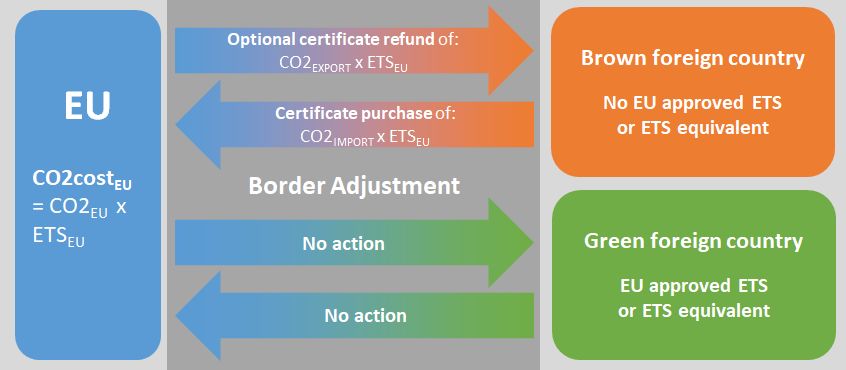
• Tariff on implicit CO2 content of traded • Purchase of certificates for implicit CO2 • Tax on implicit CO2 content of specific
intermediates and final goods content of traded intermediates and final goods
goods
• WTO conformity requires comparable • WTO conformity requires abandoning • WTO conform
pricing of domestic goods EU free allocation practice
• Possibility to “subsidize” exports to • Possibility to “subsidize” exports to • Not possibility to subsidize exports to
brown countries brown countries brown countries
• Other carbon payments can be deducted • Other carbon payments can be deducted
• Improves competitiveness of EU industry • Improves competitiveness, endorsed by • Basically just a carbon tax on some
French government output goods
© Copyright Allianz 33CHINA: DUAL CIRCULATION IS ON
High-tech exports from domestic U.S. companies’ investment plans in China China’s repackaged strategy: “dual circulation”
companies (% of total)
100 Planning to increase investment • Reroute some Chinese exports
2005 2012 2015 domestically, given the crisis
• Redirect consumers’
circulation
No investment expansion planned / Chinese
Domestic
All products 8% 12% 19% 80 Planning to decrease investment overseas spending domestically.
• Encourage firms to become less
Medical equipment 14% 34% 41% dependent on foreign supplies.
60 Further investment and supportive
Telecoms equipment 11% 26% 26% policies for strategic high-tech sectors.
37 Domestic circulation does not mean
Electronic appliances 7% 6% 16% 40 32 32
31 31
27 26 closing its doors to foreign firms. As of
International
circulation
August 2020, more measures to
Semiconductors 14% 13% 14% 16
20 support foreign companies have been
put in place than over all 2019.
Integrated circuits 2% 5% 12%
More reforms to liberalize the capital
0 account, support foreign investment
Computers 1% 1% 3% 2013 2014 2015 2016 2017 2018 2019 2020 (especially in the services sector).
Source: Kennedy, The Fat Tech Dragon (CSIS, 2017) Source: 2020 China Business Climate Survey Report Source: Euler Hermes, Allianz Research
In the long run, China still aims to climb Foreign cooperation and investment In May, China rebranded its long-term
up the global value chain. While there should help in the path of technological strategy of industrial upgrade and
have been significant improvements in upgrade. However, the loosening U.S.- self-sufficiency into the expression
the past years, there is still large room China relations could mean slowing “dual circulation”. The focus is still on
for
© catching-up
Copyright Allianz in high-tech sectors. foreign direct investment into China. domestic high-tech and foreign 34
investment.EUROZONE: LABOR MARKET FAR FROM OUT OF THE
WOODS, EU FUNDS COULD CUSHION PAIN
Number of furloughed workers, increase in unemployment EU support funds (% of 2019 national GDP)
& inactive population and zombie jobs
Sources: Eurostat, Allianz Research Sources: EU Commission, Allianz Research
In many large EU countries furlough schemes have been The great equalizer? EU funds could provide
extended until 2021. While this is good news for the short- important economic tailwind in the most impacted
term economic outlook, policymakers are not yet doing economies, but implementation risk remains a key
enough to mitigate the risk of zombie jobs (reskilling, hiring downside risk.
incentives
© Copyright Allianzetc.). 35EUROZONE: INVESTMENT, THE LAST MAN RISING IN
THE RECOVERY
NPL loss simulations (2019-2021) Eurozone: Fixed investment vs. Industrial confidence
Sources: Allianz Research. Sources: Refinitiv, Allianz Research.
Rising credit risk ( we expect NPLs to rise from 3.1% in Heightened uncertainty around the economic outlook
Q4 2019 to 4.7%-5.4% by end 2021) together with the together with depressed margins will keep a lid on
phasing out of public loan guarantees will weigh on corporate investment in the coming months. In 2022,
banks' readiness to extent credit to the private sector. investment will still be 5% below pre-crisis levels.
© Copyright Allianz 36GERMANY: MIND COMPLACENCY
Germany: Real GDP (%) & its Key fiscal support measures (EUR bn) Germany: Industrial production
components (pp) (change vs. Jan 2020, %)
Sources: Refinitiv, Allianz Research. Sources: German Ministry of Finance, Allianz Research Sources: Refinitiv, Allianz Research.
Germany's relatively resilient consumer - No quick return to the black zero: Given the The industrial rebound has been propped
in part thanks to fiscal policy's focus looming fiscal cliff in 2022 as most up by the automobile sector, but the
on stimulating demand at the expense of measures boosting consumption & uneven global recovery, the strong EUR
the supply side - will drive the partial income expire, expect the next government and high uncertainty won't allow for a full
rebound in GDP in 2021, while trade will
© Copyright Allianz to cushion the impact with fresh easing recovery before 2022. 37
3
remain muted. measures.FRANCE: GROWING CONCERNS FOR JOBS
Consumer confidence survey Outstanding bank deposits Announced Phase II stimulus (EURbn)
(index, Jan 2018=100)
Major purchases intentions, next 12 months Covid-19-adjusted
Type of measure France Germany Italy*
Unemployment, next 12 months 135 fiscal multiplier
Consumption taxes /
100 Savings intentions, next 12 months 130 US UK subsidies
0.10 0 31 1
80 125 France Germany Transfers 0.10 10 14 3
Corporate taxes &
0.50 30 13 1
60 120 competitiveness
Labor support (incl.
0.50 20 10 12
partial unemployment)
40 115
Public consumption 0.50 15 25 3
20 110
Public investment 0.85 25 50 2
0 105
TOTAL 100 143 31
-20 100 Share of GDP 4.3% 3.8% 1.5%
-40 95 Country-wide fiscal
multiplier 0.55 0.50 0.48
-60 90
01-04
01-05
01-06
01-07
01-08
01-09
01-10
01-11
01-12
01-13
01-14
01-15
01-16
01-17
01-18
01-19
01-20
Impact of stimulus
2018
2018
2018
2018
2019
2019
2019
2019
2020
2020
2020
2.4pp 2pp 0.7pp
on growth
*not all measures have been detailed, only partial categories. Totals might not add up
Sources: INSEE, Allianz Research; Latest data: August 2020 Sources: Banque de France, Allianz Research Sources: Euler Hermes, Allianz Research, IMF
The household confidence indicator The EUR110bn emergency package The French structural reforms are
(long term average =100) decreased from March 2020 helped to absorb good news for potential growth. But
in July to 94 (from 96 in June) and the Covid-19 shock but also fueled in the short-term, we see the largest
remained stable in August.
© Copyright Allianz
cash hoardings of household and deterioration in merchandise trade 383
companies. deficit (-EUR12bn over 2021-22).ITALY: WORST-CASE SCENARIO AVOIDED
GDP by component, % Evolution of public finances (in EUR mn)
10.00
Households GFCF Government 80 000
5.00 Stocks Net Trade real GDP 60 000
40 000
0.00
20 000
0
-5.00
-20 000
-10.00 -40 000
01/20 02/20 03/20 04/20 05/20 06/20 07/20 08/20 09/20
-15.00 Gov. net issuance Gov. expenditures
12 13 14 15 16 17 18 19 20f 21f Gov. balance
Sources: Refinitiv, Allianz Research Sources: Refinitiv, Allianz Research
Decline in real GDP smaller than previously expected (-10.1%). Additional EUR25bn fiscal package and EU RF (~200bn in
Robust manufacturing recovery with good start into Q3. loans and grants) mostly effective in 2021. Balance
Challenges: Tourism (-70% international arrivals), reversing between maintaining short term stimulus and returning to
stocks, difficult transmission of guaranteed loans to SME due to longer term fiscal prudence as public debt will soar to
banking sector weakness. In 2021, rebound of +4.3%. 160% of GDP and primary balance remains a signal to
© Copyright Allianz markets. Risk of fiscal inaction in H2. 39SPAIN: THE COST OF INACTION
Recession & Covid-19 sensitive consumption components GDP growth forecast and potential impulse from stimulus
in % of GDP
10.0
7.4
5.0 6.4 4.5
3.5
2.5 1.5
0.0
Impulse from fiscal stimulus, if
-5.0 fully implemented
Baseline GDP growth and
-10.0 forecast
Total GDP growth, boosted by -11.8
-15.0 EU recovery fund
14 15 16 17 18 19 20 21 22 23
Sources: Refinitiv, Allianz Research Sources: National Statistics, IHS Data Insight, Allianz Research
In Spain, among worst hit, % of consumption at risk Spain could receive EUR140bn from the EU recovery
(hotels, culture…) is among the highest (25%). Bad fund in 2021. Yet continued political fragmentation
omen for recovery. Seasonality of activity means the (no 2021 budget voted) should delay the “relaunch”
disappointing summer will also weigh on recovery. stimulus. This could result in a shortfall of a
© Copyright Allianz cumulated ~5pp of GDP growth during the recovery. 40EMERGING MARKETS: EXTERNAL TAILWINDS 04 © Copyright Allianz
EMERGING MARKETS: V-SHAPED RECOVERY IN
‘CHINA WORLD’, W-SHAPED ELSEWHERE
   Composite Manufacturing PMIs of ‘China-dependent’ and                         Net non-resident portfolio flows to EMs by region (USD bn)
       ‘non-China-dependent’ EMs vs. China’s PMI
  55                                                                 53.1       100            Africa & Middle East               Emerging Europe
                                                                                 80            Latin America                      Emerging Asia ex China
                                                                        51.0                   China
  50                                                                             60
                                                                       49.8
                                                                                 40
  45                                                                             20
                                                                                   0
  40                                                                             -20
                   China PMI
                                                                                 -40
                   'China world' EM Composite PMI
  35                                                                             -60
                   'Non-China world' EM Composite PMI
                                                                                 -80
  30                                                                           -100
       15        16         17          18         19         20                   18-01         18-07       19-01       19-07       20-01     20-07
  NB: ‘China world’ includes Taiwan, Hong Kong, Singapore, Indonesia, South    Sources: National statistics, IIF, Allianz Research estimates
  Korea, Brazil, Russia, South Africa.
  Sources: National statistics, IIF, Allianz Research estimates                Negative real interest rates should support risk appetite in
                                                                               the EM if no negative surprise on monetary policy or political
    EMs highly dependent on exports to China follow the
                                                                               risk. In addition, the USD depreciation (-2.5% end of 2021)
    latter’s business cycle with a lag. Other EMs
                                                                               and China’s recovery should also be positive.
    experienced a deeper recession and will see a slower
© Copyright Allianz                                                                                                                                        42
    recovery.
EMERGING MARKETS: TOO LITTLE OR TOO MUCH
EMs pursuing government bond purchases (“’QE”) face Sustainability of fiscal stimulus depends on interest rate-
debt sustainability and inflationary risk growth spread and debt maturity structure
Emerging Asia
Low Brazil High Egypt
Emerging Europe
inflationary risk inflationary risk 25 Middle East
High debt High debt
Africa
sustainability sustainability
risk Costa Rica risk Latin America
India 20
Hungary
Debt to Average Maturity, 2020 (% of GDP)
Colombia Turkey
Croatia
Romania Croatia
Indonesia Hungary Sri Lanka
South Africa
Philippines Brazil
Poland 15
Malaysia
Thailand Czechia Morocco
Angola
Low High Belarus
Chile Ecuador
inflationary risk inflationary risk Poland
Low debt Low debt 10
sustainability sustainability Dominican R. Oman
Malaysia
risk risk Ukraine
Mexico Kuwait
India Colombia
Turkey Qatar
Romania Thailand South Africa
Sources: National statistics, IMF, IIF, Bloomberg, IHS Markit, Allianz Research Uruguay Philippines
5
Saudi Arabia
16 EMs have announced and 13 of them have actually Indonesia
Chile
Kazakhstan
Peru
Azerbaijan
embarked on ‘QE’-like monetary stimulus in the wake of Russia
Covid-19. Some of them could see rising inflation 0
-10 -8 -6 -4 -2 0 2 4 6 8 10 12
and/or difficulties to roll over peaking maturing public Projected Interest Rate–Growth Differential, 2020–21 (%)
debt
© inAllianz
Copyright 2021-2022. Paucity of policy mix is an issue. Sources: IMF, Allianz Research 43ASIA-PACIFIC: BENEFITTING FROM CHINA’S EARLY
RECOVERY CANNOT BE THE FULL STORY
Drivers of growth: domestic (horizontal External drivers: trade openness & Domestic drivers: monetary impulse and
axis) vs. external (vertical axis) exposure to reshoring policy leeway
Trade openness (% of GDP) Monetary impulse change (pt)
10
VNM 0 0.5 1 1.5 2 NPL ratio (%)
TWN HKG 0.0
8
SGP JPN
More restrictive to foreign
CHN 0.1
KOR 6
KOR TWN VNM
investment
MYS AUS JPN
0.2 4
IND THA NZL IND
MYS
THA 2
IDN 0.3
PHL IDN
0
MYS
JPN
TWN
AUS
HKG
THA
IDN
IND
VNM
NZL
PHL
CHN
SGP
KOR
PHL
0.4
Size of bubble represents Covid-19 situation and shock.
Sources: Various, Euler Hermes, Allianz Research Sources: Various, Euler Hermes, Allianz Research Sources: Various, Euler Hermes, Allianz Research
The recovery path is determined by the South Korea, Taiwan, Vietnam, HK and On top of that, their policy response has
epidemic situation, the size of the shock Singapore could benefit from China’s been comparatively more restrained.
in H1 2020, exposure to external drivers early recovery. India, Indonesia and the The policy leeway is smaller, due to
of growth, and the strength of domestic Philippines are comparatively less structural issues.
drivers.
© Copyright Allianz open, and could struggle more to attract 44
foreign investment.You can also read


