MAGIC Las Vegas 2018: Key Takeaways from Day Two - Coresight Research
←
→
Page content transcription
If your browser does not render page correctly, please read the page content below
February 15, 2018

                         MAGIC Las Vegas 2018: Key Takeaways from Day Two

                         Source: Coresight Research

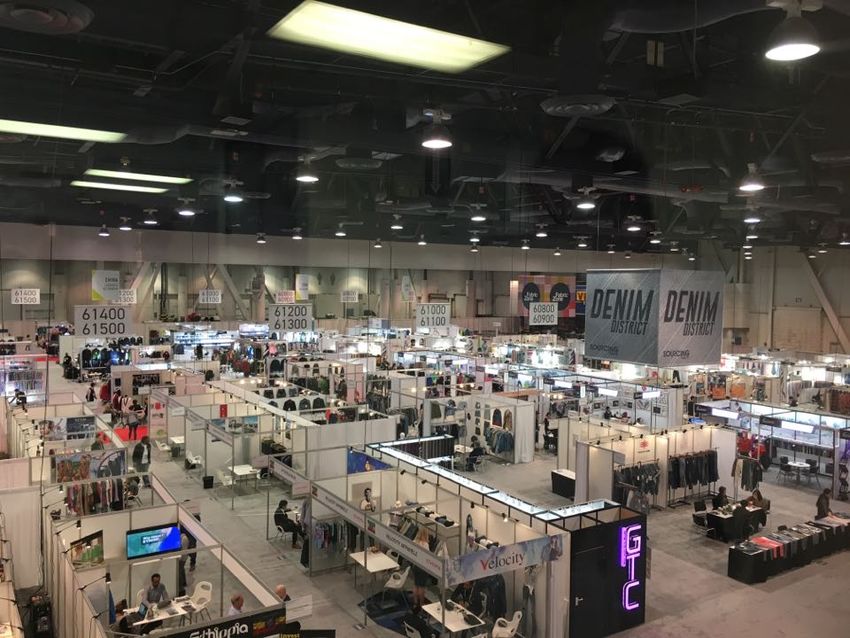
                         This week, the Coresight Research team is attending MAGIC Las Vegas 2018, one of
                         fashion’s most comprehensive trade shows covering men’s, women’s and children’s
                         apparel, accessories and footwear. Here, we share five key takeaways from day two
                         of the event.
                            • “Reimagining retail” is giving consumers what they want, when they want it,
                              52 seasons a year.
                            • Microfactories are producing garments, from concept to creation, in hours.
                            • Through supply-chain digitalization, apparel companies are using virtual
                              showrooms to sell products, without ever producing samples.
                            • Emerging market brands are driving retail; the consumer is looking for
                              something new.
                            • Amazon is pressuring all retail to improve.

                         1) “Reimagining Retail” Is Giving Consumers What They Want, When They Want
                         It, 52 Seasons a Year
                         In a panel session titled “Disrupting Fashion, a Changing Landscape,” Robert
                         D’Loren, Founder, Chairman and CEO, Xcel Brands, led a discussion on the forces
                         driving the need for change. D’Loren suggested that although Amazon and e-
                         commerce are blamed for a lot of the industry’s problems, e-commerce is only 20%
                         of the challenge. Speed is the new currency where fast fashion has reimagined the
                         seasons and consumers decide current trends with see-now, buy now. The problem
                         is that the current fashion industry is not equipped to provide consumers with what
                         they want, when they want it.
                         D’Loren believes that the only way retailers can win is by bringing something new to
                         the stores every week and removing the friction points.
                         He questioned why retailers have cashiers. Keep the environment clean, simple and
                         open. Reimagining retail and experiential retail is not about putting a spa in a retail
                         store, rather, D’Loren said, “It is about giving the customer what they want, when
                         they want it. It is about reimagining retail 52 seasons through supply-chain

Deborah Weinswig, Founder and CEO, Coresight Research
deborahweinswig@fung1937.com US: 917.655.6790 HK: 852.6119.1779 CN: 86.186.1420.3016
                                                                                                                   1
Copyright © 2018 Coresight Research. All rights reserved.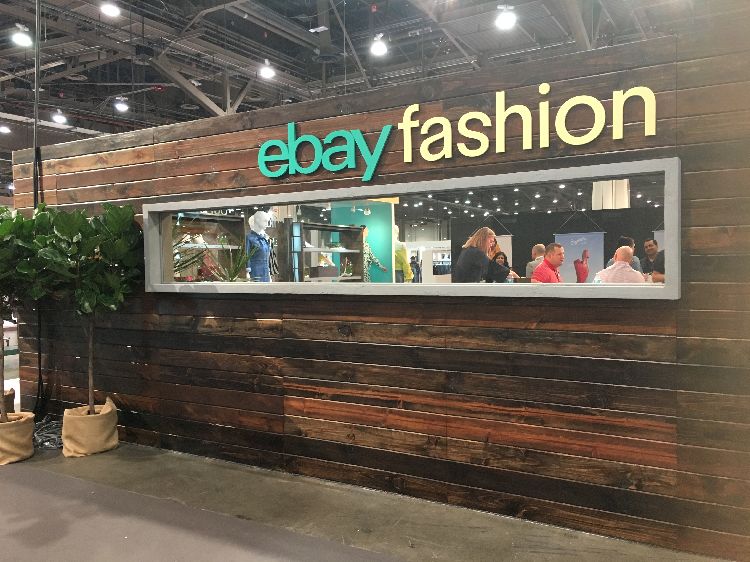
February 15, 2018

                         digitalization where everything is connected.” In the future, consumers will be able
                         to simply click on their phones to order directly from a factory.

                         Pictured: Robert D’Loren, Founder, Chairman and CEO, Xcel Brands; Edward Hertzman, Founder and
                         President, Sourcing Journal; Deborah Weinswig, CEO, Coresight Research; Neal Kusnetz, President of
                         Mens, Xcel Brands.
                         Source: Coresight Research

                         2) Microfactories Are Producing Garments, from Concept to Creation, in Hours
                         Sourcing at MAGIC hosted a microfactory on the exhibit floor that demonstrated
                         the capabilities of producing a knit garment, from design to production. The Digital
                         Apparel Micro Factories can create apparel on-demand and in a short period of
                         time. The technology on display at MAGIC included machinery from EFI, Optitex, EFI
                         Reggianni, Klieverik, Zund and Eton System, along with robots and sewbots from
                         Henderson.
                         The process behind the microfactory, includes six steps:
                            1) Creating and preparing a garment prototype using 3D drawings.
                            2) Converting the designs into printing data and transferring the information
                               onto the digital printer.
                            3) Choosing fabrics using color management software.
                            4) Sending the design to the heat press, which transfers the design directly onto
                               the fabric, i.e., prints the fabric.
                            5) Cutting the patterns using automated cutters (sewbots).
                            6) Sewing the finished product, partially using automated sewing and partially
                               using manual sewing.

Deborah Weinswig, Founder and CEO, Coresight Research
deborahweinswig@fung1937.com US: 917.655.6790 HK: 852.6119.1779 CN: 86.186.1420.3016
                                                                                                                                2
Copyright © 2018 Coresight Research. All rights reserved.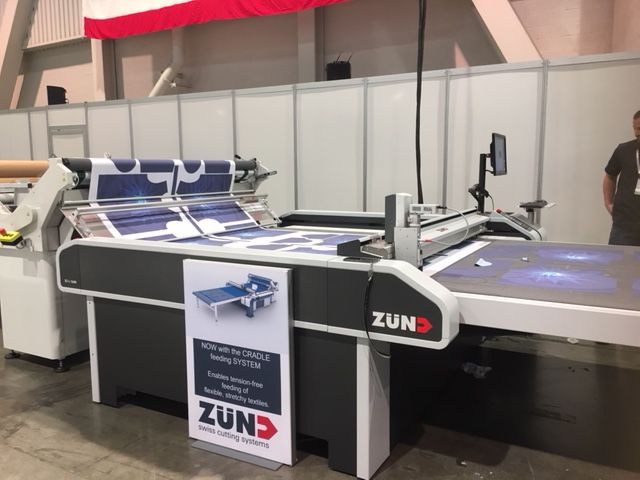
February 15, 2018

                         Source: Microfactory Prototype MAGIC

                         3) Through Supply-Chain Digitalization, Apparel Companies Are Using Virtual
                         Showrooms to Sell Products, Without Ever Producing Samples
                         Digitalization of the supply chain is changing the entire business model of
                         organizations, from manufacturing to selling. In a panel session titled “Digitalization
                         of Sourcing and Agility in a Volatile World,” Althea Peng, Partner, McKinsey &
                         Company, and Chris Callileri, incoming Chief Supply Chain Officer, Tory Burch,
                         provided an overview of digitalization and its organizational benefits. Peng said that
                         digitalization is about looking across the entire value chain and creating visual
                         assets. Digitalization is not just about replacing manual processes with digital ones;
                         it is about new and enhanced ways of operating, truly changing business processes
                         and breaking down silos, mind shifts and technology.
                         Callileri described how digitalizing the supply chain is offering cost and time savings
                         to companies. For example, by implementing 3D design and using virtually
                         sampling, organizations can reduce iterations by cutting out the time to produce
                         physical samples, as well as reduce the costs associated with physically producing
                         garments. In addition, the design team can use virtual samples to fine-tune the
                         garment and the change requests, colors and pattern options, with the click of a
                         button. Peng reported that some retailers are using virtual sales showrooms to
                         present their collections, without ever producing products. As digitalization
                         becomes “table stakes,” this is where the future of the industry appears to be
                         moving.

                         4) Emerging Market Brands Are Driving Retail; the Consumer Is Looking for
                         Something New
                         Syama Meagher, Founder and CEO, Scaling Retail, presented at a panel session
                         titled “Buyers and Consumers Have Changed: How to Launch a Successful Brand in
                         2018.” Meagher presented a comprehensive session on branding, the consumer
                         today and what today’s consumer is seeking. According to her, the brands that are
                         the most successful have the best communication and solve someone’s problem by
                         “manufacturing desire.” She emphasized that the key is to be clear about your

Deborah Weinswig, Founder and CEO, Coresight Research
deborahweinswig@fung1937.com US: 917.655.6790 HK: 852.6119.1779 CN: 86.186.1420.3016
                                                                                                                   3
Copyright © 2018 Coresight Research. All rights reserved.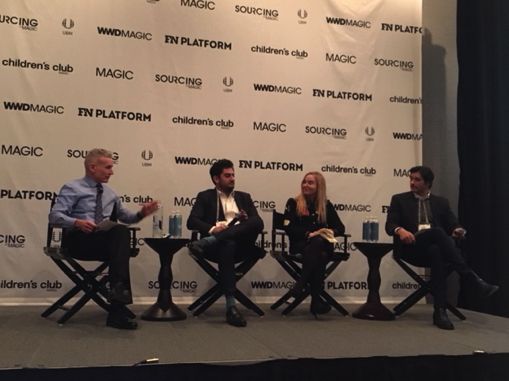
February 15, 2018

                         product, and to execute with the intention of the end consumer in mind, while
                         communicating the brand message. This is “customer centricity.”
                         Meagher said that emerging market brands are driving retail today, because the
                         customer is looking for something new and shopping differently. She said that
                         retailers are looking for emerging brands because they are nimbler and can drive
                         revenue.
                         For example, consumers want products delivered to them in limited editions,
                         exclusive drops and in capsule exclusives. They also want products on-demand, and
                         some retailers such as Yeezy are offering services in bundles, whereby a collection is
                         sold as a set that includes shoes and t-shirts.
                         All of these solutions are new. She highlighted that as a new brand, there is an
                         opportunity for freshness and for one to be nimble. She suggested that as a new
                         brand, a company must communicate the value proposition clearly to the end
                         consumer.

                         Source: Scaling Retail

                         5) Amazon Is Pressuring all Retail to Improve
                         This year at MAGIC, Amazon—or rather a discussion of its speed and ability to know
                         the consumer—surfaced during different panel discussions, but not in the same
                         way as in previous years. This year, there was a sense that retailers have
                         alternatives and are proceeding more confidently into the future. Whereas in the
                         past, there was the feeling that e-commerce, and Amazon, were the cause of retail
                         disruption.
                         One may argue that Amazon is actually making all of retail better, and has set a new
                         standard in terms of speed, delivery times and data analytics. “Amazon has
                         educated the customer in impatience,” Joachim Hensch, Managing Director, Hugo
                         Boss, said when he described the culture around the time that Hugo Boss began its
                         smart factory journey.
                         “Speed is the new currency,” said D’Loren, Founder and CEO, Xcel Brands, during
                         his panel session titled “Disrupting Fashion, a Changing Landscape.” The quest for
                         speed, in part, has caused the fashion industry to begin an aggressive change—
                         industry-wide in fact—with the digitalization of the supply chain, and rethinking
                         ways of doing business. The vibe at MAGIC was positive, and retailers were

Deborah Weinswig, Founder and CEO, Coresight Research
deborahweinswig@fung1937.com US: 917.655.6790 HK: 852.6119.1779 CN: 86.186.1420.3016
                                                                                                                  4
Copyright © 2018 Coresight Research. All rights reserved.
February 15, 2018

                         enthusiastic about these changes, some calling them the most exciting things
                         happening in fashion right now.

                         Source: Coresight Research

                         The implications extend across the entire supply chain, from manufacturing to
                         distribution, as was presented in numerous panel discussions, and all of retail is
                         upping their game to remain competitive. eBay showcased its fashion offering at
                         MAGIC, offering it as an alternative to other online marketplaces, and one that has
                         “soul,” according to a representative.

Deborah Weinswig, Founder and CEO, Coresight Research
deborahweinswig@fung1937.com US: 917.655.6790 HK: 852.6119.1779 CN: 86.186.1420.3016
                                                                                                               5
Copyright © 2018 Coresight Research. All rights reserved.
February 15, 2018
Deborah Weinswig, CPA
Founder and CEO
Coresight Research
New York: 917.655.6790
Hong Kong: 852.6119.1779
China: 86.186.1420.3016
deborahweinswig@fung1937.com
Erin Schmidt
Research Associate
Hong Kong:
2nd Floor, Hong Kong Spinners Industrial Building Phase 1&2
800 Cheung Sha Wan Road, Kowloon
Hong Kong
London:
242-246 Marylebone Road
London, NW1 6JQ
United Kingdom
New York:
1359 Broadway, 18th Floor
New York, NY 10018
CoresightResearch.com
Deborah Weinswig, Founder and CEO, Coresight Research
deborahweinswig@fung1937.com US: 917.655.6790 HK: 852.6119.1779 CN: 86.186.1420.3016
6
Copyright © 2018 Coresight Research. All rights reserved.You can also read


