Mangere Bridge School Charter
←
→
Page content transcription
If your browser does not render page correctly, please read the page content below

0
Mangere Bridge School Charter
Strategic Plan 2018-2021
with 2019 Action plan
Together we care, we learn, we succeed
Aroha, Ako, Angitu
Mehemea ka moemoeā ko au anake
Mehemea ka moemoeā tātou, ka taea e tātou
(If I dream I dream alone, if we dream together, we can all achieve) Te Puea Herangi
is from the tongikura by Princess Te Puea Herangi explaining that if you dream alone, you alone will achieve but dreaming together will result in
collective achievement.
Shared dreams can lead to collaborative action and explores what is possible.
Through partnerships we can turn shared dreams into reality.
Nga Uara / MBS school values
KOTAHITANGA When we work together we succeed as one. We are whanau.
KAITIAKITANGA We are guardians / kaitiaki of our environment, each other and everything that makes us special
MANAAKITANGA W e respect and care for each other, everyone is welcome.
RANGATIRATANGA We are confident , self determined learners and leaders who strive for the best.
1
We value and respect, diversity, ecological sustainability and every child and adult who belongs to this place.
Children who leave Mangere Bridge School will be:
Respectful, caring, articulate, confident, adaptable, resilient, self-motivated inquiring learners, who achieve academically, have a passion
for learning and a belief in their own potential, stand strong in their cultural identity and feel valued for who they are.
Our staff, students and community will work to create an Aotearoa/New Zealand in which Maori and Pakeha recognise each other as full
partners of Te Tiriti o Waitangi, and in which all cultures are valued for the contributions they bring.
The following indicators of student achievement and progress are drawn from The New Zealand Curriculum and are what we aspire to
achieve for all our students.
MBS students are confident in their identity, language and culture as citizens of Aotearoa New Zealand
Students:
● are confident in their identity, language and culture
● value diversity and difference: cultural, linguistic, gender, special needs and abilities
● represent and advocate for self and others
● promote fairness and social justice and respect human rights
● use cultural knowledge and understandings to contribute to the creation of an Aotearoa New Zealand in which Māori and Pākehā
and all cultures recognise each other as full Te Tiriti partners
● show a clear sense of self in relation to cultural, local, national and global contexts.
MBS students are socially and emotionally competent, resilient and optimistic about the future
Students:
● enjoy a sense of belonging and connection to school, whānau, friends and the community
● feel included, cared for, and safe and secure
● establish and maintain positive relationships, respect others’ needs and show empathy
● are able to take a leadership role and make informed and responsible decisions
● are physically active and lead a healthy lifestyle
● self-manage and show self-efficacy
● are resilient and adaptable in new and changing contexts.
1
2
MBS students are successful lifelong learners
Students:
● demonstrate strong literacy and mathematics understanding and skills and achieve success across the learning areas of The New
Zealand Curriculum
● are curious and enjoy intellectual engagement
● draw on multiple perspectives and disciplinary knowledge to actively seek, use and create new knowledge and understandings
● are technologically fluent and take a discerning approach to the use of technology
● are digitally fluent, using a range of e-learning tools to enhance learning
● who are Māori enjoy education success as Māori
● confidently tackle challenging tasks and are resilient and persevering in the face of difficulties and failure
● use multiple strategies for learning and problem solving
● collaborate with, learn from, and facilitate the learning of others
● set personal goals and self-evaluate against required performance levels
● develop the ability to reflect on their own thinking and learning processes
MBS Student inquiry is designed for all students to participate and contribute confidently in a range of contexts
– cultural, local, national and global
Students:
● think critically and creatively, applying knowledge from different disciplines in complex and dynamic contexts
● are energetic and enterprising, effectively navigating challenges and opportunities
● work collaboratively to respond to problems not previously encountered, developing new solutions and approaches
● understand, participate in, and contribute to cultural, local, national and global communities
● are critical, informed, active and responsible citizens
● can evaluate the sustainability of a range of social, cultural, economic, political and environmental practices
● are ethical decision makers and kaitiaki/guardians of the world of the future.
CULTURAL DIVERSITY All cultures within the school are valued and accepted through active encouragement of a non-racist school
culture and ethos; encouraging students to celebrate, share and include elements of their cultural heritage, where they differ from
mainstream NZ culture. Staff members will ensure that students from all cultures are treated with respect and dignity, and will actively work
towards high standards of achievement for all children irrespective of cultural backgrounds.
Our school has a strong commitment to the principles of Te Tiriti o Waitangi in all aspects of school life. We have a culturally responsive
approach to curriculum design and delivery. All students are proud of their language, culture and identity.
2
3
The 3 Principles of partnership, participation and protection are practiced and respected at Mangere Bridge School
Partnership Protection Participation
Partnership involves working together with our Maori Protection means actively protecting Māori Emphasise positive Māori involvement at all levels of
whanau including Te Waiohua Iwi, Makaurau Marae, knowledge, interests, values, and other tāonga. education, as expressed in NEG 9: “Increased
Te Puea Marae, Pukaki Marae, and Mangere Identity, language, and culture are important participation and success by Māori through the
Mountain Education Centre, and our maori expressions of what it means to be a culturally advancement of Māori educational initiatives,
community to develop strategies for Māori education. located learner. Ka Hikitia (Ministry of Education, including education in Te Reo Māori, consistent with
2007) emphasises that “culture counts” and the principles of Te Tiriti o Waitangi.”
Partnership encourages and requires Māori to be describes a commitment to “knowing, respecting and Participation is:
involved at all levels of the school, including valuing where students are, where they come from
decision-making, planning, and development of and building on what they bring with them”
curriculum.
Protection is: ● Strengthening home-school relationships
Partnership is: ● Māori participating in school decision making
● Valuing, validating and protecting local knowledge ● School environment reflecting the
● Engaging with our Māori community (place-based learning) biculturalism of Aotearoa
● Inquiry- place based learning-finding out ● Normalising te reo Māori by speaking te reo and ● Aspirations of Māori whānau reflected in
about and valuing the Māori origins of our teaching it school wide as per our 8 year Te Reo school planning
rōhe, mountains, rivers, history revitalisation plan. ● Maori whanau led initiatives
● Learning and including tikanga school-wide
● Having Māori representatives on our board ● Equity for Māori
● Equity for Māori
of trustees ● Provision of Education in Te Reo Maori
● A commitment to Equity for Māori - Māori All classroom teachers are expected to implement through the establishment of a Maori
achieving success as Māori and reaching these principles every day. Normalising te reo not Bilingual Unit providing for years 1-6
their full potential only in our classrooms, but in staff meetings, the
● Power sharing staff room, on duty, at assemblies and in all areas of
● Partnership relies on us welcoming and school life. Ensuring we include the Māori histories,
having genuine relationships with our Māori origins and perspectives to topics and inquiry is an
community. This requires us to consult and opportunity for us to weave tikanga and Māori
co-construct the partnership models. viewpoint into everyday situations.
We provide Maori medium education and English medium education from years 0-6.
3
4

Mangere Bridge School Strategic Goals 2018 - 2021
MBS strives for Equity and Excellence. We believe these 6 drivers for change will ensure our school achieves this
aspirational goal. These 6 domains from ERO evaluation indicators will enable our school to have effective practices
and internal evaluation to address disparities and ensure equity.

                                                                                                                   4
5
2E = Equity and Excellence
Responsive Educationally Professional Leadership for equity Evaluation inquiry Stewardship
curriculum, effective powerful capability and and excellence and knowledge Effective
teaching, and connections and collective capacity building for Governance
opportunity to learn relationships with improvement and
whanau/family innovation
Strategic Goal 1
Mangere Bridge School provides a responsive curriculum, effective teaching and opportunity to learn so all children
can reach their full potential.
Students learn, achieve and progress in the breadth and depth of
The New Zealand Curriculum and/or Te Marautanga o Aotearoa
Indicators and
examples of 2018 2019 2020 2021
effective practice
Students,
teachers and Accelerate student achievement Developing Mathematical Inquiry Tamariki are engaged in DMIC classes are the norm.
parents and in mathematic for all students Communities Year 2 embedded challenging mathematical
whänau set and address disparities in Māori All classes are fully inclusive
programmes that allow them to communities of mathematics
challenging and and Pacific student All classes provide a safe,
reach their full potential as ‘inquirers’.
appropriate achievement through a culturally inclusive environment in which all
expectations for responsive model of teaching mathematicians. High numbers
the students can actively MBS tamariki are strong ,
learning. maths DMIC of student excel in maths and
contribute to the collective confident mathematicians
Students, (Developing Mathematical reach above expectation
success of mathematics.
teachers and Inquiry Communities) curriculum levels.
parents and
whānau
participate in
curriculum design
and decision
making.
5
6

Management of         Culturally responsive, engaging,
the curriculum        authentic student inquiries          Critical Maori and Pakeha
ensures that it is    through establishment of student     Histories introduced into MBS
coherent and that     Inquiry planning team to bring       curriculum
students have         diverse cultural and world views
sufficient            to the planning.                                                          MBS students are taught
opportunity to                                             CPR is designed to support the       Accurate colonial history
learn (e.g, time                                           New Zealand Curriculum (NZC)         Te Tiriti and Māori knowledge
allocated to          Finalise the MBS Inquiry             Te Marautanga o Aotearoa goals
learning areas,       Maunga model - All teaching          that require all New Zealanders to   Our curriculum incorporates two        Building support for science
teacher               staff understand the principles of   be knowledgeable about Māori         worldviews, two knowledge bases:       learning, by acknowledging,
knowledge and         this model.                          and Pākehā, to understand the        a tangata whenua view, and a           valuing, and respecting the
expertise, and                                             history of their relationship and    Pākehā settler group view along        differing cultural experiences
resources).           MBS expectations for effective       enact the Treaty of Waitangi         with later immigrants to Aotearoa.     and worldviews that our
                      learning and teaching of student     Principles                           It draws on all Treaty texts, local    community holds.
Curriculum design     inquiry developed.                                                        and global context, histories of
and enactment is                                           The CPR will be integrated across                                                ●   Developing
                                                                                                colonisation and an
responsive to the     Ensuring culturally responsive       all curriculum areas                                                                 science-literate
                                                                                                honouring Te Tiriti o Waitangi
aspirations of        authentic contexts by including                                                                                           students with a focus
                                                                                                discourse
students, parents,    local and whanau knowledge.          Unit 1 : Te Ao Maori o Nehera will                                                   on ‘citizenship
and whānau,                                                be incorporated into Term 1                                                          science’ for all
drawing on and        Promoting kaitiakitanga for the      student Inquiry “ How can we be                                                      students.. The
adding to their       environment and our kaupapa          kaitiaki o Nga korero Tuku iho”                                                      support will be based
funds of              as a Wastewise school.                                                                                                    on meaningful,
knowledge.                                                                                                                                      authentic contexts
Curriculum design     Growing teachers as leaders of       Building and in-depth knowledge of                                                   appropriate for our
and enactment         student inquiry.                     the School Pepeha, the places the                                                    community and
                                                                                                Building and in-depth knowledge of
ensures that every                                         histories and stories through                                                        Aotearoa..
                                                                                                Te Kingitanga, the places, the
student is learning                                        engagement with Makaurau Marae,                                                  ●   Learning science
                                                                                                histories and stories of the Waikato
and makes                                                  Te Pane o Mataoho Education                                                          through the nature of
sufficient progress                                        Center and Local historians,                                                         science strand:
to achieve                                                 kaumatua and mana whenua
curriculum
expectations and                                                                                                                       Learning about how science
standards.                                                                                                                             ‘works’ with a focus on ‘doing’
                                                                                                                                       science not just learning
                                                                                                                                       ‘about’ science.

                                                                                                                                                                         6
7

Digital technology curriculum
introduction through specialised
“Maker Space tech programme         Developing the use of digital        Digital curriculum is confidently
for all year groups” and            curriculum in teaching and           used in teaching and learning
integration of digital technology   learning programmes across the       programmes across the
into student inquiries              curriculum                           curriculum.

Computational Thinking for          Future focused learning               Staff and students are innovative
Digital Technologies (students                                           and motivated
will develop                        Dynamic, engaging,culturally         creators of digital technology, not
an understanding of computer        authentic student inquiries          just users).
science principles that underlie    developed using the MBS Maunga
all digital technologies. They'll   model                                Staff and students designing and
learn core programming                                                   developing digital outcomes
concepts so that they can                                                (learning how to design
become creators of digital                                               quality, fit-for-purpose digital
technology, not just users).                                             solutions) through student
                                                                         inquiries.
Designing and Developing            MBS student inquiries providing
Digital Outcomes (learning how      authentic opportunities to use
to design                           Computational Thinking for
quality, fit-for-purpose digital    Digital Technologies (students
solutions) through student          will develop an understanding of
inquiries.                          computer science principles that
                                    underlie all digital technologies.
                                    Students learn core programming
                                    concepts so that they can
                                    become creators of digital
                                    technology, not just users).

                                    Designing and Developing Digital
                                    Outcomes (learning how to
                                    design quality, fit-for-purpose
                                    digital solutions).

                                    Teachers and students leaders of
                                    inquiry

                                                                                                               7
8
Students participate and learn in caring, collaborative, inclusive learning communities
Indicators and
examples of
2018 2019 2020 2021
effective practice
Relationships are Establishing and Developing Embedding Mathematical Inquiry Fully functioning Mathematical Fully functioning Mathematical
respectful and Mathematical Inquiry Communities Year 2 Inquiry Communities across the Inquiry Communities across
productive; Communities Year 1 school Year 3 the school Year 3
difference and
diversity are valued.
• Connected, rich High Pasifika and Maori student Equity and excellence in
Instructional mathematical thinking and engagement and achievement in Mathematics for all cohorts at MBS Equity and excellence in
organisation, task reasoning mathematics Mathematics for all cohorts at
design, modelling, MBS
and grouping • Proficient use of
practices develop mathematical practices Transfer of DMIC principles to Transfer of DMIC principles to
community and
• Inquiry learning within other areas of the curriculum other areas of the curriculum
promote active
learning. mathematics
Students develop • Social grouping and group
dialogue and group worthy problematic activity
work skills and
participate in • High expectations and
group-based inclusion
learning activities
where they draw on • Culturally responsive
individual strengths teaching and learning
to complete group
tasks. • Co-constructing teaching
and learning
.
Students experience
an environment in
which it is safe to
take risks and errors Positive Behaviour for Learning Review and updates of MBS
are regarded as Positive Behaviour for
opportunities for Learning Implementation Implementation Year 3 Way
learning. Year 2 of Tier 1
Train for Tier 2
Launch of Mangere Bridge
Participation in School PB4L Expectations in every class
effective and in all interaction regarding
MBS Way Values
heterogeneous behaviour.
(mixed ability) group Manaakitanga, Kotahitanga,
activities provides Kaitiakitanga, Rangatiratanga
students with and weaving them through all Our school vision, values and PB4L
cognitive challenge areas of school life. expectations are visible throughout
8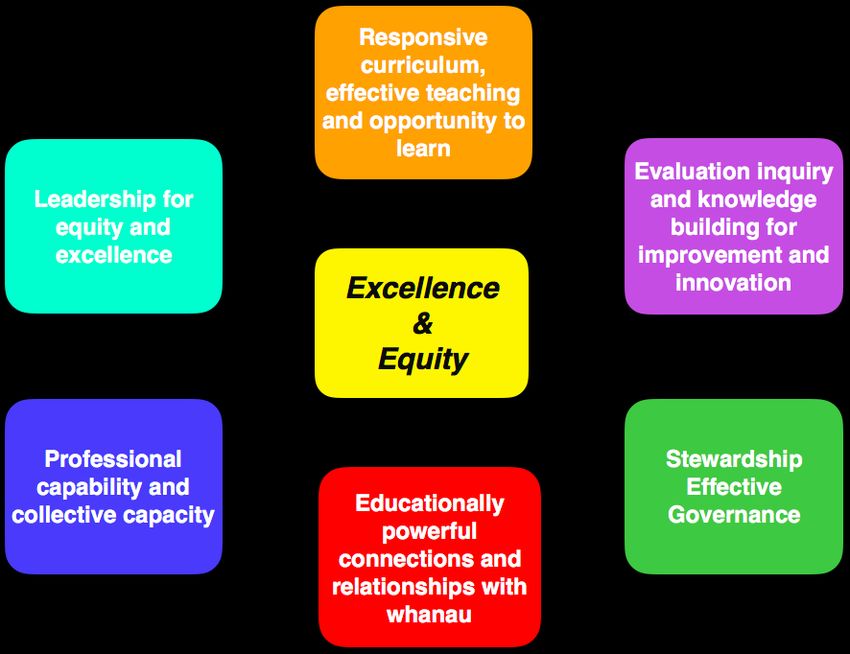
9

and opportunities for                                     the school. Everyone know them.
deep learning.          Creating connections with the     Visitors and new whanau know what
                        values to all cultures in the     is expected.
                        school.
                                                          Everyone at MBS is aware of the
                        Embed PB4L Tier 1- rebranding     expectations for behaviour
                        to make it unique to MBS          Induction processes for all new staff,
                                                          students and whanau
The learning            PB4L Expectations in every
community is            class , known and practiced
characterised by
                        consistently by all staff and     PB4L implementation is evaluated
respect, empathy,
relational trust,       students.                         and measured through our own
cooperation and                                           internal systems and annual
teamwork.               Develop school lesson plans for   external SET data collection
Students experience     teaching behaviour
positive transitions    expectations.
between learning                                                                                                                        Highly Effective
contexts                                                                                           Highly Effective
                        Develop procedures and plan for   Embedded
                        teaching school wide positive
                        behaviour expectations
                                                          Produce signage and visible              Produce signage and visible          Our school learning
                        Develop procedures for                                                     representations of the expectation   environment reflects the
                                                          representations of the expectation
                        encouraging expected                                                       aligned to the school vision         schools vision and values
                                                          aligned to the school vision
                        behaviours, ensure these are                                               statement for all areas of the
                                                          statement for all areas of the school
                        widely socialised and                                                      school - ensure it is culturally     The physical environment
                                                          - ensure it is culturally responsive
                        implemented effectively.                                                   responsive and reflects our          supports the MBSWay and is
                                                                                                   diversity                            responsive to our diverse
                        Produce signage and visible                                                                                     learning community and
                                                          Bilingual signage throughout the
                        representations of the                                                     Add other languages e.g Pacific      reflects our bicultural nation
                                                          school
                        expectation aligned to the                                                 nations and others to reflect the    and strong pacific influences
                                                          MBS Learning and Teaching site
                        school vision statement for all                                            diversity of our school roll.
                                                          MBS Way section to support new
                        areas of the school                                                        MBS Learning and Teaching site       MBS Learning and Teaching
                                                          staff induction and sustainability
                                                                                                   Updated Annually through             site Updated Annually through
                        Everyone at MBS is aware of                                                evaluation data                      evaluation data
                        the expectations for behaviour
                                                                                                   MBS Way section to support new       MBS Way section to support
                        Develop an induction                                                       staff induction and sustainability   new staff induction and
                        programme for all new staff,                                                                                    sustainability
                        students and whanau.

                        PB4L implementation is
                        evaluated and measured
                        through our own internal
                        systems and annual external
                        SET data collection

                                                                                                                                                                         9
10
Lesson and supporting resources Lesson and supporting resources The MBS Way supports a safe
e.g. DIgital Lesson stories are e.g. DIgital Lesson stories are and orderly learning
created to incorporate Te Reo Maori created to incorporate Te Reo environment where all
and English working towards Maori and English working towards students will reach their full
Bilingual delivery for all students and Bilingual delivery for all students potential. The approach is
staff to support our Te Reo Goals. and staff to support our Te Reo culturally responsive to meet
Goals. the needs of our diverse
We will use the language expertise learning community taking
Regular review of SET data and in the school to enable Pacific
PB4L data informs MBSWay languages to also be included in
teaching focuses PB4L resource development
Students have effective, sufficient and equitable opportunities to learn
2018 2019 2020 2021
Students whose Pacific Language and Cultural Improve our response to Mangere Bridge School is Mangere Bridge School is
culture/first culturally and linguistically developing in responding to effective in responding to
language differs weeks are co-designed and run
diverse learners, and to support culturally and linguistically diverse culturally and linguistically
from the by parents and teachers. their acquisition of the English learners, and to support their diverse learners, and to
culture/language of
instruction are well language. acquisition of the English support their acquisition of the
supported to Weekly language and cultural language. English language.
access learning.
Unit plans are delivered in all
Our learning and teaching is Our learning and teaching is Our learning and teaching is
Students with classes. designed in a way that draws on all designed in a way that draws on all
special needs or designed in a way that draws
of a child’s cultural capital, of a child’s cultural capital,
abilities participate on all of a child’s cultural
especially that related to literacy and especially that related to literacy
in learning Students have multiple
opportunities that language. and language. capital, especially that related
provide appropriate opportunities to engage in their
to literacy and language.
support and language, culture and identity.
challenge.
Students are given Opportunity for students to enter Develop systems and processes We are knowledgeable about our
explicit instruction in to gather important information linguistic learners, their language
learning strategies regional and national level
(such as goal and knowledge about our learning needs and cultural
language competitions
setting, linguistically diverse students to backgrounds.
self-monitoring and ensure our teachers We are well equipped to meet their
deliberate practice) Know the learners learning needs
that enable them to understand the differences and
take control of their similarities between migrant,
learning, develop refugee, and New Zealand-born
1011
metacognitive skills, CLD learners, and their families
self-regulate, and appreciate and celebrate cultural
develop self-efficacy and linguistic diverse backgrounds
and agency.
show empathy and understanding
The learning Introduction to the use of Embedding the use of Pasifika
Effective at using the Dual
environment is Pasifika Dual Language Dual Language Resources
Language Resources
managed in ways Resources
that support
participation, Use Dual language resources to
engagement, and
agency in learning. support the early language and
literacy learning of Pasifika students
Learning
opportunities enable in English-medium classrooms.
students to relate
new information to
prior knowledge and Utilising the resource to support the
to modify existing second language acquisition
conceptions as Effectively using the ELLS Highly effective at using the
necessary. principle that building on the child’s
resources to support the second ELLS resources to support the
language/s, helps to strengthen
In each learning language acquisition principle that second language acquisition
area students English language and literacy.
building on the child’s language/s, principle that building on the
engage in
cognitively helps to strengthen English child’s language/s, helps to
challenging and
purposeful learning language and literacy. strengthen English language
opportunities that Utilise the resources which are in and literacy.
relate to real-life
contexts, issues and line with the Pasifika Education Plan
experiences. and the Ministry Statement of Intent,
Students are given by ensuring the linguistic strengths
sufficient, related these students bring to school will
opportunities over
time to revisit and be used to build their English
consolidate learning language and literacy.
through practice and
review and by
applying it in a range
of purposeful
activities.
1112
Introducing the Tapasa Embedding the Tapasa HIghly Effective at
competencies for Pacific competencies for Pacific implementing the Tapasa
Learners ‘The Turu’ into our competencies for Pacific
Learners ‘The Turu’ into our learning and teaching Learners ‘The Turu’ into our
learning and teaching learning and teaching
Tapasa Cultural Competencies
Framework for Pacific Teachers
Turu 1 :Identities,languages and
cultures
Demonstrate awareness of the
diverse and ethnic-specific
identities, languages and
cultures of Pacific learners.
Turu 2: Collaborative and respectful
relationships and professional
behaviours
Establishes and maintains
collaborative and respectful
relationships and professional
behaviours that enhance learning
and wellbeing for Pacific learners.
Turu 3:
Effective pedagogies for
Pacific learners
Implements pedagogical
approaches that are effective
for Pacific learners.
1213
Effective, culturally responsive pedagogy supports and promotes student learning
Indicators and
examples of 2018 2019 2020 2021
effective practice
Student identities,
whānau and Implement Tier 1 Te Reo Māori Implement Tier 1 Te Reo Māori Implement Tier 1 Te Reo Māori Opportunity for students not in
community Strategy Year 1 Strategy Year 2 Strategy Year 3 the Immersion units to
knowledge,
advance their levels of Te Reo
language and
culture are Working towards Level 4e Te Level 4e Te Reo Programme Level 4e Te Reo Programme through expert reo teacher
represented in Reo Programme Implementation Implementations for whole school Implementations for whole school
curriculum materials for whole school Te Reo Māori is normalised
and the enacted Te Reo Māori is used in all classes Te ReoMāori is normalised and
curriculum. Te Reo Māori Lead Teacher and school events. highly respected
appointed supported by Te Ohu
The curriculum makes
connections to Reo Māori Te Reo Maori is used in all classes
learners’ lives, prior Daily broadcasts and Te Reo and school events.
understandings, Daily broadcasts and Te Reo Curriculum Plan for supporting Te Assembly, and school gatherings
out-of-school Curriculum Plan for supporting Reo are delivered bilingually and
experiences and
Te Reo Te Reo Māori Learning site incorporate diverse languages
real-world contexts.
Te Reo Māori Learning site established to support learning and
The cultural established to support learning teaching
competencies for and teaching
teachers of Māori
students – tātaiako: Te Reo Māori progressions used
manaakitanga, ako,
whanaungatanga, Te Hiaroa Te Hiaroa Te Hiaroa
Te Hiaroa
wānanga and
tangata Establish Year 5-6 Māori Bilingual Māori bilingual classes provided
whenuatanga – can Establish 2 Māori Bilingual
Class for all year levels years 0-6 Review of MBS
be observed in classes for years 1-2 years 3-4
teacher practice.
Finalise Te Reo Māori Acquisition Full implementation of MBS Te Te Reo Māori Acquisition plan.
Teaching practices Plan for bilingual unit Reo Māori Acquisition plan Informed by research and data
are consistent with Review te reo Māori levels of students in their first 4 years
culturally responsive Research into translanguaging and
and relational transfer
pedagogies.
Teachers use Research and begin develop
A focus on Formative assessment to
differentiation and a Te ReoMāori Acquisition Plan
variety of teaching monitor and report progress
for bilingual unit
strategies to engage Explore the best fit assessment
Engage with University of
students tools for our Maori medium context
Auckland for support with Te
Teaching practices Reo acquisition plan
such as questioning,
wait time, and Embedding Fully implemented / highly effective Review
1314
providing Support and guidance for Pacific
opportunities for students to attend and Support and guidance for Pacific Support and guidance for Pacific Support and guidance for
application, problem experience and enter Pacific students to enter Pacific Language students to enter Pacific Language Pacific students to enter
solving and
Language Speech Competitions Speech Competitions and Speech Competitions and Pacific Language Speech
invention engage
students in learning and attendance at Pacific attendance at Pacific language attendance at Pacific language Competitions and attendance
and thinking. language events events events at Pacific language events
Student learning is - Niuean - Niuean - Niuean - Niuean
scaffolded through - Samoan - Samoan - Samoan - Samoan
the use of practices - Tongan - Tongan - Tongan - Tongan
such as prompts,
open questions,
Higher numbers of students Higher numbers of students Higher numbers of students
explanations,
worked examples registering to participate registering to participate registering to participate
and active
discussion and
through the More opportunity for student led
provision of cultural week planning, organisation
appropriate tools and implementation
and resources.
Begin to explore the development of
a pacific unit / class
Assessment for learning develops students’ assessment and learning-to-learn capabilities
Indicators and
examples of 2018 2019 2020 2021
effective practice
Teachers and
students Introduction of Talanoa Ako Full implementation
co-construct tools for engaging parents,
challenging but
students and teachers in goal - Translations of support
realistic learning
setting and quality learning
goals and success materials to support
criteria, developing conversations to support student Review of Talanoa Ako cycle Improve plan implementation
achievement.
Pasefika whanau based on review 2020
shared
understandings
about the kind and Developing - Trialling - Preparing students for
quality of work goal setting with their
required to achieve
the desired
Develop Mangere Bridge whanau
outcome. Schools own unique Talanoa
Ako cycle - Embed use of new
collaborative goal setting
Students identify - Develop support
their own learning sheets to align with mid
1415
needs and develop materials to support and end of year report
and use Pasefika whanau
self-assessment
skills to evaluate
- Preparing students for
their own and
others’ work against goal setting with their
whanau Gather parent voice on
clear criteria.
effectiveness of our reporting - focus
Students provide - Development of new on the student inquiry report,
reporting on the wider curriculum MBS has effective practices for Highly effective practices for
feedback to collaborative goal
teachers about the ongoing information sharing ongoing information sharing
setting sheets to align between kaiako, ākonga,
quality and between kaiako, ākonga, parents,
with mid and end of year parents, and whānau,
effectiveness of Grow and spread effective practices and whānau, recognising that
teaching and report recognising that parents have
for ongoing information sharing parents have diverse needs and a
learning. range of effective communication diverse needs and a range of
between kaiako, ākonga, parents,
and whānau, recognising that methods is essential for building effective communication
Teachers, parents
parents have diverse needs and a educationally powerful methods is essential for
and whänau actively
participate in, and range of effective communication partnerships for learning. building educationally powerful
contribute to, methods is essential for building partnerships for learning.
students’ learning educationally powerful partnerships
journeys through for learning.
ongoing, reciprocal
communication. Design and trial ākonga-owned records
of learning that:
-capture rich learning
-builds shared ownership
-builds student and whanau agency
-support ākonga transitions across the
schooling
-evaluate and communicate progress in
important learning across the breadth of
The New Zealand Curriculum and Te
Students curate, and develop rich Students experts at curating,
Marautanga o Aotearoa.
records of learning share with their and develop rich records of
parents and whanau. learning share with their
parents and whanau.
Exploring the use of electronic tools for
students to share their learning and
report to their parents on their progress.
Seesaw and eTap Spot LIght.
1516
Students participate and learn in caring, collaborative, inclusive learning communities 2019
Indicators and
examples of 2018 2019 2020 2012
effective practice
Relationships are Positive Learning for Positive Learning for Behaviour Positive Learning for Behaviour
respectful and Behaviour Implementation Implementation Year 3 of Tier 1 Implementation Year 3 Tier 2
productive;
difference and Year 2 of Tier 1 Restorative Practices PLD
diversity are valued. Embed PB4L Tier 1 Train for Tier 2 for all staff
Instructional Embed PB4L Tier 1
organisation, task
design, modelling, PB4L Expectations used in PB4L Expectations used in every PB4L Expectations used in Review and update
and grouping every class and in all class and in all interaction every class and in all interaction
practices develop interaction regarding regarding behaviour. regarding behaviour.
community and behaviour.
promote active
learning. Add to signage and visible Our school vision, values and Review and update
Students develop Produce signage and visible representations of the PB4L expectations are visible
dialogue and group representations of the expectation aligned to the school throughout the school.
work skills and
participate in expectation aligned to the vision statement for all areas of Everyone know them.
group-based school vision statement for all the school Visitors and new whanau know
learning activities areas of the school what is expected.
where they draw on Everyone at MBS is aware of the
individual strengths
to complete group Everyone at MBS is aware of expectations for behaviour Everyone at MBS is aware of
tasks. the expectations for the expectations for behaviour
The learning behaviour Induction programme for all new
community is
characterised by staff, students and whanau.
respect, empathy, Develop an induction
relational trust, programme for all new staff, PB4L implementation is
cooperation and students and whanau. PB4L implementation is evaluated and measured
teamwork.
Students experience evaluated and measured through through our own internal
positive transitions Incredible years training for our own internal systems and systems and annual external
between learning Learning support staff and annual external SET data SET data collection
contexts.
selected teachers. collection
Behaviour Explore other cultural
PB4L implementation is frameworks to support behaviour
evaluated and measured 2019 Mana Potential Maori
through our own internal Framework
systems and annual external
SET data collection
1617
Strategic Goals Goal 2
Educationally powerful connections and relationship with whanau.
Indicators and
examples of 2018 2019 2020 2021
effective practice
School and community are engaged in reciprocal, learning-centred relationships
Parents, whānau
and the community Term Reveal Days to share Term Reveal Days to share learning Term Reveal Days to share Term Reveal Days to share
are welcomed and learning and Student Inquiry and Student Inquiry Outcomes with learning and Student Inquiry learning and Student Inquiry
involved in school
Outcomes with whanau. whanau. Outcomes with whanau. Outcomes with whanau.
activities as
respected and
valued partners in Whanau surveys each term on
learning. student inquiry learning Whanau surveys each term on Whanau surveys each term on Whanau surveys each term on
student inquiry learning student inquiry learning student inquiry learning
Taking a
strengths-based
approach, leaders
Annual consultation with Whanau contribute to curriculum Annual consultation with whanau Whanau contribute to
and teachers
recognise and affirm whanau re curriculum design overview development re curriculum design and inquiry curriculum overview
the diverse identities, and inquiry topics topics development
languages and (Digital curriculum focus) (Social sciences focus)
cultures of parents, Seek whanau knowledge and (Sciences focus)
whänau and the experience to support inquiry Review our Maunga Model of
community, and topics Student Inquiry seek whanau input
actively broker
engagement and
participation.
Leaders and
teachers actively
participate in
whānau and
community activities.
Parents, whānau
and the community
participate in school
activities and
1718
contribute Voice of Pasefika groups is
constructively to collected and used to design
decision making in a language and cultural
variety of productive Voice of whanau is collected and Māori and Pasifika whanau are Māori and Pasifika whanau
programmes to support are active participants in
roles used to design language and cultural active participants in school
Pasifika Learners and make school activities and contribute
programmes to support Learners activities and contribute to
them feel valued and support to planning and development
and make them feel valued and planning and development of
educational success. of programmes that support
support educational success. programmes that support Māori
and Pasifika learners Māori and Pasifika learners
Termly Pasefika Fono for
planning and development of
Termly Pasifika Fono for planning
initiatives to support Pasifika Termly Pasifika Fono for
and development of initiatives to Termly Pasifika Fono for planning
student achievement and planning and development of
support Pasifika student and development of initiatives to
celebrating Pasifika Language , initiatives to support Pasifika
achievement and celebrating Pasifika support Pasifika student
Culture and Identity. student achievement and
Language , Culture and Identity. achievement and celebrating
Include student leaders Pasifika Language , Culture and celebrating Pasifika Language
Termly Whanau Hui for Māori , Culture and Identity. Pasifika
Identity. Pasifika parents taking the
Unit Parents parents taking the lead.
Establishment of The Hiaroa whanau lead.
committee (Power sharing). Include student leaders Include student leaders
Collaboratively work towards
the ideal bilingual programme Māori parents co-design and
Māori parents co design and leading Māori parents co-design and
design for MBS leading termly Whanau Hui for
termly Whanau Hui for Māori Unit leading termly Whanau Hui for
Maori Unit Maori Unit
38 Week Te Reo classes
Te Reo classes offered to all whanau
offered to all whanau through
Te Reo classes offered to all
Te Wananga o Aotearoa
Online sharing of Te Reo Unit whanau
Te Reo section on School website /
Online sharing of Te Reo Unit
social media Facebook Page for Te Online sharing of Te Reo Unit
Te Reo section on School
Reo at MBS Te Reo section on School website
website / social media
/ social media Facebook Page for
Facebook Page for Te Reo at
Te Reo at MBS
MBS
Students and whanau leading in Te
Collaborating with Māori
Reo Domains to engage the school Students and whanau leading in
whanau in creating of Te Reo
and community in Te Reo speaking Te Reo Domains to engage the
Domains to engage the school
opportunities school and community in Te Reo
and community in Te Reo
speaking opportunities
speaking opportunities
Developing Bilingual speaking
community where te reo Maori and Developing multilingual school
english are spoken widely. Te Reo Maori. English and Pacific
Language are normalised in all
Digital platforms developed to grown settings
te reo community wide.
1819
Communication supports and strengthens reciprocal, learning-centred relationships with whanau
Indicators and
examples of 2018 2019 2020 2021
effective practice
Develop Talanoa Ako Cycle - Fully implement- Review Revised Edition
Parents, whānau MBS in partnership with MBS Talanoa Ako Cycle - MBS in Talanoa Ako Cycle - MBS in Talanoa Ako Cycle - MBS in
and teachers work parents identify and implement partnership with parents identify and partnership with parents identify partnership with parents
together with key activities for working implement key activities for working and implement key activities for identify and implement key
students to identify effectively together to better effectively together to better working effectively together to activities for working effectively
their strengths and understand and support understand and support students better understand and support together to better understand
learning needs, set students learning and progress learning and progress over time with students learning and progress and support students learning
goals, and plan over time with a particular focus a particular focus on Pasefika fanau. over and progress over
responsive on Pasefika fanau.
learning strategies
and activities. Aim:
Students, parents, whānau and
teachers have shared
understandings of curriculum
goals and the teaching and
learning process, and engage
in productive learning Participants are well prepared
Focus on preparing participants well Participants are well prepared and
conversations. (Investigate) and confident to engage in the
for the goal setting and reporting confident to engage in the goal
meetings. setting and reporting meetings. goal setting and reporting
The Talanoa Ako Cycle sets meetings.
out key actions to help schools,
Preparing and empowering parents
parents and families, teachers, Parents are confident and
to be able to contribute their
and students anticipate and empowered when engaging in
knowledge and understandings, seek Parents are confident and
understand what steps they learning fono/hui about their
clarification when needed, and help empowered when engaging in
need to take, and when, children’s progress
plan next steps in the student’s learning fono/hui about their
throughout the school year, to:
learning. children’s progress
● establish and reinforce
respectful, inclusive
relationships as the Aligning our reporting processes with a
foundation of effective professional development focus on
partnerships around culturally responsive and appropriate
student learning curriculum design and formative
assessment.
● reach a clear
understanding of the
purpose of working
together about student
1920
learning and develop Building student agency to ably MBS Students able to articulate their Confident students who are
statements for articulated their learning goals and learning goals and progress towards able to articulate their learning
inclusion in school progress towards meeting their goals, meeting their goals, goals and progress towards
policy documents that meeting their goals,
reflect this shared
understanding and Teachers consistent in their
purpose Teachers more consistent in their Teachers consistent in their approachapproach to reporting student
approach to reporting student progress to reporting student progress and progress and achievement,
● establish clear, timely
and achievement, achievement,
learning goals for
and parents are well informed,
students
and parents feel more informed, and parents are well informed, engaged and confident to ask
● support, track, clearly engaged and confident enough to ask engaged and confident to ask questions and contribute during
report on and review questions and contribute during talanoa questions and contribute during talanoa
learning goals talanoa
Utilise the Pacific speaking staff
● establish and build on
members to run special evenings for
students’ and parents’
Pacific groups to support the
strengths in relation to
understanding around student learning
learning
information and gather voice.
● help students address
areas of difficulty in
their learning Begin dialogue with pacific groups re
possible establishment of dual
● increase deeper-level
language units.
talanoa ako (discussion
or conversations about
education and learning)
among all participants
throughout each
annual cycle
2021
Student learning at home is actively promoted through the provision of relevant learning
opportunities, resources and support
Indicators and
examples of 2018 2019 2020 2021
effective practice
Parents and whānau receive Parents and whānau receive Parents and whānau receive
Leadership and information and participate in information and participate in information and participate in
teachers enable learning opportunities that learning opportunities that enable learning opportunities that enable
parents and whānau
enable them to constructively them to constructively support their them to constructively support their
to support their
children’s learning by support their children’s children’s learning. children’s learning.
providing them with learning. Exploring Seesaw for Y0-4
materials and Exploring eTap for Y5-6 Parent voice determines context
connecting them to Parent voice determines and content for Home Group
community context and content for Home Partnerships
resources. Group Partnership School Home Group Partnerships
Transition to school and pre-school Newly Designed Transition to
Induction workshops for workshops reviewed and redesigned school and pre-school workshops
parents of new 5 years olds from whanau feedback implemented
during pre-school visits -
collection of whanau voice on Exploring ways to provide digital Exploring ways to provide digital
effectiveness of workshops and platforms for engagement in platforms for engagement in
transition to school - seek homeschool partnerships homeschool partnerships
feedback on effectiveness and
cultural competency
Whanau voice contributes to
Any homework assigned is homework design
carefully designed to promote
purposeful interactions
between parents and children, Explore digital solutions for home
Digital and Collaborative Learning
with teachers providing timely, learning
Innovations
descriptive oral or written
feedback. Digital and Collaborative Learning
Year 2 Implementation Phase
Innovations
TE REO MAORI WHANAU Online
Collect whanau feedback to Digital and Collaborative
LEARNING NETWORK (Mindlab
review homework Year 1 Design and launch Phase Learning Innovations
assignment Principal)
TE REO MAORI WHANAU Online
Investigate the use of etap LEARNING NETWORK (Mindlab Year 3
parent portal assignment Principal)
TE REO MAORI WHANAU
Whanau actively utilise the
Online LEARNING NETWORK
Te Reo Maori readers to support
(Mindlab assignment Principal)
Te Reo i te kainga. PDF versions
Well utilised by whanau to
2122
accessible via digital platforms support in the growth of our
Maori speaking community
Te Reo Maori readers sent home to
support Te Reo i te kainga. PDF
versions accessible via digital
platforms
Dual Language Fono for
Linguistically diverse Pacific
parents
Fono to help parents understand
Teachers, parents, how to support their children’s Parents confident in using Dual Parents confident in using Dual
whānau and learning at school, by using the Language Text to support learning Language Text to support
community engage Pasifika dual language books at at home learning at home
in joint activities and home.
interventions to
improve learning
and/or behaviour. Use of Use of Use of
Supporting your child’s learning Supporting your child’s learning Supporting your child’s
through reading R
esource through reading R
esource learning through reading
Resource
In Gagana Samoa, Gagana Tokelau, In Gagana Samoa, Gagana
Lea Faka Tonga, Cook Island Maori, Tokelau, Lea Faka Tonga, Cook In Gagana Samoa, Gagana
Vagahau Niue. Island Maori, Vagahau Niue. Tokelau, Lea Faka Tonga,
Cook Island Maori, Vagahau
Niue.
Introduction of
Dual Language Readers for Pacific Dual Language Readers for Pacific
Students and families who are Introduction of
Students and families who are Dual Language Readers for
English language learners English language learners
are used confidently Pacific Students and families
Create web access to Dual who are English language
Language Books learners are widely used
2223
Community collaborations enrich opportunities for students to become confident,
connected, actively involved, lifelong learners
Indicators and
examples of 2018 2019 2020 2021
effective practice
Teachers, parents, Review PB4L work to date-
whānau and Understand and appropriately
community engage apply Maori and Pasifika
in joint activities and
cultural practices.
interventions to
improve learning
and/or behaviour. PB4L whanau engagement in
planning and review -
School and Parent representation on PB4L
community work Team
together to support
students to make
ECE engagement and
effective transitions
at critical points on relationship building and
their educational transition to school programme Relationships formed with
journey. - Kindy buddies Relationship building with local
Kohanga Reo Intermediates and High schools re
Māori Bilingual pathways for our
The school Transition Links hui with
proactively identifies Engaging with Intermediates and Maori bilinguals
contributing ECE staff termly Collaboration in developing a
and draws on High schools re Māori Bilingual
community pathways for our tamariki at MBS Maori medium pathway from ECE
resources to to Tertiary
enhance student Te Iti Kahurangi Kahui Ako co
learning Te Iti Kahurangi Kahui Ako co
Te Iti Kahurangi Kahui Ako co constructed transition plans
opportunities, Transition to Intermediate constructed transition plans
achievement and constructed transition plans highly effective
information evening for year implemented
wellbeing 5-6 parents in term 1 developed
Place based student inquiries
Place based student inquiries that Place based student inquiries that that collaborate with marae,
Build Iwi and community collaborate with marae, maunga,
collaborate with marae, maunga, maunga, Ambury farm and
partnerships Ambury farm and local expertise
Ambury farm and local expertise local expertise
- Te Puea Marae call
back Building partnerships with local
Building partnerships with local Building partnerships with local
- Mangere Mountain community through student inquiry
community through student inquiry community through student
Education Centre Papatuanuku Marae / Para Korer inquiry
- Te Wananga o
Aotearoa Future focused problem solving
through identification of local issues Future focused problem
- SUPA Saintz Up Future focused problem solving
and needs solving through identification of
Academy performing through identification of local local issues and needs
arts classes issues and needs
2324
Te Iti kahurangi transition and
collaboration across our 10 Building and in-depth knowledge of Building and in-depth knowledge Building and in-depth
schools the School Pepeha, the places the of Te Kingitanga, the places the knowledge of Ngati Whatua,
histories and stories through histories and stories through Takaparawha Orakei
Place based student inquiries engagement with Makaurau Marae, engagement with Te Puea Marae,
that collaborate with marae, Te Pane o Mataoho Education Te Pane o Mataoho Education
maunga, Ambury farm and Center and Local historians, Center Kingi Tawhiao’s whare,
local expertise kaumatua and mana whenua Turangawaewae and Local
Building partnerships with local historians, kaumatua and mana
community through student whenua
inquiry
Strategic Goal 3
Professional capability and collective capacity
Indicators and examples of
effective practice 2018 2019 2020 2021
A strategic and coherent approach to human resource management builds professional
capability and collective capacity
Effective leaders and teachers To be a school of choice for To be a school of choice for To be a school of choice for MBS is a school of choice for
are recruited, selected and prospective teachers prospective teachers prospective teachers and to high performing education
retained. attract a diverse staff that staff. Our staff are experts in
Induction of new teachers is
Development of MBS To have a diverse teaching reflects the diversity of our culturally responsive
systematic and focused on the
development of adaptive Teaching and Learning site to and learning support staff that school roll. pedagogy.
expertise. document and inform high reflects the diversity of our Our diverse staff reflects the
expectations in all areas of school roll. Seek linguistically diverse culture and linguistic diversity
Teachers are well qualified and curriculum delivery at MBS teachers of the school roll.
have relevant curriculum,
assessment and pedagogical MBS Learning and teaching Support teachers and leader Support teachers and leader
knowledge.
site is a high quality resource to access sabbatical and study to access sabbatical and study
Teachers act ethically and with
agency to ensure that all students Effective pedagogy and that supports the induction of awards to develop expertise awards to develop expertise in
achieve valued outcomes. cultural competency new staff providing all the with a focus on the DMIC fields of study that has high
Teachers have the cultural development need to deliver the MBS master and the TESOL relevance for our school.
competence and expertise to curriculum expectations. qualifications. Aim to have at least 2 annually
provide inclusive and productive MBS teachers are effective at
learning e
nvironments for embedding the Principles of
2425
diverse students. the Treaty of Waitangi in their
Coherent performance classrooms.
management processes:
● enable identification of
Callback day Te Puea Marae Wananga 2 day call back Wananga 2 day call back Wananga 2 day call back
teachers’ professional Makaurau Marae Ihumatao Pukaki Marae Te Akitai Te
learning and Mangere Tainui Waka Orakei Marae
Te Ahiwaru Te Waiohua Waiohua
development needs Ngati Whatua ki Orakei
● use multiple sources of
feedback (individual and Teacher and leaders are
team) on teacher effective at using Spirals of
effectiveness Inquiry to accelerate student Teachers and leaders are
● provide professional Leaders are experts in Teachers are leading experts at leading
achievement supporting team teachers collaborative spirals of inquiry
learning opportunities collaborative spirals of inquiry
that are responsive to through authentic spirals of in small focus groups in small focus groups driven
identified needs and Fortnightly team discussions inquiry focused on
Regular staff hui by identified needs
align with the school’s linguistically diverse students
strategic goals. Professional Learning ALT coaching of ISL ISL coachign of classroom
Ineffective performance is Partnerships teachers
identified and addressed.
DMIC Developing Year 2 DMIC PLD for all Year 3 DMIC PLD for all Year 4 DMIC PLD for all
Mathematical Inquiry teacher 3 tiered programme 3 tiered programme
Communities - building school Pick up workshops for new
capacity and developing staff Tier 1 - introduction and Tier 1 - introduction and
leaders Algebra workshops for all induction for new teachers induction for new teachers
Tier 2- in school mentor visits Tier 2- in school mentor visits
and workshops for developing and workshops for developing
teachers teachers
Tier 3 - Lesson study group to Tier 3 - Lesson study group to
grown in school leads grown in school leads
Offer DMIC postgrad onsite
First Chance Literacy years
Development of 3 in school Develop 2 First chance Develop 2 First chance
1-4 developing our own in
First Chance in school mentors in processing and mentors in processing and
school leaders
mentors for sustainability comprehending each year comprehending each year
using the colleague study using the colleague study using the colleague study
model model model
First Chance Literacy Year 5-6
Building consistently effective
literacy practice across all
levels of the school. Building teacher confidence
and capability in the
overarching aspects of nature
of science.
MBS Appraisal
Transition from Arinui to
2526
developing our own MBS MBS Appraisal
Developed template(focus on MBS Appraisal MBS Appraisal
curating evidence and Embedding MBS Quality
collaborative sense making practice template for curation
and appraisal discussions) of quality evidence,
The Quality Practice Workshop on effective goals
Template: the Standards setting - linked to data and
for the Teaching informs teacher inquiry
Profession At Mangere
Bridge School Leadership coaching on
appraisal discussion to
Template designed and used implement work around the
goals, the evidence that
for individual teachers to
informs practice and decision
complete as a stand alone making, and the conversations
document for an appraisal that are central to appraisal.
record or as a way to plan a
website. Inclusion and alignment of
Workshops on Tataiako, Tapasa and the
Getting to know the Standards for leadership frameworks into
the Teaching Profession is our template
essential for making appraisal
valuable, manageable and
learner-centred for all teachers Induction to MBS Appraisal for
new staff
and leaders. Knowing the
standards and having a shared
Refresher for all staff, revisit
understanding of what they look
quality evidence curation
like at our place allows us to
focus our appraisal attention
around our goals and areas of MBS 2019 Appraisal overview
inquiry. and process refreshed and
socialised
Co constructions of the Quality
Practice Template together as a
whole teaching staff to identify the
Standard
Supporting teachers and leaders
to see the naturally occurring
evidence available for
discussion/analysis.
26You can also read


