MARKET APPLICATIONS FOR 2021 AND THEIR 5 KEY LABEL TRENDS
←
→
Page content transcription
If your browser does not render page correctly, please read the page content below
5 KEY LABEL TRENDS
FOR 2021 AND THEIR
MARKET APPLICATIONS
5 KEY LABEL TRENDS FOR 2021 AND THEIR MARKET APPLICATIONS

              5 key label trends for 2021 and
              their market applications
              Brands faced extraordinary packaging challenges in 2020:

              • Brand managers rethinking how to engage with
                home-bound shoppers.

              • Procurement teams vetting material suppliers that
                remain agile in spite of lockdowns.

              • Consumers seeking products that share their
                commitment to safety as well as sustainability.

              These challenges, however, also led to previously
              unimagined labeling opportunities — such as essential
              support during chaotic times and innovative ideas to
              match the new consumer landscape. And as brands
              prepare for next year, we’re anticipating a continuation
              and evolution of the changes we saw this year.

              Looking ahead to 2021, we’ll share five key labeling
              trends we’re seeing in the marketplace. We’ll also
              provide examples of real-life applications for these
              trends, ranging from food and pharmaceuticals to
              beverage and household cleaners.

              These insights and examples will help you anticipate new
              evolutions coming down the pipeline and prepare for
              trends that are here to stay — setting up your brand for
              a profitable and forward-thinking 2021.

                                                                         2
5 KEY LABEL TRENDS FOR 2021 AND THEIR MARKET APPLICATIONS

              Trend #1: As e-commerce grows,
              so does the importance of
              trust-building packaging
              Groceries, pharmaceuticals, clothes, spirits — consumers are
              ordering online more frequently, in larger amounts and as a more
              central means of shopping across market sectors. E-commerce
              has been a part of the buying landscape for many years now, but
              the pandemic accelerated its growth forward 4 to 6 years.

              Winning at the shelf isn’t enough anymore. Brands must win in the
              online shopping cart, too.

              Thoughtfully packaged products have the power to make
              consumers assign even more value to their purchase.
              Unfortunately, the online evaluation of the look, feel and value
              of a product (and its packaging) just isn’t the same as in-person,
              brick-and-mortar shopping experiences.

              This reality, combined with the likelihood for consumers to be less
              trusting in a post-COVID world, poses a challenge for brand owners.

              What can you do to empathize and engage with the customer?
              How can you meet their desire to buy for authenticity and
              confidence? How are you going to put your brand story in front of
              them and build trust online?

                                                                                    3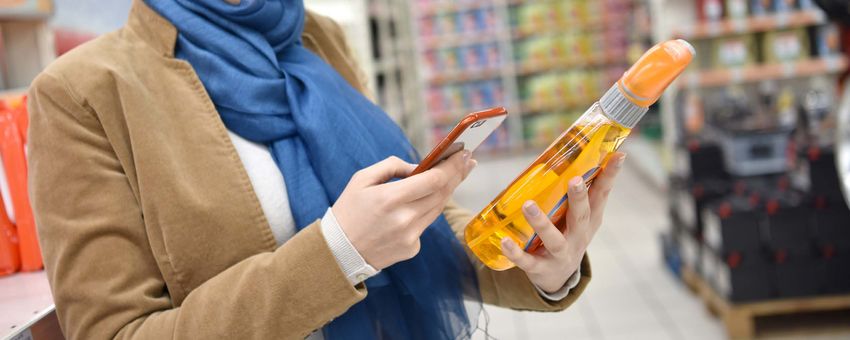
5 KEY LABEL TRENDS FOR 2021 AND THEIR MARKET APPLICATIONS

              You can address these online shopping challenges by:

              • Designing packaging to carry greater storytelling and
                branding weight. Consumers will not frequent brick-and-
                mortars as often — this means they won’t be coming into
                contact with your in-store displays or interacting with your sales
                representatives. Your only chance to communicate with 100% of
                your customers is through your packaging.

              • Bolstering your online assets to educate your buyers.
                Provide easy-to-read images of your labels, thorough product
                descriptions and customer reviews to make it easier for buyers
                (especially new ones) to make purchase decisions.

              • Ensuring online depictions match what consumers get. When
                the packaging matches what the consumer expected, trust is
                built and shoppers feel confident in the product’s quality and
                the credibility of your company.

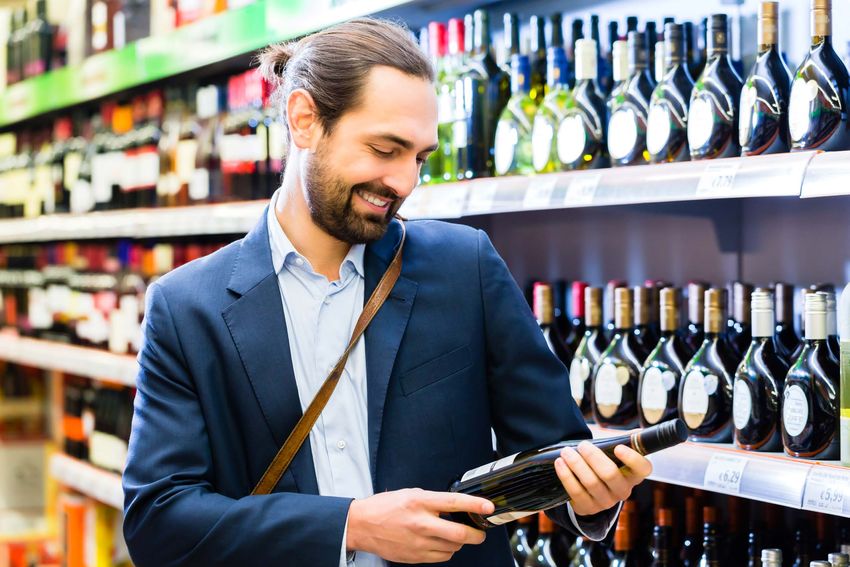
              • Considering NFC tags for product authentication. For example,
                counterfeit wine is a pervasive problem affecting luxury brands,
                and each fraudulent bottle sold is a huge safety and image risk
                for the brand. NFC allows your customer to authenticate the wine,
                down to the unique identification code for that particular bottle.

                                                                                     4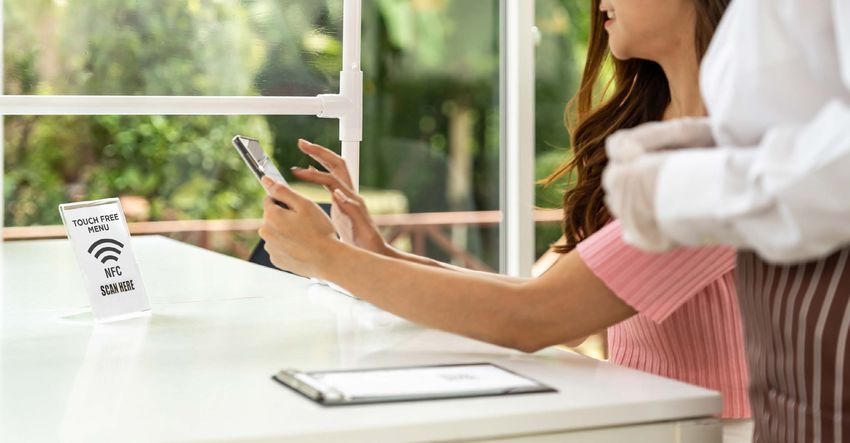
5 KEY LABEL TRENDS FOR 2021 AND THEIR MARKET APPLICATIONS

              Market application: Demonstrating sustainable
              fishing practices
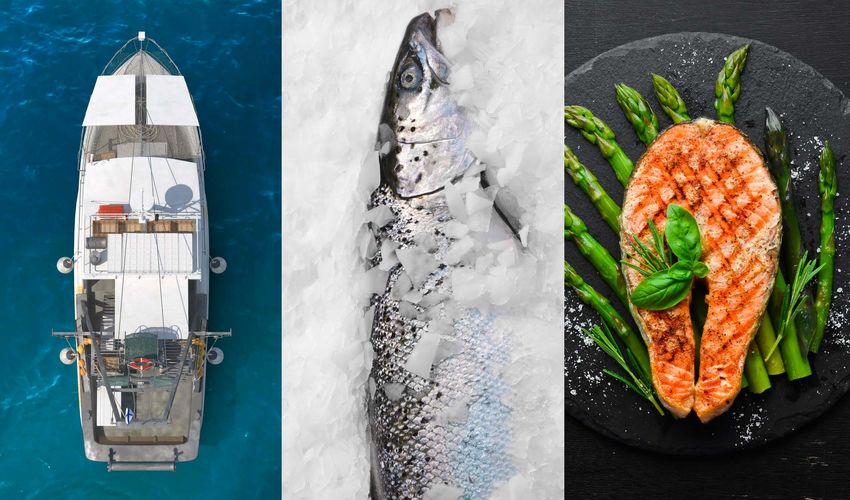
              A major producer of canned seafood sought a way to educate
              customers on their sourcing and build trust in their brand. To
              accomplish this, Bumble Bee Foods collaborated with a software
              company to create a QR code that traces yellowfin tuna from the
              Indonesian ocean to the can. With a quick scan of a QR code,
              customers can discover where the fish was caught, the weight of
              the catch and whether it has been certified as sustainable.

              This labeling solution allows the product packaging to
              carry greater branding weight (solidifying their status as a
              sustainability-focused seafood provider) and provides education
              to buyers. All in all, this engaging packaging component
              successfully builds trust between the brand and the consumer —
              even in an online shopping-centric landscape.

                                                                                5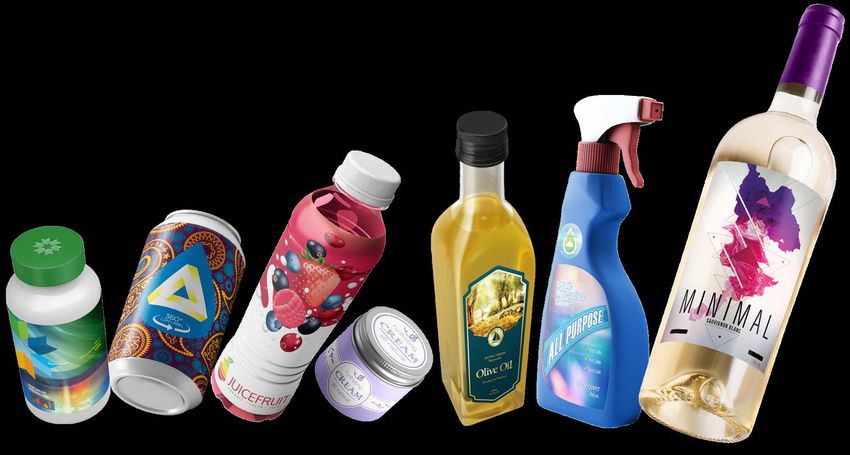
5 KEY LABEL TRENDS FOR 2021 AND THEIR MARKET APPLICATIONS

              Trend #2: NFC and RFID fill the
              gap in consumer engagement in
              a socially distant world
              Smart labeling technologies already create remarkable efficiencies
              and opportunities for brands: RFID tags that can be read at
              700 products per second for improved supply chain visibility, or
              secure, one-to-one NFC tags for promotional labels and posters.

              But on the whole, RFID, NFC and other intelligent labeling
              solutions likely exist on the perimeter of your labeling discussion
              — the technologies are available, they sound exciting, but are they
              a right fit, or even necessary?

              For starters, smart labeling technology is more affordable and
              accessible than ever. Whereas price used to be a deterrent, it’s no
              longer a significant barrier and more companies are adapting the
              technology to meet the demands of an evolving, touchless world.
              Augmented reality (AR), for example, has emerged as an affordable
              and adaptable technology that can improve customer interaction.

              Which leads to the second important takeaway: NFC and RFID
              labels can provide consumer engagement that brands have
              been essentially cut off from. In-person experiences drive
              crucial brand loyalty, added purchases and re-ordering: Sampling
              seasonal flavors at the grocery store, soliciting beautician
              recommendations at the department store makeup counter,
              hearing wine pairings from the vineyard sommelier.

              With these off the table, smart labeling can fill the gap.
              These solutions are touch-free (important in a world of social
              distancing), convenient (available on a smartphone, which makes
              up roughly 93% of all cell phone users) and rife with opportunities.

                                                                                     6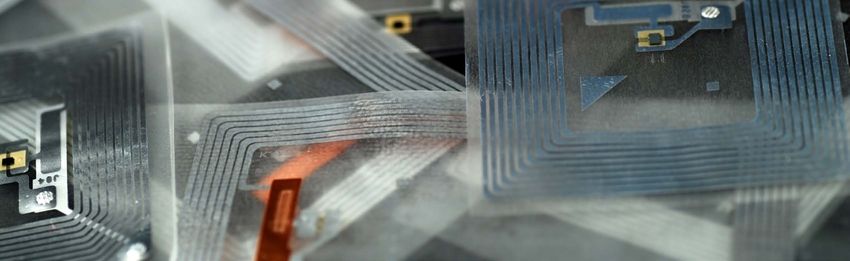
5 KEY LABEL TRENDS FOR 2021 AND THEIR MARKET APPLICATIONS

              Here’s how you can incorporate intelligent labeling technology to
              benefit your consumers and your brand:

              • Enable safe, touchless interactions with your labels. This can
                look like a cashier-less checkout for shoppers (such as with
                contactless payment applications like ApplePay™) or tapping
                the label on an empty hand sanitizer dispenser to notify staff
                that it needs to be replaced.

              • Facilitate simple reordering to generate repeat customers.
                When your customer taps the label on a consumable product,
                they can easily reorder via e-commerce channels — driving
                remote product sales while consumers stay safe at home.

              • Connect users to virtual brand experiences. A quick scan of a
                label on the high-end eyeshadow palette can take the customer
                to videos of beauty experts demonstrating different looks,
                recommendations for product pairings and other valuable
                tips. These virtual experiences could be the key to driving
                engagement and building loyalty during this time.

                                                                                  7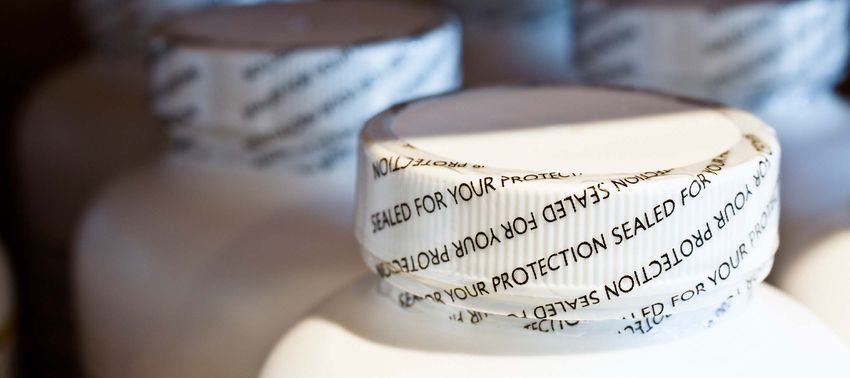
5 KEY LABEL TRENDS FOR 2021 AND THEIR MARKET APPLICATIONS

              Market application: An immersive wine education
              experience from anywhere
              One European winery prides itself on educating consumers on
              how they make their wines. So when customers can’t physically
              be on site, an NFC-enabled label facilitates an ongoing dialogue
              among their wine-loving customers.

              The smart label is hidden unobtrusively beneath the facestock
              and embedded with content readable by nearly every modern
              smartphone. By scanning the tag, customers can learn about how
              their grapes are harvested and what the fermentation process looks
              like. Leveraging this technology, the winery can still continue the
              conversation beyond the wine cellar and tasting rooms.

                                                                                    8
5 KEY LABEL TRENDS FOR 2021 AND THEIR MARKET APPLICATIONS

              Trend #3: Security and
              tamper-evident labels are now
              industry staples
              As touched on in the previous two trends, consumers need
              increased transparency and security in the products they’re buying.

              One way to achieve this enhanced safety for your customers?
              Security and tamper-evident labels.

              This market is expected to nearly double through 2030, and
              COVID-19 has only strengthened the focus on the security of
              products. With these labeling solutions, you can communicate to
              customers that products are safe, sealed and nothing has been
              tampered with.

              For pharmaceuticals, consumer electronics and medical devices,
              security labels and measures have long been a part of product
              packaging; the pandemic has amplified the scrutiny on these
              products and thus the need for reliable tamper-evident solutions.

                                                                                    9
5 KEY LABEL TRENDS FOR 2021 AND THEIR MARKET APPLICATIONS

              New applications have popped up as well: The food and beverage
              industries are estimated to account for more than 40 percent of
              security label demand in the next decade. From pizza boxes to
              pre-packaged grocery store sides to takeout coffees, customers
              now demand safety assurance. Additionally, the FDA is partnering
              with the USDA, CDC and industry and consumer stakeholders
              to develop educational materials for consumers on the handling
              of food delivered to their home — including looking for tamper-
              resistant packaging.

              Brand owners across industries can communicate product safety by
              incorporating security and tamper-evident labeling options such as:

              • Tamper-evident shrink sleeve. Full-body shrink sleeves extend
                over the top of the cap, forcing consumers to tear the top
                section of the sleeve off to open the container. For products
                that aren’t in sleeves, full-graphic shrink bands with a vertical
                perforation for “zipper” removal can easily add a tamper
                evident feature, especially for bottles with longer necks.

              • Tab labels. For this solution, a slim tab label extends from the
                container up over the cap. These are common tamper-evident
                solutions in the food, wine and spirits markets.

              • Smart label strips with embedded RFID chips. These labels
                send a signal when the seal is broken for added protection,
                preventing compromised inventory from reaching the consumer
                in the first place.

                                                                                    10
5 KEY LABEL TRENDS FOR 2021 AND THEIR MARKET APPLICATIONS
• Simple seal labels. For pre-packaged, grab-and-go or delivered
foods, this is a straightforward solution for communicating that
the product is sealed and is safe.
• Void labels. If the label is removed, the adhesive will leave the
word “VOID” on both the product substrate and the back of the
label to tell a customer that the product has been tampered with.
• Frangible film labels. These consist of an engineered film and a
specially designed adhesive. If removal of the film is attempted,
it fragments into tiny pieces that remain adhered to the
substrate — making it extremely difficult to remove and leaving
visual evidence of tampering.
• Anti-counterfeiting film labels. These labels tear cleanly and
easily in one direction and also drastically reduces the risk
of accidental breaks during transportation and handling — a
common problem when using perforated seals.
• Label solutions combined with non-label features. Build
multiple layers of protection for your product with foil lidding or
drop-band closures in addition to tamper-evident packaging.
115 KEY LABEL TRENDS FOR 2021 AND THEIR MARKET APPLICATIONS
Trend #4: Raising the bar on
sustainability commitments
Year after year (and really, decade after decade) sustainable
packaging is included on trend lists and end-of-year commitments
for next year’s products.
Yes, sustainability is once again on our radar. But this time
around, we’re seeing more specific, aggressive and actionable
commitments from brands. And further, sustainability-minded
consumers are calling for transparency and follow-through on
those commitments — a significant 87% of consumers prefer an
eco-friendly packaging option when purchasing products.
First, sustainable materials have demonstrated impressive
innovation: Materials made from cotton, grapes, barley or citrus.
Compostable label materials designed to breakdown in an
industrial composting facility. Responsibly sourced materials made
from Forest Stewardship Council-certified wood.
But, notably, the commitment doesn’t stop there anymore. Brands
are recognizing the need for holistic sustainability strategies; not
just a compostable label, but a compostable bio-adhesive, too, to
ensure the composting process can actually happen.
Recyclability is getting a reinvigorated focus, and for good reason.
As Paul Jackson, director of the National Resource Consortium,
said in Recycling & Waste World: “Biodegradable plastics are
placating customers with a guilt-free quick fix while increasing
general waste volumes and costs. It’s sidestepping the urgent
issue: 9 billion tons of plastic already in existence.”
Faced with the recycling challenge, brands are called to educate
their customers on how to properly dispose of plastic and
facilitate much-needed recycling processes.
125 KEY LABEL TRENDS FOR 2021 AND THEIR MARKET APPLICATIONS
Your brand can re-commit to sustainable packaging by:
• First, defining your sustainability goals. Consider which initiatives
and areas of focus make sense for your product and brand
identity. If you’re not sure where to begin, start with this article.
• Maintaining an ongoing dialogue with your label converter.
They’ll recommend the best recycling-compatible label
materials for your product container.
• Considering your packaging design holistically. If the rest of
your package isn’t recyclable, choosing a recycle-friendly label
material might not be the best choice. But a lightweight label
material might be the perfect drop-in solution.
• Looping in all packaging suppliers. To ensure your entire
package is recyclable, make sure you are upfront and clear with
all packaging suppliers (labels, containers, caps, lids, etc.) about
your goals.
• Talking to How2Recycle about joining. If you’re serious about
making your package recyclable, why not pay the nominal
joining fee, go through their recyclability assessment and
become a member? Then you can prominently feature their
recycling instructions on your label, gain more trust from
consumers and ensure your packages actually get recycled.
135 KEY LABEL TRENDS FOR 2021 AND THEIR MARKET APPLICATIONS
Market application: Pushing the envelope in sustainable
beverage packaging
A paper bottle that could actually contain beer sounds like a flight
of sustainability fancy — but one R&D team is working to make
it happen.
In the most recent unveiling of prototypes, the bottles have either a
thin rPET film barrier or a thin PEF bio-based film barrier, enabling
the bottle to meet the high standards required to contain beer.
The bio-based materials will provide a lower carbon impact than
typical materials utilized for carbonated beverages, and they
eventually aim to achieve a bottle that doesn’t use a polymer at
all. This use of advanced sustainable materials will help the brand
achieve their long-term sustainability goals.
145 KEY LABEL TRENDS FOR 2021 AND THEIR MARKET APPLICATIONS
Trend #5: Converters prove
crucial to an informed, agile
packaging strategy
It has never been more important for brands to understand how
consumers will retrench and reset — laying the groundwork for
how they relate to brands for years to come.
Both in the immediate and long term, a labeling partner is
essential for continuing to navigate the new landscape as
businesses get their feet under them. Essentially, brands need
to be more flexible than ever — and an informed, agile label
manufacturer is part of that.
We saw this in the short term during the early stages of the
pandemic where label converters mobilized to deliver high
demands of printed products. Across markets, label converters
played a vital role in keeping product manufacturing and
delivery up and running — after all, unlabeled products can’t be
distributed. And due to increased demand of food and personal
care products, label converters had to work around the clock as
essential businesses to meet consumer needs.
While the high-intensity production seen in early 2020 won’t likely
be repeated, we will likely continue to see fluid environmental
conditions and ongoing variance in the consumer landscape.
You can best prepare your brand for these ongoing market changes
by working with a consultative label converter. Today more than
ever, print and packaging providers have the opportunity to work
with their clients in a consultative approach, showing the power of
packaging and making sure clients understand what it can do when
it comes to consumer engagement.
155 KEY LABEL TRENDS FOR 2021 AND THEIR MARKET APPLICATIONS
Market application: Meeting hand sanitizer
production demands
Demand for hand sanitizer outpaced supply at the beginning of
the COVID-19 pandemic. Distilleries stepped up to combat this
problem and fight the spread — and needed an agile labeling
partner to keep up with that demand.
Right away, the Resource Label Group team committed to
providing seamless, on-demand label printing to distillers
launching hand sanitizer production. We summarized the label
requirements that the FDA and Alcohol and Tobacco Tax and
Trade Bureau (TTB) issued to meet COVID-related demand,
providing crucial guidance and clarity during an intense
production period. This active partnership allowed distilleries to
focus on production and get products out the door to where they
were needed most.
What does your 2021 look like?
And, more importantly, how do you plan to make it happen?
At Resource Label Group, we partner with brands to bring their
labeling visions to life, from engagement-driving smart labels to
tamper-evident solutions that promote consumer confidence in
your product. We’re one of the largest label converters in North
America and print millions of labels across markets, constantly
finding innovative solutions for brands just like yours.
Let’s talk about your vision for next year and how we can make it
a reality.
16THE BRAND OWNER’S GUIDE TO SHRINK SLEEVES
MORE ABOUT RESOURCE
LABEL GROUP
At Resource Label Group, we continually invest in the
most innovative people, technology and processes to
deliver the highest quality labels. Running state-of-the-
art operations throughout North America, we combine
full-scale label printing and design capabilities with
hands-on, consultative service. Our goal? To provide
you the solutions you need to achieve a perfect label
for your brand, budget and product. It’s our mission to
deliver a tangible return on your packaging investment
and ensure a smooth, positive experience.
If you have any questions about labels, give us a call at
1-888-526-8177 or visit us at resourcelabel.com. We’ll
point you in the right direction and find solutions for
your label needs.
COPYRIGHT 2020 RESOURCE LABEL GROUP AND ALL SUBSIDIARIES 17THE BRAND OWNER’S GUIDE TO SHRINK SLEEVES
RESOURCELABEL.COM
COPYRIGHT 2020 RESOURCE LABEL GROUP AND ALL SUBSIDIARIES 18You can also read


