Shared Living - a design-led approach to modern city living - Bartra Eblana SHD
←
→
Page content transcription
If your browser does not render page correctly, please read the page content below
Shared Living – a design-led
approach to modern city living
April 2019
What is shared living?
What is Shared Living?
High-quality, affordable accommodation in urban locations
> Modern form of accommodation reflecting the needs and wants of
    today’s society

> Promotes a sense of community for residents and increased social
    interaction, with access to social events and communal activities

> Residents benefit from a high specification private room together
    with the benefit of significant additional shared facilities

> Provides a convenient option for residents with a single monthly
    payment that is inclusive of all bills, cleaning, Wi-Fi etc

> Offers increased flexibility and mobility in the form of a short to
    medium term residential accommodation solution

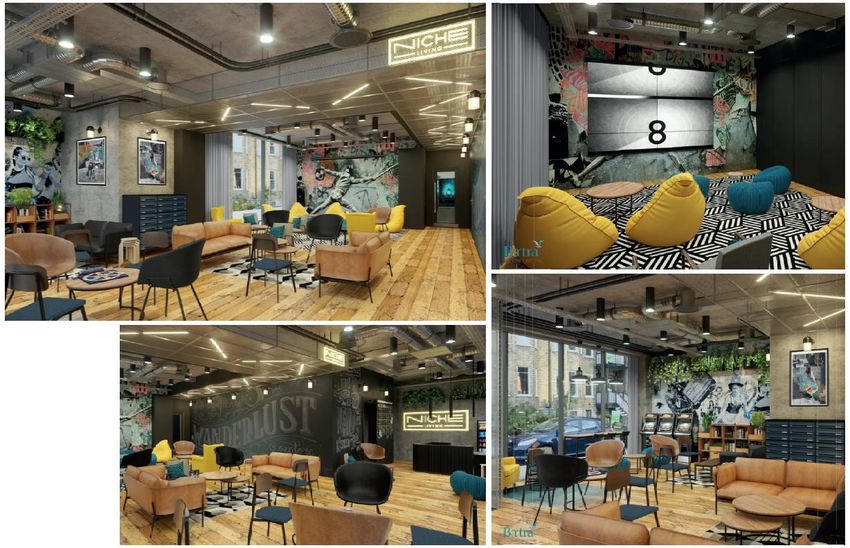
> Shared communal spaces offer a host of amenities for residents to
    enjoy individually or collectively, including:
    •   Cinema room, Gym, Laundry, Workspaces, Roof terrace / external
        amenity areas, dedicated events organiser

> Caters to the growing demand for affordable, flexible and
    experience-led living

                                                                         3
Highly Supportive Political Backdrop
 Government recognises the need for change in the Irish Housing Market
     > Extract from National Development Plan 2018                                     EU Commission Criticises Irish Housing Policy
                                                                                       The European Commission has strongly criticised the Government’s housing
          •    “Ireland stands on the cusp of great change. In the next twenty         policy, suggesting rapidly rising rents, insufficient residential construction and
                                                                                       a lack of affordable and social housing were driving increased rates of
               years we will grow by an extra one million people. This raises a        homelessness in Dublin and elsewhere.
                                                                                       The Irish Times, Feb 28, 2019
               series of important questions for our consideration, the most basic
               being where will all these people live and work, what kind of quality
                                                                                       Living with strangers holds key to housing crisis and loneliness
               of life will we each enjoy…”                                            Such “co-living” properties would help to address the shortage of affordable
                                                                                       homes for first time buyers in big cities, encourage stronger communities and

     > Extracts from Minister Eoghan Murphy’s Speech to IPI (Nov
                                                                                       reduce loneliness and isolation among younger people, the study said. The
                                                                                       properties could curb demand for social housing and free up larger homes
                                                                                       for couples with children who need more space, the report by the Soail
         2017)                                                                         Market Foundation think tank suggested.
                                                                                       The Times, Feb 26, 2019
          •    “While our cities are growing as major centres of employment, they
               are not growing quickly enough as places to live in - why is that?
                                                                                       IDA plays down rental crisis with '€1,000-a-month' apartment claim
               Today, we have nearly 100 cranes on construction sites in Dublin        to multinationals
               city centre but only about 10% of these are on residential              IDA seeks to play down the state of housing crisis to multinational
                                                                                       companies. Residential Tenancies Board says standardised average rent for
               development sites - why is that?”                                       Dublin stands at €1,587
                                                                                       Irish Independent Mar 5th, 2019
          •    “We have to free ourselves from the mind-set that everyone should
               live in a 3 bedroomed house at every stage of their lives. We know
                                                                                       Millennials do not need living rooms, a leading architect has said
               other models work, but we don’t have them here”                         Millennials do not need living rooms, a leading architect has said,
                                                                                       complaining that size rules are shutting young people out of the housing
          •    “We can design the provision of the wider range of accommodation        market.
                                                                                       In a briefing paper, Patrik Schumacher, who worked on the London Aquatics
               our society needs, working back from what it can afford, and not the    Centre built for the Olympics, argued that centrally-located "hotel room-
                                                                                       sized" studio flats are ideal for busy young people.
               other way around.”                                                      The Telegraph, Apr 2018

1.     Extracts from “The Future is here” James Wallman, 2017
2.     The Economist – The world goes to town, March 2015                                                                                                                   4
3.     (Rohan Silva, Dezeen, July 2015)
The importance of shared living
A growing urban population
Population growth and urbanisation driving demand for new types of accommodation
> Ireland’s population is increasing and is expected to hit almost                                                                  8,000
                                                                                                                                                         Forecast population of Ireland1
      7 million people by 20511                                                                                                     7,000

> Additionally, the percentage of 1-2 person households has
                                                                                                                                    6,000

                                                                                                                Population '000's
                                                                                                                                    5,000
      almost doubled in the last 20 years1                                                                                          4,000
                                                                                                                                    3,000
> Ireland is urbanising as more people desire to live in its cities                                                                 2,000
      but Irelands housing market has not yet adapted                                                                               1,000

      •      One of the least urbanised high-income countries - 64% of                                                                 0
                                                                                                                                              2016       2021     2026     2031        2036     2041    2046      2051
             people living in cities compared to a worldwide average of 80%2
                                                                                                                                            Age 0 - 19    Age 20 - 39    Age 40 - 59      Age 60 - 79   Age 80+
      •      Delay in urbanisation due to lack of housing not demand as
             residents continue to work in cities but face longer commutes2

> To meet the demand for accommodation in urban locations,
      Ireland’s housing market must adapt and adopt a variety of
      new forms of accommodation
      •      Shared Living is one of these forms
      •      March 2018 strategic planning guidelines recognise this

 1.       CSO population forecast based on M1F1 metrics / CSO census data
                                                                                                                                                                                                                         6
 2.       Activate Capital – Report on the role of apartments in meeting Irish Housing requirements 2018-2022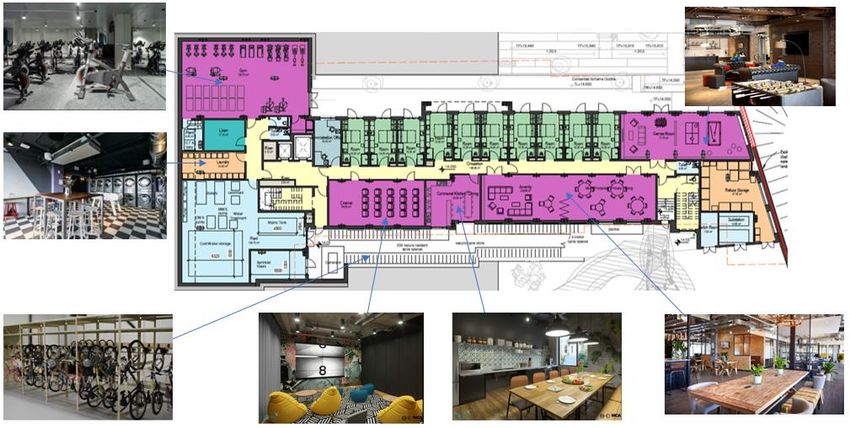
Meeting Ireland’s housing demand
New forms of accommodation are key to meeting the growing demand
> Residential development in Ireland has traditionally focused on
      housing, with small numbers of apartments in urban locations
      •      Thus, house-sharing is a common feature of life for young workers

> With increasing population and decreasing household size,
      demand for higher density accommodation is growing
      •      Shortfall of 450k apartments in Ireland and 200k in Dublin1

> Shared Living was introduced by the Government in March
      20182 and must be adopted by the local authorities as a viable
      form of accommodation

> Shared Living is not seen as a replacement for apartments but a
      separate accommodation form offering an affordable and flexible
      accommodation solution
      •      Bartra’s current pipeline of c.750 Shared Living beds equates to
             less than 1% of the total demand for apartments in Dublin

 1.       Activate Capital – Report on the role of apartments in meeting Irish Housing requirements 2018-2022
                                                                                                                7
 2.       Design Standards for New Apartments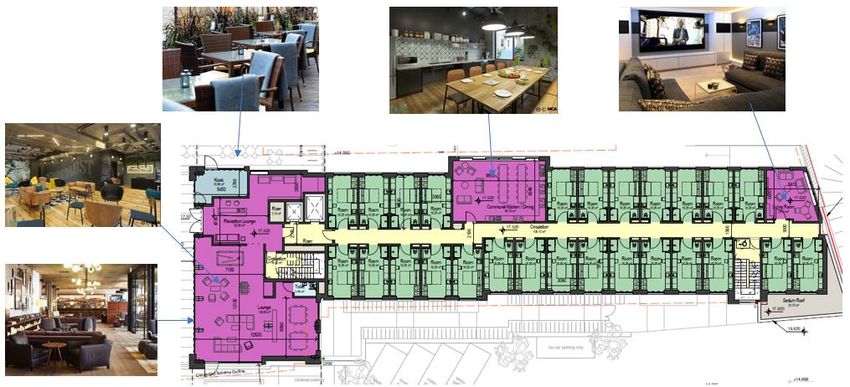
Understanding the Target Market for Shared Living
Designed to meet the needs of an evolving target market
> Longer life expectancy is changing how we live. People are;                                                                   Target Market
     •    Marrying later; Having families later; Purchasing properties later
                                                                                                                                25-34 year olds
> Changing mindset, particularly in younger people, with the idea of
     “access not ownership” becoming key to understanding their needs                                                            Generation Z

                                                                                                                                  Transitory
> Target market generally considered to be limited to 25-34 year old                                                             Professionals

     single people “millennials”
                                                                                                                                    Older
     •    Should be expanded to include all those who have a preference for                                                       Singletons
          affordable and flexible accommodation in urban locations

> Target market will continue to expand with the growing population                                                  Forecast population of 25-34 year olds1
     •    Population of 25-34 year olds in Ireland forecast to rise                                         950

     •    As residents move on from Shared Living there is a large cohort of new                            850

                                                                                        Population '000's
          market entrants ready to avail of space
                                                                                                            750
> Ireland’s economic growth attracting more people to live and work here
     •    Short to medium term accommodation solution for temporary workers                                 650

     •    Allows workers to adapt to a new city in a socially interactive environment                       550
                                                                                                                  2016   2021    2026      2031 2036 2041       2046   2051
                                                                                                                                        25-34 Population Size

                                                                                                                                                                              8
 1. CSO population forecast based on M1F1 metrics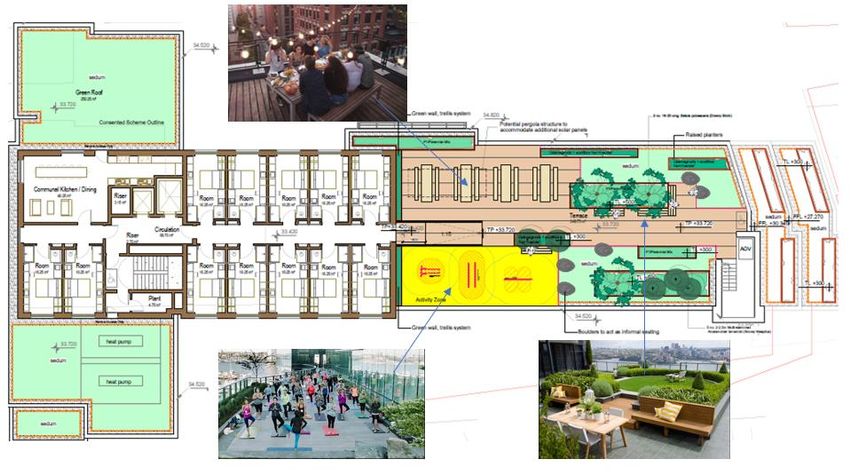
Affordability is key
Lack of affordable accommodation options in the Irish urban market

> In an article published by the Irish Times, renters in Dublin
      city are now spending as much as 55% of their take-home
      pay on rent1 (excluding bills, gym costs etc)
      •   Dublin is one of the most expensive cities for rent vs income
          ahead of Singapore, Paris and Sydney
      •   According to the Daft.ie Q3 2018 rental report rents rose for the
          25th consecutive quarter

> We project that Bartra’s Shared Living units would be priced
      at a discount to rent for a 1-bed apartment in the local area
      •   For less cost, residents have access to a fully functional private
          space, high specification communal facilities and a built in
          community

> The monthly charge in a Niche Living development will be
      inclusive of all bills plus community activities and will
      represent a significant saving over comparable apartment
      accommodation

 1.    The Irish Times 24.10.2017                                                                                                                                                                             9
 2.    Infographic sources in order - Daft.ie Q3 2018 rental report / Activate Capital report of role of apartments in meeting Irish Housing Requirements / Daft.ie Q3 rental report / Irish Times as above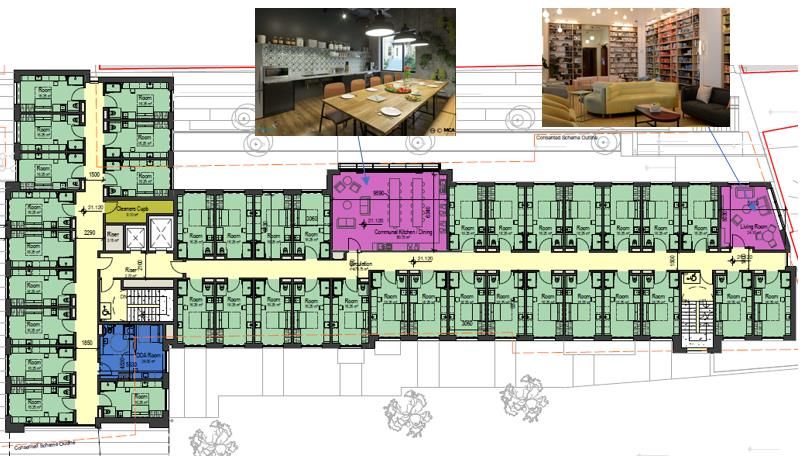
Social benefits of Shared Living
Providing much needed housing but in a form that has adapted to changing behaviours & attitudes
> We are more connected than ever but loneliness and social
      isolation is becoming an epidemic with severe health
      implications                                                                                                    Shared Living      Loneliness and
                                                                                                                     promotes social    social isolation is
> In a recent Irish Times article1 Padraig O’Morain noted that                                                       interaction and        linked with
      contrary to popular belief “loneliness affects young people                                                        creates        increased risk for
      more than the elderly”                                                                                          communities         early mortality4
> Events such as starting work and moving away from friends
      and support networks can trigger significant feelings of
      loneliness and stress

> Relying on social technology rather than face to face
      interaction is thought to be making us feel more isolated
                                                                                                                     Loneliness costs    Social pain is as
      •      Bartra will utilise Spike Global a software/app platform to co-
                                                                                                                      UK employers       real a sensation
             ordinate and enhance the community aspect of Shared Living
                                                                                                                       £2.5 billion     for us as physical
> Shared Living provides access to events, communal spaces                                                              annually2              pain3
      and an in-built community that you can avail of as much or
      as little as you desire

 1.       Irish Times - 15th January 2019
 2.       New Economics Foundation/Co-Op – The cost of loneliness to UK employers
 3.       Independent UK – The loneliness epidemic: We’re more connected than ever- but are we feeling more alone?                                            10
 4.       Brigham Young University – Loneliness and social isolation as risk factors for Mortality
Low Carbon Footprint
Sustainable Development Opportunity
> High-density city living is a more eco-friendly alternative to living in a
suburban or rural area due to shorter commute times, easy access
to public transportation and smaller, more efficient living spaces
> Shared living allows residents a means of living in a community
which is both environmentally and socially sustainable
> Across Dublin, residential and commercial buildings account for
55% of total CO2 emissions.
• Shared living developments are a key solution to reducing the cities’
carbon footprint
> Bartra maximises the energy efficiency of each property through
incorporating the latest technologies
• All Bartra Shared Living developments will be NZEB1 compliant
> Bartra’s developments will minimise car parking2 and instead
provide residents with access to car sharing and ample bike storage
1. NZEB (“Nearly Zero Energy Buildings”)
11
2. In line with Government guidelines for new apartment design standards – released March 2018International Peer Group Analysis
A new market for Ireland but has seen success worldwide
> Communal Apartments
> 1 location in London OPERATORS BY LOCATION 1
> 550 units > Locations in 7 cities - Dublin, 60
UK, US
> Seeking planning in 2 further
London locations (Stratford & > Dublin: 51 beds, mix of 2-3 bed 46
Canary Wharf apartments
> Exploring opportunities across
other European cities 23
> 14 locations in the US
> 400 units 1
4
> Part of the We Work group IRL UK EUROPE ASIA US
> 2 locations in the US
> 3 locations in the US
> 129 units
12
1. http://getkin.io/coliving-listNiche Living, Residents & Community
Niche Living Staff & Community Engagement
> Niche Living First Avenue will have a dedicated on-site management team during the core times of operation from 7am to 10pm
    Monday to Sunday with the Resident Relations Team on site in the morning to early afternoon and the General Manager from
    early afternoon to late night. These proposed hours are in recognition that residents will, predominantly be at work for the majority
    of the working day and therefore, staffing has been prioritised for early mornings; evenings and at weekends.

> General Manager; This role primarily relates to ensuring that the appropriate inclusive communal atmosphere is maintained in
    the Shared Living scheme through arranging; setting up; and monitoring of events such as Film Nights; Motivational Talks;
    Cooking Classes; Lectures; Table Quiz; Book Club; Gym Classes etc.

        •   The on-site manager will be very community engaged and will live through the building, creating events, driving additional
            revenue and adding to the guest experience.
        •   The General Manager will act as the key communicator between guest’s and the wider network of Niche Living staff, as
            well as the key representative of the brand on-site.

> Resident Relations Team; The resident relations team will welcome those entering the building and act as the public interface
    and information point for guest’s and visitors.

        •   Establishment and management of events.
        •   Collecting linen for cleaning and distributing fresh linen to guests
        •   Co-ordinating the collection and delivery of dry-cleaning, parcels, etc for guests.
        •   Ensuring the security of the property and preventing anti-social behaviour

> Security personnel will be on-call at all times outside of these core hours of operation. For a detailed insight into the operational
    aspects of the building see Section 2 of the Niche Living Operation Plan dated Mar 2019.

                                                                                                                                            14
Niche Living Website and Interactive App
> Niche Living will have an established website that links all
properties to a central platform. All residents will be able to
Niche Living
download an application that allows them to interact with
Mobile App.
the property, the Niche living community, service partners
and the niche team.
Niche Living Website
> The app will be able to control access, service orders,
requests, and all tenant interaction in real time.
> For a detailed insight into the operational aspects of the
building see Section 1 on Technology and Section 4
Resident Communications of the Niche Living Operation
Plan dated Mar 2019.
15Residents Interaction & Communication
> Our Residents will participate actively or passively in an experience
of living in a Niche Living property.
> In active participation, the resident plays a key role in creating the
event or interaction that generates the experience. Some guests will
prefer to participate passively just by showing up.
> Whether the resident prefers active or passive participation, our
operations platform will ensure that they are getting exactly the
experience they want.
> Physical and mental connectivity determine experience levels for
the experience generation, too. The two ends of the connection
spectrum are absorption and immersion. The properties, the staff
and the events/activities will combine both to engage the guest. Niche
Living
Mobile App.
> For details on the Resident welcome procedure see Section 5 of the
Niche Living Operational Plan dated March 2019.
16The Development of Niche Living Concept
A design-led approach to a new concept
Specifically designed to meet the needs of the target market
> The Niche Living concept for shared living was created in-house
    by the Bartra Team.

> A mutli-disciplinary design team have been involved in the
    development of the Niche Living concept addressing every
    element within the building .

> The design development of the internal spaces has been led by
    award winning, MCA Architects.

> The Communal Amenity Spaces and the Private Room have
    been carefully designed to match the needs of the residents and
    promote social interaction.

> Bartra has researched the Shared Living concept in great detail,
    visiting other Shared Living schemes internationally, and has
    applied a very considered approach to the development of the
    Niche Living designs.

> As an illustration of how the building will operate, set out over the
    following 4 slides is data of a how a typical working day is spent
    of a sample of 1,000 young adults, 25–34 year olds. The data was
    collated by The American Time Survey in 2014. The profile of the
    future residents of the proposed Niche Living schemes would be
    very similar to their American counterparts.

                                                                          18
A design-led approach to a new concept
Waking Up
Between 06:00 and 07:30, most 25-34 year olds are waking up, carrying out some personal care such as showering and brushing teeth, and then start
the commute to work. Eating Breakfast occupies only a short time period and suggests that most skip an early breakfast and eat at work instead. It is
anticipated that most residents who do breakfast, would breakfast “in-room” rather than in the Shared Facilities.
19A design-led approach to a new concept
Starting Work & Lunch Hour
Most of the sample have started work by 09:00. At lunchtime, you see a lot of movement from work to eating and drinking and then back again. Many
also take the time for leisure and socialising.
20A design-led approach to a new concept
Getting off Work
People generally start leaving work from 17:00, with shifts to leisure & socialising, commuting, eating and drinking. Leisure & Socialising is the strongest
activity post work and this indicates the very active and social aspect to the day of a typical 25-34 year old immediately after work. Much of the
socialising activities takes place away from “home”.
21A design-led approach to a new concept
Winding Down
Between 22:00 and midnight, people return home and wind down for the day, shifting from leisure to personal care and eventually going to sleep.
22A design-led approach to a new concept
An exciting new accommodation option providing exemplary private spaces and a host of amenities
> The Amenity spaces are principally
designed to provide for the needs and
lifestyle of the target market and to
promote community & social
interaction.
> The lifestyle of the target market
indicates that the daily cycle is
principally sleep, wake, commute,
work, followed by mostly leisure and
socialising in the evenings, before
winding down between 22:00 and
24:00. The building facilities and
amenities are designed with this
focus in mind.
> The shared spaces at this level will
include;
• Cinema/TV lounge
• Large open plan games room
• Gym with focus on classes
• Laundry facilities
• Bike storage facilities
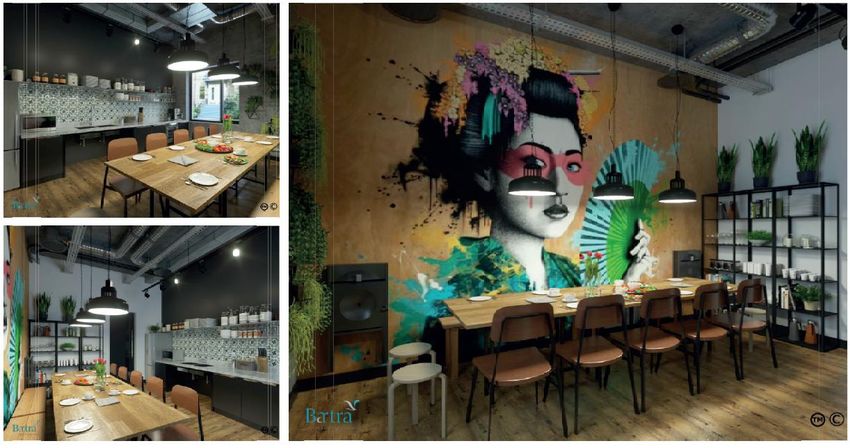
• Communal Kitchen/Dining
23A design-led approach to a new concept
An exciting new accommodation option providing exemplary private spaces and a host of amenities
24A design-led approach to a new concept
An exciting new accommodation option providing exemplary private spaces and a host of amenities
> The Ground & Lower Ground Floor
spaces are the principal communal
shared spaces where the building
residents get to interact and socialise.
> Ground Floor amenity spaces that
have been designed, include;
• Large open plan reception lounge
areas
• Communal Kitchen/Dining
• TV lounge / Library/quiet space
for reading etc.
• External terrace covered seating
areas
• Bike storage (including facilities
for bleeper bikes)
25A design-led approach to a new concept
An exciting new accommodation option providing exemplary private spaces and a host of amenities
26A design-led approach to a new concept
An exciting new accommodation option providing exemplary private spaces and a host of amenities
> The capacity of the communal
kitchen and dining areas will easily
accommodate the requirements of
the residents.
> As demonstrated in the time survey
information provided, this cohort do
not spend significant parts of their
day preparing and cooking meals
preferring instead to eat at work or
eat out as part of their leisure and
social activities.
> The shared spaces at this level will
include;
• Communal Kitchen/Dining
• TV lounge / Library/quiet space
for reading etc.
27A design-led approach to a new concept
An exciting new accommodation option providing exemplary private spaces and a host of amenities
> The roof top terrace is designed to
create external spaces where the
residents can get together and
socialise.
> The shared spaces at this level will
include;
• Outdoor tables & benches
• Fitness zone suitable for classes
or cross-fit training
• Landscaped areas with planting &
seating
28A design-led approach to a new concept
Specifically designed to meet the needs of the target market
> Careful consideration has been given to the
usability of the private room and it has been
designed with a user-led experience in mind
> The private room offers all the amenities a
resident could require including living space,
bathroom, desk space, dining facility, storage
and a high-quality murphy bed for sleeping.
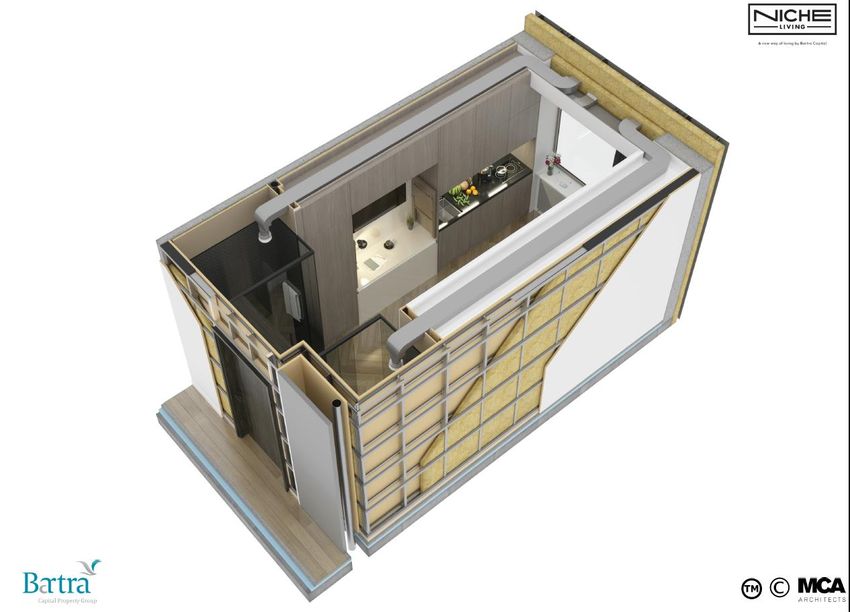
29A design-led approach to a new concept
General format of how the room is constructed
30A design-led approach to a new concept
Daytime - Relaxing
31A design-led approach to a new concept
Night-time - Sleeping
32A design-led approach to a new concept
Daytime - Relaxing
33A design-led approach to a new concept
Daytime – Working/Dining
34A design-led approach to a new concept
Room Design - Storage
35Conclusion
Conclusion
Developing a concept that meets the demands of the target market
> With an increasing population and changing demographic there is
   a growing need for additional accommodation options for those in
   their 20s and 30s in Ireland’s cities
                                                                                 Target Market
> Bartra commissioned Behaviours & Attitudes, Ireland’s largest                  is Under 35’s
                                                                                                  Affordable
                                                                                                   rent and
   independent market research company, to conduct a study to                       with no
   understand the types of accommodation people live in today, how                               deposits are
                                                                                  children and
   this meets their lifestyle needs, and what they hope to live in next                               key
                                                                                 no mortgage
> Key findings are;
    •   7 in 10 respondents within the target market are interested in renting
        a room in a Shared Living complex
        • Equates to a market of 130k people nationally
    •   Only one quarter of the target market see buying a home in the next
        2-3 years as a likely option whereas three quarters are likely to rent
    •   Affordable rent is the number one determinant on where respondents
        choose to rent
                                                                                  Over 2/3 are   80% consider
        • Another key determinant is location, particularly proximity to work,                   loneliness an
                                                                                 interested in
            amenities and public transport
                                                                                 Shared Living       issue
    •   The social / community aspect of Shared Living is a particular draw
        for the target market

> A copy of the Behviours & Attidudes, Urban Living Study on behalf
   of Bartra is included as an appendix.
                                                                                                                 37
You can also read


