Marketing sustainable tourism products and destinations - Prof. Xavier Font University of Surrey @xavierfont /xavierfont - Xamk
←
→
Page content transcription
If your browser does not render page correctly, please read the page content below
Marketing sustainable tourism
                               products and destinations
                                        Prof. Xavier Font
                                      University of Surrey
                                      x.font@surrey.ac.uk
                                          @xavierfont
                                           /xavierfont

Wednesday, 07 November 2018                                   1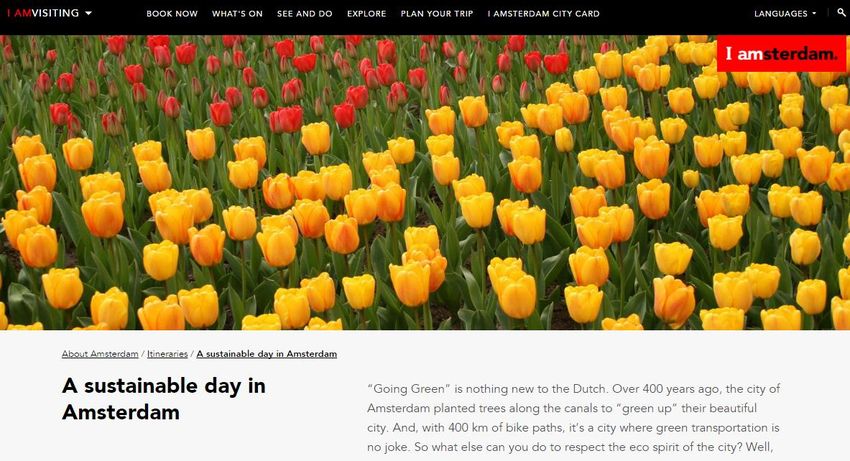
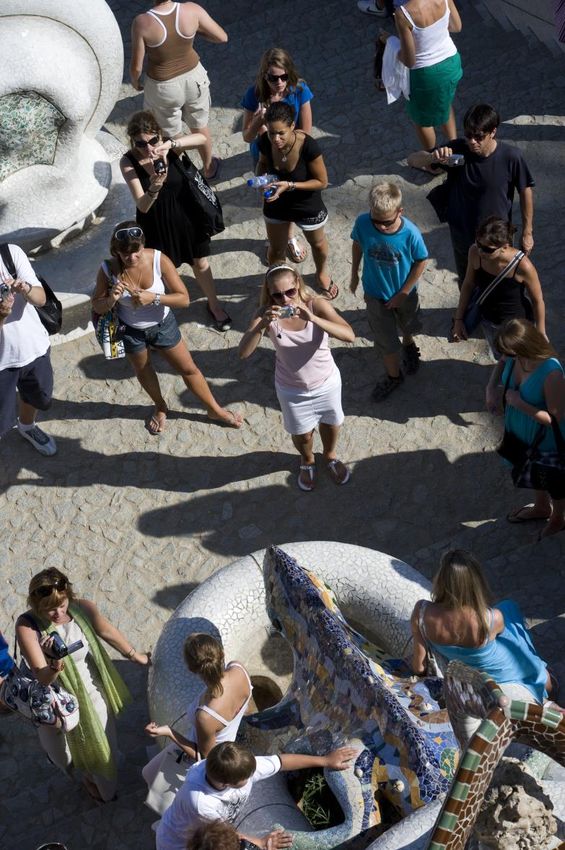
What can marketing do for sustainable tourism?

                                       Because right now we are in trouble…

Wednesday, 07 November 2018                                                    13:00   2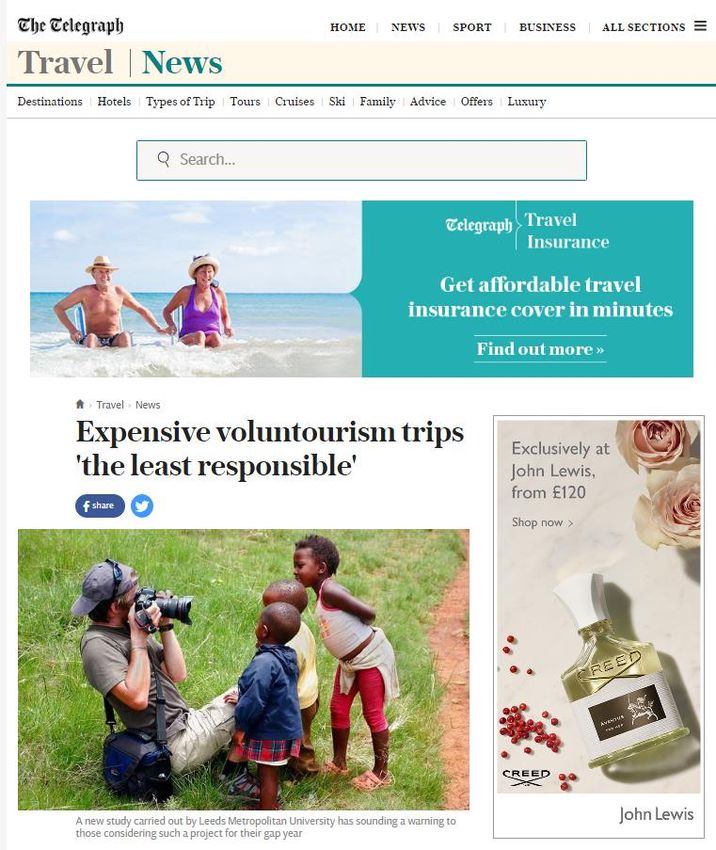
Either you are greenhushing…
70% of your sustainability actions are NOT communicated

                                                          ➢   Font, X., Elgammal, I. and Lamond, I. (2017) Greenhushing: the deliberate under communicating of
                                                              sustainability practices by tourism businesses, Journal of Sustainable Tourism, 25(7) 1007-1023.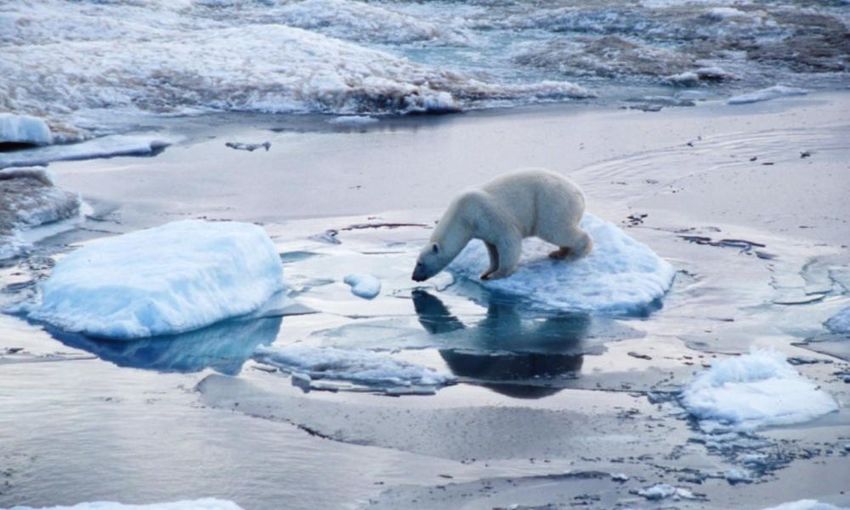
… or you are greenwashing
          25% of what you communicate is not happening

                                                         ➢   Font, X. Walmsley, A., Cogotti, S. McCombes, L. and Häusler, N. (2012) Corporate social
                                                             responsibility: the disclosure-performance gap, Tourism Management. 33: 1544-1553.

Wednesday, 07 November 2018                                                                                                                            4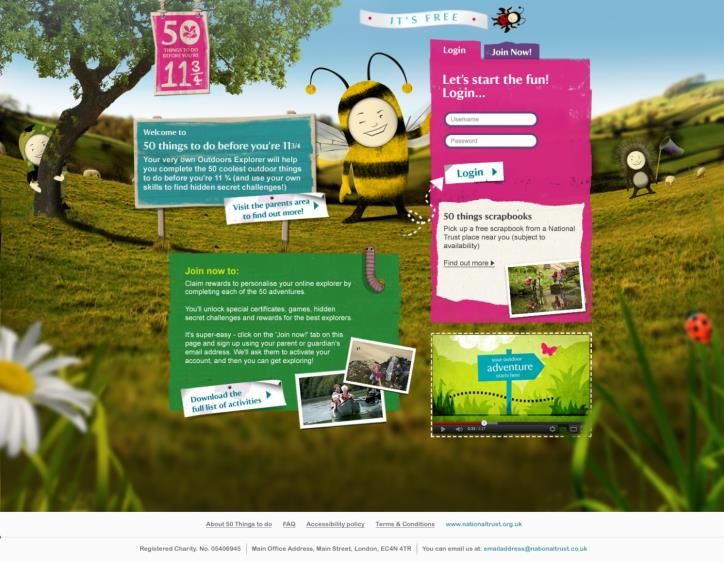
Or you are being harmful- at the expense of customer goodwill
Volunteer tourism needs to be regulated, including the claims made

                                                                     ➢   Smith, V. and Font, X. (2014) Volunteer tourism, greenwashing and understanding responsible
                                                                         marketing using market signalling theory. Journal of Sustainable Tourism, 22 (6): 942-963.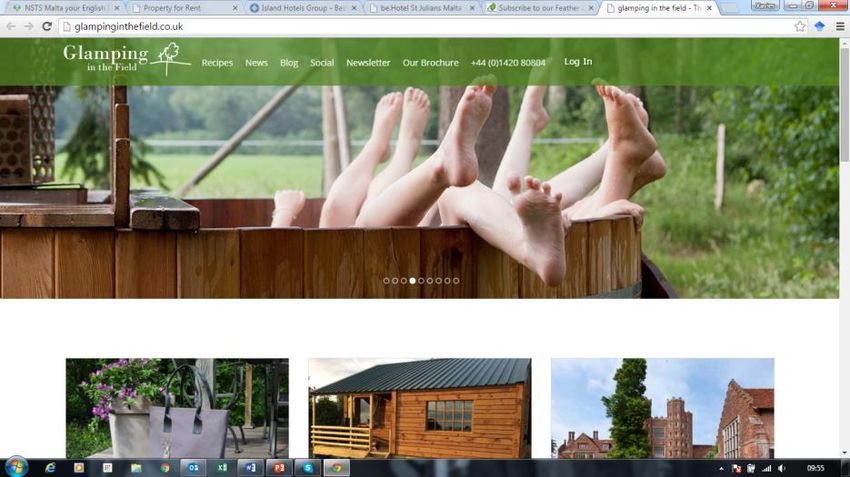
Your communication may not be relevant…
          Only 18 of 50 largest hotel groups in the world produce CSR reports-
          and they do not respond to stakeholder expectations

                                                                      ➢    Guix, M., Bonilla-Priego, M. & Font, X. (2018) The process of sustainability reporting in international
                                                                           hotel groups: an analysis of stakeholder inclusiveness, materiality and responsiveness, Journal of
                                                                           Sustainable Tourism, 26(7) 1063 – 1084.
… and what you communicate is poor and confusing

                                           ➢   Villarino, J. and Font, X. (2015) Sustainability marketing myopia: the lack of sustainability
                                               communication persuasiveness, Journal of Vacation Marketing, Vol. 21(4) 326–335.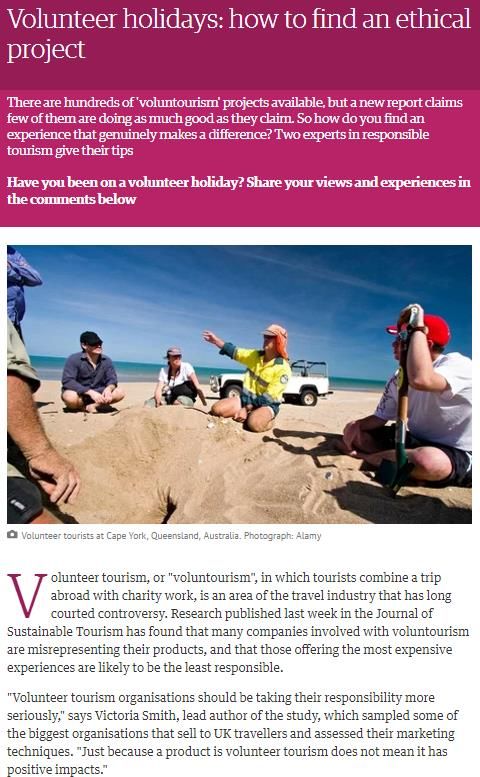
Your communication can cause the opposite outcome

            1. Deny the threat of climate change            Consumerism
            2. Realign tensions arising from travel         Individuals value their
            3. Apportion blame for the impacts of travel,   perceived freedom to make
            4. Increase demand, particularly with respect   choices and why they react
               to threatened destinations                   negatively to any threats to
            5. Dismiss value of threatened behaviour        their freedom

                                                                           ➢   Font, X, and Hindley, A. (2017) Understanding tourists’
                                                                               reactance to the threat of a loss of freedom to travel
                                                                               due to climate change: a new alternative approach to
                                                                               encouraging nuanced behavioural change, Journal of
                                                                               Sustainable Tourism, 25 (1), 26-42.
We need new routes to behaviour change…
                    Sustainable consumption

                           NO                                       YES

                        UNAWARE                            UNAWARE
                       OF BUYING                           OF BUYING
          NO     UNSUSTAINABLE PRODUCTS              SUSTAINABLE PRODUCTS
                                          C
Sustainability
awareness
                          A                                        D

                                          B
          YES      SUSTAINABLY AWARE                     PURPOSEFULLY
                          BUT                               BUYING
                    UNWILLING TO BUY                 SUSTAINABLE PRODUCTS

                                              ➢   Font, X. McCabe, S. (2017) Sustainability and marketing in tourism: its contexts, paradoxes,
                                                  approaches, challenges and potential, Journal of Sustainable Tourism, 25(7) 869-883.
… to then improve your sustainability messages…

                                          ➢   Hardeman, G., Font, X. Nawijn, J. (2017) The power of persuasive communication to influence
                                              sustainable holiday choices: appealing to self-benefits and norms, Tourism Management, 59, 484-493.
… and avoid poor communication
Reactance
Moralisation
Assertiveness
Cost
Rebound effect
Moral licensing
Wednesday, 07 November 2018 11Objectives: let’s set the agenda…
…and use marketing for good!
Wednesday, 07 November 2018 14:00 1201 Reduce environmental and social impacts
Normalise the consumption of
sustainable tourism products and
services
Public sector as buyer of services
Benefits for certified businesses
Copenhagen 70% hotels certified,
80% of food bought by the public
sector is organic
Indicator: Percentage of tourism
services certified as sustainable02 Reduce the carbon footprint from transport
Reduce the distance travelled by tourists
Increase length of stay
Optimise methods of transport
Target to fight climate change: 2 tonnes CO2
Average consumption in Europe 6.5-10 tonnes
New York to Barcelona flight: 2.3 tonnes
London-Barcelona flight: 0.5 tonnes
Indicator: Carbon footprint for transport
per traveller per day03 Normalise the behaviour of travellers Increase customer loyalty Target families and small groups Target tourists that are not visible Indicator: Percentage of travellers that repeat
04 Reduce seasonality

           Reduce seasonality and redistribute tourism geographically
           101 things to do in New York

           Indicator: Index of saturation of tourism
05 Compensate the negative impacts caused by tourism
Increase visitor expenditure on products and services benefiting the destination
Promote small, new and locally owned businesses
Promote busineses employing minority and disadvantaged groups
Indicator: Visitor expenditure that benefits the destination
(TSA applied to market segments) ➢ Font, X., English, R., & Gkritzali, A. (2018) Mainstreaming sustainable tourism with User-Centred
Design, Journal of Sustainable Tourism https://doi.org/10.1080/09669582.2018.1491981If you liked that, here are some ideas for businesses Wednesday, 07 November 2018 18
1. Reduce your negative impacts

Shorter flights, longer trips
Normalise sustainability
You are a buyer as well as seller
Appropriate customers

1a. Ask nicely
1b. Be trustworthy
1c. Be honest
1d. Be humorous
1e. Be engaging

                                    ➢ www.travindy.com
2. Attract more customers
Business travel, conferences and leisure differ
2a. Be unique
2b. Be seen
2c. Be found
2d. Be remembered
2e. Be shared
14:453. Improve your customer satisfaction
3a. Make them feel good
3b. Use appealing language
3c. Tell customers what’s in it for them
3d. Make it easy
3e. Help them take decisions
11:00
15:154. Increase your customer expenditure
“wow that’s really cool!” is what you are aiming for
4a. Make them feel special
4b. Give them things to do
4c. Improve the experience
4d. Package services
15:455. Increase loyalty and reduce seasonality
5a. Make them aware
5b. Weather proof your offer
5c. Add a calendar
5d. Give them reasons to return
16:15In summary
Sustainability communication tell us about the values of the organisation, and their
expectations of how the marketplace will react
Corporations have largely been reactive to stakeholder demands
Small firms lack the marketing skills and do not believe the marketplace will value
their actions
Both types of firm need different forms of support to improve the quality,
credibility, persuasiveness and impact of their sustainability practices for
marketing and communication purposes.
Marketing usually promotes unsustainable consumption.
It’s about time we use it to do good.
07/11/2018 24You can also read


