MENTAL HEALTH & ADDICTION - HANCOCK COUNTY, OHIO
←
→
Page content transcription
If your browser does not render page correctly, please read the page content below
MENTAL HEALTH & ADDICTION

    HANCOCK COUNTY, OHIO

    COMPILED BY THE HANCOCK COUNTY OPIOID & ADDICTIONS TASK FORCE • UPDATED JANUARY 2021

2
A digital version of the
              Recovery Resources Guide is available at
                       yourpathtohealth.org
                    This resource is revised on a periodic basis.
           If any information provided in this resource is incorrect or
                    has changed, please contact ADAMHS at
                419-424-1985 or adamhs@yourpathtohealth.org.

      If you are in need of translation or interpretive services,
        please contact ADAMHS via the contact info above.

            For the most current listing of local resources
             and support groups, visit hancockhelps.org

                          Additional Resources:
     SAMHSA National Helpline • 1-800-662-HELP (4357) • findtreatment.gov
    Ohio Department of Mental Health & Addiction Services • mha.ohio.gov

2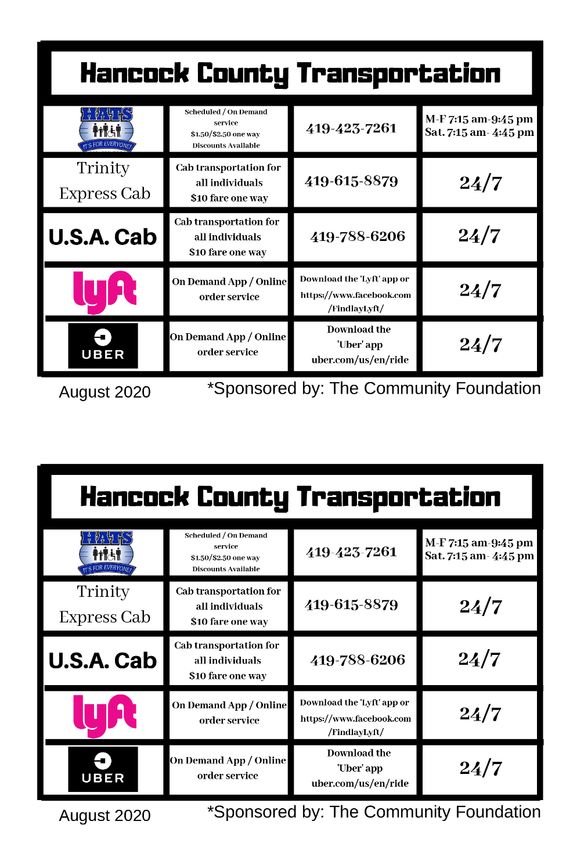
TABLE OF CONTENTS

     TREATMENT
 4   Good Samaritan Law; Quick Response Team Information
 5   Hancock County ADAMHS Board Contract Agencies
 6   NW Ohio Mental Health & Substance Use Disorder Treatment Providers
 8   NW Ohio Detox Centers
 9   Family Resource Center Emergency Response Services - Youth & Adult
10   Warning Signs of Alcohol & Substance Abuse
11   Medication Assisted Treatment (MAT) / Overdose Risk Information

     RECOVERY & SUPPORT
12   How to Help Children through the Trauma of Witnessing an Overdose
14   Pathways to Recovery
16   FOCUS Recovery & Wellness Community
17   FOCUS Recovery Guide Information
18   NAMI Hancock County Education & Support Programs
19   CRAFT Classes for those with Loved Ones Struggling with Addiction
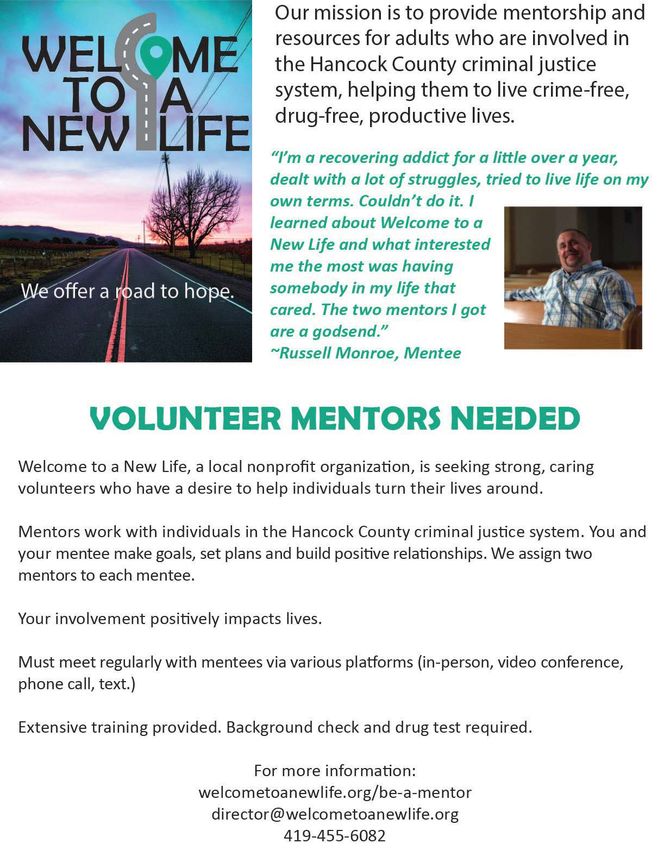
20   Welcome to a New Life
21   LGBTQ+ Spectrum of Findlay

     HARM REDUCTION
22 Project DAWN (Deaths Avoided with Naloxone)
23 BIDPP: Bloodborne Infectious Disease Prevention Program

     ADDITIONAL INFORMATION
24   What is Addiction? What is Recovery?
25   Language Matters
26   24/7 Medication Collection; Transportation Resources
27   Ohio Medicaid
28   Hancock County Phone Number Directory

COMPILED BY THE HANCOCK COUNTY OPIOID & ADDICTIONS TASK FORCE • UPDATED JANUARY 2021   3
OHIO’S 911 GOOD SAMARITAN LAW
                        Seek Help and Save a Life
             The 9-1-1 Good Samaritan law provides immunity from minor drug
             possession offenses for qualified individuals that make a good faith
            effort to obtain emergency medical assistance during an overdose.
    Who will be a qualified individual, and what are minor drug possession offenses?
    Qualified individuals are individuals that: seek assistance for another individual that experiences a
    drug overdose; experience a drug overdose and seek assistance; and experiences an overdose
    and become the subject of another person seeking medical assistance.

    What are the responsibilities of qualified individuals to receive immunity?
    Qualified individuals must comply with peace officers and get a behavioral health screening within
    30 days of the overdose.

        Confidential help for opioid overdose survivors.

                  Quick Response Team
                          (QRT)
            If you or someone you love has experienced
              an overdose, we're here and we can help.

            The Hancock County QRT Team is a service that works
            with law enforcement to respond to non-fatal overdose
                    survivors to engage them in treatment.

                     To connect with a member of the
                     QRT Team, call/text 419-306-6534

4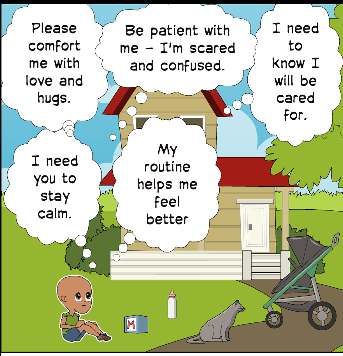
Mental health and substance use services are available in our community.

        CRISIS HOTLINE—1-888-936-7116             CRISIS TEXT LINE 4Hope to 741741
         Narcan is available through Hancock Public Health by calling 567-250-5151

                               Family Resource Center
                               Mental Health and Substance Use Services for Adults and Youth

                               Call: 419-425-5050
                               Visit: www.frcohio.com

                               FOCUS Recovery and Wellness Center
                               Mental Health, Substance Use and Trauma Recovery Support Services

                               Call: 419-423-5071
                               Visit: www.focusrwc.org

                               NAMI Hancock County
                               Mental Health Support Services

                               Call: 567-525-3435
                               Visit: www.namihancockcounty.org

                               A Renewed Mind Behavioral Health
                               Mental Health and Substance Use Services

                               Call: 419-422-7800
                               Visit: www.arenewedmindservices.org

We all know someone in need. Reach out, offer support, and stay connected.
                               Hancock County Board of Alcohol, Drug Addiction and Mental Health Services

                               Call: 419-424-1985
                                                                                                            5
                               Visit: www.yourpathtohealth.org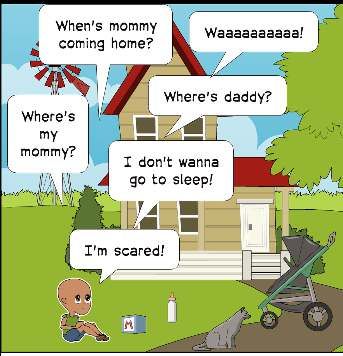
MENTAL HEALTH & ADDICTION                                  The following is a partial list of mental health and substance use
                                                              disorder (addiction) treatment facilities in Northwest Ohio.
                                                                    This list is a reference tool, not an endorsement.
                                                                      Please notify ADAMHS of any inaccuracies.
                                                                     419-424-1985 adamhs@yourpathtohealth.org

OUTPATIENT care involves health or mental health care within the community. What this generally will look like is you will go
to a provider for your visit, which might include seeing a prescriber for medication, a nurse for a check-up, or another pro-
fessional for counseling or help. They work with you to create your recovery plan.

INPATIENT care means you are admitted to a hospital on a doctor’s order. In general, inpatient care usually involves a short
hospital stay, but can be long-term depending on what you need.
MAT Medication Assisted Treatment (MAT) is the use of FDA-approved medication, usually in combination with therapy and
recovery supports, for the treatment of opioid addiction or substance use. Physicians prescribe a medication based on a
patient’s specific medical needs and other factors.

RESIDENTIAL treatment (sometimes called rehab) is a live-in health care facility providing therapy for mental health and/or
substance use.

COMMUNITY SUPPORT includes services that provide education, linkage, and case management to you, your family, and
other important supports in your life so that you can learn to manage your symptoms and live as successfully and inde-
pendently as possible. Services include skill-building tools for daily living, education about mental illness and medication,
development of community supports, and case management/service coordination.

TREATMENT OPTIONS IN FINDLAY, OHIO

MENTAL HEALTH & SUBSTANCE USE DISORDER
FAMILY RESOURCE CENTER OUTPATIENT • MAT • RESIDENTIAL • COMMUNITY SUPPORT
frcohio.com • 419-425-5050 • North Campus (youth), South Campus (adults)
Hancock County Locations: FRC North Campus 2515 N. Main St., Findlay; FRC South Campus 1918 N. Main St.
Other FRC Locations: Lima, St. Marys, Kenton, Sidney

LUTHERAN SOCIAL SERVICES OUTPATIENT • MAT • COMMUNITY SUPPORT
lssnwo.org • 419-243-9178 • 1701 Tiffin Ave., Findlay
Locations: Findlay, Toledo*, Bowling Green, Fremont, Archbold, Lima, Galion, Fostoria, Wapakoneta *MAT (Suboxone)

A RENEWED MIND OUTPATIENT • INPATIENT • MAT • RESIDENTIAL (MALES ONLY) • COMMUNITY SUPPORT
arenewedmindservices.org • 877-515-5505 • 1624 Tiffin Ave., Suite D., Findlay
Locations: Findlay, Defiance, Wauseon, Bryan, Napoleon, Bowling Green, Perrysburg, Toledo

MENTAL HEALTH TREATMENT SERVICES
BLANCHARD VALLEY HEALTH SYSTEM
  ORCHARD HALL INPATIENT
  bvhealthsystem.org • 419-423-5239 • 1900 S. Main St., Findlay
    PSYCHIATRIC CENTER OF NORTHWEST OHIO OUTPATIENT
    bvhealthsystem.org • 419-429-6480 • 1610 Fostoria Ave., Findlay

PROMEDICA PHYSICIANS BEHAVIORAL HEALTH OUTPATIENT
promedica.org • 419-424-2011 • 1100 E. Main Cross Suite 159, Findlay
Locations: Findlay, Fostoria, Fremont, Toledo, Defiance

6           COMPILED BY THE HANCOCK COUNTY OPIOID & ADDICTIONS TASK FORCE • UPDATED JANUARY 2021
TREATMENT OPTIONS IN NORTHWEST, OHIO
MENTAL HEALTH & SUBSTANCE USE DISORDER TREATMENT SERVICES
ARROWHEAD BEHAVIORAL HEALTH OUTPATIENT • INPATIENT • MAT • RESIDENTIAL
arrowheadbehavioral.com • 800-547-5695 • 1725 Timber Line Rd., Maumee (Lucas County)

COLEMAN PROFESSIONAL SERVICES OUTPATIENT • RESIDENTIAL • COMMUNITY SUPPORT
colemanservices.org • 419.229.2222 • 799 Main St., Lima (Allen County)
Locations: Allen, Auglaize, Hardin, Jefferson, Mahoning, Portage, Stark, Summit, Trumbull Counties

HARBOR       OUTPATIENT • MAT • RESIDENTIAL • COMMUNITY SUPPORT
Note: Harbor & Behavioral Connections of Wood County merged July 2014
harbor.org • 419-352-5387 • 1010 North Prospect, Bowling Green (Wood County)
Locations: Bowling Green, Perrysburg (both Wood County)

HEALTH PARTNERS OF WESTERN OHIO OUTPATIENT • MAT
hpwohio.org • 877-516-4149 • 329 N. West St., 2nd Floor, Lima (Allen County)
Locations: Allen, Hardin, Seneca, Clark, Defiance, Williams, Lucas Counties

PATHWAYS COUNSELING CENTER OUTPATIENT • COMMUNITY SUPPORT
pathwaysputnam.org • 419-523-4300 • 835 N. Locust St., Ottawa (Putnam County)

ST. RITA’S MEDICAL CENTER - MERCY HEALTH OUTPATIENT • INPATIENT
mercy.com • 419-227-3361 • 730 W. Market St., Lima (Allen County)

ZEPF CENTER OUTPATIENT • MAT • RESIDENTIAL • COMMUNITY SUPPORT
zepfcenter.org • 419-373-6560 • 219 S. Church St., Bowling Green (Wood County)
Locations: Bowling Green, Toledo (Lucas County)

SUBSTANCE USE DISORDER TREATMENT SERVICES
JOSHUA TREATMENT CENTER                  OUTPATIENT • MAT • RESIDENTIAL • COMMUNITY SUPPORT
Lima Urban Minority Alcoholism & Drug Abuse Outreach Program
limaumadaop.com • 567-703-9064 • 350 N. Irwin Rd., Holland (Lucas County)

KENTON RECOVERY & TREATMENT SUPPORT CENTER                             OUTPATIENT
Lima Urban Minority Alcoholism & Drug Abuse Outreach Program
limaumadaop.com • 419-679-1697 • 416 S. Main St. Kenton (Hardin County)

WAUSEON WELLNESS & RECOVERY CENTER                      OUTPATIENT • MAT • COMMUNITY SUPPORT
Lima Urban Minority Alcoholism & Drug Abuse Outreach Program
limaumadaop.com • 419-355-5533 • 3491 St. Route 108, Wauseon (Fulton County)

DRIVER’S INTERVENTION PROGRAM
Addictions Resource Center
https://legacy.mha.ohio.gov/DIPDirectory/default.aspx • 937-727-1040

           COMPILED BY THE HANCOCK COUNTY OPIOID & ADDICTIONS TASK FORCE • UPDATED JANUARY 2021      7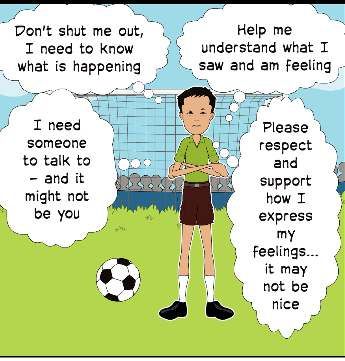
MEDICAL WITHDRAWAL MANAGEMENT (DETOX) SERVICES

        If you live in Hancock County and need detox services,
          go to the Blanchard Valley Hospital Emergency Room
                  for medical evaluation and screening:

                          NORTHWEST OHIO DETOX CENTERS

     FACILITY                                              LOCATION             PHONE

     BLANCHARD VALLEY HOSPITAL                             FINDLAY              567-429-8416
     (EMERGENCY MEDICAL STABILIZATION)

     ARROWHEAD BEHAVIORIAL HEALTH                          MAUMEE               419-891-9333

     ST. RITA’S ALCOHOL DETOX                              LIMA                 855-438-5681

     COLEMAN STABILIZATION CENTER                          LIMA                 419-229-2222

     ERIE COUNTY COMMUNITY HEALTH CENTER                   SANDUSKY             419-624-3353

     COMMUNITY LINKAGE                                     LIMA                 567-242-6047
     (MEDICALLY MANAGED WITHDRAWAL PROGRAM)

     JOSHUA TREATMENT CENTER                               HOLLAND              567-703-9064

     MIDWEST RECOVERY CENTER                               MAUMEE               866-203-0308

     UNISON HEALTH                                         TOLEDO               419-9367800

     UNIVERSITY OF TOLEDO MEDICAL CENTER                   TOLEDO               419-383-2337

     ZEPF CENTER                                           TOLEDO               419-841-7701

8         COMPILED BY THE HANCOCK COUNTY OPIOID & ADDICTIONS TASK FORCE • UPDATED JANUARY 2021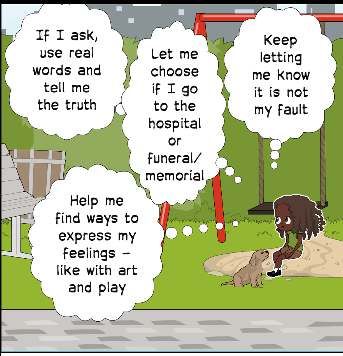
EMERGENCY RESPONSE SUPPORT SERVICES
                   PROVIDED BY FAMILY RESOURCE CENTER

                                                                                                                  YOUTH ADULT
MRSS: MOBILE RESPONSE & STABILIZATION SERVICES
A PROGRAM FOR YOUTH & FAMILIES EXPERIENCING A CRISIS
When you call 1-888-936-7116, the professional on the line will help you in the moment.
If it fits the guidelines for a mobile response, our Mobile Responder will reach out promptly.
They will do these four things:

       1     DE-ESCALATE THE CRISIS                   3       PROVIDE EDUCATION &
                                                              CREATE AN ACTION PLAN

       2                                              4
             ASSESS SAFETY &                                  PROVIDE ONGOING SUPPORT
             PROCESS THE CRISIS                               FOR UP TO 4-6 WEEKS

MRSS services are avaiable to all Hancock County families Monday-Friday, 9am-5pm.

    Family Resource Center: North Campus 2515 N. Main St., Findlay, OH 45840

CRISIS INTERVENTION & STABILIZATION SERVICES
A SERVICE FOR ADULTS EXPERIENCING A CRISIS

Are you experiencing a critical incident or stressful event that is overwhelming and beyond
your means of coping and problem-solving?

Do you feel helpless, hopeless, alone, or uncertain about how to move forward?

Call Family Resource Center at 419-425-5050 and ask to be connected with a crisis worker.
This worker will offer immediate support, help to de-escalate the crisis, assess for safety
and imminent risk, develop a plan of action, and reduce general distress.

These services are avaiable to all Hancock County adults Monday-Friday, 9am-5pm.

    Family Resource Center: South Campus 1918 N. Main St., Findlay, OH 45840

                                           EMERGENCY SUPPORT AVAILABLE 24/7
                                          Hancock County Crisis Hotline: 1-888-936-7116, Crisis Textline: 741-741
                                                                      In an emergency situation, always call 911.

                                                                                                                               9
                                            @F AM I LYR E SOU R CE CE NT E R NWO • WWW . FR COH I O . COM • 4 1 9 - 4 2 5 -5 050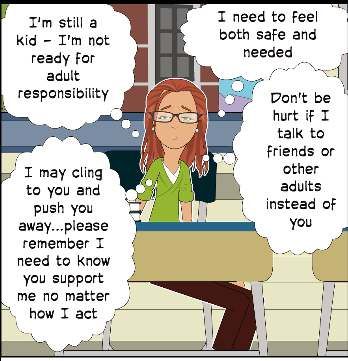
WARNING SIGNS OF SUBSTANCE ABUSE

     ALCOHOL ABUSE:                                     SUBSTANCE ABUSE:
      •   Abdominal pain
                                                         • Cycles of being unusually
      •   Confusion
                                                           talkative, “up” and cheerful,
      •   Drinking alone
                                                           with seemingly boundless
      •   Episodes of violence with
                                                           energy
          drinking
                                                         • Increased irritability,
      •   Hostility when confronted
          about drinking                                   agitation, anger
      •   Lack of control over                           • Unusual calmness,
          drinking                                         unresponsiveness, or looking
      •   Being unable to stop or                          “spaced out”
          reduce intake                                  • Apathy and depression
      •   Making excuses to drink                        • Paranoia and delusions
      •   Nausea and vomiting                            • Abnormally slow movements,
      •   Need for daily or regular                        speech or reaction time,
          alcohol use                                      confusion and disorientation
          to function                                    • Sudden weight loss or
      •   Neglecting to eat                                weight gain
      •   Not caring for physical                        • Cycles of excessive sleep
          appearance
      •   Secretive behavior
      •   Shaking in the morning

                       REACH OUT. CONNECT. BELONG.
     You’re Not Alone is a support group in Findlay for families who have been affected by addiction.
                                Call FOCUS at 419-423-5071 to learn more.

10         COMPILED BY THE HANCOCK COUNTY OPIOID & ADDICTIONS TASK FORCE • UPDATED JANUARY 2021
KNOW YOUR RISK FOR AN OPIOID OVERDOSE
Provided by the Medication-Assisted Treatment Collaborative of Hancock County
LOW TOLERANCE = HIGH RISK
WHO IS AT RISK FOR AN TOLERANCE
OPIOID OVERDOSE? Tolerance develops when someone uses an
opioid drug regularly. Their body becomes used
Individuals using opioids for long- to the drug and needs a larger or more frequent
dose to continue to experience the same effect.
term pain management and The brain adapts to the exposure, allowing the
individuals using heroin. person to use more or a stronger dose without the
respiratory system failing.
OTHERS AT RISK INCLUDE LOSS OF TOLERANCE
THE FOLLOWING: Loss of tolerance occurs when someone stops
taking an opioid drug after long-term use. The
longer a person is opioid-free, the more the brain
• Opioid dependent will attempt to adapt back to its normal state.
• Stopping MAT (suboxone, vivitrol, methadone)
When someone loses tolerance and then takes
• Discharged from emergency medical care an opioid drug again, they can experience
following opioid intoxication serious adverse effects, including overdose.
• Experiencing reduced tolerance due to:
Most opiate overdose deaths occur in persons
• trying to stop using on their own who have just gone through withdrawal or
• withdrawal management (detox) detoxed. Because withdrawal reduces the
person’s tolerance, those who have just gone
• release from jail or prison
through withdrawal can overdose on a much
• relapse of recovery smaller dose than they used to take.
• Injecting opioids
• Using prescription opioids at higher doses than WHAT IS M.A.T.?
prescribed (MEDICATION-ASSISTED TREATMENT)
• Using opioids in combination with other Medication Assisted Treatment (MAT) is the use
of FDA-approved medication, usually in combi-
sedating substances such as:
nation with therapy and recovery supports, for
• alcohol the treatment of opioid addiction or substance
• benzodiazepines (“benzos”) use. Physicians prescribe a medication based
on a patient’s specific medical needs and
• Using opioids with medical conditions like:
other factors.
• Hep C/HIV
EFFECTIVE MEDICATIONS INCLUDE:
• liver disease
• lung disease or COPD • Buprenorphine (Subutex, Suboxone)
• depression • Naltrexone (Depade, Vivitrol)
• Methadone
HOW DO I GET HELP?
• Contact a substance use disorder treatment agency*
• Visit hancockhelps.org to learn about current recovery groups & programming
*See pages 3-4 of the Hancock County Mental Health & Addiction Recovery Resources Guide
COMPILED BY THE HANCOCK COUNTY OPIOID & ADDICTIONS TASK FORCE • UPDATED JANUARY 2021 11CHILDREN UNDER CHILDREN
The Trauma of 3 YEARS OLD 3-5 YEARS OLD
Witnessing an WHAT THEY MAY SAY & DO WHAT THEY MAY SAY & DO
Opioid Overdose:
How to Help
Children
The signs of opioid
overdose are scary!
• Clinging to family members & adult
• Repeated Questions friends
• Crying • Toddler behavior (thumb sucking,
• Changes in eating & sleeping bed wetting)
• Acting younger • Crying
• Looking for missing caregiver • Throwing tantrums
• Not understanding the situation • Fighting
• Separation & other increased fears
• Pretending everything is fine
WHAT THEY THINK & FEEL WHAT THEY THINK & FEEL
Witnessing the overdose of
a loved one can have lasting
effects on children. They cope
in different ways and need
honest information. Look
for signs of trauma and get
professional help
HOW TO HELP HOW TO HELP
For more • Consistent care
• Keep things as normal as • Tell stories & show pictures of
information visit: possible the loved one
u.osu.edu/toolkit. • Respond to the child’s needs • Correct fantasies/denials with
• Acknowledge child’s feelings simple explanations
• Draw pictures • Be patient when child replays
• Extra playtime & attention overdose event
• Be ready for moodiness &
acknowledge child’s feelings
12CHILDREN CHILDREN CHILDREN
6-9 YEARS OLD 9-13 YEARS OLD 14-18 YEARS OLD
WHAT THEY MAY SAY & DO WHAT THEY MAY SAY & DO WHAT THEY MAY SAY & DO
• Resentment • Isolation • Resentment • Anxiety
• Anger & aggression • Self-blame • Guilt • Anxiety • Guilt • Withdrawal
• Fighting • Desire to reunify • Crying • Repetitive • Depression • Physical
• Mood swings with deceased • Anger & thoughts • Anger & acting complaint
• Withdrawal • School problems • Physical • Possible
aggression out
• Stomach aches & • Focus on death complaints substance
• School problems • Fear
headaches & acting out • Possible self-harm use
• Fear • Avoiding feelings
WHAT THEY THINK & FEEL WHAT THEY THINK & FEEL WHAT THEY THINK & FEEL
HOW TO HELP HOW TO HELP HOW TO HELP
• Keep youth involved in family • Let the child determine • Keep youth involved in family
problem solving when to express feelings & problem solving
• Be flexible but maintain process the event • Be flexible but maintain
consistent limits • Let the child decide how to consistent limits
• Be open & patient tell others (at school, • Be open & patient
• Be aware that youth may act out activities, friends, etc.) • Be aware that youth may
or engage in risky behavior • Encourage activities act out or engage in risky
• Maintain contact with behavior
others
13Alcoholics Anonymous
Heroin Anonymous
Alcoholics Anonymous is an international fellowship of
Heroin Anonymous (H.A.) is a non-profit fellow-
men and women who share their experience, strength
ship of men and women who have found a solution
and hope with each other in order to solve their common
to heroin addiction. H.A. is a comradery of complete
struggle and assist others in recovering from alcoholism.
abstinence from all drugs and alcohol. The only re-
The only requirement for membership is the desire to
quirement for membership is a desire to stop hero-
stop drinking. With no fees or dues required from A.A.
in addiction. With no fees or dues required, H.A. is
members, Alcoholics Anonymous is a self-supporting
not allied with any sect, denomination, politics, or-
through contributions program. They are not allied with
ganization or institution; they do not engage in any
any sect, domination, politics, organization or institution;
controversy and neither oppose nor endorse any
they do not engage in any controversy and neither en-
particular cause. Their primary purpose is to stay
dorses nor opposes any particular cause. They’re primary
sober and help others struggling with heroin ad-
purpose is to stay sober and help others struggling with
diction to achieve sobriety and maintain recovery.
alcoholism to achieve sobriety and maintain recovery.
Learn more: heroinanonymous.org
Learn more: area53aa.org.
Narcotics Anonymous Celebrate Recovery
Narcotics Anonymous (N.A.) is a non-profit society Celebrate Recovery offers people the opportunity
of men and women who struggle with problem sub- to participate in a group fellowship where love and
stance use. N.A. groups meet regularly to assist each hope combine with seeking God’s purpose for our
other stay clean. What and how much you use is not lives without charge. The feeling of being HURT is
relevant, only in what you want to do about your an emotional reaction to another person’s behavior
struggle and how N.A. can help. Membership is open or to a traumatic situation such as abuse, abandon-
to all those struggling with drug addiction regardless ment, codependency, divorce or other relationship
of the drugs being used. N.A. provides a recovery pro- issue. A HABIT is an addiction to someone or some-
cess and a peer support network that work together thing. Examples include, but aren’t limited to, alco-
to fit your needs. The only requirement is the desire hol, drugs, food, gambling, shopping and smoking.
to stop using. There are no fees or dues for members. HANG-UPS are negative mental attitudes that are
Learn more: www.na.org used to cope with people of adversity. For example,
things like anger, depression, fear and unforgiveness.
Learn more: www.celebraterecovery.com
Creative Expressions
Creative Expressions can help connect people in all SMART Recovery
stages of life or during recovery to that inner healing
voice. Creativity can be explored through a variety of Self-Management And Recovery Training (SMART)
artistic ways. Common methods include, but are not is a global community of mutual-support groups.
limited to: drama, dance, music, creative writing, the At meetings, participants help one another resolve
visual arts and photography. All these activities engage problems with any addiction (to drugs or alcohol or
the participant/artist in a process that uses a holistic to activities such as gambling or over-eating). Partic-
health framework to access physical, mental, spiritu- ipants find and develop the power within themselves
al and social well-being. Creative Expressions can be to change and lead fulfilling and balanced lives guided
used to express thoughts and feelings that perhaps are by our science-based and sensible 4-Point Program®.
too big or too complicated to put into words. The ben- Learn more: www.smartrecovery.org
efits of Creative Expressions can last a lifetime.
Technology-Based Recovery Support
Technology can be a helpful recovery tool. Whether seeking recovery from mental health issues or problem
substance use, there are mobile apps currently available that can connect you with a community, create a plan, log
the time you’ve maintained recovery and tell you the money you have saved. Other tools can help you stay on top
of your habits, nutrition, sleep, overall wellness and even help you create a daily journal of your mood. If you are
looking for additional support, online support groups and meetings can be a helpful option.
14Emotional Recovery/Wellness
Emotional Wellness implies the ability to be aware of and accept our feelings rather than denying them, having an
optimistic approach to life and enjoying life despite its occasional disappointments and frustrations. When people
change their lifestyle, like giving up substances, it may still be difficult to obtain and feel happiness in sobriety. It
can be tough to handle their emotions without substances. Working towards emotional wellness, while this may
take years to accomplish, it can lead to a greater happiness in life.
Fitness
Nutrition
Exercise can be a method to compensate for
stressors. Physical exercise not only promotes Proper nutrition and hydration are vital to the sub-
overall fitness, but also helps to manage emotion- stance use healing process because they help restore
al stress and tensions as well. Exercise can also aid physical and mental health. Proper nutrition helps
in relaxation and improve sleep quality. It can re- people feel better because nutrients give the body en-
move you temporarily from a stressful situation or ergy, help build and repair organ tissue, and strength-
environment. Being fit and healthy also increases en the immune system. Healthy and nutritional food
your ability to deal with stress as it arises and creates can be used to feel better physically and mentally
a sense of physical wellbeing. which can reduce the risk of relapse.
Medication Assisted Treatment
Stress Management
Many diseases and disorders have medicinal options
for treatment, whether you have problems with how Some people experience stress so frequently, they
your kidneys function or if you are a person who ex- are unable to recognize it. This is troubling because
periences problem substance use. Medication Assist- it means the individual could be suffering the conse-
ed Treatment (MAT) is a valid pathway to recovery for quences of chronic stress without them knowing. Once
some and should not be discounted as trading one ad- the individual recognizes that they are suffering from
dictive drug for another. MAT can help people manage stress it is helpful to try to deal with it. There are many
their addiction to help maintain recovery. options for doing this with relaxation techniques such
as exercising, proper nutrition, yoga, meditation, spir-
ituality, and a supportive living environment which can
Spirituality be great for coping with stress.
It can be difficult to understand what has happened to
us in our lives and find some sort of meaning behind
the circumstances. Even though we may be in recov- Meditation
ery from problem substance use and/or mental health Ranging from practices associated with specific reli-
problems, we may need something more to help us gions or beliefs to methods focusing on physical re-
achieve overall wellness. When we feel challenged, laxation, meditation is one of the most popular tech-
overwhelmed, or even excited about an upcoming niques to achieve physical and mental relaxation.
new direction we’re about to take, having a spiritu- There are many different methods of meditation
al foundation may help in many ways. Spirituality can which can be learned on your own. Mediation involves
help connect us to a community, gives us a sense of centering and focusing your innermost self, quieting
purpose and groundedness, or help us feel humble as your mind, emotions and body. This meditative state
part of something greater. can be achieved through structured or unstructured
activities. Meditation can be learned from meditation
teachers, books, and even online tutorials.
In a crisis situation, please call the crisis hotline
at (888) 936-7116. For additional information on
local services, visit HancockHelps.org.
Additional online resources may be found at
these sites: hazelden.org, samhsa.gov, samhsa.
gov/gains-center, recoveryanswers.org411
15FOCUS supports individuals and
families impacted by mental health,
addiction and/or trauma related
issues. We support people to find
health, home, purpose, and
community in their lives. FOCUS is
here to provide support, resources,
and connection as people discover
and maintain their pathway to
recovery and wellness.
Mission
FOCUS provides a holistic community supporting purpose and wellness through recovery.
Services
• Recovery Housing • Educational Classes
• Connection to Recovery Options • Job Readiness Support
• Self-Help Strategies • Community & Social Support
• Peer-Driven Support Groups • Advocacy & Civic Engagement
• Peer & Family Resource Connection
A Chance for Change
At any given moment, anyone has the ability to say, “This is not how my story is going to end.”
Recovery is a unique and personal process. The support, hope, and encouragement that people
receive at FOCUS is tailored to each person’s unique experiences, interests, and needs. FOCUS
helps support people as they build lives of recovery.
Community
There are roles for family, friends, and advocates at FOCUS. In addition to the support that
people may need, there are opportunities to volunteer.
• Leading support groups & classes
• Event planning & fundraising
• Recovery Guide Program
• Maintenance & improvement projects
Monday-Saturday 10 am - 7 pm • focusrwc.org • 419-423-5071 • 509 W. Trenton Ave., Findlay, OH
16Are you a person or family member in recovery who wants to volunteer?
Become a Recovery Guide!
A Recovery Guide is a volunteer who supports and promotes recovery by helping people remove
barriers and build recovery capital. Basically, Recovery Guides are people who want to help
others find and maintain recovery. Recovery Guides share their knowledge, strength, and hope to
help people find their own strengths and pathway to recovery.
Who can be a Recovery Guide?
What does a Recovery Guide do? Volunteers can be:
A Recovery Guide may be matched one-on- • Individuals with personal lived
one with a participant in the program and experience in recovery from a
commits to spending at least one hour a week mental health/
with that participant. substance use/trauma
• a family member of someone
The Recovery Guide and the participant work impacted by a mental health/
together to help the participant begin or substance use/trauma.
maintain their recovery.
Recovery Guides are individuals who have
Recovery Guides also volunteer at FOCUS to sustained recovery for themselves or their
interact with peers, lead classes, teach skills, family. Recovery Guides are required to
or just listen. They are present throughout the complete an application and training to gain
community, providing peer-based support to the skills and knowledge needed to be a
those who need it. Recovery Guide.
Why should I volunteer as a Recovery Guide?
Volunteering has many positive benefits! As a Recovery Guide, you would have the opportunity to:
• Learn new skills
• Share your knowledge and experiences with others
• Network within the community
• Develop personal and professional skills
• Give back to the community
• Have a positive impact in Hancock County!
How do I get involved?
For more information, or to apply to become a Recovery Guide, call or stop by FOCUS. If you’d like
to volunteer but don’t think being a Recovery Guide is right for you, contact us. There are a hundred
ways you can volunteer. We’d love to meet you! FOCUS provides peer-led support and resources to
help people improve their health and wellness, live a self-directed life, and sustain their recovery.
Monday-Saturday 10 am - 7 pm • focusrwc.org • 419-423-5071 • 509 W. Trenton Ave., Findlay, OH
17Education
& Support Programs
306 N. Blanchard Street, Findlay, Ohio 45840
(567) 525-3435 www.namihancockcounty.org
Promoting mental health in Hancock County to build better lives through education, support, and advocacy.
NAMI Peer-to-Peer is a free, 8-session course designed to encourage growth, healing and recovery
among participants. This education program focuses on learning about goals, building support,
communicating with health professionals, identifying a personal vision, and so much more.
NAMI Basics is a free, 6-session education program for parents, guardians, and other family who
provide care for youth who are experiencing symptoms of a mental health condition. You'll learn the
facts about mental health conditions and how best to support your child at home, at school and
when they're getting medical care, while learning the ropes of recovery.
NAMI Connection Recovery Support Group is a free and confidential support group for people
living with a mental health condition. Connection Recovery Support Group is led by trained
facilitators living in mental health recovery themselves. This group maintains a respectful,
encouraging, and positive environment to promote support to those in attendance.
.
NAMI In Our Own Voice is a unique informational outreach program developed by NAMI that
changes attitudes, assumptions, and ideas about people with mental health conditions. These free
presentations provide a personal perspective of mental health conditions, as people with lived
experience talk openly about what it's like to have a mental health condition.
NAMI KidShop! is a free, innovative, activity-based workshop for children in 3rd grade – 8th grade
whose lives have been impacted by a mental health diagnosis. The sessions will teach kids about
mental health and coping skills, while helping them form friendships with other kids living with
similar experiences in a safe and supportive atmosphere.
NAMI Family Support Group is a free, confidential, and safe group of adult family members,
partners, friends, and significant others of individuals living with mental health conditions. In this
group families join a caring group of individuals helping one another by utilizing their collective lived
experiences and learned wisdom.
YouthMOVE is a monthly youth-led group devoted to improving services and systems to support
youth inclusion, mental wellness, positive supports and healthy transition. YouthMOVE empowers
youth to advocate for themselves and live healthy, meaningful lives. Provided in partnership with
FOCUS and The Family Resource Center.
NAMI Family-to-Family is a free, 8-session education program for adult family members,
partners, friends, and significant others of individuals living with a mental health condition. The
course is designed to help all family members understand and support their loved one while
maintaining their own well-being.
18Are you worried about a
loved one’s substance use?
Stressed out? Confused? Concerned?
Don’t know how to help anymore or if you are helping at all?
Want to have conversations about recovery with your loved one,
but don’t know how to start them?
Take a CRAFT Class.
Learn new techniques and solutions to help move your loved one towards
recovery, build a healthier relationship, and improve your quality of life.
This class will focus on the Community Reinforcement Approach and
Family Training (CRAFT) method created by Dr. Robert J. Meyers and
outlined in the book Getting Your Loved One Sober. The class sessions are
facilitated by local community members who were trained by Dr. Meyers.
There are six class sessions, held once a week, with a maximum of ten
participants. Participants are encouraged to attend all six sessions, but it is
not a requirement. The class is free of charge. Participants are encouraged
to purchase the book Getting Your Loved One Sober.
There are also books that can be borrowed during the class.
To learn more about CRAFT or to register for an upcoming class,
contact FOCUS at 419-423-5071.
1920
Our mission is to empower our diverse community to lead healthy, successful
lives through focused resources, inclusive activities, and a vibrant supportive
          network serving Findlay and the surrounding communities.

  Findlay Pride
  Pride weekend is the first weekend in June and kicks off
  Pride Month in Findlay and Hancock County. This event
  aims to provide opportunities for visibility and inclusivity as
  well as celebrate our community’s diversity, progress and
  history of activism.

  Social and Support Programming
  Monthly support groups for Youth, Adults, and Allies allow inclusive spaces for
  peer guidance and support. All groups run on Wednesday evenings starting
  at 7pm. We also run a monthly book club and various socials, we are always
  looking for new social programming ideas. The aim of our programming is to
  provide high-quality services that are responsive to the needs of the LGBTQ+
  community.

  Education and Advocacy
  We focus on building allyship through diversity and inclusion education
  offerings. Opening up spaces for challenging conversations around
  discrimination and adocacy allows opportunites for growth. The aim of our
  education and advocacy work is to improve tolerance and respect in the
  community.

                       Web: www.spectrumoffindlaylgbt.org
                     Email: contact@spectrumoffindlaylgbt.org
                Find us on https://www.facebook.com/lgbtqSpectrumofFindlay
                                                                                    21
DAWN: Deaths Avoided With Naloxone
A community-based drug overdose education and naloxone distribution program.
Naloxone (also known as Narcan) is a medication that can reverse an overdose caused by an
opioid drug (heroin or prescription pain medications). When administered during an overdose,
Naloxone blocks the effects of opioids on the brain and quickly restores breathing temporarily
until medical help arrives.
How do I get a Project DAWN Kit?
Step 1: Watch the “Naloxone Project DAWN training
video” on YouTube. Scan the QR code at right to watch.
Step 2: Contact Hancock Public Health to answer a few simple ques-
tions and arrange a safe pick up or delivery of your kit.
• Call Hancock Public Health • 419-424-7420
• Email Gary Bright • gbright@hancockph.com
• Email Jamie Decker • jdecker@hancockph.com
The Project DAWN Kit includes:
• 2 - 4mg doses of Narcan Nasal Spray
• 1 educational DVD
• 1 educational booklet
Project DAWN kits are free. Donations are accepted but not required.
To receive a free kit by mail, visit Harm Reduction Ohio’s web-page:
naloxoneforall.org/hro
22Harm Reduction Information: The purpose of harm reduction is to save
lives, improve the quality of life of people who use drugs, and improve the
overall health and safety of the community.
Promoting public health and safety through FREE,
non-judgmental and anonymous syringe services
• New syringes & clean works • 8mg Narcan Nasal Spray
• Referral to Services • Fentanyl test strips
• HEP C & HIV Testing • Free sharps containers
• Vaccinations • Safer Sex supplies
• Always Carry Narcan
• Don’t Use Alone
• Test your supplies if possible/if not, start with a lower dose
• Don’t Mix Drugs
• Use Clean Supplies
To learn more, text or call:
Gary Bright 419-581-9055 • Jamie Decker 567-250-1109
Hancock Public Health
2225 Keith Parkway, Findlay, OH 45840 • Wednesdays 3-5pm
23ADDICTION & RECOVERY
WHAT IS ADDICTION?
Addiction is a treatable, chronic medical disease involving complex interactions
among brain circuits, genetics, the environment, and an individual’s life
experiences. People with addiction use substances or engage in behaviors that
become compulsive and often continue despite harmful consequences.
Prevention efforts and treatment approaches for addiction are generally as
successful as those for other chronic diseases. - ASAM, 2019
WHAT IS RECOVERY?
Recovery is a process of change that permits an individual to make healthy choices
and improve the quality of their life.
• There are many pathways to recovery. Individuals are unique with specific needs, strengths,
goals, health attitudes, behaviors and expectations for recovery.
• Pathways to recovery are highly personal, and generally involve a redefinition of identity in
the face of crisis or a process of progressive change.
• Furthermore, pathways are often social, grounded in cultural beliefs or traditions, and involve
informal community resources, which provide support for sobriety.
24 COMPILED BY THE HANCOCK COUNTY OPIOID & ADDICTIONS TASK FORCE • UPDATED JANUARY 2021LANGUAGE MATTERS
Language is powerful – especially when talking about addictions. Stigmatizing
language perpetuates negative perceptions. Person-first language focuses on
the person, not the disorder. When discussing addictions...
SAY THIS . . . . . . INSTEAD OF THIS
person with a substance use disorder . . . . . . . . . addict, junkie, druggie
person living in recovery . . . . . . . . . . . . . . . . . . . . ex-addict
person living with an addiction . . . . . . . . . . . . . . . battling/suffering from an addiction
person arrested for drug violations . . . . . . . . . . . . drug offender
chooses not to at this point . . . . . . . . . . . . . . . . . . . non-compliant/bombed out
medication is a treatment tool . . . . . . . . . . . . . . . . medication is a crutch
had a set back . . . . . . . . . . . . . . . . . . . . . . . . . . . . . relapsed
maintained recovery . . . . . . . . . . . . . . . . . . . . . . . stayed clean
positive drug screen. . . . . . . . . . . . . . . . . . . . . . . . . dirty drug screen
HOW TO SUPPORT SOMEONE IN RECOVERY TIPS FOR TALKING WITH A LOVED ONE
ABOUT THEIR SUBSTANCE USE
• Don’t judge. Many people in recovery feel
judged by their family and friends. Accept them • Treat the person with respect and dignity.
for who they are and refrain from criticism and • Talk with them in a quiet, private place when both
negativity. of you are sober and calm.
• Be patient. Recovery can be a long, • Try to understand the person’s own perception of
complicated process. People often have set- their substance use. Ask if they believe their
backs. It’s important for them to know that you substance use is a problem.
support them when things get tough. • Consider the person’s readiness to talk about their
• Reinforce that recovery is possible. Like other substance use.
chronic diseases, people can manage • Do not force the person to admit they have a
addictions successfully. problem.
• Actively listen. Take notice of your loved one’s • Express your point of view by using “I” statements,
victories and struggles. like “I have noticed…” or “I am concerned…”
• Encourage healthy habits. Cooking, • Identify and discuss their behavior rather than
exercising and playing games are all positive, criticize their character.
substance-free activities you can do with a per- • Let the person know that you are concerned and
son in recovery. willing to help.
• Suggest a support group. Support groups allow • Listen without judging the person as bad/immoral.
people in recovery to interact with and receive • Do not label or accuse the person of being an
encouragement from others who struggle with “addict.”
addiction. • Have realistic expectations for the person –
• Continue to offer encouragement and learning to manage a brain disease takes time.
support. Emphasize that it takes a lot of
courage to get help for an addiction.
• Take care of yourself. Take time to participate in
activities you enjoy. Spend time with others, or
consider joining a support group for friends and
families of people with addictions.
COMPILED BY THE HANCOCK COUNTY OPIOID & ADDICTIONS TASK FORCE • UPDATED JANUARY 2021 2524/7 MEDICATION COLLECTION LOCATIONS
Hancock County Sheriff’s Office
200 West Crawford Street · Findlay
Findlay Police Department
Findlay Municipal Building · Dorney Plaza Findlay
HANCOCK COUNTY OPIOID & ADDICTIONS TASK FORCE
For more information call 419-424-1985
26Ohio Medicaid
Ohio Medicaid improves the health of Ohioans and strengthens families through quality care.
Ohio Medicaid covers:
• low-income individuals
• pregnant women, infants, and children
• older adults
• individuals with disabilities
Ohio Medicaid benefits include:
• preventive care
• medically necessary services
• behavioral health services
• alcohol & drug addiction treatment
• prescription medications and more
Ohio Benefits
Applying for healthcare online at Benefits.Ohio.Gov saves you time and starts you on the path to a
better life. The Ohio Benefits portal will also connect you to other services you might need:
• employment opportunities
• unemployment services
• food and cash assistance
• support for pregnant women and infants
• child care
• energy assistance
Apply for healthcare:
• online at Benefits.Ohio.Gov,
• by phone at (800) 324-8680, or
• in-person at your County Department of Job and Family Services.
Find your local office at JFS.Ohio.Gov/County.
Call the Medicaid Consumer Hotline at (800) 324-8680 for help completing an application or other
questions. Additional information is available at Medicaid.Ohio.Gov.
27IN CASE OF EMERGENCY, DIAL 911
Blanchard Valley Hospital . . . . . . . . . . . . . . . . . . . . . . . 419-423-4500
Family Resource Center . . . . . . . . . . . . . . . . . . . . . . . . . 419-425-5050
Findlay Fire Dept . . . . . . . . . . . . . . . . . . . . . . . . . . . . . . . . 419-422-4242
Findlay Police Dept . . . . . . . . . . . . . . . . . . . . . . . . . . . . 419-424-7150
Hancock County Sheriff’s Dept . . . . . . . . . . . . . . . . . . . 419-424-7097
NAMI Hancock County . . . . . . . . . . . . . . . . . . . . . . . . . 567-525-3435
NAMI Hotline . . . . . . . . . . . . . . . . . . . . . . . . . . . . . . . . . . 800-950-6264
National Suicide Prevention Hotline . . . . . . . . . . . . . . 800-273-8255
Open Arms Domestic Violence & Rape Crisis Services 419-422-4766
Substance Abuse & Mental Health (SAMHSA) . . . . . . 800-662-4357
For the most current listing of local resources
and support groups, visit hancockhelps.org
28You can also read


