NATION: STATE OF THE Children's food in England, 2018 - Soil Association
←
→
Page content transcription
If your browser does not render page correctly, please read the page content below
STATE OF THE
NATION:
  Children’s food
 in England, 2018
F O REWO RD
                                                                                                     As the public health community knows too well, changing the way
                                                                                                     that children eat is both very difficult and hugely important. Government
                                                                                                     initiatives focussed on childhood obesity have opened a welcome
                                                                                                     conversation this year about how that change might be achieved.
                                                                                                     This State of the Nation report makes an essential contribution to
                                                                                                     that conversation.
                                                                                                     In particular, this report should be commended for re-framing the

                        CO N T E N T S
                                                                                                     terms of the conversation, shifting the focus away from calories and
                                                                                                     individual nutrients and towards the need for proper nourishment
                                                                                                     provided through a balanced diet of fresh and minimally processed
                                                                                                     foods. Government efforts to remove sugar and calories from unhealthy
                                                                                                     ‘junk’ foods are helpful, but there is more at stake in children’s
                                                                                                     relationship with food and this report takes the broader view.
                        F OREWORD                                             3   MORE THAN          The report is published at a pivotal moment. The UK’s departure
                        A B OUT F OOD F OR L IFE                              4                      from the European Union is still in train and the details of our future
                                                                                                     relationship are yet to be agreed. Brexit poses potential threats to
                        AT A GL A NCE –                                       5   OF THE             children’s food, particularly in the form of price hikes that could
                         a. What are children in England eating?                  VEGETABLES         exacerbate household food insecurity. But as our government considers
                         b. Has 2018 been a good year for children’s food?        THAT CHILDREN      its priorities for domestic food policy outside the EU, there will also be
                                                                                  EAT ARE            the opportunity to do things differently and better. This report includes
                        INT RODUC T ION                                      10
                                                                                  PROCESSED,         five recommendations for government action, all aimed at harnessing
                                                                                                     this opportunity.
                        C H ILDREN’S F OOD IN THE EARLY YE ARS               13   WITH
                                                                                                     These recommendations, if implemented by government, would make a
                        C H ILDREN’S F OOD IN S CHO O LS                     17                      real difference to children’s food in England. I am therefore delighted to
                                                                                                     provide the foreword for this State of the Nation report. I am convinced
                        C H ILDREN’S F OOD O UT AND ABO UT                   22                      it will provide policy makers in government, head teachers and caterers,

                        C H ILDREN’S F OOD IN THE HO ME                      26   OF THE VEG IN      parents and all who are concerned about children’s food, with valuable
                                                                                                     insights into what children in England are eating and the vital changes
                        2 01 8 TIMELINE                                      30
                                                                                  CHILDREN’S DIETS   that we now need so as to make it normal, easy and enjoyable for all
                                                                                  COMING FROM        children to eat well.
                        RECOMMENDATIONS                                      32   PIZZA AND
                                                                                  BAKED BEANS.6      G AB RI E L S C AL LY
                                                                                                     Visiting Professor of Public Health
                                                                                                     University of Bristol and University of
                                                                                                     the West of England

                                                                                                     F RUI T AN D V E G E TAB LE S
                                                                                                     ARE AN IMPORTANT SOURCE OF DIETARY FIBRE,
                                                                                                     VITAMINS AND MINERALS, BUT FEWER THAN

                                                                                                     CHILDREN MEET THE FIVE-A-DAY TARGET. 4

2 | www.foodforlife.org.uk                                                                                     S TATE O F THE NATIO N: C HI L D RE N’ S F OOD IN ENG L A ND, 2018 | 3
AB O UT AT A GL AN C E –
F OO D FO R LIFE A. W HAT ARE CHI L D REN I N EN GL AN D EAT I N G?
Food for Life is a Soil Association initiative that aims training and resources to help them give every child ULTRA-PROCESSED FOODS
to make it normal, easy and enjoyable for children an early introduction to fresh, healthy food through
UK families consume the most ‘ultra-processed’ diet in
to eat well. We work with thousands of schools and cooking, gardening and play. The Food for
Europe. 50.7% of family food purchases are ultra-processed,
nurseries across England, and with caterers, cafés
and restaurants, to put healthy and sustainable food
Life School Award, widely commissioned by compared to 14.2% in France and 13.4% in Italy.1 UK FA MI L I ES
on the plate. We get people of all ages cooking and
public health teams and taken up by schools across Foods are ‘ultra-processed’ if they have been industrially- CO N S U ME T H E
growing and out onto farms, so they have a positive
the country, reconnects children with where food
comes from and makes it more likely they will
produced and employ undesirable additives to imitate the M O S T ‘ U LT R A-
connection with real food.
leave with a happy, healthy relationship with food.
sensory qualities of natural foods.
PRO C ES S ED ’
Researchers have identified “a significant positive association”
Over 10,000 schools and early years settings are Over 1,100 School Awards have been achieved and
between the availability of ultra-processed foods and the
DIE T I N EU RO P E.
serving meals certified to Food for Life Served over 5,000 schools have enrolled in our network.
prevalence of obesity and diet-related non-communicable
Here standards. Food for Life Served Here provides Independent evaluation has shown that children
diseases.2
independent endorsement that caterers and food in Food for Life schools are twice as likely to eat
providers are meeting nutrition standards and serving their five-a-day, compared to children in matched of family food purchases are
food prepared from fresh, sustainable and locally comparison schools.
Diets that include a lot of ultra-processed foods are intrinsically ultra-processed, compared to
nutritionally unbalanced and intrinsically harmful to health… The best
sourced ingredients.
Through our Food for Life awards we support schools
Food for Life also works with universities, workplaces,
hospitals, care homes and visitor attractions, on the
dietary advice is to base diets on fresh and minimally processed foods.
14.2% in France
13.4%
DR CARLOS MONTEIRO,
and early years settings to put good food at the high street, with local authorities, NHS Trusts and PROFESSOR OF NUTRITION AND PUBLIC HEALTH 3
heart of a child’s day. The Food for Life Early Years with entire cities, to make good food the norm in all in Italy.1
Award supports nurseries and children’s centres with the places where people live out their daily lives.
FRUIT AND VEGETABLES
Fruit and vegetables are an important source of dietary fibre,
vitamins and minerals, but fewer than one in 10 children meet
the five-a-day target.4
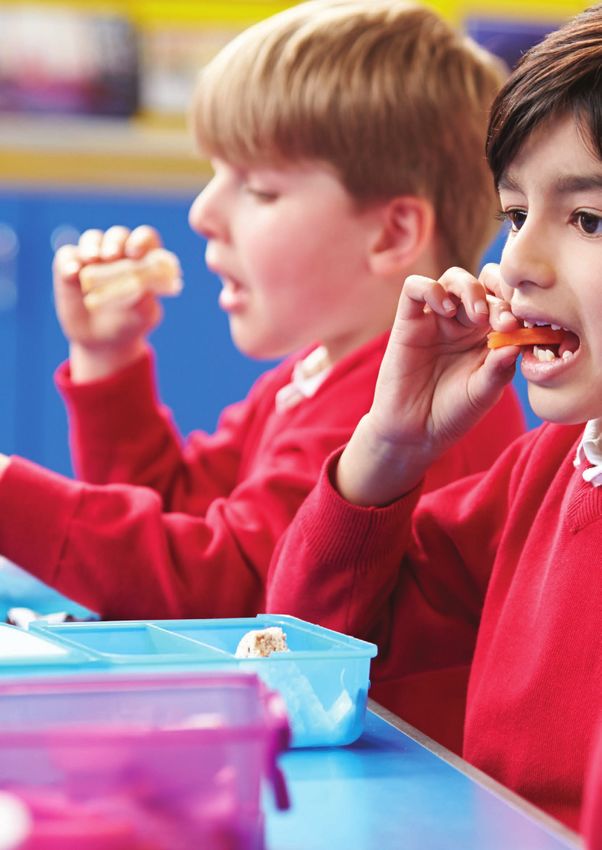
Primary school children (aged five to 10) consume an average
of 2.5 portions of fruit and veg each day, and secondary school
children (aged 11 to 18) consume an average of 1.7 portions.5
Over 1,100 School Awards More than one-third of the vegetables that children eat are
have been achieved and processed, with 17% of the veg in children’s diets coming from
over 5,000 schools have
pizza and baked beans.6
Primary school children drink more fruit juice than they eat either
enrolled in our network. fruit or vegetables. This means that they are consuming sugar in the
form of fructose but without the beneficial fibre of the fruit.7
Over the last decade, fruit juice consumption among children aged
four to 10 years has almost doubled.8
My favourite vegetable is peas and my favourite dinner is chicken
nuggets, chips and broccoli. My least favourite vegetable is sweet
potato because it’s too sweet.
ELEANOR, 8 9
4 | www.foodforlife.org.uk S TATE O F THE NATIO N: C HI L D RE N’ S F OOD IN ENG L A ND, 2018 | 5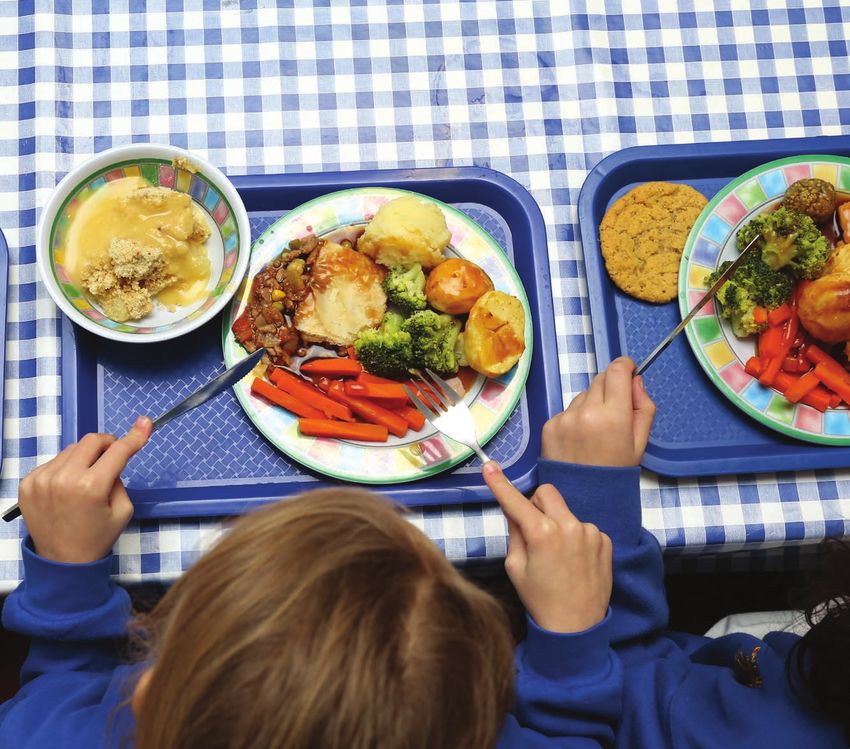
CARBOHYDRATES                                                                        THE CONSEQUENCES
                                 Dietary guidelines advise people to choose higher fibre, wholegrain               The UK is the most obese country in Western Europe,
CHI LDRE N                        varieties of carbohydrates, but those most commonly consumed by                    with levels of obesity growing faster than in the US.20
DO N’ T N E E D                   children in England are refined, low-fibre cereals such as white pasta,
                                                                                                                     One in 10 children in England is obese before they start
AS M U C H                        white rice, white bread and pizza, and potatoes, which have typically
                                  been roasted or fried as chips and crisps.10                                        school. One in five children is obese by the time they
F IBRE I N                       Pasta, rice, pizza, chips and white bread together provide 23%                     leave school.21
T HE I R DI E T                    of the total energy intake for children aged four to 10 years,                  	 170 children in England have multiple teeth removed in
AS ADU LT S,                       compared to 8% from brown bread, high fibre breakfast cereals
                                   and non-fried potatoes.11
                                                                                                                      hospitals every day – this number is at a record high.22
BUT T H EY                       Children don’t need as much fibre in their diet as adults, but they
                                                                                                                      The number of children with Type 2 diabetes caused by
NE E D M O RE                      need more than they currently get. Children aged five to 16 in
                                                                                                                       poor diet has soared 41 per cent in just three years.23
T HAN T H E Y                      England are only consuming 15 grams or less of fibre each day,                      Poor diet has overtaken smoking as the leading risk
                                   when they should be consuming 20 to 25 grams.12                                      factor for poor health.24
CU RR E NT LY                                                                                                      	   Girls born in England have the second lowest life
G E T.                        	I have to work hard to counteract the marketing of junk food to my kids.
                                                                                                                        expectancy in Europe. They can expect to live a shorter
                                Through TV and public advertising, sports and events. It takes considerable time
                                and energy to explain why it is that they are not allowed these foods. 13               life than girls born in Spain, France, Italy, Portugal,
                                                                                                                        Sweden, Germany, the Netherlands and Greece.25
                               MOTHER OF CHILDREN AGED 7 AND 9

F EWER                        PROTEINS
THAN                                  One third of the meat that children eat is processed in the form of
                                        sausages, kebabs, burgers, pies, and coated chicken.14 43% of children
                                 aged 11 to 18 years eat more than the recommended amount of red
                                 and processed meat.15
                                 Milk and cheese consumption has fallen in recent years, but there has
                                   been a significant increase in yoghurt consumption. Natural yoghurt
children eat enough fish to        can be good for gut health,16 but most yoghurts eaten by children are
meet dietary gudelines.18               high in sugar. Yoghurt is now one of the highest sources of sugar in
                                        children’s diets.17
                                   Fewer than one in 10 children eat enough fish to meet dietary
                                    guidelines. Children are consuming less oily fish than they used to
                                    and more coated and fried fish, such as fish fingers.18
                                    Dietary guidelines suggest that children should eat more pulses,
                                      beans, peas and lentils as alternatives to meat because they are
                                      naturally high in fibre, protein, vitamins and minerals. Children
                                      currently eat an average of 11 grams of pulses a day, but these are
                                      mainly in the form of baked beans.19

                              	We know that takeaway foods can be really unhealthy. Around our school
                                there is much unhealthy food, including a fish and chip shop and other
                                takeaways. These places do ‘buy one get one free’ offers to make you buy
                                more than you need.
                               ISMAEEL AND HAMMAD, 12

6 | www.foodforlife.org.uk                                                                                                                           S TATE O F THE NATIO N: C HI L D RE N’ S F OOD IN ENG L A ND, 2018 | 7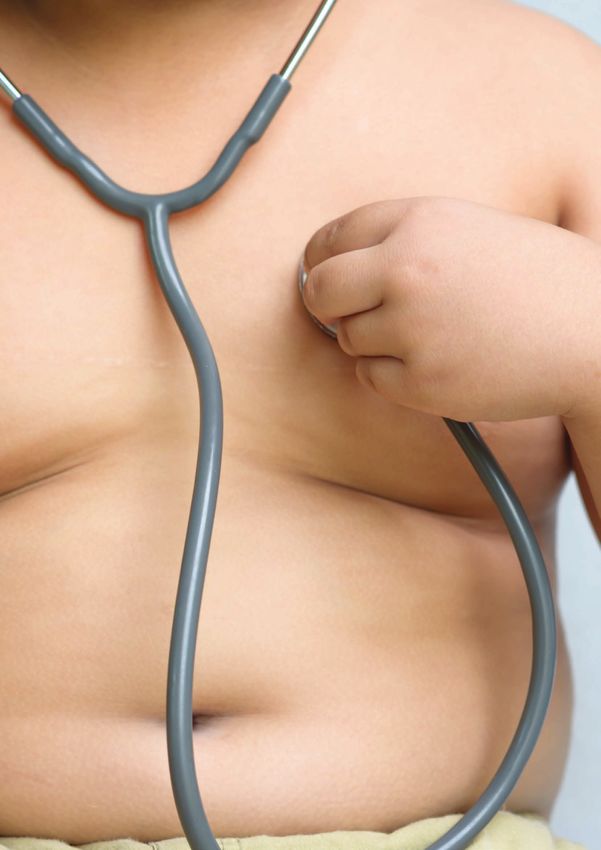
B . HA S 20 18 BEEN A G O OD Y E A R F O R C H I LD RE N ’ S F O O D ?

                  GREEN FLAG =               AMBER FLAG =                  RED FLAG =
                  Moving forward             In the balance                Going backwards

       INFANT NUTRITION, INCLUDING BREASTFEEDING                                             CHILDREN’S FOOD IN RESTAURANTS AND ATTRACTIONS
       – research published in 2018 showed that the UK has one of the lowest                 – Food for Life’s Out to Lunch campaign has shown that children’s menus are
       breastfeeding rates in the world, with just 34% of babies receiving any               progressively improving, but many are still lacking in veg and processed meat
       breast milk at six months, compared with 62% in Sweden.                               continues to dominate.

       FOOD IN THE EARLY YEARS                                                               ‘PEAS PLEASE’
       – the Government’s 30 hours free childcare policy has pushed a rising number of       – led by the Food Foundation, Peas Please has generated an array of
       early years settings over the edge, with thousands closing their doors and many       commitments from businesses to increasing veg consumption, including among
       discontinuing their lunch provision.                                                  children. Asda, Aldi and Waitrose are the latest to pledge their support.

       FAMILY FOOD INSECURITY                                                                SCHOOL FRINGE
       – Government statistics show that 4.1 million children are now living in relative     – the Mayor’s draft London Plan proposes to ban takeaways from opening
       poverty, an increase of 100,000 on last year, accounting for more than 30% of         within 400 metres of schools in the capital, but there were no similar new
       children in the country.                                                              powers for local authorities in the national Obesity Plan.

       POLITICAL AMBITION ON CHILDHOOD OBESITY                                               HEALTHY RATING SCHEME FOR PRIMARY SCHOOLS
       – the latest chapter of the Obesity Plan sets the target of halving rates of          – promised more than two years ago, will the Healthy Rating Scheme ever be
       childhood obesity in England by 2030, demonstrating high levels of ambition           developed? Will it be ambitious and support schools to adopt a ‘whole school
       that must now be matched with action.                                                 approach’ to good food?

       RESTRICTING JUNK FOOD ADVERTISEMENTS                                                  SCHOOL FOOD STANDARDS
       – the Government will consult on introducing a 9pm watershed on                       – the Government promised to update the Standards to account for new
       TV advertising of unhealthy products and similar protection for children              recommendations on sugar and carbohydrates. It also promised to encourage
       viewing adverts online.                                                               all schools to comply. We’re still waiting on both counts.

       ‘OPERATION EAGLE EYE’                                                                 QUALITY OF SCHOOL MEALS
       – coordinated by the Children’s Food Campaign at Sustain, Operation Eagle Eye         – after years of positive advances in the quality of school meals, we now face
       has successfully brought complaints to the Advertising Standards Agency for           a return to the dark days of the Turkey Twizzler. A perfect storm of challenges
       irresponsible ads targeted at children by food companies.                             means many caterers are being pushed to the brink.

       RESTRICTING UNHEALTHY PROMOTIONS                                                      PRIORITISATION OF FRESH AND MINIMALLY PROCESSED FOODS
       – the Government intends to ban price promotions, such as ‘BOGOF’ and                 – efforts to improve children’s food remain too focussed on reformulation and
       unlimited refills of unhealthy foods and drinks, and to restrict the positioning      insufficiently upon encouraging children to enjoy real, fresh food, eaten around
       of unhealthy foods and drinks in shops.                                               a table together.

       TACKLING JUNK FOOD IN LONDON                                                          A HEALTHY FOOD BREXIT?
       – the draft London Food Strategy proposes to ban junk food advertisements on          – government has failed to guarantee legal protections for food standards in
       the Transport for London estate, setting a precedent for bolder national action       trade deals and future food and farming policy is yet to be determined. Brexit
       on junk food ads.                                                                     hangs in the balance.

       FISCAL INCENTIVES FOR HEALTHIER DRINKS
       – the ‘Sugar Tax’ has encouraged reformulation: many drinks have been reduced
       in sugar, but they are now high in sweeteners – are artificially sweetened drinks
       really the answer?

8 | www.foodforlife.org.uk                                                                                                              S TATE O F THE NATIO N: C HI L D RE N’ S F OOD IN ENG L A ND, 2018 | 9
IN TROD U CTIO N IN TRO DUC TIO N
In 2018, children’s food in England is at a cross-roads. You might ask: So, what? What’s the beef with Despite obesity being in the political spotlight A diverse and abundant gut microbiome is associated
The Government has announced a raft of new processed foods? Isn’t this talk of ‘ultra-processed’ this year, we have a long way to go until children not only with a reduced risk of obesity and type-
measures to support children to enjoy a better diet, food alarmist? And isn’t this a middle-class concern, in England enjoy such a diet. Arguably, the 2 diabetes,35 but with improved emotional and
but many of these are contingent upon further “a bunfight over privilege”, as one journalist recently Government’s approach to children’s food and mental health outcomes.36 A junk food diet, on the
consultation. The UK’s departure from the European described it?28 childhood obesity remains too narrowly focussed on other hand, is understood to heighten the risk of
Union bares down upon us, but the implications for the reformulation of ultra-processed foods to reduce depression.37 This suggests that a diet rich in ultra-
We don’t think so. For one thing, the issue isn’t the
the way that we eat remain uncertain. Will Brexit calories and sugar. We do not see evidence of the processed foods can be harmful, even if these foods
processing of food per se. Most of the foods we eat
prove to be a boon or a burden for children’s food? leadership needed to ‘put food back into food’ and have been reformulated under the watchful eye of
have been processed in some form, whether by being
Will 2018 be remembered as the year that we finally support a shift towards healthier diets based on a Public Health England to include fewer calories.
chopped, peeled, frozen, boiled or baked. Ultra-
turned the tide on childhood obesity, or the year diverse range of nutrient-rich, minimally
processed foods are different. They are understood
where we sank further into collective ill-health? processed foods.
as “industrial formulations manufactured almost
One thing is clear: much is at stake.
entirely from sugar, salt, fats and oils, starches Public Health England is leading the charge with a
This report looks backwards in order to look
forwards. It provides an overview of how children
and many substances derived from foods but not
normally used in kitchens, and additives used to
calorie reduction programme that aims to remove
calories from popular children’s foods, including
THE GUT MICROBIOME
have eaten in 2018, considering the political, imitate the sensory qualities of natural foods or pizza, biscuits, buns, cakes, pastries, breakfast cereals
environmental and social forces that have shaped disguise undesirable qualities of the final product”. and meat products. If successful, such reformulation
their diets, to arrive at recommendations for They are ‘food’ masquerading as food, manufactured will clearly contribute towards tackling obesity. By
government action: five proposals with the potential to be durable, hyper-palatable, habit-forming itself, however, it will do little to tackle empty calories
to improve children’s food in England in 2019 and and profitable. and improve the quality of our children’s diets.
beyond. Throughout the report, a diverse range of Food manufacturers should not be given license to
And here’s the nub; researchers have identified
issues and perspectives are considered – we hear use ’reduced calorie’ claims on processed foods to
“a significant positive association” between the
from children, parents, cooks and teachers – but give the impression that these are healthy options.
proliferation of ultra-processed foods in the
there is one unifying theme: the need to turn the Paradoxically, the fresh, minimally processed food we
national diet and the prevalence of obesity and
tide against the rise of ultra-processed rubbish. should be feeding our children is less packaged and
dietary ill-health. Each percentage increase in the
In 2017 it was revealed that the UK is the undisputed household availability of ultra-processed foods at a less easily badged with health claims.
junk food capital of Europe. UK families consume national level is associated with a 0.25 percentage The Soft Drinks Industry Levy provides a case in
more ultra-processed foods than families in any increase in the prevalence of obesity. The higher point. Launched in April, the Levy has successfully
other European country.26 From biscuits to fizzy pop, the proportion of ultra-processed foods in the prompted drinks manufacturers to reformulate their
breakfast cereal to baked beans, ultra-processed national diet, the higher the risk of diet-related products. Sugar is out. Artificial sweeteners are in. Home to the
foods make up 50.7% of our national diet. This non-communicable diseases.29 Drinks manufacturers are promoting reformulated 100 trillion or so
figure is striking when compared to our neighbours: drinks as the ‘healthier’ alternatives and sales are
micro-organisms.
Seen in this light, the disparity between our diet and
ultra-processed foods make up a mere 14.2% of on the rise.32 Cutting sugar from children’s diets
that of our neighbours becomes more concerning,
family food purchases in France and 13.4% is undoubtedly a good thing, but the long-term
particularly when the consequences for child health
of purchases in Italy.27 consequences of a diet high in artificial sweeteners
are considered. Whereas 20% of children aged 10
to 11 in England are obese, in France, where ultra- are uncertain. This is not necessarily because of any In the diet as in the gut, diversity is the cornerstone
processed foods comprise a far smaller proportion purported safety issues, but because sweeteners of health. With ultra-processed foods made
of the diet, fewer than 10% are.30 shape children’s preferences and behaviours in the predominantly of just four ingredients – corn,
WHAT IS In one sense, both the challenge and the solution
long run,33 and because a growing body of evidence soy, wheat and meat38 – a diet dominated by
is revealing that they interact harmfully with the
ULTRA-PROCESSED FOOD? * are straightforward: “Diets that include a lot of gut microbiome.
such foods can never be truly healthy. Along
with analysis and discussion, this report includes
ultra-processed foods are intrinsically nutritionally
Ultra-processed foods are ‘industrial unbalanced and intrinsically harmful to health,” The gut microbiome is home to the 100 trillion or recommendations for government action: five
formulations’ manufactured with the says Dr Carlos Monteiro, Professor of Nutrition and so micro-organisms with whom we live in symbiotic proposals with the potential to improve children’s
food in England. These proposals are targeted
use of substances not normally found in Public Health at the University of Sao Paulo, who led relationship. Research published in the British
squarely at increasing the proportion and diversity
Medical Journal this year found that sweeteners such
kitchens. Examples include soft drinks, the research comparing European diets. “The best
as sucralose, aspartame and saccharin, along with of fresh and minimally processed foods in children’s
dietary advice is to base diets on fresh and minimally
sweet or savoury packaged snacks, processed foods.” 31 the chemicals and food additives commonly found diets. It’s time to ditch the junk and rediscover the
and reconstituted meat products. in ultra-processed foods, reduce the health and joy of real food, eaten around a table together.
diversity of the microbiome.34
*The NOVA classification system groups foods according to the nature, extent and purpose
of the industrial processing they undergo. Under NOVA, foods are classified as ‘unprocessed
or minimally processed’ (such as fruit and veg, milk and eggs, cuts of meat), ‘processed
culinary ingredients’ (such as oils, butter, sugar and salt), ‘processed’ (such as bottled
vegetables, canned fish, fruits in syrup, cheeses and freshly made breads) and ‘ultra-
10 | www.foodforlife.org.uk processed’ (such as ice-cream, sweets, mass produced breads, sausages and burgers). S TATE O F THE NATIO N: C HI L D RE N’ S F OOD IN ENG L A ND, 2018 | 11
RECOMMENDATION #1: Fix the School Fruit and Veg from this country. And there’s more. Government
C HIL DREN ’S F O O D
Scheme. The Government should re-specify the data also shows that the produce supplied through
scheme so that a higher proportion of the produce
is British, local and organic, and is therefore
the scheme contains higher pesticide residues than
equivalent produce found on supermarket shelves,
IN THE EARLY YEARS
fresher, of known provenance, lower in pesticide including pesticides associated with a negative effect
upon children’s cognitive development.40
residues and more enjoyable for children. THE UK HAS ONE
All children aged four to six attending a state-funded As any parent knows, getting children to eat their
greens can be a struggle. The School Fruit and Veg
OF THE LOWEST
school in England are entitled to receive a free piece
Scheme provides a golden opportunity to diversify
BREASTFEEDING
of fruit or veg each school day through the School
Fruit and Veg Scheme. This £40 million scheme children’s tastes and instil a love of fresh produce RATES IN
represents an important investment in child health from a young age – but it’s an opportunity that’s THE WORLD, children in England has
and is widely supported by teachers: a Food for Life being squandered. There is a risk that children are WITH JUST CONSUME, ON
tooth decay by the time
they start school.43
teacher survey conducted in 2018 revealed that being taught instead that fresh fruit and veg lacks
92% of teachers think the scheme has the potential flavour or texture and is only fit for the bin. AVERAGE, MORE THAN
to increase children’s fruit and veg consumption.39 Re-specifying the scheme so that a higher
DOUBLE THE AMOUNT
But the teachers who responded to the survey were percentage of the produce is LEAF or organic and OF SUGAR THAT IS
highly critical of the quality of the produce provided. is freshly harvested from more local supply chains of babies receiving any RECOMMENDED 42
They described it as lacking in freshness, far from would ensure that more appealing and tastier fruit breast milk at six months,
tasty, and frequently inedible. There is consequently compared with
and veg, with lower pesticide levels, would arrive
a high level of waste. in schools. Teachers say that this would lead to
“Pears are under-ripe and hard, carrots have been increased consumption by children. It would also CHILDREN LIVE IN
sweating in bags for days. Generally, the produce is benefit British farmers and growers. RELATIVE POVERTY.44
not as fresh as we would hope, and this means the This is a timely moment to re-specify the scheme. in Sweden.41
children don’t eat it,” one teacher told us. As the UK’s departure from the European Union
Part of the issue is the length and complexity of
approaches, the Government is developing food OF EARLY YEARS SETTINGS FEAR
supply chains. A relatively small percentage of the
and agriculture strategies that will aim to promote CLOSURE IN THE NEXT 12 MONTHS,
healthier eating while providing more secure markets with many discontinuing any form of food provision
produce provided through the scheme is British.
for British farmers. A re-invigorated School Fruit and in an effort to make ends meet.45
In response to a Freedom of Information Request, Veg Scheme provides the opportunity to further both
the Department for Health and Social Care conceded these ambitions at once.
that only 13% of apples and 5% of pears are sourced
Research published this year by the Royal Society These inequalities are aggravated by inefficiencies
for Paediatrics and Child Health revealed that the in welfare provision, including in the Healthy Start
UK has one of the lowest breastfeeding rates in the scheme. The scheme provides parents with young
world, with only 34% of babies receiving any breast children on a low-income with vouchers for milk,
milk at six months, compared with 62% in Sweden.46 fruit and vegetables or infant formula, and coupons
This is despite the “overwhelming evidence” that for vitamin supplements, but analysis from First Steps
breastfeeding provides health benefits that extend Nutrition Trust shows that uptake of the scheme has
throughout infancy, the early years and beyond.47 declined in recent years and the value of the voucher
Breastfeeding is known to protect against infections has fallen out of step with rising food prices. Healthy
and to provide notable health benefits to the mother, Start vouchers are no longer sufficient to provide
yet less than half of mothers in England (43%) are adequate nutritional support to families, either in the
breastfeeding their babies at two months after birth.48 form of infant formula or the five portions of a variety
of fruit and vegetables that pregnant women and
Inequalities in diet and health are present from
children aged one to four should be consuming
the very beginning of life. The 2018 Health Profile
each day.49
for England found that “children who live in more
deprived areas were more likely to be exposed to
avoidable risks before birth, to get off to a less healthy
start from birth and to experience poor outcomes by
the time they start school, compared with children
who live in less deprived areas.”
12 | www.foodforlife.org.uk S TATE O F THE NATIO N: C HI L D RE N’ S F OOD IN ENG L A ND, 2018 | 13
These inequalities face further aggravation by the              It’s clear from such examples that the policy is failing
challenged state of food provision in early years               to benefit many parents. Those settings that are
settings, including nurseries and childcare centres.            managing to make the 30 hours work are often only
The early years sector is facing severe funding                 able to do so by introducing or increasing additional
difficulties, associated with the introduction of the           fees and charges, including for food.
Government’s free childcare policy, launched in 2017,
                                                                Other settings are discontinuing their meal service
which entitles the parents of three and four year olds
                                                                and are requesting that parents provide both snacks
to 30 hours of free childcare during term time. Many
                                                                and a packed lunch each day.53 As is the case in
believe the policy to be chronically underfunded, and
                                                                schools, most parents struggle to provide children at
settings are being forced to take drastic measures to
                                                                early years settings with packed lunches across the
make up for the funding shortfall, often with negative
                                                                course of a week that are as nutritionally diverse and
consequences for food provision.
                                                                as healthy as hot meals.
Ofsted figures show that between 2015 and the
                                                                In failing to provide adequate funding for the
beginning of 2018, over 1,000 early years settings
                                                                30 hours free childcare policy, the Government
were forced to close due to lack of funds.50 A survey
                                                                is heightening the risk that many children in the
published in September of this year found that four
                                                                early years are failing to enjoy an adequate diet,
in 10 early years settings are concerned they will
                                                                entrenching the inequalities in diet and health that
be forced to close in the next 12 months. Four in
                                                                are present from birth. When Universal Infant Free
10 have also introduced or increased charges for
                                                                School Meals were introduced for school children
additional goods and services, including food, to
                                                                in Key Stage 1, it was on the premise that universal
make up for the funding shortfall.
                                                                provision would help alleviate inequalities in health
Only months after the policy had been implemented,              and attainment – these very inequalities are being
stories began to emerge of early years settings being           needlessly accentuated by the poor state of food
forced to charge parents a higher cost for lunch.               provision in early years settings.
One setting began charging £15 per meal to make
                                                                The Government must now commit to ensuring good
up for the gap in funds.51 Parents at this setting were
                                                                food in the early years: hot meals, adequately funded,
told that they would have to take their child home
                                                                freshly prepared and available to those that need
at lunchtime if they didn’t want to pay. “It’s unethical
                                                                them most.
and totally unfair but I don’t have a choice,” the
setting manager said.52

                            	I’ve seen first-hand how good food in the early years can benefit a child’s health and enhance
                             their learning. This is such a crucial stage in their lives – not only are their cognitive and
                             social skills developing, so are their eating habits and food preferences. Children in the early
                             years flourish, both personally and educationally,when they have the opportunity to engage
                             with real food and to eat a healthy hot lunch.
       	This is why the Government’s free childcare policy is such a cause of concern for some in the early years sector.
         Can early years settings make ends meet, balancing the requirement to provide more free childcare on the
         allocated budget with the cost of providing healthy hot lunches? Will settings be forced to accept unhealthy
         packed lunches, or will they have to charge extra to parents? These are some of the questions the sector is
         grappling with, and in many cases there is no easy answer.
       	What matters now is that settings are supported to implement the policy in a way that does not compromise
         the quality of the food they serve. The Government should ensure that early years settings are properly
         funded to provide both good care and quality food for all children taking up the 30 hours offer. Otherwise,
         this policy will represent a huge missed opportunity.

            JO INGLEBY IS A SCHOOL COOK WHO WAS AWARDED
    		      COOK OF THE YEAR AT THE BBC FOOD AND FARMING
    		      AWARDS FOR HER WORK IN THE EARLY YEARS SECTOR

14 | www.foodforlife.org.uk                                                                                                     S TATE O F THE NATIO N: C HI L D RE N’ S F OOD IN ENG L A ND, 2018 | 15
Our Children’s Centres have been working with Food for Life since 2015 and received our
                                                                                                                              C HIL DREN ’S F O O D
                             first Food for Life Early Years Award at Innovation’s Children’s Centre in 2016. I am not        IN SC HO O L S
                             overstating things to say that working with Food for Life has been life-changing for our
                             children’s centres. From the food we prepare to the education we provide – food is now at
                             the centre of our children’s experience. Most importantly, it’s provided us with a playful       THE COST OF                          PARENTS                               OFSTED’S 2018
                             way to involve parents and the wider community in the work that we do.                           FRESH FRUIT AND                      SAVE                                  THEMATIC REVIEW
                                                                                                                              VEGETABLES                                                                 REPORTS THAT ONLY
       	As a staff group, we’re now convinced of the central role of food in the work that we do. Many of our children       sourced by school
         receive 100% of their calories and nutrition each day at nursery, so transforming our food offer to make sure        caterers rose by up to
         that it’s freshly prepared, traceable and gives our children a full experience of flavour and texture has been a                                          and around 50 minutes a
         key part of the process. It hasn’t all been plain sailing – convincing children, and parents, to try new foods and                                        week by not having to make            of primary schools are
         to communicate the value of what we’re doing in a way that doesn’t come across as judgemental, or preachy,                                                packed lunches for children           implementing the requirements of
         has been challenging. But there have also been many moments that remind us why we’re doing what we’re doing                                               receiving Universal Infant            the National Curriculum to deliver
         – seeing parent’s reactions to chocolate beetroot cake, knowing that our cook is immensely proud of what she         throughout 2018.                     Free School Meals.54                  practical cookery education.55
         produces every day, providing tasty meals that keep our staff well fed as well as our children.
       	We’re proud of everything we’ve achieved – but more than anything, knowing that we can send our children –
         many of whom have set-off into life with disadvantages, in terms of the employment and education of the              IT’S BEEN 24 MONTHS                                       CHILDREN IN FOOD FOR
         people around them, and in terms of financial stability – into primary school with healthy appetites for good        AND COUNTING SINCE                                        LIFE SCHOOLS ARE TWICE
         food, ready to listen, learn and eat well – nothing makes us more proud than that.                                   THE GOVERNMENT                                            AS LIKELY TO EAT THEIR
                                                                                                                              COMMITTED TO A
       KIRALEA WHITEHEAD IS CHILDREN’S CENTRE MANAGER
    		 FOR THE NORTH HALIFAX PARTNERSHIP TRUST
                                                                                                                              HEALTHY RATING SCHEME                                     compared to children in matched
                                                                                                                              FOR PRIMARY SCHOOLS –                                     comparison schools.56
                                                                                                                              the Scheme is yet to see
                                                                                                                              the light of day.

RECOMMENDATION #2: Invest in food in the early                 The Universal Infant Free School Meal policy was
                                                               introduced on the basis of evidence that it would
                                                                                                                              In the early 2000s, school food was in a dire state.
                                                                                                                              Menus were dominated by low cost, low-quality
                                                                                                                                                                                       Free School Meals. Today, more children than ever
                                                                                                                                                                                       before are enjoying a healthier and higher quality
years. The Government should urgently review
                                                               benefit all children’s health, development and                 junk, including the notorious ‘Turkey Twizzler’; a       school meal with more than 10,000 schools serving
its 30 hours free childcare policy and ensure
                                                               attainment, but particularly those children most               snapshot survey in 2003 found that “the majority         Food for Life-certified menus. But all that is now
that early years settings are adequately funded
                                                               in need.                                                       of school menus offer children a low-grade diet of       under threat. School food faces unprecedented
to provide food. Free healthy lunches should be
                                                                                                                              dematerialised fish, mechanically recovered meat and     challenges – the dark days of the Turkey Twizzler
provided for the most disadvantaged children as                The same benefits are being denied to children
                                                                                                                              poor-quality produce containing pesticide residues.”     might be set for a return.
part of their entitlement, in line with entitlement            in the early years, putting many children at a
for free school meals.                                         disadvantage before they even receive Universal                Local authority caterers were spending, on average,      Throughout 2018, Food for Life has interviewed
                                                               Infant Free School Meals.                                      only 35 pence per child a day on school lunch            cooks, caterers and other stakeholders to understand
The hidden impact of the 30 hours childcare policy                                                                            ingredients.57                                           the status of school food in England. These
on food in the early years sector is fast becoming a           The Government must ensure that early years
                                                                                                                              The tide began to turn in 2003 when pioneering           interviews have revealed not only the enduring
national scandal. By failing to invest adequately in           settings are properly funded to provide good care
                                                                                                                              dinner lady Jeanette Orrey teamed up with the Soil       commitment of cooks and caterers to delivering a
the policy and in food provision, the Government               and quality food for all children taking up the 30
                                                                                                                              Association to launch the ‘Food for Life’ campaign.      high-quality service, but a cocktail of pressures and
is forcing many settings into closure, while others            hours funded childcare offer. As part of this funding,
                                                                                                                              A success story for school food unfolded across the      challenges that threaten to make this impossible,
are discontinuing their hot meals service, fuelling            the Government should, as a minimum, commit to
                                                                                                                              following decade: Jamie Oliver joined the battle for     creating a new ‘race to the bottom’, undermining
inequalities in diet and health.                               free healthy lunches for the most disadvantaged
                                                                                                                              better school meals, mandatory nutrition standards       the advances of the last decade. Due to commercial
                                                               children as part of their childcare entitlement, in
The lack of adequate funding for food in early years                                                                          were agreed, Food for Life grew into a national          sensitivities, the discussion that follows has
                                                               line with entitlement for free school meals.
settings also represents a huge inconsistency in                                                                              programme, and the publication of the School Food        been anonymised.
approach, when compared to primary school funding                                                                             Plan in 2013 saw the introduction of Universal Infant
for school meals.

16 | www.foodforlife.org.uk                                                                                                                                                  S TATE O F THE NATIO N: C HI L D RE N’ S FOOD IN ENG L A ND, 2018 | 17
Part of the challenge relates to rising ingredient         The School Food Plan highlighted the “virtuous            Caterers are being asked to deliver meals at a lower         government monitoring. Most of the actions related
costs and overheads. Caterers reported that the            circle” that can result when caterers serve higher        cost, despite rising ingredient prices, and there is         to school food in the 2016 Obesity Plan remain
costs of some fresh fruits and vegetables had risen        quality meals; more appealing meals can result in a       little or no oversight from Government of how the            outstanding: the Government is yet to launch the
by up to 20% throughout 2018. Staples such as pasta,       higher uptake, meaning more money going into the          £2.30 is spent.                                              Healthy Rating Scheme for primary schools that
cheese and yoghurt had also risen steeply; one             meal service, supporting caterers to source higher                                                                     was promised; it is yet to update the School Food
                                                                                                                     Among the caterers who expressed concern
caterer reported that eggs were up 14%. These rising       quality ingredients and to make meals available at an                                                                  Standards to reflect the latest dietary guidelines.
                                                                                                                     was one who said that they already paid ‘central
costs were believed to be partly due to uncertainty        affordable price. Prioritising cost over quality could                                                                 School food, it seems, is simply not a political priority.
                                                                                                                     charges’ to the local authority, covering payroll and
over Brexit and future trade arrangements, with            mean more children choose to eat a packed lunch.
                                                                                                                     procurement, of over £1 million per year, but this was       It should be. After more than a decade of advances
caterers also concerned that a ‘No Deal’ Brexit might
                                                           Ofsted surveyed the contents of school packed             increasing by £200,000 this year alone.                      in the quality of school meals – advances won by the
further increase prices. On top of this, caterers
                                                           lunches as part of their thematic review of healthy                                                                    dedication of many head teachers, chefs, cooks, local
have had to handle the introduction of the Living                                                                    They said they had not been given an adequate
                                                           eating in primary schools, published in July, and                                                                      authorities and caterers – the Turkey Twizzler might
Wage, the Apprenticeship Levy, and rising pension                                                                    explanation as to what these additional charges were
                                                           found that a typical packed lunch included a packet                                                                    yet return to rear its unappetising head. Children
contributions. One local authority caterer is facing                                                                 for. In parallel, spend on ingredients was being cut,
                                                           of crisps, a pot of yoghurt and a ham sandwich.                                                                        spend 190 days in school each year, and for many
an increase in staff costs of £330,000 this year due to                                                              even as ingredient costs were rising. The only way
                                                           Ofsted said, “We saw no strong evidence in our                                                                         a hot school lunch is their only hot meal of the day.
the introduction of the Living Wage.                                                                                 they could make ends meet was to source lower
                                                           research to suggest that packed lunches are playing                                                                    The cheap, processed low-quality meals that were
                                                                                                                     quality produce.
All the caterers that we spoke with were working           a significant role in the obesity crisis.”                                                                             doled out to children in the early 2000s have been
hard to maintain the quality of school meals,                                                                        The backdrop to this picture is one of political inertia.    relegated to history, and there they must stay. The
                                                           But Ofsted’s findings should be of concern. At issue is
tweaking menus and buying in more cost-efficient                                                                     Food for Life estimates that up to 60% of secondary          Government must now take steps to safeguard the
                                                           not simply that yoghurt is one of the highest sources
ways, but for many the numbers don’t add up.                                                                         schools are non-compliant with the School Food               quality of school meals and ensure the new ‘race to
                                                           of sugar in children’s diets58 or that 43% of children
                                                                                                                     Standards, largely because of an absence of                  the bottom’ does not materialise.
Cold ‘pick and mix’ lunchbox options are being             eat more than the recommended amount of red
introduced instead of hot meals. “2018 will be the         and processed meat,59 or that the packed lunches
tipping point for school meals,” one caterer told us.      that Ofsted surveyed were also found to commonly
“Pressure is mounting on expenditure and cold meals        include cakes, chocolate bars and biscuits. It’s that
will be the result.” Healthier items such as fresh         this snapshot of ultra-processed foods in packed
fruit and salmon are being removed from menus              lunches is representative of the prevalence of
in favour of more affordable but less healthy items        ultra-processed foods in children’s diets
such as puddings and biscuits.                             more broadly.                                                                       	I never thought that 15 years after the Food for Life school meals report was published
                                                                                                                                                that we would be facing similar challenges, or that we would be asking the same
                                                           O NLY                                                                                questions in 2018.
Menus are not only including fewer healthy items,
caterers are being forced to source lower quality
ingredients. One caterer explained that tens of                                                                            	Back in 2003 we argued that school meals should not be contributing to ill-health, social problems at school,
thousands of pounds would be saved by switching                                                                              environmental degradation, animal suffering, or the decline of rural economies. We said that by serving fresher
from a locally sourced cheese to a lower quality                                                                             and more minimally processed foods, sourced locally and grown organically, we could improve children’s nutrition,
alternative sourced from abroad – this just when                                                                             support local economies, and create a healthier environment. Much of this has been achieved through the hard
British farmers are concerned about Brexit and the         of school packed lunches                                          work and dedication of the school meals catering service and other campaigning organisations.
Government is talking up the potential of public           meet the nutritional requirements
procurement to support British markets.                    of the School Food Standards.60                                 	But in 2018 school meals face extraordinary challenges. Food costs are increasing and schools are having
                                                                                                                             to look at where they can reduce costs – school food is vulnerable, as no one is overseeing the budgets.
At a time when leadership from public sector               This is often not due to a lack of care or concern                Nowhere does it stipulate that schools have to serve a hot meal, and there has been no increase in the
procurement is so urgently needed, caterers are            from parents, but because the Standards have
                                                                                                                             £2.30 for UIFSM since its implementation, even though food costs have risen.
reporting that procurers are abandoning their              been deliberately devised to ensure dietary
commitment to quality and nutrition in favour of           diversity. This diversity is almost impossible to               	There has never, after reading this report, been a stronger set of reasons for the Government to make
least cost solutions. The relative weightings given to     replicate in a packed lunch, unless one is cooking                decisive, far-reaching and cross-cutting intervention to protect school meal budgets and upgrade school
price and quality in school catering tenders have a        from scratch each day using fresh ingredients.                    meal provision. What we’ve achieved since 2003 cannot be allowed to be lost.
big impact on the quality of food provision; in recent
                                                           The caterers we interviewed also raised a question
years, as local authorities seek to make challenging
                                                           mark over the spend of school meal budgets,                     JEANETTE ORREY MBE IS A FORMER SCHOOL
budget cuts, there has been a shift towards tenders                                                                     		 DINNER LADY AND CO-FOUNDER OF FOOD FOR LIFE.
                                                           including the £2.30 allocated to each meal served
giving a higher weighting to price relative to quality,
                                                           under Universal Infant Free School Meals. Some
effectively ensuring that the cheapest bid wins.
                                                           caterers were quietly concerned that local authorities
“We won’t go for contracts that are less than 50-
                                                           might be ‘siphoning’ off funds for school meals to
50, in terms of the cost to quality ratio,” one caterer
                                                           plug black holes in their budgets elsewhere. Local
explained, “but we’ve recently seen a ratio of 80-20.”
                                                           authorities have faced challenging cuts in recent
This focus on price over quality is a slippery slope for
                                                           years and the budget for school meals
school meals.
                                                           isn’t ringfenced.

18 | www.foodforlife.org.uk                                                                                                                                             S TATE O F THE NATIO N: C HI L D RE N’ S FOOD IN ENG L A ND, 2018 | 19
“
In the two years since the first chapter of the Government’s Obesity Plan was published,
it is disappointing and disheartening that the commitments made regarding schools’ impact
on healthy eating habits have not been followed through. The opportunity to highlight and
celebrate a ‘whole school approach’, and the benefits it can have on continued health education
for children, has not been taken up with the roll out of the Healthy Rating Scheme. This was
“
due for implementation in September 2017 but has failed to materialise.
The introduction of this scheme for primary schools would have provided momentum for all schools to begin to
adopt a ‘whole school approach’ to supporting children’s health and well-being in the curriculum. It could have been
a positive step towards addressing the childhood obesity issues we have in this country. With the failure to
implement this measurable approach, the Government has failed to begin a process that could have made a
significant impact on the health of our nation. This failure has meant that there continues to be very little
reference to the importance of healthy eating in Ofsted’s School Inspection handbook and inspectors’ evidence base
for comments is a cursory stroll through the dining hall at lunchtime and brief non-evidence-based comments
with children.
“ ”
Work also needs to be done on updating the School Food Standards to ensure that all academies and free schools,
who receive public funding, are following the guidelines in the School Food Plan.
JASON O’ROURKE IS HEADTEACHER OF WASHINGBOROUGH ACADEMY
AND WAS WINNER OF THE EDUCATERING SCHOOL FOOD PLAN AWARD IN 2016
RECOMMENDATION #3: Safeguard the quality of The Government should also commit to the policy
school meals. The Government should take steps in the long-run. Many caterers’ business models are
School catering has always been a juggling act! Not only working within to avoid a new ‘race to the bottom’ in school meals dependent upon Universal Infant Free School Meals.
Discontinuation of the policy, as the Conservatives
tight budgets and ever-changing policies but also continuing to be innovative by ringfencing Universal Infant Free School Meal
threatened during the 2017 General Election, would
and keep up with the trends to ensure meal uptake is high. I work with budgets and giving clear guidance to procurers
result in financial difficulties that would drive down
multiple schools across Devon and have found that all the school cooks I work that quality should always be given greater
the quality of meals and render some services
weighting than cost.
with have embraced this year’s changes and challenges and are as flexible and unviable. One caterer stated the issue in stark terms:
adaptable as ever – most importantly they have the child as their focus There are many actions that the Government should “If we lose Universal Infant Free School Meals, the
and are trying hard to give the best nutritional value on the plate. take to safeguard the quality of school meals and industry dies with it.”
improve food in schools. The Government should
Recent rises in food prices and other costs have meant that we all have had to get clever require procurement decisions for school meals to The Government should commit to continuing
with our ingredients, introducing new dishes with cheaper cuts of meat and adding meat place a weighting of at least 60% on quality relative Universal Infant Free School Meals and to reviewing
free days. Being a Food for Life school with the gold School Award we have always had close to cost. It should implement the commitments made the funding allocation to ensure that it is properly
relationships with our suppliers who work with us providing the best prices they can as they in the 2016 Obesity Plan. But first and foremost, funded for all schools. As a first step, it should
understand what we are trying to achieve for our children. We continually strive to support local the Government must ensure that funding for ringfence the £2.30 allocation and support schools
suppliers and use seasonal produce to get the best prices. But for many caterers, the current school meals is spent on school meals – this means and local authorities to provide greater oversight
environment is tremendously challenging. ringfencing the budget for Universal Infant Free over how this money is spent.
School Meals and providing greater oversight over
its spend.
SAM WARD IS SCHOOL COOK AT COLLATON ST MARY
PRIMARY SCHOOL AND WAS THE WINNER OF THE 2014
PRIMARY SCHOOL CATERER OF THE YEAR PRIZE
20 | www.foodforlife.org.uk S TATE O F THE NATIO N: C HI L D RE N’ S F OOD IN ENG L A ND, 2018 | 21CH I LDREN ’ S FO O D The draft London Food Strategy, published in July,
went one further, proposing to ban junk food
adult and triple that of a child. The ‘all inclusive’
entrance ticket provides children with refillable
O UT AN D A BO U T adverts from appearing anywhere on the Transport
for London estate. This is not the only area where
fizzy drinks throughout the day and lunch at one of
two restaurants, both of which offer burgers, fried
London is a step ahead of the national curve. The chicken and chips, but neither of which provide
93%
Mayor’s draft London Plan also proposed to ban children with any veg, even though veg is available
new takeaways from opening within 400 metres of on the adult menu.
OF THE UK’S schools – a commitment that was notably absent
Eating in Legoland is by no means an everyday event
from the Government’s Obesity Plan.
TAKEAWAYS ARE for families, but as an iconic attraction it could be
OF PARENTS SAY OF PARENTS EAT LOCATED WITHIN The number of takeaway outlets in England has setting a more positive example, instead of denying
THEY ARE CONCERNED OUT WITH THEIR
ABOUT THE EFFECT CHILDREN A FIVE-MINUTE WALK risen sharply in recent years, and particularly in children healthy choices and using promotional deals
areas of greater deprivation. There are five times as to push junk food on families.
OF JUNK FOOD AT LEAST ONCE A OF A SCHOOL. 64
many fast food takeaways in the most deprived
MARKETING ON THEIR FORTNIGHT, BUT areas of England compared to the least deprived
In Legoland’s defence, from one point of view,
CHILDREN, WITH its commitment to ‘healthier’ children’s food is
56%
areas. Children from lower socio-economic groups
exemplary. Refillable fizzy drinks might be available
CHILDREN FROM consume these takeaways more frequently than
throughout the site, but all the drinks were recently
THE MOST DEPRIVED other children.67
switched to zero-sugar, artificially sweetened
of parents say they don’t think
AREAS ARE
The consumption of takeaways is particularly popular versions. Fresh fruit might be difficult to find, but the
describing themselves as children’s food in high street among families. A recent survey found that 68% myriad shacks selling ice creams and sweets provide
extremely concerned.61 restaurants is good enough.62 of households with children under 16 had eaten calorie labelling, so parents can make an ‘informed’
takeaways in the last month, compared with only choice. This focus on reformulation and labelling
49% of adult-only households.68 is in keeping with Public Health England’s calorie
CHILDREN TO BE OBESE Families are also eating out more often. One in
reduction programme. But is this really the food that
13% compared to children from children deserve – artificially sweetened, calorie-
five family meals is now eaten outside the home,
the least deprived.65 reduced junk? Shouldn’t popular restaurants and
meaning children today are eating out twice as often
attractions be encouraged to make water freely and
of their calories eating out, as previous generations.69
widely available and serve freshly prepared meals that
Children are often offered a raw deal when eating include a portion – or better still, two portions – of
out. Food for Life’s Out to Lunch campaign has been veg with every child’s meal?
4% investigating the food served to children and families
outside the home since 2013. This year the campaign
THEIR VEG surveyed the food at leading visitor attractions and
63
found that adult food options were typically healthier
and higher quality than children’s food options. At
the National Gallery, most children’s meals weren’t
OUT TO LUNCH –
For many children, from the moment they wake
up in the morning, the odds are stacked against
and is causing a great deal of stress, as well as health
problems for my son. My son has tantrums if he can’t
served with any veg, even though there were more
than a dozen different vegetables used on the adult
BEST CHILDREN’S MENUS
them. They glance at their phone and junk food have the junk food being marketed and promoted to menu. Of the 22 attractions surveyed, only three RESTAURANT CHAINS
adverts gaze back. They walk to school and pass him. I have been bitten, hit and scratched by my son ensured that there was a portion of salad or veg in 1. JAMIE’S ITALIAN
convenience stores garbed with garish banners in his battle to get me to cave in to what he craves.” 66 every child’s lunchbox. 2. WETHERSPOONS
3. STRADA
promoting the latest energy drink. At lunchtime,
In July the Government took steps to protect Legoland, which scored in joint-last position in the 4. WAHACA
they step out of the school gates and there are half a
children and families from junk food adverts. league table, provides a telling case study of the 5. BEEFEATER
dozen fast food takeaways within five minutes’ walk. pitfalls that families face when eating out. Legoland,
The Obesity Plan promised a consultation on the
In the evening, as they sit and watch the television,
introduction of a 9pm watershed on television owned by Merlin, is the most popular theme park in VISITOR ATTRACTIONS
a stream of adverts promotes restaurant menus and
adverts for junk food targeted at children, and similar England, welcoming over two million visitors every 1. ROYAL BOTANIC GARDEN EDINBURGH
supermarket products, each more ultra-processed
protection for children viewing adverts online. It year. From the moment children step through the 2. EDEN PROJECT
and unhealthy than the last. gates, they are met with unhealthy food options and 3. CHESTER ZOO
also promised a consultation on a ban on price 4. WHIPSNADE ZOO
junk food advertisements. Coca-Cola is advertised
For parents, this can add up to considerable strife. promotions, such as ‘buy-one-get-one-free’ and
at child-height and there are drinks on offer that
5. SCIENCE MUSEUM
“My son is out of control when it comes to junk multi-buy offers or unlimited refills of unhealthy
food,” one woman, who has a six year old son, said, foods and drinks in the retail and out of home include 61 grams of sugar per portion, more than
speaking to charity Sustain. “There is junk food sectors, and a ban the promotion of unhealthy food twice the recommended daily sugar intake of an
marketed and promoted almost everywhere we go. and drink at retail checkouts. Not before time.
It has robbed me of the joy of bringing up my son,
22 | www.foodforlife.org.uk S TATE O F THE NATIO N: C HI L D RE N’ S F OOD IN ENG L A ND, 2018 | 23You can also read


